2026 Nuffield NZ Farming Scholarship. Apply by 17 August 2025. Read More...

Apply for 2026 Nuffield NZ Farming Scholarship by 17 August 2025. More details...

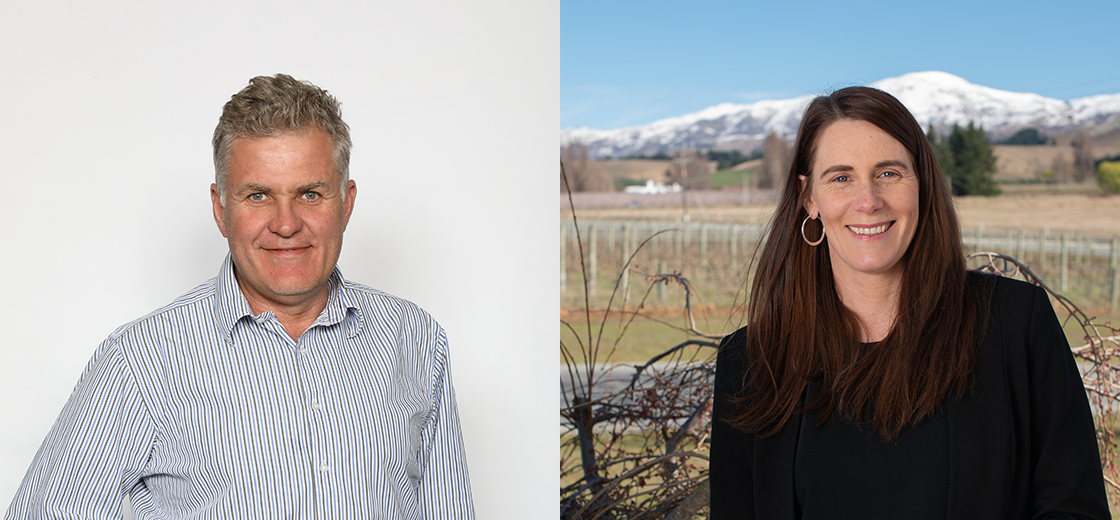
Kate Scott elected Board Chair for the New Zealand Rural Leadership Trust.

Kate Scott has been elected as the new Board Chair for the New Zealand Rural Leadership Trust, at the fourth Regular Meeting for 2021, held on the 8th of September. Outgoing Chair, Andrew Watters, has brought a wealth of experience, and passion to his time as Chair, and through a critical period in the Trust’s growth. Andrew will remain as trustee until an election takes place for his replacement in autumn, 2022.

In vacating the Chair, Andrew has expressed, “Thanks go to my fellow Trustees and the NZRLT team, led very ably by Chris Parsons, who have made the Chair’s role a joy to occupy. It’s a pleasure to hand over the reins to Kate Scott, 2018 Nuffield Scholar. NZRLT is a leadership organisation, and succession planning is a key outcome of successful leadership. In Kate we can see the next generation of Governors leading the organisation as we seek to attract and transform talent through our world class Kellogg, Value Chain Innovation and Nuffield programmes.”

On being elected Kate said, “I am honoured by the opportunity to step into the role of Chair, and am looking forward to continuing to work alongside the other trustees, the chief executive and the team to continue to deliver on our aspiration of growing world-class leaders for our country.”

 “It is a real privilege to be able to continue the exceptional work of previous chairs, including Andrew, who has led the organisation through some significant growth over the past few years.”

 “Stepping into this role at a time when New Zealand’s food and fibre sector is at the crossroads of significant change and opportunity, is both exciting and important. Leadership by farmers and growers will be fundamental to how we navigate what lies ahead. I am excited by the opportunity to strengthen our collective position through collaboration and teamwork, so that we can continue to deliver people who are capable of leading the food and fibre sector in the future.”

 “It is also a pleasure to be able to give back to the organisation that supported my own Nuffield journey and in doing so I strive to make those that have gone before proud of what we do for those that will come after us.”

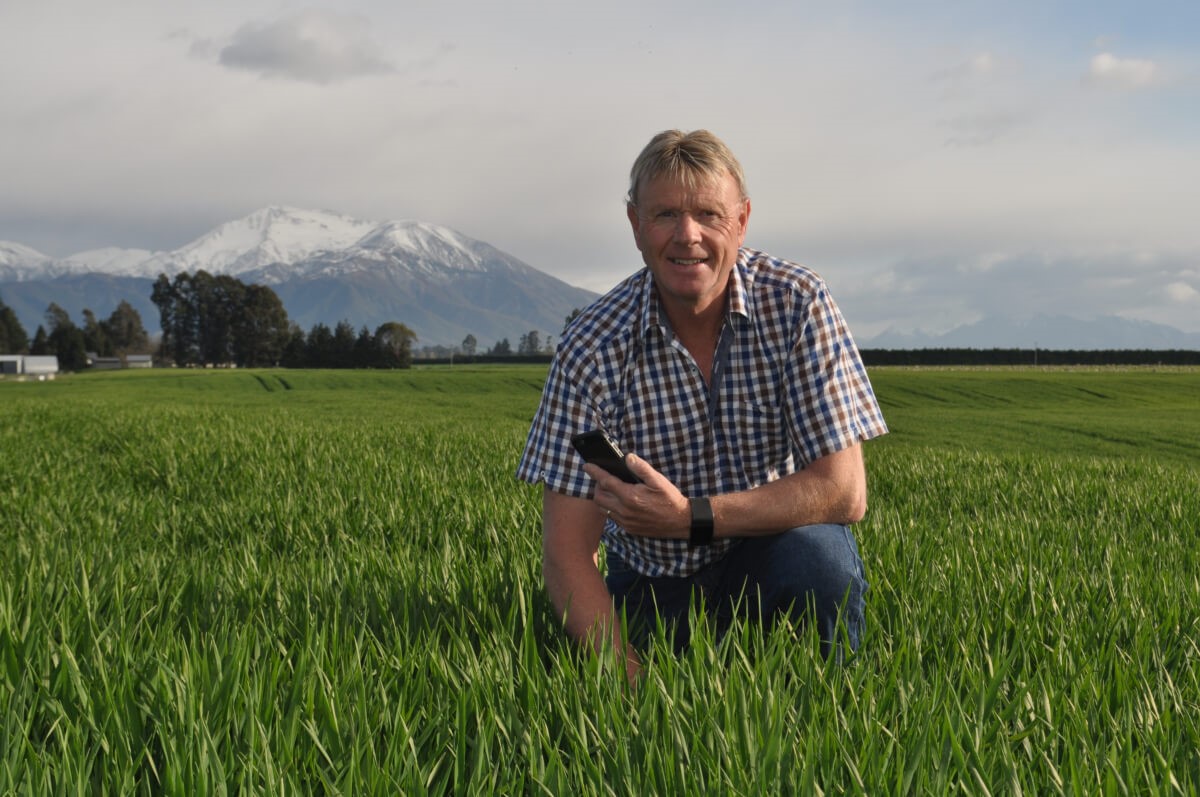
Craige Mackenzie: Right place, right time.

Rural Leaders talked to 2008 Nuffield Scholar Craige Mackenzie about change, technology and precision farming. His business, Vantage NZ, helps remove the complexity around technology-enabled change, while
the family farm demonstrates precision in practice.

But as Craige explains, what really matters is mindset.

The foundations of a mindset.

Growing up, we knew the value of a dollar. They were hard to come by. We did the best we could with what we had. I was keen to get out and earn, so I finished school and went farming with my family. I learned early on that I enjoy pushing myself.

At 18 I travelled to the United States, instead of going to university. I saw the world for the first time, and it felt like we were all only limited by our imaginations. Coming home was a jolt back to reality. It was the 80’s and a tough period for farmers. If you have a hard time at any point in your career, the start is the place to have it. You learn how to survive early.

We took over the farm in 1984, buying it from my parents. We put in irrigation, expanded, and eventually removed all the stock from the system. We went into intensive seed production.

In 2006 we ventured into the dairy industry too, building up to 1240 cows at the peak. Then along came M. bovis. But it’s interesting, from adversity came opportunity. By having to cut the stocking rate down, we found our milk production per cow went up. We were on the efficiency journey, simply by doing the best we could in a tough situation.

Production is vanity. Profit is sanity.

In 2008 I did a Nuffield Scholarship, something I felt fortunate to receive. It meant travelling around the world for six months. My study topic was very broad, ‘Understanding the Carbon Footprint in Farming Systems.’ At the heart of it, I thought, if we cut inputs by 30% and still maintain outputs, we’ve reduced our carbon footprint by 30%, which in turn increased profitability.

While travelling I saw some intensive operations in Europe, broad acre framing at scale in the USA and Canada, through to small holder farms in China. It’s interesting to see what drives different decision-making and farming practises. Often these are influenced by subsidies and support mechanisms rather than efficiency, although I also saw some good examples of Precision Ag too.

Sometime after, I recall talking with Raj Khosla, the head of the International Precision Agriculture Association. He asked me to present at a conference, and I said “Ah Raj, we don’t really do precision.” He said, “…well you know exactly how many kilograms of fertiliser it takes to grow a tonne of wheat don’t you? You know what your inputs are. My friend, you are doing precision agriculture.”

Technology is a decision support tool, not a decision tool.

From then on, I understood what we were doing. We started thinking, how do we go faster? How do we do better? All of a sudden, it became easy to decide to invest in more technology to enable these things. So, we looked at crop sensors, moisture probes, electromagnetic mapping of soils, all sorts of new technology. But again,

the biggest change wasn’t the technology, it was our mindset.

One of the most important things about investment in technology, is profitability. The more you can reduce inputs while maintaining outputs, the more you are free to invest in technology.

You circle back around to re-invest your profit into the technology that reduces inputs. Like machinery that places a bottlecap of fertiliser on every plant. Exactly the right amount at exactly the right time. That leads to better environmental outcomes as well.

After our daughter finished her degree at Lincoln, we asked her what she wanted to do. We saw there was an opportunity to help farmers work smarter, to make more informed decisions. That’s when Agri Optics NZ was born. We’re exclusive Trimble dealers for New Zealand now too, offering a range of products under the Vantage NZ brand.

At the heart of it all is GPS technology: GPS, flow control, steering, automation, and land levelling software. GPS is the enabler though. Without GPS you can’t really do any of the other clever things that result in precision outcomes.

Is it better to go rabbit shooting with a .22 or a shotgun?

I gave a presentation in Bonn at a climate change meeting. Somebody asked me, what’s the silver bullet that fixes things? And I said, it’s not a silver bullet, it’s a silver shotgun.

We need multiple tools in a biological food production system. We need lots of levers to pull. Yes, you’ve only got short range with your shotgun, but you’ve got a whole lot of cover.

There’s no one thing that does it all though. So you need to carefully integrate all your tools into the farming system, rather than the farmer into the tool system.

Is the regulatory environment moving more arable farmers into precision?

The higher the regulatory pressure, the more people will work to get ahead of the challenges those regulations create. We need to continue to have as many tools on the shelf as possible to meet them. As tough as it’s getting, we need to be out in front of it.

I’d rather be having conversations with government and regulators, trying to constructively slow things down to help make the best decision, and create the best outcome for everyone, including the environment. To build the time needed to think about a more considered approach. There’s no advantage in putting regulations in place that are unachievable. None.

We’ve had lots of regulators here over the years. It’s hard for them to push regulation when you’re already past where they think they want to go.

If we can show we’re not leaching anything through the profile in the growing season, like water from irrigation, then it’s very hard for them to say we’re putting nitrates into the groundwater. Especially when there’s nothing getting past the roots. Having the data to show this is powerful.

Unlike GMO, is CRISPR a tool you’ll get to use?

The first thing is, CRISPR is GMO. Rob Horsch was at the forefront of GMO technology. He worked for Monsanto for 20 years on Roundup Ready, which is where it all started.

I had an interesting conversation with Rob a couple of years ago at a crab restaurant somewhere on the East Coast of the US. He said what you’ve got to remember is CRISPR is only going to make small changes in GMO technology. For example, GMO changes a normal wheat plant into a glyphosate Roundup Ready plant. Or equally, it changes a plant to being insect resistant. These are large jumps. Whereas CRISPR only makes small tweaks.

CRISPR is a bit like a pair of molecular scissors. You make small edits by cutting strands of DNA. It has huge applications for treating and preventing disease, correcting genetic defects, and improving crops.

There are changes with CRISPR that will be useful to New Zealand agriculture. Like ryegrass that reduces methane emissions. CRISPR could be a way for GMO to come in to New Zealand, as incremental, more palatable changes for consumers.

Has precision has been a way to stay competitive without GMO?

There’s two things that drive that. One, we don’t live in a country complicated by subsidies. A lot of farming around the world is. We run a business. We’ve had to make sure we are profitable. Precision practices help make that happen.

Two, when you travel like I did with Nuffield, you see the challenges that face the farming system when you’re not careful. Herbicide-resistant weeds are one of the challenges countries with GMO have steaming down the track at them.

Precision agriculture still fits even if you do have GMO’s. Because it’s really about the right product, delivered the right way, at the right time. It doesn’t matter which area of the food production system you’re in either: horticultural, arable, sheep and beef, it can fit every sector.

Will the future of farming look like the start of Interstellar, with autonomous everything?

We used to be sheep, beef and cropping, now we’re 100% cropping. Some of the crops we grow today: spinach, pak-choy, carrots, radish, have mostly evolved in the last few years because food production systems have changed.

We’ve got dairy cows on the Canterbury Plains, driven by the fact that the Waikato was too expensive. With irrigation, Canterbury was seen to be the right place. We know that some of that will go back the other way. And yes, there’ll be more automation, because labour is likely to remain an issue for agriculture.

We’ve been developing bigger machines to maximise production. As autonomous technology advances, the machinery will get smaller, smarter, and run for longer. It will be about maximising profitability. A profitability mindset will be the only one worth having.

We’re all looking further ahead into the future now too. It’s like driving a car, you’ve got a large window to look out the front and a small rear vision mirror. Yes, we should know where we’ve been, but really, we’re more interested in seeing where we’re going and what challenges are coming at us.

Challenges like synthetic fertiliser and pesticide use. Like shifts in consumer food preferences. We’ve got climate change and some water challenges too. All those things are going to shape what we do. They will have a big impact on how we operate and what a farm of the future looks like.

That’s where technology and an understanding of how you use water for example, becomes increasingly important. Soil moisture probes helped cut our water use by over 35%. We wouldn’t have thought our current water footprint per kilogram produced was even possible ten years ago.

Learn from your successes and imagine the next ones.

In 2016 we were fortunate to receive the ‘International Precision Farmer of the Year’ award.

We worked hard for it, but some of our success came from the fact that we live in an environment where you can grow pretty much anything: high yield wheat, ryegrass, many crops.

We’ve got water. We’ve got access to fertiliser and technology. So compared to many places globally, we have a wealthy environment.

We have challenges, but we have many opportunities to be successful here too. I do believe we’re only limited by our imagination as to what we can do, and what we can achieve.

Follow the link to read Craige’s Nuffield report Understanding the carbon footprint in farming systems, released in 2008.

Connect with Craige on LinkedIn.

The Mackenzie Study – a view of leadership

The Mackenzie Study – a view of leadership

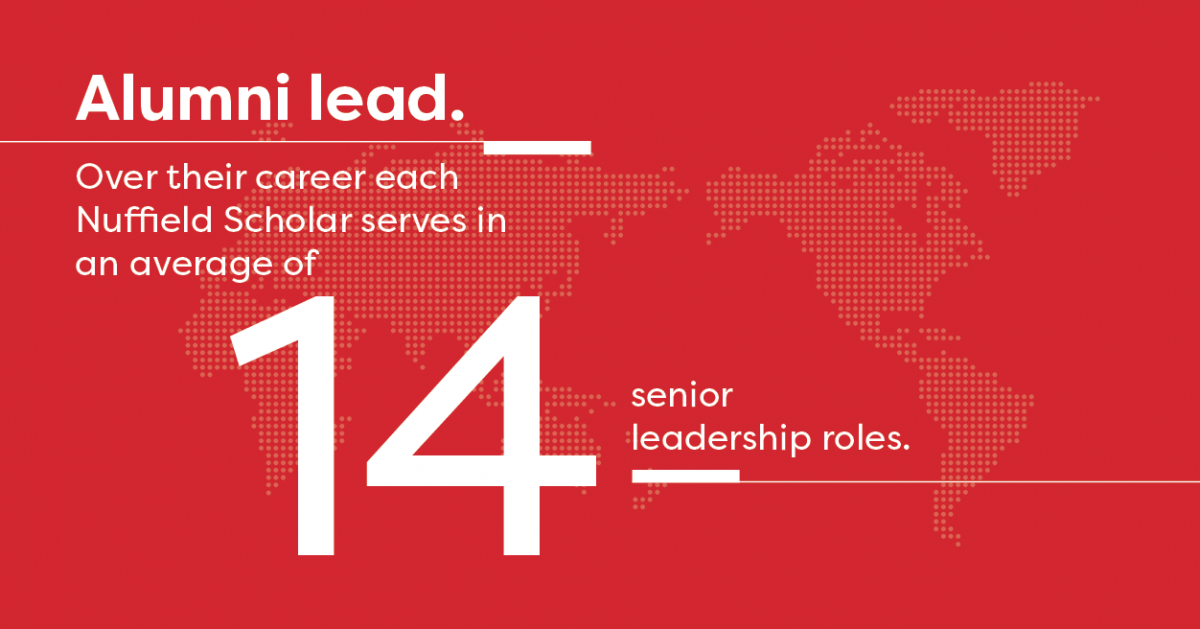
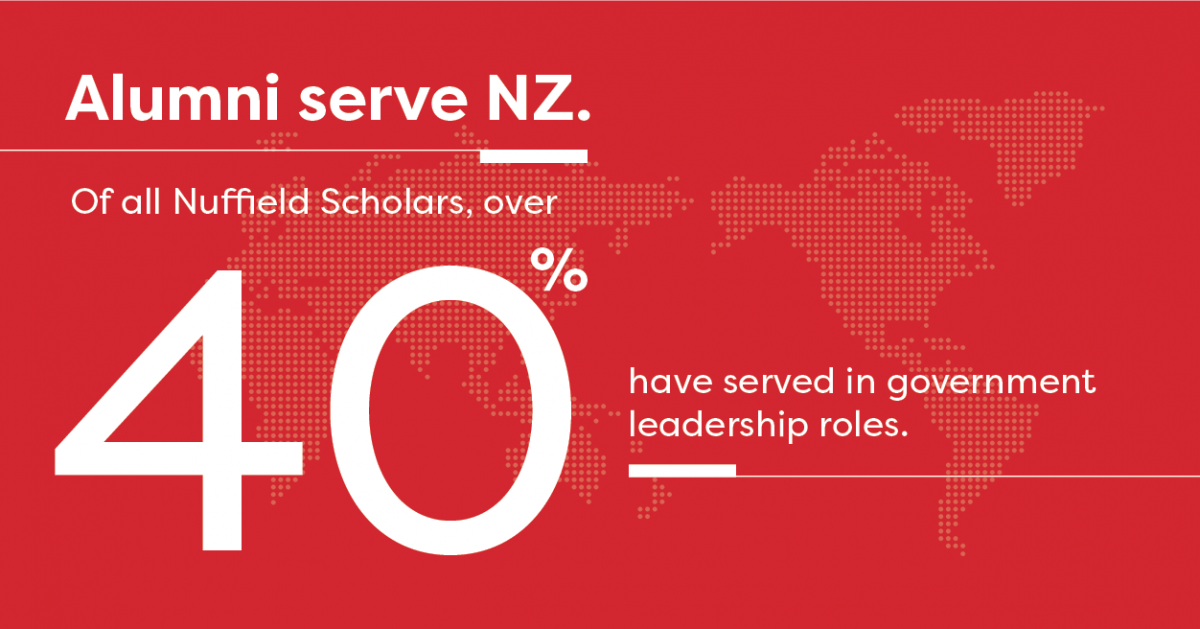
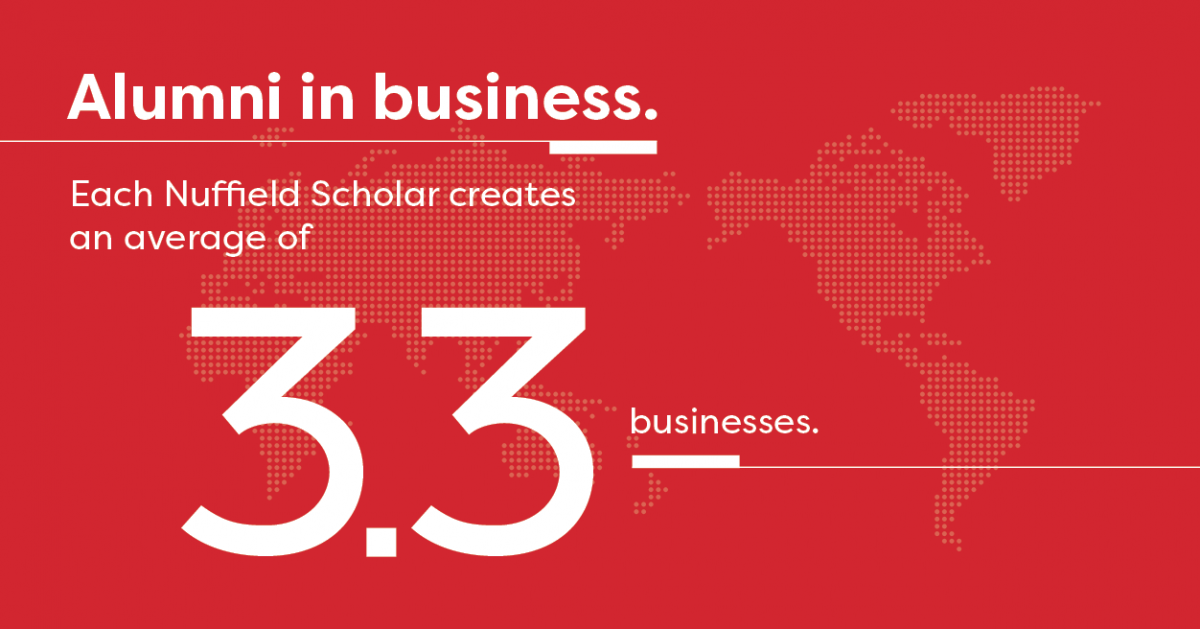
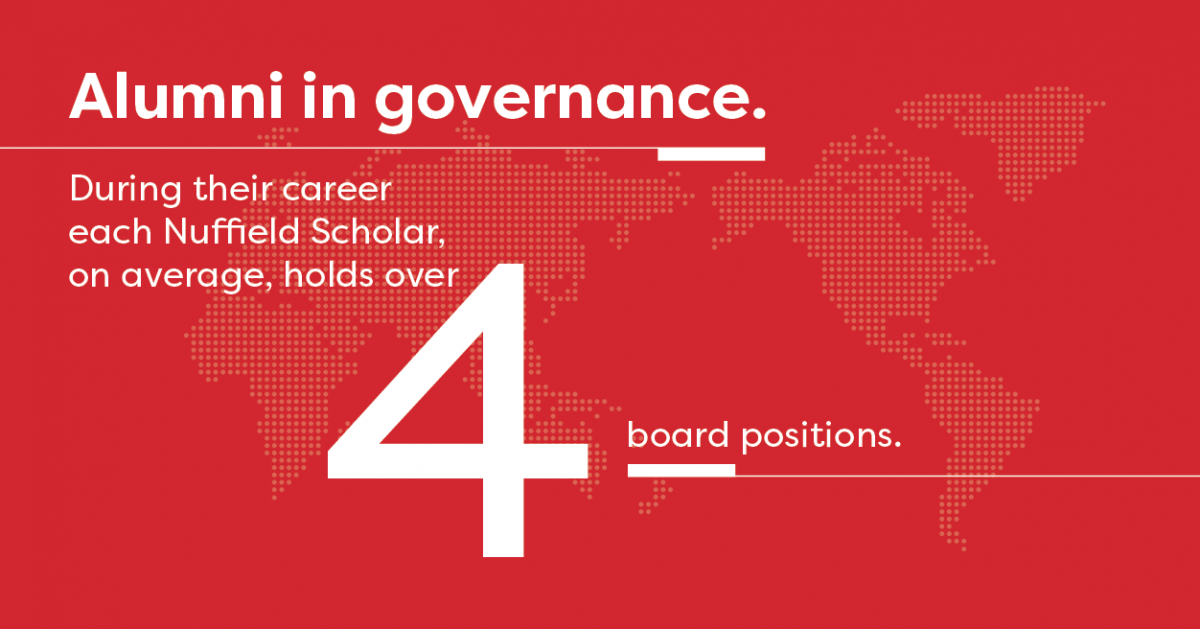
The Otago Business School and the Department of Economics recently conducted research on behalf of The Mackenzie Charitable Foundation and The New Zealand Rural Leadership Trust.

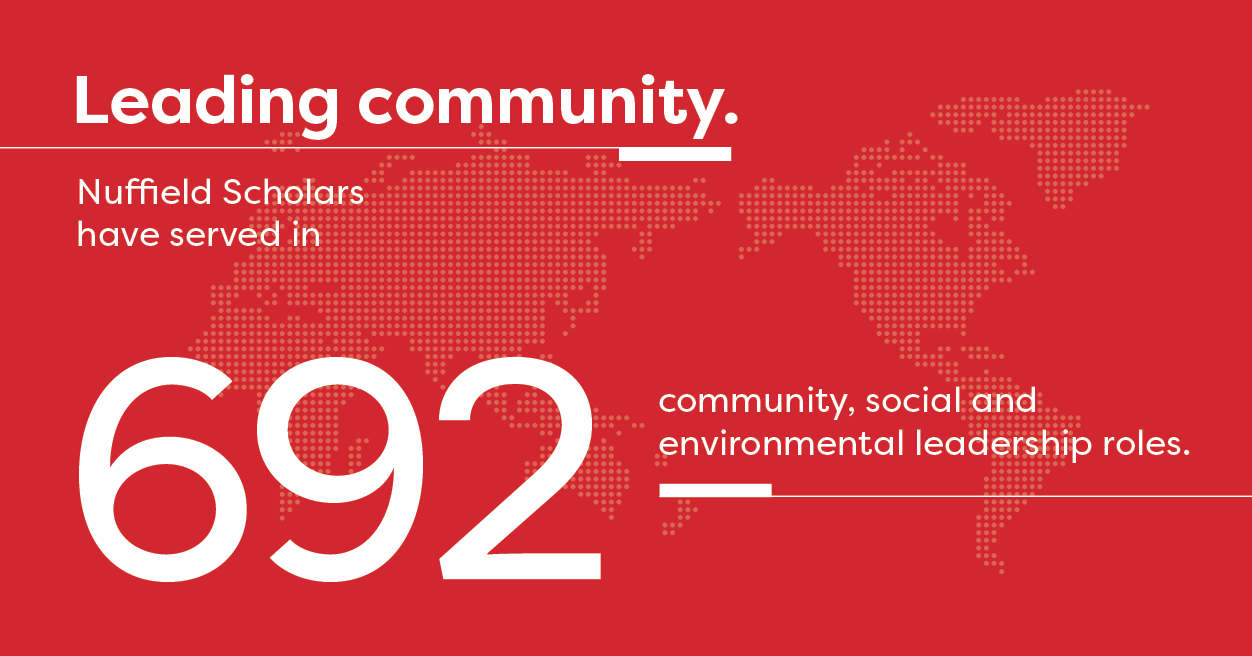
‘The Mackenzie Study’ revealed remarkable results on the personal gains in entrepreneurial skills attributable to participation in the Kellogg and Nuffield Programmes. It is Nuffield Scholars’ broad and consistent level of achievement over time, that resonates most.

Preliminary findings are a compelling case for anyone considering applying for a 2022 Nuffield Scholarship, or looking to develop their leadership ability through the Kellogg Rural Leadership Programme.

A comprehensive survey of Nuffield Scholarship Alumni was conducted in June this year, with invitations sent to all 135 living alumni.

The study had an unusually high participation rate of over 50%, especially given the flooding in Canterbury.

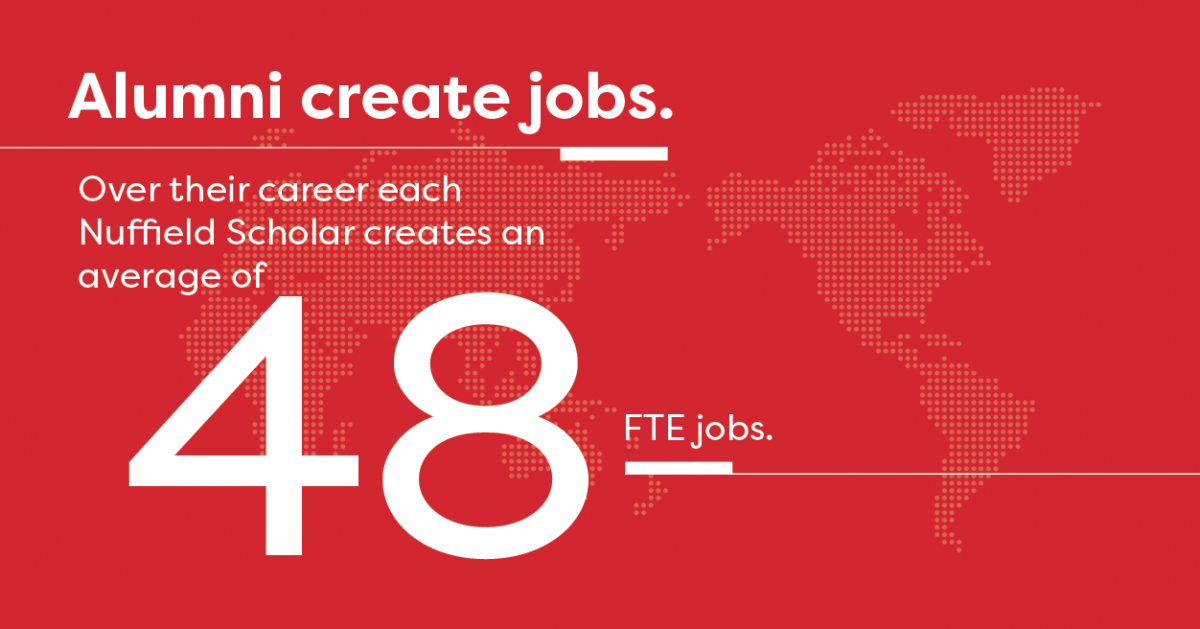
We’ll be presenting more results in due course, including comparisons between alumni and current cohorts. For now, here are just some of the findings demonstrating the professional accomplishments of Nuffield Scholarship Alumni.

Each result is a strong call to potential applicants for the 2022 Nuffield Scholarships, to apply before midnight this Sunday, August 15.

The new Value Chain Innovation Programme

Innovating for our fast-changing
value chains.

A recent addition to The New Zealand Rural Leadership Trust’s cache of programmes is the VIP. The Value Chain Innovation Programme delivers a truly immersive experience, created to meet a growing need for strategically capable leaders in our food and fibre systems.

It is for those who are passionate about developing their leadership style, growing their networks, and contributing to their business and community.

Driving innovation in food and fibre.

The Value Chain Innovation Programme delivers two weeks of immersive learning, focused on strategic value chain analysis and design. The programme is a facilitated journey along ten or more established, disruptive, and novel value chains, delivering a sector and pan-sector view.

It connects participants to New Zealand’s key value chain influencers and accelerates their ability to adapt to a fast-changing environment.

  • It expands their entrepreneurial capability.

  • It builds advanced competencies.

  • And it develops a new mindset on food and fibre innovation in domestic and international markets.

Applications are open until 28 November 2021.

The programme spans two weeks for the industries immersion. Participants then return home and have three weeks to produce a value chain innovation report.
The course structure is as follows:

Phase 1: Virtual masterclass.

As a build-up to the journey, participants attend a virtual masterclass via zoom, of 1 -2 hours. This covers the current landscape within New Zealand’s value chains and what is likely to emerge in the future.

Participants then submit a short PowerPoint overview on their own value chain, or one they wish to explore.

Phase 2: Value chain immersion 16-28 January 2022.

Participants assemble in Auckland on the 16th. They then undertake two weeks of facilitated field trips through the North and South Islands.

The tour culminates in Christchurch on the 28th.

Phase 3: Extramural value chain innovation report.

Work on an individual value chain innovation report. This may be submitted as a PowerPoint.

Ready to take the next step?

For any queries contact Lisa Rogers +64 21 139 6881 or email lisarogers@ruralleaders.co.nz

Nuffield five for five.

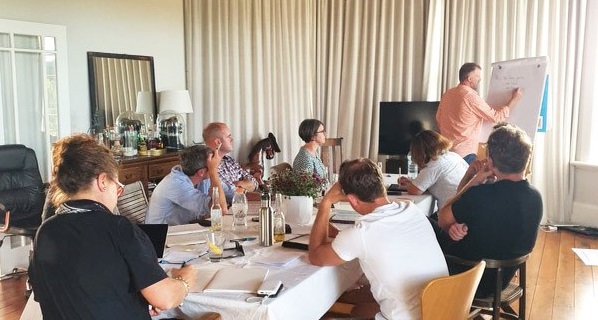
Image:Nuffield Scholars in study [supplied]

With five days to go until applications for the 2022 Nuffield Scholarship close, we thought we’d give five reasons as to why receiving a scholarship now, may represent a quantum gain in benefits over previous years. So calling all potential Nuffield Scholars, here’s some more food for thought.

  1. There have never been so many of New Zealand’s best business leaders and innovators in the country at the same time.
    There are a few silver linings to the global pandemic. One might be the number of influential people affiliated to innovation and the food and fibre sector, who have returned home. While their move may not be permanent, now is the time to meet and connect with them. Nuffield can help with that.

  2. With a programme that has adapted to the global pandemic, scholars currently have more flexibility, closer to home.
    We face many challenges right now. So, being away from family, farm and work could be tough on some. As a result of the global pandemic restrictions, the programme has adapted successfully by adding a deeper local layer, along with virtual and global input.

  3. No matter what happens with regard to global travel, Scholarship recipients still receive $40,000 to conduct research.
    Whether the borders open up or not in the short to medium term, the Scholarship funds are not adjusted. In a situation where the borders do open, your global travel component will continue, safely.

  4. Nuffield Scholars’ experiences and enhanced skillsets are increasingly in demand.
    As the rate of change in food and fibre and beyond increases exponentially, Nuffield Scholars’ exposure to research, innovation and leadership development, means their knowledge is always needed in governance and industry.

  5. Scholars will be part of the new Value Chain Innovation Programme (VIP).
    Two weeks’ immersion into more than ten of New Zealand’s established, novel and disruptive value chains.

    The Value Chain Innovation Programme introduces Scholars to value chains beyond their own. It represents an opportunity to meet, draw ideas from and connect with people across many industries.

    Thinking of launching a product, or adding another to a range? This is just one way the VIP can help.

Want to be part of this? Apply now.

Back to the August 2021 issue of The Rural Leader.

Mandi McLeod on succession, animal welfare and mental health.

We caught up with 2009 Nuffield Scholar Mandi McLeod, who was speaking to us from Pirongia, Waikato. Mandi is an agri-business consultant who specialises in farm animal welfare, on both sides of the supply chain.

Internationally certified in dairy cow auditing and trained as a Cow Signals Master, she uses her passion, knowledge and experience to create animal welfare audit programmes for her clients.

With a degree in agricultural science and a master’s degree in rural systems management, Mandi is also highly experienced in group facilitation and farm business management, transition and succession planning.

A start in succession planning. 

I grew up on a family dairy farm in Morrinsville, and we transitioned out of that through our own succession plan about five and a half years ago. We now have an urban ranch with a beef cattle herd. It keeps me grounded.

Twelve years ago, when I did my Nuffield Scholarship, there wasn’t much research out there on succession planning. Not just how the assets in a family farm business are transitioned, but also how values, knowledge and skills are transferred from one generation to the next. So, I looked at this for my Nuffield research paper. I was able to create my own business through what I learned. It became my focus for the following decade.

 At the time, succession planning was only found in an urban business context. Crazy when you consider that in our farming communities, we usually live and work on farm, so business is very close to home. In fact, it can be sitting right there at the kitchen table with you.

I’d like to think a lot of the work done in those years has now been picked up by other professionals. The fact there’s now a career for people in succession planning, and that farming families are getting more access to quality information and help. That’s really exciting to me.

What makes good succession planning?

The important thing is communication. Sounds obvious, but it is the most overlooked element.

How do we create the right environment for discussions? How do we ask the questions that matter? How do we really listen to the answers we get to those questions? It’s more critical now, than ever, because both the incoming and the outgoing generations have such different communication styles. It’s a recipe for problems if it isn’t handled well.

Once we resolve those differences, everything else can start to fall into place. It’s understanding the needs, wants, fears and expectations of both parties, and then saying, can we marry these up to some shared values?

If the family hasn’t got their values aligned, or if they’re not communicating well, then it doesn’t matter what solution you come up with on paper, it’s not going to work long term.

Sometimes the best resolution for both the family and the farm business is not having a succession within that family? It’s having another family come in. That can work very well too.

It’s more than a chat and a cuppa. But that’s a good start. 

People are often looking for a silver bullet. It can take a year, or it can take ten years to get everything set up. You can’t do it in 24 hours.

I think it’s going to continue to be an issue because we’re in a period where the pace of change in food and fibre is increasing exponentially – yet succession planning needs time. There’s a conflict there that can be tricky to navigate.

A quick guide to success with succession.

Now this is by no means a definitive guide, but it gives you some idea of what’s involved and roughly, in what order.

  1. What are your goals for the succession (and your retirement for example)?
  2. Ask, who needs to be involved?
  3. Agree on someone to facilitate. There are now professional facilitators out there.
  4. Gather key documents. Like the last few sets of accounts for starters.
  5. Keep lines of communication open between all parties.
  6. Build a clear picture of the 1, 5, 10 year transition path ahead.
  7. Share the emerging plan with all parties.
  8. Keep talking.

Chickens and eggs.

A lack of good succession planning can have a huge impact on animal welfare. It can be where the next generation have not wanted to farm. As a consequence, the current generation can hold on too long, beyond a point where they are physically or mentally capable. The animals suffer.

If we help the farmer, the animals will benefit as well. There’s a big circular picture there, where everything is interrelated. But if we can intervene at various stages, whether it’s through facilitating a transition, or introducing an innovative approach to handling cattle for example, we can improve mental health across the board and improve animal welfare. Or vice versa.

It’s a bit like the chicken and the egg. Is a farm animal welfare issue causing poor mental health, or is poor mental health leading to an animal welfare issue? One can lead into the other.

There’s been a lot of valuable work done highlighting the need for mental health support and services for farmers, which is fantastic. There’s also a group of people that support those farmers that are often also in need. Like vets and consultants to name a few. When we turn up on farm, and if there’s a serious animal welfare issue, we’re impacted by that.

I think the link between farm succession, mental health and animal welfare is an important one. To me it highlights just how interconnected we are to our land and our animals.

When we feel great about our farm and its future, everything else benefits.

The nowhere-near complete guide to writing your Nuffield Scholarship application.

So, you’re looking to craft a cut-through Nuffield Scholarship application. If you’re like most people, the real struggle is getting started. There is something you can do while you stare blankly at the blinking cursor – ask yourself why?

Why are you applying for a Nuffield Scholarship? Your motivation is important. It will help you form a plan. A plan almost always leads to a better crafted anything really.  

Let a strong, singular motivation shine through, in not only the way your writing sounds, but how it feels too. For the reader, it’s the difference between wanting to read something compelling, and words on a page. 

Now, we can’t give you tips on what your motivation might be, but let’s just say anything along the lines of ‘I want to give back to the food and fibre sector’, is a good place to start. Remember you are submitting to a panel of smart, motivated people like yourself, who are determined to see New Zealand leading the future of food and fibre on the global stage.

Here are some tips from those who have read a few applications, to make the answering-questions-brilliantly-bit easier.  

1. Be clear and concise as to why you want a Nuffield Scholarship. 
Choose your words well and be economical. A good answer does not have to be a long-winded one. The more concise you are, the more the reader will gain a sense of your single-mindedness. That your motivation is clear.  
 
2. You’re likely to be clear about what a Nuffield Scholarship can do for you.
Make sure the reader is clear about what you will do for Nuffield. The reader, also known as ‘The Selection Panel ’, will want to know about your propensity for giving back. That’s a big part of Nuffield. Bringing back the thinking and ideas that might advance New Zealand’s food and fibre sector. 

A good application will show an understanding of how a Nuffield Scholarship will enable you to develop and implement strategic ideas and opportunities. Put simply, show you understand what a Nuffield Scholarship is.  

3. Sell yourself, but don’t overcook it. 
A critical piece of your sell is including examples of community leadership involvement, and ideally sector leadership experience as well. Recent is best. Play any ace cards up front, don’t bury them. 

Before you submit your application. 

Have you read it out loud? 
Does it sound the way you imagined it would when you wrote it? Try reading it out loud, it will help you find the things that aren’t quite working. 

Can you make it shorter? 
Less is more. There will always be a few words you don’t need. 

Have you asked someone else to read it? 
As great at writing as you may be, a second pair of eyes helps proof and sense check. When you’re the one writing, you’re often too close to see the obvious, like, glaring errors the spellcheck missed. 

Any big words you can replace with simpler ones? 
Enough said. 

Did you enjoy writing it? 
Are you pleased with what you’ve written? If so, chances are your reader will enjoy reading it too. 

Two Kelloggers are finalists for the Fonterra Woman of the Year Award

Belinda Price

Rebecca Miller

We’re very excited for two of our 2018 Kelloggers Belinda Price and Rebecca Miller (along with one other finalist) who were named this month as this year’s finalists for the Fonterra Dairy Woman of the Year award.  Belinda who is a sharemilker based in Whanganui and Rebecca who is a Dairy Farmer from Ashburton are both in the running for the respected industry award managed by the Dairy Women’s Network.

Well done Belinda and Rebecca, and we wish you both well at the Award’s Ceremony on 8th April, when the recipient of the Award will be announced.

Read the full story here:

Fonterra Dairy Woman of the Year finalists focus on supporting other dairy farmers

Developing Whanganui region’s agribusiness sector

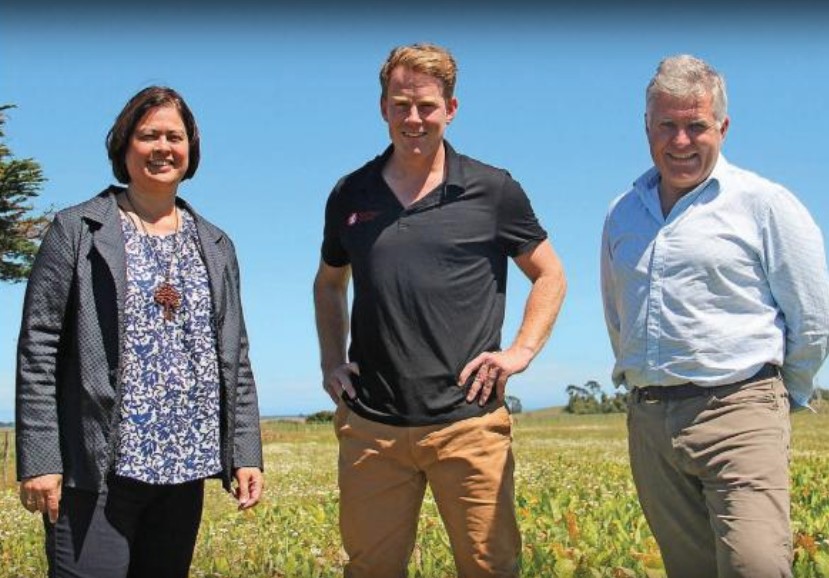
From left to right: Colleen Sheldon, Whanganui & Partners, David Eade, 2021 Nuffield Scholar, Andrew Watters, NZ Rural Leaders Chair

Rural Leaders & Whanganui & Partners

developing Whanganui region’s agribusiness sector

NZ Rural Leaders and Whanganui & Partners entered into a multi-year agreement last year to offer scholarships to Whanganui residents who directly contribute to the regions agribusiness sector. To be eligible for a Scholarship, candidates must undertake either a Kellogg Rural Leadership Programme or Nuffield Farming Scholarship.

David Eade, 2021 Nuffield NZ Scholar was selected as the first recipient of a Scholarship.

Read more about our partnership with Whanganui & Partners, and about David Eade in this article on page 10 in the Farmers Weekly virtual newspaper:
https://farmersweekly.co.nz/topic/virtual-publication/view/farmers-weekly-nz-15-02-2021