2026 Nuffield NZ Farming Scholarship. Apply by 17 August 2025. Read More...

Apply for 2026 Nuffield NZ Farming Scholarship by 17 August 2025. More details...

Nuffield and the global perspective.

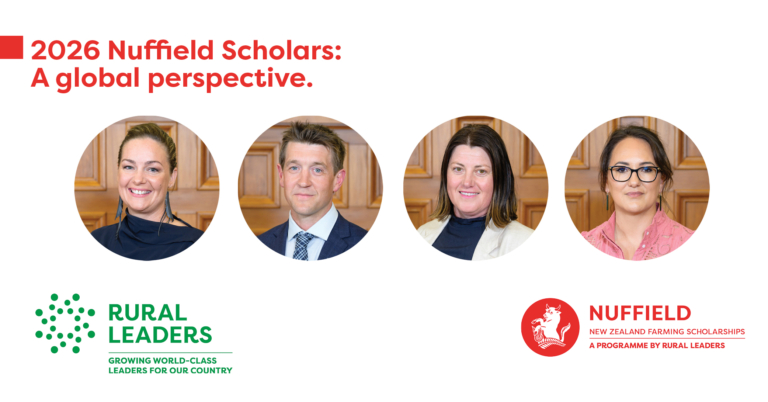
Our four 2026 Nuffield New Zealand Farming Scholars are gaining first-hand insights into the future of global food and fibre systems as they travel through Europe, Asia and Africa as part of the Nuffield Global Focus Programme (GFP) and their independent study tours.

For Jared Clarke, Clare Bradley, Kelly Heckler and Tracey Perkins, the journey has been far more than a study tour. It has challenged assumptions, expanded global networks and exposed them to the opportunities and pressures shaping agriculture worldwide.

Seeing agriculture through a global lens.
Although each scholar is following a different research pathway, several common themes are emerging.

In Indonesia, Kelly Heckler and Tracey Perkins reflected on the importance of understanding the people behind agricultural systems. Rather than viewing countries simply as export markets, they described gaining a deeper appreciation of the cultures and communities that shape food production.

Kelly was struck by an intensive food system focused on feeding a large population, where efficiency and minimising waste are essential. Tracey too, observed that understanding people is as important as understanding production systems.

Innovation driving change.
Innovation has been a consistent theme throughout the tours. Jared Clarke’s independent travel has focused on energy and technology. Across Ireland, Scotland, England, Wales, Spain and France he explored renewable energy systems, hydrogen projects, anaerobic digestion, large-scale horticulture and highly automated farming businesses.

His visits demonstrated both the rapid pace of technological change and the influence of government policy on investment decisions. Declining solar costs, advances in automation and increasing energy independence are reshaping many farming businesses.

Germany offered similar lessons for Tracey Perkins, who visited regenerative forestry operations, research farms, machinery manufacturers, biofuel facilities and globally recognised food companies. She described the diversity of innovation as a reminder of what is possible when businesses continuously adapt and invest.

Jared also highlighted several New Zealand companies developing world-leading hydrogen and electric transport technologies, reinforcing that innovation is equally strong at home.

Different systems, shared challenges.
Travelling through countries with vastly different production systems highlighted that there are many successful ways to farm.

In Zimbabwe, Clare Bradley said the experience challenged many of her assumptions. She was impressed by the collective impact of thousands of smallholder farmers and by innovative, low-capital farming systems designed to improve resilience while working alongside natural ecosystems.

In Ireland, Kelly Heckler explored advances in genetics, methane-reducing forage research and practical use of farm data. She also reflected on Ireland’s confidence as a premium food-exporting nation, suggesting there are valuable lessons for New Zealand.

Beyond the farm gate.
Across Belgium, Ireland and the United Kingdom, discussions regularly extended beyond farming itself.

Meetings with agricultural organisations, universities and policy leaders examined trade, gene editing, environmental regulation, traceability and the future of food production.

Tracey Perkins described the Nuffield Ireland Triennial and AgriSummit as valuable opportunities to explore agriculture through the lens of geopolitics and changing global economics.

Kelly Heckler also noted warnings from international leaders about emerging global food security pressures, reinforcing the importance of long-term planning and collaboration.

The strength of the Nuffield network.
Throughout their travels, each scholar highlighted the generosity of hosts and the strength of the international Nuffield network.

From family farms and research institutions to agribusinesses and New Zealand embassies, the willingness to openly share ideas and experiences continues to be one of the programme’s defining strengths.

Emerging insights.
While each scholar is pursuing a different research topic, several themes are already becoming clear:

  • Innovation is accelerating, with technology transforming agriculture across energy, genetics, automation and food production.

  • Local context matters, with successful farming systems reflecting each country’s unique climate, culture and policy settings.

  • Resilience is built through diversity, with flexible businesses and healthy ecosystems better equipped to manage future challenges.

  • Global policy increasingly influences local farming, shaping competitiveness through trade, regulation and environmental standards.

  • Strong relationships remain agriculture’s greatest asset, with knowledge sharing and international collaboration driving better outcomes.

The four 2026 scholars have been on their GFP’s at different times, but here is the latest update:

Tracey – Has just visited France, Italy and Belgium and is on a plane 17 July to Ireland. Then home until October before heading to Italy. 

Kelly – Currently back in NZ. Heads away again in September and back home early November. Away again in November. 

Jared – Back in NZ as of 16 July after being in the US for the last ten days.

Clare – Currently in Queensland, but back in NZ 17 July. 


Alumni in the Spotlight – Jon Pemberton, Nick Pridgeon, Sandra Faulkner, James Allen and more.

Here are just a few of the media pieces covering the impact of Rural Leaders’ Programme Alumni in industries and communities across the sector. 

Jon Pemberton

Jon Pemberton (2025 Nuffield).
Southland dairy farmers Birgit and Jon Pemberton are converting a neighbouring sheep farm to expand their dairy platform, aiming for a simpler, more resilient and environmentally responsible system.

The project includes new infrastructure, larger herd capacity and improved wintering facilities, while reducing operational risk and supporting long-term productivity, sustainability and confidence in the future of dairying.

Separately, the Pemberton’s opened their farm recently hosting a major on-farm DairyNZ field day and showcase in Southland. Their field day covered the practicalities of dairy farm conversion, expansion, and system redesign.

Take a read of the Rural Life article here.

James Allen

James Allen (2023 Nuffield).
AgFirst Chief Executive James Allen is urging dairy farmers not to base this season’s plans on last year’s exceptional growing conditions. Instead, he recommends budgeting feed for an average season, securing supplements early and reassessing conditions by December 1 using soil moisture as a key indicator.

With El Niño increasing drought risk, particularly in Canterbury and eastern regions, Allen says farmers should have contingency plans ready and make early decisions if conditions deteriorate.

Take a read of the full article here from Rural News this week.

Sandra Faulkner

Sandra Faulkner (2012 Nuffield).
Newly elected Federated Farmers Vice President Sandra Faulkner says sweeping government reforms must provide certainty for farmers and reflect rural communities’ needs.

She stresses the importance of rural input into changes affecting local government, freshwater and resource management, saying long-term certainty is essential for farm businesses.

Faulkner also calls for cross-party support on emergency management and infrastructure, highlighting reliable roads, telecommunications and connectivity as critical for rural resilience, safety and productivity.

Take a read of the full article here in Rural News this week.

Harriet Bremner and Ed Pinckney

Harriet Bremner and Ed Pinckney (2020 Nuffield).
Ed Pinckney and Harriet Bremner appeared on Country Calendar in mid-June. Ed and Harriet run the 1500ha Jericho Station in Blackmount, Western Southland.

Andy Thompson says ‘…it’s a great piece of television.” If you’re signed up for TVNZ+, you can watch the episode here.

Harriet also appeared on CountryWide Connect with Sarah Perriam-Lampp and Andy Thompson on July 8. Harriet discussed, among other things, what it was like for her and Ed to appear on Country Calendar.

On the experience Harriet said, “I think a lot of people don’t realise that you don’t get to pre-watch the episode, so when the rest of the country sees it for the first time, you also see it for the first time,” she says.

“We were really pleasantly surprised, and felt that they delivered a really balanced programme.”

You can view the CountryWide Connect episode here.

Nick Pridgeon

Nick Pridgeon (Current Kellogg Scholar)
Bay of Plenty horticulture professional Nick Pridgeon has joined the Kellogg Rural Leadership Programme, supported by a Zespri scholarship.

The senior orchard manager with Pivot Hort hopes to strengthen his leadership skills, broaden his perspective beyond the kiwifruit industry and build valuable rural networks.

Nick plans to apply the programme’s learning to support colleagues, improve orchard performance and contribute to New Zealand’s horticulture sector.

Take a read of the July 16 Sunlive article here.

Kate Tomlinson

Kate Tomlinson (2026 Kellogg).
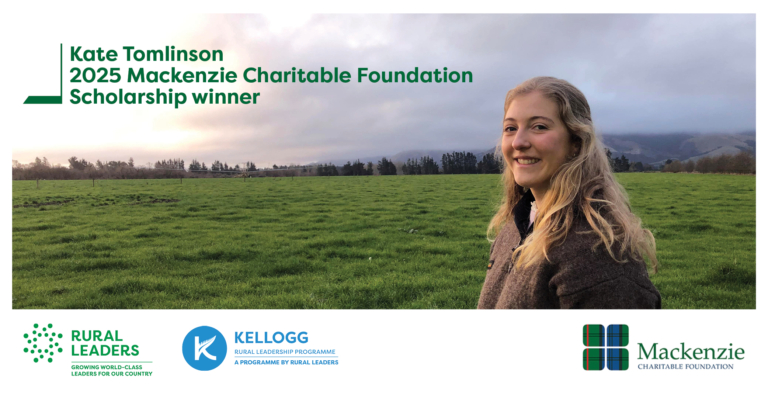
Kate Tomlinson, 2025 Mackenzie Charitable Foundation Scholarship winner, spoke to Bryan Gibson Managing Editor at Farmers Weekly for our Ideas that Grow Podcast recently.

Kate shared her journey from a UK farm to New Zealand, where Kate now blends practical farming with sustainability and data insights in her role with Map of Ag.

Take a read of the Farmers Weekly article, or listen to the podcast here.

Jim van der Poel

Jim van der Poel (2002 Nuffield).
The Primary Industries New Zealand Summit and Awards took place several weeks ago, bringing together leading voices from across farming and the wider primary sector.

This year’s Summit focused on the insights, analysis, and debates shaping how we navigate future challenges and opportunities.

The Awards recognised the following Rural Leaders programme alumni (and a few friends of Rural Leaders too):

Congratulations to Jim van der Poel (Nuffield 2002), winner of the Outstanding Contribution to NZ’s Primary Industries Award.

Congratulations also to Kate Acland, Chair of Rural Leaders Programme Partner B+LNZ, on being named Rural Woman of the Year, a well-deserved recognition.

Sandra Faulkner (Nuffield 2012) was a finalist for the award.
 
Hamish Marr (Nuffield 2019) was a finalist for Agricultural Communicator of the Year, alongside Dom George (Rural Exchange), with Jamie Mackay taking out the award.


The research reports and collective insights from Kellogg Programme One 2026.

Each of The Kellogg Programme One K55 reports represent extraordinary effort from the scholars. Each explores a topical sector challenge or opportunity and in doing so makes a valuable contribution to the sector.

Collectively, they provide an even more compelling perspective on the opportunities, challenges and capabilities required to strengthen New Zealand’s food and fibre sector.

Across diverse topics including artificial intelligence, succession, governance, animal welfare, food security, Māori agribusiness, workforce diversity, technology adoption and sustainability, a consistent message emerges from this Kellogg cohort:

The future competitiveness of New Zealand agriculture will not be determined by technology alone. It will be determined by the capability of people, the strength of relationships, the quality of leadership and the resilience of the systems that support them.

Innovation features strongly throughout the research, but the reports consistently position technology as an enabler rather than an end goal. Artificial intelligence, digital learning, wearable technologies, genetics, automation and data analytics all offer significant opportunities. However, their value depends on the ability of people and organisations to interpret information, make informed decisions, adapt effectively and maintain trust.

The collective Kellogg research also identifies a fundamental shift in how success is defined. The sector is moving beyond a focus on production optimisation towards a broader model of stewardship, one that balances profitability with environmental responsibility, community wellbeing, cultural identity and intergenerational resilience.

Perhaps the strongest collective message is that trust remains New Zealand agriculture’s greatest strategic asset. Trust underpins export reputation, assurance systems, farmer-adviser relationships, workforce engagement, cooperative models and community confidence.

Protecting and strengthening trust must therefore remain central to future sector strategy.

Taken together, the K55 cohort research suggests that the next era of success will be created through:

Capable people + enabling leadership + trusted relationships + resilient systems + purposeful innovation.

New Zealand’s food and fibre sector is entering a new era where competitive advantage will come not from production alone, but from the ability to combine innovation with capable people, trusted relationships, adaptive leadership and resilient systems.

The future challenge is no longer simply how we produce more. It’s how we build a sector capable of creating enduring value for farmers, communities, markets, whenua, and future generations.

Take a look at the ten collective insights from this cohort’s Kellogg reports below.

1. People remain the sector’s greatest competitive advantage.

Across almost every report, the same conclusion emerges: technology will not replace the need for capable people, it will increase it. Future success requires people who can:

  • Interpret information.
  • Exercise judgement.
  • Build relationships.
  • Lead change.
  • Collaborate effectively.
  • Make complex decisions.

The sector’s future productivity gains will come as much from developing people as developing technology.

2. Technology creates value only when people are ready to use it.

AI, automation, digital learning, sensors and data systems appear throughout the research as significant opportunities. However, the reports consistently identify that adoption depends on:

  • Capability.
  • Confidence.
  • Leadership.
  • Practical implementation.
  • Trust.

The challenge is not access to technology; it is ensuring the sector has the capability to turn technology into improved outcomes.

3. Leadership is shifting from expertise to enablement.

Traditional agricultural leadership has often been built around technical knowledge and experience. The reports highlight a leadership model based on:

  • Developing others.
  • Creating psychological safety.
  • Facilitating collaboration.
  • Navigating uncertainty.
  • Supporting adaptation.

The future leader is not necessarily the person with all the answers, but the person who enables others to succeed.

4. Long-term stewardship is replacing short-term optimisation.

Across succession, Māori agribusiness, governance, food security and environmental research, the reports challenge short-term thinking. They highlight the importance of decisions that consider:

  • Future generations.
  • Resilience.
  • Environmental outcomes.
  • Community wellbeing.
  • Business sustainability.

The strongest organisations will optimise not just for today, but for those who follow.

5. Trust is New Zealand’s most valuable rural asset.

Trust appears as a foundation across almost every report. It enables:

  • International market confidence.
  • Assurance credibility.
  • Strong employment relationships.
  • Effective governance.
  • Cooperative success.
  • Community engagement and participation.

New Zealand’s competitive advantage is not based on scale; it is based on confidence in the integrity of the system.

6. Strong systems outperform individual effort.

Many reports identify challenges caused by relying on exceptional individuals rather than building enduring systems. Future resilience requires:

  • Better governance structures.
  • Stronger career pathways.
  • Improved succession planning.
  • Integrated assurance systems.
  • Coordinated industry approaches.
  • Knowledge transfer.

Sustainable success requires systems that continue working beyond individual champions.

7. Financial capability underpins business resilience.

Several reports identify financial literacy as a critical but underdeveloped capability. This affects:

  • Farm succession.
  • Ownership transition.
  • Investment decisions.
  • Profitability.
  • Debt management.

The sector needs to increasingly view farming as a business requiring financial capability, not simply an asset-building activity.

8. Diversity will strengthen future performance.

The sector is becoming more diverse:

  • Culturally.
  • Generationally.
  • Professionally.
  • Through different forms of leadership.

The reports demonstrate that diversity creates value when supported by:

  • Cultural intelligence.
  • Inclusive leadership.
  • Recognition of different contributions.
  • Flexible participation.

The future workforce will require broader definitions of leadership and contribution.

9. Productivity and sustainability are increasingly aligned.

The reports challenge the assumption that environmental outcomes and commercial outcomes compete. Examples include:

  • Feed efficiency.
  • Genetics.
  • Better grazing management.
  • Animal welfare improvements.
  • Food system resilience.
  • Improved resource use.

The strongest future systems will deliver both productivity and sustainability outcomes.

10. Capability development is the sector’s next competitive advantage.

The strongest recommendation across the entire cohort is investment in capability. Priority areas include:

  • Leadership development.
  • Digital capability.
  • Financial literacy.
  • Governance skills.
  • Cultural intelligence.
  • Mentoring.
  • Lifelong learning.

The sector’s next breakthrough will come from stronger people making better decisions.

For a closer look at the research of each Kellogg Scholar, head to our cohort landing page here.

Kate Tomlinson – Scholarship winner takes a closer look at the diversity of Canterbury’s dairy workforce.

Kate Tomlinson, Bridging Farming, Sustainability and Leadership.

For Kate Tomlinson, 2025 Mackenzie Charitable Foundation Scholarship winner and 2026 Kellogg Scholar, agriculture has never been just a career, it has been a way of life. Raised on a sheep and beef farm in County Durham, England, farming shaped her upbringing, her interests and ultimately her professional journey.

“Farming has always been part of my life. It’s always been, I’d say, in my blood,” she says. “It’s my family, it’s my friends, it’s my work, it’s what I do on my weekends off.”

Work based on practical farming experience, sustainability expertise and agricultural data analysis.

Now based in Methven, Mid Canterbury, Tomlinson has built a unique career that combines practical farming experience, sustainability expertise and agricultural data analysis.

As an Agricultural Sustainability Analyst Consultant with Map of Ag, she works across New Zealand and Australia, helping connect farm data with meaningful insights that support sustainability, animal welfare and environmental outcomes. Her role draws on a diverse background that includes farming, agricultural consultancy and research.

After studying at Harper Adams University, Tomlinson qualified as a rural chartered surveyor in the UK, advising farming businesses on land use, navigating agricultural, residential and commercial legislation and accessing environmental opportunities

Kellogg, the Mackenzie Charitable Foundation, and research into cultural diversity in Canterbury’s dairy workforce.

Tomlinson has recently graduated as a member of the 55th Kellogg Rural Leadership Programme cohort. As part of her Kellogg research project, Kate explored the growing cultural diversity of Canterbury’s dairy workforce.

You can view Kate’s report ‘Cultural Diversity of Canterbury’s Dairy Workforce’ here.

Having worked alongside colleagues from Nepal, Sri Lanka, the Philippines, India, Ireland and the United Kingdom, Kate wanted to paint a picture of the reality of working in Canterbury’s dairy industry. Her research explores – what is the composition of Canterbury’s dairy workforce, what are the pathways to the industry, why do people join and how can we build and lead thriving multicultural dairy teams?

Her research reflects a deep curiosity and passion for people and leadership. “I wanted to start with the facts by understanding what kind of trends we are seeing, then speak to those working in multicultural teams, or who have moved to New Zealand to work in Canterbury’s dairy industry” she says. “In particular, I wanted to explore how we build thriving teams and overcome challenges that might arise from that diversity of team?”

Through Kellogg and the 2025 Mackenzie Charitable Foundation Scholarship, Kate has gained access to influential industry leaders, policymakers and fellow participants who are helping shape the future of Canterbury’s primary sector.

Combining international experience with a passion for farming and sustainability, Kate represents a new generation of rural leaders, one focused on connecting people, data and practical solutions to help agriculture thrive.

Listen to Kate’s recent Ideas that Grow Podcast here.

Alumni in the Spotlight – Roger Barton, Kylie Leonard, Rebecca Hyde, Natasha Cave and others.

Here are just a few of the media pieces covering the impact of Rural Leaders’ Programme Alumni in industries and communities across the sector. 

Tracy Brown

Tracy Brown (2020 Nuffield, 1997 Kellogg).
Tracy wrote an article for the recent issue of CountryWide. In the article (pages 78 and 79), Tracy argues that New Zealand’s dairy sector has a strong future if it invests in people, skills and sustainability.

Global demand is rising, but farmers face pressure to improve environmental performance and prove transparency.

Tracy (DairyNZ Chair), says attracting capable, adaptable leaders is vital, alongside training the next generation through programmes like NextGen Dairy Farmers.

As traditional family succession is no longer guaranteed, the industry must broaden career pathways and modernise workforce development. Tracy says that with innovation, collaboration and a focus on both profitability and environmental outcomes, dairy can keep growing export value while supporting regional communities.

Roger Barton

Roger Barton (1994 Nuffield Scholar).
Roger Barton, a Wairarapa sheep and beef farmer, also featured in the latest CountryWide (page 127). Roger has been appointed a Safer Farms Regional Champion to promote the Farm Without Harm message in rural communities.

Drawing on his own experience of serious farm injuries, he argues that poor decisions and inadequate preparation often lead to accidents. Roger stresses that the true cost of injuries extends beyond medical expenses to lost productivity, business disruption, and impacts on families and workers.

As a Regional Champion, Roger aims to share practical, real-world safety solutions and encourage open conversations that improve health and safety outcomes on farms.

Kylie Leonard

Kylie Leonard (2023 Nuffield Scholar)
As part of a small delegation of New Zealand Nuffield alumni, Kylie Leonard travelled to Ireland for the 2026 Nuffield Triennial, embracing the opportunity to continue the Nuffield tradition of learning through experience and engagement.

The Triennial explored global agricultural challenges and opportunities, highlighting the importance of soil health, data, knowledge transfer, precision agriculture and innovation in producing more with less.

Kylie gained valuable insights into food security, economic change and agriculture’s role as a stabilising force in an increasingly uncertain world. Visits to leading Irish farming, food and sustainability enterprises showcased farmer-led innovation in action.

Images: Nuffield Scholars in Ireland for the Triennial, and Kylie on a Triennial panel, second from right.

A highlight was representing farmers on an international panel, where Kylie reinforced the importance of farmer voices, concluding: “Farmers need to be at the table, not on the menu.”

Rebecca Hyde

Rebecca Hyde (2017 Nuffield Scholar, 2021 Kellogg Scholar)
Rebecca penned an excellent article recently for Farmers Weekly’s ‘Eating the Elephant’. The article has proven popular with many as it neatly reflects on the chaos and rewards of raising young children while farming.

The article argues that farm kids gain invaluable life lessons through hands-on involvement in daily rural life.

While balancing motherhood, farm work and personal identity can be challenging, Rebecca celebrates the resilience, empathy and sense of belonging children develop on the farm.

Rebecca also highlights the importance of community, leadership and participation, encouraging rural women to back themselves and help shape the future of farming.

Take a read of this article here.

Phil Weir

Phil Weir (2020 Nuffield Scholar)
Phil Weir offered a follow up to Rebecca Hyde’s piece, also in Eating the Elephant that builds on Rebecca reflection that children may be the ones really running the farm.

Phil argues they should also be viewed as the farm’s most important customers. Reflecting on honesty, family and modern farming life, he challenges the tendency to hide behind busyness and operational demands.

Inspired by the idea of “dancing with your customers”, Weir suggests farming, parenting and partnership are best approached as a shared rhythm rather than a checklist, with presence and connection mattering most.

Take a read of the article here.

Natasha Cave

Natasha Cave (2025 Kellogg Scholar).
Natasha Cave joined a panel for How Wearables Are Enabling Pasture Management on Hill Country at Science for Farmers at Fieldays on Thursday.

As a King Country sheep and beef farmer and author of the Kellogg report Beef on the Brink of a Tech Revolution: Wearables on NZ Hill Country, Natasha brought firsthand experience of how emerging technologies are being applied on-farm.

Natasha shared practical insights into the role of wearables and virtual fencing, and what these innovations could mean for the future of hill country farming.

Natasha and fellow panellists provided a thought-provoking discussion on the future of pasture management, sheep and beef systems, and the opportunities technology is creating for New Zealand farmers.

Alumni in the Spotlight – Hinehou Timutimu, Andrew Watters, Tracy Brown, Amber Carpenter, and more.

Here are just a few of the media pieces covering the impact of Rural Leaders’ Programme Alumni in industries and communities across the sector. 

Tracy Brown

Tracy Brown (2020 Nuffield).
Tracy wrote an article for DairyNews recently. It discussed the rising input costs, feed, fuel and fertiliser, faced by dairy farmers. The article discussed ways farmers manage risks; through pasture efficiency, spending and planning.

Geoff Crawford

Geoff Crawford (Kellogg 2025).
Geoff featured in a Beef Country article (pages 52-53) last Alumni in the Spotlight. This month his Kellogg research report has received more coverage, this time in Farmers Weekly. In an article titled ‘Processors urged to account for guts and glands’, that delves into the valuable non-prime parts of a carcass, or ‘fifth quarter’.

Take a read of the article here.

Another Farmers Weekly article covered Geoff and Jo Crawford’s efforts to deal with flooding on their Northland dairy farms.

You can read more here.

Hinehou Timutimu

Hinehou Timutimu (Kellogg 2026).
Hinehou Timutimu has been named the 2026 Fonterra Dairy Woman of the Year, recognised for her down-to-earth leadership and impact in dairy and Māori agribusiness. 

Hinehou blends cultural knowledge with science, champions sustainability, and supports communities. Her work, values, and global perspective are helping shape a more resilient future for farming.

Read more from the Dairy Women’s Network here.

Amber Carpenter

Amber Carpenter (2019 Kellogg).
Amber is the owner of digital marketing company Grass Roots Media and recently featured in a Farmers Weekly article covering social media’s importance in bridging the gap between farmers and the public, building transparency and trust.

Read more here.

Andrew Watters

Andrew Watters (2004 Nuffield).
MyFarm founder Andrew Watters featured in an article on shifting land use recently. He says, “If you think about New Zealand’s land use history, forestry planting is really just one part of it and we are only now back to the forest plantings we had almost 20 years ago.”

You can read more here. 


Natasha Cave

Natasha Cave (2025 Kellogg).
Natasha’s Kellogg research report on wearables for hill country farming was featured in a recent article. In the article Natasha said that intensive rotational grazing of hill country with wearables delivers a shift in the performance and sustainability of hill country farming.

Richard Dawkins

Richard Dawkins (2023 Kellogg).
Richard (Federated Farmers meat and wool chair) spoke to Farmers Weekly about something we’re all noticing – the rising number of feral deer across the motu. The Department of Conservation (DOC) estimates the feral deer population is growing at about 30% a year, far outstripping current control efforts. 

Alumni in the Spotlight – Kaylene Bennett, Hugh Ritchie, Tracy Brown, Dave Nuku, Malinda Wynyard and more.

Here are just a few of the media pieces covering the impact of Rural Leaders’ Programme Alumni in industries and communities across the sector. 

This is just a small sample; the start of the year has been exceptionally busy for our programme alumni.

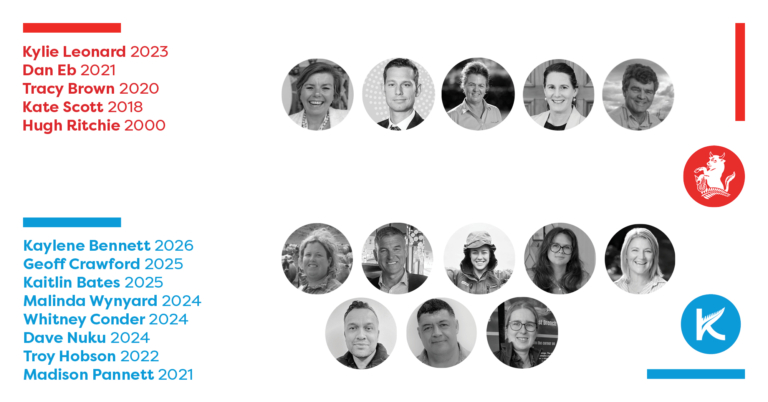
Kaylene Bennett

Kaylene Bennett (Kellogg 2026)
Kaylene is a current Kellogg Scholar and like the rest of her K55 cohort is gathering data for her research into rural women’s mental health.

Kaylene featured on The Muster Hokonui. She spoke to Andy Muir on 18 March.

To help Kaylene with her research, you can complete her survey here.

Alternatively, if you wish to discuss her research, or for more detail, you can email Kaylene directly at kaylene@beachvalley.co.nz

Geoff Crawford

Geoff Crawford (Kellogg 2025)
Geoff featured in an excellent Beef Country article (pages 52-53). The article, titled ‘The fifth quarter – are farmers paid for this?’

Written by Sarah Perriam-Lampp, Geoff’s Kellogg report is unpacked to ask why farmers are not benefitting from an increase in export value for beef co-products.

Take a read of the article here.

or get your hands on a copy of Beef Country.

Kaitlin Bates

Kaitlin Bates (Kellogg 2025)
Kaitlin’s Kellogg report is covered in Dairy Country by Sarah Perriam-Lampp. The article looks at how smarter, science-based nutrition may hold answers to dairy’s next big gains in productivity and profitability. 

Take a read of the article here. (Kaitlin’s in the second article in the link),
 
or get your hands on a copy of Dairy Country.

Whitney Conder

Whitney Conder (2024 Kellogg)
Whitney featured in F+B Tech covering women in business for International Women’s Day.

In the article Whitney explains that she was drawn to horticulture through a summer job, building a 22-year career.

From hands-on orchard work to management, she values teamwork, adaptability, and learning from successes and failures. Now an Orchard Manager, Whitney focuses on planning and supporting people while staying motivated by challenges and meaningful outcomes daily.

Take a read of the full article here.

Dave Nuku

Dave Nuku (2024 Kellogg)
Pāmu (Landcorp) has announced Dave Nuku is its new Associate Director. He joins the board as an observer from 1 March 2026.

Dave featured in a Rural News article on March 10. 

Dave is currently general manager of Ngamanawa Corporation, a Māori entity with a diverse portfolio across forestry, kiwifruit, horticulture, energy, and conservation interests.

On his appointment, he says, “… I look forward to learning from the Board while also bringing my commercial and cultural perspective to support the important role in the primary sector Pāmu has.”

You can read the full article here.

Malinda Wynyard

Malinda Wynyard (Kellogg 2025)
Malinda’s Kellogg report was covered by Sarah Perriam-Lampp in Dairy Country.

Malinda’s report explores., “…the fertile ground for innovation, differentiation and strategic global positioning into emerging markets.”

Take a read of the article here (Malinda’s is the third on the link)

or get your hands on a copy of Dairy Country.

Troy Hobson

Troy Hobson (2022 Kellogg)
Troy recently joined the board of Growing Future Farmers as a Trustee.

Troy has extensive governance and executive leadership experience across agribusiness, finance, Māori commercial organisations and education.

He currently serves on the Fonterra Co-operative Council and is Chair of Eastern and Central Community Trust.

Madison Pannett

Madison Pannett (2021 Kellogg)
Madison recently joined AGMARDT as Programme Delivery Lead (delivering the Common Ground project).

A strategic thinker, a pragmatist, Madison will translate strategy into action plans and lead their delivery for AGMARDT.

Take a read of a LinkedIn post announcing Madison’s new role here.

Kylie Leonard

Kylie Leonard (2023 Nuffield)
Kylie featured on U.S. Dairy Export Council’s ‘Voices from the barn’ podcast. Krysta Harden. President and CEO hosts the podcast.

Kylie talks to Krysta about her passion and pride for the dairy industry.

Take a listen/view here (scroll to down a little to Kylie’s podcast)

Dan Eb

Dan Eb (2021 Nuffield)
Dan has been named the new Deputy Leader of the Opportunity Party. Dan will stand alongside new Leader Qiulae Wong.

“I was really privileged to have both an urban and rural upbringing and those two styles of living have gone on to shape my career,” he said in a recent Herald article.

Dan founded communications agency Dirt Road Comms and Open Farms, an open farm day initiative connecting urban New Zealanders with the agriculture sector. 

Dan stands in the North Auckland electorate of Kaipara ki Mahurangi.

Take a read of Dan’s bio on the Opportunity Party page here.

Tracy Brown

Tracy Brown (2020 Nuffield)
Tracy wrote in the latest CountryWide Dairy Country. It’s a positive piece covering our dairying past, present and future and where DairyNZ’s is heading, “DairyNZ is focused on ensuring the levy is our farmers’ best investment.

We take a transparent approach, investing in science, research, advocacy and farm extension for our farmers.”

Take a read of the article here.

or get your hands on a copy of Dairy Country.

Kate Scott

Kate Scott (2018 Nuffield)
Kate spoke to Bryan Gibson on a recent episode of the Farmers Weekly podcast in her capacity as CEO of HortNZ.

At 8:28 in the podcast, Kate chats about the election manifesto HortNZ has just released, which includes the key issues it hopes the next government will address. 

Hugh Ritchie

Hugh Ritchie (2000 Nuffield)
Hugh Ritchie grows peas, corn and carrots among other crops for McCain on his Hawkes Bay farm.

He spoke to RNZ this week about the blow dealt to NZ vegetable growers by the announcement that McCain will close its processing plant in Hawke’s Bay.

Take a listen to Hugh’s RNZ piece here.

Alumni in the Spotlight – Lisa Portas, Dani Darke, Caroline Batley, Nathan Guy, and more.

Here are just a few of the media pieces covering the impact of Rural Leaders’ Programme Alumni in industries and communities across the sector. 

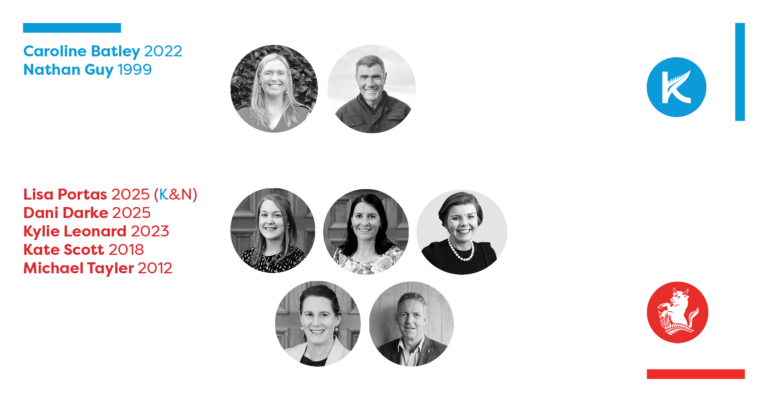
Caroline Batley

Caroline Batley (Kellogg 2022)

Caroline Batley recently completed two years as a Trustee of the Waikato Farmers Trust. In 2025 Caroline was also appointed the new Chairperson of the St Peter’s Owl Farm Governance Committee. 

You can read more about Caroline’s role with Waikato Farmers Trust here.

Nathan Guy

Nathan Guy (Kellogg 1999) was appointed Special Agricultural Trade Envoy (SATE) late last year. He replaces Hamish Marr (2019 Nuffield Scholar) in the role.

He featured in a recent Rural News article in his capacity as SATE, saying the Free Trade Agreement (FTA) with India is a good deal for the country. 

You can read the full article here.

Lisa Portas

Lisa Portas (Nuffield 2025, Kellogg 2019) has become Associate Trustee AGMARDT, replacing Phil Weir (2020 Nuffield Scholar).

Wairarapa-based, Lisa has over a decade of experience working in agriculture, rural businesses and supply chains in New Zealand and internationally. 

Take a read of this Farmers Weekly article on Lisa and the AGMARDT appointment.

Dani Darke

Dani Darke (2025 Nuffield Scholar) and her husband Anthony recently spoke at B+LNZ Tasman Farming for Profit Field Day. They are sheep and beef farmers from the King County, farming Coopworth ewes and Fresian bulls.

Dani is a director for Ballance Agri-Nutrients and is currently finishing off a Nuffield Scholarship with a focus on how we sell our beef to the world. Dani is passionate about rural communities and is interested in making our farms more profitable and our communities stronger.

Michael Tayler

Michael Tayler (2012 Nuffield Scholar) currently serves as chair of United Wheatgrowers New Zealand. Based in Christchurch, the organisation manages grower levies, insurance schemes, and industry representation.

Michael featured in a Farmers Weekly article in January (and on TVNZ) about hail-affected cropping farmers counting losses in the millions after a series of extreme hail events, the worst recorded by United Wheatgrowers. 

Three major hail events hit Canterbury farmers over the Christmas and New Year period, stripping crops. Michael said on average one hail event would affect 300 to 400 hectares. But from these events, 71 claims had been made accounting for almost 5,000ha of wheat.

Take a read of last month’s article here.

Kate Scott

Kate Scott (2018 Nuffield Scholar), Rural Leaders’ Chair and HortNZ CEO, appeared in Hort News recently. Kate reflected on the achievements the sector has seen over the last year, especially apples and kiwifruit.

Regarding apple exports pushing past the billion dollar mark, Kate says, “I think that is testament to apple growers, particularly if they have been recovering from the effects of Cyclone Gabrielle,” she says.

Take a read of the full article here.

Kylie Leonard

Kylie Leonard (2023 Nuffield Scholar) appeared in Farmers weekly recently. Kylie’s Nuffield research explored the effects of ESG on farm finance and this was central to the article.

Kylie travelled widely on her Nuffield New Zealand Farming Scholarship, and gained new perspectives on farming systems, ESG and the role farmers play in strong, resilient communities.

Take a read of the full Farmers Weekly article here.


Future Food and Fibre Leaders Pulse Check – PwC and Rural Leaders.

What’s top of mind for Kellogg Rural Leadership Programme Scholars?

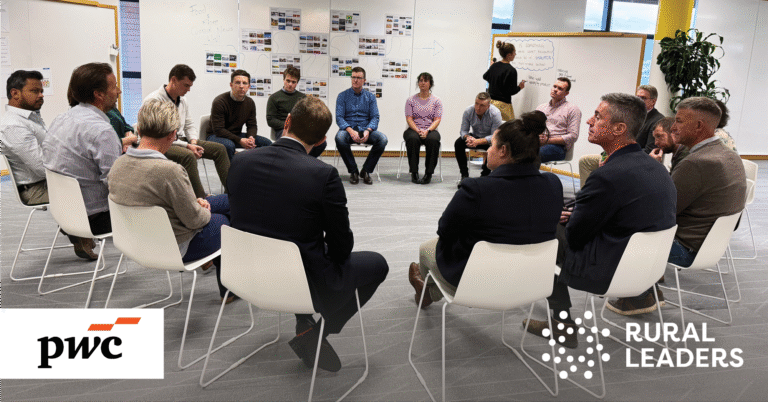
Rural Leaders, in partnership with PwC New Zealand, piloted Future Food and Fibre Leaders Pulse Check with Kellogg Programme One early in 2025.

Pulse Check is a snapshot of what’s top of mind for Kellogg Rural Leadership Programme Scholars, captured through workshops facilitated by PwC and Rural Leaders.

The second Pulse Check with Kellogg Programme Two 2025, captured five key messages.

Here are two:

  1. Adapt and lead through changing times
  2. Be empowered to redefine success

Click here to discover more in the short report.

Thank you to PwC, and to our Strategic and Programme Partners for their ongoing support of the Kellogg Programme and our shared mission to grow leadership in the food and fibre sector.

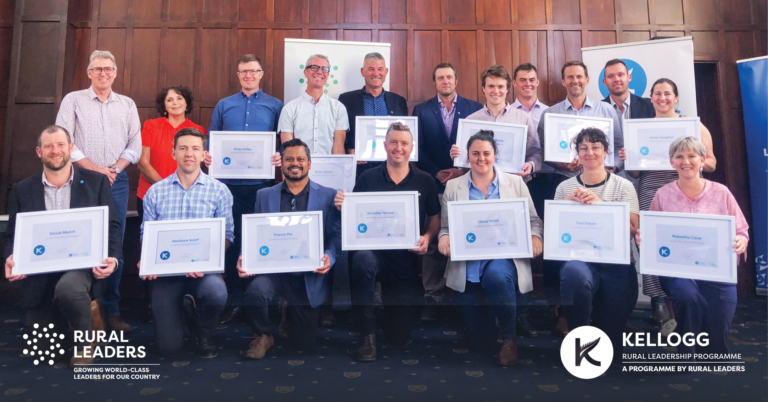
Kellogg Programme Two (K54) 2025 graduate.

After six months, 19 in-person days, delivered across three phases, K54 Kellogg Programme Two 2025, have completed their individual research reports and have graduated. 

Congratulations Kellogg Programme Two 2025

Rural Leaders are pleased to share the latest reports from the graduates of Kellogg Rural Leadership Programme Two 2025 (K54).

Over the last six months the graduates have grown as people and as leaders. A large part of this growth has come from a deep dive into a research topic of interest to them and of value to the sector.

Congratulations to all of the Scholars. Anna Vaughan, Matt Scarf, Tara Dwyer, Tim Orlando-Reep, Natasha Cave, David March, Tim Waehling, Bryan Gibson, Nick Vernon, Nicky Halley, Zac Howell, Pranoy Pal, Geoff Crawford, Olivia Smith, Campbell Smith.

The reports covers such topics as: Biodiversity credit for sheep and beef farmers, news with value, genotyping the NZ sheep flock, wearables, dairy social license, data interoperability, and competition vs collaboration.

Professional Partners: PwC, Tavendales, Federated Farmers

Alumni in the Spotlight – Geoffrey Neilson, Dan Steele, Emma Crutchley, Conan Moynihan, Dan Eb and more.

Here are just a few of the media pieces covering the impact of Rural Leaders’ Programme Alumni in industries and communities across the sector. 

Geoffrey Neilson

Geoffrey (Geoff) Neilson (Nuffield 1976)

Southern farmers Geoff and Ailsa Neilson are being celebrated for opening their home and the minds of scores of Welsh visitors. ODT’s Shawn McAvinue talks to Mr Neilson about his family hosting more than 100 Welsh students on their sheep and beef farm and his wife being his greatest mentor.

Take a read of this ODT article about an extraordinary couple, and a Nuffield alum who is the embodiment of the Nuffield spirit. 

Emma Crutchley, Jon Pemberton

Emma Crutchley (Kellogg 2018, Value Chain 2023), Jon Pemberton (Nuffield 2025), ‘Farm without Harm’ video.

Otago sheep and beef farmer Emma Crutchley (2018 Kellogg Scholar, 2023 Value Chain) and Jon Pemberton (2025 Nuffield Scholar) feature in a ‘farm without harm’ campaign (Safer Farms/ACC).

The campaign leads with videos sharing practical tips designed to help farmers to make small changes to the way they might do things. Ultimately, the work aims to reduce on-farm injury by suggesting a pause before you act; ACC’s familiar ‘hmmm’ ad platform.

If you haven’t seen these clips already, check out one here.

Dan Steele

Dan Steele (Nuffield 2015, Value Chain 2023)

Blue Duck Station owner Dan Steele NZ and wife Sandy recently won the tourism environment category at the New Zealand Tourism Awards.

Blue Duck Station, is a working beef and sheep farm and eco-tourism destination in Whanganui National Park.

“We’re really hoping that this becomes more mainstream, for more businesses to do more conservation work and pay their rent to NZ for looking after our natural capital,” said Dan.

Congratulations to Dan, family, and the Blue Duck Station team. Take a read of a Whanganui Chronicle article here.

Dan Eb

Dan Eb (Nuffield 2021)

In his semi-regular crafting of articles for Farmers Weekly’s ‘Eating the Elephant column, Dan asserts that Pirates were actually the pioneers of modern Human Resources and workplace culture.

“Despite working in a context of high seas thievery and murder, they built flat, high-performing organisations based on trust, transparency and teamwork that outdo many modern teams and companies.”

Dan offers a few pirate myths this idea busts and lessons it offers for us modern folk. Take a read of the article here.

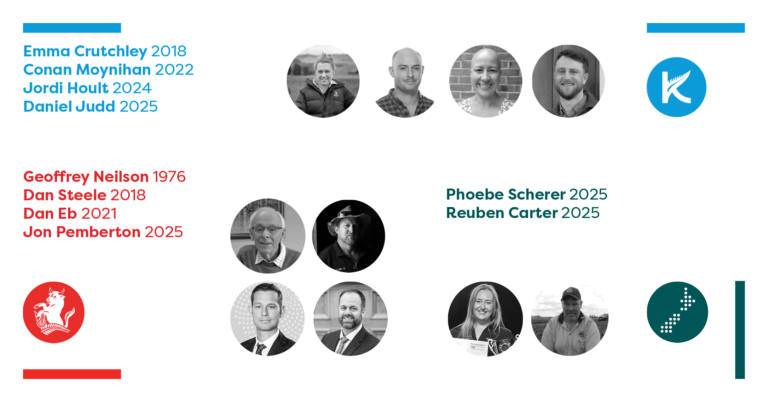
Conan Moynihan, Phoebe Scherer, Reuben Carter, Dr Jordi Hoult, Daniel Judd

The following alumni featured in the latest issue of CountryWide magazine. To access the Virtual Magazine, you need to be a subscriber and be logged in to the site. 

Log in here or choose your subscription here: 12-month CountryWide Digital Only Subscription. OR purchase a copy for delivery

Conan Moynihan (Kellogg 2022), CountryWide Magazine, Page 24.
Conan ‘Force of Nature Consulting’, is helping farmers find the sweet spot between environmental and economic sustainability. Conan believes that the future of farming must remain rooted in tradition and in transformation too. 

Phoebe Scherer, Reuben Carter (HortNZ Leadership Programme 2025 and 2024 respectively)
On Page 82 and 83 an article ‘Nurturing the next generation’ offers a timely dive into the future of leadership in the horticulture sector. Horticulture New Zealand celebrates 20 years this year. 

Bay of Plenty grower and 2025 Young Grower of the Year, Phoebe Scherer and Reuben Carter, along with Kate Scott, CEO HortNZ, offer comment on leadership in the sector.

Dr. Jordi Hoult (Kellogg 2024), CountryWide Magazine, Page 80.
Jordi graduated Kellogg after presenting her research ‘Empowering the missing middle in leadership’. The report asserts that 30-50 years old farmers and rural professionals are missing from the leadership conversation.

On her research Jordi says, “Despite the wealth of experience many in this group possess, traditional leadership development pathways tend to focus on younger individuals, leaving mid-career professionals without the resources they need to continue growing.”

Daniel Judd (Kellogg 2025), CountryWide Magazine, Page 58.
Daniel’s excellent Kellogg report, ‘The soils gap: interactions between science, commerce and culture, is explored on page 58 and 59 of the magazine. Daniel’s report and the article explore the drivers behind conventional and regenerative farming practices and seeks to reduce the barriers that seperate the two approaches.

Alumni in the Spotlight – Clare Bradley, Jared Clarke, Kelly Heckler, Tracey Perkins, Erica van Reenen, Dr Jordi Hoult

Here are just a few of the media pieces covering the impact of Rural Leaders’ Programme Alumni in industries and communities across the sector. 

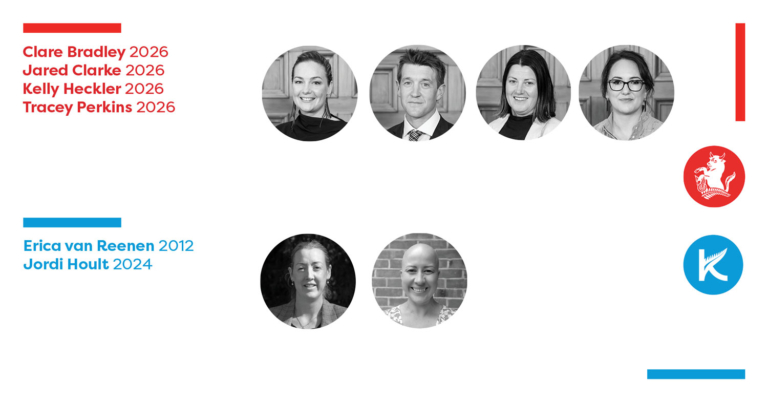
Clare Bradley, Jared Clarke, Kelly Heckler, Tracey Perkins, 2026 Nuffield Scholars

The four new Nuffield Scholars received their awards in Parliament on 4 November.
From Canterbury, Otago and the Bay of Plenty, and representing industries including dairy, sheep and beef and aquaculture, they join 193 Nuffield New Zealand alumni and over 2000 international alumni.

Coverage in the news includes:

Erica van Reenen, 2012 Kellogg Scholar

Erica van Reenen featured on REX (Rural Exchange) recently. Erica is the 2025 Rural Professional of the Year and AgFirst Chair. Erica spoke about her time working in government policy at the intersection of the Clarke and Key tenures. And she spoke about the lessons she learned and her time as a Kellogg Scholar. Listen to the podcast episode here.

Dr Jordi Hoult, 2024 Kellogg Scholar

Dr Jordi Hoult, discusses drawing on her Kellogg research and experience in New Zealand’s food and fibre sector with Sarah Perriam-Lampp on the CountryWide podcast. Jordi explores how to empower mid-career professionals often overlooked in leadership. She identifies her Kellogg research “the missing middle” and highlights mentorship and flexible development as key to helping people in their 30s–50s thrive and shape the sector’s future. 

Listen to the podcast episode here.

MyLead – Supporting stronger leadership in Food and Fibre.

MyLead: Supporting stronger Leadership in Food and Fibre.

A closer look at MyLead’s leadership stage outcomes and the industry stories that bring these to life.

MyLead.co.nz helps individuals at all stages of their leadership journey identify tailored development pathways to support their personal and professional growth.

MyLead marks a step toward a more coordinated and impactful approach to developing our sector’s most important asset – our people.

Research commissioned by Food and Fibre Centre of Vocational Excellence and led by Rural Leaders provides a leadership framework. The site brings this framework to life with an ecosystem of leadership programmes along with leadership outcomes by stage, supported by real industry stories.

The outcomes and stories vary depending on both the stage and industry selections users make on the site, making it a personalised experience.

What follows is an opportunity to review all of the leadership outcomes from the framework and their supporting stories.

These have been categorised, as they would be on MyLead, under the three leadership stages: leading self, leading others, leading strategy.

Leading self (team member/team leader)

Those at the Leading Self stage are focused on planning and executing tasks to achieve organisational or team objectives.

Leaders build trust

Relationships are founded on trust. It is also the oxygen that leadership breathes. How leaders behave builds or destroys trust. Without trust, suspicion, misunderstandings, failing relationships, and toxic workplaces quickly follow.

Story from the Sector

Leaders have empathy

To learn and understand others, we must demonstrate empathy. This is the ability to see and understand someone else’s perspective without judging it, or them… Demonstrating a genuine care and empathy for the team was frequently cited as a core attribute of what kaimahi (workers) in the sector wanted from their leaders.

Story from the Sector

Leaders are resilient

As a concept, resilience refers to the ability to endure and absorb the shocks of the world and recover from adversity… The good news is it is a learnable skill. For example, leaders can practice focusing on what they can control, taking charge of their thoughts, and adopting helpful habits.

Story from the Sector

Leaders are curious

Curiosity is a hunger to learn and grow further… The best leaders are not just curious about those things that directly relate to them, but they are also curious about what is happening beyond their immediate environment and how they might be able to adapt ideas from elsewhere.

Story from the Sector

Leaders understand their reputation

As leaders, we need to understand our reputation. Asking for 360-degree feedback can be very useful here (and potentially very confronting). How do other people see us? And does this reflect who we believe we are?

Story from the Sector

Leaders are in tune with their feelings

We lead people when we move them emotionally. So as leaders, we need to understand how emotions work, how they impact our thinking, affect our physical bodies, and how they spread between people.

Story from the Sector

Leaders understand their own drivers and values

As the leader, we are our first team member. So, leading ourselves is our first leadership responsibility. Knowing ourselves is a big ask, because it means exploring what it is that makes us tick—to differentiate between things that give us strength and those that cause grief.

Story from the Sector

Leading others (manager/general manager)

Those at the Leading Others stage bridge strategy and action by organising and systemising for success.

Leaders hold people to account

Leadership involves taking accountability for the behaviours and performance of the team while having the courage to share responsibility and authority with them.

Story from the Sector

Leaders delegate authority

As the leader, we are accountable for the results and wellness of our team. A leader’s accountability cannot be divided or delegated, but our authority and responsibilities can and should be… It takes courage to let go and let others act for us, knowing they may do it differently to us.

Story from the Sector

Leaders make effective decisions

Effective leadership is not a popularity contest. Leadership comes with scars. This is because a leader’s calling is to change-up (or adapt) the game rather than optimise the current game. To change with the times, the sector needs leaders with the courage of their convictions.

Story from the Sector

Leaders invest in people’s growth

As leaders we grow people, and our people grow the Food and Fibre our nation relies on. When we invest in our people, we invest in our business, not least because our people make decisions every day that have a material impact on the purpose or profit of our organisation.

Story from the Sector

Leaders deal with status and power

Leadership roles typically come with status and power which, to the unprepared, can be intoxicating. Leaders who put their own interests first, or who start thinking their elevated position equates to importance, set a rot in action that will ultimately undermine themselves and the results they seek to create.

Story from the Sector

Leaders serve something greater than themselves

Truly leading well is an act of service. Our role as the leader, is to serve the collective, not ourselves… An ethos of service works by unlocking one of leadership’s paradoxes (to lead we must serve). Leaders who serve, harness the reciprocal energy of the collective group or team.

Story from the Sector

Leaders make one-to-one connections

Leaders build a bridge between themselves and other people. To do this, leaders build trust, get alongside their people, and do more than just communicate— they connect. At its best, connecting is akin to creating a sense of family, this is the Māori value of whakawhanaungatanga.

Story from the Sector

Leaders know and understand others

As leaders, in addition to knowing ourselves we need to know others. To know others, we must seek to understand them. The things we seek to learn about ourselves (personality, thinking style, emotions, and resilience) are the same things we need to be curious about in seeking to know others.

Story from the Sector

Leading strategy (executive/director)

Those at the Leading Strategy stage focus on articulating the vision, generating value and creating competitive advantage.

Leaders energise the team

Energy is the wellspring of true leadership. When we are truly leading, the alignment of our whole self with meaningful purpose energises us and others are drawn to it. Finding what energises us and what feels true, is leadership’s X-factor. This is when the magic happens.

Story from the Sector

Leaders connect the team to an organisational purpose

People need to know that what they do matters. Leaders ensure their people understand how their task is important to the bigger picture. People simply want to know why they’re doing a task; this is what makes it meaningful.

Story from the Sector

Leaders create an environment where team members have autonomy over their timing and place of work

Flexible working practices should, as the name says, be flexible. It is unrealistic to think we can apply flexible working practices universally across an organisation. The goal is to apply them where possible. Organisations that embrace flexibility will maximise the pool of talent they can recruit from.

Story from the Sector

Leaders create an environment where team members have the autonomy to determine how best to conduct their tasks

People don’t want to be micromanaged. To give our people more autonomy, we need to focus more on the outputs we want them to achieve, and less on their inputs (methods, hours, and location required to deliver those outputs). In the end, it is as simple as giving people choice.

Story from the Sector

Leaders role model belonging

As leaders, we must create an environment where all our people feel they truly belong. This includes us. If we are brave enough to be authentic, we show our team members that it is safe for them to be authentic too.

Story from the Sector

Leaders create an environment where all team members feel safe to be their full and authentic selves

Leaders create an environment where everyone in their team can bring their whole, authentic, unique self to work and feel truly valued and included.

Story from the Sector

Generate your own leadership development pathway

Visit MyLead.co.nz

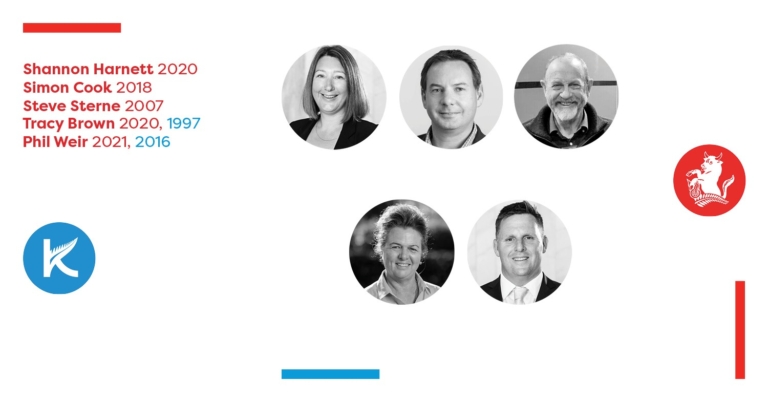
Alumni in the Spotlight – Tracy Brown, Shannon Harnett, Steve Sterne, Simon Cook, Phil Weir

Here are just a few of the media pieces covering the impact of Rural Leaders’ Programme Alumni in industries and communities across the sector. 

Shannon Harnett, 2020 Nuffield Scholar

Shannon Harnett shares her recent AI learning experience exclusively with Rural Leaders.

Read Shannon’s article here.

Tracy Brown, 2020 Nuffield Scholar, 1997 Kellogg Scholar

Tracy Brown has been re-appointed unopposed as a director to the DairyNZ Board.

Read the article here.

Phil Weir, 2020 Nuffield Scholar, 2016 Kellogg Scholar

Phil Weir has an opinion piece published on Farmers Weekly about whether it’s time to consider feedlots as ‘batteries’ for the meat supply chain.

Read the article here.

Steve Sterne, 2007 Nuffield Scholar

Steve Sterne was recently honoured with NZPork’s Outstanding Contribution Award.

Read the article here.

Simon Cook, 2018 Nuffield Scholar

Simon Cook has been elected to the Horticulture New Zealand board.

Read the article here.

Shannon Harnett – Making AI work for you

Shannon is a 2020 Nuffield Scholar, Director and Co-Owner of Rural Accountants and has investments in agriculture, horticulture and aquaculture businesses. In this article Shannon shares her insights into how to make AI work well for you.

Making AI Work for You
The first time I saw ChatGPT in action was in the summer of 2023, at a friend’s house. We asked it to write a poem about accountants. It was hilarious — but underneath the humour, I realised the potential.

Very quickly, AI became my assistant. At first, it fixed grammar and spelling in emails and reports. My writing became sharper, more concise, and easier to read with far less grammar and spelling mistakes! Mark Twain once said, “If I had more time, I would have written less.”  With AI, that constraint no longer applies.

The real turning point, though, was when I used AI to turn something messy into something structured and useful. Not “robots taking over the world.” Just getting the AI to ask me questions, one by one, about a project I was working on, then pulling my answers into a clean, usable format.

That’s when it clicked: AI isn’t just a word-smithing assistant. It’s a strategic tool. Used well, it takes work off your plate, sharpens your thinking, and creates scale without the hours of refining.

It Starts with the Question
The biggest lesson? It’s not about having the right answer. It’s about asking the right question.

I now frame prompts like I’m briefing a new hire: clear role, clear context, clear task. For example, as a CEO, I don’t just type, “Help me with strategy.” That’s far too broad. Instead, I say:

“You are my Scaling Up Strategy Assistant. Ask me one question at a time. Start with People, then Strategy, then Execution, then Cash, then Risks & Opportunities. Only show me the full summary once we’ve covered all five areas.”

The result is an interactive interview where AI does the admin while I do the thinking. That’s the power of a good prompt: it forces clarity, and the output is miles better than a vague question ever delivers. And, in truth, learning to prompt AI has made me a better leader — clearer, more structured, and more intentional in what I ask of others.

Small Steps, Big Wins
You don’t need to overhaul your whole business to start. Try it on something small, try it on something creative.

Don’t know what to have for dinner? Take a photo of what’s in the fridge, upload it to AI, and it’ll generate recipes with step-by-step instructions.

It sounds trivial, but it proves the point: AI can sift through messy inputs, structure them, and give you something useful in seconds. In business, the same applies — pulling data from multiple reports, tidying client communications, or drafting meeting notes. These aren’t tasks we can’t do. They’re tasks that chew through time — and AI gives that time back.

The Power of Projects
The real magic happens when you start treating AI as a project partner. I’ve been experimenting with GPT-powered projects that run like structured workflows — guiding me step by step, capturing the right inputs, and producing a clear, consistent output.

Here’s what that looks like:

  • A marketing project where AI builds a content calendar in my brand voice.
  • A reporting project where AI pulls numbers from my files and formats them into a tidy monthly pack.
  • A strategy project where AI interviews me (or my team) and distils the answers into a one-page plan.

You define the outcome, give AI the right resources (files, data, context), set simple rules, and let it guide the process. The result is structure, quality, and momentum — without false starts or bottlenecks.

And once a project is set up, anyone in the team can run it. That means clarity and consistency, whether I’m leading it or handing it over.

AI in the Tools You Already Use
AI isn’t just in chat windows. It’s already creeping into the software you use every day.

Take Microsoft Copilot. It can scan emails and Teams chats, spot an approval request (“Can I go ahead with this?”), and track it. If three days go by without a reply, it nudges the approver and updates the requester.

That alone kills the “lost in the inbox” problem that slows teams down. But it also shines at surfacing related documents inside Microsoft 365 — I’ve saved hours finding what I need.

A New Way of Leading
Here’s the mindset shift: AI isn’t just tactical. It’s strategic.

The sticky note on my desk simply says:
“How can AI help me do this?”

Whether I’m writing a report, mapping a process, or planning strategy, I pause and ask where AI could take the load. Most of the time, it’s not about replacing me. It’s about clearing space so I can show up where it really matters — with clients, with strategy, with people.

How to Start Today
If you’re ready to dip your toe in, here’s a simple path:

  • Pick one task you repeat often (emails, stakeholder lists, client notes).
  • Write a clear prompt that sets role, context, and task.
  • Let AI break it into questions and interview you.
  • Use the output, tweak it, and save the prompt for next time.

Once you’ve got one win, build a small “AI toolkit” for yourself and your team — a set of prompts or projects that anyone can use.

Final Thought
AI won’t magically run your business or your life. But it will tidy the messy bits, speed up the slow bits, and track the bits you’d usually forget.

And when you start treating AI less like a novelty and more like a colleague — one that never gets tired of chasing approvals or formatting tables — you’ll see what I’ve seen: the power to do more, without burning yourself or your team out.

I completed the Spark-funded AI Mini MBA course, and it was one of the best investments of time I’ve made. If you get the opportunity, take it.

Shannon’s 2020 Nuffield report on Kiwifruit PVR’s ‘Getting Plant Varieties Right’ can be viewed here.


Alumni in the Spotlight – Marise James, Amber Carpenter, Iain Inglis, and more.

Here are just a few of the media pieces covering the impact of Rural Leaders’ Programme Alumni in industries and communities across the sector. 

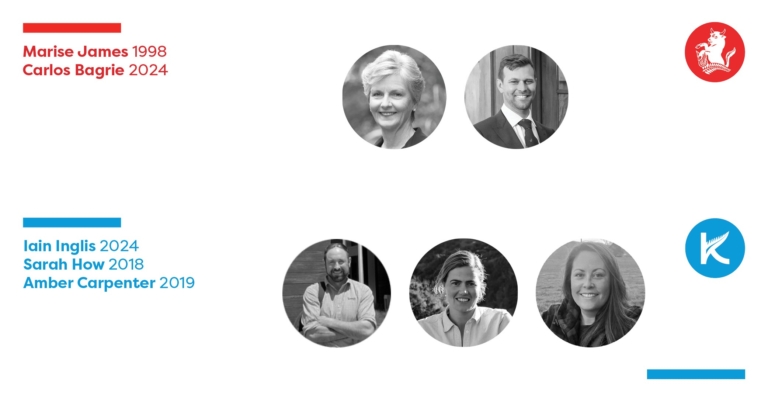
Marise James, 1998 Nuffield Scholar

This is one we missed. Former Fonterra director Marise James told Dairy News that the future of the dairy industry depends upon the direction of travel with respect to climate change.

Marise says, “Farming has always been the backbone of the New Zealand economy, seeing us through really tough times and creating a place in the world that recognises the value of high-quality food, fibre and health production.”

Read the article here.

Carlos Bagrie, 2024 Nuffield Scholar

Carlos was in Farmers Weekly a couple of weeks ago encouraging a national conversation on what other options NZ’s economy may have to enjoy stronger economic growth.

Talking to Farmers Weekly, Carlos said, “Our growth in agriculture is pretty much looking to be more linear than exponential heading into the future. It is not that there are not gains still to be made, it’s just those gains are more seconds than minutes in terms of performance lift.”

Read the article here.

Iain Inglis, 2024 Kellogg Scholar

CountryWide spoke to Iain Inglis, about his Kellogg research report ‘Better cattle handling: For people, product and perception’.

Iain covers off three opportunities that come from Low stress handling – improved operational efficiency, enhanced meat quality, and a safer working environment for handlers.

Read the article here.

Sarah How, 2019 Kellogg Scholar

Sarah How was featured recently in Alumni in the Spotlight, but we missed this article in Sheperdess. Sarah is the co-founder of Landify, a platform which connects farmers with potential partners and investors to explore collaborative opportunities in farming.

The April article talks about her background, the Landify story, and on being a finalist for the 2025 Zanda McDonald Award.

Read the article here.

Amber Carpenter, 2018 Kellogg Scholar

Amber featured on page 92 of the latest NZ dairy magazine. Amber and her husband Fraser, have recently purchased a digital marketing business to sit alongside Grass Roots Media, also owned by the couple.

Take a read of Amber’s story here.

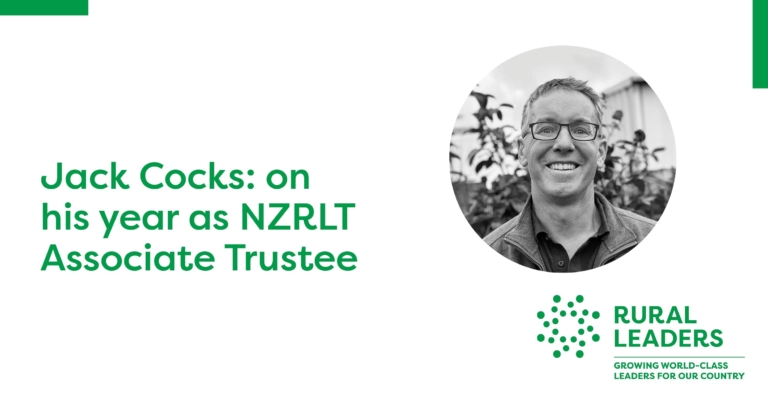
Jack Cocks signs off on a year as the NZRLT Associate Trustee.

Jack Cocks has just finished a one year term as Associate Trustee for the New Zealand Rural Leadership Trust (Rural Leaders).

Jack is a high country farmer who holds a bachelor’s degree in farm management from Lincoln University and a masters in agricultural economics from the University of Illinois. He is as much at home in the city as he is in the Otago high country running Mt. Nicholas Station with his wife and children.

Jack suffered a life-threatening brain aneurysm twelve years ago which saw him spend eight months in hospital over six years and undergo fifteen major surgeries.

Following this experience he researched how ‘Resilient Farmers Thrive in the Face of Adversity’ through the Kellogg Rural Leadership Programme. He is now a well-respected speaker on farmer resilience.

Early in 2024 Jack joined the New Zealand Rural Leadership Trust (Rural Leaders) as an Associate Trustee to learn more about governance from the Trust’s experienced board.

“I enjoyed learning from the other trustees. They all had different skill areas and very smart perspectives too. Being part of a team was also an appealing thing to me. The frequent events, such as the Kellogg networking event in Wellington, were great too.”

Mt. Nicholas is remote, so Jack cites the board interactions, both online and in-person, as being another important draw. “You’re not in an immediate community here at Mt. Nicholas. You’re not going to the local field days, meetings or functions that often. So, keeping involved with board matters was enjoyable,” says Jack.

Jack’s plan is to now shift his focus closer to home, on family and the business.

“Our kids are going through high school, they’re both week-day boarding in Invercargill, two and a half hours away. It’s a reasonable commitment to head up and down the road every week.

I’m still doing one or two speaker engagements a month. I’m able to give back a bit to the sector and the community, and a lot of that has spun out of my Kellogg,” adds Jack.

Jack plans to continue his governance journey once his children leave school. He acknowledges the strong foundation the year as an Associate Trustee has given him and he mentions some advice he was given before he went into the role.

“Some advice I got from a wise director before joining Rural Leaders as Associate Trustee, was to look at the one year term in three parts. The first part is asking plenty of questions. The second part is establishing credentials. The final part is adding some value.

I didn’t throw any ideas around for a start, but tried to understand the business. Then I established myself in that second part and looked for ways to add value in that last part. Some of the work that Lisa Rogers and I were doing towards the end with the Value Chain Innovation Programme; like looking at an offshore component for it, fits into that.

That’s how I approached the one year, and I found that advice really useful. It reassured me that I didn’t need to go in guns blazing,” says Jack.

Kate Scott, Rural Leaders Board Chair, spoke of Jack’s measured and intelligent approach to his time as Associate Trustee, “The knowledge Jack has passed on, especially around farmer resilience, has been invaluable. Jack’s calm, clear and curious nature make him a standout as he continues his governance journey.”

Katie Rodwell recently joined as the new Associate Trustee, marking the end of Jack’s year.

“It was a tremendous opportunity. I thank the board and the Rural Leaders’ team for their openness and inclusiveness. I really felt comfortable and that I could contribute to make a difference,” concludes Jack.

FMG Young Farmer of the Year winner to attend the Kellogg Rural Leadership Programme.

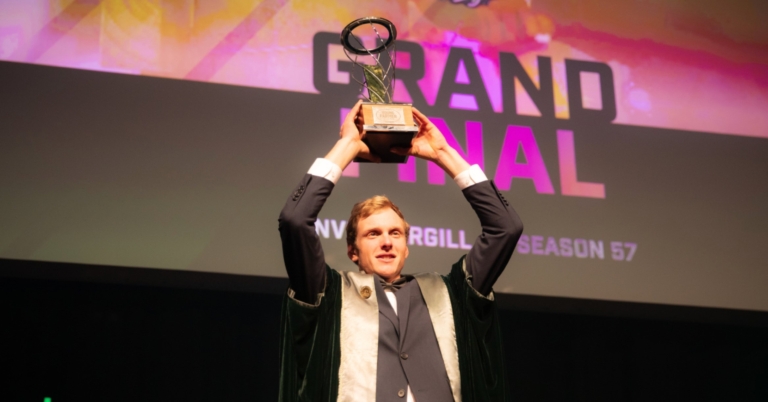
Hugh Jackson, a Waikato Bay of Plenty Young Farmer, has won the title of New Zealand’s top young farmer. 

Hugh is a 26-year-old sheep and beef farmer and was crowned the 57th FMG Young Farmer of the year at the Grand Final event in Invercargill on 5 July.

Working on his family’s farm north of Raglan, Jackson also has an interest in technology, and a passion for mental health.

Jackson believes technology will play a big role in shaping in the future of farming, as well as in the lives of the young people who will be using it. 

The New Zealand Rural Leadership Trust (Rural Leaders), in partnership with Lincoln University, sponsor the FMG Young Farmer of the Year winner on a place to attend the Kellogg Rural Leadership Programme. Rural Leaders and the University have been doing this for several years.

Rural Leaders CEO, Lisa Rogers said it was a close finish but Hugh’s determination shone through, and added, “We look forward to seeing Hugh on the Kellogg Programme soon. It was a privilege to attend the Grand Final and see first-hand, the depth of talent we have coming through New Zealand Young Farmers.”

New Zealand Young Farmers chief executive Cheyne Gillooly in a Young Farmers article said Jackson impressed everyone with his talent. “…It’s inspiring to see the recognition go to someone who will not only be a strong ambassador for the next generation of young farmers, but across the agricultural industry.” 

Source: https://www.youngfarmers.co.nz/news/hugh-jackson-crowned-2025-fmg-young-farmer-of-the-year

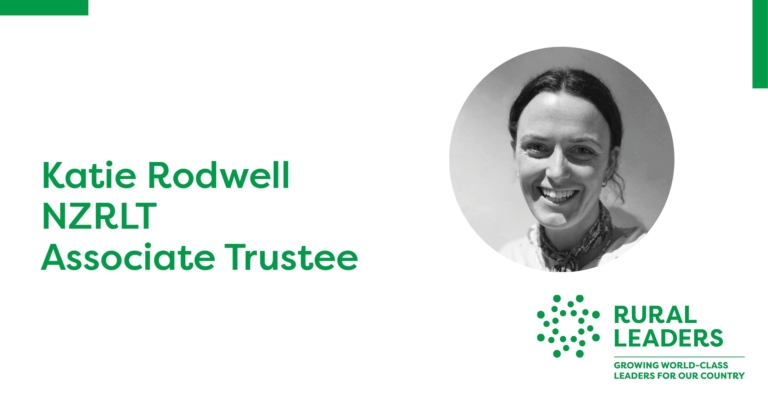
Katie Rodwell joins NZRLT as Associate Trustee.

The NZRLT Board and Leadership Team welcomed Katie Rodwell, Associate Trustee, to the NZRLT Board in May.

Katie replaces outgoing Jack Cocks. We’ll share more on Jack and his time with the NZRLT board soon.

Katie has recently returned to work after being on maternity leave for a year. She is looking forward to getting into the year and the new governance opportunity that being selected as Associate Trustee represents.

Rural Leaders caught up with Katie on her third week back at Rabobank to discuss her background and why she went for this governance role.

Katie, her husband, Luc and son Paddy, live in North Canterbury, just on the outskirts of Amberley. They have been on their six hectare block just over a year and a half.

Katie grew up on a farm north of Kaikoura; a farm that sold just before the Kaikoura earthquakes. Since then Katie has been Canterbury-based for most of her life. She attended Lincoln University and after graduating went to Farmlands Cooperative, where she worked for eight years as both Brand Manager and Marketing Manager.

This was followed by a move into the Head of Sustainability and Land Use role. Then to Rabobank as Sustainability Manager where she has been for three years, two of which were working – one on maternity leave.

Katie completed the Kellogg Rural Leadership Programme in 2019 as part of cohort 40. Her Kellogg research looked at the consumer-driven and environmental challenges the primary industries face. Her report proposed New Zealand lead in nutrient-dense, sustainable food, using innovation, education, and collaboration to reshape agriculture and meet rising health-focused demand.

It was the Kellogg experience that underscored her decision to join the Rural Leaders’ Board. “It was a really transformative experience for me, and I wanted to give back to the organisation that had helped me so much”, Says Katie.

The opportunity to work with and learn from Rural Leaders’ experienced board members, Katie cites as one of the other standout reasons for her decision.

“I also relate strongly to the vision of Rural Leaders – around growing our leaders and the importance of developing leaders in our sector. I want to help drive impactful change so, I see Rural Leaders and the programmes and projects they undertake as being a powerful tool to help achieve that.

My passion is around how we create thriving, resilient farming businesses, and I see that having good leaders is fundamental to achieving that”, concludes Katie.

On the appointment, Kate Scott, NZRLT Board Chair said, “We’re pleased to have Katie join the NZRLT Board as Associate Trustee. Katie brings a range of skills but most of all a demonstrated passion for leadership development in food and fibre.”

Katie’s first official board meeting as Associate Trustee will be this month (July).

Pulse Check. A Rural Leaders and PwC collaboration.

Rural Leaders, in partnership with PwC New Zealand, have piloted a new concept: the Future Food and Fibre Leaders Pulse Check. It’s a snapshot of what’s top of mind for the latest Kellogg Rural Leadership Programme cohort, captured through a workshop facilitated by PwC and Rural Leaders earlier this year.

What do the next generation of food and fibre leaders believe we need to act on right now?

The result? Five clear, practical messages for today’s leaders—touching on:

  • Harnessing tech in a producer-centric way
  • Balancing productivity with sustainable resource use
  • Strengthening confidence through regulatory certainty
  • Building our global reputation
  • Investing in people through better systems and storytelling

👉 Download the Pulse Check here.

This is the first time we’ve run this kind of initiative—and we’d love to hear your thoughts. Is this useful? What could make it better? What other voices should we bring to the table?

Please get in touch with Lisa Rogers at Rural Leaders if you would like to discuss.

Thank you to PwC, our Strategic and Programme Partners for their ongoing support of the Kellogg Programme and our shared mission to grow leadership in the food and fibre sector.

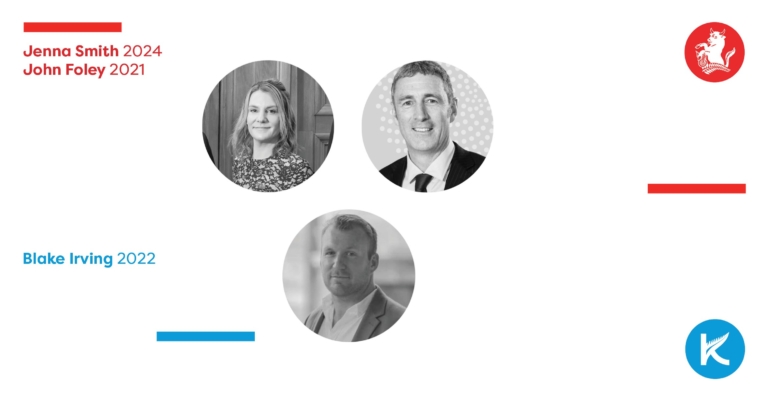
Alumni in the Spotlight – Blake Irving, Jenna Smith, John Foley.

Here are just a few of the media mentions that cover the impact of Rural Leaders’ Programme Alumni in industries and communities across the food and fibre sector. 

Blake Irving, 2022 Kellogg Scholar

After five years with Comvita Limited, and 8 years in the apiculture & honey industries, Blake to a new opportunity leading Clelands Timber Products , learning all things timber and manufacturing, and contributing further to its 100+ years of success.

Congratulations Blake.

Jenna Smith, 2024 Nuffield Scholar

Jenna Smith’s research into peatlands was covered last week in an informative article by Farmers Weekly.

Jenna’s Nuffield research focuses on opportunities for improved environmental and production outcomes for peat country.

Jenna is CEO for Māori-owned Pourarua based on Hauraki Plains. Pourarua has interests in dairy, arable, beef and horticultural enterprises.

Read the article here (you can access Jenna’s Nuffield report here too).

John Foley, 2021 Nuffield Scholar

In an article for Farmers Weekly’s regular column ‘Eating the Elephant’, John Foley writes on the impact family farms have played in shaping Aotearoa New Zealand.

You can read the article here.


Kellogg offers two qualifications.

Just over a week ago, many alumni of the 52nd Kellogg cohort graduated with Post Graduate Certificates.

Credentialisation of the Kellogg Programme through Rural Leaders’ academic partners Lincoln University means Kellogg graduates can gain the Post Graduate Certificate in Commerce as well.

The next opportunity to do this for yourself will be on Kellogg Programme One, 2026 (late January start). Early applications are welcome. Head here for more information.

Congratulations to these double qualification recipients.

Congratulations to the following PG Cert graduates from cohort 52 Nick Martin, Megan Fox, Cheyenne Wilson, Richard Pentreath, James Prunty, Hamish Symons, Kendal Buchanan, Jordi Hoult, Laura Deeming, Iain Inglis, Whitney Conder, Ben Aiken, Oliver Hampson, Kate Kellick, Hamish Hodgson, Anita Fleming.

And also graduating were Wyatt Johnston, Lisa Lunn and Allan Dunn from the 51st cohort.

Image comes courtesy of Lincoln University.

Kellogg Rural Leadership Programme cohort 52 (Programme Two 2024)

Threads of influence. A Champion of rural leadership development.

For the last eight years Dr Scott Champion has been a key figure in the development of leaders in food and fibre. He has made a direct impression on over 300 leaders on the Kellogg Rural Leadership Programme and many more through Nuffield, Engage and the HortNZ Leadership Programme.

Scott’s deep sector-wide knowledge, delivery style, ability to deftly weave discussion threads, and tease out insights, has made him one of the sector’s most in-demand facilitators.

As Scott leaves his role with Rural Leaders for a new challenge at Foundation for Arable Research (FAR), we thought we’d take a look at his career so far – one chaptered by key sector roles, research, and developing food and fibre’s leaders.

Foundations in agriculture.

Dr Scott Champion’s journey into agriculture didn’t start in the heartland of rural New Zealand. The story is no less compelling. Raised in Sydney, Scott was drawn to the land from a young age. Family connections to farming in New South Wales sparked an early fascination in the potential of agriculture to sustain humanity in exciting new ways.

His entry into agriculture came at an open day at the University of New South Wales. Scott came across a programme in wool and animal science. He enrolled in the degree, and this soon led to a deep scientific interest, particularly in the relationship between animal nutrition and wool quality. This path took him on to a PhD, which he completed partly in Sydney and partly in Tasmania.

After completing his doctoral studies, Scott moved into teaching and research in animal science at the University of Tasmania. Then in 2001, a new opportunity arose: a product development and research role with the New Zealand Merino Company.

Scott on-farm with a recent Engage Programme cohort.

Science and innovation.

At this time, the New Zealand Merino Company had challenged the long-standing wool auction system, which traditionally kept growers disconnected from brands and consumers. Instead, the company fostered an attribute-based, contract-led supply chain model. The partnership with Icebreaker, one of the company’s earliest and most well-known collaborators, illustrated this shift well. By building direct links between growers and end-users, the New Zealand Merino Company helped brands create compelling product stories while giving growers visibility and value beyond auction prices.

Scott’s science background played a pivotal role in telling the story of Merino wool in new and practical ways. He worked alongside the commercial wool team to deliver training and develop retailer experiences that showcased the performance benefits of Merino, such as moisture absorption and fire resistance, often through live demonstrations. These tactile, science-backed experiences helped redefine how retailers and consumers perceived wool, especially internationally, where traditional wool was often associated with scratchiness and discomfort.

“We thought of ourselves as being an ingredient brand that could sit inside retail brands. So the purpose was not to create a retail brand in its own right around New Zealand Merino, but to create an attribute, an origin story that functioned as an ingredient brand,” says Scott.

the New Zealand Merino Company’s approach, Scott notes, wasn’t just commercial, it was transformational. The company positioned Merino not just as a material, but as an important performance attribute. This shift, from commodity to value-added story, inspired similar approaches across the food and fibre sector.

The CEO.

Scott’s next move was to Beef + Lamb New Zealand (B+LNZ), initially as General Manager of Market Access  and Services. The position brought together technical policy, trade access, animal welfare, and red meat promotion; areas that spanned local and international impact. Scott worked on initiatives such as the Five Nations Beef Alliance (which later expanded to seven countries), focusing on improving global trade outcomes for beef.

Later, Scott was appointed CEO of B+LNZ and concurrently led the New Zealand Meat Board, where in addition to strategic oversight, he was responsible for managing farmer reserves and quota access for red meat exports to the US and EU.

Following his tenure at B+LNZ, Scott explored a new direction, founding the consultancy Primary Purpose with a business partner. The consultancy would offer strategic advice and social research across food, agriculture, and natural resources.

Growing rural leaders.

Around this time, Scott’s relationship with the Kellogg Rural Leadership Programme deepened. Having previously been a regular industry speaker on Kellogg, he took on the role of Programmes Director and lead facilitator.

Speaking to Kellogg participants, Scott emphasises leadership is not about titles or standing at the front of the room telling others what to do, it’s more about being in the middle, understanding context, and drawing on lived experience. One of the programme’s unique strengths, he says, is its ability to give people confidence, regardless of their academic background. Participants, some without tertiary education, emerge from the programme with a deeper sense of self and purpose, and an understanding of the broader food and fivre industry.

Kellogg also offers access to influential speakers and one-on-one conversations with senior leaders across government and industry. For many participants, it’s a rare chance to see high-level leadership up close and to realise that those in senior roles are human, facing many of the same challenges anyone else does.

“The convening power of the programme is often underestimated. People are always willing to talk to our Kellogg cohorts. These are people who would have lots of things that they can potentially do in that time slot. I think that’s a mark of Kellogg’s standing”, says Scott.

The long-term impact of Kellogg is increasingly evident, with alumni populating boards, advisory groups, and sector leadership roles. The programme, nearing its 50th year, continues to be a vital part of New Zealand’s rural leadership pipeline.

“As the sector becomes more complex, the need for good leaders who understand context is significant. Not just the narrow technical nature of many of the roles that we all operate in, but that they truly understand the wider context in which they’re operating. I think that’s a key benefit of Kellogg – it’s what makes it so unique”, says Scott.

Scott with Kellogg Rural Leadership Programme cohort 52 (Programme Two 2024)

More to do.

Looking ahead, Scott is set to take on a new challenge. In July, he begins as CEO of the Foundation for Arable Research (FAR), working alongside current CEO, and friend of Kellogg, Dr Allison Stewart through June. FAR is widely respected for its research and extension services in the arable sector, and Scott is looking forward to contributing further.

Meanwhile, Primary Purpose, will continue under the leadership of the partners. The business remains committed to supporting clients with insight-driven strategy and research, helping organisations navigate the complex landscape of agriculture and food production.

From animal science to strategic leadership, Scott Champion’s career has so far been marked by curiosity, innovation, and a desire to give back. His impact has rippled through the primary industries in both Australia and here in New Zealand.

“When done well, applying good leadership can have a hugely exponential impact on the wellbeing and performance of people, teams, communities, industries and on a country. It’s been a privilege to have played a role in developing leaders through Rural Leaders’ Kellogg Programme and I look forward to coming full-circle and returning as a speaker”, adds Scott.

Over the last 8 years, Scott has been an integral part of not only the Kellogg Rural Leadership Programme but Rural Leaders as a whole. 

“Scott has brought wisdom, insight and encouragement to all that have attended our Kellogg and Engage programmes. It has always been satisfying to watch the personal confidence and clarity of thought shine through programme participants as Scott guided them through their Kellogg journey. While we are sorry to see Scott move on, we are delighted for him and his new role at FAR”, concludes Lisa Rogers, CEO Rural Leaders.

MyLead.co.nz is live.

Listen to our podcasts focused on discussion of the Food & Fibre CoVE Report and the MyLead platform.

MyLead.co.nz has been live for nearly a month with an invitation to feedback on user experiences. We’ve incorporated much of this feedback and from late May 2025, the site will feature the resulting enhancements.

Aligned to the NZ Rural Leadership Trust’s (Rural Leaders) purpose to grow world-class leaders for our country, MyLead helps to identify development pathways for people at all stages of their leadership journey.

This site is just one outcome of research conducted by Rural Leaders and commissioned by Food and Fibre Centre of Vocational Excellence (CoVE) and the site draws down information from this research relevant to each user.

MyLead allows a user of the site to generate a leadership development pathway based on two data inputs, ‘current leadership stage’ and ‘industry’.

Along with this pathway, MyLead gives actionable outcomes from the research’s latest Leadership Pathways Report https://ruralleaders.co.nz/realising-leadership-potential-in-new-zealands-food-and-fibre-sector/ with practical examples people can implement into practice immediately.

It’s really a starting point for anyone taking the lead on their, or their team’s, leadership development.

We have been gathering user experience feedback and incorporating this into the site, before the formal launch in late May.

“If our sector is to grow stronger it must nurture a sustained flow of capable and self-aware leaders that are continuously developing themselves and the teams they work with”, said Lisa Rogers, Rural Leaders CEO.

It is our hope that MyLead will help nurture our people and play a role in building an ever more vital and vibrant food and fibre sector into the future. We’ll continue to update and improve the site for the medium term, before offering programme partners to opportunity to login and manage their own programme(s) content.

A big thank you to all of the MyLead participating programme partners: NZ Young Farmers, AWDT, Beef + Lamb New Zealand, Business Torque Systems Ltd., University of Canterbury, DairyNZ, Dairy Training Ltd., Lead With Virtue, Mayfield Group, NZIPIM (NZ Institute of Primary Industry Management), Rural Coach, Rabobank New Zealand, HALO Training, Rural Leaders, STAMP, The University of Waikato, Horticulture New Zealand, Farmlands Co-operative Society Limited, Livestock Improvement Corporation (LIC), Activating Potential, FoodHQ, Silver Fern Farms Ltd.

Feedback to mylead@ruralleaders.co.nz