2026 Nuffield NZ Farming Scholarship. Apply by 17 August 2025. Read More...

Apply for 2026 Nuffield NZ Farming Scholarship by 17 August 2025. More details...

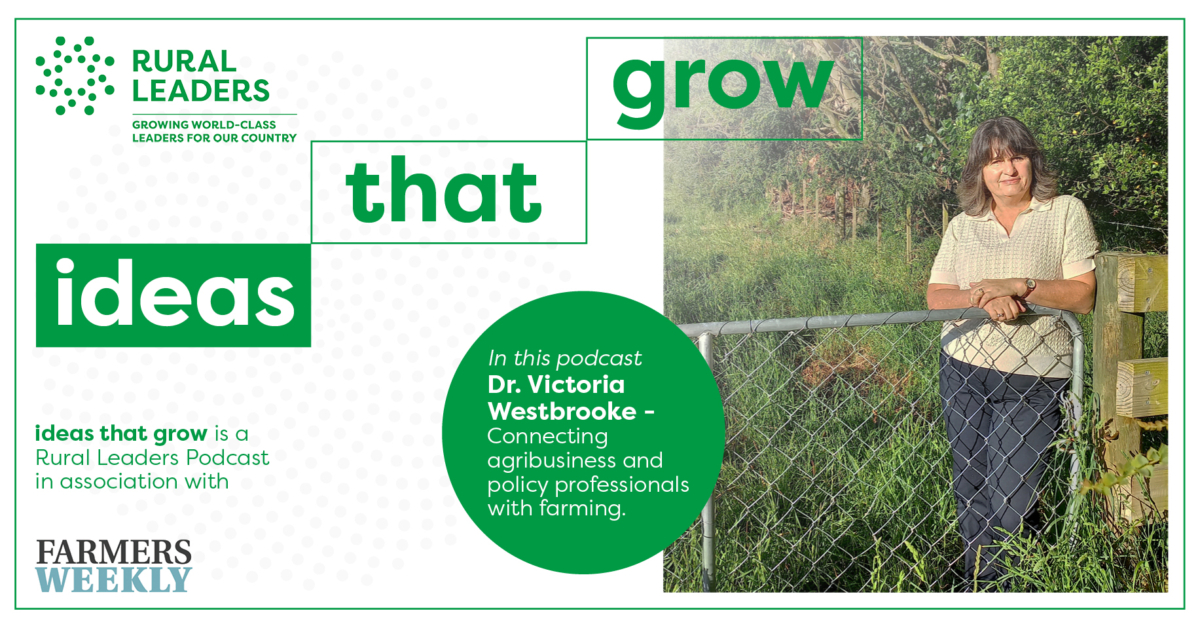
Dr. Victoria Westbrooke – Connecting agribusiness and policy professionals with farming.

Listen to this episode of Ideas that Grow, or click on one of the platform icons below to listen on your favourite player:


In this episode of Ideas That Grow, Bryan Gibson, Farmers Weekly Managing Editor, talks to Dr. Victoria Westbrooke, Senior Lecturer in the Department of Land Management and Systems at Lincoln University.

Victoria discusses the Engage Programme, a three-day professional development initiative run in partnership between Lincoln University and Rural Leaders, designed to bridge the gap between agribusiness professionals and on-farm realities.

Victoria offers keen insight into why providing contextual farm knowledge to technology specialists, researchers, environmental professionals, and policy-makers is crucial for helping them apply their expertise effectively.

Episode Transcript

You’ve joined the Ideas That Grow podcast, brought to you by Rural Leaders. In this series, we’ll be drawing on insights from innovative rural leaders to help plant ideas that grow so our regions can flourish. Ideas That Grow is presented in Association with Farmers Weekly.

Bryan Gibson, Managing Editor of Farmers Weekly:
I’m your host, Farmers Weekly editor, Bryan Gibson. This week, we’re talking about one of the specialist programmes Rural Leaders offers, the Engage programme run in conjunction with Lincoln University.

With me to discuss it is Dr. Victoria Westbrooke. Kia ora, how are you going?

Dr. Victoria Westbrooke, Senior Lecturer Department of Land Management and Systems, Lincoln University:
Great, thanks.

BG: Good. You’re a senior lecturer at Lincoln. What do you focus on there and what’s your work like?

VW: I’m only focused on farm management. I teach both undergraduate and postgraduate level. I also really enjoy teaching a class on consultancy and extension, again, at the undergrad and postgrad level. That class is really about students being able to use the information they’ve got at Lincoln and work with farmers and others to put their knowledge into practise when they leave Lincoln and to go out into the real world to work.

BG: What was your journey to Lincoln like? What’s your career background?

VW: Well, I actually did my degree at Lincoln a few years ago now. I then spent the first 10 years working as a farm consultant in the Waikato and then worked with AgResearch. So, helping translate science and research into practise. I enjoyed helping farmers reach objectives and just seeing that translation. I think New Zealand is really good at that, and it was great to be a part of it.

The next 10 years was cool. That was overseas. I spent a couple of years in UK, having a look at UK farming systems and indulging in my passion of travel. We then moved to Australia, where I did my PhD and had a look at some farm systems there, which were completely different, merging on tropical systems.

For the last 10 years or so, I’ve been lecturing at Lincoln, again in farm management and extension and doing some research on the side as well. I enjoy working with students and seeing their journeys as they grow.

BG: Did you always know that the food and fibre sector would be where you would work?

VW: I guess so. I really enjoy growing things. I’m a keen gardener and have this most wonderful garden at home, which I’m very lucky for. Love seeing people grow too, seeing ideas work on farms, love seeing farmers get where they want go. That sort of thing gives me a real kick.

A partnership to develop stronger connections with farmers.

BG: Rural Leaders has a pretty close relationship with Lincoln University. Tell me a little bit about how Lincoln contributes to the Rural Leaders programmes.

VW: I guess I can talk about the Engage one as a specific example. What I saw is we had a need for some really good professionals in the sector that may not necessarily have had a farm background. I’m talking about technology people, some researchers, environmental people. I thought, how can we welcome them into the sector and give them some background or context to New Zealand farming systems to turbocharge the knowledge and expertise that they already have. How can we help them to apply it.

When I was working on that, I thought Rural Leaders would be the ideal group to work with. They’ve got a good track record. I found them really excellent. We could sit down throw ideas around. That’s how it worked for me in my situation was just having their expertise, a very strong track record, strongly networked into the industry. For me, they were the ideal partner.

BG: Yeah, I guess one of the key challenges that our food and fibre sector has is that there’s often a feeling among farmers in the field that some of the bureaucrats or other people who are agribusiness professionals or at least having an input into how farming is done in New Zealand, some of them don’t have that knowledge of what it’s like to actually implement these things in the field every day.

Knowledge, confidence and connection in agriculture.

VW: The people that we’ve worked with through Engage, who have participated, are keen to work with farmers and help them work well in New Zealand Inc. That passion is really there. Part of this programme is, how can we help them with some of that context in a way that suits their professional lifestyle and their professional requirements and get them connecting directly with farmers, not through two or three other links.

Some form of experiencing the farmer’s challenges. Initially, I had thoughts of participants spending a day with a farmer in their ute. I’m not sure that was particularly practical for everybody. Again, working with rural leaders, we were able to mould that working with farmers and talking directly with farmers into a three-day, doable programme for everyone that got some of that close connection.

For example, one of the participants was actually staying with me. She came from Wellington, hadn’t spent a lot of time on farms, and simply getting her rugged up to go out for a day on farm in July – she experienced the environment the farmer worked in. Simply making sure she had gloves, hat, mittens, and that kind of thing. That was something that you can’t read about or doesn’t normally land if you read about it. But if you’re going out for a day, it does.

BG: You mentioned people being Wellington-based. A lot of people who are decision-makers or policymakers, that sort of thing, are in the cities. Having that first-hand experience of the farming life must make them a lot more confident or at least know that their day-to-day work will land better with those who are having to implement it.

VW: Yeah, it just provided a real background and that lived experience. We’ve got the Engage programme at three days. The key is the middle day, actually going on farm. They’ve spent a day working together in a discussion group format that Rural Leaders does very well. Then it’s onto a bus and going out to our wonderful host farmer. We’ve had Malcolm Cairns and Hamish Marr. The morning’s out on a mixed arable operation, family-based. Then the afternoon has been going out to Matt Iremonger’s which is more of a focus on dairy and technology.

On one of our first programmes, a lot of the participants were just quite keen to do a bit of calf feeding. We were going to talk about some really high-brow stuff. They saw the calves and they really enjoyed it. Seeing Matt operate Halter, we turned up when the cows were to go for milking. We stood in the paddock and Matt and his manager at the time were driving halter and we could see it. Seeing it then talking about the people who are actually working with it, seeing the cow’s reaction, just that really one-to-one or based experience is really important and really enjoyable.

What to expect from the Engage Programme.

BG: If someone signs up for the Engage programme, maybe just talk through what they can expect when they’re doing it.

VW: Firstly, it’s a really welcoming environment that Rural Leaders provides. It’s facilitated. There’s lots of discussions. It’s not a talk at or dare I say lecture type environment. We definitely didn’t want that. These people are professionals with really impressive skills and expertise. It’s more of a discussion, not a ‘talk to’.

Rural Leaders, through their networks, have got some excellent people for the first day, providing an overview of the global perspective of agriculture. We’ve got some people that wear both a farmer hat and professional hat talking about challenges farmers faced.

Then I talk about farming systems and farm finances. This is very much from the farmer perspective, and as much as possible, there’s people that are actually farmers and involved in there. We’re talking about the whole Ag sector. Often, we work in our own particular area that we’re passionate about. I like Ag extension and consultancy type things, but it’s important to look at the whole package because farmers are faced with a whole package, not just fertiliser, which we may work in, or environment that we may work in. Often, there’s a group dinner, and the discussions there are probably just as important as those held during the day.

Participants have actually met people from different parts of the sector as well. The highlight for me has always been the day on farm, which I’ve just briefly discussed. So out in the bus, take lunch, and talking directly with the farmers. We go and have morning tea with them. They take us around their farm. The farmers are experienced talking to groups, but they’re still at the coalface. Those visits tend to go a little bit into the areas that participants are interested in. The final day is two-thirds of a day. There’s a talk about reflection about what they found on farm, Māori land ownership and perspectives. That’s a really good session. Then we talk about rural communities. The reason for that is, again, looking at the whole picture that farmers are sitting within not just one particular aspect. Then there’s finishing up looking at environmental consulting, but that can vary depending on the group.

Looking at the whole farming system.

BG: You mentioned the rural communities. That’s really important because I think some people sitting off remotely would view a farm as a set of financial budgets or a catchment for nutrients and water cycling and that sort of thing. But in actual fact, it’s a place where a family lives. There are neighbours, there are schools, there are rugby clubs. Those things are what sustains farming communities.

VW: Yeah, it’s that whole system, that environment, looking at it, that’s really important. I think we get passionate about as a profession, our own particular area. This is a chance to look at the whole system from a farmer’s perspective. You may get an appreciation of where your particular passion area sits within the farmer’s world type thing. Why are they not as passionate as you about your area? Well, this is where it sits for a farmer and how it fits with their bigger thing.

We had one person who is looking at offering a technology service on farm, and he went away delighted because he could then see where his technology offering could fit for farmers, what from a farmer’s perspective might spin their wheels, save them time, whatever. He said, Okay, he will now develop his offering in that way to fit more with what a farmer may actually want. He understood why they may be reluctant to take his technology offering from his business.

BG: That’s amazing because you see it time and again, someone turns up with what they feel is like the latest game-changing bit of tech that’s going to change farming. But when it actually comes to implementing it on farm, they perhaps haven’t had that close contact to know if it’s working in with the other things that happen day to day on a farm.

VW: Yeah, it’s this massive load of cogs all in to react and big clockwork mechanism in an old analogue clock. They all interweave together.

Looking closer at the Engage Programme.

BG: One of the things that comes up-time and again in these chats I have with people who have been involved in Rural Leaders programmes is that the course itself is great, but one of the great pieces of value you get from it is the network and the connections you make while you’re on the course. That seems to be the case here, too.

VW: It’s not as long as Kellogg or some of the other courses. It is a three-day course. That was deliberate because when we did our initial research, we got strong feedback that because it’s a face-to-face course, we had to recognise the time limitations people have in professional life. That’s why we came up with the three-day programme because we did want to keep it face-to-face.

Rural leaders are passionate about that, which I agree with, because then you can actually talk directly to people. I think the group dinner and the way that it’s facilitated lets people meet from different aspects. We’ve had people that have reconnected or got a list of people that if they need somebody in this different area, they now have somebody that they can contact to do that. So, yeah, that’s another important part of sharing.

BG: When we pull back and look at the bigger picture of New Zealand’s food and fibre sector, we are having big conversations about how to develop people into leadership roles. Sometimes you can look at it as there’s farmers who come up through industry bodies, and there’s agribusiness professionals who maybe have a more academic path. The Engage system, to me, seems to be a way to bring that together.

VW: Yeah, it’s, again, the people that are passionate about the food and fibre sector have some wonderful skills and knowledge that we very much need. I’m really hoping we’ll provide them with the confidence to go on to some of those leadership roles with just that wee bit more contextual knowledge or the farmer’s view.

The other thing is some people coming on the programme work with one particular group of farmers, and this is, again, just broadening out for that background and context. So hopefully, it’s part of their leadership journey. They also know how Rural Leaders operate then through the programme, so they can have a taster of what our future work with Rural Leaders may look like. That’s useful as well, I think.

BG: Yeah, I guess it gives people a bit more empathy with the people who might be end users of either the product or the policy that they are working on, you get a better understanding of how that lands, what that means for someone’s day-to-day life, that thing.

If someone’s keen in finding out more about the Engage programme or perhaps signing up, what’s the next step for them?

VW: Rural Leaders They have an excellent website, and they have all of the details there. My understanding is the Engage programme will be running next year.

The other option is Rural Leaders have customised the programme and can do so for particular groups. For ASB, they work with their rural managers who really wanted to focus on environmental aspects. They took out the day on farm because those rural managers are constantly out on farm. That programme was adapted for them. They’ve also worked with the Ellett Trust and other groups there to develop a programme specifically for scientists and researchers to communicate with farmers. That customisation option is available as well.

BG: Thanks for listening to Ideas That Grow, a Rural Leaders’ podcast presented in Association with Farmers Weekly. For more information on Rural Leaders, the Nuffield New Zealand Farming Scholarship, the Kellogg Rural Leadership Programme, the Engage Programme and the Value Chain Innovation Programme, please visit ruralleaders.co.nz.

Richard Green – time to think differently about our food and fibre value chains.

In this episode ofIdeas That Grow, Bryan Gibson, Farmers Weekly Managing Editor, talks to Richard Green, farmer, director and 2025 Value Chain Innovation Programme alum. 

Richard discusses his background and his Value Chain Innovation Programme experience.

Richard offers keen insight into why understanding value chains and value chain models is so important for anyone wanting to take advantage of the opportunities New Zealand Inc. and farming have to integrate our value chains and think globally.

Listen to this episode of Ideas that Grow, or click on one of the platform icons below to listen on your favourite player:

Episode Transcript

You’ve joined the Ideas That Grow podcast, brought to you by Rural Leaders. In this series, we’ll be drawing on insights from innovative rural leaders to help plant ideas that grow so our regions can flourish. Ideas That Grow is presented in Association with Farmers Weekly.

Bryan Gibson, Managing Editor of Farmers Weekly:
You’ve probably heard of the Nuffield and the Kellogg Programmes, but Rural Leaders has some other programmes it administers as well. One of those is the Value Chain Innovation Programme, which is open for applications until 23 November. The programme runs in early February (2026).

With me to talk about the programme today is Richard Green, who did it earlier this year. Richard, how’s it going?

Richard Green, 2025 Value Chain Innovation Programme.
Cool, thanks, Bryan.

BG: Tell me a little bit about yourself. What do you do for a crust? Where do you live? 

A diverse background in and out of food and fibre.

RG: I live just out of Christchurch, actually, in a little place called Ladbrooks, which is just on the edge of the town boundary on a few acres. But I’ve had a really interesting career to date Bryan. I’ve done lots of things, but I spent the first 10 years of my career as a farm consultant, working in the farm gate, helping businesses achieve their objectives and family farming businesses, generally.

Then the next 10 years of my career was pretty much involved beyond the farm gate, and I was involved quite deeply in the seed industry. We owned a company called Agricom, a couple of us, and we ended up selling that into PGG Wrightson Seeds. Then I ran the international business for PGG Wrightson Seeds for about five years.

Then the next The next 10 years, a bit longer actually, if I’m honest, perhaps the next 15 years, I’ve stepped out of day to day, been involved in businesses, and ended up doing a lot of governance and working across a large number of businesses. Those mainly in the agri and food sector, but a few not-for-profits and a few outside agriculture.

We’ve been deeply involved in retirement villages and commercial property and honey businesses as well, my wife and I.

BG: Yeah, so quite a diverse background. One of those governance roles you had was with Rural Leaders.

RG: Yeah, correct. When I left PGG Wrightson Seeds to stay connected with a lot of networks, I actually applied for a role. Nuffield at the time were advertising for a CE, and I applied for that role for a day a week. I did that for three years and then was involved with the trustees and pulling Kellogg into the Rural Leaders’ framework and setting up Rural Leaders. And then I was on the board for a few years after that with Rural Leaders.

I was also involved in AGMARDT and in FAR, as trustee in AGMARDT and then director on FAR, Foundation Arable Research. And both those are quite involved in Kellogg, particularly. And to speak with a lot of Kelloggers doing their projects, I think it’s absolutely fascinating, they have such good insights they get as to how the industry operates and where the opportunities are for them to add value to.

BG: The Value Chain Programme, a lot of people might not know a lot about it. That obviously offers in-depth insights into how our food and fibre sector operates, doesn’t it?

Why do the Value Chain Innovation Programme?

RG: Yes, and probably, Bryan, the more time I spend in the industry, the more I realise that we can do so much within the farmgate, and I still believe there’s lots of opportunities to improve there with technology. But a lot of the growth and the value that we can create will actually be beyond the farm gate.

The way we set an industry up to succeed, and then the way we get market signals back and align behind behaviour through the whole industry. For me, that’s why the Value Chain course, I decided this time last year, I guess, that it was something I wanted it to do.

I chair the joint venture between Headwaters and Alliance Meats, which forms the Lumina Land Programme. I’m deeply involved in that value chain. I was really looking for insights as to how do other industries operate, what’s best in class look like, even those industries that we are going really well, what would they like to change if they could wave a magic wand? I wanted to learn from everyone else that was going on the same journey as me, and so that’s why I applied.

BG: What’s actually involved when you signed up to the course? What actually happens?

What happens on the Value Chain Innovation Programme?

RG: Well, it was actually even signing up was quite an interesting process, and I assume it’s still the same, but you had to explain yourself, talk about yourself, and what you wanted to achieve out of doing the course. I probably should go back and read that again.

The process started, for us it was slightly earlier, I think this programme’s in February ’26, whereas ours was late January ’25. It involved a week of immersion in businesses and visiting businesses. I think the programme’s basically the same. We met in Hawke’s Bay on a Sunday morning, and we spent the Sunday with Professor Hamish Gow, facilitating a process talking about almost the academic view on value chains and also grounding that with his experience globally.

Those frameworks, and particularly one called the value discipline framework, that has been so helpful for me in the 10 months since then. I’ve used it so frequently as a way of thinking about value chains. Then during the week, we referred back to those models we talked about on that Sunday all the way through.

I think there’s circa 12 or 14 people on the course, all from different parts of New Zealand, all from different industries, all different ages and stages. So, actually learning their story is always a big key part of that.

And then we spent a full-on day looking in Hawke’s Bay at three different Apple businesses operating within the Apple industry, all operating slightly differently. One being TNG Global, one being Rockit, and one being Mr. Apple.

Then we drove all the way through to Rotorua that night on the bus, plus had a diversion or had an accident on the Napier Taupo Road, so we had to sit there for a couple of hours, so, we had plenty of time to talk on the bus. That’s where you really unpick the day and get everyone’s different views.

Then we spent a day and a half looking at the whole kiwifruit industry, right from R&D and new varieties, right on farm, right through the industry issues, biosecurity issues, and then deep into Zespri, or sorry, pack houses before Zespri, and then Zespri as to where their growth opportunities are, where their challenges are, and actually looking at this hugely successful industry, looking at understanding where it came from. It was a deregulated industry in the ’80s, and it was failing.

And then we went over the hill to Waikato, looked at the dairy industry, a deep-dive, the same way we did with kiwifruit, right from R&D, the milk testing station, on-farm, factories, and then where Fonterra is going. It was the Fonterra value chain we studied.

Then we also looked at the meat industry with Greenlea (Premier) Meats, and that was fascinating insight. Then we also talked about technology and how technology could disrupt value chains going forward. Then we had some case study learnings at the end of it. By the time we left on the Saturday, we were inspired, had new ways of thinking, but we were also pretty buggered!

Understanding value chains.

BG: You mentioned it earlier, as you say, lots of farmers or people in food and fibre know a lot about how to produce food on farm, how to grow grass or how to grow kiwifruit or apples, that sort of thing. But once someone comes and picks it up, a lot happens. And understanding how that works and the challenges that those who are processing and marketing our produce face, that’s really good to have a good understanding of that across the It’s a small sector, isn’t it?

RG: Yeah, and I actually now understand better also, Bryan, as a farmer sitting within the farmgate, you also need to understand who you partner with. Because how your partner is setting themselves up to win, and I use this word sitting in yourself up to win quite often because you’ve actually got to work out where your niche is right through the value chain and how you can leverage that niche to be successful. Because the profits can’t flow back to the farm unless your partner in the value chain is successful. There’s different ways of being successful. There’s no one way.

The thing we learned is some are successful because they innovate around products, and Zespri is one of them, and they have unique products, controlled by IP and they’re champions at bringing on new products to solve customer problems.

Some innovate around customers and work back from customers to solve their problems. It might be through consistency of a product or timing of delivery or something. They work back the whole value chain to solve customers’ challenges. Some, which is historically what we’ve been really good at in New Zealand, has been the lowest cost producers and providing value with a certain quality standard for the customer.

And so they are the only three areas you can win in. And the insight was you can be successful in two, but never in three. And so as a farmer, you have to know what’s your partner in the value chain, how they’re aligned themselves to win, and whether that meets what you see as you want to do, because you have to be aligned to a similar value discipline as them. So we don’t do a lot of discussion about that and talking about that because we only look at our part of the value chain.

So I think that’s what I found invaluable, and everyone on the course found invaluable, just that ability to look up and down the whole value chain and actually think about how does everyone win and how could we win far greater together if we actually work together different or better.

BG: It is so important to have that alignment of ideology, I guess. Everyone needs to know where you’re going and what your goals are. Otherwise, if you don’t get that aligned, then the chain breaks.

RG: We find that very much within our Lumina Land Programme. We’re a customer-intimacy type value chain – I worked out. I didn’t actually know that beforehand, but I probably did, but then you have a model to wrap it around. So transparency and alignment around everyone’s goals and financial incentives to align everyone around, that’s pretty important, too.

So I got considerable value and as a side note, Bryan, I always believe, and I absolutely believe, I’ve done a lot of personal development over my career, and I always tell people that there’s a 10 times return on investment. So whatever I invest, I can get 10X on that, I believe, within the next two or three years. I absolutely believe they are this Value Chain (Innovation) Programme.

I got so inspired by it I’ve committed to doing one this next January at Harvard, actually, which is a lot more expensive than the Value Chain programme, but it just has made me realise that the opportunities we’ve got as New Zealand Inc. and farming to actually integrate our value chains better and think a lot more globally.

BG: I actually never thought myself about those three ways to win, but you know it subconsciously. Giving it names and putting models and theory around it is something else again.

Think differently. Get inspired.

RG: The interesting thing is, Bryan, that all our training, my training through Lincoln, and I assume still now, and all our teachings, actually, we’re taught how to perform and operate in the operational excellence space. But it’s actually jumping that chasm and actually working back from customers and thinking of it quite differently, about marketing, about branding and around IP. We lack skills in those areas, and we lack ways to finance some of that, too. So that’s been a limitation to growing some of those business models.

I think we actually need to think a lot more like that and actually work out how we build skills in each of these. To me, there’s no right or wrong value discipline. It’s just whatever you do, you’ve got to do exceptionally well, and you’ve got to be able to carve out a niche and a point of difference from all your competitors by doing it well.

BG: In terms In terms of value chains, we quite often, in our thinking, focus on the food producer and the marketer or last seller at the end of the chain. But those things like processing the packhouses, the packaging, the transport, all that stuff, it’s not very sexy, I guess, but it’s so important.

RG: It’s absolutely critical. I can talk from experience around our Lumina Lamb, which is a partnership between the farmers with their genetics and their farming system, which is a codified farming system and the unique feed we put. Then the processor, which is Alliance Meats, and they’re processing and timely processing, where it’s all forecasted.

Also their ability to process the cuts that were required, to collect the offal when we’re trying to add value on offal and pelts, and then the transportation issues, which are huge on a global basis to get, whether it’s a container or a carton in the market. Then right through to how you partner with, in our case, chefs in food service, and how you get access to that. And yet in a big long chain, one breakdown can absolutely kill the whole chain. And so everyone’s just as important as each other, or it doesn’t work.

BG: It sounds like this programme would suit anyone in food and fibre. Everyone works in their own little space in the chain. But if you want to know about the rest of the links, then this is the course for you, I guess.

RG: What would make it really excellent, cost a lot more. But if you could get offshore and follow right back from the customer, that’s the only missing bit in that. But that’s just another level in terms of cost and time. But I think for everyone producing food, it ends up in a value chain.

Anyone who’s considering how their value chain could be optimised and having the ability to think and talk at those levels with directors, whether it’s co-ops or the companies they supply.

But even comparing and contrasting across industries. I mean, why do we see the kiwifruit industry as being successful and potentially the dairy industry versus sheep and beef? Versus the apples industry? What could we learn out of that?

Why is Rockit? What’s their target market in their niche versus Mr. Apple? How are they carving out different business models? If Anyone interested in business is really valuable. Anyone interested in sitting there saying, How do I develop skills to work out who I partner with in the future from my farm business? I think it’s very valuable.

BG: Yeah, and it has that in the field, practical, Here’s what we’re doing as a business aspect to it, but also, Hamish gives you the theory to look at it critically.

RG: Yeah, and the majority of the people in the course, when I did it last year, were practical farmers. All of us came from within the farm gate way of thinking, and we were trying to stretch ourselves beyond. That was the beauty. We’re actually all very similar from our backgrounds, although we’re from all different industries.

BG: Excellent. As I said earlier, the next value chain programme, applications are open until the 23rd of November, and the programme runs from the 8th to the 14th of February next year.

Thanks for listening to Ideas That Grow, a Rural Leaders podcast presented in Association with Farmers Weekly. For more information on Rural Leaders, the Nuffield New Zealand Farming Scholarship, the Kellogg Rural Leadership Programme, and the Value Chain Innovation Programme, please visit Ruralleaders.co.nz

Rural Leaders – the big moves in 2022.

Rual Leaders

Here’s a look at some of Rural Leaders’ big moves in 2022. 

The first Value Chain Innovation Programme. 

We completed the first Value Chain Innovation Programme. Twenty-two food and fibre professionals and producers took part in this immersive one-week tour of key North Island value chains.  

Everyone came out fizzing. It was refreshing, exhilarating and it changed mindsets. Everyone wanted to replicate the experience and insights on a larger scale. How could we scale it to tackle the large issues confronting NZ primary industries?” stated Prof. Hamish Gow, who co-facilitated the programme with Phil Morrison. 

There are plans afoot to repeat the programme in 2023 – this time with a South Island version. 

Visit the programme page.

The busiest Kellogg year in its 50+ year history. 

When the tough gets going… yep. We knuckled down to deliver five phase three’s, four phase two’s and three phase one’s. If our maths is correct that’s twelve phases for 2022, when a ‘normal’ year would see six.  
 
This was in part because Rural Leaders, in partnership with Whanganui and Partners, delivered the second regional Kellogg Programme.  
 
Despite flipping to a hybrid experiential-digital delivery model – the previous two years saw a number of interruptions from Covid, so 2022 was often about catching several programmes up. 
 
A silver lining here, was the graduation of the 1000th Kellogg Scholar.  
 
Thank you to the Scholars for their commitment and to the Rural Leaders’ Management, Facilitation and Academic teams. It’s been a big year for Kellogg. 

Nuffield international travel. 

We don’t want to dwell on Covid, but there was some catch-up to do on our Nuffield Scholars’ travel plans too. 2022 saw the completion of three year groups’ international travel. The logistics work required here is substantial, even on a ‘normal’ year. 
 
Thanks to plenty of hard work, Nuffield Scholars managed to put quite a few dots on the map. We are sure the fruits of this exposure to leading agricultural thinking will pay dividends to food and fibre in the future. 

2023 Rural Leaders Agribusiness Summit announced. 

Many alumni and much of our team is involved in organising this landmark event for Rural Leaders.

We’re not going to add much else here, except to say – book your seat today. Head to https://ruralleaders.co.nz/rural-leaders-international-summit-day.

We were finalists. 

We made finalist in the people development category of Beef+LambNZ Awards. We didn’t win but it was great to be acknowledged alongside many other passionate and hardworking enterprises in food and fibre.

Stepping up the academic and impact tempo.

Accreditation of the Kellogg Rural leadership Programme saw a full year of applications across the five graduating cohorts. In all around 90% throughout the year signed-up for accreditation. 
  
The Mckenzie Study’s Kellogg piece has just been completed. We’ll share some of the findings on the impact Kellogg Scholars have made in the New Year.  
 
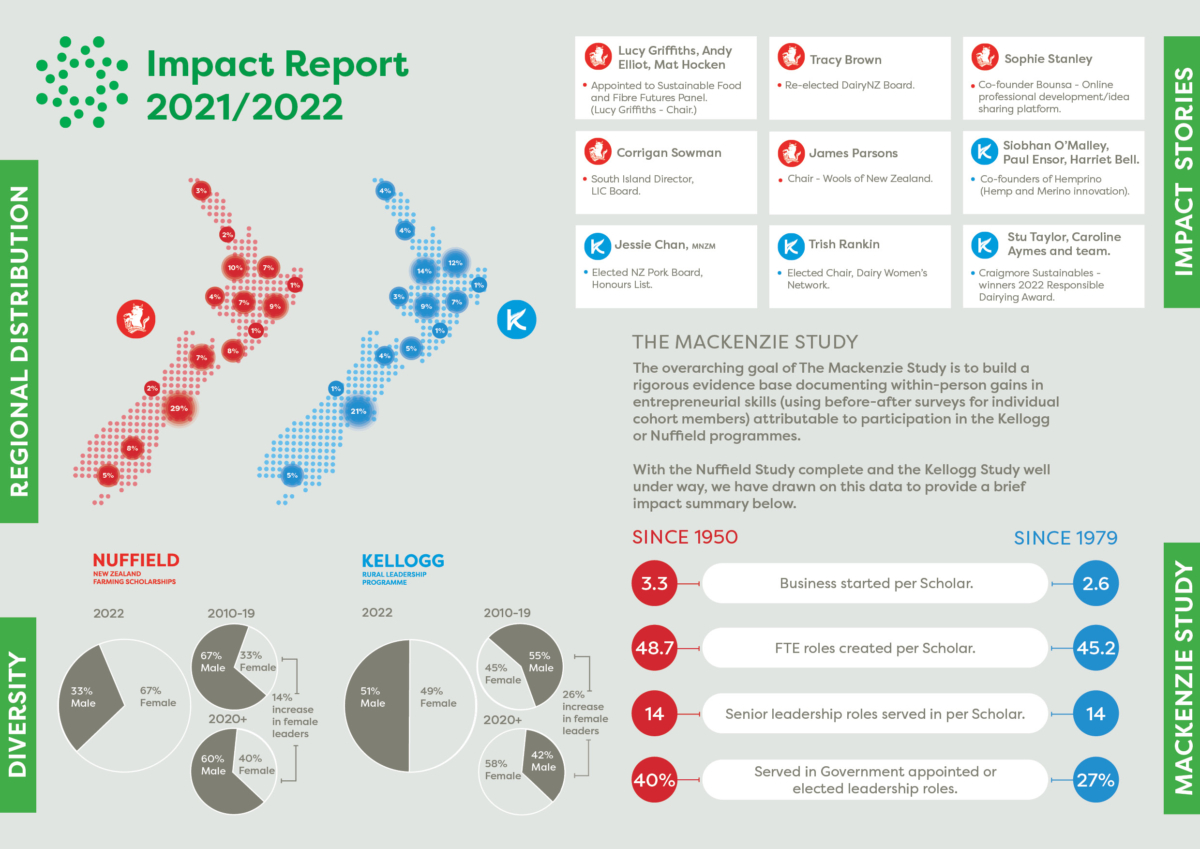
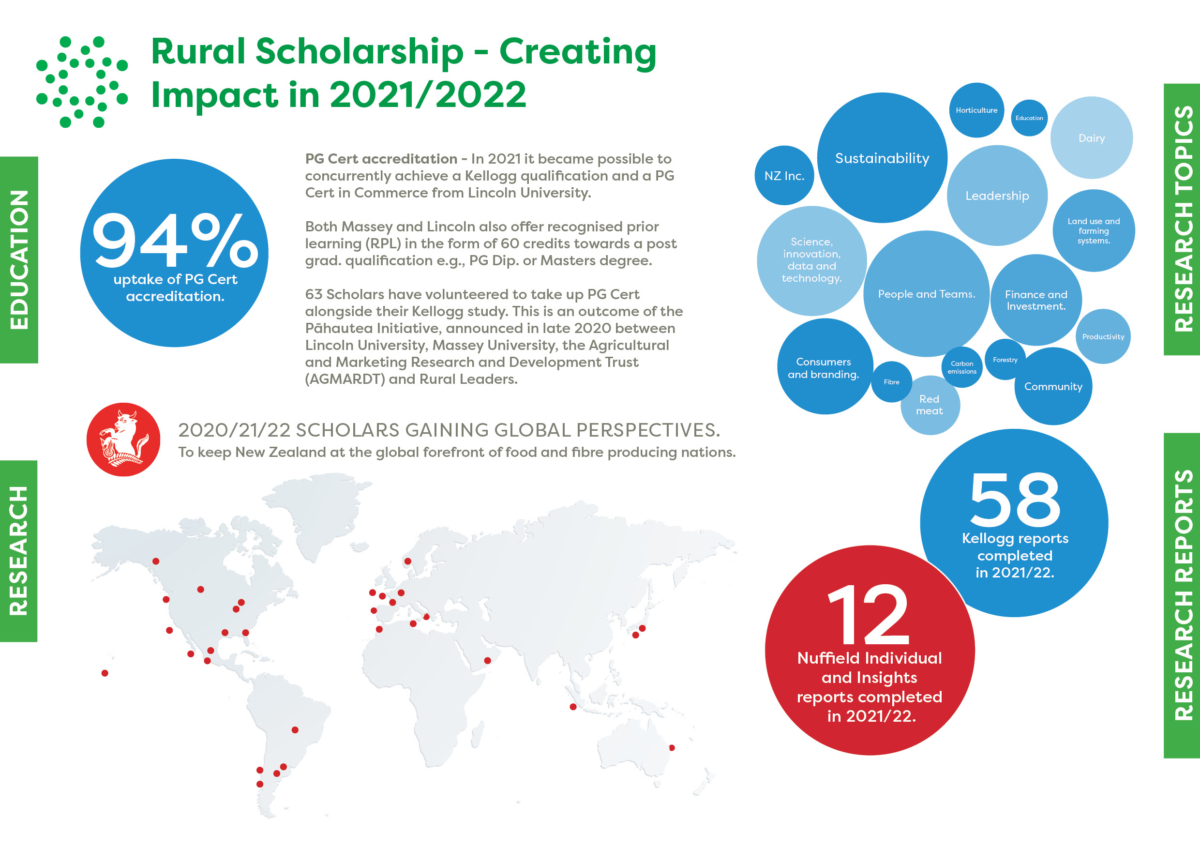
We’ve pulled together a two-page summary of 2021 and 2022, that also features some of the big moves made by our Scholars in the Food and Fibre Sector. 

Take a look at the key impact statistics below or download here. 

CEO update on Kellogg accreditation.

Rual Leaders

A message from our CEO Chris Parsons, MNZM, DSD, CMinstD.

Chris Parsons, CEO New Zealand Rural Leadership Trust

As the year flies by all too fast, I thought it good to pause a moment to highlight a key development that we have been working on for just over a year and to acknowledge some of the achievements that Nuffield and Kellogg Scholars and the NZ Rural Leaders family have made over the last 12 months.   

Firstly, Kellogg Scholars have embraced the opportunity to obtain a Post Graduate Certificate alongside their Kellogg qualification. This is an opt-in opportunity and to date 98% of Kelloggers have.  

We would like to acknowledge Lincoln University for offering the chance for food and fibre leaders to gain this additional value. 

We’d like to acknowledge Massey University too, for recognising Kellogg for up to 60 post-graduate credits applied to further learning in both their business school and college of sciences. 

We are on track for 62 Scholars to concurrently achieve a Post Graduate Certificate by the end of the year!   

This achievement marks the two-year anniversary of The Pāhautea Initiative – a partnership between Lincoln University, Massey University, the Agricultural and Marketing Research and Development Trust (AGMARDT) and Rural Leaders. 

The initiative focuses on lifting education levels across the sector and building deeper leadership benches in the regions, with the aim of creating a sustainable future for food and fibre. Accreditation of core programmes is key to delivering on the partnership’s purpose. 

If one of your neighbours or a work mate is considering becoming a Kellogg Scholar and opting in for the PG Cert, the good news is they do not need a prior degree to enrol for the PG Cert, we will work with you and Lincoln on admission requirements.  

Previous Kellogg Scholars (at this stage, from 2014 onwards) can apply for recognition of prior learning from Lincoln and Massey Universities, by contacting Lisa Rogers at lisarogers@ruralleaders.co.nz 
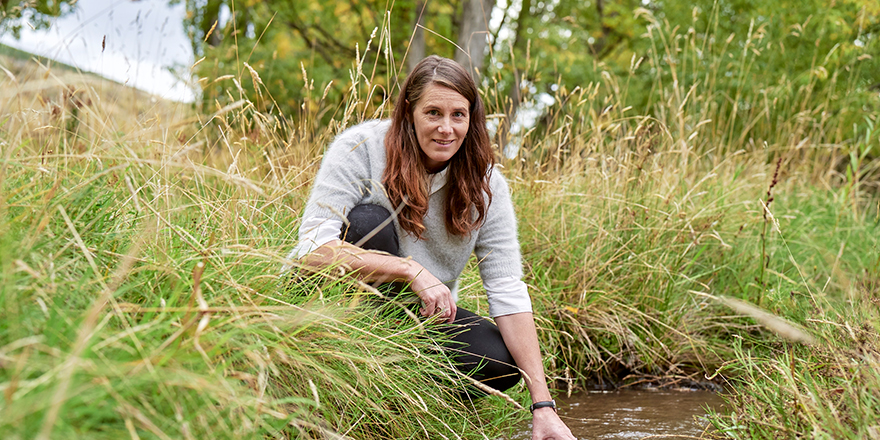
Finally, we’d like to acknowledge all those of you who have been selected to Boards, started businesses, led transformation, or helped your communities and environments.

Rural scholarship is all about creating impact – we get reports almost daily of alumni who are improving the sector and standing up to be counted.

Thank you for all you do! 

Ben Todhunter: Observations from a high-country station.

Ben Todhunter is a 2006 Nuffield Scholar and High Country Farmer. He farms Cleardale Station with his family in the Rakaia Gorge, Canterbury.  

Below are the closing lines from Jim Morris’s poem ‘Rewards’. They capture the spirit of the high country farmer and as such are personal to Todd. Jim Morris was from neighbouring Manuka Point Station, and is now retired.

The ranges vast are here to stay 
And he’s content to spend his day, 
Working in their rugged grip 
His recompense – the love of it.

This is a compilation of some of Ben’s LinkedIn posts from 2021.

#1. Pressure and release

December 2021 

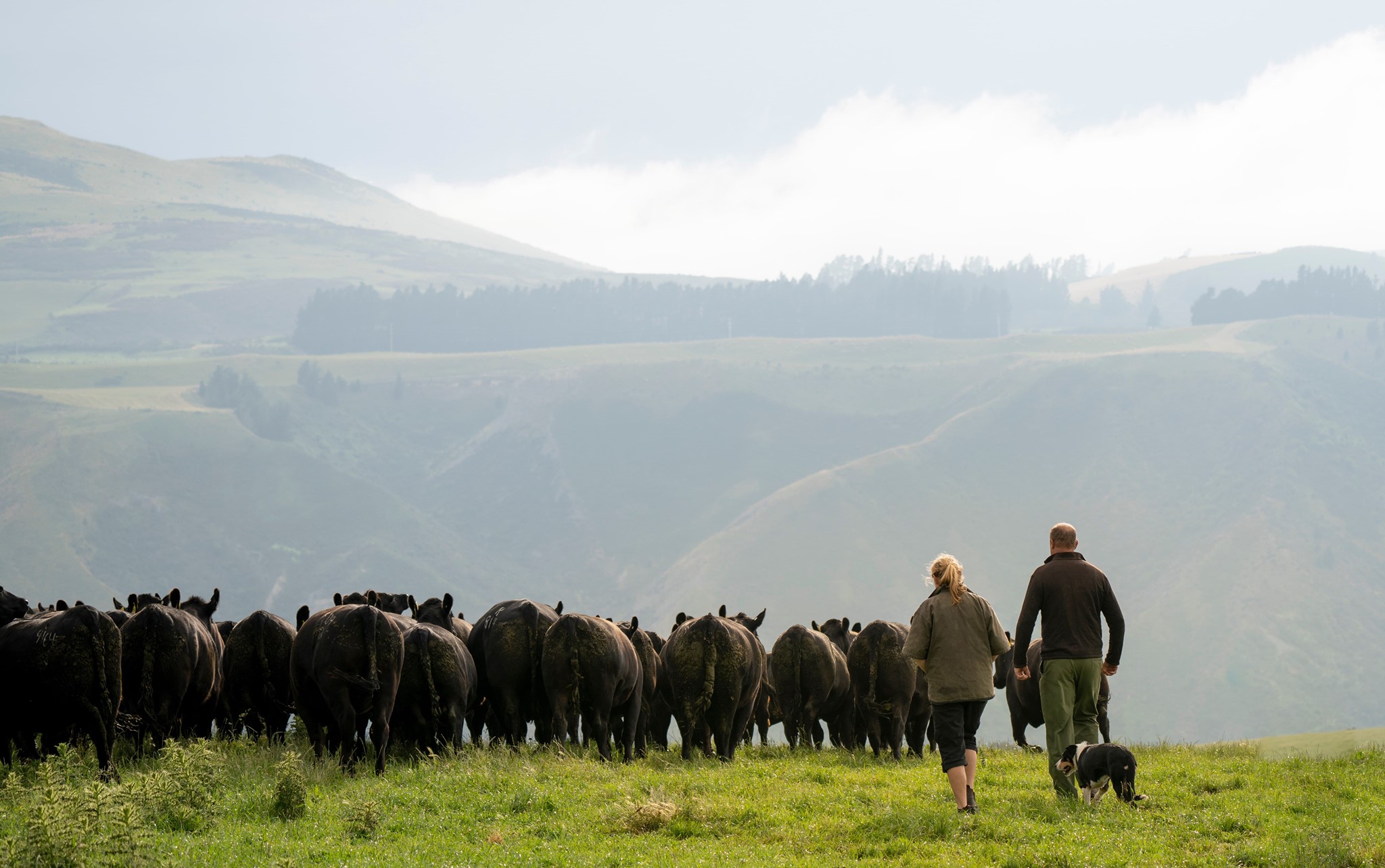
A young calf got caught away from the main mob. Rather than applying pressure to the calf, Ben backs off, mum doubles back to bring the calf back to the mob herself. 

Quoting Monty Roberts, Ben writes:

Pressure and release. It’s a fundamental tenet of moving livestock. It also applies to humans as well. As a leader, working with tension or pressure to grow someone is a balance. How do you learn to get the judgement right?

Lesley Prior, Tellenby Merino Stud, Commented:  
Great example of good stock handling. Quiet, patient and ‘going with the flow,’ but with gentle direction where necessary.  

#2. Pondering geology

October 2021 

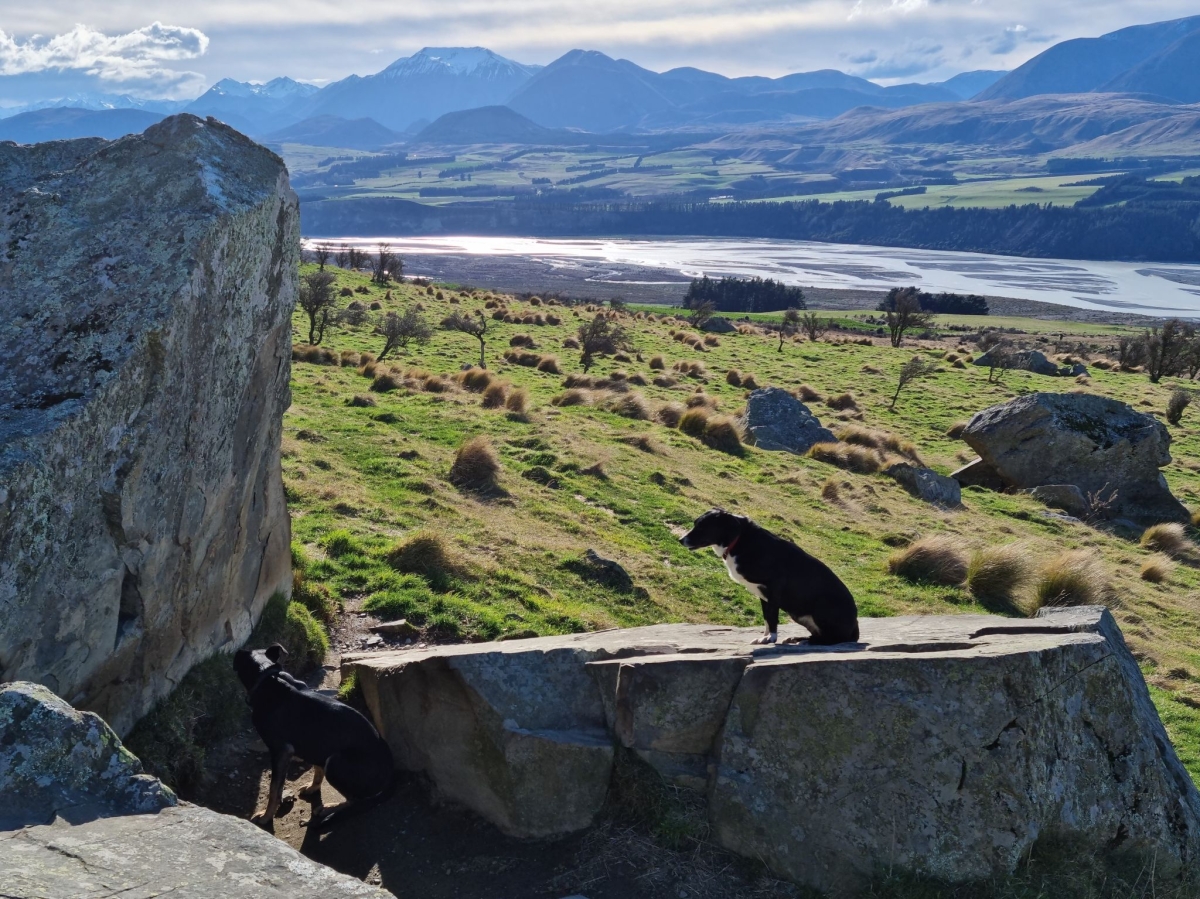
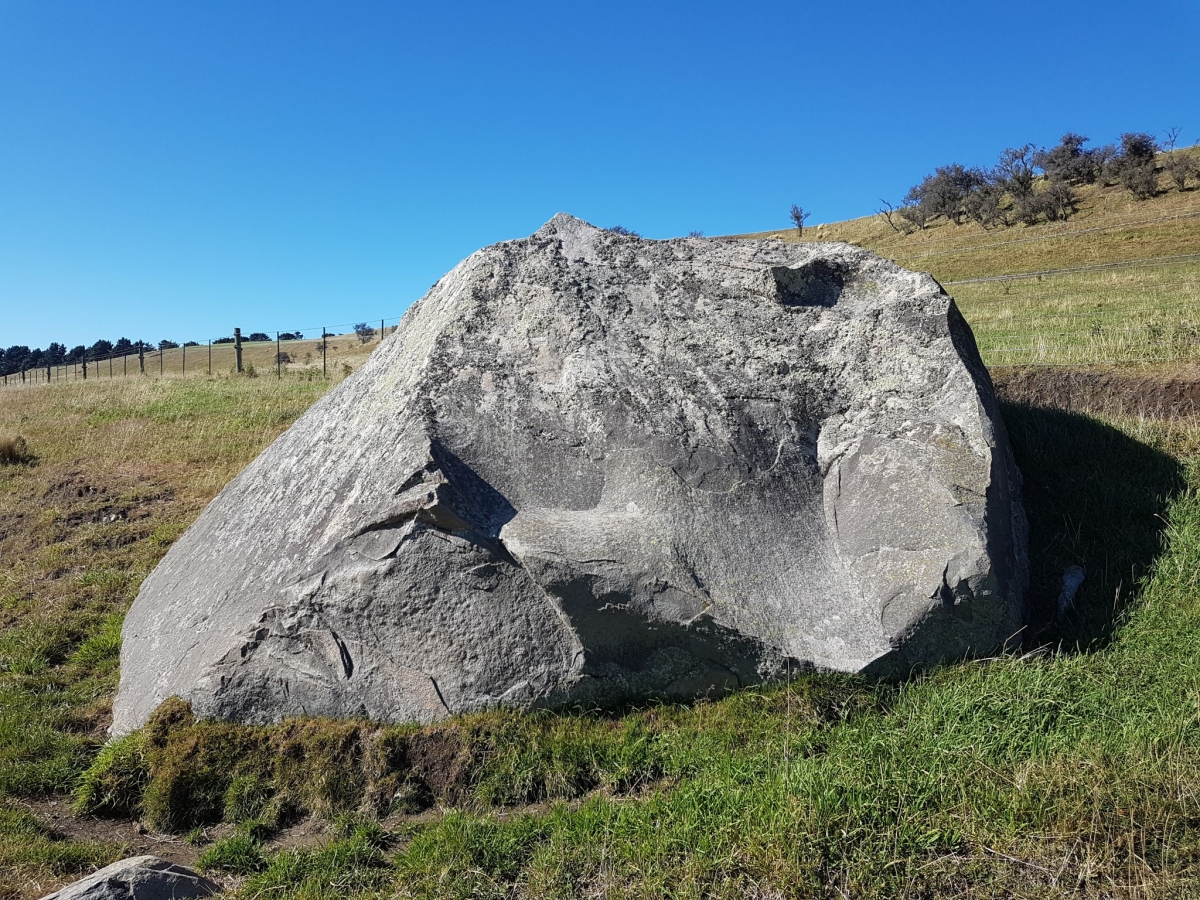
Ben observes that the rocks and stones scattered on his farm have ancient stories to tell.

Ben writes:
A collection of photos of some terminal and lateral moraine boulders. The greywacke rocks have fallen onto glacial ice and were carried up to 70km before being deposited in-situ approximately 18,000 years ago. 

The greywacke was formed over a 200-million-year period as tens of thousands of metres of sediments built up off the edge of Gondwana. The sediments were eventually buried, deformed, hardened, and uplifted to become the rocks that formed the Southern Alps. 

Link to ‘Te Ara – building a continent.’ 

It’s useful therapy to ponder the stories of these rocks when considering your significance, or lack of, in the world. 


Victoria Harvey, Climate change PHD researcher, commented: 
A great reminder of our place and time in this world. Plus, very clean air judging by that lichen. 

#3. Embracing technology

November 2021 

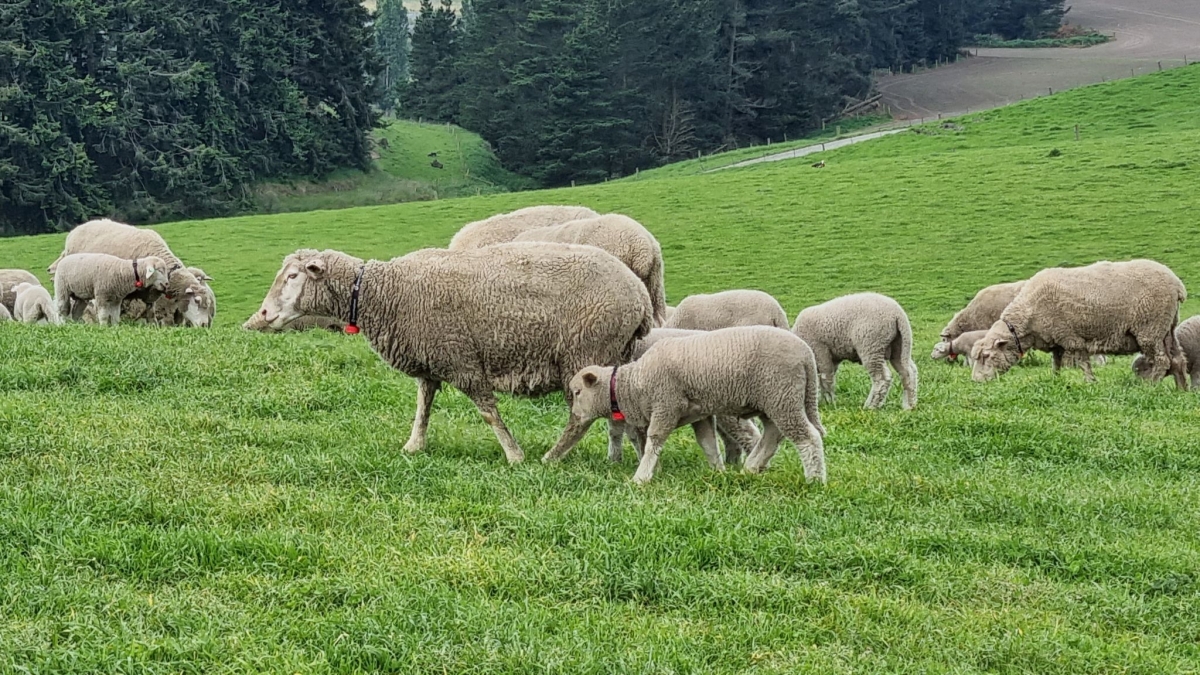
To reduce the time intensive process of matching dam with lamb, and at the same time increasing the quality of pedigree data, Ben introduced smart collars to Cleardale.  

Ben writes:
Our current master shepherd (my father) is proving difficult to replicate and scale. These collars have Bluetooth technology and record proximity to other tags. If they are worn for 48 hours they provide an accurate record of the lambs and their mothers. 

This is the same technology that can be used for some of the proposed contact tracing systems for disease management.  

Helen Thoday, Solutions and Development at DairyNZ, commented: 
That’s so much better than binoculars and spray-painted numbers.

#4. Perspective

May 2021 

Ben observed an interesting play of light and perspective. 

Ben writes:
Fascinating light on a frosty evening. They say the best time to show off livestock is in the afternoon light, but this may be taking it to extremes. 

Gordon Ray, Lecturer at Grenoble Ecole de Management, commented: 
On first impression, almost looks like a bubbly lava flow; when I noticed it’s sheep moving. I’ve worked with a large herd of sheep (1600) and the movement is so fluid as to almost look like slow motion water. Very cool video – thanks for sharing! 

Ben comments:
Gordon Ray, large groups of animals can have real flow. 

#5. Pushing too hard

November 2021 

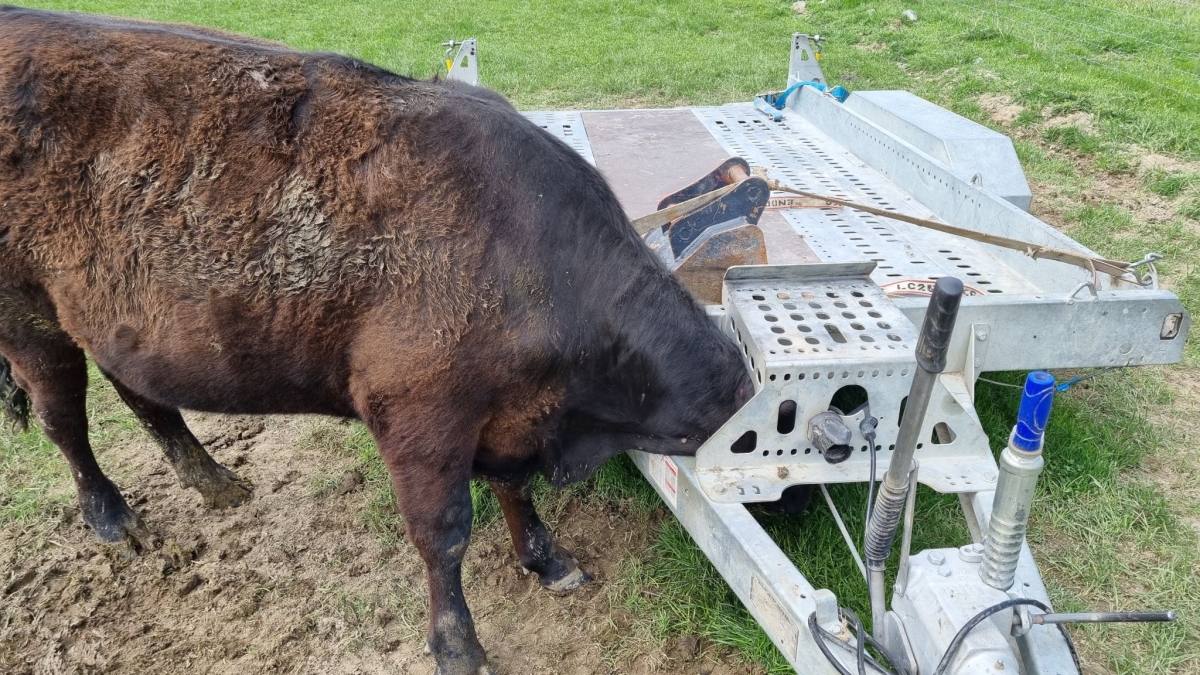
Curiosity or greed? A heifer gets caught in farm equipment looking for the lush grass beneath it. (the heifer was freed unharmed!)

Ben writes:
You know that time when you just go a little further than you should’ve? 

Peter Stannack commented: 
Boundaries are for testing. How else do you find out who you really are? 

#6. Filling your soul

January 2021 

Concepts of mindfulness, wellbeing, and connection to nature are explored in this post.  

Ben writes:
There’s something deeply therapeutic, listening to and watching water. 

This Awa or river, the Rakaia, is a big part of our lives and has many moods. Here it is flowing at 145 cumecs (cubic metres per second). The highest peak flow ever recorded was 5594 cumecs at midnight on January 9th, 1994.  

We are involved with two groups protecting the special landscapes, flora, and fauna of The Rakaia from the gorge to the main divide. I’d like to extend that to the Coast as well. In a recent assessment the Rakaia scored the highest of all the braided Canterbury rivers to be proposed for World Heritage status. 

The Whanganui River has been granted the status of a legal person. “I am the river; the river is me” affirms the deep connection of the Māori tribes of Whanganui to their ancestral river. 

My connection to the Rakaia is not in that form. It is in the form of wonder, and respect, and love, and a place I can go to fill my soul. Where do you go to fill your soul? 

Sam Martin, Exterior Architecture UK, commented:  
Anywhere I can walk under trees works for me. Which is lucky given the situation here in London and our living so close to many commons and parks. 

#7. A river runs through it

October 2021 

“You have my full attention.” Was Mac’s response to a text last year. 

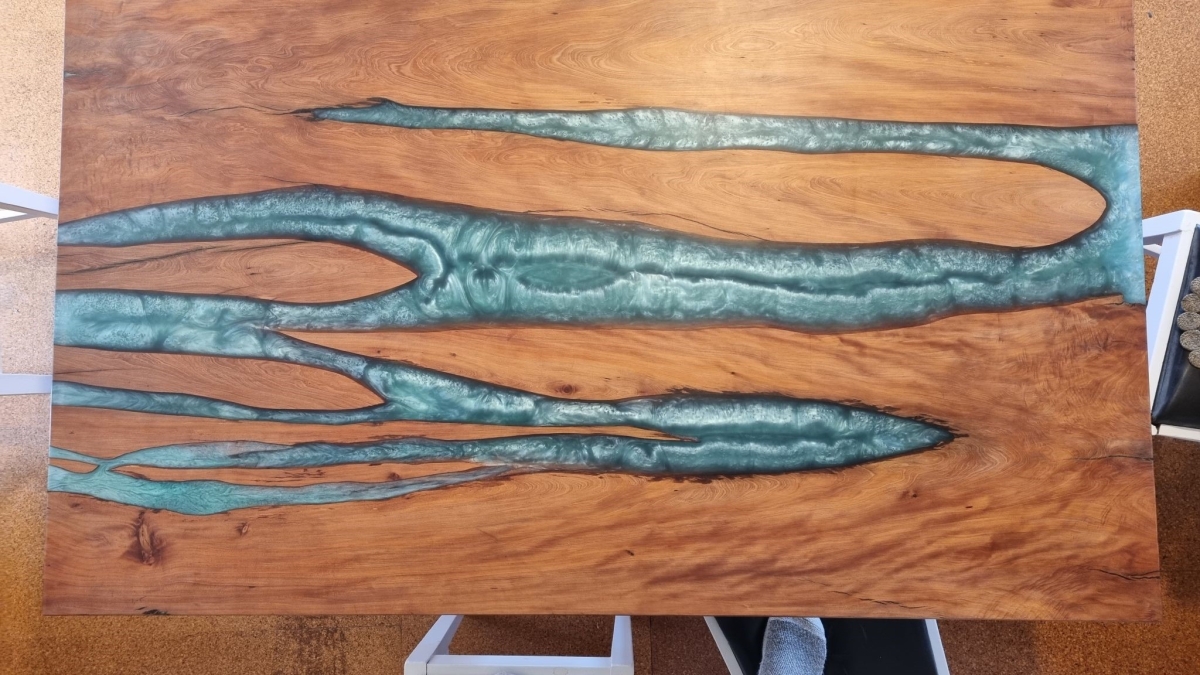
This is a story about the power of story. The story of a table with a story that tells a story. 

We live beside the Rakaia River. Our Awa originates in the heart of the Southern Alps/Kā Tiritiri o te Moana from the Ramsey and Lyell Glaciers. It is a braided river coloured blue from the glacial flour at its origin. Occasionally Totara logs are carried down river from the mountains and are deposited in front of our farm. 

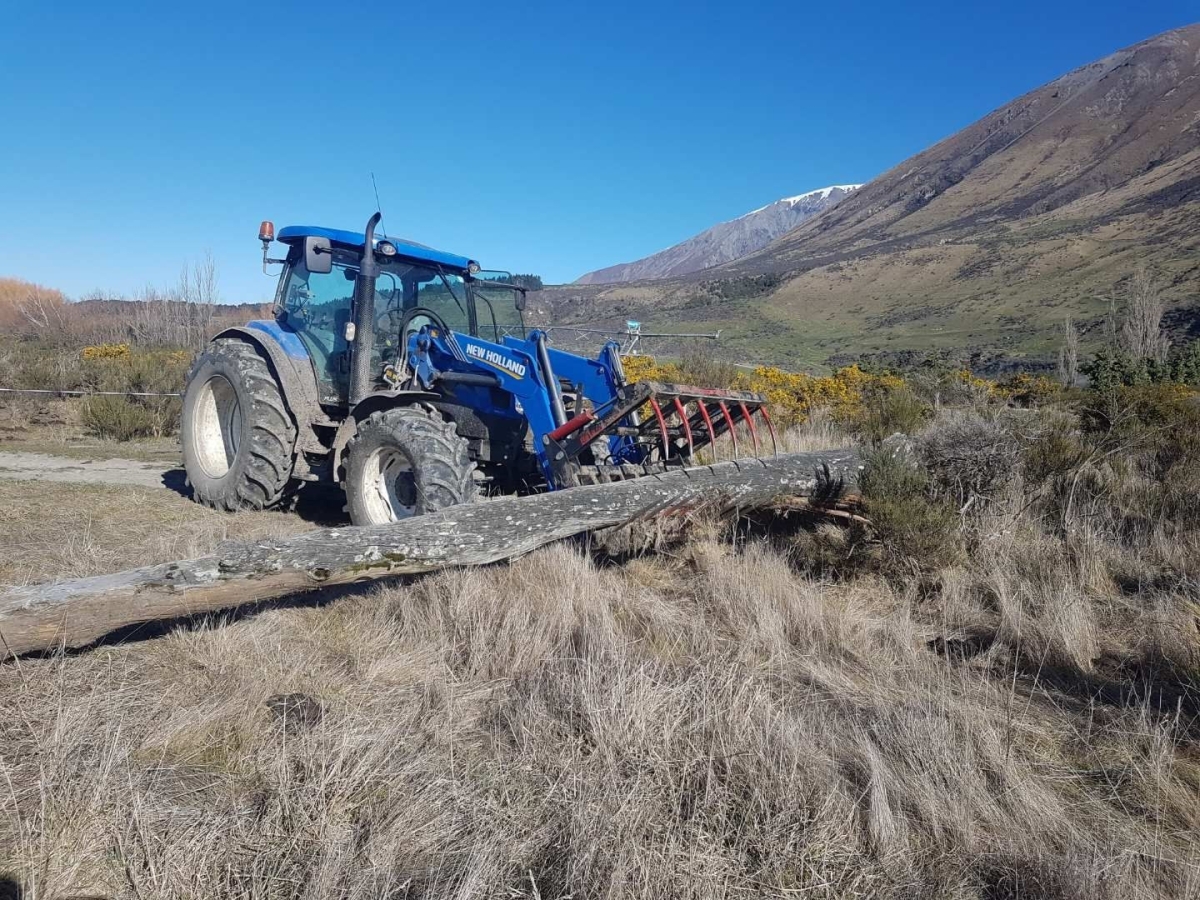
Now Mac who was a neighbour and a top ad man, has now retired and become an accomplished luthier. He’d made me a stunning guitar from a previous piece of Totara and had expressed interest in working again with the special wood. So, when I found a suitable log, I sent a photo and immediately received the above reply. 

Half an hour later he was on site thinking of possibilities. In his words “You are being trusted with an absolute gem of a tree, and you prepare it with the full respect and care that its mana demand. It was an absolute privilege to be asked to give this tree a new life.” 

We then carved out a small bit suitable for guitars and kept the remainder. Maybe to build a table… 

A few weeks later Mac asked if we’d like him to make a kitchen table for us. 

Yes! Yes, was the response.

Mac enlisted the help of another neighbour and master wood whisperer Rob, to craft something special. 

We had a few other pieces of wood from the replaced decking and guardrails of the historic Rakaia Gorge bridge and knowing the talents of these two we provided dimensions for our house and for my frame and left them to it. 

Now for those who know about farm tables, a lot of business gets done around them, people are hosted, discussions are held and family times are lived around these tables. Being a storyteller Mac knew this and wondered if the table could tell a story? “Could it become a centre-piece, not just physically, but also emotionally and attitudinally? Could it have personality?” 

The idea of a river table was born. A table with whakapapa. 
“The idea was to re-create the tree’s relationship with the Rakaia River, representing its journey to Cleardale and the farm’s relationship with the river.” 

And that is what we’ve got. Timber from the mountains, carried and battered by the river, inlaid with a representation of that braided river and held up by timbers from a bridge to the past, repurposed to create memories into the future for a family whose lives are intertwined with that Awa. 

A special Taonga, which has a story, tells a story and will be part of many more stories. Thanks so much gents. 

Partha Ghosal, Clean Energy, commented:  
“You had my full attention.” So much so I read it twice! Never knew of Totara, let alone that it could make a stunning guitar/table. Something to do with your storytelling flair and a Luthier giving full respect maybe? Just love what you, he, and your wood whisperer achieved in the end. Your special Taonga. 

Inviting expressions of interest in a Board Trustee role.

Inviting expressions of interest in a Board Trustee role.

The NZRLT is currently seeking expressions of interest from Nuffield Alumni in a Board Trustee role, beginning January 2022.  

Former Chair and incumbent Trustee, Andrew Watters is due to step down creating a rare opportunity to be involved in primary sector, education, and leadership governance.   
 
As part of a forward-thinking group of industry leaders, you will be supporting the NZRLT and its vision to grow world-class leaders for our country.    
 
This is a voluntary position and encompasses a four-year term. The role requires a time commitment of five board meetings annually, and three full days for the Nuffield Scholarship interview, selection process and awards.  

If you would like to express your interest in this opportunity to give back to rural New Zealand and contribute to building our country’s leadership capability, please send your CV and cover letter to Chris Parsons, NZRLT CEO, at chrisparsons@ruralleaders.co.nz 
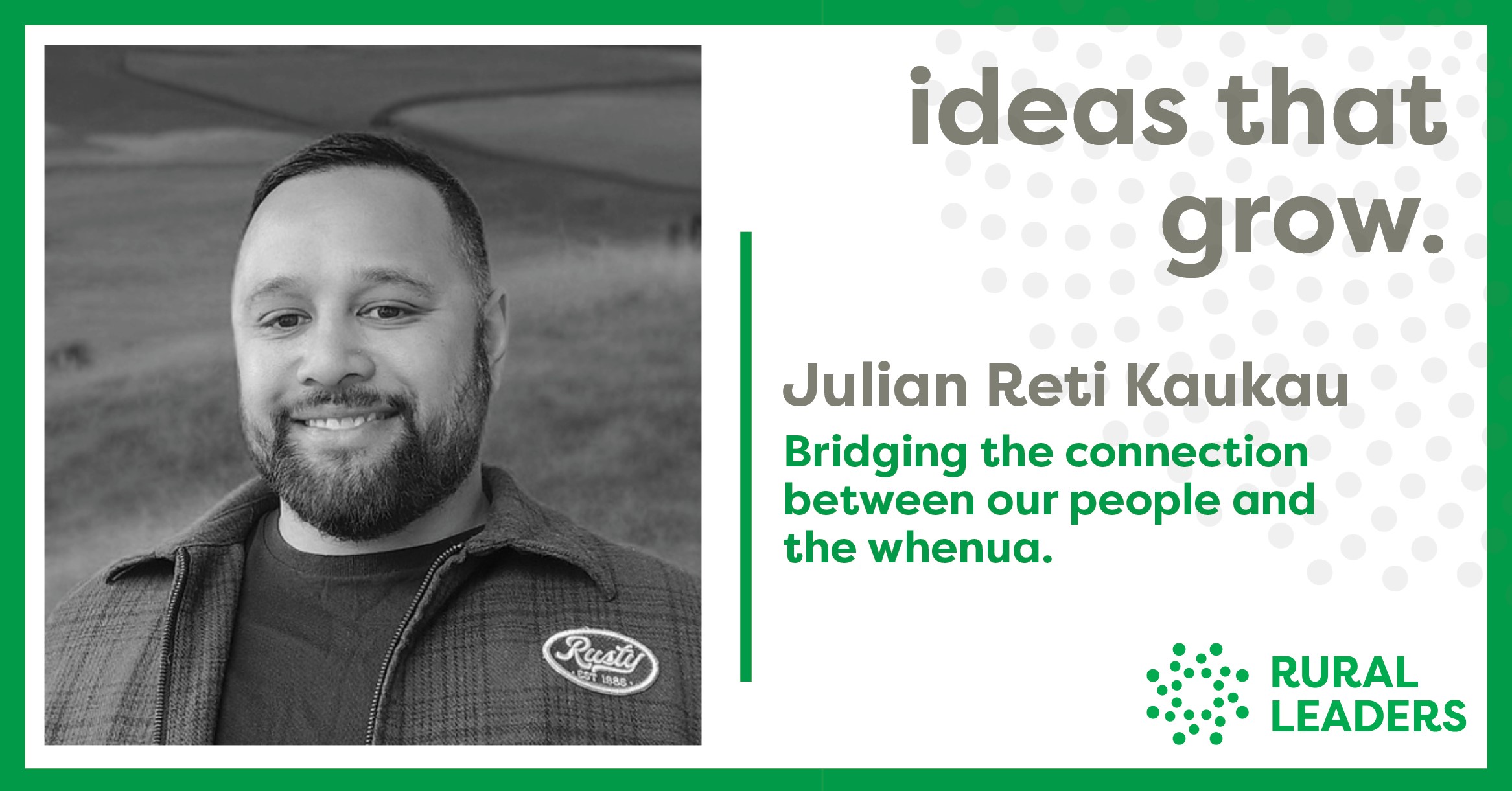
Or, if you would like a confidential discussion, please call either Chris Parsons on 021 779 272, or NZRLT Chair, Kate Scott on 027 495 7486.  

Expressions of interest close Friday 26th November 2021. 

The new Trustee will be appointed prior to Christmas, and in time for the first board meeting in late January 2022.  

2022 Nuffield New Zealand Farming Scholarships awarded.

2022 Nuffield Farming Scholars

2022 Nuffield New Zealand Farming Scholarships awarded.

Three emerging food and fibre sector leaders have been awarded 2022 Nuffield New Zealand Farming Scholarships. Each has received a personal letter of congratulations from Hon. Damien O’Connor, Minister of Agriculture, Minister for Trade and Export Growth, Biosecurity, Land Information, and Rural Communities.

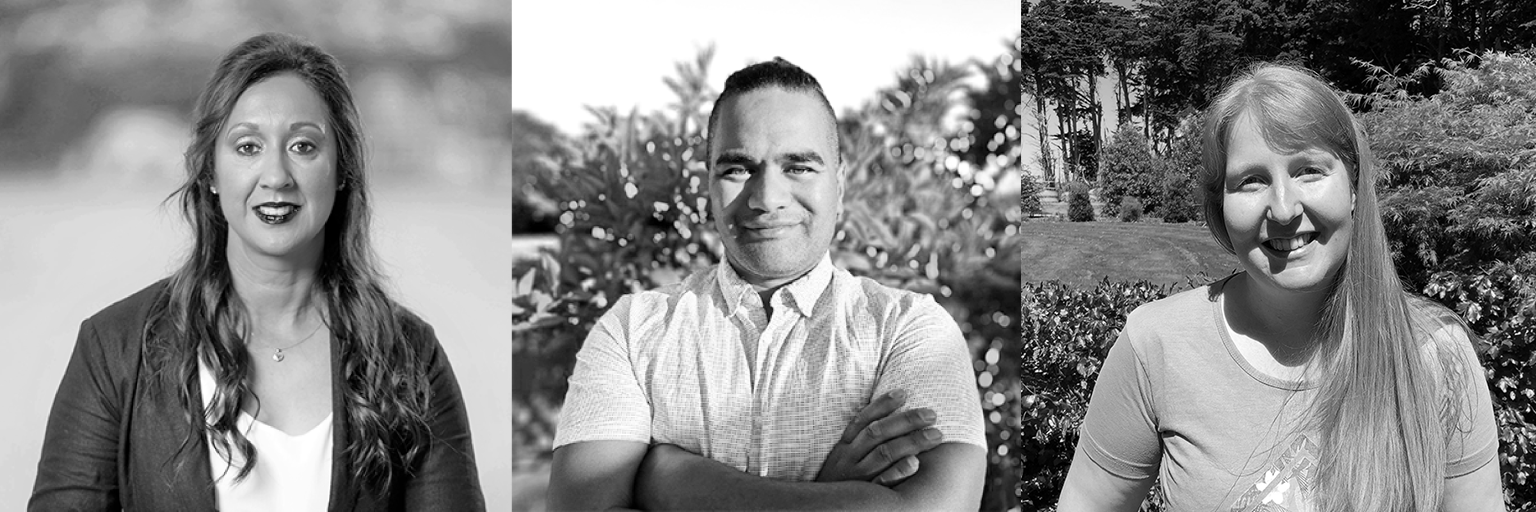
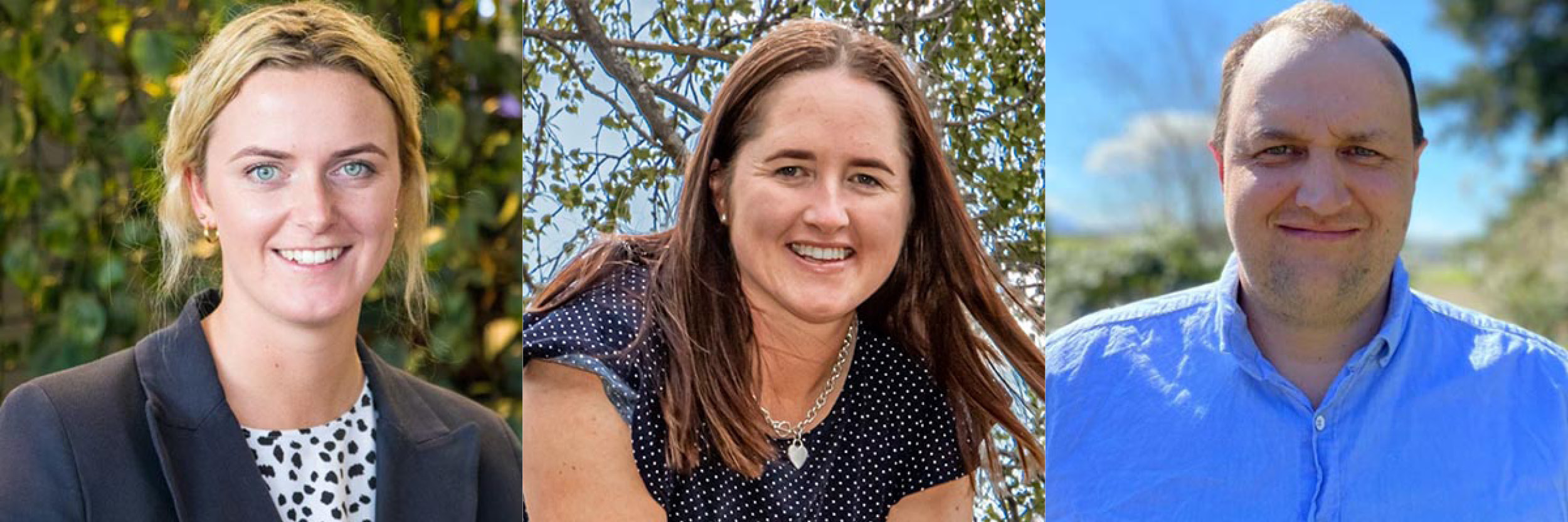
The New Zealand Rural Leadership Trust (NZRLT) is proud to announce the 2022 Nuffield New Zealand Farming Scholarship recipients. The Scholars are:

Parmindar Singh, a Waikato based Dairy Farm Manager, Company Director, and a recent master’s graduate. 

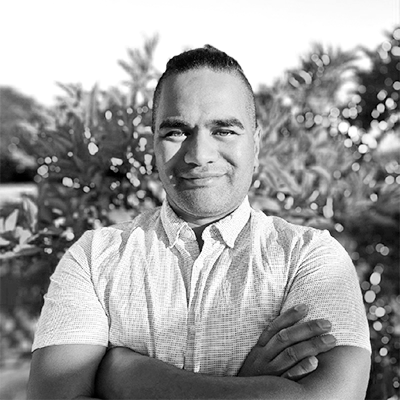
Anthony Taueki, a horticulturalist from the Hawke’s Bay, leads horticulture courses at Fruition, New Zealand Apples and Pears, Tatau Tatau o te Wairoa, and many more.

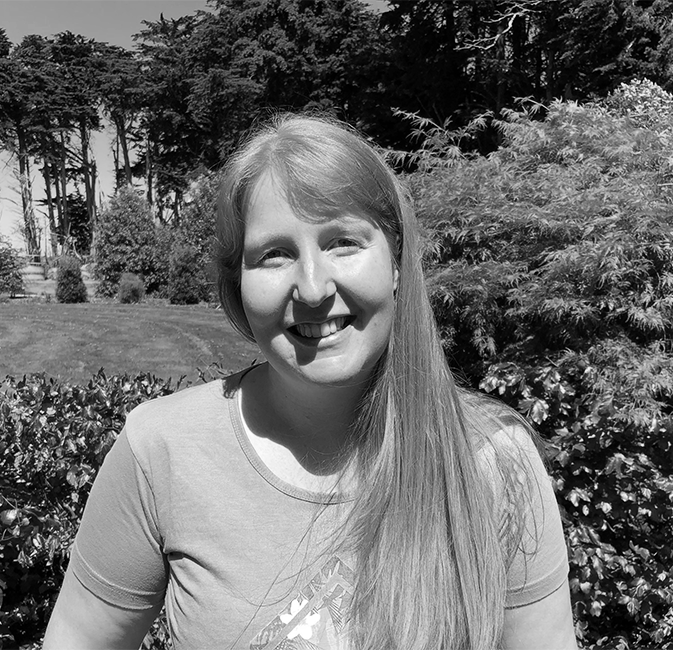
Lucie Douma, leads a new team at the Ministry for Primary Industries (MPI) looking at disruptions to domestic food and fibre supply chains, and primary sector COVID recovery.

Chris Parsons, NZRLT CEO said, “This group comes from the most diverse range of backgrounds we have seen in recent times. Each Scholar brings talent, passion, perspective, and a track record of performance. Their job now is to find insights and foresight to benefit our sector.

“We wish to acknowledge all those who applied. It is safe to say, there is some real talent in our regions. Selecting three Scholars this year has given our Trustees and the Industry National Advisory Committee the opportunity to fund the start-up of an exciting new programme, the Value Chain Innovation Programme. The intention will be to return to selecting five Scholars again next year”, said Parsons.

Covid 19 restrictions mean this year’s scholarship recipients’ formal awards ceremony at Parliament, will be delayed until February 2022, when Minister O’Connor will award the scholarships in person.

2022 Scholars will follow last year’s travel approach, contingent on the local and global pandemic travel situation. This lets scholars defer the international travel component of the programme until border restrictions permit.

Kate Scott, NZRLT Chair, said, “As part of their Nuffield journey, the three 2022 Scholars will also join the Value Chain Innovation Programme to gain a deeper understanding of the challenges and opportunities in front of our sector, before they venture abroad.

“The Scholarship will offer new opportunities and experiences through an immersive programme and will help to shape future world-class leaders for the New Zealand food and fibre sector” said Scott.

Their research topics are likely to cover a range of our biggest food and fibre challenges including, building resilience in our value chains, data interoperability, emerging market opportunities for trade in dairy, and finding sustainable pathways into the primary industries for rangatahi.

The three new Scholars will join more than 170 Nuffield Alumni awarded scholarships over the last 71 years.

Meet our 2022 Nuffield New Zealand Farming Scholars.

Lucie Douma, 2022 Nuffield New Zealand Scholar

Lucie Douma 

Agri-professional, Livestock
Wellington

Lucie is of Dutch descent and is based in Wellington. She currently leads a new team at the Ministry for Primary Industries (MPI) looking at disruptions to the domestic food and fibre supply chains, and primary sector COVID recovery.

Lucie has a Master of Science degree from Oxford University, where she studied human-wildlife conflict. Her initial research topics of interest are data interoperability or building resilience within the value chain.

Lisa Rogers, NZRLT Programme Manager, commented, “Lucie is a great example of the policy talent we have coming through in our sector. She is greatly invested in the future of agriculture in New Zealand.”

Parmindar Singh- 2022 Nuffield New Zealand Scholar

Parmindar Singh

Dairy farmer, Company Director
Waikato

Parmindar is a fourth generation New Zealand dairy farmer of Indian descent. A company director and independent consultant, she is near completion of her master’s degree at Waikato University.

Parmindar’s research topic of interest is emerging market opportunities for trade in dairy. On her proposed research Parmindar says, “As a proud, intergenerational dairy farmer, my goal is to identify the shift that is occurring globally and identify future trade and market opportunities for New Zealand farmers.”

On Parmindar’s selection Lisa Rogers noted, “Parmindar is bright and fearless, with a lifetime of community involvement and entrepreneurship in the Agri-sector. Nuffield is lucky to have her as a Scholar.”

Anthony Taueki, 2022 Nuffield New Zealand Scholar

Anthony Taueki

Horticulturalist, Kaiako,
Hawke’s Bay

A horticulturalist from the Hawke’s Bay, Anthony is of Ngati Kahungunu descent. He leads, organises, and conducts horticulture courses and training programmes with Fruition Horticulture, New Zealand Apples and Pears, Tatau Tatau o te Wairoa, Ministry of Social Development and Ngati Kahungunu Inc.

Passionate about helping rangatahi find sustainable pathways into primary industries, Anthony’s research topic of interest is growing opportunities from the roots up.

Of Anthony’s selection Lisa Rogers said, “Anthony is a natural leader who is highly collaborative. He has integrity, passion, and a strong desire to influence in New Zealand’s Agri-sector.”

“I look forward to working with all three of our Scholars over their scholarship journey”, Lisa Rogers said.

About Nuffield New Zealand Farming Scholarships.

Nuffield Farming Scholarships have been offered to farmers, growers, fishers, and foresters since 1950. The scholarships were established in the United Kingdom by Lord Nuffield for farmers to explore best agricultural practice and facilitate innovation through sharing knowledge and ideas in food and fibre globally.

The scholarships are among the most respected awards in the food and fibre sector. They offer a life-changing opportunity for travel, study of the latest developments and an introduction to leaders and decision-makers around the world, who would not normally be accessible.

With a network of more than 1,600 alumni internationally, the programme continues to build New Zealand’s rural leadership capability and the food and fibre sector’s profile internationally.

For more information about Nuffield go to https://ruralleaders.co.nz/nuffield

For more information, please contact:

Matt Hampton
Marketing and Communications Manager
Rural Leaders
Ph. 0274 171 065
E: matthampton@ruralleaders.co.nz
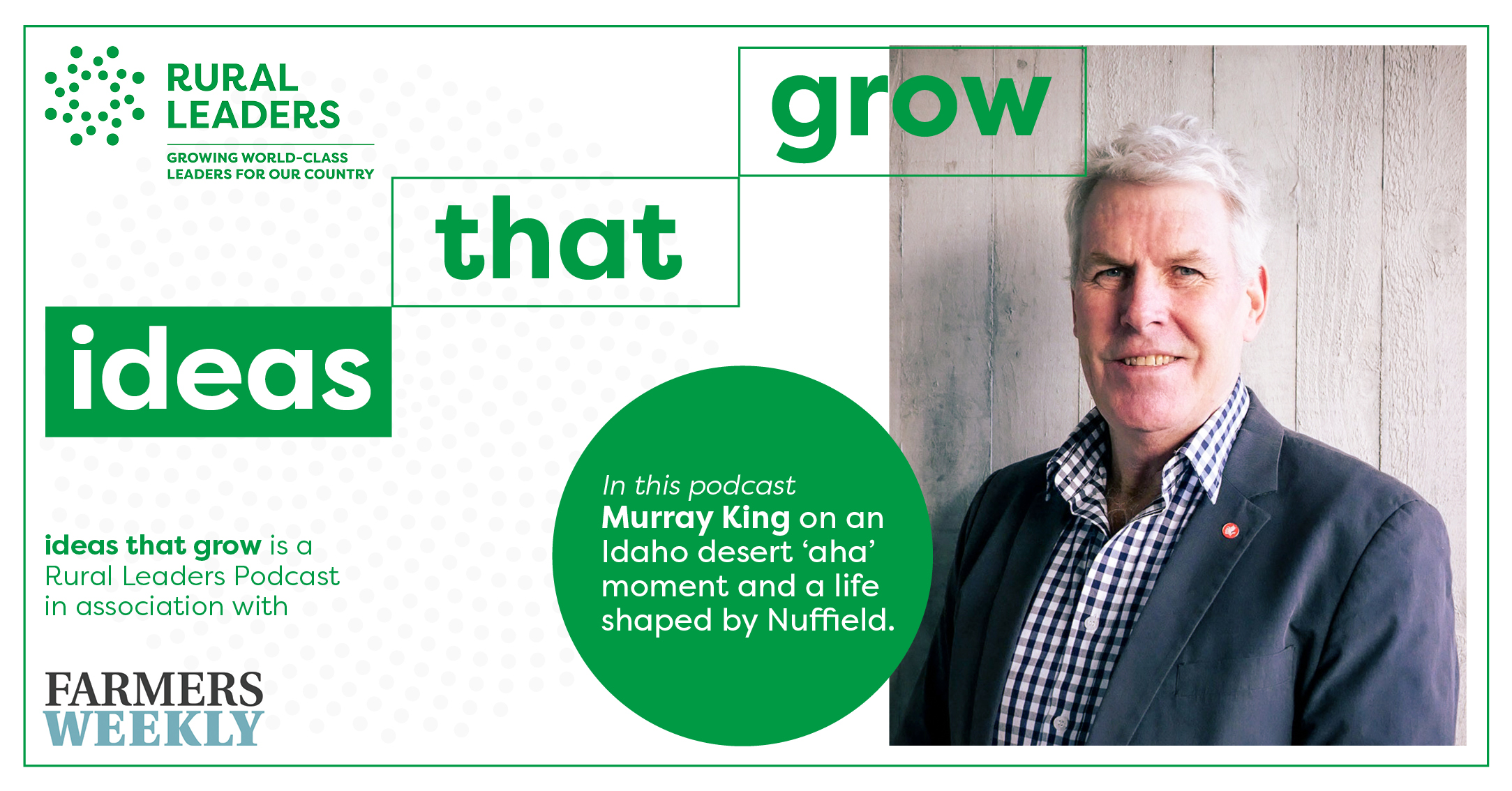
Three Kelloggers among Zanda McDonald Awards Finalists.

Adapted from an article on the Zanda McDonald Award website. 

Judges of the Zanda McDonald Award, will crown not one but two winners for 2022 – one from each side of the Tasman. 

Now in its eighth year, the prestigious award recognises young future leaders working in agriculture and provides an impressive prize package centred around a tailored trans-Tasman mentoring programme. The eight talented finalists – include four from New Zealand, three of whom are graduates of the Kellogg Rural Leadership Programme.  

All finalists have been selected for their passion for the industry, strong leadership skills, and the contributions they’re making in the primary sector. 

The four New Zealand finalists are 2019 Kellogg Scholar Katie Vickers, Head of Sustainability and Land Use for Farmlands;  

2017 Kellogg Scholar Olivia Weatherburn, National Extension Programme Manager for Beef + Lamb New Zealand;  

2017 Kellogg Scholar Rhys Roberts, CEO of market garden and farm operation Align Farms;  

and Adam Thompson, director of Restore Native Plant Nursery, beef farmer and mortgage broker. 

Richard Rains, award chairman says whilst Covid-19 travel restrictions drove the change to two awards, it has also created an exciting opportunity. With the increase to eight finalists and two winners, the award can have a positive impact on more future leaders in Australia and New Zealand.  

“We’re thrilled to be able to invest in the future of all eight finalists, and our two winners, and help with their future career and personal development. Our judges have again been overwhelmed with the level of talent and capabilities of this years’ candidates,” said Rains. 

The Australian and the New Zealand winner will each pick up an impressive personal development package, including a personalised mentoring trip in Australia and New Zealand (when travel allows), up to $10,000 worth of tailored education or training, media coaching, and other mentoring and industry opportunities. 

Winners will be announced in November 2021. 


A rural connection

By Royna Ngahuia Fifield-Hakaraia (Ngāti Rangatahi, Ngāti Whititama)  

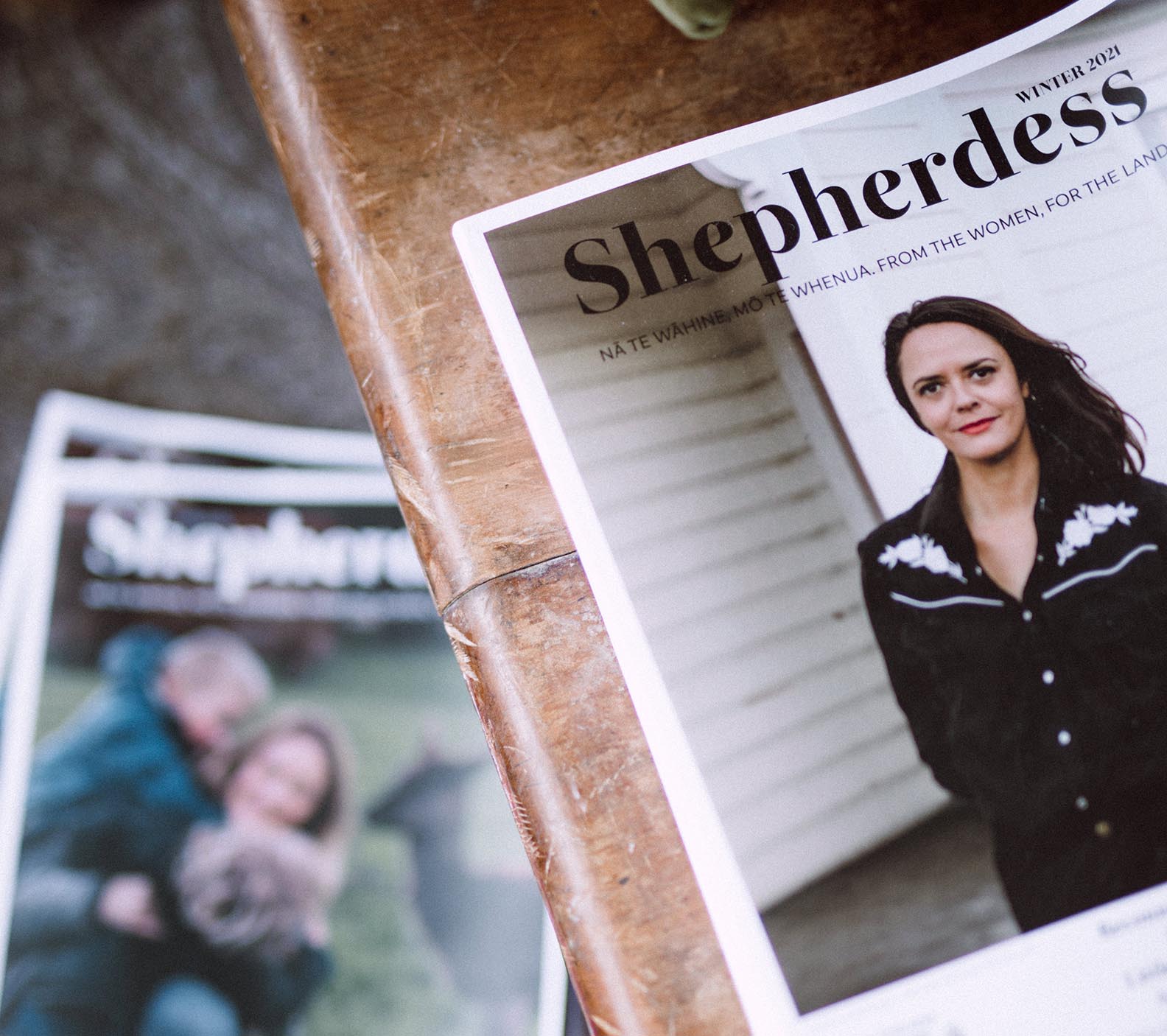
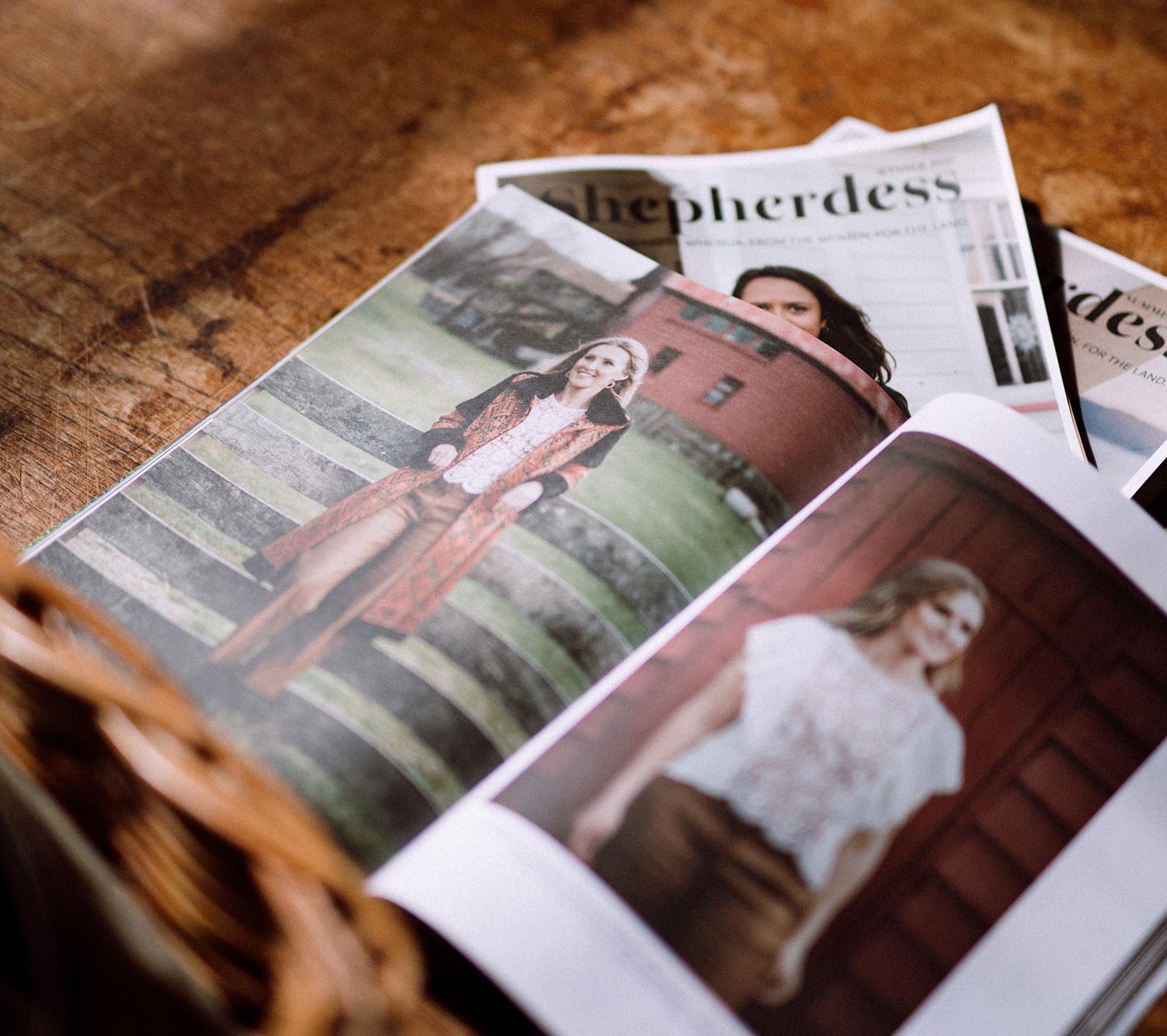
You might have noticed a new magazine on the stands lately. Shepherdess is a publication that offers something no other magazine does: an unapologetic celebration of women in rural Aotearoa. Published by Kristy McGregor – a twenty-nine-year-old Australian based on a dairy and beef farm at Manakau, Horowhenua – the quarterly magazine unearths stories on all matters of social and cultural life in the regions. 

Humble beginnings. 

Kristy is the first person to admit that Shepherdess has come from humble beginnings. Initially, there were a series of conversations with Claire Dunne, the founder of Australian magazine Graziher, then an Instagram page and a blog, and finally the first edition was in stores in March, 2020 – a few weeks before New Zealand’s first Covid-19 lockdown.  

“I’d known Claire for a few years and in our conversations we both recognised that there was a real opportunity for a nationwide publication that spoke to rural life,” Kristy explains. “But when Claire said to me, “How about we start the magazine?” in early 2019, I had just had my first baby and was about to dive back into my resource management job in Wellington – it definitely wasn’t the best timing. Deep down, though, I knew there was never going to be a perfect time and I really believed in what the magazine could provide for rural women, so I decided to give it a go.” 

Beating the odds. 

The journey, of course, hasn’t been without its bumps. Less than 40 per cent of start-up businesses in New Zealand survive past the first two years and Kristy faced her first big hurdle early on. She found herself at the helm of Shepherdess with no experience in publishing or running a business.

“As we were preparing the first edition and pulling everything together for the March launch, Claire’s circumstances changed and she needed to focus her energy in Australia,” says Kristy. “Suddenly, I went from working with someone who has years of publishing experience to being on my own, but I just knew that I had to give it a try.  

“I had been living in New Zealand for nearly six years and I felt that I had a bit of an understanding about the experiences and perspectives of rural New Zealand, especially with living and working on my partner’s family farm in the Horowhenua.

“Really I stumbled into the role of publisher – what I really wanted to do was connect people and I could see that the magazine could be a tool to do that.” 

Growing up in suburban Sydney.

Kristy grew up on a quarter acre block in Camden, a small, suburban area on the outskirts of Sydney. But through her father’s work as an agricultural teacher as well as invitations by extended family to go and stay at their farms, Kristy’s childhood was filled with experiences of rural life. “As a kid, I would go and stay with family friends in Jamberoo, Parkes and Canowindra,” says Kristy.

“I have memories of watching a newborn calf plop onto the ground, or visiting the local butcher where, like in many small towns, they run a tab under the family name. Some days I would sit on the enclosed veranda in the baking sun for hours, trying to avoid the flies. It was this sense of simplicity and familiarity that I really loved growing up, and as I got older these were the things I found myself gravitating towards.” 

Home in Horowhenua.

Kristy moved to New Zealand in 2014, after meeting Michael Keeling, a Kiwi who was working in western Queensland before taking over the family farm back home in Horowhenua. “My first year here was really hard,” Kristy explains.

“I was away from my friends and family and everything I had built over in Australia, and my introduction to dairy farming was a partner who worked fifteen-hour days, ate and slept and then did it all again the next day. There was very little social life, and there was a lot I had to learn. I brought home a pet lamb that first year and I quickly learnt that you don’t want to add anything to your plate during calving if you can help it!” 

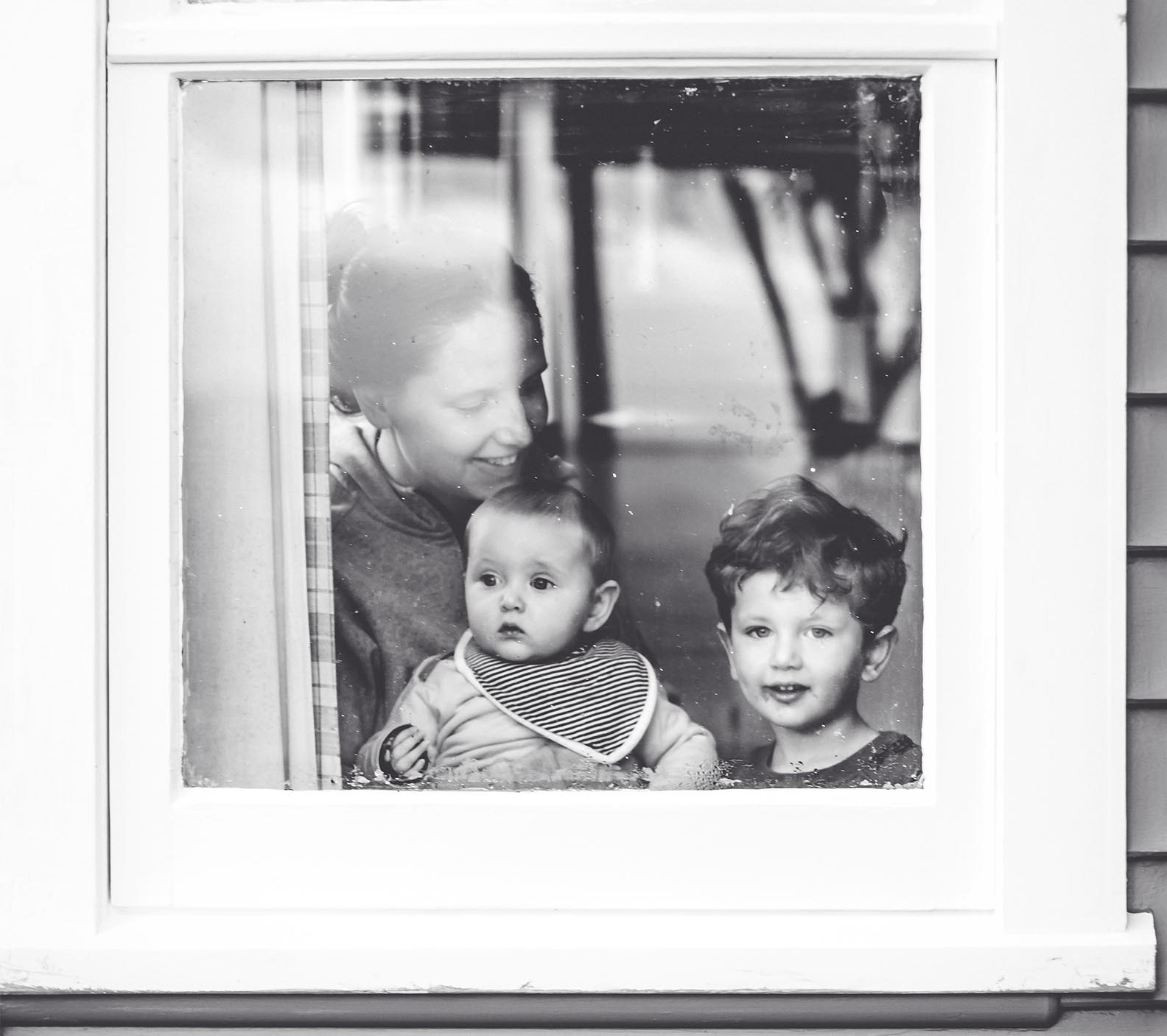
Despite all the challenges, Kristy is still here and still based in the Horowhenua with Michael and their two children, Hartley, three, and Tully, one. And eighteen months after its debut Shepherdess is currently curating its eighth edition, is stocked in 400 stores nationwide and has built an online community of 15,000 and growing, with an estimated readership of 18,000 per edition.

Women from across the country write to Kristy, explaining how they had always hoped a magazine like Shepherdess would appear at their local bookstore and how much it means to them to see women like themselves reflected back in its pages and stories.  

Collaboration, connection and community.

“Collaboration is what has propelled the magazine. I remember in the few months before our first edition, sitting down with Claire Dunne and she had a whiteboard and a pen and was giving me a publishing 101 lesson because I really had no idea. I even roped in my mother-in-law to bake the cakes for the recipes in the first edition! But we were lucky to have organisations like Beef + Lamb New Zealand and Farmlands, who – bravely – endorsed us from the start. And a great team of talented women have come on board so that the magazine could become a reality.” 

Shepherdess fills a large gap in Aotearoa’s media landscape: telling stories that matter to women living in rural and regional areas and providing a space for underrepresented women’s stories to be shared; with a concerted focus on Te Reo and the experiences of wāhine Māori.  

“For me, it’s just a gut feeling that I have that I couldn’t make a publication in 2021 and not honour Te Ao Maori.

Throughout this journey, I have learnt so much about our communities and businesses. Our first editions might not have been perfect, but we strive to be better and better every time, and as a team we are continually improving and refining.

Running a business is often like a jigsaw, fitting people’s strengths to their roles and figuring out how we best work together so that we can produce the best possible experience for our readers.” 

It was in talking to other rural women that Kristy realised there was a real need for a magazine that can hold space for women who might be isolated, either socially or geographically. That other women wanted a publication that spoke to their fears and struggles as well as their sense of pride and belonging for the many wonderful things happening in rural Aotearoa.  

Shepherdess connects its readers to rural and regional Aotearoa from the comfort of their couch, kitchen table or out in the paddock if need be.

“We showcase women from all parts of the country and all areas of industry who are facing the same things as everyone else and who are trying to figure out how best to do it all.

“I think reading these stories, that are all our stories, fills us up and creates a special feeling of community. I’m really frank about knowing what it’s like for most mums out there – my office is right here on the farm with my kids underfoot, the palettes of magazines on the back of a truck, roll in right after the tanker.

“I’m doing Zoom calls while breastfeeding or checking copy and looking at design mock-ups late at night after the kids are in bed. But its also extremely rewarding to be getting these amazing stories out there. It’s exciting to have found something that I really resonate with, that feels so closely connected to me.”  

To subscribe, purchase the latest edition of Shepherdess or read more stories that have featured in the magazine, head to the website www.shepherdess.co.nz or into any one of their many stockists across the country, a list of which can also be found on the website. Use the code RURALLEADERS on the website at check out for an extra edition free with any annual subscription purchased.
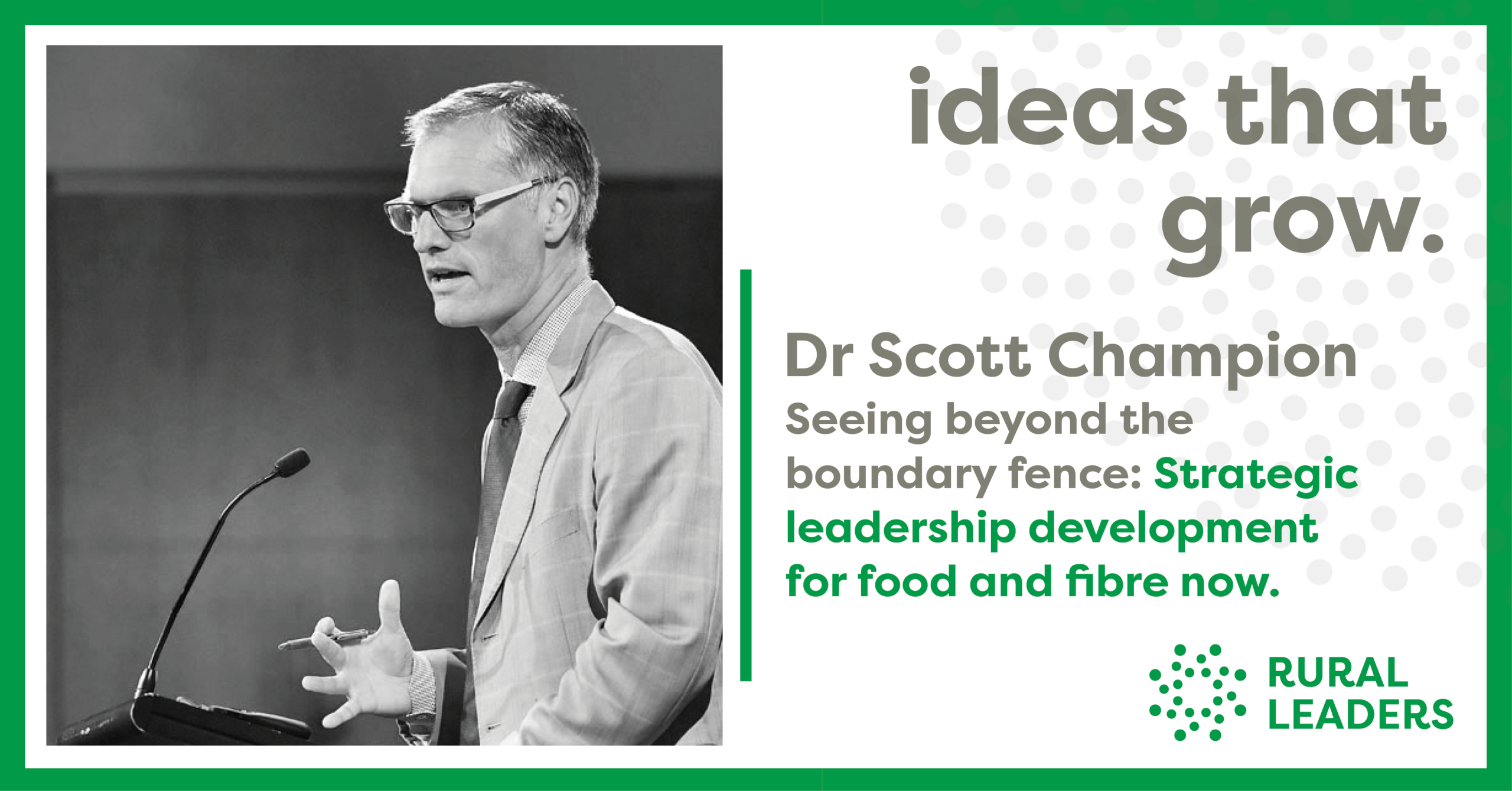
Good value in changing times.

If you look very hard for the Pandemic’s silver linings, you’ll find a few.  

There’s a growing appreciation for the rural sector. According to UMR data from last year, support for dairy and sheep and beef farmers has risen 9%. The reason cited was the heavy government spending on the Covid-19 relief package, leaving a public asking, “How’re we going to pay for all this?”  

Also cutting through the gloom are the countless innovations taking place as the effort to adjust continues. And like many organisations cornered by the pandemic’s refusal to negotiate, the New Zealand Rural Leadership Trust has had to adapt on the move. One example was when Nuffield Scholars were affected by the close of international travel. An innovation in the form of a New Zealand based experience emerged.  

The Global Tour of New Zealand.

The ‘Global Tour of New Zealand’, as it was quickly named by last years’ Nuffield Scholars, gave a unique view of the country’s food and fibre sector value chains. This year, the programme has been made richer still. The Value Chain Innovation Programme will begin in January 2022 and  
is now open to a larger number of people in the primary sector. 

One of the programme’s two facilitators, Sir Graeme Harrison Professorial Chair of Global Value Chains and Trade Hamish Gow says, “The Value Chain Innovation Programme provides the opportunity to lift the lid on some of New Zealand’s leading value chains, exploring their working components and analysing how they create value.”  

Building the value.

Much work has gone into building a cache of exciting and varied case studies across dairy, arable and horticulture value chains to name a few. Participants learn straight from the source. They gain unique insights into food and fibre innovation, in both domestic and international markets.

Businesses don’t always get the opportunity to explore innovation across other industries. The new programme gives a wide view of established and novel value chains. Participants compare and transpose thinking at a time when the primary industries are going through the biggest period of transformational change since the 1980’s.  

If you’re in food and fibre, now is the time to be gaining a pan-sector view of as many successful business models as possible,” says Prof. Gow. “Increasingly the most successful value chains are those with business models that are closely aligned to their customers, use protected IP, and provide innovative shared value structures.” 

The programme runs over five weeks, two of these are spent on the road. The remaining time is spent on an individual research report. “It will be a busy few weeks, with the time commitment being 100 hours on field trips, guest lectures and networking, online lectures and discussions, tutorials, and another 50 hours self-directed learning,” said Prof. Gow. 

The programme delivery team.

New Zealand Rural Leadership Trust CEO Chris Parsons remarked, “As a global leader and thinker in value chain design, innovation and entrepreneurship, Professor Gow is uniquely qualified to impart deeper strategic learning and insight into 2022’s programme.”  

The depth on the team is bolstered further with Leadership and Strategic Development Consultant, Phil Morrison, ONZM. “We are also fortunate to have Phil onboard. He brings a different leadership perspective, drawing on a career in military command, and in the delivery of innovation, strategic and leadership training as a consultant. We couldn’t hope for a stronger team.”  

Once completed, the programme will give participants the competencies, confidence, and networks to influence change and lead transformation at an enterprise level and throughout regional New Zealand.  

Chris Parsons says, “We hope this programme will lead to positive larger scale change as our graduates continue to grow and contribute to a fast-changing food and fibre sector.”

Rural Leaders are taking applications until 28 November 2021, with a scheduled start date of 16 January 2022.  

Applications can be made at ruralleaders.co.nz/value-chain/.