2026 Nuffield NZ Farming Scholarship. Apply by 17 August 2025. Read More...

Apply for 2026 Nuffield NZ Farming Scholarship by 17 August 2025. More details...

Finding the next Nuffield Scholarship recipients. 

Nuffielders 2022

After recent Nuffield strategic work, the Rural Leaders Team and the NZRLT Board have identified five highly desirable core attributes of a Nuffield Scholar. These won’t come as any great surprise to Nuffield Alumni, but articulating these simply has been a valuable exercise, especially as our 2023 Scholarship search is set to begin. 

Here are the five attributes any scholar selection process will look for in terms of evidence that they exist or have the potential to emerge in an applicant.

Bold

The will to step forward, be willing to challenge conventional thinking, to act, to make decisions with confidence. 

Innovative

Someone who can develop and express original thinking and ideas.

Motivated 

Driven to go above and beyond to accomplish a goal. Someone who can find the energy and confidence needed to do so. 

Perceptive  

Possesses the cognitive, observational, and critical thinking abilities to assess challenges and generate usable insights.   

Community-minded 

Motivated to contribute to community by collaborating and sharing skills, knowledge, experience, and ideas, forging ever-stronger connections with people and place. 

Six Alumni to help with this years’ Scholar search. 

We’re fortunate to have so many inspiring alumni to help us drive this years’ scholar search. We’ll need to represent as many industries as possible as well as show the changing face of food and fibre.  

From the Catlins to Nelson – Scholars photographed doing their thing. 

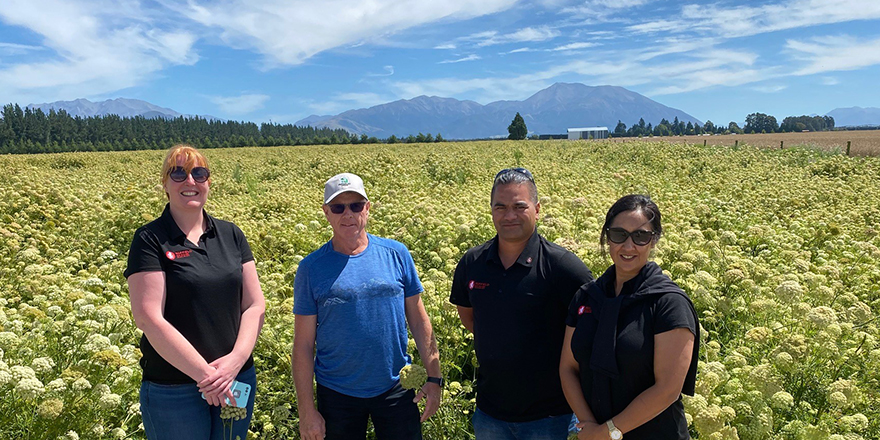
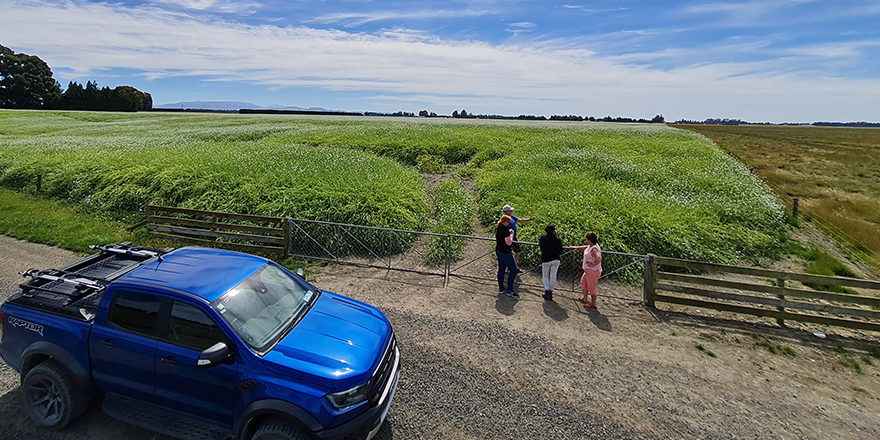
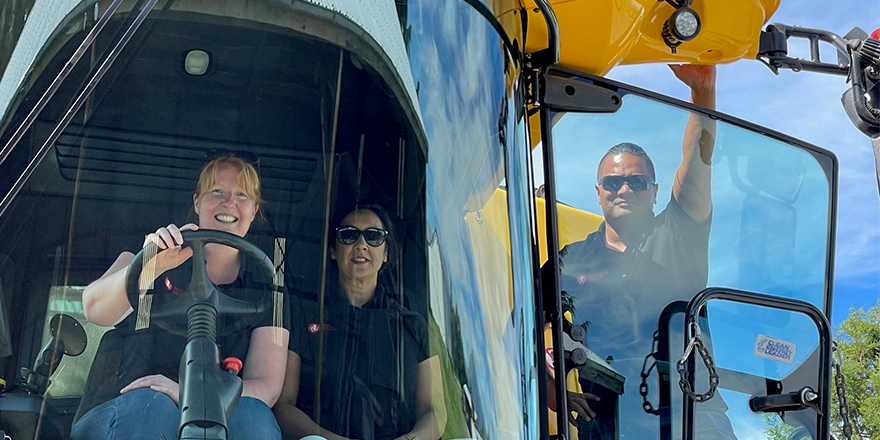
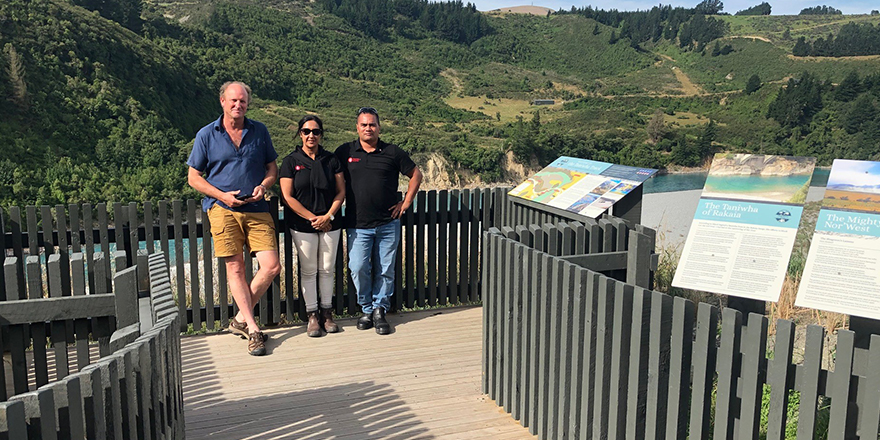
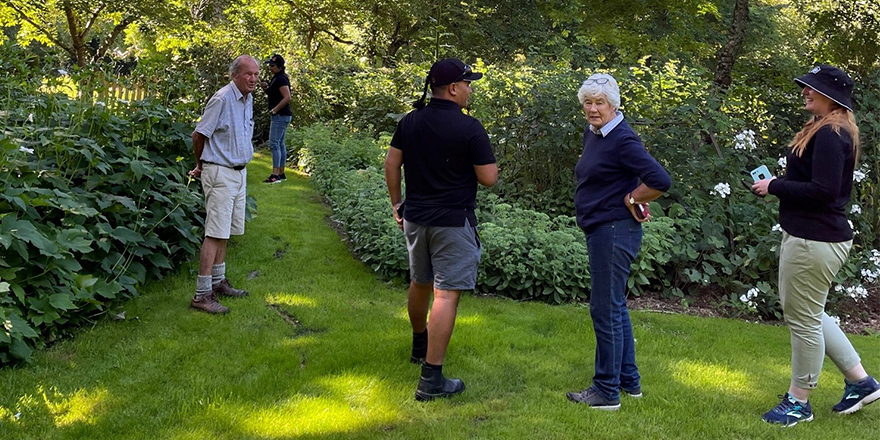
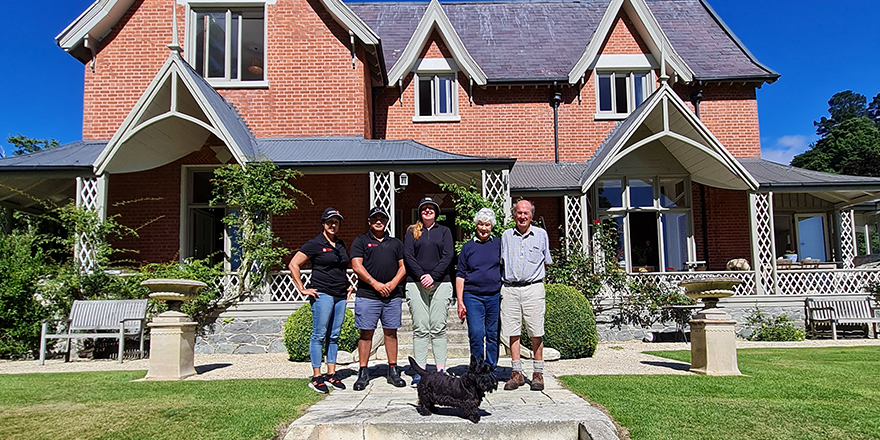
We set off a on a road trip recently to capture a few Nuffield Alumni – in their natural habitat.  

From a time and budget perspective, travel was kept in the South Island. We hope to make it up to the North Island as well at some stage.

There are still many industries not yet represented – we’ve done our best for now covering: Aquaculture, dairy, sheep and beef, horticulture, agri-business, and more broadly, entrepreneurialism. 

A big thank you to the Nuffield Alumni that agreed to help us with this shoot. Your generosity with your time and the effort you made was greatly appreciated. Those images shown, or some like them, will be used in advertising for the upcoming 2023 search. Here’s a preview.
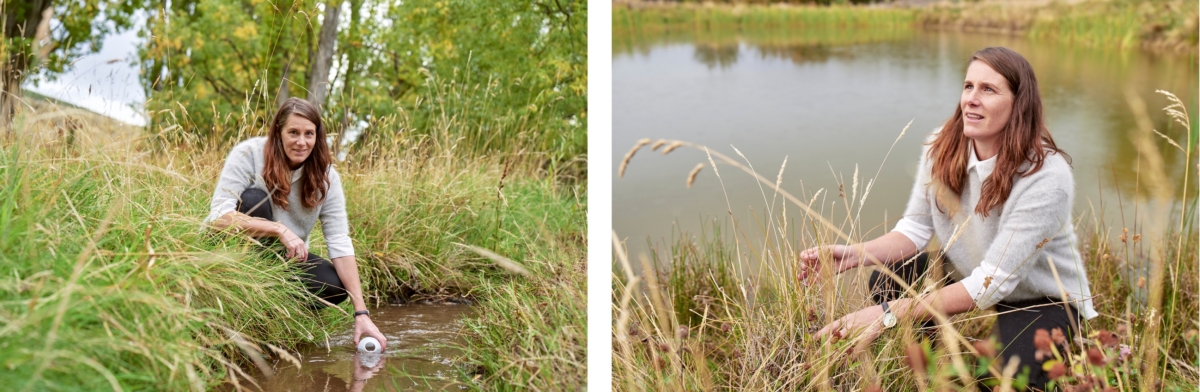
Kate Scott, 2018 Nuffield Scholar

Kate Scott, 2018 Nuffield Scholar

While much of Kate’s work is done indoors these days, running her business Landpro, she has a background in resource management planning, part of which involves testing water. We wanted to show Kate outside, on the land, doing the work she did when she started her business in 2007.  

Kate balances a young family with work and involvement with organisations outside of work too, such as being Chair of the New Zealand Rural Leadership Trust. 
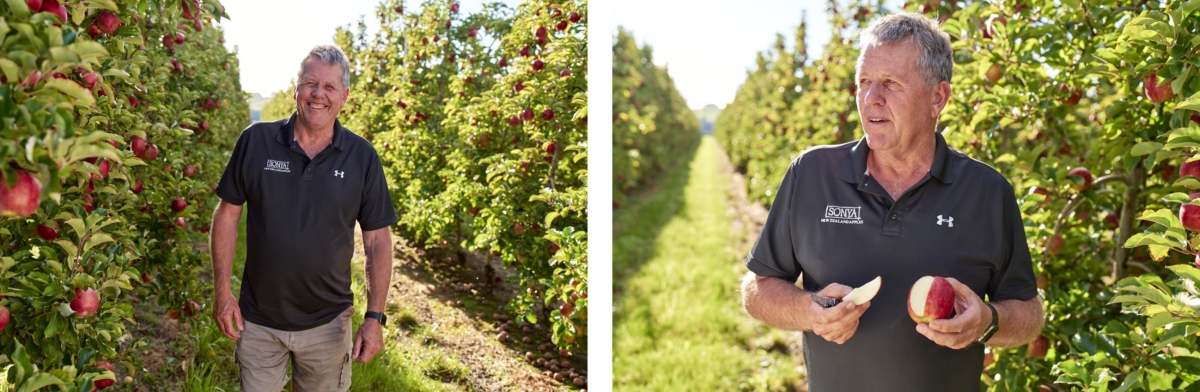
Julian Raine, 1997 Nuffield Scholar

Julian is involved in both the horticulture and dairy industries. For the purposes of this campaign, we captured Julian in one of his apple orchards near Richmond, in Marlborough. Julian is also partners with fellow Nuffield Scholar Murray King in Appleby Ice-cream.  

One of Julian’s dairy farms was recently recognised by the SPCA for infrastructure aiding animal well-being. He has an eye on the future too, making at least a third of his orchards robot-ready. 
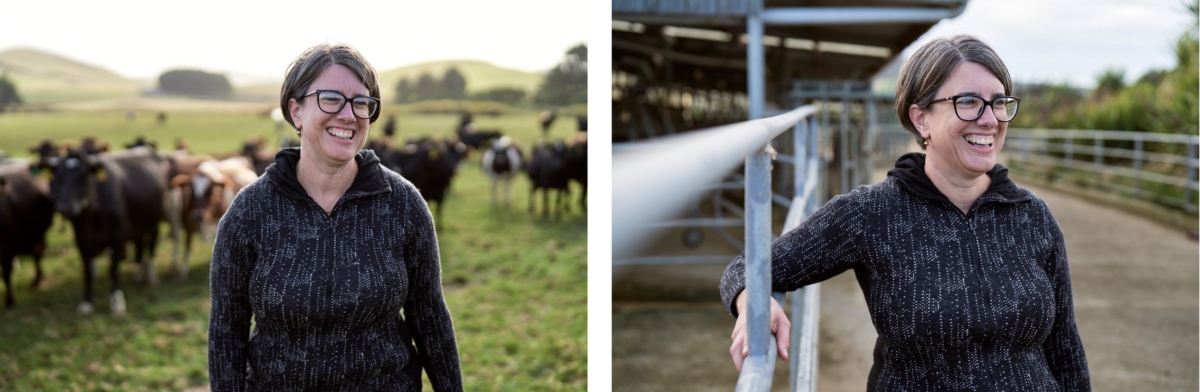
Lynsey Stratford, 2021 Nuffield Scholar

Lynsey is a non-practising lawyer involved in her local rural community. She is a consultant for her business Primary People, which provides people management and development services to the primary sector. 

We wanted to shoot Lynsey out with husband Chris on their dairy farm, situated in a unique part of the country at Curio Bay in Southland. Here, they have also recently covenanted 30 hectares of incredible bushland.  
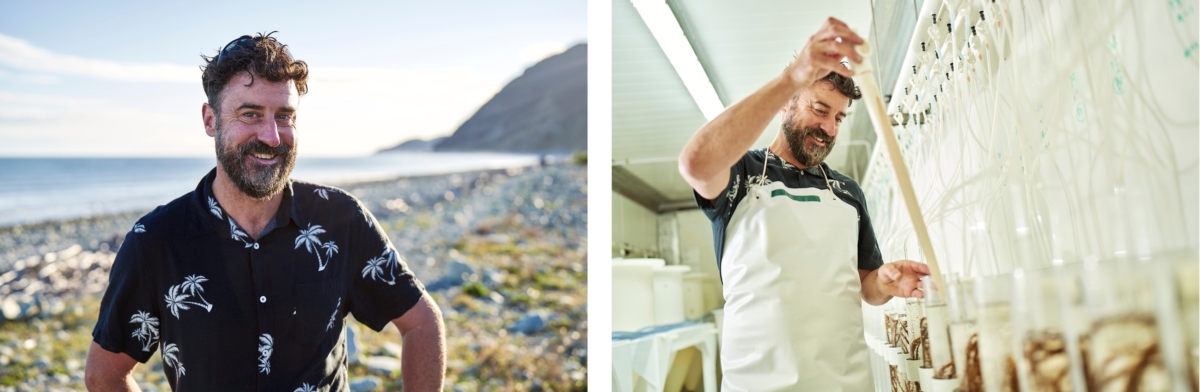
 

Andy Elliot, 2018 Nuffield Scholar

Andy Elliot, 2018 Nuffield Scholar

Andy is based in Nelson, Marlborough and is Research and Business Development Manager at Wakatū. He is at the cutting edge of aquaculture research and far from being daunted by the need for a lab, he created his own at the Cawthron Aquaculture Park. He is currently developing several projects.  
 
Andy was also recently appointed to the Investment Advisory Panel for Sustainable Food and Fibre Futures. 
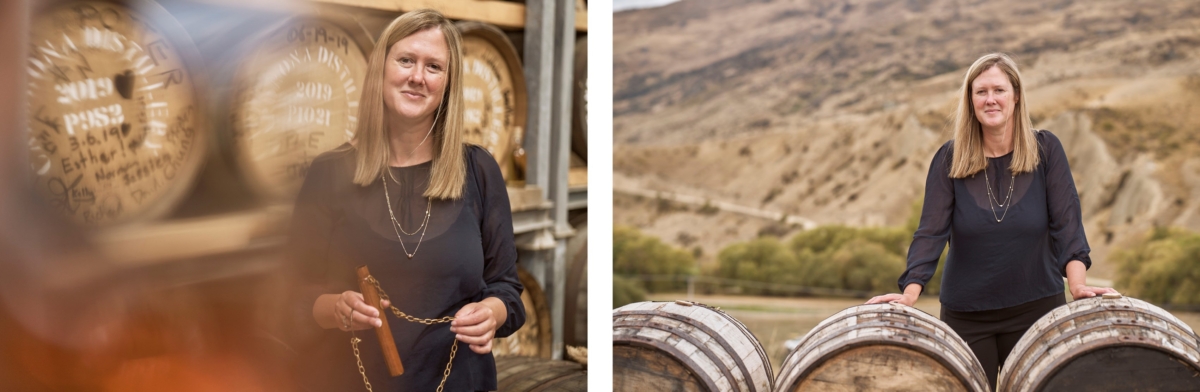
Desiree Reid-Whitaker, 2019 Nuffield Scholar

Desiree Reid-Whitaker, 2010 Nuffield Scholar

Desiree is a former dairy farmer who learned the craft of whiskey distillation from some of the world’s best. Returning home to New Zealand, she spent six months finding the right location to build the Cardrona Distillery.  

We wanted to capture Desiree in a beautiful environment loaded with visual clues that she has built everything in the most authentic way, not the easiest way. 
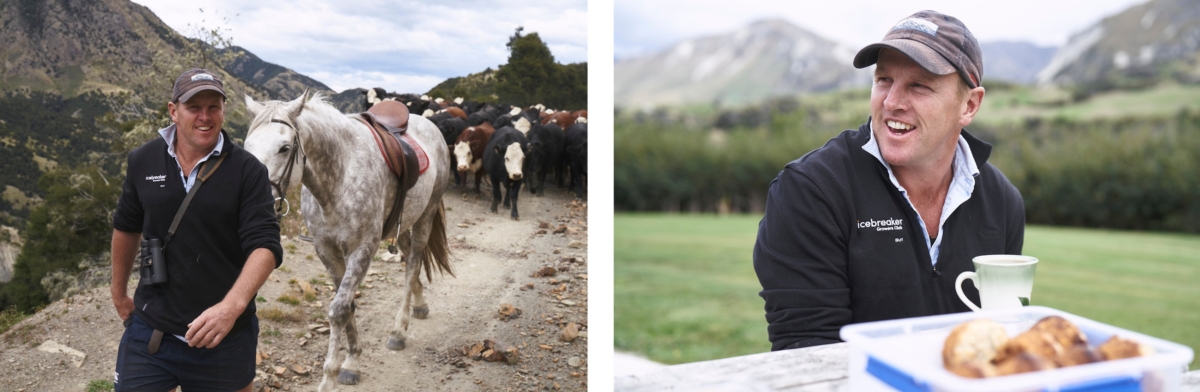
Hamish Murray, 2019 Nuffield Scholar

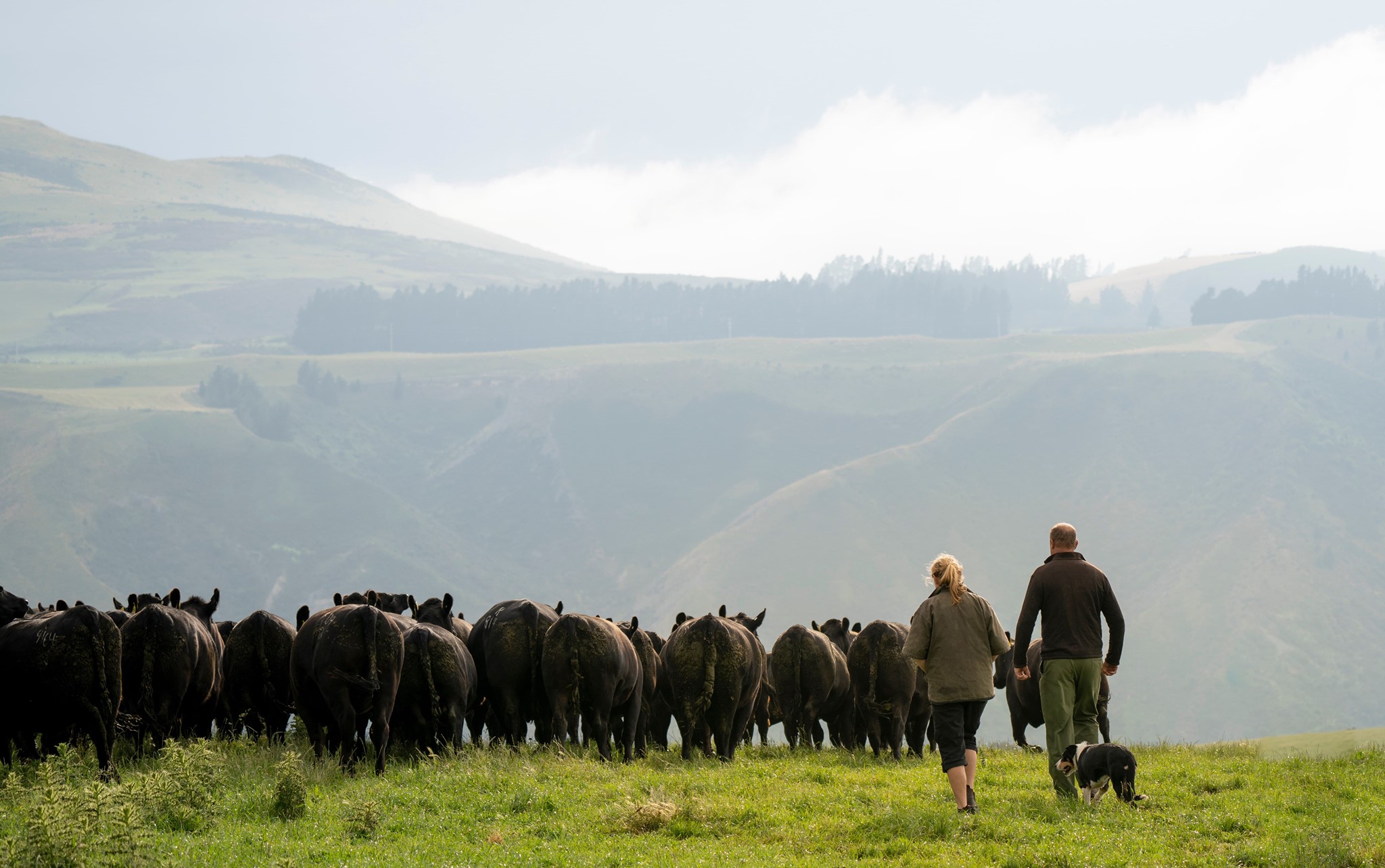
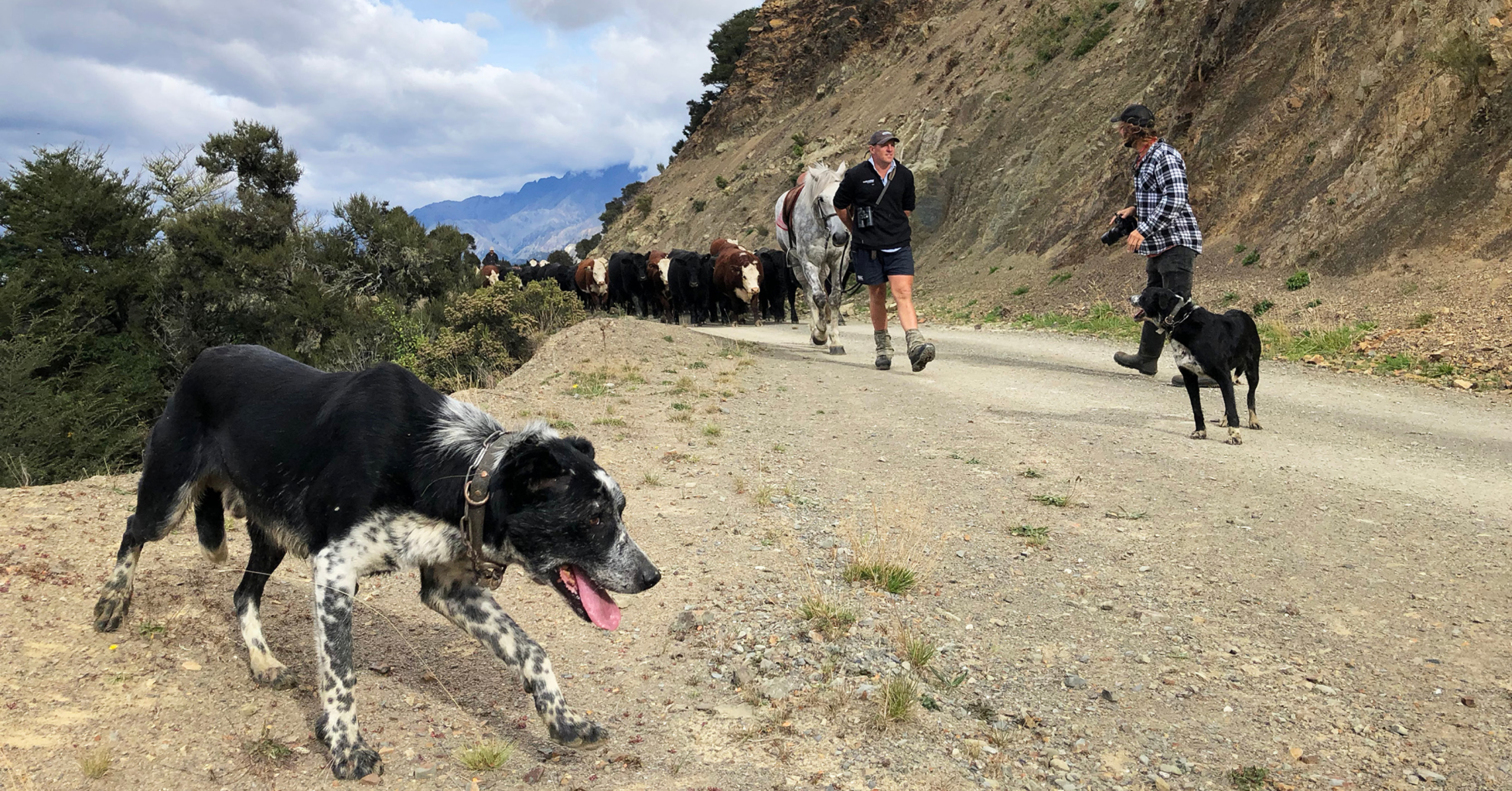
Hamish farms sheep, cattle, and runs a substantial honey operation at Bluff Station, near Kaikoura. The station is as visually beautiful as it is vast and is run by an exceptional team of people. No surprises there, as Hamish is just as passionate about his own growth as he is about his team’s.  

We were spoiled for choice at Bluff Station, the landscape is a photographer’s dream. The goal was to capture Hamish working – in this case moving cattle.
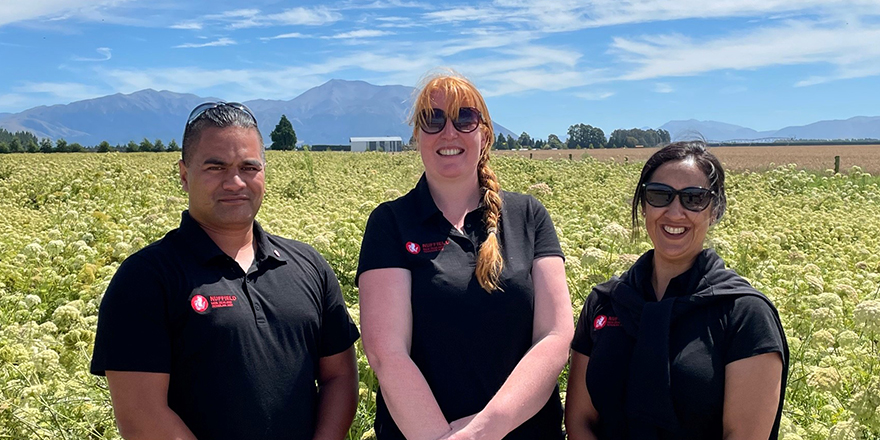
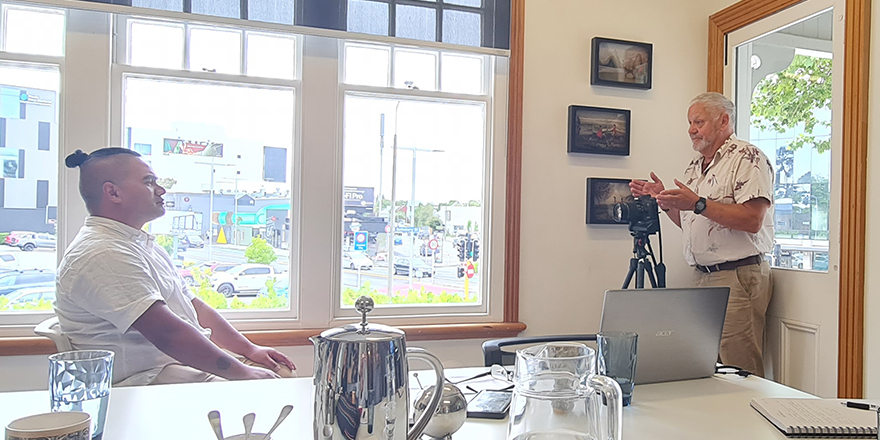
2022 Nuffield Scholar Induction and tour of Canterbury Alumni.

From on the same Zoom to in the same room.

Selected as 2022 Nuffield New Zealand Farming Scholars in November 2021, Lucie Douma, Parmindar Singh and Anthony Taueki, finally got to meet face to face recently.

The two-week Lincoln induction got underway in late January and provided the scholars with their first real opportunity to spend time together and to prepare for the year ahead.

As Parmindar explains, “Our Nuffield journey really begins now. We had a few conversations since receiving our scholarships and had engaged through Zoom meetings, but finally meeting face to face was truly awesome.”

Lucie Douma, recently appointed Covid Recovery and Supply Chain Manager at the Ministry for Primary Industries, recalls a significant work-related event marking the beginning of her Nuffield induction at Lincoln.

“The 2022 Nuffield Programme kicked off with a bang, with the announcement of community transmission of Omicron the day before we were due to arrive at Lincoln. Nothing like a bit of excitement to get us started,” recounts Lucie.

Parmindar recalls her first day in Christchurch. “The media skills training got us working hard on our first day – after a 4am start to get down to Christchurch. It was a busy few hours on day one, with a valuable in-front-of-camera exercise designed to sharpen our ability to deliver key messages, clearly and succinctly – a lot harder than it sounds.”

After bravely volunteering to be the first to have a go at the practical interview exercise, Anthony agrees, “I’m really at ease talking to people in all kinds of settings. This is the nature of my work as a regional coordinator and Kaiako (teacher, instructor) at Tū Te Wana, Fruition Horticulture. But I was surprised at how difficult it could be to talk in front of the camera.”

“My first words as I sat for the practical exercise were, “Oh man, this is going to be hard. But we got there.”

Leadership at Lincoln.

Next on the schedule were a number of sessions on Lincoln campus.

For Parmindar, taking part in elements of the Kellogg Programme was an opportunity to get to know her fellow Scholars. “It was great to hear from Primary Sector leaders together and to learn from a range of highly skilled and engaging Kellogg facilitators and guest speakers.”

“We spent a fantastic first week learning about our core drivers on our leadership training and along the way getting to know the scholars on the Kellogg Programme running at the time (K46). The theories and practical sessions were the perfect prelude to the second week, out on the road”, adds Lucie.

In between Kellogg sessions, media training, and induction, the 2022 Scholars had an in-person meeting with James Parsons on strong wools. For Parmindar, it was also inspiring to hear about James’ leadership pathway after Nuffield. She also notes the video calls with Nuffield and Kellogg Scholars, including Kate Scott, Tom Lambie, and Andrew MacFarlane from Blinc Innovation. “All of these conversations made this induction a stimulating and thought-provoking time.”

The Nuffield Alumni road trip.

The induction also included a road trip, designed to help scholars build broader knowledge and give a current context of the primary sector – while also sharpening observation skills.

For Parmindar, the road trip was the highlight of the induction. Parmindar is a Waikato dairy farmer, also involved in a number of business and community organisations.

“Spending time together as a cohort off campus, meeting with incredible Primary Sector leaders, passionate about what they do, what their people did before them and growing and developing the people in their businesses now.”

“We met with Nuffield Scholars as business owners, who welcomed us, shared their knowledge and experience, and encouraged us to step up on our Nuffield Scholarship journeys. Special thanks here to Craige Mackenzie, Ben Todhunter, and to Rosemary and John Acland for sharing so much with us in the stunning setting of Mt Peel Station.”

Anthony echoes the sentiment, “We had an awesome time catching up with Hamish and fellow tohunga. Being immersed in the wealth of knowledge and history by all was awesome. It allowed us to have a better understanding of the land and history across multiple sectors, which helps us define and mold our research topics.”

What’s next for these Nuffielders?

Despite the uncertain times, the three scholars remain upbeat, and all feel the sky is the limit.

“Being a Nuffield Scholar comes with great privilege and responsibility. We are committed to learning, creating impact, and giving back to the sector that has done so much for us all,” says Parmindar.

Lucie is already planning the next trip. “We are now busy planning for the year ahead with the announcement of the border opening and being able to partake in the Contemporary Scholars Conference in Norfolk, in early March. Watch this space.”

Parmindar and Anthony acknowledged that none of this was possible without a strong and connected team and community to make a programme like this successful, particularly during these challenging Covid times.

“We want to thank everyone for their generosity of time and information. New Zealand is lucky to have such an incredible farming community. We also want to sincerely thank Rural Leaders for being so agile and committed in an ever-changing Covid world,” said Lucie.

For the team here at Rural Leaders it was pleasure meeting this new group of scholars and facilitating the first phase of their Nuffield journeys. We look forward to sharing more in the months to come.

Ben Todhunter: Observations from a high-country station.

Ben Todhunter is a 2006 Nuffield Scholar and High Country Farmer. He farms Cleardale Station with his family in the Rakaia Gorge, Canterbury.  

Below are the closing lines from Jim Morris’s poem ‘Rewards’. They capture the spirit of the high country farmer and as such are personal to Todd. Jim Morris was from neighbouring Manuka Point Station, and is now retired.

The ranges vast are here to stay 
And he’s content to spend his day, 
Working in their rugged grip 
His recompense – the love of it.

This is a compilation of some of Ben’s LinkedIn posts from 2021.

#1. Pressure and release

December 2021 

A young calf got caught away from the main mob. Rather than applying pressure to the calf, Ben backs off, mum doubles back to bring the calf back to the mob herself. 

Quoting Monty Roberts, Ben writes:

Pressure and release. It’s a fundamental tenet of moving livestock. It also applies to humans as well. As a leader, working with tension or pressure to grow someone is a balance. How do you learn to get the judgement right?

Lesley Prior, Tellenby Merino Stud, Commented:  
Great example of good stock handling. Quiet, patient and ‘going with the flow,’ but with gentle direction where necessary.  

#2. Pondering geology

October 2021 

Ben observes that the rocks and stones scattered on his farm have ancient stories to tell.

Ben writes:
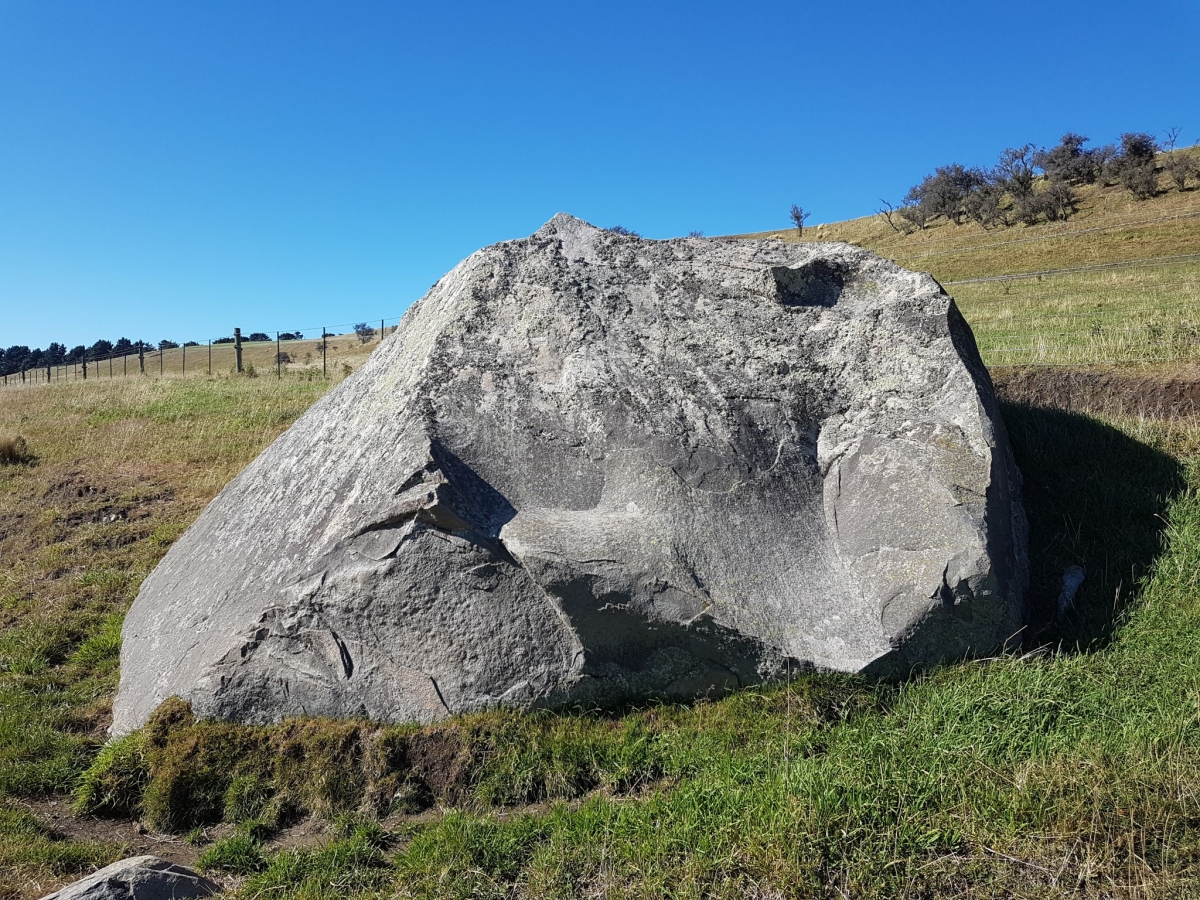
A collection of photos of some terminal and lateral moraine boulders. The greywacke rocks have fallen onto glacial ice and were carried up to 70km before being deposited in-situ approximately 18,000 years ago. 

The greywacke was formed over a 200-million-year period as tens of thousands of metres of sediments built up off the edge of Gondwana. The sediments were eventually buried, deformed, hardened, and uplifted to become the rocks that formed the Southern Alps. 

Link to ‘Te Ara – building a continent.’ 

It’s useful therapy to ponder the stories of these rocks when considering your significance, or lack of, in the world. 


Victoria Harvey, Climate change PHD researcher, commented: 
A great reminder of our place and time in this world. Plus, very clean air judging by that lichen. 

#3. Embracing technology

November 2021 

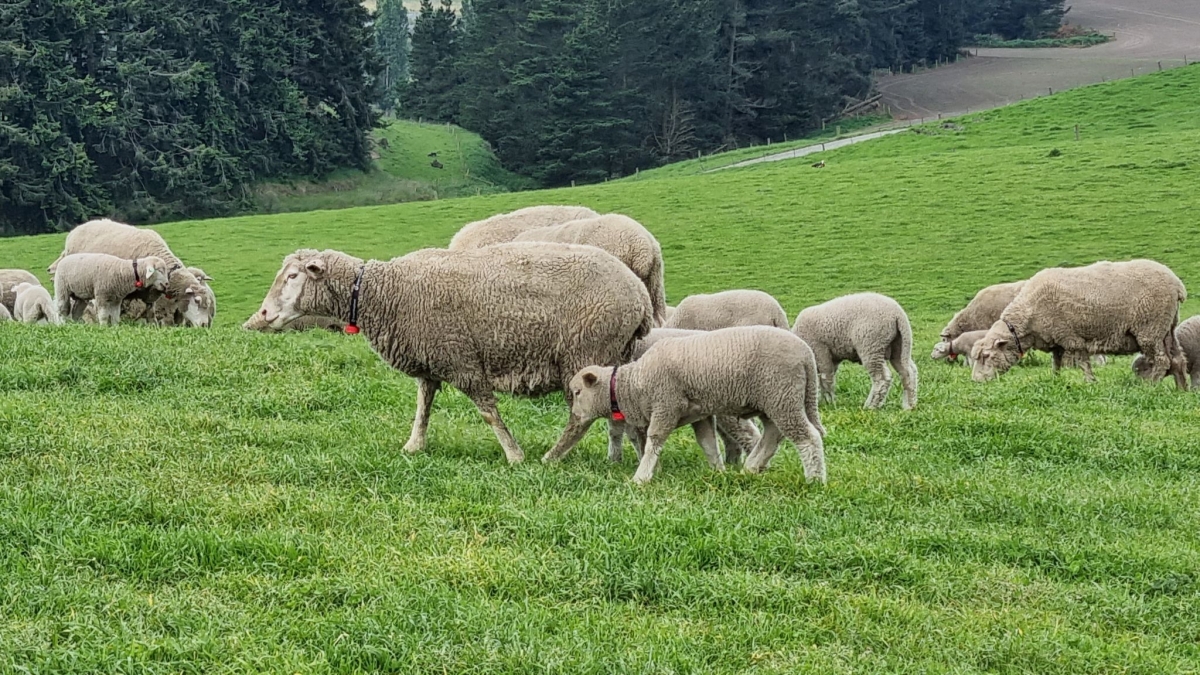
To reduce the time intensive process of matching dam with lamb, and at the same time increasing the quality of pedigree data, Ben introduced smart collars to Cleardale.  

Ben writes:
Our current master shepherd (my father) is proving difficult to replicate and scale. These collars have Bluetooth technology and record proximity to other tags. If they are worn for 48 hours they provide an accurate record of the lambs and their mothers. 

This is the same technology that can be used for some of the proposed contact tracing systems for disease management.  

Helen Thoday, Solutions and Development at DairyNZ, commented: 
That’s so much better than binoculars and spray-painted numbers.

#4. Perspective

May 2021 

Ben observed an interesting play of light and perspective. 

Ben writes:
Fascinating light on a frosty evening. They say the best time to show off livestock is in the afternoon light, but this may be taking it to extremes. 

Gordon Ray, Lecturer at Grenoble Ecole de Management, commented: 
On first impression, almost looks like a bubbly lava flow; when I noticed it’s sheep moving. I’ve worked with a large herd of sheep (1600) and the movement is so fluid as to almost look like slow motion water. Very cool video – thanks for sharing! 

Ben comments:
Gordon Ray, large groups of animals can have real flow. 

#5. Pushing too hard

November 2021 

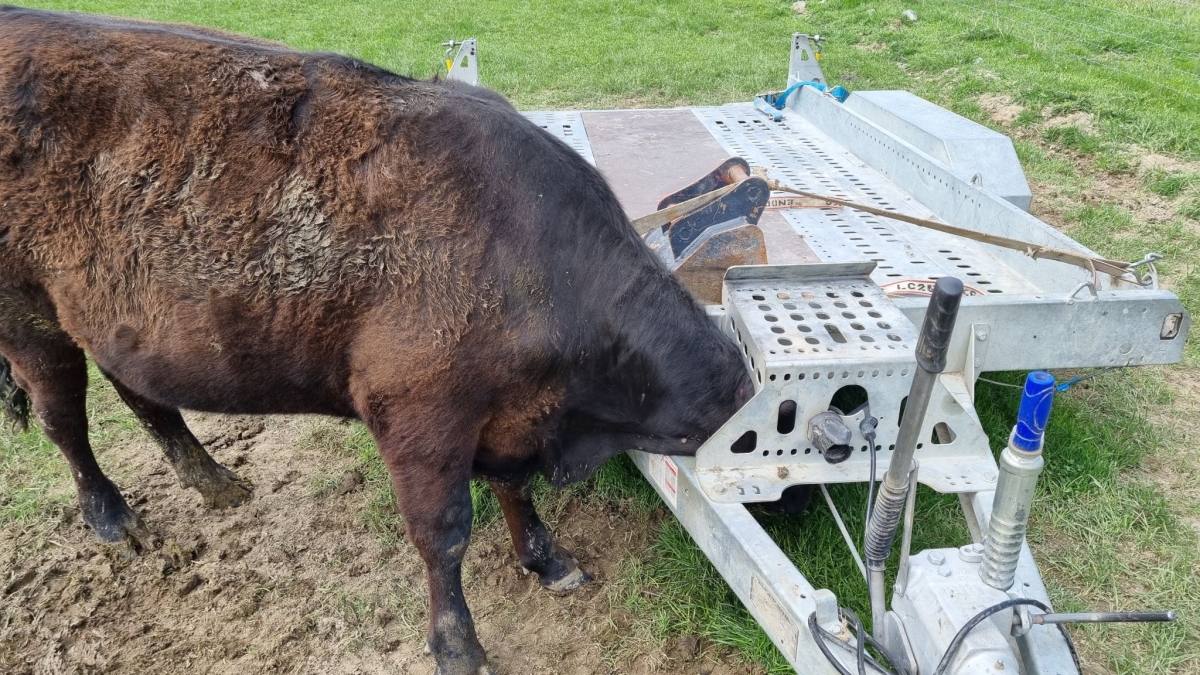
Curiosity or greed? A heifer gets caught in farm equipment looking for the lush grass beneath it. (the heifer was freed unharmed!)

Ben writes:
You know that time when you just go a little further than you should’ve? 

Peter Stannack commented: 
Boundaries are for testing. How else do you find out who you really are? 

#6. Filling your soul

January 2021 

Concepts of mindfulness, wellbeing, and connection to nature are explored in this post.  

Ben writes:
There’s something deeply therapeutic, listening to and watching water. 

This Awa or river, the Rakaia, is a big part of our lives and has many moods. Here it is flowing at 145 cumecs (cubic metres per second). The highest peak flow ever recorded was 5594 cumecs at midnight on January 9th, 1994.  

We are involved with two groups protecting the special landscapes, flora, and fauna of The Rakaia from the gorge to the main divide. I’d like to extend that to the Coast as well. In a recent assessment the Rakaia scored the highest of all the braided Canterbury rivers to be proposed for World Heritage status. 

The Whanganui River has been granted the status of a legal person. “I am the river; the river is me” affirms the deep connection of the Māori tribes of Whanganui to their ancestral river. 

My connection to the Rakaia is not in that form. It is in the form of wonder, and respect, and love, and a place I can go to fill my soul. Where do you go to fill your soul? 

Sam Martin, Exterior Architecture UK, commented:  
Anywhere I can walk under trees works for me. Which is lucky given the situation here in London and our living so close to many commons and parks. 

#7. A river runs through it

October 2021 

“You have my full attention.” Was Mac’s response to a text last year. 

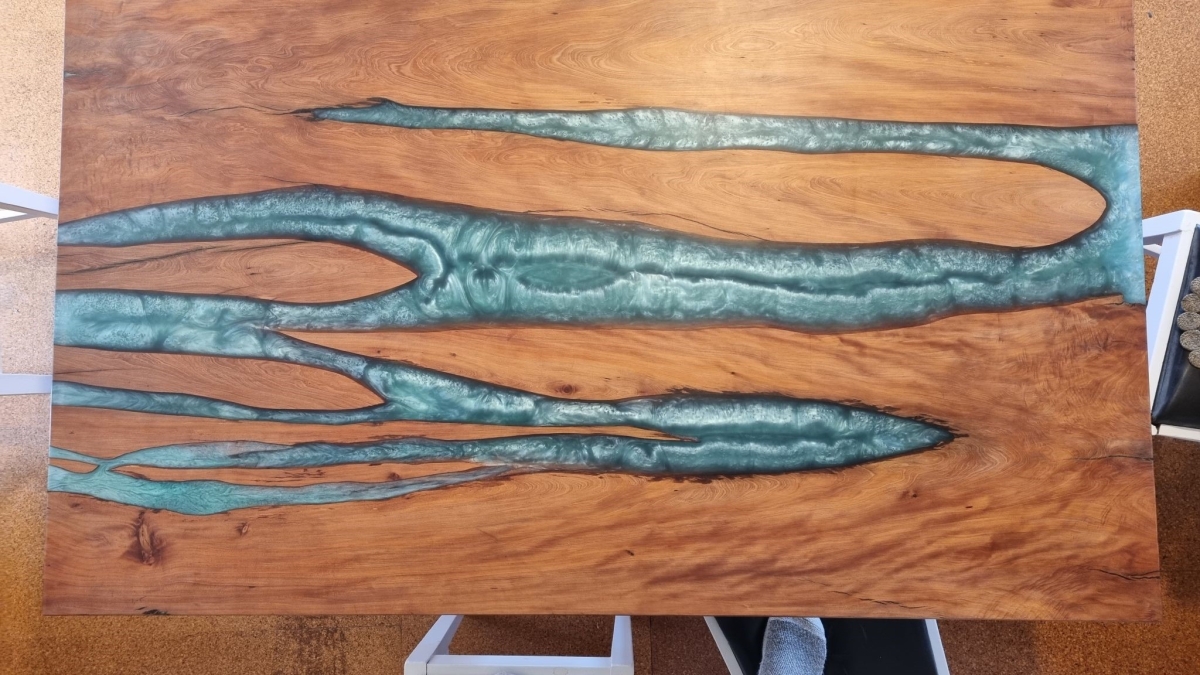
This is a story about the power of story. The story of a table with a story that tells a story. 

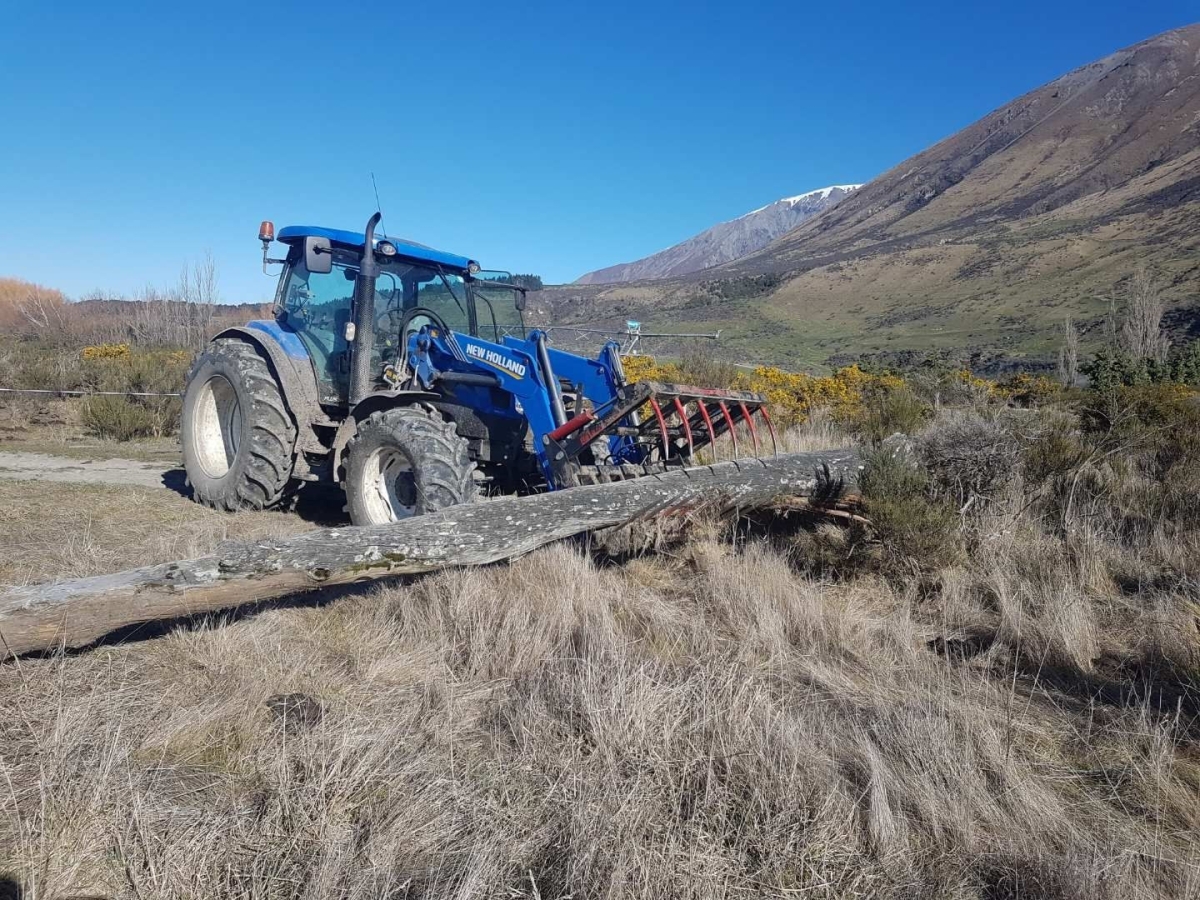
We live beside the Rakaia River. Our Awa originates in the heart of the Southern Alps/Kā Tiritiri o te Moana from the Ramsey and Lyell Glaciers. It is a braided river coloured blue from the glacial flour at its origin. Occasionally Totara logs are carried down river from the mountains and are deposited in front of our farm. 

Now Mac who was a neighbour and a top ad man, has now retired and become an accomplished luthier. He’d made me a stunning guitar from a previous piece of Totara and had expressed interest in working again with the special wood. So, when I found a suitable log, I sent a photo and immediately received the above reply. 

Half an hour later he was on site thinking of possibilities. In his words “You are being trusted with an absolute gem of a tree, and you prepare it with the full respect and care that its mana demand. It was an absolute privilege to be asked to give this tree a new life.” 

We then carved out a small bit suitable for guitars and kept the remainder. Maybe to build a table… 

A few weeks later Mac asked if we’d like him to make a kitchen table for us. 

Yes! Yes, was the response.

Mac enlisted the help of another neighbour and master wood whisperer Rob, to craft something special. 

We had a few other pieces of wood from the replaced decking and guardrails of the historic Rakaia Gorge bridge and knowing the talents of these two we provided dimensions for our house and for my frame and left them to it. 

Now for those who know about farm tables, a lot of business gets done around them, people are hosted, discussions are held and family times are lived around these tables. Being a storyteller Mac knew this and wondered if the table could tell a story? “Could it become a centre-piece, not just physically, but also emotionally and attitudinally? Could it have personality?” 

The idea of a river table was born. A table with whakapapa. 
“The idea was to re-create the tree’s relationship with the Rakaia River, representing its journey to Cleardale and the farm’s relationship with the river.” 

And that is what we’ve got. Timber from the mountains, carried and battered by the river, inlaid with a representation of that braided river and held up by timbers from a bridge to the past, repurposed to create memories into the future for a family whose lives are intertwined with that Awa. 

A special Taonga, which has a story, tells a story and will be part of many more stories. Thanks so much gents. 

Partha Ghosal, Clean Energy, commented:  
“You had my full attention.” So much so I read it twice! Never knew of Totara, let alone that it could make a stunning guitar/table. Something to do with your storytelling flair and a Luthier giving full respect maybe? Just love what you, he, and your wood whisperer achieved in the end. Your special Taonga. 

Mel Poulton: Insights from a Special Agricultural Trade Envoy.

Mel Poulton

Mel Poulton: Insights from a Special Agricultural Trade Envoy.

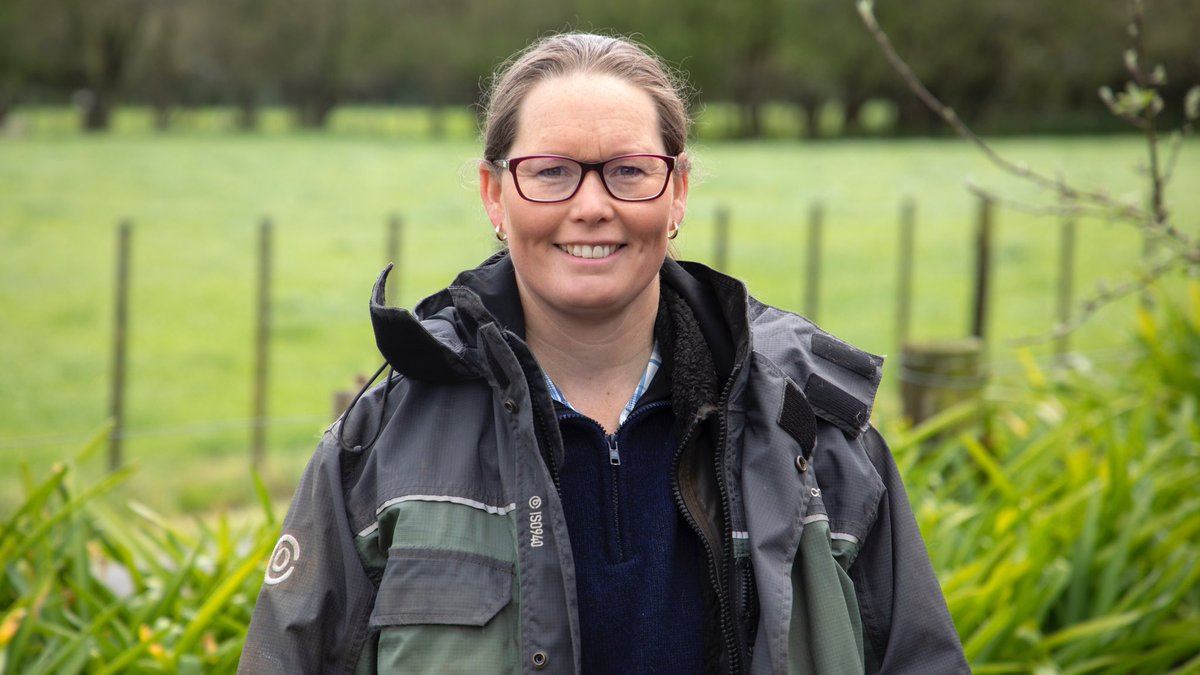
2014 Nuffield Scholar Mel Poulton is someone with a unique perspective. Well, two really. As both a food producing farmer and New Zealand’s Special Agricultural Trade Envoy, we asked Mel to share her perspectives on trade, Nuffield, Brexit, and an industry grappling with significant global challenges.

Question: What do you do in your various roles?

Mel Poulton: In and on my farm business, I’m on both sides of the farm gate. I do anything from stockwork to bulldozing, to making all the decisions required to run a business. 

In the Special Agricultural Trade Envoy (SATE) role, following my appointment, border closures and a vastly different global operating context, have meant changing how the role is delivered. It’s a two-pronged approach with an international and a domestic focus, mixed with face to face and virtual engagement.  

I’ve been more purposeful working with the world here in NZ, by way of direct engagement with the International Diplomatic Corps here (they are the eyes, ears, and influencers of their nations in NZ). This engagement includes taking Ambassadors on x-sector farm tours, hosting Diplomatic Corps meetings, and meeting with them one-to-one, or with industry groups. I am also working internationally on virtual platforms, speaking on panels, webinars, or virtual meetings with farmers, and private and public sector organisations.  

Covid has provided opportunity for me to invest more time and effort with NZ sectors (all food and fibre – except Forestry and Fisheries). My background is the sheep and beef sector, but I put a high priority on building a greater understanding of the other sectors I represent as well. I use these insights when engaging with each of the sectors, government, and the world.  

Helping NZ food and fibre producers broaden their understanding of the global and domestic context is a priority too. Both behind and beyond our farm gates.  

Q: What changes have you seen since being in your SATE role?

MP: Quite a few things.

Trade negotiations. 
Trade negotiations, particularly the New Zealand-UK Free Trade Agreement (FTA), have been the fastest progressed trade negotiations in New Zealand history to get to Agreement in Principle – so I’ve been told. Much of this negotiation has been done virtually, also a first. This will change the way trade negotiations occur in the future. A lot less travel overall.

Farm subsidies. 
Direct and indirect farm subsidies in large economies, such as the USA, have increased exponentially. People may argue they have already exceeded agreed WTO thresholds.

Growing distrust. 
There’s a growing distrust of governments in the democratic world. Governments need to work on their social licence to operate. Social licence is not just a thing for food producers.

Supply chain vulnerability. 
Just In Time (JIT) delivery has been exposed for its supply chain vulnerability in this global pandemic. Economies and businesses will now be building more capacity in their value chain system. This will mean a more conservative approach to exports and imports, to withstand the volatility, uncertainty, complexity, and ambiguity (VUCA) in the world of trade, market access and freight.

Nevertheless, nothing beats high trust and long-term government to government, business to business, and people to people relationships across the world. New Zealand has optimised these relationships throughout the pandemic to utilise market diversity for navigating trade, market, and supply chain disruption.

For example, Covid19 related trade agreements to secure medical imports and food exports. As well as digital certification for export products, through to relationships that our major exporters have with freight companies, importers, and international customers. The last 18 months haven’t been easy, but these strong relationships, and diversity of markets, have shown their worth to New Zealand.

Food security. 
Economies are moving from thinking about food security, to actively putting mechanisms in place to secure their food supply in a pandemic disrupted system, e.g., green lanes in Europe. There’s also a slow nuanced shift from food security to nutritional security taking place.

Regulatory pressure. 
Farmers and food producers in New Zealand and around the world are wrestling with the multi-layered challenges of regulatory pressure (particularly on the environmental and climate change fronts), as well as market volatility, and Covid 19 induced uncertainty. This is increasing farm input costs and diminishing the tools available for farmers to use to produce food.

As an example, farmers in Europe have real fears about their ability to produce the volume of food required to stay viable and maintain food security. The new farm to fork strategy in the EU is deliberately shifting organic food production up to 25%, with rules to reduce synthetic fertiliser by 50%. Glyphosate use is under threat too. In some places farmers can’t use it (I note in New Zealand, the EPA is currently undertaking a review of Glyphosate use). There’s major transformational change happening in Europe.

The rush of multi-layered change gives a sense of exponential pressure. Farmers all over the world are feeling exasperated, frustrated, misunderstood and under siege. All the same, if there is anywhere in the world I would rather be farming right now, it is here in New Zealand.

We’ve navigated major challenges in the past, and when farmers look at the change they’ve implemented on their farms over the course of their careers, or in the intergenerational businesses they are running, we can take confidence in the fact we are already change agents.

A uniquely positioned New Zealand. 
From a New Zealand food producer’s perspective, farmers here are uniquely positioned. Without subsidies, we aren’t dancing to someone else’s tune in quite the same ways as farmers receiving subsidies elsewhere. There are two sides to this. On one hand we’re not being bailed out at the next threat, but we also get to take full responsibility to master the destiny of our businesses. So, we have an ability to create workable solutions in a way that keeps our businesses competitive globally.

With an innovative, integrated systems approach, we can create solutions to challenges like reducing our global warming impact, improving native biodiversity and water quality, while producing high quality, safe, nutritious food – delivered with integrity.

In New Zealand we have an industry ecosystem focussed on helping farmers create and implement solutions. Our research centres and academic institutions, both provide science and knowledge, and help support farmers crack real challenges. There are the easily accessible service providers, and the folk in Government ministries – who are in the teams working hard on trade negotiation to ensure the best possible outcomes for access to markets, and on removal of tariffs and non-tariff barriers to create a level playing field for New Zealand. Let’s keep it that way.

This ecosystem enabling success is our major competitive advantage in the world. We’ve really got to leverage this and remember we’re all on the same team.

We must not be paralysed by fear, but instead celebrate what we’ve already achieved throughout our farming careers and take confidence that we can use our whole systems thinking to improve what we do for our natural resources, our people, businesses, and our nation.

Q: What links between International Trade and International Policy have you seen, with direct and indirect implications behind your farm gate?

MP: Let’s summarise how it works first. There are recognised global challenges. Then international forums are established to address these challenges, leading to international commitments made by member states (different nations).  

Examples of this include United Nations Sustainable Development Goals (SDG) and the Paris Accord on Climate Change. Some international commitments are legally non-binding. But where it applies to the WTO (World Trade Organisation) they are often legally binding.  

Once those international commitments are made, each economy, member state, or nation must determine its own policy and regulation to deliver on its commitments. That gets shaped up (with some consultation in the process) and is rolled out by the government of the day, and folks like us everyday people have to make it work on the ground. The Government then reports back to those international forums, or institutions, on what our progress has been against the commitments the Government made. COP26 is an example of this. 

Given New Zealand’s economy is so internationally exposed and dependent, we need to be at the international table to maintain influence.  

But to have influence we need to have integrity and demonstrate action. So, these international commitments have been drivers for shaping NZ Government policy on Sustainability and Climate Change. Examples here are the New Zealand freshwater regulations and climate change targets. Both resulted in changes on my farm, and on farms all over New Zealand, which is increasing costs and could reduce revenue for some.  

If we do it right, there could also be opportunity to reduce costs and increase profitability. It will be different for every business. The bottom line is that financially there’ll be change, so we need to reconfigure the financials for a new shape to our businesses. Easier for some than others, and not all will be the same. 

The environmental, social, and economic outcomes are significant across NZ, and underestimated. In some cases, we might secure a market premium for this work, though there is no guarantee what we’re doing delivers a premium to food producers in New Zealand for all products in all markets. I have more confidence this work will enable us to obtain and maintain market access to customers.  

This is where the work of our trade negotiators, ensuring a level playing field in market, is so critical for ensuring the changes we’re making here in NZ don’t make us uncompetitive on the international market. I’ve seen their tireless, relentless work, day, and night, to get the best possible outcomes for New Zealand. Many of these negotiators are the hidden superstars of our food and fibre ecosystem.  

What is going on in New Zealand around environment and climate change is often a focus of interest from others in my international engagements. I talk about what these regulations and targets mean for me, and what I am investing in to address the challenges in my farm business, alongside promoting what other farmers from the different sectors are doing in New Zealand. I also give a clear message that much of this cannot be done quickly when taking a whole systems approach. Effective change takes time. Farmers the world over get this.

Q: How do you think Brexit will play out for New Zealand trade? The obvious and not so obvious.

MP: The choice of the UK people and UK parliament to pursue Brexit is forging transformational change for the UK food and fibre sector. The transition period will take 15 to 20, even 30 years to find a new equilibrium. Like the 30 years it took New Zealand to find equilibrium when agriculture subsidies were removed here.  
 
This change requires a culture shift in thinking about UK farm business structures, their subsidy system, domestic policies, and rebalancing their trade and export portfolio beyond the common market, to a global market. Add major geostrategic inflection points in trade and security, affecting us all, and you have a UK trying to position itself as a global strategic leader.

Its focus in the Asia-Pacific region, particularly regarding the FTA’s it is currently negotiating with Australia and New Zealand, along with its formal request to join the Comprehensive and Progressive Trans-Pacific Partnership (CPTPP), all highlight the trade and security opportunities and challenges it perceives.  
 
So, building more structure into the relationships of allies like New Zealand and Australia by way of FTA’s is an important part of their process to find their new place in the world. This is providing new trade opportunities for New Zealand, subject to the NZ-UK FTA and their accession to the CPTPP. 
 
In the future it may create more competition in our export markets too. It will also create opportunities for more collaboration on the global stage, especially where we align with the values and perspectives that matter to both economies.

Q: What does New Zealand need to do more, and less of, now and in the future?

MP: Because our food and fibre sector is orientated to international markets, we need to continue to pursue being the best we can be. This means achieving optimal standards, positioning ourselves to have the best integrity, facts, processes, and story for all the concerns that governments, markets, customers, and consumers may direct at us.  

Whether these be from the position of protectionism or not, we still have to give ourselves the best chance of capturing opportunity. So, concerns about animal welfare, food safety, or environmental stewardship, e.g., water, soil, biodiversity, chemical and fertiliser usage, climate change, labour, the list goes on. These are the things we need to keep improving to position ourselves to open as many doors as possible, and to keep flexibility, adaptability, agility, and economic viability open to us.  

We have already demonstrated plasticity through this pandemic, and we need to fully embrace a plasticity approach in our lives, our businesses, and how we engage with the world.  

We need to be able to maintain our essence and values, while changing and reshaping the way we live, do business, trade, and collaborate with others, as we all grapple with significant global challenges.     

Q: How has doing a Nuffield Scholarship helped you?

MP:   The Nuffield Scholarship has been an important part of my personal and professional development. It’s been a stepping-stone for doing what I do now, on and off farm. The international networks, the doors of opportunity opened, the domestic and international insights as well as the ‘aha’ moments. These all contribute to my thinking, conversations, and ideas on the farm and in the world of trade.  

That said, and without taking away from Nuffield, the older I get and the more I learn, it seems the more questions I have and the more I need to learn. 
I’d like to encourage all readers to keep that hunger to learn, take some confidence from the change we’ve already made on our farms, in our businesses and our whole industry with our systems thinking.  

Let’s keep doing what we do best – producing top quality food and fibre to the best of our abilities.  

Optimising all we do with high standards, care and integrity for our environment and natural resources, our people, communities, and for the economic viability of our businesses and nation. 

Balanced with humility, we need to be able to hold our heads high and have pride in who we are and what we do. Keep being the best you can be. 

Download report
Read Mel Poulton 2014 Nuffield report “Capturing value.”

The Mackenzie Study – a view of leadership

The Mackenzie Study – a view of leadership

The Otago Business School and the Department of Economics recently conducted research on behalf of The Mackenzie Charitable Foundation and The New Zealand Rural Leadership Trust.

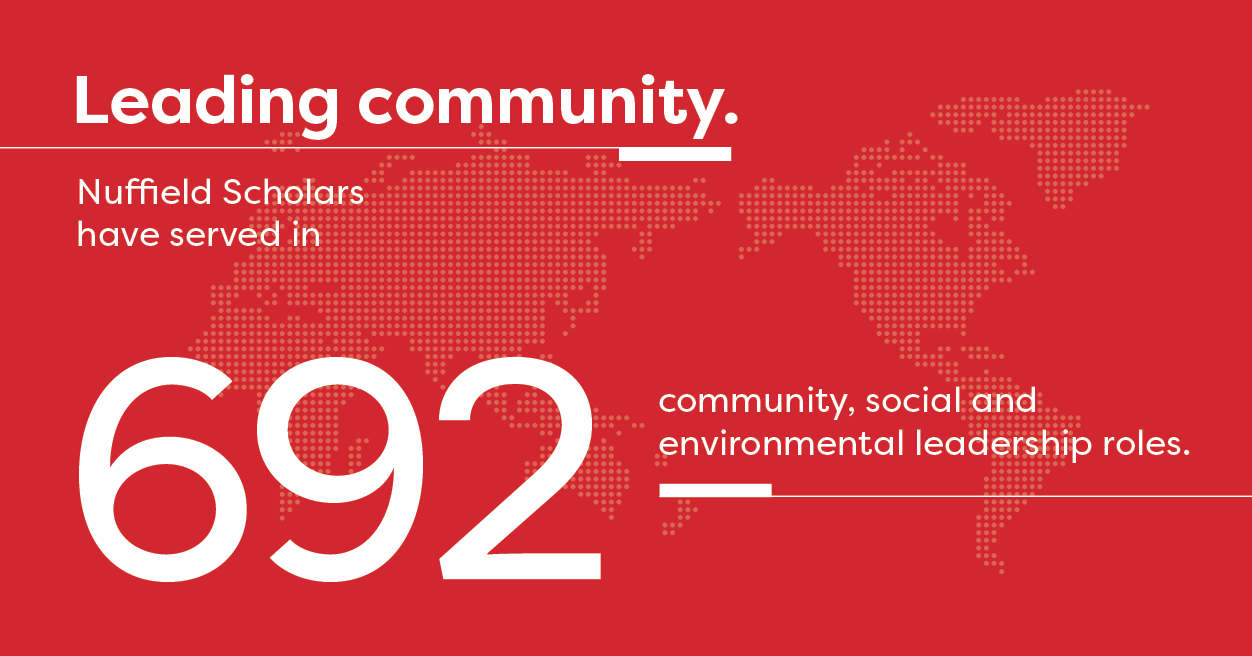
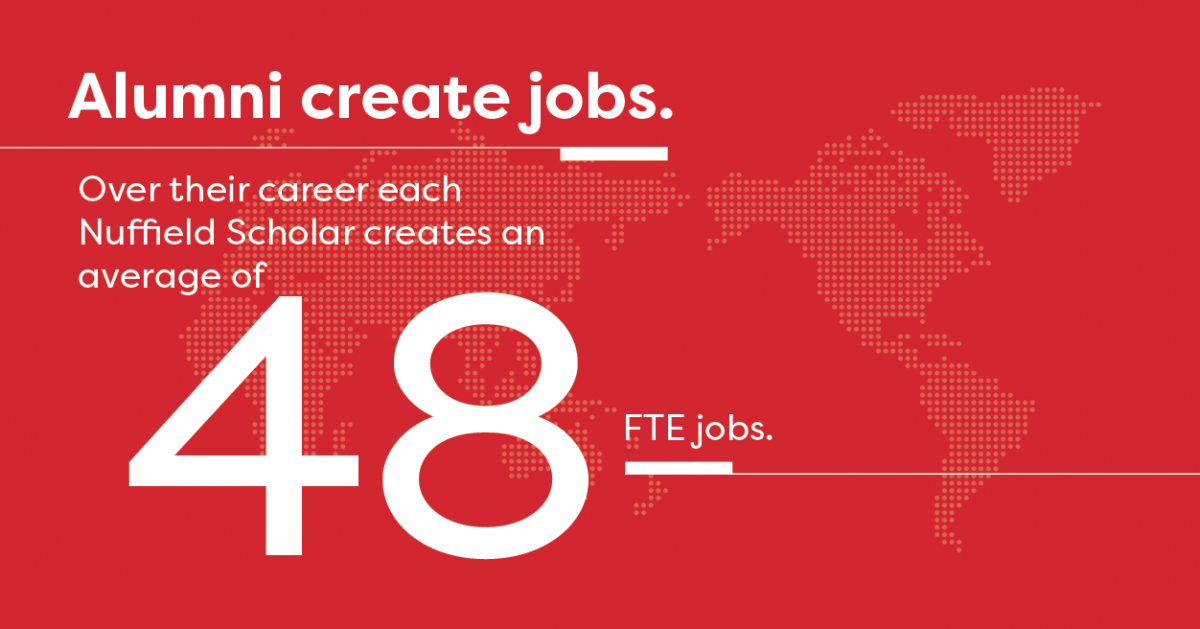
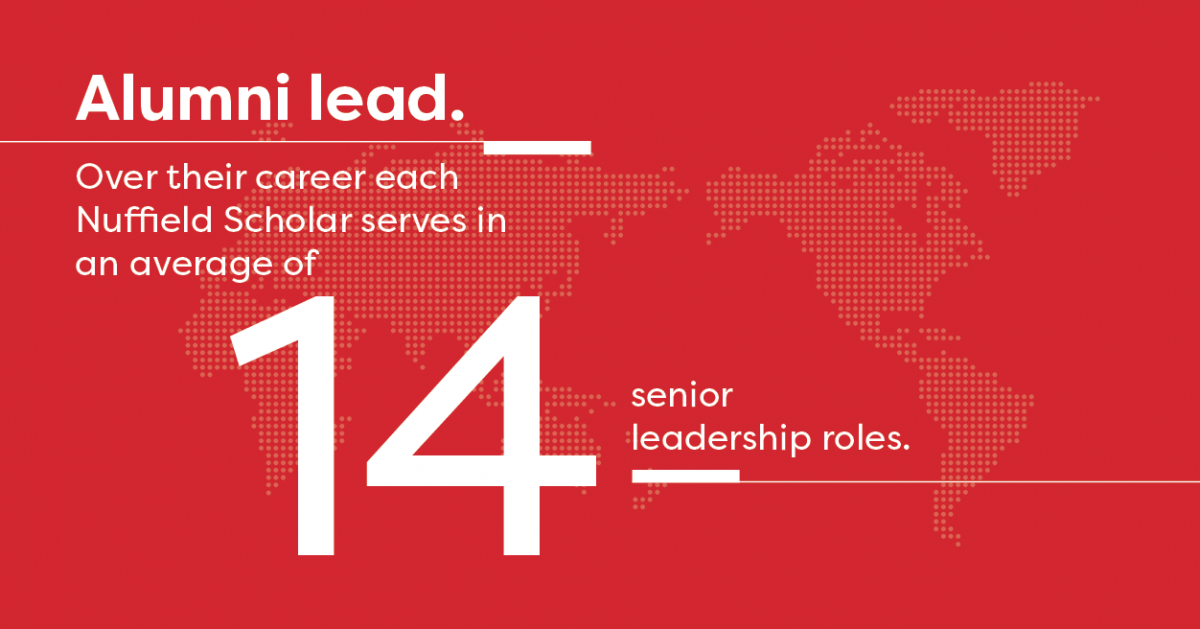
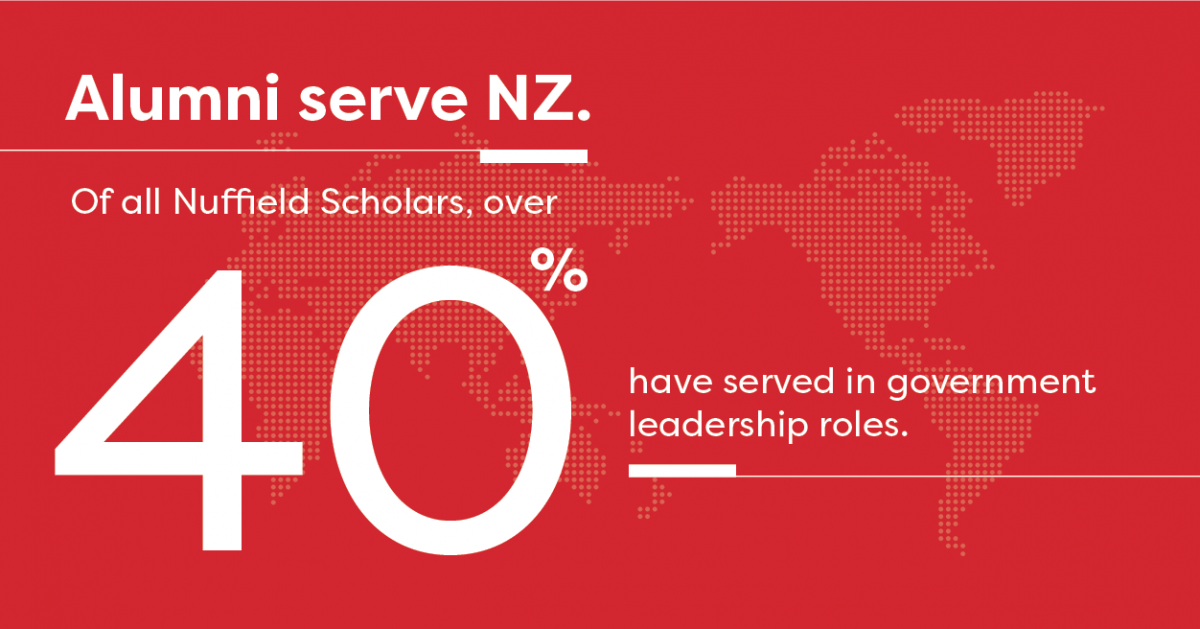
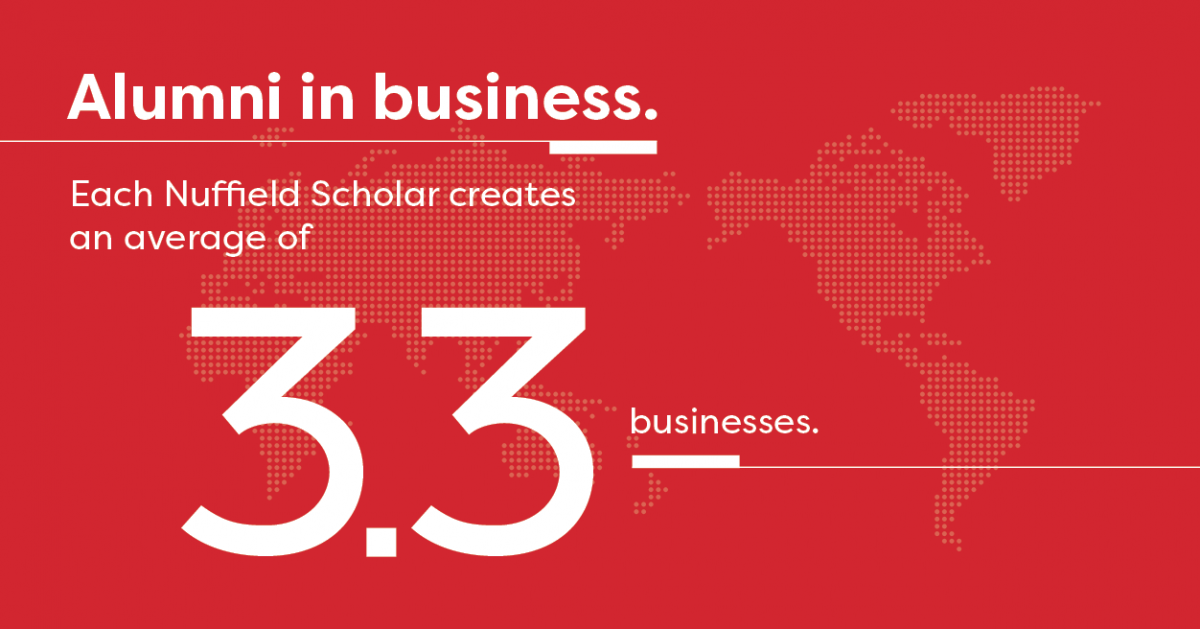
‘The Mackenzie Study’ revealed remarkable results on the personal gains in entrepreneurial skills attributable to participation in the Kellogg and Nuffield Programmes. It is Nuffield Scholars’ broad and consistent level of achievement over time, that resonates most.

Preliminary findings are a compelling case for anyone considering applying for a 2022 Nuffield Scholarship, or looking to develop their leadership ability through the Kellogg Rural Leadership Programme.

A comprehensive survey of Nuffield Scholarship Alumni was conducted in June this year, with invitations sent to all 135 living alumni.

The study had an unusually high participation rate of over 50%, especially given the flooding in Canterbury.

We’ll be presenting more results in due course, including comparisons between alumni and current cohorts. For now, here are just some of the findings demonstrating the professional accomplishments of Nuffield Scholarship Alumni.

Each result is a strong call to potential applicants for the 2022 Nuffield Scholarships, to apply before midnight this Sunday, August 15.

Nuffield five for five.

Image:Nuffield Scholars in study [supplied]

With five days to go until applications for the 2022 Nuffield Scholarship close, we thought we’d give five reasons as to why receiving a scholarship now, may represent a quantum gain in benefits over previous years. So calling all potential Nuffield Scholars, here’s some more food for thought.

  1. There have never been so many of New Zealand’s best business leaders and innovators in the country at the same time.
    There are a few silver linings to the global pandemic. One might be the number of influential people affiliated to innovation and the food and fibre sector, who have returned home. While their move may not be permanent, now is the time to meet and connect with them. Nuffield can help with that.

  2. With a programme that has adapted to the global pandemic, scholars currently have more flexibility, closer to home.
    We face many challenges right now. So, being away from family, farm and work could be tough on some. As a result of the global pandemic restrictions, the programme has adapted successfully by adding a deeper local layer, along with virtual and global input.

  3. No matter what happens with regard to global travel, Scholarship recipients still receive $40,000 to conduct research.
    Whether the borders open up or not in the short to medium term, the Scholarship funds are not adjusted. In a situation where the borders do open, your global travel component will continue, safely.

  4. Nuffield Scholars’ experiences and enhanced skillsets are increasingly in demand.
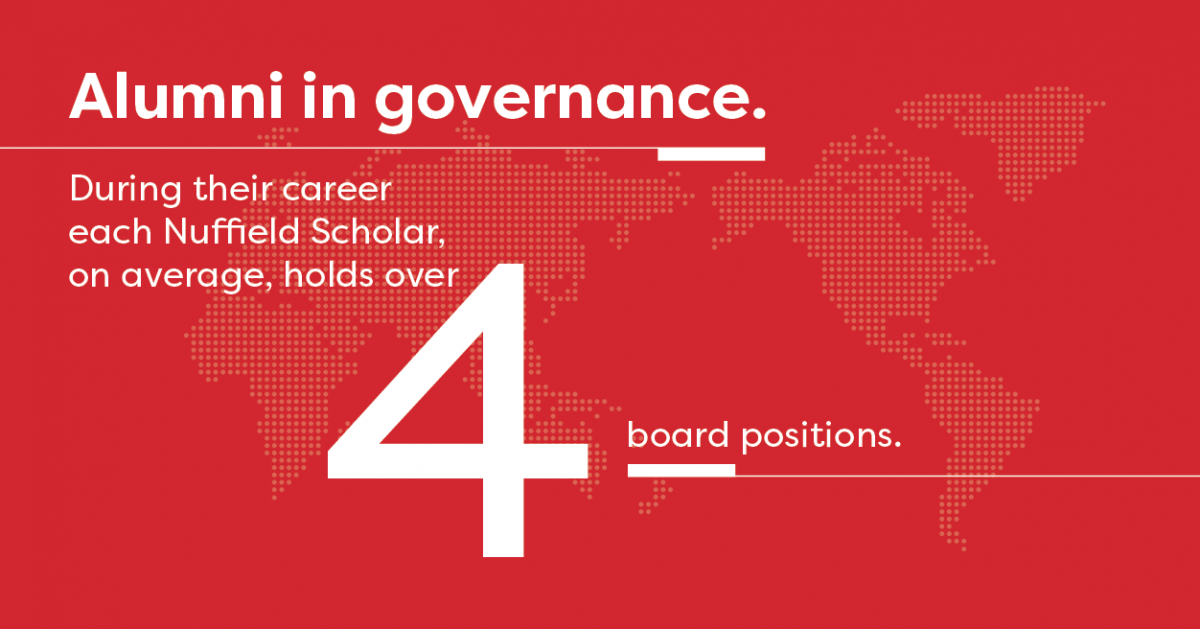
    As the rate of change in food and fibre and beyond increases exponentially, Nuffield Scholars’ exposure to research, innovation and leadership development, means their knowledge is always needed in governance and industry.

  5. Scholars will be part of the new Value Chain Innovation Programme (VIP).
    Two weeks’ immersion into more than ten of New Zealand’s established, novel and disruptive value chains.

    The Value Chain Innovation Programme introduces Scholars to value chains beyond their own. It represents an opportunity to meet, draw ideas from and connect with people across many industries.

    Thinking of launching a product, or adding another to a range? This is just one way the VIP can help.

Want to be part of this? Apply now.

Back to the August 2021 issue of The Rural Leader.