2026 Nuffield NZ Farming Scholarship. Apply by 17 August 2025. Read More...

Apply for 2026 Nuffield NZ Farming Scholarship by 17 August 2025. More details...

Finding the next Nuffield Scholarship recipients. 

Nuffielders 2022

After recent Nuffield strategic work, the Rural Leaders Team and the NZRLT Board have identified five highly desirable core attributes of a Nuffield Scholar. These won’t come as any great surprise to Nuffield Alumni, but articulating these simply has been a valuable exercise, especially as our 2023 Scholarship search is set to begin. 

Here are the five attributes any scholar selection process will look for in terms of evidence that they exist or have the potential to emerge in an applicant.

Bold

The will to step forward, be willing to challenge conventional thinking, to act, to make decisions with confidence. 

Innovative

Someone who can develop and express original thinking and ideas.

Motivated 

Driven to go above and beyond to accomplish a goal. Someone who can find the energy and confidence needed to do so. 

Perceptive  

Possesses the cognitive, observational, and critical thinking abilities to assess challenges and generate usable insights.   

Community-minded 

Motivated to contribute to community by collaborating and sharing skills, knowledge, experience, and ideas, forging ever-stronger connections with people and place. 

Six Alumni to help with this years’ Scholar search. 

We’re fortunate to have so many inspiring alumni to help us drive this years’ scholar search. We’ll need to represent as many industries as possible as well as show the changing face of food and fibre.  

From the Catlins to Nelson – Scholars photographed doing their thing. 

We set off a on a road trip recently to capture a few Nuffield Alumni – in their natural habitat.  

From a time and budget perspective, travel was kept in the South Island. We hope to make it up to the North Island as well at some stage.

There are still many industries not yet represented – we’ve done our best for now covering: Aquaculture, dairy, sheep and beef, horticulture, agri-business, and more broadly, entrepreneurialism. 

A big thank you to the Nuffield Alumni that agreed to help us with this shoot. Your generosity with your time and the effort you made was greatly appreciated. Those images shown, or some like them, will be used in advertising for the upcoming 2023 search. Here’s a preview.
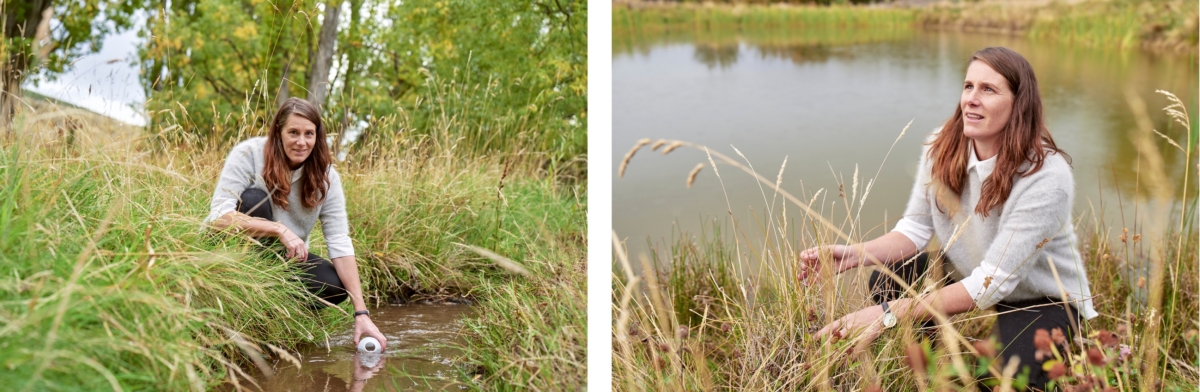
Kate Scott, 2018 Nuffield Scholar

Kate Scott, 2018 Nuffield Scholar

While much of Kate’s work is done indoors these days, running her business Landpro, she has a background in resource management planning, part of which involves testing water. We wanted to show Kate outside, on the land, doing the work she did when she started her business in 2007.  

Kate balances a young family with work and involvement with organisations outside of work too, such as being Chair of the New Zealand Rural Leadership Trust. 
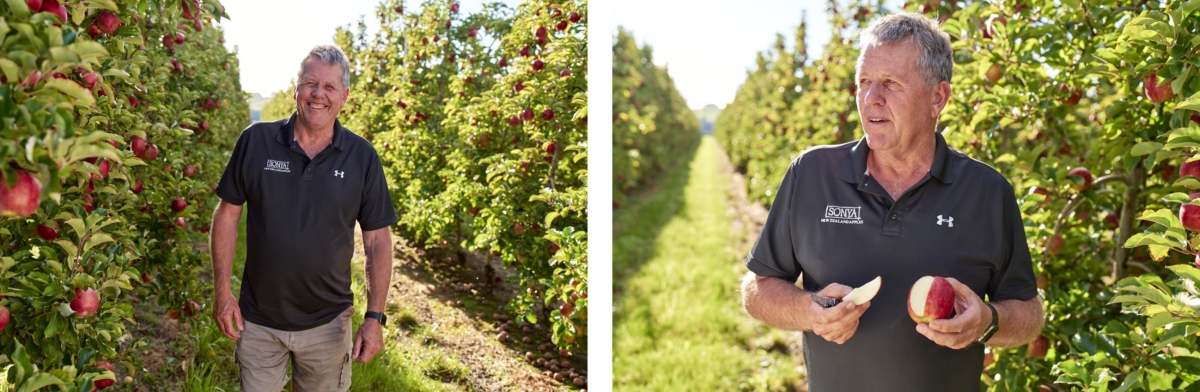
Julian Raine, 1997 Nuffield Scholar

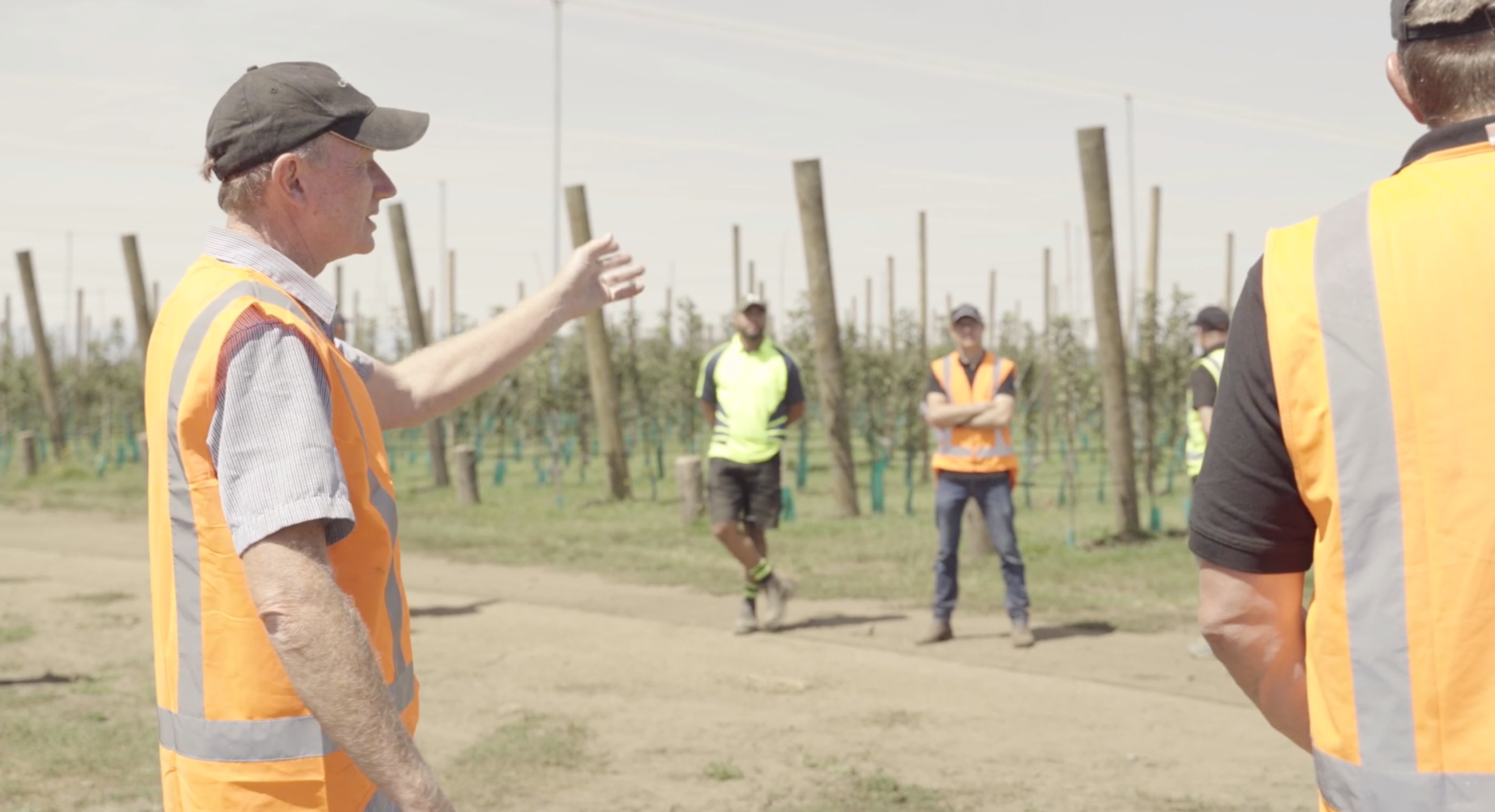
Julian is involved in both the horticulture and dairy industries. For the purposes of this campaign, we captured Julian in one of his apple orchards near Richmond, in Marlborough. Julian is also partners with fellow Nuffield Scholar Murray King in Appleby Ice-cream.  

One of Julian’s dairy farms was recently recognised by the SPCA for infrastructure aiding animal well-being. He has an eye on the future too, making at least a third of his orchards robot-ready. 
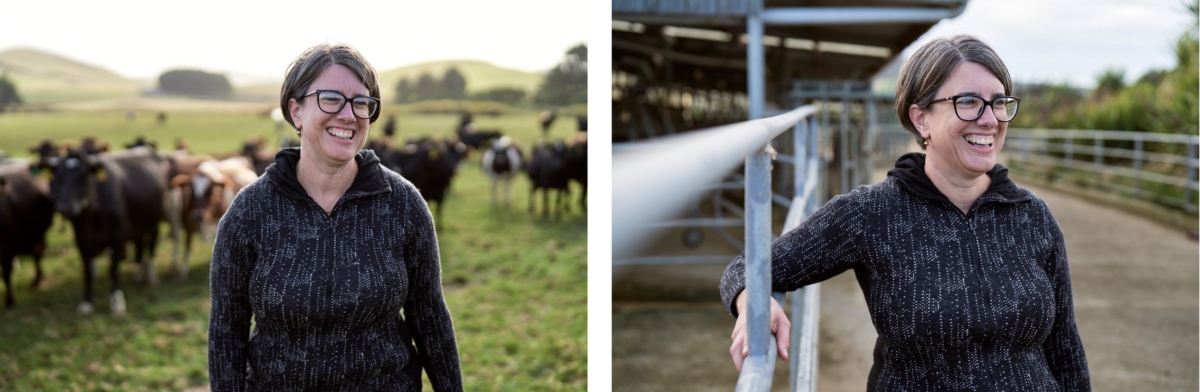
Lynsey Stratford, 2021 Nuffield Scholar

Lynsey is a non-practising lawyer involved in her local rural community. She is a consultant for her business Primary People, which provides people management and development services to the primary sector. 

We wanted to shoot Lynsey out with husband Chris on their dairy farm, situated in a unique part of the country at Curio Bay in Southland. Here, they have also recently covenanted 30 hectares of incredible bushland.  
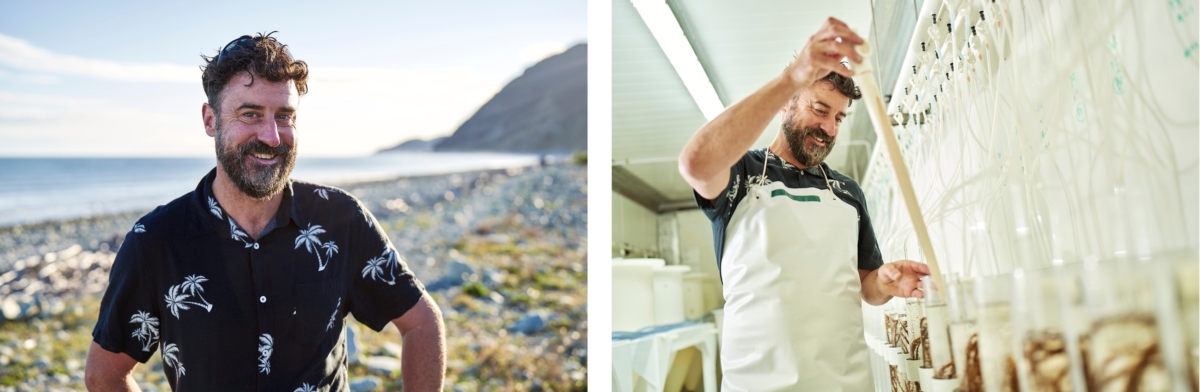
 

Andy Elliot, 2018 Nuffield Scholar

Andy Elliot, 2018 Nuffield Scholar

Andy is based in Nelson, Marlborough and is Research and Business Development Manager at Wakatū. He is at the cutting edge of aquaculture research and far from being daunted by the need for a lab, he created his own at the Cawthron Aquaculture Park. He is currently developing several projects.  
 
Andy was also recently appointed to the Investment Advisory Panel for Sustainable Food and Fibre Futures. 
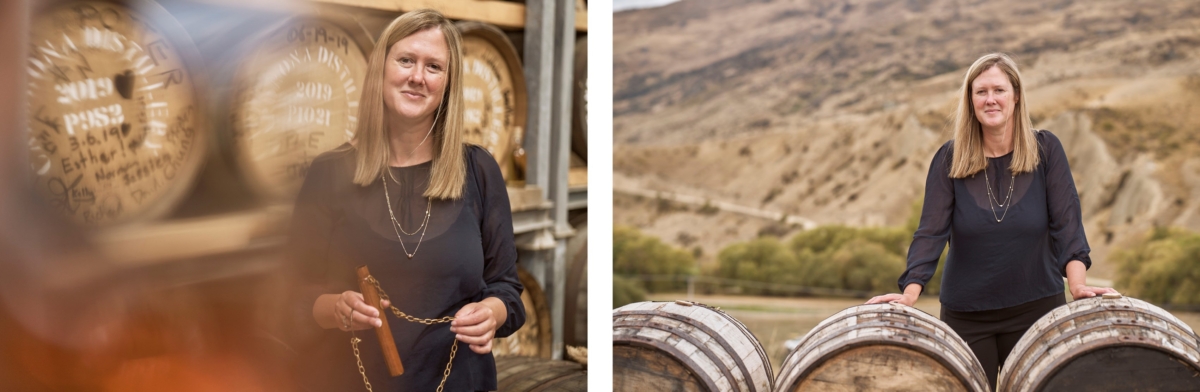
Desiree Reid-Whitaker, 2019 Nuffield Scholar

Desiree Reid-Whitaker, 2010 Nuffield Scholar

Desiree is a former dairy farmer who learned the craft of whiskey distillation from some of the world’s best. Returning home to New Zealand, she spent six months finding the right location to build the Cardrona Distillery.  

We wanted to capture Desiree in a beautiful environment loaded with visual clues that she has built everything in the most authentic way, not the easiest way. 
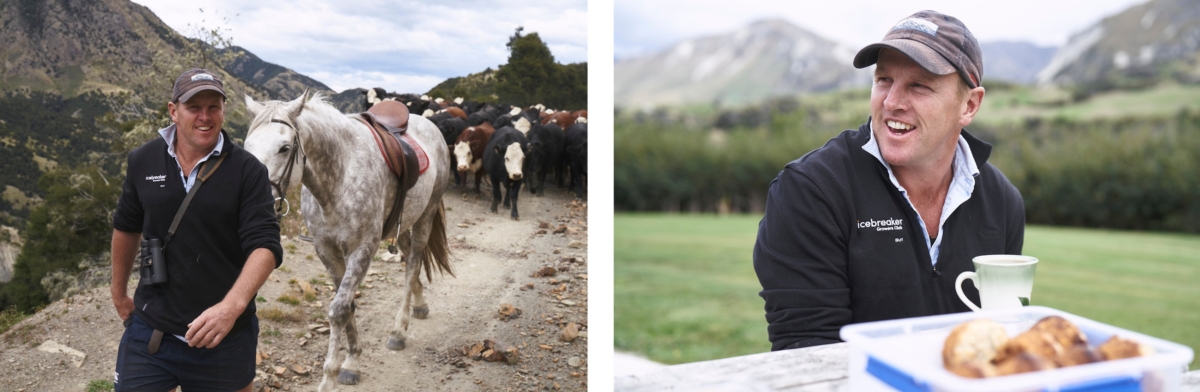
Hamish Murray, 2019 Nuffield Scholar

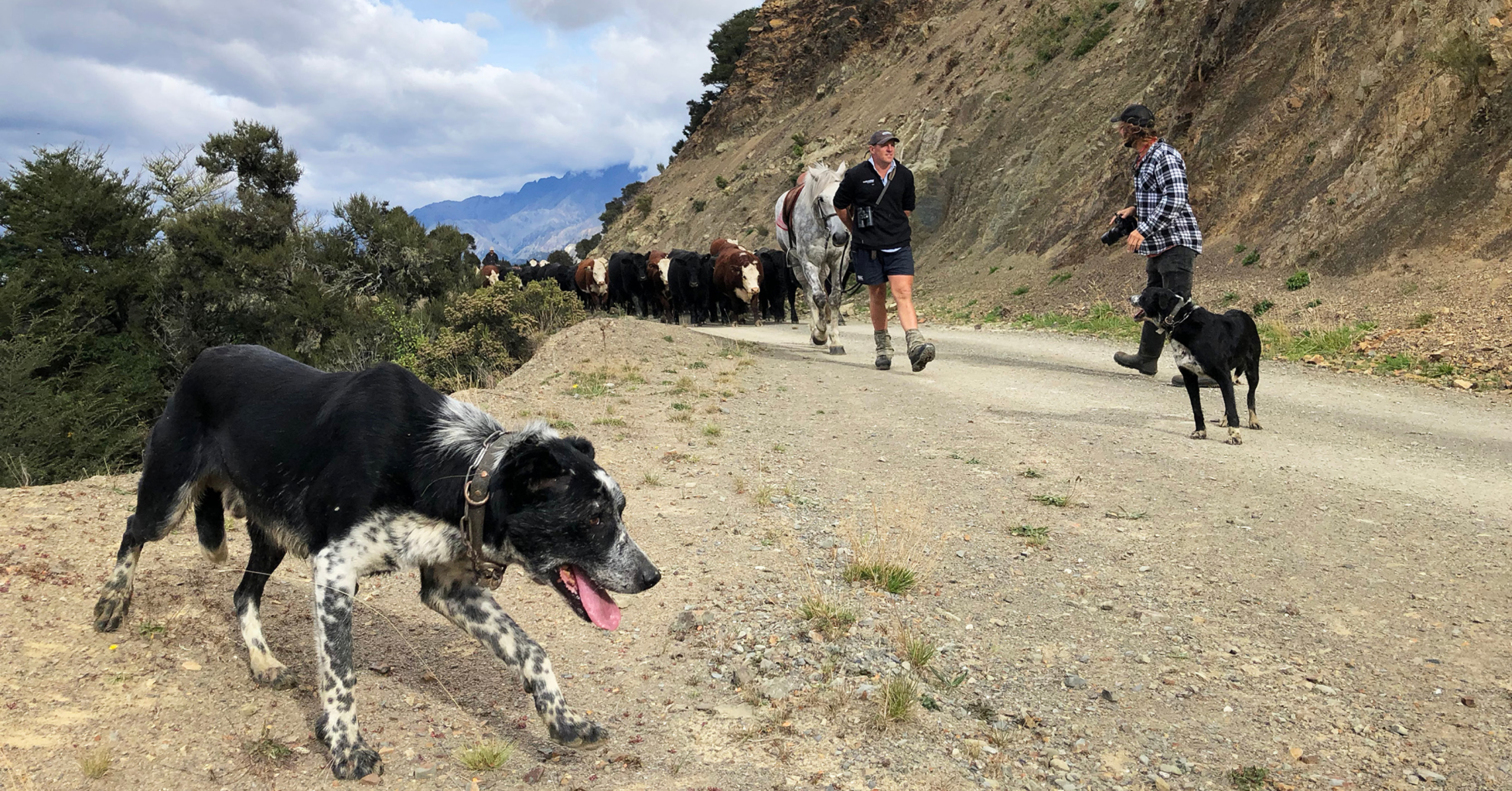
Hamish farms sheep, cattle, and runs a substantial honey operation at Bluff Station, near Kaikoura. The station is as visually beautiful as it is vast and is run by an exceptional team of people. No surprises there, as Hamish is just as passionate about his own growth as he is about his team’s.  

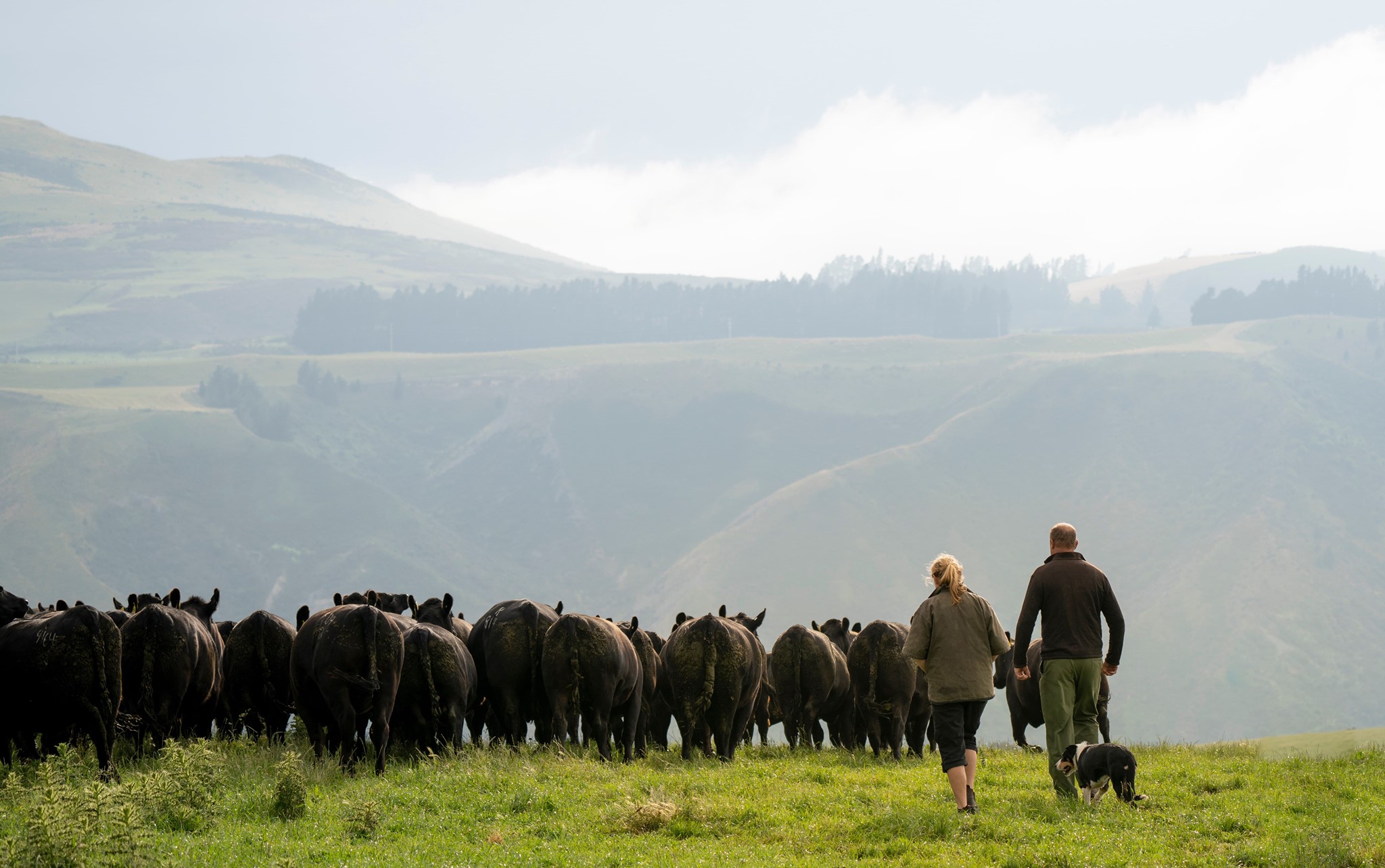
We were spoiled for choice at Bluff Station, the landscape is a photographer’s dream. The goal was to capture Hamish working – in this case moving cattle.
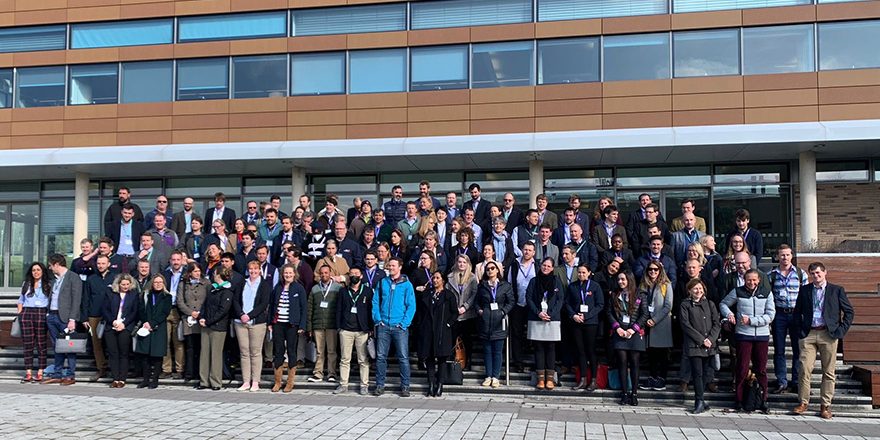
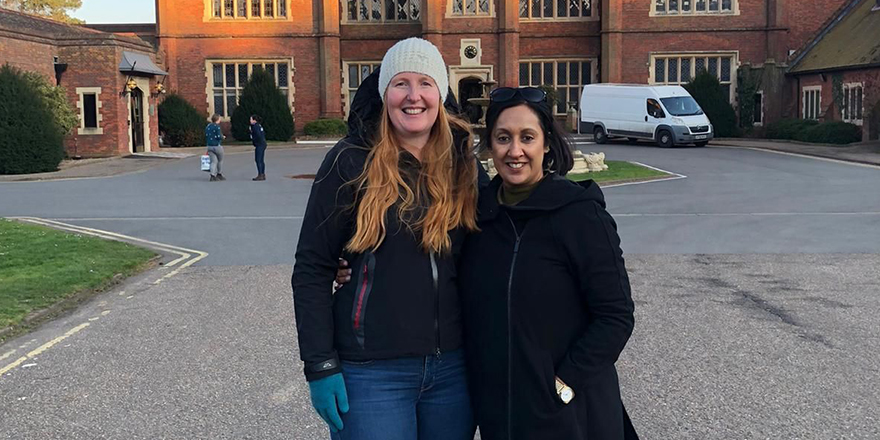
The Nuffield Contemporary Scholars Conference 2022.

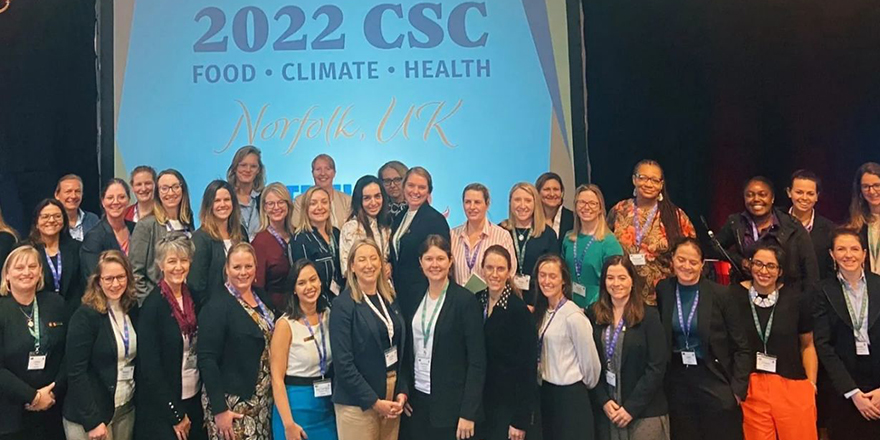
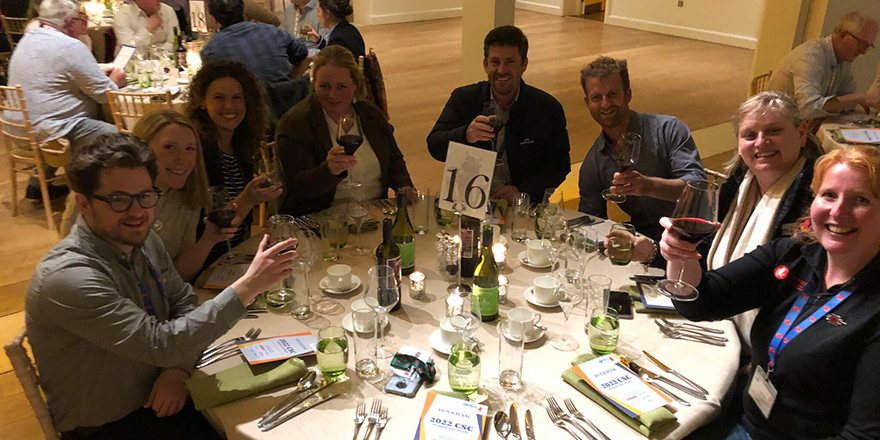
Lucie Douma and Parmindar Singh, 2022 Nuffield New Zealand Farming Scholars, have been in Norfolk, UK, for the Contemporary Scholars Conference (CSC).

Back after two years’ hiatus, due to the Covid-19 pandemic, the CSC ran between 7 and 15 March.

The Contemporary Scholars Conference – all together now, finally.

The Conference gathers Scholars from the current year and creates opportunities for them to learn and get to know each other at the start of their Nuffield journeys. Nuffield Scholars each bring different expertise, and all are keen to share knowledge and discuss the big challenges.

The CSC is followed by the Global Focus Programme (GFP), where Scholars split into groups to travel around the globe, visit multiple countries, businesses, institutions, and research organisations. On the GFP, Scholars will begin to dig deeper into their topics of interest, they will gather information and explore solutions and ideas.

CSC 2022 – Food, climate, health.

The theme of this years’ Conference was “Food, Climate, Health”, but by all accounts, the discussions were far reaching and went beyond the theme, not surprising given the aim of any Nuffield initiative has always been to look at things differently.

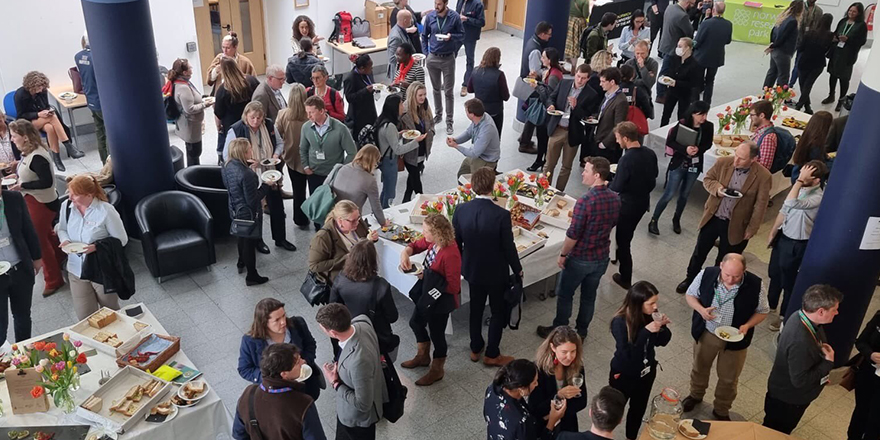
The Conference itinerary was packed with quality content, Q and A sessions, workshops, and plenty of opportunity for networking between Scholars.

In a post early on the CSC, Lucie and Parmindar both share the excitement,

“What a privilege to be able to join 150 people from across 15 countries at the Nuffield Contemporary Scholars Conference in both Norwich and London.

The week was packed with inspirational speakers, farm visits, gala dinners, meeting MPs, and getting to know how other countries farm. We’ve met some incredible people along the way.”

The elephant in the room: War time food security.

When the Conference was planned, everyone’s mind was preoccupied with the Covid pandemic and when we would get that under control. If we only knew…

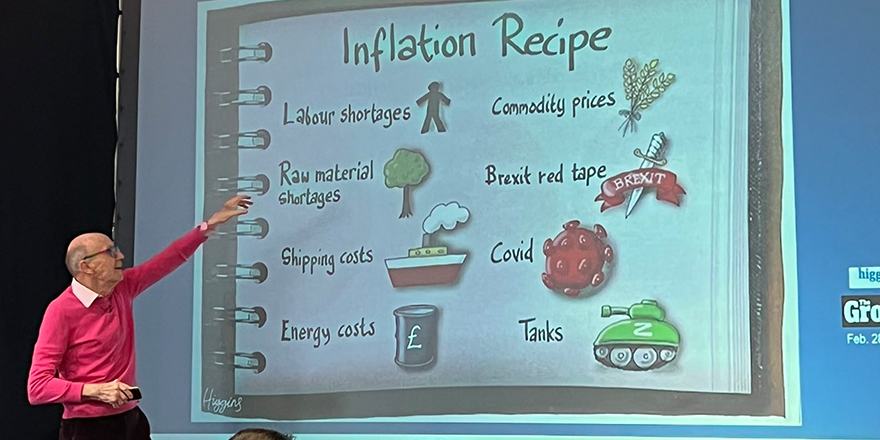
Just couple of weeks before the start of the CSC, a new global challenge arose – the Russian invasion in Ukraine, bringing a tsunami of worries around the world – the humanitarian devastation, the economic sanctions, the shifts in the political stances on so many issues. But there are massive implications for the agricultural sector and food security, caused by the war and the sanctions imposed on Russia and Belarus.

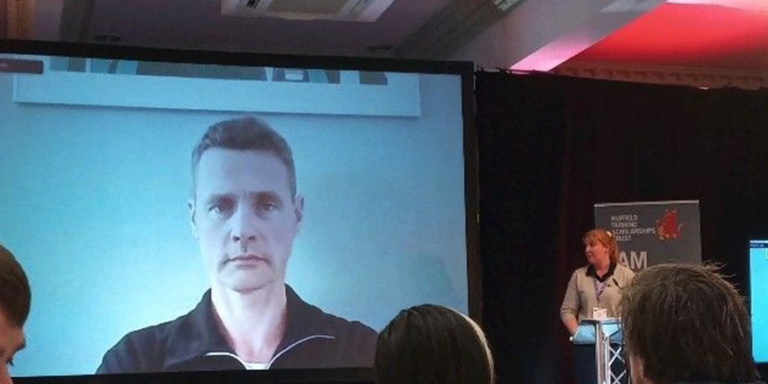
As part of the conference a Dutchman, named Kees Huizinga, who farms in Ukraine, addressed the scholars and talked about what it is to farm in a war zone.

As Lucie recounts, “Kees gave a sobering account of what is happening on the ground in the Ukraine, where farmers have less than a two-week window to plant their crops for the next year, including wheat. They are short 200,000t of diesel and are afraid to drive their tractors at night because they light up like Christmas trees and become targets.”

Everyone in the room felt the situation required immediate action.

“I just heard of a group of UK farmers who are driving to the Ukraine border next week to drop off supplies. This is real action. My question to you is what can we do from New Zealand to support these farmers?”, asked Lucie.

Scholar, Camila Hayseldon-Ashby, from the UK also conveys the sense of urgency and desperation she felt during Kees’s talk:

“As well as the humanitarian and moral impact, the war will have a huge impact on food production. We go to our political representatives and make sure they understand how this is impacting food production and global food security.”

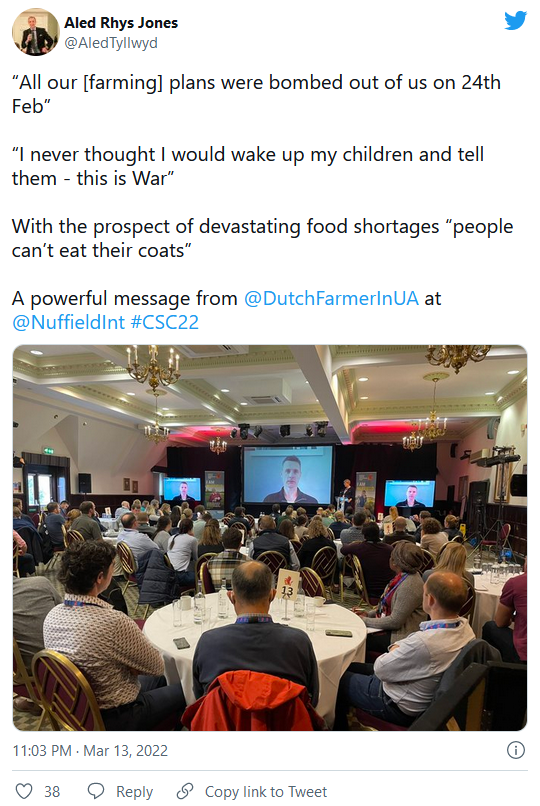
Aled Rhys Jones, Nuffield Farming Scholar, broadcaster, and podcaster tweeted,

Visiting the locals: Condimentum.

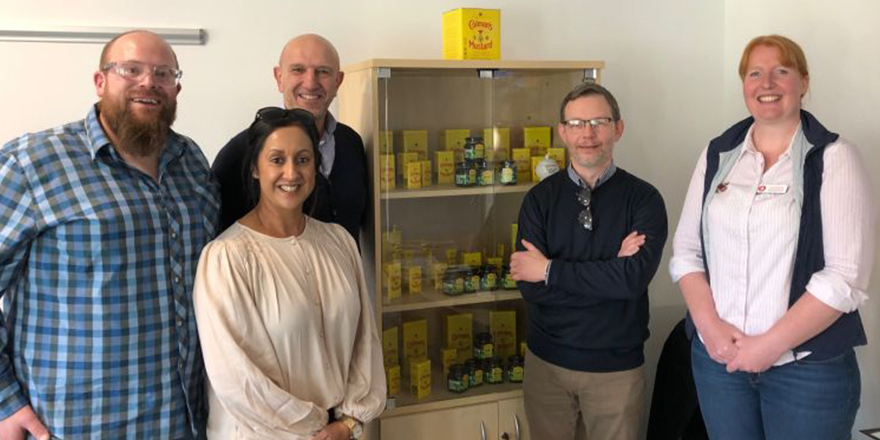
Another highlight for the New Zealand Scholars, was the visit to Condimentum. Lucie shared on LinkedIn after the meeting:

Great to spend the morning with CEO, David Martin and the wider team at Condimentum where they are going through an exciting Growth stage while servicing a 10 year contract with Unilever to supply Coleman’s Mustard, an iconic brand in the UK. Parmindar Singh and myself learnt a lot about the mustard business and suggested ways they could use their by-products as an income stream instead of a waste stream #Condimentum

The end of the beginning.

The week appeared very intense and busy, even from afar, and in Lucie’s words “An excellent week spent getting to know 150 scholars, across two years from all around the world.”

Another attendee, Helen Wyman, quoted Nuffield Scholar Wyn Owen at the conclusion of the conference – ‘The end of the beginning’ as she elaborates on the experience,

“On Tuesday I returned home emotional, tired and overwhelmed but after a few days of reflection I am excited about the future and look forward to visiting my new friends around the UK and the globe very soon.”

These were only some of the anecdotes from the conference. We’ll hear more from Lucie and Parmindar when they return to New Zealand to collect their thoughts.

The conference is over, but the journey still lays ahead. For most of the participating scholars, it will never end. After all, being a Nuffield Scholar is, above all, a mindset – to keep searching, keep daring, keep improving. 

Lincoln University, Kellogg, and Rural Leaders – a collaboration spanning decades

Based on campus since 1979, the Kellogg Rural Leadership Programme has a long connection with Lincoln University, having been developed by the Kellogg Company as a way of enhancing global leadership capability.

In 2013, the programme was transferred to the newly-formed New Zealand Rural Leadership Consortium, which merged it with the prestigious Nuffield New Zealand Farming Scholarship to create a single organisation. Four years later, the consortium became a registered charitable trust and changed its name to the New Zealand Rural Leadership Trust (Rural Leaders).

A partnership known as the Pāhautea Initiative was announced in late 2020 between Lincoln University, Massey University, the Agricultural and Marketing Research and Development Trust (AGMARDT) and Rural Leaders.

The initiative focuses on lifting education levels across the sector and building deeper leadership benches in the regions, with the aim of creating a sustainable future for food and fibre. Accreditation of core programmes is key to delivering on the partnership’s purpose.

Kellogg accreditation strengthens the bond with Lincoln University.

Rural Leaders, Lincoln University and Massey University have further strengthened ties by offering academic accreditation for those who undertake the Kellogg Rural Leadership Programme.

After completing the programme, Kellogg scholars can opt into a Postgraduate Certificate in Commerce.

Alternatively, they can allocate the 60 credits they can earn towards the 180 required credits for a Lincoln University taught master’s degree.

Scholars can also elect to use their 60 credits towards a master’s degree at Massey University.

Additionally, accreditation may soon be available for the Nuffield New Zealand Farming Scholarship, although this is a work in progress, says Rural Leaders’ Programme Manager Lisa Rogers.

“Theoretically, it would be a diploma, or 120 points towards a 180-point taught masters.”

A dedicated Kellogg programme team. 

The Kellogg Rural Leadership Programme team – including Rural Leaders facilitators Dr Scott Champion and Phil Morrison, Dr Patrick Aldwell and examiner Professor Hamish Gow – work hard to provide a varied and stimulating learning experience.

The programme includes two papers, the first of which requires the completion of specific assignments and is delivered by Scott Champion and Phil Morrison.

The second paper, delivered by Dr Patrick Aldwell, involves completing a research project and giving a presentation at the end of the programme.

Rural Leaders deliver three Kellogg Programmes a year, with two based at Lincoln University. The other, in alignment with the Pāhautea Initiative’s aim of growing flourishing regions, is regionally based. The next location, in May 2022, will be Whanganui.

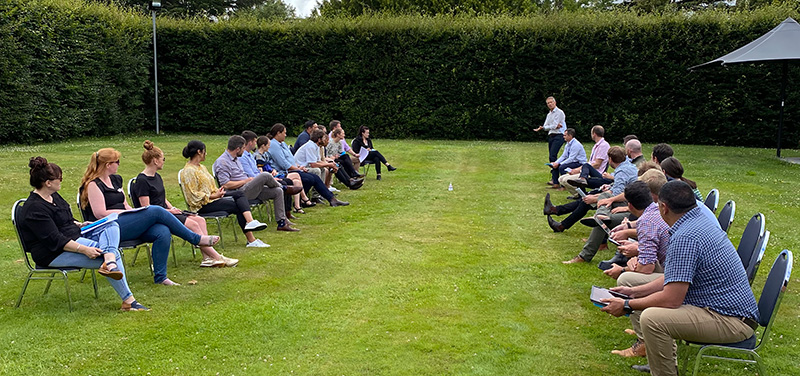
Each programme is delivered to 20 to 24 scholars. Numbers are kept low to ensure a transformative experience, as the Kellogg journey is as much about learning from fellow scholars and developing a pan-sector network of friends as being exposed to industry leaders and new ideas.

A shared history and a shared future.

Rural Leaders have a strong presence on campus and increasingly share alumni with the university now that Kellogg scholars can gain a Lincoln postgraduate certificate.

Lisa Rogers says she is keen to see the long association continue to grow.

“We often get graduates from the Lincoln Future Leaders Scholarship Programme coming through to do the Kellogg. While we may not see recent undergraduates apply, it’s something we see happening later in their careers.”

Fun fact: Up to 50% of participants in any one Kellogg Programme have previously graduated from Lincoln University.

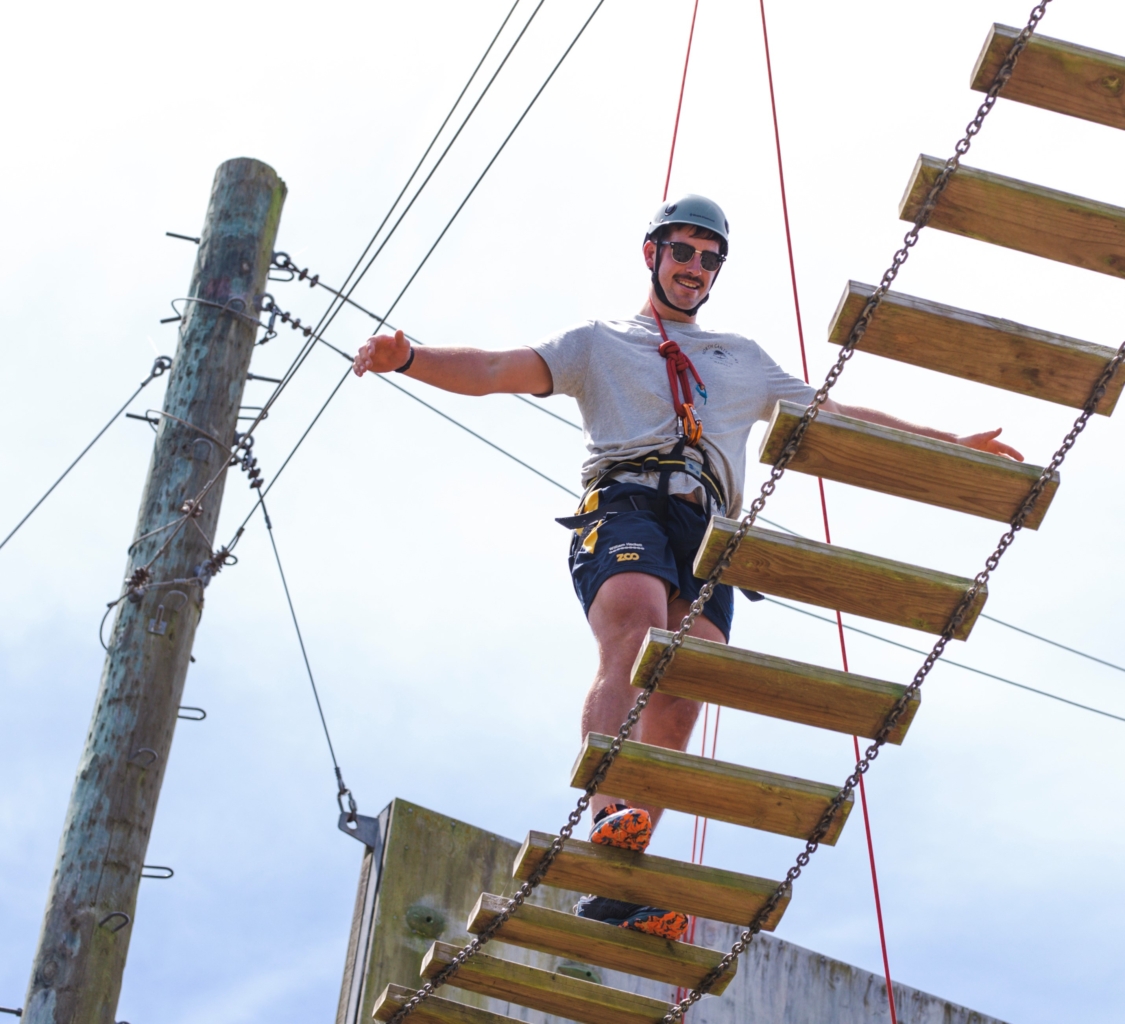
Kellogg team building rope bridge

Whanganui and Partners and Rural Leaders serve Strategy for Lunch.

A collaboration between Whanganui and Partners and Rural Leaders, Strategy for Lunch, has been created to meet a need among business owners, to engage more confidently in business strategy discussions and design. 

The programme consists of five neatly wrapped, bite-size, online sessions that provide the tools and knowledge to help Whanganui business owners build their strategic capability.

Some of New Zealand’s leading strategic facilitators have come together to deliver the five 90-minute, online workshops, from midday every Friday, starting 11 March.

Strategy for Lunch is designed for business owners from across all sectors and industries who are looking to advance their strategic skills, knowledge, and their businesses. 

The programme will help business owners undertake their own strategic analysis, identify opportunities, and to evaluate their strategic choices.

From sharing frameworks and tools, to recommended reading, review and reflection sessions, and group discussions, this innovative programme gives business owners a strong knowledge foundation from which to tackle their own strategic challenges.

Here’s a brief week by week outline of what participants can expect to cover and learn in this smart and highly accessible programme.

Week 1: 11 March – Orientation.

An introduction to core strategy concepts. We’ll also outline the programme’s  
5-week journey. We’ll answer questions like, what is strategy? What isn’t strategy? What are the forces influencing our world today? And tomorrow? 

Week 2: 18 March – Strategic framing. 

Aims to understand a business’s value discipline and maps its business model. Questions we’ll answer in this session are, what is your ‘value discipline’? How do you create customer value? What is your business model for delivering customer value? 

Week 3: 25 March – Strategic definition. 

Defines a customer’s “job to be done”. This session also aims to understand customer drivers of value. It will unpack what the best options are to increase value for your customers?   

Week 4: 1 April – Strategic options. 

This session aims to explore a business’s strategic innovation options. We’ll answer questions like, how might you design or adapt your strategy for a competitive advantage? How do you develop a blue ocean strategy? 

Week 5: 8 April – Strategic action. 

This final session brings it all together. We evaluate strategic choices, including key implementation considerations. WE answer questions like, how do you move from strategy prototype to market offering? How do you test and validate an MVP? What are the key considerations for scaling-up innovation? 

Find out more about Strategy for Lunch, or to register, head to
https://discoverwhanganui.nz/news/strategy-for-lunch/ 

KPMG Food and Fibre Insights Course.

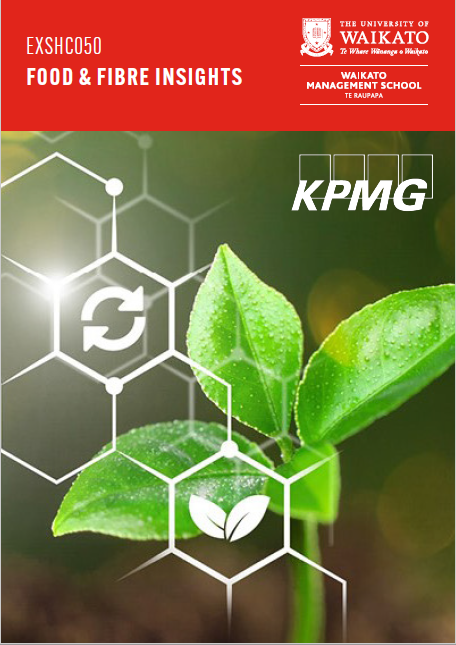
KPMG New Zealand and the University of Waikato have partnered to deliver a new and unique Food and Fibre Insights Course. 

The part-time, six-week course is targeted at working professionals who are seeking to expand their knowledge of topics at the forefront of agri-food systems. 

Facilitated by Ian Proudfoot, Jack Keeys, Professor Frank Srimgeour, and Dr Jack Dorner, it will deliver leading insight collated from experts across New Zealand and the world. It will cover one topic per week. 

Course structure will include a combination of independent learning, working through readings, videos, and questions on an online learning platform, in addition to a weekly virtual discussion session. Further information about the course can be found in the attached brochure.  

An exclusive discount code has been offered to Rural Leader readers and is available here: Partner’s link 

If you have any questions or would like any further information, please feel free to contact Jack Keeys via email at jkeeys@kpmg.co.nz, or by phone on 09 363 3502. 

Two Te Puni Kōkiri Scholarships available for Kellogg Whanganui.

Te Puni Kōkiri is generously sponsoring two places on Whanganui’s Kellogg Rural Leadership Programme, May start.

This is an extraordinary scholarship opportunity, covering programme fees and giving applicants the chance to develop leadership skills closer to home.  
These scholarships are open to passionate Māori as part of their leadership journey in the Food and Fibre Sector.

Those wishing to apply for a scholarship, should include a cover letter with their application indicating why they should be selected. 

In the cover letter, evidence should be shown of leadership in Māori Food and Fibre, along with discussing how the scholarship will contribute to personal leadership development.

How to apply.

To get an application underway, prospective applicants should register their interest through the link below. They’ll receive an application form to complete. When they return this form, include a cover letter indicating intention to apply for the scholarship, at the top. 

For any questions about the scholarship please don’t hesitate to get in touch with Lisa Rogers, Programme Manager, at lisarogers@ruralleaders.co.nz 

FMG Young Farmer of the Year – Tasman Regional Final. 

Meet you Saturday night at Springston Hall.

Did you know Mary Bumby introduced honeybees to New Zealand in 1839? No? Incredibly, her name has nothing to do with the naming of Bumble Bees, or any bees. Quite possibly history’s greatest example of a surname impacting the course of a life.  

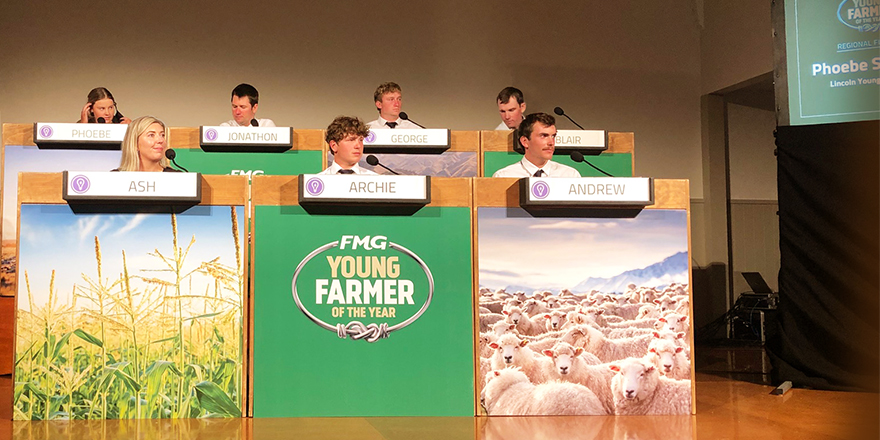
The seven Tasman Region finalists for the FMG Young farmer of the Year hadn’t heard of Mary’s exploits either. Though they had answers to other questions during the four quiz rounds at Springston Hall, Saturday evening, 19th February.  

Rural Leaders were fortunate to be invited by our strategic investing partner FMG to catch this thrilling conclusion to several days of competition, to find the Tasman Regional Winner. Competitors had given their all in three components of competition: Agri-business, Agri-skills, and Agri-Sports. They crafted a ‘chair’ from a wood palette, filleted (in some cases butchered) a salmon, they did the maths on the application of fertiliser, and competed in fencing too.  

And so, it all came down to the Springston Hall for the fourth Agri-Knowledge component, to determine the winner and finalists for the national competition later this year. 

Te Radar sounds the alarm.

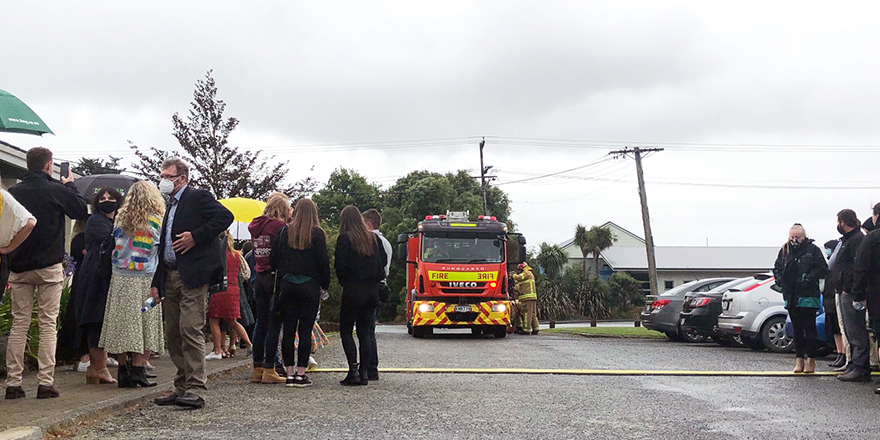
After a BBQ dinner and some masked, socially-distanced mixing, long-time host Te Radar kicked off the evening with the housekeeping, which included the obligatory fire evacuation notice – and at that exact moment an actual fire alarm sounded. We all evacuated. The rural fire brigade eventually gave the all-clear and the seven finalists took their places.

The finalists were: Archie Woodhouse and Phoebe Smailes of Lincoln University Young Farmers, Andrew Allan and George Dodson of Lincoln Young Farmers, Jonny Brown of Dunsandel Young Farmers, Ash Foley of Waimakariri Young Farmers, and Blair Anglesey of Renwick Young Farmers. 
 
Entering this final evening, Jonny Brown had the lead, with Andrew Allan in second.  

Fingers on buzzers please.

The first round ‘Photo ID’ asked contestants to identify everything from a specific arable crop to a breed of pig, through to filling in a missing element on a familiar sector logo. 

Round two ‘Rapid Fire’ gave each contestant 30 seconds of questions. Performances here were strong, with the highlight being an ability to anticipate the answer to a question cut-off by the timer. Contestants were allowed to answer despite not having the full question.  

Best anticipation efforts were Archie Woodhouse’s ‘Marlborough’ to the cut question “What region…?” (What region is the mainstay of New Zealand mussel farming?”) And Phoebe Smaile’s ‘Four,’ to the cut question “What is the minimum clearance…?” (“What is the minimum clearance for equipment from overhead powerlines?”)  

Round three was an observation round. Here a video was played with questions following. A hard round, though had this not been a dry event, it would have been harder still. 

And the winner of the FMG Young Farmer of the Year, Tasman is...

The final round was a ‘quick buzzer,’ here big movers were Phoebe Smailes and Ash Foley, but not enough to break into the top three. After a focussed period of calculation from the judges, the final places were awarded.  

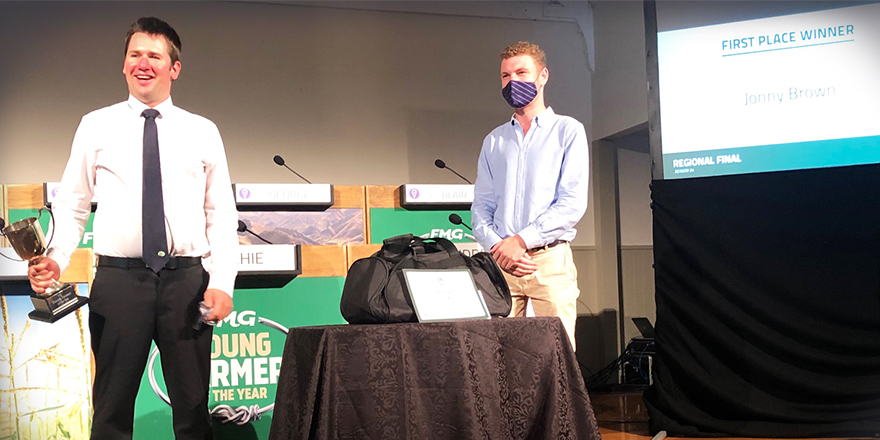
The top female competitor’s prize went to Ash Foley. Third place, by just one point, went to Archie Woodhouse, second was Andrew Allan, and seasoned competitor Jonny Brown took the overall win, after missing out last year. 

FMG Young Farmer of the Year Tasman Regional Winner

This was an expertly organised event and a thoroughly enjoyable evening. Thank you to FMG’s Michelle Stephenson for the invite. 
 
The Contest series Grand Final is scheduled for Whangarei in July. 
 
Keep an eye out for details here.

Changing the narrative – an online Kellogg session.

Kellogg has had to adapt during the Pandemic, to a hybrid model, working both online with tools like Zoom, and in-person when it is safe to do so.

One positive thing about video calls, and for some one might be a stretch, is being able to sit on the side-lines occasionally, with mute on and video off. You get all the benefits of the call, without needing to worry about asking clever questions.

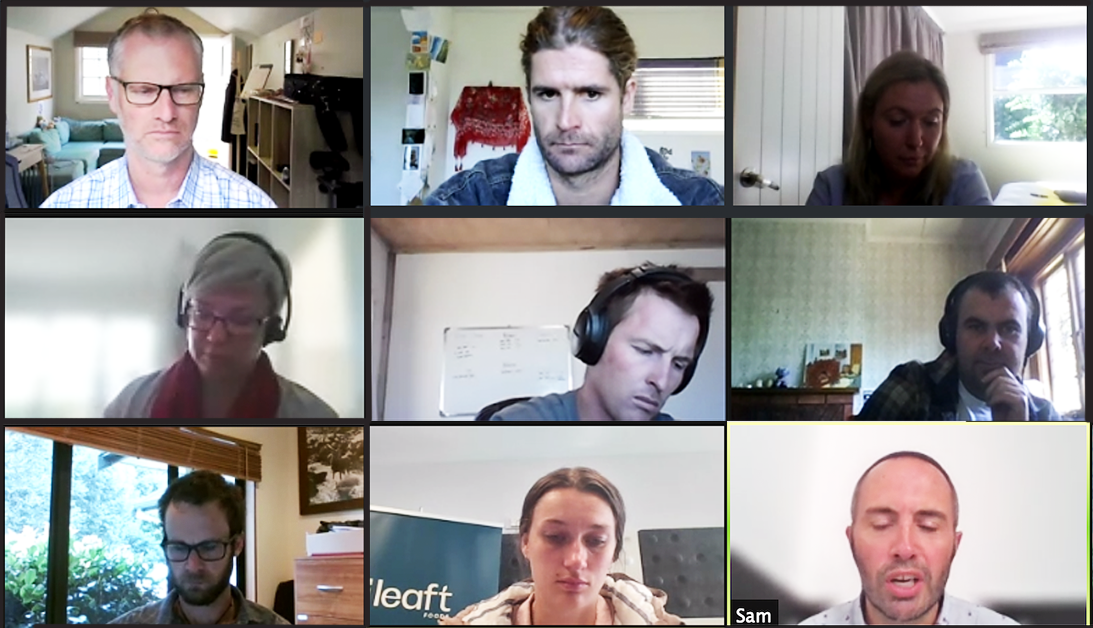
So, muted and invisible we joined Scholars on Phase Two of the Kellogg Rural Leadership Programme, to listen to Sam Halstead of Latitude Strategy and Communication. Sam works in Public Relations, focussing on the primary production sector.

Phase Two is important for Kellogg Scholars. It gives an economic, political, and environmental context. It zeroes in on how to engage and influence decision making at a local, regional, industry and central government level. And engaging means communicating effectively. Enter Sam.

The most scrutiny in a generation for the primary sector.

Sam began his presentation with a slide headed ‘The most scrutiny and pressure in a generation.’ Discussion moved easily from one example substantiating this, after another.

The next slide, ‘It’s not all bad,’ presented positive sector perception statistics, based on recent polls from UMR Market Research. The pendulum has been moving in the other direction through Covid – with a public realising New Zealand now has big bills to pay and that the primary sector might be the one to help. The numbers make interesting reading:

  • New Zealanders have a positive view of the primary sector.
  • New Zealanders remain strongly positive about horticulture (67% positive, 29% neutral, 4% negative).
  • Sheep and beef farming (58% positive, 29% neutral, 13% negative).
  • And dairy farming (55% positive, 29% neutral, 16% negative).

Changing primary sector narratives with human connection.

While sentiment is on the up, the big challenges remain. Challenges that continue to impact the way the public views the primary sector. Sam took scholars through how public relations is utilised to help address some of these.

‘Changing the narrative,’ Sam explained, is about human connection and building trust over time – to change the narrative over time. Briefly, that might mean:

  • Avoiding the echo chamber – telling our stories outside of the sector.
  • Enlisting champions, or advocates.
  • Collaborating – avoiding confrontation.
  • Better leverage of the sector’s points of difference.
  • Owning issues and improving performance – sharing those improvements.
  • Building high quality relationships.
  • Most importantly – strive for human connection.

These sessions, delivered both online and in-person, help scholars build a critical awareness mindset, build confidence, and empower scholars to create change – public relations is just one tool in the toolbox that can help.

Ben Todhunter: Observations from a high-country station.

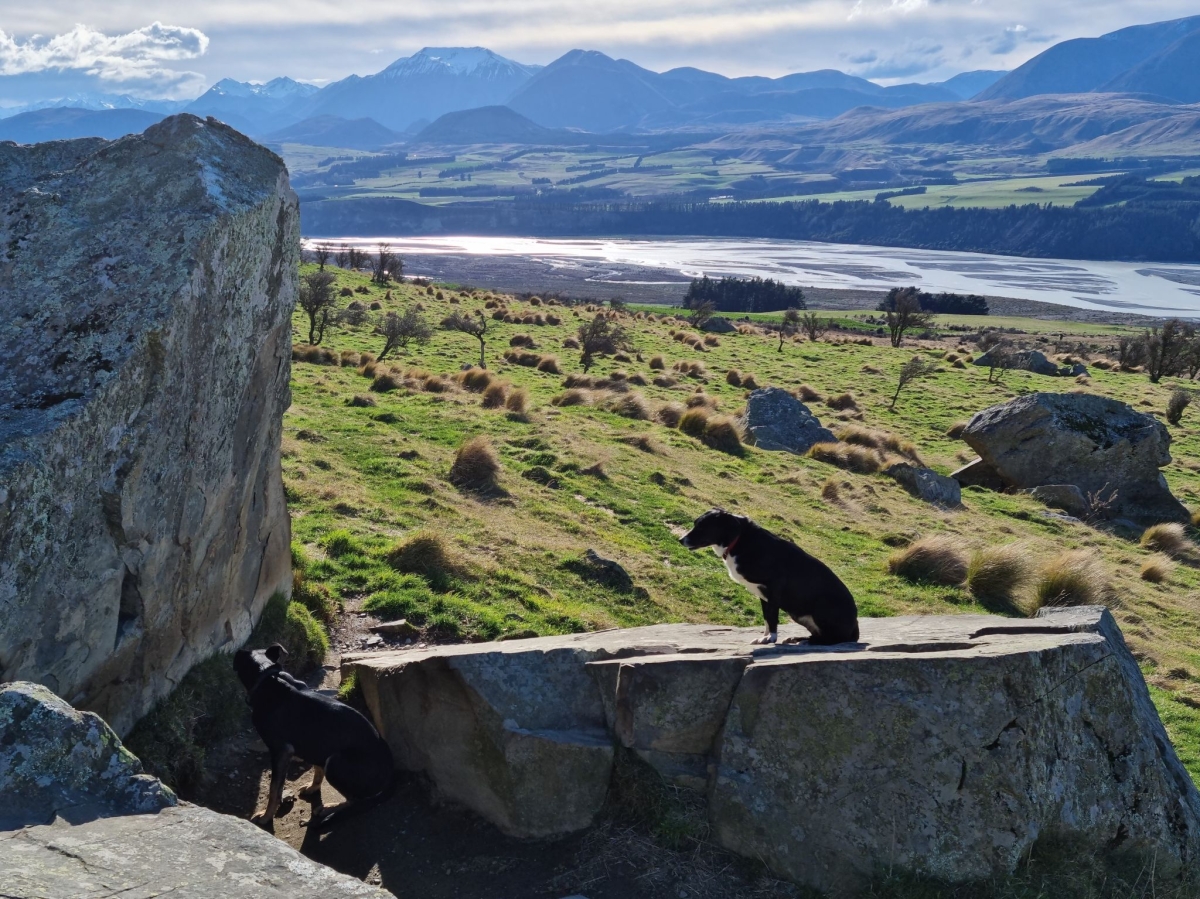
Ben Todhunter is a 2006 Nuffield Scholar and High Country Farmer. He farms Cleardale Station with his family in the Rakaia Gorge, Canterbury.  

Below are the closing lines from Jim Morris’s poem ‘Rewards’. They capture the spirit of the high country farmer and as such are personal to Todd. Jim Morris was from neighbouring Manuka Point Station, and is now retired.

The ranges vast are here to stay 
And he’s content to spend his day, 
Working in their rugged grip 
His recompense – the love of it.

This is a compilation of some of Ben’s LinkedIn posts from 2021.

#1. Pressure and release

December 2021 

A young calf got caught away from the main mob. Rather than applying pressure to the calf, Ben backs off, mum doubles back to bring the calf back to the mob herself. 

Quoting Monty Roberts, Ben writes:

Pressure and release. It’s a fundamental tenet of moving livestock. It also applies to humans as well. As a leader, working with tension or pressure to grow someone is a balance. How do you learn to get the judgement right?

Lesley Prior, Tellenby Merino Stud, Commented:  
Great example of good stock handling. Quiet, patient and ‘going with the flow,’ but with gentle direction where necessary.  

#2. Pondering geology

October 2021 

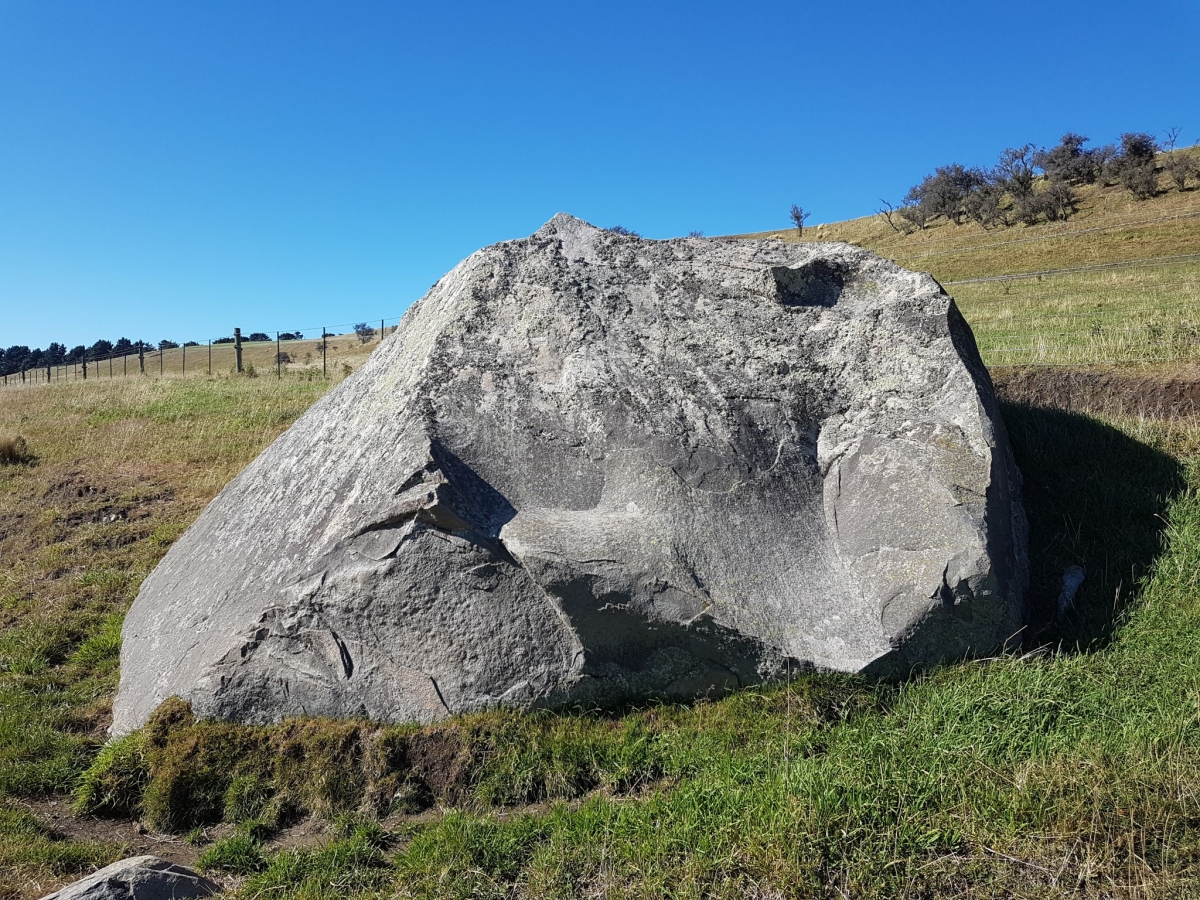
Ben observes that the rocks and stones scattered on his farm have ancient stories to tell.

Ben writes:
A collection of photos of some terminal and lateral moraine boulders. The greywacke rocks have fallen onto glacial ice and were carried up to 70km before being deposited in-situ approximately 18,000 years ago. 

The greywacke was formed over a 200-million-year period as tens of thousands of metres of sediments built up off the edge of Gondwana. The sediments were eventually buried, deformed, hardened, and uplifted to become the rocks that formed the Southern Alps. 

Link to ‘Te Ara – building a continent.’ 

It’s useful therapy to ponder the stories of these rocks when considering your significance, or lack of, in the world. 


Victoria Harvey, Climate change PHD researcher, commented: 
A great reminder of our place and time in this world. Plus, very clean air judging by that lichen. 

#3. Embracing technology

November 2021 

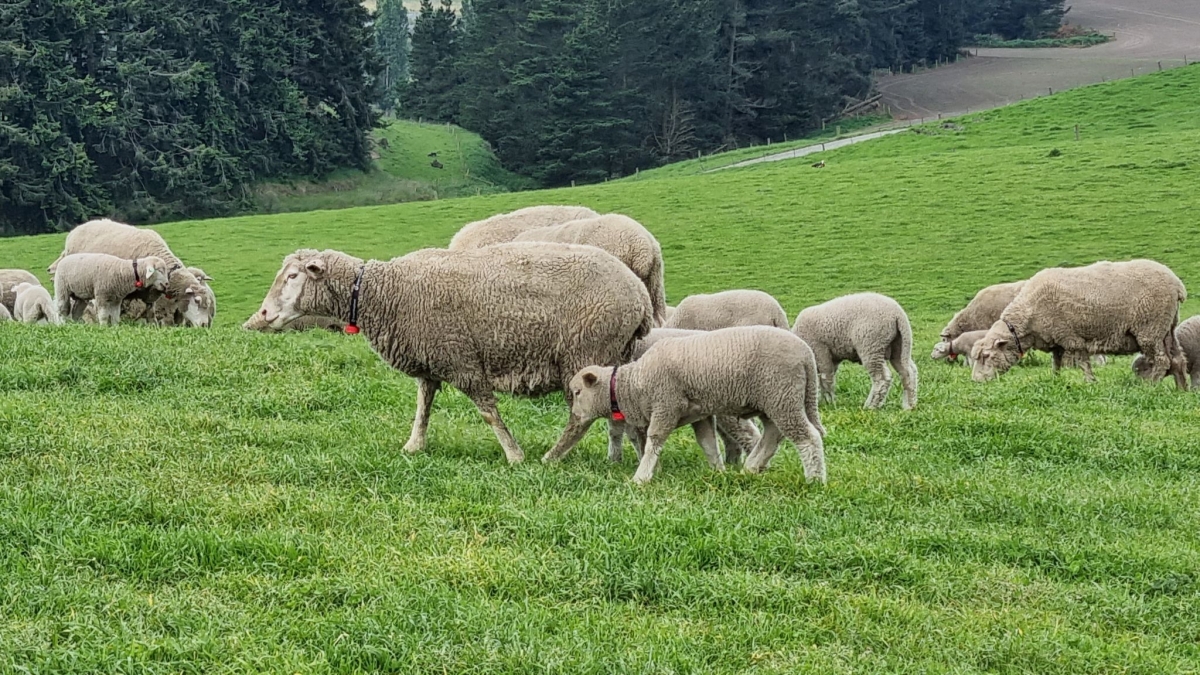
To reduce the time intensive process of matching dam with lamb, and at the same time increasing the quality of pedigree data, Ben introduced smart collars to Cleardale.  

Ben writes:
Our current master shepherd (my father) is proving difficult to replicate and scale. These collars have Bluetooth technology and record proximity to other tags. If they are worn for 48 hours they provide an accurate record of the lambs and their mothers. 

This is the same technology that can be used for some of the proposed contact tracing systems for disease management.  

Helen Thoday, Solutions and Development at DairyNZ, commented: 
That’s so much better than binoculars and spray-painted numbers.

#4. Perspective

May 2021 

Ben observed an interesting play of light and perspective. 

Ben writes:
Fascinating light on a frosty evening. They say the best time to show off livestock is in the afternoon light, but this may be taking it to extremes. 

Gordon Ray, Lecturer at Grenoble Ecole de Management, commented: 
On first impression, almost looks like a bubbly lava flow; when I noticed it’s sheep moving. I’ve worked with a large herd of sheep (1600) and the movement is so fluid as to almost look like slow motion water. Very cool video – thanks for sharing! 

Ben comments:
Gordon Ray, large groups of animals can have real flow. 

#5. Pushing too hard

November 2021 

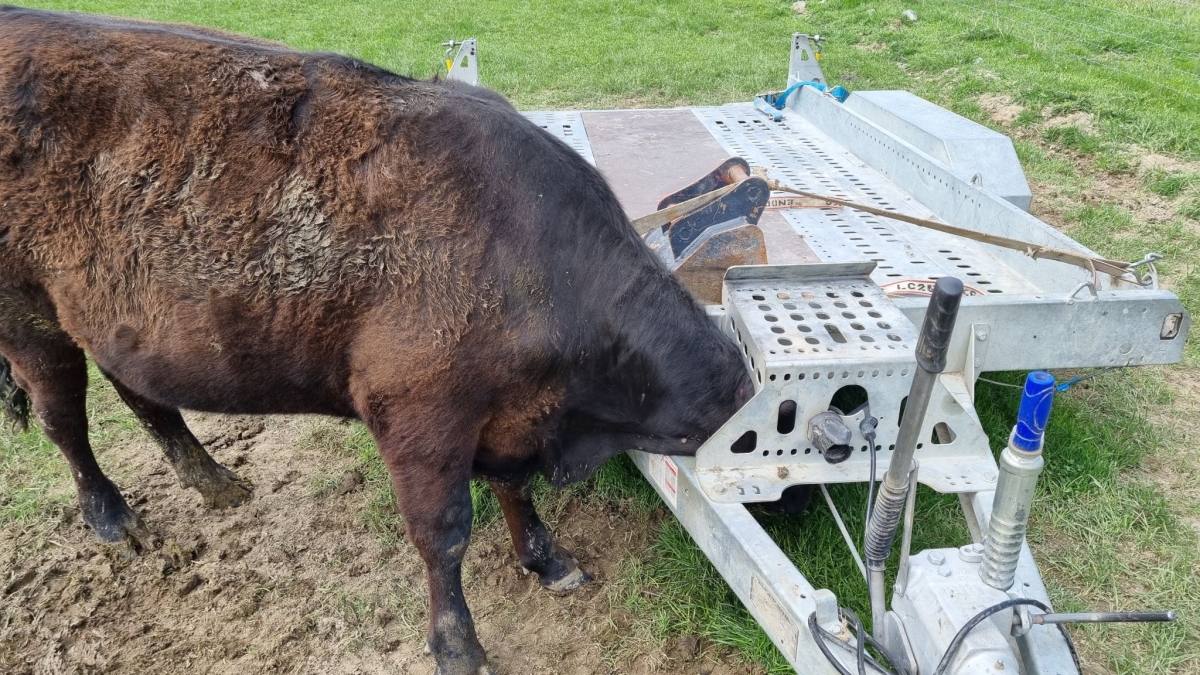
Curiosity or greed? A heifer gets caught in farm equipment looking for the lush grass beneath it. (the heifer was freed unharmed!)

Ben writes:
You know that time when you just go a little further than you should’ve? 

Peter Stannack commented: 
Boundaries are for testing. How else do you find out who you really are? 

#6. Filling your soul

January 2021 

Concepts of mindfulness, wellbeing, and connection to nature are explored in this post.  

Ben writes:
There’s something deeply therapeutic, listening to and watching water. 

This Awa or river, the Rakaia, is a big part of our lives and has many moods. Here it is flowing at 145 cumecs (cubic metres per second). The highest peak flow ever recorded was 5594 cumecs at midnight on January 9th, 1994.  

We are involved with two groups protecting the special landscapes, flora, and fauna of The Rakaia from the gorge to the main divide. I’d like to extend that to the Coast as well. In a recent assessment the Rakaia scored the highest of all the braided Canterbury rivers to be proposed for World Heritage status. 

The Whanganui River has been granted the status of a legal person. “I am the river; the river is me” affirms the deep connection of the Māori tribes of Whanganui to their ancestral river. 

My connection to the Rakaia is not in that form. It is in the form of wonder, and respect, and love, and a place I can go to fill my soul. Where do you go to fill your soul? 

Sam Martin, Exterior Architecture UK, commented:  
Anywhere I can walk under trees works for me. Which is lucky given the situation here in London and our living so close to many commons and parks. 

#7. A river runs through it

October 2021 

“You have my full attention.” Was Mac’s response to a text last year. 

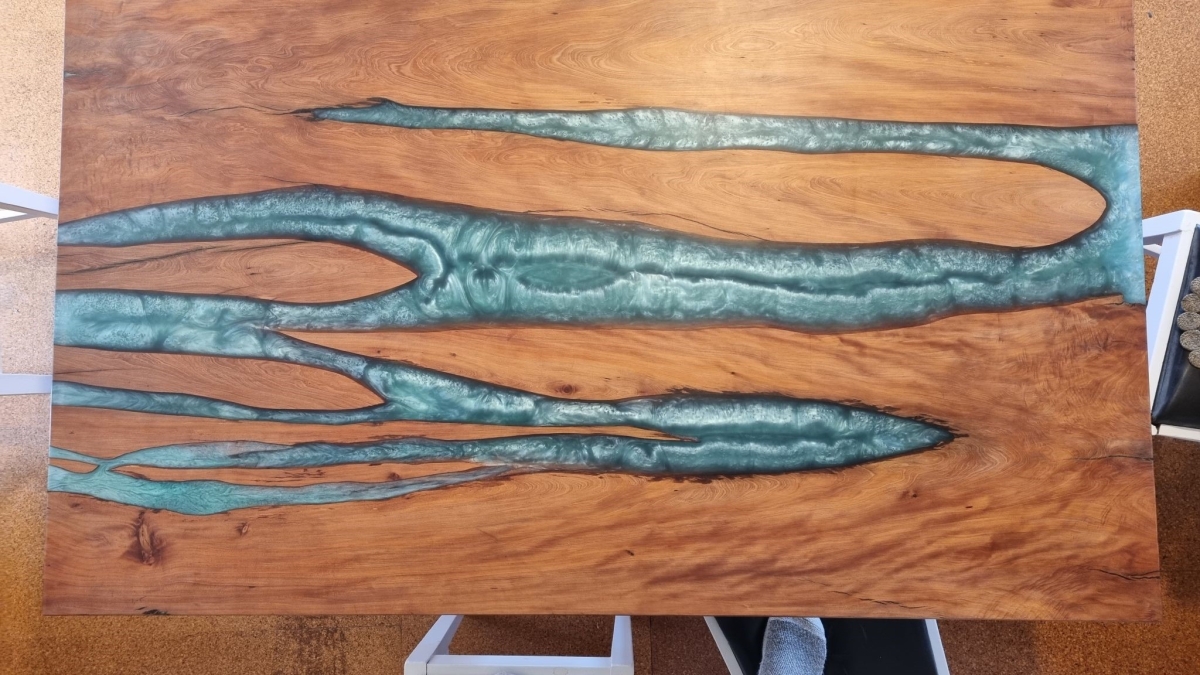
This is a story about the power of story. The story of a table with a story that tells a story. 

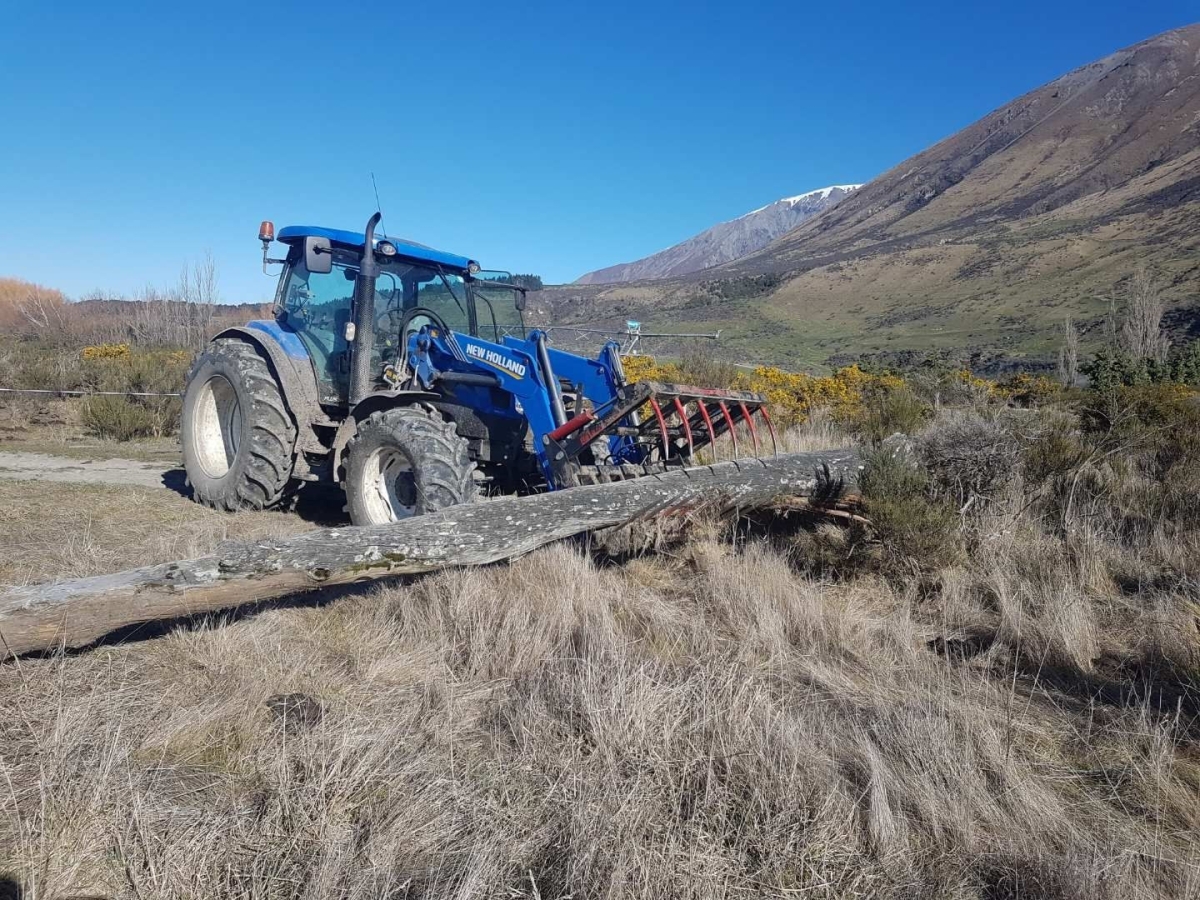
We live beside the Rakaia River. Our Awa originates in the heart of the Southern Alps/Kā Tiritiri o te Moana from the Ramsey and Lyell Glaciers. It is a braided river coloured blue from the glacial flour at its origin. Occasionally Totara logs are carried down river from the mountains and are deposited in front of our farm. 

Now Mac who was a neighbour and a top ad man, has now retired and become an accomplished luthier. He’d made me a stunning guitar from a previous piece of Totara and had expressed interest in working again with the special wood. So, when I found a suitable log, I sent a photo and immediately received the above reply. 

Half an hour later he was on site thinking of possibilities. In his words “You are being trusted with an absolute gem of a tree, and you prepare it with the full respect and care that its mana demand. It was an absolute privilege to be asked to give this tree a new life.” 

We then carved out a small bit suitable for guitars and kept the remainder. Maybe to build a table… 

A few weeks later Mac asked if we’d like him to make a kitchen table for us. 

Yes! Yes, was the response.

Mac enlisted the help of another neighbour and master wood whisperer Rob, to craft something special. 

We had a few other pieces of wood from the replaced decking and guardrails of the historic Rakaia Gorge bridge and knowing the talents of these two we provided dimensions for our house and for my frame and left them to it. 

Now for those who know about farm tables, a lot of business gets done around them, people are hosted, discussions are held and family times are lived around these tables. Being a storyteller Mac knew this and wondered if the table could tell a story? “Could it become a centre-piece, not just physically, but also emotionally and attitudinally? Could it have personality?” 

The idea of a river table was born. A table with whakapapa. 
“The idea was to re-create the tree’s relationship with the Rakaia River, representing its journey to Cleardale and the farm’s relationship with the river.” 

And that is what we’ve got. Timber from the mountains, carried and battered by the river, inlaid with a representation of that braided river and held up by timbers from a bridge to the past, repurposed to create memories into the future for a family whose lives are intertwined with that Awa. 

A special Taonga, which has a story, tells a story and will be part of many more stories. Thanks so much gents. 

Partha Ghosal, Clean Energy, commented:  
“You had my full attention.” So much so I read it twice! Never knew of Totara, let alone that it could make a stunning guitar/table. Something to do with your storytelling flair and a Luthier giving full respect maybe? Just love what you, he, and your wood whisperer achieved in the end. Your special Taonga. 

A typical day on the Value Chain Innovation Study Tour.

Craigmore Farming Horticulture Study Trip

The Value Chain Innovation Programme is made up of three phases spanning six weeks from May 9 to June 19. You can find out more about the programme and its core elements here.

Probably the most involved point of the five-week experience is the industry immersion study tour (Phase Two).

What will a typical day on the tour look like?

A fair description would be “busy”. But here’s more about what to expect.

We should note first that this ‘typical day’ may be subject to pandemic or scheduling related changes. 

Day five. In summary, there will be horticulture, food science and much more on the day. Generally, no one day will be dedicated to a particular value chain, but rather each piece of a value chain will be spread across several days.

You’ll be waking up in Central Hawke’s Bay. It’s an early start with breakfast at 06:30, and on the bus by 08:00.

On this particular day, the first destination is scheduled to be Craigmore’s Springhill Horticulture operation. You’ll arrive by 09:00.

Craigmore Springhill.

Craigmore manages farm and forest investments and was established in 2009 by two New Zealand family farmers, Forbes Elworthy and Mark Cox. Craigmore has an experienced team managing 18,000 hectares of dairy, grazing, forestry, and horticultural properties, that includes Springhill. 

You can preview Craigmore’s Springhill operation in this video

At around 11:00 the bus will depart for Massey University campus in Palmerston North, where you’ll be visiting several units. You should get there by 13:00.

The Riddet Institute.

First stop on campus is the Riddet Institute.

The Riddet Institute aims to build the knowledge and skills to tackle the challenges facing our fast-changing food sector, through discovery-led research at the frontier of food materials science. 

To learn more about Riddet, watch this interview with the Institute’s Deputy Director, Professor Warren McNabb. Scroll to the section beginning 3:15sec and ending 7:40sec for some insight into their work. 

Next is Massey Food Experience and Sensory Testing Laboratory (Feast). 

Feast, Food Pilot, and MAF Digital Lab – Massey University.

To gain a clearer picture about the type of work Feast conduct, look at this short video covering research on the use of a holo-lens. This work was done to determine what impacts mixed-reality technology could have on a consumer’s enjoyment of food. 

Still on the Massey University campus, the next stop is Massey Food Pilot. 

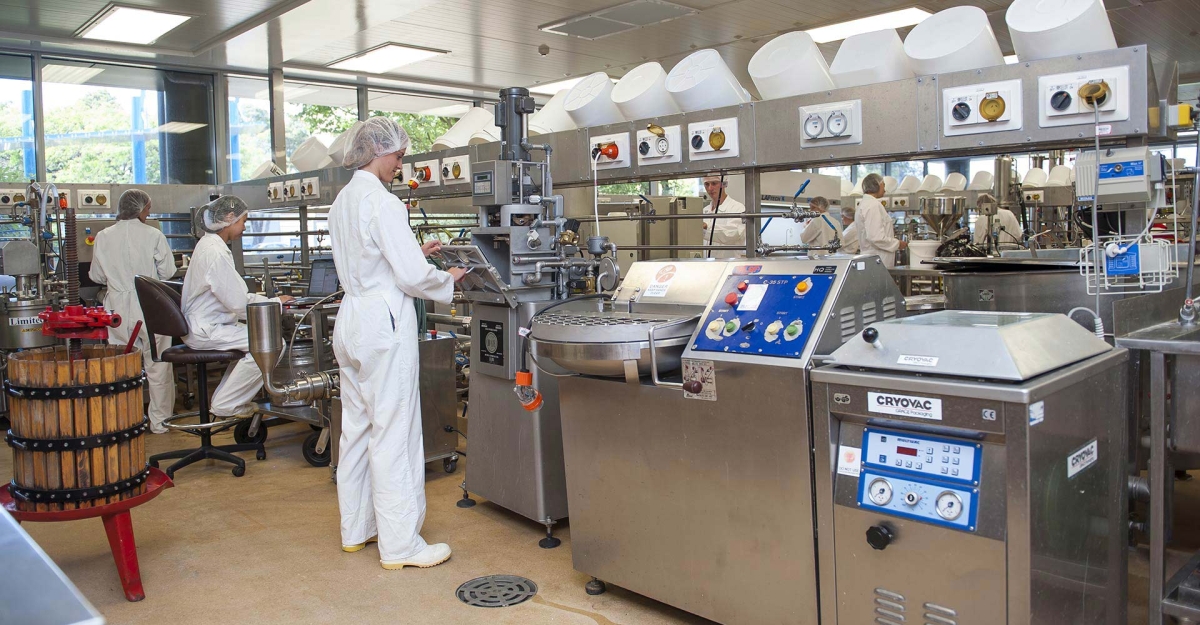
The Food Pilot at Massey includes the largest collection of food processing equipment in the southern hemisphere. They work with innovators and organisations to provide solutions to food-related challenges. 

Food Pilot is part of the New Zealand Food Innovation Network (NZFIN), it provides the facilities and the expertise to develop new products and processes, from idea to commercial success. Services can include evaporating and drying, chopping, mincing, cooking and process control, extrusion and puffing. 

While the this video isn’t on Food Pilot specifically, it does give some indication as to how Food Pilot fits into the FoodHQ ecosystem. There’s also plenty of footage from inside the Food Pilot testing areas. 

The next destination is the Fitzherbert Science Centre, where you will visit the Massey AgriFood Digital Lab

The MAF Digital Lab is a solution focussed research centre developing applications in advanced technology within the primary production, agricultural and food supply chain. MAF leverages Massey University’s wide capability in precision agriculture, primary production science and horticulture supply chains, sensor technology, robotics, AI, and data science.

Massey Univeristy Lab

Later in the afternoon, you are scheduled to visit Fonterra’s Research and Development Centre (FRDC). 

Home to 130 PhDs and 350 dairy patents, innovation is a key part of New Zealand Milk Products’ (NZMP), and ultimately Fonterra’s reason for being. Within NZMP, the FRDC is dedicated to dairy innovation and research. 

This video gives a good introduction to NZMP and the FRDC. 

Wharerata – BBQ dinner.

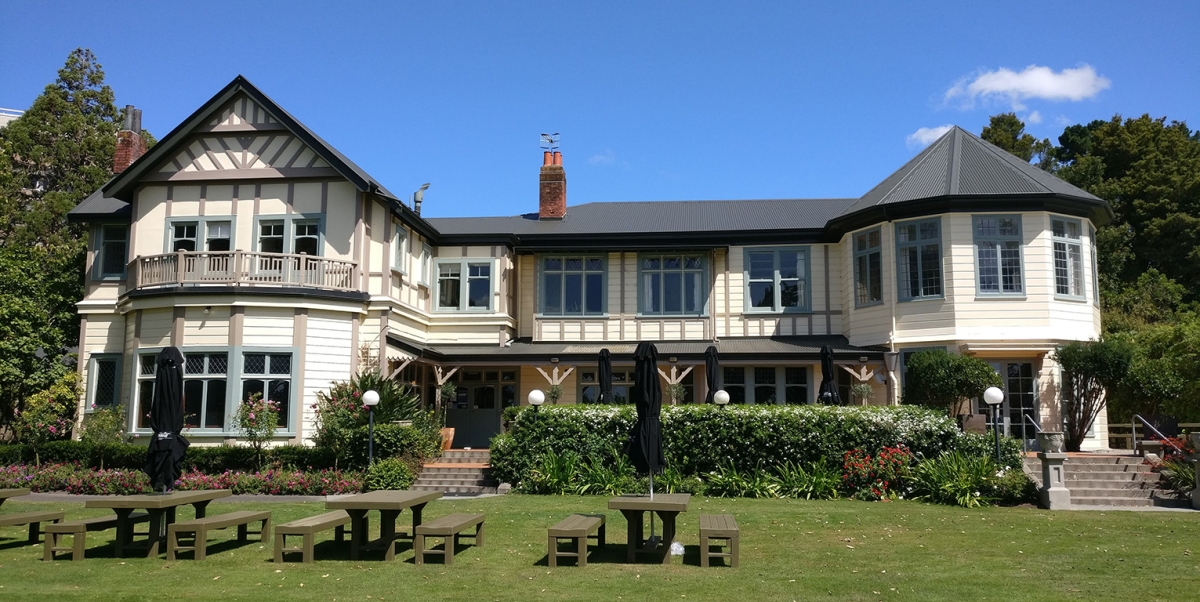
The next stop is your final destination for the day – Wharerata, where casual drinks and a BBQ dinner will be organised for the group. A quick week one tour review will take place before dinner at this historic homestead.  

By 20:00 you’ll be at your accommodation, where you can enjoy some free time or an early night as you are up at 06:00 the next morning to hit the road again.

The schedule is intense – but it will be worth it!

If you haven’t checked out yet the following podcasts, take the time to listen to Professor Hamish Gow’s Podcast ‘Value chain thinking’, and James Parson’s Podcast ‘When value-add doesn’t add up’. They’re both excellent for further context.  

Contact us with any questions, we’re ready to help. 
If you would like to find out more about the programme, contact Lisa Rogers today. Either call on 021 139 6881, or email at lisarogers@ruralleaders.co.nz.

Ready to register your interest in the Value Chain Innovation Programme?