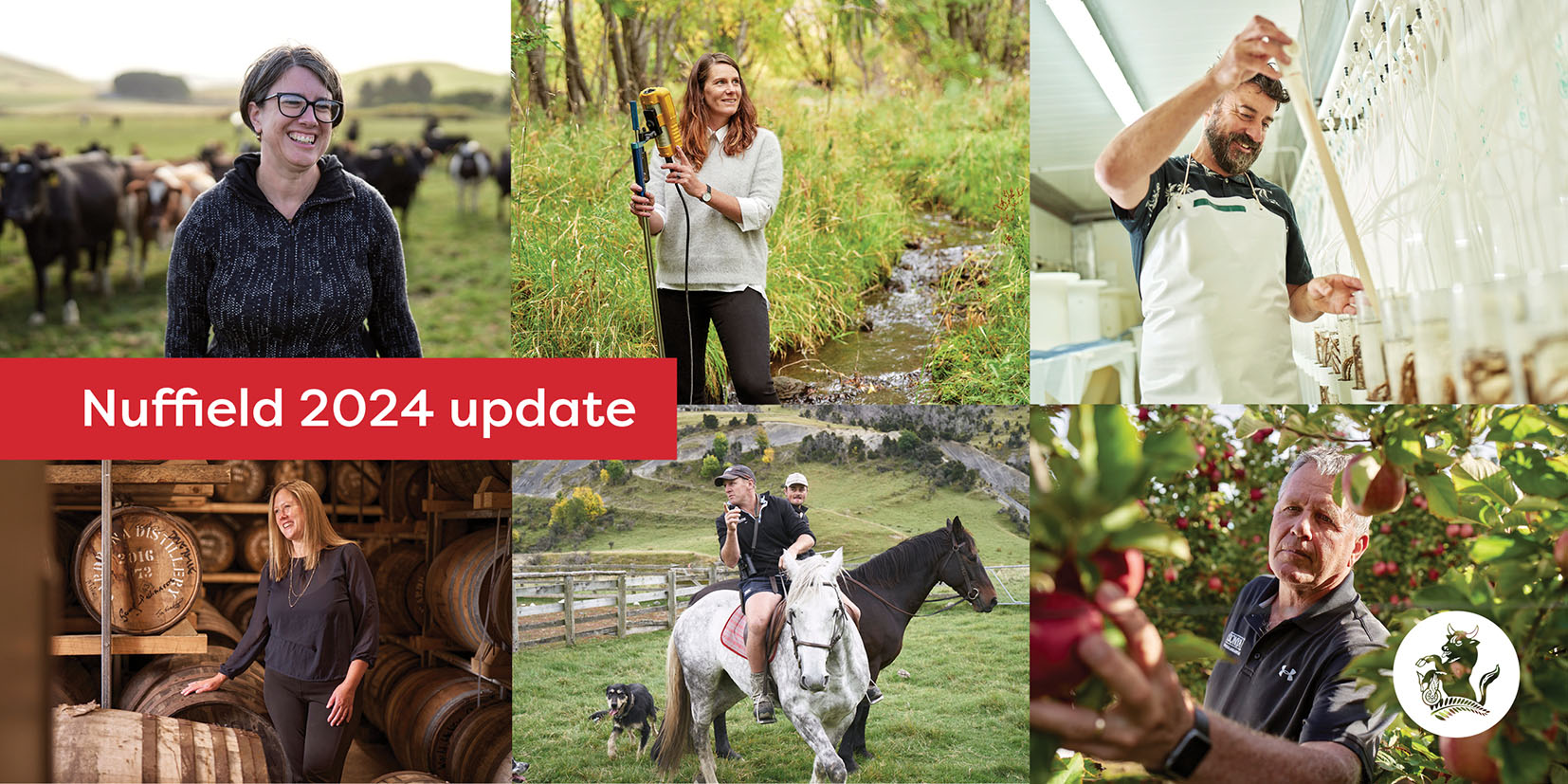
2026 Nuffield NZ Farming Scholarship. Apply by 17 August 2025. Read More...

Apply for 2026 Nuffield NZ Farming Scholarship by 17 August 2025. More details...

Nuffield Scholars on their GFP’s.

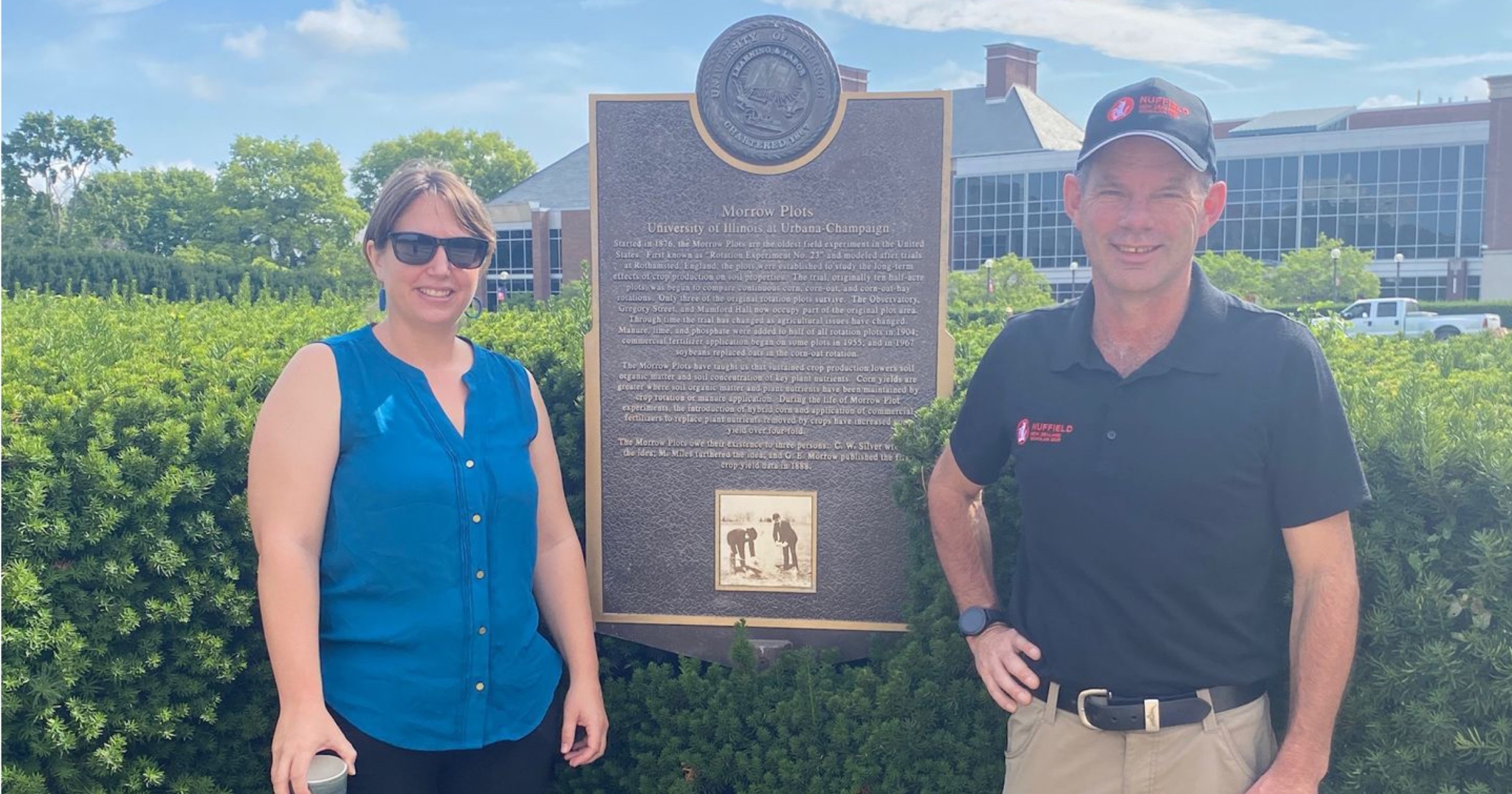
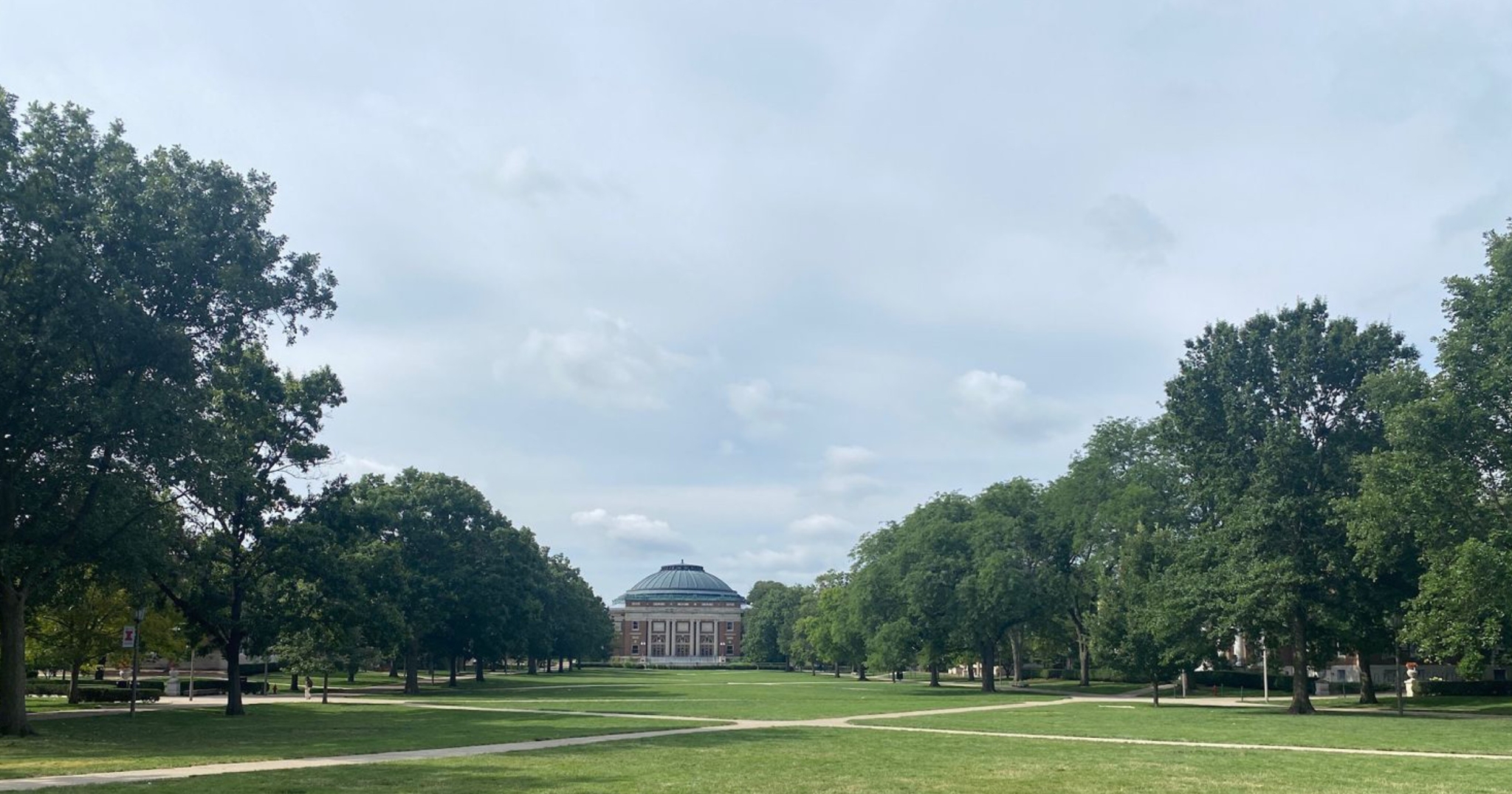
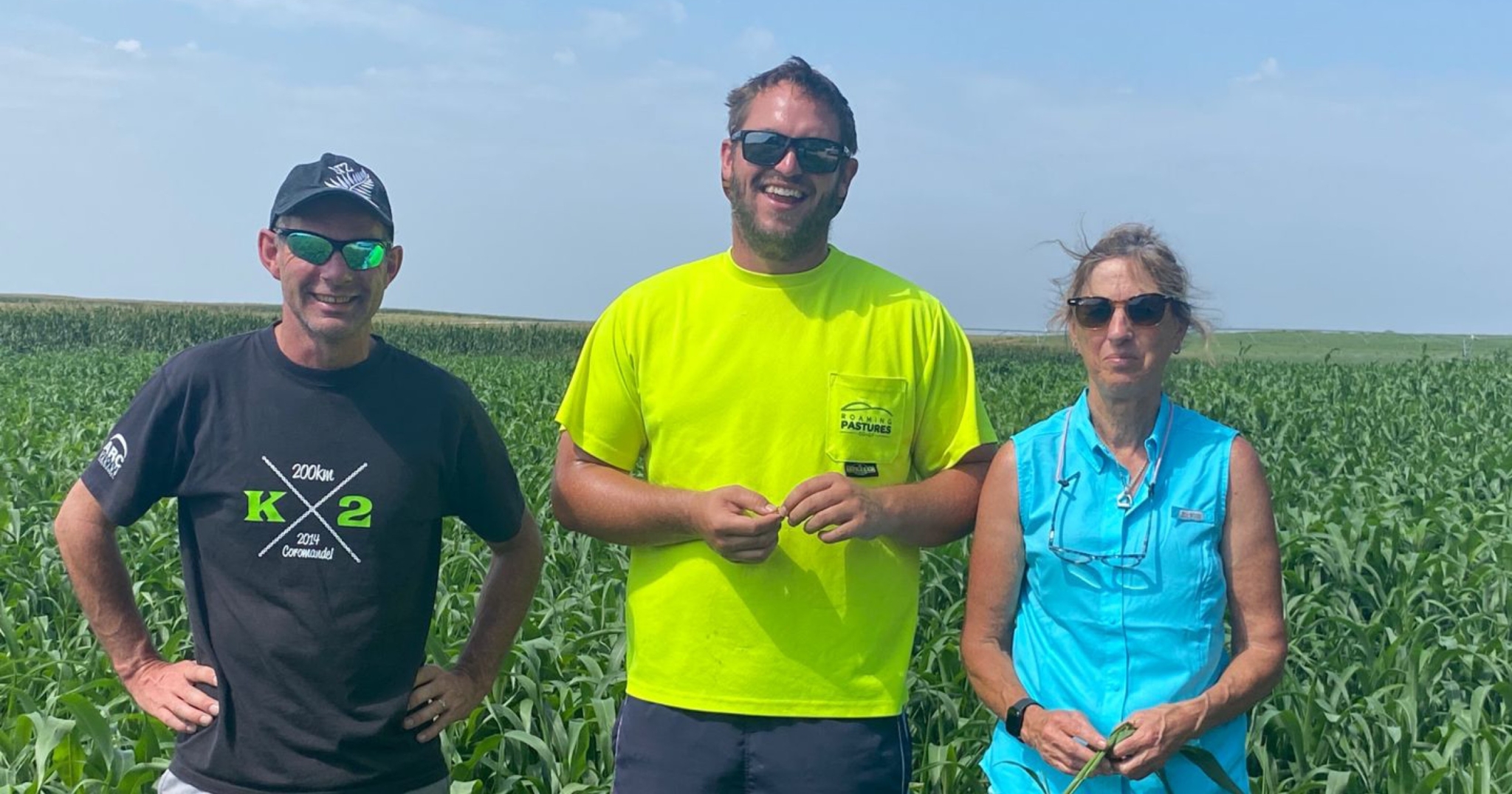
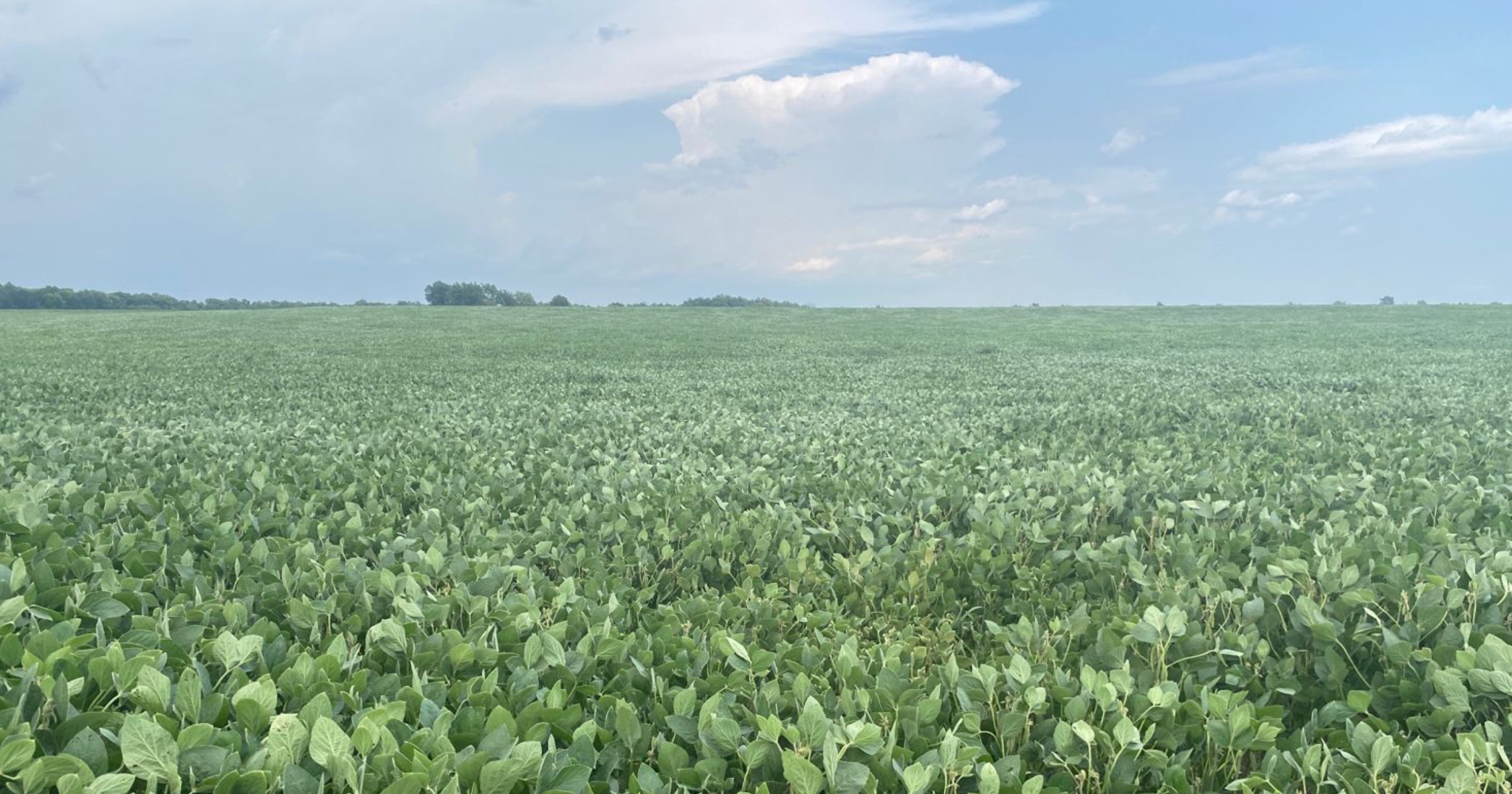
In this Alumni in the Spotlight we share a couple of James Allen’s LinkedIn posts of some pre-GFP travel. (#NuffieldNZ). Images below show James’ visits, including the University of Illinois.

We follow this up with a summary of the Global Focus Programme (GFP) travel so far completed, or to be completed soon by Scholars from the last few cohorts.

James Allen, LinkedIn Post 1 – 2 weeks ago.

First part of the Nuffield journey underway. Thanks to all the wonderful people at Purdue, Illinois and Missouri Universities for their willingness to share ideas, as we all consider how technology is changing the way we farm, and the way we use information. Thanks to the Nuffield sponsors for making it possible! 

James Allen, LinkedIn Post 2 – 6 days ago.

Finishing up the US leg of my Nuffield journey. Thank you to the wonderful people at Purdue University, University of Illinois, Missouri University, Kansas State University, Bayer, Climate Fieldview, and Grasslands (and many more!) for your hospitality and willingness to share ideas.

My Nuffield study is examining how the role of the agricultural advisor/extension agent will evolve as technology is changing the way we farm and the way we use information.

I have gained good insights about how AI is being used to improve site specific recommendations for farmers that can both improve financial performance and reduce environmental impacts at the same time. I believe AI has the potential to help us manage the ever increasing amount of data farmers are collecting, to make better decisions.

Now heading to the UK to talk to the best and brightest!

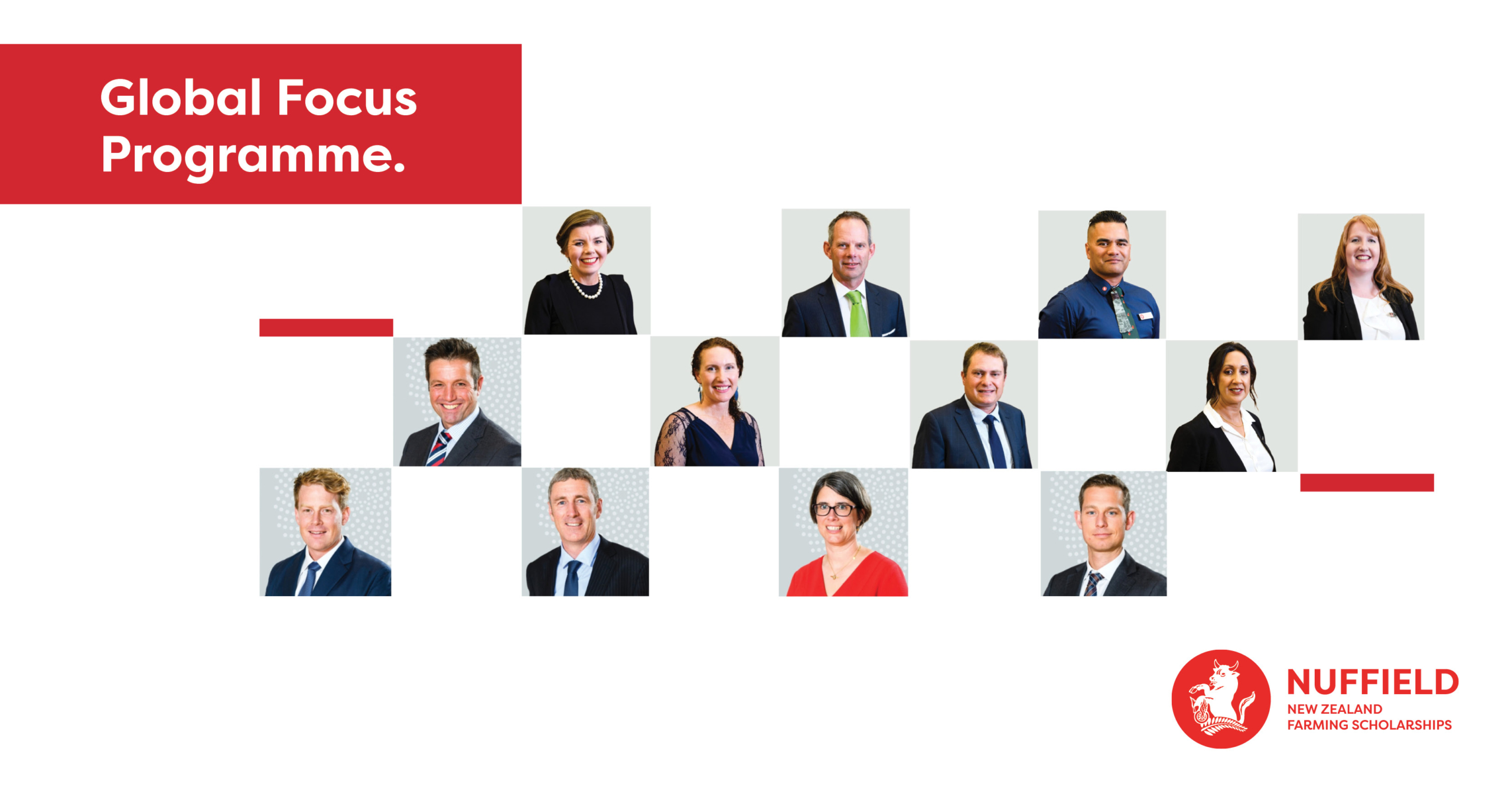
Summary of the Global Focus Programme (GFP) travel by recent Scholars.


2023 Scholars

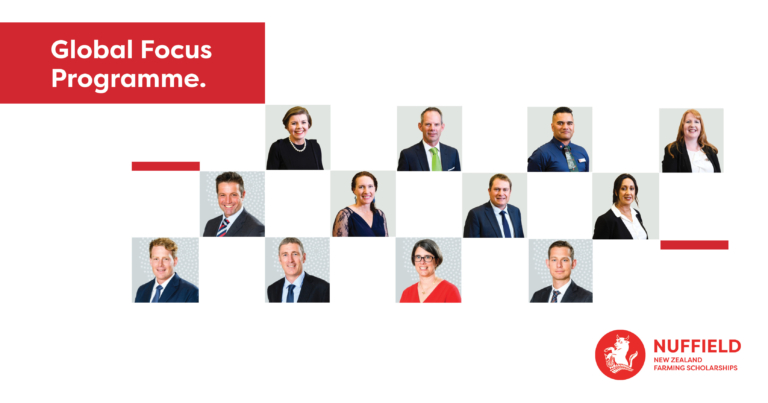
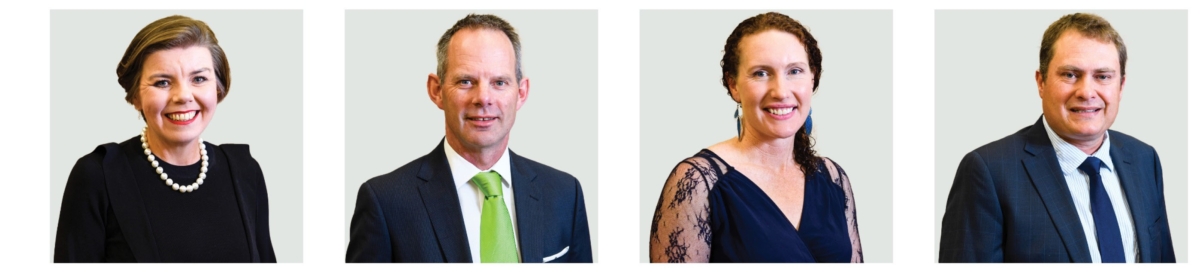
James Allen (2nd from left) – is currently traveling independently (USA mostly) as detailed in the posts above. James will also join a GFP traveling to: Kenya, Norway, UK, Spain, Italy.

Kerry Worsnop (2nd from right) – is currently doing independent travel and will join a GFP traveling to: Argentina, Ireland, France, Poland.

Kylie Leonard (Left) – March/April 2023 did the Nuffield Triennial, then went to Brazil, USA, UK, Belgium. Kylie also went on independent travel as well.

Matt Iremonger (Right) – March/April 2023 did the Nuffield Triennial, then went to Brazil, USA, UK, Belgium. Like Kylie, Matt also undertook independent travel.


2022 Scholars

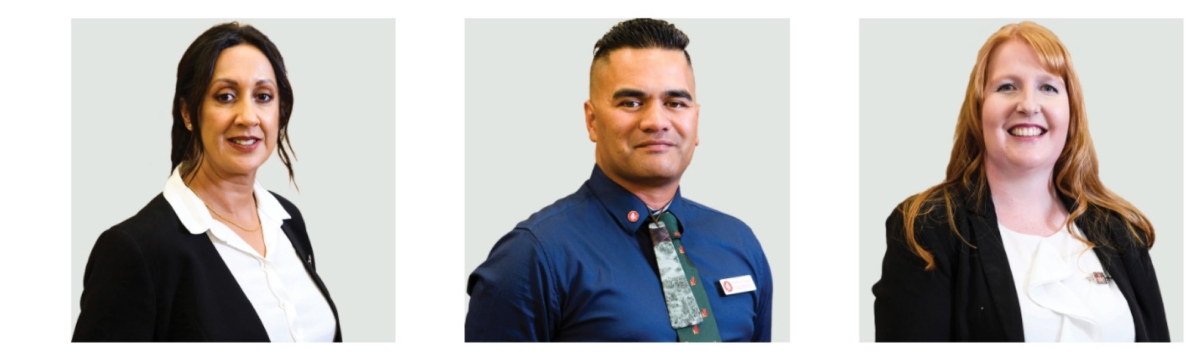
Anthony Taueki (Centre) – March/April 2023 did the Nuffield Triennial tour, then went to Brazil, USA, UK, Belgium.

Parmindar Singh (Left) – October/November 2023, will be in Argentina, Ireland, France, Poland.

Lucie Douma (Right) – May/June 2023 was in Singapore, Qatar, Germany, USA.

2021 Scholars

Lynsey Stratford (Left) – August 2022 was in Japan, Belgium, Ireland, USA.

Dan Eb (Centre) – May/June 2023 was in Singapore, Japan, Israel, Netherlands, USA.

David Eade (2nd from right) – May/June 2023 was in Singapore, Japan, Israel, Netherlands, USA.

Ben Anderson (2nd from left) – March/April 2023 was in Brazil, USA, UK, Belgium.

John Foley (Right) – August 2022 was in Japan, Belgium, Ireland, USA.

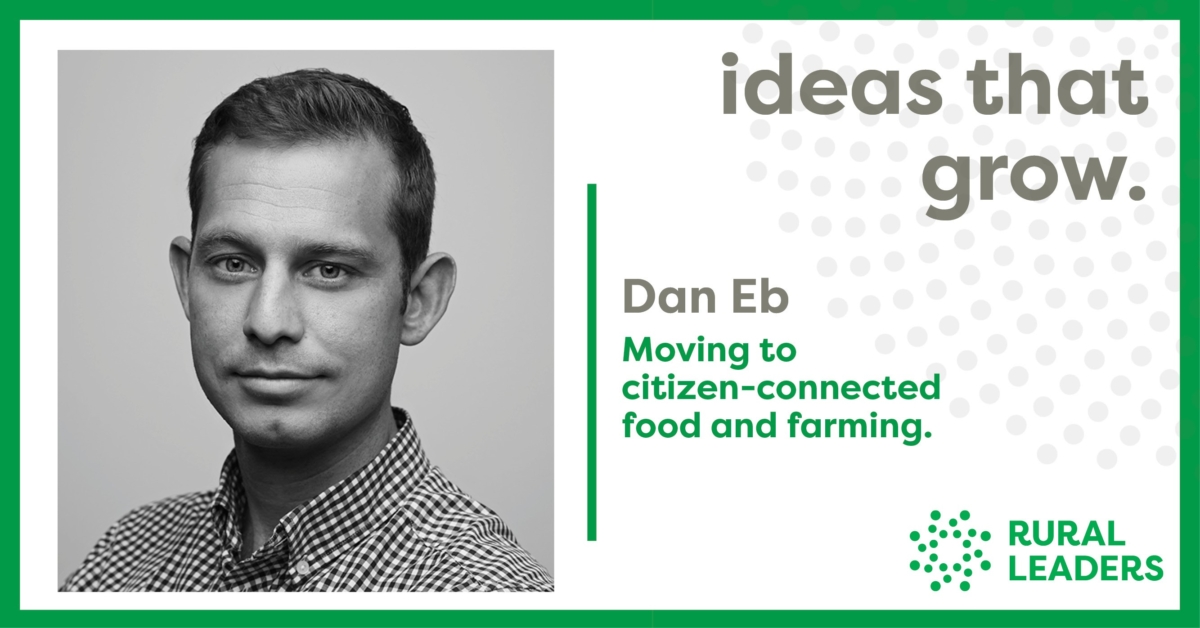
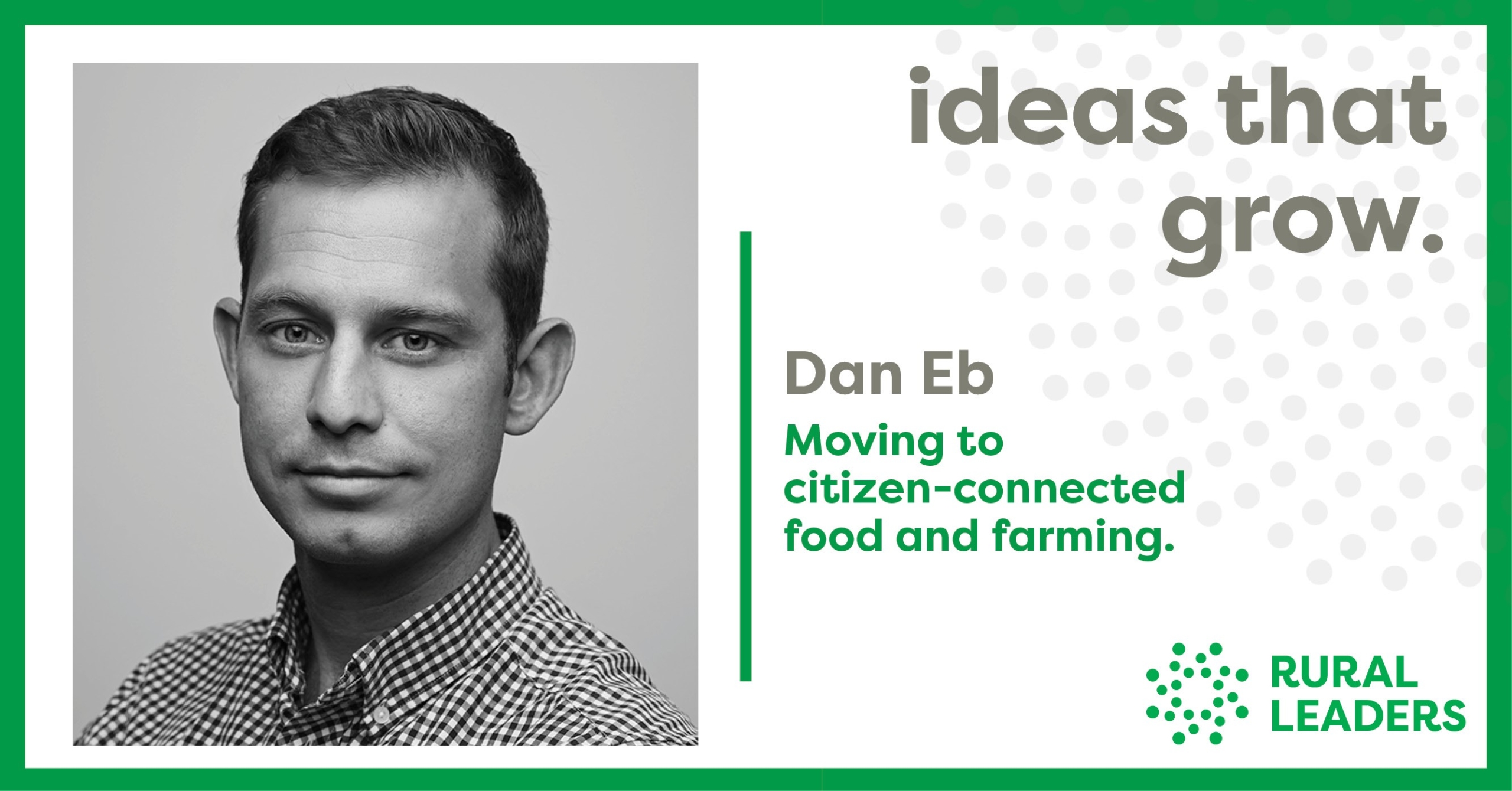
Dan Eb – Moving to citizen-connected food and farming.

Dan Eb, 2021 Nuffield Scholar, is based in Auckland. Dan runs Dirt Road Comms, established to support those building a more just food system. He is also the founder of Open Farms.

With one foot on a Kaipara farm and one in the city, Dan is well placed to talk about the importance of re-connecting urban kiwis with our land, food and farmers.

Awarded a Nuffield Scholarship in 2021, Dan completed his research on
The Home Paddock: A strategy for values-led redesign of the domestic food system.

Listen to Dan’s podcast or read the transcript below.

Bryan GibsonManaging Editor of Farmer’s Weekly.

Kia Ora, you’ve joined the Ideas That Grow podcast, brought to you by Rural Leaders. In this series, we’ll be drawing on insights from innovative rural leaders to help plant ideas that grow so our regions can flourish. Ideas that Grow is presented in association with Farmers Weekly.

My name is Bryan Gibson. I’m the Managing Editor of Farmers Weekly and this week we are checking in with a recent Nuffield Scholar, Daniel Eb. How’s it going?

Daniel Eb – 2021 Nuffield Scholar, founder of Open Farms and marketing specialist.
Kia Ora. Very well, thanks.

BG: And where are you calling from?

DE: I’m calling from Auckland, but half the time you’ll find me at the family farm up in Kaipara.

BG: And is that where you grew up, in Kaipara?

Work fuelled by rural and urban perspectives.

DE: I mostly grew up in the city. I was very lucky to have a foot in both camps. We bought a farm when I was a teenager, and I would normally spend the weeks in the city. Then, either most weekends or every second weekend up at the farm. The older I’ve got, the more time I’ve been able to spend up there.

BG: I know a little bit about your work over the last few years. I mean, you’ve married those two aspects of your upbringing into a career, haven’t you?

DE: That’s exactly it. My mother’s been in public relations for a long time and my father’s a farmer. So I thought, you know what, let’s do agri-comms. 

BG: You run Dirt Road Communications. Tell me a little bit about that.

DE: Dirt Road Communications is a purpose marketing agency. I’m selective of the people I work with. They need to be driving towards a shared mission of mine, which is a just and regenerative food system in Aotearoa, New Zealand.

I have the privilege of working with people like AgriWomen’s Development Trust, who are really focused on building capability amongst farmers. I work with local food system advocates as well. We’re looking more at systemic issues and big changes in food and farming. I support these people with digital marketing and brand positioning, helping them understand their value proposition, building big projects, that sort of thing.

Forging stronger connections to food and our farming system.

BG: That is in the same wheelhouse as your Nuffield Scholar Report, isn’t it?

DE: The report was an opportunity to slow down and look at the big picture as to the change these organisations are driving for. It was about articulating, well, what the future looks like when we achieve a food and farming system in New Zealand that benefits producers and every kiwi, because food is really important and it doesn’t just drive our economy, it drives our families, it drives our culture, and it drives our health.

The report was an opportunity to step back and paint a picture of what success could look like when we change that system.

BG: Yeah. It’s a criticism or a challenge often talked about in terms of our food production sector that it’s so good at certain things, but that it’s lost the connection to its own community, if you know what I mean? Because we export 95 % of all the food we produce. Therefore, all our food prices are driven by international market forces, like the price of cheese, which gets on everyone’s nerves. Is that something that you were looking to address?

DE: I think you’ve explained it really well. I like to tell stories to explain these big concepts. The thing I think about is, if you’re a kiwi mum living in, I don’t know, Auckland, Wellington, or Christchurch, 84 % of us live urban lives now, so you’re one of that big majority. You’re aware that in the background food and farming is important to New Zealand as an economic driver. But, the thing that you’re most worried about is, what are you feeding your child for dinner? Is it healthy? Is it nutritious? Has it been grown as sustainably as possible? Is it affordable?

As growers and producers, we’re really good at the production side of things, but that relationship is really important. That Kiwi mum’s kids are going to be the people that we want to recruit into food and farming later on. If they’ve got a broken relationship with food and farming, it’s going to be really difficult to encourage them into food and farming careers. That Kiwi mum’s a voter. She might end up voting for parties that want to be more restrictive on food production.

We’re seeing that now with all the regulation that’s coming through. There’s a missed opportunity that she’s not going to jump on social media or when she’s overseas, badmouth food and farming in New Zealand. There’s a missed opportunity to turn her into an advocate for what we’re doing because she has a broken relationship with food and farming or with farming.

How do we strengthen the connection to food and food production?

We can’t think about farming without thinking about its role in society, and this is now an urbanised society. Until we start building things to rebuild that connection and start taking that relationship seriously, we’re going to continue to see bad results. I think those three big areas; recruitment, social license, and the ability to tell a cool, authentic, proven story overseas.

BG: So how do you go about unpacking this, or solving this, or moving the dial on this problem in a Nuffield Scholar Report? Where did you start? How do you go about it?

DE: Slowly and painfully is probably the best description. The first place I went to was to take a really zoomed-out view, and think, how do we often think about food and farming, and how should we think about food and farming? We often think about it as a business and as an industry, but I feel that food and farming doesn’t necessarily belong just there. I think it should be thought about more as a public good.

Food and farming as a public good.

An example for public good is health care and education. These are sectors within our society that have a high degree of touch with everyday New Zealanders. There’s a whole lot of trust, like social license is almost unquestioned. No one questions whether we need education. It’s just there.

I’ve had the privilege of having a lot of time on farm, so I know that the farm can be a place of healing, it can be a place of learning, it could be a place of inspiration, it could be a place of health. In my eyes, farming has the ability to transcend just a mere industry: shoes, iPhones, socks, handbags, and actually sit in a public good space.

I think that reframe is really important because it opens up a lot of potential. Now you can start saying, well, how would we make farming more like education? Why is education such a trusted sector? It opens up more opportunities for things like funding, because now you can say, can we go to the Ministry of Environment, Ministry of Education, Ministry of Social Development, and the MPI together and do system change. Because it’s really good for society. So, you’re suddenly in a different ball game just from that mindset shift. So that was the first bit.

BG: And you’re not talking about, for example, if we look at education, a lot of the schools are run centrally. You’re talking more about a partnership in a way of looking at things. So farming businesses go, my bottom lines are met by making a profit on these animals that I raise, but also taking these things off in a social or environmental sense. Is that the idea?

DE: Yeah, that’s the starting place. Then you start to think about what concrete solutions would look like. Education might not be the best example in this instance. Healthcare is probably a better example. To me, healthcare is quite interesting because you effectively have two models that sit side by side. You’ve got a private health care model where people pay for service, and then you’ve got a public health care model. Interestingly, doctors flip between the two. You can have public doctors that operate privately and vice-versa.

Regardless of which system you play in, every doctor gets paid well. It’s a very respected role in society. To me, they’re solutions that mindset will prompt you into.

A relatively concrete solution that I could see is if there was an organisation set up to encourage farmers who are farming close to cities to transition to local food economies and local food business models. Whether that’s community supported agriculture or technology driven food distribution, like Happy Cow Milk, which is the Fonterra factory-in-a-box model. That has some government support because it would be required to reduce the amount that some consumers are paying for food and it could operate on something like a postcode system where, depending on your postcode, you pay a different amount for your food.

But alternatively, a farmer who’s further away from town would probably participate in the more status quo export model running through your processor and then selling our kai overseas. There’s no reason why those two things can’t sit well blended together. But by having that, some farmers incentivised to operate in that local system, you’re solving all these other big issues like social license, like recruitment, like people understanding where their food comes from, and also creating this really fertile ground to tell a really compelling international story about food security and how important kai is to New Zealanders, and this is how we treat it. You’re creating content and you’re building this overseas provenance story as well.

So, a lot of it really does sit within that reframe that, you know what, smart investment from industry and government into these public good food system models, particularly local, can net some massive results in the long-run.

Opening farms for a win-win.

BG: I guess we should mention, since you’re the bright spark behind Open Farms, that programme was run on a lot of farms and most of them were relatively close to urban centres. That showed that there was appetite from both farmers and from the general public to come together and engage on this food journey.
DE: Exactly, and I think if we could build local food models that by design connect urban kiwis with the sources of at least some of their food production, then there’s an economic rationale to a farmer to host open days. Now there’s an economic rationale for a farmer to connect with a local school, and maybe there’s some financial incentives that go along with that. Suddenly, you’re breaking that barrier, that 60-minute barrier between city limits and where farming starts.

You start blurring that line and I think the blurring that line is really important if we’re going to solve some of these entrenched issues that urbanism has created over the last 50, 60 years. But we need new models to do that. We can’t just hope a couple of open farm days are going to do it. We actually have to do relatively large system change to design the outcomes that we want.

BG: What else did you find in your report that you think could help in this values driven food transition?

DE: I think it’s important to believe this change is already happening. This isn’t something we have to manufacture. This idea of citizen connected businesses or new business models; this stuff’s already happening organically. It’s about latching on to that. Instead of seeing that as a threat to the export talk, dominated, centralised system of food, we see that as a really supportive ancillary model that the two can gel well together. I do just want to reiterate that these two models aren’t in competition at all. Quite the opposite. I know when we talk about public good, it starts getting into the realm of politics and words like socialism get thrown around and stuff like that, I think that’s a side track.

At the end of the day, we’ve got to focus on the outcomes we actually want and be a bit ideologically agnostic. This is 2023, and we need every tool we’ve got on the table to fix some of these deeply entrenched problems. In terms of other stuff, I think there’s a whole lot of smart tactical plays that we can do to get us there as well.

The Nuffield Global Focus Programme and public good overseas.

These are things like social diversifications that we can layer on to farms. I’ve just come back from my Nuffield GFP travel, and one of the things that really stood out was a bunch of people in the Netherlands who are using their farms in partnership with local health care providers or local schools. These are financial business transactions and having kids come onto the farm regularly as a partnership with local schools. It’s becoming an education platform.

There was one farmer who had partnered with a local healthcare provider to bring kids with learning disabilities onto the farm. It was a collaboration between a healthcare provider, a learning disability specialist, and the farmer. They were all co-collaborating to create this programme for those kids. Now, the funder is the Ministry of either education or health care in that instance. But that diversification costs the farmer to build a hut to make sure they don’t get rained on and some time to build the system. But at the end of the day, that’s a revenue generating diversification that he’s layered onto his farm. That costs him very little and it’s returning him a good profit.

We’re desperate for these ways to eke out some more margin off our landscapes. I just think that these community connection diversifications are an unearthed gem. They cost very little to do. Yes, there’s some soft skills that are required, and there’d be some upskilling, and you’d have to get relatively comfortable with new people coming onto the farm too. But it’s a lot cheaper than putting in kiwifruit for example. Then you’re also running the risk of a bad harvest and all that stuff. There’s very little risk here.

I think in a time when traditional food production on our farms is becoming harder; pick a reason: government regulation, higher import costs, climate change, poor returns on global markets, this social diversification is just gold. I just don’t feel that enough farmers, particularly in those peri-urban areas, are seeing that. That’s what a large part of my work is, building projects that make it easy to move into this new citizen-connected farming model, which I think is going to be really valuable for farmers who are cash-strapped.

BG: Now, you mentioned your travels. That’s obviously a big part of the Nuffield. Any other highlights from your trips you abroad?

DE: Heaps. I’m trying to write up a bit of a reflections document now. It’s hard because I keep trying to add stuff in instead of taking stuff out. We had a great group. We went to Japan, then Israel, then the Netherlands, then Washington DC, and the Central Valley in California. To me, a highlight was seeing what the driving force behind agriculture in these different contexts was. We’d go to Israel where water infrastructure was at the scale and of the excellent standard that it is, not because of government policies or anything like that, but it was all done for security reasons. Security is the number one driver in Israel. So, agriculture is almost a by-product of security. That’s what happens when you fight three existential wars in the last 70 odd years.

Interestingly, the big driver in a place like Japan was tradition. They’ve actually inadvertently figured out through trial and error and population growth in a relatively restricted coastal plain, that they have to fuse agriculture and urban life together. Outside of downtown Tokyo, the landscape is a mix of residential business, rice paddies, vegetable gardens.

They don’t have a social license problem because their geography represents that breaking of the barriers and fusion of urban and rural and food production and the lifestyles that I’ve been talking about. The geography has pushed them into a space. It’s interesting to look at those places and think, Well, what’s our driving force? If we’re honest with ourselves, right now, it’s agribusiness. It’s an economic powerhouse. There’s nothing right or wrong with that. But to me, that feels very limited. I think there’s a lot we can explore and experiment on top of it as just an economic powerhouse.

I think food and farming can be a public good. Interestingly, I think our geography, this idea that we’re basically restricted as Kiwis to our urban centres, and there’s a whole lot of farmland in between, that’s a huge barrier. We’ve got to build little strings and break little gaps in that wall, particularly in our peri-urban areas, to get where we want to go. That being a society where people are really proud of food and farming, are healthy, and see food and farming not just as a viable career, but as a mission and a purpose for something that they want to do for the rest of their life.

I think that’s entirely achievable. We just got to build things to do it.

The Nuffield Scholarship experience.

BG: How have you found the Nuffield experience overall?

DE: Awesome. Honestly, I can’t recommend it highly enough. I think everyone’s experience is a little bit different. I think it can give you what you’re looking for, even if you don’t really know what that is. For me, it was time. It was a forced requirement to sit down and write out my manifesto, almost. These thoughts are running through my head. How are they all working together? What am I aiming for? And that was really valuable for me. It’s enabled me to articulate some of these things, which are pretty hard ideas to describe. And so Nuffield gave me time, whereas I can say that for a lot of my fellow scholars, Nuffield gave them experience, or some learning about themselves that they wouldn’t otherwise have got. For me, it was time.

BG: Thanks for listening to Ideas that Grow, a Rural Leaders podcast in partnership with Massey and Lincoln Universities, AGMARDT and Food HQ. This podcast was presented by Farmers Weekly.

For more information on Rural Leaders, the Nuffield New Zealand Farming Scholarships, the Kellogg Rural Leadership Programme, or the Value Chain Innovation Programme, please visit ruralleaders.co.nz

A principles-centred leadership model for Aotearoa New Zealand’s Food and Fibre sector. 

In 2022, the Food and Fibre Centre of Vocational Excellence commissioned New Zealand Rural Leadership Trust to research and design a leadership development ecosystem for Aotearoa New Zealand’s Food and Fibre sector.

The first report looked at the state of leadership development in the sector.

This new report, A Principles-centred Leadership Model for Aotearoa New Zealand’s Food and Fibre Sector, builds on the findings of that first report.

The Principles-centred Leadership Model proposes three impactful elements. Each element can be considered separately, though real power comes from all three elements being applied together.

The Model states that leaders who truly lead unleash their potential and that of those around them. In doing so, they create an exponential impact for the Food and Fibre sector and for Aotearoa New Zealand.

The Model combines three major elements to be applied holistically:

  1. The Food and Fibre context, which is significant to New Zealand’s wealth and wellbeing, is founded on an entrepreneurial spirit and requires leaders to be grounded practically, environmentally, culturally and in their communities.
  2. Food and Fibre Principles. Feedback from the sector has been distilled down into three leadership principles, people, service, and teams.
    1. Leadership starts with knowing and understanding people – if you wish to influence others, first know yourself.
    2. Leadership is about the service and accountability, not status – you wish to lead, serve.
    3. Leadership is a team sport. Leaders build teams and teamwork – if you wish to generate power, share it.
  3. Three dimensions of true leadership.
    Who we are is at the core of why, what, and how we lead. To truly lead requires more than physical and practical behaviours, it requires more than the psychology of hearts and minds, true leadership requires the leader to do the internal work to truly know themselves, their wairua, and lead from within.

    The best leaders then also see beyond the horizon and lead those they serve through the changing context, for the purpose of a thriving future and in a way that unleashes the potential of those they lead.

If we create pathways for people to develop and take on increasing responsibility in the Food and Fibre sector can have a multiplier effect on Aotearoa’s future prosperity that goes beyond the impact that leadership systems in other sectors can create.

The next phase of this project is the development of the leadership handbook – available 2024.

We look forward to sharing more on the project over the next few months, but should you wish to discuss the leadership model further, please reach out to Lisa Rogers, CEO Rural Leaders, at lisarogers@ruralleaders.co.nz

Click on the image to access the report.

Engage – a Rural Leaders and Lincoln University programme collaboration.

Engage is designed, developed, and delivered collaboratively by the NZ Rural Leadership Trust in conjunction with Lincoln University (Dr Victoria Westbrooke), and with funding from the Ministry for the Environment.

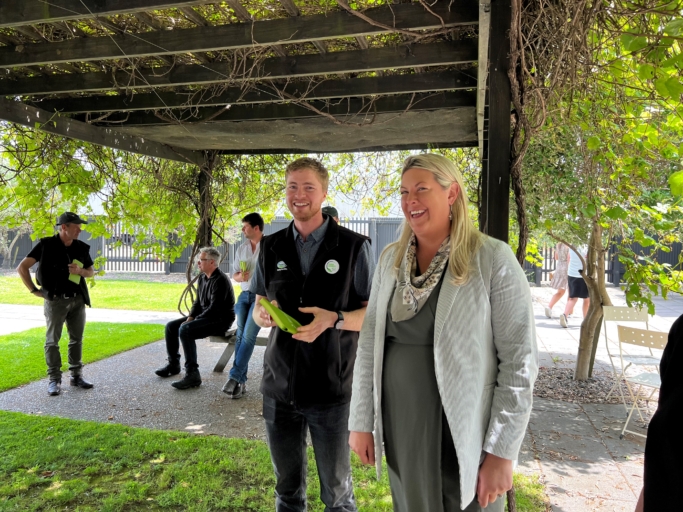
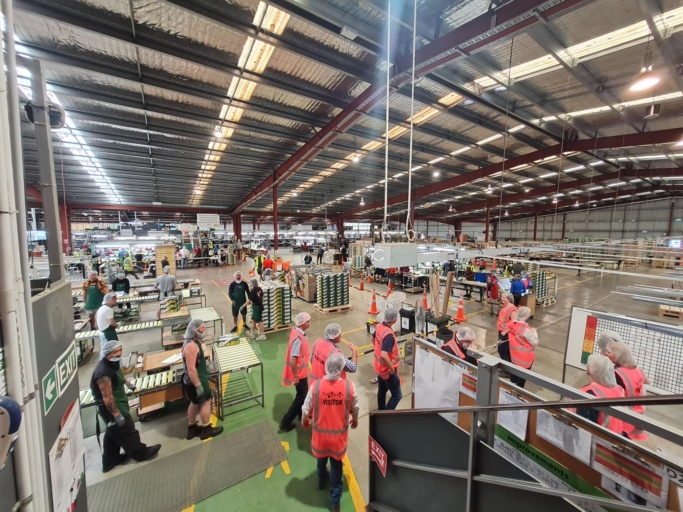
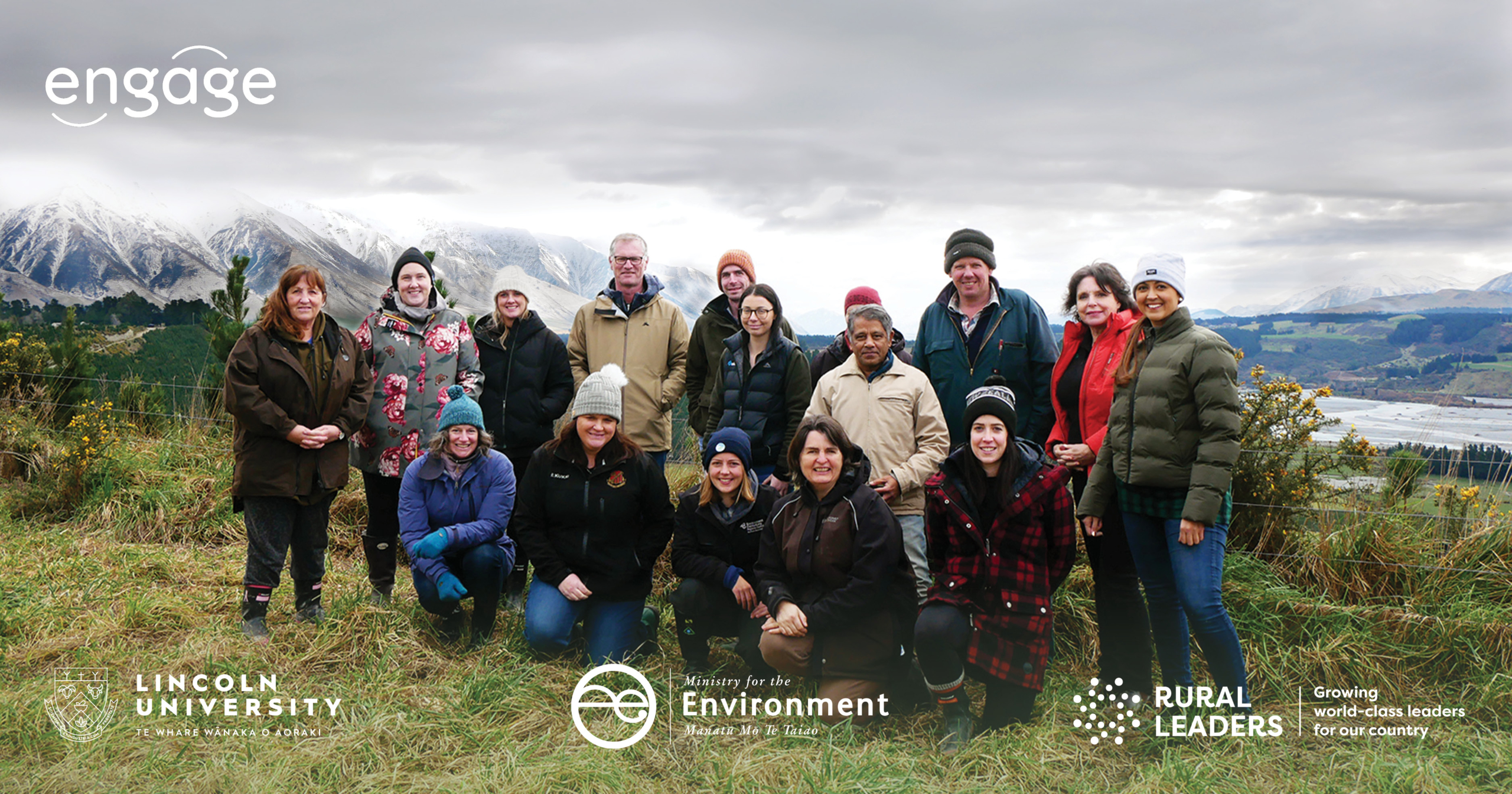
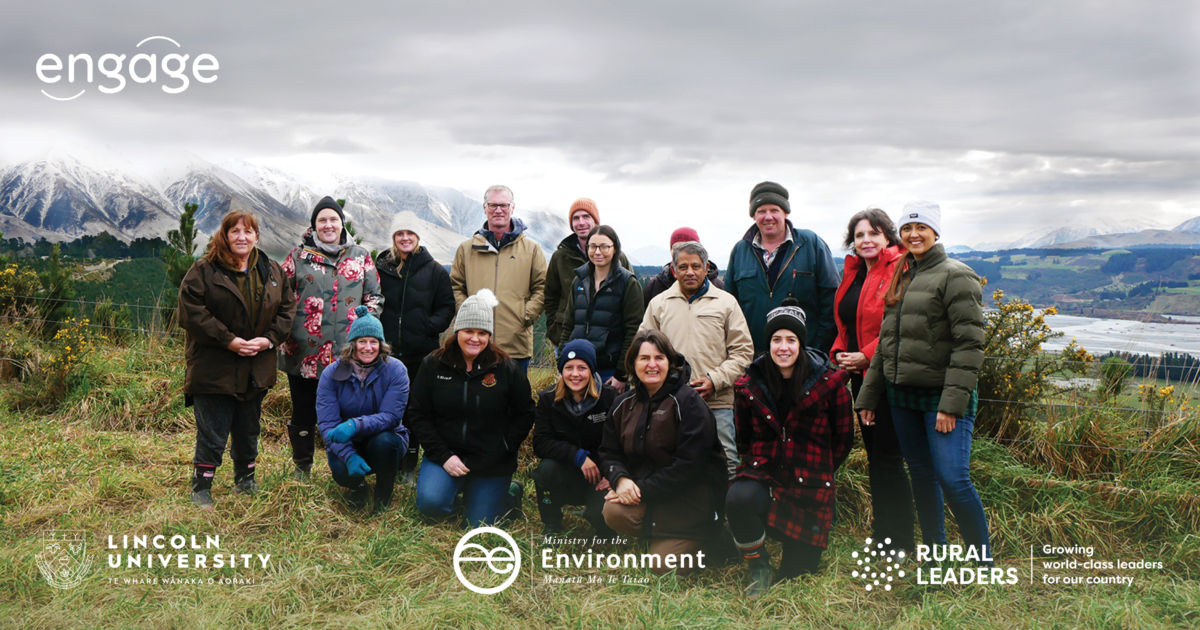
The first pilot for a new programme ‘Engage’ wrapped up after an inspiring and highly interactive three days, spread across workshops, field trips and hearing from industry leaders.

Facilitated by Dr Scott Champion, Engage bridges the knowledge gap for individuals aimed at those with moderate to low knowledge of the sector. Engage is ideal for those connecting to the Food and Fibre sector, particularly in farmer-focused roles such as policy, advisory, or regulatory.

Engage really is a case of seeing the need and addressing it. One of the challenges people entering the Food and Fibre sector can face is acquiring enough knowledge and skills to approach and speak to farmers collaboratively.

Engage is designed, developed, and delivered by the NZ Rural Leadership Trust in conjunction with Lincoln University (Dr Victoria Westbrooke), and with funding from the Ministry for the Environment.

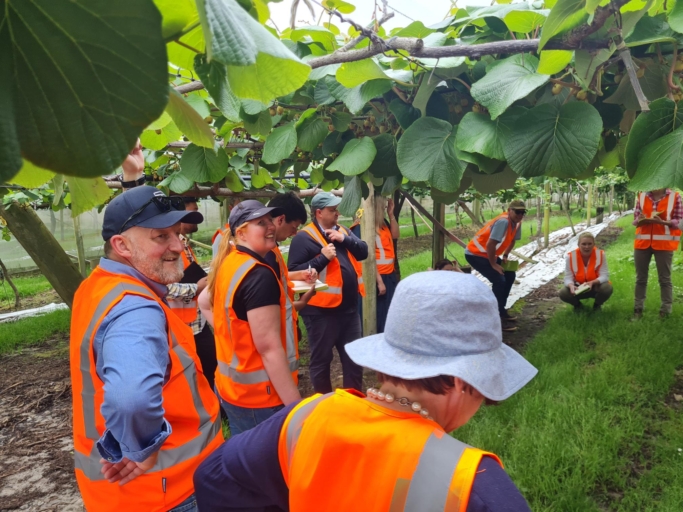
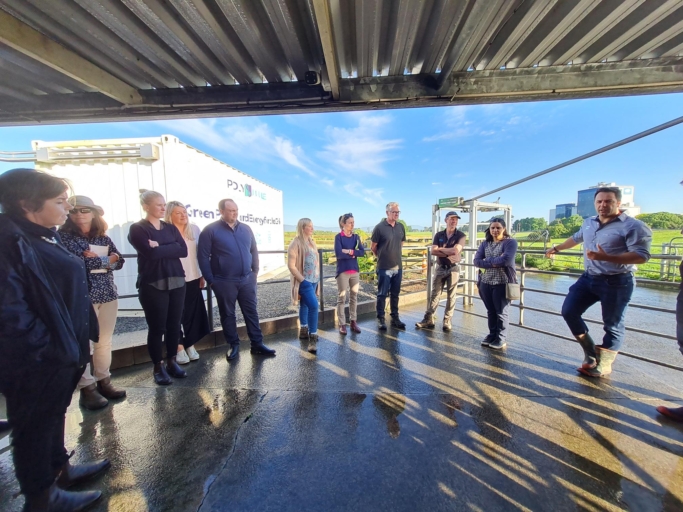
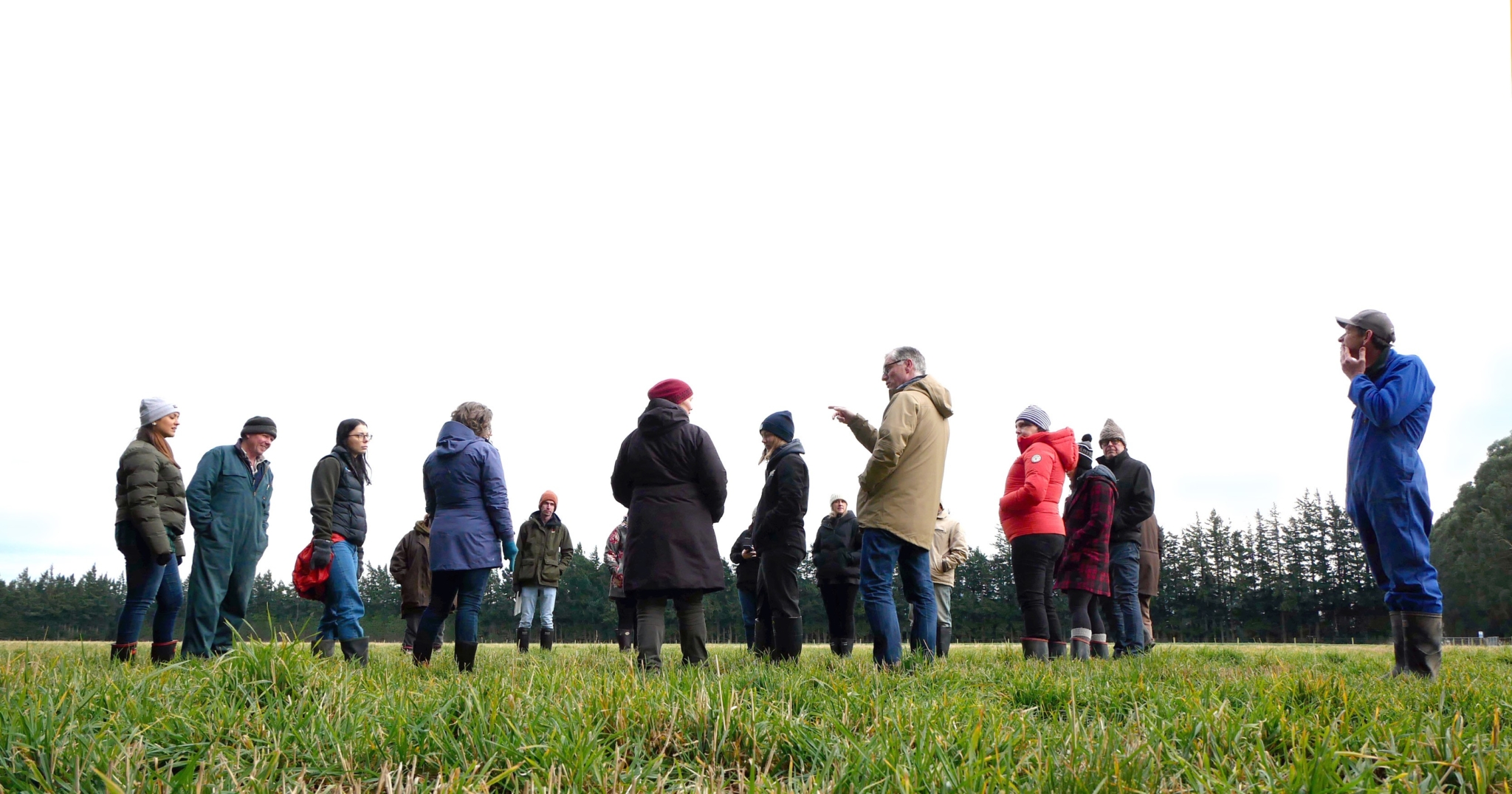
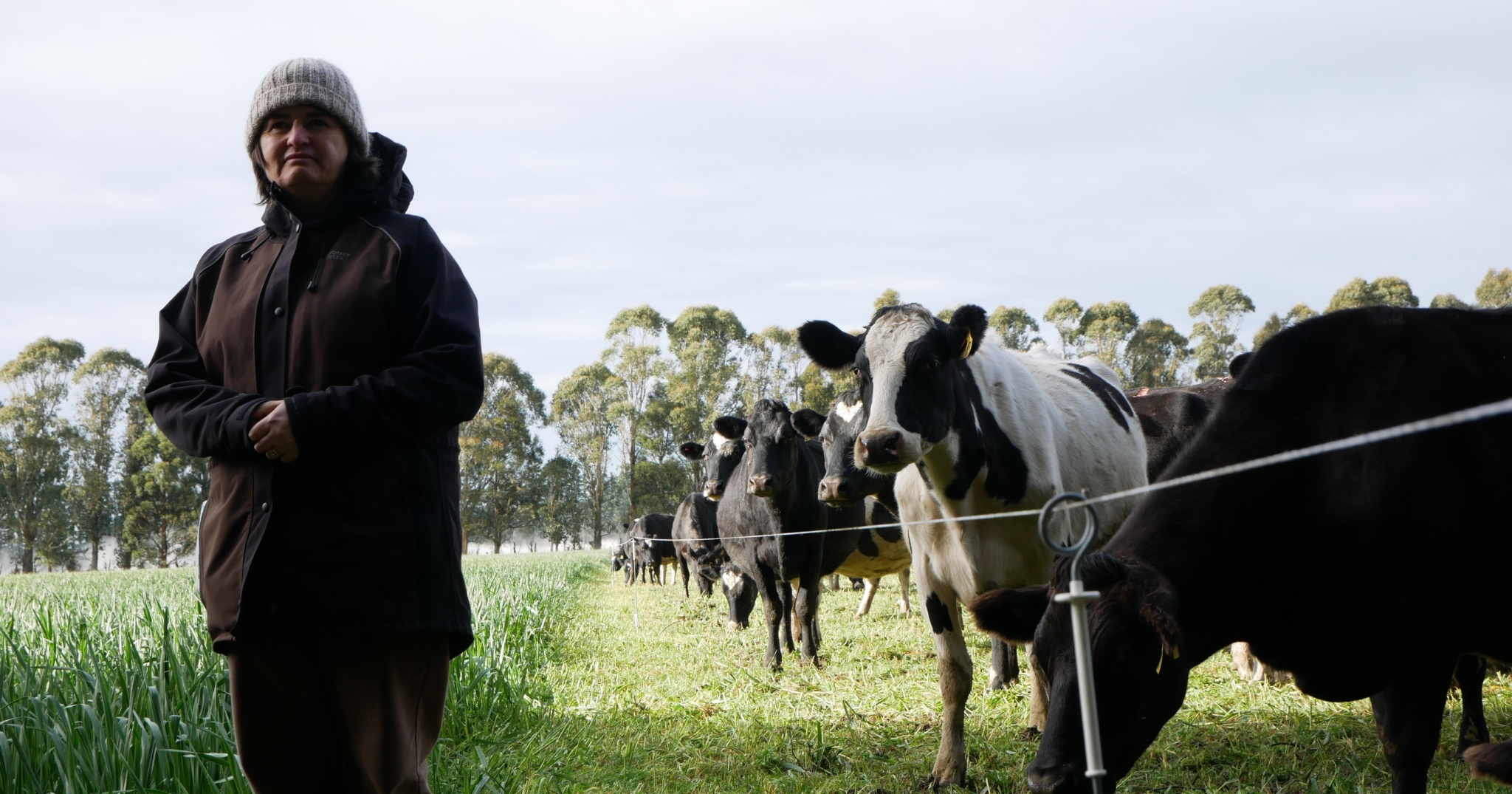
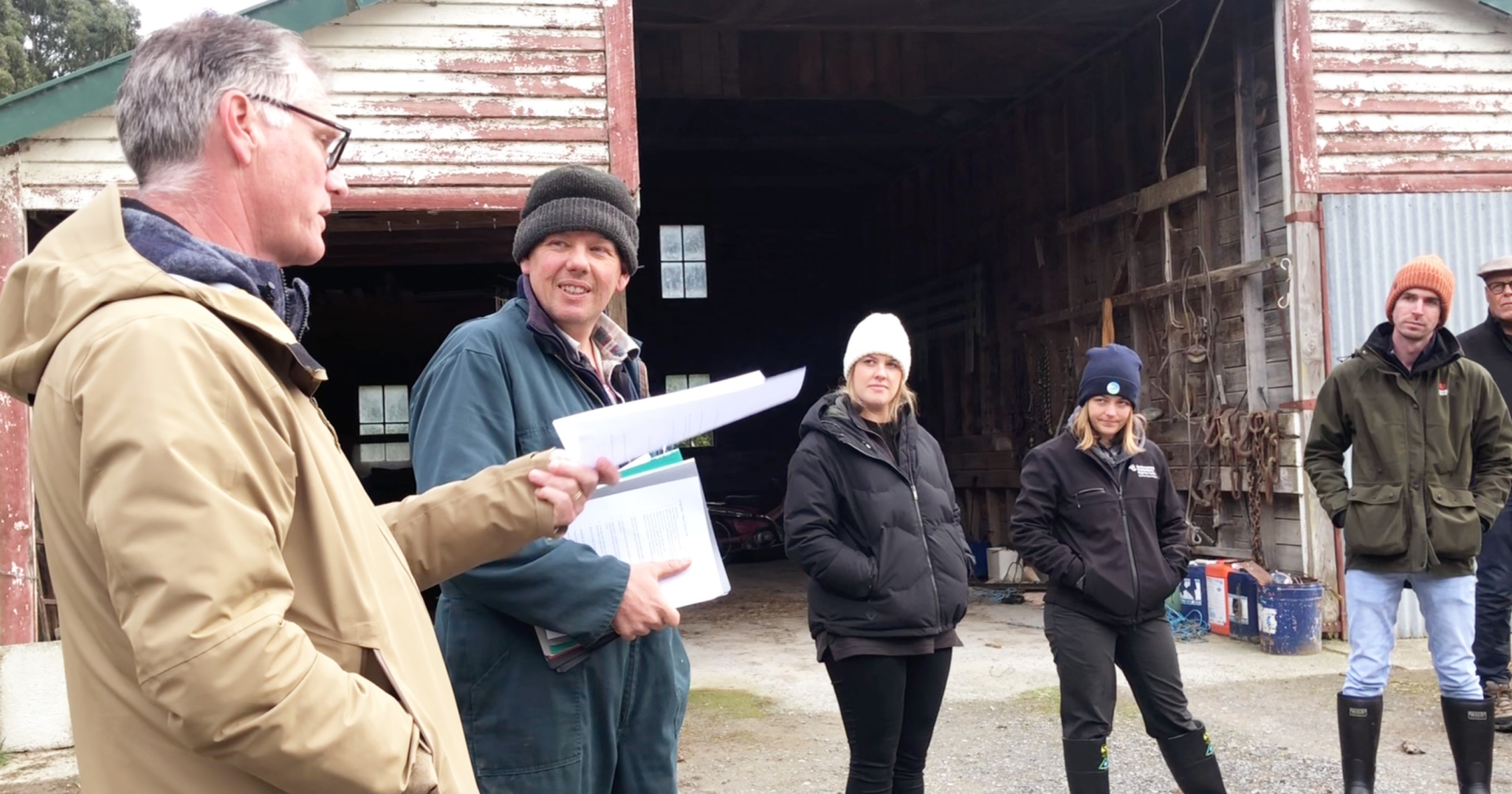
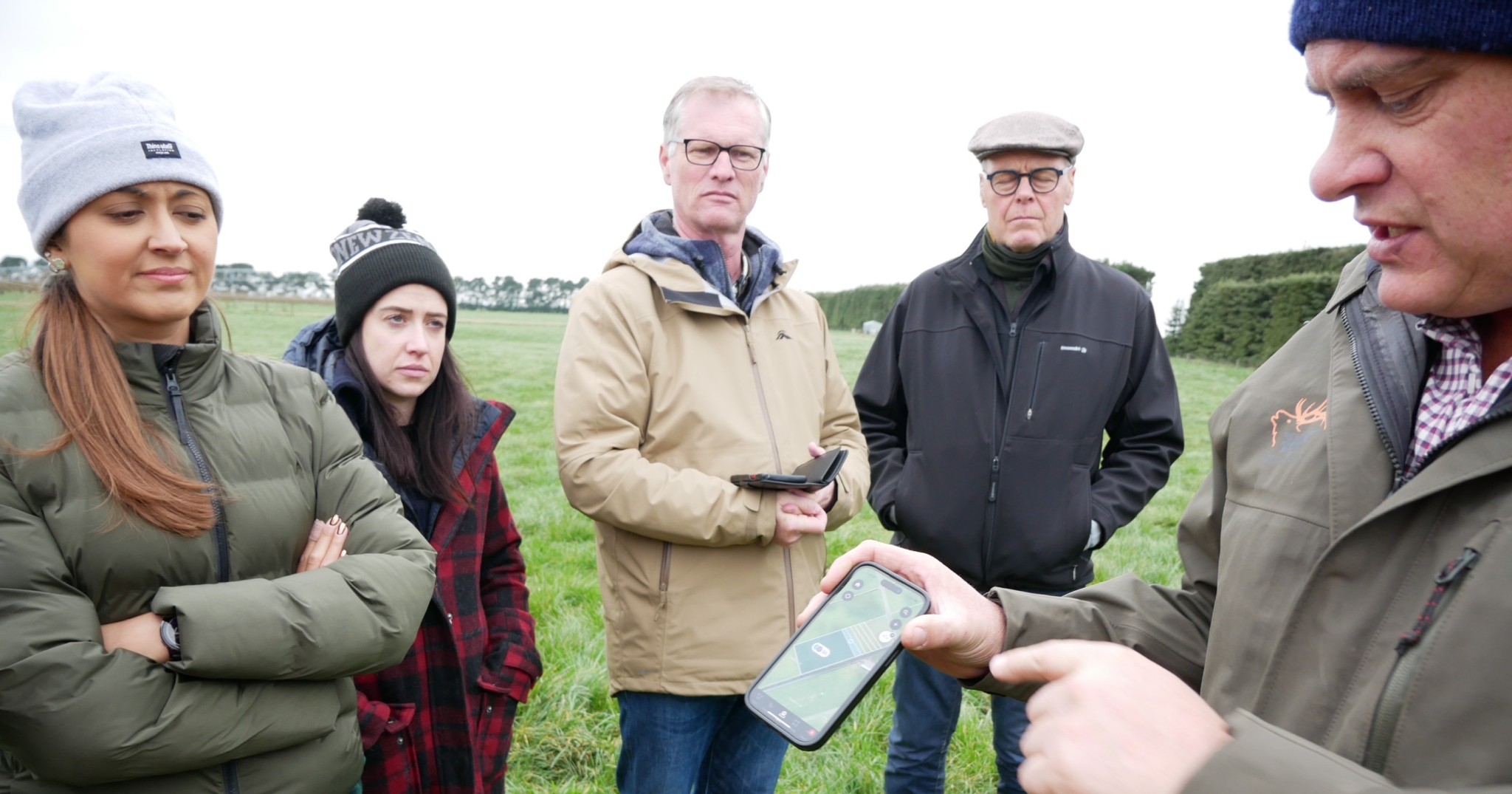
The three-day programme included speakers, workshops, and visits to two impressive farming operations: arable-mixed (Hamish Marr and Stuart Marr), and dairy (Matt Iremonger).

Our sincere thanks to both Hamish, Matt and to all of the industry leaders who shared their time, knowledge and insights with the group (Mel Poulton, Jess Smith, Mike Peterson, Ian Proudfoot, Sam Mander, and Denise Beswell from Scarlatti).

Engage is now into it’s second pilot as well as the third of five bespoke programmes for a large organisation. If you’d like to know more, or to book a team member or group on the May 1-3 programme, contact Dr Lyndsey Dance, Programmes Manager at Lyndseydance@ruralleaders.co.nz

Lisa Rogers appointed CEO Rural Leaders.

Press Release: Lincoln, 28 July 2023.

The Board of the New Zealand Rural Leadership Trust (Rural Leaders) has announced the appointment of Lisa Rogers, current General Manager, to the role of Chief Executive Officer.

Rogers brings nearly six years’ expertise and knowledge gained as Programmes Manager and more recently, as General Manager of the Trust.

Rogers replaces former Chief Executive Officer, Chris Parsons, who resigned in April to take up the Chief Commercial Officer role at MyFarm Investments.

Since joining Rural Leaders in 2017, Rogers has led its highly respected programmes. These include the Kellogg Rural Leadership and the Value Chain Innovation Programmes. She has also helped steer the Nuffield New Zealand Farming Scholarship, which sees up to five sector leaders embark on a period of research and international travel each year.

Bringing professionalism and insight to the Trust’s long-established leadership development platforms, Trust Chair, Kate Scott, also welcomed the stability and expertise Rogers offers.

“We are excited about Lisa’s appointment and what it will mean for the Trust. Lisa will ensure continuity of our projects, such as the Food and Fibre Leadership Development Project while also delivering a steady operational and strategic momentum, both for our investing partners and for our team.”

Rogers brings a deep understanding of Rural Leaders’ operational and strategic ambitions, along with a wealth of pan-sector influences and knowledge gained from senior management roles in food and fibre, extraction and banking and finance.

“Lisa not only brings her valuable experience to the role, she is, at her core, genuinely passionate about the people in food and fibre and the growth of its leaders,” adds Scott.

As General Manager, Rogers has been acting in the capacity of interim CEO of Rural Leaders since May. 

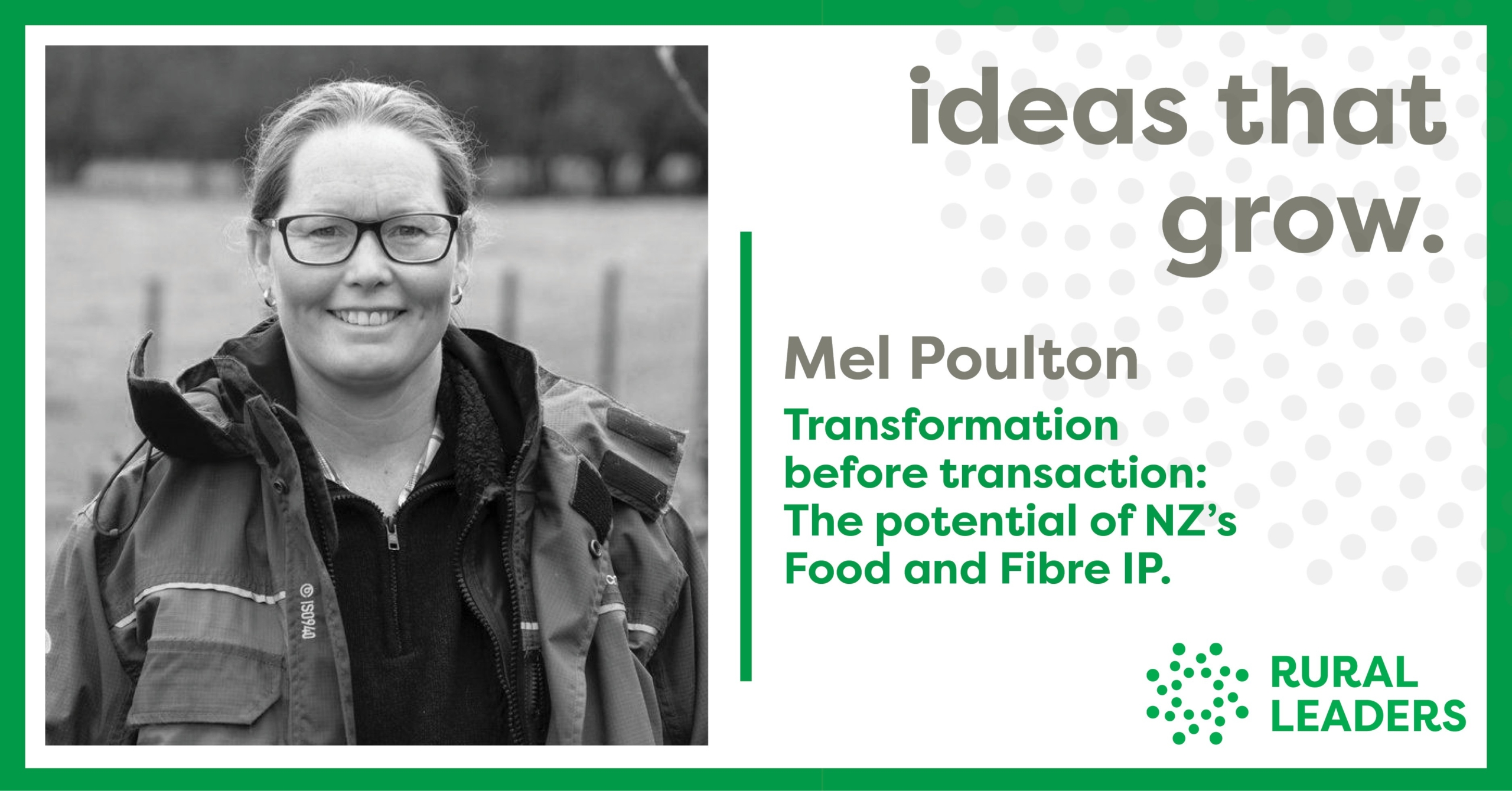
Mel Poulton – Transformation before transaction: The potential of NZ’s Food and Fibre IP.

Mel Poulton is a farmer first and foremost, running a sheep and beef farm based in the Tararua District. She is also finishing her tenure as New Zealand’s Agriculture Trade Envoy.

Awarded a Nuffield Scholarship in 2014, Mel completed her research on
Capturing Value: Building a sweet spot between trade negotiations, market access and the exports of expertise.

Listen to Mel’s podcast above or read the transcript below.

Bryan GibsonManaging Editor of Farmer’s Weekly.

Welcome to the ‘Ideas that Grow’ podcast. I’m Bryan Gibson, Managing Editor of Farmers Weekly. This week I’m talking to agricultural trade specialist and farmer Mel Poulton. Now, you were a Nuffield scholar in 2014, is that correct?

Mel Poulton 
– 2014 Nuffield Scholar, farmer, Special Agricultural Trade Envoy.
Correct.

BG: I understand you did your Nuffield Scholar Report on agricultural IP and how to best send it out into the world and also get the best value for it. Can you tell us a little bit about what you found out?

The untapped potential of New Zealand’s agricultural IP.

MP: At the time, as a food producer and somebody who, through our levies was investing in New Zealand science, research, and development for New Zealand farming to give us a competitive edge in the world, it was a concern to me to hear that our IP was being effectively given away in the hope of an FTA for market access. That was how I was certainly interpreting it at the time.

I spent a bit of time traveling to different nations around the world looking at IP trade, market access, and looking at what went well and what didn’t, what could we learn from that, and is this even a good idea for New Zealand? I came back with the conclusion that actually, given who we are and what we do and our constraints, leveraging our IP is a really good strategy for New Zealand.

But I wasn’t convinced that we were doing it well, and I felt like we needed to better value or recognise our IP, value our IP, package our IP, and then be able to leverage value from it, not just by way of the hope of market access through an FTA, because we’ve seen in recent years what can happen with economic coercion and suddenly markets being closed to us. 

Food and Fibre’s intellectual property opportunity.

So, if you end up giving away your IP and then those markets close, what have you got left? Some people might disagree, but I think that’s a relevant concern that New Zealand needs to be really mindful of with regard to its strategy and how it navigates its way in the world and how it leverages its IP.

How do we do it in such a way that those that have invested in that IP can extract value from it, short, medium, and long term, for the good of New Zealand and for the good of our Food and Fibre Sector and our people who have invested.

BG: A better strategy needed on the intellectual property front. Very good. Now, of course, you’re just finishing up a term as the Special Agricultural Trade Envoy (SATE), which means in terms of market access and trade deals and the world food system, you’d have widened your scope on things to more than just intellectual property, to food itself. But are there similar themes at play there as we try and extract value from our agricultural sector.

MP: There’s an enormous amount of opportunity for us to extract value from our IP in ways that we haven’t really considered before, or broadening it a whole lot more than what we do. Thinking about that in the context of a growing global population with a real concern around food security and even more importantly, nutrition security.

Then given the challenges of climate change and the environment and the constraints that’s putting on food production in different parts of the world, I feel confident given what I’ve seen in recent years and the travels that I’ve done both on my Nuffield Scholarship and since then as SATE for New Zealand. I think there’s an enormous opportunity for food production to increase in many parts of the world and especially those countries with developing agriculture. I think there could be small changes made that generate big gains.

Working together with developing agricultural nations for mutual benefit.

Some of these countries with developing agriculture have potential to really lift production. Whereas New Zealand and parts of Europe, for example, feeling more and more constrained as to how much more food production they can actually lift.

The talk is that New Zealand feeds 40 million people. Well, that’s barely feeding one city. Mexico City itself is 40 million people. When you think about the scheme of things in our place in the world, how do we strategically position ourselves to be good in the world and good for the world and continue with a transaction strategy that grows really awesome food and beverages that are highly nutritious and safe?

And also has the integrity behind it with regard to environment and climate and all the other factors around labour and all of the environmental, social, and economic factors that make up the back story to our product.

So we’ve got to be able to have that integrity, but also recognise what our potential for lifting things further for New Zealand. How do we leverage off the strengths that we have as a nation? I think there’s huge potential to be able to work with, learn together with, and build together with, other countries with developing agriculture and leveraging our IP, but not selling it as it is, but leveraging it and adapting it to create something new.

BG: So, it’s far more than just selling a product or an idea and leaving it at that. It is working with the people on the other end of the transaction long term.

A shift to transformation before transaction.

MP: Well, it’s effectively transformation before transaction. If you were to put value on or weighting on it, historically, we’ve had a transaction approach to things. I think there’s still a future for us in that because we grow and sell food to the market – that earns us revenue. I think it’s going to be for the growing needs of New Zealand and the economic growing needs of New Zealand, that we need to figure out how we grow further.

If we’ve got constraints here, then how do we grow together with others being good for the world and good in the world? It’s actually going in there with humility and saying, well, we’ve learned some stuff in our context, we recognise that you’re operating in a different context, we understand you’ve got goals and vision for growth for yourselves, so how can we work together, learning from our IP and a principles approach, to develop something entirely new that could actually help you achieve your goals and help us achieve our goals.

BG: That makes sense. In a finite environment, if one sector has reached their limit, then the only logical place to go is to help others up their production to a level where they can sustain themselves better. 

Further trade ties with India and the role of humility.

MP: I was just in India a short while ago, and they really want us to be investing there. The challenge for New Zealand is that we’ve got stories, we’ve got examples, we’ve got experience investing in other countries. Some of the challenge around that is sometimes we’ve gone in a little bit proud and arrogant, taking a copy and paste approach that hasn’t necessarily worked because you’re operating in a completely different system, a completely different environment, and operating context.

Copy and paste won’t work. It won’t work in many countries because New Zealand is unique in that it is an island nation, small, tight-knit ecosystem, driven by a temperate maritime climate. Just copying and pasting that, there’s very few places in the world you can do that in. That’s why we’ve got to shift our thinking to learning, growing and working together with others to create something entirely new that works in the operating context for them and also works for us.

BG: When you read about the possibilities of doing more trade with India, quite often the first thing you hear is, ‘yeah, but they won’t take our dairy products’. And so deal’s off the table. But I think what you’re saying might be that it’s a bit more nuanced than that, and there are things we can do and we should be doing?

MP: It’s most certainly more nuanced than that. I suppose my take home message from my time in India is – there’s a bunch – the first one is, we really do have to conduct ourselves with humility. I think from those that I engage with in India, they have an allergic reaction to anything remotely arrogant, remotely hinting of a colonialism approach. So, if we even begin to think that we can conduct our way without humility and without deep, deep respect and without a hunger to learn and understand and focus on building relationships, I think we’re going to go nowhere fast.

At the same time, they really do want to grow. They’re grappling with some big challenges, and they’ve got enormous potential to lift by doing small things really well. Talking to the Indian High Commissioner to New Zealand, they really do want us to be investing there.

But again, this is where we’ve got to be thinking about a broader picture than just a single process investment. We’ve actually got to be thinking about how do we grow the whole ecosystem. It’s government to government, industry to industry, farmer to farmer, company to company, people to people.

It’s building all of the ecosystem that is an Indian centric one, or whatever country it might be in the world, something that really works so that whatever investment we do there, it’s going to be successful. But we can be guaranteed it’s not going to be a copy and paste of what we see here in New Zealand. We have to completely shift our thinking altogether.

BG: Now, I mean, our food production ecosystem here in New Zealand is pretty well developed and pretty really well thought of, do you think it’s well placed to meet some of these global challenges?

The value of New Zealand’s Food and Fibre ecosystem and its people.

MP: I have no doubt in my mind that one of our greatest strengths and most undervalued strengths is our ecosystem. By that, I mean all of the folks that are working for New Zealand and in New Zealand companies and the Food and Fibre Sector offshore, including our diplomatic teams. I think we’ve got amazing people in the MFAT and MPI and different government ministries who are working hard for the success of our sector offshore when they’re engaging on the certification and standards and all sorts of things.

We’ve got great people across our sector, good organisations who are absolute experts in doing things that food producers wouldn’t even dream of doing. These people are technically competent, highly skilled, and very effective at their job. Then we have all the folks working in our industry good organisations. You’ve got all the processors, exporters, packers, all exceptionally good at what they do for our sector. Then we’ve got all of our service sector too. No farmer would be able to operate without our service sector.

Then underpinning the whole lot is the science, academia, and research that goes on, that’s delivered the knowledge over the years. We’ve got to keep investing in that science, research, and development because they underpin our success. Then without the food producers themselves who are innovative, creative, solutions focused, businesspeople who are juggling so many variables and navigating their businesses without subsidies, to generate revenue for New Zealand. It’s just an exceptional ecosystem that works together.

The ecosystem is tight, it’s well linked, and relative to similar ecosystems in other countries, New Zealand has something special where we can turn on a dime, we can make decisions, and we can react and can also pre-empt and get ourselves on the front foot to capture opportunities globally as well. I think that was most recently best demonstrated through COVID – just watching how the whole ecosystem came together to navigate it. I’m not saying it was easy. But relative to other countries, New Zealand navigated that well. Our sector navigated it well. There’s a lot we can be proud of about that.

Staying nimble, flexible, and adaptable in a fast-changing world.

BG: And as we know, there are a lot of other shocks around the world now that need to be navigated. So it looks like it’s all shoulders to the wheel again, isn’t it?

MP: It’s all on. What we’ve got to work hard to do is make sure the top two inches of our thinking and our head space is in the right place, make sure we’re positive, we’re constructive, we’re focused on the priorities, we’re rational and logical in the decision making that we’re doing. That we’re taking an integrated systems approach to it, and that we stay nimble, flexible, and adaptable.

Sometimes life happens where a shock is something you can bounce back from. Sometimes it’s a shock where things are forever changed and it’s never going to be the same again. That’s where we’ve got to have plasticity, where we’ve got to be able to be sure of our core values, who we are, what’s important, and be able to reshape ourselves to be optimally placed to navigate what’s in front of us.

A Food and Fibre Sector under the pump.

BG: So, Mel, we’ve been talking about big picture issues for global farming, how does that square with what New Zealand farmers are facing at the moment? How will that work for them?

MP: I suppose when we’re talking about a big picture strategy for New Zealand, we really need to be thinking about how we strategically position ourselves on the global stage in the long term in such a way that we try to deliver short-, medium-, and long-term return back to New Zealand. We’ve also got to acknowledge the fact that right now, there are many farmers, food producers, packers, exporters that are really under the pump big time right now, especially those that have been hit by the weather.

There are folks down in Ashburton and West Coast that are still recovering from the damage that they sustained in recent severe weather events. We’ve got to be mindful that people are under enormous environmental, social, and economic pressure right now.

We need to keep in mind that when we discuss these big picture strategies, we’ve got to be able to look after our people, look after our businesses, look after our environment with the here and now. And how we build the recovery to be able to be best positioned from a market facing point of view, but also just how do we find our place here in New Zealand in this new operating context we’re in at a domestic level, but also at an international level too.

There’s a lot of balls that we’re juggling and it’s complex. I suppose my point really is it’s all fine and well talking about big picture strategy, but we’ve got to look after the people and be acutely aware that we need to be able to get the support, the enabling infrastructure, the enabling business environment, and context to be able to help people recover and stand back up.

Remoulding and reshaping to fit a changed environment.

In some cases, that whole plasticity piece, we do have to remould and reshape, and that might look entirely different to what it was in the past. Because in some cases, with some life events it’s never going to be the same again.

So we need to be giving people scope and space to be able to remould, reshape and create something that is still true to its core values, but looking quite different because it’s in a different operating context – it can’t go back to what it was before.

BG: Thanks for listening to Ideas That Grow, a Rural Leaders Podcast in partnership with Massey and Lincoln Universities, AGAMRDT and Food HQ, this podcast was presented by Farmers Weekly.

For more information on Rural Leaders, the Nuffield New Zealand Farming Scholarships, the Kellogg Rural Leadership Programme, or the Value Chain Innovation Programme, please visit ruralleaders.co.nz

Eights years, three chairs and almost two triennials.

Nuffield and NZRLT Trustees Craige Mackenzie and Michael Tayler have stepped down after eight years of service. NZRLT Chair, Kate Scott provided the numbers on their tenure (above). We asked both about the highlights and challenges during their eight years.

What was the biggest challenge you encountered in your 8 years on the board?

Craige:
Being part of Nuffield International board but being able to turn it around to being in a positive growth organisation and in a sound financial position.

Michael:
Pulling together another Nuffield Triennial conference after our first one was cancelled at the eleventh hour. I was just one of a hardworking committee who rolled their sleeves up and just made it happen.

As a board and leadership organisation, one of our biggest challenges is to make sure we continue to stay relevant. To ensure the different programmes we offer are always “fit for purpose”.  

What was a highlight for you during your time on the board?

Michael:
The way everybody involved in the Triennial conference worked as a team towards a common goal. Everyone working long hours without complaint.

Meeting and getting to know the programme applicants was always a highlight. I was always impressed by the high calibre of the people involved in our Food and Fibre Sector. It gives me confidence that the future of NZ’s biggest export earner is in good hands.

Another highlight was getting to know and work alongside all the other trustees and NZRLT staff. Being a small part in a great team.

Craige:
The transition of a startup NZRLT to where we are today. The growth has been significant and to be part of this journey has been a real pleasure.

People, the role, and why you got involved?

Craige:
We have an awesome team which drives the organisation and each time we have new people come in they just add a new perspective and help with the growth.

I got involved because I wanted to give back to Nuffield and the NZRLT. I had the benefit of a Nuffield Scholarship which opened a lot of doors for me both nationally and internationally.

Michael:
I got involved as Trustee because I personally got so much out of my Nuffield Scholarship and felt it would be a small way to give something back.

What’s next for you?

Craige:
I have started a role with the UN so will see where that takes me but it is always nice to support agriculture and other production systems. I am interested in continuing to look for mitigation options to reduce our Climate Change footprint within farming systems and help shape sensible direction in policy.

Michael:
I would like to continue to be involved in different governance roles alongside our farming business. I have just started a new role as board chair of United Wheat Growers (NZ). UWG run a levy-based Crop Insurance scheme as well as an audited Quality Assurance Programme. 

We wish you well and thanks.

The Team at Rural Leaders.

Kellogg Programme One 2023 graduates.

A preview of next month's Kellogg Reports.

Kellogg Programme One 2023 graduated on July 7 after completing their Phase Three at Lincoln. Though in the aftermath of recent weather events, several North Island Scholars have chosen to defer their Phase Three until 2024.

Reports fell into three broad themes, with a total 16 reports. We’ll share those in the next Rural Leader. For now, you could make a note of any reports that may be of interest to you. 

Pictured: First post-presentation panel discussion with Duane Redward, Vanessa Thomson, and Brian Henderson.

Theme 1 – People in Food and Fibre.

Duane Redward – The consequences of the competition for farmer sentiment.

Brian Henderson – What leadership is required to achieve change in New Zealand agriculture?

Vanessa Thomson – How effective are existing psychosocial services in supporting New Zealand Farmers after adverse events.

Steve Hydes – How do early stage Agritech founders use professional
assistance?

Sol Tejada – Women in beekeeping: how to champion the ladies in the
apiculture industry.

Laura Hancock – Bridging the gap: Exploring the impact of musculoskeletal health on performance and injury risk in the food and fibre sector.

Theme 2 – Future production and processing systems, and market opportunity.

Birch Jenkinson – Current lean production tool use in arable crop production.

Kate Gower-James – How can the opportunity in the expanding global pet food industry be achieved? Pet food growth and opportunities.

Grace McLeay – How might central North Island sheep and beef farmers future proof for the effects of climate change?

Richard Dawkins – Addressing mortality in New Zealand lambing systems.

Theme 3 – Farming, growing and the environment.

Anna Sing – How might freshwater regulations provide certainty for farmers,
while enhancing ecosystem health of Aotearoa’s waterways?

Emily Clark – Aquaculture shellfish processes and 3rd party certification.

Jemima Snook – ESG reporting: measuring and reporting on sustainability for mid to large size farms.

Kristopher Bailey – Regenerative agriculture: how might it fit into New Zealand
farming systems?

Kathryn Broomfield – Utilising technology to achieve sustainable agriculture in New Zealand.

Tracey Reynolds – How do we motivate New Zealand dairy farmers to uptake practises which reduce greenhouse gas emissions on farm?

Make a note of any titles for closer review in next month’s Rural Leader.

The Mackenzie Study – Nuffield and Kellogg latest results.

The Mackenzie Charitable Foundation have initiated research alongside the New Zealand Rural Leadership Trust, in collaboration with Otago Business School and the Department of Economics, to investigate the contribution of Kellogg and Nuffield Alumni to Food and Fibre.

Research covering 72 years of Nuffield and 43 years of Kellogg Rural Scholarship.

The objective of the research has been to collect data measuring within-person gains in entrepreneurial leadership and capability-building that occurs because of the Kellogg and Nuffield programmes.

The first survey was conducted with the New Zealand Nuffield Alums (178 at the time of the survey – with 68 survey participants). Through this process, the Team learned several ways to refine the survey and then ran a similar survey with Kellogg Alums (960 at the time of the survey – with 234 survey participants).

Entrepreneurship is frequently measured as the proportion of people in self-employment. By that broad measure, the Study has found that rural entrepreneurship is very much alive and well among alums.

This latest Mackenzie Study report builds on the progress report from February 2022 and as such, offers a recalibration of some earlier published headline results.

The methods used to measure entrepreneurial leadership skills (ELS) draw on international peer-reviewed academic literature in experimental economics, psychology, and management science.

The Study measured real-world entrepreneurial achievements by counting new business starts, FTE jobs created, export revenues, and leadership roles. This contributes to the participant’s ELS profile.

Characteristics of the Nuffield and the Kellogg Scholar.

Nuffield Scholars are, on average, in their 40s. They are rigorously selected and undertake a self-guided international exploration of Food and Fibre challenges and opportunities.

The Nuffield Scholarship is runs over 15 months and includes at least 16 weeks of international travel.

Nuffield aims to develop the insight and foresight to keep New Zealand at the global forefront of Food and Fibre-producing nations. Leadership development is an outcome of each Scholar’s experiential journey rather than an output of the Programme.

By contrast, Kellogg Scholars are, on average, in their 30s. The Kellogg

The Programme is facilitated and runs over six months. Each programme can take up to 24 Scholars, meaning more Kellogg Scholars graduate than Nuffield Scholars. Leadership capabilities are a defined learning output of the Programme.

This is likely a first-of-its-kind cross-sectional study, designed to compare each participant at multiple time points and will give New Zealand’s Food and Fibre sector a world-leading insight into the art and science of building entrepreneurial capability.

Here are the headline results from the Study.

Nuffield.

The average Nuffield alum has started 3.6 businesses, played a direct role in creating 47.0 FTE jobs, and served in 14.0 senior leadership roles.

Over 40% of Nuffield alums have served in government-appointed or elected leadership roles. At the time of survey, 178 Nuffield alums had collectively served in an estimated 2,488 leadership roles (other than government roles), played a direct role in creating an estimated 641 businesses, and 8,295 FTE roles. 

Kellogg.

The average Kellogg alum has started 1.7 businesses, created 35.0 FTE jobs, and served in 14.0 senior leadership roles.

Approximately 26.9% of Kellogg alums have served in government-appointed or elected leadership roles. Since the inception of the New Zealand Kellogg Rural Leadership Programme, 960 Kellogg alums have collectively served in over 26,858 leadership roles (other than government roles), played a direct role in creating an estimated 1,632 businesses, and 33,600 FTE roles.

The collective Nuffield and Kellogg Alum’s results.

These collective results include the creation of an estimated 2,273 businesses, 41,895
jobs,
 and service in 29,347 leadership roles.

Just as importantly, both alum groups reported better personal outcomes after attending the programmes, including better well-being, expanded social networks, and higher earnings. This is an impressive contribution.

Both alum groups demonstrated economic, social, and environmental contributions to New Zealand’s Food and Fibre sector. One of the notable findings is the very high rate of self-employment compared to New Zealand as a whole (over 60% for Nuffield and Kellogg, compared to 7.5% nationally, 28% in the dairy industry, and 30% in the red meat and wool industry).

The Team have seen very few data sets in New Zealand with self-employed proportions this large.

Where to next for the Mackenzie Study?

The Mackenzie Study also includes foundational data for longitudinal research. The analysis of this is currently underway. The longitudinal study is focused on collection of before-after survey data for just the Kellogg Programme.

The intention is for this data collection to continue as future cohorts’ baseline and exit surveys are added. This, in order to achieve greater statistical precision and an ever-strengthening evidence base documenting gains in entrepreneurial leadership associated with participation in the Kellogg Programme.

Download the full Mackenzie Study Report here.

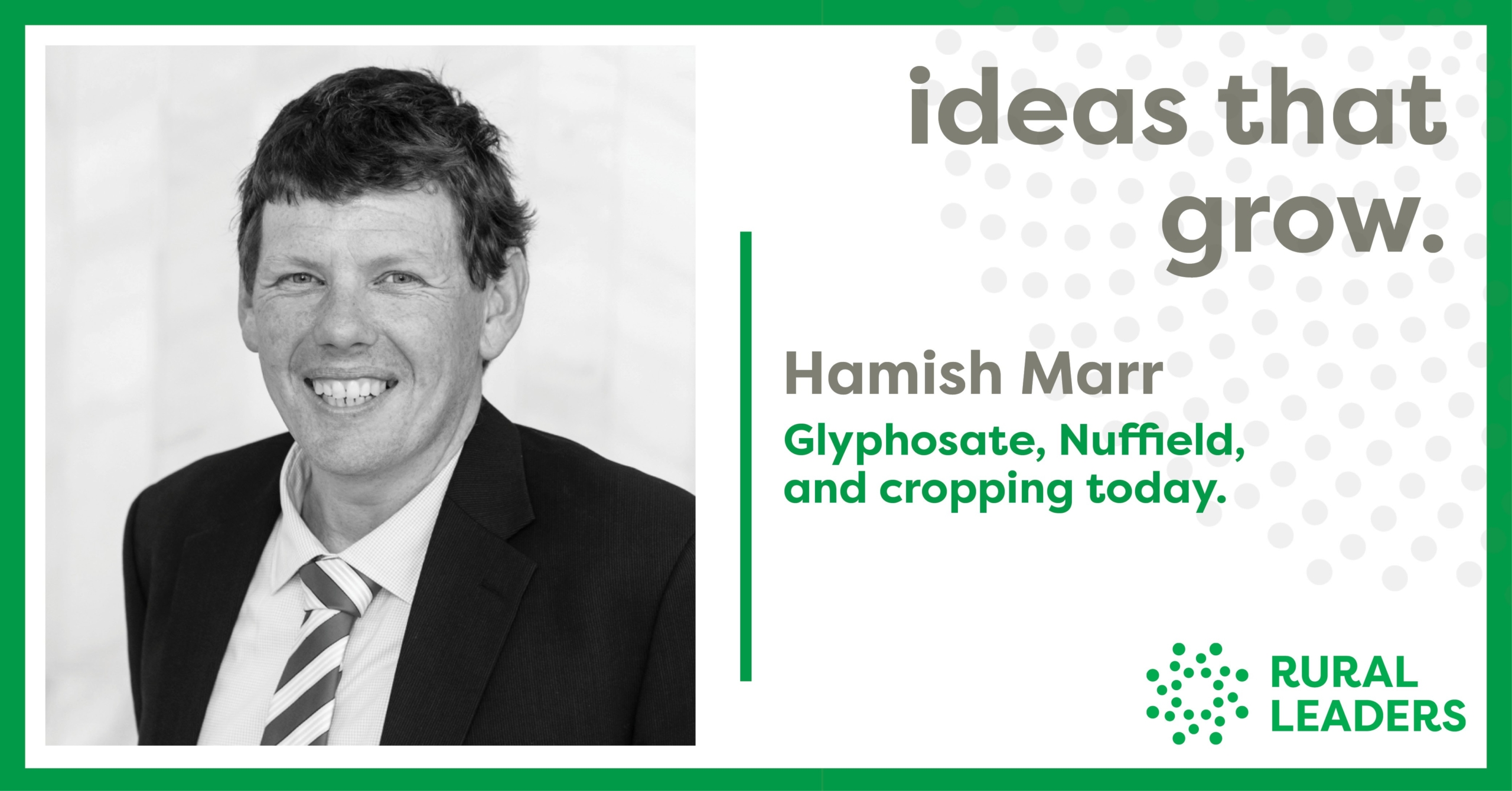
Hamish Marr – Glyphosate, Nuffield, and cropping today.

Hamish Marr is a fifth generation mixed arable farmer from Methven, Canterbury. He received a Nuffield Scholarship in 2019, completing his research on the topic
Can we farm without glyphosate?

Hamish is Vice Chairman of the New Zealand Seed Authority and is involved in two groups at the foundation for Arable Research, the Research and Development Advisory Committee, and ARG – the Arable Research Group here in Mid-Canterbury. 

Listen to Hamish’s podcast above or read the transcript below.

Bryan GibsonManaging Editor of Farmer’s Weekly.

Welcome to the ‘Ideas that Grow’ podcast. I’m Bryan Gibson, Managing Editor of Farmers Weekly. With me today is Hamish Marr. G’day, Hamish, how’s it going? 

Hamish Marr – 2019 Nuffield Scholar and mixed arable farmer.
Good thanks, Bryan.

BG: And where are you calling from today?

HM: I’m calling from Methven, about an hour, southwest of Christchurch. Lovely winter’s day here.

BG: And you run a farming operation there?

One farm, five generations of farmers.


HM: Yes, we’ve got a 500-hectare mixed arable farm, 400 hectares of different cereal crops and small seed crops, and we have pasture enterprise on the side of that. So, we run dairy heifers twelve months of the year, and we have finishing lambs in the autumn and dairy cows in the winter.

BG: How’s the year been for you so far?

HM: Well, it’s been mixed. I mean, we had a tremendous harvest with great weather at harvest time and good yields across the board, and a pretty good autumn. So Canterbury is flush with feed this year as opposed to other seasons just gone.

BG: That’s good to hear. And have you been doing that for a while?

HM: Yes, our family has been on our place since 1873. I’m the fifth generation. If any of my children decide to carry on, they’ll be 6th generation. So, you were here for a wee while.

BG: It’s great to see a farm that’s handed down through the generations and is still thriving.

HM: Yeah. I mean, me personally, I did a BCom Ag in the late the late nineties. And then was a Field Officer for Ravensdown Fertiliser for four years and then came home to the farm in about 2005. So, I’ve been farming not quite 20 years now.

The Nuffield experience.

BG: You were a Nuffield Scholar a couple of years ago. How did you find that experience?

HM: Look, there’s probably not words that can describe it.

A once in a lifetime, life changing, very humbling, eye-opening, eye-watering year of my life. Looking at everything in food production, how we live, farming and politics and everything in one year, it was amazing. Fascinating. I think you ask every Nuffield Scholar; they would say the same thing – beyond their wildest dreams.

Glyphosate use in New Zealand.

BG: Now, your studies focused on the use of glyphosate, which is often a contentious issue in agriculture these days, isn’t it?

HM: Well, it’s very contentious, and that’s the reason why I chose it. I chose it because it was in the news a lot at the time, and there were rumours in New Zealand and certainly around the world, that it was going to be deregistered.

Our farming systems, certainly the farming systems in Canterbury here, and most of New Zealand, where the use of Roundup underpins how we do things and how we move between pastures and crops. If we took that away, it would completely change the way we do things. I wanted to understand how our production systems would look if we were to do away with it.

BG: Obviously, as part of your studies, you do a bit of travel abroad. What did you find out about how different nations use glyphosate around the world?

Glyphosate use overseas.

HM: I spent a year looking at farming systems all around the world, and I hate the term conventional farming, but I looked at conventional farming: organics, regen Ag and inverted commerce, rice farming, horticulture orchards, vegetable production, indoor animal agriculture, extensive and intensive farming all around the world.

There’s a whole lot of conclusions, and the first one is that everywhere you go around the world is different. New Zealand is unique in the way we do things. Unique in the fact that we’re dominated by animal agriculture.

Our animal agriculture is predominantly outside, so the animals go to the food, as opposed to many countries where the food goes to the animals. Because those countries are cutting and carrying feed to animals, their systems are predominantly arable based. By very nature of that, the usage of Roundup compared to what we do here in New Zealand is significantly higher.

We have a real point of difference in this country. If you think about the Roundup story in isolation, we don’t use a lot of it just because of the way our farming system is. And also, the fact that our farming systems are pasture based is, again, another point of difference compared to a lot of other places.

BG: Do you think it’s one of those situations which quite often comes up when global conversations around food production make their way to New Zealand, that we’re not really part of the mix because we have our own way of doing things?

Glyphosate application rates in NZ compared to abroad.

HM: Yes. Look, I visited a place in the UK, a large place, and this was a lightbulb visit for me. They reduced their glyphosate usage on this farm. Big place. When I say big, about 30,000 ha. They reduced their glyphosate usage by 90% simply by adding sheep into their farming mix. And I suddenly thought, well we’re already doing that in New Zealand. That’s standard practice.

So, when you look down into the numbers and the application rates on a total per hectare basis in this country, we’re so far down compared to a lot of other developed countries for that fact.

I also saw the impacts of the other extreme Roundup ready crops in the Northern Hemisphere, United States and Canada, where applications of four or five times a year are not uncommon. When you multiply that up by the millions of hectares involved, it’s easy to understand how Roundup is now in the food chain in a lot of those countries.

BG: Now, despite finding out about the issues with some of those Roundup ready crops and those problems that they can have in some parts of the world here in New Zealand, while we don’t have those, Roundup is still pretty important to some of our farming systems, isn’t it?

Glyphosate as a strategic farming tool.

HM: I think in that sense we are a real outlier. That starts from the simplest of things. We’re a small island nation in the middle of the Pacific Ocean, so we’ve got this lovely temperate maritime climate. A lot of our competitors are continental countries. So in its simplest form, their weather patterns are completely different. And the weather patterns dictate what you do.

The way people farm, say, in Europe, it’s evolved over 2000 years. Well, agriculture in this country, we’ve only been really at it for a couple of hundred years. We’re a very young country compared to a lot of other places. With that, when some of the things aren’t ingrained in us as a population of people.

BG: And then you have the flow on effects of tilling the soil, which has been found to be bad for soil loss and releases carbon.

HM: Yeah, all that stuff. The nuts and the bolts of it is that we can’t on a global scale or even a national scale, do away with that as a strategic tool. Because what it does in sort of broad-acre farming, and I term pastoral farming in this as well, is that it reduces the amount of time in between crops because it takes away the work that cultivation used to do prior to its use.

Prior to Roundup’s use the way to control weeds and to establish a new pasture or a new crop, it involved about six-months-worth of cultivation because it was the cultivation that killed the remnants of the pre pasture, as it were, or crop. Roundup does that in one application, and you can sow your next pasture or crop or whatever it is that day. 

To go backwards, away from that, you think about take six months of production out and that has huge impacts.  I’m not saying that’s true in every situation because it 100% isn’t true in every situation, but it is a reality in a lot of cases.

BG: How did the report received? Once it came out?

Taking the Nuffield research to the people.

HM: Well, I have done probably between 50 and 60 little talks around the country and town halls and to Lions clubs and to farm groups. I’ve been to two garden clubs. All sorts of different groups have been interested in what I have to say.

I think I just tell the story of exactly how farming systems work and how all these things that we do on farm work and why we do them. I found myself, in a lot of cases, having to compare farming to your vegetable garden and to think about a cropping farm as a vegetable garden, and your dairy farm or your sheep farm as your lawn. Your lawn stays down for infinitum, as does a lot of pasture. So, we don’t actually do anything to them.

Your vegetable garden, on the other hand, is being turned over all the time into something new. There’s a very clear rotation involved and all of those things I had to think about things a wee bit, but hopefully I got the story across.

BG: Now you’ve completed your report. What’s life been like for you since then? You back on the farm?

Nuffield, Kellogg and giving back to the Sector.

HM: I have been on the farm, and that keeps me very busy. But also, I am the Vice Chairman of the New Zealand Seed Authority. That’s an industry good group involved in setting policy within the certified seed industry. I sit on that board as a representative from the herbage seed subsection of Federated Farmers. We, as the name suggests, represent the farmers that grow herbage seeds: ryegrasses, clovers, cocksfoots, fescues, etc.

I’m involved in two groups at the foundation for Arable Research, the Research and Development Advisory Committee, and ARG – the Arable Research Group here in Mid-Canterbury. I’m on a couple of other things in our local town, so, no, I keep pretty busy, to be honest.

BG: They don’t call it rural leaders for nothing, I guess. Certainly sets you up to be one.

HM: Yeah, it’s a privilege. It’s a privilege to represent farmers on those things, and I do enjoy it.

Anyone involved in food production should consider a Kellogg or a Nuffield. It opens your eyes to so many other things and it challenges your perspective. I went away with these preconceived ideas about what we do and why we do it, and then went and looked at all these other things and came home with a completely different understanding and perspective of how things are done. Also, how things fit together and what we’re doing right and what we’re doing wrong.

BG: Just before we wrap up Hamish, what are some of the issues you’re facing right now as an Arable farmer?

The main issues facing arable farmers.

HM: Well, that’s a great question, Bryan. I think the first one, and I think every arable farmer would agree with me on, is one of viability. I mentioned at the start we had a great harvest, and we did. But we face, like a lot of other farmers, increasing costs, and very static prices for our produce at the other end.

So, yes, our prices have increased a wee bit, but nowhere to the extent that our input costs have. And a lot of crops we grow now, we are barely breaking even when you consider our fixed costs of production.

We grow a lot of high value small seeds in this country for our own export, but also for domestic use. Our domestic production takes up about 20% of the total produced of the 80% that’s left.

Prices have really fallen away, and demand has fallen away over the last twelve months. To the extent that there is seed sheds full of seed that would have been exported, that is not going to be exported in the next twelve months.

Those supply chain issues will have effects on the ground for farmers, and there will be challenges with what arable farmers do produce on their farms in the next twelve months, two years, three years, because these things take a little while to unwind.

“It’s not all beer and skittles out there.”

Options for cropping farmers in the next two years are going to be challenged by not only profitability, but actually by options as well. It’s not all beer and skittles out there.

It’s interesting, we had a wonderful harvest, as I said, but that wonderful harvest has filled up the stores in this country, and we’ve seen prices drop domestically for grain because of the surplus. So what’s good on one hand is not so good on the other. The industry has got its own challenges.

I would finish that by saying now, of course, that the world wants plant-based food, so the future variable farming I see is rosy. We just have to get there.

BG: Hopefully just a matter of waiting out this next couple of years and you can thrive after that.

HM: Yeah, that’s it.

BG: Thanks for listening to Ideas That Grow, a Rural Leaders Podcast in partnership with Massey and Lincoln Universities, AGAMRDT and Food HQ, this podcast was presented by Farmers Weekly.

For more information on Rural Leaders, the Nuffield New Zealand Farming Scholarships or the Kellogg Rural Leadership Programme, please visit ruralleaders.co.nz