
2026 Nuffield NZ Farming Scholarship. Apply by 17 August 2025. Read More...

Apply for 2026 Nuffield NZ Farming Scholarship by 17 August 2025. More details...

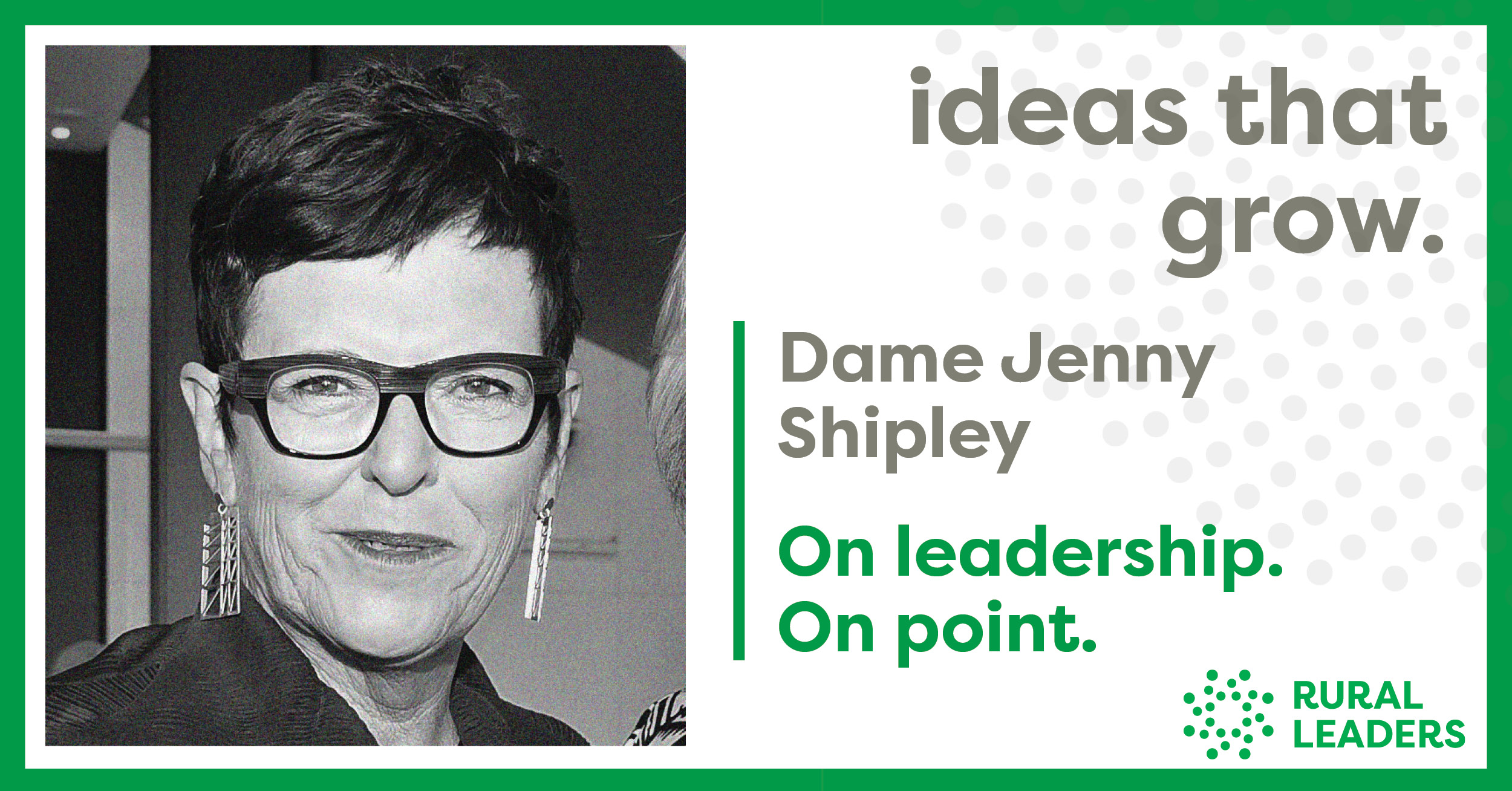
Dame Jenny Shipley: On Leadership. On Point.

On leadership. On point.

Lynsey Stratford has discovered farmers make a few assumptions that aren’t very helpful – like accepting the fact that work might be dangerous and there’s nothing anyone can do about it. As Lynsey explains, “There are changes we can make, but those assumptions and those mindsets have been deeply held for quite some time.” 

As a consultant, Lynsey helps the primary sector with people management and development services and training. And, when it comes to health and safety she says, “We shouldn’t expect people to just know this stuff, but rather teach them and support them as they develop skills.” 
 
Lynsey’s research report unpacks the paradox that while farmers care about their people, farms as workplaces are overrepresented in fatal accident and injury statistics. So, what can be done to improve this?

Bryan Gibson, editor of Farmers Weekly.

I’m Bryan Gibson, Farmers Weekly Editor. This week, I have a very special guest, Dame Jenny Shipley. How’s it going? 

Dame Jenny Shipley, 1984 Kellogg Scholar, Bay of Islands.
Very well, thank you.

Bryan: Good. And where are you calling in from today?

Dame Jenny: Well, I live in Russell in the Bay of Islands now. And while I still do a lot of traveling domestically and when I can internationally, this is where we call home.

Bryan: Oh, wonderful. The winterless north. 

Dame JennyThe winterless north, and it couldn’t be a greater contrast really, from my beautiful Canterbury electorate. But even learning to garden in the north is an entirely different process. But I’m enjoying it very much. 

Bryan: Now, you grew up down in the Deep South, is that right? And spent a lot of your political career at least, in MidCanterbury?

Strong South Island roots.

Dame Jenny: Yes, I was born in Gore and my father was a Presbyterian Minister in Pukerau at the time. So many of those early roots were in a truly rural area. And interestingly, I’m going back there this weekend to take part in a nice ceremony.  So I stay connected with a lot of those old roots, even though I’m now living somewhere else. 

I spent a lot of my time in the South Island, and the early part of my life, in Nelson and that also has transformed. I don’t think there was a grapevine in Blenheim, or in the Marlborough area when I was a child. It’s a magnificent example of intense of horticulture today.  

As a student I went to Canterbury and met Burton and the rest is history. We farmed and then I went into politics and had the great privilege of representing one of the most productive electorates in the country in that central and Mid-Canterbury area. 

Bryan: Such a powerhouse of a rural area isn’t it? 

Dame Jenny: Very much, yes. 

Kellogg and the desire to lead.

Bryan: You connected with Rural Leaders for the first time doing a Kellogg Scholarship back in the early eighties, is that correct? 

Dame Jenny: Yes. We were young and farming, and I was already involved in a lot of community leadership. At that time the challenges for agriculture in New Zealand were huge. The change was immense, the economic viability was demanding, interest rates were horrifying. Rural communities were very active, with a lot of emphasis on leadership.  

I got given the opportunity to apply for the Kellogg Rural Leadership Programme, which was an emerging force at that stage. I forget whether it was year three or four that I was a member of – but it was a fabulous experience and in many respects it clarified my desire to lead.  

The Programme taught me a lot about what else I needed to focus on in order to be effective. But it definitely gave me the strength and sense of impetus to get on – initially as a Counsellor in my local Malvern area and then into politics. 

Is sector history repeating?

Bryan: We talk about the early to mid-eighties in the farming world. It was obviously, as you say, such a disruptive time. Many people think that we’re going through a similar sort of thing now. Do you see those comparisons? 

Dame Jenny: Well, I think the commodity cycle is much stronger at the moment, although it’s clearly able to be volatile depending on what happens both at home and abroad.  

The other difference, I think, is that agriculture today in New Zealand is not dependent on government subsidies. At that stage you’ll recall, there were multiple transitions going on – the support for agriculture was being removed, the markets were extremely volatile and the farming community was really facing challenges on multiple fronts.  

Even in my early years as a Member of Parliament, the residual effects of that period flowed through – it was a very difficult period. Today I think that while there are huge challenges coming up economically, I personally think the agricultural sector is in a very resilient state.  

But what is different now, is that there are so many regulatory pressures coming on farming which I don’t think were present in our era. And so, yes, there are huge challenges, but I think the economic viability overall gives at least some ability for farmers to confront those. I think the leadership question is different too, though, and perhaps that’s something that needs to change. So it’s relevant for where we are now.  

Bryan: How is that, do you think? 

Dame Jenny: Well, when we were farming, all of us belonged to Federated Farmers. It was a widespread group. Husbands and wives turned up and it was an active process in most local communities. I’m not familiar with whether that’s the case now. But like many organisations, I think that they’ve become more professional.  

But whether the grassroots element of representation is as strong, I don’t have such a feel for that. But I think that what we’re coming into is that we have to have both the agricultural leaders reflecting the experience of farmers on the ground and making the case very clearly about what can and can’t be done, and indeed what has been done.  

We need to share our good news more often.

If I can just pause on this point for a moment. I’ve observed enormous change by farming in response to public pressures. I travel quite a lot around the country and have just have been down through the Waikato – right into the West Coast part of it.  

One of the things that struck me over the last five years is that what started off as tree planting on agricultural land for emissions purposes, now the work around wetlands and the fencing of streams and things. New Zealanders can be very confident that the farming community is not only responding but leading in some of these areas.  

To come back to the point, I think that for farming to advocate for itself, it’s not only advocating for what’s annoying and frustrating them, but there’s also a huge need for us as an agriculturally strong community to continue to share both the gains and the commitment of the agricultural community to farming well both for themselves, the community, and the future. I think that’s a big change.  

When we were farming, many were just farming to survive. Now, I see farmers all over the place investing not only in best practice for themselves, but I do see a lot of change. I think the voice of that needs to be shared across the community much more broadly so that the urban New Zealand population both values agriculture and understands that it’s moving in response to many of the concerns that urban communities have. 

Bryan: Farming, as you say, is always evolving for the most part in New Zealand because we are very good at it, and improving. That gets lost sometimes. 

Dame Jenny: Well a lot of it is a social response. I mean, farmers will tell you that they are fencing streams and planting for their own benefit and the benefit of their own environment. But there’s a huge public good element in it which unless people either have a chance to see, or you share how much is being done, or see the change that’s going on.

A sector supporting New Zealand through tough times.

I think that urban-rural split has always been a risk in New Zealand and it’s one we can’t afford to give airtime too. Because, frankly, if you just thought that even in the COVID period, if we had not had a strong agricultural sector during the last three years when the global economy had been disrupted, New Zealand’s position economically would be far more dire than it is at the moment.  

Tourism collapsed, a number of other productive areas were compromised and yet agriculture was able to carry a huge proportion of the earnings, as it’s always done. But thankfully, on a strong commodity cycle at this particular time, and again, I think we should name the value of agricultural exports. The effort agriculture puts into the New Zealand economy to support our way of life, in a broad, holistic sense – not a them and us sense. 

We’re in this together, being the best we can be at home and selling the best we can abroad in a best practice sense. I think if we keep sharing that over and over again, there’ll be a better understanding between rural and urban communities. 

Leadership needs to reflect the people on the ground.

Bryan: Just touching on what you mentioned earlier about how historically, people like Federated Farmers, organisations like that, had a very, kind of a, grassroots focus. It’s quite evident at the moment around the emissions pricing process that a large number of those grassroots farmers think that the farming leadership has, if not deserted them, then certainly not represented them well. What’s your take on how they go about that? And what are the challenges that those farming leaders have in engaging with the government on things like this? 

Dame Jenny: Well look, I’d be the last one to criticise them because I know how hard it is. I have admired the agricultural leadership, that they have taken a more inclusive, let’s find solutions together approach. I have been involved in a number of significant working parties not only on emissions, but in a number of areas that I can think of which I’ve simply been a distant observer. But I’ve noticed that level of engagement.  

The problem is, in any leadership model, if you aren’t both working with, and then reflecting the people on the ground who actually live agriculture every day and have to implement the stuff, not only physically but also economically, then you have to test whether your leadership is in isolation as opposed to being able to carry people forward.  

I do think we have to support the leadership group because unless they are able to foot it with the officials and the government ministers and be supported at that level, then they’re clearly not serving their constituency anyway. But every organisation, and I don’t want to make a judgment on Federated Farmers because I simply am not close enough to it, but there have to be systems where it’s not only consultation.  

Often we say, well, we consulted, or we sent out a document and gave them a chance to comment. I think that for people to genuinely become supporters of a regime, they have to have a deep sense of ownership. They need to be able to see themselves in whatever is proposed as opposed to seeing something being imposed on them, which they don’t or can’t relate to.  

So the test of high quality engagement and consultation has got to be that measure of – can the people we’re representing see themselves in the proposed solutions or are we just saying, well, regardless of what you think, you’ve got to be there in five or ten years’ time. That’s not easy to do. I think in New Zealand’s circumstances, whether it’s agriculture or Maori – Pakeha relations, or any of the other demanding spaces, we’ve just got to put the time and work into it. 

The power of industry at the highest level of decision-making.

Bryan: Now, just digging into that a little more. I mean, you were obviously in central government for a long time. What’s it like in those meetings with industry? How much power do the industry leaders from the agricultural community have when they sit down around the table with the likes of MPs, Prime Ministers, officials? 

Dame Jenny: The answer is, it depends. And I’m thinking back on two or three occasions where the agricultural sector and governments were working intensely. When a government decides, for example, to break up monopolies, I think the conversations are quite demanding. 

I recall at the time that we decided to break up a number of public organisations, the electricity sector and of course the dairy industry was in the line of sight. That was never an easy conversation and the agricultural leaders, and particularly the directors of the original company very much resisted that. In those moments, you’ve got to put the economic argument of why these particular sectors needed to be able to face competition, not only in their growers interest, but also in New Zealand’s market in the world. The resilience and flexibility to attract investment.  

We were trying to grow the New Zealand economy and grow the efficiency of the New Zealand economy in the world. So to some extent, in those big strategic moments, it’s tense, because sometimes you’ll have agricultural leaders with you as champions. Sometimes you’ll have small players wanting you to act and take on the big players. 

So there’s many dynamics going on.  

Usually before those moments, if it’s a strategic question, the ministers will have debated the relative merits of this before they go barging in and say, well, look, the government has decided to strategically move forward and create competition in the agricultural marketing sector, or whatever it is. And then you try and engage.  

It’s a wee bit like the emissions environment where you’re having to say, look, we have to work out a way in which to change. It is going to be different from what is the case now, so let’s try and work out where the mechanisms are and how we can move forward.  

Sometimes you’re responding to requests from the agricultural sector to solve problems and then it’s straightforward. Your meet as equals at the table. You put the facts on the table, you get the officials to work through and come up with a solution. Often in the majority of cases, things just get sorted out. But in the big, complex policy issues, where big change is required, there’s higher degrees of tension, but generally you get there in time. 

The Kellogg Programme and leadership pathways.

Bryan: Now, you mentioned to me before we came on that as well as the Kellogg Programme, you’ve been involved in a number of other leadership programmes. Do you think there are good pathways into leadership positions in New Zealand at the moment? 
 
Dame Jenny: The Kellogg Programme is fantastic. I’d encourage any community to keep identifying young leaders and to promote them into those Programmes. Often people think, these people are too young. I must have been, I don’t know, 32 or thereabouts when I went into Kellogg. Often at that stage, you haven’t identified your leadership purpose and your particular intentions as to how you will use your leadership skills. But others often see leadership potential in those young people.  
 
There’s no question that our political environment, our economic and social environment, need younger people coming through all the time in order for us to be able to shape the future successfully. I would encourage people to look for those chances and look for individuals who they can sponsor or promote and make sure they support them. Because often these are the young people, male and female, who have got kids and are trying to run a farm and all that. So the programmes themselves are a big commitment, but it’s worth it.  

Supporting leadership development.

The other programme, I was actually involved in establishing, was Rural Women Stepping Out, I think we called it at the beginning. It was run out of Lincoln and was only initially a two or three day – and sometimes only a one day programme. 

But it was at a time where there was huge economic stress on many farming communities. Lots of women came and had lots of examples of how women entrepreneurs were establishing small rural businesses to supplement the income of farms at that time.  

Much of it was in the cottage industries, or services – many aspects of agriculture. I think that sharing and bringing together helped a lot of those women sustain the pressure of that period. I guess my point here is, rural communities are very important to New Zealand and keeping both men and women well and supporting them to be as engaged as they can be, both in running the farms and running the rural communities of which they’re a part.  

Any support in leadership and leadership development is well worth the investment. So whether it’s the leaders at universities or the sponsors that are the companies who make these things happen, so that these families can make the choice, I think agriculture and New Zealand benefit from programmes like Rural Women, the Kellogg Programme and the Field Scholarships. All of those platforms are invaluable in terms of the legacy and the investment that they’ve made. 

Bryan:  Thanks for listening to Ideas That Grow. This podcast was presented by Farmers Weekly. For more information on Rural Leaders, the Nuffield New Zealand Farming Scholarships or the Kellogg Rural Leadership Programme, please visit ruralleaders.co.nz 

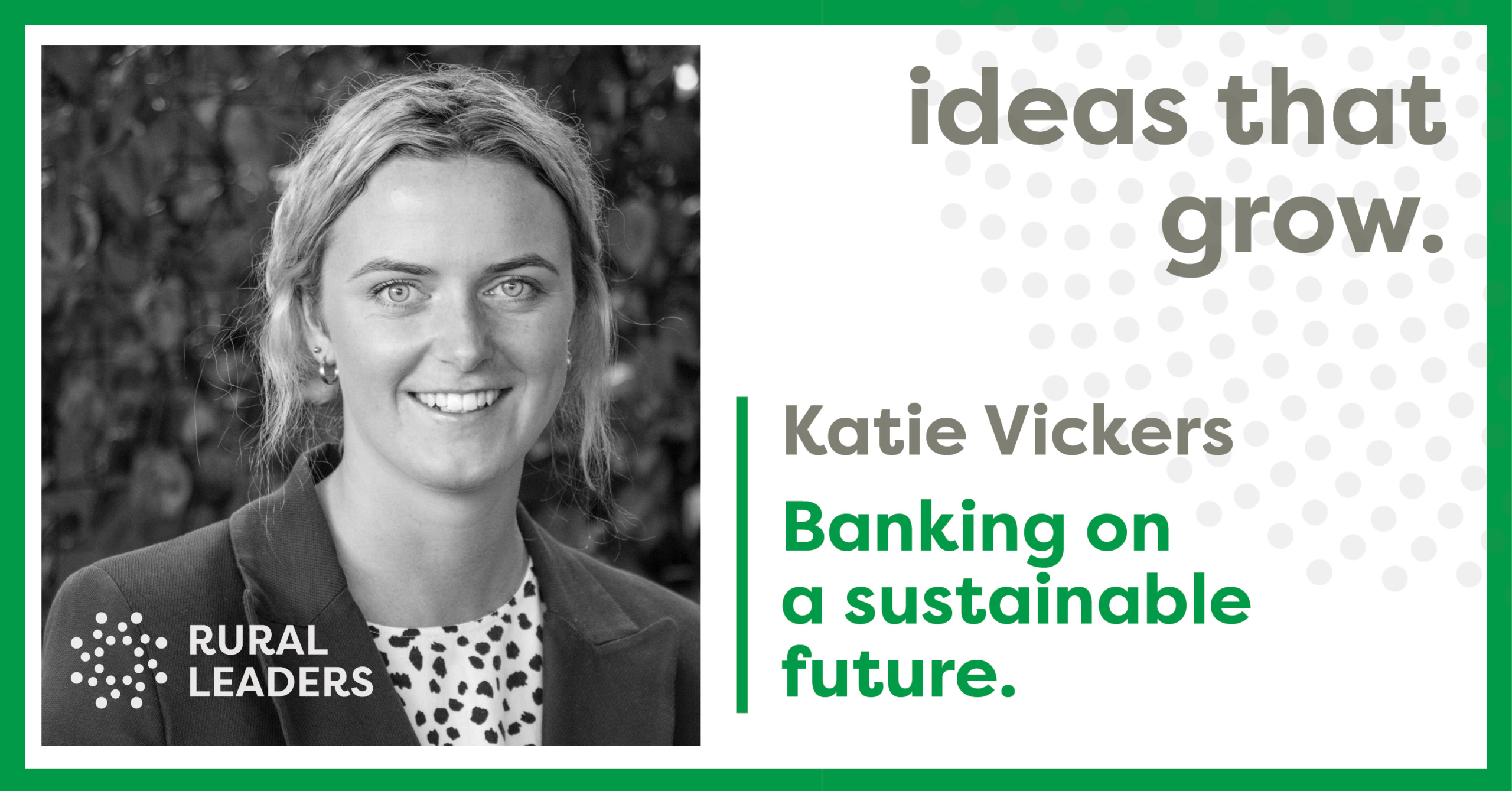
Katie Vickers: Banking on a sustainable future.

Ideas That Grow: Katie Vickers: Banking on a sustainable future.

Lynsey Stratford has discovered farmers make a few assumptions that aren’t very helpful – like accepting the fact that work might be dangerous and there’s nothing anyone can do about it. As Lynsey explains, “There are changes we can make, but those assumptions and those mindsets have been deeply held for quite some time.” 

As a consultant, Lynsey helps the primary sector with people management and development services and training. And, when it comes to health and safety she says, “We shouldn’t expect people to just know this stuff, but rather teach them and support them as they develop skills.” 
 
Lynsey’s research report unpacks the paradox that while farmers care about their people, farms as workplaces are overrepresented in fatal accident and injury statistics. So, what can be done to improve this?

Bryan Gibson – Editor of Farmer’s Weekly.

I’m Bryan Gibson, the Farmers weekly editor. This week, I’m with Katie Vickers. How’s it going? 

Katie Vickers – 2019 Kellogg Scholar.

Good, Bryan. 

Bryan: And where are you calling in from? 

Katie: I’m ringing in from Fairlie today.

Bryan: And that’s where you call home at the moment?

Katie: Yes. Recently moved down here from Christchurch. So getting back into the rural life. But loving it.

Bryan: And you are currently working for Rabobank as a Sustainability Manager, is that right?

Supporting producers through changing times.

Katie: Yes, I am. My role is around helping to support the banks sustainability ambitions and supporting our clients, in what is a reasonably challenging environment out there – just helping and supporting them, understanding what changes are coming and how that will impact their businesses and I guess wrapping our arms around them and helping them through that. 

Bryan: You’re right, there’s a lot of stuff going on in that space that farmers have to deal with. So it’s kind of cool that the banks are arm in arm with them facing up to that challenge, isn’t it?

Katie: Yes. And I guess the changes are pretty complex, but we probably need to start thinking slightly differently around how we tackle some of those challenges.  
 
One of the reasons I wanted to work for a bank was that you can see that they’ve got quite a strong lead in terms of how they can support clients. I guess at Rabobank we’re committed to the agri-sector and I love that kind of passion they’ve got for the sector. 
 
Our role is around how we support them, but also how we link them up with the right knowledge and networks. Because it’s such a complex topic and so different for every farming system. So it’s important for us to be able to understand their unique needs and make sure that we’ve got the right toolkit to support them in making good decisions for their business. 

Researching food nutrients on Kellogg Programme.

Bryan: Have you always worked in the agri-food sector or is it something you’ve evolved into over time? 

Katie: No, I’ve always been in the agri-sector. I grew up on a sheep and beef farm just north of Kaikoura, went to Lincoln University and then decided after Lincoln, that I definitely wanted to stay in the agri-sector.  
 
So I managed to land a job at Farmland’s Cooperative, and I worked there for eight years. About six of those years was actually in marketing, so I’ve come from a marketing and comms background and then spent my last two years there in a sustainability role. Then just recently moved to the bank, so it’s been an awesome journey. 

Bryan: Now, while that was going on, you applied yourself to the Kellogg Programme, and you took a look at nutrients in food. Is that correct? 

Producing food to positively impact human and the planet’s health.

Katie: Yes. So my topic was around putting the food back into food. The question I was looking to answer was what would it take for our primary industry to produce nutrient dense food? I think the reason why I wanted to explore that was I’ve always been brought up with a really holistic approach. I care deeply about the health of our planet and health of our people.  
 
I’ve got a twin sister who is a holistic health practitioner, so she works on the how do we help people’s health, because we’ve got a massive crisis in that space. 
 
So my passion has always been, what role does agriculture have to play in that? How do we work with our soils better to influence the food that we eat, which in turn influences the health of our people? It’s a massive topic. It was hard to even scratch the surface on a lot of that stuff.  
 
I did a lot of interviews and research with soil scientists, nutritionists and industry leaders, and I got some really cool insights out of that. No real answers, but lots of different things to consider. 

Bryan: People would think the food that New Zealand food producers make is nutrient dense and natural and grass fed and all that sort of thing already. So is there more that can be done at the farm level to enhance that? 

Kellogg research and the impact of soil on the food we produce.

Katie: I’m not an expert in this space and I will never claim to be, but my thinking was really expanded when I read Nicole Masters’ book – For the Love of Soil. She talks about the relationship that we have with the soil. In this day and age, there’s so much more we’re learning about the soil and the microbiology of the soil, and the knowledge we have of that is growing.  
 
As we understand more, we need to do more on-farm. So the role that my research played was understanding that today we use a lot of synthetic fertiliser, and we have quite a strong reliance on that, and that hasn’t been a terrible thing, but moving forward, how do we understand how to use our soils better so we don’t need to have such a reliance on some of those synthetic inputs coming into our farm systems. 
 
I you look at the kind of environment we’re in today with the rising input costs, it’s about how do we create more resilient farming systems, and having a different lens on what that might look like in the future. So the research I did was, okay, how do we understand our soil more to understand the impact it has on the food that we produce? 

Bryan: And what sort of insights did you get from some of the people you interviewed? 

The shift to quality over quantity and premium pricing.

Katie: One of the really interesting ones I did, I didn’t actually interview him, but I did a whole lot of research on the work that Dan Kittredge has done out of the States. He’s got a business called The BioNutrient Food Association.  
 
His role is looking at some tools consumers could use in the future to be able to scan Apple A and Apple B as an example and see the different nutrient composition of those apples and therefore make a decision as to why they might be paying $2 more for Apple A because it’s got a higher nutrient profile.  
 
Those tools aren’t in market and in bulk yet, but I have absolutely no doubt they will be in the future. So that’s the kind of thing could change the landscape of farming, when consumers have got the power in their wallet to be able to make those decisions, to say, well, you know, I want to know why I’m paying more for this apple, because I’m getting the nutrients that I need. With that, you’re hoping there’s been less environmental degradation to produce that product, whether that be apples or meat or whatever. 

Bryan: Yes, I guess that sort of thinking has become more prevalent with the pandemic, with people really thinking a lot about what they eat and keeping their base level health as high as it can be. So it’s really top of mind for a lot of people. 

A food system under stress.

Katie: For sure. I think it’s pretty obvious our food system is under stress. And whether it’s talking about a climate crisis, a human health crisis or health crisis, a biodiversity collapse, there’s all these different things that play in to each other. One of the key points I like to think about is that we don’t want to look at these things in isolation.  
 
If you look at the human health crisis we’ve got, and even the latest pandemic, these pieces have a real interconnectedness and it’s quite a different way to think about it.  
 
I think the more that we think about the connection between the crisis of our planet and the crisis of our human health at the moment, it might help us to think differently around how we handle these things in the future. 

Bryan: That sort of thinking ticks a few boxes at once, as you say. It can do more for people’s health – and a focus on soil can also do more in terms of freshwater quality and in terms of greenhouse gas emissions and biodiversity. All sorts of things do come together as one.  
 
A lot of people, when you talk about, say, regenerative agriculture or related fields, a farmer might say, well, I’ve yet to see the value-add for me. So if I’m going to reduce production to adopt these things, I need to make that up somewhere else. 
 
So how does a sustainability manager at Rabobank approach these things? 

Planting seeds – one conversation at time.

Katie: That’s a great question. I guess my personal mission is to just plant little seeds in people’s minds around how they think about these things. I guess I’ve always believed that you’ve just got to approach it conversation by conversation and people will take different things from the conversations that they have with you.  
 
My role at the bank, is to just support and understanding and what role Rabobank needs to play in this space and how we support our clients. That’s going to look different for every client we have.  
 
We have some clients that are in the regenerative space and really loving it and seeing benefits. We’ve got others that will want to be exploring it and others are saying, that’s not for me – there’s no right or wrong, it’s just how do we help create resilient farming systems in the future and make sure that people are profitable, sustainable and enjoying the life they lead. Because at the end of the day, if they’re not doing that, there’s not a huge amount of value in it.  
 
So I guess my role is just to have these conversations and I see business having a really important role in influencing the way we think. And as a young leader, I guess we can help create the future and it’s important that we are part of that. I want to be part of creating that future. 

Katie Vickers, Kellogger, Rabobank Sustainability Manager.

Bryan: I guess Rabobank being a global, agriculturally focused bank would have a sort of a long term view and a strategy around where things are going and what needs to be done to continue to do business in this space. So that would feed into a lot of the work that you’re doing? 
 
Katie: Yeah. We are lucky to have that global aspect. I guess it’s one of the pros of working for such an awesome business because we’ve got all these insights from across the globe to help our thinking. But I definitely reckon New Zealand is leading the way, particularly in the climate space and understanding at a farm systems level, what we’re dealing with.  
 
Bryan: Yeah, it is. And another thing I guess we need to remember is that it’s not just a value proposition, it’s increasingly become a cost of entry and market access, isn’t it? 
 
Katie: Yeah. I was late with that because I’m not a technical expert, but I come from a marketing background but when you have tricky conversations with people who might not agree with some of the changes that are happening, or are struggling to comprehend it, which I totally empathise with.  
 
One of the pieces I always lead with is the market. We export 90% of what we produce here in New Zealand. So whether we like it or not, what’s happening, what consumers are demanding and what the market is saying, is really important to how we respond. So we have to understand those market signals to make sure we’re producing what’s going to be valuable and what’s needed from our customers. 
 
Bryan: Yes, I used to work a little bit in PR as well, (we used) the old adage, if you’re explaining, you’re losing, quite often. It’s got to be obvious and it’s got to be transparent. You’ve got to front foot these things, otherwise someone will front foot it for you. 
 
Katie: Exactly. 
 
Bryan: So what made you apply to the Kellogg Programme in the first place? 

Kellogg, equipping today’s leaders for tomorrow’s challenges.

Katie: It was part of my development plan when I was at Farmlands, and I am eternally grateful for the opportunity to do the Programme. It was such an important time … the Programme really helped to widen my thinking around what influence business could have in helping to solve some of the challenges I could see coming in the agriculture sector. Having the opportunity to do that was just incredible.  

I know that I probably wouldn’t be where I am today if I hadn’t had the opportunity to do that Programme. I guess it was the people we were exposed to and the time that was carved out to really explore some of the ideas that came up – that was the really valuable stuff for me.  

Bryan: I’ve been to one or two of those Kellogg alumni conferences, and just the feeling in the room is quite different to a lot of places. You know what I mean? There’s such a good sort of camaraderie between the alumni of the Programme. 

Staying connected with the Kellogg network.

Katie: Yes. I think for me, I’m a people person, so the connections with people in the industry were just phenomenal. Even now, if I really want to talk to X, Y or Z to find some information and you said you did Kellogg, people are so willing to talk to you. I guess it just gives you the opportunity to speak to people who will challenge your thinking.  

As I’ve grown up and matured, I love having that. I love having people who will challenge my own thinking because it helps deepen my knowledge and my thoughts. Being able to have the opportunity or the exposure to speak to different people and have different perspectives is just so invaluable. 

Bryan: Thanks for listening to Ideas That Grow, a Rural Leaders Podcast in partnership with Massey and Lincoln University AgMardt and FoodHQ. 

Two Te Puni Kōkiri Scholarships available for Kellogg Whanganui.

Te Puni Kōkiri is generously sponsoring two places on Whanganui’s Kellogg Rural Leadership Programme, May start.

This is an extraordinary scholarship opportunity, covering programme fees and giving applicants the chance to develop leadership skills closer to home.  
These scholarships are open to passionate Māori as part of their leadership journey in the Food and Fibre Sector.

Those wishing to apply for a scholarship, should include a cover letter with their application indicating why they should be selected. 

In the cover letter, evidence should be shown of leadership in Māori Food and Fibre, along with discussing how the scholarship will contribute to personal leadership development.

How to apply.

To get an application underway, prospective applicants should register their interest through the link below. They’ll receive an application form to complete. When they return this form, include a cover letter indicating intention to apply for the scholarship, at the top. 

For any questions about the scholarship please don’t hesitate to get in touch with Lisa Rogers, Programme Manager, at lisarogers@ruralleaders.co.nz 

Changing the narrative – an online Kellogg session.

Kellogg has had to adapt during the Pandemic, to a hybrid model, working both online with tools like Zoom, and in-person when it is safe to do so.

One positive thing about video calls, and for some one might be a stretch, is being able to sit on the side-lines occasionally, with mute on and video off. You get all the benefits of the call, without needing to worry about asking clever questions.

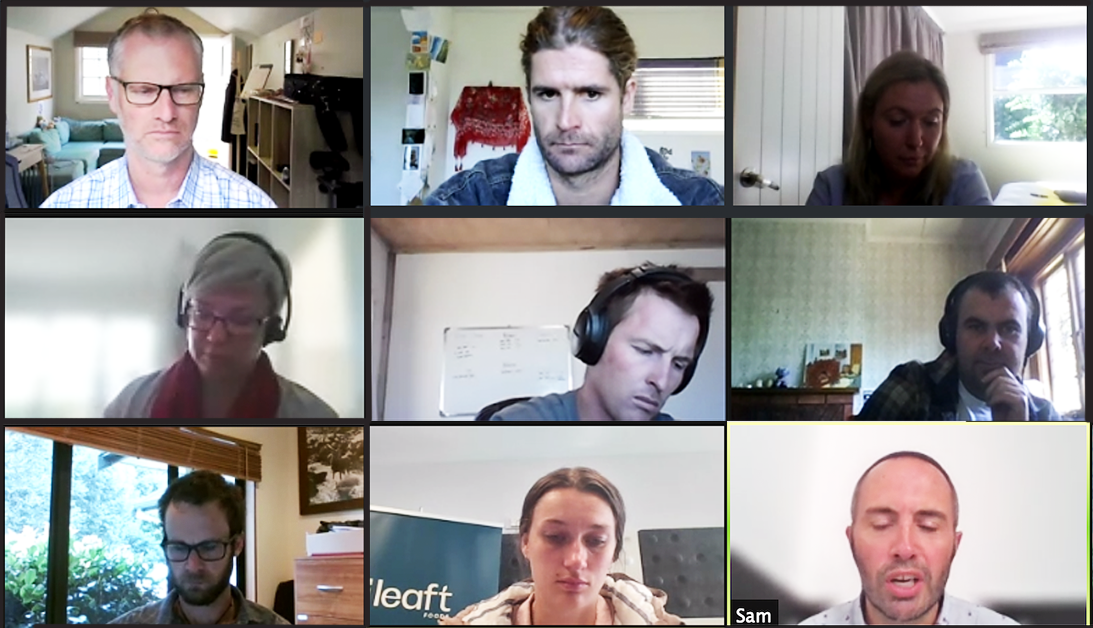
So, muted and invisible we joined Scholars on Phase Two of the Kellogg Rural Leadership Programme, to listen to Sam Halstead of Latitude Strategy and Communication. Sam works in Public Relations, focussing on the primary production sector.

Phase Two is important for Kellogg Scholars. It gives an economic, political, and environmental context. It zeroes in on how to engage and influence decision making at a local, regional, industry and central government level. And engaging means communicating effectively. Enter Sam.

The most scrutiny in a generation for the primary sector.

Sam began his presentation with a slide headed ‘The most scrutiny and pressure in a generation.’ Discussion moved easily from one example substantiating this, after another.

The next slide, ‘It’s not all bad,’ presented positive sector perception statistics, based on recent polls from UMR Market Research. The pendulum has been moving in the other direction through Covid – with a public realising New Zealand now has big bills to pay and that the primary sector might be the one to help. The numbers make interesting reading:

  • New Zealanders have a positive view of the primary sector.
  • New Zealanders remain strongly positive about horticulture (67% positive, 29% neutral, 4% negative).
  • Sheep and beef farming (58% positive, 29% neutral, 13% negative).
  • And dairy farming (55% positive, 29% neutral, 16% negative).

Changing primary sector narratives with human connection.

While sentiment is on the up, the big challenges remain. Challenges that continue to impact the way the public views the primary sector. Sam took scholars through how public relations is utilised to help address some of these.

‘Changing the narrative,’ Sam explained, is about human connection and building trust over time – to change the narrative over time. Briefly, that might mean:

  • Avoiding the echo chamber – telling our stories outside of the sector.
  • Enlisting champions, or advocates.
  • Collaborating – avoiding confrontation.
  • Better leverage of the sector’s points of difference.
  • Owning issues and improving performance – sharing those improvements.
  • Building high quality relationships.
  • Most importantly – strive for human connection.

These sessions, delivered both online and in-person, help scholars build a critical awareness mindset, build confidence, and empower scholars to create change – public relations is just one tool in the toolbox that can help.

Madison Pannett on GenZ in the primary sector.

Madison Pannett is a 2021 Kellogg Scholar who recently made the news with her Kellogg research on attracting Generation Z into the primary industries.  

You can review her report here, Generation Z and the environment – how can we use their passion to attract them into food and fibre sector careers?

In a nutshell the report takes a close look at how and why the sector’s careers need to be more aligned with this influential generation’s values. 

The interview with Radio New Zealand’s Jesse Mulligan is short and to the point. For anyone looking to bring new talent into their operation, it’s well worth the five-minute investment.  

Madison speaks about the way the primary sector’s economic performance is the most common messaging theme in media, something GenZ are not generally interested in or motivated by.  

According to her research, GenZ are motivated by environmental issues and their ability to make a bigger difference to them. She concludes, a job should be spoken about in terms of how it fits into the bigger picture, particularly regarding global warming – rather than in financial or economic terms.  

Listen to Jesse Mulligan interview Madison below. 

You can also read an earlier article published in the Waikato Herald. In this article Madison also talks about how we might inspire young people into the primary sector. 

Follow the link to read the article on nzherald.co.nz website.

The Mackenzie Study – a view of leadership

The Mackenzie Study – a view of leadership

The Otago Business School and the Department of Economics recently conducted research on behalf of The Mackenzie Charitable Foundation and The New Zealand Rural Leadership Trust.

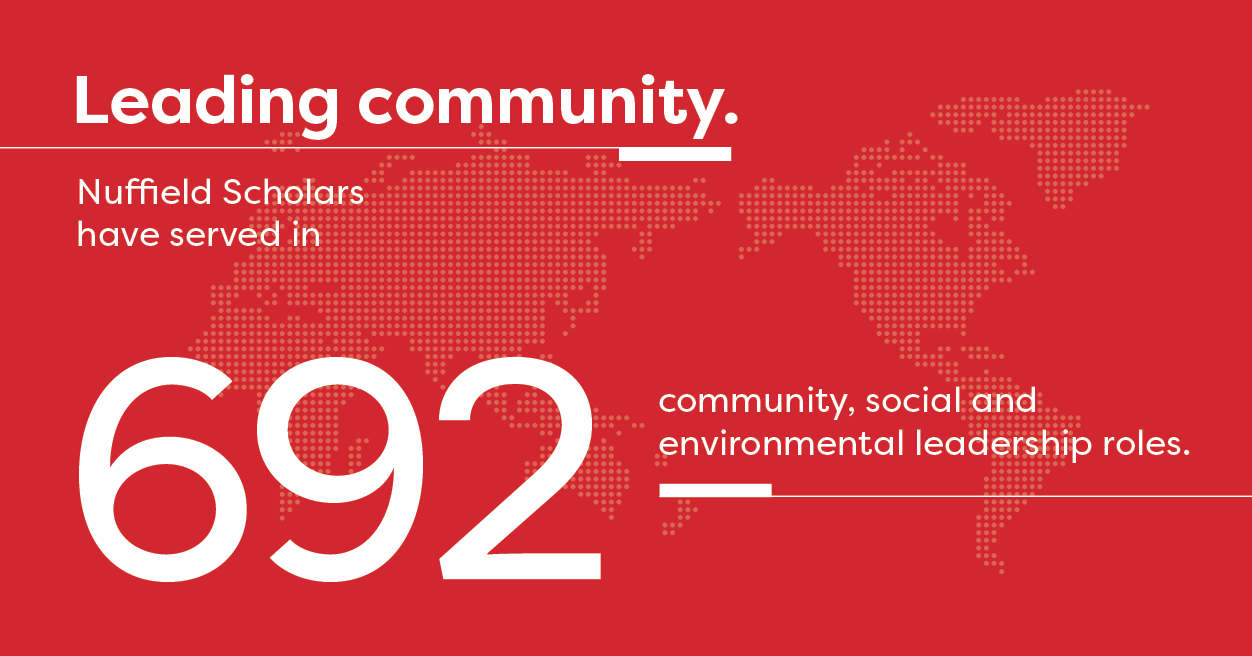
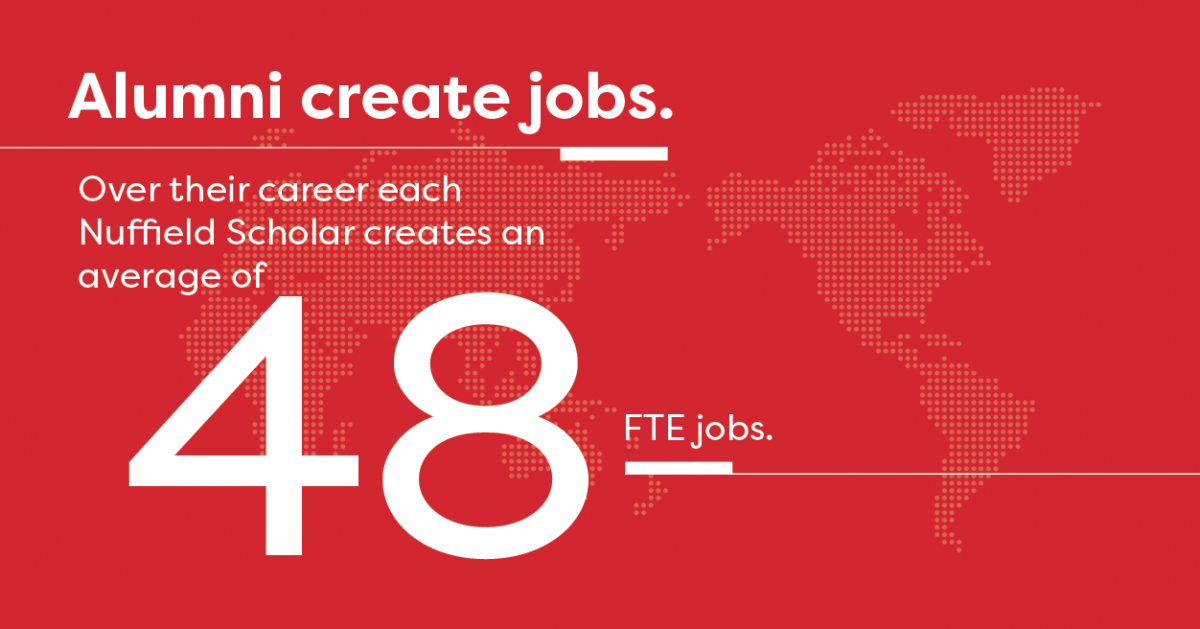
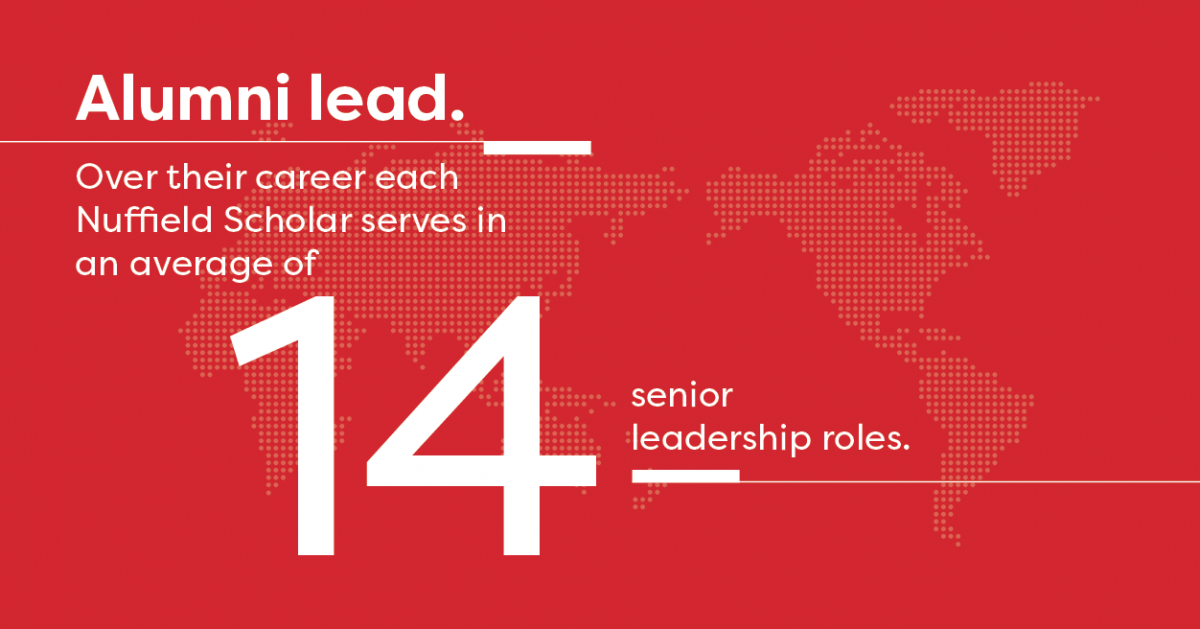
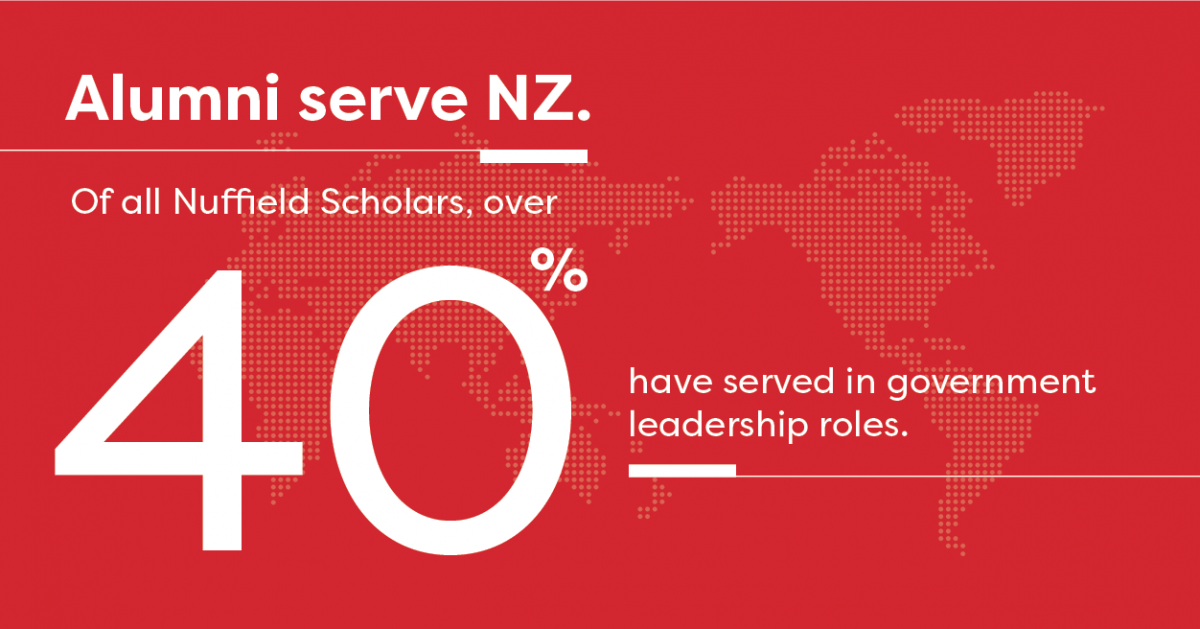
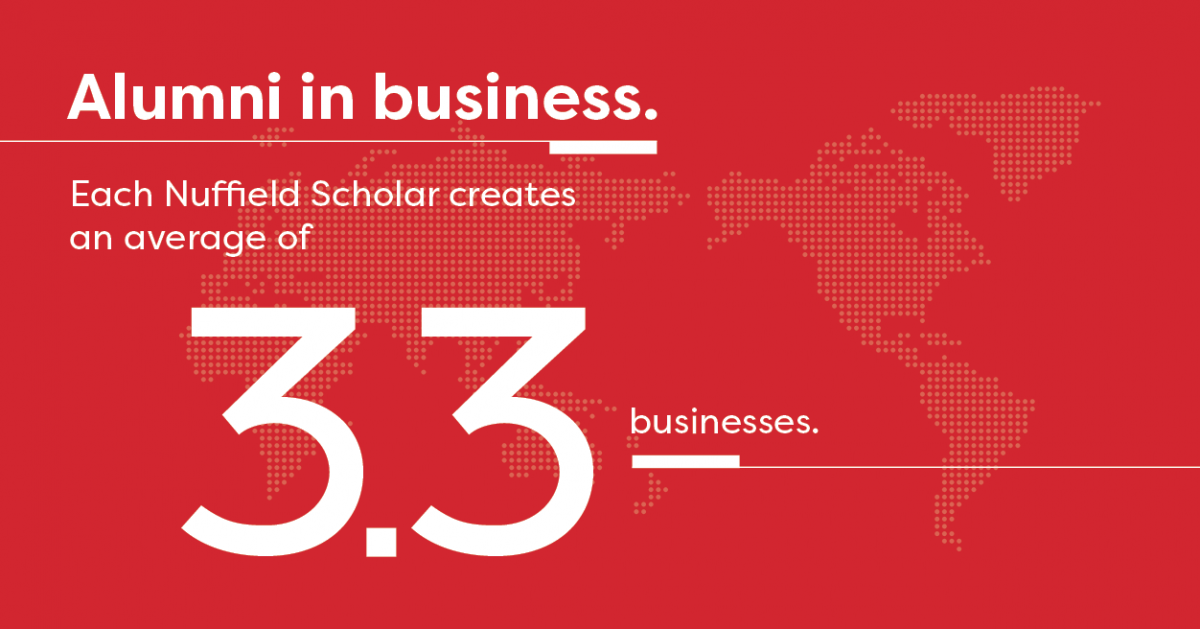
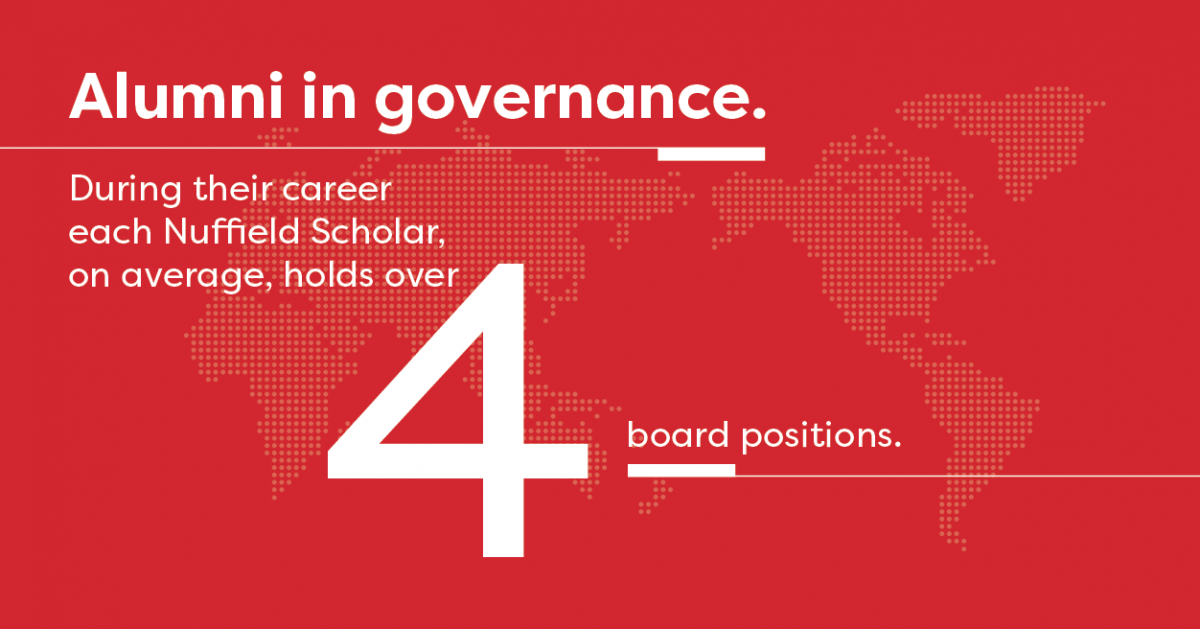
‘The Mackenzie Study’ revealed remarkable results on the personal gains in entrepreneurial skills attributable to participation in the Kellogg and Nuffield Programmes. It is Nuffield Scholars’ broad and consistent level of achievement over time, that resonates most.

Preliminary findings are a compelling case for anyone considering applying for a 2022 Nuffield Scholarship, or looking to develop their leadership ability through the Kellogg Rural Leadership Programme.

A comprehensive survey of Nuffield Scholarship Alumni was conducted in June this year, with invitations sent to all 135 living alumni.

The study had an unusually high participation rate of over 50%, especially given the flooding in Canterbury.

We’ll be presenting more results in due course, including comparisons between alumni and current cohorts. For now, here are just some of the findings demonstrating the professional accomplishments of Nuffield Scholarship Alumni.

Each result is a strong call to potential applicants for the 2022 Nuffield Scholarships, to apply before midnight this Sunday, August 15.

Our New Programme Partner – Rabobank, and more…

Meet our new Programme Partner - Rabobank

Rabobank NZ

We welcomed Rabobank on board as a Programme Partner in January this year and look forward to working with them and tapping into their extensive international and national networks and expertise. As the only Co-op bank focused on the Rural Sector, we could not have signed up a better partner. Relationships are two-way so we urge you to consider Rabobank for your banking requirements and to tap into their extensive resources below.

Rabobank Research Podcasts

Rabobank’s global team of 90 food and agribusiness analysts regularly record podcasts where they discuss the latest developments in food & agri sectors & provide insights on what these developments mean for kiwi farmers.

The podcasts are a fast and easy way to gain a better understanding of how Covid-19 and other key industry developments are likely to impact your business. 

To check out the podcasts, search for ‘Rabobank’ on your favourite podcast app & subscribe or you can access the podcasts on their website or follow this link to the Rabobank website.

Strategic Partner Agmardt – re-signs partner agreement

We are delighted that our our relationship with Agmardt will continue for the next  three years, following the re-signing of their Strategic Partner agreement with Rural Leaders.

We cannot acknowledge enough the incredible support provided by Agmardt to our programmes and events.

Vote Now! DairyNZ Levy Vote

The DairyNZ levy vote is open. 

Please make sure you vote and  get others to vote also. Now more than ever we need a dairy organisation representing the industry at government policy level, doing scientific research, and supporting many programmes including leadership and people capability for the sector. 

Click here to VOTE NOW!