2026 Nuffield NZ Farming Scholarship. Apply by 17 August 2025. Read More...

Apply for 2026 Nuffield NZ Farming Scholarship by 17 August 2025. More details...

Madison Pannett on GenZ in the primary sector.

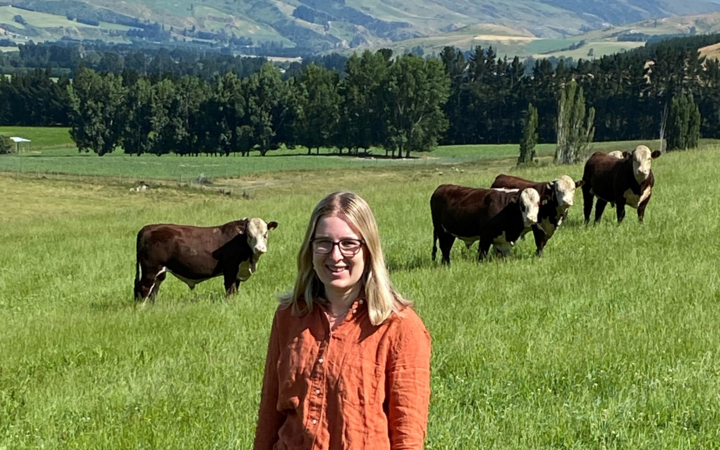
Madison Pannett is a 2021 Kellogg Scholar who recently made the news with her Kellogg research on attracting Generation Z into the primary industries.  

You can review her report here, Generation Z and the environment – how can we use their passion to attract them into food and fibre sector careers?

In a nutshell the report takes a close look at how and why the sector’s careers need to be more aligned with this influential generation’s values. 

The interview with Radio New Zealand’s Jesse Mulligan is short and to the point. For anyone looking to bring new talent into their operation, it’s well worth the five-minute investment.  

Madison speaks about the way the primary sector’s economic performance is the most common messaging theme in media, something GenZ are not generally interested in or motivated by.  

According to her research, GenZ are motivated by environmental issues and their ability to make a bigger difference to them. She concludes, a job should be spoken about in terms of how it fits into the bigger picture, particularly regarding global warming – rather than in financial or economic terms.  

Listen to Jesse Mulligan interview Madison below. 

You can also read an earlier article published in the Waikato Herald. In this article Madison also talks about how we might inspire young people into the primary sector. 

Follow the link to read the article on nzherald.co.nz website.

Ben Todhunter: Observations from a high-country station.

Ben Todhunter is a 2006 Nuffield Scholar and High Country Farmer. He farms Cleardale Station with his family in the Rakaia Gorge, Canterbury.  

Below are the closing lines from Jim Morris’s poem ‘Rewards’. They capture the spirit of the high country farmer and as such are personal to Todd. Jim Morris was from neighbouring Manuka Point Station, and is now retired.

The ranges vast are here to stay 
And he’s content to spend his day, 
Working in their rugged grip 
His recompense – the love of it.

This is a compilation of some of Ben’s LinkedIn posts from 2021.

#1. Pressure and release

December 2021 

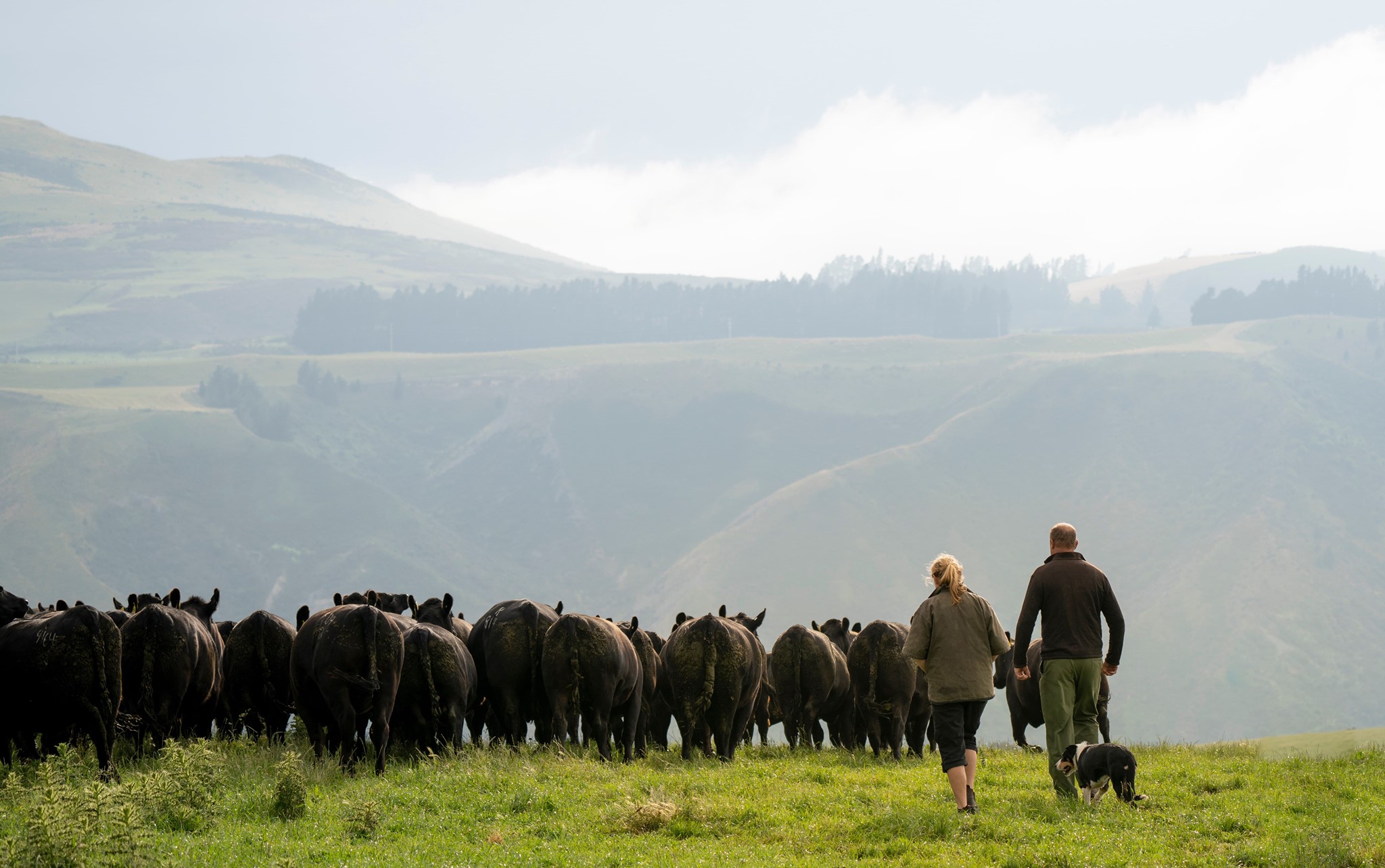
A young calf got caught away from the main mob. Rather than applying pressure to the calf, Ben backs off, mum doubles back to bring the calf back to the mob herself. 

Quoting Monty Roberts, Ben writes:

Pressure and release. It’s a fundamental tenet of moving livestock. It also applies to humans as well. As a leader, working with tension or pressure to grow someone is a balance. How do you learn to get the judgement right?

Lesley Prior, Tellenby Merino Stud, Commented:  
Great example of good stock handling. Quiet, patient and ‘going with the flow,’ but with gentle direction where necessary.  

#2. Pondering geology

October 2021 

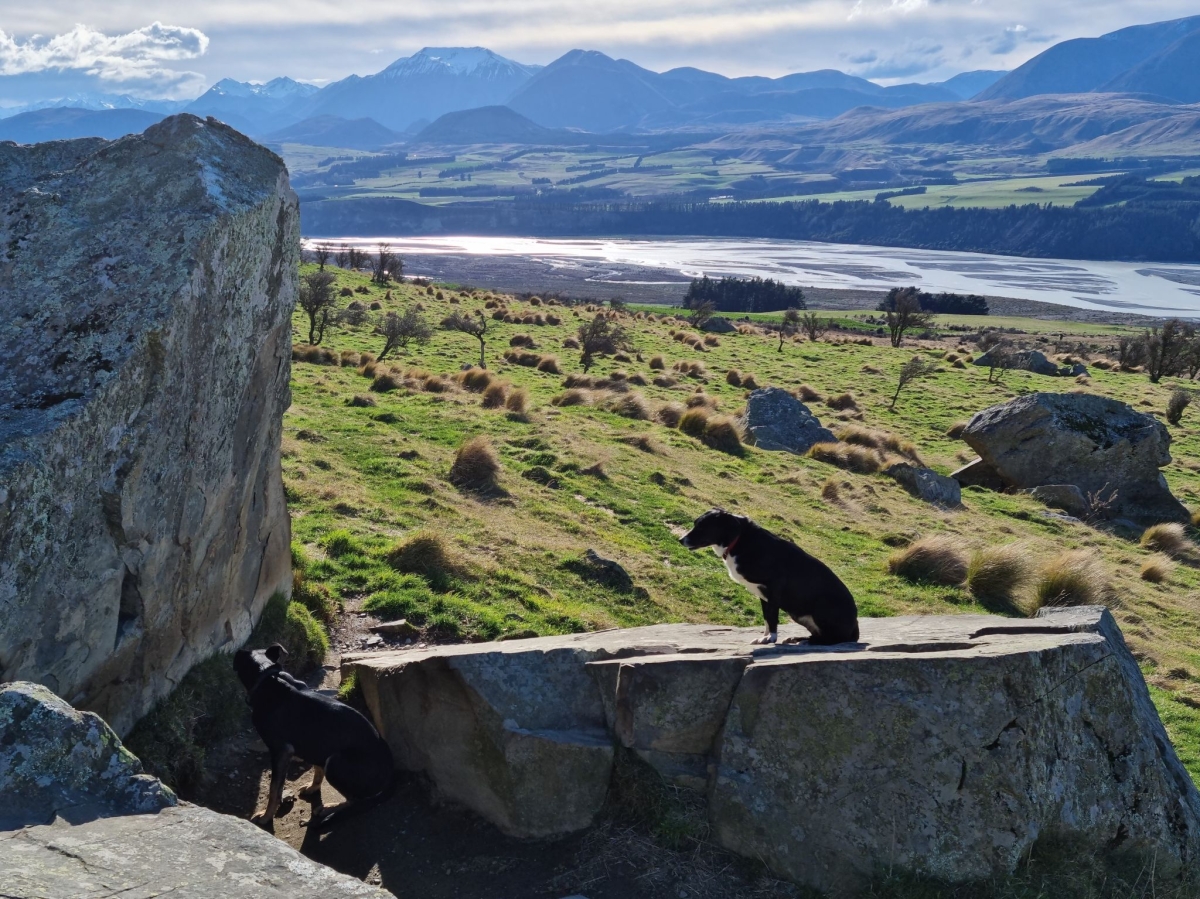
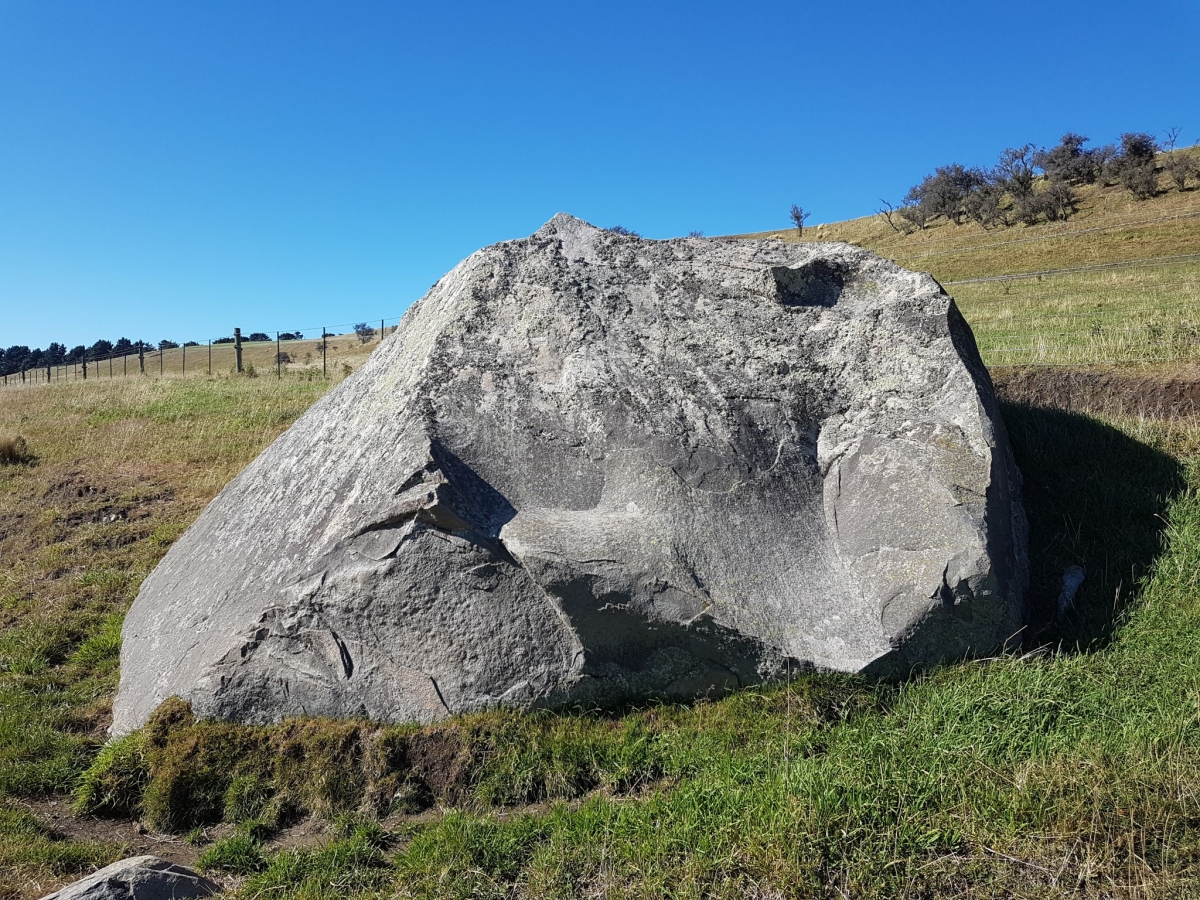
Ben observes that the rocks and stones scattered on his farm have ancient stories to tell.

Ben writes:
A collection of photos of some terminal and lateral moraine boulders. The greywacke rocks have fallen onto glacial ice and were carried up to 70km before being deposited in-situ approximately 18,000 years ago. 

The greywacke was formed over a 200-million-year period as tens of thousands of metres of sediments built up off the edge of Gondwana. The sediments were eventually buried, deformed, hardened, and uplifted to become the rocks that formed the Southern Alps. 

Link to ‘Te Ara – building a continent.’ 

It’s useful therapy to ponder the stories of these rocks when considering your significance, or lack of, in the world. 


Victoria Harvey, Climate change PHD researcher, commented: 
A great reminder of our place and time in this world. Plus, very clean air judging by that lichen. 

#3. Embracing technology

November 2021 

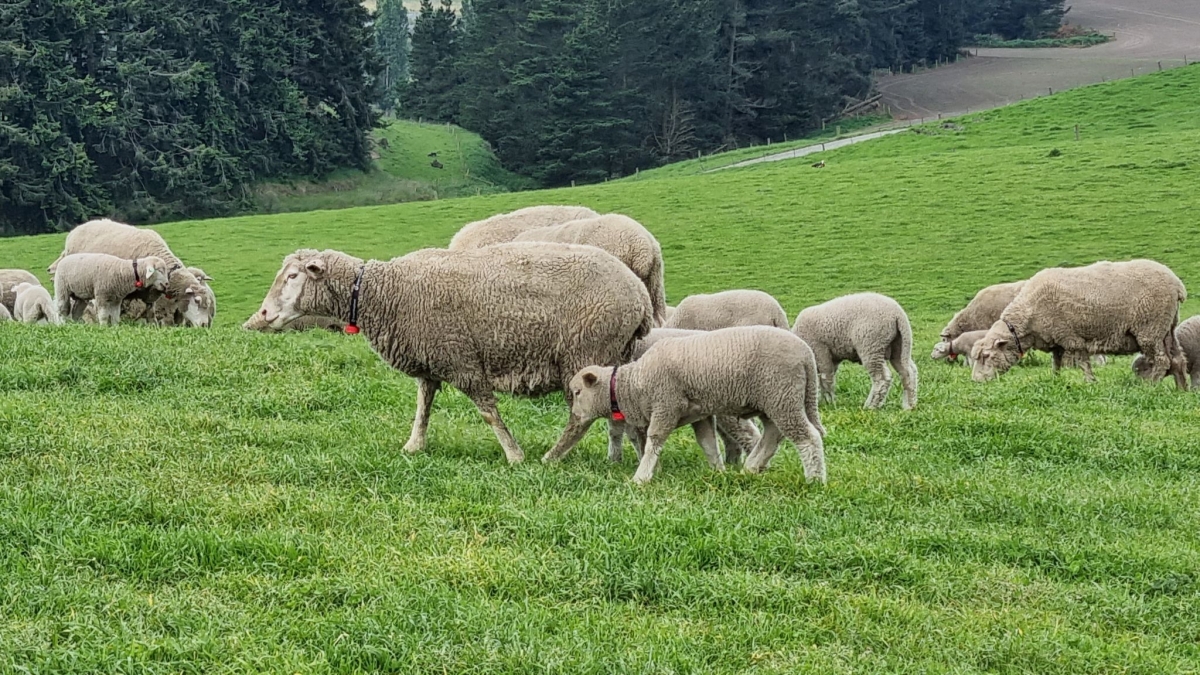
To reduce the time intensive process of matching dam with lamb, and at the same time increasing the quality of pedigree data, Ben introduced smart collars to Cleardale.  

Ben writes:
Our current master shepherd (my father) is proving difficult to replicate and scale. These collars have Bluetooth technology and record proximity to other tags. If they are worn for 48 hours they provide an accurate record of the lambs and their mothers. 

This is the same technology that can be used for some of the proposed contact tracing systems for disease management.  

Helen Thoday, Solutions and Development at DairyNZ, commented: 
That’s so much better than binoculars and spray-painted numbers.

#4. Perspective

May 2021 

Ben observed an interesting play of light and perspective. 

Ben writes:
Fascinating light on a frosty evening. They say the best time to show off livestock is in the afternoon light, but this may be taking it to extremes. 

Gordon Ray, Lecturer at Grenoble Ecole de Management, commented: 
On first impression, almost looks like a bubbly lava flow; when I noticed it’s sheep moving. I’ve worked with a large herd of sheep (1600) and the movement is so fluid as to almost look like slow motion water. Very cool video – thanks for sharing! 

Ben comments:
Gordon Ray, large groups of animals can have real flow. 

#5. Pushing too hard

November 2021 

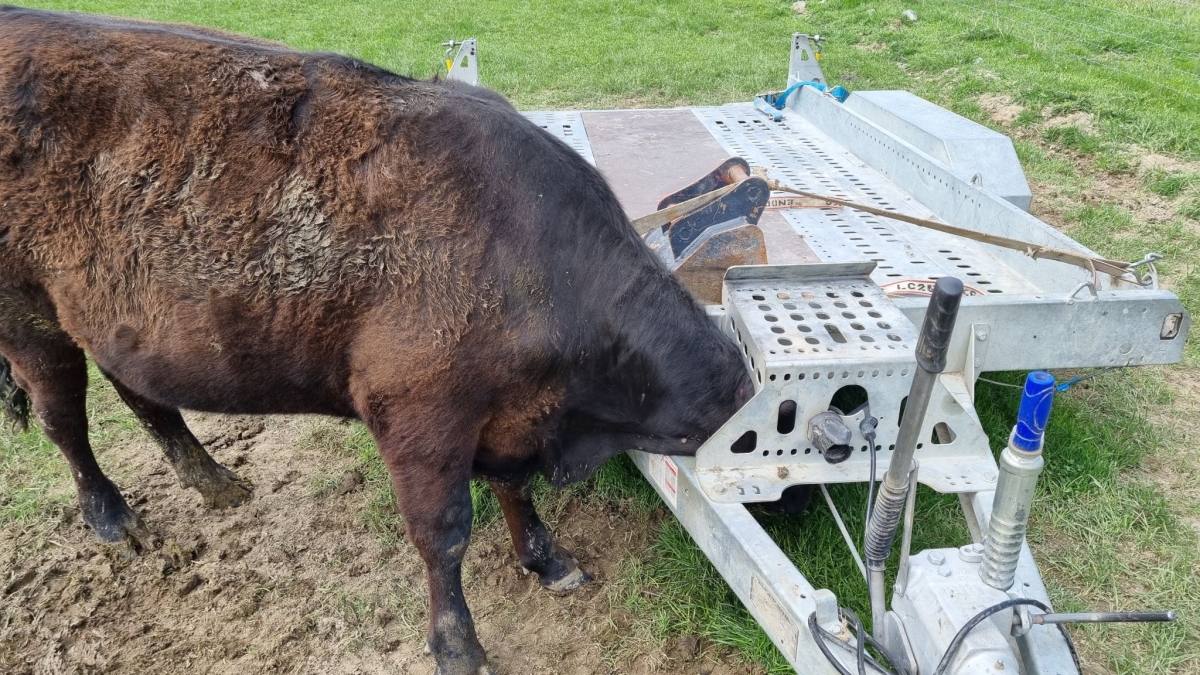
Curiosity or greed? A heifer gets caught in farm equipment looking for the lush grass beneath it. (the heifer was freed unharmed!)

Ben writes:
You know that time when you just go a little further than you should’ve? 

Peter Stannack commented: 
Boundaries are for testing. How else do you find out who you really are? 

#6. Filling your soul

January 2021 

Concepts of mindfulness, wellbeing, and connection to nature are explored in this post.  

Ben writes:
There’s something deeply therapeutic, listening to and watching water. 

This Awa or river, the Rakaia, is a big part of our lives and has many moods. Here it is flowing at 145 cumecs (cubic metres per second). The highest peak flow ever recorded was 5594 cumecs at midnight on January 9th, 1994.  

We are involved with two groups protecting the special landscapes, flora, and fauna of The Rakaia from the gorge to the main divide. I’d like to extend that to the Coast as well. In a recent assessment the Rakaia scored the highest of all the braided Canterbury rivers to be proposed for World Heritage status. 

The Whanganui River has been granted the status of a legal person. “I am the river; the river is me” affirms the deep connection of the Māori tribes of Whanganui to their ancestral river. 

My connection to the Rakaia is not in that form. It is in the form of wonder, and respect, and love, and a place I can go to fill my soul. Where do you go to fill your soul? 

Sam Martin, Exterior Architecture UK, commented:  
Anywhere I can walk under trees works for me. Which is lucky given the situation here in London and our living so close to many commons and parks. 

#7. A river runs through it

October 2021 

“You have my full attention.” Was Mac’s response to a text last year. 

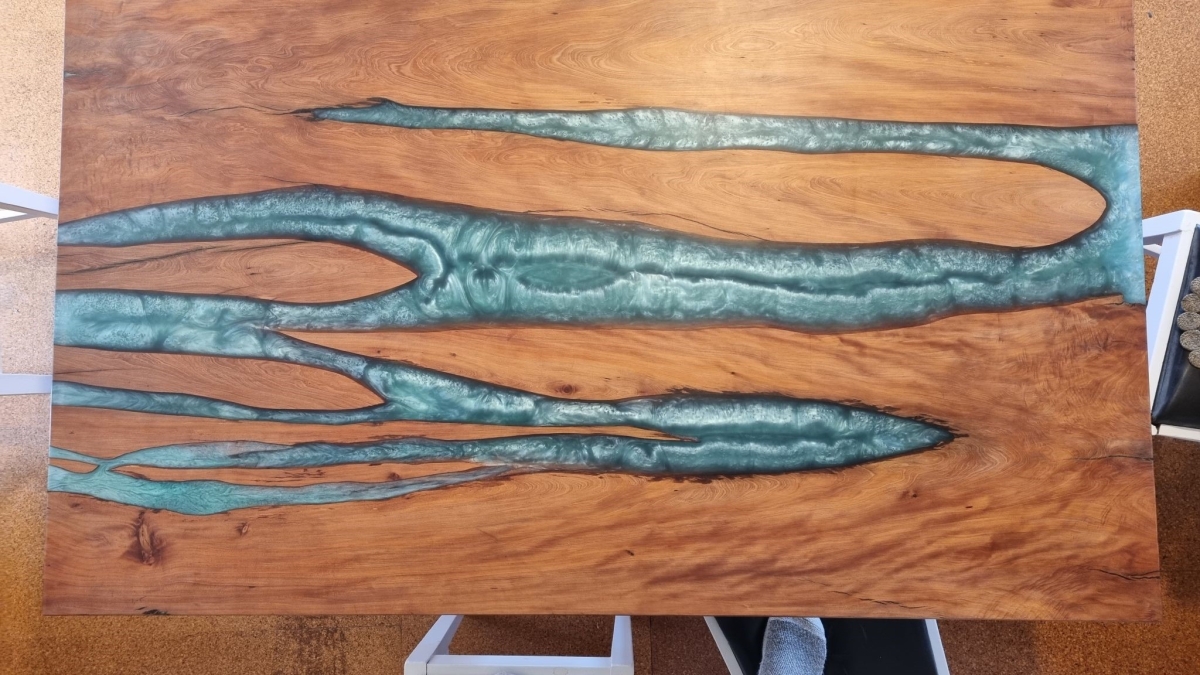
This is a story about the power of story. The story of a table with a story that tells a story. 

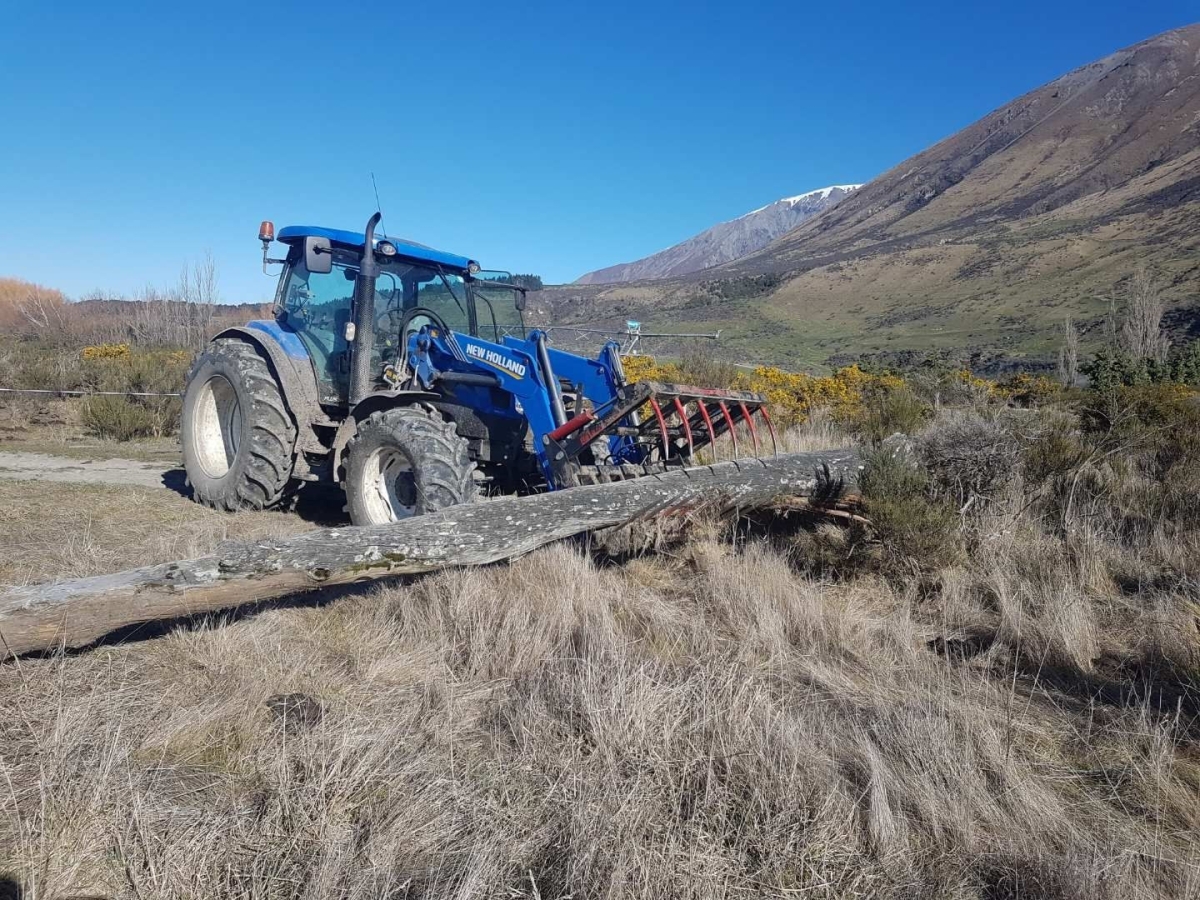
We live beside the Rakaia River. Our Awa originates in the heart of the Southern Alps/Kā Tiritiri o te Moana from the Ramsey and Lyell Glaciers. It is a braided river coloured blue from the glacial flour at its origin. Occasionally Totara logs are carried down river from the mountains and are deposited in front of our farm. 

Now Mac who was a neighbour and a top ad man, has now retired and become an accomplished luthier. He’d made me a stunning guitar from a previous piece of Totara and had expressed interest in working again with the special wood. So, when I found a suitable log, I sent a photo and immediately received the above reply. 

Half an hour later he was on site thinking of possibilities. In his words “You are being trusted with an absolute gem of a tree, and you prepare it with the full respect and care that its mana demand. It was an absolute privilege to be asked to give this tree a new life.” 

We then carved out a small bit suitable for guitars and kept the remainder. Maybe to build a table… 

A few weeks later Mac asked if we’d like him to make a kitchen table for us. 

Yes! Yes, was the response.

Mac enlisted the help of another neighbour and master wood whisperer Rob, to craft something special. 

We had a few other pieces of wood from the replaced decking and guardrails of the historic Rakaia Gorge bridge and knowing the talents of these two we provided dimensions for our house and for my frame and left them to it. 

Now for those who know about farm tables, a lot of business gets done around them, people are hosted, discussions are held and family times are lived around these tables. Being a storyteller Mac knew this and wondered if the table could tell a story? “Could it become a centre-piece, not just physically, but also emotionally and attitudinally? Could it have personality?” 

The idea of a river table was born. A table with whakapapa. 
“The idea was to re-create the tree’s relationship with the Rakaia River, representing its journey to Cleardale and the farm’s relationship with the river.” 

And that is what we’ve got. Timber from the mountains, carried and battered by the river, inlaid with a representation of that braided river and held up by timbers from a bridge to the past, repurposed to create memories into the future for a family whose lives are intertwined with that Awa. 

A special Taonga, which has a story, tells a story and will be part of many more stories. Thanks so much gents. 

Partha Ghosal, Clean Energy, commented:  
“You had my full attention.” So much so I read it twice! Never knew of Totara, let alone that it could make a stunning guitar/table. Something to do with your storytelling flair and a Luthier giving full respect maybe? Just love what you, he, and your wood whisperer achieved in the end. Your special Taonga. 

A typical day on the Value Chain Innovation Study Tour.

Craigmore Farming Horticulture Study Trip

The Value Chain Innovation Programme is made up of three phases spanning six weeks from May 9 to June 19. You can find out more about the programme and its core elements here.

Probably the most involved point of the five-week experience is the industry immersion study tour (Phase Two).

What will a typical day on the tour look like?

A fair description would be “busy”. But here’s more about what to expect.

We should note first that this ‘typical day’ may be subject to pandemic or scheduling related changes. 

Day five. In summary, there will be horticulture, food science and much more on the day. Generally, no one day will be dedicated to a particular value chain, but rather each piece of a value chain will be spread across several days.

You’ll be waking up in Central Hawke’s Bay. It’s an early start with breakfast at 06:30, and on the bus by 08:00.

On this particular day, the first destination is scheduled to be Craigmore’s Springhill Horticulture operation. You’ll arrive by 09:00.

Craigmore Springhill.

Craigmore manages farm and forest investments and was established in 2009 by two New Zealand family farmers, Forbes Elworthy and Mark Cox. Craigmore has an experienced team managing 18,000 hectares of dairy, grazing, forestry, and horticultural properties, that includes Springhill. 

You can preview Craigmore’s Springhill operation in this video

At around 11:00 the bus will depart for Massey University campus in Palmerston North, where you’ll be visiting several units. You should get there by 13:00.

The Riddet Institute.

First stop on campus is the Riddet Institute.

The Riddet Institute aims to build the knowledge and skills to tackle the challenges facing our fast-changing food sector, through discovery-led research at the frontier of food materials science. 

To learn more about Riddet, watch this interview with the Institute’s Deputy Director, Professor Warren McNabb. Scroll to the section beginning 3:15sec and ending 7:40sec for some insight into their work. 

Next is Massey Food Experience and Sensory Testing Laboratory (Feast). 

Feast, Food Pilot, and MAF Digital Lab – Massey University.

To gain a clearer picture about the type of work Feast conduct, look at this short video covering research on the use of a holo-lens. This work was done to determine what impacts mixed-reality technology could have on a consumer’s enjoyment of food. 

Still on the Massey University campus, the next stop is Massey Food Pilot. 

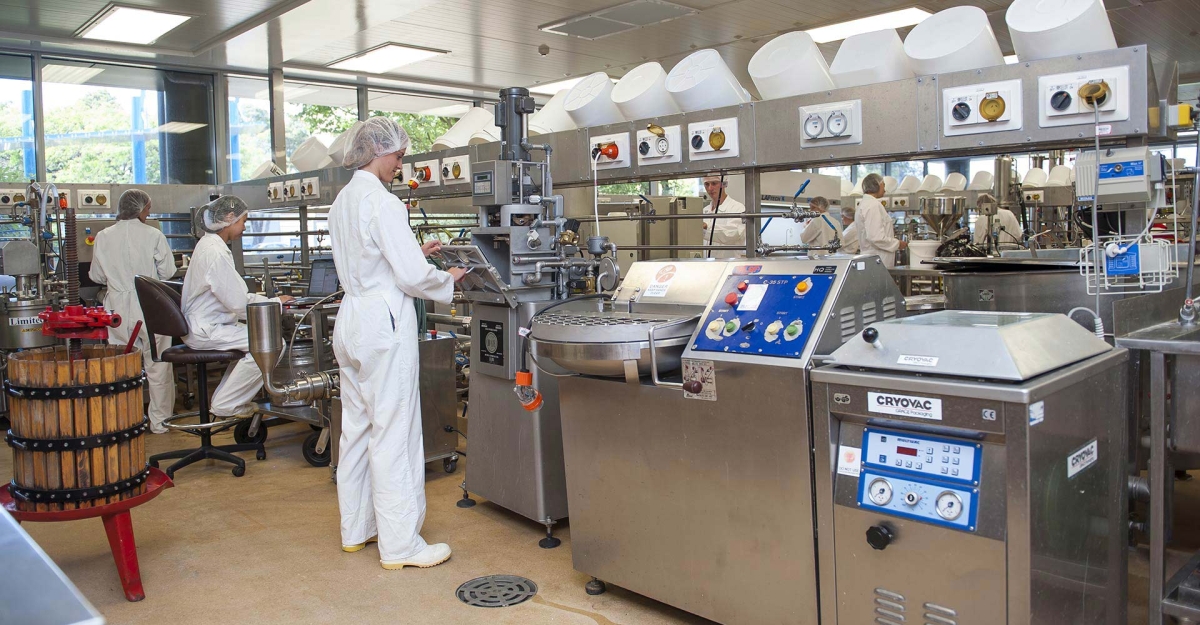
The Food Pilot at Massey includes the largest collection of food processing equipment in the southern hemisphere. They work with innovators and organisations to provide solutions to food-related challenges. 

Food Pilot is part of the New Zealand Food Innovation Network (NZFIN), it provides the facilities and the expertise to develop new products and processes, from idea to commercial success. Services can include evaporating and drying, chopping, mincing, cooking and process control, extrusion and puffing. 

While the this video isn’t on Food Pilot specifically, it does give some indication as to how Food Pilot fits into the FoodHQ ecosystem. There’s also plenty of footage from inside the Food Pilot testing areas. 

The next destination is the Fitzherbert Science Centre, where you will visit the Massey AgriFood Digital Lab

The MAF Digital Lab is a solution focussed research centre developing applications in advanced technology within the primary production, agricultural and food supply chain. MAF leverages Massey University’s wide capability in precision agriculture, primary production science and horticulture supply chains, sensor technology, robotics, AI, and data science.

Massey Univeristy Lab

Later in the afternoon, you are scheduled to visit Fonterra’s Research and Development Centre (FRDC). 

Home to 130 PhDs and 350 dairy patents, innovation is a key part of New Zealand Milk Products’ (NZMP), and ultimately Fonterra’s reason for being. Within NZMP, the FRDC is dedicated to dairy innovation and research. 

This video gives a good introduction to NZMP and the FRDC. 

Wharerata – BBQ dinner.

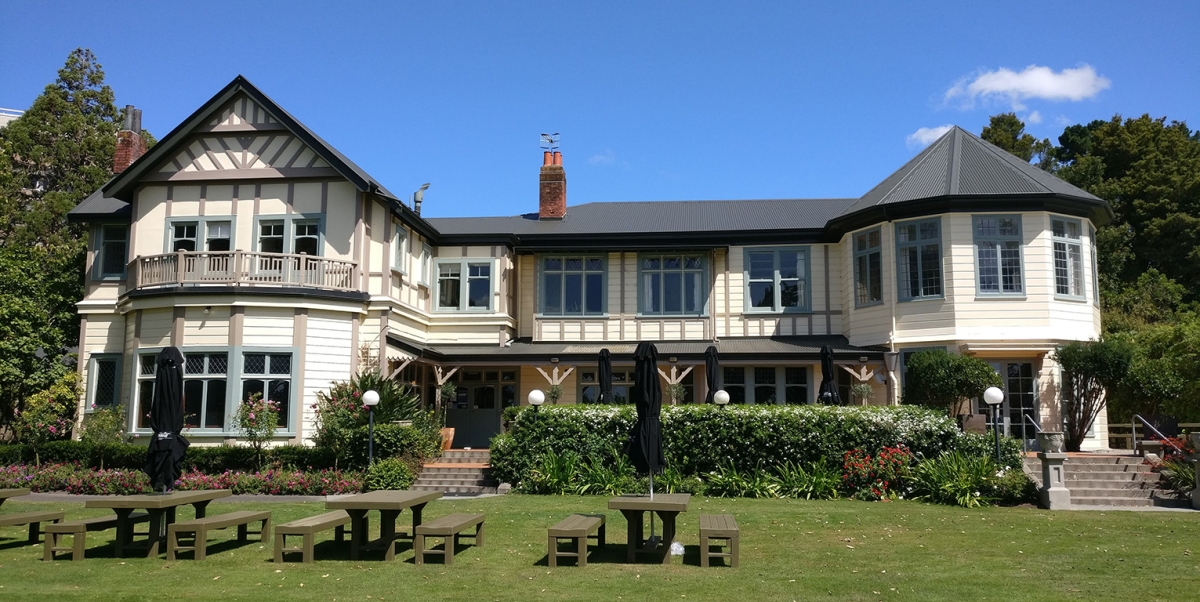
The next stop is your final destination for the day – Wharerata, where casual drinks and a BBQ dinner will be organised for the group. A quick week one tour review will take place before dinner at this historic homestead.  

By 20:00 you’ll be at your accommodation, where you can enjoy some free time or an early night as you are up at 06:00 the next morning to hit the road again.

The schedule is intense – but it will be worth it!

If you haven’t checked out yet the following podcasts, take the time to listen to Professor Hamish Gow’s Podcast ‘Value chain thinking’, and James Parson’s Podcast ‘When value-add doesn’t add up’. They’re both excellent for further context.  

Contact us with any questions, we’re ready to help. 
If you would like to find out more about the programme, contact Lisa Rogers today. Either call on 021 139 6881, or email at lisarogers@ruralleaders.co.nz.

Ready to register your interest in the Value Chain Innovation Programme?

From the Mackenzie Study: The Case for Kellogg.

Otago University

Work on the Mackenzie study continues with Professor Nathan Berg of the Otago Business School and the Department of Economics made possible with the support of the Mackenzie Charitable Foundation.

Since receiving the results on the gains attributable to participation in the Nuffield Scholarship, collation of results from the Kellogg Alumni survey has now begun.  

While more work needs to be done to present the data, we thought we would share a series of long-form responses from the Kellogg survey. These in themselves begin to paint a picture of the value of the programme to alumni, in terms of personal development, career advancement and industry influence.  

The responses have been left anonymous and any information that might reveal a respondent’s identity has been removed. 

Nearly one hundred Kellogg Alumni completed the survey. 

Searching for further motivation to complete your Kellogg Lincoln or Kellogg Whanganui application? You may find it here. 

What have been your most important accomplishments and did Kellogg play a role?

“Critical analysis of all situations. Kellogg helped solidify this process.” 

Kellogg taught me how to deal with problem situations and be able to answer questions from media reps. Kellogg also gave me confidence to address open meetings of farmers and Iwi reps.

Employment positions held. Community roles held (school board, parish, sport, and service clubs). Kellogg played a role – Yes. Improved skill base particularly around communication and leadership.

“The course helped with critical thinking and confidence.”

“My leadership career and influence. Helped me think strategically and made me match fit.” 

“Understanding myself better, how I affect others. The development of networks and doors opened by the programme. Personal brand building.” 

Contributing to strengthening capability and capacity in the agricultural sector.

“Start-up with two fellow Kelloggers – definitely a result of Kellogg.” 

“Leadership roles on boards of industry specific, or primary sector education boards plus NSO boards… Had creditability and capability having done a recognised course like Kellogg. Throughout the years the networks you form with either people who did it with you or had done it at other times was helpful to open doors and connections.” 

“Underway with a new company starting a new value chain. I completed my Kellogg project on this topic, so it very much helped.” 

“Since being a Kellogger I went onto become a Nuffield Scholar which I regard as a real accomplishment. Following that, I have started a new farm business and [have] become more involved with local industry. Kellogg… opened a lot of doors.” 

Forming a people and training team and ensuring the business had a successful part to play in sector upskilling. My Kellogg project and the learnings around it were the catalyst for this.

“Moving from hands-on farming to a corporate role. Kellogg gave me the networks and confidence to make the move.” 

“…Enjoyed widening my social and professional network and learning of other like-minded people. Having the mix across food production was great – everything from grapes to sheep to kiwifruit to Ag IT.

Kellogg helped with development of governance skills and gave me confidence to get involved in a large number of initiatives.

“Confidence and experiencing others’ opinions and ideas, and great fellowship with others on the course.” 

Kellogg helped me particularly in improving my leadership and social skillsets…”

“Networking and connecting. Having a sound understanding of the basics about how Wellington works was a highlight which I could not have done without the doors that Kellogg opened during that part of the course.” 

“I have played a significant role in building biosecurity preparedness for the primary sector and being a Kellogger has contributed to this, in part by exposing me to some inspirational people – and understanding the habits that lead to success.” 

“It helped me see that the people I viewed as leaders were not that different from me. It gave me confidence in who I am and whetted my appetite for more.” 

“I learned a great deal as a Kellogger, and that has contributed to all I have done…It made me a better person, better equipped with insights and with the ability to consider decisions. But I wasn’t completely hopeless before!” 

“Before the programme, I ran hard and fast at everything I did. This generally worked but came at a huge cost to my family life, my personal life, and my mental health. 

I still push myself every day to be better, but after hearing ways others in my cohort dealt with stress, I was able to learn to keep my mind on the rails. Mainly – I don’t need to do everything on my own. My cohort was the best – heaps of us are still in touch, helping each other along the way.”

“Respect from others for having completed Kellogg and respect between alumni.”