
Kellogg Blog & News

The carbon credit currency
By Sam Mander, Environmental Consultant, The AgriBusiness Group and 2022 Kellogg Scholar.
The article is reprinted from the Real Estate Magazine, with permission from the publisher The Real Estate Institute of New Zealand.
Indigenous forest land and the carbon sequestration opportunity for New Zealand landowners always seems to be downplayed — deemed too expensive, too hard, or inferior compared to exotic forests.
Sam Mander, Environmental Consultant at The AgriBusiness Group, debunks this myth and provides an understanding of how to identify the indigenous carbon opportunity.
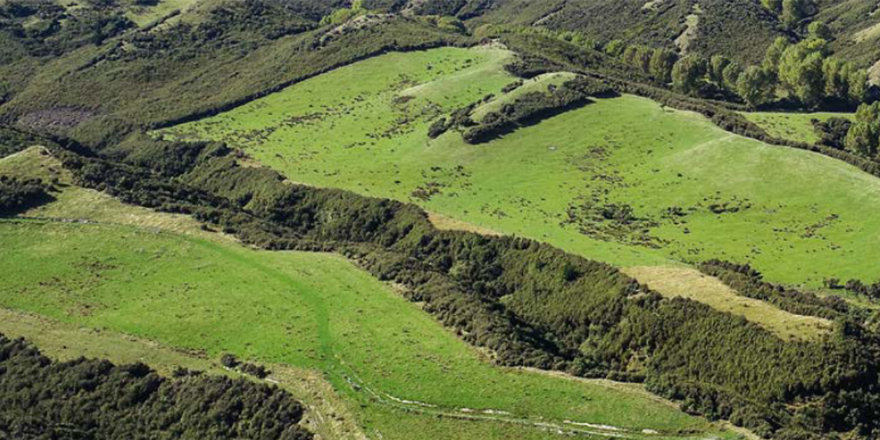
Kanuka, manuka, regenerating native vegetation or planted native restoration sites hold a significant opportunity for carbon sequestration. But fundamentally, where the opportunity really lies in this space is where a natural seed source is present.
Land with naturally regenerating indigenous forest requires no capital input, eliminating the usual barriers of expensive planting regimes and delicate forest management.
We don’t want to discourage the planting of new native areas, particularly around areas of ecological significance, but to capitalise on the low hanging fruit, landowners must take advantage of existing native seed stocks and develop these areas to accelerate the growth of regenerating New Zealand’s indigenous landscape.
Determining eligible indigenous forest land
Indigenous forest areas are eligible to enter the Emissions Trading Scheme (ETS) if they meet the Ministry for Primary Industries (MPI) forest land definition.
What is carbon sequestration?
Carbon sequestration is the process by which carbon dioxide is absorbed during photosynthesis, and is stored as carbon in biomass (trunks, branches, foliage, and roots). Source: nzfoa.org.nz
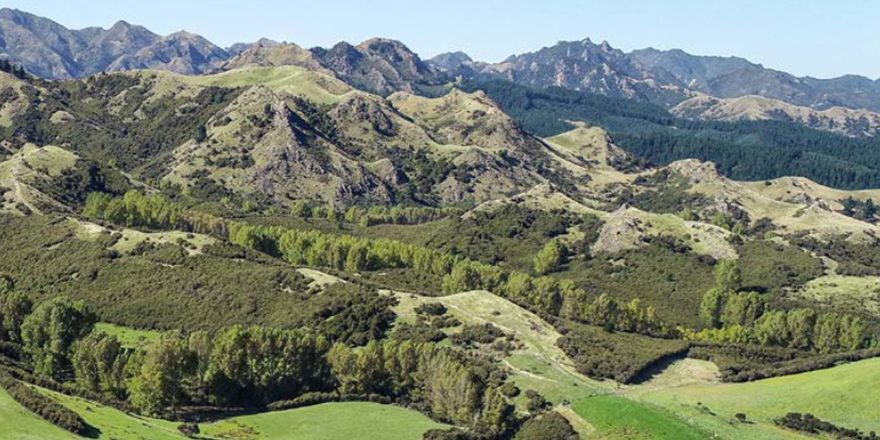
MPI’s forest land definition states that forests must:
- Reach at least one hectare in area
- Reach at least 30 metres average width
- Have species that can grow five metres high
- Have the potential to reach 30% canopy cover
- Meet the above as of 1 January 1990 or after
- Have met all of the above as of 1 January 1990.
If a landowner has property that has manuka, kanuka, mixed podocarps, or areas they are thinking of planting native species (including in riparian zones — the interface between land and a river or stream) carbon credits can be earned if the areas meet the forest land definition.
One carbon credit is equivalent to one tonne of carbon sequestered; therefore, the tonnes of carbon sequestered by the forest each year are the total number of annual carbon credits available.
Tonnes of carbon are calculated on a per hectare basis, and the value of one tonne is equal to the current carbon price ($76/NZU/tonne).
You’re typically looking for a natural seed source present with conditions that favour natural dispersion, growth and succession. Any native species can be included if it has the potential to reach five metres in height at maturity.
The most common example of opportunity is regenerating kanuka and manuka forest land areas.
To earn carbon credits, landowners need to electronically map the land to certain standards and capture aerial imagery to prove the forest area meets the forest land definition.
The value of credits a landowner can receive and for how long they will receive them largely depends on the species growing on the land.
The MPI carbon lookup tables determine that indigenous forests can earn carbon credits from sequestration in the first 50 years of growth.
How to assess the native forest area
This can be a difficult process for landowners; fortunately, professional forestry companies and environmental consultants like myself have developed methods for assessing forest land definition and providing the result of the assessment to MPI for a successful ETS application.
“The value of credits a landowner can receive and length of time they will receive them largely depends on the species growing on the land.”
Depending on the forest scenario, we use a combination of ground vegetation sampling, plotting, and integrated drone imagery to determine and prove this. In most cases, this is where an expert may need to be involved.
A recent example is a property with an indigenous natural seed source. An assessment found it had 35 hectares of post-1989 indigenous forest land that had regenerated since 1990, with a forest age of approximately 17 years.
Forest species were predominantly kanuka, manuka, among other mixed podocarps. Carbon credits can be claimed for the remaining 33 years of carbon sequestration.
Economically speaking, at the current carbon price, this equated to an average annual cash flow of $16,000, or cumulatively, $539,000. In summary, the opportunity to earn carbon credits for indigenous forest land is significant, particularly where a natural seed source is present.
The property mentioned above is among many that we have worked on which provides a great example of the type of property that is common around rural New Zealand and one that holds value from indigenous carbon sequestration.
Planting trees to offset carbon isn’t a silver bullet against climate change.
However, carbon credits allow landowners to balance the scales for those unavoidable emissions on the path to reduction and has potential to generate financial benefits for those who wish to engage in these sustainable practices.
Download Sam’s report Carbon Sequestration Potential.
How Resilient Farmers Thrive In The Face Of Adversity
By Jack Cocks and Joanne R. Stevenson.
Article is reprinted from The Journal with permission from the publisher, NZ Institute of Primary Industry Management
Farmers face adversity from multiple sources and additional challenges to other sectors of society. To date, there does not appear to be a simple high-level resilience-focused model for how farmers can be more resilient ‘personally’.
This article, which is the result of a Kellogg Rural Leadership Study on ‘How Resilient Farmers Thrive in the Face of Adversity‘, is a first step towards developing that model.
The study found there were three key strategies that facilitated farmer resilience – purpose, connection and well-being.
Adversity affects farmers from multiple sources
Like all members of society, farmers face adversity in a range of forms from health crises to financial volatility, family challenges and personal loss. Due to the nature of their business, however, farmers are more vulnerable than those in other industries to climate challenges and global market shifts. They are also often toiling at the coalface of legislative changes and can have less access to appropriate support services.
More than other industries farmers have strong identity ties to their land and business, meaning that disruptions to the farm are de facto disruptions to the farming family. They also typically live at their place of work.
The current global environment (autumn 2022) – experiencing climate, a global pandemic and a war in Eastern Europe – highlights the dynamism, volatility and interconnected global marketplace in which New Zealand farmers operate.
Developing strategies to recover quickly from adversity, or ‘building resilience’, is essential to achieving long-term success in farming. While there are a number of tools and resources available that address social-emotional resilience, there does not appear to be a simple, high-level resilience-focused model developed specifically for farmers.
Such a model could be used by farmers when facing adversity to ask themselves, ‘Are we implementing the key strategies and techniques (both as an individual and as a team of individuals) that we need to be resilient in the face of this adversity?’
More than other industries farmers have strong identity ties to their land and business, meaning that disruptions to the farm are de facto disruptions to the farming family.
Context
The lead author, Jack Cocks, an Otago high country farmer, experienced adversity from a life-threatening brain injury which saw him in a coma, suffer a cardiac arrest, a seizure and a pulmonary oedema.
On day one in hospital Jack’s family was given a prognosis that their husband, dad and son would likely be dead today. The best case scenario was that he would survive but spend the rest of his life in an institution.
He obviously did survive, and the following six years saw him undergo 15 major surgeries and spend eight months in hospital re-learning to talk, and several times re-learning to walk.
Through this experience and recovery Jack has been told that he is a resilient character. He has been asked to give several talks to farmers on his experience and how he developed resilience through adversity.
He found that giving these talks was a humbling and surprising experience for the feedback received.
However, the presentations were based on just one farmer’s thoughts and he had two questions he could not answer from them:
- The adversity he had faced, while bad, was it any worse than what many people face?
- Were his ideas on resilience applicable to all farmers, or were they just the ideas of one farmer who had faced some adversity?
Five areas of adversity
The five areas of adversity and a brief synopsis of each case are given below:
Health
Doug, who farms on the East Coast, faced severe adversity in the form of depression. This was primarily brought about through farming in what became an eight-year drought.
Natural disasters, climate and weather
Andy, who farms in Canterbury, has farmed through a succession of major weather events, snowfalls and droughts. He has a great deal of knowledge about how to farm through adversity.
Financial
Kevin and Jody, who farm in Otago, have faced a very high amount of adversity in their lives starting from before they emigrated to New Zealand.
Their major adversity in this country has been financial, in the form of a very low dairy payout in their first two seasons as 50:50 sharemilkers.
Family
Brent and Jo, who farm in Southland, experienced a number of challenges to farm succession early in their farming career. Communication and a desire to split assets evenly among all children, farming and non-farming, were the major challenges.
They have since done everything right to complete succession with Brent’s siblings and are an example for how farm succession can successfully be completed with their own children.
Personal loss
Melissa lost her husband to cancer and has since done tremendous good for her community.
It would be impossible and unfair to compare each of these stories. The level of adversity and the situations they have faced are so different that any of them would have responded differently, perhaps better, perhaps worse.
The choice of case study participants provides representation of the common sources of adversity farmers in New Zealand face and a cross-section of the likelihood of adversity from the ‘wow, that is incredible’, to ‘yes, our neighbours have been in that situation – I’ve seen it many times.’
The most remarkable story of resilience is notable for the breadth of the sources of adversity and the severity of the situation they faced.
One of the case studies is therefore an important reminder of the possibility of compounding disruptions, where adverse events seem to stack up, showing the way that resilience can be repeatedly eroded and then built back up.
Jack was able to identify some of the case study participants because they have shared their stories publicly, mobilising the power of story-telling to process their own adverse event and improve the lives of others by sharing their message.
Interviewing and examining their stories collectively revealed common themes that underpinned this diverse range of experiences.
Resilience strategies and the ‘Resilience Triangle’
Analysing the interviews revealed the common resilience strategies that the five case study participants knowingly or unknowingly put in place in their lives.
These strategies are captured in the form of a three-level triangle, the ‘Resilience Triangle’:
Purpose
This is the reason we are doing what we’re doing; the ‘direction’ of the triangle, the ‘why’.
Connection
This is the middle of the triangle; the ‘glue’ that holds it together, or the ‘who’. This is keeping connected with other people – friends, family, farming networks and local communities.
These connections are the people in our lives who buoy us up and encourage us to achieve, to rise above, and to have courage when going through adversity.
Well-being
This is the base of the triangle. It is, ‘what do I need in my life to be well’ or to be happy and content? It is the ‘foundation’ for resilience, the ‘what’.
Participants in the study placed different weighting and had different consciousness of the use of these strategies, but they are common across all five cases.
Key to the effectiveness of these resilience building strategies is the combinations of approaches across the three levels and how the participants have implemented the strategies in their lives.
For each of these strategies there were four ‘enabling techniques’ below each one that the farmers used to enable resilience at each level.
There are different enablers that underpin their sense of purpose, connection and well-being. We could identify enablers that, when missing, eroded resilience at different levels of the triangle.
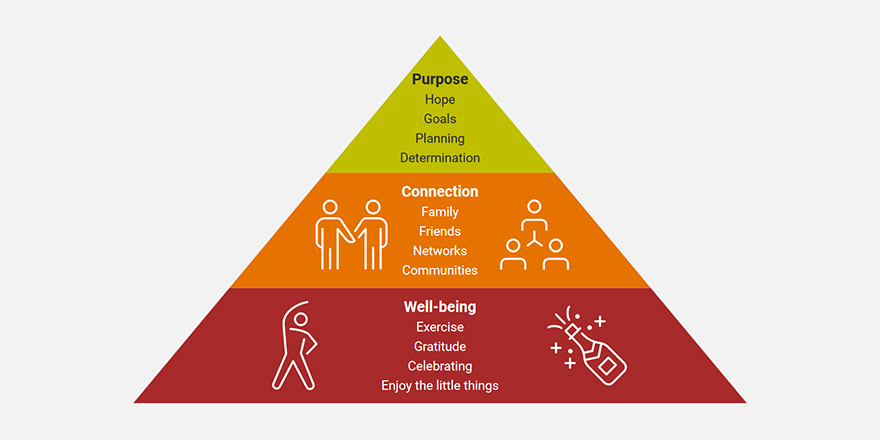
The lead author cites that after brain injury induced balance issues, having sufficient stability to be able to dress standing up was a cause for celebration after having to sit on the bed to do this for so long. Enjoying the little things such as seasonal foods, a sunrise, or the first birdsong in the early spring were all cited as enablers of well-being.
Conclusions
This study was concerned with developing a theory for how resilient farmers thrive in the face of adversity. It found that the case study participants employed three strategies in their lives to be resilient:
- they lived with ‘purpose’ in that they had a clear understanding of ‘why’ they were doing what they were doing
- they were very good at keeping ‘connected’ with those people around them who would and could help them through periods of adversity
- they also understood what they needed to do to keep ‘well’ – what they needed in their lives to be happy and content.
Also, for each of these three strategies there were four enabling techniques which these farmers employed to facilitate each strategy.
Rural professionals supporting our farmers need a clear understanding of not only the causes of adversity, but some of the strategies and techniques they can use to be resilient.
The future global environment in which New Zealand farmers operate will face significant volatility, turmoil and potentially subsequent adversity.
Rural professionals supporting our farmers need a clear understanding of not only the causes of adversity, but some of the strategies and techniques they can use to be resilient. We believe this study is a first step in crystallising how resilient farmers thrive in the face of adversity.
Acknowledgements
Thanks are due to the Kellogg Rural Leadership Programme for developing and delivering such an excellent programme. Also, to the five case study participants who have openly shared their stories of adversity and resilience, as they are remarkable and inspirational farmers.
Jack Cocks is a sheep and beef farmer in the Otago high country and previously a partner in AbacusBio, a Dunedin agribusiness and science consultancy. Dr Joanne R. Stevenson is a Principal Consultant with Resilient Organisations Ltd and farms in partnership with her husband on a North Canterbury sheep and beef property.
Corresponding author: jackcnz@icloud.com
Lincoln University, Kellogg, and Rural Leaders – a collaboration spanning decades
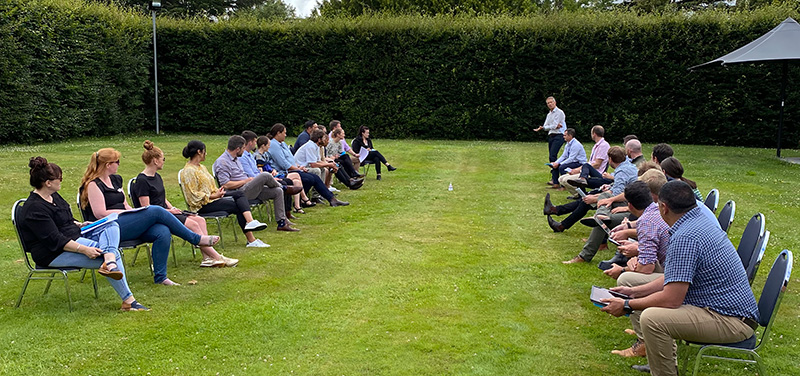
Based on campus since 1979, the Kellogg Rural Leadership Programme has a long connection with Lincoln University, having been developed by the Kellogg Company as a way of enhancing global leadership capability.
In 2013, the programme was transferred to the newly-formed New Zealand Rural Leadership Consortium, which merged it with the prestigious Nuffield New Zealand Farming Scholarship to create a single organisation. Four years later, the consortium became a registered charitable trust and changed its name to the New Zealand Rural Leadership Trust (Rural Leaders).
A partnership known as the Pāhautea Initiative was announced in late 2020 between Lincoln University, Massey University, the Agricultural and Marketing Research and Development Trust (AGMARDT) and Rural Leaders.
The initiative focuses on lifting education levels across the sector and building deeper leadership benches in the regions, with the aim of creating a sustainable future for food and fibre. Accreditation of core programmes is key to delivering on the partnership’s purpose.
Kellogg accreditation strengthens the bond with Lincoln University.
Rural Leaders, Lincoln University and Massey University have further strengthened ties by offering academic accreditation for those who undertake the Kellogg Rural Leadership Programme.
After completing the programme, Kellogg scholars can opt into a Postgraduate Certificate in Commerce.
Alternatively, they can allocate the 60 credits they can earn towards the 180 required credits for a Lincoln University taught master’s degree.
Scholars can also elect to use their 60 credits towards a master’s degree at Massey University.
Additionally, accreditation may soon be available for the Nuffield New Zealand Farming Scholarship, although this is a work in progress, says Rural Leaders’ Programme Manager Lisa Rogers.
“Theoretically, it would be a diploma, or 120 points towards a 180-point taught masters.”
A dedicated Kellogg programme team.
The Kellogg Rural Leadership Programme team – including Rural Leaders facilitators Dr Scott Champion and Phil Morrison, Dr Patrick Aldwell and examiner Professor Hamish Gow – work hard to provide a varied and stimulating learning experience.
The programme includes two papers, the first of which requires the completion of specific assignments and is delivered by Scott Champion and Phil Morrison.
The second paper, delivered by Dr Patrick Aldwell, involves completing a research project and giving a presentation at the end of the programme.
Rural Leaders deliver three Kellogg Programmes a year, with two based at Lincoln University. The other, in alignment with the Pāhautea Initiative’s aim of growing flourishing regions, is regionally based. The next location, in May 2022, will be Whanganui.
Each programme is delivered to 20 to 24 scholars. Numbers are kept low to ensure a transformative experience, as the Kellogg journey is as much about learning from fellow scholars and developing a pan-sector network of friends as being exposed to industry leaders and new ideas.
A shared history and a shared future.
Rural Leaders have a strong presence on campus and increasingly share alumni with the university now that Kellogg scholars can gain a Lincoln postgraduate certificate.
Lisa Rogers says she is keen to see the long association continue to grow.
“We often get graduates from the Lincoln Future Leaders Scholarship Programme coming through to do the Kellogg. While we may not see recent undergraduates apply, it’s something we see happening later in their careers.”
Fun fact: Up to 50% of participants in any one Kellogg Programme have previously graduated from Lincoln University.
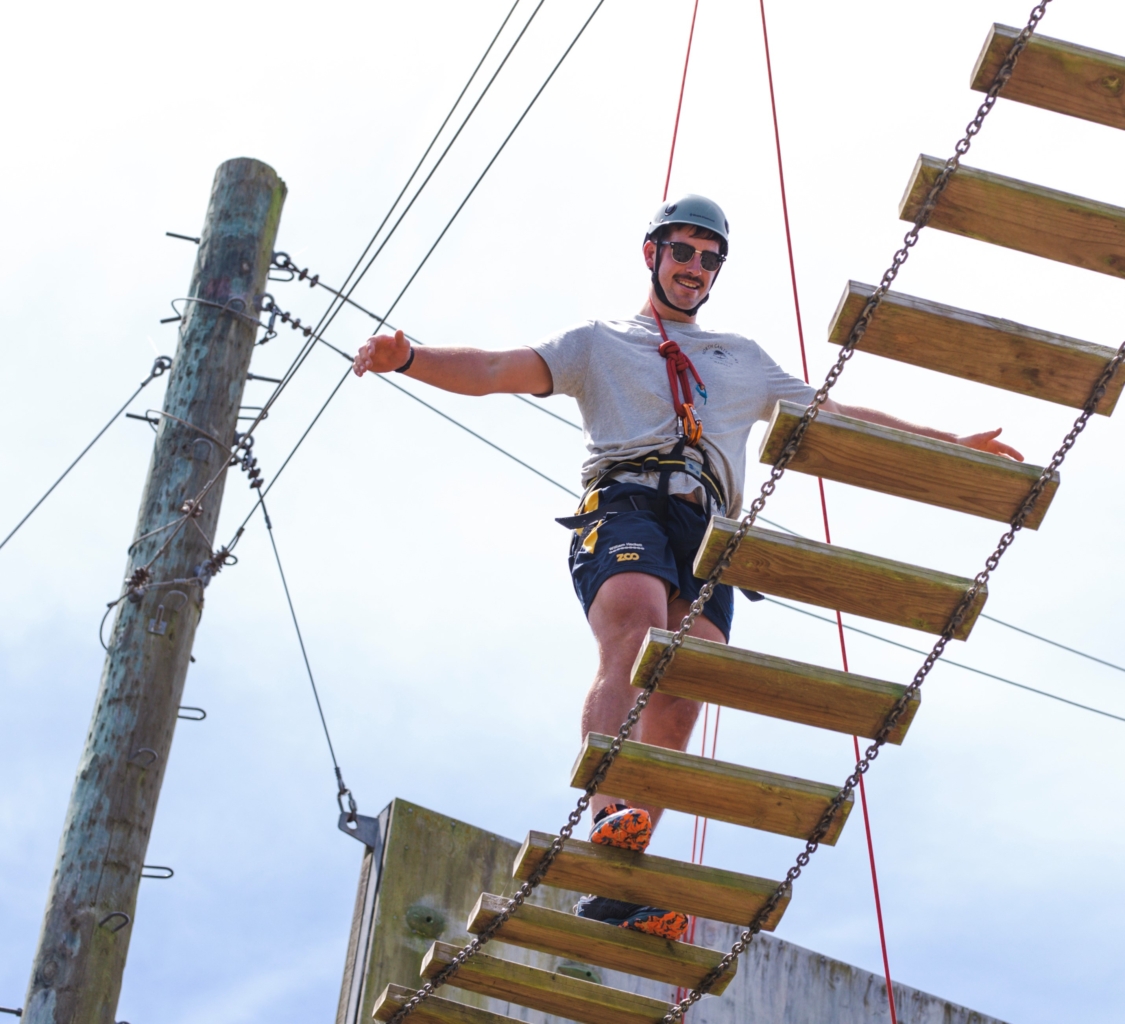
Two Te Puni Kōkiri Scholarships available for Kellogg Whanganui.

Te Puni Kōkiri is generously sponsoring two places on Whanganui’s Kellogg Rural Leadership Programme, May start.
This is an extraordinary scholarship opportunity, covering programme fees and giving applicants the chance to develop leadership skills closer to home.
These scholarships are open to passionate Māori as part of their leadership journey in the Food and Fibre Sector.
Those wishing to apply for a scholarship, should include a cover letter with their application indicating why they should be selected.
In the cover letter, evidence should be shown of leadership in Māori Food and Fibre, along with discussing how the scholarship will contribute to personal leadership development.
How to apply.
To get an application underway, prospective applicants should register their interest through the link below. They’ll receive an application form to complete. When they return this form, include a cover letter indicating intention to apply for the scholarship, at the top.
For any questions about the scholarship please don’t hesitate to get in touch with Lisa Rogers, Programme Manager, at lisarogers@ruralleaders.co.nz
Changing the narrative – an online Kellogg session.
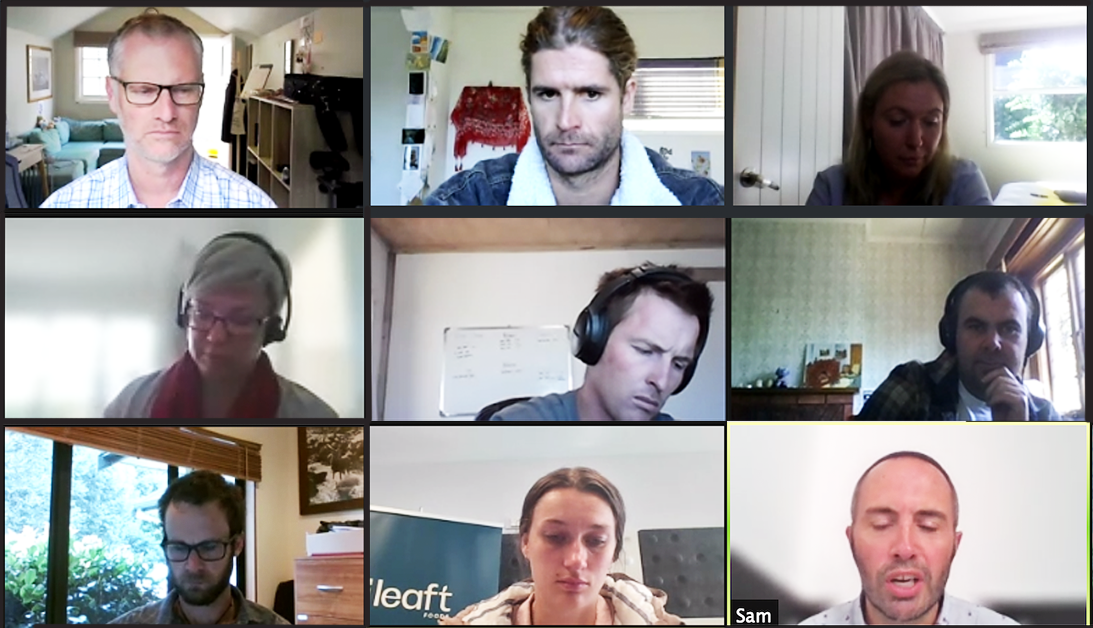
Kellogg has had to adapt during the Pandemic, to a hybrid model, working both online with tools like Zoom, and in-person when it is safe to do so.
One positive thing about video calls, and for some one might be a stretch, is being able to sit on the side-lines occasionally, with mute on and video off. You get all the benefits of the call, without needing to worry about asking clever questions.
So, muted and invisible we joined Scholars on Phase Two of the Kellogg Rural Leadership Programme, to listen to Sam Halstead of Latitude Strategy and Communication. Sam works in Public Relations, focussing on the primary production sector.
Phase Two is important for Kellogg Scholars. It gives an economic, political, and environmental context. It zeroes in on how to engage and influence decision making at a local, regional, industry and central government level. And engaging means communicating effectively. Enter Sam.
The most scrutiny in a generation for the primary sector.
Sam began his presentation with a slide headed ‘The most scrutiny and pressure in a generation.’ Discussion moved easily from one example substantiating this, after another.
The next slide, ‘It’s not all bad,’ presented positive sector perception statistics, based on recent polls from UMR Market Research. The pendulum has been moving in the other direction through Covid – with a public realising New Zealand now has big bills to pay and that the primary sector might be the one to help. The numbers make interesting reading:
- New Zealanders have a positive view of the primary sector.
- New Zealanders remain strongly positive about horticulture (67% positive, 29% neutral, 4% negative).
- Sheep and beef farming (58% positive, 29% neutral, 13% negative).
- And dairy farming (55% positive, 29% neutral, 16% negative).
Changing primary sector narratives with human connection.
While sentiment is on the up, the big challenges remain. Challenges that continue to impact the way the public views the primary sector. Sam took scholars through how public relations is utilised to help address some of these.
‘Changing the narrative,’ Sam explained, is about human connection and building trust over time – to change the narrative over time. Briefly, that might mean:
- Avoiding the echo chamber – telling our stories outside of the sector.
- Enlisting champions, or advocates.
- Collaborating – avoiding confrontation.
- Better leverage of the sector’s points of difference.
- Owning issues and improving performance – sharing those improvements.
- Building high quality relationships.
- Most importantly – strive for human connection.
These sessions, delivered both online and in-person, help scholars build a critical awareness mindset, build confidence, and empower scholars to create change – public relations is just one tool in the toolbox that can help.
From the Mackenzie Study: The Case for Kellogg.




Work on the Mackenzie study continues with Professor Nathan Berg of the Otago Business School and the Department of Economics made possible with the support of the Mackenzie Charitable Foundation.
Since receiving the results on the gains attributable to participation in the Nuffield Scholarship, collation of results from the Kellogg Alumni survey has now begun.
While more work needs to be done to present the data, we thought we would share a series of long-form responses from the Kellogg survey. These in themselves begin to paint a picture of the value of the programme to alumni, in terms of personal development, career advancement and industry influence.
The responses have been left anonymous and any information that might reveal a respondent’s identity has been removed.
Nearly one hundred Kellogg Alumni completed the survey.
Searching for further motivation to complete your Kellogg Lincoln or Kellogg Whanganui application? You may find it here.
What have been your most important accomplishments and did Kellogg play a role?
“Critical analysis of all situations. Kellogg helped solidify this process.”
“Kellogg taught me how to deal with problem situations and be able to answer questions from media reps. Kellogg also gave me confidence to address open meetings of farmers and Iwi reps.”
“Employment positions held. Community roles held (school board, parish, sport, and service clubs). Kellogg played a role – Yes. Improved skill base particularly around communication and leadership.”
“The course helped with critical thinking and confidence.”
“My leadership career and influence. Helped me think strategically and made me match fit.”
“Understanding myself better, how I affect others. The development of networks and doors opened by the programme. Personal brand building.”
“Contributing to strengthening capability and capacity in the agricultural sector.”
“Start-up with two fellow Kelloggers – definitely a result of Kellogg.”
“Leadership roles on boards of industry specific, or primary sector education boards plus NSO boards… Had creditability and capability having done a recognised course like Kellogg. Throughout the years the networks you form with either people who did it with you or had done it at other times was helpful to open doors and connections.”
“Underway with a new company starting a new value chain. I completed my Kellogg project on this topic, so it very much helped.”
“Since being a Kellogger I went onto become a Nuffield Scholar which I regard as a real accomplishment. Following that, I have started a new farm business and [have] become more involved with local industry. Kellogg… opened a lot of doors.”
“Forming a people and training team and ensuring the business had a successful part to play in sector upskilling. My Kellogg project and the learnings around it were the catalyst for this.”
“Moving from hands-on farming to a corporate role. Kellogg gave me the networks and confidence to make the move.”
“…Enjoyed widening my social and professional network and learning of other like-minded people. Having the mix across food production was great – everything from grapes to sheep to kiwifruit to Ag IT.”
“Kellogg helped with development of governance skills and gave me confidence to get involved in a large number of initiatives.”
“Confidence and experiencing others’ opinions and ideas, and great fellowship with others on the course.”
“Kellogg helped me particularly in improving my leadership and social skillsets…”
“Networking and connecting. Having a sound understanding of the basics about how Wellington works was a highlight which I could not have done without the doors that Kellogg opened during that part of the course.”
“I have played a significant role in building biosecurity preparedness for the primary sector and being a Kellogger has contributed to this, in part by exposing me to some inspirational people – and understanding the habits that lead to success.”
“It helped me see that the people I viewed as leaders were not that different from me. It gave me confidence in who I am and whetted my appetite for more.”
“I learned a great deal as a Kellogger, and that has contributed to all I have done…It made me a better person, better equipped with insights and with the ability to consider decisions. But I wasn’t completely hopeless before!”
“Before the programme, I ran hard and fast at everything I did. This generally worked but came at a huge cost to my family life, my personal life, and my mental health.
I still push myself every day to be better, but after hearing ways others in my cohort dealt with stress, I was able to learn to keep my mind on the rails. Mainly – I don’t need to do everything on my own. My cohort was the best – heaps of us are still in touch, helping each other along the way.”
“Respect from others for having completed Kellogg and respect between alumni.”
Doing better by our people.
There are figures on our primary sector’s labour transience that make for alarming reading. They’re remarkably high. In case you missed them, only 29% of those entering the primary sector remain after three years.
While factors behind the statistics are complicated, one of the simpler, often cited reasons for leaving the sector is poor workplace culture. That falls strongly into the preventable turnover basket. And preventable turnover equates to 78% of total dairy transience, meaning four out of five people who have left the sector, might’ve stayed, had we done better by them.
Bad news, old news, good news.
It’s not just farm workplaces buckling culturally under today’s stresses either, it’s large agri-businesses too, with allegations of poor management, and unaddressed toxic cultures more common than they should be.
In both small farms and in larger business, failure to fix a problem culture can lead to performance issues and the destruction of the relationships with the people and teams helping those operations succeed. That’s the bad news. It’s also old news and too big to wrestle with here. So, we’ll offer a couple of pieces of good news about a few people trying to make a difference instead.
Individual farms are now leading change, enthusiastically embracing management thinking from other industries. Farm owners, exposed to high performance ideas and practises bring their learning back home, to the farm. Couple this with a wider acceptance of wellbeing philosophies (previously known as ‘that touchy-feely-stuff’) and you have individual farming operations reporting much needed decreases in staff turnover.
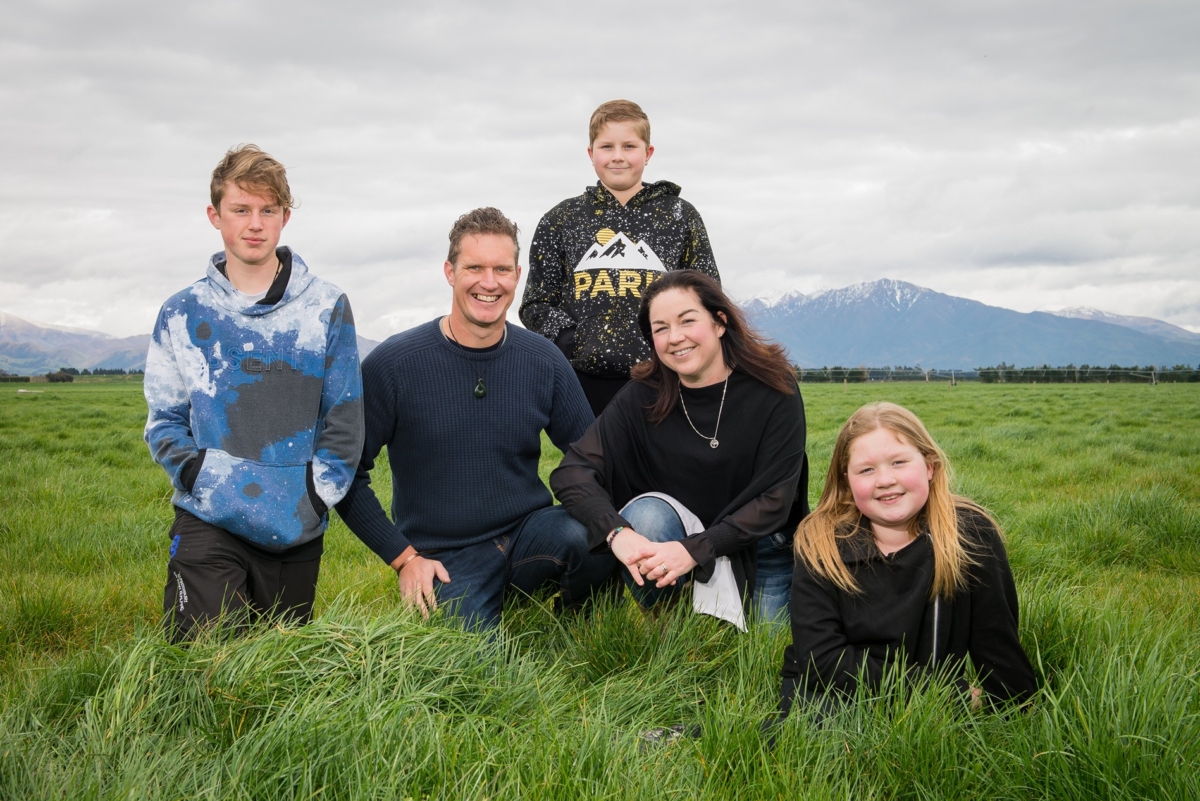
Rebecca and Brent Miller: Kellogg Scholars making changes.
At the heart of what Rebecca and Brent Miller do lies a simple idea, if you work on yourself before you work on your team, good things will follow.
Rebecca has just won ‘Emerging Leader’ at the 2021 Westpac Champion Business Awards. It’s an award that recognises performance across all industries, not just the primary. The award blurb states, ‘recognising a leader who is ambitious in outlook and vision, one who embraces innovation, shows resilience, and who inspires and invests in others.’ All good things, so it’s worth taking a closer look for ideas worth sharing.
“What we stand for, our values, our negotiables, and non-negotiables, are all important for us, our team, and our farm. Everything comes down to knowing our strengths, weaknesses, and how we’re likely to contribute within a collaborative framework.”
The school of hard knocks.
Fifteen years ago, sharemilkers Rebecca, Brent, and their young children, were at a crossroads. It’s a familiar dairying family story, 2:30am to 7:30pm, 28 days on, two days off, moving between farming positions constantly and far too many tricky experiences with farm owners – their employers. They were on the brink of breakdown. All bets were on leaving farming forever.
“We thought something had to give. But then you realise all your skills are in dairying. It was all we knew. So, we decided to stay and really reflect on what it was we needed from our next employer.”
“We researched farm owners who supported, coached, and mentored their staff. We knew that if we were to stay in dairying and grow, we had to find the right environment for that to happen. Sadly, at the time, they weren’t easy to find – but eventually we did.”
“We’d put business first at all costs in the past and that approach wasn’t working for us. We now knew it had to be family first.”
Building the trust.
The Millers found an employer who opened their books, allowing them to benchmark against over a dozen farms in the owner’s network. The power of knowing ‘the numbers’ meant better decisions could be made, and efficiencies found by gently applying the right pressure at the right time. This sharing quickly built trust between themselves and the owners.
“Passing that on and taking care of our team, seeing them grow and succeed, became a priority for us too. We have learned that as leaders of a team, the environment we provide on the farm, the behaviour, the way we share, interact, the words we use, the decisions made, and by who, are just a few of the factors in a high trust, high-performing and connected team.”
The Millers strongly believe in the idea of sharing what they can to help others improve their on-farm methods and culture too.
“MilkIQ is a platform for achieving that. It’s fuelled by a passion for people and driven by a desire to help them succeed.”
With MilkIQ the Millers have just gone out and said ‘hey, this is who we are.’ “It’s a wellbeing tool, hopefully demonstrating trust in practise.”
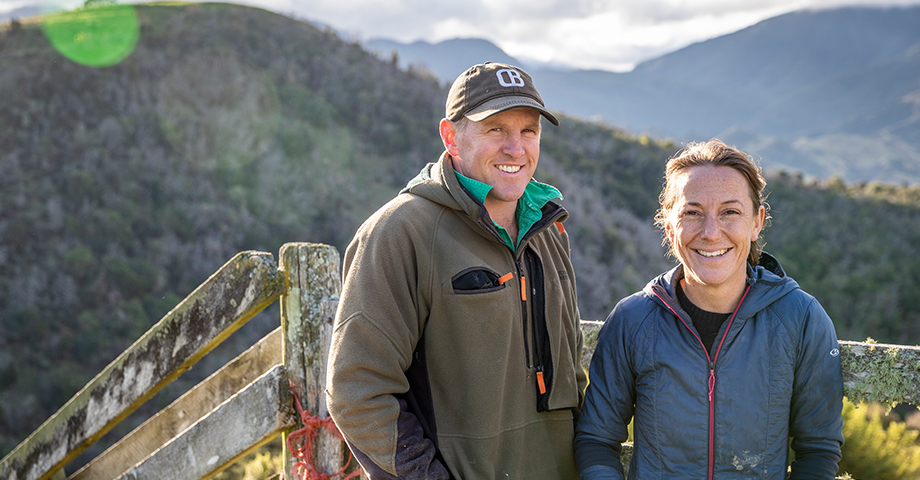
Hamish Murray: A Nuffielder making changes.
In a Farmstrong article from earlier this year, Nuffield Scholar and high-country sheep and beef farmer, Hamish Murray, also acknowledged the importance of his own journey. He spent a year on his Nuffield scholarship studying businesses with high-performing team cultures, including time in Silicon Valley, and in Christchurch with the Crusaders Rugby Team. He observed their continued focus on ‘soft skills,’ and shared values.
“Soft skills are things like the way you communicate, make decisions, reflect and feedback. If you understand each other [other’s styles], you can combine to make good decisions.”
“We’ve also done an exercise with our team to agree on what values will drive the decisions in our business. It’s empowering everyone to move forward, and it allows me to stand back and let the others lead.”
The results speak for themselves.
Hamish is confident this approach is paying off. One good indicator has been a reduced staff turnover. Hamish acknowledges how important it is to create an environment that allows others to flourish and one that attracts and keeps great people. A big part of that he says, is letting your ego go, getting out of people’s way and asking the questions that help others do an excellent job. To do that he says, you have to work on yourself first.
“Sometimes it’s not until you get to breaking point that your own learning and reflection kicks in. The journey for me started at a real low, but now I look back and think I’m incredibly lucky to have had that experience.”
Hamish is referring to the stresses created by the Marlborough and Canterbury drought of 2014/15.
“Trying to keep everyone going when you had no control over anything was so draining … we ended up with stock on fourteen different properties. The support I’ve had from my family and my team, the groundwork we’ve done together has really given me the confidence to keep learning and growing our business.”
It starts in your own back paddock.
Rebecca, Brent, and Hamish have shown that one small, first step toward keeping people in primary sector, in a ‘start in your own backyard kind of way’ has to be toward yourself, then to your own ‘FarmilyTM,’ your rural community, and beyond to industry. Rebecca adds, “What we can control first is our own behaviour. When our behaviours are good, we allow others to be the same and we start creating that change.”
Rebecca Miller did the Kellogg Rural leadership Programme in 2018. Her study topic was: Is there a need for an information platform to collaborate primary sector events?
Brent Miller, Rebecca’s husband, did the Kellogg Programme in 2020. His study topic was: What is the true cost of transience to the New Zealand dairy industry?
Hamish Murray is a 2019 Nuffield Scholar. Hamish’s research was Future farm workplaces. It investigated the work environment needed to attract and retain people in the primary sector.
Three Kelloggers among Zanda McDonald Awards Finalists.

Adapted from an article on the Zanda McDonald Award website.
Judges of the Zanda McDonald Award, will crown not one but two winners for 2022 – one from each side of the Tasman.
Now in its eighth year, the prestigious award recognises young future leaders working in agriculture and provides an impressive prize package centred around a tailored trans-Tasman mentoring programme. The eight talented finalists – include four from New Zealand, three of whom are graduates of the Kellogg Rural Leadership Programme.
All finalists have been selected for their passion for the industry, strong leadership skills, and the contributions they’re making in the primary sector.
The four New Zealand finalists are 2019 Kellogg Scholar Katie Vickers, Head of Sustainability and Land Use for Farmlands;
2017 Kellogg Scholar Olivia Weatherburn, National Extension Programme Manager for Beef + Lamb New Zealand;
2017 Kellogg Scholar Rhys Roberts, CEO of market garden and farm operation Align Farms;
and Adam Thompson, director of Restore Native Plant Nursery, beef farmer and mortgage broker.
Richard Rains, award chairman says whilst Covid-19 travel restrictions drove the change to two awards, it has also created an exciting opportunity. With the increase to eight finalists and two winners, the award can have a positive impact on more future leaders in Australia and New Zealand.
“We’re thrilled to be able to invest in the future of all eight finalists, and our two winners, and help with their future career and personal development. Our judges have again been overwhelmed with the level of talent and capabilities of this years’ candidates,” said Rains.
The Australian and the New Zealand winner will each pick up an impressive personal development package, including a personalised mentoring trip in Australia and New Zealand (when travel allows), up to $10,000 worth of tailored education or training, media coaching, and other mentoring and industry opportunities.
Winners will be announced in November 2021.
A rural connection
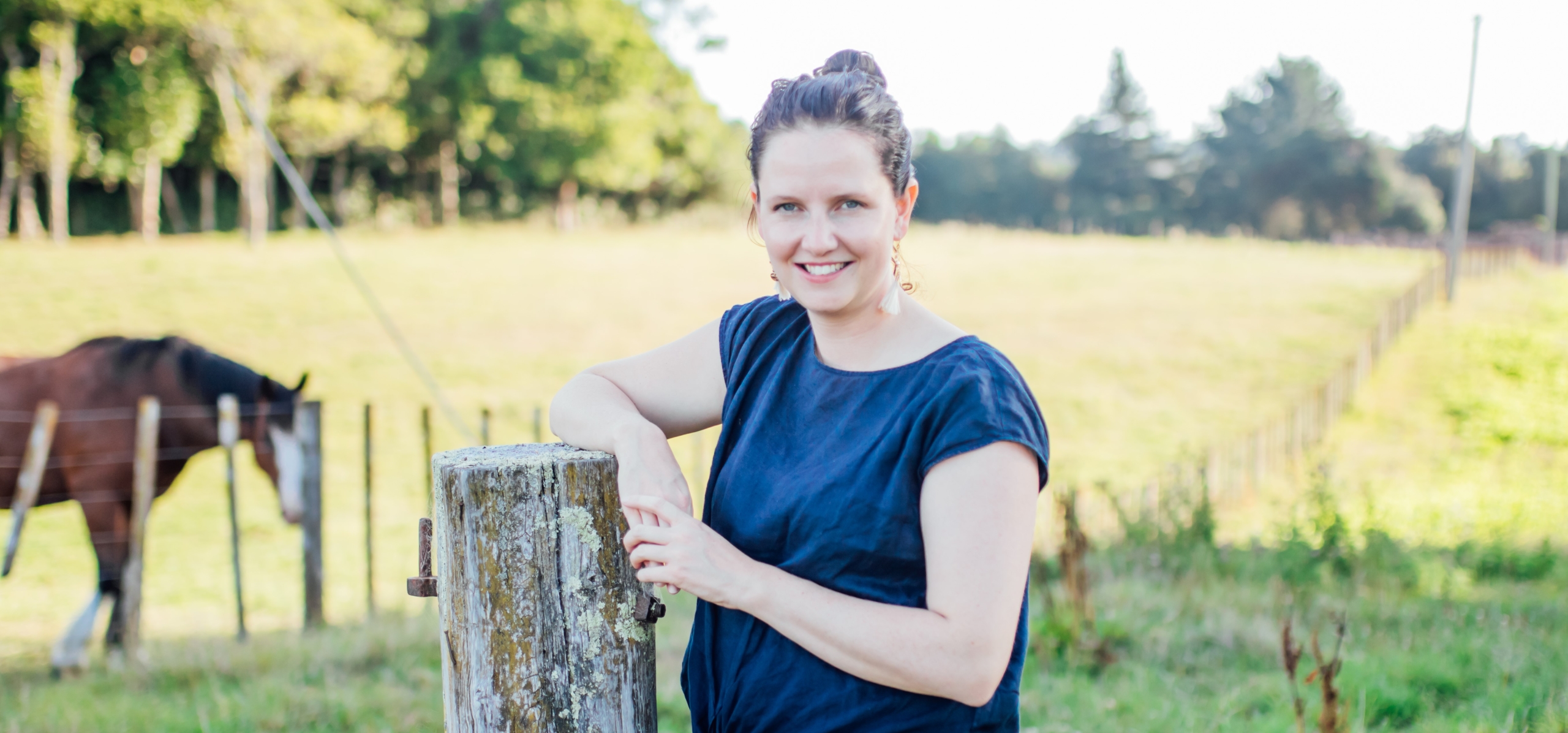
By Royna Ngahuia Fifield-Hakaraia (Ngāti Rangatahi, Ngāti Whititama)
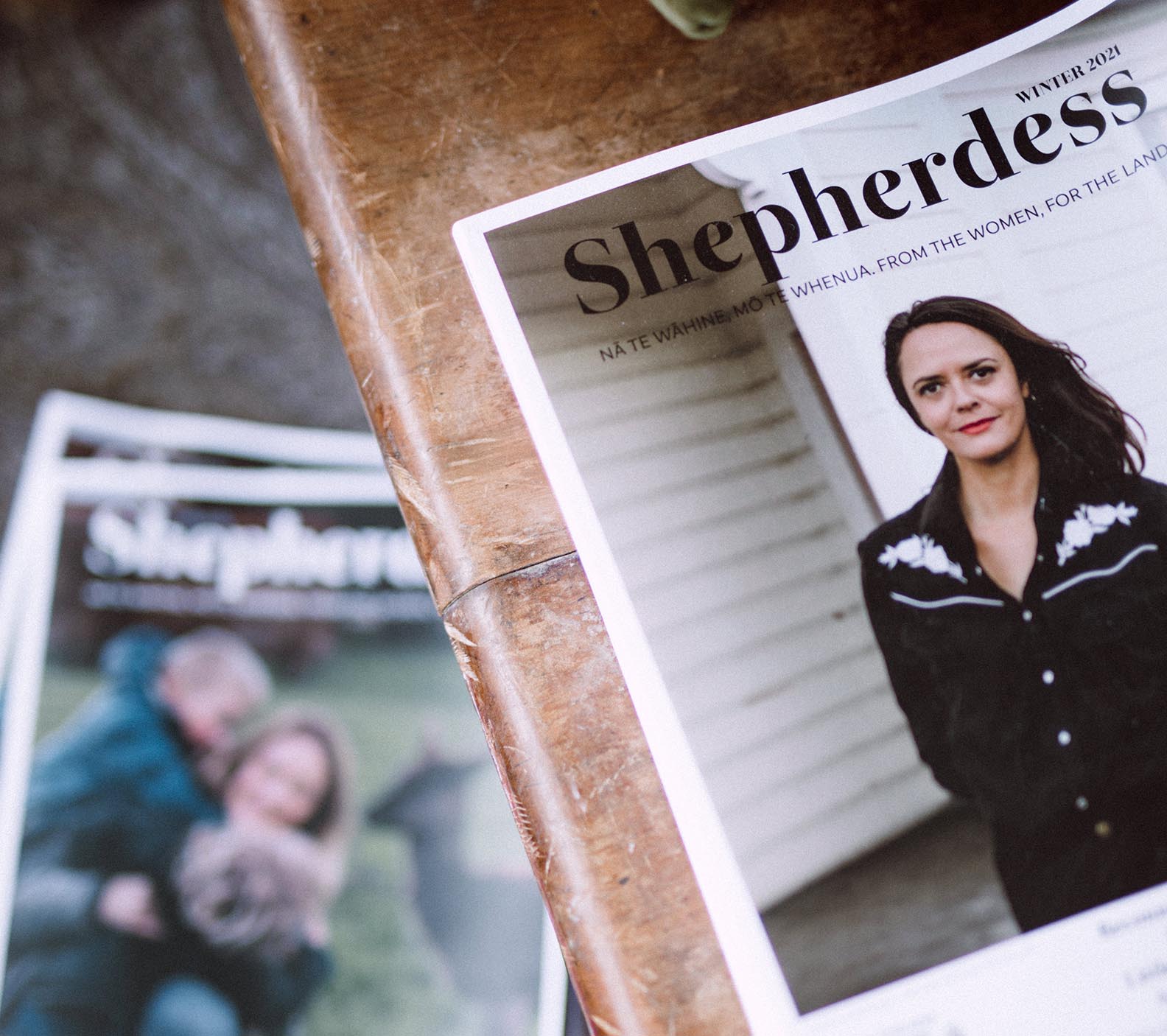
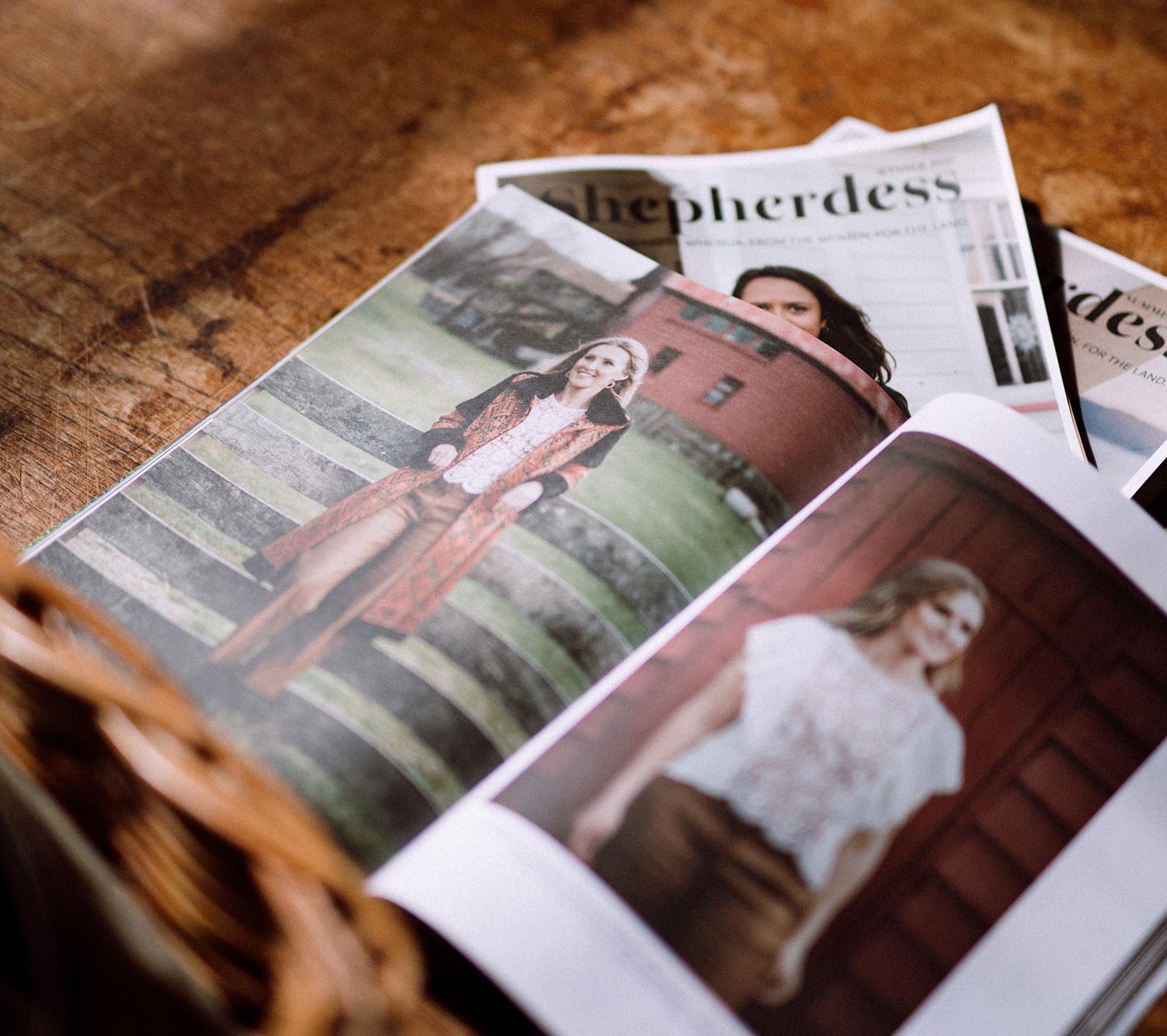
You might have noticed a new magazine on the stands lately. Shepherdess is a publication that offers something no other magazine does: an unapologetic celebration of women in rural Aotearoa. Published by Kristy McGregor – a twenty-nine-year-old Australian based on a dairy and beef farm at Manakau, Horowhenua – the quarterly magazine unearths stories on all matters of social and cultural life in the regions.
Humble beginnings.
Kristy is the first person to admit that Shepherdess has come from humble beginnings. Initially, there were a series of conversations with Claire Dunne, the founder of Australian magazine Graziher, then an Instagram page and a blog, and finally the first edition was in stores in March, 2020 – a few weeks before New Zealand’s first Covid-19 lockdown.
“I’d known Claire for a few years and in our conversations we both recognised that there was a real opportunity for a nationwide publication that spoke to rural life,” Kristy explains. “But when Claire said to me, “How about we start the magazine?” in early 2019, I had just had my first baby and was about to dive back into my resource management job in Wellington – it definitely wasn’t the best timing. Deep down, though, I knew there was never going to be a perfect time and I really believed in what the magazine could provide for rural women, so I decided to give it a go.”
Beating the odds.
The journey, of course, hasn’t been without its bumps. Less than 40 per cent of start-up businesses in New Zealand survive past the first two years and Kristy faced her first big hurdle early on. She found herself at the helm of Shepherdess with no experience in publishing or running a business.
“As we were preparing the first edition and pulling everything together for the March launch, Claire’s circumstances changed and she needed to focus her energy in Australia,” says Kristy. “Suddenly, I went from working with someone who has years of publishing experience to being on my own, but I just knew that I had to give it a try.
“I had been living in New Zealand for nearly six years and I felt that I had a bit of an understanding about the experiences and perspectives of rural New Zealand, especially with living and working on my partner’s family farm in the Horowhenua.
“Really I stumbled into the role of publisher – what I really wanted to do was connect people and I could see that the magazine could be a tool to do that.”
Growing up in suburban Sydney.
Kristy grew up on a quarter acre block in Camden, a small, suburban area on the outskirts of Sydney. But through her father’s work as an agricultural teacher as well as invitations by extended family to go and stay at their farms, Kristy’s childhood was filled with experiences of rural life. “As a kid, I would go and stay with family friends in Jamberoo, Parkes and Canowindra,” says Kristy.
“I have memories of watching a newborn calf plop onto the ground, or visiting the local butcher where, like in many small towns, they run a tab under the family name. Some days I would sit on the enclosed veranda in the baking sun for hours, trying to avoid the flies. It was this sense of simplicity and familiarity that I really loved growing up, and as I got older these were the things I found myself gravitating towards.”
Home in Horowhenua.
Kristy moved to New Zealand in 2014, after meeting Michael Keeling, a Kiwi who was working in western Queensland before taking over the family farm back home in Horowhenua. “My first year here was really hard,” Kristy explains.
“I was away from my friends and family and everything I had built over in Australia, and my introduction to dairy farming was a partner who worked fifteen-hour days, ate and slept and then did it all again the next day. There was very little social life, and there was a lot I had to learn. I brought home a pet lamb that first year and I quickly learnt that you don’t want to add anything to your plate during calving if you can help it!”
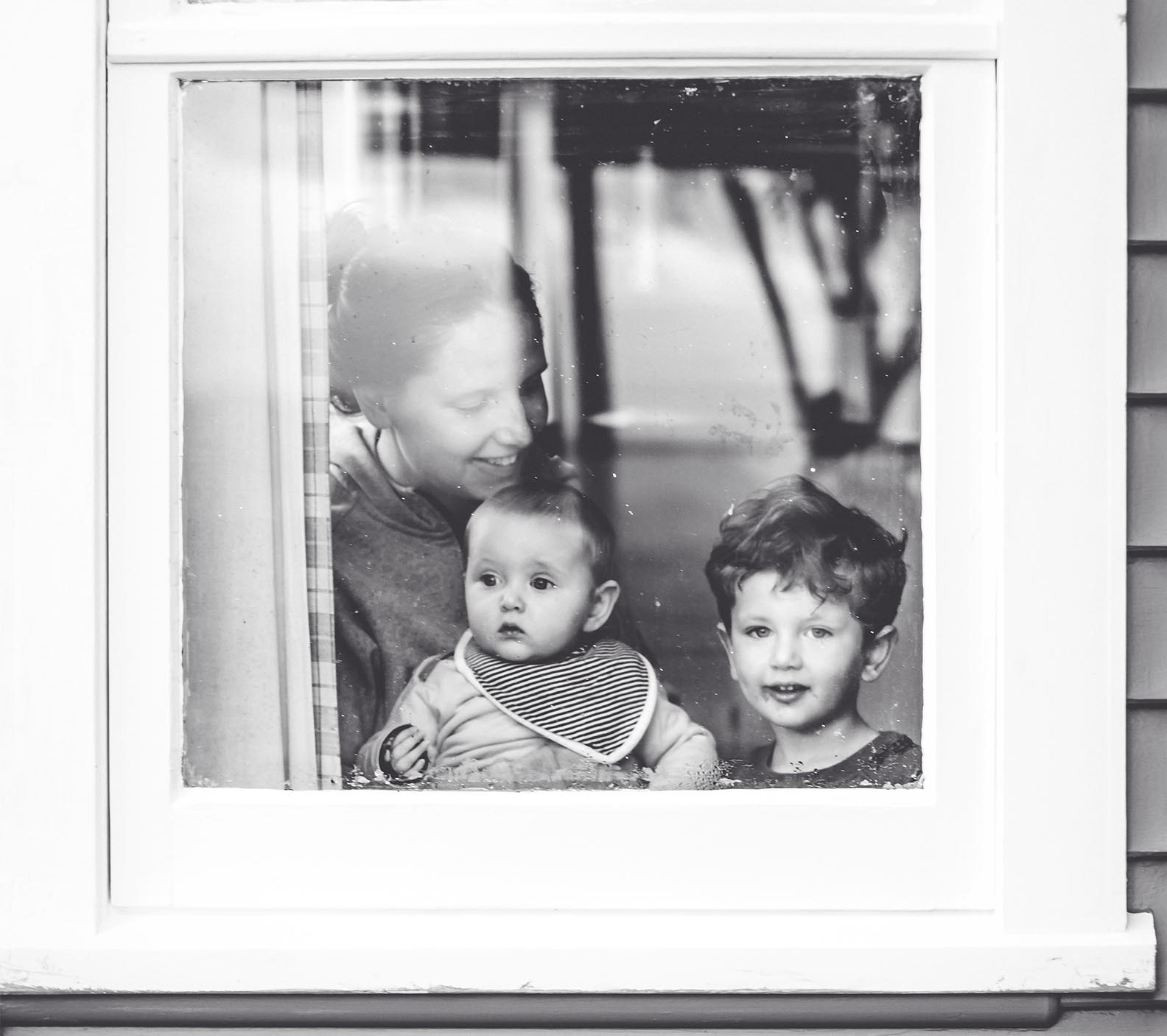
Despite all the challenges, Kristy is still here and still based in the Horowhenua with Michael and their two children, Hartley, three, and Tully, one. And eighteen months after its debut Shepherdess is currently curating its eighth edition, is stocked in 400 stores nationwide and has built an online community of 15,000 and growing, with an estimated readership of 18,000 per edition.
Women from across the country write to Kristy, explaining how they had always hoped a magazine like Shepherdess would appear at their local bookstore and how much it means to them to see women like themselves reflected back in its pages and stories.
Collaboration, connection and community.
“Collaboration is what has propelled the magazine. I remember in the few months before our first edition, sitting down with Claire Dunne and she had a whiteboard and a pen and was giving me a publishing 101 lesson because I really had no idea. I even roped in my mother-in-law to bake the cakes for the recipes in the first edition! But we were lucky to have organisations like Beef + Lamb New Zealand and Farmlands, who – bravely – endorsed us from the start. And a great team of talented women have come on board so that the magazine could become a reality.”
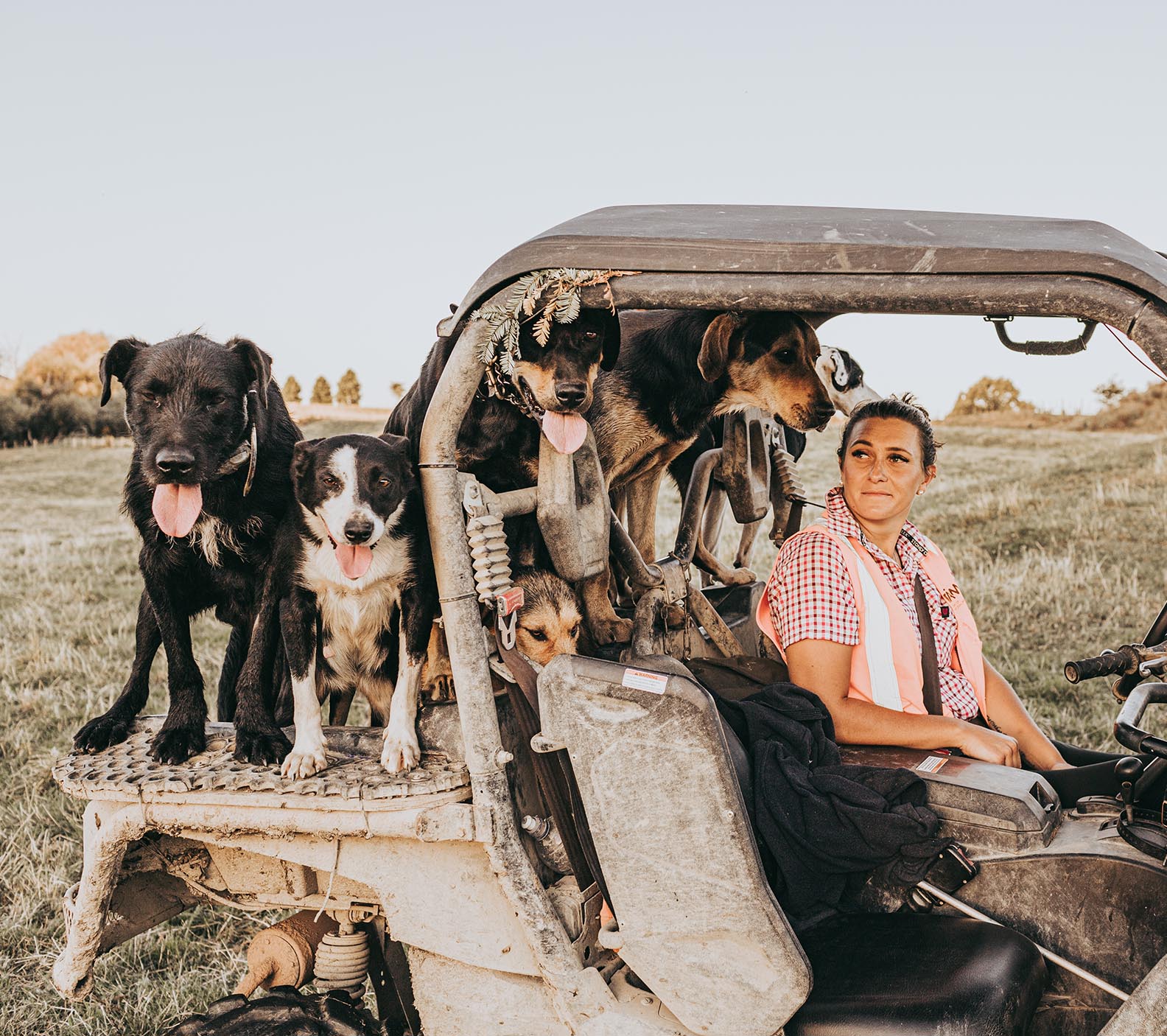
Shepherdess fills a large gap in Aotearoa’s media landscape: telling stories that matter to women living in rural and regional areas and providing a space for underrepresented women’s stories to be shared; with a concerted focus on Te Reo and the experiences of wāhine Māori.
“For me, it’s just a gut feeling that I have that I couldn’t make a publication in 2021 and not honour Te Ao Maori.
Throughout this journey, I have learnt so much about our communities and businesses. Our first editions might not have been perfect, but we strive to be better and better every time, and as a team we are continually improving and refining.
Running a business is often like a jigsaw, fitting people’s strengths to their roles and figuring out how we best work together so that we can produce the best possible experience for our readers.”
It was in talking to other rural women that Kristy realised there was a real need for a magazine that can hold space for women who might be isolated, either socially or geographically. That other women wanted a publication that spoke to their fears and struggles as well as their sense of pride and belonging for the many wonderful things happening in rural Aotearoa.
Shepherdess connects its readers to rural and regional Aotearoa from the comfort of their couch, kitchen table or out in the paddock if need be.
“We showcase women from all parts of the country and all areas of industry who are facing the same things as everyone else and who are trying to figure out how best to do it all.
“I think reading these stories, that are all our stories, fills us up and creates a special feeling of community. I’m really frank about knowing what it’s like for most mums out there – my office is right here on the farm with my kids underfoot, the palettes of magazines on the back of a truck, roll in right after the tanker.
“I’m doing Zoom calls while breastfeeding or checking copy and looking at design mock-ups late at night after the kids are in bed. But its also extremely rewarding to be getting these amazing stories out there. It’s exciting to have found something that I really resonate with, that feels so closely connected to me.”
To subscribe, purchase the latest edition of Shepherdess or read more stories that have featured in the magazine, head to the website www.shepherdess.co.nz or into any one of their many stockists across the country, a list of which can also be found on the website. Use the code RURALLEADERS on the website at check out for an extra edition free with any annual subscription purchased.