2026 Nuffield NZ Farming Scholarship. Apply by 17 August 2025. Read More...

Apply for 2026 Nuffield NZ Farming Scholarship by 17 August 2025. More details...

The Home Paddock

Daniel Eb Nuffield report image

A fracturing social licence to farm.
Recruitment.
An authentic provenance story.


These are our sector’s most entrenched challenges.

At their roots, they are about culture, values and perception.

They are homegrown, non-market problems confronting a sector that has optimised to win in the global marketplace. We can’t rely on our traditional strengths to produce, R&D or market our way out of them.

There is a tacit acceptance that the way forward is to shift from designing for volume and market value, to systems that also include social and environmental values.

To support that transition, this report imagines what a values-led food & farming system in Aotearoa New Zealand might look like. It’s built around an analogy, what if food & farming was more like healthcare and education – a public good. The analogy helps us to compare systems designed to sell to consumers, with those designed to more fully meet the needs of people. It helps us to see the challenges in values-led systems (like complexity, stakeholder collaboration and empathetic design) and their benefits (like trust, engagement and local prosperity).

In addition to the public good analogy, this report looks to examples in Kaupapa Māori, proposes a ‘cheat sheet’ for values-led innovation and explores five forms of values-led food & farming operating at the
edges of the sector.

It concludes with something concrete. A strategy for values-led redesign of the domestic market focussed on scaling local food & farming economies.
It’s a strategy to realise the untapped value in our domestic food system – our home paddock. It calls for enabling some farmers to look inwards and participate directly in their town’s local food economy.


It’s about designing around our values and practices that Kiwis increasingly want to engage with – like connecting to nature, learning & healing on farms or farming-based sustainability solutions. It proposes a
framework for action on food insecurity and health, two fundamental barriers to developing the ‘food & farming culture’ we need to rebuild social licence, recruit Kiwis and tell a provenance story to the world.
At its core, this is a strategy for building meaningful, everyday touchpoints with urban New Zealanders.

Because values matter across every kitchen table, community hall and boardroom – this report concludes by covering the potential roles of each sector player in a values-led domestic system.

We’re a trading nation, and we’re good at it. But we need to front-up to the fact that under the current export-dominated model, Kiwis feel increasingly disconnected from food & farming.

To meet these entrenched social challenges, we need to have the courage to do things differently – to lean into our values and redesign our home paddock, for local food & farming economies to thrive.

Here’s how.

Keywords for Search: Daniel Eb

The Green and the Black of It

This paper initially set out to determine whether it was possible to better monetise sustainability with the New Zealand Deer Industry. In addition to this, I wanted to understand why NZ deer farmers seemed to achieve such poor returns in comparison to both the end value of their products, and the level of risk they accepted in producing them. And lastly, I wanted to know whether our conventional industry supply chains were going to be fit for purpose in a rapidly changing world.

To achieve this, I undertook a review of existing literature, spoke to industry leaders, academics, public servants, and business owners. Most of these were connected to the primary sector, however perspectives and experience from outside the sector were also sought for insight and comparative purposes.

In doing so I found the following:

  • NZ deer farmers, similar to the wider drystock sector, are not profitable in the context of other industries and what are considered average Returns on Capital Employed (ROCE) within NZ. On average, NZ deer farmers achieve approximately 3.4% return on their capital. In comparison, the NZ share market has achieved an average return of 6.5% since 1900. Additionally, our true capital gains are virtually zero once inflation is considered.

  • There are a number of macro level risks and trends in existence that are affecting the NZ deer industry now or will do so in the future. It is also likely that we are underestimating them. The risks posed by factors such a climate change, environmental degradation, geopolitical risk, and the rapid emergence of alternative proteins are significant. Each of these has the ability to significantly disrupt our industry, one that is plagued by poor returns and an increasingly unsympathetic public. Our current approach to these trends is largely one of defense and maintaining the course. This must be replaced by a strategy of active risk management and opportunity realisation.
  • Our current industry supply chains do indeed place the majority of the risk onto the farmer, noting our conventional position as sellers of raw undifferentiated commodity products into global markets. This ongoing situation forces the industry to accept all production risks and the prevailing market price, while allowing multiple other members of the supply chain to add their margin. This results in farmers receiving as little as 3% of the end value of their velvet. As the range and severity of the risk’s deer farmers face increase, it is clear that we can no longer afford the status quo.

  • Environmental outcomes and profit are not mutually exclusive. There are currently working examples within NZ of primary sector organisations and businesses that are achieving above average returns and positive environmental outcomes. An example of this is Lake Hawea Station that is achieving a 40% premium over the current industry average for its fine wool on the basis of its carbon zero certification.  

  • Whilst environmental attributes can be successfully monetized, it is unlikely to be done successfully through our conventional supply value chains. These systems are set up to supply undifferentiated commodities onto the open market and are therefore unlikely to achieve and/or maintain a premium for those attributes, particularly when other agriculture countries are doing the same. Additionally, not all of our end customers place the same value on environmental attributes. To fully leverage positive environmental attributes, it is necessary to fundamentally change the way we take our products to market. It is also recognised that developing new business models can carry a significant degree of risk and requires a range of competencies outside of those required to run a traditional farming business.

To achieve this, it is recommended that the NZ Deer Farmers Association (DFA) establish a programme of work in coordination with Deer Industry NZ (DINZ) and Central Government, with the purpose of transitioning the industry away from the sale of its products as raw/undifferentiated commodities via conventional supply chains, and towards the establishment of short value chains that are effective in matching value creation with economic return. It is proposed that the programme contain the following key objectives:

(a) Identify and support the establishment of business models and/or industry structures that have the potential to achieve the intent of the project. This work would be initially informed by those models utilised by Spring Sheep, NZ Merino and Zespri.

(b) Identify and promote the utilization of technology and web-based platforms that allow for the identification of consumers and the sale of finished products directly to them.

(c) Identify what environmental attributes can be leveraged by these business models for commercial advantage, noting that the delivery and communication of on-farm environmental outcomes will also be beneficial to the deer industries social licence.  The key focus of this objective is turning environmental compliance into economic opportunity.

It is further proposed that financial support for this project by sought from Government, based on its alignment with current political priorities, including addressing climate change through the reduction of on-farm emissions.

It is well understood by the author that many of findings contained within this report are not new, and that attempting to both capture and create more value from NZ’s agriculture products has long been an area of focus. However, our environment today is different from yesterday. We now have the knowledge, the examples, and the tools necessary to take our products to market more profitably and achieve better environmental outcomes. We as farmers, should no longer let existing structures, interests and thinking continue to dictate what we are paid and how much risk we accept in turn.

Keywords for Search: Ben Anderson, Benjamin, Andersen

Super heroes, not super humans

Agriculture is the most dangerous occupation in New Zealand, the UK and Australia.

Despite the introduction of the Health and Safety at Work Act 2015 and a focus on improving health and safety, the rates of fatality and harm in NZ agriculture remain stubbornly high. This has negative impacts on the sector’s productivity, profitability and sustainability. The consequences for farming families and communities are tragic.

This report explores the paradox:

Farmers care about people and each other and Their workplaces kill, hurt or harm too many people.

The report draws on semi structured interviews with nearly 50 stakeholders complimented by conversations with countless farmers, their team and family members. A review of research exploring the current state of health and safety on farm and how farmers think identifies possible root causes of the current state (what’s happening now).

Although largely invisible, assumptions and beliefs powerfully influence farmer behaviour including:

  • Lack of perceived susceptibility (they don’t think they personally will get hurt)
  • Risk is normalised by family and peers (everyone’s doing it)
  • Risk is assumed to be a part of farm work that can’t be managed or controlled (when accidents happen they are explained as “freak” events or unpreventable)
  • Risks are perceived to be common sense and people are expected to take care of their own health and safety, with some being perceived to be ‘just accident prone’.

Farmers expect themselves and their people to be super human!

The report uses the Conscious Leadership’s Fact vs Story model to explore common farmer beliefs and compare these with facts and data to identify the “stories” that prevent positive change.

Given unhelpful stories are a strong influence on behaviour it is critical that interventions address these beliefs and farmers’ “mindset”.

However, interventions have traditionally focused on “education only”. Health and safety has been pigeon holed as a compliance issue of little value to individuals or their businesses.

Establishing the “why” or “what’s in it for me” and the compelling benefits of good work design, is critical. The mindset/practices model shared by Fiona Ewing at the Forestry Industry Safety Council identifies the importance of establishing both the mindset and capability to support the design of good work.

There are examples of farmers in quadrant 4 (get it, do it) which demonstrate what is possible for the sector if the correct mindset and practices (capability) are established.

There are many measurable benefits of good work design which will help establish the “why” for individual farmers including:

  • Higher engagement
  • Lower absenteeism
  • Enhanced social licence
  • Better attraction and retention
  • Positive return on investment
  • Lower costs
  • Increased productivity

Articulating these benefits may provide farmers with something they really want (better work and work environments which address some of their existing challenges).

Good work results in win:win:win outcomes: better work quality, more productive and enjoyable work environments and healthy and safe people.

Challenging pervasive stories and unhelpful beliefs requires relationships built on trust. It is important that the sector values those who bring diverse thinking and non-technical skills. Non-technical skills are identified as critical to better health and safety outcomes. Supporting farmers to develop non-technical skills will improve health and safety outcomes but also have a range of other benefits at business and sector level.

Credible, trusted “connectors” need to be available to support farmers to make change – the messenger makes a difference. To be effective these connectors need trusting relationships with those they seek to influence. Building these takes time and requires proper resourcing. It is important to take a holistic approach to the farm system that acknowledges good work design is fundamental to success and influences all aspects of the enterprise; health and safety can’t be put in a box.

Once the benefits of good work are articulated and farmers “get it” or connect emotionally with the “why”, the what and how become easier.

With the right mindset, the focus becomes lifting capability by setting up farmers up for “can do”. They need:

  • The knowledge (an understanding of why, how and what to do)
  • The skill (the research shows this must encompass both the technical and non-technical skills required for success). Developing skill requires practice and it is important that support is provided during this stage.
  • The method – The correct method for “good” work design, specific to the farm context and focused on practical and effective outcomes. This requires an understanding of the hierarchy of controls and an emphasis on higher level (more effective) controls like elimination or minimisation, rather than the current sector wide focus on lower level and less effective controls (administrative controls or Personal Protective Equipment). It also requires collaboration and leadership to agree “what good looks like” for the sector.
  • The tools – Support from up-stream duty holders (those who share responsibility for controlling workplace risks) is required to ensure farmers have access to the tools required to manage risk in their workplaces and set up for “good work” in a practical and effective way
  • The resources – the money, materials and people to be successful. The closed border and current immigration settings are currently a limiting factor due to the severe people shortages in the sector.

Only if all five components of “can do” are present can farmers be expected to successfully manage work design and ensure healthy and safe outcomes for their people.

Increasing awareness of “what good looks like” is also critical to changing behaviour and social norms. This requires a cohesive sector communication strategy. All sector stakeholders need to collaborate to support the messaging which should focus on 2-3 key components.

The Health and Safety at Work Act provides significant fines and other consequences for farmers who fail to provide safe and healthy work. However, the fragmented, low surveillance farming context reduces the likelihood that these consequences will result in change. Farmers are more likely to die than be prosecuted.

Raising awareness about why, how and what should be done and increasing accountability may be more effective. Leveraging “belonging” to change social norms and make good work design an attribute of great farmers may be more successful. Farmers want to know: are my neighbours doing it?

Changing social norms requires a compelling vision for the sector. This is more likely to be successful if it addresses health and safety by stealth, given many farmers have totally disengaged with the tainted health and safety brand. Motivating farmers with a vision which connects with them on an emotional level is more likely to be successful.

Supporting change by communicating:

  • through multiple channels and mediums
  • using visuals and graphics (rather than text)
  • through story telling to share stories of positive change and develop self efficacy (a belief that farmers have the ability required to design good work and prevent harm)
  • examples of the journey taken by farmers at all stages (beginning, developing and excellence) focused on small, low/no cost changes and safe change at a pace and scale suited to individual capacity and resources
  • realistic examples of positive change aligned with something farmers really want (more enjoyable, productive workplaces with fewer people headaches) is the recommended approach.

Ensuring intervention before risks become habituated or “normal” is critical and leveraging children and young people before they embed unhelpful beliefs is key. The next generation of farmers and young people are at the heart of this cultural and behavioural change. Significant change may take a generation and resourcing needs to reflect this and be independent of political cycles.

Keywords for Search: Lynsey Stratford, Lyndsey, Linsey, Lindsay, Lynsay

Science and Innovation in New Zealand Agriculture

The era of trade liberalisation and reform in the 1980’s and 1990’s left New Zealand (NZ) focusing on what it was good at – being efficient commodity producers, and NZ exploited its comparative advantages. This drive for efficiencies created the domestic agenda for science and innovation. For agriculture, to drive productivity gains, the focus was inside the farm gate. It is something of a paradox that, as the world was globalising and NZ was opening up its economy to competition, we became more localised in the things that created immense value for NZ. The world is changing, and to keep up, NZ needs to be world-class at research and value creation – Innovation is the common denominator. We need to re-imagine our science and innovation models to give agriculture the best opportunity to contribute to a more prosperous NZ.
This report makes a case for change in the way research and development is conducted in this country. What we have today was the result of a massive reform agenda in the 1980’s and 1990’s, when market forces were introduced into areas of the economy that had traditionally been protected. In the 30 years since, there has been a series of policies attempting to ‘fix’ our science system; to roll back the unintended consequences of the reforms. These efforts have largely been ‘small’ and often on the edges of the big problems. It is almost as if the courage of government for reform has evaporated; the upheavals of the earlier era has left little appetite for fundamental change. So, we have a science system that is fragmented, siloed, and characterised by competing agendas and organisations. The structures and funding models drive perverse incentives such as, doing science to get published, to be able to get funding, and to get funding, in order to get published….

The government’s role in science is complex. As a major funder it has an obligation to ensure the output is both world class, and benefits NZ. It must balance funding of the science sector with all the other demands on the treasury. The political reality of science is that there is little be gained from solving the sector’s problems. The issues are complex, difficult to define, and changes hard to implement. Over the decades there has been a decline in expert capability inside government (Cook, 2004) – people who have depth and breadth of experience in their roles. Cost efficiencies and productivity became guiding principles (Cook, 2004) and a ‘slimmed’ down state sector still resonates with the electorate. This in turn, has lowered the ambition of governments and reduced the experience held internally (Mazzucato, 2021).

Policy change at any level becomes difficult, making substantial reorganisation or visionary change to the status quo, very complex. When we try and ‘fix’ the issues we enter into what is known as the complexity paradox (Mazzucato, 2021), where layers of policies drive the creation of silos that begin competing with each other. Thus, rather than ‘fixing’ the problems they are further entrenched. We need to do much better. Whilst it’s broadly true that innovation happens close to consumers, in value chains, in science institutions, private enterprises and on farms – all across the economy, governments do have an important role in creating the framework and policies, that encourage innovation.
The crux of the problem for NZ’s science sector is that everything is viewed in the short term. Everything, almost everywhere, has been reduced to time periods, – governments can’t wait, the Performance Based Research Fund can’t wait, the science can’t wait, the funds are annually contestable, and businesses want quick wins for reporting purposes. The system doesn’t allow science enough time to figure things out. Election cycles influence funding horizons that determine project lengths, and scientists’ time horizons are limited to the length of the project they are working on, and their careers are limited to the project duration.

Everyone needs quick wins to survive. Incentives are misaligned and fragmented, all players are responding to ‘their’ incentives and few groups share the same ones. Long term strategies underpinned by investment in R&D have created some of our most successful businesses. The long-time horizons associated with Māori business is a compelling reason to build relationships with Māori and may be the catalyst for our science sector to recapture its long term view.

Keywords for Search: John Foley, Jon Foly

Resign or Redesign

David Eade report image

Commodity prices received by New Zealand farmers are close to all-time highs, yet we are protesting in the streets for the first time in decades. Our resistance to environmental regulation has exposed a vulnerability – we, farmers, are struggling to hold our place in the power hierarchy.

We took our place atop the power structure when the SS Dunedin set sail for the United Kingdom with the first shipment of refrigerated produce in 1882. We have maintained our place in society with strong representation for the best part of 140 years. This is starting to change.

Our economic model is no longer fit for purpose as we approach an environmental point of no return. We are transitioning from a model optimised for human capital to one focused on maximising natural capital. The negative externalities associated with the farming models we have used for over a century are coming home to roost.

To maintain our place in the power hierarchy, we are defaulting to old tools such as protest and advocacy groups. We do not currently have the right mix of tools needed to drive and support change in a modern world.

Biodiversity loss, net zero commitments, the rise of alternative proteins and climate change are some of the many signals on the horizon that threaten our current system. We can either view these as threats, or as opportunities. Some of the most effective ways of reaching net zero commitments come through effective land use. Through the correct stewardship of land, farmers can make a disproportionate positive impact on the environment. What’s more, a burgeoning market of investors is looking to get behind this exact cause.

Individually, farmers in New Zealand are projected to spend $150,000 over the next 10 years to meet the latest round of environmental regulation. Collectively, the New Zealand Dairy industry alone is projecting $6 billion dollars in annual losses attributable to environmental
regulation. Yet, at the same time financial markets across the world are experiencing the largest amount of investment backing net zero commitments from both large institutions and through the rise of citizen finance.

We have a model that is no longer fit for purpose. It does not serve the environment or farmers. We also have a disconnect between farmers looking to make positive environmental change and investors looking to fund these exact pursuits.

What do we do when something is no longer serving us? We redesign it.

A design process was kicked off. The first step was to empathise with the challenges faced by New Zealand livestock farmers. Over the course of 50+ hours of interviews and 100+ survey results, challenges started to emerge. Many livestock farmers currently face a negative spiral with each challenge compounding upon the last:

  • margins are being squeezed and profits are variable
  • farming businesses struggle to pay what is needed to attract good talent
  • many farming businesses remain understaffed
  • understaffed businesses lead to farmers spend more time in an operational capacity
  • after operational tasks are taken care of plus the day to day complexities of farming, there is no time left to understand ambiguous environmental regulation
  • tired farmers carry the mental tax of having to defend a negative public image.


When summarised – New Zealand livestock farmers are scared that environmental regulation will cripple their low margin business.

We are not fundamentally bad people, and we are certainly not environmental villains. The negative spiral faced by farming businesses needs to be broken. What breaks this may be an unlikely source. The environment itself.

A series of complex and simple nature-based solutions emerged during the ideation phase of the design process. These potential solutions were viewed against the criteria idefined by farmers during the empathize stage – the ability to help farmers; get paid, reduce complexity, get time back and feel valued in society. Most importantly an ideal solution had to provide the first tangible step New Zealand livestock farmers could take to make positive, profitable environmental change. The final prototype leverages many existing tools to create an outcome that will break the negative spiral faced by New Zealand livestock farmers. Of the 19 farmers pitched the idea, 75% said that they would pay to use the product.

By no means is this a silver bullet, but it is an example of what happens when we become deeply curious about a problem we are facing. Assumptions are left behind and problems are reframed. We are going to need many solutions that enable and empower New Zealand livestock farmers. This is but one tool in what will be a large toolbox. The findings in this report could be the ingredients of a future cake. A diverse range of people are needed to bake this cake and ensure that farmers can adapt to market lead signals.

Keywords for Search: David Eade, Ede

Horticulture: When a road trip bears fruit.

Central Otago Horticulture - Engagement with industry to find ways to build capability

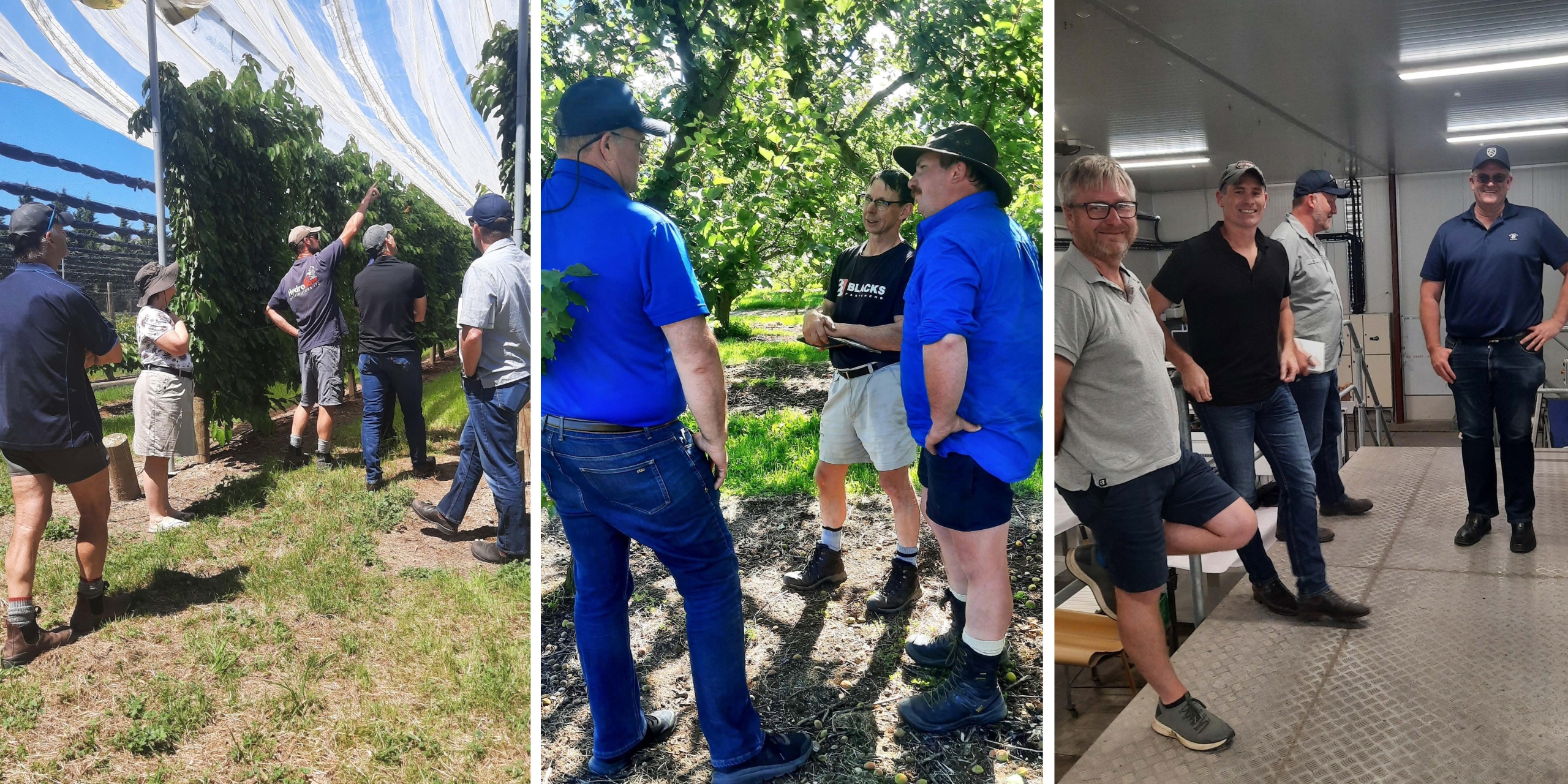
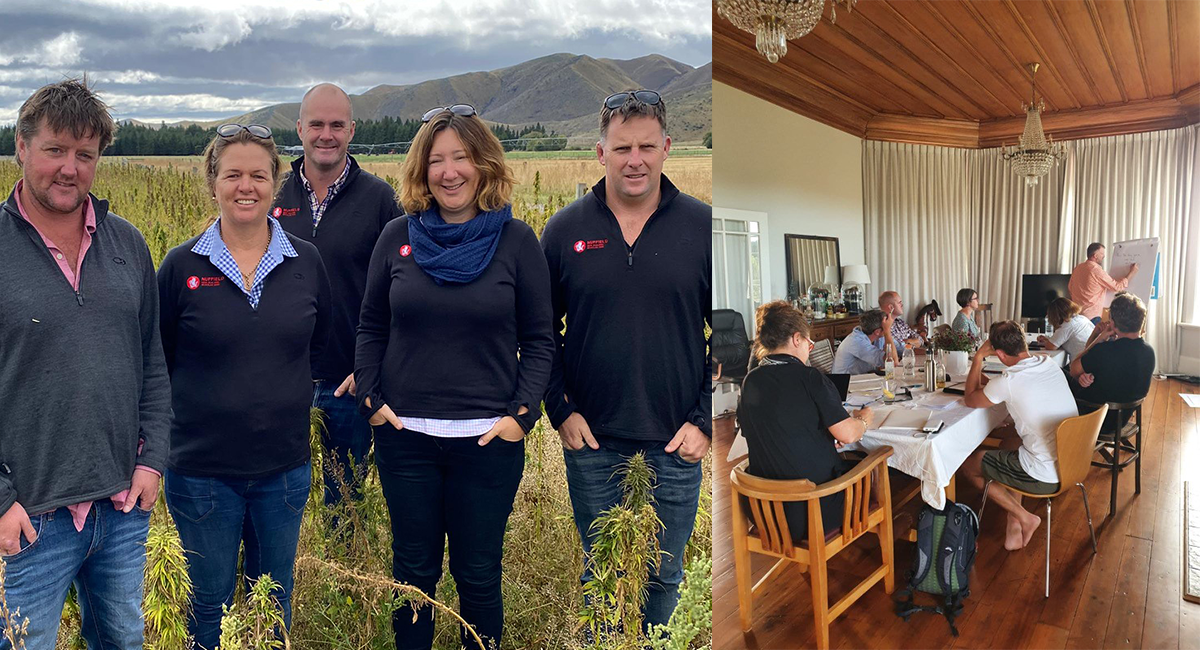
Lincoln University and the New Zealand Rural Leadership Trust (Rural Leaders), hit the road last week, travelling throughout South and Mid Canterbury and Central Otago.

Professor Hamish Gow of Lincoln University and Chris Parsons, Rural leaders’ CEO, have successfully established stronger links with the horticulture sector and in particular, growers from the pip and stone fruit industries.  

The series of visits were expertly organised, attended, and hosted by Chelsea Donnelly, GoHort Career Progression Manager for Central Otago. The road trip was designed to gain a better understanding of the opportunities for collaboration between Lincoln University, Rural Leaders, and the horticulture sector. 

Also joining the group was Dr. Clive Kaiser, Associate Professor at Lincoln University. Clive is a legend of the cherry fruit industry, and it seemed this status was clear when growers produced Clive’s co-authored book, Sweet Cherries, also known as ‘The International Bible of Cherry Fruit Production.’ “The book would appear from bookshelves, top drawers, and coffee tables, with Clive humbly signing more than a few on request,” said Hamish Gow. 

Professor Gow went on to say,

“This was a real bonus on the trip. To have Clive Kaiser and Chris Parsons there connecting with the sector in such an authentic way, created an atmosphere where the prospect of further collaboration just seemed inevitable.”

The visits included numerous growers, orchards and packhouses, with each discussing the technical production challenges, competency requirements, and opportunities for Rural Leaders and Lincoln University to collaborate in the co-design and development of capability building programmes. 

“Everyone we met was as excited as we were to see both Lincoln University and Rural Leaders engaging with industry. It was a highly productive research trip likely to have exponential benefits for all involved,” enthused Professor Gow. 

Growers and grower groups also expressed interest in exploring the idea of ‘field-labs’ on their farms, as way to further increase productivity and capability, “That’s something we’re extremely excited about exploring”, said Hamish Gow, “If anyone would like to talk more on that idea, please don’t hesitate to get in touch.” 

Professor Gow can be contacted at Hamish.Gow@lincoln.ac.nz 

December 2021: Southland Alumni Connect

The Invercargill Workingmen’s Club saw plenty of Rural Leaders action last week, as the venue for two Thriving Southland Workshops and a get together for Southland’s Nuffield and Kellogg alumni. 

The event was conveniently held next door to the workshops, allowing some to attend both. The get together was hosted by Rural Leaders’ CEO Chris Parsons and Operations and Events Manager Annie Chant and was attended by nearly twenty alumni who listened to Guest Speakers, Steve Wilkins, and Catherine Dickson share their programme stories. 

Stephen (Steve) Wilkins was a 2013 Nuffield Scholarship recipient, who researched the synergies between arable and dairy farming with a focus on effluent and nutrients. Steve spoke about his Nuffield journey, including how he received a call driving home from the Scholarship interview, and was told ‘you’re in’.  

Catherine Dickson completed her Kellogg in 2020. Her research report was National Treasure: Native biodiversity on-farm. Catherine spoke about how important her connection with her cohort is to her.  

We’d like to thank the speakers for their time and thank you to the alumni that managed to make the event.   

Doing better by our people.

There are figures on our primary sector’s labour transience that make for alarming reading. They’re remarkably high. In case you missed them, only 29% of those entering the primary sector remain after three years.  

While factors behind the statistics are complicated, one of the simpler, often cited reasons for leaving the sector is poor workplace culture. That falls strongly into the preventable turnover basket. And preventable turnover equates to 78% of total dairy transience, meaning four out of five people who have left the sector, might’ve stayed, had we done better by them.  

Bad news, old news, good news.

It’s not just farm workplaces buckling culturally under today’s stresses either, it’s large agri-businesses too, with allegations of poor management, and unaddressed toxic cultures more common than they should be. 

In both small farms and in larger business, failure to fix a problem culture can lead to performance issues and the destruction of the relationships with the people and teams helping those operations succeed. That’s the bad news. It’s also old news and too big to wrestle with here. So, we’ll offer a couple of pieces of good news about a few people trying to make a difference instead. 

Individual farms are now leading change, enthusiastically embracing management thinking from other industries. Farm owners, exposed to high performance ideas and practises bring their learning back home, to the farm. Couple this with a wider acceptance of wellbeing philosophies (previously known as ‘that touchy-feely-stuff’) and you have individual farming operations reporting much needed decreases in staff turnover. 

Rebecca and Brent Miller: Kellogg Scholars making changes. 

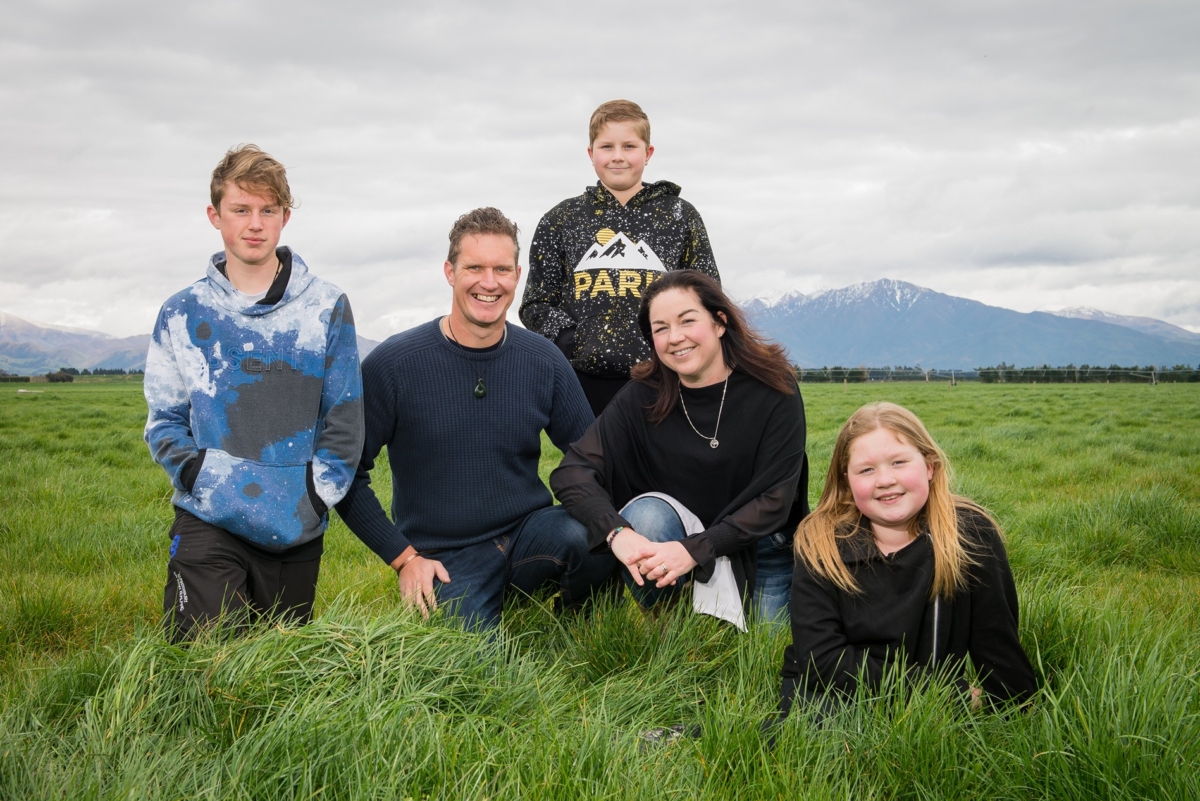
At the heart of what Rebecca and Brent Miller do lies a simple idea, if you work on yourself before you work on your team, good things will follow.  

Rebecca has just won ‘Emerging Leader’ at the 2021 Westpac Champion Business Awards. It’s an award that recognises performance across all industries, not just the primary. The award blurb states, ‘recognising a leader who is ambitious in outlook and vision, one who embraces innovation, shows resilience, and who inspires and invests in others.’ All good things, so it’s worth taking a closer look for ideas worth sharing. 

“What we stand for, our values, our negotiables, and non-negotiables, are all important for us, our team, and our farm. Everything comes down to knowing our strengths, weaknesses, and how we’re likely to contribute within a collaborative framework.” 

The school of hard knocks. 

Fifteen years ago, sharemilkers Rebecca, Brent, and their young children, were at a crossroads. It’s a familiar dairying family story, 2:30am to 7:30pm, 28 days on, two days off, moving between farming positions constantly and far too many tricky experiences with farm owners – their employers. They were on the brink of breakdown. All bets were on leaving farming forever.  

“We thought something had to give. But then you realise all your skills are in dairying. It was all we knew. So, we decided to stay and really reflect on what it was we needed from our next employer.”  

“We researched farm owners who supported, coached, and mentored their staff. We knew that if we were to stay in dairying and grow, we had to find the right environment for that to happen. Sadly, at the time, they weren’t easy to find – but eventually we did.” 

“We’d put business first at all costs in the past and that approach wasn’t working for us. We now knew it had to be family first.”  

Building the trust.

The Millers found an employer who opened their books, allowing them to benchmark against over a dozen farms in the owner’s network. The power of knowing ‘the numbers’ meant better decisions could be made, and efficiencies found by gently applying the right pressure at the right time. This sharing quickly built trust between themselves and the owners.  

“Passing that on and taking care of our team, seeing them grow and succeed, became a priority for us too. We have learned that as leaders of a team, the environment we provide on the farm, the behaviour, the way we share, interact, the words we use, the decisions made, and by who, are just a few of the factors in a high trust, high-performing and connected team.”  

The Millers strongly believe in the idea of sharing what they can to help others improve their on-farm methods and culture too.  

“MilkIQ is a platform for achieving that. It’s fuelled by a passion for people and driven by a desire to help them succeed.”  

With MilkIQ the Millers have just gone out and said ‘hey, this is who we are.’ “It’s a wellbeing tool, hopefully demonstrating trust in practise.” 

Hamish Murray Bluff Station Nuffield

Hamish Murray: A Nuffielder making changes. 

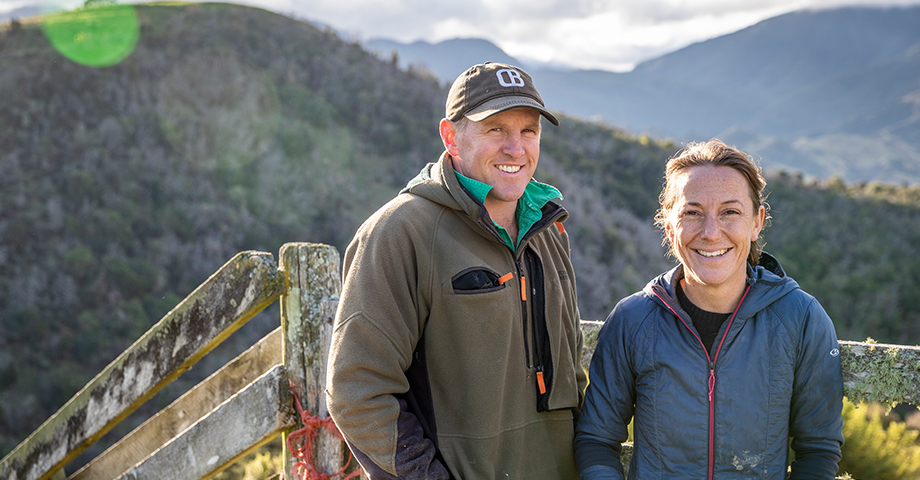
In a Farmstrong article from earlier this year, Nuffield Scholar and high-country sheep and beef farmer, Hamish Murray, also acknowledged the importance of his own journey. He spent a year on his Nuffield scholarship studying businesses with high-performing team cultures, including time in Silicon Valley, and in Christchurch with the Crusaders Rugby Team. He observed their continued focus on ‘soft skills,’ and shared values. 

“Soft skills are things like the way you communicate, make decisions, reflect and feedback. If you understand each other [other’s styles], you can combine to make good decisions.” 

“We’ve also done an exercise with our team to agree on what values will drive the decisions in our business. It’s empowering everyone to move forward, and it allows me to stand back and let the others lead.” 

The results speak for themselves.

Hamish is confident this approach is paying off. One good indicator has been a reduced staff turnover. Hamish acknowledges how important it is to create an environment that allows others to flourish and one that attracts and keeps great people. A big part of that he says, is letting your ego go, getting out of people’s way and asking the questions that help others do an excellent job. To do that he says, you have to work on yourself first. 

“Sometimes it’s not until you get to breaking point that your own learning and reflection kicks in. The journey for me started at a real low, but now I look back and think I’m incredibly lucky to have had that experience.”  

Hamish is referring to the stresses created by the Marlborough and Canterbury drought of 2014/15.  

“Trying to keep everyone going when you had no control over anything was so draining … we ended up with stock on fourteen different properties. The support I’ve had from my family and my team, the groundwork we’ve done together has really given me the confidence to keep learning and growing our business.” 

It starts in your own back paddock. 

Rebecca, Brent, and Hamish have shown that one small, first step toward keeping people in primary sector, in a ‘start in your own backyard kind of way’ has to be toward yourself, then to your own ‘FarmilyTM,’ your rural community, and beyond to industry. Rebecca adds, “What we can control first is our own behaviour. When our behaviours are good, we allow others to be the same and we start creating that change.” 

Rebecca Miller did the Kellogg Rural leadership Programme in 2018. Her study topic was: Is there a need for an information platform to collaborate primary sector events? 

Brent Miller, Rebecca’s husband, did the Kellogg Programme in 2020. His study topic was: What is the true cost of transience to the New Zealand dairy industry? 

Hamish Murray is a 2019 Nuffield Scholar. Hamish’s research was Future farm workplaces. It investigated the work environment needed to attract and retain people in the primary sector.


Rural Leaders and Thriving Southland collaborate.

Workshops in Southland, collaboration between NZ RUral Leaders, Thriving Soutland and Lincoln University

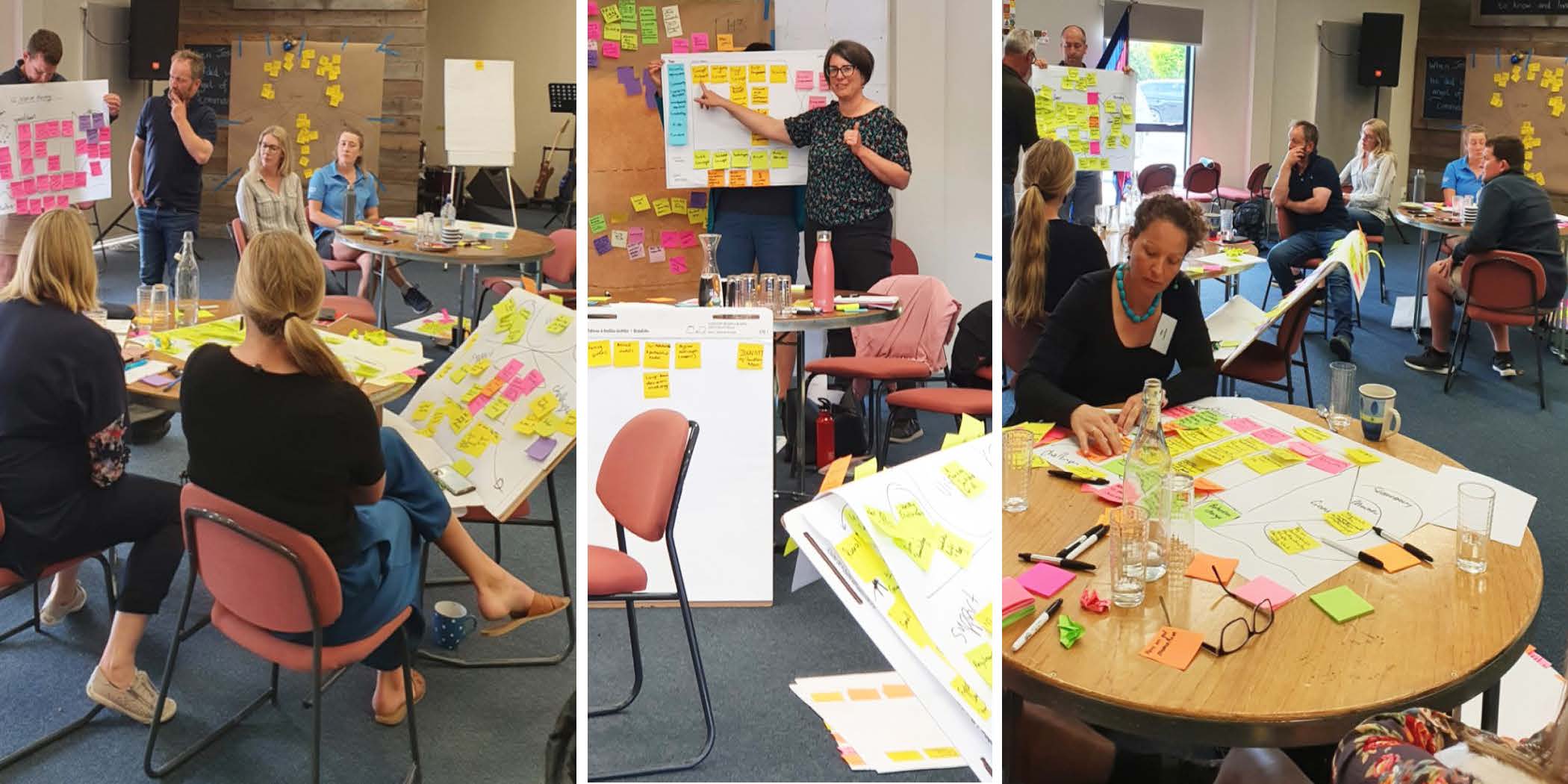
Thriving Southland, in collaboration with the New Zealand Rural Leadership Trust and Lincoln University, recently ran two successful workshops, held over four days. The workshops sought to strengthen rural leadership capability in the region and inspire catchment leaders and their teams to work on problems and deliver outcomes for a thriving Southland.

Think to Thrive: Strategy

The first Strategy Workshop, ‘Think to Thrive,’ was held in Winton on the 1st and 2nd of December. It was designed to form a pathway between today’s Southland and where it might be tomorrow. 

Trust to Thrive: Leadership

The second workshop ‘Trust to Thrive’ was held in Invercargill. With a focus on leadership, it was designed to build on the outcomes of workshop one. It drew on the facilitators’ skills in delivering world-leading military intent-based team building frameworks, and helping leaders learn to empower their teams to work and win together.

The facilitators

The workshops were co-facilitated by Chris Parsons, MNZM, DSD, Rural Leaders CEO, Professor Hamish Gow, Lincoln University, Phil Morrison ONZM, Freelance Consultant and Kellogg Programme Facilitator, and Rob Hoult DSD, a Leadership Development Specialist. 

The participants

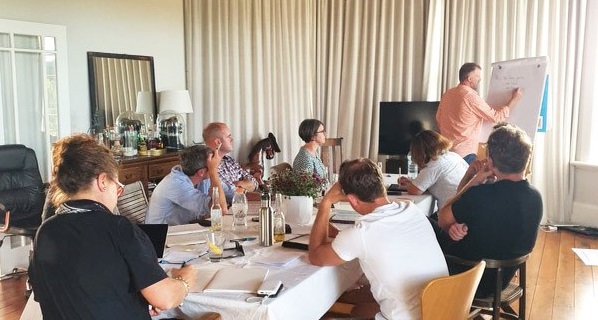
Each workshop was attended by about twenty farmers, catchment co-ordinators, stakeholders, and local and regional government leaders. Introduced to a range of tools, models, and frameworks, attendees then took a deep dive into a session of insights work. 

The groups generated two hundred key insights, from which they produced three hundred ideas. These ideas were crafted into four game plans the attending leaders could share with their catchments, the Thriving Southland Team and Board. 

When asked how the workshops were for attendees, three strong feedback themes emerged: empowering, big picture, and thought provoking. Many also felt that they had a new platform for influencing change. 

Lynsey Stratford, 2021 Nuffield Scholar and attendee, posted on LinkedIn:

“This was a great opportunity to learn some new skills and identify opportunities for the region alongside other food and fibre producers and stakeholders.” 

Another attendee stated, “We left armed with the models, tools, and insights we need to build capability with our teams.”  

If you’d like to get hold of the workshop summaries, please email either Hamish Gow or Chris Parsons, Hamish.Gow@lincoln.ac.nz or Chrisparsons@ruralleaders.co.nz 

Domestic Marketing of the Dairy Industry.

Tracey Perkins Kellogg Report

Executive Summary

The dairy industry is a leading contributor to the New Zealand economy, making up over 5% of GDP in seven regions and employing up to 50,000 people nationwide (Ballingall & Pambudi, 2020). In spite of this, we see increasing local interest in vegetarianism and veganism (Colmar Brunton_Better Futures Presentation, 2020) and we see increasing resistance not only to dairy farming practises themselves but also to the accompanying practises required to maintain this industry such as pest and disease control.

This causes concern for several reasons, including given that the public have access to international platforms where our international market engages (statistia.com, 2021) and if New Zealanders do not believe in our produce, then how can we effectively market to the world.

This research was conducted with the purpose of understanding more deeply the current market in which we are operating and where our social licence currently sits. The major focus of our industry appears to be a focus on telling our story, which relies entirely on the truth of that story being palatable to the New Zealand public and the assumption that rural New Zealand shares the same worldview as urban New Zealand.

Given this dilemma, I researched the meaning behind a citizen’s statement of “I support the dairy industry” and why the meaning behind that simple statement could hold some answers for our way forward as an industry. Key insights included that:

  • Supporting the dairy industry does not mean that I am connected to the industry at all myself or through family.
  • Supporting the dairy industry does not mean that I visit rural New Zealand.
  • Supporting the dairy industry does not mean that I am aware of all of the practises carried out on farm.
  • Supporting the dairy industry does not mean that I am a consumer of dairy products.
  • Supporting the dairy industry does not mean that I agree with all of the practises carried out on farm, and some I may actively oppose.
  • Supporting the dairy industry does not mean that I like dairy farmers as people.

My research also revealed that the New Zealand citizen has two distinct and separate roles in dairy farming, and both should be addressed – that of a consumer and that of a stakeholder.

Viewed in that light, competitors to the New Zealand Dairy Industry include social marketing aimed at decreasing the consumption of animal products and perceived animal cruelty, as well as the likes of specific product such as rice milk, sold from the Health Food chiller despite research showing lower nutrient content than cow’s milk.

Overall, the New Zealand dairy industry sustains the life of hundreds of thousands of babies each year through infant formula (9% of overall dairy export, $1.8B) (StatsNZ, Sense Partners, 2020), brings joy at fine dining experiences around the globe, and produce over 1500 dairy products and product formulations (Ballingall & Pambudi, 2020). We invest water and soil and return a vital food source. And yet, milk consumption per capita in our own country has decreased and alternative products are on the rise, seemingly without strong opposition from the dairy industry.

The recommendation is for industry to discuss and determine appropriate engagement methods between the public and the dairy farmer, with a view to understanding shared and opposing values as a baseline for moving the industry forward. Along with this, of key importance is research to understand the relationship between the New Zealand citizen as a consumer and as a stakeholder in the land and the extent to which one influences the other. From there research is required to determine perceived barriers to change from dairy farmers in areas where values between the public and the farmer align.

We have three primary concerns facing us as an industry; engagement to reduce the urban-rural values divide, commercial marketing to increase perception of value of our product and social marketing to ensure the sustainability of our social licence. The way forward could certainly utilize all three methods.