2026 Nuffield NZ Farming Scholarship. Apply by 17 August 2025. Read More...

Apply for 2026 Nuffield NZ Farming Scholarship by 17 August 2025. More details...

Alumni in the Spotlight – Clare Bradley, Jared Clarke, Kelly Heckler, Tracey Perkins, Erica van Reenen, Dr Jordi Hoult

Here are just a few of the media pieces covering the impact of Rural Leaders’ Programme Alumni in industries and communities across the sector. 

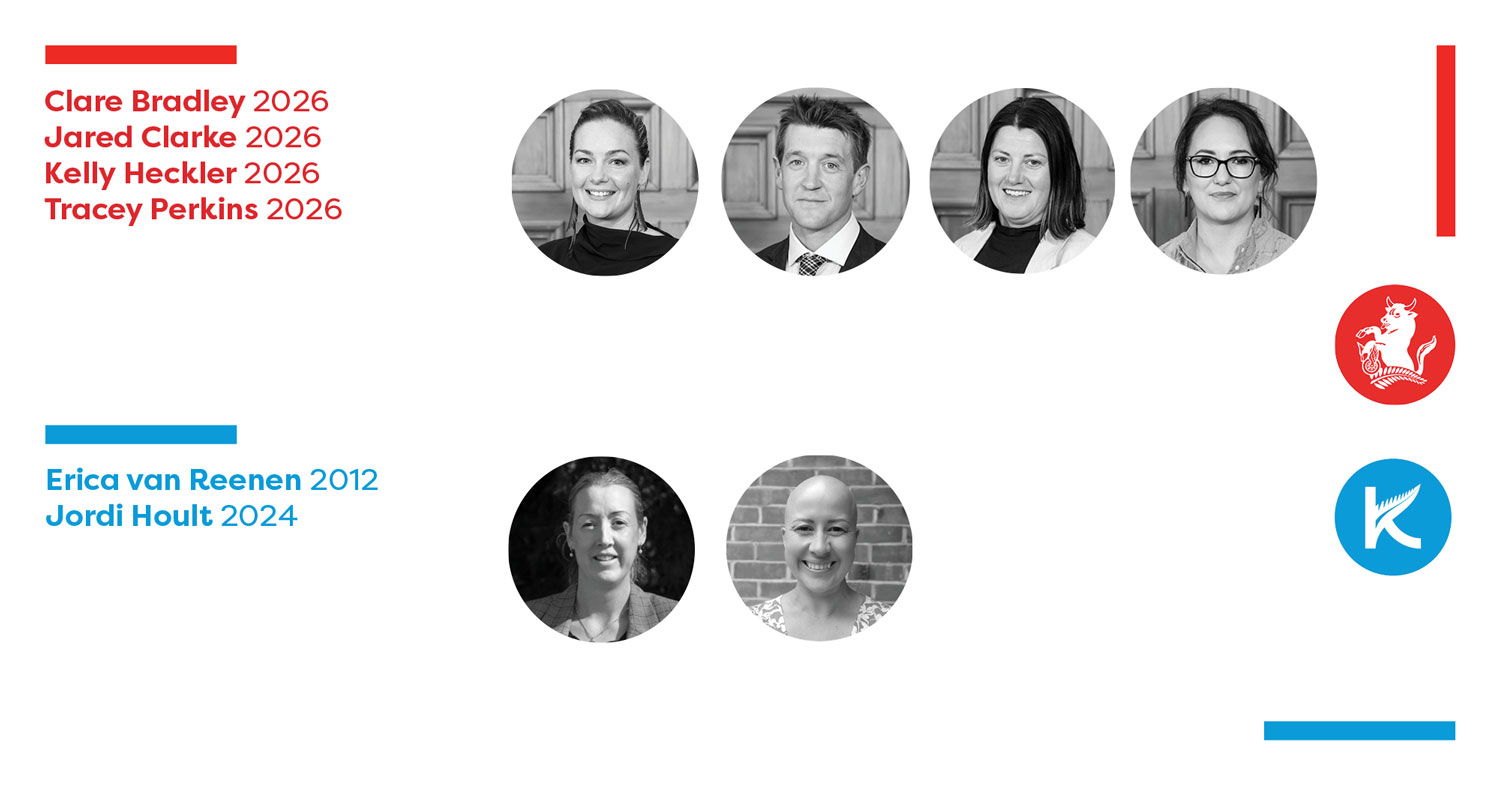
Clare Bradley, Jared Clarke, Kelly Heckler, Tracey Perkins, 2026 Nuffield Scholars

The four new Nuffield Scholars received their awards in Parliament on 4 November.
From Canterbury, Otago and the Bay of Plenty, and representing industries including dairy, sheep and beef and aquaculture, they join 193 Nuffield New Zealand alumni and over 2000 international alumni.

Coverage in the news includes:

Erica van Reenen, 2012 Kellogg Scholar

Erica van Reenen featured on REX (Rural Exchange) recently. Erica is the 2025 Rural Professional of the Year and AgFirst Chair. Erica spoke about her time working in government policy at the intersection of the Clarke and Key tenures. And she spoke about the lessons she learned and her time as a Kellogg Scholar. Listen to the podcast episode here.

Dr Jordi Hoult, 2024 Kellogg Scholar

Dr Jordi Hoult, discusses drawing on her Kellogg research and experience in New Zealand’s food and fibre sector with Sarah Perriam-Lampp on the CountryWide podcast. Jordi explores how to empower mid-career professionals often overlooked in leadership. She identifies her Kellogg research “the missing middle” and highlights mentorship and flexible development as key to helping people in their 30s–50s thrive and shape the sector’s future. 

Listen to the podcast episode here.

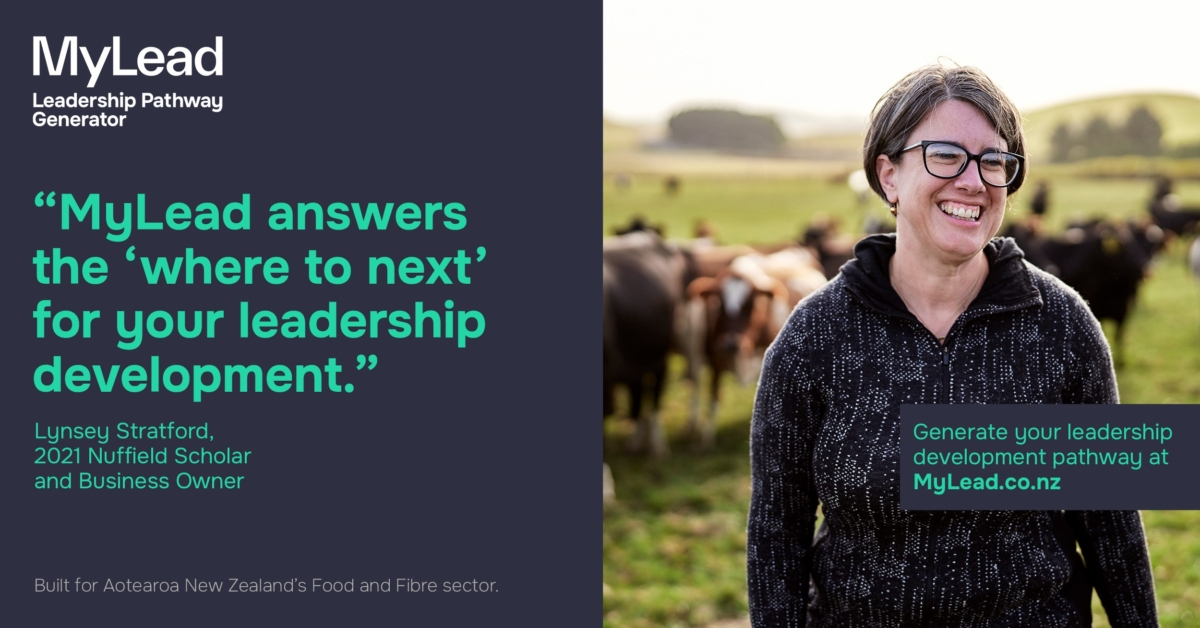
MyLead – Supporting stronger leadership in Food and Fibre.

MyLead: Supporting stronger Leadership in Food and Fibre.

A closer look at MyLead’s leadership stage outcomes and the industry stories that bring these to life.

MyLead.co.nz helps individuals at all stages of their leadership journey identify tailored development pathways to support their personal and professional growth.

MyLead marks a step toward a more coordinated and impactful approach to developing our sector’s most important asset – our people.

Research commissioned by Food and Fibre Centre of Vocational Excellence and led by Rural Leaders provides a leadership framework. The site brings this framework to life with an ecosystem of leadership programmes along with leadership outcomes by stage, supported by real industry stories.

The outcomes and stories vary depending on both the stage and industry selections users make on the site, making it a personalised experience.

What follows is an opportunity to review all of the leadership outcomes from the framework and their supporting stories.

These have been categorised, as they would be on MyLead, under the three leadership stages: leading self, leading others, leading strategy.

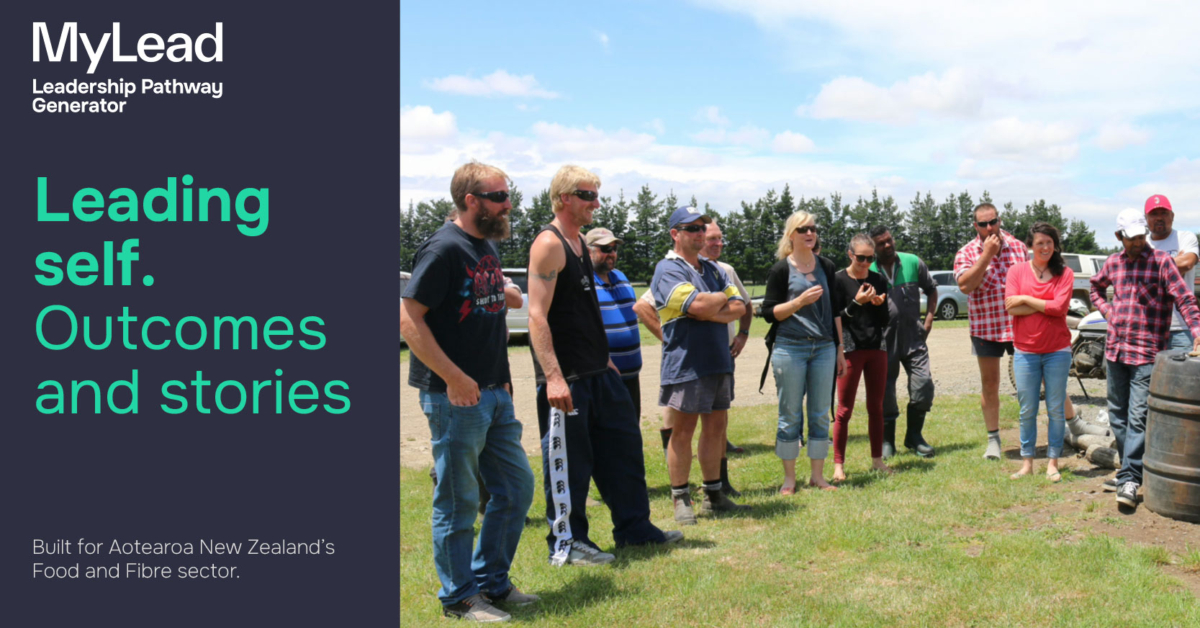
Leading self (team member/team leader)

Those at the Leading Self stage are focused on planning and executing tasks to achieve organisational or team objectives.

Leaders build trust

Relationships are founded on trust. It is also the oxygen that leadership breathes. How leaders behave builds or destroys trust. Without trust, suspicion, misunderstandings, failing relationships, and toxic workplaces quickly follow.

Story from the Sector

Leaders have empathy

To learn and understand others, we must demonstrate empathy. This is the ability to see and understand someone else’s perspective without judging it, or them… Demonstrating a genuine care and empathy for the team was frequently cited as a core attribute of what kaimahi (workers) in the sector wanted from their leaders.

Story from the Sector

Leaders are resilient

As a concept, resilience refers to the ability to endure and absorb the shocks of the world and recover from adversity… The good news is it is a learnable skill. For example, leaders can practice focusing on what they can control, taking charge of their thoughts, and adopting helpful habits.

Story from the Sector

Leaders are curious

Curiosity is a hunger to learn and grow further… The best leaders are not just curious about those things that directly relate to them, but they are also curious about what is happening beyond their immediate environment and how they might be able to adapt ideas from elsewhere.

Story from the Sector

Leaders understand their reputation

As leaders, we need to understand our reputation. Asking for 360-degree feedback can be very useful here (and potentially very confronting). How do other people see us? And does this reflect who we believe we are?

Story from the Sector

Leaders are in tune with their feelings

We lead people when we move them emotionally. So as leaders, we need to understand how emotions work, how they impact our thinking, affect our physical bodies, and how they spread between people.

Story from the Sector

Leaders understand their own drivers and values

As the leader, we are our first team member. So, leading ourselves is our first leadership responsibility. Knowing ourselves is a big ask, because it means exploring what it is that makes us tick—to differentiate between things that give us strength and those that cause grief.

Story from the Sector

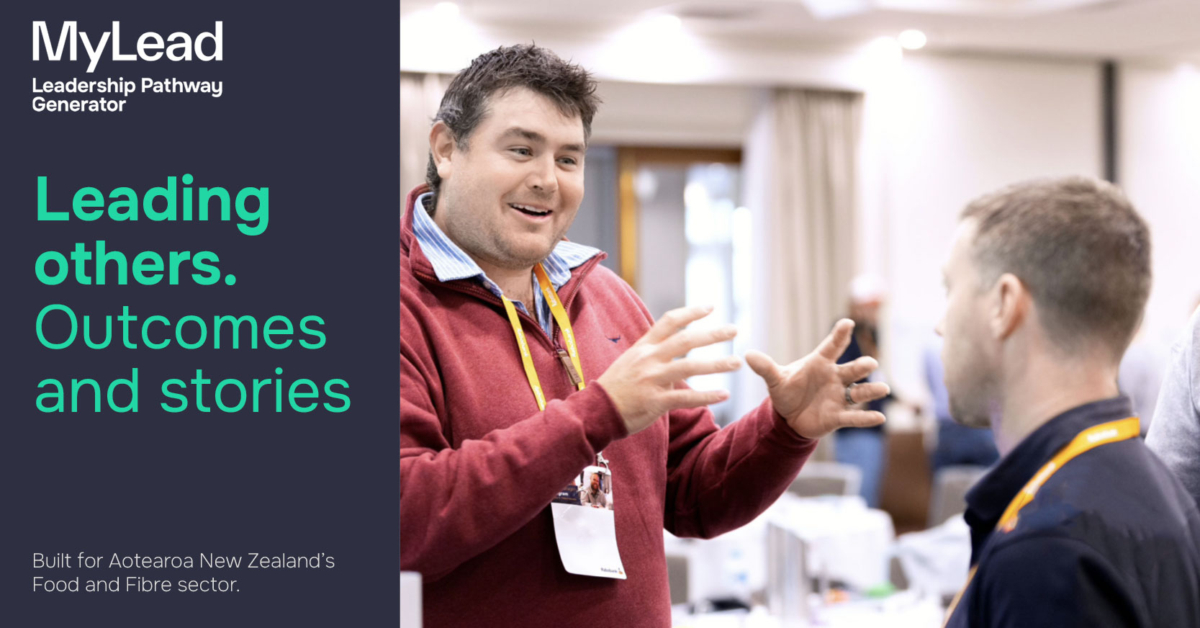
Leading others (manager/general manager)

Those at the Leading Others stage bridge strategy and action by organising and systemising for success.

Leaders hold people to account

Leadership involves taking accountability for the behaviours and performance of the team while having the courage to share responsibility and authority with them.

Story from the Sector

Leaders delegate authority

As the leader, we are accountable for the results and wellness of our team. A leader’s accountability cannot be divided or delegated, but our authority and responsibilities can and should be… It takes courage to let go and let others act for us, knowing they may do it differently to us.

Story from the Sector

Leaders make effective decisions

Effective leadership is not a popularity contest. Leadership comes with scars. This is because a leader’s calling is to change-up (or adapt) the game rather than optimise the current game. To change with the times, the sector needs leaders with the courage of their convictions.

Story from the Sector

Leaders invest in people’s growth

As leaders we grow people, and our people grow the Food and Fibre our nation relies on. When we invest in our people, we invest in our business, not least because our people make decisions every day that have a material impact on the purpose or profit of our organisation.

Story from the Sector

Leaders deal with status and power

Leadership roles typically come with status and power which, to the unprepared, can be intoxicating. Leaders who put their own interests first, or who start thinking their elevated position equates to importance, set a rot in action that will ultimately undermine themselves and the results they seek to create.

Story from the Sector

Leaders serve something greater than themselves

Truly leading well is an act of service. Our role as the leader, is to serve the collective, not ourselves… An ethos of service works by unlocking one of leadership’s paradoxes (to lead we must serve). Leaders who serve, harness the reciprocal energy of the collective group or team.

Story from the Sector

Leaders make one-to-one connections

Leaders build a bridge between themselves and other people. To do this, leaders build trust, get alongside their people, and do more than just communicate— they connect. At its best, connecting is akin to creating a sense of family, this is the Māori value of whakawhanaungatanga.

Story from the Sector

Leaders know and understand others

As leaders, in addition to knowing ourselves we need to know others. To know others, we must seek to understand them. The things we seek to learn about ourselves (personality, thinking style, emotions, and resilience) are the same things we need to be curious about in seeking to know others.

Story from the Sector

Leading strategy (executive/director)

Those at the Leading Strategy stage focus on articulating the vision, generating value and creating competitive advantage.

Leaders energise the team

Energy is the wellspring of true leadership. When we are truly leading, the alignment of our whole self with meaningful purpose energises us and others are drawn to it. Finding what energises us and what feels true, is leadership’s X-factor. This is when the magic happens.

Story from the Sector

Leaders connect the team to an organisational purpose

People need to know that what they do matters. Leaders ensure their people understand how their task is important to the bigger picture. People simply want to know why they’re doing a task; this is what makes it meaningful.

Story from the Sector

Leaders create an environment where team members have autonomy over their timing and place of work

Flexible working practices should, as the name says, be flexible. It is unrealistic to think we can apply flexible working practices universally across an organisation. The goal is to apply them where possible. Organisations that embrace flexibility will maximise the pool of talent they can recruit from.

Story from the Sector

Leaders create an environment where team members have the autonomy to determine how best to conduct their tasks

People don’t want to be micromanaged. To give our people more autonomy, we need to focus more on the outputs we want them to achieve, and less on their inputs (methods, hours, and location required to deliver those outputs). In the end, it is as simple as giving people choice.

Story from the Sector

Leaders role model belonging

As leaders, we must create an environment where all our people feel they truly belong. This includes us. If we are brave enough to be authentic, we show our team members that it is safe for them to be authentic too.

Story from the Sector

Leaders create an environment where all team members feel safe to be their full and authentic selves

Leaders create an environment where everyone in their team can bring their whole, authentic, unique self to work and feel truly valued and included.

Story from the Sector

Generate your own leadership development pathway

Visit MyLead.co.nz

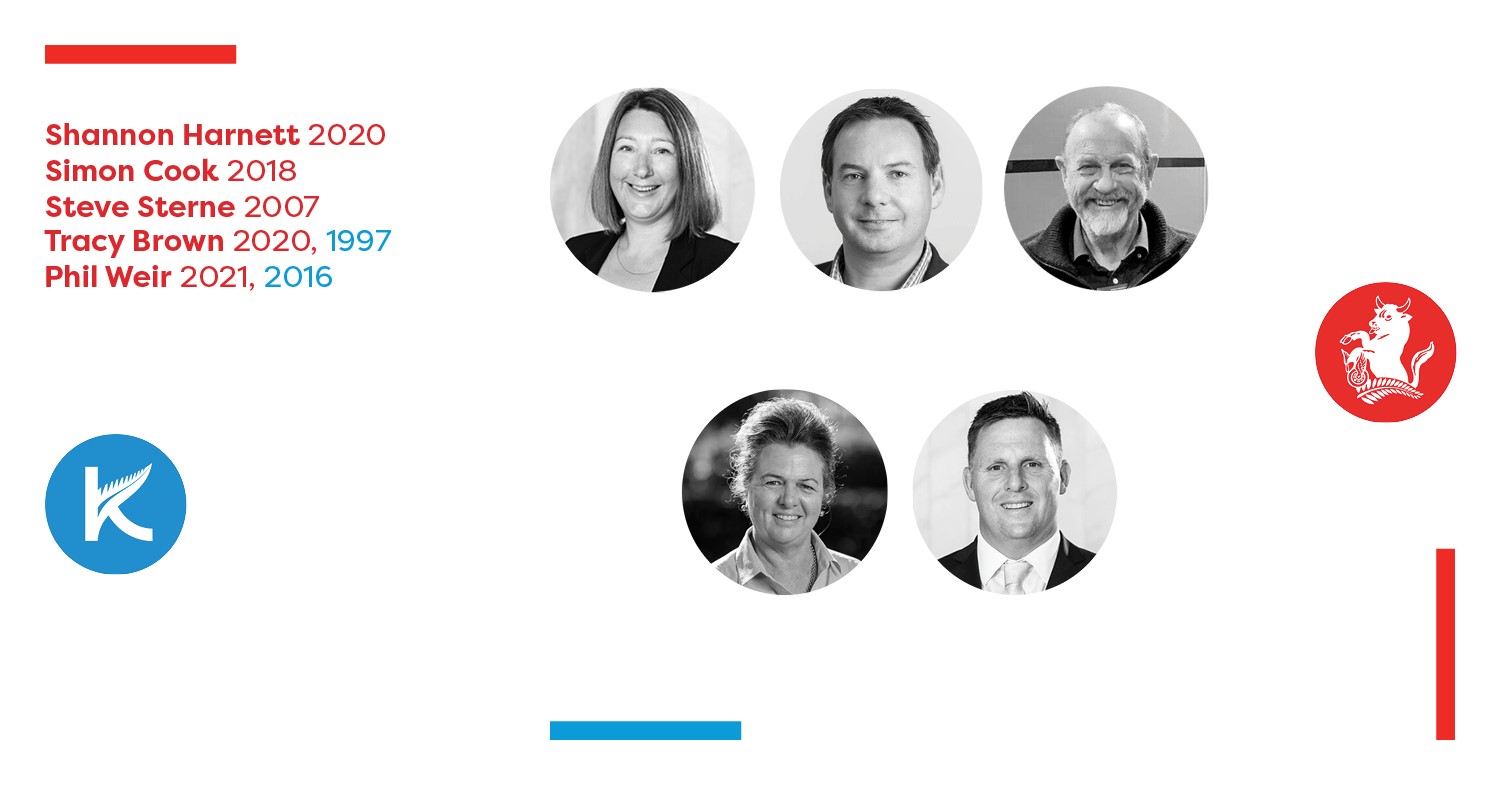
Alumni in the Spotlight – Tracy Brown, Shannon Harnett, Steve Sterne, Simon Cook, Phil Weir

Here are just a few of the media pieces covering the impact of Rural Leaders’ Programme Alumni in industries and communities across the sector. 

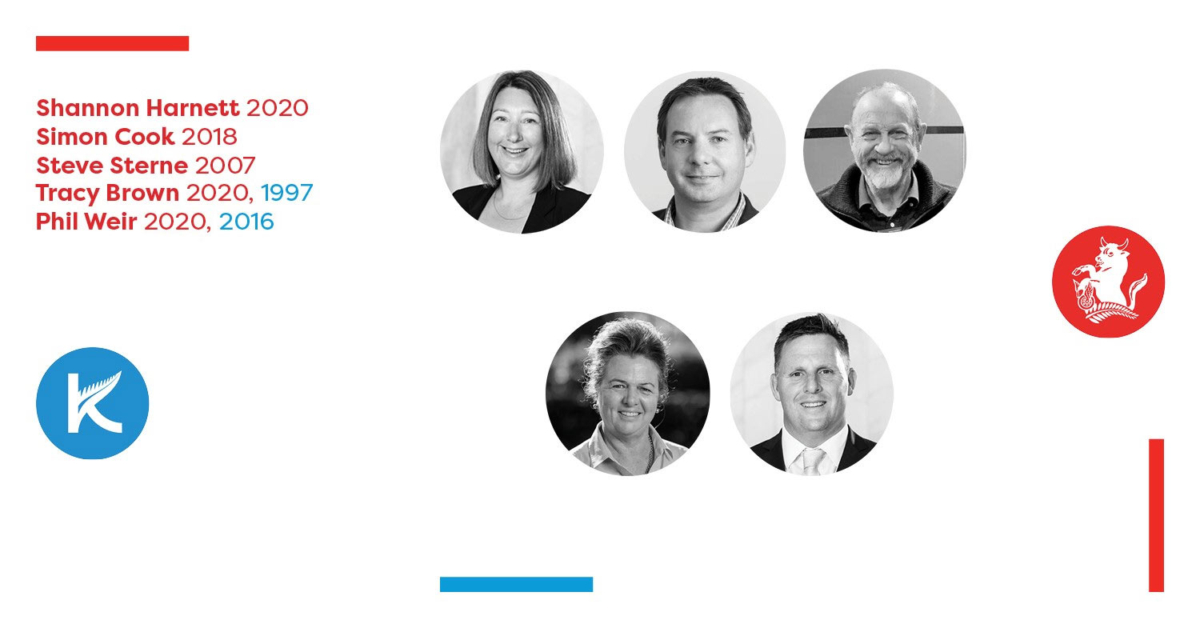
Shannon Harnett, 2020 Nuffield Scholar

Shannon Harnett shares her recent AI learning experience exclusively with Rural Leaders.

Read Shannon’s article here.
Tracy Brown, 2020 Nuffield Scholar, 1997 Kellogg Scholar

Tracy Brown has been re-appointed unopposed as a director to the DairyNZ Board.

Read the article here.
Phil Weir, 2020 Nuffield Scholar, 2016 Kellogg Scholar

Phil Weir has an opinion piece published on Farmers Weekly about whether it’s time to consider feedlots as ‘batteries’ for the meat supply chain.

Read the article here.
Steve Sterne, 2007 Nuffield Scholar

Steve Sterne was recently honoured with NZPork’s Outstanding Contribution Award.

Read the article here.
Simon Cook, 2018 Nuffield Scholar

Simon Cook has been elected to the Horticulture New Zealand board.

Read the article here.
Shannon Harnett – Making AI work for you

Shannon is a 2020 Nuffield Scholar, Director and Co-Owner of Rural Accountants and has investments in agriculture, horticulture and aquaculture businesses. In this article Shannon shares her insights into how to make AI work well for you.

Making AI Work for You
The first time I saw ChatGPT in action was in the summer of 2023, at a friend’s house. We asked it to write a poem about accountants. It was hilarious — but underneath the humour, I realised the potential.

Very quickly, AI became my assistant. At first, it fixed grammar and spelling in emails and reports. My writing became sharper, more concise, and easier to read with far less grammar and spelling mistakes! Mark Twain once said, “If I had more time, I would have written less.”  With AI, that constraint no longer applies.

The real turning point, though, was when I used AI to turn something messy into something structured and useful. Not “robots taking over the world.” Just getting the AI to ask me questions, one by one, about a project I was working on, then pulling my answers into a clean, usable format.

That’s when it clicked: AI isn’t just a word-smithing assistant. It’s a strategic tool. Used well, it takes work off your plate, sharpens your thinking, and creates scale without the hours of refining.

It Starts with the Question
The biggest lesson? It’s not about having the right answer. It’s about asking the right question.

I now frame prompts like I’m briefing a new hire: clear role, clear context, clear task. For example, as a CEO, I don’t just type, “Help me with strategy.” That’s far too broad. Instead, I say:

“You are my Scaling Up Strategy Assistant. Ask me one question at a time. Start with People, then Strategy, then Execution, then Cash, then Risks & Opportunities. Only show me the full summary once we’ve covered all five areas.”

The result is an interactive interview where AI does the admin while I do the thinking. That’s the power of a good prompt: it forces clarity, and the output is miles better than a vague question ever delivers. And, in truth, learning to prompt AI has made me a better leader — clearer, more structured, and more intentional in what I ask of others.

Small Steps, Big Wins
You don’t need to overhaul your whole business to start. Try it on something small, try it on something creative.

Don’t know what to have for dinner? Take a photo of what’s in the fridge, upload it to AI, and it’ll generate recipes with step-by-step instructions.

It sounds trivial, but it proves the point: AI can sift through messy inputs, structure them, and give you something useful in seconds. In business, the same applies — pulling data from multiple reports, tidying client communications, or drafting meeting notes. These aren’t tasks we can’t do. They’re tasks that chew through time — and AI gives that time back.

The Power of Projects
The real magic happens when you start treating AI as a project partner. I’ve been experimenting with GPT-powered projects that run like structured workflows — guiding me step by step, capturing the right inputs, and producing a clear, consistent output.

Here’s what that looks like:

  • A marketing project where AI builds a content calendar in my brand voice.
  • A reporting project where AI pulls numbers from my files and formats them into a tidy monthly pack.
  • A strategy project where AI interviews me (or my team) and distils the answers into a one-page plan.

You define the outcome, give AI the right resources (files, data, context), set simple rules, and let it guide the process. The result is structure, quality, and momentum — without false starts or bottlenecks.

And once a project is set up, anyone in the team can run it. That means clarity and consistency, whether I’m leading it or handing it over.

AI in the Tools You Already Use
AI isn’t just in chat windows. It’s already creeping into the software you use every day.

Take Microsoft Copilot. It can scan emails and Teams chats, spot an approval request (“Can I go ahead with this?”), and track it. If three days go by without a reply, it nudges the approver and updates the requester.

That alone kills the “lost in the inbox” problem that slows teams down. But it also shines at surfacing related documents inside Microsoft 365 — I’ve saved hours finding what I need.

A New Way of Leading
Here’s the mindset shift: AI isn’t just tactical. It’s strategic.

The sticky note on my desk simply says:
“How can AI help me do this?”

Whether I’m writing a report, mapping a process, or planning strategy, I pause and ask where AI could take the load. Most of the time, it’s not about replacing me. It’s about clearing space so I can show up where it really matters — with clients, with strategy, with people.

How to Start Today
If you’re ready to dip your toe in, here’s a simple path:

  • Pick one task you repeat often (emails, stakeholder lists, client notes).
  • Write a clear prompt that sets role, context, and task.
  • Let AI break it into questions and interview you.
  • Use the output, tweak it, and save the prompt for next time.

Once you’ve got one win, build a small “AI toolkit” for yourself and your team — a set of prompts or projects that anyone can use.

Final Thought
AI won’t magically run your business or your life. But it will tidy the messy bits, speed up the slow bits, and track the bits you’d usually forget.

And when you start treating AI less like a novelty and more like a colleague — one that never gets tired of chasing approvals or formatting tables — you’ll see what I’ve seen: the power to do more, without burning yourself or your team out.

I completed the Spark-funded AI Mini MBA course, and it was one of the best investments of time I’ve made. If you get the opportunity, take it.

Shannon’s 2020 Nuffield report on Kiwifruit PVR’s ‘Getting Plant Varieties Right’ can be viewed here.


Alumni in the Spotlight – Marise James, Amber Carpenter, Iain Inglis, and more.

Here are just a few of the media pieces covering the impact of Rural Leaders’ Programme Alumni in industries and communities across the sector. 

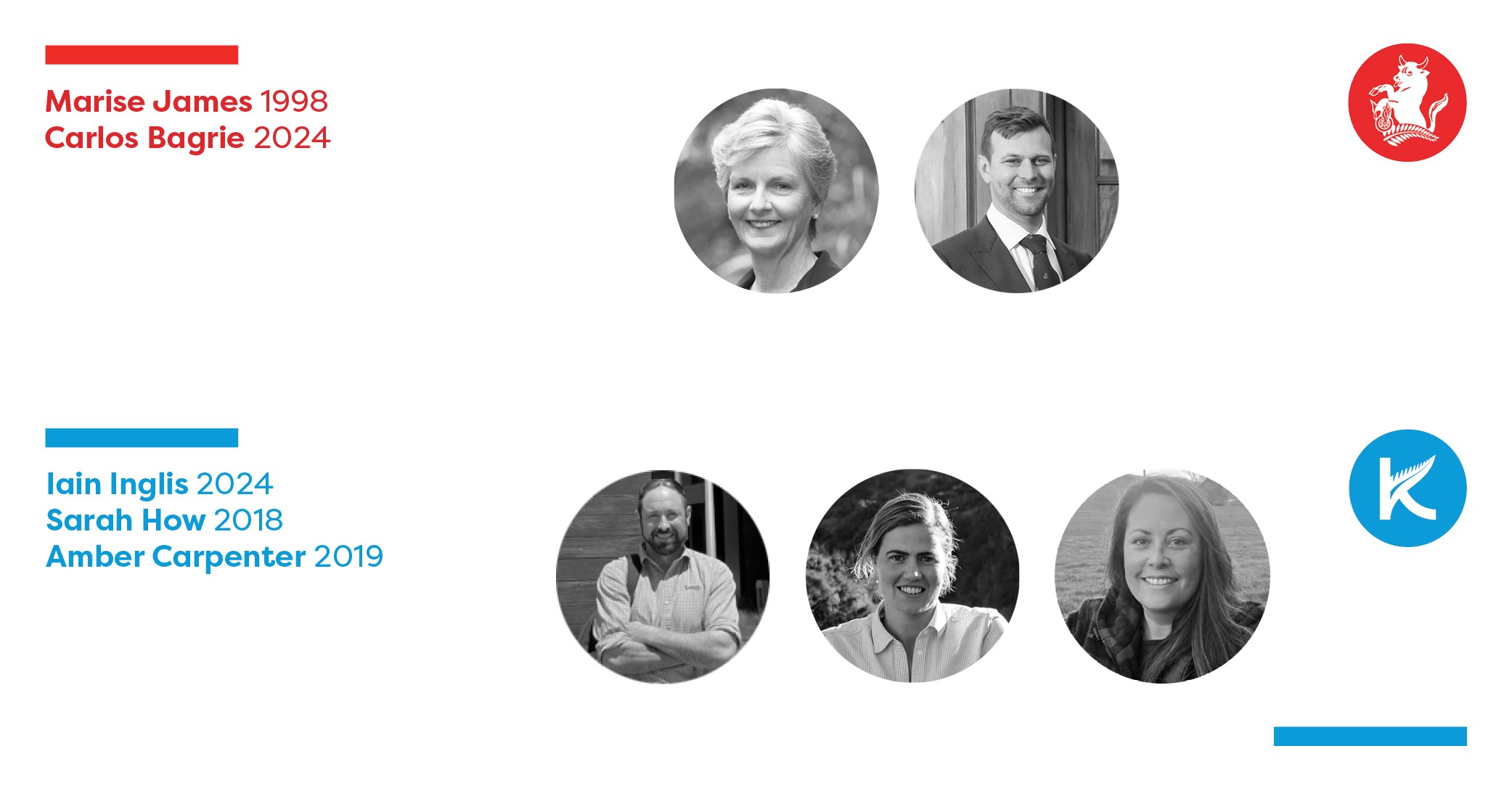
Marise James, 1998 Nuffield Scholar

This is one we missed. Former Fonterra director Marise James told Dairy News that the future of the dairy industry depends upon the direction of travel with respect to climate change.

Marise says, “Farming has always been the backbone of the New Zealand economy, seeing us through really tough times and creating a place in the world that recognises the value of high-quality food, fibre and health production.”

Read the article here.
Carlos Bagrie, 2024 Nuffield Scholar

Carlos was in Farmers Weekly a couple of weeks ago encouraging a national conversation on what other options NZ’s economy may have to enjoy stronger economic growth.

Talking to Farmers Weekly, Carlos said, “Our growth in agriculture is pretty much looking to be more linear than exponential heading into the future. It is not that there are not gains still to be made, it’s just those gains are more seconds than minutes in terms of performance lift.”

Read the article here.
Iain Inglis, 2024 Kellogg Scholar

CountryWide spoke to Iain Inglis, about his Kellogg research report ‘Better cattle handling: For people, product and perception’.

Iain covers off three opportunities that come from Low stress handling – improved operational efficiency, enhanced meat quality, and a safer working environment for handlers.

Read the article here.
Sarah How, 2019 Kellogg Scholar

Sarah How was featured recently in Alumni in the Spotlight, but we missed this article in Sheperdess. Sarah is the co-founder of Landify, a platform which connects farmers with potential partners and investors to explore collaborative opportunities in farming.

The April article talks about her background, the Landify story, and on being a finalist for the 2025 Zanda McDonald Award.

Read the article here.
Amber Carpenter, 2018 Kellogg Scholar

Amber featured on page 92 of the latest NZ dairy magazine. Amber and her husband Fraser, have recently purchased a digital marketing business to sit alongside Grass Roots Media, also owned by the couple.

Take a read of Amber’s story here.

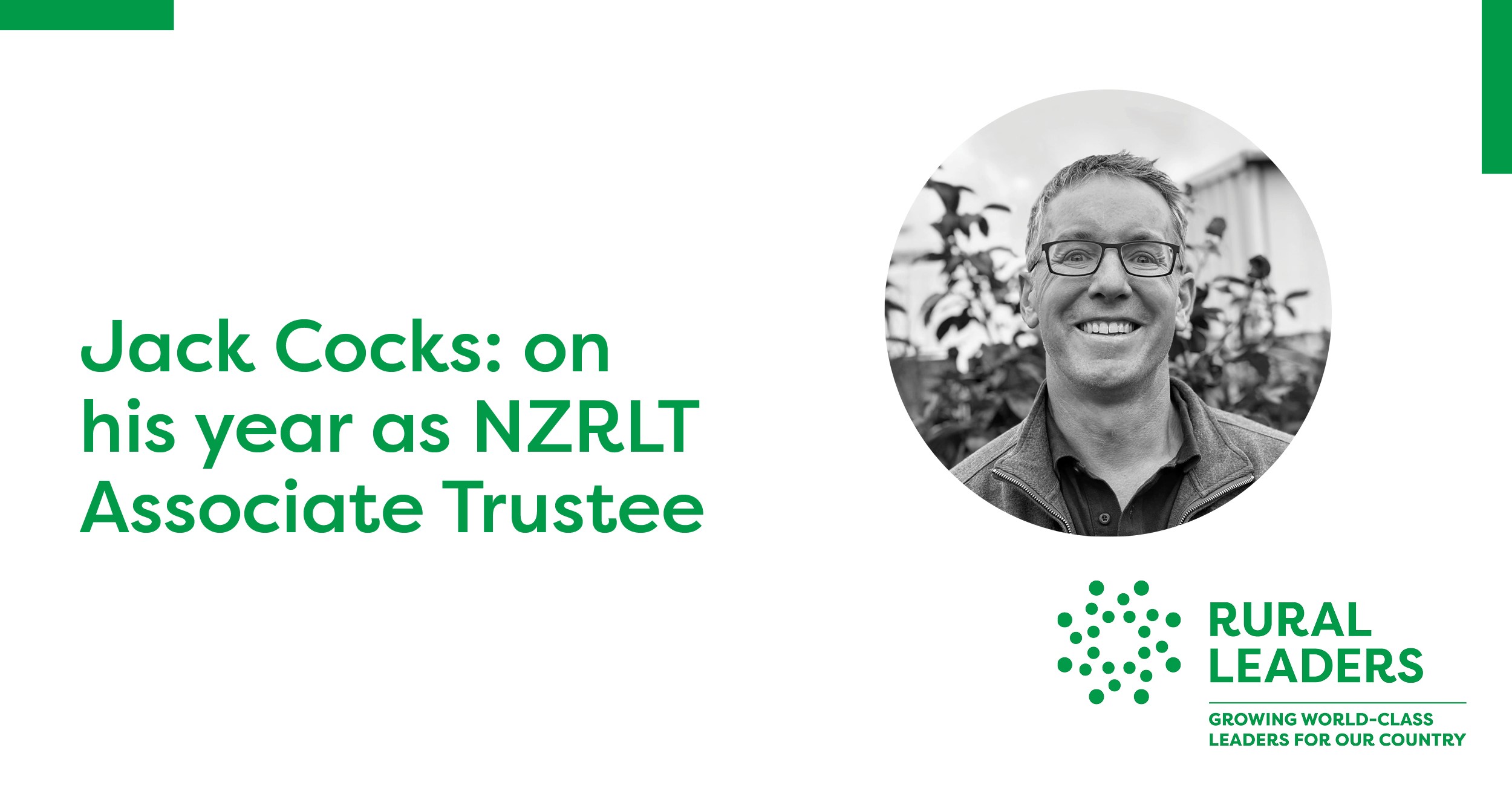
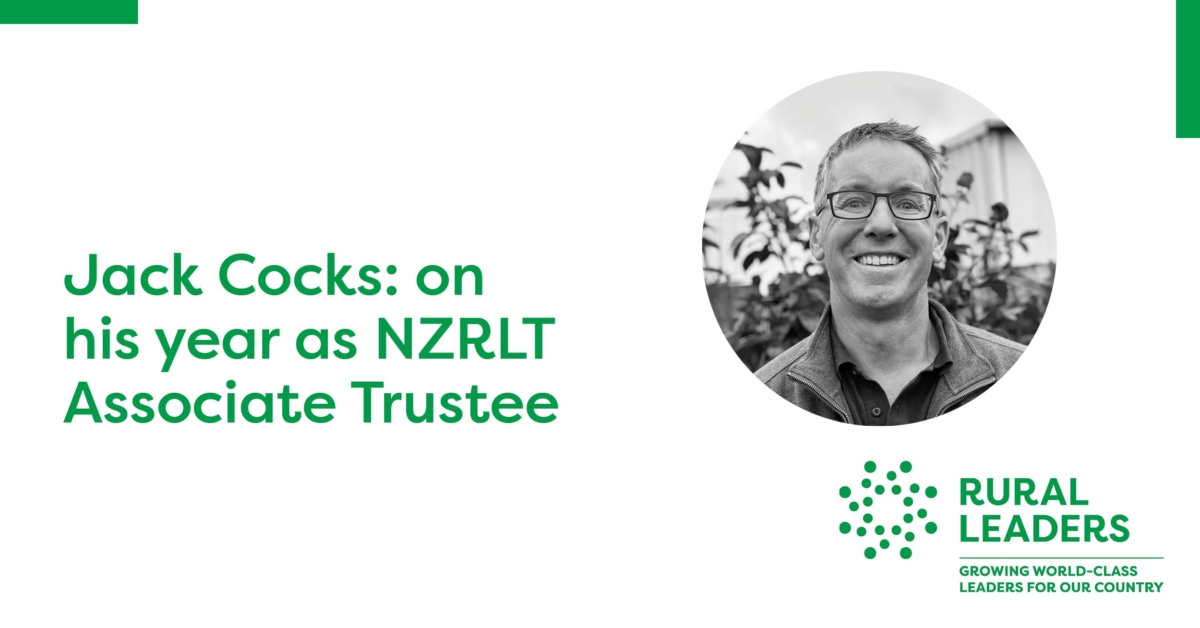
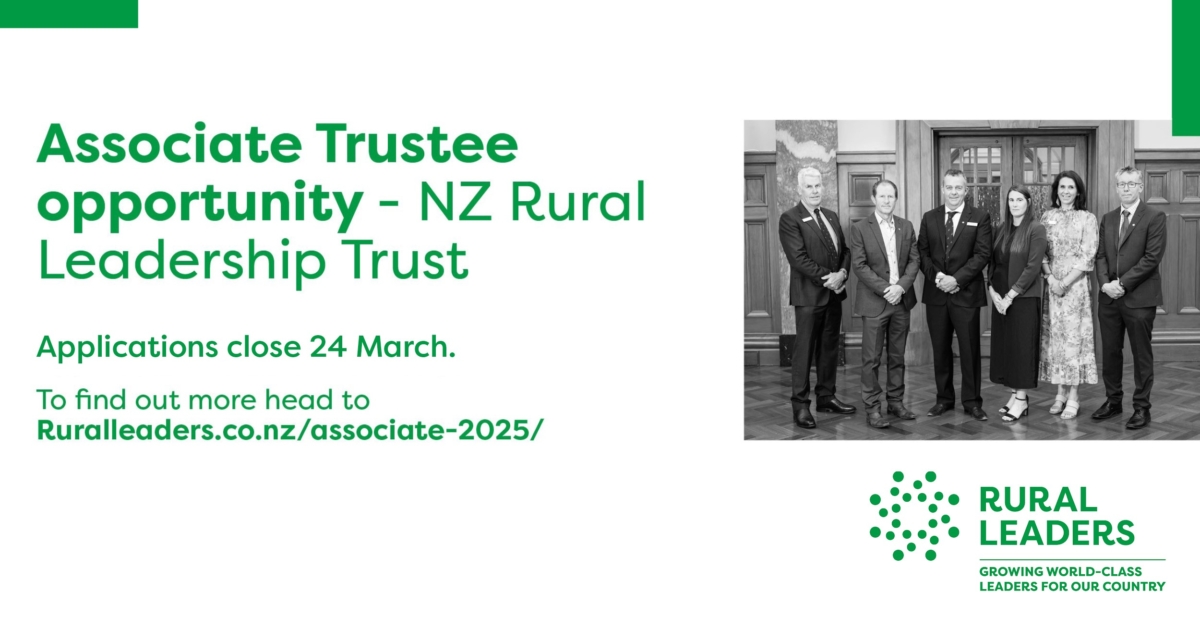
Jack Cocks signs off on a year as the NZRLT Associate Trustee.

Jack Cocks has just finished a one year term as Associate Trustee for the New Zealand Rural Leadership Trust (Rural Leaders).

Jack is a high country farmer who holds a bachelor’s degree in farm management from Lincoln University and a masters in agricultural economics from the University of Illinois. He is as much at home in the city as he is in the Otago high country running Mt. Nicholas Station with his wife and children.

Jack suffered a life-threatening brain aneurysm twelve years ago which saw him spend eight months in hospital over six years and undergo fifteen major surgeries.

Following this experience he researched how ‘Resilient Farmers Thrive in the Face of Adversity’ through the Kellogg Rural Leadership Programme. He is now a well-respected speaker on farmer resilience.

Early in 2024 Jack joined the New Zealand Rural Leadership Trust (Rural Leaders) as an Associate Trustee to learn more about governance from the Trust’s experienced board.

“I enjoyed learning from the other trustees. They all had different skill areas and very smart perspectives too. Being part of a team was also an appealing thing to me. The frequent events, such as the Kellogg networking event in Wellington, were great too.”

Mt. Nicholas is remote, so Jack cites the board interactions, both online and in-person, as being another important draw. “You’re not in an immediate community here at Mt. Nicholas. You’re not going to the local field days, meetings or functions that often. So, keeping involved with board matters was enjoyable,” says Jack.

Jack’s plan is to now shift his focus closer to home, on family and the business.

“Our kids are going through high school, they’re both week-day boarding in Invercargill, two and a half hours away. It’s a reasonable commitment to head up and down the road every week.

I’m still doing one or two speaker engagements a month. I’m able to give back a bit to the sector and the community, and a lot of that has spun out of my Kellogg,” adds Jack.

Jack plans to continue his governance journey once his children leave school. He acknowledges the strong foundation the year as an Associate Trustee has given him and he mentions some advice he was given before he went into the role.

“Some advice I got from a wise director before joining Rural Leaders as Associate Trustee, was to look at the one year term in three parts. The first part is asking plenty of questions. The second part is establishing credentials. The final part is adding some value.

I didn’t throw any ideas around for a start, but tried to understand the business. Then I established myself in that second part and looked for ways to add value in that last part. Some of the work that Lisa Rogers and I were doing towards the end with the Value Chain Innovation Programme; like looking at an offshore component for it, fits into that.

That’s how I approached the one year, and I found that advice really useful. It reassured me that I didn’t need to go in guns blazing,” says Jack.

Kate Scott, Rural Leaders Board Chair, spoke of Jack’s measured and intelligent approach to his time as Associate Trustee, “The knowledge Jack has passed on, especially around farmer resilience, has been invaluable. Jack’s calm, clear and curious nature make him a standout as he continues his governance journey.”

Katie Rodwell recently joined as the new Associate Trustee, marking the end of Jack’s year.

“It was a tremendous opportunity. I thank the board and the Rural Leaders’ team for their openness and inclusiveness. I really felt comfortable and that I could contribute to make a difference,” concludes Jack.

FMG Young Farmer of the Year winner to attend the Kellogg Rural Leadership Programme.

Hugh Jackson, a Waikato Bay of Plenty Young Farmer, has won the title of New Zealand’s top young farmer. 

Hugh is a 26-year-old sheep and beef farmer and was crowned the 57th FMG Young Farmer of the year at the Grand Final event in Invercargill on 5 July.

Working on his family’s farm north of Raglan, Jackson also has an interest in technology, and a passion for mental health.

Jackson believes technology will play a big role in shaping in the future of farming, as well as in the lives of the young people who will be using it. 

The New Zealand Rural Leadership Trust (Rural Leaders), in partnership with Lincoln University, sponsor the FMG Young Farmer of the Year winner on a place to attend the Kellogg Rural Leadership Programme. Rural Leaders and the University have been doing this for several years.

Rural Leaders CEO, Lisa Rogers said it was a close finish but Hugh’s determination shone through, and added, “We look forward to seeing Hugh on the Kellogg Programme soon. It was a privilege to attend the Grand Final and see first-hand, the depth of talent we have coming through New Zealand Young Farmers.”

New Zealand Young Farmers chief executive Cheyne Gillooly in a Young Farmers article said Jackson impressed everyone with his talent. “…It’s inspiring to see the recognition go to someone who will not only be a strong ambassador for the next generation of young farmers, but across the agricultural industry.” 

Source: https://www.youngfarmers.co.nz/news/hugh-jackson-crowned-2025-fmg-young-farmer-of-the-year

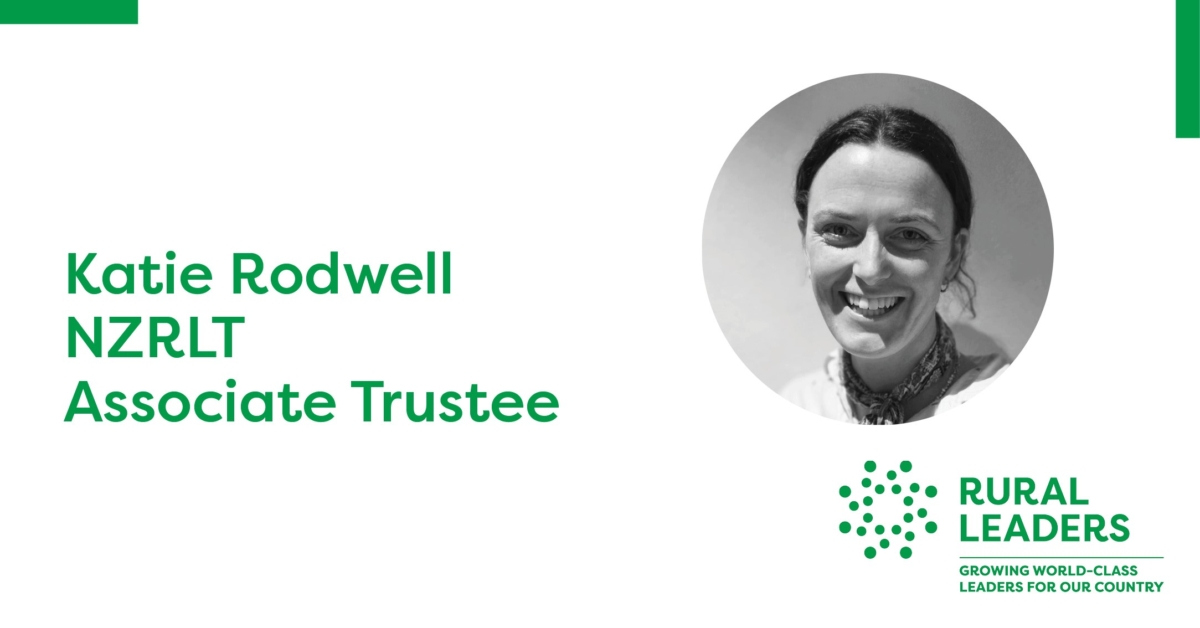
Katie Rodwell joins NZRLT as Associate Trustee.

The NZRLT Board and Leadership Team welcomed Katie Rodwell, Associate Trustee, to the NZRLT Board in May.

Katie replaces outgoing Jack Cocks. We’ll share more on Jack and his time with the NZRLT board soon.

Katie has recently returned to work after being on maternity leave for a year. She is looking forward to getting into the year and the new governance opportunity that being selected as Associate Trustee represents.

Rural Leaders caught up with Katie on her third week back at Rabobank to discuss her background and why she went for this governance role.

Katie, her husband, Luc and son Paddy, live in North Canterbury, just on the outskirts of Amberley. They have been on their six hectare block just over a year and a half.

Katie grew up on a farm north of Kaikoura; a farm that sold just before the Kaikoura earthquakes. Since then Katie has been Canterbury-based for most of her life. She attended Lincoln University and after graduating went to Farmlands Cooperative, where she worked for eight years as both Brand Manager and Marketing Manager.

This was followed by a move into the Head of Sustainability and Land Use role. Then to Rabobank as Sustainability Manager where she has been for three years, two of which were working – one on maternity leave.

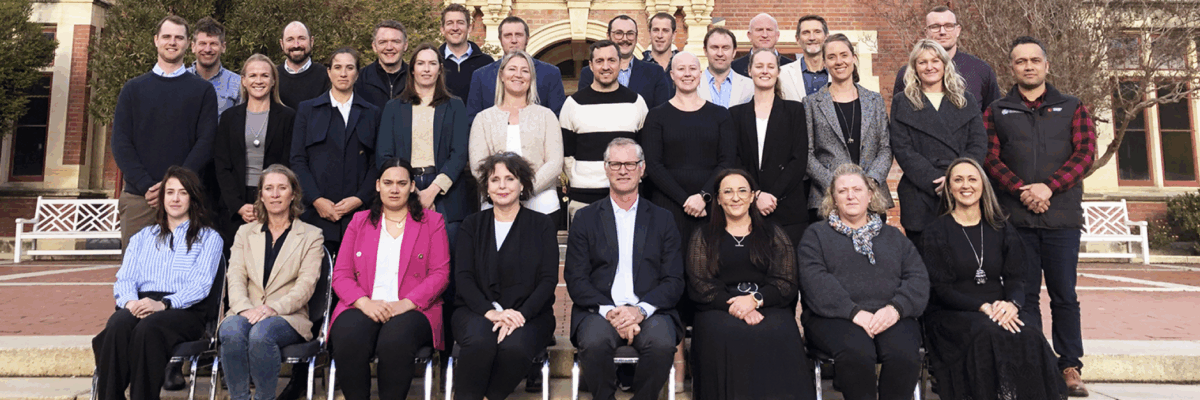
Katie completed the Kellogg Rural Leadership Programme in 2019 as part of cohort 40. Her Kellogg research looked at the consumer-driven and environmental challenges the primary industries face. Her report proposed New Zealand lead in nutrient-dense, sustainable food, using innovation, education, and collaboration to reshape agriculture and meet rising health-focused demand.

It was the Kellogg experience that underscored her decision to join the Rural Leaders’ Board. “It was a really transformative experience for me, and I wanted to give back to the organisation that had helped me so much”, Says Katie.

The opportunity to work with and learn from Rural Leaders’ experienced board members, Katie cites as one of the other standout reasons for her decision.

“I also relate strongly to the vision of Rural Leaders – around growing our leaders and the importance of developing leaders in our sector. I want to help drive impactful change so, I see Rural Leaders and the programmes and projects they undertake as being a powerful tool to help achieve that.

My passion is around how we create thriving, resilient farming businesses, and I see that having good leaders is fundamental to achieving that”, concludes Katie.

On the appointment, Kate Scott, NZRLT Board Chair said, “We’re pleased to have Katie join the NZRLT Board as Associate Trustee. Katie brings a range of skills but most of all a demonstrated passion for leadership development in food and fibre.”

Katie’s first official board meeting as Associate Trustee will be this month (July).

Pulse Check. A Rural Leaders and PwC collaboration.

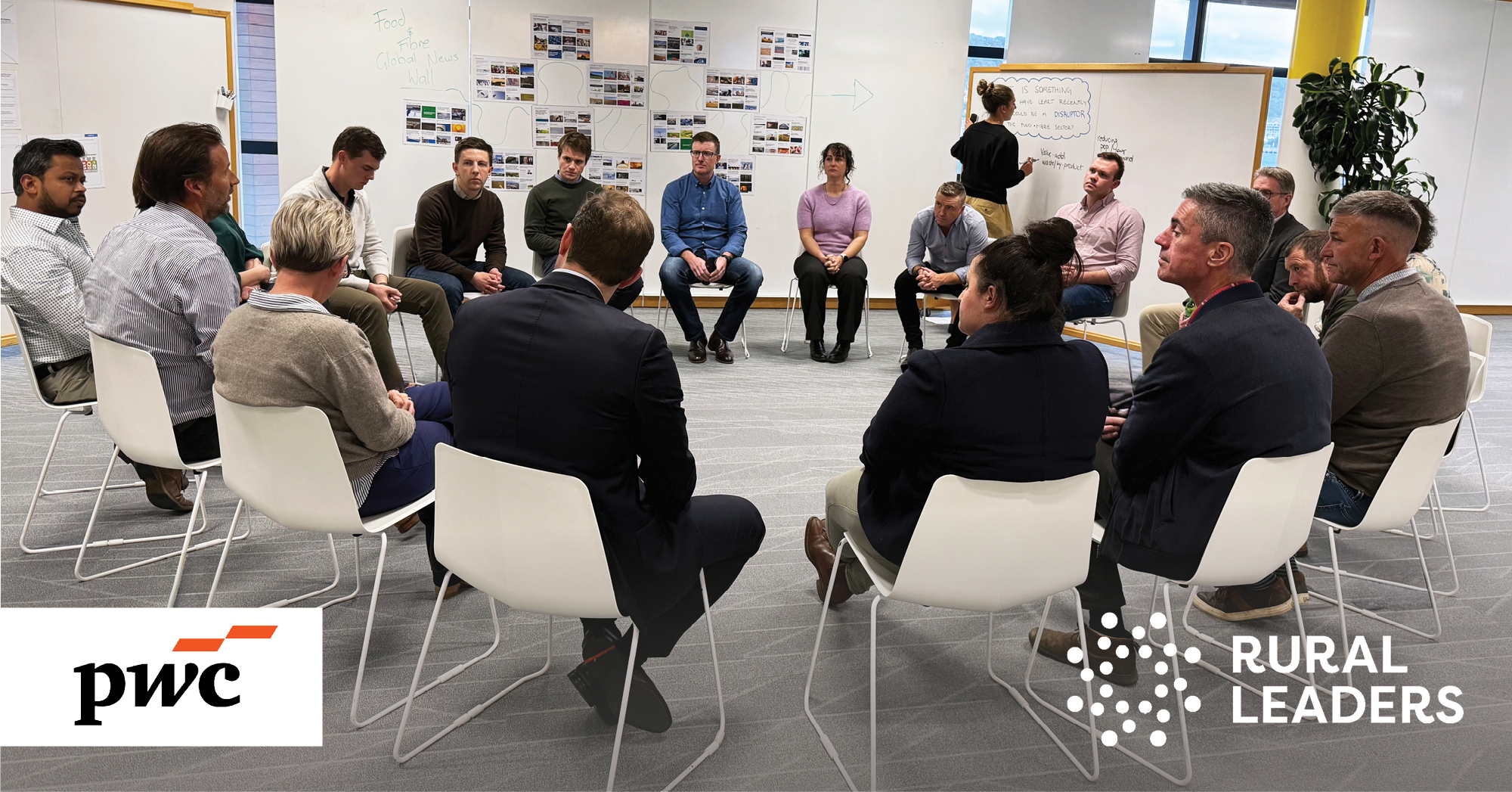
Rural Leaders, in partnership with PwC New Zealand, have piloted a new concept: the Future Food and Fibre Leaders Pulse Check. It’s a snapshot of what’s top of mind for the latest Kellogg Rural Leadership Programme cohort, captured through a workshop facilitated by PwC and Rural Leaders earlier this year.

What do the next generation of food and fibre leaders believe we need to act on right now?

The result? Five clear, practical messages for today’s leaders—touching on:

  • Harnessing tech in a producer-centric way
  • Balancing productivity with sustainable resource use
  • Strengthening confidence through regulatory certainty
  • Building our global reputation
  • Investing in people through better systems and storytelling

👉 Download the Pulse Check here.
This is the first time we’ve run this kind of initiative—and we’d love to hear your thoughts. Is this useful? What could make it better? What other voices should we bring to the table?

Please get in touch with Lisa Rogers at Rural Leaders if you would like to discuss.

Thank you to PwC, our Strategic and Programme Partners for their ongoing support of the Kellogg Programme and our shared mission to grow leadership in the food and fibre sector.

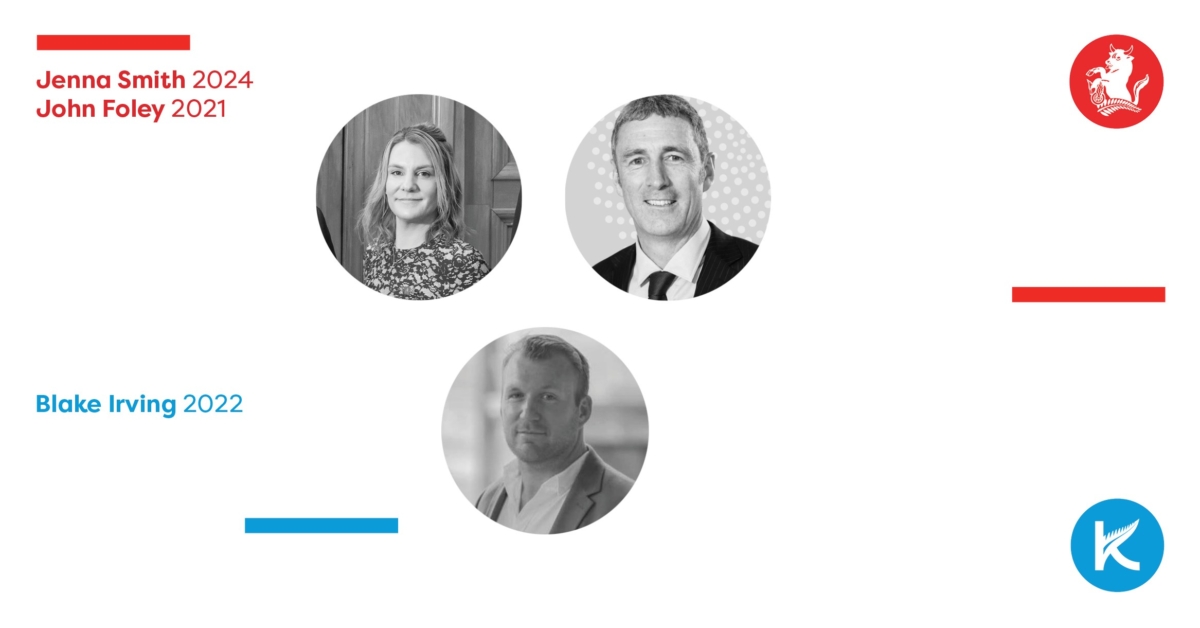
Alumni in the Spotlight – Blake Irving, Jenna Smith, John Foley.

Here are just a few of the media mentions that cover the impact of Rural Leaders’ Programme Alumni in industries and communities across the food and fibre sector. 

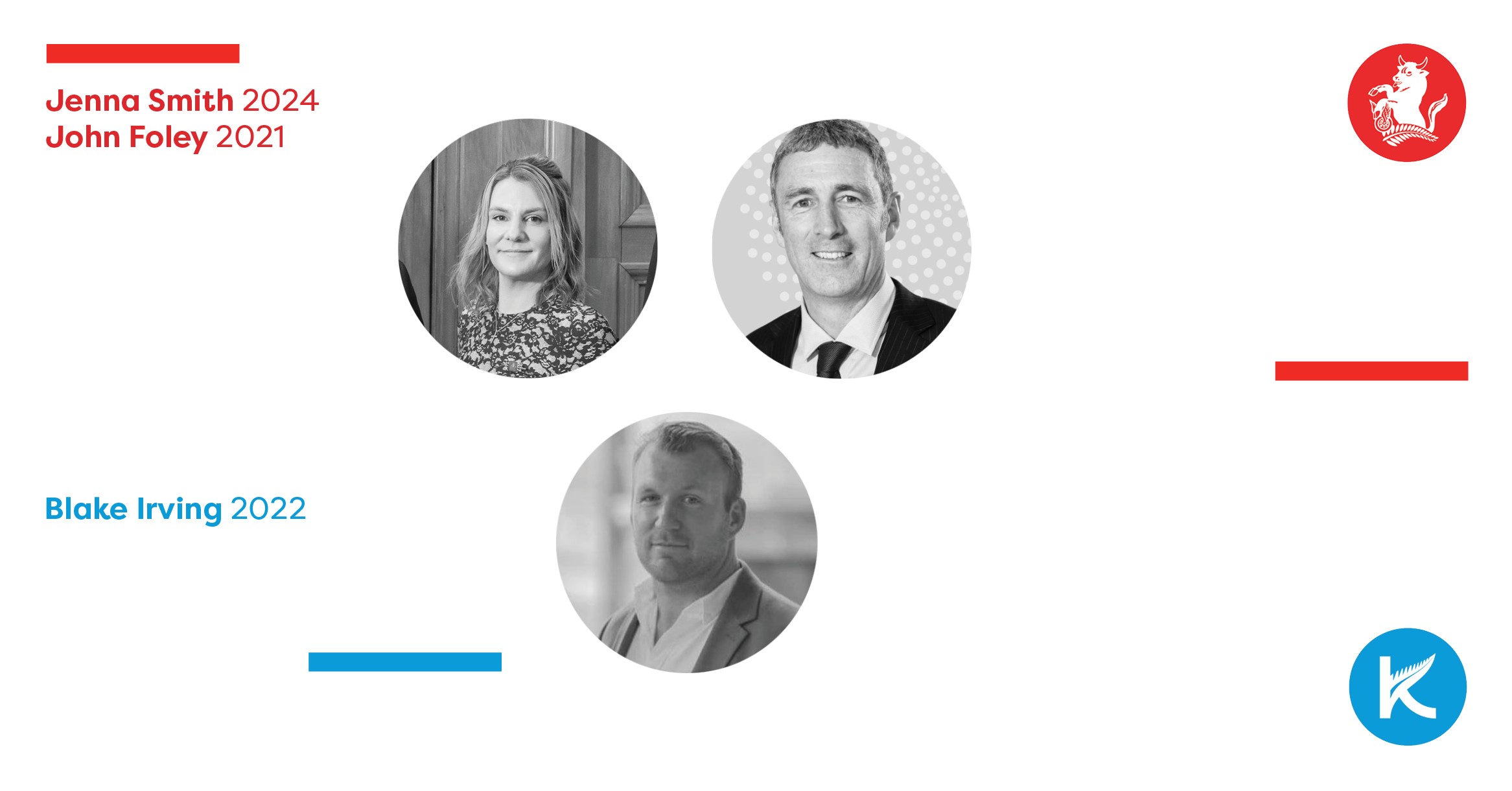
Blake Irving, 2022 Kellogg Scholar

After five years with Comvita Limited, and 8 years in the apiculture & honey industries, Blake to a new opportunity leading Clelands Timber Products , learning all things timber and manufacturing, and contributing further to its 100+ years of success.

Congratulations Blake.
Jenna Smith, 2024 Nuffield Scholar

Jenna Smith’s research into peatlands was covered last week in an informative article by Farmers Weekly.

Jenna’s Nuffield research focuses on opportunities for improved environmental and production outcomes for peat country.

Jenna is CEO for Māori-owned Pourarua based on Hauraki Plains. Pourarua has interests in dairy, arable, beef and horticultural enterprises.

Read the article here (you can access Jenna’s Nuffield report here too).

John Foley, 2021 Nuffield Scholar

In an article for Farmers Weekly’s regular column ‘Eating the Elephant’, John Foley writes on the impact family farms have played in shaping Aotearoa New Zealand.

You can read the article here.