2026 Nuffield NZ Farming Scholarship. Apply by 17 August 2025. Read More...

Apply for 2026 Nuffield NZ Farming Scholarship by 17 August 2025. More details...

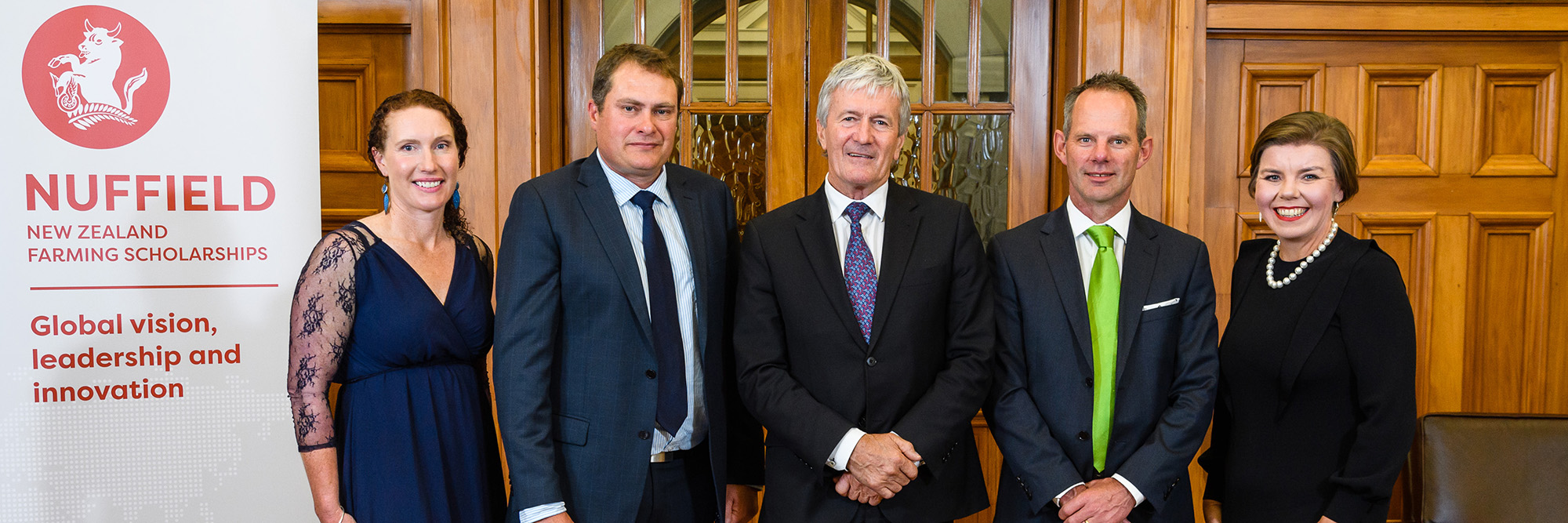
Meet the 2024 Nuffield New Zealand Farming Scholars.

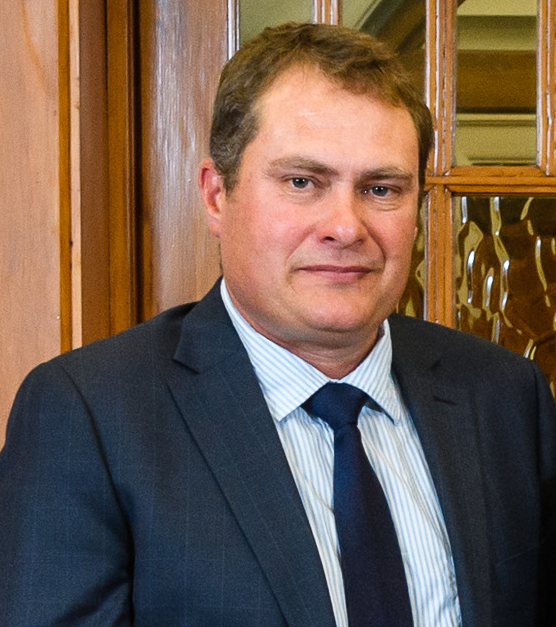
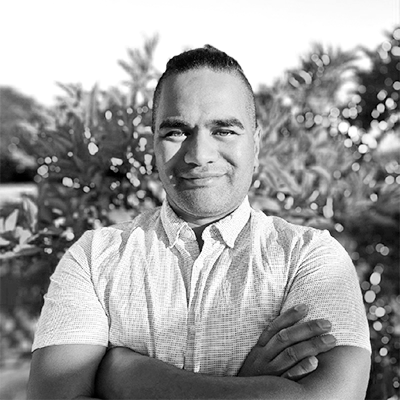
Carlos Bagrie

Carlos Bagrie

Carlos Bagrie has been across multiple ends of food production and the value chain, including primary production, distribution, retail and media.

He recently founded Royalburn Station, a renowned high-country farm that has carved a niche for itself by distributing premium quality food to some of New Zealand’s top-tier restaurants.

Carlos further diversified influence in the food sector when he co-founded My Food Bag. This innovative food distribution company helps answer the ‘what’s for dinner?’ question for tens of thousands of Kiwis every week. During the COVID lockdowns, Carlos played director and videographer, filming TV1’s hit ‘Nadia’s Comfort Kitchen’ on his iPhone.

In 2022, Carlos found himself in front of the cameras on TV3’s ‘Nadia’s Farm’, a TV show that highlighted the intricacies of farm life and food production at scale.

Alongside his wife, Carlos delved into the world of books and media. Together, Carlos and Nadia self-published a series of Number 1 best-selling cookbooks that resonated with home cooks.

Carlos can usually be found on the farm, either in the butchery, on the combine harvester, or moving mobs of sheep across the property. 

“I’m humbled to be selected as a Nuffield Scholar and will be focussing my research on circular farming systems that reduce waste while improving the bottom line.”

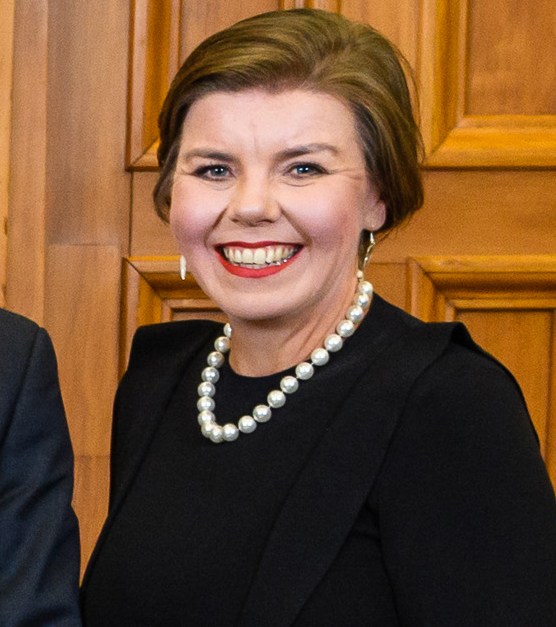
For Rachel Baker, the Primary Sector is both a passion and growth enabler. Her path has always involved the people, communities and business of food production.

Rachel’s extensive professional experience includes working as a dairy veterinarian, a dairy farm systems consultant, sharemilker, dry stock farm owner, educator, and more recently, an asset manager for horticulture investment businesses. 

“While being relatively new to horticulture, my role as Portfolio Manager of MyFarm Investments’ Hawke’s Bay apple syndicates, has enabled me to learn, understand and challenge the grower model. I have been involved with development and management of 100ha of Rockit® plantings in Hawke’s Bay and Gisborne.”

Rachel’s current governance experience includes serving as a trustee of the Rockit Apple Growers Trust and directorships of horticulture and commercial property. Rachel is a 2016 Kellogg Scholar, a 2018 NZ Dairy Woman of the Year finalist and past Chair of the NZ Dairy Industry Awards. 

On Rachel’s proposed Nuffield research, she states, “My research topic will explore the impact, challenges and opportunities of existing and proposed global food strategies on food producers, with particular interest in the applications for New Zealand.”

Rachel’s recent focus has been the response and recovery of properties impacted by Cyclone Gabrielle.
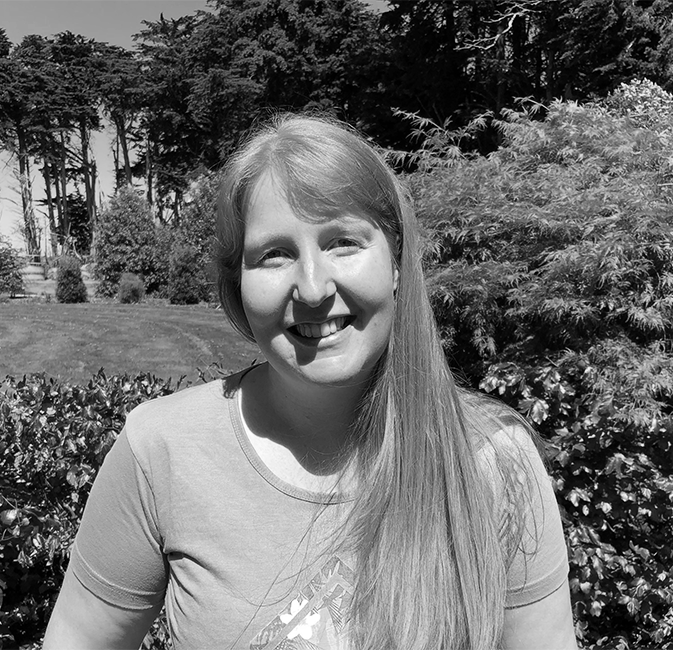
Rachel Baker
Jenna Smith

Jenna is the current Chief Executive of Pouarua – a diverse Māori Agribusiness encompassing Dairy, Arable, Beef and Horticulture on the Hauraki Plains.

Jenna serves as a trustee for DWN, on the board of BEL Group and chairs St Francis Catholic School in Thames.

Jenna has extensive corporate agriculture experience across Waikato, Canterbury, Otago and Southland, having previously worked for SOE Pāmu, and syndicated overseas investment farming portfolios. During this time, she has always “kept a gumboot in the grass” through her and her husband’s farming businesses.

Leading Pouarua Farms to be awarded as finalists in the prestigious Ahuwhenua Trophy for excellence in Māori Farming in 2021, Jenna was also named a finalist in the 2021 Zanda McDonald Award which recognises talent and passion for Agriculture across Australia and New Zealand.

“I am looking to study economically and sustainably viable alternate land uses for lowlands and peatlands that are highly susceptible to climatic pressures.”

Passionate about creating environmentally sustainable agribusinesses – Jenna regularly contributes to advisory boards for MfE, MBIE and MPI.

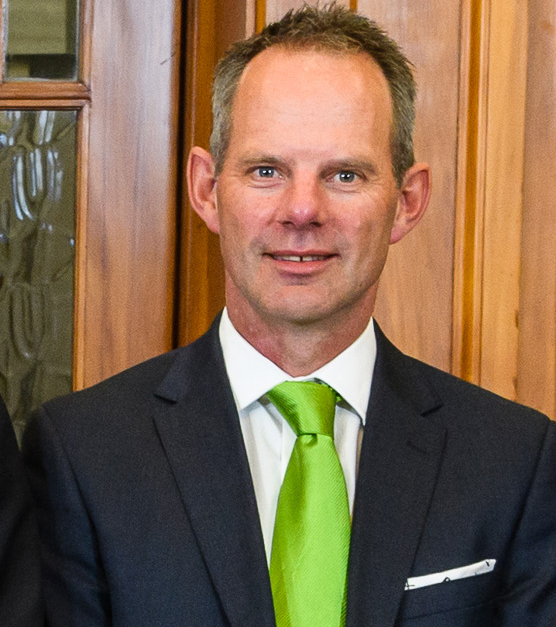
Peter Templeton is a 5th generation dairy farmer based on the south coast of Southland. 32 years old, Peter is passionate about southland dairy farming.

Peter has been dairy farming for 11 seasons, working his way up from 2IC to farm manager before returning to the family farm in 2016. Peter began his ownership journey as a 50/50 sharemilker for five seasons, before leasing the farm for two seasons and finally owning the farm in August 2023.

Peter is interested in focusing on the future of farming, what it is likely to look like on an individual farm basis – in particular on new technologies to implement on farm.

“I am always curious to see other systems and challenging myself to see what I could use in my own environment.”

Peter also states he is excited to see and gain a better understanding of New Zealand’s value chains, understand how they intend to innovate to compete.
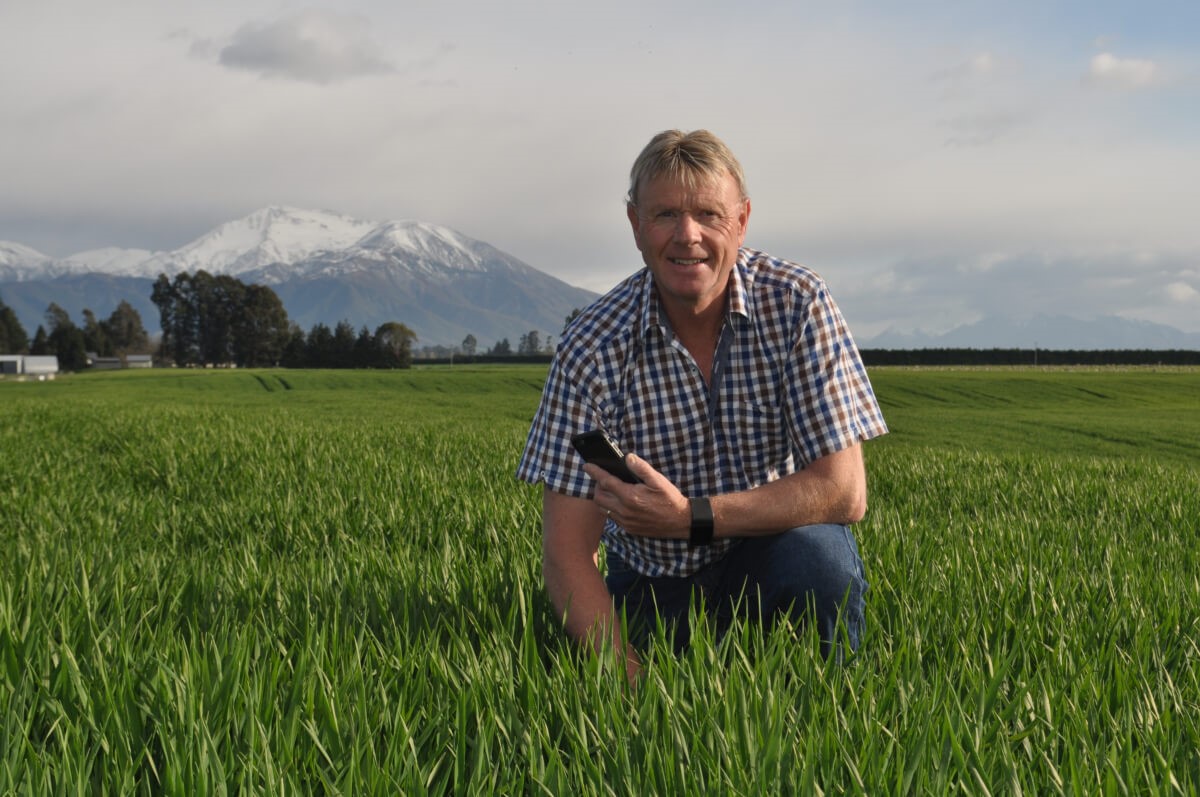
Peter Templeton

Peter Templeton

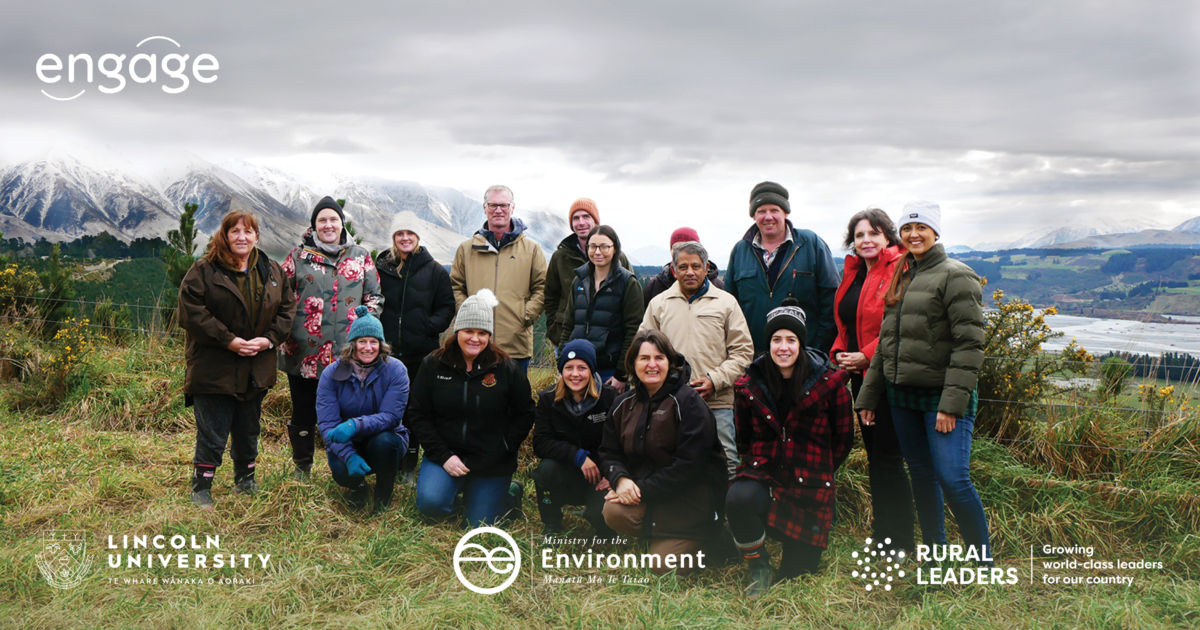
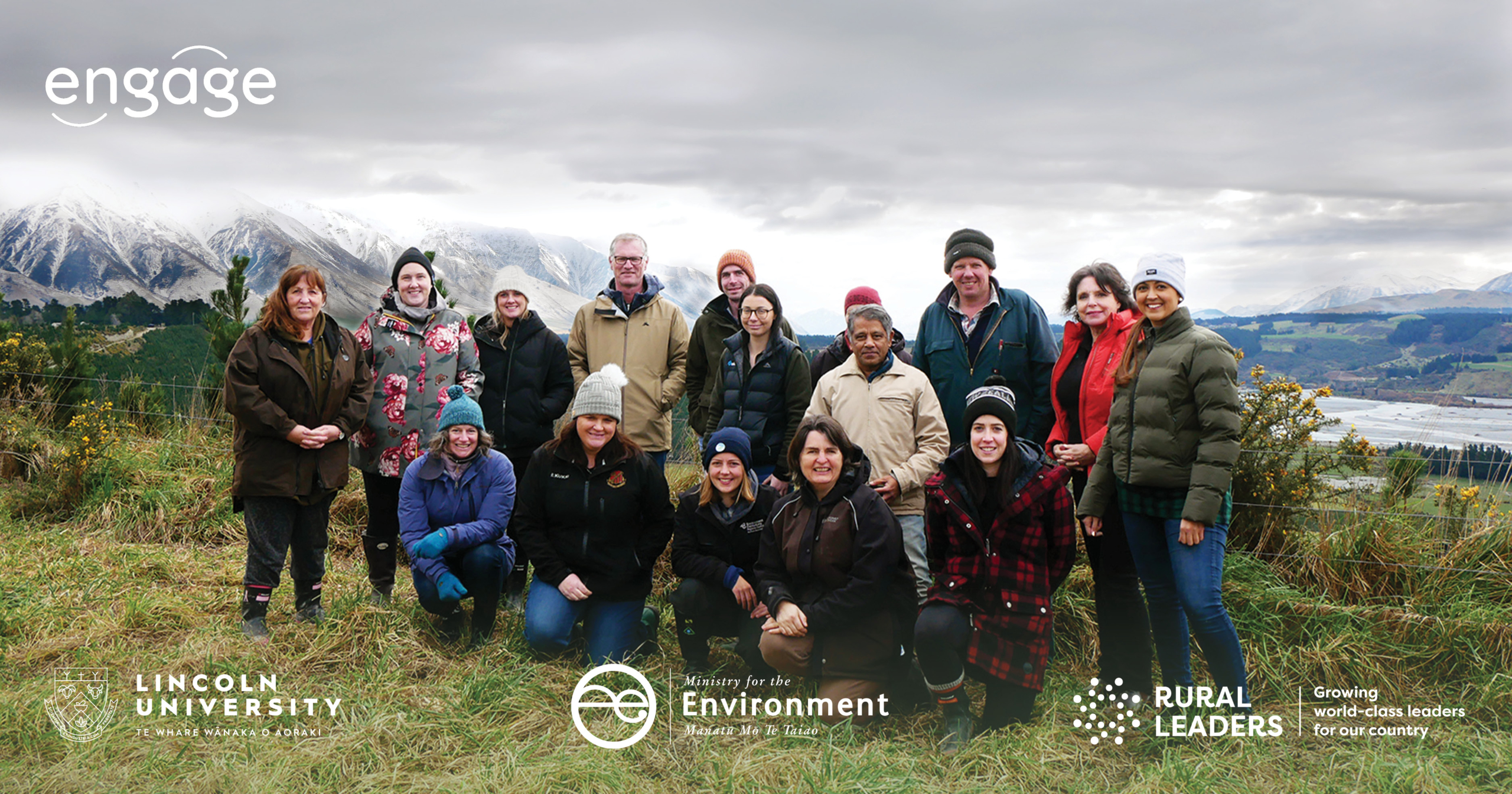
Engage – a Rural Leaders and Lincoln University programme collaboration.

Engage is designed, developed, and delivered collaboratively by the NZ Rural Leadership Trust in conjunction with Lincoln University (Dr Victoria Westbrooke), and with funding from the Ministry for the Environment.

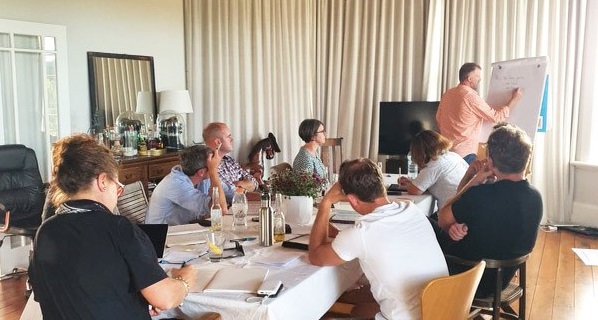
The first pilot for a new programme ‘Engage’ wrapped up after an inspiring and highly interactive three days, spread across workshops, field trips and hearing from industry leaders.

Facilitated by Dr Scott Champion, Engage bridges the knowledge gap for individuals aimed at those with moderate to low knowledge of the sector. Engage is ideal for those connecting to the Food and Fibre sector, particularly in farmer-focused roles such as policy, advisory, or regulatory.

Engage really is a case of seeing the need and addressing it. One of the challenges people entering the Food and Fibre sector can face is acquiring enough knowledge and skills to approach and speak to farmers collaboratively.

Engage is designed, developed, and delivered by the NZ Rural Leadership Trust in conjunction with Lincoln University (Dr Victoria Westbrooke), and with funding from the Ministry for the Environment.

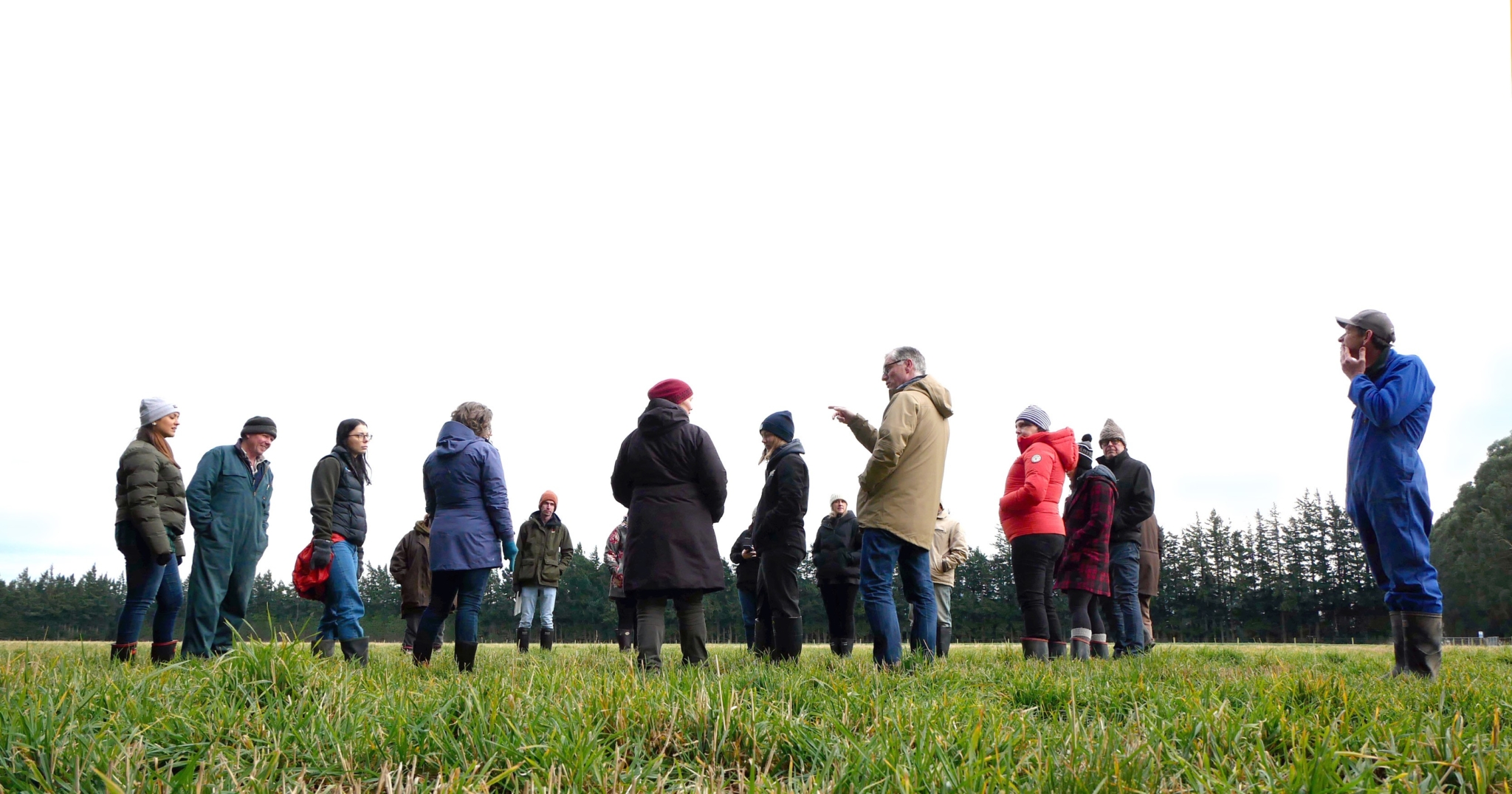
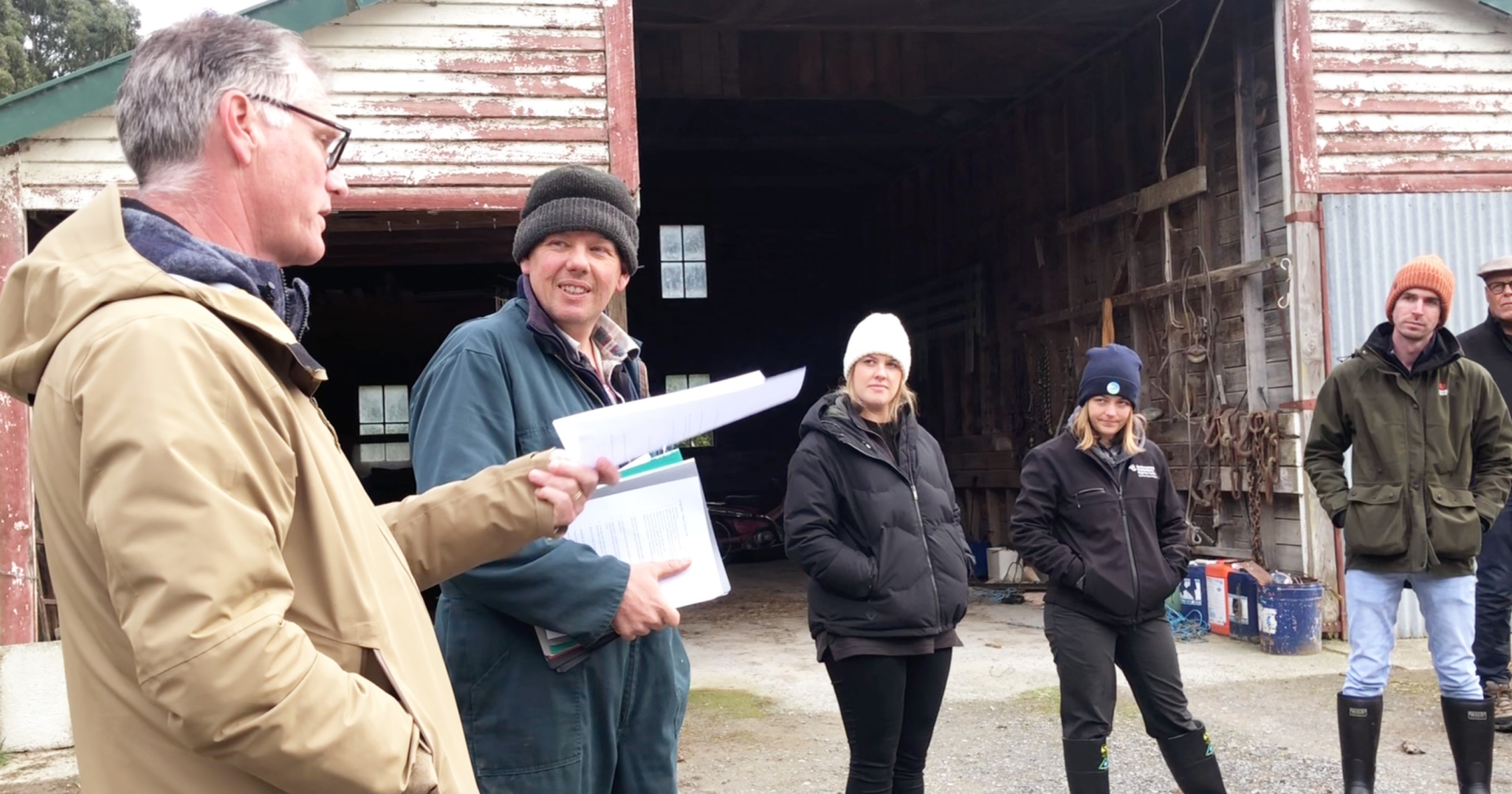
The three-day programme included speakers, workshops, and visits to two impressive farming operations: arable-mixed (Hamish Marr and Stuart Marr), and dairy (Matt Iremonger).

Our sincere thanks to both Hamish, Matt and to all of the industry leaders who shared their time, knowledge and insights with the group (Mel Poulton, Jess Smith, Mike Peterson, Ian Proudfoot, Sam Mander, and Denise Beswell from Scarlatti).

Engage is now into it’s second pilot as well as the third of five bespoke programmes for a large organisation. If you’d like to know more, or to book a team member or group on the May 1-3 programme, contact Dr Lyndsey Dance, Programmes Manager at Lyndseydance@ruralleaders.co.nz

Eights years, three chairs and almost two triennials.

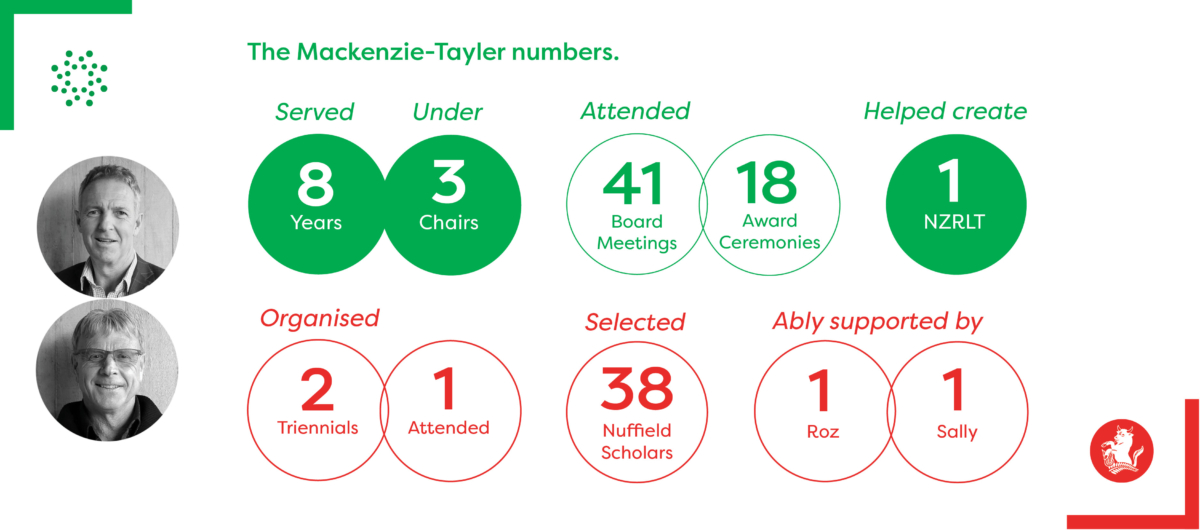
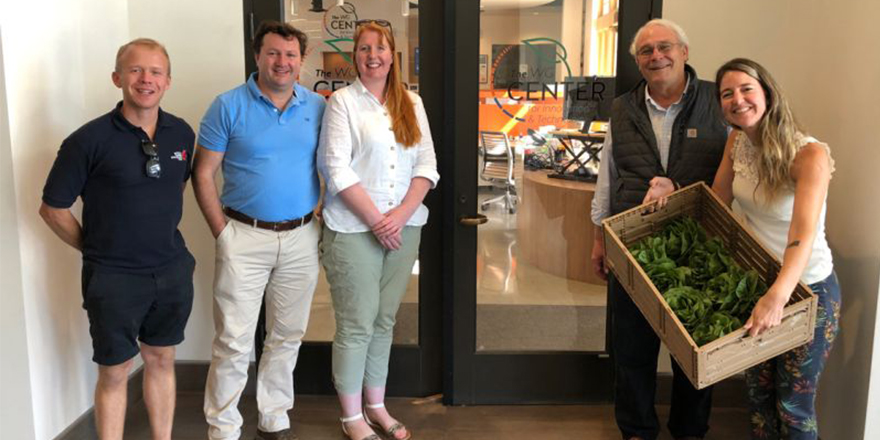
Nuffield and NZRLT Trustees Craige Mackenzie and Michael Tayler have stepped down after eight years of service. NZRLT Chair, Kate Scott provided the numbers on their tenure (above). We asked both about the highlights and challenges during their eight years.
What was the biggest challenge you encountered in your 8 years on the board?

Craige:
Being part of Nuffield International board but being able to turn it around to being in a positive growth organisation and in a sound financial position.

Michael:
Pulling together another Nuffield Triennial conference after our first one was cancelled at the eleventh hour. I was just one of a hardworking committee who rolled their sleeves up and just made it happen.

As a board and leadership organisation, one of our biggest challenges is to make sure we continue to stay relevant. To ensure the different programmes we offer are always “fit for purpose”.  

What was a highlight for you during your time on the board?

Michael:
The way everybody involved in the Triennial conference worked as a team towards a common goal. Everyone working long hours without complaint.

Meeting and getting to know the programme applicants was always a highlight. I was always impressed by the high calibre of the people involved in our Food and Fibre Sector. It gives me confidence that the future of NZ’s biggest export earner is in good hands.

Another highlight was getting to know and work alongside all the other trustees and NZRLT staff. Being a small part in a great team.

Craige:
The transition of a startup NZRLT to where we are today. The growth has been significant and to be part of this journey has been a real pleasure.

People, the role, and why you got involved?

Craige:
We have an awesome team which drives the organisation and each time we have new people come in they just add a new perspective and help with the growth.

I got involved because I wanted to give back to Nuffield and the NZRLT. I had the benefit of a Nuffield Scholarship which opened a lot of doors for me both nationally and internationally.

Michael:
I got involved as Trustee because I personally got so much out of my Nuffield Scholarship and felt it would be a small way to give something back.

What’s next for you?

Craige:
I have started a role with the UN so will see where that takes me but it is always nice to support agriculture and other production systems. I am interested in continuing to look for mitigation options to reduce our Climate Change footprint within farming systems and help shape sensible direction in policy.

Michael:
I would like to continue to be involved in different governance roles alongside our farming business. I have just started a new role as board chair of United Wheat Growers (NZ). UWG run a levy-based Crop Insurance scheme as well as an audited Quality Assurance Programme. 

We wish you well and thanks.

The Team at Rural Leaders.

Kellogg Programme One 2023 graduates.

A preview of next month's Kellogg Reports.

Kellogg Programme One 2023 graduated on July 7 after completing their Phase Three at Lincoln. Though in the aftermath of recent weather events, several North Island Scholars have chosen to defer their Phase Three until 2024.

Reports fell into three broad themes, with a total 16 reports. We’ll share those in the next Rural Leader. For now, you could make a note of any reports that may be of interest to you. 

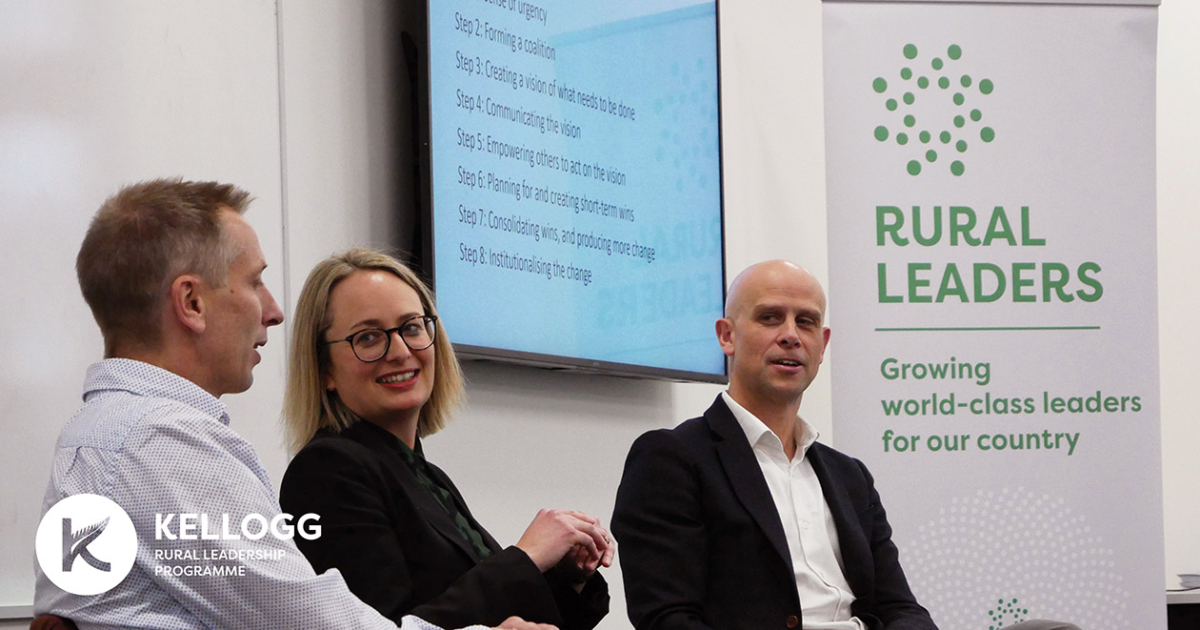
Pictured: First post-presentation panel discussion with Duane Redward, Vanessa Thomson, and Brian Henderson.

Theme 1 – People in Food and Fibre.

Duane Redward – The consequences of the competition for farmer sentiment.

Brian Henderson – What leadership is required to achieve change in New Zealand agriculture?

Vanessa Thomson – How effective are existing psychosocial services in supporting New Zealand Farmers after adverse events.

Steve Hydes – How do early stage Agritech founders use professional
assistance?

Sol Tejada – Women in beekeeping: how to champion the ladies in the
apiculture industry.

Laura Hancock – Bridging the gap: Exploring the impact of musculoskeletal health on performance and injury risk in the food and fibre sector.

Theme 2 – Future production and processing systems, and market opportunity.

Birch Jenkinson – Current lean production tool use in arable crop production.

Kate Gower-James – How can the opportunity in the expanding global pet food industry be achieved? Pet food growth and opportunities.

Grace McLeay – How might central North Island sheep and beef farmers future proof for the effects of climate change?

Richard Dawkins – Addressing mortality in New Zealand lambing systems.

Theme 3 – Farming, growing and the environment.

Anna Sing – How might freshwater regulations provide certainty for farmers,
while enhancing ecosystem health of Aotearoa’s waterways?

Emily Clark – Aquaculture shellfish processes and 3rd party certification.

Jemima Snook – ESG reporting: measuring and reporting on sustainability for mid to large size farms.

Kristopher Bailey – Regenerative agriculture: how might it fit into New Zealand
farming systems?

Kathryn Broomfield – Utilising technology to achieve sustainable agriculture in New Zealand.

Tracey Reynolds – How do we motivate New Zealand dairy farmers to uptake practises which reduce greenhouse gas emissions on farm?

Make a note of any titles for closer review in next month’s Rural Leader.

The Mackenzie Study – Nuffield and Kellogg latest results.

The Mackenzie Charitable Foundation have initiated research alongside the New Zealand Rural Leadership Trust, in collaboration with Otago Business School and the Department of Economics, to investigate the contribution of Kellogg and Nuffield Alumni to Food and Fibre.

Research covering 72 years of Nuffield and 43 years of Kellogg Rural Scholarship.

The objective of the research has been to collect data measuring within-person gains in entrepreneurial leadership and capability-building that occurs because of the Kellogg and Nuffield programmes.

The first survey was conducted with the New Zealand Nuffield Alums (178 at the time of the survey – with 68 survey participants). Through this process, the Team learned several ways to refine the survey and then ran a similar survey with Kellogg Alums (960 at the time of the survey – with 234 survey participants).

Entrepreneurship is frequently measured as the proportion of people in self-employment. By that broad measure, the Study has found that rural entrepreneurship is very much alive and well among alums.

This latest Mackenzie Study report builds on the progress report from February 2022 and as such, offers a recalibration of some earlier published headline results.

The methods used to measure entrepreneurial leadership skills (ELS) draw on international peer-reviewed academic literature in experimental economics, psychology, and management science.

The Study measured real-world entrepreneurial achievements by counting new business starts, FTE jobs created, export revenues, and leadership roles. This contributes to the participant’s ELS profile.

Characteristics of the Nuffield and the Kellogg Scholar.

Nuffield Scholars are, on average, in their 40s. They are rigorously selected and undertake a self-guided international exploration of Food and Fibre challenges and opportunities.

The Nuffield Scholarship is runs over 15 months and includes at least 16 weeks of international travel.

Nuffield aims to develop the insight and foresight to keep New Zealand at the global forefront of Food and Fibre-producing nations. Leadership development is an outcome of each Scholar’s experiential journey rather than an output of the Programme.

By contrast, Kellogg Scholars are, on average, in their 30s. The Kellogg

The Programme is facilitated and runs over six months. Each programme can take up to 24 Scholars, meaning more Kellogg Scholars graduate than Nuffield Scholars. Leadership capabilities are a defined learning output of the Programme.

This is likely a first-of-its-kind cross-sectional study, designed to compare each participant at multiple time points and will give New Zealand’s Food and Fibre sector a world-leading insight into the art and science of building entrepreneurial capability.

Here are the headline results from the Study.

Nuffield.

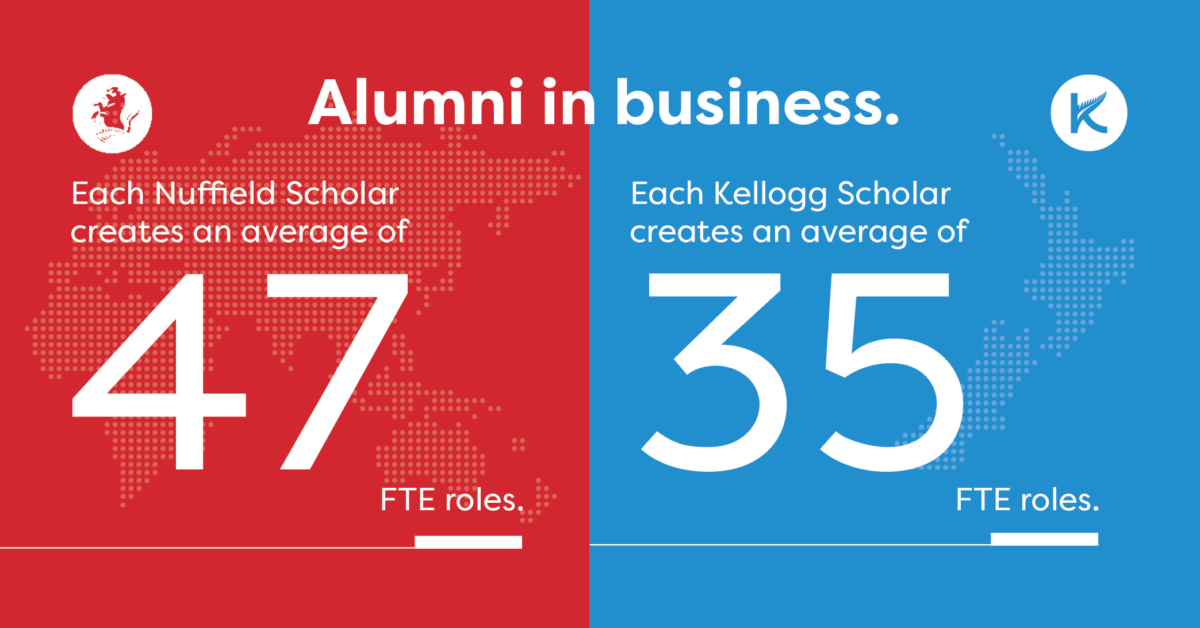
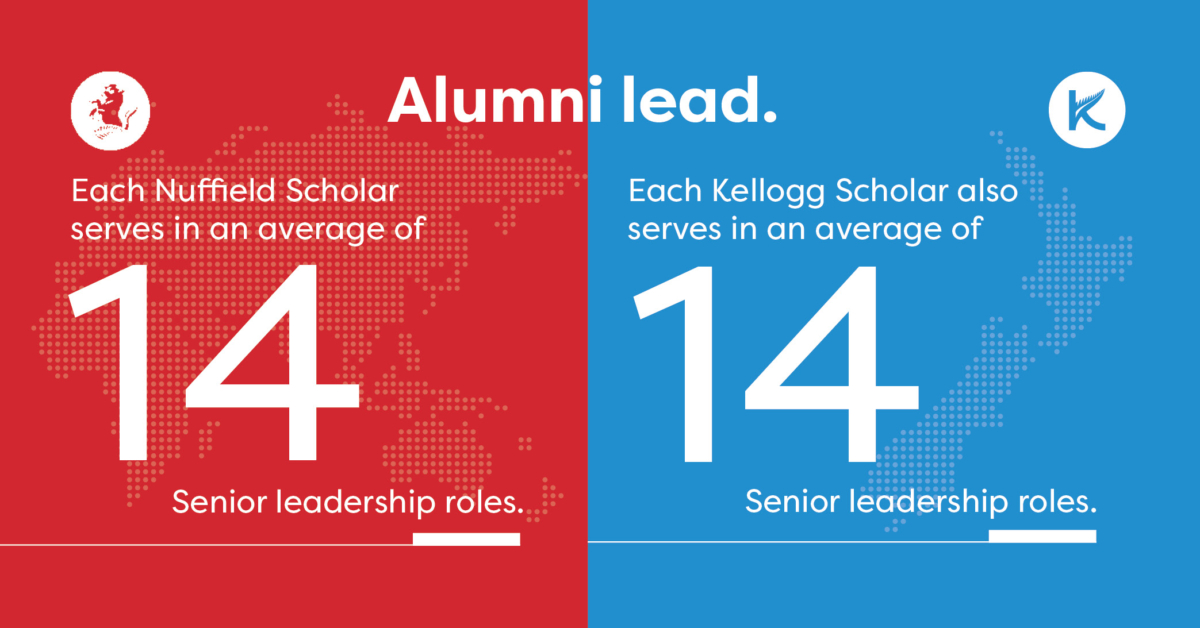
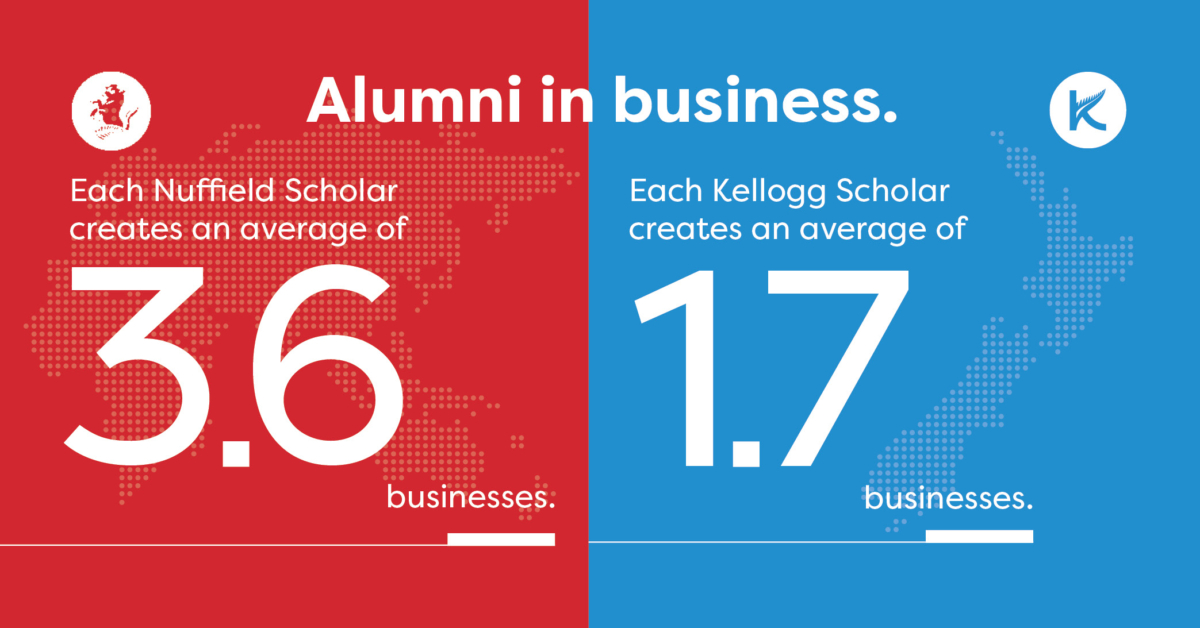
The average Nuffield alum has started 3.6 businesses, played a direct role in creating 47.0 FTE jobs, and served in 14.0 senior leadership roles.

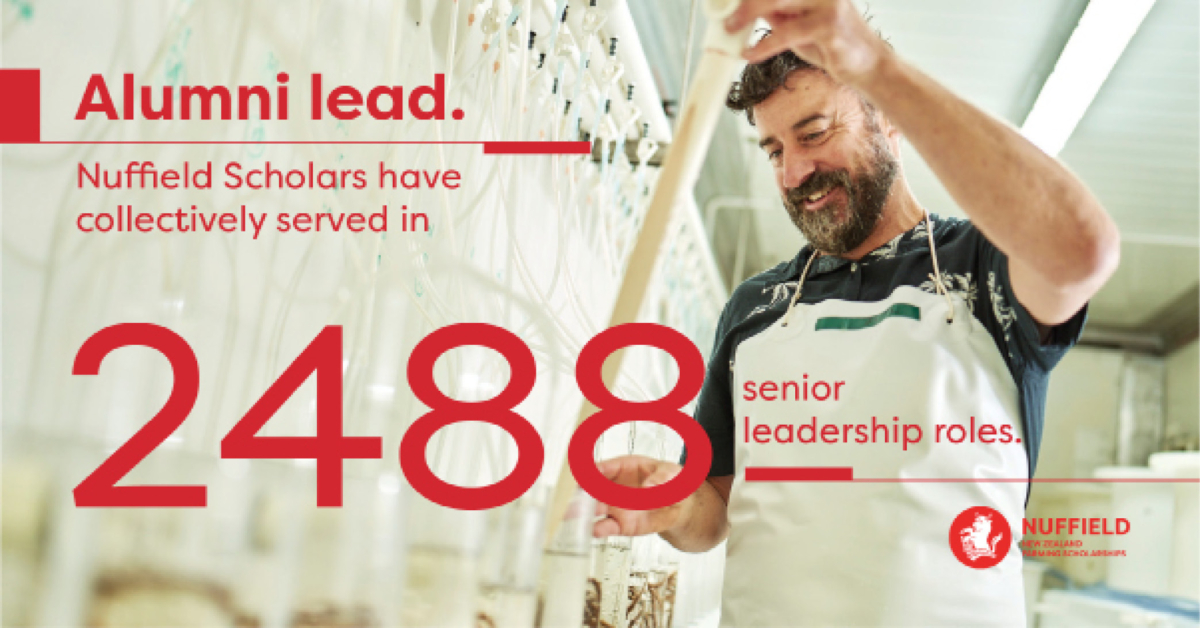
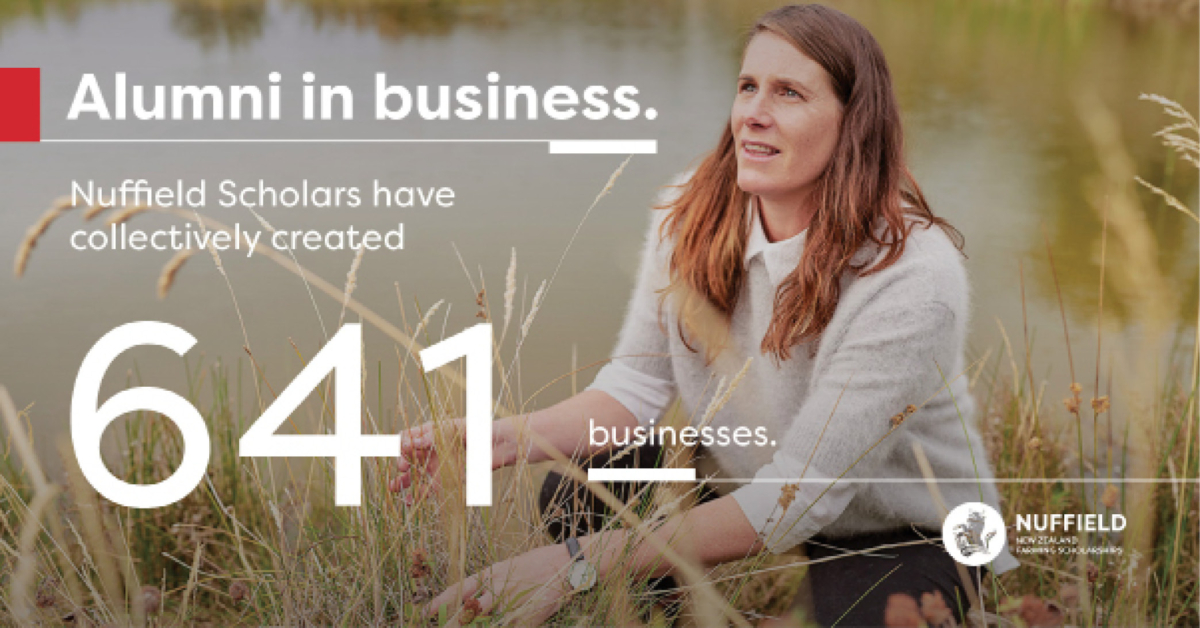
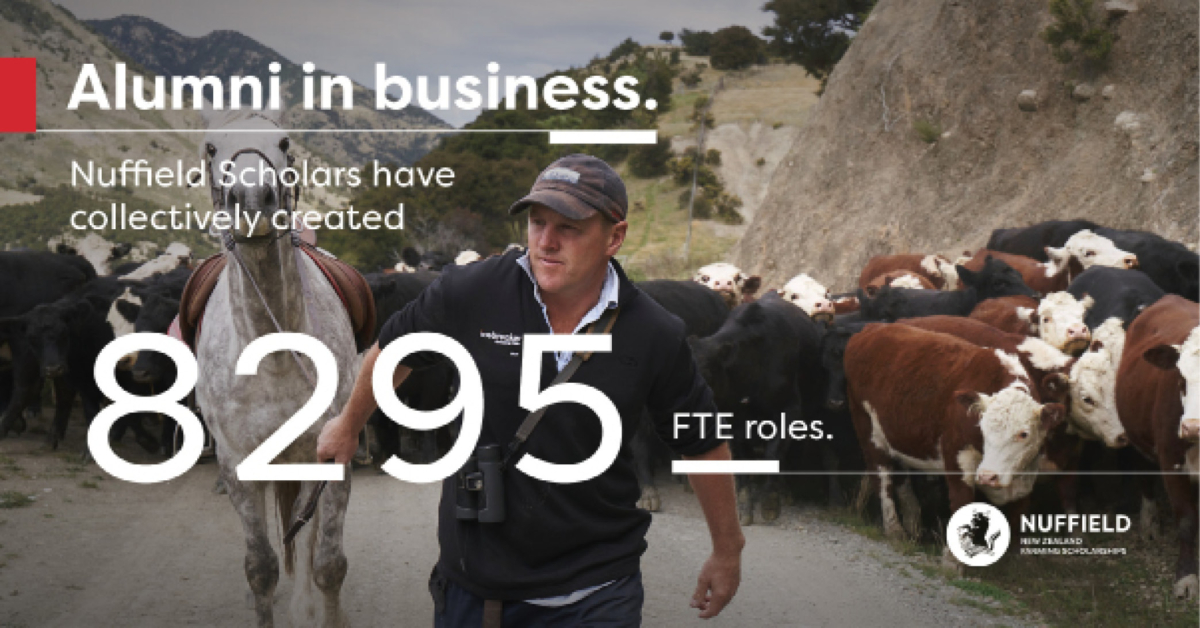
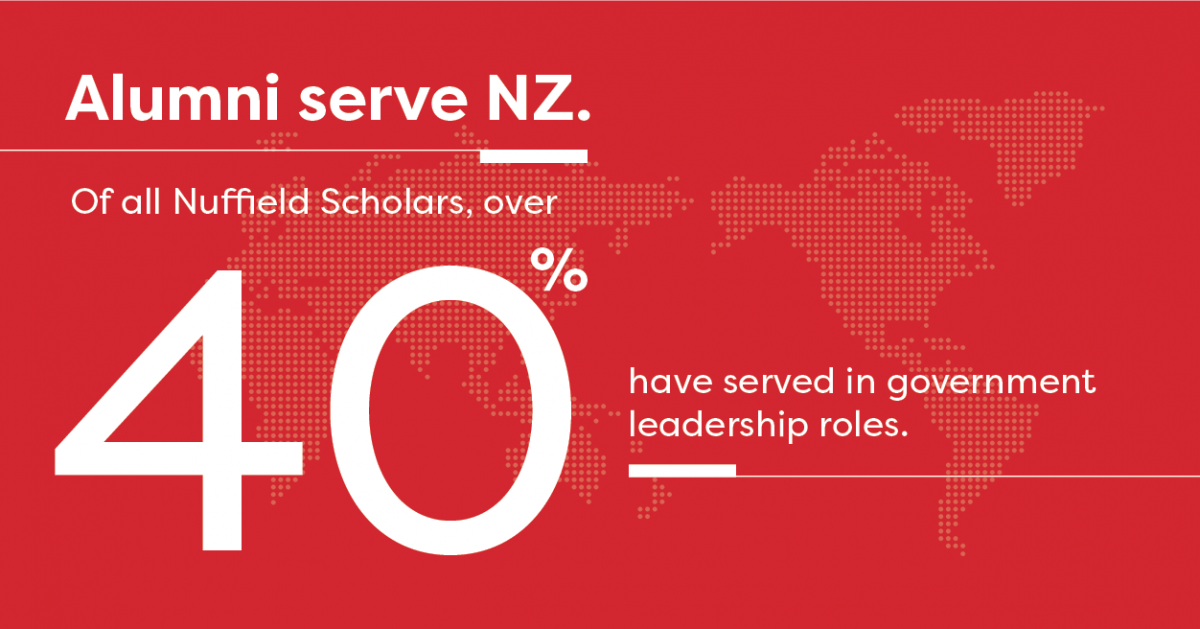
Over 40% of Nuffield alums have served in government-appointed or elected leadership roles. At the time of survey, 178 Nuffield alums had collectively served in an estimated 2,488 leadership roles (other than government roles), played a direct role in creating an estimated 641 businesses, and 8,295 FTE roles. 

Kellogg.

The average Kellogg alum has started 1.7 businesses, created 35.0 FTE jobs, and served in 14.0 senior leadership roles.

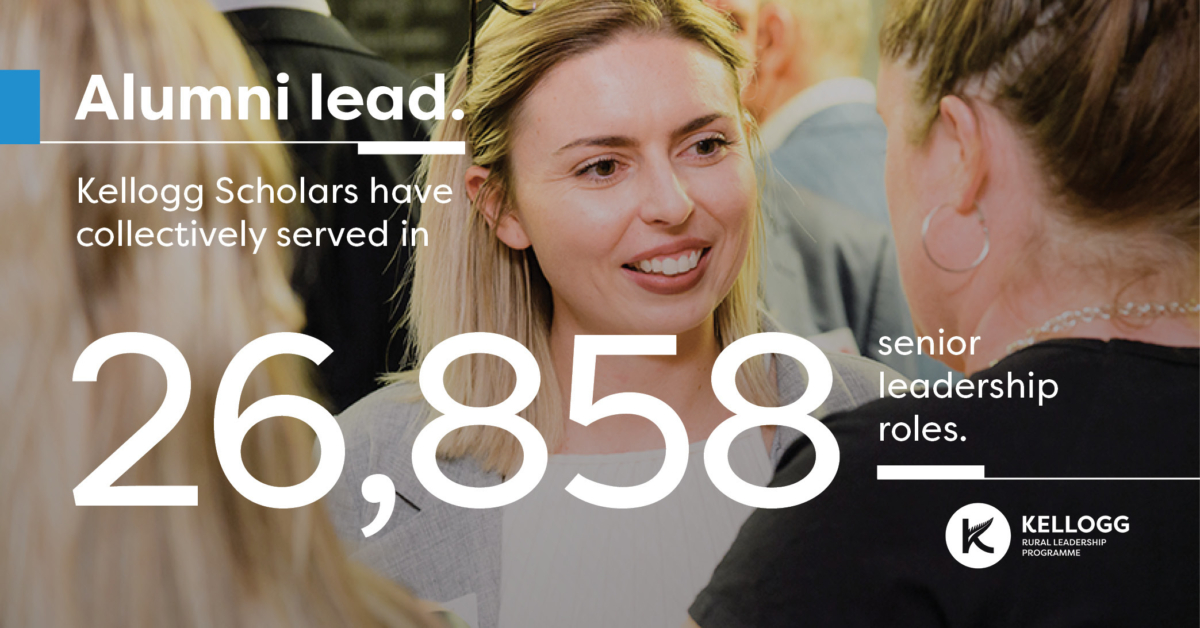
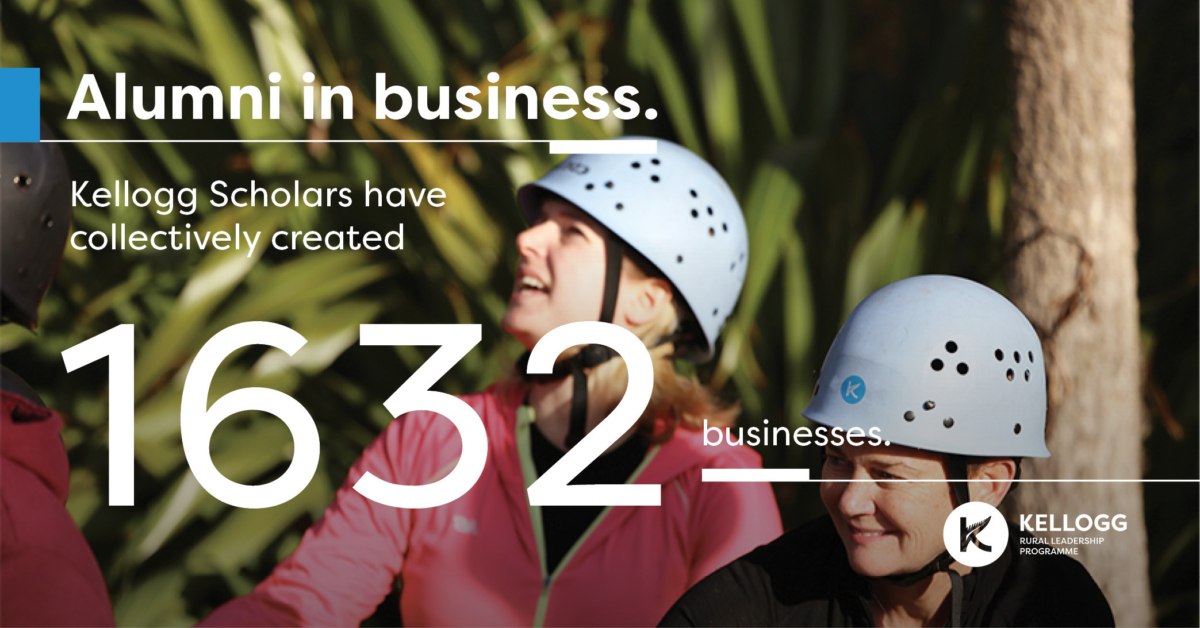
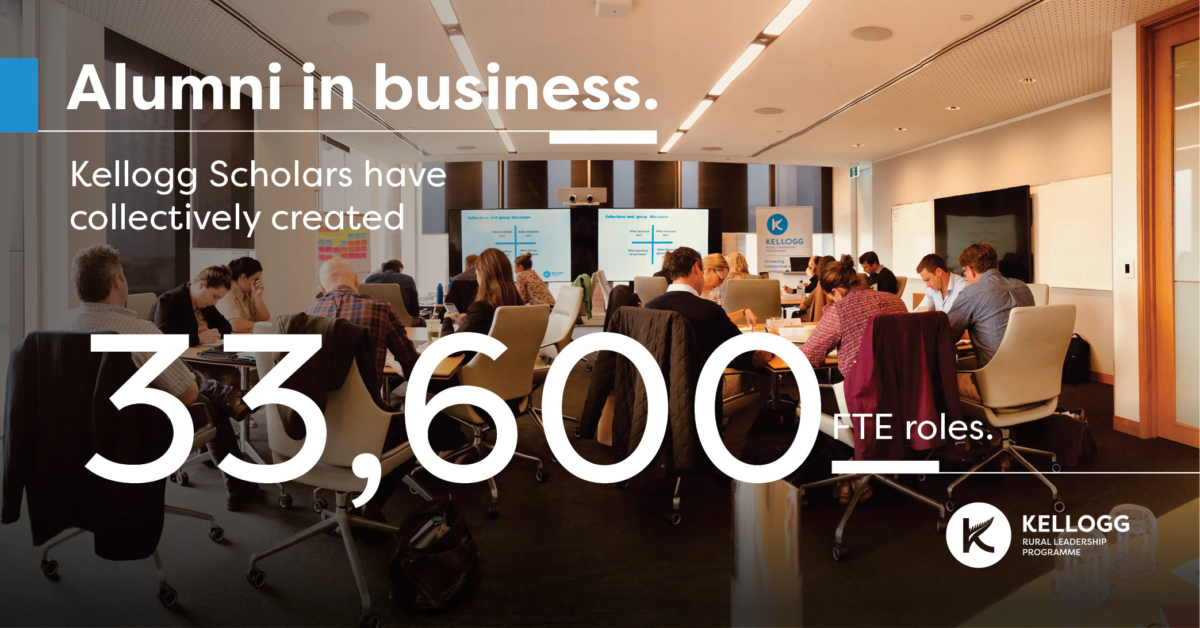
Approximately 26.9% of Kellogg alums have served in government-appointed or elected leadership roles. Since the inception of the New Zealand Kellogg Rural Leadership Programme, 960 Kellogg alums have collectively served in over 26,858 leadership roles (other than government roles), played a direct role in creating an estimated 1,632 businesses, and 33,600 FTE roles.

The collective Nuffield and Kellogg Alum’s results.

These collective results include the creation of an estimated 2,273 businesses, 41,895
jobs,
 and service in 29,347 leadership roles.

Just as importantly, both alum groups reported better personal outcomes after attending the programmes, including better well-being, expanded social networks, and higher earnings. This is an impressive contribution.

Both alum groups demonstrated economic, social, and environmental contributions to New Zealand’s Food and Fibre sector. One of the notable findings is the very high rate of self-employment compared to New Zealand as a whole (over 60% for Nuffield and Kellogg, compared to 7.5% nationally, 28% in the dairy industry, and 30% in the red meat and wool industry).

The Team have seen very few data sets in New Zealand with self-employed proportions this large.

Where to next for the Mackenzie Study?

The Mackenzie Study also includes foundational data for longitudinal research. The analysis of this is currently underway. The longitudinal study is focused on collection of before-after survey data for just the Kellogg Programme.

The intention is for this data collection to continue as future cohorts’ baseline and exit surveys are added. This, in order to achieve greater statistical precision and an ever-strengthening evidence base documenting gains in entrepreneurial leadership associated with participation in the Kellogg Programme.

Download the full Mackenzie Study Report here.

Meet the 2023 Nuffield New Zealand Farming Scholars.

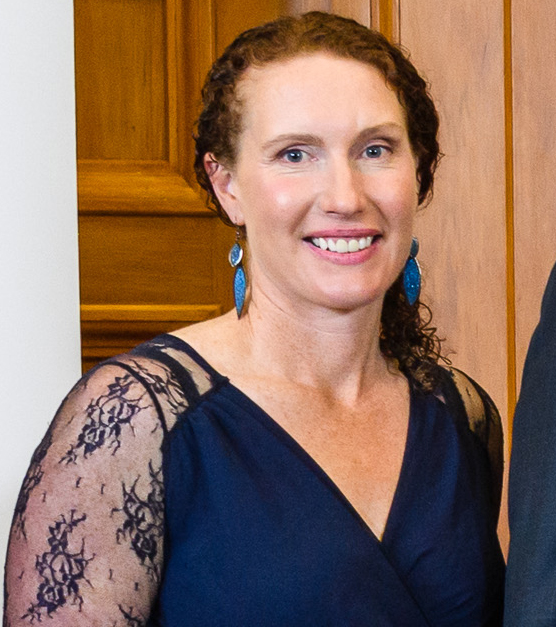
Kerry Worsnop

Kerry Worsnop describes herself as a rural advocate, born and raised on a South Waikato dairy farm, she later ventured into the hills of the East Coast north of Gisborne.

The business was originally shaped by both her partner’s and her own desire to own a farm and their early years were devoted to this pursuit, operating a contracting business and leasing land before purchasing Taheke, 36 km west of Gisborne in 2013.

Inspired by extramural study, the next few years incorporated various roles in the community and employment, building a toolkit based on resource management skills and a passion for interface between policy and the ‘real world’.

This interest led to a three-year term as a Gisborne District Councillor, a role where the issues facing that interface became impossible to ignore. “I want to help solve some of these problems” Kerry says, “A lot of our policy outcomes aren’t great – we must be able to do this better!”

Matt Iremonger, alongside his wife Katy and daughters Alice and Abby, operate diverse pastoral farms on Banks Peninsula and in the Ellesmere district in Canterbury.

These properties include hill country sheep and beef breeding, intensive irrigated finishing and dairy support, along with dairy farms and native and exotic forestry.

Matt studied at Lincoln University graduating with a BCom (Hons) and completed the Rabobank Executive Development Program in 2017.

“I am planning to undertake research into the integration of beef production from the dairy industry to create a high value premium product”, Said Matt.

Matt Iremonger

James Allen

James Allen is CEO of AgFirst, New Zealand’s largest provider of primary sector consultancy services. A key focus of his consultancy work is business planning, farm systems design, environmental management, and agribusiness project work, both nationally and internationally.

James is also the president of the New Zealand Fieldays Society, a Fellow of the New Zealand Institute of Primary Industry Management, and a previous national president of New Zealand Young Farmers. He was a grand finalist in the Young Farmer of the Year Contest in 1999 and again in 2002.

Originally from a sheep and beef farm near Raetihi, James and his wife Kerry now live at Matangi, along with their three sons. Alongside the consultancy business James and Kerry are partners in a variety of farming and non-farming businesses. In his free time James enjoys diving, tramping, skiing and cycling.

“Participating in the Nuffield Programme has been a long-term goal and I’m looking forward to the challenge. My research topic will be focused on re-defining what excellence looks like for the agricultural consultancy sector in the midst of change,  to help keep New Zealand farmers at the leading edge of profitability and sustainability,” Said James.

Kylie Leonard was elected to the Fonterra Cooperative Council in 2020 and serves on the Cooperative culture committee.  She is also on the Taupo District Council, representing the East Rural Ward, a Director of Vetora and is a Trustee of Hillary Outdoors.

Kylie is Chair of the Lake Taupo Protection Joint Committee and the Taupo East Rural Community group. She is also on the Board of Trustees at the school her daughter attends. Kylie is proudly married to Rick and has 3 daughters, Kate, Isla and Eloise.

Previously Kylie received a local hero medal, awarded Dairy Woman Community Leader of the Year and finalist in Dairy Woman of the Year, finalist in the Woman of Influence awards and Emerging Governance leader.

Kylie developed an investment property portfolio which lead to an equity partnership in a mixed farming operation involving both Dairy and beef in the Central Plateau.

“I am passionate about quality food production, our farm, my community and especially my family. I am curious to look behind the farm gate into environmental health, social equity and economic performance to meet the challenges of the future. I don’t know what I don’t know and am very excited about this opportunity,” Said Kylie.

Kylie Leonard

2023 Nuffield New Zealand Scholars Announced

2023 Nuffield New Zealand Scholars Awarded.

Wellington, 8 November 2022

Congratulations to our 2023 Nuffield New Zealand Scholars!

Kerry Worsnop, a Gisborne based Sheep and Beef Farmer, Company Trustee, and Environmental Consultant.

Matt Iremonger, a Sheep and Beef and Dairy Farmer from Banks Peninsula, in Canterbury.

Kylie Leonard, a Taupo based Dairy Farmer, Governance Specialist, and dual Board Chair.

James Allen, a Waikato based Agribusiness Consultant and Managing Director.

Find out more about the 2023 recipients >>

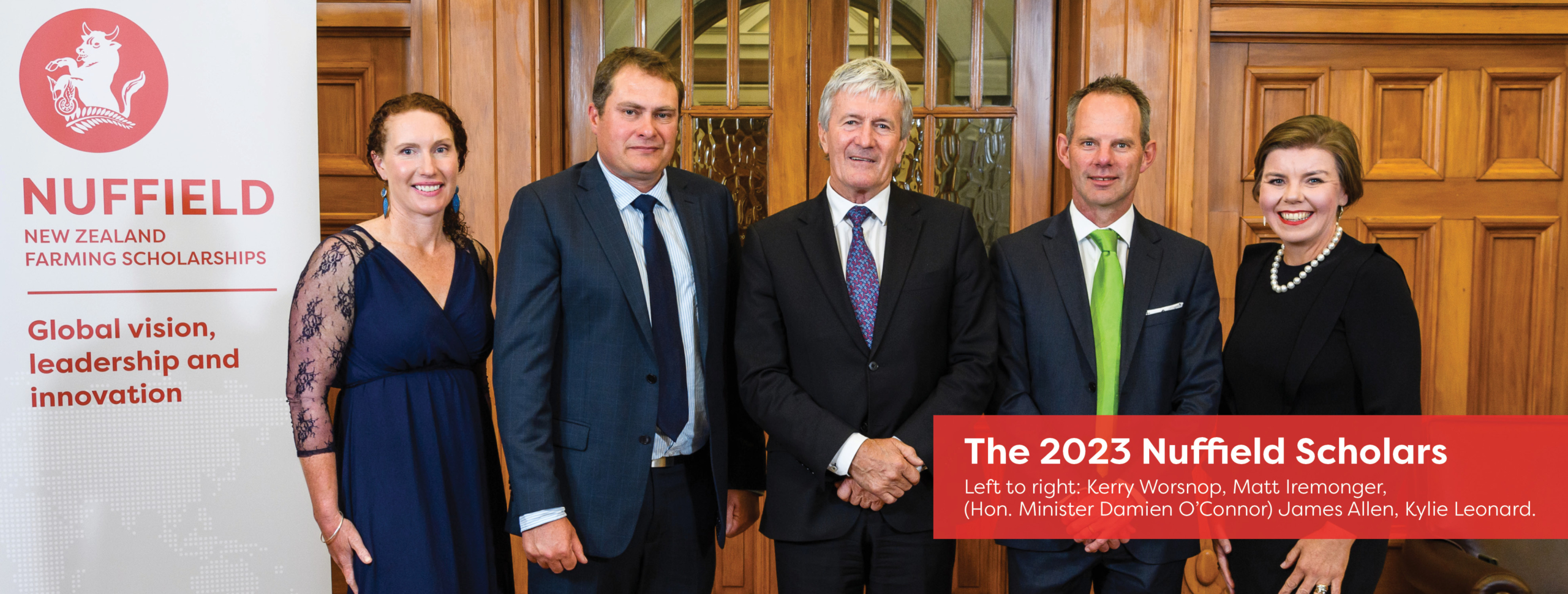
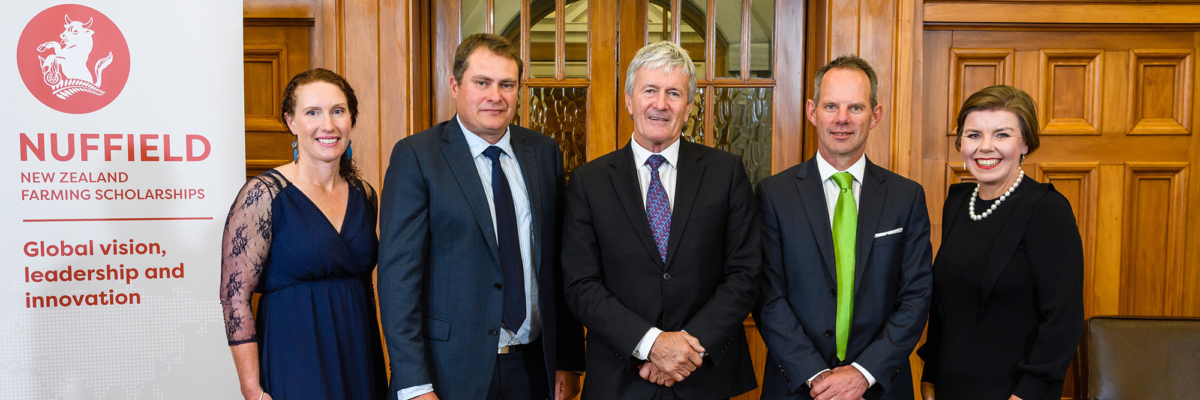
Four emerging Food and Fibre Sector leaders have been awarded 2023 Nuffield New Zealand Farming Scholarships. Each has received their awards from Hon. Minister Damien O’Connor. The Awards Ceremony was held in the Grand Hall at Parliament in Wellington last night. The New Zealand Rural Leadership Trust (Rural Leaders), who administer the Nuffield New Zealand Farming Scholarship, hosted the event.

Strong interest in the Nuffield Farming Scholarship.

This year saw the most applicants for the prestigious Nuffield Farming Scholarship since 2018. To ensure that the new 2023 Scholars can travel and gain international insights to the same level as their predecessors, The Nuffield Trustees increased the value of the Scholarship, in recognition of the increased cost of travel.

Correspondingly this has meant that only four Scholars were selected, making the competition to gain a coveted Scholarship even tougher this year. Each Scholar brings talent, passion, perspective, and a track record of performance. Their job now is to find insights and build foresight to benefit our sector.

“We wish to acknowledge all those who applied. The field of applicants was particularly strong and representative of the regions and industries within our Sector. It is safe to say, there is some real talent in our regions,” Said Chris Parsons, CEO, Rural Leaders.

The collective impact of Nuffield Scholars.

Nuffield Alumni’s collective impact on the Food and Fibre Sector has recently been highlighted by the Mackenzie Study, a Rural Leaders’ collaboration with The Otago University School of Business. The study maps the in-person and sector gains from participation in the Nuffield Programme. Some of the study’s findings include:

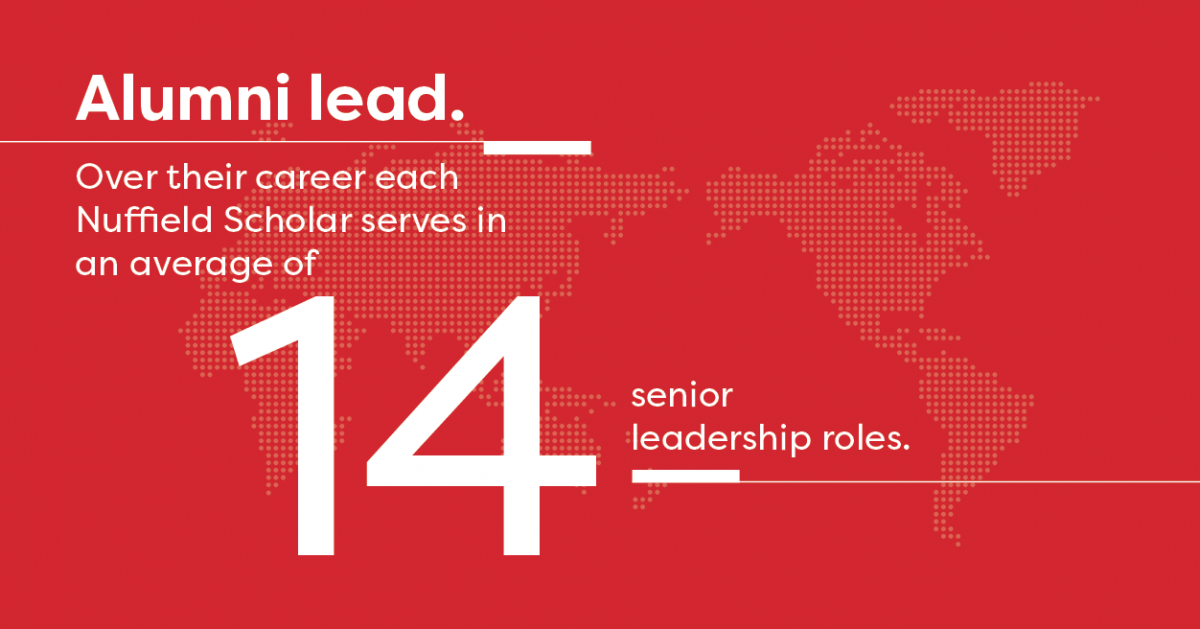
  • Nuffield Scholars hold 14 senior leadership roles over their career.
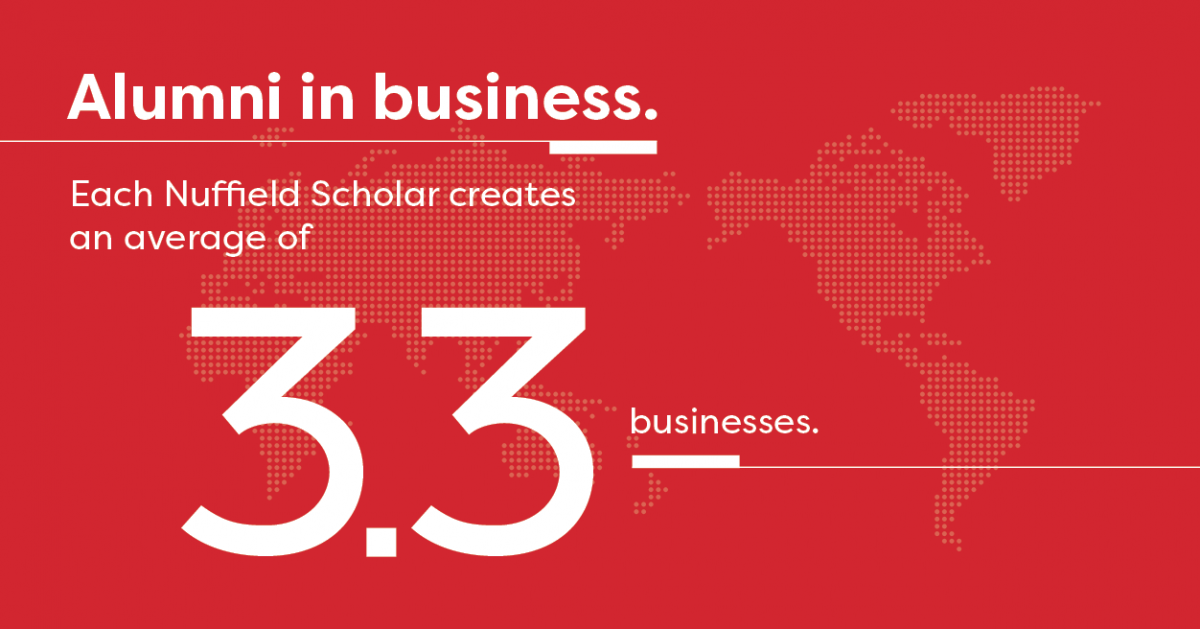
  • Each Scholar has created an average of 3.3 businesses.
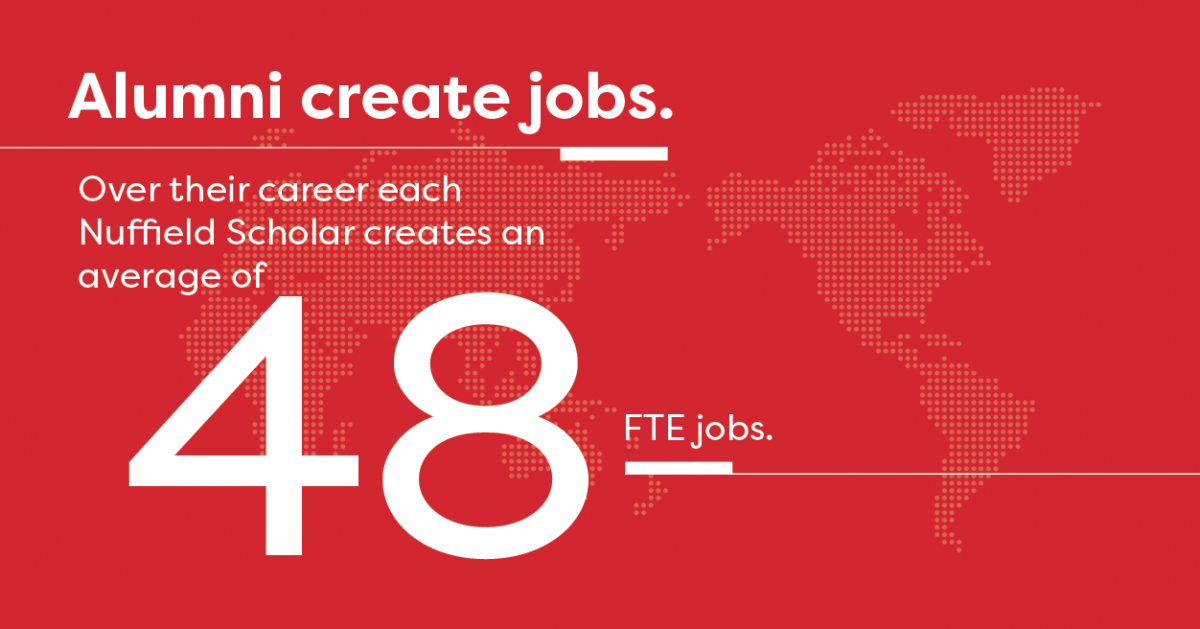
  • And each creates an average of 48 FTE roles.

“The contribution and impact New Zealand Nuffield Scholars have made on New Zealand Agriculture, regionally, nationally and globally is significant, and it is a real pleasure to be able to see the opportunity that lies ahead of the 2023 scholars to continue to create impact for the future benefit of New Zealand Agriculture”, Said Kate Scott, Rural Leaders Board Chair.

In addressing the Rural Leaders’ Strategic Partners: AGMARDT, DairyNZ, Beef+LambNZ, Mackenzie Charitable Trust, and FMG, Kate Scott said, “The positive impact on New Zealand Agriculture that is created by New Zealand Nuffield Scholars would not be possible without the generous and ongoing support of our partner organisations, who are an integral part of our mission to create world class leaders for New Zealand.”

Within this context of achievement by Nuffield Alumni, the new 2023 Nuffield Scholars were announced by Minister O’Connor as:

Kerry Worsnop, a Gisborne based Sheep and Beef Farmer, Company Trustee, and Environmental Consultant.

Matt Iremonger, a Sheep and Beef and Dairy Farmer from Banks Peninsula, in Canterbury.

Kylie Leonard, a Taupo based Dairy Farmer, Governance Specialist, and dual Board Chair.

James Allen,
a Waikato based Agribusiness Consultant and Managing Director.

The 2023 Nuffield Scholars’ research topics will cover a range of our biggest food and fibre challenges including: environmental health, social equity and economic performance, integration of beef production from the dairy industry, and fit for purpose rural professionals.

The Nuffield Scholars will bring a valuable global perspective to their research through an intensive travel itinerary of visits, meetings and experiences, designed to lead to a period of transformative personal insight and growth.

The four new Scholars will join the over 180 Nuffield Alumni, awarded scholarships over the last 71 years.

Find out more about the 2023 recipients >>

Lucie’s Nuffield US travel so far – in less than five minutes.

Lucie Douma. 
 
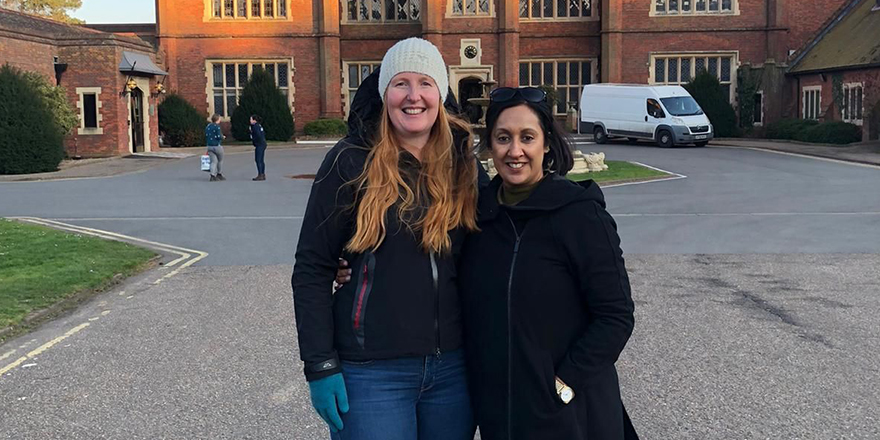
Soon after Lucie Douma and Parmindar Singh returned from their Nuffield CSC in the UK, Lucie was traveling again. This time in North America.  
 
Lucie is four weeks into her US trip that has so far covered: California, Illinois, Wisconsin, and more. Lucie is currently in Texas and will round out her travel visiting Washington DC, Saskatchewan, and the Yukon. 
 
Lucie is gathering information and insights on her Interoperability work. The working title of her research topic is On-farm data management and governance: Creating a system and understanding where farmers benefit from data. 

Here is Lucie’s Nuffield travel in the US so far – in less than five minutes.

Note – some posts have been edited for brevity. 

Start of July 2022

The start of my next Nuffield journey couldn’t be better. A group of international scholars were in a Fourth of July parade in the town of Clarksburg, just south of Sacramento. I felt welcomed by the local community and it is great to see such strong support for farming here. 

Clarksburg, California.

First half July 2022

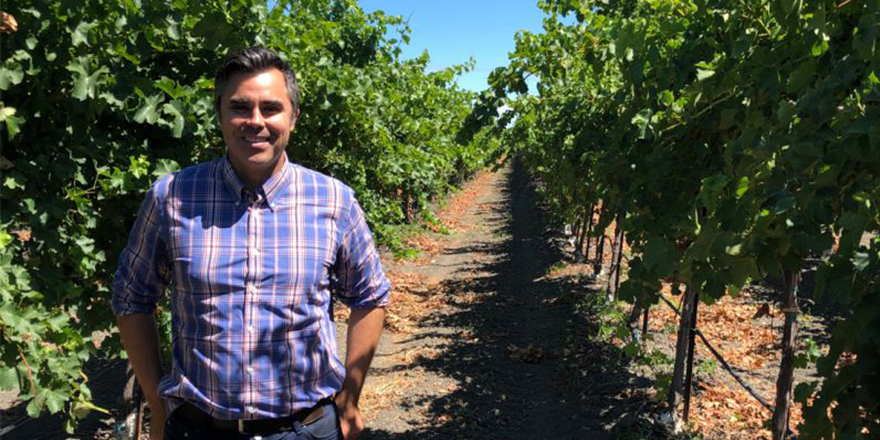
We had a fantastic wine tasting at Tom Merwin’s vineyard. We heard how his farm maintains a competitive advantage. The most value for his business comes from his wine club subscription, where he has a direct link to customers rather than having to go through intermediaries. 

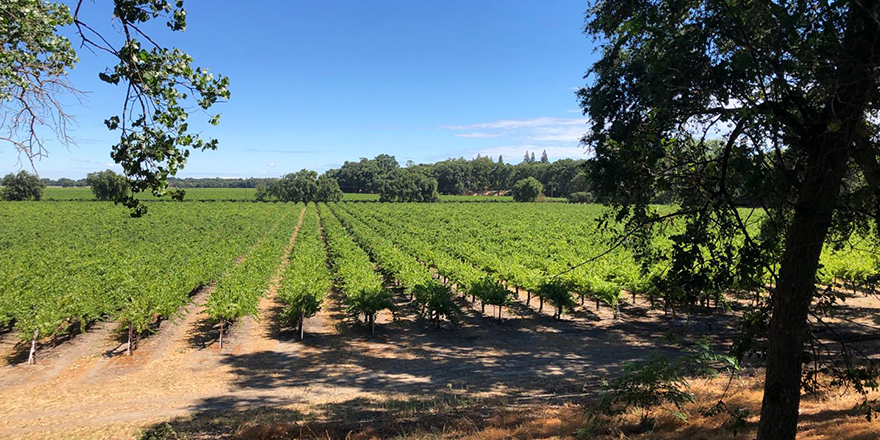
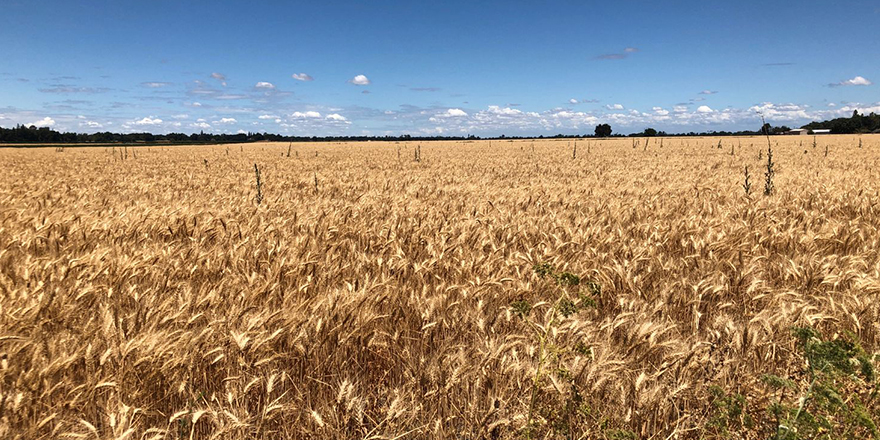
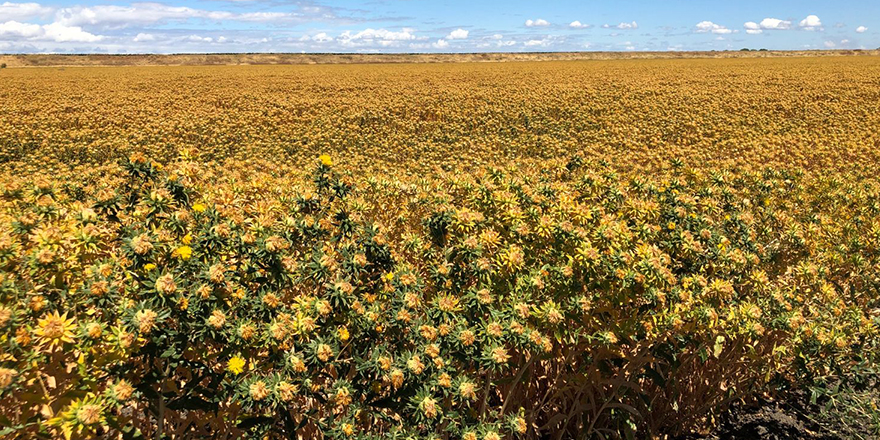
He explained more about his 1200-acre farming operation; 650 in vines and the remainder in arable (wheat and safflower). And we were also able to talk all things data. 

In the region of Clarksburg, California, they have a high-water table and two rivers nearby. Because of this they don’t have the water take restrictions the rest of California does. 

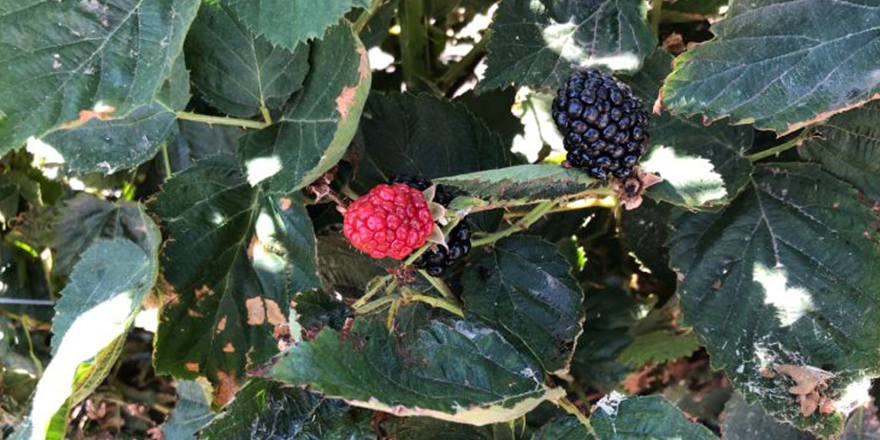
Tom takes a lot of time to make sure he is ahead of the game, always looking at how he can do things better or differently. For example, he’s experimenting with growing all-natural blackberries (no herbicides or pesticides), which will be sold at a local farmer’s market. 

Salinas, California.

First half July 2022

Spent a fantastic day in Salinas with Dennis Donohue and Walt Duflock at the Western Growers Technology and Innovation Centre. 

We met some inspiring people including Norm Groot who is working hard to ensure future water availability for County ranchers and growers. 

We also heard from Church Brothers’ Joshua Reed, who is empowering his people by sharing the data from their vegetable and leafy green growing so his staff can maximise yield production. He has managed to increase yields overall by 20% by using and analysing data. 

Dennis Donohue thank you for a fantastic visit and organising the day so well for us!  

Fresno, California.

Mid July 2022

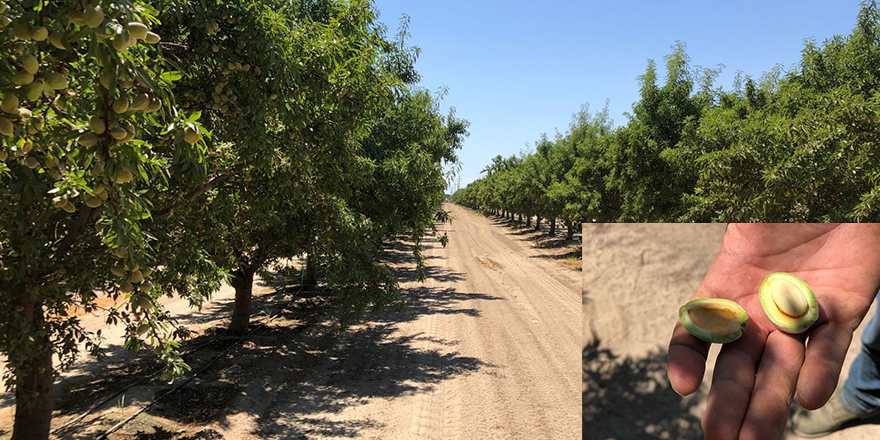
What a time to be in California. Elisa Blanco and I had the pleasure of spending the morning with Wendy Larson and her father, Glen Anderson, on their 20-acre organic almond orchard, that sells direct to customers. They helped establish the organic almond industry. 

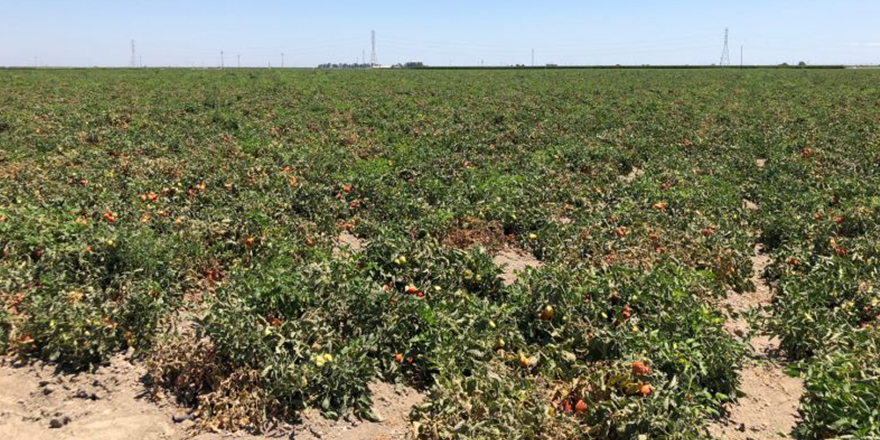
In the afternoon we had a tour of a much larger 8000-acre property, Terranova Ranch, Inc. They grow crops from organic tomatoes, peppers for Subway, red and white onions, to almonds and pistachios. This was an impressive operation, and they work hard to ensure water resource is managed well.  

Then for my final day in California it would’ve been remiss of me not to see the Muir Woods’ towering old growth redwoods. On to Chicago now.

Chicago, Illinois.

Mid July 2022

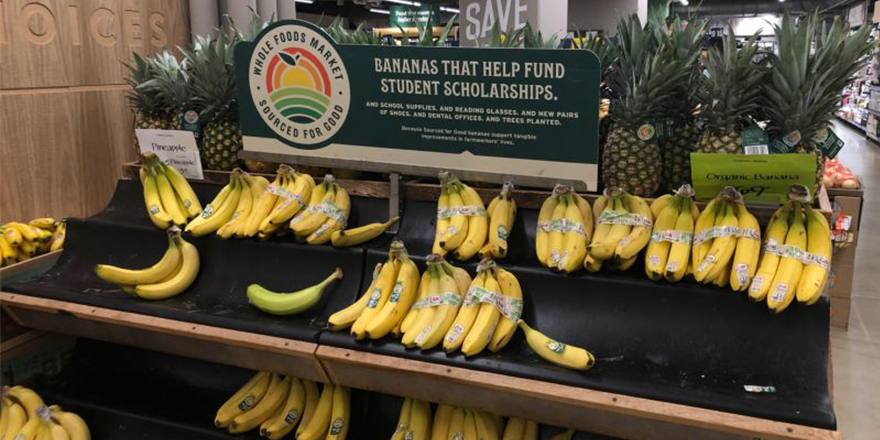
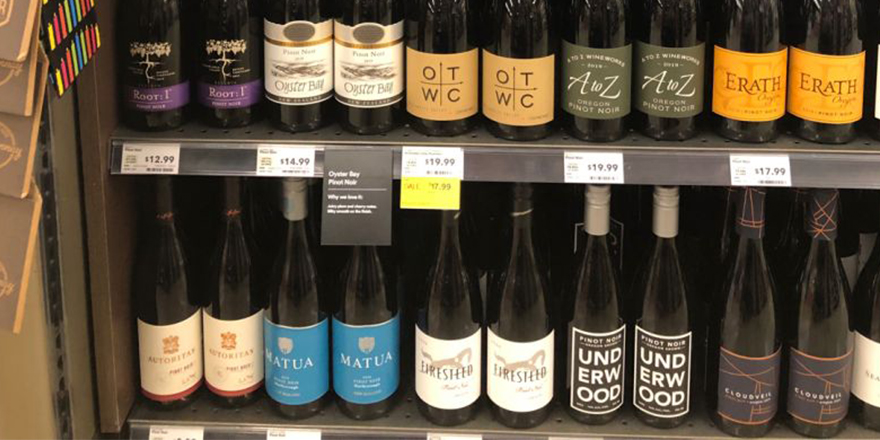
First day in Chicago. I took a trip to a Whole Foods store where I noticed the New Zealand wine on offer. This is a store where country of origin is really important and those that shop there want to see who they are supporting and what they are supporting. Like the bananas shown – supporting students through their scholarships.  

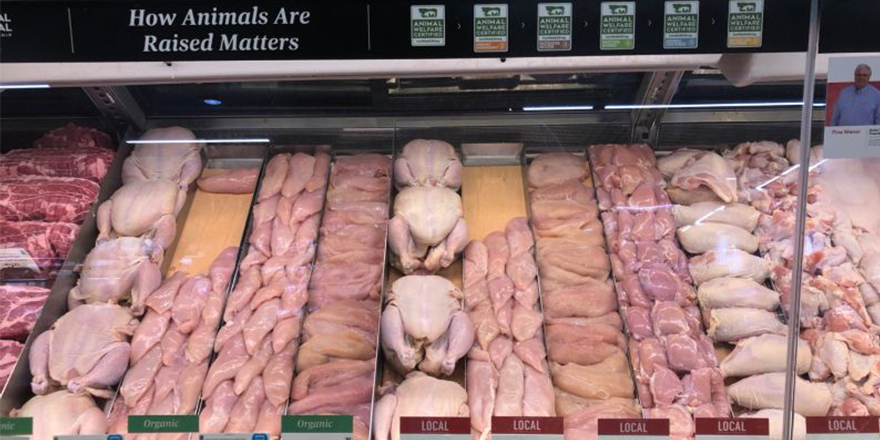
Whole Foods also have their own certified animal welfare standards where the meat is traceable to farm. It is also hormone and antibiotics free – like much of New Zealand’s meat. 

Champaign, Illinois.

Posted about one and a half weeks ago. 

The crops in Champaign, Illinois are predominately corn and soybeans. One farmer is looking at a third type of crop, miscanthus, which is a reedy type of grass and is used in biomass fuel and cut up into chips for turkey bedding.  

This is an interesting third crop that could be worked into the rotation of these fields, but there needs to be an increase in demand for it. Possibly the rise in fuel costs will do this? 

The innovation in machinery here is at the point where corn can be planted at 13-16kmph. This means 80 acres (or 32 hectares) of corn can be planted in one hour! The machinery is so impressive! 

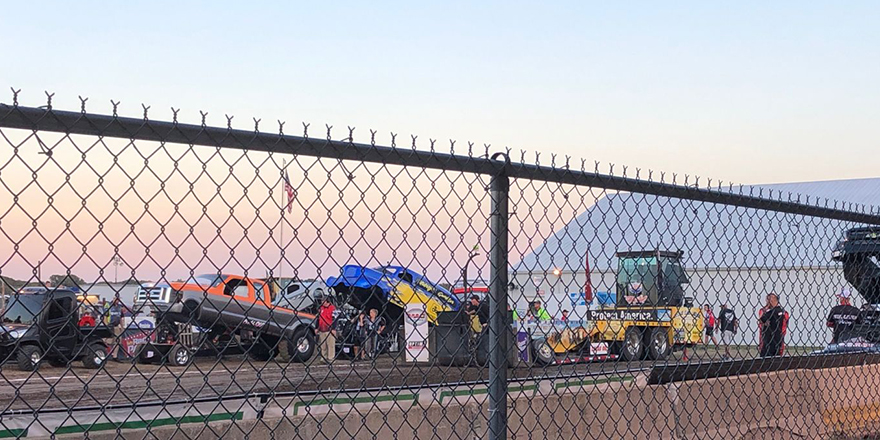
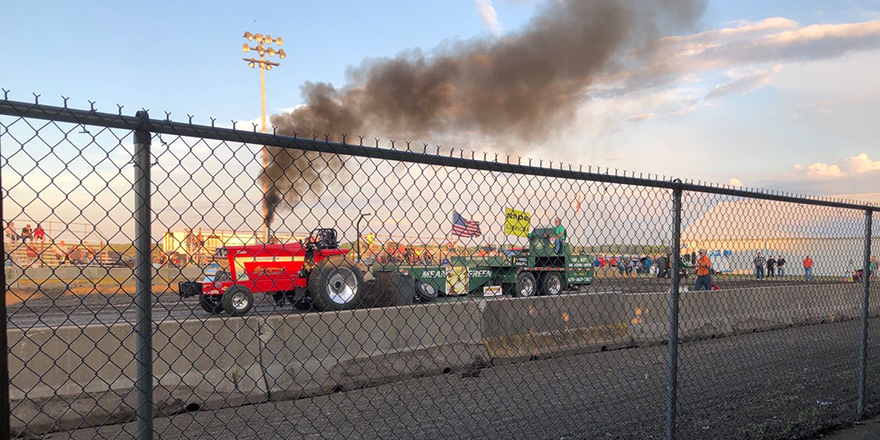
Also you cannot be in the rural country of the US without going to a local community fair, with the tractor and truck pulling! Thanks to the local farmers for inviting me to go with them. 

Also posted about one and a half weeks ago. 

I spent a great day with the Champaign Farm Bureau and the corn and soybean growers in Illinois, this is part of the USA corn belt, and they rely on rainwater not irrigation for crop growth.  

The weekend before I arrived, they finally had some rain. Before this the crops were looking dry and the corn was starting to curl. 

The farms here have grown significantly in size over the last decade which has happened in line with increasing machinery size. They have much larger machinery here than New Zealand because the landscape is so flat. They can get 18m wide heads on their combines. 

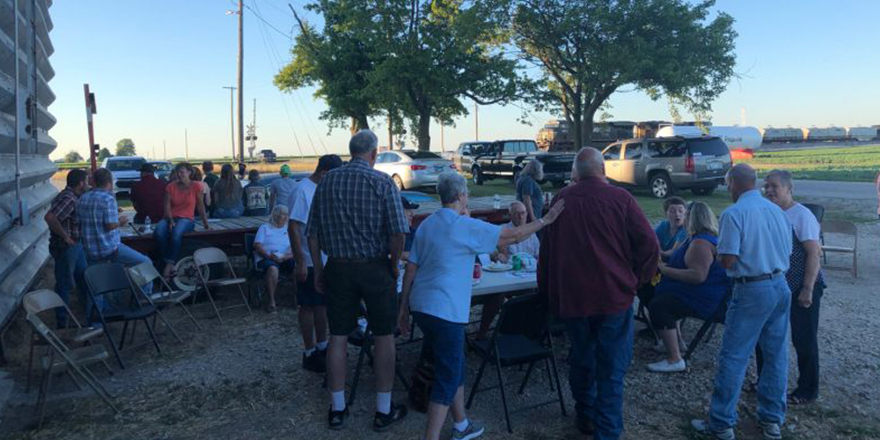
The day ended with a BBQ put on by the Farm Bureau. Thirty local farmers took part at an unused grain elevator. The Farm Bureau then announced some funding they had received from the federal government to improve rural broadband and to encourage more use of cover crops. 

Thank you to everyone who made me feel so welcome here!  

Fair Oaks, Indiana.

Mid July 2022

Today filled me with lots of hope. I went to Fair Oaks Farms in Indiana where they are doing a fantastic job educating the public on where our food comes from.

They have three farming systems they teach the public, a dairy farm, a piggery, and crop farming.

The dairy operation was both conventional and robotic milking. They milk 2800 cows in one facility, split between a 72-bale rotary (that operates 24 hours a day) and robotics. With the milking robots they have 12 robots milking 800 cows.

Madison, Wisconsin.

Late July 2022

I met a great leader today; someone I truly look up to. Dr Molly Jahn is a Programme Manager in the Defence Sciences Office at DARPA. Previously she was Under Secretary of Research, Education and Economics at the USDA. 

Her work at DARPA looks at the wider risks and opportunities in the global food system. I got to spend three hours with Molly and her husband discussing the food system. They also took me on a tour around the Wisconsin area and explained the diversity of the food system there. 

This was a real honour for me and shows the doors that the Nuffield New Zealand Farming Scholarship can open. 

St. Louis, Missouri

Second half July 2022

The last few days have been full of fantastic conversations around the food system. From the potential of GMO crops to continue to feed our world, to speaking with Dr Jacqueline Applegate, President of Bayer Crop Science North America, about the climate change weather patterns we are currently experiencing. And finally, on to conversations around building more resilience in our food system with senior professors from the University of Illinois.

The University of Illinois is a leading agriculture university and is heavily involved in supporting the agriculture community with new research. Their Farmdoc website is used to share information, resources and tools with farmers.

Next stop – Texas.

Thank you Rural Leaders, their partners, and the Ministry for Primary Industries (MPI) for making this all possible!

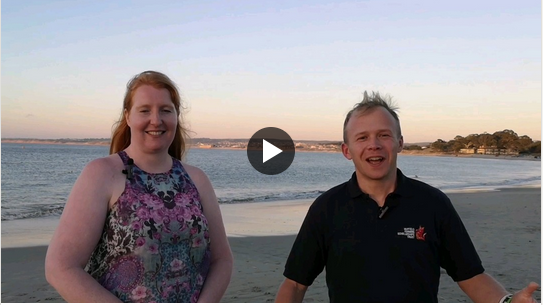
Lucie discusses her Nuffield study with 2021 UK Scholar, Chris Manley.

Posted about five days ago by Chris Manley, 2021 UK Scholar. 

Data Interoperability – struggling to get systems to work together? Not sure how to analyse and make the most of your data? What is the value of your data? 

Thank goodness my fellow Nuffield Farming Scholarships Trust Scholar Lucie Douma from Nuffield New Zealand is travelling the world to bring some clarity to some of these questions. 

I was delighted to catch up with Lucie to hear how the research is going and to hear her views on leadership.

The Nuffield Contemporary Scholars Conference 2022.

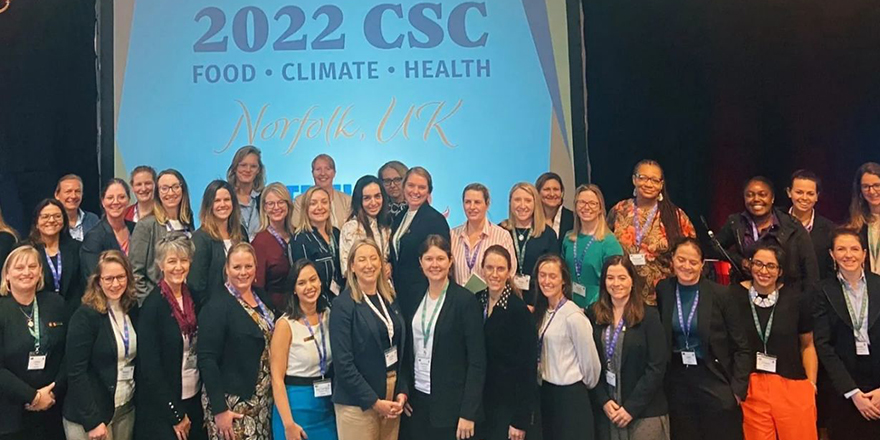
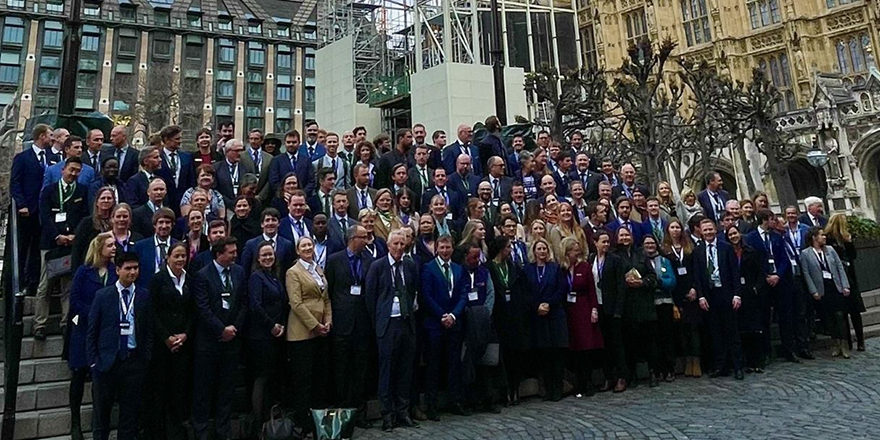
Lucie Douma and Parmindar Singh, 2022 Nuffield New Zealand Farming Scholars, have been in Norfolk, UK, for the Contemporary Scholars Conference (CSC).

Back after two years’ hiatus, due to the Covid-19 pandemic, the CSC ran between 7 and 15 March.

The Contemporary Scholars Conference – all together now, finally.

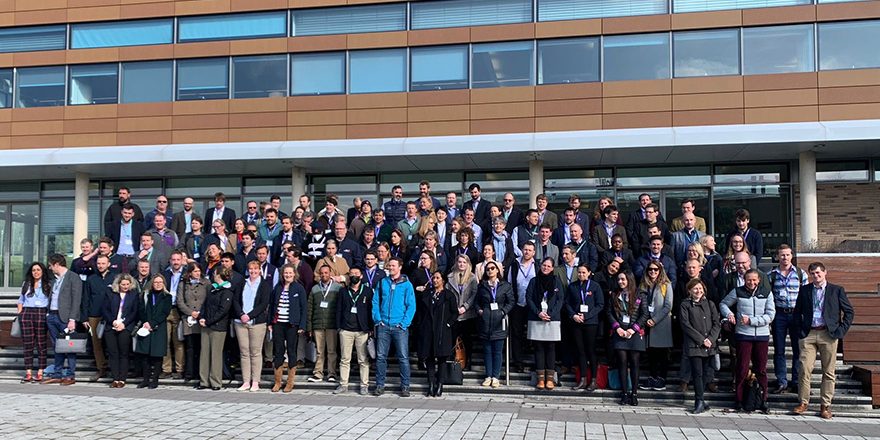
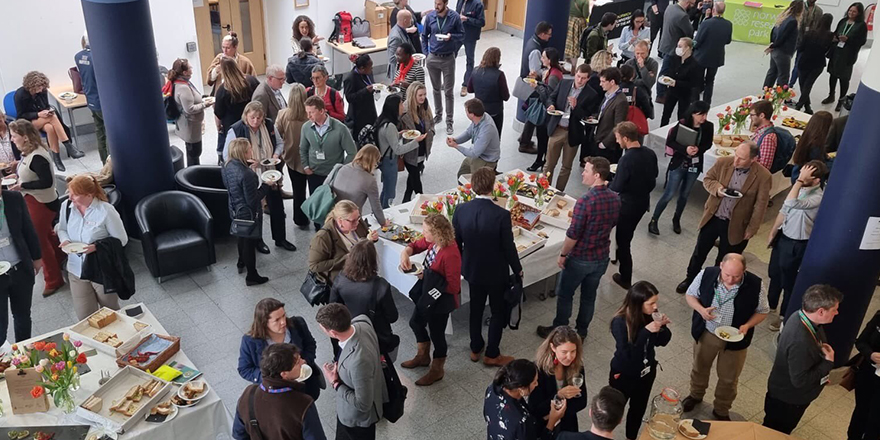
The Conference gathers Scholars from the current year and creates opportunities for them to learn and get to know each other at the start of their Nuffield journeys. Nuffield Scholars each bring different expertise, and all are keen to share knowledge and discuss the big challenges.

The CSC is followed by the Global Focus Programme (GFP), where Scholars split into groups to travel around the globe, visit multiple countries, businesses, institutions, and research organisations. On the GFP, Scholars will begin to dig deeper into their topics of interest, they will gather information and explore solutions and ideas.

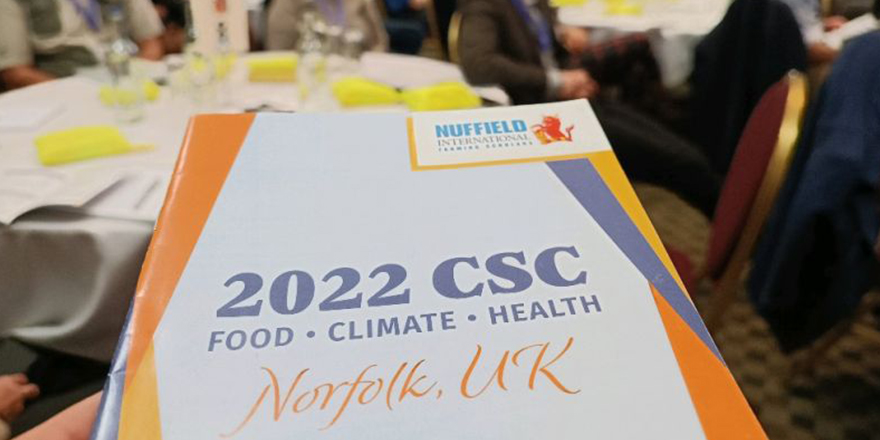
CSC 2022 – Food, climate, health.

The theme of this years’ Conference was “Food, Climate, Health”, but by all accounts, the discussions were far reaching and went beyond the theme, not surprising given the aim of any Nuffield initiative has always been to look at things differently.

The Conference itinerary was packed with quality content, Q and A sessions, workshops, and plenty of opportunity for networking between Scholars.

In a post early on the CSC, Lucie and Parmindar both share the excitement,

“What a privilege to be able to join 150 people from across 15 countries at the Nuffield Contemporary Scholars Conference in both Norwich and London.

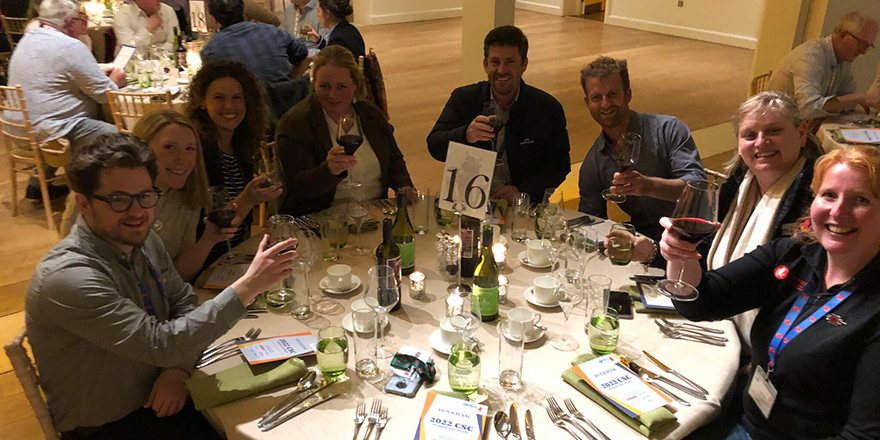
The week was packed with inspirational speakers, farm visits, gala dinners, meeting MPs, and getting to know how other countries farm. We’ve met some incredible people along the way.”

The elephant in the room: War time food security.

When the Conference was planned, everyone’s mind was preoccupied with the Covid pandemic and when we would get that under control. If we only knew…

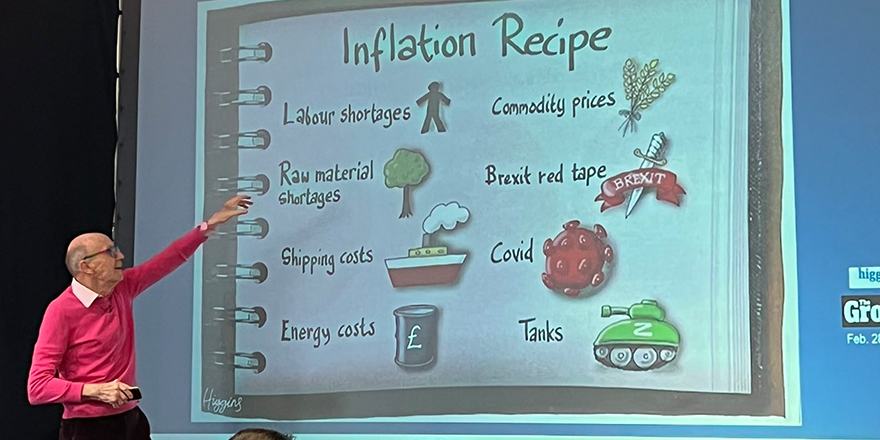
Just couple of weeks before the start of the CSC, a new global challenge arose – the Russian invasion in Ukraine, bringing a tsunami of worries around the world – the humanitarian devastation, the economic sanctions, the shifts in the political stances on so many issues. But there are massive implications for the agricultural sector and food security, caused by the war and the sanctions imposed on Russia and Belarus.

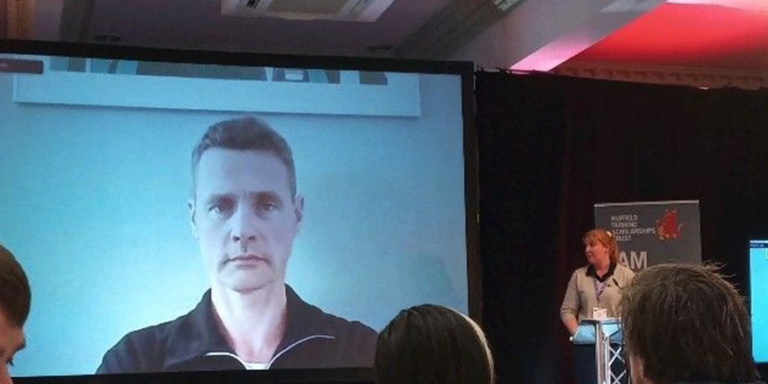
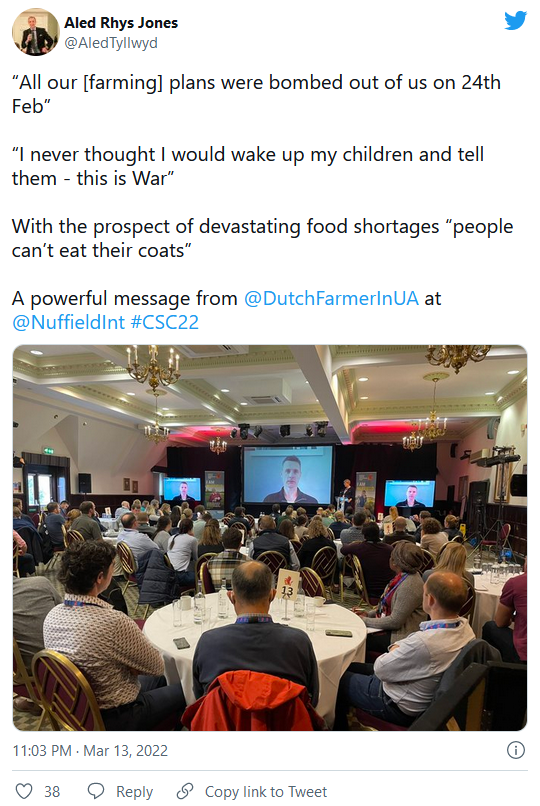
As part of the conference a Dutchman, named Kees Huizinga, who farms in Ukraine, addressed the scholars and talked about what it is to farm in a war zone.

As Lucie recounts, “Kees gave a sobering account of what is happening on the ground in the Ukraine, where farmers have less than a two-week window to plant their crops for the next year, including wheat. They are short 200,000t of diesel and are afraid to drive their tractors at night because they light up like Christmas trees and become targets.”

Everyone in the room felt the situation required immediate action.

“I just heard of a group of UK farmers who are driving to the Ukraine border next week to drop off supplies. This is real action. My question to you is what can we do from New Zealand to support these farmers?”, asked Lucie.

Scholar, Camila Hayseldon-Ashby, from the UK also conveys the sense of urgency and desperation she felt during Kees’s talk:

“As well as the humanitarian and moral impact, the war will have a huge impact on food production. We go to our political representatives and make sure they understand how this is impacting food production and global food security.”

Aled Rhys Jones, Nuffield Farming Scholar, broadcaster, and podcaster tweeted,

Visiting the locals: Condimentum.

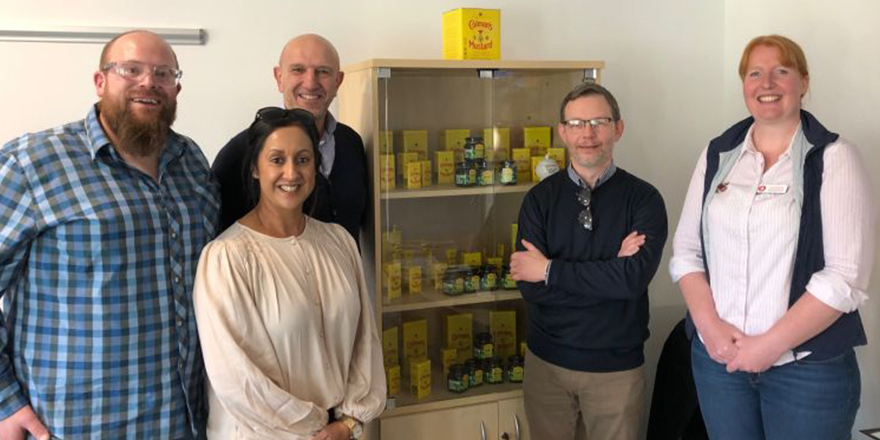
Another highlight for the New Zealand Scholars, was the visit to Condimentum. Lucie shared on LinkedIn after the meeting:

Great to spend the morning with CEO, David Martin and the wider team at Condimentum where they are going through an exciting Growth stage while servicing a 10 year contract with Unilever to supply Coleman’s Mustard, an iconic brand in the UK. Parmindar Singh and myself learnt a lot about the mustard business and suggested ways they could use their by-products as an income stream instead of a waste stream #Condimentum

The end of the beginning.

The week appeared very intense and busy, even from afar, and in Lucie’s words “An excellent week spent getting to know 150 scholars, across two years from all around the world.”

Another attendee, Helen Wyman, quoted Nuffield Scholar Wyn Owen at the conclusion of the conference – ‘The end of the beginning’ as she elaborates on the experience,

“On Tuesday I returned home emotional, tired and overwhelmed but after a few days of reflection I am excited about the future and look forward to visiting my new friends around the UK and the globe very soon.”

These were only some of the anecdotes from the conference. We’ll hear more from Lucie and Parmindar when they return to New Zealand to collect their thoughts.

The conference is over, but the journey still lays ahead. For most of the participating scholars, it will never end. After all, being a Nuffield Scholar is, above all, a mindset – to keep searching, keep daring, keep improving. 

Ben Todhunter: Observations from a high-country station.

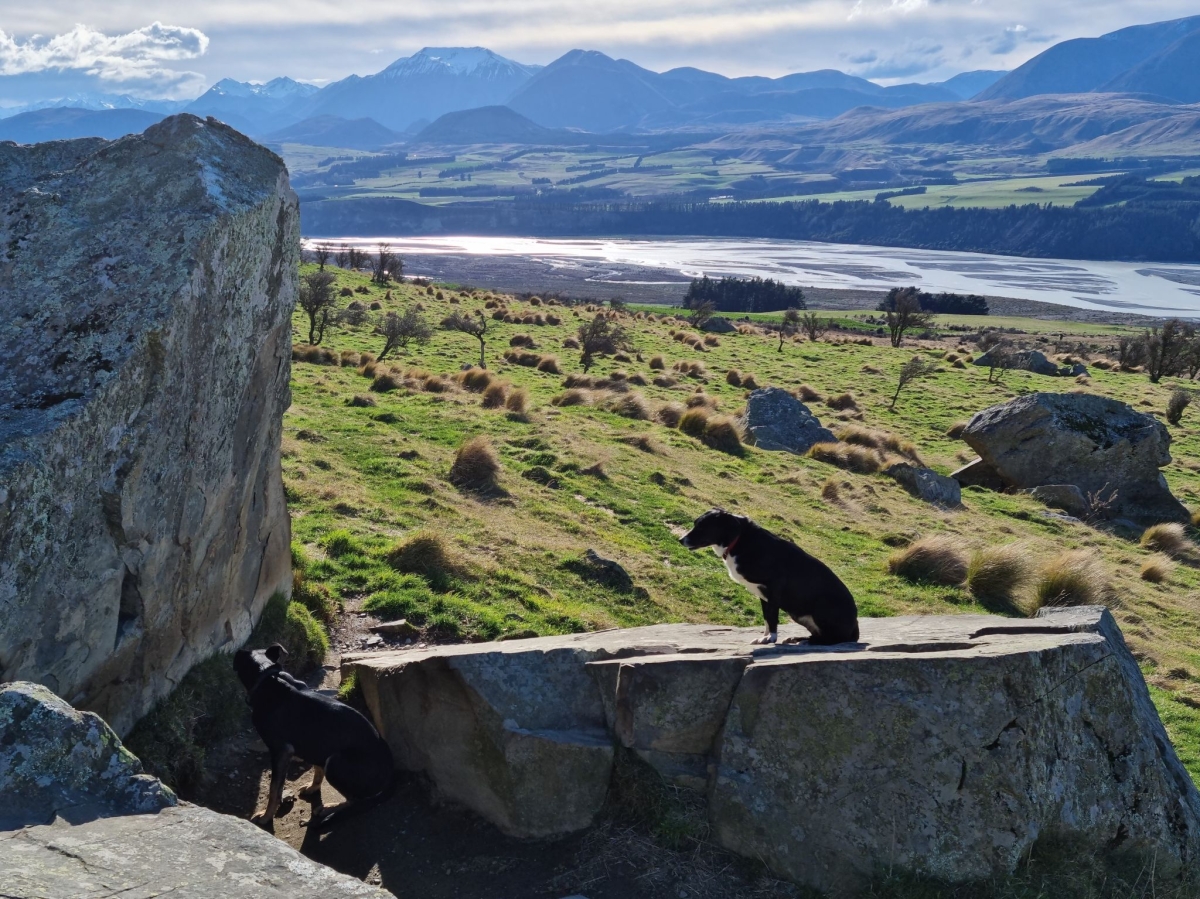
Ben Todhunter is a 2006 Nuffield Scholar and High Country Farmer. He farms Cleardale Station with his family in the Rakaia Gorge, Canterbury.  

Below are the closing lines from Jim Morris’s poem ‘Rewards’. They capture the spirit of the high country farmer and as such are personal to Todd. Jim Morris was from neighbouring Manuka Point Station, and is now retired.

The ranges vast are here to stay 
And he’s content to spend his day, 
Working in their rugged grip 
His recompense – the love of it.

This is a compilation of some of Ben’s LinkedIn posts from 2021.

#1. Pressure and release

December 2021 

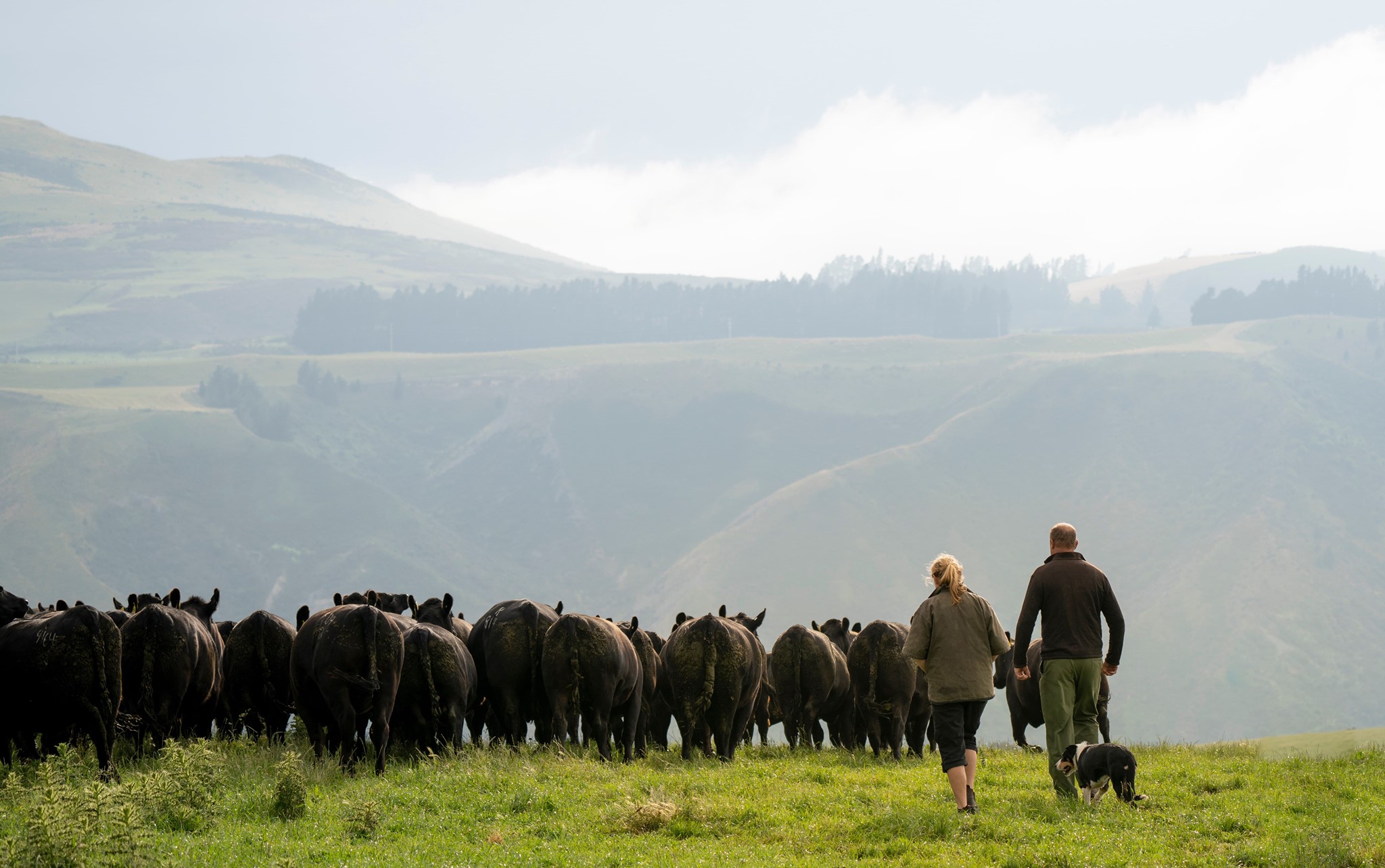
A young calf got caught away from the main mob. Rather than applying pressure to the calf, Ben backs off, mum doubles back to bring the calf back to the mob herself. 

Quoting Monty Roberts, Ben writes:

Pressure and release. It’s a fundamental tenet of moving livestock. It also applies to humans as well. As a leader, working with tension or pressure to grow someone is a balance. How do you learn to get the judgement right?

Lesley Prior, Tellenby Merino Stud, Commented:  
Great example of good stock handling. Quiet, patient and ‘going with the flow,’ but with gentle direction where necessary.  

#2. Pondering geology

October 2021 

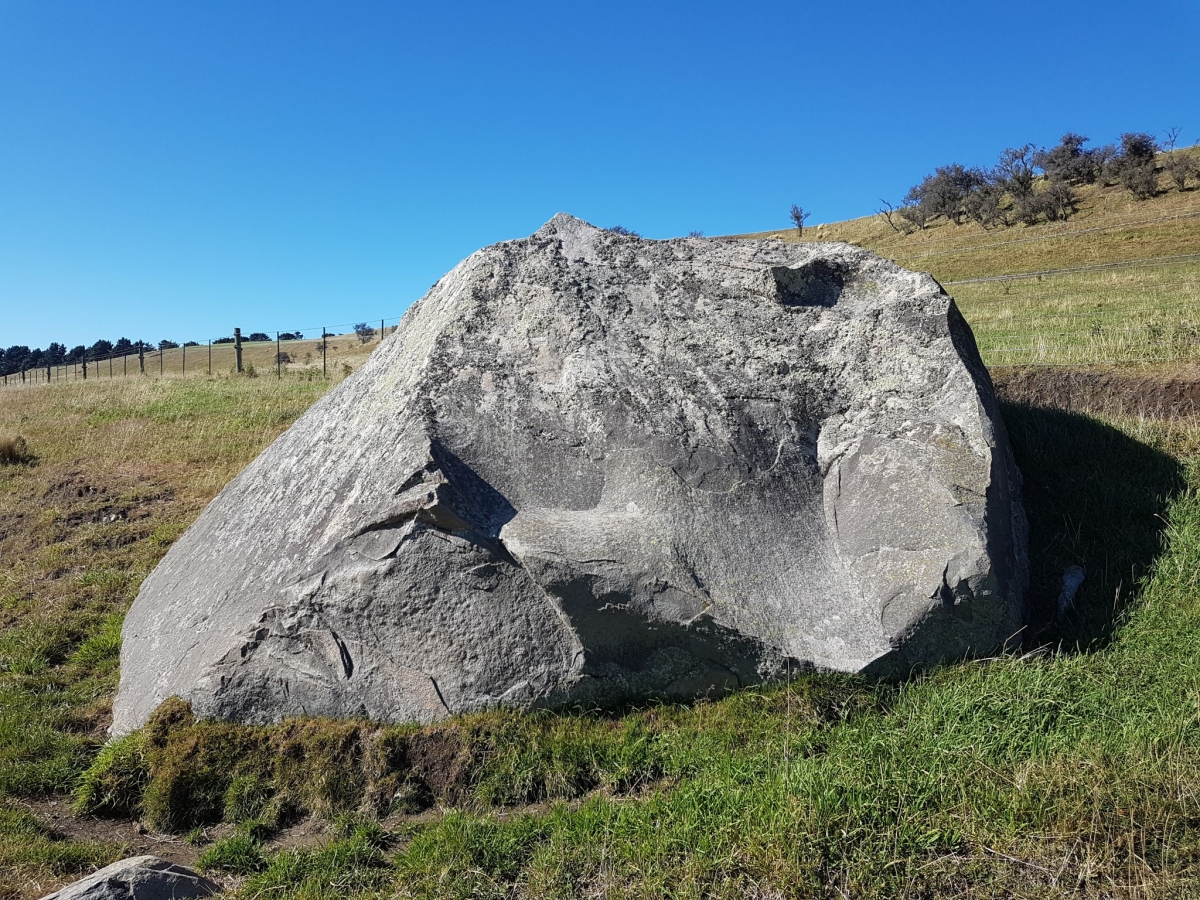
Ben observes that the rocks and stones scattered on his farm have ancient stories to tell.

Ben writes:
A collection of photos of some terminal and lateral moraine boulders. The greywacke rocks have fallen onto glacial ice and were carried up to 70km before being deposited in-situ approximately 18,000 years ago. 

The greywacke was formed over a 200-million-year period as tens of thousands of metres of sediments built up off the edge of Gondwana. The sediments were eventually buried, deformed, hardened, and uplifted to become the rocks that formed the Southern Alps. 

Link to ‘Te Ara – building a continent.’ 

It’s useful therapy to ponder the stories of these rocks when considering your significance, or lack of, in the world. 


Victoria Harvey, Climate change PHD researcher, commented: 
A great reminder of our place and time in this world. Plus, very clean air judging by that lichen. 

#3. Embracing technology

November 2021 

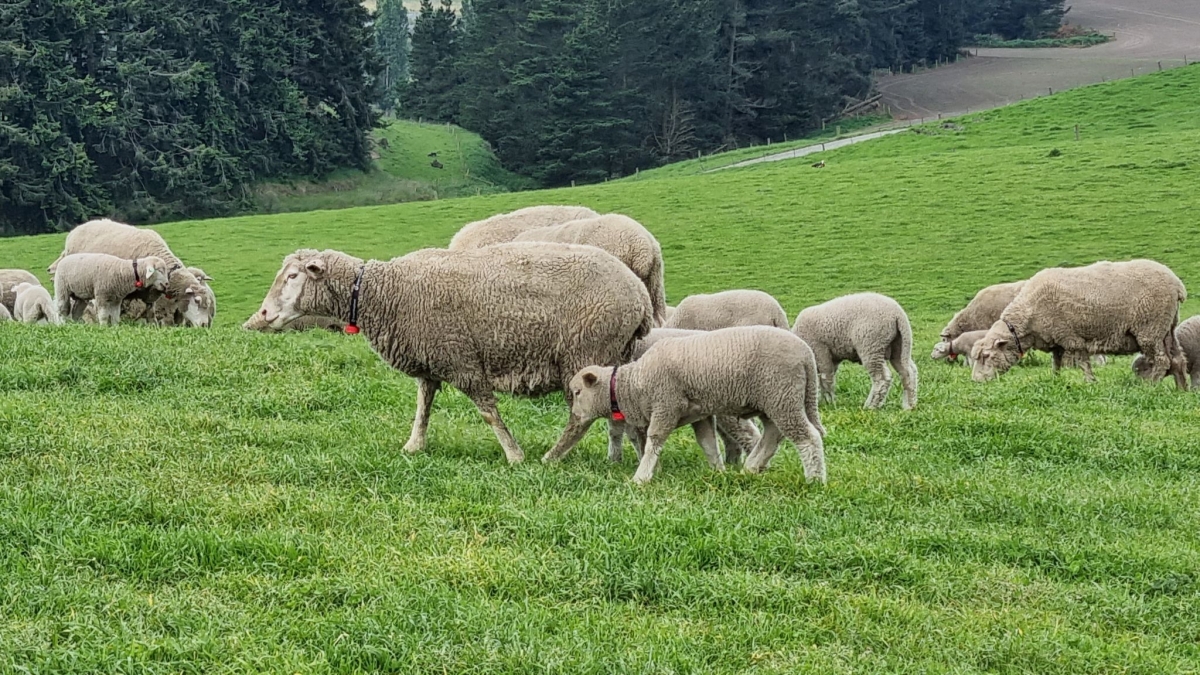
To reduce the time intensive process of matching dam with lamb, and at the same time increasing the quality of pedigree data, Ben introduced smart collars to Cleardale.  

Ben writes:
Our current master shepherd (my father) is proving difficult to replicate and scale. These collars have Bluetooth technology and record proximity to other tags. If they are worn for 48 hours they provide an accurate record of the lambs and their mothers. 

This is the same technology that can be used for some of the proposed contact tracing systems for disease management.  

Helen Thoday, Solutions and Development at DairyNZ, commented: 
That’s so much better than binoculars and spray-painted numbers.

#4. Perspective

May 2021 

Ben observed an interesting play of light and perspective. 

Ben writes:
Fascinating light on a frosty evening. They say the best time to show off livestock is in the afternoon light, but this may be taking it to extremes. 

Gordon Ray, Lecturer at Grenoble Ecole de Management, commented: 
On first impression, almost looks like a bubbly lava flow; when I noticed it’s sheep moving. I’ve worked with a large herd of sheep (1600) and the movement is so fluid as to almost look like slow motion water. Very cool video – thanks for sharing! 

Ben comments:
Gordon Ray, large groups of animals can have real flow. 

#5. Pushing too hard

November 2021 

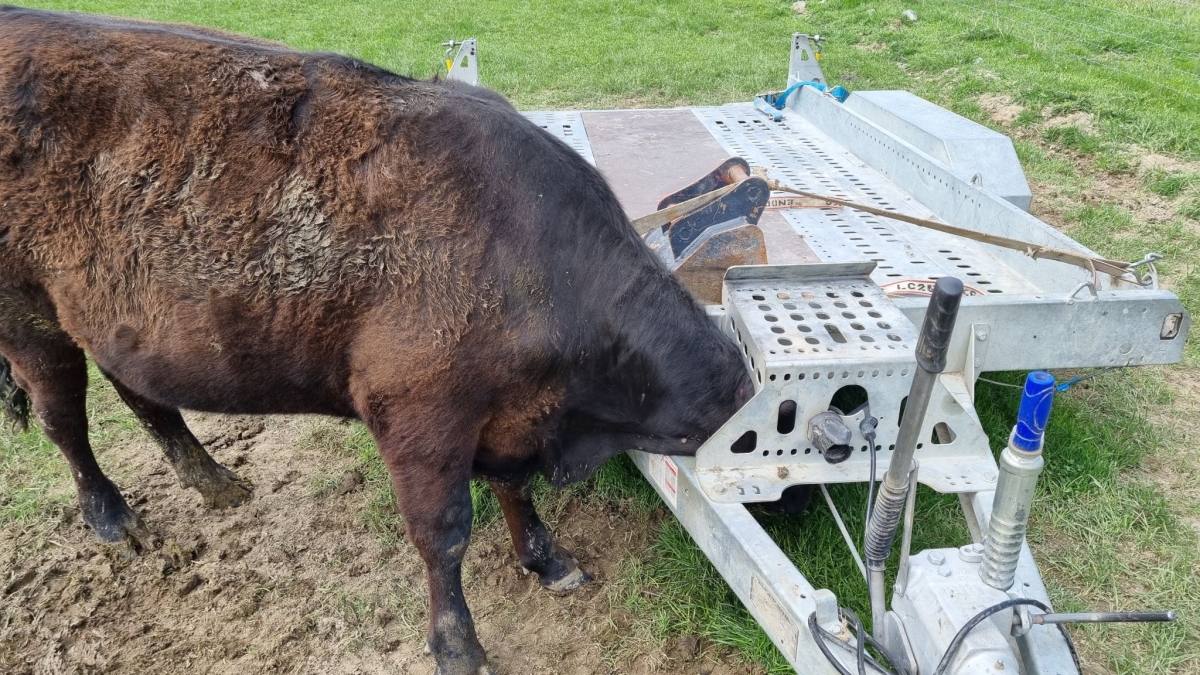
Curiosity or greed? A heifer gets caught in farm equipment looking for the lush grass beneath it. (the heifer was freed unharmed!)

Ben writes:
You know that time when you just go a little further than you should’ve? 

Peter Stannack commented: 
Boundaries are for testing. How else do you find out who you really are? 

#6. Filling your soul

January 2021 

Concepts of mindfulness, wellbeing, and connection to nature are explored in this post.  

Ben writes:
There’s something deeply therapeutic, listening to and watching water. 

This Awa or river, the Rakaia, is a big part of our lives and has many moods. Here it is flowing at 145 cumecs (cubic metres per second). The highest peak flow ever recorded was 5594 cumecs at midnight on January 9th, 1994.  

We are involved with two groups protecting the special landscapes, flora, and fauna of The Rakaia from the gorge to the main divide. I’d like to extend that to the Coast as well. In a recent assessment the Rakaia scored the highest of all the braided Canterbury rivers to be proposed for World Heritage status. 

The Whanganui River has been granted the status of a legal person. “I am the river; the river is me” affirms the deep connection of the Māori tribes of Whanganui to their ancestral river. 

My connection to the Rakaia is not in that form. It is in the form of wonder, and respect, and love, and a place I can go to fill my soul. Where do you go to fill your soul? 

Sam Martin, Exterior Architecture UK, commented:  
Anywhere I can walk under trees works for me. Which is lucky given the situation here in London and our living so close to many commons and parks. 

#7. A river runs through it

October 2021 

“You have my full attention.” Was Mac’s response to a text last year. 

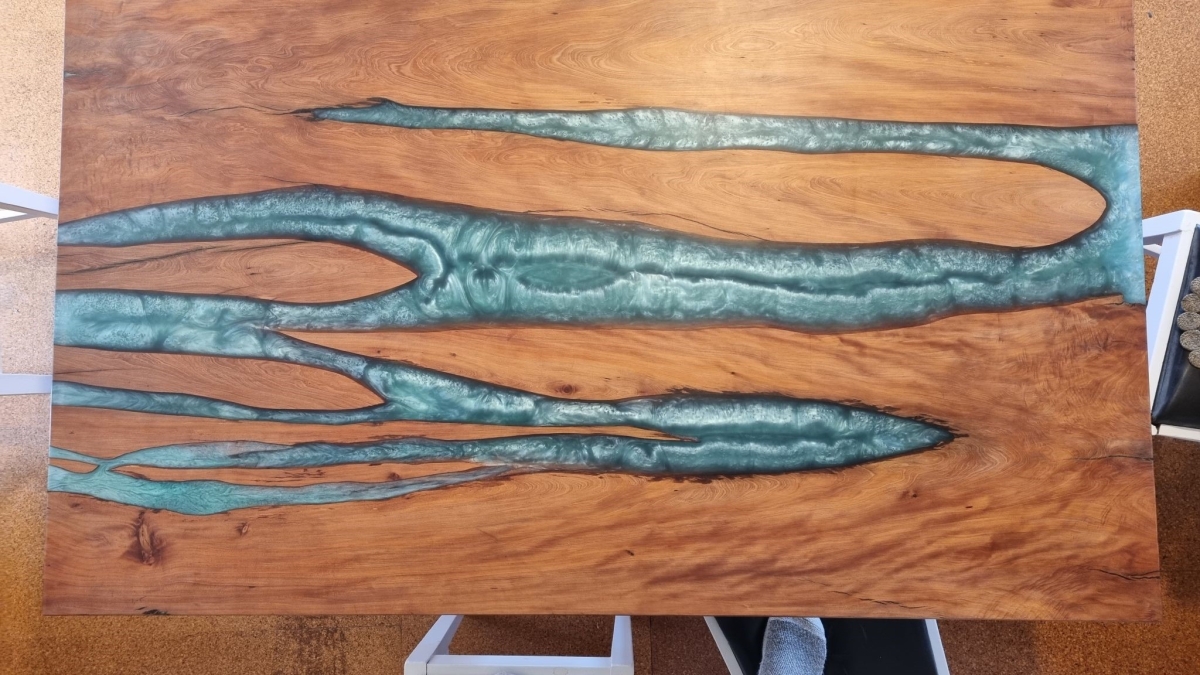
This is a story about the power of story. The story of a table with a story that tells a story. 

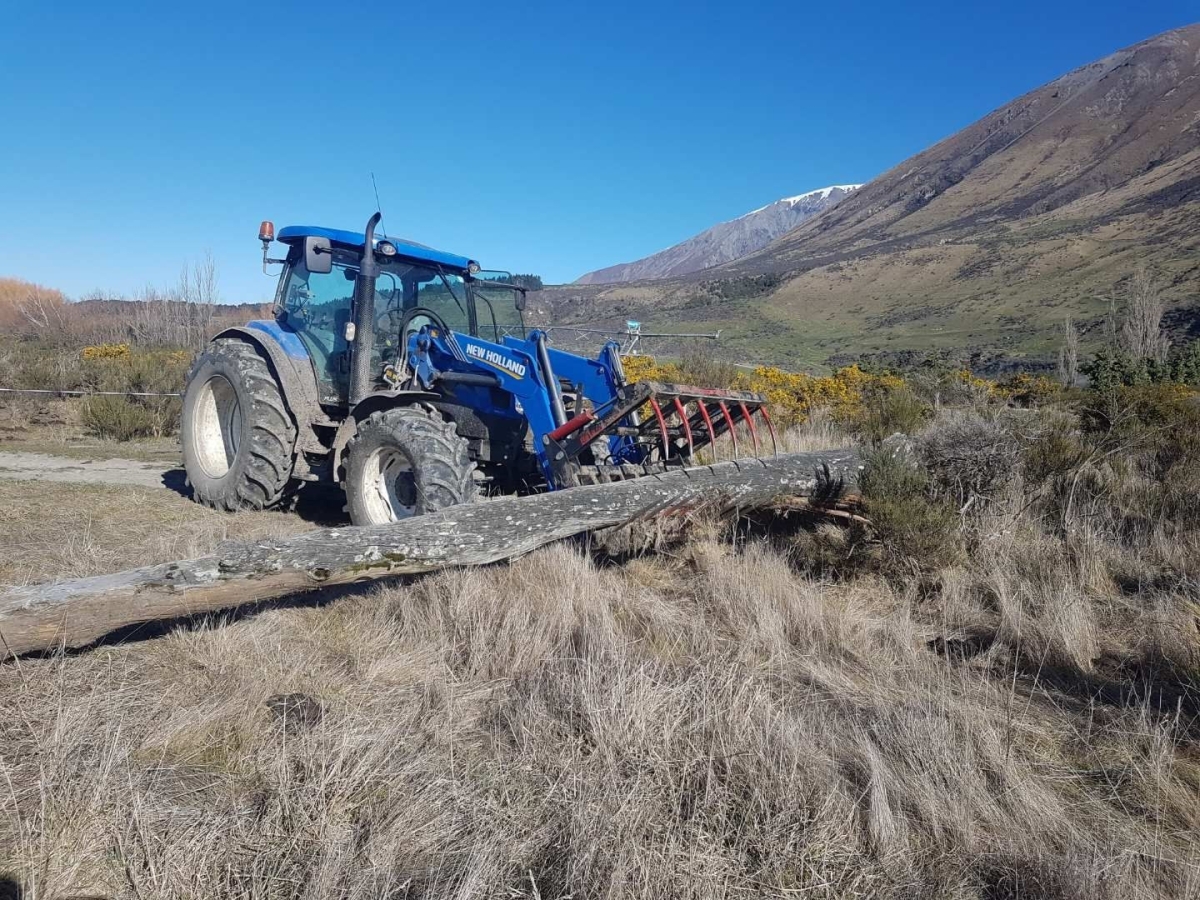
We live beside the Rakaia River. Our Awa originates in the heart of the Southern Alps/Kā Tiritiri o te Moana from the Ramsey and Lyell Glaciers. It is a braided river coloured blue from the glacial flour at its origin. Occasionally Totara logs are carried down river from the mountains and are deposited in front of our farm. 

Now Mac who was a neighbour and a top ad man, has now retired and become an accomplished luthier. He’d made me a stunning guitar from a previous piece of Totara and had expressed interest in working again with the special wood. So, when I found a suitable log, I sent a photo and immediately received the above reply. 

Half an hour later he was on site thinking of possibilities. In his words “You are being trusted with an absolute gem of a tree, and you prepare it with the full respect and care that its mana demand. It was an absolute privilege to be asked to give this tree a new life.” 

We then carved out a small bit suitable for guitars and kept the remainder. Maybe to build a table… 

A few weeks later Mac asked if we’d like him to make a kitchen table for us. 

Yes! Yes, was the response.

Mac enlisted the help of another neighbour and master wood whisperer Rob, to craft something special. 

We had a few other pieces of wood from the replaced decking and guardrails of the historic Rakaia Gorge bridge and knowing the talents of these two we provided dimensions for our house and for my frame and left them to it. 

Now for those who know about farm tables, a lot of business gets done around them, people are hosted, discussions are held and family times are lived around these tables. Being a storyteller Mac knew this and wondered if the table could tell a story? “Could it become a centre-piece, not just physically, but also emotionally and attitudinally? Could it have personality?” 

The idea of a river table was born. A table with whakapapa. 
“The idea was to re-create the tree’s relationship with the Rakaia River, representing its journey to Cleardale and the farm’s relationship with the river.” 

And that is what we’ve got. Timber from the mountains, carried and battered by the river, inlaid with a representation of that braided river and held up by timbers from a bridge to the past, repurposed to create memories into the future for a family whose lives are intertwined with that Awa. 

A special Taonga, which has a story, tells a story and will be part of many more stories. Thanks so much gents. 

Partha Ghosal, Clean Energy, commented:  
“You had my full attention.” So much so I read it twice! Never knew of Totara, let alone that it could make a stunning guitar/table. Something to do with your storytelling flair and a Luthier giving full respect maybe? Just love what you, he, and your wood whisperer achieved in the end. Your special Taonga.