2026 Nuffield NZ Farming Scholarship. Apply by 17 August 2025. Read More...

Apply for 2026 Nuffield NZ Farming Scholarship by 17 August 2025. More details...

Lucie Douma and Parmindar Singh reporting from abroad.

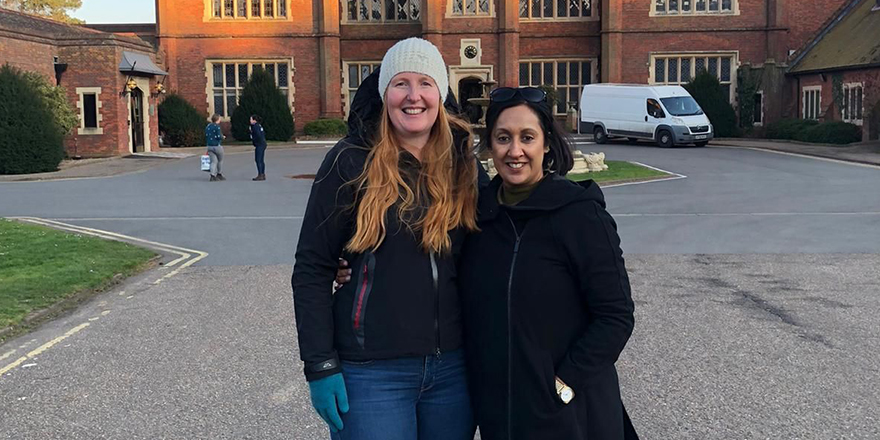
After a two-year hiatus courtesy of the Covid-19 pandemic, the Contemporary Scholar Conference (CSC) finally took place this year, in Norfolk, UK. Lucie Douma and Parmindar Singh, 2022 Nuffield Scholars, attended and reported back on the event and their travels. The following article brings together these reports.  

As part of their scholarship programme key milestones, they also compiled a brief insight work report.

Follow the links to read Lucie and Parmindar’s Insights Reports.  

The 2022 Nuffield Contemporary Scholars Conference.

“Lucie Douma and I represented New Zealand this year. The Contemporary Scholars Conference was a great way to start the global aspect of our Nuffield Programme. The Conference provided an opportunity to meet global agricultural enthusiasts and build new network of connections,” says Parmindar Singh. 

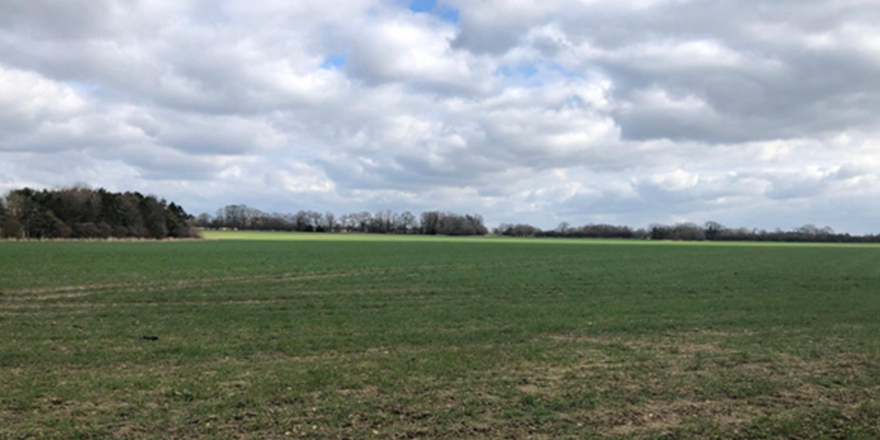
“Our hosting region, Norwich, is predominantly arable farming with notable long time family estates. The landscape, climate and access to water very much determines land use and production. 

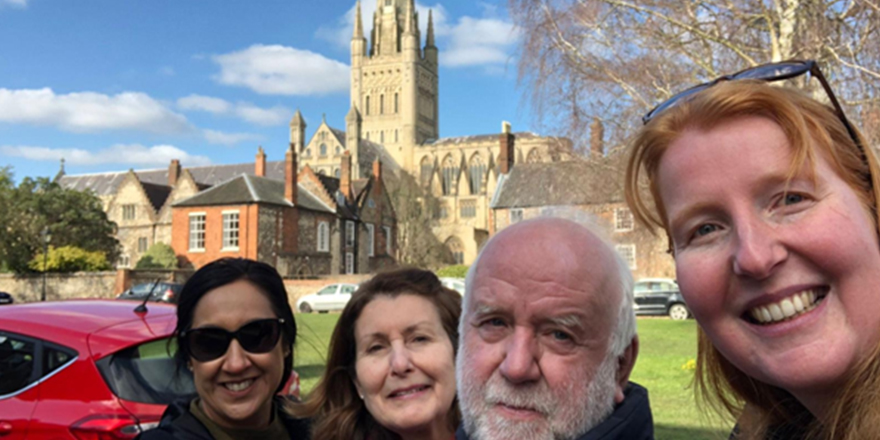
“Before the CSC, Lucie and I were very generously hosted by Christine and David Hill. David is a Nuffield Scholar who is still very active in the Nuffield community. David travelled the world to study biotech crops. His wife was a science teacher and very involved in agricultural education and research and is also actively involved in several Norfolk organisations working in this filed. They manage their 500+ha arable farm. 

“David and Christine showed us around their neighbourhood, we visited a local dairy farm and learned about the Hill’s arable business and family history,” shares Parmindar. 
Sharing New Zealand with the world.

New Zealand, our farming systems, and the positioning we have on global markets was part of virtually every conversation Lucie and Parmindar had at the CSC. This was driven in some part by a presentation Lucie and Parmindar gave to those attending. This was a brief overview of the New Zealand food and fibre sector. 

“At the start of each day of the CSC, representatives of all participating nations were asked to share a short presentation of the agricultural sector in their respective countries. In all cases the ten-minute time limit was not enough, and we were no different,” shares Lucie. “For our presentation, Parmindar opened with our values and understanding towards agriculture and how we incorporate the principles of Whakapapa and Kaitiakitanga.  

“I did the second half of our presentation and covered the key statistics of farming in New Zealand and shared our vision of fit for a better world.” 

Parmindar adds, “ Learning from other scholars about their country and their agriculture, was always a highlight of the day. To be given the opportunity to explain more about what we do here at home was a time for reflection on how proud I am to be a New Zealand farmer.” 

The CSC business hackathon.

One of the initiatives included in the conference programme was the so called “business hackathon” where each group of scholars visited four different businesses over one day. 

“The visits started with a 20-minute induction about the business followed by a specific challenge. Then as a group, we had to come together with a result – a solution to the challenge. We then had to present this to our hosts at the end of each session,’ explains Lucie Douma. 

“It was an interesting way to get to know more about some of the notable businesses in the region. I really enjoyed the exchanges we had during the hackathon with the other scholars and the local business community,” adds Parmindar. 
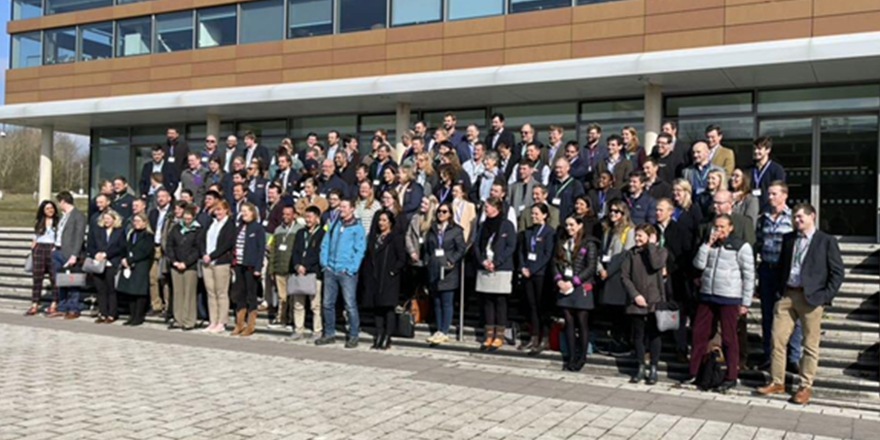
Two years’ Nuffield Scholars get together.

This year’s conference was the first after a two-year hiatus caused by Covid restrictions around the world.  

“It was great to have two years combined – instead of having 60 or 70 people, we had 140. Also attending were the 2020 UK Scholars and we got to meet some of the alumni,” recounts Lucie. 

Parmindar agrees, “All in all, CSC was a full-on conference, where we had the opportunity to meet passionate and enthusiastic global agricultural leaders.   

“Many scholars commented on how New Zealand punches above its weight and has created a name for itself as a premium agricultural production powerhouse. It seems we are known as a small country with a notable place in the premium agri-products market. 

“We also touched on many global issues around climate, water, and soil management along with political tension particularly with Russia’s invasion of Ukraine and the associated concerns for global food security. 

“We’ve both been reflecting on the last few weeks and feeling very privileged to have had the opportunity to engage with whanau from across the globe! Thank you Nuffield New Zealand, the CSC in Norfolk was invaluable,” concludes Parmindar.

Lucie’s post-conference travels: North England, Scotland, Shetland Islands, Norway and the Netherlands.
After the CSC, Parmindar travelled back to New Zealand to organise further travel plans for later in the year, while Lucie had the opportunity to further explore the United Kingdom and Europe. 

She went to Wales, where unfortunately she tested positive for COVID and had to spend a week in isolation – giving her time to reschedule her itinerary.  

“I went up through Northern England to The Lakes District and spent some time with farmers in Cumbria, and North Cumberland.  

“What really struck me is that people were facing similar issues to what we do in New Zealand. Almost all farmers who have similar systems to us, are facing the same challenges with labour access and input costs. It’s a global problem, not a localised one. 

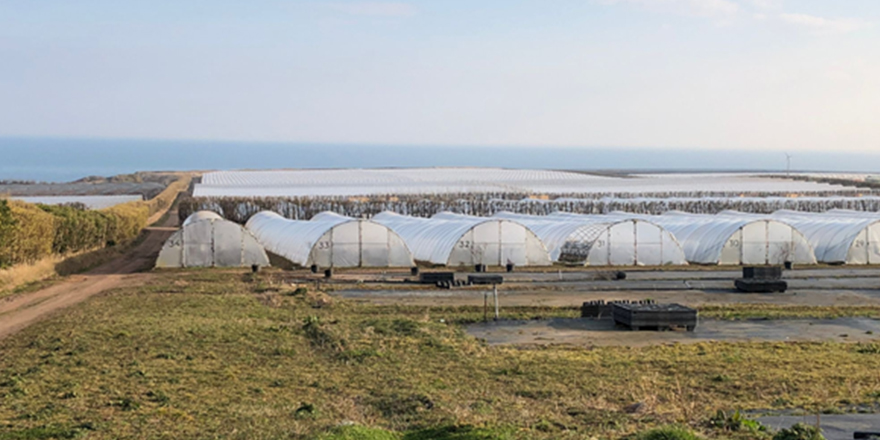
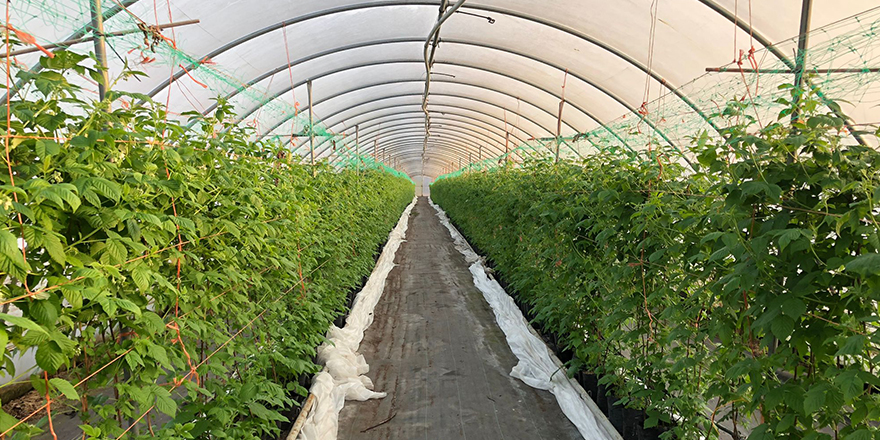
“In Scotland, I visited Angus Soft Fruits. These growers supply 15 to 20% of all the fresh berries to UK supermarkets. It was interesting to talk to them and hear about the challenges they face with Brexit, and what they are doing to secure the labour they need to harvest. They need roughly 400 seasonal workers over the main picking period.  

“They have contracts with growers in other countries like Morocco, Spain to ensure year-round berries are available for the UK supermarkets. It was informative to hear how they are dealing with the realities of modern farming,” says Lucie. 

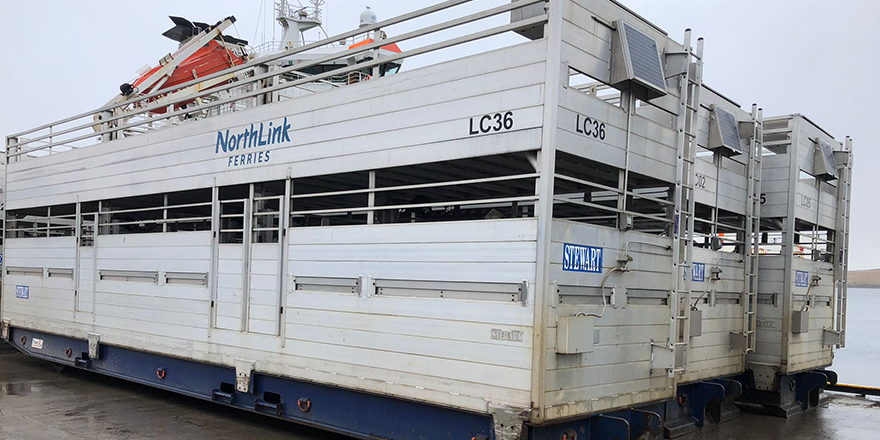
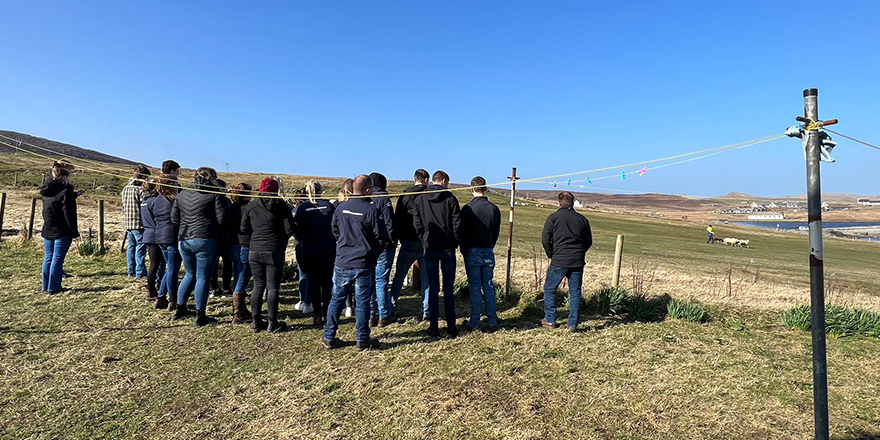
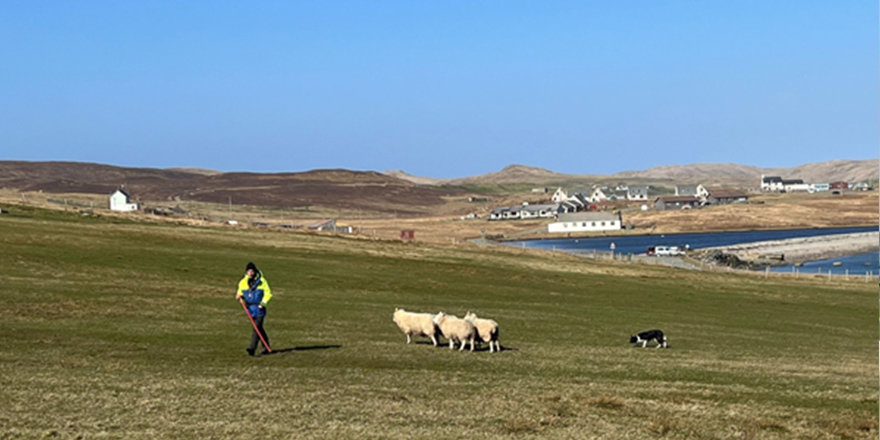
“The next stop was the Shetland Islands – probably the most eye-opening time I had. They farm so differently to us here in New Zealand, it’s a more community-based approach they have built there; where everybody supports each other,” explains Lucie.  

“They don’t have the same labour challenges as larger farming operations do, because they operate as one community, they operate on mutual support – helping each other in times of need. That really came across in my conversations with the people there. They have an active young farmers group  and I had the opportunity to spend a lot of time with them. I really enjoyed that,” concludes Lucie. 

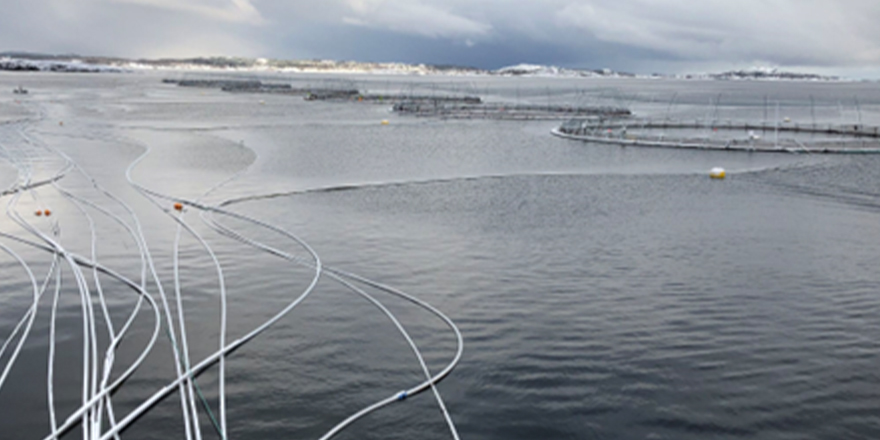
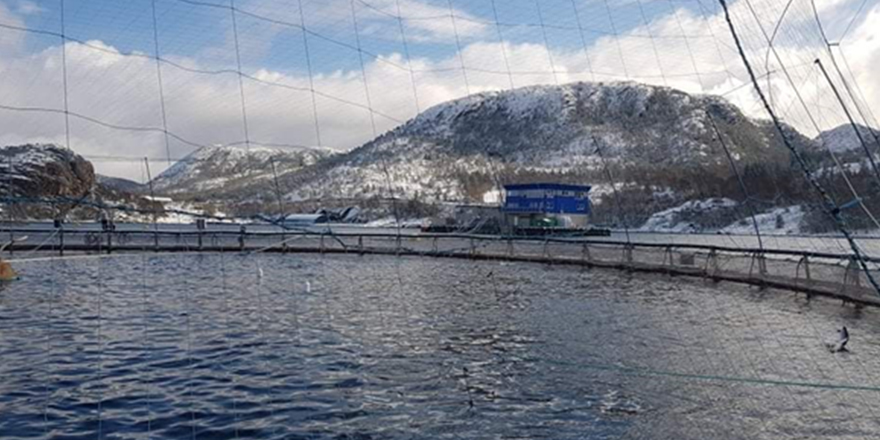
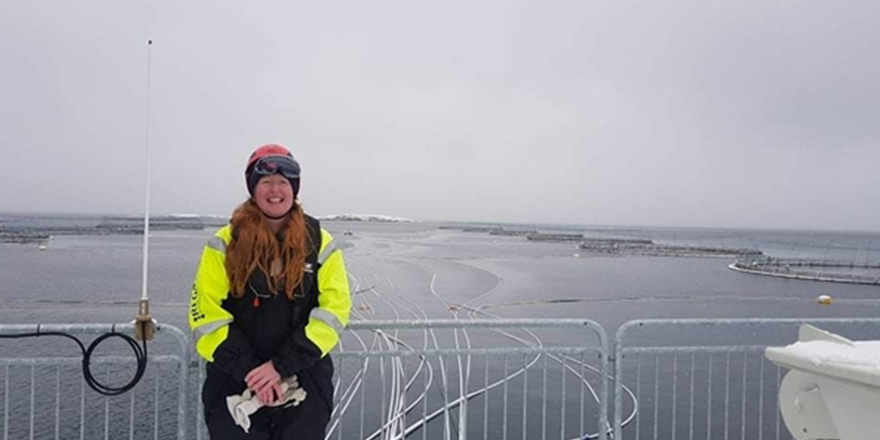
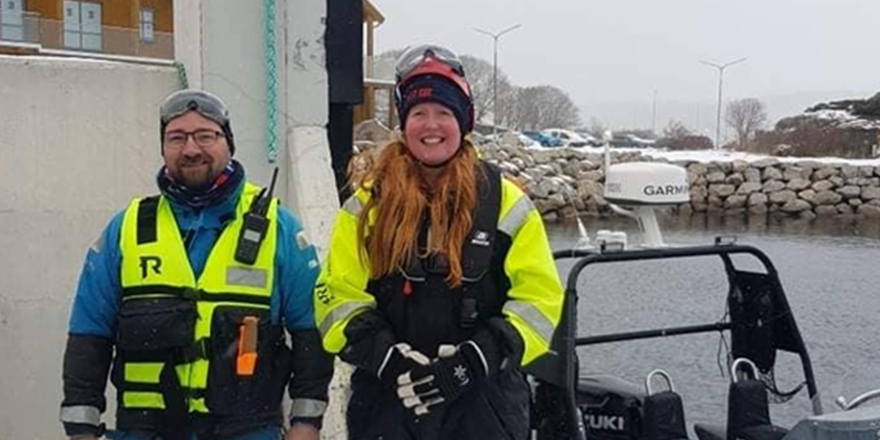
Next on the schedule was a visit to a Norwegian salmon farm. “This is an industry that has risen at pace and scale over the last few decades. The wild salmon population around the Norwegian coast numbers 500,000. This farm has 11 cages with the capacity to hold 1.8 million salmon and there are over 1000 farms in Norway such as this one. 

They are very advanced in some respects. When it comes to data management, similar issues exist around data interoperability of systems as with the agriculture sector. Biosecurity is an important issue for them as well,” adds Lucie. 

Lucie then headed to the Netherlands, but not before experiencing full Norwegian blizzard. 

The Netherlands had a highly advanced agriculture sector. From traditional horticulture and animal farming through to developing new industries, including camel milking.
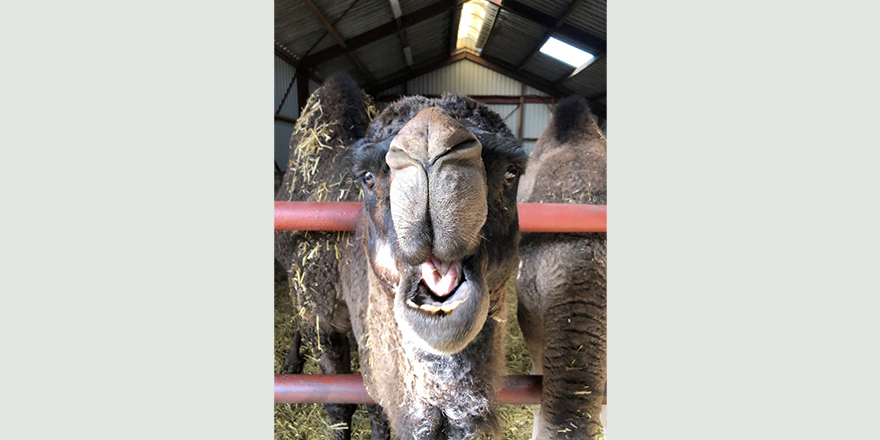
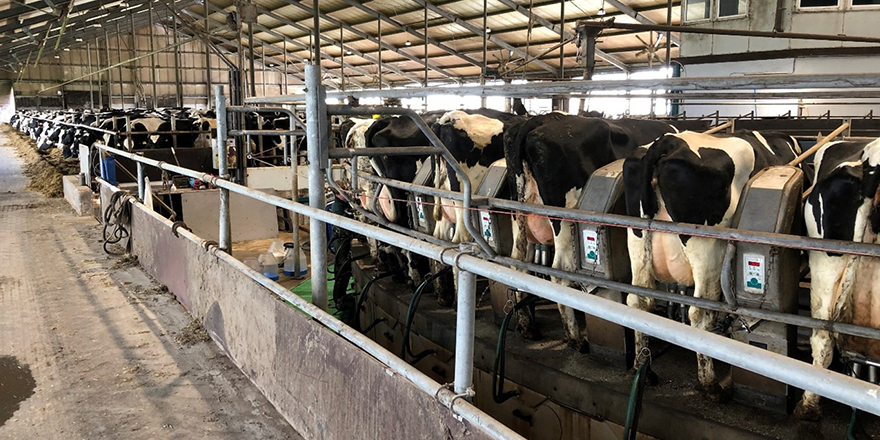
Land-use change in the Netherlands means incorporating energy production into the systems. Some arable farms where busy building large wind turbines and other farms had solar panel fields incorporated within them. Lucie visited advanced farming barns where the whole rood was covered in solar panels.

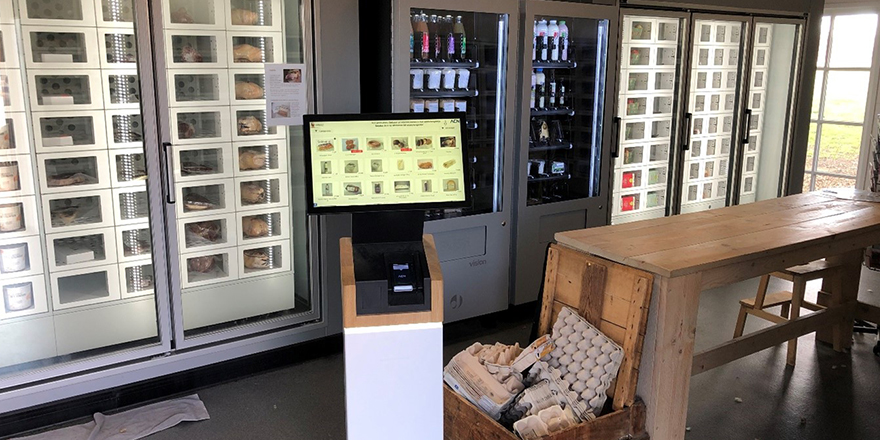
“With the Russia-Ukraine conflict, energy production and self-sufficiency has come to the forefront of farming. All farming systems I visited were diversified in some part, and they all had a farm shop in order to share the story of their produce and build strong connections with the local communities,” recounted Lucie.

You can read both Lucie and Parmindar’s Insights Reports here.  
Where it started – The Global Tour of New Zealand.

Value Chain Innovation Programme Logo

The ‘Global Tour of New Zealand’, as it was quickly named by 2020’s Nuffield Scholars, gave a unique view of the country’s food and fibre sector value chains. This year, the programme will be made richer still.

The Value Chain Innovation Programme will begin in September 2022 and is now open to a larger number of people in the primary sector. 

Building the value. 

A lot of work has gone into building a collection of exciting and varied case studies across dairy, arable, horticulture value chains. Participants learn straight from the source. They gain unique insights into food and fibre innovation, in both domestic and international markets.

The new programme gives a wide view of established and novel value chains. Participants compare and transpose thinking at a time when the primary industries are going through the biggest period of transformational change since the 1980’s.  

“If you’re in food and fibre, now is the time to be gaining a pan-sector view of as many successful business models as possible,” says Lincoln University Lecturer Prof. and Programme Co-facilitator Hamish Gow,

“Increasingly the most successful value chains are those with business models closely aligned to their customers, use protected IP, and provide innovative shared value structures.”

The programme runs over five weeks, two of these are spent on the road. The remaining time is spent on an individual research report. “It will be a busy few weeks, with the time commitment being 100 hours on field trips, guest lectures and networking, online lectures and discussions, tutorials, and another 50 hours self-directed learning,” said Prof. Gow.  


The programme delivery team. 

New Zealand Rural Leadership Trust CEO Chris Parsons remarked, “As a global leader and thinker in value chain design, innovation and entrepreneurship, Professor Gow is uniquely qualified to impart deeper strategic learning and insight into the September programme.”  

Leadership and Strategic Development Consultant, and Programme Co-facilitator Phil Morrison, ONZM, further strengthens the team. “We are also fortunate to have Phil onboard. He brings a different leadership perspective, drawing on a career in military command, and in the delivery of innovation, strategic and leadership training as a consultant. We couldn’t hope for a stronger team”, added Chris Parsons. 

Building leadership capability. 

Once completed, the programme will give participants the competencies, confidence, and networks to influence change and lead transformation at an enterprise level and throughout regional New Zealand.  

Chris Parsons says, “We hope this programme will lead to positive larger scale change as our graduates continue to grow and contribute to a fast-changing food and fibre sector.” 

Rural Leaders are taking applications until Sunday 10 July.

Applications can be made at ruralleaders.co.nz/value-chain/ 

Finding the next Nuffield Scholarship recipients. 

Nuffielders 2022

After recent Nuffield strategic work, the Rural Leaders Team and the NZRLT Board have identified five highly desirable core attributes of a Nuffield Scholar. These won’t come as any great surprise to Nuffield Alumni, but articulating these simply has been a valuable exercise, especially as our 2023 Scholarship search is set to begin. 

Here are the five attributes any scholar selection process will look for in terms of evidence that they exist or have the potential to emerge in an applicant.

Bold

The will to step forward, be willing to challenge conventional thinking, to act, to make decisions with confidence. 

Innovative

Someone who can develop and express original thinking and ideas.

Motivated 

Driven to go above and beyond to accomplish a goal. Someone who can find the energy and confidence needed to do so. 

Perceptive  

Possesses the cognitive, observational, and critical thinking abilities to assess challenges and generate usable insights.   

Community-minded 

Motivated to contribute to community by collaborating and sharing skills, knowledge, experience, and ideas, forging ever-stronger connections with people and place. 

Six Alumni to help with this years’ Scholar search. 

We’re fortunate to have so many inspiring alumni to help us drive this years’ scholar search. We’ll need to represent as many industries as possible as well as show the changing face of food and fibre.  

From the Catlins to Nelson – Scholars photographed doing their thing. 

We set off a on a road trip recently to capture a few Nuffield Alumni – in their natural habitat.  

From a time and budget perspective, travel was kept in the South Island. We hope to make it up to the North Island as well at some stage.

There are still many industries not yet represented – we’ve done our best for now covering: Aquaculture, dairy, sheep and beef, horticulture, agri-business, and more broadly, entrepreneurialism. 

A big thank you to the Nuffield Alumni that agreed to help us with this shoot. Your generosity with your time and the effort you made was greatly appreciated. Those images shown, or some like them, will be used in advertising for the upcoming 2023 search. Here’s a preview.

Kate Scott, 2018 Nuffield Scholar

Kate Scott, 2018 Nuffield Scholar

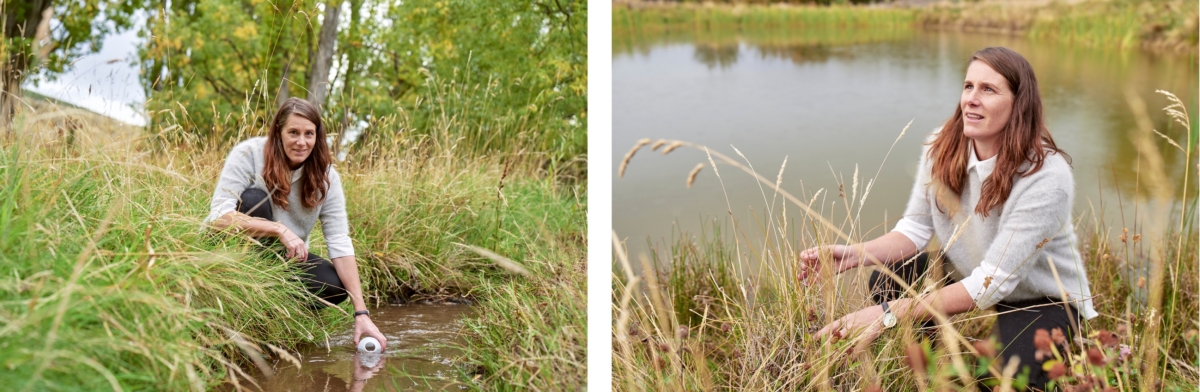
While much of Kate’s work is done indoors these days, running her business Landpro, she has a background in resource management planning, part of which involves testing water. We wanted to show Kate outside, on the land, doing the work she did when she started her business in 2007.  

Kate balances a young family with work and involvement with organisations outside of work too, such as being Chair of the New Zealand Rural Leadership Trust. 

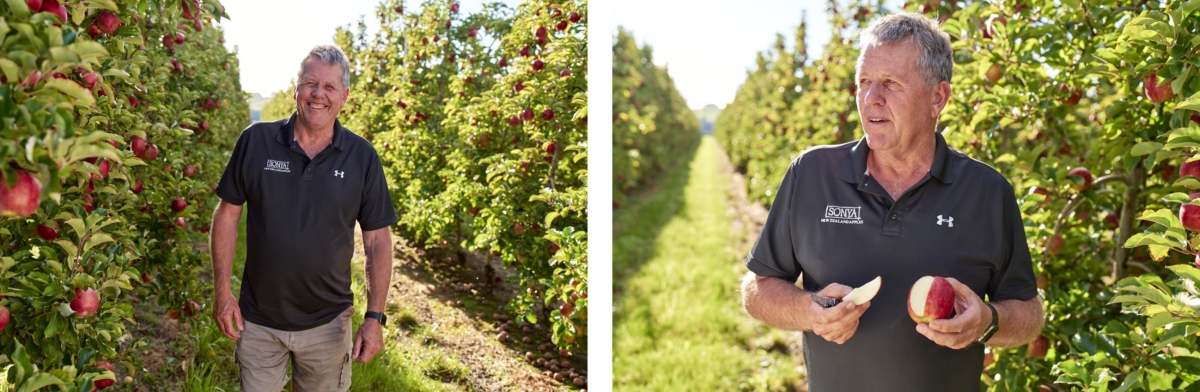
Julian Raine, 1997 Nuffield Scholar

Julian is involved in both the horticulture and dairy industries. For the purposes of this campaign, we captured Julian in one of his apple orchards near Richmond, in Marlborough. Julian is also partners with fellow Nuffield Scholar Murray King in Appleby Ice-cream.  

One of Julian’s dairy farms was recently recognised by the SPCA for infrastructure aiding animal well-being. He has an eye on the future too, making at least a third of his orchards robot-ready. 

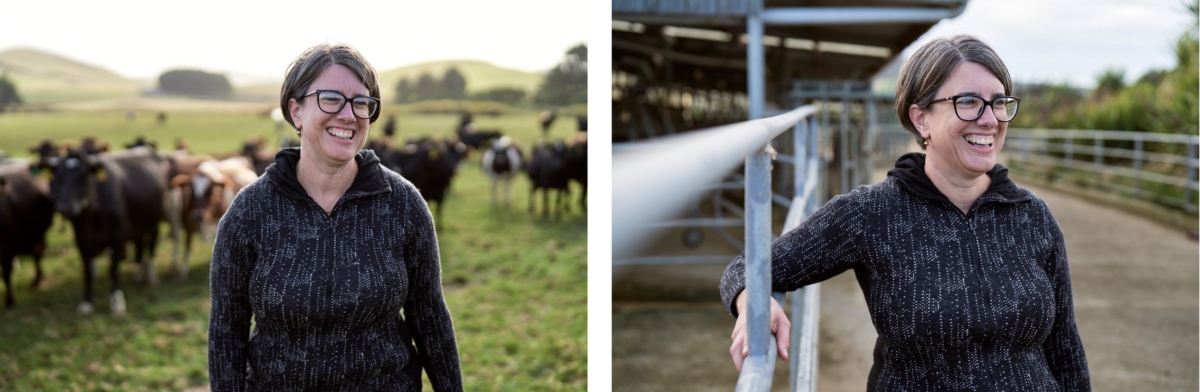
Lynsey Stratford, 2021 Nuffield Scholar

Lynsey is a non-practising lawyer involved in her local rural community. She is a consultant for her business Primary People, which provides people management and development services to the primary sector. 

We wanted to shoot Lynsey out with husband Chris on their dairy farm, situated in a unique part of the country at Curio Bay in Southland. Here, they have also recently covenanted 30 hectares of incredible bushland.  
 

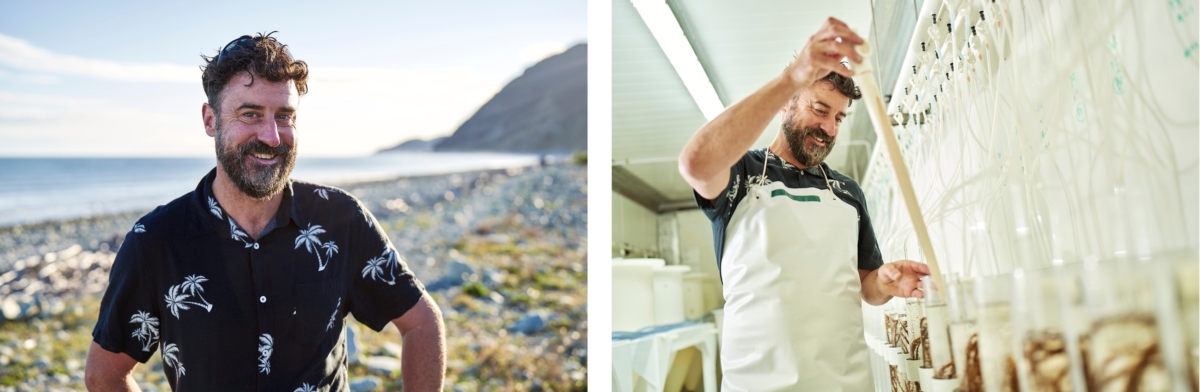
Andy Elliot, 2018 Nuffield Scholar

Andy Elliot, 2018 Nuffield Scholar

Andy is based in Nelson, Marlborough and is Research and Business Development Manager at Wakatū. He is at the cutting edge of aquaculture research and far from being daunted by the need for a lab, he created his own at the Cawthron Aquaculture Park. He is currently developing several projects.  
 
Andy was also recently appointed to the Investment Advisory Panel for Sustainable Food and Fibre Futures. 

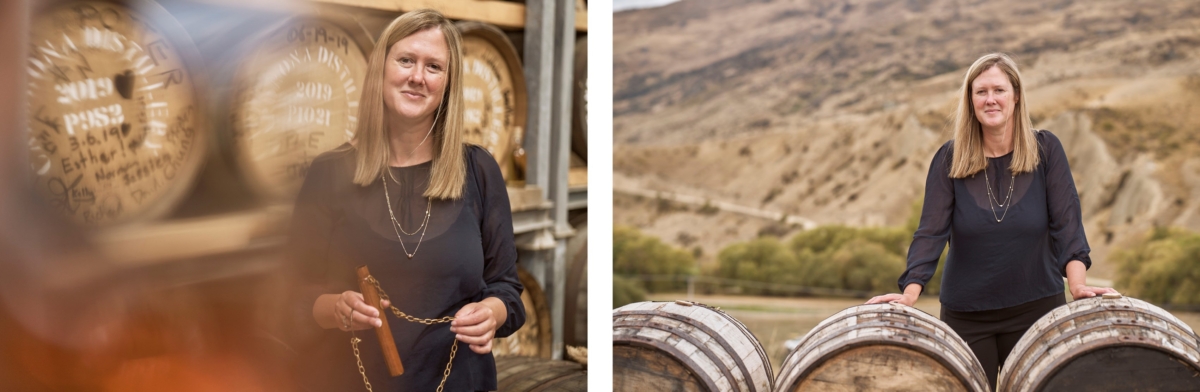
Desiree Reid-Whitaker, 2019 Nuffield Scholar

Desiree Reid-Whitaker, 2010 Nuffield Scholar

Desiree is a former dairy farmer who learned the craft of whiskey distillation from some of the world’s best. Returning home to New Zealand, she spent six months finding the right location to build the Cardrona Distillery.  

We wanted to capture Desiree in a beautiful environment loaded with visual clues that she has built everything in the most authentic way, not the easiest way. 

Hamish Murray, 2019 Nuffield Scholar

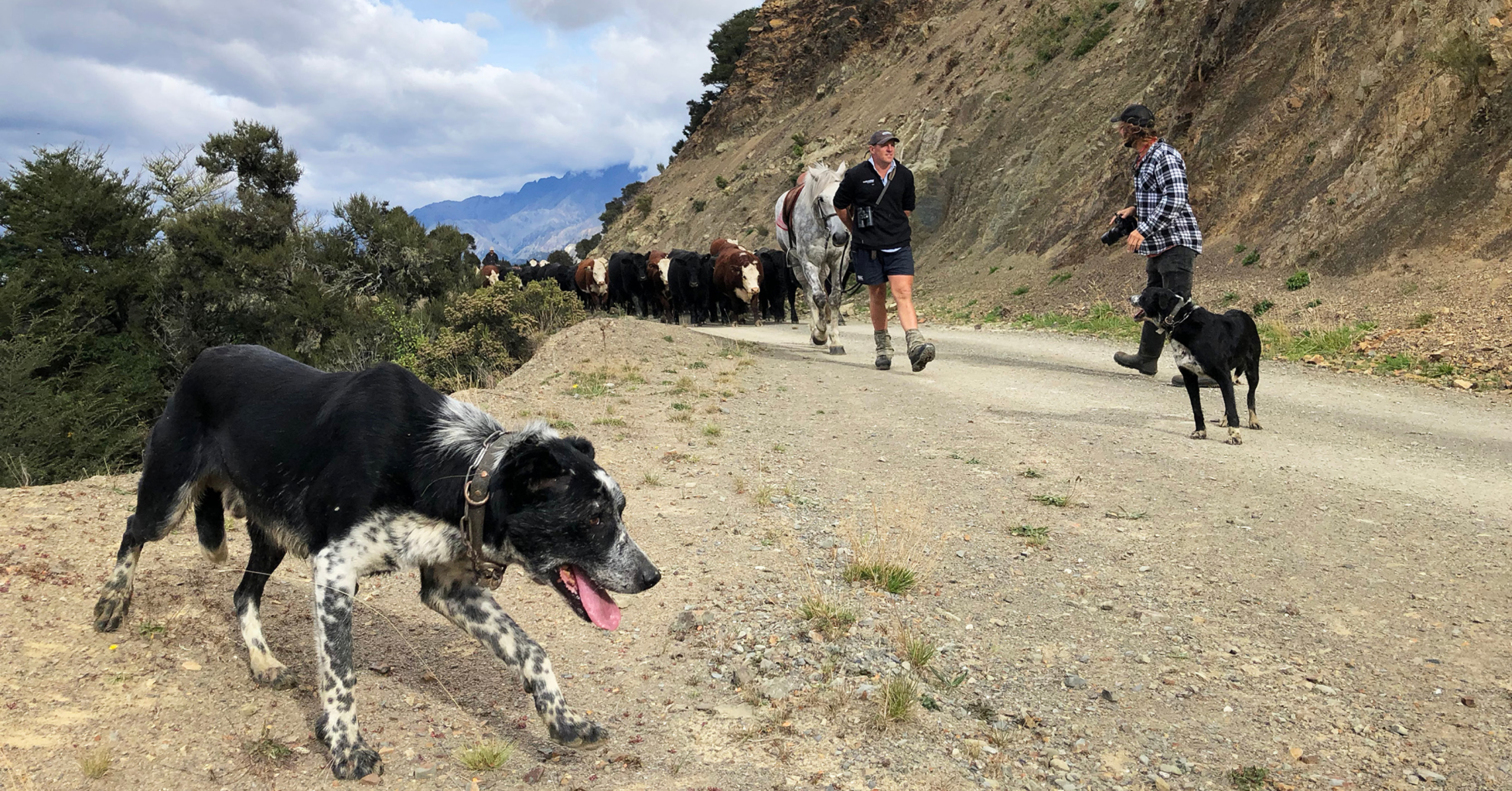
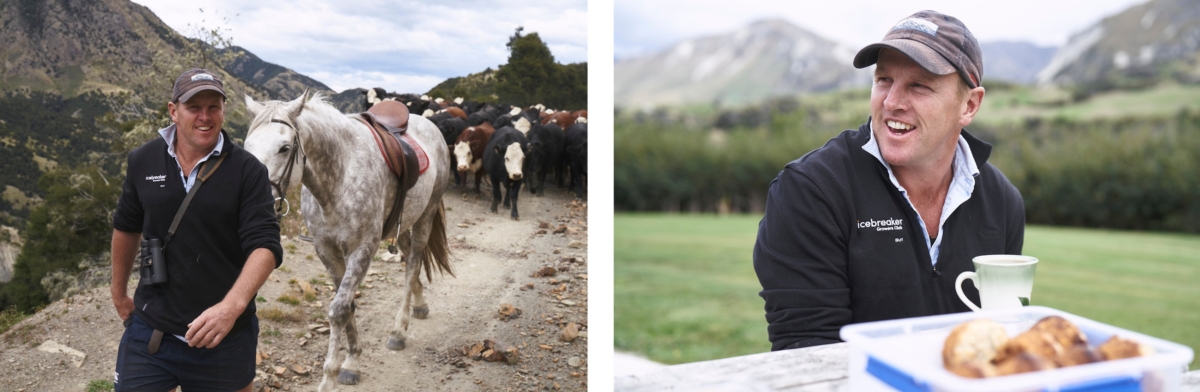
Hamish farms sheep, cattle, and runs a substantial honey operation at Bluff Station, near Kaikoura. The station is as visually beautiful as it is vast and is run by an exceptional team of people. No surprises there, as Hamish is just as passionate about his own growth as he is about his team’s.  

We were spoiled for choice at Bluff Station, the landscape is a photographer’s dream. The goal was to capture Hamish working – in this case moving cattle.

E Tipu 2022: The Boma Agri Summit.

E Tipu banner image

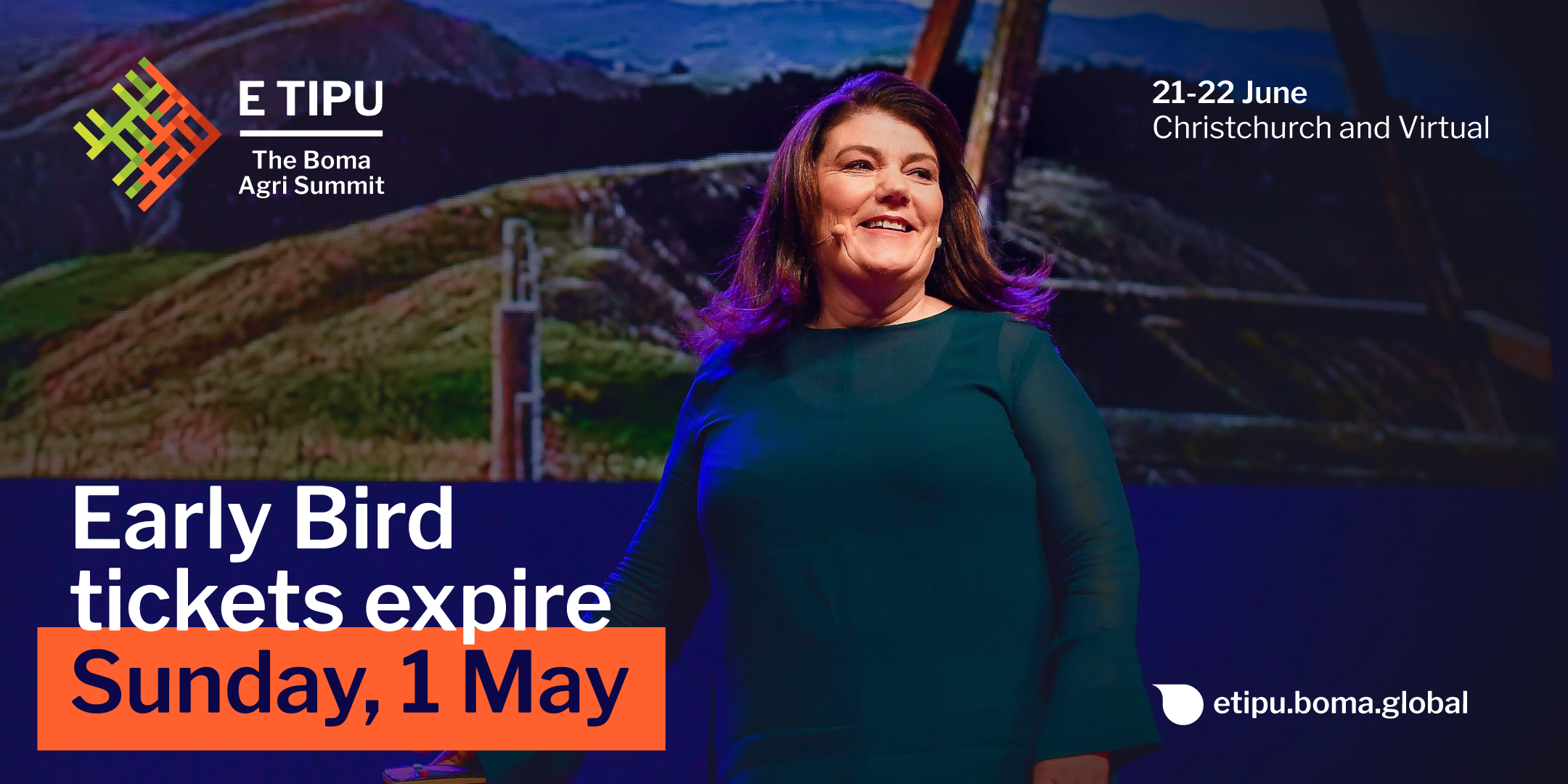
E Tipu 2022: The Boma Agri Summit will help catalyse the future of food and fibre in Aotearoa.

Set for 21-22 June in Ōtautahi Christchurch and virtually, E Tipu brings together remarkable speakers and changemakers to share mind-blowing insights, ignite vital conversations, and help shape the future of Aotearoa’s primary industries.
The summit features two days of talks from global and local leaders in agri, plus interactive workshops, expert panels and special Q&As, innovative exhibits, valuable cross-sector networking and more.

As a national event with global reach, E Tipu connects Aotearoa’s food and fibre sector with the world — tackling the critical questions around how we can be more innovative, collaborative, sustainable and profitable, now and into the future.

In-Person and Virtual tickets are on sale at etipu.boma.global, with special rates available for farmers, not-for-profits, startups, groups, youth and students.

As an E Tipu 2022 partner, Rural Leaders have been given a special offer for sharing with readers of The Rural Leader.

Use the code 100_RuralLeaders to save $100 on In-Person tickets and 20_RuralLeaders to save $20 on Virtual tickets. 

Wahine toa, Wahine ahu matua.

Sharleen Temara Kellogg report image

Executive summary

“ Whaia te iti kahurangi ki te tuohu koe me he maunga teitei, ki nga whetu rawa”

__

“Seek the treasure that you value most dearly, if you bow your head, let it be to a lofty mountain, let it be beyond the stars”.

This whakataukī is about perseverance and endurance. Refusing to let obstacles get in your way while striving to reach your goals.

This research paper looks at the need for women in leadership, the need for te ao Maori and tikanga Maori in the workplace, the current resistance to change and posits how this might change.

Traditionally and historically the leadership role has been the domain of men in Maori and mainstream organisations. Progress is happening, glacial as it feels at times.

Although there has been little research into gender bias in New Zealand, overseas studies have concluded it is prevalent at all levels.

 In 1993, Dr Sheilah Martin, Dean of the University of Calgary, “identified five commonly alleged sources of gender bias. While conceding that bias can arise in many situations and can assume a number of forms, she maintained that it typically occurs where decision makers:

  • fail to be sensitive to the differing perspectives of men and women;
  • apply double standards or rely on gender stereotypes in making decisions;
  • fail to recognise harms that are done to one group only;
  • apply laws or make decisions that exclude people on grounds of gender;
  • are gender-blind to gender-specific realities;
  • rely on gender-defined norms;
  • make sexist comments.” (New Zealand Law Commission, 2003).

AAUW (2016) report Barriers to women leadership that occurs due to the qualities of leaders are based on male models; (stereotypes) that the traits associated with leadership are viewed as masculine; men surpass women in networking to find mentors and sponsors; bias and discrimination and the lack of flexibility balancing family and work as women are viewed as the primary carer.

The purpose of this research paper is to identify potential pathways, for wahine and business, to enable Maori women with the potential to move into leadership positions.

The research has sought to understand the experiences and perspectives of successful wahine leaders and the barriers they faced.

The objectives of the research are set out in section 4.1, the methodology used in section 4.2, the findings in section 6 and the conclusions in section 8. The research provides a snapshot into the relationship Maori business and primary sectors have with the Maori economy; Explains the importance of kaupapa Maori in business and leadership; Provides an insight on the status of women and Maori women; Maori leadership, Maori women leadership and governance. Section 4.2: Research Methodology, focus on research method. Section 6 offers a brief and the voices of the Maori women who are the focus of this research. Section 7 weaves together the research by providing a discussion and interpretation of the overall findings. Section 8 presents the conclusions. Section 9 presents the recommendations.

Retaining Rangatahi in the Red Meat Sector.

Executive summary

The red meat sector is rooted deeply in New Zealand’s culture and epitomises a true testament of resilience. Navigating annual environmental disasters, political tension, disruptive technologies, economic crises, disease outbreaks, changing land use and consumer demands – this durable industry has adapted with rigour over the past century. Generation Z (born 1995-2010) is an ambitious, empathetic, knowledge-hungry generation flooding the workplace with their creativity, curiosity and tech-savvy skills.

The aim of this report is to understand what motivates Generation Z in the workplace, identify their workplace expectations within an on-farm, processing/supply chain context and discover how to bridge the gap between their expectations, and the reality of a workplace within the red meat sector.

The methodology includes a literature review on Generation Z, retention strategies, followed by semi structured interviews with twelve Gen Z employees and eleven industry leaders working in the red meat sector, to gain insights on their experiences and expectations.

Key findings:

Lifestyle, opportunities for learning, career progression, variety and open/transparent businesses are key drivers for Gen Z wanting to pursue a career in the red meat sector. Low pay, long hours, poor culture/management, and lack of career progression are the top reasons causing young people to leave jobs in the red meat sector. All Gen Z participants who had a goal of farm ownership planned to leave the red meat sector, change careers, or find other creative ways of building capital to achieve farm ownership.

Within a processing context, Gen Z want opportunities to work on their own project throughout the duration of their rotation around different departments. Employers’ experience with Gen Z in the workplace found this generation requires a high level of feedback, they want to be involved in the business and progress quickly. Poor leadership, cost and lack of support were perceived as the greatest barriers for retaining young talent by employers.

Recommendations:

  • Close the gap between employer and employee expectations: employers in the red meat industry need to be clear about what opportunities employees will have to learn, roles they can progress towards within their business and realistic about timeframes.
  • Foster open and transparent businesses; Gen Z wants to know how their work contributes to the bigger picture.
  • Invest in coaching and leadership development for red meat sector employers.
  • Provide more resources and education for young people to learn about pathways into farm ownership. Pathways into farm ownership are not linear.
  • Cultivate more structure for Gen Z employees in processors/rural support services. Rotating new employees around departments is valued by Gen Z however, giving them a tangible project to work on in the background will provide them with a greater sense of purpose that is needed to hook them in their first few months of employment.
  • Implement an accreditation system for employers that have good workplaces to incentivise them to improve living conditions for on farm employees.

Milk Without a Moo.

Executive summary

The NZ primary industry is no stranger to disruption and has adapted over the years to deal with changing market, environmental and economic conditions. There is a new threat on the horizon: alternative protein, sometimes called lab grown, cultured or synthetic food.

Alternative protein is not a new term and has not impacted the NZ primary industry in any major way so far. It would be easy to dismiss as a phenomenon that will happen elsewhere, that it won’t affect the pasture raised, free range, high quality products from New Zealand. Having researched this topic for a year, I do not believe this is the case – here’s why:

Dairy is the low hanging fruit for alternatives. Risk to the NZ primary industry from alternative protein is often considered in relation to the meat industry. Meat is a complex product, with many structural, textural, inconsistent aspects – different animals, cuts, types of protein etc. In contrast, milk is a homogenous product – it’s always a liquid consisting of 87% water and 13% solids. The complexity of meat will be very complicated to replicate successfully using alternative technologies, but this is not the case for milk. Dairy, and particularly dairy ingredients, are seen as the ‘low hanging fruit’ for disruption.

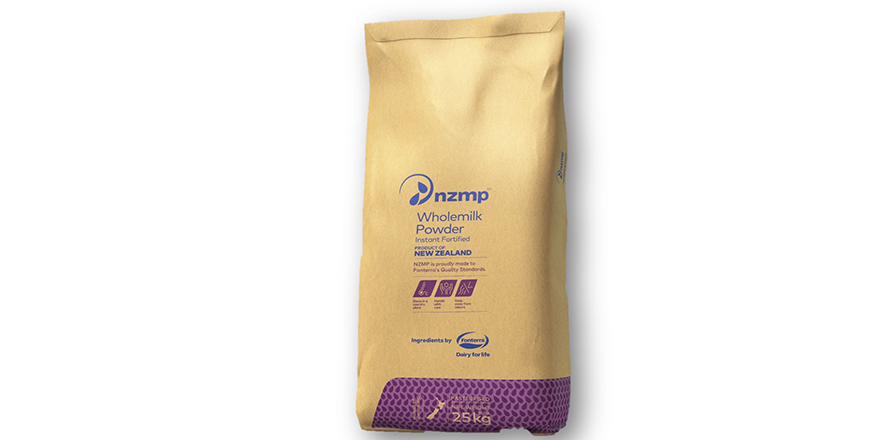
New Zealand dairy exports are mostly used as ingredients in other foods. New Zealand is the largest dairy exporter in the world, growing from $2 billion of exports to $20 billion in just thirty years. A large proportion of NZ dairy products are used as ingredients in processed food. In 2021, Fonterra made 74% of the milk they processed into ingredients. New Zealand provides 60% of the world’s whole milk powder exports, with a large proportion of this going to China to supplement their domestic milk production.

The retail market for milk powder pales in comparison to the demand for drinking yoghurt, shelf stable milk and flavoured milk drinks which are most likely what Chinese food manufacturers produce with NZ milk powder.

When dairy products become ingredients in processed food items, they are treated as commodities, comparable with the same product specification (i.e. milk powder) made all over the world and competing only on price. They lose their origin story which is what New Zealand prides itself on. Consumers don’t value the fact that the milk powder in their processed food such as a chocolate bar is made with NZ milk powder, so any competitive story associated with NZ production methods is lost.

Some of NZ’s highest earning exports are first in line for replacement. Plant-based liquid dairy alternatives such as oat and soy milk are not a threat – New Zealand only exports a small amount of liquid milk. Alternatives are aiming to disrupt the business to business ingredients industry, the very same market that NZ dairy currently thrives in.

Ingredients with the functional properties of animal ingredients are being reverse engineered from plants. Individual proteins (whey and casein) are the initial targets for precision fermentation technology. Perfect Day is producing whey commercially, and others are set to launch in the next two years. Protein exports account for 10% of New Zealand’s dairy export revenue – $2 billion in 2020. These are likely to be the first group of products which experience major disruption from alternatives. Cellular agriculture companies are developing technology to produce human breast milk for babies, could this replace infant formula made from cows?

There will be a tipping point. It’s a long, intensive process to produce a tonne of milk powder. You need to grow a cow, complete with head, bones, hooves, tail etc. You can’t milk her for the first two years until she’s had a calf. Once she’s in the milking herd, she needs enough food and water to stay alive, walk to the milking shed twice a day and produce milk. If there’s enough grass in the paddock this will form the majority of her diet, it’ll normally be topped up with supplementary feed such as hay or palm kernel expeller (PKE). The milk will be collected, driven to another location where the water (87% of milk) will be removed via spray drying, leaving just the 13% solids available to sell.

In contrast, precision fermentation technology bypasses the wasteful process above, using a tank of microbes consuming sugar to produce exactly the same molecules as milk – if they were assessed under a microscope, it would be impossible to tell whether they were from a cow or a fermentation tank. This technology has existed commercially for well over 40 years, producing components which used to be harvested from animals (insulin, rennet). It is now being leveraged at a far greater scale to produce components of milk, starting with protein.

Precision fermentation produced protein is predicted to reach price parity with traditional dairy within the next eight to ten years. The industry is not there yet though: the cost to produce insulin by precision fermentation is around $110,000/kg compared with a milk price of $9.90/kg, and precision fermentation start-up companies are signalling a bottleneck when it comes to manufacturing facilities to produce product at scale.

Large multinational companies are becoming involved to assist with scaling up – fermentation experts ADM and AB InBev are working on large scale fermentation capacity for food grade precision fermentation rather than pharmaceutical which will start to bring the cost down.
The cost and waste involved in milking cows is far greater than simply fermenting a sugar feedstock. Once price parity is reached, food manufacturers who currently value NZ dairy ingredients for their high quality, consistent, cost effective attributes will have another option. In applications where dairy is anonymously used as a functional ingredient, it’s highly likely these will move to the cheaper option which will have the additional benefit of helping meet sustainability goals and appealing to a wider variety of consumers (vegetarians and vegans). This will be the tipping point, where alternatives can displace traditional dairy.

New Zealand dairy needs to act now. This report identifies three key recommendations for the industry:

  1. Acknowledge the risk and react – Alternative dairy, especially precision fermentation, represents a significant risk to the New Zealand dairy industry due to the reliance on commodity ingredient products which will be easiest to replicate. The sooner this can be accepted and acted upon the better. Advanced economies that NZ tends to compare itself with are moving rapidly – investing in research via partnerships between government, research institutions and industry. New Zealand risks being left behind.

  2. Get involved – There’s an opportunity to play a part in this emerging industry – New Zealand has significant expertise in key areas required for alternatives to scale up. Leveraging this will ensure NZ dairy will continue to be profitable in the long term and provide capital to invest in the infrastructure required to make milk into money in different ways.

  3. Make milk into money differently – commodity ingredient products made without cows will become available at the same or better quality for the same or lower price within the next ten years. The NZ dairy industry is heavily reliant on spray drying of milk into powder; this will be one of the first products to experience disruption from alternatives. It’s imperative that dairy companies identify the elements of their product portfolio which are at risk of disruption and pivot milk towards future-proofed products.

Why do Sales Teams Succeed or Fail?

Doug Maginness Kellogg report image

Executive summary

Everybody wants to have the best sales team but not everybody can make it happen. In this current era of pandemics and economic uncertainty, organizations are focused on talent performance and optimization across all teams.

Sales leaders need to understand the new realities of their dynamic selling environment and adopt new tools and management styles that empower their teams to foster an agile-driven culture. The most successful companies think regularly about how to improve teamwork in the workplace because they know they’ll see a return on their investment. They actively work to create the kinds of conditions that promote collaboration.

My aim for this project was to break down the barriers and help create an understanding of ‘‘Why do sales teams succeed or fail?’’ and how organizations can unearth problems and enable their teams to discover the solutions to high performance. My focus was identifying the underlying causes and pitfalls of team dysfunction, investigating, and evaluating the critical components that contribute to high performance. Then offer a strategy to allow the organization to improve the standard of their sales teams.

This research project used a combination of a literature review and thematic analysis as a tool to examine key themes, implications, issues and identify areas of key importance.

What has echoed through the literature review is that there are four fundamental elements as to why teams either succeed or become dysfunctional and fail.

  • Leadership – What style of leader you are and the environment and culture you create from the characteristics of your behavior when leading teams.
  • How culture always determines success regardless of how effective your strategy may be and the importance of taking the time needed to build a strong foundation at the inception of any sales team.
  • Team dynamics, the makeup of skills, knowledge, diversity, and whether the team is unified or harmonized.
  • And finally, the ongoing coaching and mentoring required to keep the team functioning at a high level.

The following are the main recommendations that have come out of my findings that offer a strategy to help improve the standard of team performance of any organization.

  • The need for ongoing leadership training and continuous mentoring. Great leaders attract, hire, and inspire great people. The benefits are far-reaching for all employees.
  • Have a clear organizational purpose. An organization’s values lay the foundation for what the company cares about most and should create a unified why.
  • Build an effective onboarding process and hire wisely.
  • Involve leaders from all levels in corporate communications and decisions.Multi-way communication is the goal.
  • Constantly strive for improvement – A relentless desire to improve and get better is one of the hallmarks of a highly successful sales team.
  • Get out of their way and stop micromanaging. Every employee or team member works best when they are given an environment where they are allowed to do things ‘their way’.

Leadership was seen as the most critical component to team success. Effective leaders provide clarity of purpose, motivate, create a safe environment, and guide the organization to realize its mission. Leadership throws a big shadow and is an ongoing journey of training and discovery which is never finished. Every organization should do its best to enable effective leadership.

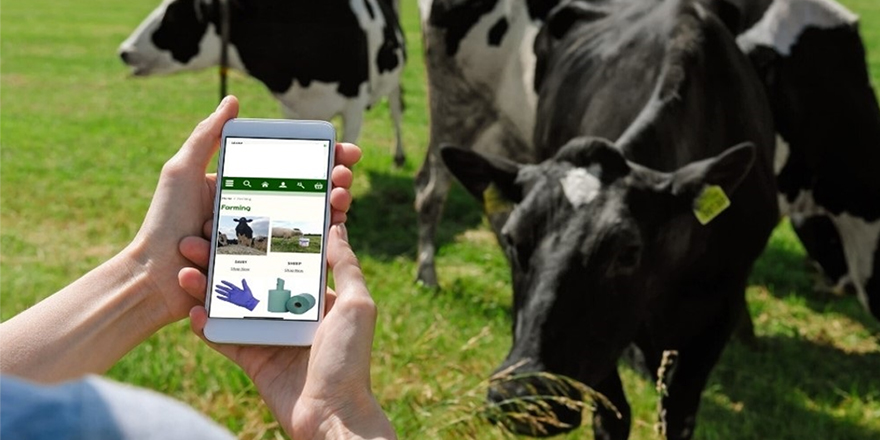
The Rise of Agri E-commerce.

Shaun Green Kellogg report image

Executive summary

E-commerce is a fast-developing sales channel, on which the agricultural sector was a long way behind. This project looks at the growth/opportunities for e-commerce operations for agricultural supplies businesses. The willingness of farmers to use online stores to make farm input purchases is now very high (83.5% in favour of using e-commerce), and now many Agri supplies businesses are ready to offer this to their customers.

Literature was examined to understand key aspects of e-commerce, and key businesses were identified and interviewed to gain insight on e-commerce in agriculture. From the interviews, themes were identified and analysed to answer the study questions. In addition, a farmer survey was run to get the farmers’ thoughts on the use of e-commerce.

The key learnings of this project were:

  • There are still some real issues with rural internet connectivity. Although rural internet access is high, the quality of the internet is very poor (speed) making it difficult for some farmers to operate with Ecommerce.
  • Agriculture supplies businesses were able to respond quickly with e-commerce options during lockdowns, which helped them maintain turnover.
  • The pandemic accelerated ecommerce activity within the agricultural sector.
  • The presence of an online store helps existing “bricks and mortar” businesses to better serve its customers (omnichannel).
  • Some positive environmental outcomes resulted from increased e-commerce retail (reduced greenhouse gas emissions and less physical retail space required)
  • The willingness of farmers to use e-commerce options when purchasing farm inputs has increased. COVID 19 was a major driver of this, as well as some of the benefits (convenience, time saving) that it can provide.

The recommendations from this project are that –

Agricultural Supply Businesses:

  • Prioritise physical and online store (omnichannel) offering. Ensure farmers receive connected human and digital interactions.
  • Measure and monitor customer experience metrics to ensure their online sale platforms are performing and fit for use.
  • Follow Agri e-commerce developments overseas to apply potential opportunities for New Zealand.
  • Attract farmers with development of clever marketing and advertising ideas, especially to grow and maintain customers.

Farmers

  • Explore e-commerce options, as online stores offer a much better service than they did a year ago, let alone five years ago.

The decline of rural community services.

Caroline Batlet Kellogg Report

Executive summary

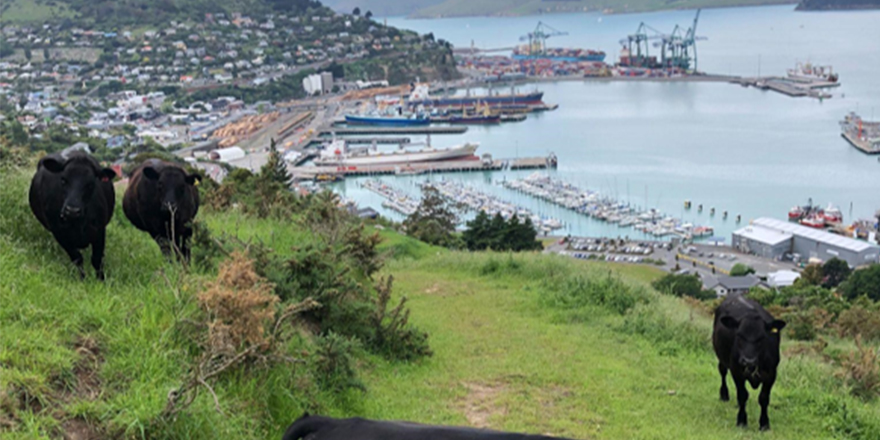
Rural communities have experienced much ‘hollowing out’ since the 1930s despite supporting the primary sector – a vibrant and integral part of New Zealand’s economy. Many rural centres have lost their hospitals, police stations, banks, government departments, schools, sporting clubs and churches. This report explores whether healthcare, employment, crime and education outcomes have worsened for rural residents compared to their urban counterparts due to these changes, and recommends enhancements to public policy to address this.

The report firstly outlines what being ‘rural’ entails in a New Zealand context. It then describes how urbanisation has increased globally, with only 13% of residents in New Zealand now residing rurally.

A brief history explains events that encouraged urbanisation. An evaluation follows to understand what impact has been felt within rural areas, and how organisations are currently operating to support rural communities.

A case study of two ‘rural’ towns and one forestry area is provided to assess how 2018 Census data of rural areas tracked comparatively to national averages. This research is essential to determine if additional Government or Non-Government Organisation support is required to ensure our rural communities thrive.

Key recommendations

The author believes the following recommendations can be made to Central Government regarding priorities for rural communities:

Healthcare:

  • Targeted incentives for rural health professionals to attract and retain health professionals in rural areas.
  • Establish a School of Rural Health to support rural healthcare in New Zealand.
  • Expansion of services offered by rural mobile health service providers to improve rural health outcomes for Māori and non-Māori.

Employment:

  • Expansion of the Local Government New Zealand ‘Think Rural’ programme to attract young people to rural areas for employment opportunities.
  • Increased visa opportunities to attract employees to the food and fibre workforce.

Education:

  • Targeted campaigns in rural schools promoting higher education upon completing secondary school. Government or private tertiary scholarships to be offered to rural pupils to attract talent.

Policing:

  • Ensuring that all rural areas have a designated police officer per head of population (metric to be prescribed by the New Zealand Police) with appropriate facilities.
  • Comprehensive induction and improved supervision and relief for rural police.

Other:

  • Expansion of Rural Community Hubs and Banking Hubs across New Zealand. Building the capacity of rural support trusts.
  • Establish a ‘one-stop’ website for rural communities, charities, authorities and project holders to collaborate and support rural communities.
  • Removal of additional postage costs for rural addresses.
  • Extension of the Rural Broadband Initiative programme and increasing coverage areas for cellphones in rural areas.