2026 Nuffield NZ Farming Scholarship. Apply by 17 August 2025. Read More...

Apply for 2026 Nuffield NZ Farming Scholarship by 17 August 2025. More details...

A review of wetlands and other methods of reducing P and N loss into waterways.

Jeremy Lawson - A review of wetlands

Executive Summary

It’s not often when a group a farmers meet, and the conversation does not turn towards increased compliance and regulation. Water quality standards are usually brought up and no matter whether you are rural or urban most would agree rivers and lakes in New Zealand need to be clean and swimmable, after all, brand “New Zealand” is all about plush countryside and beautiful lakes rivers and mountains.
In the last 30 years New Zealand agriculture has increased nitrogen use by over 600% from 62,000t to 452,000tonnes and cracks are starting to appear.

Anthropogenic inputs from intensive agriculture and poor practices can be harmful to the health of our waterways, precious wetlands rich in biodiversity and known for their many environmental benefits including filtering nutrients and carbon sequestration have been degraded or drained over time.

New Zealand has positioned itself well to feed a growing population, but land use change and intensification is adding pressure to ecosystems and in many cases degrading water quality. Because agriculture is so important to the NZ economy and the very social wellbeing of our people, how do we mitigate the impacts of intensive agriculture on the waterways so that future generations can enjoy the same privileges many of us had growing up.

In this report, I review research on wetlands and other methods which have been proven to mitigate agriculture nutrient loss to waterways. In hope of finding a silver bullet to many water quality issues the answer really is not that simple, the dynamics of agriculture in NZ is diverse. Finding a solution is difficult due to different production systems, geographic, climatic and soil property differences.

I came to understand that many mitigation techniques are on farm management practices such as keeping your Olsen P within economic optimum range, avoid soil damaging activities, better effluent storage etc. I also discovered that land use capability should be at the crux of decision making when it comes to consenting what production system is suitable for that piece of land from an environmental perspective as its much cheaper to allocate the correct land use than back pedal damages to the water quality.

Wetlands are significant for many other reasons other than filtering nutrients and understanding their importance for biodiversity I discovered that they can be a useful tool in the toolbox and are recognised in nutrient budgeting models such as overseer, rejuvenating existing wetlands is a great place to start and constructed wetlands whilst costly can serve many purposes.

Accelerating Bioprotectant Development and Commercialisation from New Zealand

Greg-Pringle-K44

Executive Summary

The trend to towards the development and use of bioprotectants to control crop pests and disease is now in a surge mode, as evidenced by growth rates in bioprotectant sales (3x that of chemical protectants), start-up company formations, mergers and acquisitions, and multinational and venture capital investments. The stars are aligned in New Zealand for us to engage in this trend and indeed take a leadership position in it.

This report begins with some necessary background and context to this endeavour, followed by an assessment of market drivers and local and global opportunities that present themselves for bioprotectant development. An overview of New Zealand capabilities in public sector research institutions and their enviable track record bodes well for the ability to deliver on the goal of being a partner in bioprotectant development at a global level.

Looking back at the factors that have promoted or constrained past product developments, and the nature of our commercial partnerships, then enables us to develop a strategy to achieve a more focussed, collective, engaged approach to new product development, resulting in clear benefits to all participants in the value chain of bioprotectant development, commercialisation and use.

A vision for 2030 could look like this:

  • Fundamental science activity is adequately resourced to support product development
  • There is a branded and collective ‘front door’ through which bioprotectant IP is channelled to commercial partners and thence the market
  • Commercialisation and business development professionals are active from within this entity
  • This entity also acts to promote awareness of NZ capabilities to attract investment and co-development partnerships
  • Product developments are tied to clear market needs, especially global opportunities
  • Product development is coordinated across key public sector institutions
    Commercial partnerships begin early in the development phase, are robust and enduring
  • Several IP assignments or licenses are executed for bioprotectants every year
  • The regulatory framework favours bioprotectant development and registration
  • Revenue exceeds NZ$15m per annum and continues to grow
    The product brand is established and respected overseas.

Recommendations

Section 5 details a strategy to enhance bioprotectant development in New Zealand for global markets. In summary, the proposed actions encompass recommendations in the following categories:

Revenue sources

Private capital; redirection of internal funds; ‘A Lighter Touch’ programme engagement

Scientific Expertise

Postgrad and postdoc support; public-private research secondments and exchanges; sponsored senior research positions

Foundation science

Target biology and ecology; culture collections; new sources of accessions; biofermentation facilities; nanostring technology

Commercial partnerships

Earlier engagement models; strategic relationships are formalised; active relationship management

Prioritising product goals

Focus on global markets; greater rigour via new assessment tools applied early; new modes of action developed; semiochemical-based control products developed; targets agreed with commercial partners; microbial consortia; new markets (floriculture, postharvest); wider label claims on existing products

Commercialisation

Patentability a key criterion; improved contractual conditions in testing with commercial partners; performance criteria in licenses

Regulatory reform

Broadening group standards; preferential review for bioprotectants; referencing overseas data

An incorporated entity

For collective IP and commercialisation activity from public sector organisations; branded

Sector engagement

More extensive engagement of public sector professionals in agrichemical/bioprotectant industry events and organisations

Validation of biocontrol

Post-market data and practices to validate technology; industry outreach programme for biocontrol.

Above all, focussed leadership and a collective mind-set from public and private organisations, and a vehicle for it, will be needed to bring this strategy to fruition.

Operating a successful low-tech, small scale mushroom farm.

Operating a successful low-tech, small scale mushroom farm.

Executive Summary

This business concept works to research the potential outcome of starting and operating a successful low-tech, small scale specialty mushroom farm in the North Island of New Zealand. It is a short overview of a new business venture idea that will be further expanded into a business plan once the concept has proved probable.

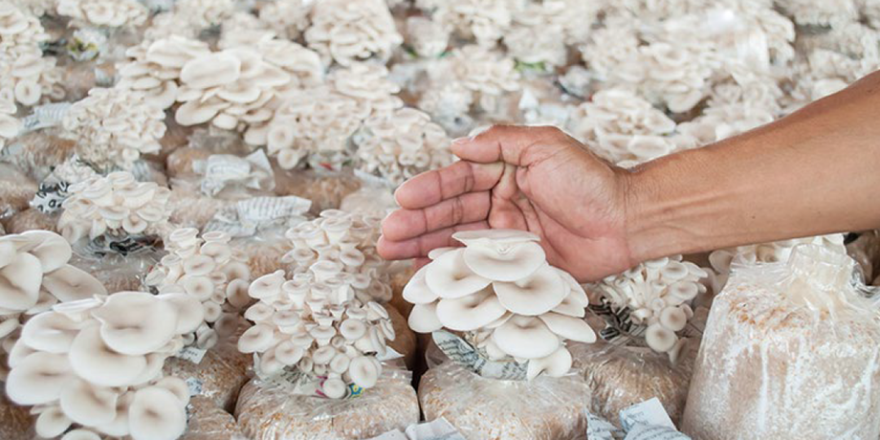
Starting in Northland, the long-term idea is to be able to move around and transport the mushroom farm accordingly. The farm will be producing oyster mushrooms (Pleurotus ostreatus) for the first year and introduce more specialty varieties in the following years, such as Shiitake (Letinula novae-zealandiae) and Enoki (Flammulina velutipes).

The report explores the possible outcome of a successful mushroom farm by:

  • Understanding the NZ mushroom industry dynamics and the market demand for speciality mushroom varieties and potential trends that are on the rise
  • Potential challenges and risks that could arise and ways to mitigate them
  • Gaining insight into the requirements needed to start the farm and the DIY options for establishing a producing fruiting room
  • Other profitable ventures that arise from the production of fungi.

The New Zealand mushroom industry is small but well established. With only one fully integrated commercial mushroom farm in the country and multiple, small at home start-ups selling gourmet mushroom varieties, the industry is not yet overly saturated in terms of low-tech start-ups.

The vision is to be a major supplier of quality specialty variety mushrooms in Northland and expand into the rest of the North Island. To achieve the set vision, the intention is to practice low tech farming practices by growing edible gourmet mushrooms in a controlled environment and using locally sourced substrates as much as possible.


The recommendations will show the most achievable way to reach the goal of a successful mushroom farm is to work with small harvests with high quality fruit. The farm can be built by DIY practises that suit the grower and help to keep the costs down.

How might we develop a food system that benefits everyone in the community.

Catherine Miller - How might we develop a food system that benefits everyone in the community.

Executive Summary

In this project I considered the question “how might we develop a food system that benefits everyone in
community?” I ask this question because there are two sides to our current food system. We have a highly productive and well-functioning export system bringing benefit to the New Zealand economy, yet domestically we have people struggling to access healthy food. Some may suggest this is a social sector issue but I’d argue that when a significant number of New Zealanders are reliant on charities for food then there is something inherently wrong with our food system.

I conducted 45 interviews with people from right across our local community including farmers, business, iwi, local government, social services, beneficiaries and youth. What was broadly evident from the interviews was that there was a dissatisfaction with our current food system and a belief that it is failing people within our community. People commented on how there seemed to be a lack of thought regarding ensuring food production is protected and that people have access to food. Many raised concerns about how health was being impacted by poor quality food. The shift from localism to a centralized food system was also a subject of concern that was regularly raised.

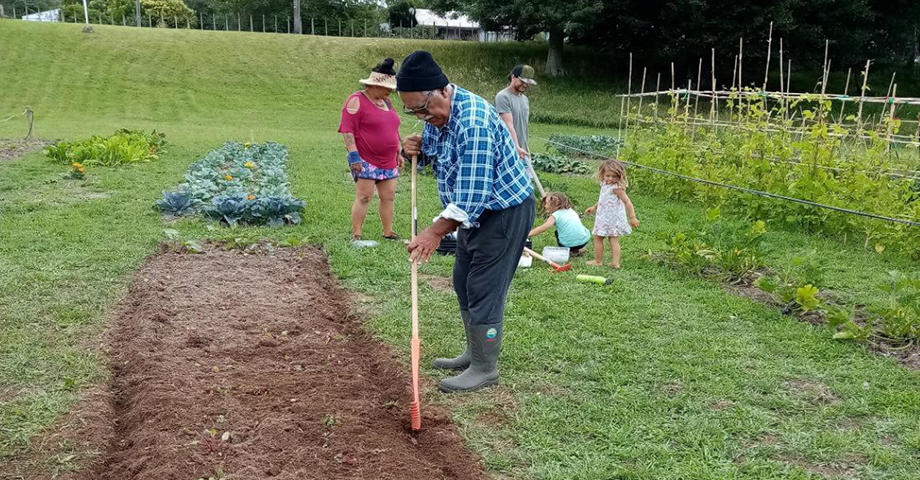
In looking at the personal experiences of people who had been through food insecurity and lessons from past generations a common theme was raised of the importance of self-sufficiency skills like gardening, hunting, bartering and trading. The importance of community, whanau and having good networks was also highlighted. The case study of Taumarunui Whakaarotahi Trust demonstrates at a practical level how the unique strengths of rural New Zealand can be better utilized to develop a food system that benefits everyone in the community. There is much that can be achieved by local communities in collaboration with the primary industries.

However, there are regulatory roadblocks that need to be addressed by Government to enable a thriving local food system to develop. The potential benefits of developing such a food system are wide ranging, impacting poverty, physical and mental health, increasing community connectedness and resilience, stimulating regional economies and reducing CO2 emissions. In making my recommendations I considered the enormous pressure Covid-19 has placed upon our local communities, the primary sector and Government. I therefore focused mainly on areas of collaboration, how we could build on current initiatives and better utilize our strengths.

Recommendations:

Community / Local Government / District Health Boards

  • Consult widely amongst the community to avoid making assumptions about who is interested in food security and who can help bring solutions
  • In designing a food system to benefit community consider the unique strengths of the area and the strengths and values of the people within your community.

Primary Industries

  • Connect with Kore Hiakai and be part of food security conversations to investigate ways to better integrate current food security initiatives with education from food producers regarding how that food is grown
  • Horticulture industry to partner with community and marae-based gardens and offer advice as part of
    fulfilling their vision of ‘healthy food for all, forever’
  • Partner with Government and local communities in developing models to help small landowners be profitable and develop pathways for people to get into land ownership.

Government

  • Increase access via changes to food safety regulations and reducing barriers to cottage food industry
  • Increase regulation of processed foods high in sugar/salt and saturated fats with the aim of reducing the availability and marketing of unhealthy food – particularly to children
  • Establish a national food strategy that involves enabling and facilitating the creation of local food systems
  • Utilize Pamu farms to experiment with stacking enterprises appropriate to the local area to identify diversification opportunities for small landowners and increase participation in food production.

Northland Hill Country and the Implications of Change for Landowners.

Andrew-Drysdale-K44

Executive Summary

A significant challenge presented in the 21st century, will be meeting the food needs of an exponentially increasing world population, and ensuring agriculture implements the principles of sustainable development.

There is evidence to suggest, observed from environmental research such as the Climate Change Councils’ report (A low emissions future for Aotearoa, 2021), that agriculture contributes to environmental concerns, such as water quality and greenhouse gas emissions. This has been met with fierce resistance from agricultural lobbyist groups such as, ‘Groundswell Aotearoa’ and ‘50-Shades of Green’ whom promote the significant role that agriculture plays in supporting the growing demand for world food and concurrently highlighting agriculture’s significant economic and socio-economic contribution to Aotearoa, achieved through domestic and export revenue from meat, fibre and milk, in addition to the significant employment opportunities generated through these primary industry supply chains. What if, there was a way we could achieve both essential objectives?

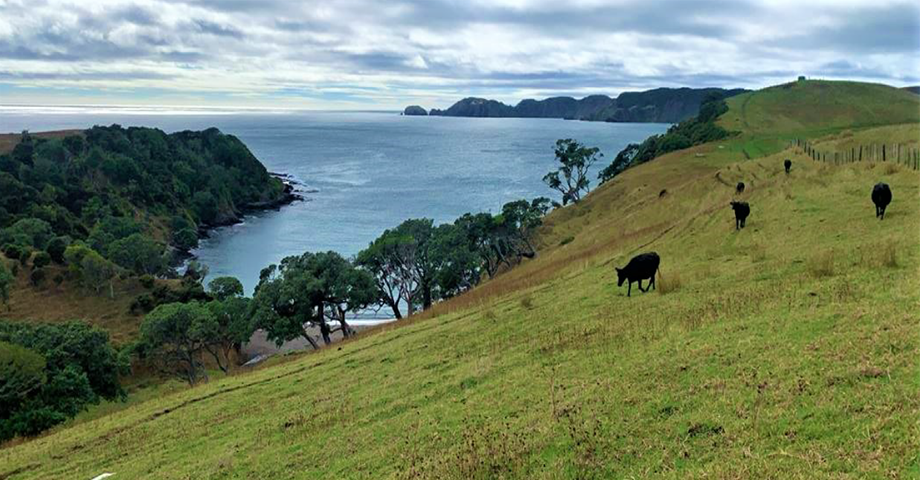
This project explores the evolving landscape of Northland hill country farming, highlighting the current position of Northland hill country sheep and beef farming, the significant uptake of forestry competing with the sheep and beef industry for land-use on these hills, and the opportunity for integration of these industries to collaborate in meeting both our environmental, economic, and socio-economic objectives. The implication for landowners, is that the decisions we make today, will not only initiate short-term change, but may also present long-term and inter-generational implications that necessitate a need for holistic and well-informed decision-making process’.

Through my research project, it has highlighted:

  • The need for hill country landowners to understand their whole farm system, including specific strengths and limitations of land, the relative profitability of all land classes on their property, and the logistical role each hectare of land plays within the business.

  • Integrating indigenous and exotic forestry regimes on hill country can provide improved financial resilience, profitability, and environmental benefits with well-planned and well-executed management advice.

  • Understanding your resources and the relative profitability of various land classes provides economic insight, however a need for more holistic considerations such as environmental and socio-economic implications should be adopted.

  • Hill Country Farmers are going to have to continue to adapt their farming operations and become more financially and environmentally resilient through a multi-faceted continual improvement process in productivity, achieved though decisions such as genetic merit of livestock and stock classes, as well as adaptation to policy implementation and awareness of their environmental obligations under Kaitiakitanga.


My recommendations to hill country landowners are:

  • It is imperative that any landowner considering land-use change engage industry expert advice to understand what the implications of land-use change decision may present to their business to encompass; financial, environmental, logistical, and socio-economic implications of change.

  • Hill Country Farmers must continue to adapt and become more financially and environmentally resilient through continuous improvement in productivity achieved with improvements in areas such as the genetic merit of livestock, stock class & policies, as well as adaptation to policy implementation and awareness of their environmental footprint.

Mel Poulton: Insights from a Special Agricultural Trade Envoy.

Mel Poulton

Mel Poulton: Insights from a Special Agricultural Trade Envoy.

2014 Nuffield Scholar Mel Poulton is someone with a unique perspective. Well, two really. As both a food producing farmer and New Zealand’s Special Agricultural Trade Envoy, we asked Mel to share her perspectives on trade, Nuffield, Brexit, and an industry grappling with significant global challenges.

Question: What do you do in your various roles?

Mel Poulton: In and on my farm business, I’m on both sides of the farm gate. I do anything from stockwork to bulldozing, to making all the decisions required to run a business. 

In the Special Agricultural Trade Envoy (SATE) role, following my appointment, border closures and a vastly different global operating context, have meant changing how the role is delivered. It’s a two-pronged approach with an international and a domestic focus, mixed with face to face and virtual engagement.  

I’ve been more purposeful working with the world here in NZ, by way of direct engagement with the International Diplomatic Corps here (they are the eyes, ears, and influencers of their nations in NZ). This engagement includes taking Ambassadors on x-sector farm tours, hosting Diplomatic Corps meetings, and meeting with them one-to-one, or with industry groups. I am also working internationally on virtual platforms, speaking on panels, webinars, or virtual meetings with farmers, and private and public sector organisations.  

Covid has provided opportunity for me to invest more time and effort with NZ sectors (all food and fibre – except Forestry and Fisheries). My background is the sheep and beef sector, but I put a high priority on building a greater understanding of the other sectors I represent as well. I use these insights when engaging with each of the sectors, government, and the world.  

Helping NZ food and fibre producers broaden their understanding of the global and domestic context is a priority too. Both behind and beyond our farm gates.  

Q: What changes have you seen since being in your SATE role?

MP: Quite a few things.

Trade negotiations. 
Trade negotiations, particularly the New Zealand-UK Free Trade Agreement (FTA), have been the fastest progressed trade negotiations in New Zealand history to get to Agreement in Principle – so I’ve been told. Much of this negotiation has been done virtually, also a first. This will change the way trade negotiations occur in the future. A lot less travel overall.

Farm subsidies. 
Direct and indirect farm subsidies in large economies, such as the USA, have increased exponentially. People may argue they have already exceeded agreed WTO thresholds.

Growing distrust. 
There’s a growing distrust of governments in the democratic world. Governments need to work on their social licence to operate. Social licence is not just a thing for food producers.

Supply chain vulnerability. 
Just In Time (JIT) delivery has been exposed for its supply chain vulnerability in this global pandemic. Economies and businesses will now be building more capacity in their value chain system. This will mean a more conservative approach to exports and imports, to withstand the volatility, uncertainty, complexity, and ambiguity (VUCA) in the world of trade, market access and freight.

Nevertheless, nothing beats high trust and long-term government to government, business to business, and people to people relationships across the world. New Zealand has optimised these relationships throughout the pandemic to utilise market diversity for navigating trade, market, and supply chain disruption.

For example, Covid19 related trade agreements to secure medical imports and food exports. As well as digital certification for export products, through to relationships that our major exporters have with freight companies, importers, and international customers. The last 18 months haven’t been easy, but these strong relationships, and diversity of markets, have shown their worth to New Zealand.

Food security. 
Economies are moving from thinking about food security, to actively putting mechanisms in place to secure their food supply in a pandemic disrupted system, e.g., green lanes in Europe. There’s also a slow nuanced shift from food security to nutritional security taking place.

Regulatory pressure. 
Farmers and food producers in New Zealand and around the world are wrestling with the multi-layered challenges of regulatory pressure (particularly on the environmental and climate change fronts), as well as market volatility, and Covid 19 induced uncertainty. This is increasing farm input costs and diminishing the tools available for farmers to use to produce food.

As an example, farmers in Europe have real fears about their ability to produce the volume of food required to stay viable and maintain food security. The new farm to fork strategy in the EU is deliberately shifting organic food production up to 25%, with rules to reduce synthetic fertiliser by 50%. Glyphosate use is under threat too. In some places farmers can’t use it (I note in New Zealand, the EPA is currently undertaking a review of Glyphosate use). There’s major transformational change happening in Europe.

The rush of multi-layered change gives a sense of exponential pressure. Farmers all over the world are feeling exasperated, frustrated, misunderstood and under siege. All the same, if there is anywhere in the world I would rather be farming right now, it is here in New Zealand.

We’ve navigated major challenges in the past, and when farmers look at the change they’ve implemented on their farms over the course of their careers, or in the intergenerational businesses they are running, we can take confidence in the fact we are already change agents.

A uniquely positioned New Zealand. 
From a New Zealand food producer’s perspective, farmers here are uniquely positioned. Without subsidies, we aren’t dancing to someone else’s tune in quite the same ways as farmers receiving subsidies elsewhere. There are two sides to this. On one hand we’re not being bailed out at the next threat, but we also get to take full responsibility to master the destiny of our businesses. So, we have an ability to create workable solutions in a way that keeps our businesses competitive globally.

With an innovative, integrated systems approach, we can create solutions to challenges like reducing our global warming impact, improving native biodiversity and water quality, while producing high quality, safe, nutritious food – delivered with integrity.

In New Zealand we have an industry ecosystem focussed on helping farmers create and implement solutions. Our research centres and academic institutions, both provide science and knowledge, and help support farmers crack real challenges. There are the easily accessible service providers, and the folk in Government ministries – who are in the teams working hard on trade negotiation to ensure the best possible outcomes for access to markets, and on removal of tariffs and non-tariff barriers to create a level playing field for New Zealand. Let’s keep it that way.

This ecosystem enabling success is our major competitive advantage in the world. We’ve really got to leverage this and remember we’re all on the same team.

We must not be paralysed by fear, but instead celebrate what we’ve already achieved throughout our farming careers and take confidence that we can use our whole systems thinking to improve what we do for our natural resources, our people, businesses, and our nation.

Q: What links between International Trade and International Policy have you seen, with direct and indirect implications behind your farm gate?

MP: Let’s summarise how it works first. There are recognised global challenges. Then international forums are established to address these challenges, leading to international commitments made by member states (different nations).  

Examples of this include United Nations Sustainable Development Goals (SDG) and the Paris Accord on Climate Change. Some international commitments are legally non-binding. But where it applies to the WTO (World Trade Organisation) they are often legally binding.  

Once those international commitments are made, each economy, member state, or nation must determine its own policy and regulation to deliver on its commitments. That gets shaped up (with some consultation in the process) and is rolled out by the government of the day, and folks like us everyday people have to make it work on the ground. The Government then reports back to those international forums, or institutions, on what our progress has been against the commitments the Government made. COP26 is an example of this. 

Given New Zealand’s economy is so internationally exposed and dependent, we need to be at the international table to maintain influence.  

But to have influence we need to have integrity and demonstrate action. So, these international commitments have been drivers for shaping NZ Government policy on Sustainability and Climate Change. Examples here are the New Zealand freshwater regulations and climate change targets. Both resulted in changes on my farm, and on farms all over New Zealand, which is increasing costs and could reduce revenue for some.  

If we do it right, there could also be opportunity to reduce costs and increase profitability. It will be different for every business. The bottom line is that financially there’ll be change, so we need to reconfigure the financials for a new shape to our businesses. Easier for some than others, and not all will be the same. 

The environmental, social, and economic outcomes are significant across NZ, and underestimated. In some cases, we might secure a market premium for this work, though there is no guarantee what we’re doing delivers a premium to food producers in New Zealand for all products in all markets. I have more confidence this work will enable us to obtain and maintain market access to customers.  

This is where the work of our trade negotiators, ensuring a level playing field in market, is so critical for ensuring the changes we’re making here in NZ don’t make us uncompetitive on the international market. I’ve seen their tireless, relentless work, day, and night, to get the best possible outcomes for New Zealand. Many of these negotiators are the hidden superstars of our food and fibre ecosystem.  

What is going on in New Zealand around environment and climate change is often a focus of interest from others in my international engagements. I talk about what these regulations and targets mean for me, and what I am investing in to address the challenges in my farm business, alongside promoting what other farmers from the different sectors are doing in New Zealand. I also give a clear message that much of this cannot be done quickly when taking a whole systems approach. Effective change takes time. Farmers the world over get this.

Q: How do you think Brexit will play out for New Zealand trade? The obvious and not so obvious.

MP: The choice of the UK people and UK parliament to pursue Brexit is forging transformational change for the UK food and fibre sector. The transition period will take 15 to 20, even 30 years to find a new equilibrium. Like the 30 years it took New Zealand to find equilibrium when agriculture subsidies were removed here.  
 
This change requires a culture shift in thinking about UK farm business structures, their subsidy system, domestic policies, and rebalancing their trade and export portfolio beyond the common market, to a global market. Add major geostrategic inflection points in trade and security, affecting us all, and you have a UK trying to position itself as a global strategic leader.

Its focus in the Asia-Pacific region, particularly regarding the FTA’s it is currently negotiating with Australia and New Zealand, along with its formal request to join the Comprehensive and Progressive Trans-Pacific Partnership (CPTPP), all highlight the trade and security opportunities and challenges it perceives.  
 
So, building more structure into the relationships of allies like New Zealand and Australia by way of FTA’s is an important part of their process to find their new place in the world. This is providing new trade opportunities for New Zealand, subject to the NZ-UK FTA and their accession to the CPTPP. 
 
In the future it may create more competition in our export markets too. It will also create opportunities for more collaboration on the global stage, especially where we align with the values and perspectives that matter to both economies.

Q: What does New Zealand need to do more, and less of, now and in the future?

MP: Because our food and fibre sector is orientated to international markets, we need to continue to pursue being the best we can be. This means achieving optimal standards, positioning ourselves to have the best integrity, facts, processes, and story for all the concerns that governments, markets, customers, and consumers may direct at us.  

Whether these be from the position of protectionism or not, we still have to give ourselves the best chance of capturing opportunity. So, concerns about animal welfare, food safety, or environmental stewardship, e.g., water, soil, biodiversity, chemical and fertiliser usage, climate change, labour, the list goes on. These are the things we need to keep improving to position ourselves to open as many doors as possible, and to keep flexibility, adaptability, agility, and economic viability open to us.  

We have already demonstrated plasticity through this pandemic, and we need to fully embrace a plasticity approach in our lives, our businesses, and how we engage with the world.  

We need to be able to maintain our essence and values, while changing and reshaping the way we live, do business, trade, and collaborate with others, as we all grapple with significant global challenges.     

Q: How has doing a Nuffield Scholarship helped you?

MP:   The Nuffield Scholarship has been an important part of my personal and professional development. It’s been a stepping-stone for doing what I do now, on and off farm. The international networks, the doors of opportunity opened, the domestic and international insights as well as the ‘aha’ moments. These all contribute to my thinking, conversations, and ideas on the farm and in the world of trade.  

That said, and without taking away from Nuffield, the older I get and the more I learn, it seems the more questions I have and the more I need to learn. 
I’d like to encourage all readers to keep that hunger to learn, take some confidence from the change we’ve already made on our farms, in our businesses and our whole industry with our systems thinking.  

Let’s keep doing what we do best – producing top quality food and fibre to the best of our abilities.  

Optimising all we do with high standards, care and integrity for our environment and natural resources, our people, communities, and for the economic viability of our businesses and nation. 

Balanced with humility, we need to be able to hold our heads high and have pride in who we are and what we do. Keep being the best you can be. 

Download report
Read Mel Poulton 2014 Nuffield report “Capturing value.”

2022 Nuffield New Zealand Farming Scholarships awarded.

2022 Nuffield Farming Scholars

2022 Nuffield New Zealand Farming Scholarships awarded.

Three emerging food and fibre sector leaders have been awarded 2022 Nuffield New Zealand Farming Scholarships. Each has received a personal letter of congratulations from Hon. Damien O’Connor, Minister of Agriculture, Minister for Trade and Export Growth, Biosecurity, Land Information, and Rural Communities.

The New Zealand Rural Leadership Trust (NZRLT) is proud to announce the 2022 Nuffield New Zealand Farming Scholarship recipients. The Scholars are:

Parmindar Singh, a Waikato based Dairy Farm Manager, Company Director, and a recent master’s graduate. 

Anthony Taueki, a horticulturalist from the Hawke’s Bay, leads horticulture courses at Fruition, New Zealand Apples and Pears, Tatau Tatau o te Wairoa, and many more.

Lucie Douma, leads a new team at the Ministry for Primary Industries (MPI) looking at disruptions to domestic food and fibre supply chains, and primary sector COVID recovery.

Chris Parsons, NZRLT CEO said, “This group comes from the most diverse range of backgrounds we have seen in recent times. Each Scholar brings talent, passion, perspective, and a track record of performance. Their job now is to find insights and foresight to benefit our sector.

“We wish to acknowledge all those who applied. It is safe to say, there is some real talent in our regions. Selecting three Scholars this year has given our Trustees and the Industry National Advisory Committee the opportunity to fund the start-up of an exciting new programme, the Value Chain Innovation Programme. The intention will be to return to selecting five Scholars again next year”, said Parsons.

Covid 19 restrictions mean this year’s scholarship recipients’ formal awards ceremony at Parliament, will be delayed until February 2022, when Minister O’Connor will award the scholarships in person.

2022 Scholars will follow last year’s travel approach, contingent on the local and global pandemic travel situation. This lets scholars defer the international travel component of the programme until border restrictions permit.

Kate Scott, NZRLT Chair, said, “As part of their Nuffield journey, the three 2022 Scholars will also join the Value Chain Innovation Programme to gain a deeper understanding of the challenges and opportunities in front of our sector, before they venture abroad.

“The Scholarship will offer new opportunities and experiences through an immersive programme and will help to shape future world-class leaders for the New Zealand food and fibre sector” said Scott.

Their research topics are likely to cover a range of our biggest food and fibre challenges including, building resilience in our value chains, data interoperability, emerging market opportunities for trade in dairy, and finding sustainable pathways into the primary industries for rangatahi.

The three new Scholars will join more than 170 Nuffield Alumni awarded scholarships over the last 71 years.

Meet our 2022 Nuffield New Zealand Farming Scholars.

Lucie Douma, 2022 Nuffield New Zealand Scholar

Lucie Douma 

Agri-professional, Livestock
Wellington

Lucie is of Dutch descent and is based in Wellington. She currently leads a new team at the Ministry for Primary Industries (MPI) looking at disruptions to the domestic food and fibre supply chains, and primary sector COVID recovery.

Lucie has a Master of Science degree from Oxford University, where she studied human-wildlife conflict. Her initial research topics of interest are data interoperability or building resilience within the value chain.

Lisa Rogers, NZRLT Programme Manager, commented, “Lucie is a great example of the policy talent we have coming through in our sector. She is greatly invested in the future of agriculture in New Zealand.”

Parmindar Singh- 2022 Nuffield New Zealand Scholar

Parmindar Singh

Dairy farmer, Company Director
Waikato

Parmindar is a fourth generation New Zealand dairy farmer of Indian descent. A company director and independent consultant, she is near completion of her master’s degree at Waikato University.

Parmindar’s research topic of interest is emerging market opportunities for trade in dairy. On her proposed research Parmindar says, “As a proud, intergenerational dairy farmer, my goal is to identify the shift that is occurring globally and identify future trade and market opportunities for New Zealand farmers.”

On Parmindar’s selection Lisa Rogers noted, “Parmindar is bright and fearless, with a lifetime of community involvement and entrepreneurship in the Agri-sector. Nuffield is lucky to have her as a Scholar.”

Anthony Taueki, 2022 Nuffield New Zealand Scholar

Anthony Taueki

Horticulturalist, Kaiako,
Hawke’s Bay

A horticulturalist from the Hawke’s Bay, Anthony is of Ngati Kahungunu descent. He leads, organises, and conducts horticulture courses and training programmes with Fruition Horticulture, New Zealand Apples and Pears, Tatau Tatau o te Wairoa, Ministry of Social Development and Ngati Kahungunu Inc.

Passionate about helping rangatahi find sustainable pathways into primary industries, Anthony’s research topic of interest is growing opportunities from the roots up.

Of Anthony’s selection Lisa Rogers said, “Anthony is a natural leader who is highly collaborative. He has integrity, passion, and a strong desire to influence in New Zealand’s Agri-sector.”

“I look forward to working with all three of our Scholars over their scholarship journey”, Lisa Rogers said.

About Nuffield New Zealand Farming Scholarships.

Nuffield Farming Scholarships have been offered to farmers, growers, fishers, and foresters since 1950. The scholarships were established in the United Kingdom by Lord Nuffield for farmers to explore best agricultural practice and facilitate innovation through sharing knowledge and ideas in food and fibre globally.

The scholarships are among the most respected awards in the food and fibre sector. They offer a life-changing opportunity for travel, study of the latest developments and an introduction to leaders and decision-makers around the world, who would not normally be accessible.

With a network of more than 1,600 alumni internationally, the programme continues to build New Zealand’s rural leadership capability and the food and fibre sector’s profile internationally.

For more information about Nuffield go to https://ruralleaders.co.nz/nuffield

For more information, please contact:

Matt Hampton
Marketing and Communications Manager
Rural Leaders
Ph. 0274 171 065
E: matthampton@ruralleaders.co.nz

Three Kelloggers among Zanda McDonald Awards Finalists.

Adapted from an article on the Zanda McDonald Award website. 

Judges of the Zanda McDonald Award, will crown not one but two winners for 2022 – one from each side of the Tasman. 

Now in its eighth year, the prestigious award recognises young future leaders working in agriculture and provides an impressive prize package centred around a tailored trans-Tasman mentoring programme. The eight talented finalists – include four from New Zealand, three of whom are graduates of the Kellogg Rural Leadership Programme.  

All finalists have been selected for their passion for the industry, strong leadership skills, and the contributions they’re making in the primary sector. 

The four New Zealand finalists are 2019 Kellogg Scholar Katie Vickers, Head of Sustainability and Land Use for Farmlands;  

2017 Kellogg Scholar Olivia Weatherburn, National Extension Programme Manager for Beef + Lamb New Zealand;  

2017 Kellogg Scholar Rhys Roberts, CEO of market garden and farm operation Align Farms;  

and Adam Thompson, director of Restore Native Plant Nursery, beef farmer and mortgage broker. 

Richard Rains, award chairman says whilst Covid-19 travel restrictions drove the change to two awards, it has also created an exciting opportunity. With the increase to eight finalists and two winners, the award can have a positive impact on more future leaders in Australia and New Zealand.  

“We’re thrilled to be able to invest in the future of all eight finalists, and our two winners, and help with their future career and personal development. Our judges have again been overwhelmed with the level of talent and capabilities of this years’ candidates,” said Rains. 

The Australian and the New Zealand winner will each pick up an impressive personal development package, including a personalised mentoring trip in Australia and New Zealand (when travel allows), up to $10,000 worth of tailored education or training, media coaching, and other mentoring and industry opportunities. 

Winners will be announced in November 2021. 


A rural connection

By Royna Ngahuia Fifield-Hakaraia (Ngāti Rangatahi, Ngāti Whititama)  

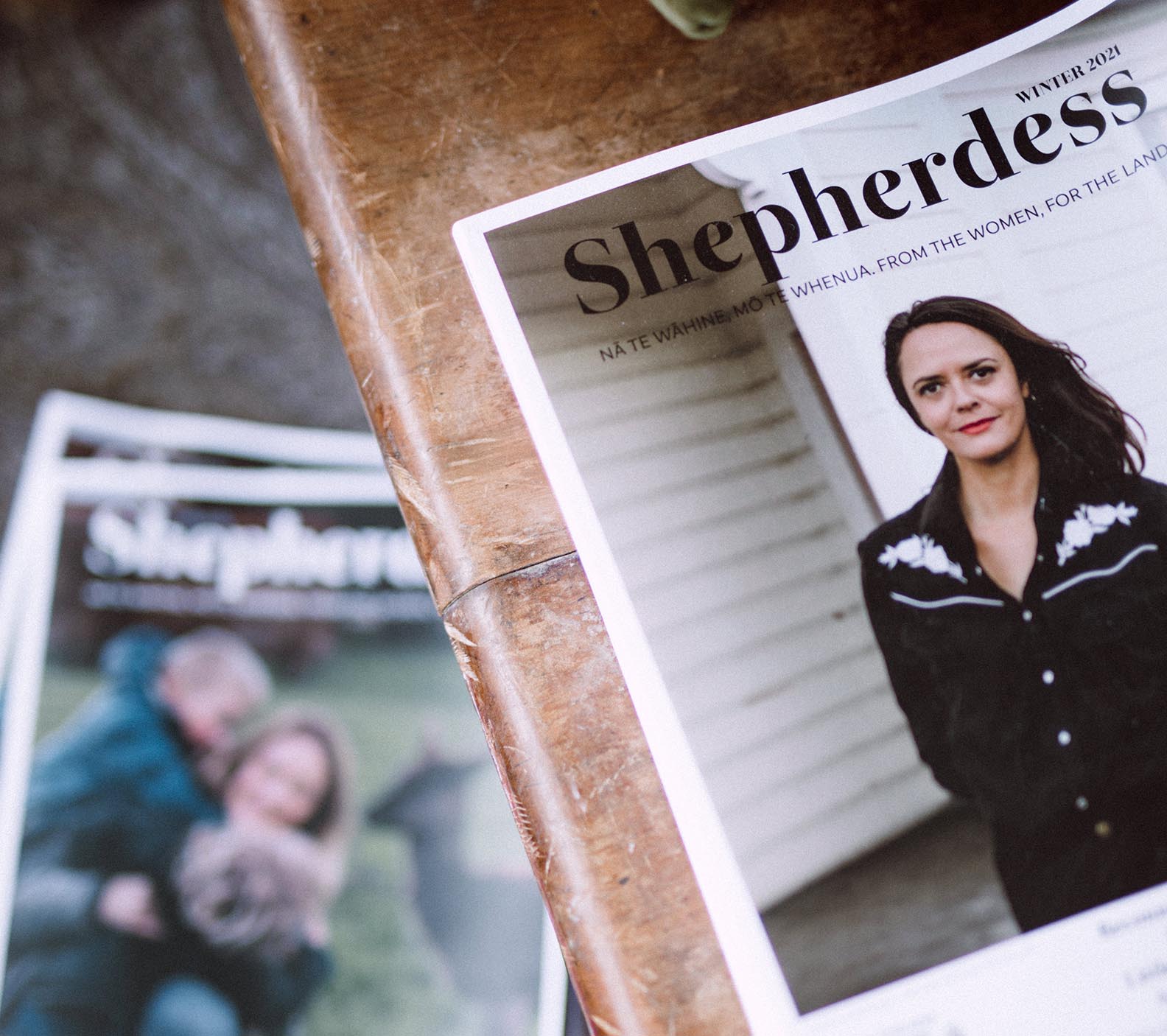
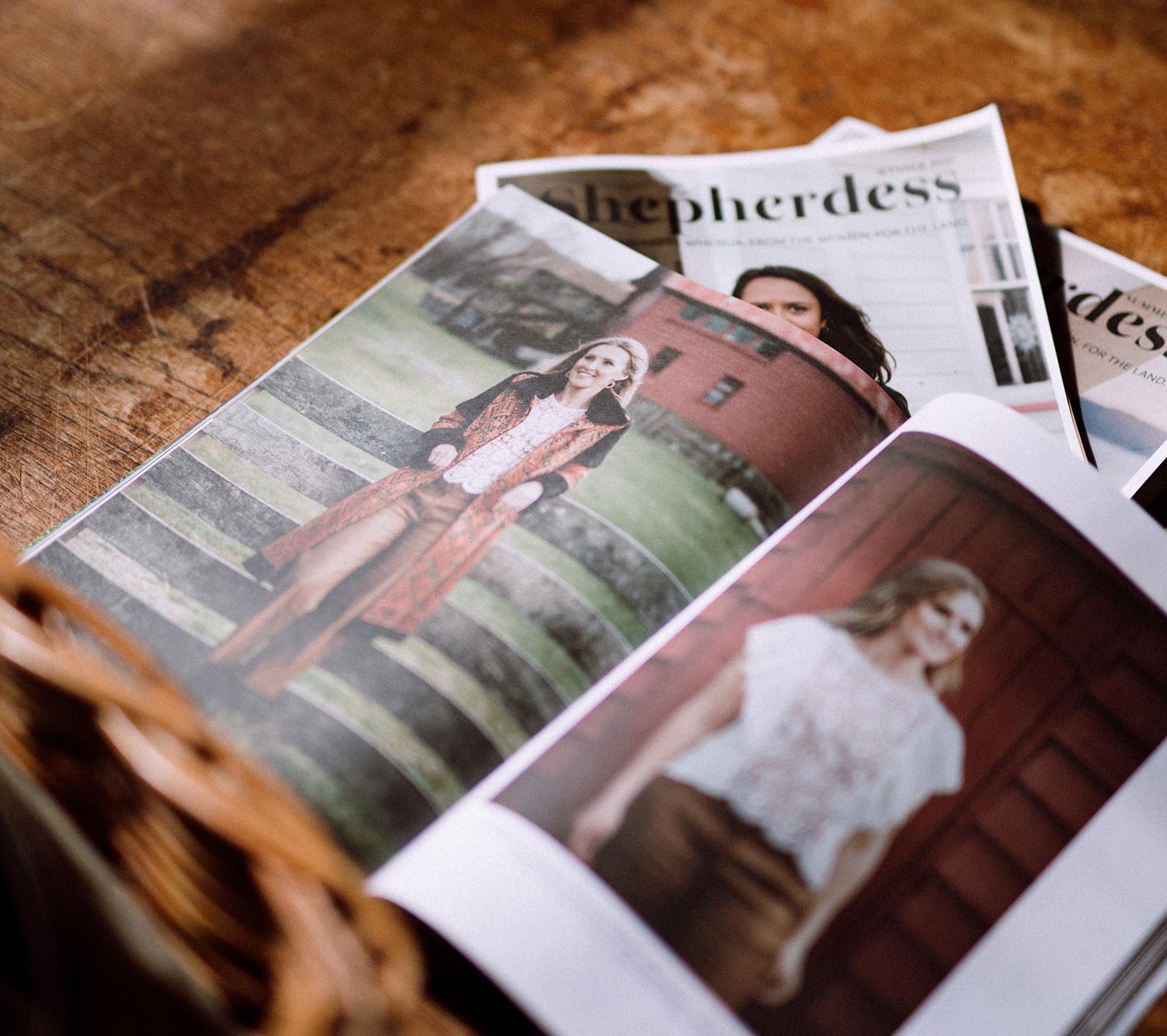
You might have noticed a new magazine on the stands lately. Shepherdess is a publication that offers something no other magazine does: an unapologetic celebration of women in rural Aotearoa. Published by Kristy McGregor – a twenty-nine-year-old Australian based on a dairy and beef farm at Manakau, Horowhenua – the quarterly magazine unearths stories on all matters of social and cultural life in the regions. 

Humble beginnings. 

Kristy is the first person to admit that Shepherdess has come from humble beginnings. Initially, there were a series of conversations with Claire Dunne, the founder of Australian magazine Graziher, then an Instagram page and a blog, and finally the first edition was in stores in March, 2020 – a few weeks before New Zealand’s first Covid-19 lockdown.  

“I’d known Claire for a few years and in our conversations we both recognised that there was a real opportunity for a nationwide publication that spoke to rural life,” Kristy explains. “But when Claire said to me, “How about we start the magazine?” in early 2019, I had just had my first baby and was about to dive back into my resource management job in Wellington – it definitely wasn’t the best timing. Deep down, though, I knew there was never going to be a perfect time and I really believed in what the magazine could provide for rural women, so I decided to give it a go.” 

Beating the odds. 

The journey, of course, hasn’t been without its bumps. Less than 40 per cent of start-up businesses in New Zealand survive past the first two years and Kristy faced her first big hurdle early on. She found herself at the helm of Shepherdess with no experience in publishing or running a business.

“As we were preparing the first edition and pulling everything together for the March launch, Claire’s circumstances changed and she needed to focus her energy in Australia,” says Kristy. “Suddenly, I went from working with someone who has years of publishing experience to being on my own, but I just knew that I had to give it a try.  

“I had been living in New Zealand for nearly six years and I felt that I had a bit of an understanding about the experiences and perspectives of rural New Zealand, especially with living and working on my partner’s family farm in the Horowhenua.

“Really I stumbled into the role of publisher – what I really wanted to do was connect people and I could see that the magazine could be a tool to do that.” 

Growing up in suburban Sydney.

Kristy grew up on a quarter acre block in Camden, a small, suburban area on the outskirts of Sydney. But through her father’s work as an agricultural teacher as well as invitations by extended family to go and stay at their farms, Kristy’s childhood was filled with experiences of rural life. “As a kid, I would go and stay with family friends in Jamberoo, Parkes and Canowindra,” says Kristy.

“I have memories of watching a newborn calf plop onto the ground, or visiting the local butcher where, like in many small towns, they run a tab under the family name. Some days I would sit on the enclosed veranda in the baking sun for hours, trying to avoid the flies. It was this sense of simplicity and familiarity that I really loved growing up, and as I got older these were the things I found myself gravitating towards.” 

Home in Horowhenua.

Kristy moved to New Zealand in 2014, after meeting Michael Keeling, a Kiwi who was working in western Queensland before taking over the family farm back home in Horowhenua. “My first year here was really hard,” Kristy explains.

“I was away from my friends and family and everything I had built over in Australia, and my introduction to dairy farming was a partner who worked fifteen-hour days, ate and slept and then did it all again the next day. There was very little social life, and there was a lot I had to learn. I brought home a pet lamb that first year and I quickly learnt that you don’t want to add anything to your plate during calving if you can help it!” 

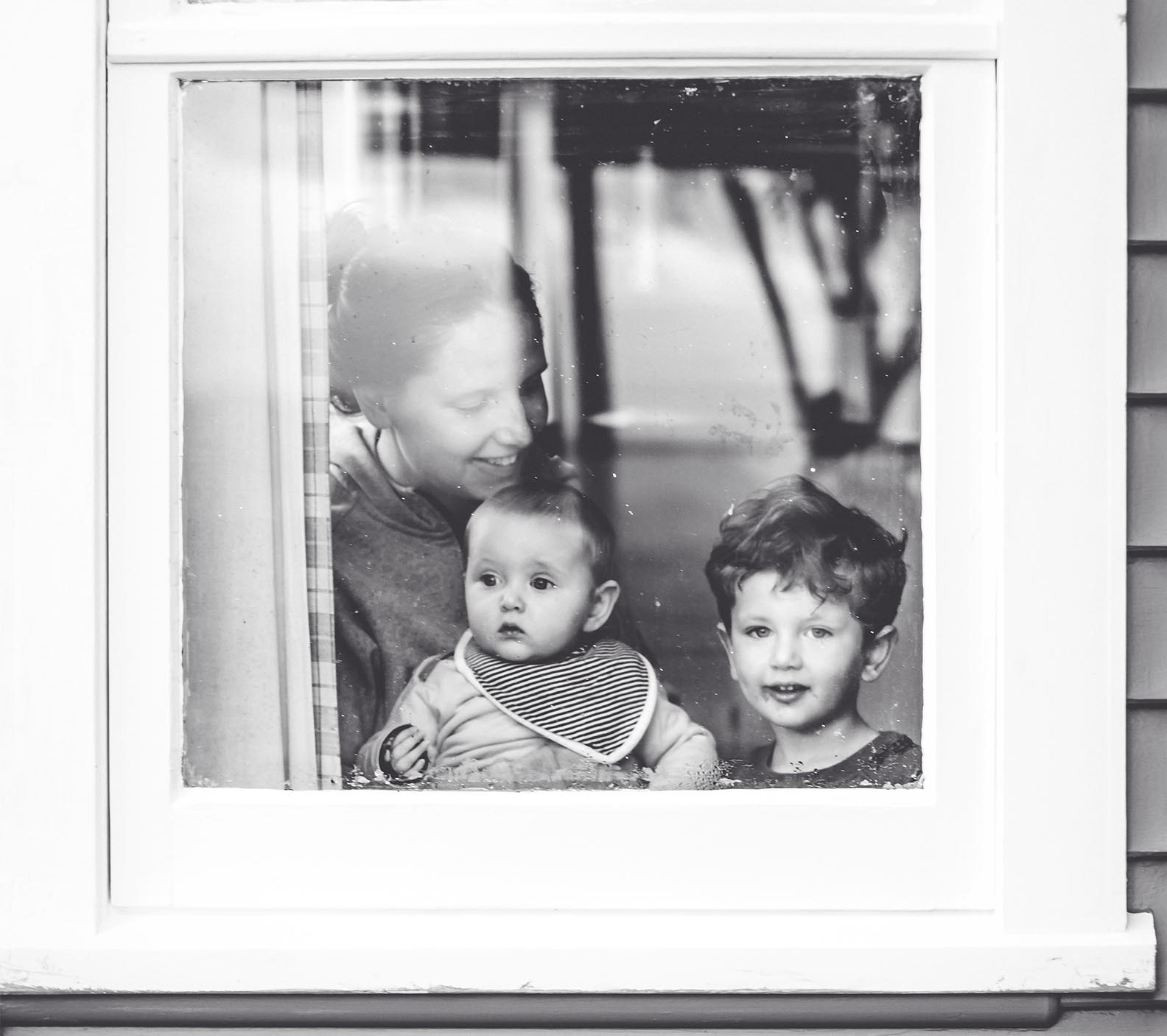
Despite all the challenges, Kristy is still here and still based in the Horowhenua with Michael and their two children, Hartley, three, and Tully, one. And eighteen months after its debut Shepherdess is currently curating its eighth edition, is stocked in 400 stores nationwide and has built an online community of 15,000 and growing, with an estimated readership of 18,000 per edition.

Women from across the country write to Kristy, explaining how they had always hoped a magazine like Shepherdess would appear at their local bookstore and how much it means to them to see women like themselves reflected back in its pages and stories.  

Collaboration, connection and community.

“Collaboration is what has propelled the magazine. I remember in the few months before our first edition, sitting down with Claire Dunne and she had a whiteboard and a pen and was giving me a publishing 101 lesson because I really had no idea. I even roped in my mother-in-law to bake the cakes for the recipes in the first edition! But we were lucky to have organisations like Beef + Lamb New Zealand and Farmlands, who – bravely – endorsed us from the start. And a great team of talented women have come on board so that the magazine could become a reality.” 

Shepherdess fills a large gap in Aotearoa’s media landscape: telling stories that matter to women living in rural and regional areas and providing a space for underrepresented women’s stories to be shared; with a concerted focus on Te Reo and the experiences of wāhine Māori.  

“For me, it’s just a gut feeling that I have that I couldn’t make a publication in 2021 and not honour Te Ao Maori.

Throughout this journey, I have learnt so much about our communities and businesses. Our first editions might not have been perfect, but we strive to be better and better every time, and as a team we are continually improving and refining.

Running a business is often like a jigsaw, fitting people’s strengths to their roles and figuring out how we best work together so that we can produce the best possible experience for our readers.” 

It was in talking to other rural women that Kristy realised there was a real need for a magazine that can hold space for women who might be isolated, either socially or geographically. That other women wanted a publication that spoke to their fears and struggles as well as their sense of pride and belonging for the many wonderful things happening in rural Aotearoa.  

Shepherdess connects its readers to rural and regional Aotearoa from the comfort of their couch, kitchen table or out in the paddock if need be.

“We showcase women from all parts of the country and all areas of industry who are facing the same things as everyone else and who are trying to figure out how best to do it all.

“I think reading these stories, that are all our stories, fills us up and creates a special feeling of community. I’m really frank about knowing what it’s like for most mums out there – my office is right here on the farm with my kids underfoot, the palettes of magazines on the back of a truck, roll in right after the tanker.

“I’m doing Zoom calls while breastfeeding or checking copy and looking at design mock-ups late at night after the kids are in bed. But its also extremely rewarding to be getting these amazing stories out there. It’s exciting to have found something that I really resonate with, that feels so closely connected to me.”  

To subscribe, purchase the latest edition of Shepherdess or read more stories that have featured in the magazine, head to the website www.shepherdess.co.nz or into any one of their many stockists across the country, a list of which can also be found on the website. Use the code RURALLEADERS on the website at check out for an extra edition free with any annual subscription purchased.

Good value in changing times.

If you look very hard for the Pandemic’s silver linings, you’ll find a few.  

There’s a growing appreciation for the rural sector. According to UMR data from last year, support for dairy and sheep and beef farmers has risen 9%. The reason cited was the heavy government spending on the Covid-19 relief package, leaving a public asking, “How’re we going to pay for all this?”  

Also cutting through the gloom are the countless innovations taking place as the effort to adjust continues. And like many organisations cornered by the pandemic’s refusal to negotiate, the New Zealand Rural Leadership Trust has had to adapt on the move. One example was when Nuffield Scholars were affected by the close of international travel. An innovation in the form of a New Zealand based experience emerged.  

The Global Tour of New Zealand.

The ‘Global Tour of New Zealand’, as it was quickly named by last years’ Nuffield Scholars, gave a unique view of the country’s food and fibre sector value chains. This year, the programme has been made richer still. The Value Chain Innovation Programme will begin in January 2022 and  
is now open to a larger number of people in the primary sector. 

One of the programme’s two facilitators, Sir Graeme Harrison Professorial Chair of Global Value Chains and Trade Hamish Gow says, “The Value Chain Innovation Programme provides the opportunity to lift the lid on some of New Zealand’s leading value chains, exploring their working components and analysing how they create value.”  

Building the value.

Much work has gone into building a cache of exciting and varied case studies across dairy, arable and horticulture value chains to name a few. Participants learn straight from the source. They gain unique insights into food and fibre innovation, in both domestic and international markets.

Businesses don’t always get the opportunity to explore innovation across other industries. The new programme gives a wide view of established and novel value chains. Participants compare and transpose thinking at a time when the primary industries are going through the biggest period of transformational change since the 1980’s.  

If you’re in food and fibre, now is the time to be gaining a pan-sector view of as many successful business models as possible,” says Prof. Gow. “Increasingly the most successful value chains are those with business models that are closely aligned to their customers, use protected IP, and provide innovative shared value structures.” 

The programme runs over five weeks, two of these are spent on the road. The remaining time is spent on an individual research report. “It will be a busy few weeks, with the time commitment being 100 hours on field trips, guest lectures and networking, online lectures and discussions, tutorials, and another 50 hours self-directed learning,” said Prof. Gow. 

The programme delivery team.

New Zealand Rural Leadership Trust CEO Chris Parsons remarked, “As a global leader and thinker in value chain design, innovation and entrepreneurship, Professor Gow is uniquely qualified to impart deeper strategic learning and insight into 2022’s programme.”  

The depth on the team is bolstered further with Leadership and Strategic Development Consultant, Phil Morrison, ONZM. “We are also fortunate to have Phil onboard. He brings a different leadership perspective, drawing on a career in military command, and in the delivery of innovation, strategic and leadership training as a consultant. We couldn’t hope for a stronger team.”  

Once completed, the programme will give participants the competencies, confidence, and networks to influence change and lead transformation at an enterprise level and throughout regional New Zealand.  

Chris Parsons says, “We hope this programme will lead to positive larger scale change as our graduates continue to grow and contribute to a fast-changing food and fibre sector.”

Rural Leaders are taking applications until 28 November 2021, with a scheduled start date of 16 January 2022.  

Applications can be made at ruralleaders.co.nz/value-chain/.