
2026 Nuffield NZ Farming Scholarship. Apply by 17 August 2025. Read More...

Apply for 2026 Nuffield NZ Farming Scholarship by 17 August 2025. More details...

How do we Develop Financial Literacy in Rural New Zealand?

Executive summary

With constant changes in rural New Zealand, particularly when it comes to owning or operating a business, it is clear there is a fundamental shortfall in financial literacy education (McHutchon, 2021). In order to develop strong financial literacy and therefore resilient rural businesses there needs to be a refocus on priorities within rural communities.

This report examines the current levels of financial literacy in rural New Zealand and how best to develop them in a manner geared towards the learning styles of typical rural New Zealanders. The purpose of this report was to identify implementable strategies to bring financial literacy education to everyone involved rurally including farmers, growers, and rural professionals.

In order to complete this report, a survey was conducted of sixty-three participants to get an understanding of the state of financial literacy in New Zealand currently. The survey was supported by a literature review of financial literacy and financial literacy education in rural communities on a wider scale. The report shows the results of the survey as well as analysis of the themes found from a combination of the survey and the literature review.

The themes identified in the report were:

  1. Financial literacy education
    1. What education needs to be offered
    2. How best to deliver it
  2. Access to education rurally
  3. Socio-economic factors impacting ability to access financial literacy education
  4. Financial literacy paradox

Recommended actions to address the issues identified in the report were:

  1. One-to-one education
    Fleming (2020) shows that farmers and growers learn best in a one-to-one environment free from judgement and social stigmas. This means that providing farmers and growers with financial literacy education would likely fall to rural professionals who are already meeting with rural businesses at the kitchen table.
  2. Gamification
    There is an opportunity to make the education accessible to all through gamification (Czech et al., 2024). It will allow rural New Zealanders to be educated effectively and on a wider scale at times convenient to them.
  3. Making an education paper compulsory for students studying agriculture degrees If we are expecting rural professionals to step in as educators in this arena, it makes sense to give them a foundation on how best to educate people. Adding a compulsory paper to agriculture degrees and perhaps to law and finance degrees would allow new rural professionals to enter the industry with confidence to support farmers and growers effectively.

Morgan Jones
Navigating Sheep and Beef Manager Retention

Executive summary

A Challenge for the NZ Sheep and Beef Industry: Retaining Skilled Farm Managers

Attracting and retaining skilled sheep and beef farm managers is a critical challenge for New Zealand farm owners. Despite high demand, many experienced managers are leaving the sector, driven not only by better pay elsewhere but also by limited ownership opportunities, unclear career progression and unsupportive workplace dynamics.

Through an interview process conducted with farm owners, current farm managers and former farm managers that have left the industry, this report investigates the core retention issues, focusing on the difficulty of farm ownership, misaligned employer-employee expectations and the need to understand current farm manager motivations. While there are several themes obtained from these interviews, three main and interconnected themes were sighted:

  1. It is clear from the interviews that participants believe wages in sheep and beef management are lower than in other industries, making it hard for managers to build savings and secure their financial future. This, combined with a lack of clear career progression, inconsistent job titles and pay expectations, contribute to discontent.
  2. Workplace dynamics significantly impact job satisfaction. The demanding nature of farming often leads to a poor work-life balance, with long and often inflexible hours being a major source of frustration for the majority of managers, especially those with families. A positive work environment, built on trust, clear communication and feeling valued, is crucial. The absence of this was a key reason former managers left.
  3. The sharp rise in land price makes traditional farm ownership almost impossible for new entrants. While alternative equity models are proposed, they often lack clear, repeatable structures and have been met with scepticism in the sheep and beef sector, unlike in dairy.

Despite these challenges, a successful case study demonstrates that separating land ownership from the farm’s operating business can create viable equity partnerships, allowing managers to buy into the operating business directly. Crucially it addresses the entry and exit concerns around fluctuating livestock prices, the livestock buy-in prices are set at market value but the exit prices are set using the previous five-year average, reducing the risk of one of the partners strategically exiting when prices are high.

To address these issues within the sheep and beef sector, this report recommends that farm owners proactively invest time into their staff, understand their goals and help improve financial literacy, while planning for succession with innovative equity partnership models. Additionally, understand the benefits of workforce stability, as it reduces the significant costs associated with high staff turnover.

Farm managers should more clearly communicate their aspirations to farm owners and financial lenders, seek roles with clear progression, prioritise work-life balance and strategically build personal wealth.

Finally, the industry must establish clearer employment standards (like defined job titles and pay scales), as well as actively promoting well-structured equity partnerships. Consideration should be given by government to support equity partnerships through government-backed loan guarantees or tax incentives. Implementing these changes is vital for ensuring a stable and rewarding future for the managers within New Zealand’s sheep and beef sector.

Richard Cameron, Richie, Ritchie

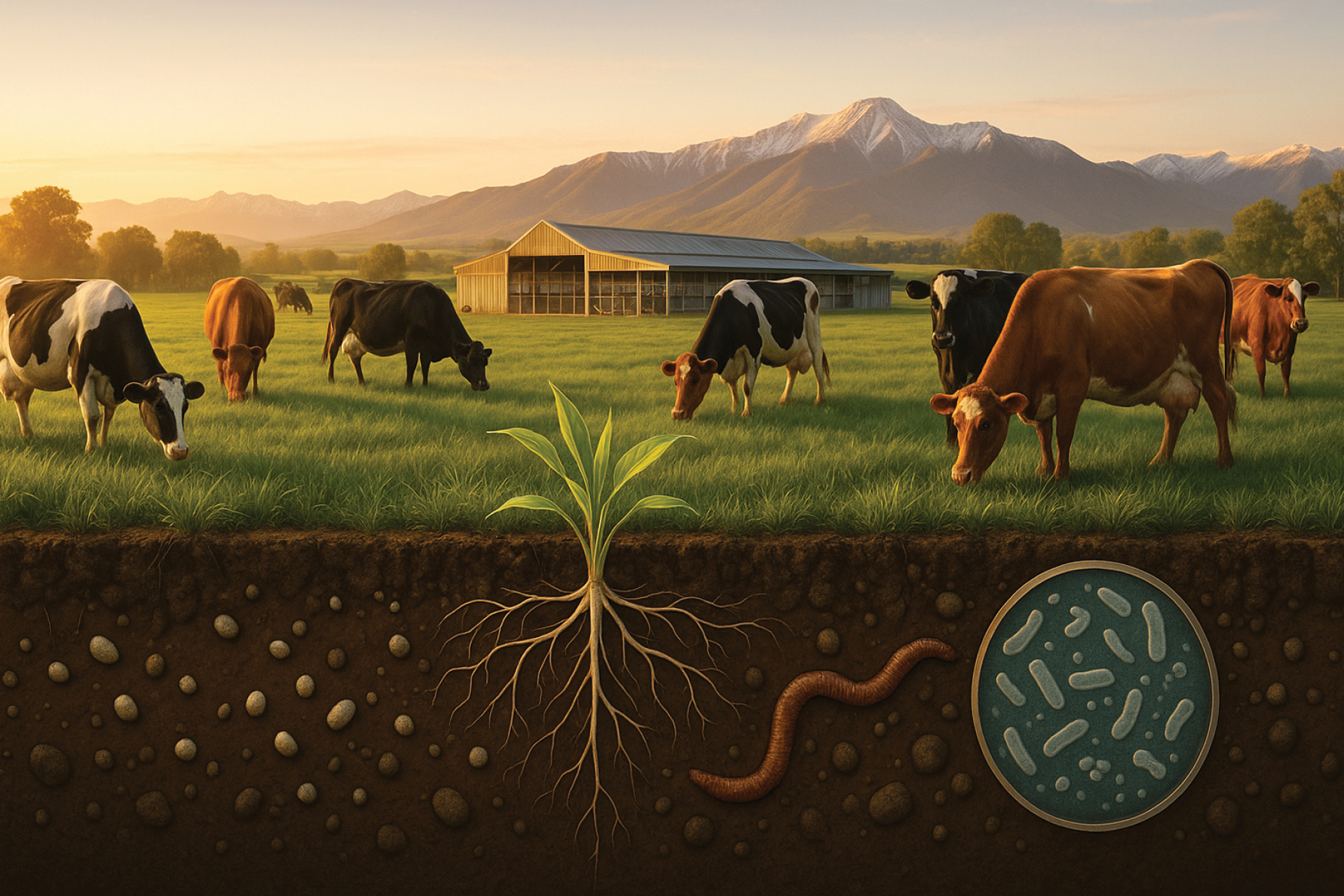
The Soils Gap: Interactions Between Science, Commerce and Culture

Executive summary

Soils lay the foundation of al farming productivity. Whether the farm is managed conventionaly or holisticaly; it al starts with soil.

How farmers manage their soil is influenced by multiple factors. Overarching al of them is our scientific space which affects farmers’ perceptions both culturally and technically.

Linear, cause and effect, output focused, studies suit fertiliser research and fit well with our commercialised scientific frameworks. This product based mentality has extended into our shift towards environmental research with productive environmental science providing solutions through this lens. Meanwhile studies on soil function have been limited, and studies on soil function relating to productivity are non-existent. With baseline biological data missing, soil biology studies related to fertiliser usage have used inconsistent rudimentary measures that have not been built on over time.

The major players within our commercialised scientific frameworks have been driven by market incentives in a way that flies by soil biology and function without stopping to investigate. Public funding is limited, private funding won’t receive a product from it and our scientists have entire careers within this framework that encourages short term thinking. So the long game of soil, unwinding its complexity and variation, falls by the wayside in spite of the possibilities it can bring.

Farmers, in an effort to do the best they can, take advice based on these scientific outputs. The science technically supports fertiliser and culturally supports linear thinking. There is no scientific basis for holistic management, because the studies have not been conducted.

Combined with political and media portrayals, an unnecessary cultural gap is created between conventional and holistic farmers. A gap that limits what conventional farmers see as viable options and leaves holistic farmers to do their own experimentation.

This paper does not make arguments for or against either strategy, but rather highlights how different farmers consider soils within their systems and the challenges they experience in managing them. Combined with the views of advisors and scientists, it tries to explain the drivers behind these challenges and perceptions.

Daniel Judd

Guardians or Executioners – Navigating the Ethics of Deer Control

Executive summary

This report investigates the ethical, ecological, and cultural complexities surrounding wild deer control in Aotearoa New Zealand. Using an autoethnographic method integrated with policy analysis and a wide-ranging literature review, it explores why deer control remains so persistently contested, despite clear evidence of the environmental damage caused by expanding feral deer populations. Framed around the central question, Guardians or executioners? Navigating the ethics of deer control, the report critically examines how ethical frameworks shape, constrain, or enable management decisions in a settler-colonial context.

Introduced in the 19th and 20th centuries, deer have shifted from protected game species to pervasive pests. Today, they occupy more than 44 percent of the country’s land area, contributing to the decline of indigenous biodiversity, impeding native forest regeneration, and affecting productive land use (Mason & Allen, 2020). Although successive governments and agencies have undertaken control efforts, reinvasion, fragmented governance, and inconsistent investment have allowed deer populations to persist or expand in many regions.

This report weaves personal experience with academic critique to expose the moral tensions at the heart of contemporary deer control. Managing sentient animals through lethal means raises discomfort, resistance, and conflict, especially in rural and Māori communities. These tensions are not just policy obstacles; they reveal deeper misalignments between dominant control paradigms and the ethical, cultural, and ecological conditions in which they are applied.

Key themes include:

  • The enduring influence of settler-colonial narratives that frame deer as either invasive threats or charismatic game animals.
  • The emotional ambivalence and cultural complexity deer represent for many communities.
  • The fragmented statutory environment that contributes to inconsistent and ineffective management across land types and jurisdictions.

Chapters 7 and 8 assess historical and contemporary control strategies, including iwi-led restoration projects, community-based catchment programmes, and commercial harvesting through Wild Animal Recovery (WARO). Chapter 9 introduces relational ethics, ecological justice, and kaitiakitanga as alternative frameworks for understanding and guiding decision-making. Chapter 10 presents six future-oriented models for deer control, each grounded in collaborative, context-sensitive practice. These chapters collectively argue for a pluralistic and adaptive strategy that reflects the diversity of New Zealand’s landscapes and communities.

Key Findings and Recommendations

The report identifies several key findings that inform a new approach to deer management in Aotearoa New Zealand. First, ethical tensions are not peripheral but foundational. For deer control to maintain public legitimacy and long-term support, it must be conducted in ways that are humane, transparent, and culturally appropriate. Public discomfort and resistance are not merely obstacles to overcome but signals of deeper ethical concerns that must be addressed through inclusive practices.

Second, co-design with Māori and rural communities is essential. Initiatives such as the Raukūmara Pae Maunga Project illustrate the potential of place-based governance that aligns with Te Tiriti o Waitangi and incorporates local knowledge, values, and aspirations. These models offer powerful alternatives to top-down approaches and help ensure that management strategies are both socially legitimate and ecologically grounded.

Third, the complexity of deer management demands multiple concurrent approaches. No single model is sufficient. Effective outcomes will require a combination of landscapescale coordination, iwi-led governance, catchment-level collaboration, and adaptive management hubs. These approaches must be responsive to different ecological conditions, land-use priorities, and community relationships.

Fourth, the way deer control is framed in public discourse has real consequences. Moving away from militaristic and adversarial metaphors toward a language of care and responsibility can create space for more constructive, pluralistic dialogue. This shift in narrative can reduce polarisation and foster broader public engagement with the ethical dimensions of environmental stewardship.

Finally, there is an urgent need for a coherent national deer strategy. Such a strategy should provide integrated direction that balances biodiversity outcomes, ethical responsibility, and Treaty obligations. Without national coordination, efforts will remain fragmented and inconsistent, limiting their long-term impact.

Ultimately, this report calls for a paradigm shift in how deer management is conceptualised and enacted. Rather than viewing it solely as a technical challenge, it must be recognised as an ongoing ethical practice rooted in care, cultural legitimacy, and ecological responsibility. Through this reframing, Aotearoa New Zealand can develop deer control systems that are not only effective but also just and enduring.

Phil Holland, 

Partnerships within the Food and Fiber Sector: Do They Return Value to The Farm Gate?

Executive summary

Background

Highly productive soils are a precious and finite resource, critical for food production but also highly valued for climate regulation, water cycling, biodiversity, cultural significance, and recreation. However, research suggests that up to 75 percent (source FAO, 2020) of soils globally, are already degraded. Now more than ever, stakeholders needs to take actions that will firstly, halt further loss of highly productive soil to city expansion, and secondly protect and enhance remaining productive soils.

Methodology

A literature review was completed to understand recent research undertaken both in New Zealand and overseas that addresses the topic of soil health and specifically the importance of soil health as a measure of sustainability. Where possible, direct references to horticulture or fruit production were sought.

A series of semi-structured interviews were carried out to gather a range of perspectives from a diverse, but relatively small group of stakeholders. Thematic analysis was carried out to identify key themes.

Objectives and scope

The main objectives of this research project are to:

  • Understand the drivers that influence soil health outcomes in New Zealand
  • Understand how growers, industry bodies, researchers and government currently evaluate or manage soil health
  • Identify opportunities to improve soil health outcomes in New Zealand and how these may differ from the rest of the world

Key Findings:

Although participants in this project all recognised that soil health is important, their approach toward the management of soil varied widely.

Additional support in the form of education and extension will help to increase further adoption of sustainable practices that enhance soil health

Change in some parts of the sector is slow due to a combination of mindset and economic, or business-related headwinds that must be overcome.

Market demands and industry-led initiatives will increasingly influence grower practices and elevate the importance of soil health.

Recommendations:

  • With support, most growers will be capable of making changes to enhance soil health without increasing business risk.
  • Industry bodies and product groups should have strategies that elevate awareness of soil health.
  • Governments need to place equal emphasis on the protection of productive soils, as well as the enhancement of soil health.
  • Policy settings need to include clearly defined soil health objectives and allow local government to set regionally specific goals.

Sam Connor

Kellogg offers two qualifications.

Just over a week ago, many alumni of the 52nd Kellogg cohort graduated with Post Graduate Certificates.

Credentialisation of the Kellogg Programme through Rural Leaders’ academic partners Lincoln University means Kellogg graduates can gain the Post Graduate Certificate in Commerce as well.

The next opportunity to do this for yourself will be on Kellogg Programme One, 2026 (late January start). Early applications are welcome. Head here for more information.

Congratulations to these double qualification recipients.

Congratulations to the following PG Cert graduates from cohort 52 Nick Martin, Megan Fox, Cheyenne Wilson, Richard Pentreath, James Prunty, Hamish Symons, Kendal Buchanan, Jordi Hoult, Laura Deeming, Iain Inglis, Whitney Conder, Ben Aiken, Oliver Hampson, Kate Kellick, Hamish Hodgson, Anita Fleming.

And also graduating were Wyatt Johnston, Lisa Lunn and Allan Dunn from the 51st cohort.

Image comes courtesy of Lincoln University.

Kellogg Rural Leadership Programme cohort 52 (Programme Two 2024)

Threads of influence. A Champion of rural leadership development.

For the last eight years Dr Scott Champion has been a key figure in the development of leaders in food and fibre. He has made a direct impression on over 300 leaders on the Kellogg Rural Leadership Programme and many more through Nuffield, Engage and the HortNZ Leadership Programme.

Scott’s deep sector-wide knowledge, delivery style, ability to deftly weave discussion threads, and tease out insights, has made him one of the sector’s most in-demand facilitators.

As Scott leaves his role with Rural Leaders for a new challenge at Foundation for Arable Research (FAR), we thought we’d take a look at his career so far – one chaptered by key sector roles, research, and developing food and fibre’s leaders.

Foundations in agriculture.

Dr Scott Champion’s journey into agriculture didn’t start in the heartland of rural New Zealand. The story is no less compelling. Raised in Sydney, Scott was drawn to the land from a young age. Family connections to farming in New South Wales sparked an early fascination in the potential of agriculture to sustain humanity in exciting new ways.

His entry into agriculture came at an open day at the University of New South Wales. Scott came across a programme in wool and animal science. He enrolled in the degree, and this soon led to a deep scientific interest, particularly in the relationship between animal nutrition and wool quality. This path took him on to a PhD, which he completed partly in Sydney and partly in Tasmania.

After completing his doctoral studies, Scott moved into teaching and research in animal science at the University of Tasmania. Then in 2001, a new opportunity arose: a product development and research role with the New Zealand Merino Company.

Scott on-farm with a recent Engage Programme cohort.

Science and innovation.

At this time, the New Zealand Merino Company had challenged the long-standing wool auction system, which traditionally kept growers disconnected from brands and consumers. Instead, the company fostered an attribute-based, contract-led supply chain model. The partnership with Icebreaker, one of the company’s earliest and most well-known collaborators, illustrated this shift well. By building direct links between growers and end-users, the New Zealand Merino Company helped brands create compelling product stories while giving growers visibility and value beyond auction prices.

Scott’s science background played a pivotal role in telling the story of Merino wool in new and practical ways. He worked alongside the commercial wool team to deliver training and develop retailer experiences that showcased the performance benefits of Merino, such as moisture absorption and fire resistance, often through live demonstrations. These tactile, science-backed experiences helped redefine how retailers and consumers perceived wool, especially internationally, where traditional wool was often associated with scratchiness and discomfort.

“We thought of ourselves as being an ingredient brand that could sit inside retail brands. So the purpose was not to create a retail brand in its own right around New Zealand Merino, but to create an attribute, an origin story that functioned as an ingredient brand,” says Scott.

the New Zealand Merino Company’s approach, Scott notes, wasn’t just commercial, it was transformational. The company positioned Merino not just as a material, but as an important performance attribute. This shift, from commodity to value-added story, inspired similar approaches across the food and fibre sector.

The CEO.

Scott’s next move was to Beef + Lamb New Zealand (B+LNZ), initially as General Manager of Market Access  and Services. The position brought together technical policy, trade access, animal welfare, and red meat promotion; areas that spanned local and international impact. Scott worked on initiatives such as the Five Nations Beef Alliance (which later expanded to seven countries), focusing on improving global trade outcomes for beef.

Later, Scott was appointed CEO of B+LNZ and concurrently led the New Zealand Meat Board, where in addition to strategic oversight, he was responsible for managing farmer reserves and quota access for red meat exports to the US and EU.

Following his tenure at B+LNZ, Scott explored a new direction, founding the consultancy Primary Purpose with a business partner. The consultancy would offer strategic advice and social research across food, agriculture, and natural resources.

Growing rural leaders.

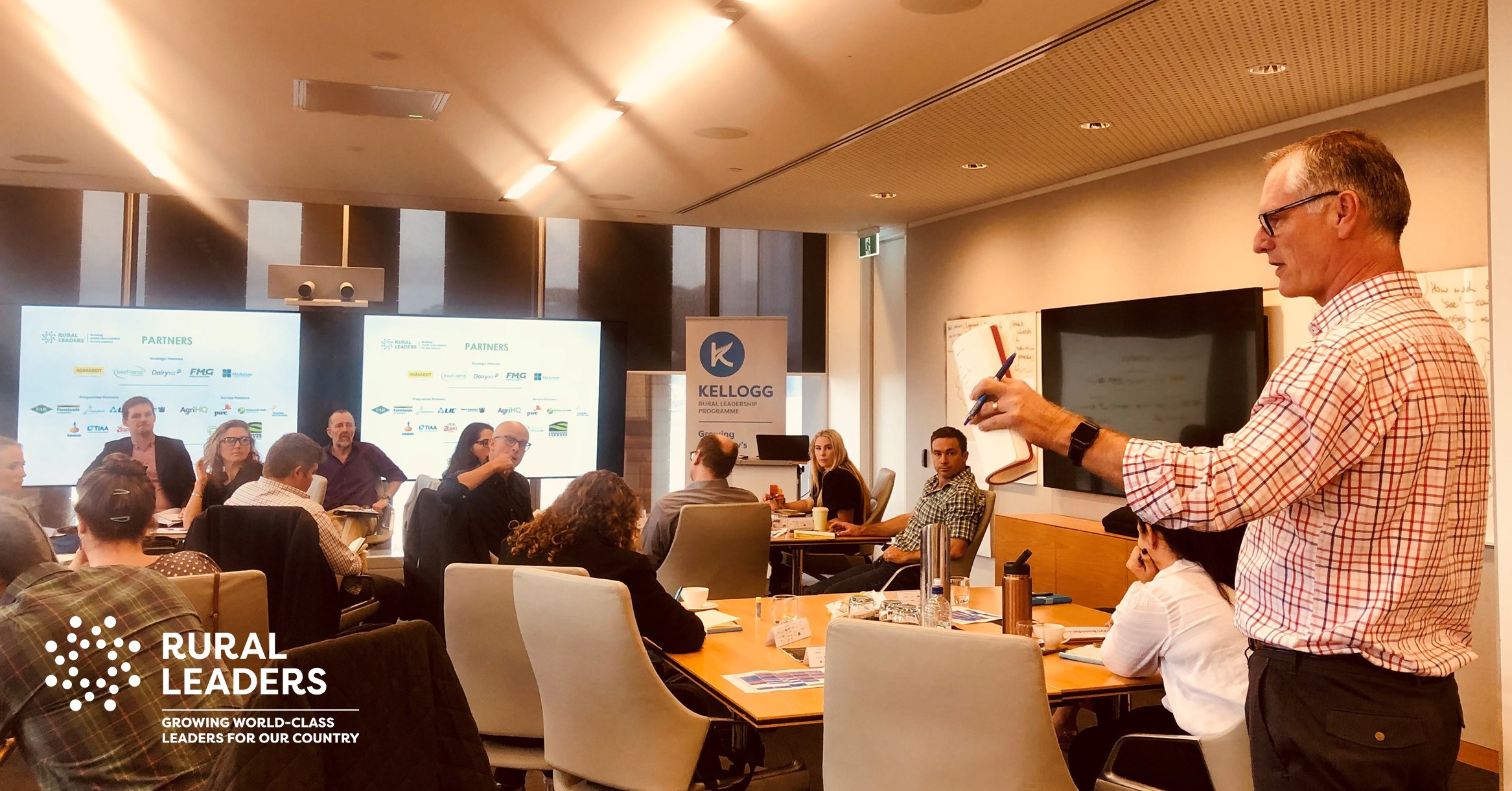
Around this time, Scott’s relationship with the Kellogg Rural Leadership Programme deepened. Having previously been a regular industry speaker on Kellogg, he took on the role of Programmes Director and lead facilitator.

Speaking to Kellogg participants, Scott emphasises leadership is not about titles or standing at the front of the room telling others what to do, it’s more about being in the middle, understanding context, and drawing on lived experience. One of the programme’s unique strengths, he says, is its ability to give people confidence, regardless of their academic background. Participants, some without tertiary education, emerge from the programme with a deeper sense of self and purpose, and an understanding of the broader food and fivre industry.

Kellogg also offers access to influential speakers and one-on-one conversations with senior leaders across government and industry. For many participants, it’s a rare chance to see high-level leadership up close and to realise that those in senior roles are human, facing many of the same challenges anyone else does.

“The convening power of the programme is often underestimated. People are always willing to talk to our Kellogg cohorts. These are people who would have lots of things that they can potentially do in that time slot. I think that’s a mark of Kellogg’s standing”, says Scott.

The long-term impact of Kellogg is increasingly evident, with alumni populating boards, advisory groups, and sector leadership roles. The programme, nearing its 50th year, continues to be a vital part of New Zealand’s rural leadership pipeline.

“As the sector becomes more complex, the need for good leaders who understand context is significant. Not just the narrow technical nature of many of the roles that we all operate in, but that they truly understand the wider context in which they’re operating. I think that’s a key benefit of Kellogg – it’s what makes it so unique”, says Scott.

Scott with Kellogg Rural Leadership Programme cohort 52 (Programme Two 2024)

More to do.

Looking ahead, Scott is set to take on a new challenge. In July, he begins as CEO of the Foundation for Arable Research (FAR), working alongside current CEO, and friend of Kellogg, Dr Allison Stewart through June. FAR is widely respected for its research and extension services in the arable sector, and Scott is looking forward to contributing further.

Meanwhile, Primary Purpose, will continue under the leadership of the partners. The business remains committed to supporting clients with insight-driven strategy and research, helping organisations navigate the complex landscape of agriculture and food production.

From animal science to strategic leadership, Scott Champion’s career has so far been marked by curiosity, innovation, and a desire to give back. His impact has rippled through the primary industries in both Australia and here in New Zealand.

“When done well, applying good leadership can have a hugely exponential impact on the wellbeing and performance of people, teams, communities, industries and on a country. It’s been a privilege to have played a role in developing leaders through Rural Leaders’ Kellogg Programme and I look forward to coming full-circle and returning as a speaker”, adds Scott.

Over the last 8 years, Scott has been an integral part of not only the Kellogg Rural Leadership Programme but Rural Leaders as a whole. 

“Scott has brought wisdom, insight and encouragement to all that have attended our Kellogg and Engage programmes. It has always been satisfying to watch the personal confidence and clarity of thought shine through programme participants as Scott guided them through their Kellogg journey. While we are sorry to see Scott move on, we are delighted for him and his new role at FAR”, concludes Lisa Rogers, CEO Rural Leaders.

Dairy animal welfare in New Zealand

Executive summary

Public concern for the welfare of farmed animals is increasing. While New Zealand is often considered progressive in terms of its animal welfare legislation, we are not devoid of welfare issues when it comes to the management of animals within our food production systems. When considering dairy animals, cattle are often the main focus; however, dairy goats and dairy sheep are both emerging industries within New Zealand. Therefore, this report will encompass all three species.

Determining priority issues of animal welfare is critical to ensure limited funding and research is focused in the most appropriate areas, and to ultimately improve on-farm practices and animal welfare. It also allows for awareness to be raised regarding animal welfare best practice, and to highlight where the status quo is being challenged and where novel approaches are being used to address priority issues.

Whilst previous research has used expert consensus to identify priority welfare issues in dairy animals, there is no New Zealand specific data. Therefore, the overarching objective of this project was to determine priority welfare issues specific to New Zealand, by using a multistakeholder approach. Specifically, the aims of this project were to 1) determine how stakeholders rate known welfare issues for the three species, 2) determine specific priority issues of animal welfare for the three species, 3) identify novel approaches that are being used within the industry/sector to help mitigate the identified priority issues.

A review of the scientific and industry relevant literature was conducted to establish a list of documented welfare issues for each species (i.e., dairy cattle, dairy goats and dairy sheep). An online survey was then developed and circulated to a range of stakeholders (including veterinarians, farmers, scientists, government, NGO’s) for them to rate the constructed list of welfare issues in terms of severity and occurrence using Likert scale questions. Additionally, using open ended questions respondents were asked to specify their top three welfare priorities and to identify any novel approaches being used to improve animal welfare. Follow up semi-structured interviews were conducted to gain additional information for some of the identified novel approaches.

Key survey findings:

  • A high percentage of respondents rated the severity of lameness as having a high or very high impact for all three species (76%, 83%, 71% for dairy cattle, goats, and sheep respectively). Furthermore, lameness was identified as the top priority issue for all three species.
  • The severity of painful procedures was rated higher in dairy goats and sheep compared to dairy cattle.
  • Delayed veterinary care and/or delayed euthanasia featured high in terms of severity for all three species.
  • A high percentage of respondents rated the occurrence of surplus offspring (71%, 85%, 35% for dairy cattle, goats, and sheep respectively) and early dam separation (81%, 75%, 41% for dairy cattle, goats, and sheep respectively) as very frequently or always in all three species. Additionally, surplus offspring was identified as a priority issue for dairy cattle and dairy sheep.
  • Lameness and surplus offspring were reoccurring themes across the survey responses for all three species. Therefore, they were the focus for follow up interviews regarding novel approaches.
    • Novel approaches to improve the welfare of surplus offspring included creation of new value streams through premium meat products, and the breeding of dairy beef,
    • Novel approaches for lameness centred around innovative technologies (e.g. Herd-i).

Recommendations:

  • Stakeholder collaboration is needed to solve ‘wicked’ problems. There is no silver bullet to solve complex welfare challenges. Commitment from stakeholders for continuous improvement across the supply chain is required to solve or at least reduce some of these issues (i.e. surplus offspring).
  • Showcase and support the innovative thinkers and early adopters. There are farmers and companies challenging the status quo and coming up with innovative ways to overcome welfare issues. They deserve recognition, industry and government support and financial assistance. If we are proactive and support the innovators and early adopters, then we can drive animal welfare change through farmer lead solutions rather than being pushed by policy and regulations from government.
  • New Zealand cannot rest on its laurels. We need to be proactive when it comes to animal welfare to ensure we maintain our social license to farm, keep up with public expectation of pasture-based animal production systems, and to meet changing domestic and international market expectations.

Laura Deeming

Creating a Thriving Food and Fibre Sector for Rangatahi in Aotearoa: He Ara Whakatipu

Executive summary

Ka mua, ki muri – Walking backwards into the future

The food and fibre sector stands as a cornerstone of Aotearoa’s economy, employing 367,000 people and contributing significantly through agriculture, horticulture, forestry, and fisheries. With Māori assets in the sector valued at over $23 billion, and rangatahi Māori comprising a substantial proportion of the Māori population, the future of the industry is intrinsically linked to the empowerment and success of these young leaders. This report explores the barriers rangatahi face, identifies opportunities for growth, and offers strategies to create a thriving and inclusive sector where rangatahi Māori can lead with confidence and pride.

Through kaupapa Māori-centred research, including surveys and wānanga, this study captures the lived experiences of rangatahi and their supporters. It reveals that systemic challenges, such as limited access to culturally aligned education and training, insufficient career guidance, financial constraints, and workplaces that fail to authentically integrate tikanga Māori, are significant barriers to their success. Many rangatahi feel disconnected from industry pathways that do not reflect their values or aspirations, while financial pressures and geographical isolation further compound these challenges.

However, the research also highlights transformative opportunities for change. Initiatives grounded in Te Ao Māori values, including culturally aligned leadership programmes, mentorship networks, and hands-on training schemes, have already shown their potential to foster confidence, build skills, and inspire rangatahi to see their place within the sector. These successes demonstrate the importance of prioritising cultural authenticity, holistic support, and equitable access in fostering meaningful engagement.

Te Whare Tapa Whā, Mason Durie’s holistic model of wellbeing, provides a vital framework for understanding what it means for rangatahi to thrive. Participants described success as more than individual achievement, emphasising the importance of balance across spiritual, emotional, physical, and social dimensions. Thriving is inherently collective, rooted in contributions to whānau, hapū, and iwi, and in alignment with cultural identity and aspirations.

To enable rangatahi Māori to thrive, the report identifies the need for systemic change across the food and fibre sector. Education and training programmes must reflect Māori values and provide clear, culturally aligned pathways into meaningful careers. Mentorship, grounded in Māori perspectives, can connect rangatahi with role models who inspire and guide them toward leadership roles. Workplaces must become inclusive spaces where tikanga Māori is authentically integrated, creating environments where Māori identity is valued and celebrated. Financial support, including scholarships and subsidies, is critical for reducing economic pressures and enabling rangatahi to fully participate. Additionally, amplifying Māori leadership and sharing success stories can inspire others and challenge outdated perceptions of the sector.

The vision outlined in this report is of a food and fibre sector that honours the strengths of Māori culture, values, and leadership. In this future, rangatahi Māori are not only participants but transformative leaders, shaping an industry that is innovative, sustainable, and deeply reflective of Aotearoa’s bicultural heritage. Achieving this vision requires a collective commitment to dismantling barriers, fostering inclusivity, and embracing Māori perspectives at every level.

This is a moment of immense opportunity. By addressing the challenges identified and implementing the strategies proposed, the food and fibre sector can position itself as a global leader in cultural authenticity and sustainability. Empowering rangatahi Māori is not just an investment in individuals but a commitment to securing the future resilience and prosperity of the sector for generations to come.

The vision presented here is one of a food and fibre sector where rangatahi Māori are not only participants but transformative leaders. By addressing systemic barriers and embracing the strengths of Māori culture and identity, the sector can lead globally in sustainability, innovation, and cultural authenticity. This is a unique opportunity to act collectively, ensuring the sector’s resilience and prosperity for generations to come.

Cheyenne Wilson

Partnerships within the food and fibre sector

Executive summary

A partnership approach involves the pooling of resources, competencies, capacity and expertise, thereby achieving outcomes that add value to what each party could achieve by acting alone (Warner & Sullivan, 2004). New Zealand’s food and fibre sector benefits when participants work together to solve its challenges and bring value to the farm gate.

The purpose of this report is to evaluate what value working together brings to farmers and growers and the different types of potential value that can returned to the farm gate through the lens of industry partnerships. The objectives of the study were to address two primary questions.

  1. What are the elements of a successful partnership?
  2. What value can partnerships bring to the farm gate?

The methodology comprises a narrative literature review of existing works. This provided a base knowledge for conducting eight semi-structured interviews with a mixture of rural professionals, farmers, and growers. The themes identified from the literature review and interviews were then collated into a thematic analysis.

The results of this analysis showed that in order to return value, a partnership must be successful. Elements identified as contributing towards the success of a partnership we categorised using Sinek’s (2009) Golden Circle model of why, how and what. Purpose sat core of the model with trust, goalsetting, equity, management and people making the middle layer of how. Finally, structures and contracts were identified as the product of purpose, the what.

It was established that partnerships can bring social, productivity and profitability benefits to the farm gate. Productivity, which is often qualitative, typically leads to improved profitability over the long term. Profitability was found to be an instant benefit to the farm gate and was easily communicated and measured. Social value is often referenced within developing countries and was not widely discussed within interviews.

Recommendations for the food and fibre industry are:

  • Participants within the food and fibre sector should view working with others as an opportunity to create greater value than what one can achieve by working alone.
  • Initiatives that involve working with other parties should be formed and communicated from the inside out, starting with purpose.
  • Communicating effectively and engaging farmers and growers is fundamental to creating value at the farm gate, communication should be tailored to a diverse audience.

Sam Connor, Samuel