2026 Nuffield NZ Farming Scholarship. Apply by 17 August 2025. Read More...

Apply for 2026 Nuffield NZ Farming Scholarship by 17 August 2025. More details...

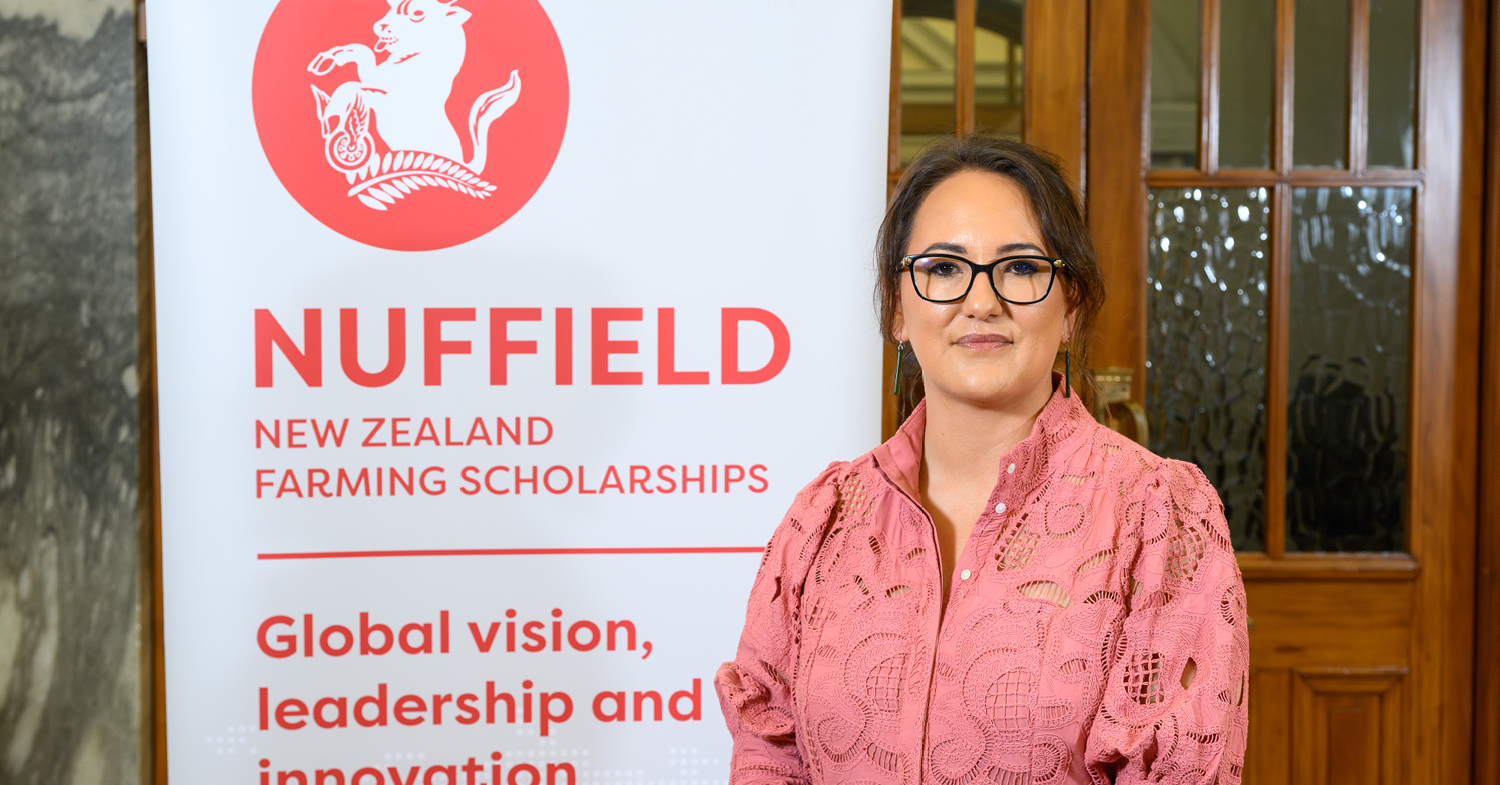
Renée Walker joins the Rural Leaders team.

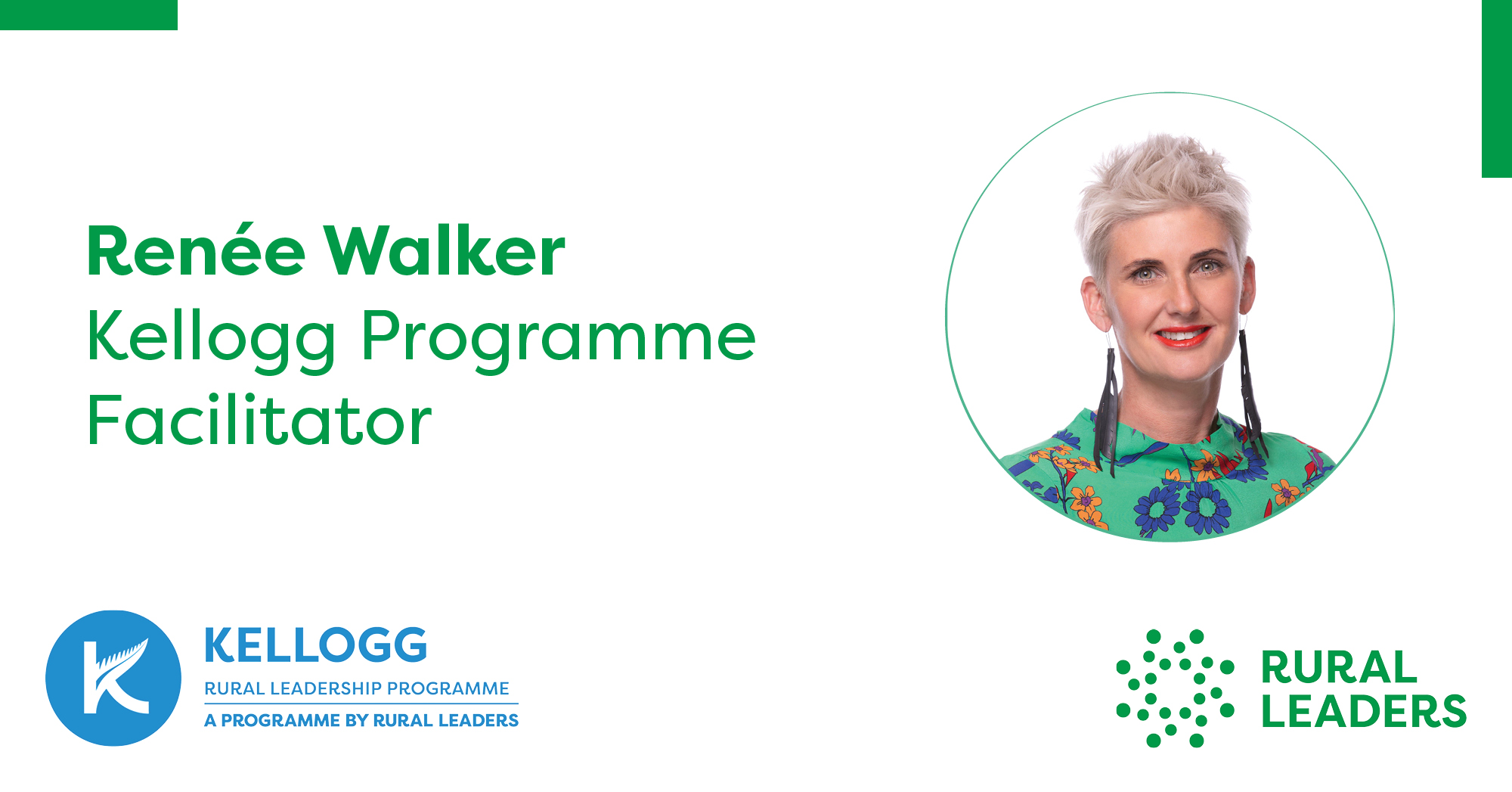
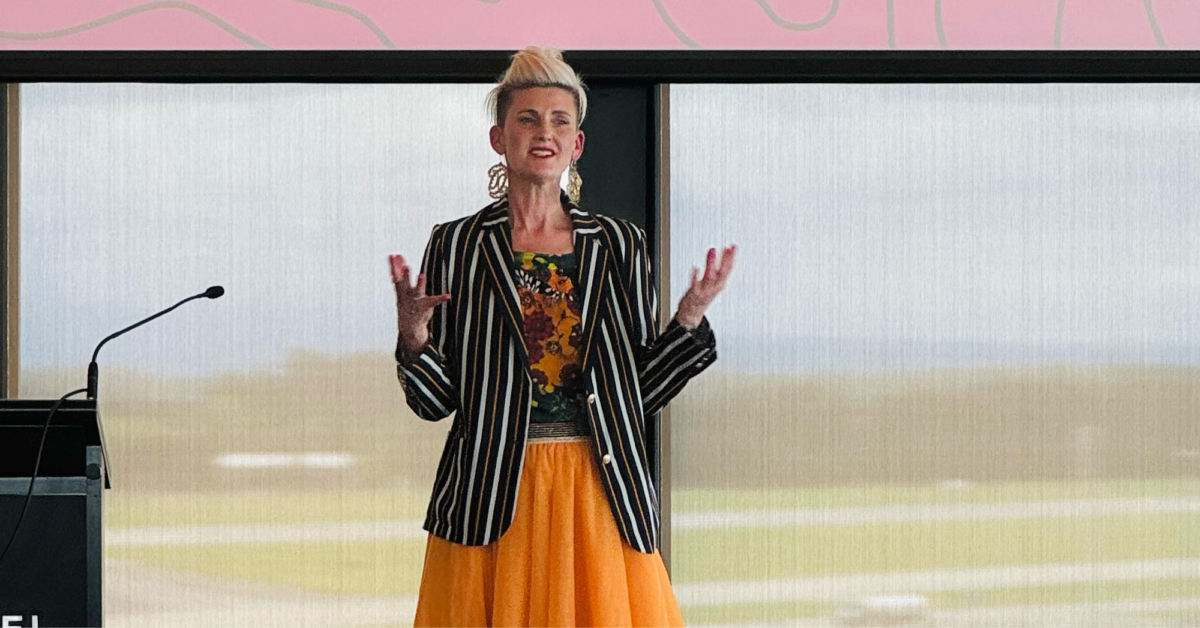
The New Zealand Rural Leadership Trust (Rural Leaders) is pleased to announce the appointment of Renée Walker as Kellogg Programme Facilitator. Renée will join Kellogg Programme One 2026.

For Renée Walker, Rural Leaders’ newly appointed Kellogg Programme facilitator, leadership has always been about people – seeing them, understanding them, and helping them unlock their own potential.

A former Chief Operating Officer and senior executive with more than 20 years’ experience leading teams through transformation and culture-building, Renée has built a career defined by involvement, visibility, and genuine connection. She has led through complexity – notably during Canterbury’s post-earthquake recovery -and brings deep experience in strategy, change leadership, and executive-level coaching.

Today, Renée is the director of The Leadership Revolutionist and Thrive For Life, working across New Zealand to equip leaders – from senior executives to Year 13 students – with the confidence, mindset, and capability to lead with heart and courage. She is known for her high-energy facilitation style, practical frameworks, and ability to create space for honest reflection and meaningful change. Her facilitation work spans boardrooms, classrooms, and conference stages, including leadership programmes, culture workshops, and Extended DISC and NLP-based development experiences.

From two large North Otago farming families, Renée’s connection to the rural sector runs deep. “It’s not just the backbone of New Zealand,” Renée reflects. “It is New Zealand. The rural sector is who we are.” With generations of family farming behind her, she understands the culture, values and pressures of rural life – and the pride that goes with it.

That rural pride led to working with Alliance Group – New Zealand’s only 100% farmer-owned red meat cooperative at the time – working in a role supporting and advocating for farmers. “My family have always been Alliance shareholders and suppliers,” Renée explains. “It felt important to be part of something that represents farmers so directly.”

Renée’s leadership journey began with a childhood dream of teaching, inspired by a grandmother who taught in small rural schools. “I thought you could only change lives by being a teacher,” Renée says. “But I realised leadership can do that too, being the person who sees others and helps them grow.”

Her career has spanned marketing, communications, insurance, and government relations, including her role as Deputy Chief Executive at EQC. “I’ve never been defined by a title,” Renée insists. “I don’t claim to be the smartest or the most technical person in the room, but I get people, and that’s been my greatest strength.”

Her work now focuses on culture, capability, and future-ready leadership – areas she believes are essential in a rural sector navigating generational change. “Young people don’t want hierarchy – they want autonomy, influence, and choice. That shift can be confronting… but also incredibly exciting for the sector.”

As the Kellogg Rural Leadership Programme Facilitator, Renée hopes to foster “…more diversity of voice…” in the sector. “We need different ways of thinking at the table,” Renée says. “Leadership is about helping people have an informed voice, especially as governments’ views of the rural sector can change.”

Outside work, Renée describes life as “integrated rather than balanced.” She balances time with her 13 year old son, and large extended family with community and board roles. Renée serves on the boards of the Christchurch Symphony Orchestra and the Riccarton Rotary Youth Trust, is a registered Marriage Celebrant, and an active supporter of several charities.

“I’m not known for relaxing…one of my key values is curiosity – I believe the more curious you are and the more you do, the more interesting and connected you become. That’s how you can really help others.”

Renée joins Kellogg Programme One 2026, which starts 27 January in Lincoln.
2026 Nuffield NZ Farming Scholars announced.

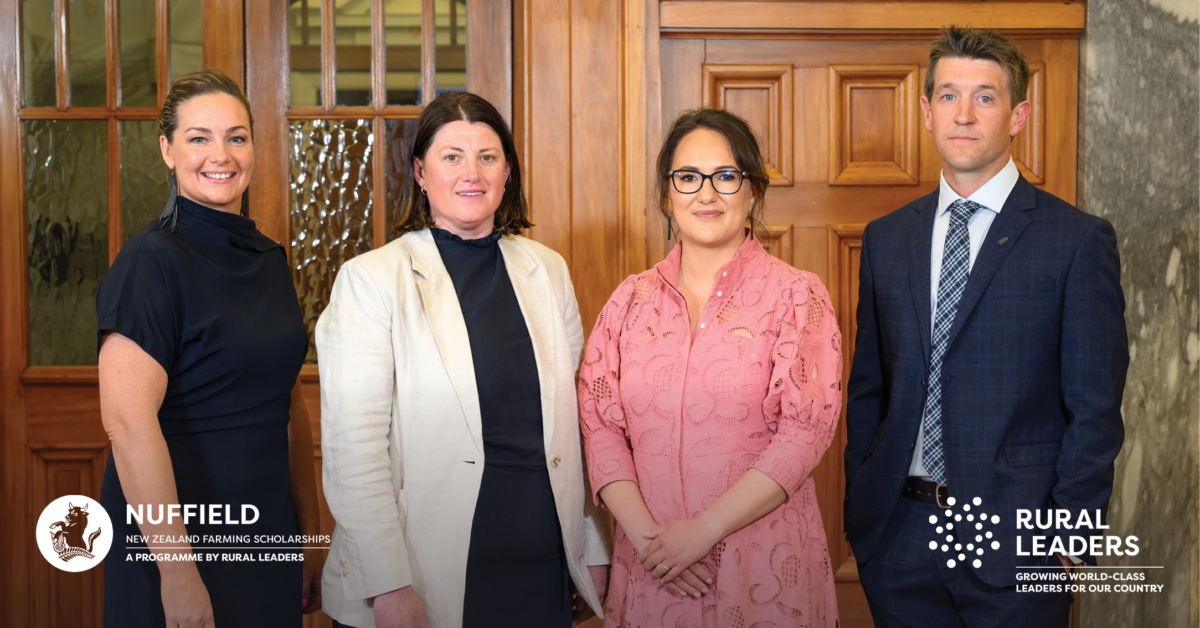
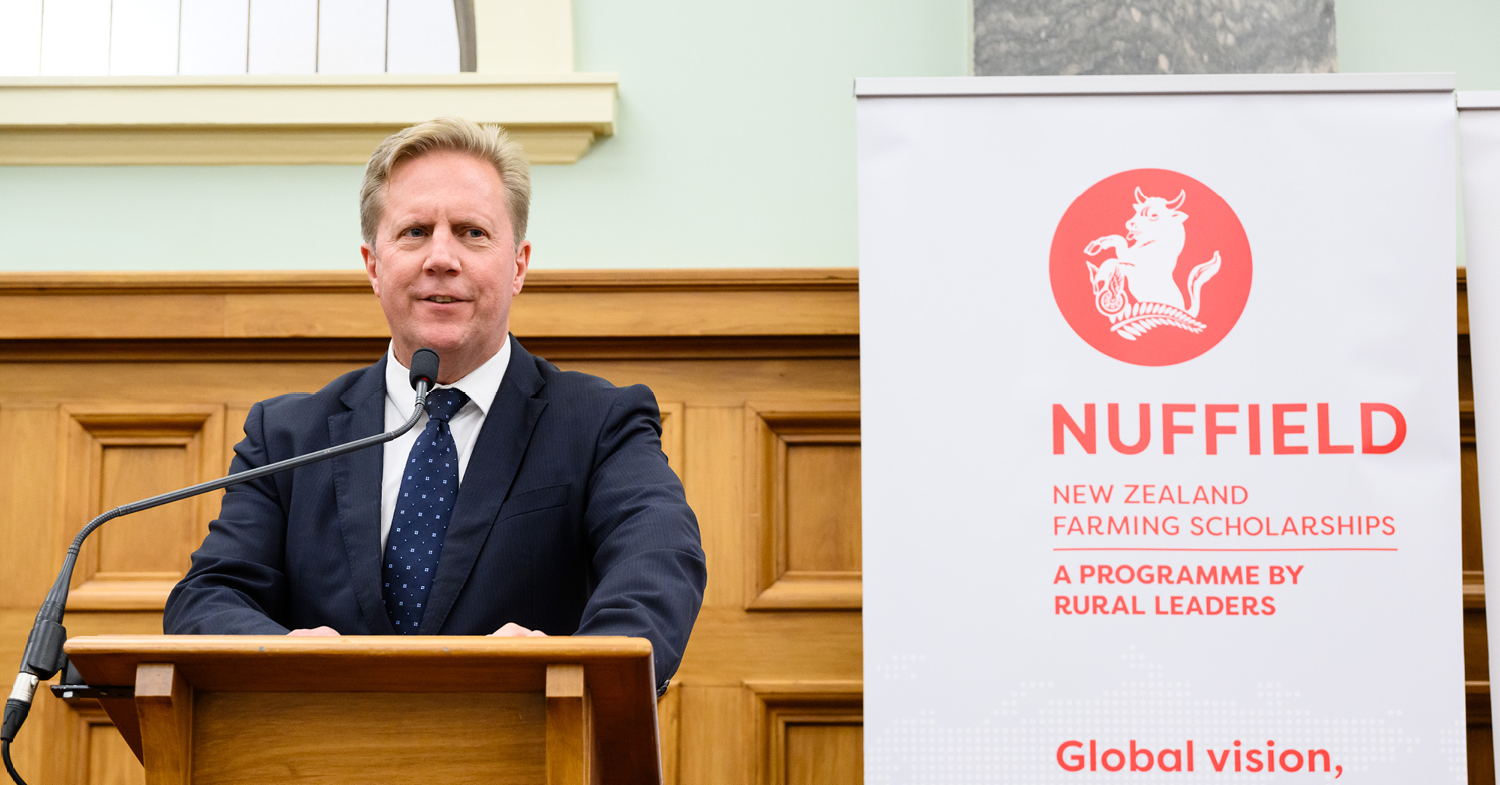
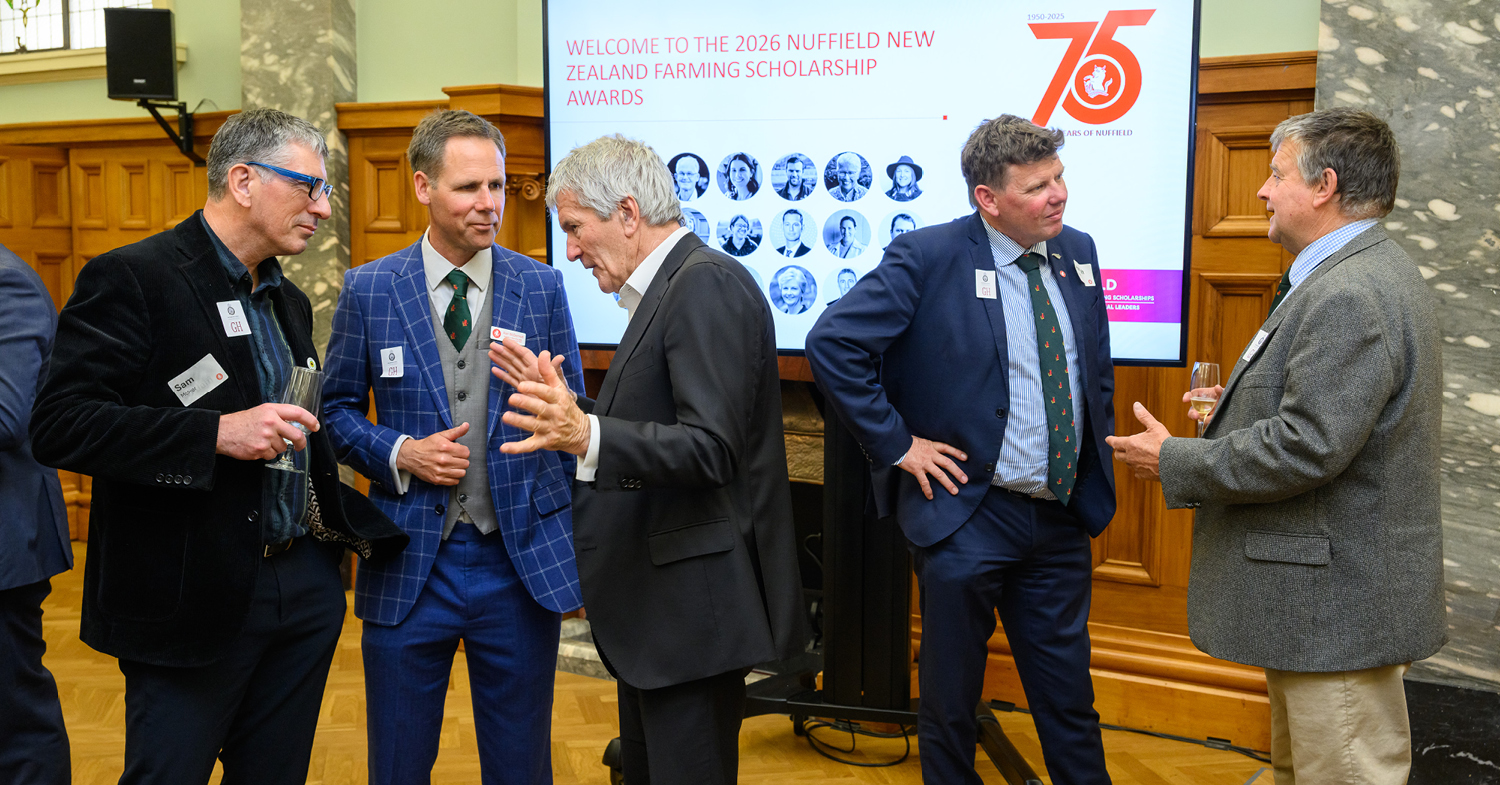
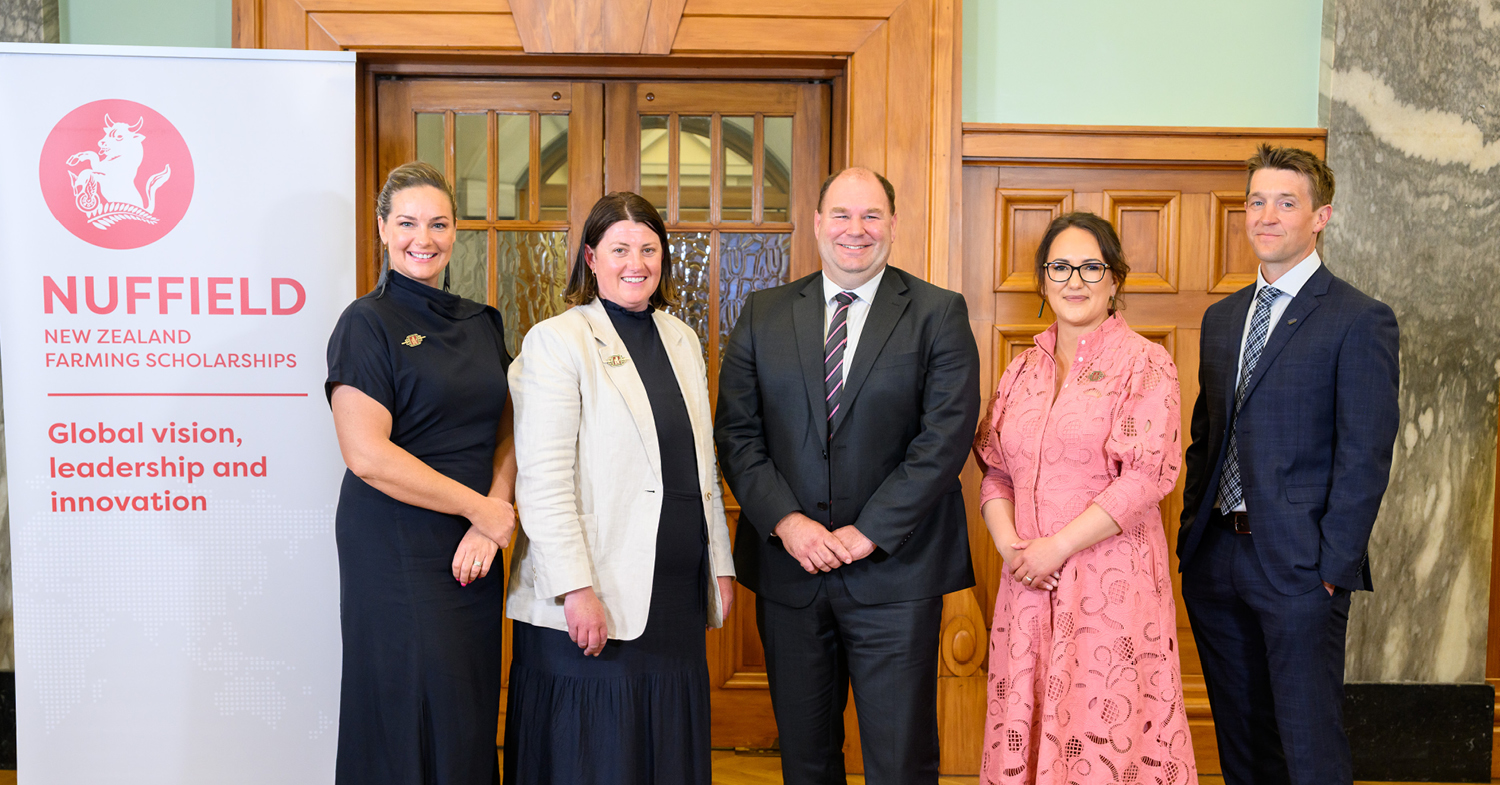
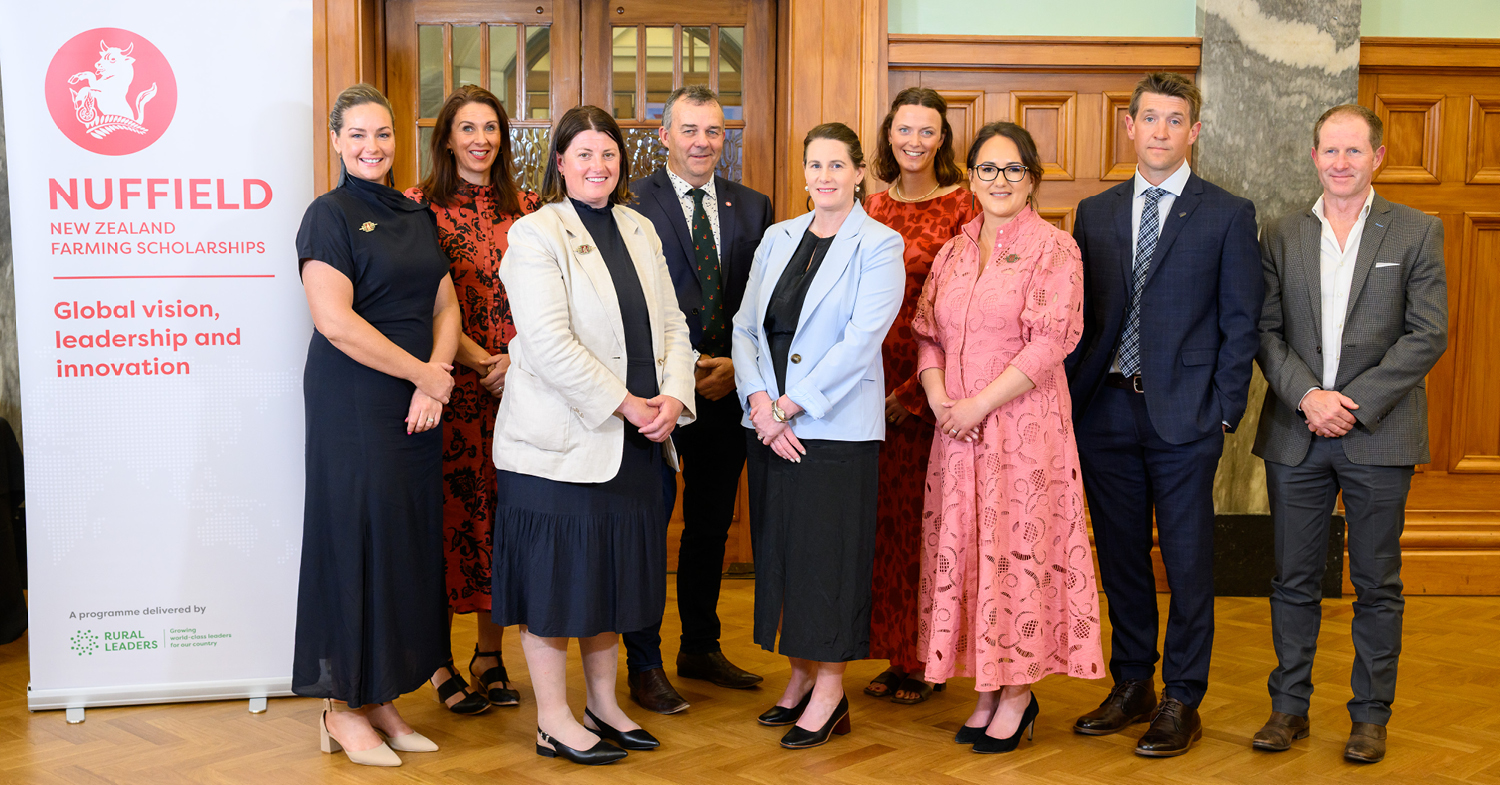
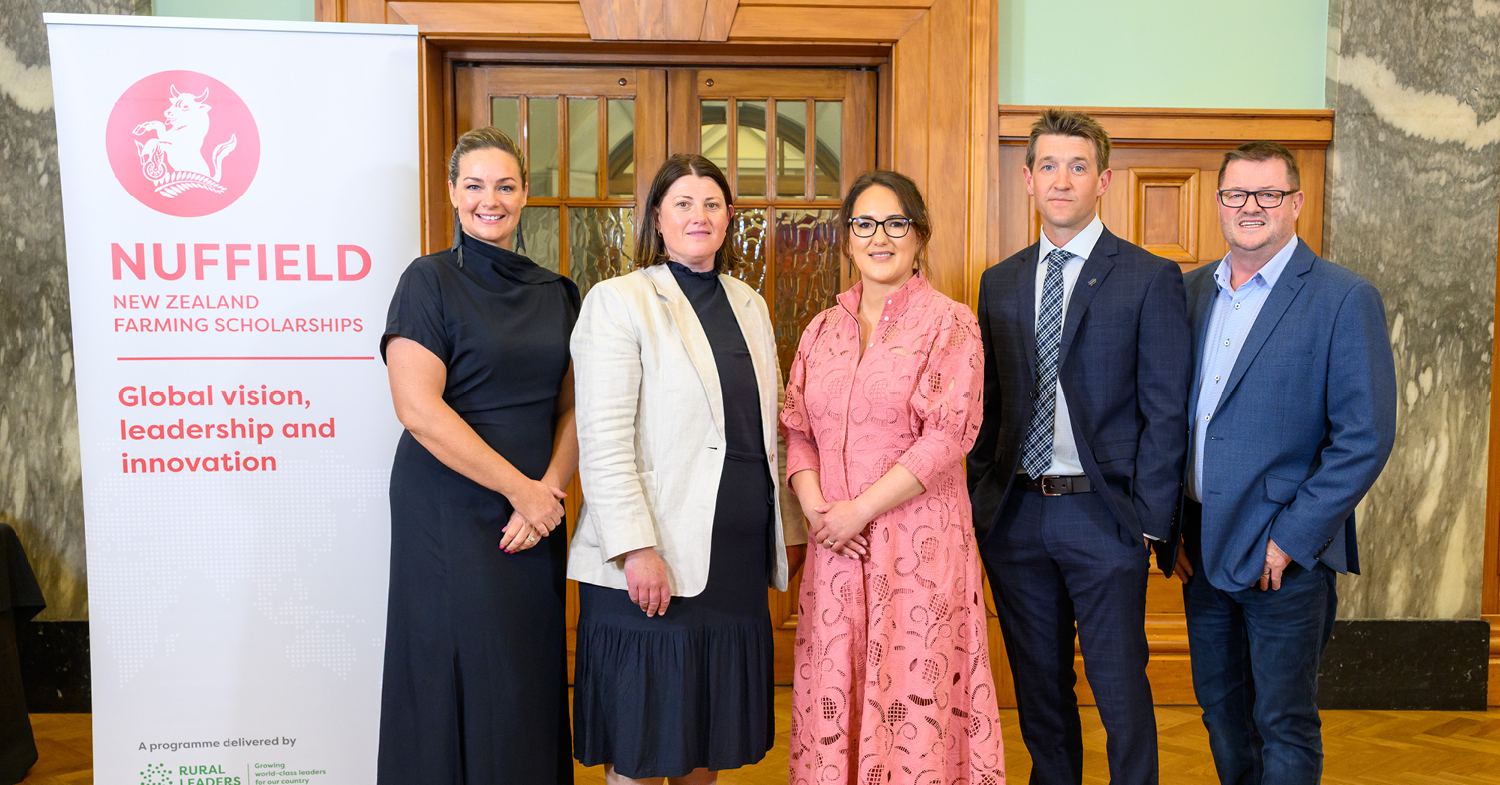
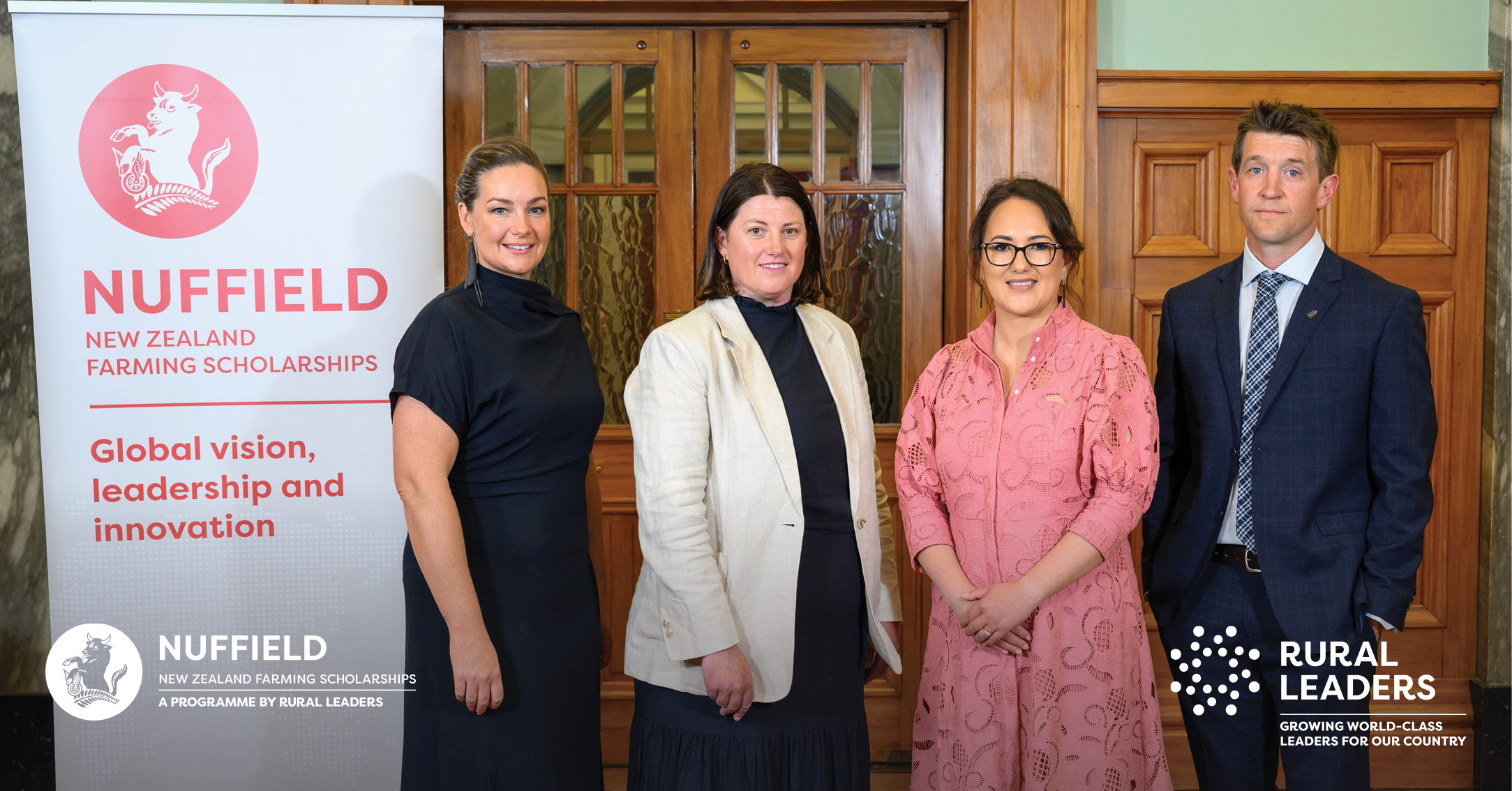
Last night (Tues 4 Nov) at Parliament, in front of Rural Leaders’ investing partners and political and industry leaders, Hon. Minister Todd McClay awarded the 2026 Nuffield Scholarships to four new leaders. 


Nuffield Farming Scholarships have been awarded to New Zealand’s Primary Industries leaders for 75 years.

With a global network of more than 2,000 alumni, 197 of these from New Zealand, Nuffield continues to help build rural leadership capability and Food and Fibre NZ’s global profile.

Last night at Parliament, in front of Rural Leaders’ investing partners and political and industry leaders, Hon. Minister Todd McClay awarded the 2026 Nuffield Scholarships to four new leaders.

The 2026 scholars represent three regions and several industries including dairy, aquaculture, and red meat.

The cohort will undertake a Rural Leaders delivered programme that offers a life-changing opportunity for travel, study of the latest agriculture innovations and an introduction to decision-makers around the world.

The new scholars were announced by Minister McClay as: Clare Bradley, a Bay of Plenty Aquaculturalist, Jared Clarke, a Canterbury Farmer, Kelly Heckler, an Otago Farmer, and Tracey Perkins, a Canterbury Farmer. They are the 194th, 195th, 196th and 197th New Zealand scholars respectively.

“Clare, Jared, Kelly and Tracey have shown they value giving back to community and industry, they display innovative approaches to their work, and they have demonstrated a track record of meeting challenges head on. 

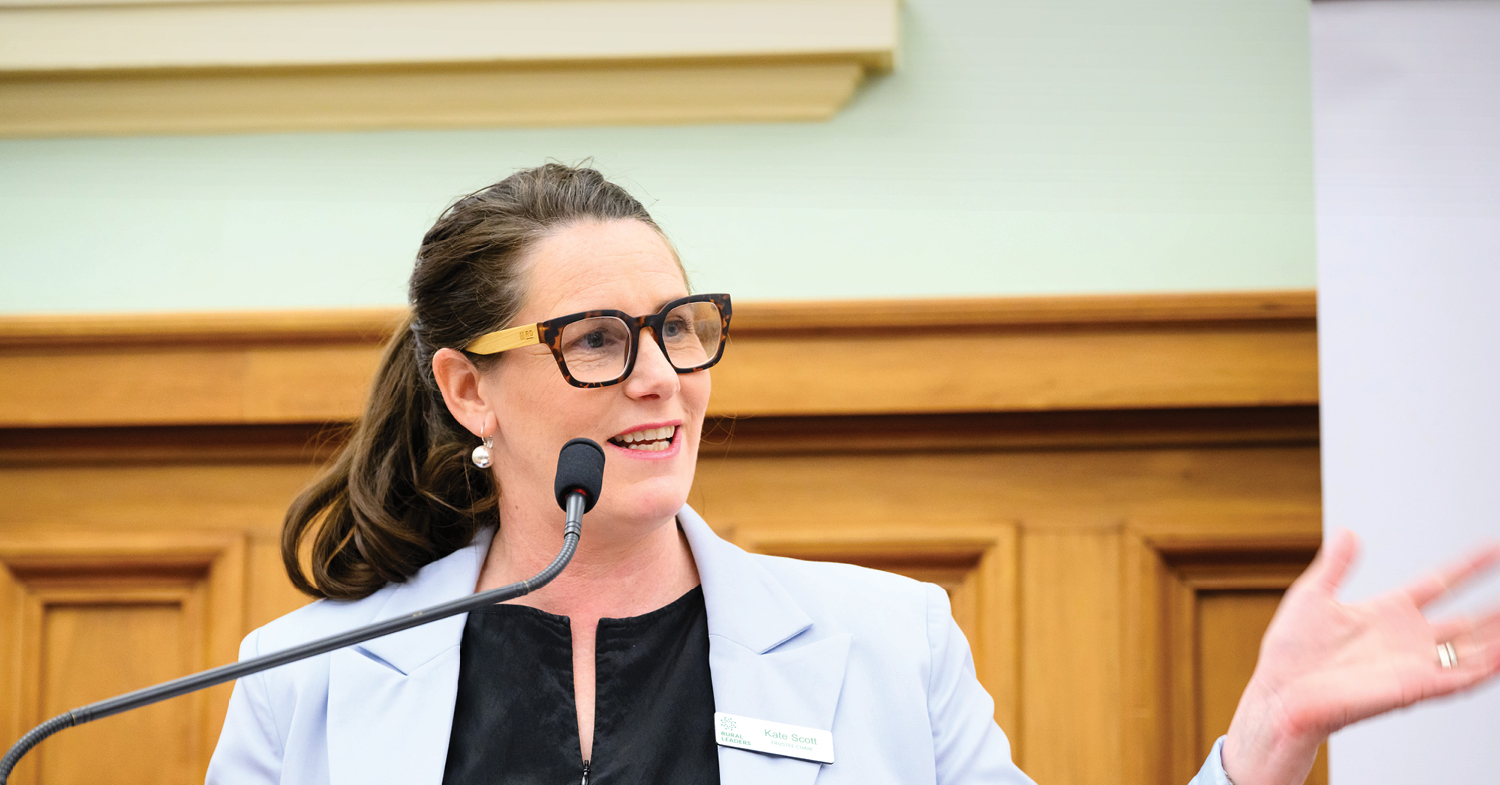
Ultimately, they are now tasked with finding those deep insights that will create lasting benefit for New Zealand food and fibre, their industries and their communities,” said Kate Scott, Rural Leaders and Nuffield NZ Chair.

Lisa Rogers, Rural Leaders’ CEO added, “Clare, Jared, Kelly and Tracey have each exhibited the characteristics that embody a Nuffield Scholar and ambassador for NZ Food and Fibre.”

Introducing the 2026 Nuffield New Zealand Farming Scholars.

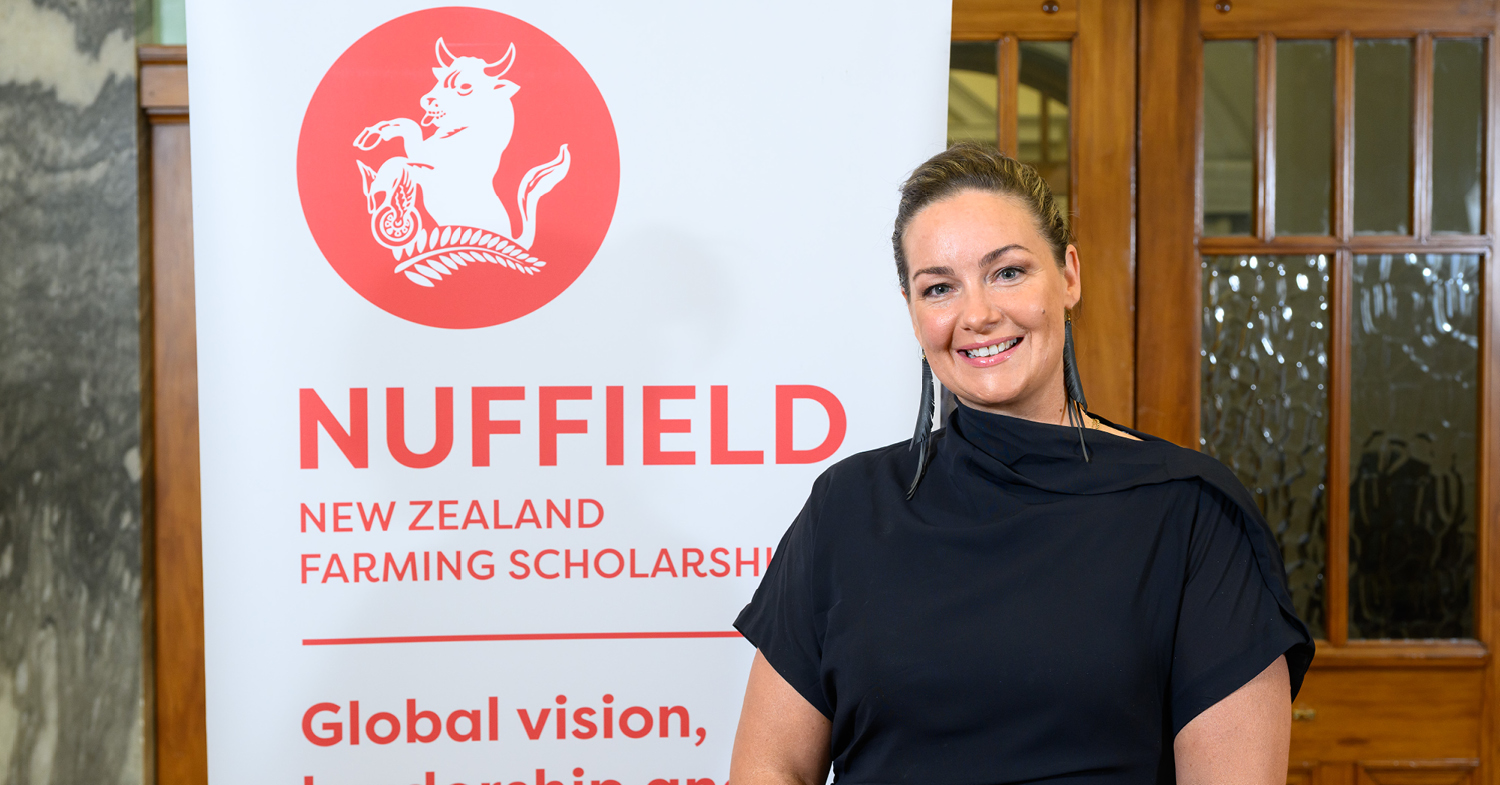
Clare Bradley, CEO AgriSea, Bay of Plenty
Clare Bradley is based in Paeroa with her children and husband AgriSea Chief Innovation Officer, Tane. Clare, CEO, leads a 30-strong team pioneering seaweed-based bio-stimulants, animal health supplements, and high-value hydrogels for agriculture and biotechnology. 

Clare is a leading advocate for the sustainable growth of Aotearoa’s seaweed sector. Guided by appreciation & respect for the marine environment, Clare has championed innovation that protects New Zealand’s underwater forests while creating economic, environmental, and cultural value. 

As the founding Chair of the Aotearoa New Zealand Seaweed Association, and Rere ki Uta, Rere ki tai, Clare is driving collaboration between Western science and Mātauranga Māori to build a trusted, sustainable sector. 

Under her leadership, AgriSea promotes local empowerment, zero-waste production, and circular economy principles. Known for her environmental vision, Clare continues to shape New Zealand’s emerging blue economy, turning the country’s rich marine biodiversity into a model of innovation and guardianship.

Clare’s Nuffield research is likely to explore the economic, environmental, and logistical viability of smaller, decentralised processing hubs and whether they can create local jobs, strengthen value chains, and enhance commercial resilience.

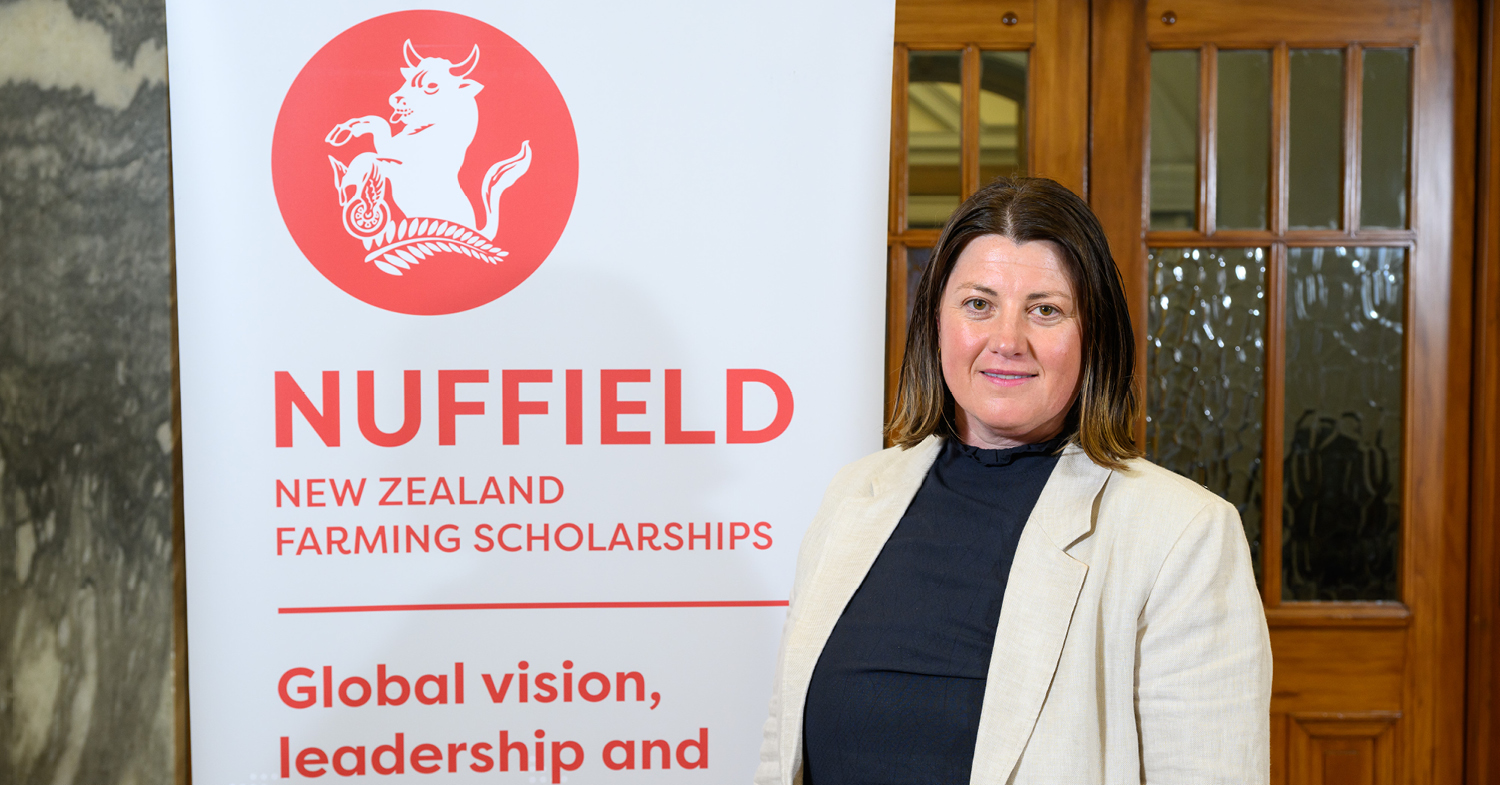
Jared Clarke, Farmer, Canterbury (John Hopkins Scholarship Award Winner)
Jared Clarke is a Canterbury dairy farmer with a strong record of performance, innovation and team development. A Lincoln University B.Ag.Sci (Hons) graduate.

From 2017 to 2022, Jared and his wife Victoria operated Two Rivers Ltd, a 50/50 sharemilking business milking 2,000 cows. In 2022, they formed an equity partnership and purchased Mount Rivers Ltd, a 1,000-cow irrigated dairy farm supplying A2 milk to Synlait. Under their leadership, the business has delivered high returns, sustainability initiatives and strong team retention. 

Jared believes that “turning sunlight into food is a noble task.” Known for his ability to ignore constraints, he enjoys helping fellow farmers where he can on performance, people and innovation. 

Off-farm, Jared’s governance work includes director of Barrhill Chertsey Ltd, a member of the Canterbury Farm Business Group, and a former member of LIC’s Shareholder Reference Group.

Interested (and passionate) about the potential for a reduced reliance on imported energy, both on-farm and at a national level, Jared’s Nuffield research is likely to be on the generation and storage of energy.

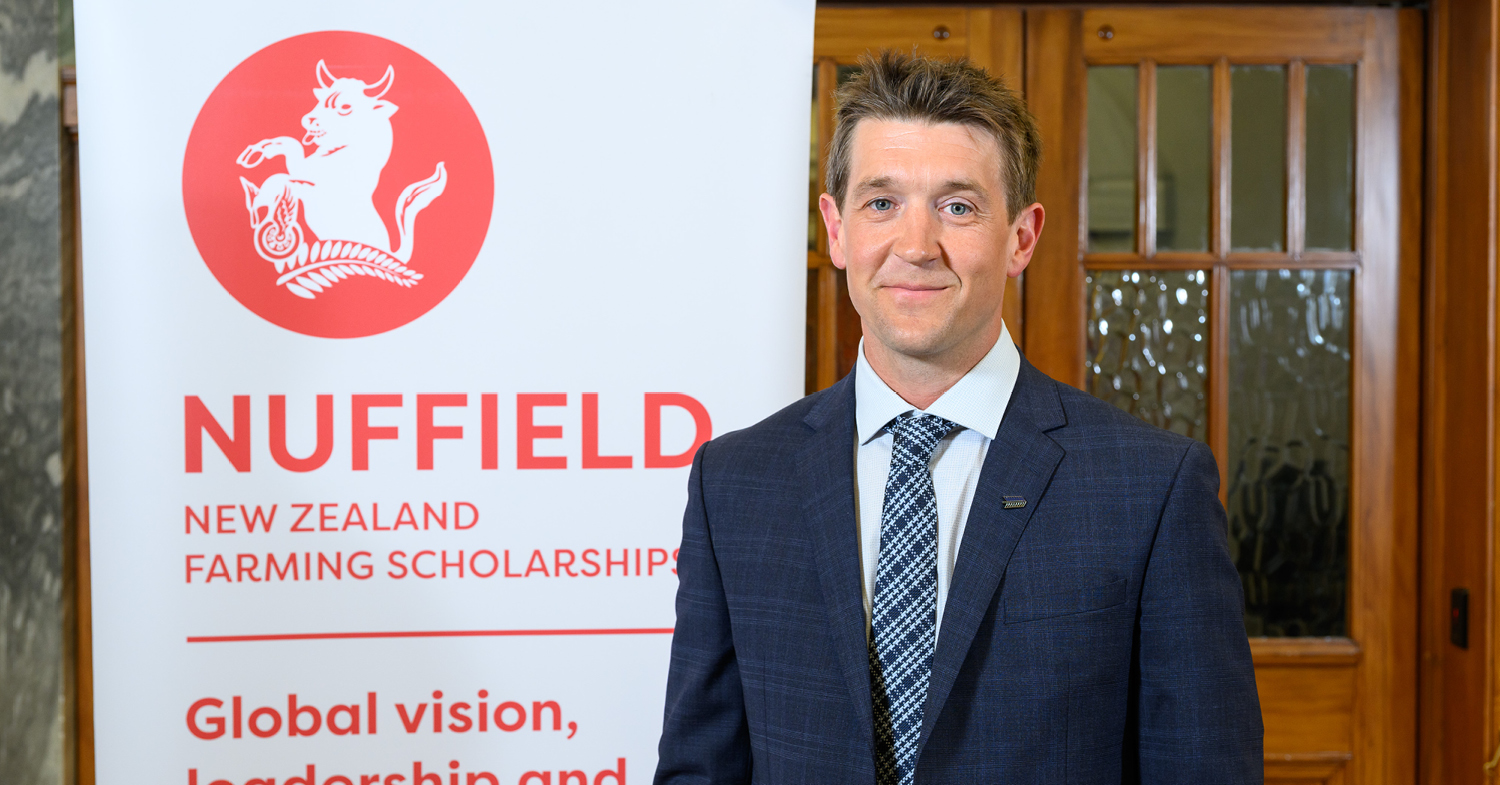
Kelly Heckler, Farmer, Community Leader, Central Otago
Kelly Heckler and her family farm Lauder Creek, a high-country sheep and beef property in the Manuherekia catchment of Central Otago.

Kelly is a values-driven leader and advocate for sustainable food and fibre production, recognised for her commitment to intergenerational resilience in New Zealand’s primary industries. 

As chairperson of Otago Water Resource Users Group, Kelly led the organisation through a major transformation, restructuring it into a formal incorporated society to improve accountability and adaptability. “Real impact doesn’t always come with grand gestures … it’s often about steady progress behind the scenes,” says Kelly.

Kelly’s leadership philosophy centres on authenticity and collaboration. Her experience navigating policy reform and community engagement has deepened her understanding of the challenges facing rural New Zealand.

Kelly aims to build a resilient, intergenerational farming business and advance innovative farm-planning solutions that support people and environment. She sees the future of agriculture as one built on integrity, communication, and shared purpose. “When we bring people together behind a common vision, we can shape a thriving, sustainable future for generations to come,” added Kelly.

Kelly is exploring research in Freshwater Management with specific focus on water allocation in overallocated catchments.

Tracey Perkins – Farmer, Sustainable Land and Water Management Advisor, Founder of AgriThrive

Tracey Perkins is a Canterbury-based dairy farmer, facilitator, and sustainable land and water management advisor who combines hands-on agricultural experience with a deep commitment to helping rural communities thrive.

Living in Darfield on a 1050-cow dairy farm with her partner Jonny and their three children, Tracey balances family life with leadership in sustainable land use and rural development.

Of Ngā Puhi and Raukawa descent, Tracey brings both cultural grounding and practical expertise to her work.

As the Founder and Lead Facilitator of AgriThrive, she is the only agricultural facilitator in New Zealand using a trauma-informed, farmer-to-farmer approach. A graduate of the Kellogg Rural Leadership Programme, she has over a decade of professional experience in biosecurity and environmental sustainability.

Tracey’s achievements include forming and guiding numerous Canterbury catchment and community groups, leading successful teams, and recently serving as Campaign Manager for Selwyn Mayor Lydia Gliddon.

She is passionate about empowering people to build resilient, solutions-focused communities. Whether through AgriThrive, local schools, or industry leadership, she champions collaboration, sustainability, and the belief that lasting change starts with people.

Tracey intends to explore “The Third Model,” an approach integrating Indigenous stewardship principles with the operational and economic realities of intensive agriculture to create a sustainable foundation for New Zealand’s future.

Congratulations to the four 2026 Nuffield scholars.

For more information about the Nuffield New Zealand Farming Scholarships,
go to
 https://ruralleaders.co.nz/nuffield


Fresh from their award night, our Nuffield Scholars featured in a RNZ interview, listen here:

FMG and Rural Leaders renew Strategic Partnership.

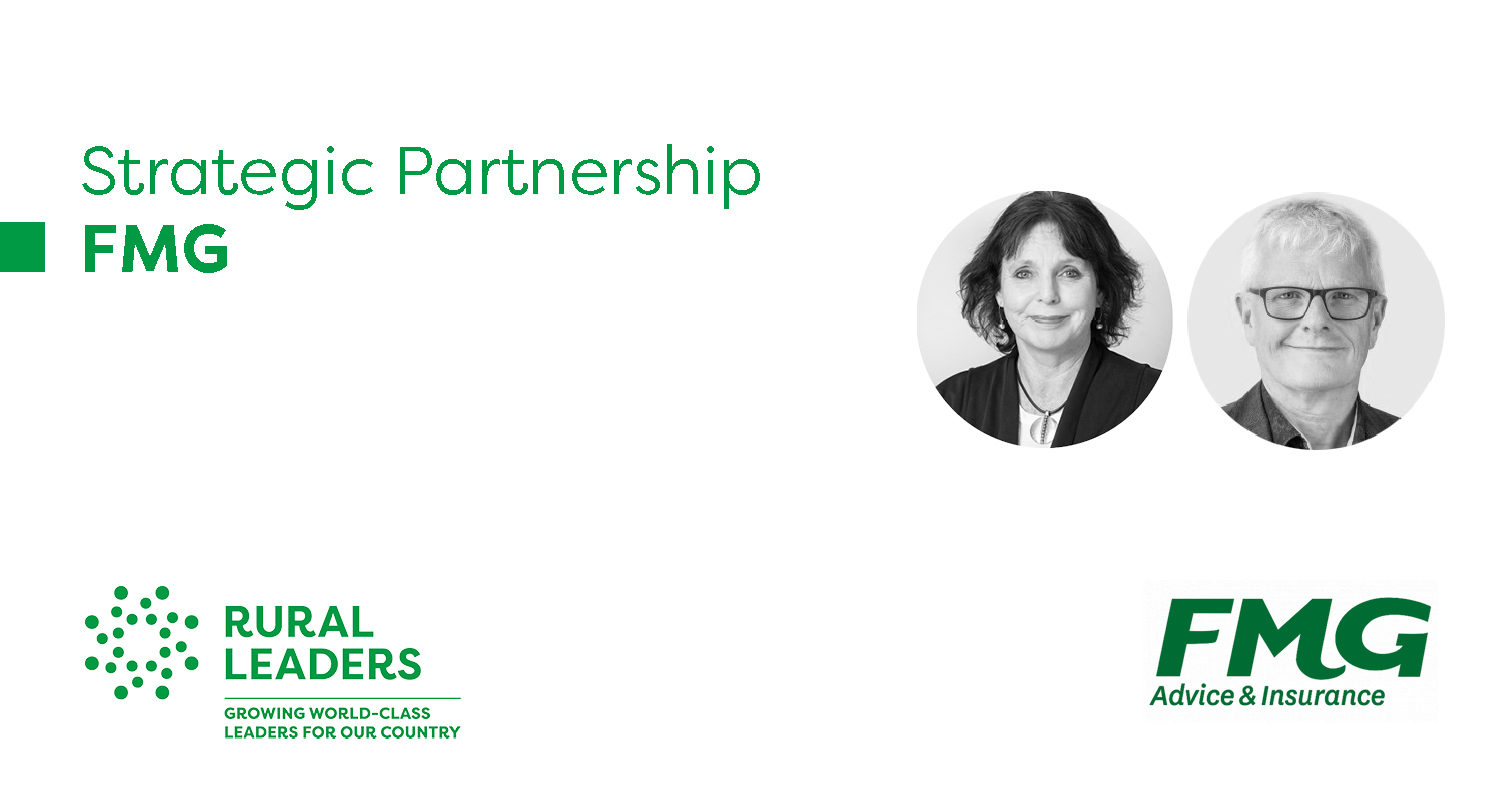
The New Zealand Rural Leadership Trust (Rural Leaders) is pleased to announce the renewal of their Strategic Partnership agreement with FMG.

Rural Leaders and Strategic Partner FMG, have renewed their partnership agreement, reinforcing a shared commitment to lifting leadership capability and to building stronger rural communities.

The new agreement formalises the continued alignment of values and support for Rural Leaders’ mission to develop capable industry leaders who, in turn, strengthen the communities they represent.

As a Mutual, FMG takes a long-term view – building long-term connections with rural New Zealand and reinvesting to help build strong and prosperous rural communities. FMG sponsors over 700 local events each year, from smaller lamb and calf days right up to National Field Days, and the FMG Young Farmer of the Year contest.

The renewal of the FMG-Rural Leaders partnership, alongside a long-standing relationship with Rural Leaders’ Programme Partner Farmlands, exemplifies this focus.

”FMG has been supporting farmers and growers for over 120 years now, and we’re committed to supporting the generations to come. It is a privilege to partner with Rural Leaders and support the future of farming in New Zealand Aotearoa. No doubt, our rural leaders will continue to challenge the status quo, team up to pool resources, share knowledge and capability as they have throughout our country’s history,” said Pete Frizzell, Chief Marketing Officer, FMG.

With FMG’s support, Rural Leaders’ programmes will continue to develop confident, skilled leaders equipped to tackle the challenges and opportunities facing their communities, industries, and the Food and Fibre sector.

“The partnership’s impact is evident in the transformative growth of our programme alumni, who consistently demonstrate enhanced leadership ability, show great resilience, and are better equipped to drive change”, said Lisa Rogers, CEO, Rural Leaders.

FMG also fosters leadership development internally, with employees regularly attending the Kellogg Rural Leadership Programme.

FMG has been a Strategic Partner of Rural Leaders since the Trust’s formation in 2017.

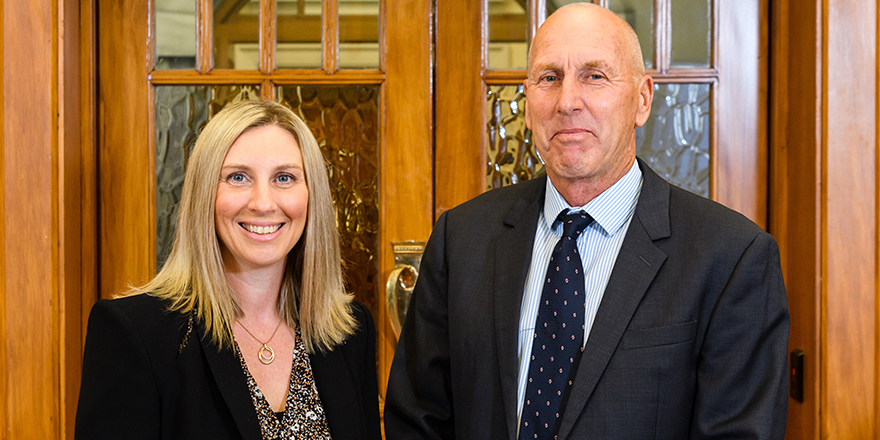
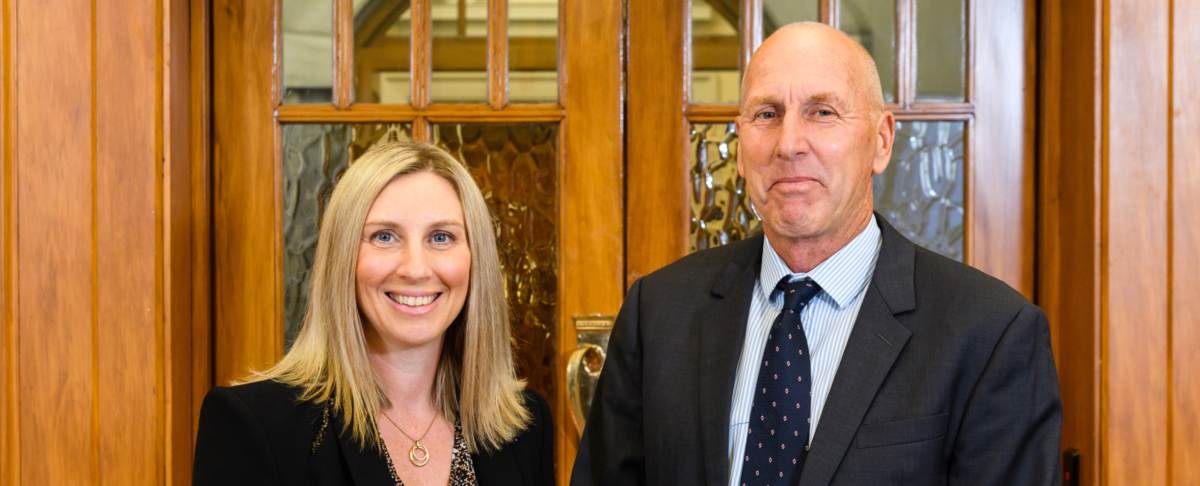
(Pictured – Pete Frizzell, Chief Marketing Officer at FMG, and Lisa Rogers, CEO Rural Leaders).

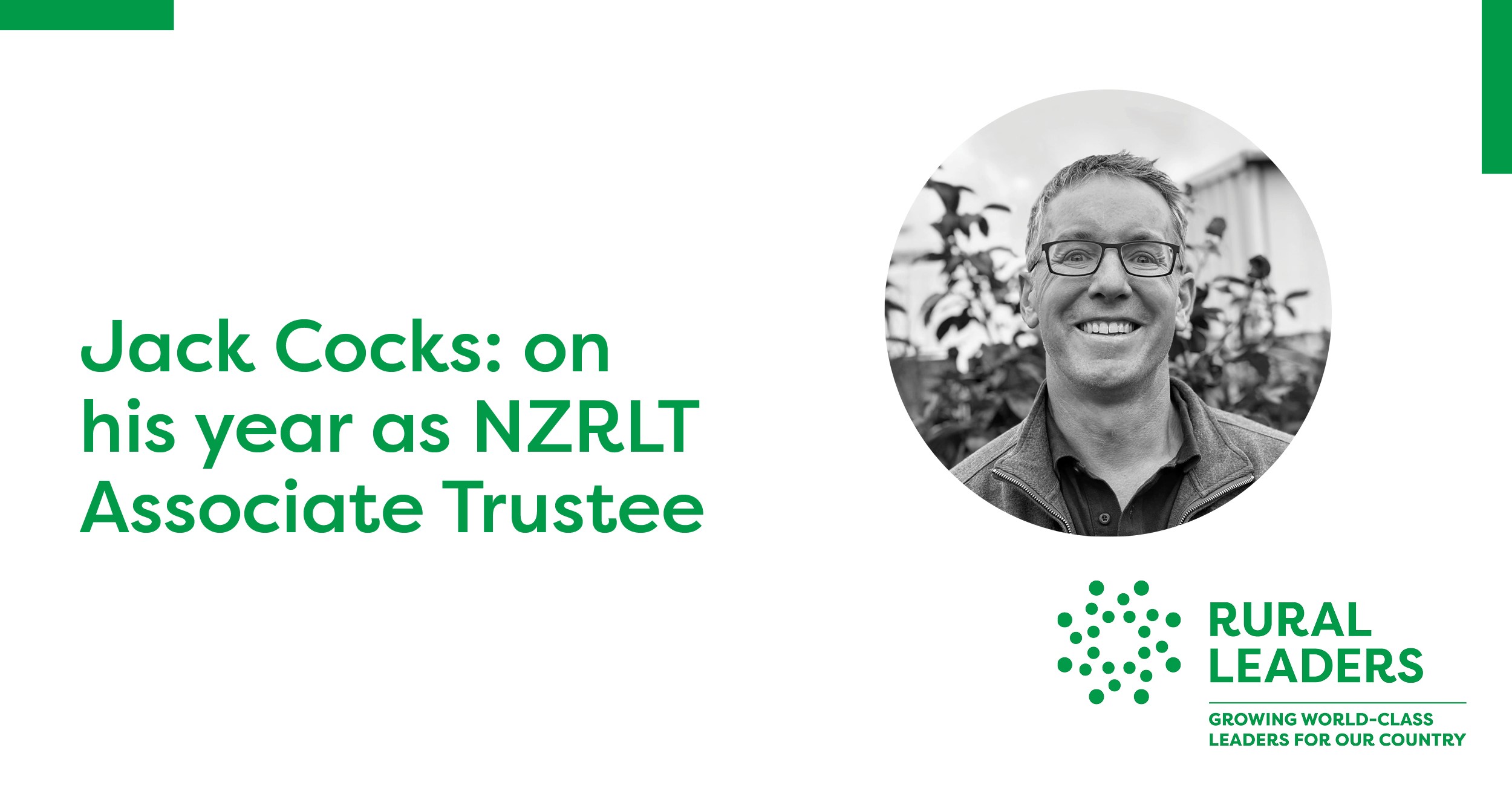
Jack Cocks signs off on a year as the NZRLT Associate Trustee.

Jack Cocks has just finished a one year term as Associate Trustee for the New Zealand Rural Leadership Trust (Rural Leaders).

Jack is a high country farmer who holds a bachelor’s degree in farm management from Lincoln University and a masters in agricultural economics from the University of Illinois. He is as much at home in the city as he is in the Otago high country running Mt. Nicholas Station with his wife and children.

Jack suffered a life-threatening brain aneurysm twelve years ago which saw him spend eight months in hospital over six years and undergo fifteen major surgeries.

Following this experience he researched how ‘Resilient Farmers Thrive in the Face of Adversity’ through the Kellogg Rural Leadership Programme. He is now a well-respected speaker on farmer resilience.

Early in 2024 Jack joined the New Zealand Rural Leadership Trust (Rural Leaders) as an Associate Trustee to learn more about governance from the Trust’s experienced board.

“I enjoyed learning from the other trustees. They all had different skill areas and very smart perspectives too. Being part of a team was also an appealing thing to me. The frequent events, such as the Kellogg networking event in Wellington, were great too.”

Mt. Nicholas is remote, so Jack cites the board interactions, both online and in-person, as being another important draw. “You’re not in an immediate community here at Mt. Nicholas. You’re not going to the local field days, meetings or functions that often. So, keeping involved with board matters was enjoyable,” says Jack.

Jack’s plan is to now shift his focus closer to home, on family and the business.

“Our kids are going through high school, they’re both week-day boarding in Invercargill, two and a half hours away. It’s a reasonable commitment to head up and down the road every week.

I’m still doing one or two speaker engagements a month. I’m able to give back a bit to the sector and the community, and a lot of that has spun out of my Kellogg,” adds Jack.

Jack plans to continue his governance journey once his children leave school. He acknowledges the strong foundation the year as an Associate Trustee has given him and he mentions some advice he was given before he went into the role.

“Some advice I got from a wise director before joining Rural Leaders as Associate Trustee, was to look at the one year term in three parts. The first part is asking plenty of questions. The second part is establishing credentials. The final part is adding some value.

I didn’t throw any ideas around for a start, but tried to understand the business. Then I established myself in that second part and looked for ways to add value in that last part. Some of the work that Lisa Rogers and I were doing towards the end with the Value Chain Innovation Programme; like looking at an offshore component for it, fits into that.

That’s how I approached the one year, and I found that advice really useful. It reassured me that I didn’t need to go in guns blazing,” says Jack.

Kate Scott, Rural Leaders Board Chair, spoke of Jack’s measured and intelligent approach to his time as Associate Trustee, “The knowledge Jack has passed on, especially around farmer resilience, has been invaluable. Jack’s calm, clear and curious nature make him a standout as he continues his governance journey.”

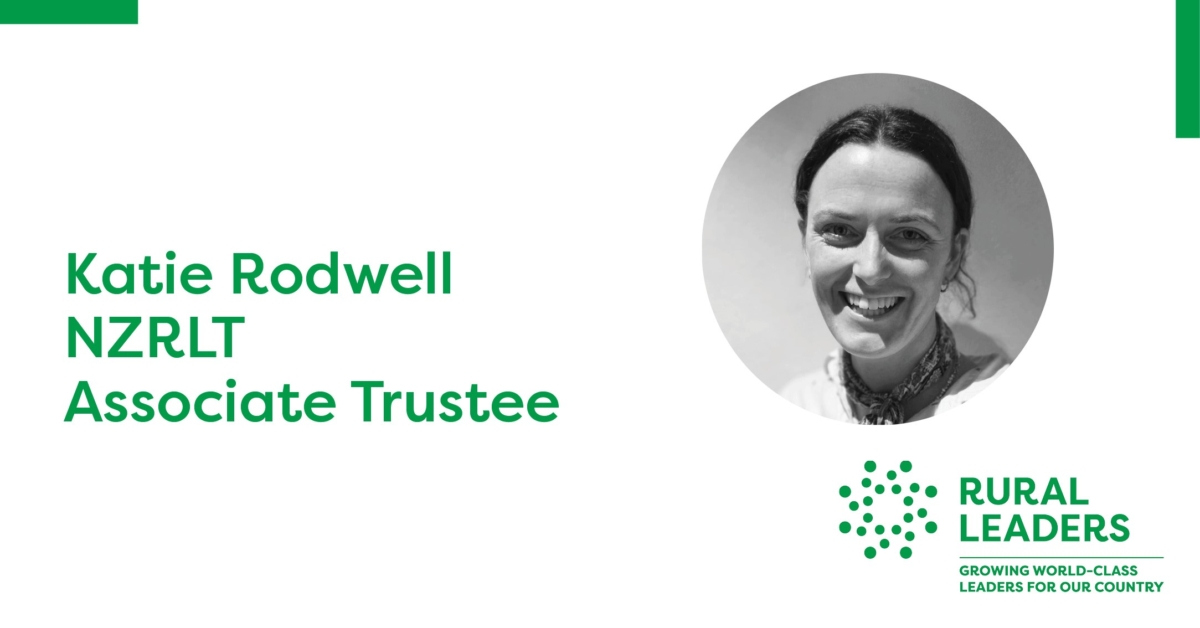
Katie Rodwell recently joined as the new Associate Trustee, marking the end of Jack’s year.

“It was a tremendous opportunity. I thank the board and the Rural Leaders’ team for their openness and inclusiveness. I really felt comfortable and that I could contribute to make a difference,” concludes Jack.

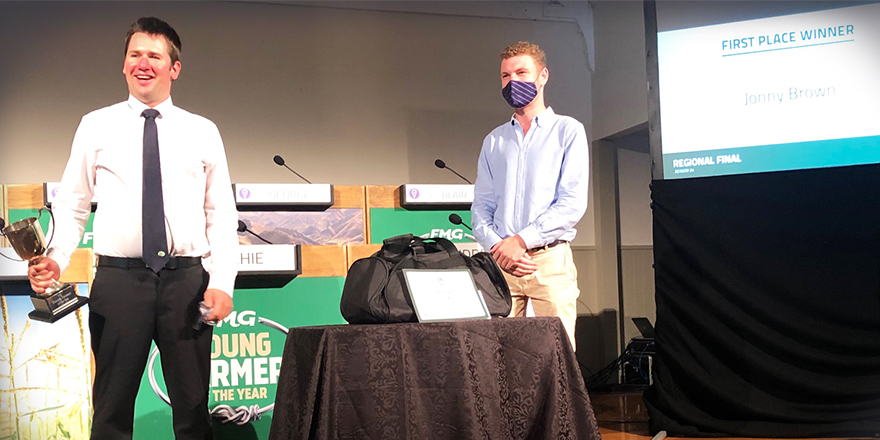
FMG Young Farmer of the Year winner to attend the Kellogg Rural Leadership Programme.

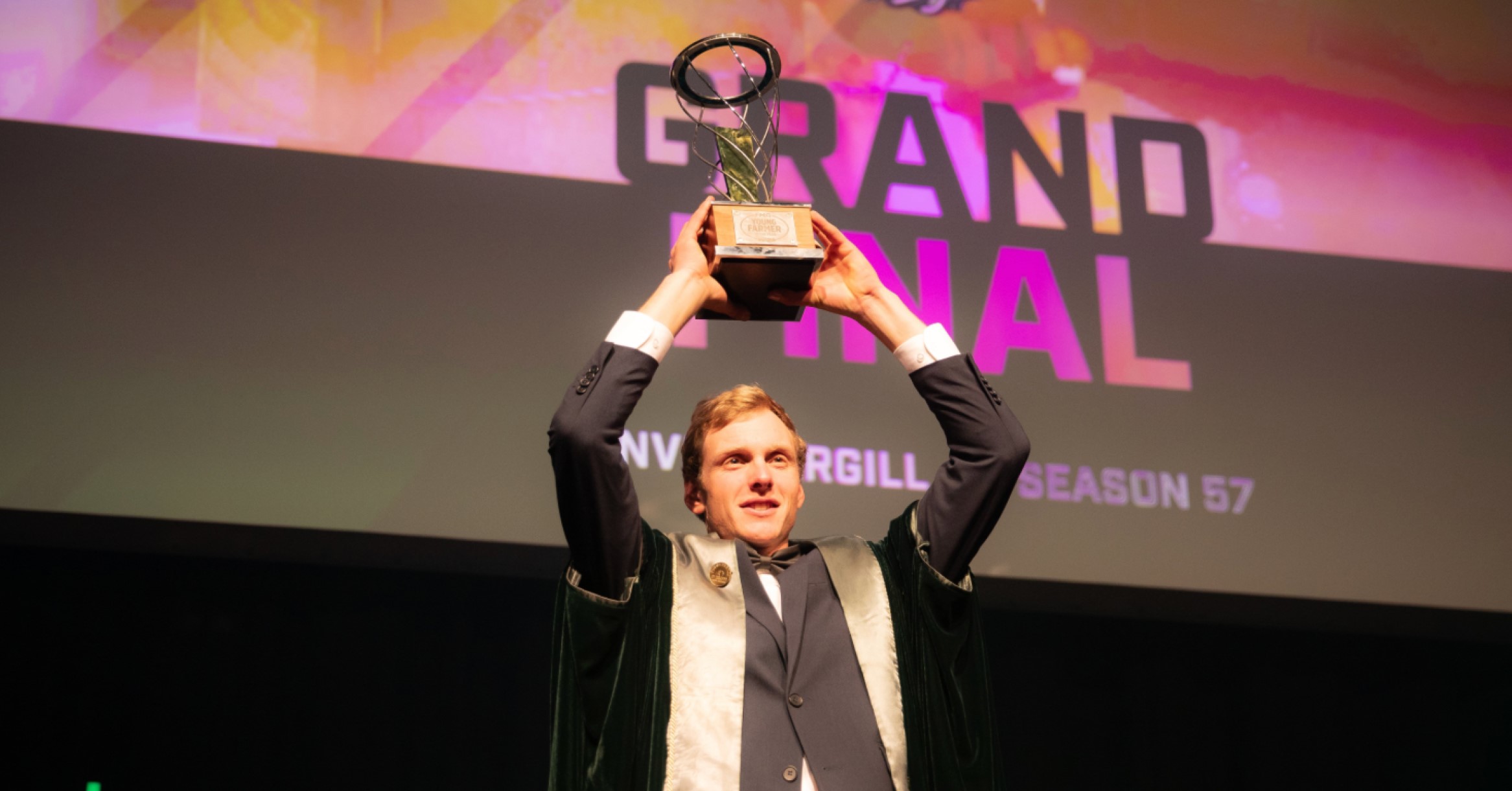
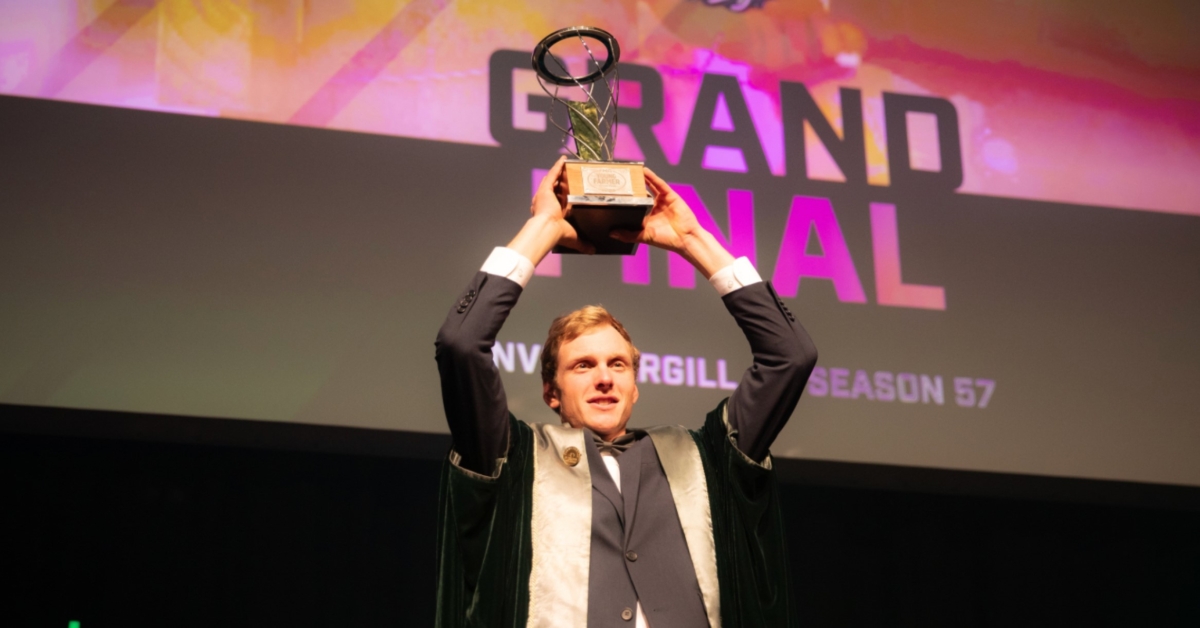
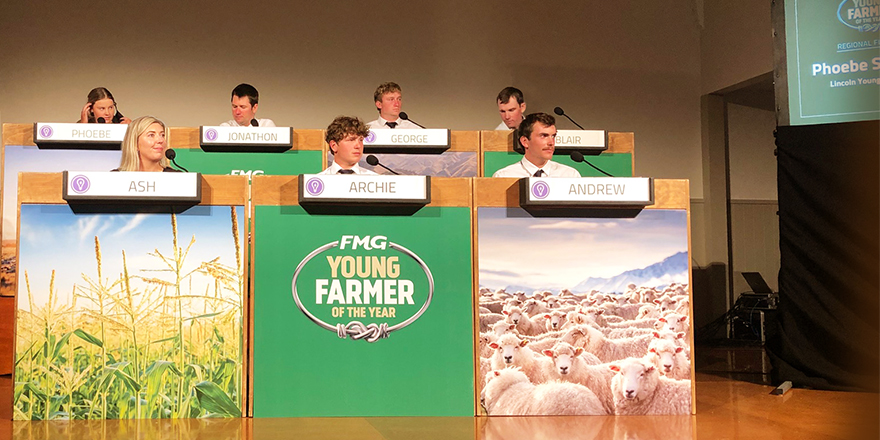
Hugh Jackson, a Waikato Bay of Plenty Young Farmer, has won the title of New Zealand’s top young farmer. 

Hugh is a 26-year-old sheep and beef farmer and was crowned the 57th FMG Young Farmer of the year at the Grand Final event in Invercargill on 5 July.

Working on his family’s farm north of Raglan, Jackson also has an interest in technology, and a passion for mental health.

Jackson believes technology will play a big role in shaping in the future of farming, as well as in the lives of the young people who will be using it. 

The New Zealand Rural Leadership Trust (Rural Leaders), in partnership with Lincoln University, sponsor the FMG Young Farmer of the Year winner on a place to attend the Kellogg Rural Leadership Programme. Rural Leaders and the University have been doing this for several years.

Rural Leaders CEO, Lisa Rogers said it was a close finish but Hugh’s determination shone through, and added, “We look forward to seeing Hugh on the Kellogg Programme soon. It was a privilege to attend the Grand Final and see first-hand, the depth of talent we have coming through New Zealand Young Farmers.”

New Zealand Young Farmers chief executive Cheyne Gillooly in a Young Farmers article said Jackson impressed everyone with his talent. “…It’s inspiring to see the recognition go to someone who will not only be a strong ambassador for the next generation of young farmers, but across the agricultural industry.” 

Source: https://www.youngfarmers.co.nz/news/hugh-jackson-crowned-2025-fmg-young-farmer-of-the-year

Katie Rodwell joins NZRLT as Associate Trustee.

The NZRLT Board and Leadership Team welcomed Katie Rodwell, Associate Trustee, to the NZRLT Board in May.

Katie replaces outgoing Jack Cocks. We’ll share more on Jack and his time with the NZRLT board soon.

Katie has recently returned to work after being on maternity leave for a year. She is looking forward to getting into the year and the new governance opportunity that being selected as Associate Trustee represents.

Rural Leaders caught up with Katie on her third week back at Rabobank to discuss her background and why she went for this governance role.

Katie, her husband, Luc and son Paddy, live in North Canterbury, just on the outskirts of Amberley. They have been on their six hectare block just over a year and a half.

Katie grew up on a farm north of Kaikoura; a farm that sold just before the Kaikoura earthquakes. Since then Katie has been Canterbury-based for most of her life. She attended Lincoln University and after graduating went to Farmlands Cooperative, where she worked for eight years as both Brand Manager and Marketing Manager.

This was followed by a move into the Head of Sustainability and Land Use role. Then to Rabobank as Sustainability Manager where she has been for three years, two of which were working – one on maternity leave.

Katie completed the Kellogg Rural Leadership Programme in 2019 as part of cohort 40. Her Kellogg research looked at the consumer-driven and environmental challenges the primary industries face. Her report proposed New Zealand lead in nutrient-dense, sustainable food, using innovation, education, and collaboration to reshape agriculture and meet rising health-focused demand.

It was the Kellogg experience that underscored her decision to join the Rural Leaders’ Board. “It was a really transformative experience for me, and I wanted to give back to the organisation that had helped me so much”, Says Katie.

The opportunity to work with and learn from Rural Leaders’ experienced board members, Katie cites as one of the other standout reasons for her decision.

“I also relate strongly to the vision of Rural Leaders – around growing our leaders and the importance of developing leaders in our sector. I want to help drive impactful change so, I see Rural Leaders and the programmes and projects they undertake as being a powerful tool to help achieve that.

My passion is around how we create thriving, resilient farming businesses, and I see that having good leaders is fundamental to achieving that”, concludes Katie.

On the appointment, Kate Scott, NZRLT Board Chair said, “We’re pleased to have Katie join the NZRLT Board as Associate Trustee. Katie brings a range of skills but most of all a demonstrated passion for leadership development in food and fibre.”

Katie’s first official board meeting as Associate Trustee will be this month (July).

MyLead.co.nz is live.

Listen to our podcasts focused on discussion of the Food & Fibre CoVE Report and the MyLead platform.

MyLead.co.nz has been live for nearly a month with an invitation to feedback on user experiences. We’ve incorporated much of this feedback and from late May 2025, the site will feature the resulting enhancements.

Aligned to the NZ Rural Leadership Trust’s (Rural Leaders) purpose to grow world-class leaders for our country, MyLead helps to identify development pathways for people at all stages of their leadership journey.

This site is just one outcome of research conducted by Rural Leaders and commissioned by Food and Fibre Centre of Vocational Excellence (CoVE) and the site draws down information from this research relevant to each user.

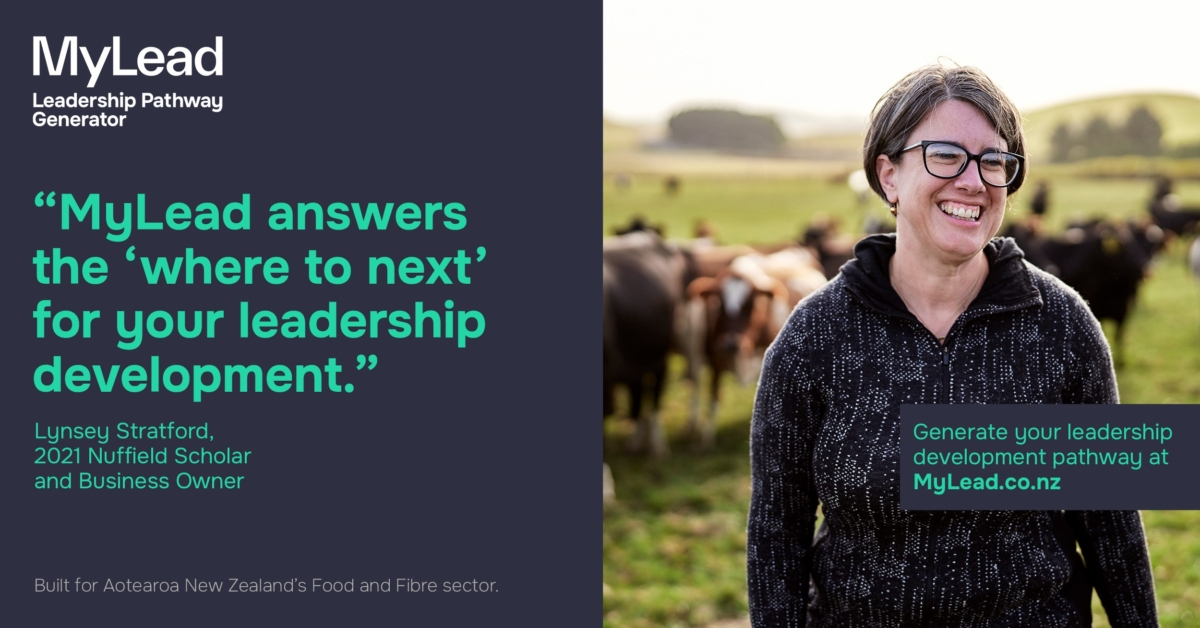
MyLead allows a user of the site to generate a leadership development pathway based on two data inputs, ‘current leadership stage’ and ‘industry’.

Along with this pathway, MyLead gives actionable outcomes from the research’s latest Leadership Pathways Report https://ruralleaders.co.nz/realising-leadership-potential-in-new-zealands-food-and-fibre-sector/ with practical examples people can implement into practice immediately.

It’s really a starting point for anyone taking the lead on their, or their team’s, leadership development.

We have been gathering user experience feedback and incorporating this into the site, before the formal launch in late May.

“If our sector is to grow stronger it must nurture a sustained flow of capable and self-aware leaders that are continuously developing themselves and the teams they work with”, said Lisa Rogers, Rural Leaders CEO.

It is our hope that MyLead will help nurture our people and play a role in building an ever more vital and vibrant food and fibre sector into the future. We’ll continue to update and improve the site for the medium term, before offering programme partners to opportunity to login and manage their own programme(s) content.

A big thank you to all of the MyLead participating programme partners: NZ Young Farmers, AWDT, Beef + Lamb New Zealand, Business Torque Systems Ltd., University of Canterbury, DairyNZ, Dairy Training Ltd., Lead With Virtue, Mayfield Group, NZIPIM (NZ Institute of Primary Industry Management), Rural Coach, Rabobank New Zealand, HALO Training, Rural Leaders, STAMP, The University of Waikato, Horticulture New Zealand, Farmlands Co-operative Society Limited, Livestock Improvement Corporation (LIC), Activating Potential, FoodHQ, Silver Fern Farms Ltd.

Feedback to mylead@ruralleaders.co.nz

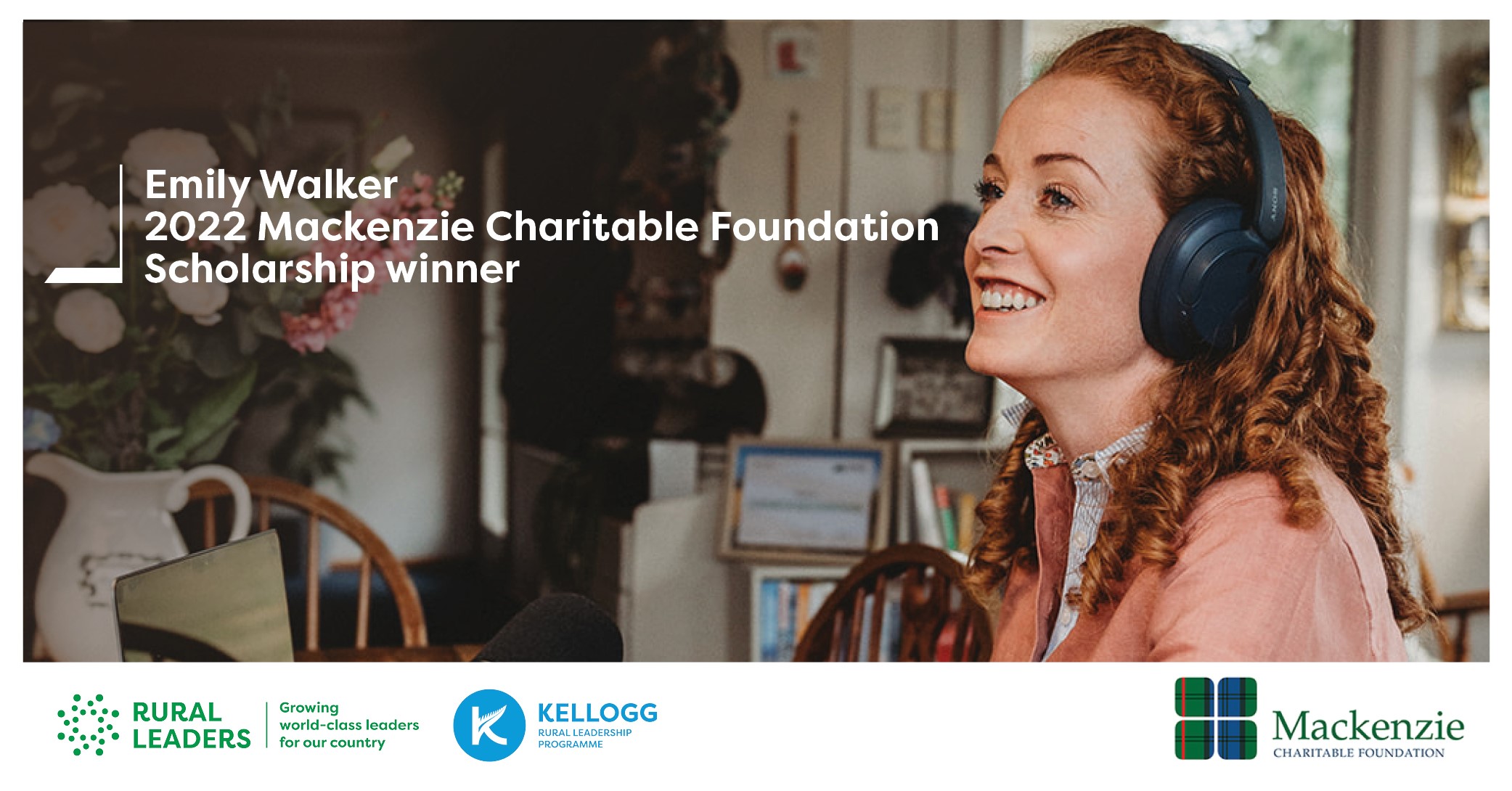
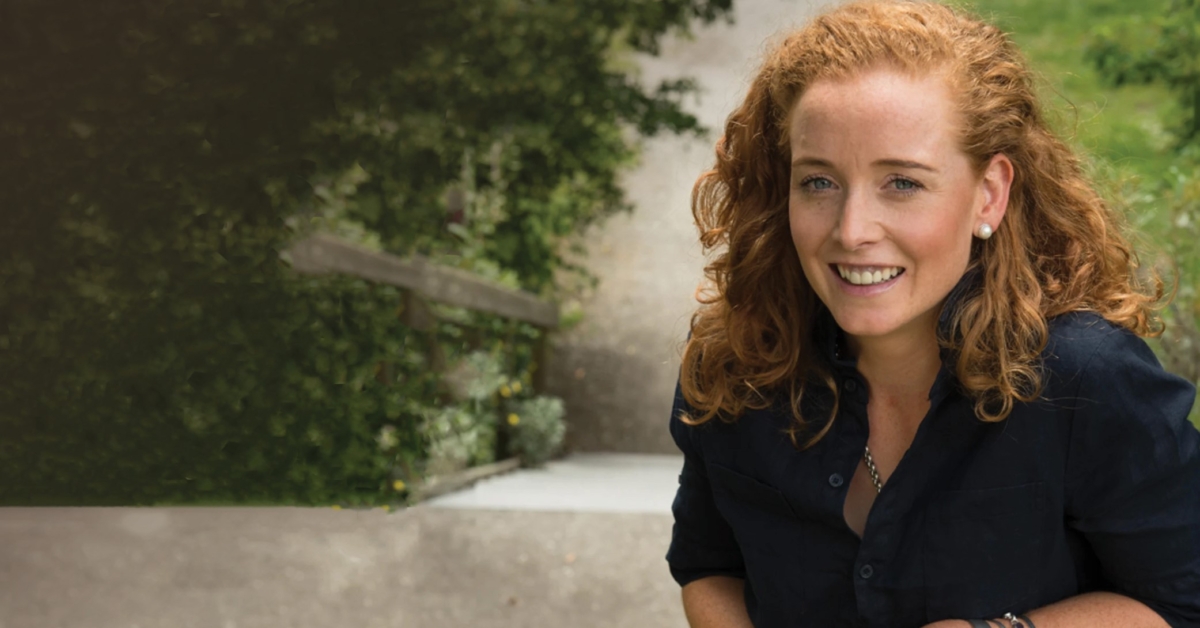
Emily Walker – making an impact in New Zealand agribusiness.

From Engineer to Agri-Strategist: Emily Walker’s Path to Making an Impact in New Zealand’s Agribusiness Sector

A Canterbury native, Emily Walker’s story so far, has been marked by a commitment to innovation, sustainability, and leadership—values that are now shaping her efforts to play a role in transforming New Zealand’s agricultural sector.

The Spark: A Mackenzie Charitable Foundation Scholarship.

In 2022, Emily was awarded the Mackenzie Charitable Foundation Scholarship, a pivotal moment in her career. As a structural engineer with a Master’s in Engineering Management, she had already established herself in the engineering world. However, a growing interest in agribusiness led her to explore ways to combine her technical background with her passion for supporting sustainable farming practices.

“The Mackenzie Scholarship gave me the financial support and confidence to explore my ideas further on the Kellogg Rural Leadership Programme,” Emily says. “Without it, my pivot into the agri-sector would not have happened the way it has.”

Emily’s Kellogg research, asked a key question: Does an evidence-based approach to decision-making improve outcomes for small-scale agribusinesses in New Zealand? The research aimed to identify ways that evidence-based frameworks could enhance decision-making, particularly in the face of the complex environmental, social, and economic challenges farmers face.

The findings of her research were clear: there is strong demand for better decision-making tools that help farmers evaluate and balance these impacts. Key recommendations included maintaining a deep understanding of the operating environment, aligning decisions with core values, and implementing multi-disciplinary boards to support decision-making.

The Kellogg Rural Leadership Programme and a Business Launch.

The Mackenzie Charitable Foundation Scholarship enabled Emily to participate in the Kellogg Rural Leadership Programme. Despite holding down a demanding full-time job, she took leave to complete the programme. The skills and confidence Emily gained during Kellogg were instrumental in the launch of Tupu Strategic, a consultancy offering strategic and governance advisory services to agribusinesses.

Emily’s work with Tupu Strategic is grounded in the principles of her research. “I’ve integrated what I learned in Kellogg into every aspect of my work,” Emily says. “The decision-making framework is now a core part of my strategy work, governance roles, and client engagements. It’s been incredibly rewarding to see how these tools can help drive better outcomes for the sector.”

Expanding Reach: Governance and Podcasting.

Since completing the Kellogg Programme, Emily’s career has rapidly expanded. In 2024, she became an Associate Trustee for both Wai Wānaka and AgResearch, roles that allow her to grow her governance skills while contributing to the strategic direction of key organisations in the food and fibre sector.

But it’s not just about boardrooms and business strategy. Emily also co-hosts and produces the Ag in Conversation podcast, a platform she describes as her most impactful project yet.

The podcast provides a space for open, thoughtful discussions on some of agriculture’s most pressing issues, ranging from rural women’s mental health to global trade agreements. By bringing the “kitchen table” conversations of rural communities into a global spotlight, Ag in Conversation aims to educate both those inside and outside the sector about the challenges and opportunities facing New Zealand agriculture.

“We aim to scale impact through education,” Emily explains. “By diving into complex issues and sharing them with a wider audience, we can foster deeper understanding and encourage more informed conversations, both in the sector and beyond.”

Balancing it all.

In addition to her professional commitments, Emily is also a farmer and mother to a one-year-old daughter. Life on the farm in Tarras, in Central Otago, brings its own set of challenges, but she embraces the necessary juggling act.

“Balancing the podcast, client work, governance roles, farm life, and being a mum is definitely a challenge, but each part brings its own rewards,” she says. “The diversity of my experiences—whether it’s from the farm, the podcast, or my governance work—helps me grow and make a bigger impact in everything I do.”

Looking Ahead.

Looking to the future, Emily’s ambition is clear. She plans to continue her leadership development and expand her influence in the agribusiness sector through both governance and education. She is committed to creating a lasting impact by fostering evidence-based decision-making practices, supporting rural communities, and advocating for sustainable, forward-thinking strategies within food and fibre.

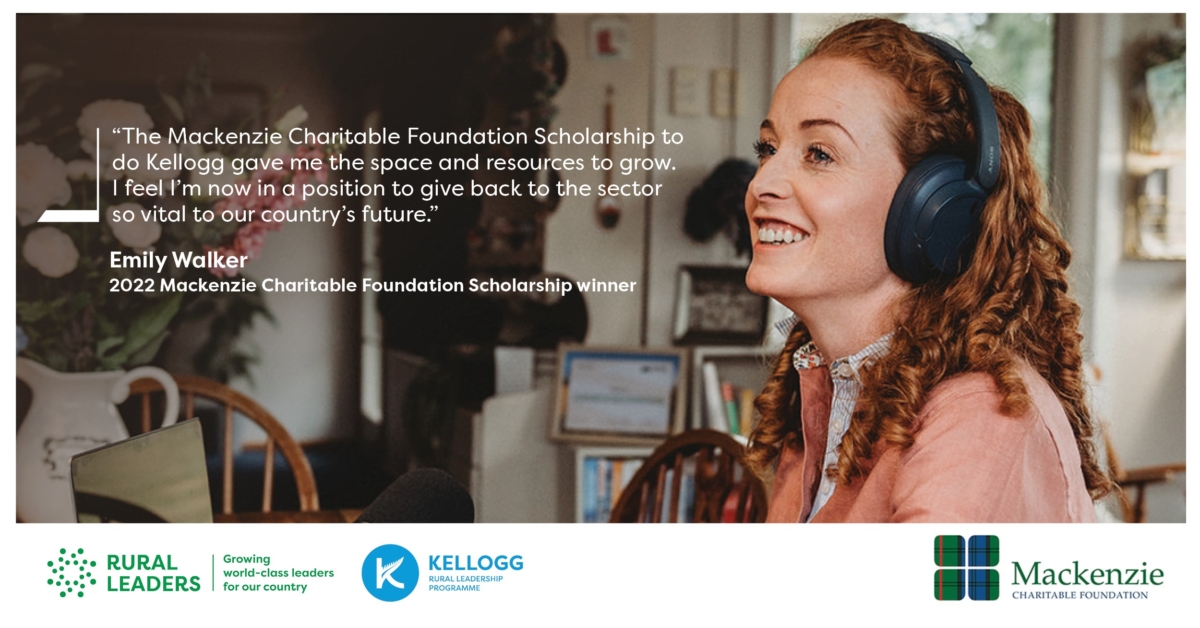
“The Mackenzie Scholarship set me on a trajectory towards making meaningful change in agriculture,” Emily reflects. “It gave me the space and resources to grow, and now I’m in a position to give back to the sector that is so vital to our country’s future.”

You can view Emily’s Kellogg report here.

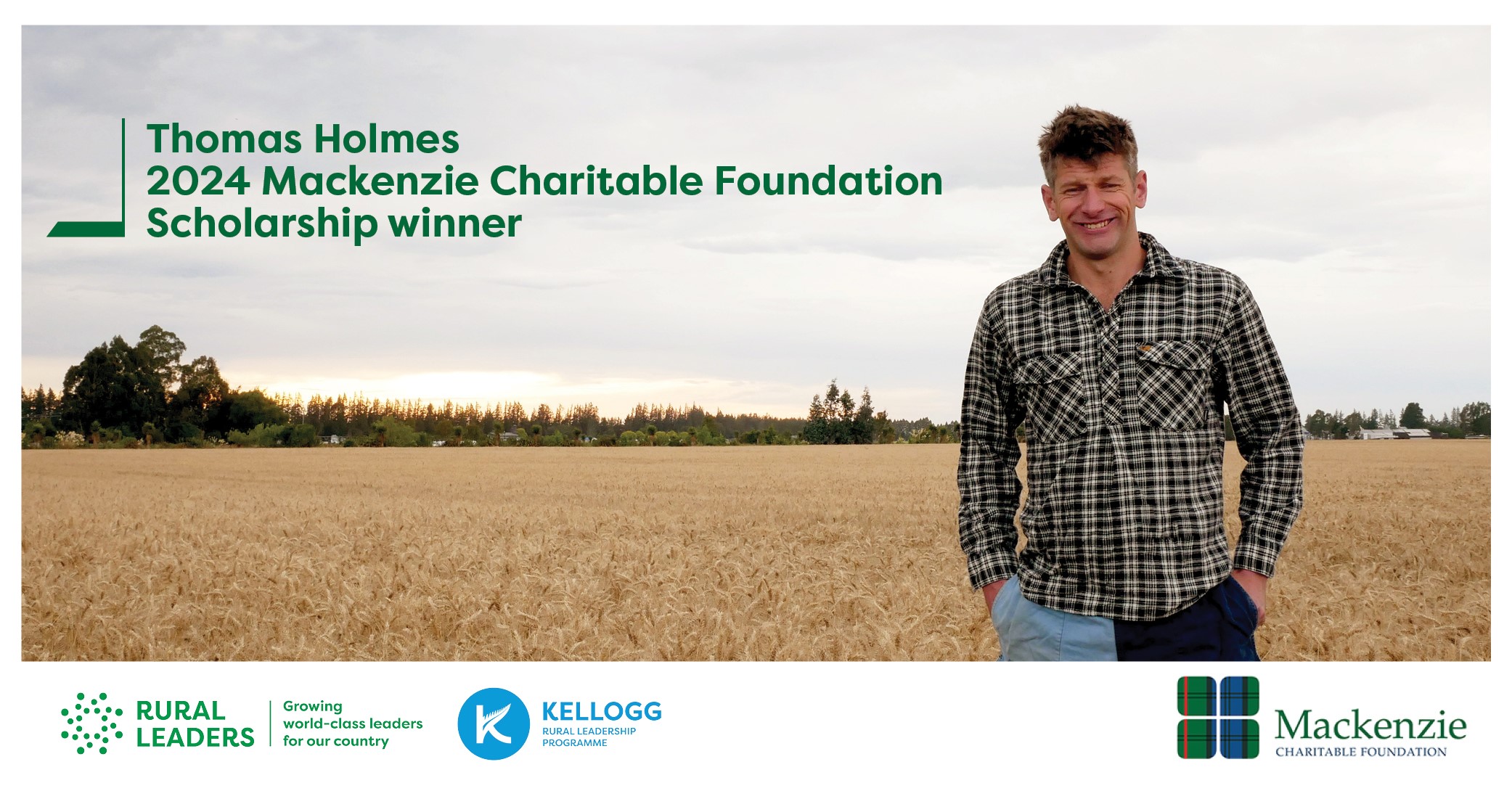
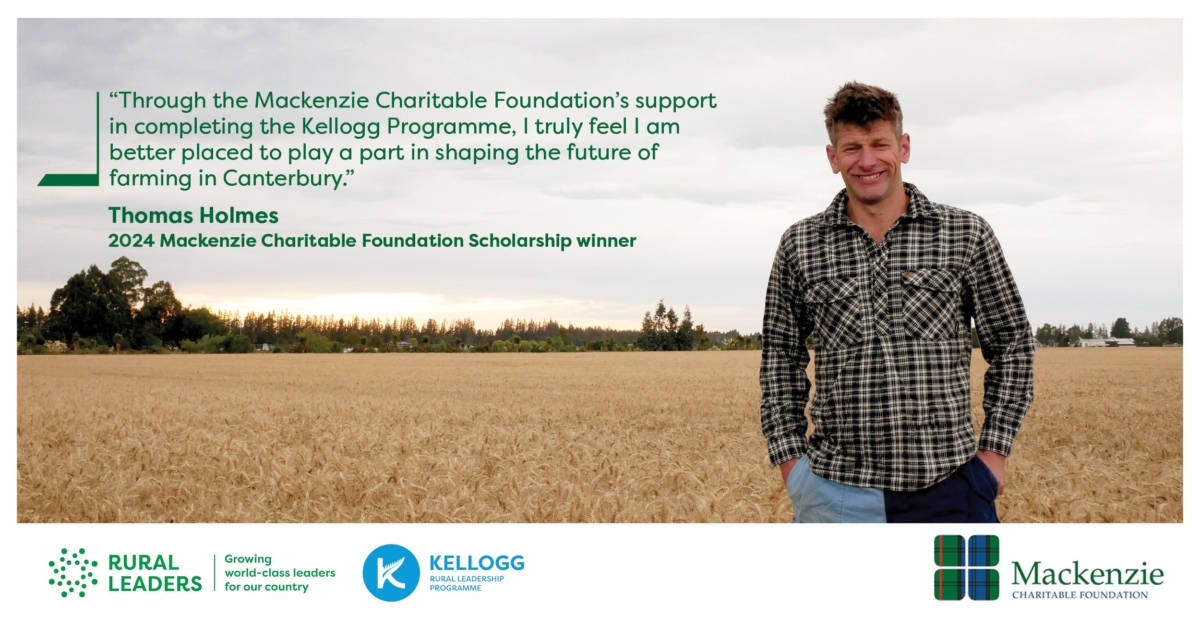
Thomas Holmes – scholarship opens doors for Canterbury arable farmer.

Kellogg Programme Scholarship Opens Doors for Canterbury Arable Farmer Focused on Industry Change.

A scholarship from the Mackenzie Charitable Foundation provided a unique opportunity for a Cantabrian to take part in the Kellogg Rural Leadership Programme. Kellogg gave Thomas Holmes the chance to expand his leadership skills and has provided him with a platform to advocate for change in the fast-evolving arable farming industry in Canterbury.

Roots in Canterbury farming and connection to the Mackenzie brothers.

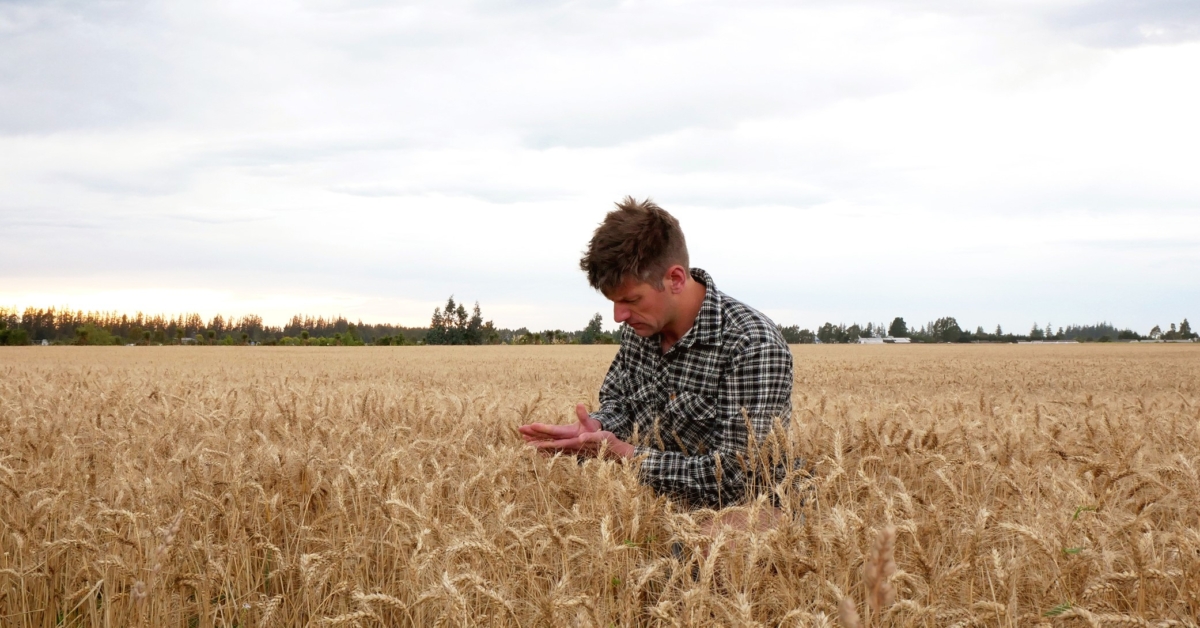
Growing up on a mixed arable farm in Methven, where his family has farmed for nearly 150 years, Thomas has a deep connection to the land. He pursued an AgScience Honours degree at Lincoln University, before working for eight years across various farms in New Zealand, Canada, and the UK.

Thomas is currently employed in a Central Government role with Ministry for Primary Industries. He works to support farmers and growers navigating the increasingly complex regulatory and environmental landscape.

Thomas’s motivations for applying for the scholarship were twofold. Financial support was certainly a factor, but it was the story behind the Mackenzie Charitable Foundation that truly resonated with him. Inspired by the selflessness of two brothers who established the trust to support young people in the Canterbury region, he felt a strong personal connection to their values and desire to make a meaningful difference.

“The Trust’s foundations are all about giving back to the community, and it was the bother’s selflessness in this space that really drove me to apply,” said Thomas.

Expanding horizons with the Mackenzie Charitable Foundation Scholarship.

The Scholarship has enabled Thomas to take part in the Kellogg Programme, to engage with peers and experts across various industries and expand his professional network. For someone from a rural farming background, he explains, the opportunity to step outside his comfort zone and engage with others in the agricultural sector has been invaluable.

The role he holds with Government sees him acting as an On-Farm Support Advisor, where his primary role is to bridge the gap between farmers and the technical experts who assist them. Working closely with the arable farming community, he brings crucial information on everything from chemistry to land use changes. His expertise in arable farming allows him to provide tailored advice, helping farmers adapt to the ever-changing landscape of modern agriculture.

In a sector facing climate challenges, evolving regulations, and land use changes, Thomas believes farmers need clear, actionable guidance to make informed decisions. The shift towards new crops, such as stone fruit and apples, is one example of how quickly the Canterbury region is evolving.
“Arable farming is at a crossroads, but there’s a real opportunity to focus on the positives and identify where the silver linings are,” he explains.

The Kellogg Programme has played a pivotal role in Thomas’s professional and leadership development, particularly in his understanding of leadership. “I’ve realised that leadership isn’t about a single person at the top. It’s about collaboration and empowering teams,” he reflects. He credits the programme with expanding his thinking and helping him gain a clearer vision of where he wants to take his career in the future.

So, what does the future hold?

Looking ahead, Thomas is keen to take on more leadership responsibilities, either on-farm, in a government support role, or both. With an open mind about the potential of agri-tech and the future of the industry, he’s also considering opportunities like the Nuffield Scholarship as a way to broaden his perspective further. “I’d love to balance farming with supporting the wider sector,” he says, “and to contribute to meaningful change for the future of agriculture.”

The scholarship, he says, has given him the opportunity to reflect on the broader picture of New Zealand’s agricultural landscape and to think critically about the challenges and opportunities ahead.

“Through the Mackenzie Charitable Foundation’s support in completing the Kellogg Programme, I truly feel I am better placed to play a part in shaping the future of farming in Canterbury.”

You can view Thomas’s Kellogg report here.

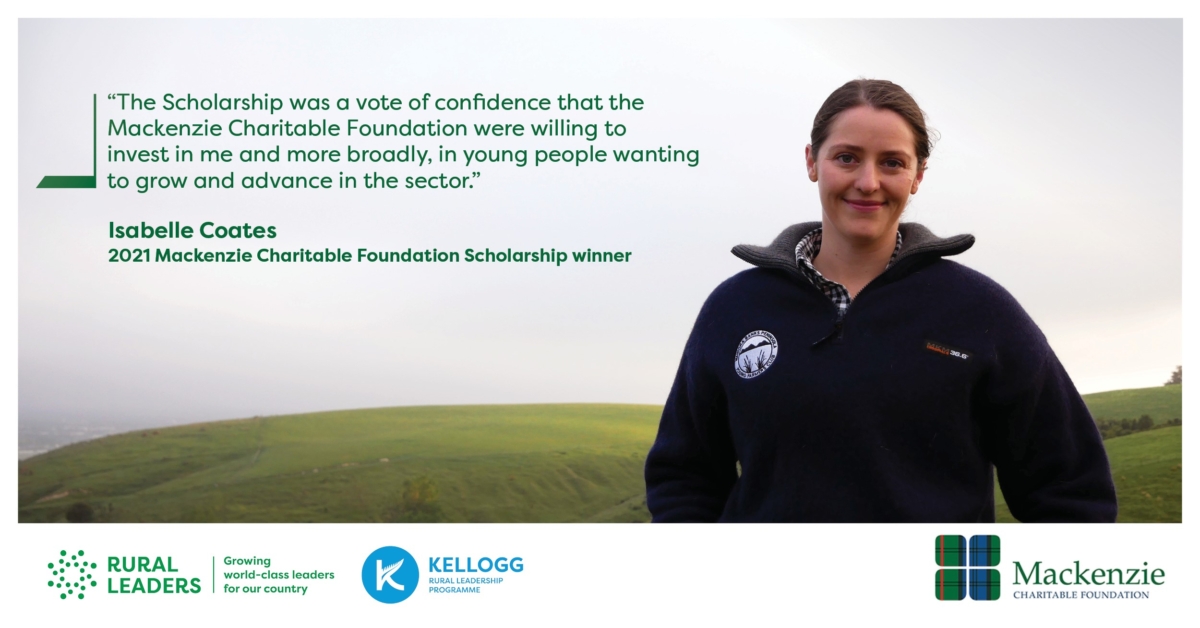
Isabelle Coates – networking, leadership, and giving back.

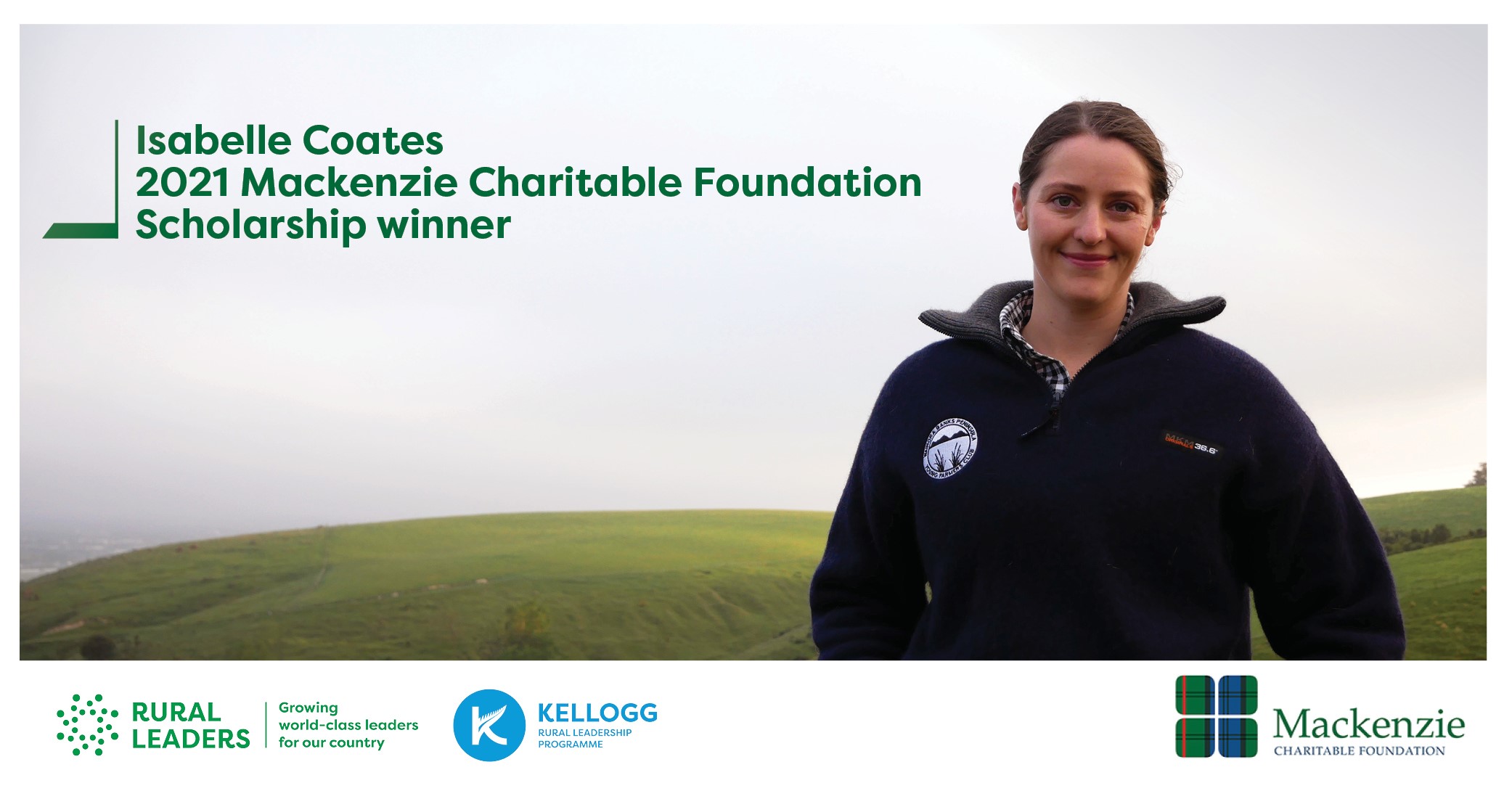
Isabelle Coates, 2021 Mackenzie Charitable Foundation Scholarship Winner, 2022 Kellogg Scholar.

For young professionals in the food and fibre sector, finding the right opportunities to grow and make a meaningful impact can be challenging. But for Isabelle Coates, the Mackenzie Charitable Foundation and the Kellogg Rural Leadership Programme provided both a transformative experience and a vital network of connections that has helped to shape her career path and her passion for supporting others.

Motivations for Applying: A Desire to Give Back.

The journey began while working for a not-for-profit, where limited resources sparked a desire to make a bigger impact. The organisation faced the common challenge of workforce attraction and retention, a theme that has become central to Isabelle’s career path. “I was working for a not-for-profit at the time, so we didn’t have a lot of money, but we were trying to do a lot with what we had,” said Isabelle. “The role opened my world to the power of workforce retention. Like many in my network, I wanted to do so much.”

Isabelle’s background in the meat industry, where she had previously been supported by the Meat Industry Association, further fuelled her drive. She wanted to give back to the industry that had supported her and had an ambitious vision for a project that aimed to secure funding to help improve workforce challenges within the meat processing industry. Gaining consensus from a large number of meat processors proved difficult – leaving the project in limbo. Despite this, Isabelle continued to look for opportunities to make a difference.

Winning the Mackenzie Charitable Foundation Scholarship: A Vote of Confidence.

Winning the Scholarship enabled her to complete the Kellogg Rural Leadership Programme. It also marked a pivotal moment in her career. “Being so early in my career, winning the Scholarship meant a lot,” she shared. “It was a vote of confidence that the Mackenzie Charitable Foundation were willing to invest in me and, more broadly, in young people wanting to advance and grow in the sector.”

At a time when many young professionals can often feel uncertain about their place in food and fibre, the Scholarship offered not only financial support but a vital network of peers, mentors, and industry leaders. “There’s over two and a half million dollars’ worth of scholarships in the food and fibre sector, but so many people don’t know about them or don’t have the confidence to apply,” she explained. “Winning The Mackenzie Charitable Foundation Scholarship to do Kellogg, showed me that there’s a need for young talent and that the sector wants to invest in our growth.”

Kellogg didn’t just provide Isabelle with technical skills and knowledge—it also helped her grow her confidence and broaden her professional network, an invaluable asset early in her career. “Kellogg helped me grow my confidence. It gave me the tools to think more critically, be more efficient with my time, and to avoid my own past mistakes like falling into the work habits that lead to burnout,” said Isabelle.

After Kellogg: A New Outlook and Career Path.

Since completing the Kellogg Rural Leadership Programme, Isabelle’s career trajectory has shifted. She transitioned from PGG Wrightson to Muka Tangata, where she worked on qualifications and standards for nine months, engaging heavily with the forestry and agricultural industries. From there, Isabelle moved internally to a role focused on engaging with the dairy, sheep, beef, and deer industries. “I really enjoyed the human connection in my role. It was the huge motivation for applying,” she said. “I love meeting farmers and understanding the challenges and opportunities they face across New Zealand’s diverse farming regions.”

Alongside her career, Isabelle has also found time to start a Young Farmers Club in the Waihora Banks Peninsula area, offering a platform for young people to connect, share experiences, and build leadership skills. “I was a little bit lonely in my previous role to be honest, so I wanted to create something that could help others feel connected,” she said. “We’ve got about 16 members right now, and it’s been really rewarding to see people build their networks.”

A Commitment to Creating Impact.

As Isabelle’s career progresses, she remains focused on creating real impact. Whether that’s connecting farmers to policymakers or helping young people build the confidence to lead, she believes change begins with listening. “Making a difference starts with someone listening,” she said. “The change happens at the intersection of people doing clever things for the right reasons, and then you connect the dots.”

For Isabelle, the future is about more than advancing her own career. It’s about driving human-centred change and creating a supportive, connected network that just might help shape the future of New Zealand agriculture.

You can view Isabelle Coates’ Kellogg Research report here.