2026 Nuffield NZ Farming Scholarship. Apply by 17 August 2025. Read More...

Apply for 2026 Nuffield NZ Farming Scholarship by 17 August 2025. More details...

Jenni Vernon – Insights from a career built on taking the lead.

In this podcast, Jenni Vernon, 1994 Nuffield Scholar, Farmer, and former Chair of Environment Waikato, talks to Bryan Gibson, Managing Editor at Farmers Weekly, about how a lifetime of leadership in rural communities began with a strong connection to farming and a willingness to step forward.

Jenni also talks through her Nuffield research, the Nuffield experience, and on not underestimating the power of face-to-face communication in a sometimes-disconnected social media age.

Listen to this episode of Ideas that Grow, or click on one of the platform icons below to listen on your favourite player:


Episode Transcript

You’ve joined the Ideas That Grow podcast, brought to you by Rural Leaders. In this series, we’ll be drawing on insights from innovative rural leaders to help plant ideas that grow so our regions can flourish. Ideas That Grow is presented in Association with Farmers Weekly.

Bryan Gibson, Managing Editor of Farmers Weekly.
You’re with Ideas That Grow, the Rural Leaders podcast. I am Farmers Weekly Managing Editor, Bryan Gibson. This week on the show, we have a very special guest, Jenni Vernon, who is the very first woman to graduate with a Nuffield Scholarship. Kia ora, Jenni. How’s it going?

Jenni Vernon, Farmer, 1994 Nuffield Scholar:
Kia ora, Bryan. It’s great.

BG: You did the Nuffield Programme in 1994. What drew you to that? Do you have a background in farming? Did you grow up on one?

A strong connection to farming.

JV: My father was a rural bank manager, but my mother’s parents were farmers in the Ruahine Ranges at a little place called Rangawahia. My farming life really started following my grandfather around learning to ride ponies. In those years, 50% of his income was from wool. We used to do sheep dipping – plunging them in the sheep dip.

We used to have to pluck wool off dead ewes and off the barbed wire fences. That was my introduction to farming at a very early age. I always had a passion, really. Then I was led by a very good school friend to join the Young Farmers Organisation. And from there, just got involved with Young Farmers, became National President, and actually always worked in rural areas when I was a primary school teacher in Waipukarau.

Through Young armers I met my husband. We settled, or he lived on the Raglan Coast at Tāwhata on a small dairy farm. So, that was my real hands-on, ownership, full nine yards of being a farmer, and have done so ever since.

BG: What drew you to Rural Leaders and to apply for the Nuffield Scholarship?

From Young Farmers to a Nuffield Scholarship.

JV: I guess it was my experience through Young Farmers. I did 13 years there and went on to be National President. In 1985, I first did the Kellogg Rural Leadership Programme.

Just through opportunities and leadership roles, I could see that to do something like a Nuffield, where it really does extend you, not only your personal development, education-wise, but your international perspective too.

We are at the bottom of the world, all our exports, everything is offshore. That was one of that bigger picture issues. I guess Nuffield for me was a bit of a circuit breaker in my career because prior to winning my scholarship I was actually a divisional director for the New Zealand National Party. I was working there for eight years managing; I always said, ‘…people, paper and money.’

Many thought I would head down the line of becoming a central MP, but I don’t think that was really me. This opportunity to have a go at applying for Nuffield and gaining further leadership roles and a bigger worldview – came up, and I was fortunate to be selected and travelled in 1994.

It definitely met my expectations of being extended personally. But I’ve had a lifetime now of connection and value and actually being able to mix and meet, not just internationally. Within New Zealand we have amazing rural leaders, and I feel very privileged that I have learned a lot from those people. Our paths would never have crossed if I hadn’t done that.

That led me into a whole lot of other leadership opportunities. It really was a diving board into my future leadership roles, passion for rural communities and agriculture in general.

BG: What did you focus your scholarship on?

Nuffield research still relevant 30 years later.

JV: My research looked at the deregulation of the Milk Marketing Board, which was big thing in the UK at the time, and also looking at cooperatives.

Just by chance, one of my fellow Nuffield friends from Zimbabwe, Helen Locke, was the first woman to be selected from Zimbabwe, that same year. She was studying the Dutch flower industry because she had a huge flower enterprise. They exported their flowers to Europe through the Dutch market. That really was probably, for me, the highlight of my Nuffield because that really opened my eyes to the consumer market and how fickle consumer markets can be for something a fragile product like flowers.

It also opened my eyes to the amount of research and development that the Dutch government was spending – because flowers and seeds are a big export market. That was probably the highlight.

Even today, that study, and it’s what, 31 years ago that I did my scholarship, that is still relevant today, the consumer market. One day they want red roses, and the next minute, they want some dried weed that you find in the back garden or in the paddock.

We were privileged to see the back of the Dutch flower market, it’s absolutely huge. If it’s not sold, it’s just thrown out. It’s the equivalent is something like eight football fields and all these flowers had been flown in. If they didn’t want them that day, they were gone.

That meant that back in the countries like Zimbabwe and quite a lot of South American countries, they didn’t get any income. That was it. You’d produce that flower or product, and it took how long to grow it and then export and everything else.

What was equally interesting, an so was the deregulation of the Milk Marketing Board, because I looked at a company which is well known nationwide or worldwide, Kerry, in Northern Ireland, an island, and the influence of how they diversified their portfolio out of milk and into other industries. Then, of course, we I’ve got cooperatives, Fonterra, for example. Actually, 31 years later, my topics haven’t actually become obsolete, and I still look back and think I was very privileged to have that understanding way back then.

BG: Now, obviously, you went through this leadership programme, and as you touched on, it led to decades of leadership roles since then. Can you walk me through some of the greatest hits?

A career in leadership.

JV: Some of the greatest hits. Well, I had the privilege of being on the New Zealand Rural Leadership Trust (Rural Leaders) Board for six years. We went through that transition where we amalgamated the Kellogg and the Nuffield Programmes together.

I look at where the Trust is now with the other programmes. I was asked this question recently because I do a little bit of mentoring for women in leadership. One of the greatest hits was really to be actually Chairman of Environment Waikato, where we led the protection of Lake Taupo.

My greatest achievement was that my signature was on that paper protecting that lake forever. Now, it was a huge challenge. It was the first time farmers had to be consented. It was tough. There’s a lot of Māori, undeveloped land that will never be able to be developed to its economic potential to save the lake.

But that whole process and programme – to think that forever. I mean, we know that the lake’s water quality is going to deteriorate a little bit before it gets better, but it’s not long term. It’s going to have a better future than what it was probably looking like.

The most productive conversations are face-to-face.

BG: It seems we live in a bit of a sound bite world with social media and that thing. Being angry is commodified in some ways, which doesn’t help with actually thinking about the bigger picture as a nation.

JV: I guess I was privileged or otherwise that my term in local government, we didn’t have the influence of social media. I mean, yes, people could get angry with you, and yes, we were yelled at, but it was more face to face. It was in the local community hall or it was out in the field, standing on the ground, talking face to face.

There wasn’t this anonymous or down the line Facebook stuff. I mean, it was the beginning of, but certainly we didn’t have those anonymous Facebook conversations where nobody has any ownership. We owned it and we had to face up to it. I openly admit that there were times when it wasn’t very pleasant, but it was face to face.

It’s much harder to have a face to face conversation and be really nasty because there’s always a way through it. You can at least talk through the issues even if you want to raise your voice for the first ten minutes, generally, people calm down.

You’re right, the social media, I mean, I’m really glad, sounds very selfish, but I’m glad I’m not in local government or even central government now, where I think it’s sad that people find the need to hide behind the social media tool instead of actually upfronting. I mean, you can write submissions, that’s fine, but upfronting, honestly, within hall meetings and face-to-face. It’s a different world, a very different world. It’s one I struggle with at times.

BG: Now, you mentioned you still do some leadership mentoring? Do you have some work in that space? Yes. Are the attributes and skills and qualities of a good leader in the Food and Fibre sector, are they the same as they’ve always been?

Rural leadership pathways.

JV: They are, Bryan. In actual fact, one of the things that really concerns me is that we had a nice pathway into leadership roles in rural communities. When I first started, like young farmers or federated farmers, and then say your dairy board or apple and peer marketing board or whatever you wanted to do it. People seemed to want to embrace that.

Today, it seems harder for that pathway. I do have concern about people, how do you get into that leadership role? I do think sometimes that people have this view that once you’re a director or you’re on a board, that it’s easy, but it isn’t. It’s not fluffy stuff. It’s absolutely you’ve got a fiduciary duty. I think probably it’s harder now, because of time to run your business and the pressures and the responsibilities to take up some of those leadership roles. But certainly, if you do, it is exciting, and that’s where you can influence.

If you want change, it’s no good sitting in the back paddock and complaining. You’ve got to come to the front gate, and you’ve got to get out of your farm gate, and you’ve got to engage, and you’ve got to be part of a group, and that will lead you.

Some of the catchment groups, I look at them now. Some of those leaders, like Anna Nelson, for example, started off leading a big catchment group in, and now she’s Chairman of Silver Fern Farms.

It’s great to see that there is a pathway, but it is challenging. It’s still not easy for any generation to take it up because you have to, well, sometimes your business does suffer, but we do need to see people wanting to do that because we need a strong rural voice. The issues are not going to go away. They’re going to be more challenging, whether it’s environmental, whether it’s markets, or whether it’s political, dealing with your local councils or whatever. I mean, the issues are not going to go.

That’s the other thing that I look at and reflect is it’s harder for succession for family farms as well. That’s one of the other things that I have a bit of a concern about.

BG: Now, you mentioned that some of those tried and true pathways weren’t as strong as they used to be. But of course, there are the Rural Leaders Programme, obviously something you’d recommend to people.

Applying for a Nuffield.

JV: Totally, Bryan. It’s interesting. A lot of people go, Oh, I could never do that. I look at them and I go, Why not? The only thing stopping you is not applying. Because I’ve had questions like, how come you won a Nuffield Scholarship? Because, I mean, to be honest with you, Gordon and I only milked 180 cows on the Raglan Coast. We weren’t big-time farmers. But it was because I applied.

I applied myself in making sure that I was well prepared. I understood the dynamics of agriculture in New Zealand, the primary sector, but also internationally, and had a go. I also had mentors. I don’t mind saying it that John Kneebone was my… until he passed away, he was my mentor through my Nuffield, through being on the regional council for a lifetime.

If you can find somebody like that that helps you gain that confidence, because a lot of it is about confidence. That’s what Kellogg and Nuffield gives you – that confidence. People could say, I don’t have those qualities. Well, I could have looked in the mirror and said, well, neither did I. But actually, you’re surprised when you lift the lid, what’s underneath, and you can actually do it if you really want to.

I mean, I would never have guessed that my leadership pathway would have been what it has been over the last 50 years. Because if you looked at my school record, I was not a school prefect. I never won any prizes. Nothing. Absolutely nothing. So, it’s that one opportunity that taps into that reserve. When people say to me, I couldn’t do what you do. I say, No, you just don’t want to – but you can.

BG: For more information on Rural Leaders, visit the pages for Nuffield New Zealand Farming Scholarships, the Kellogg Rural Leadership Programme, the HortNZ Leadership Programme, the Engage Programme, or the Value Chain Innovation Programme.
The 2025 Food and Fibre CoVE Research and Insights Forum.

Food and Fibre CoVE Forum

The 2025 Food and Fibre CoVE Research and Insights Forum.

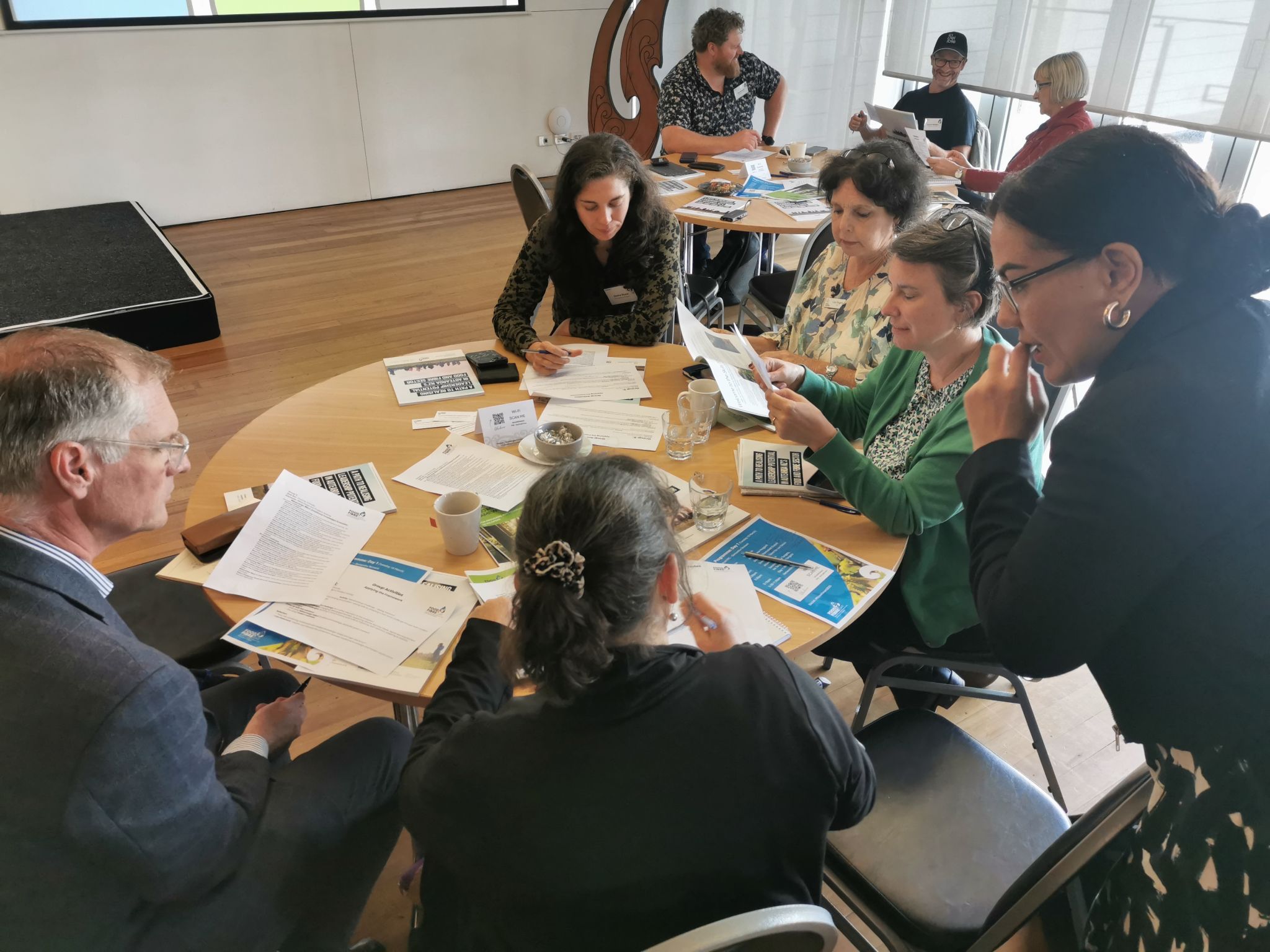
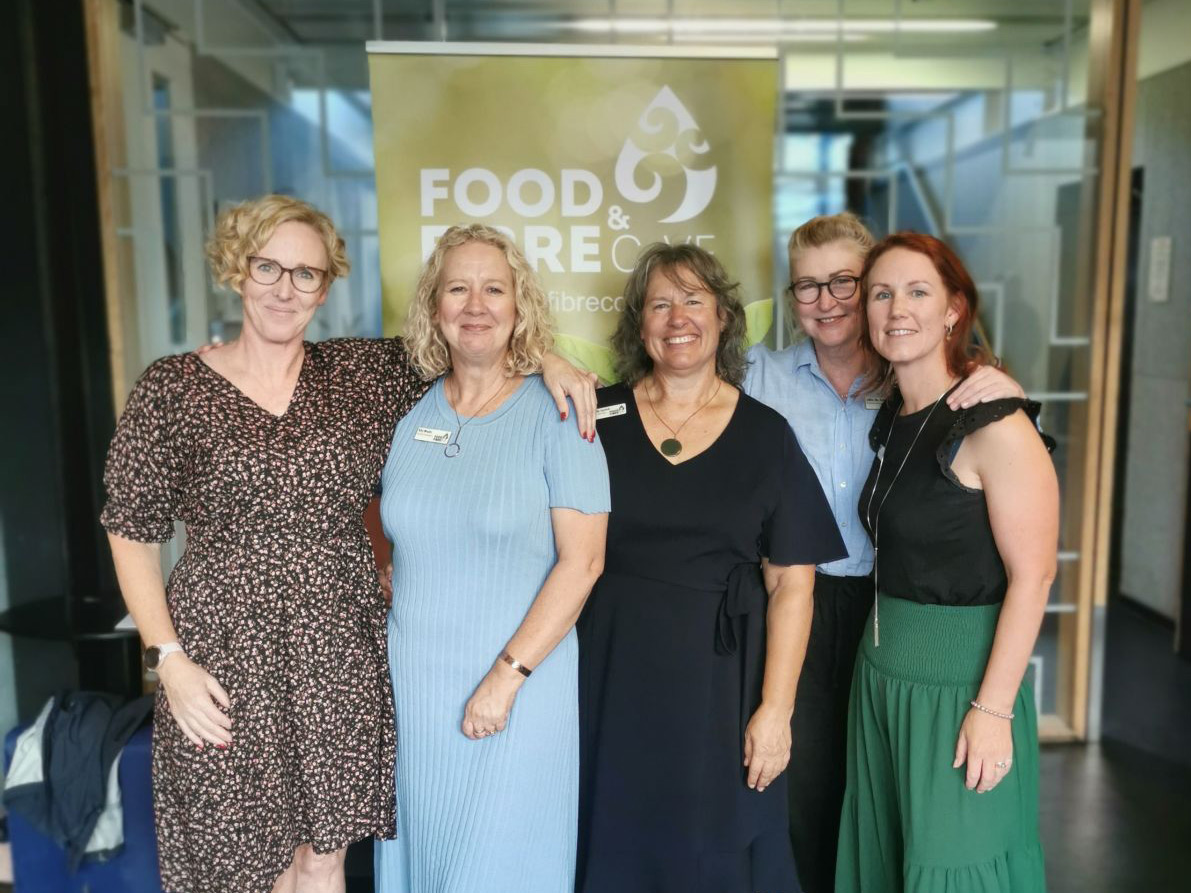
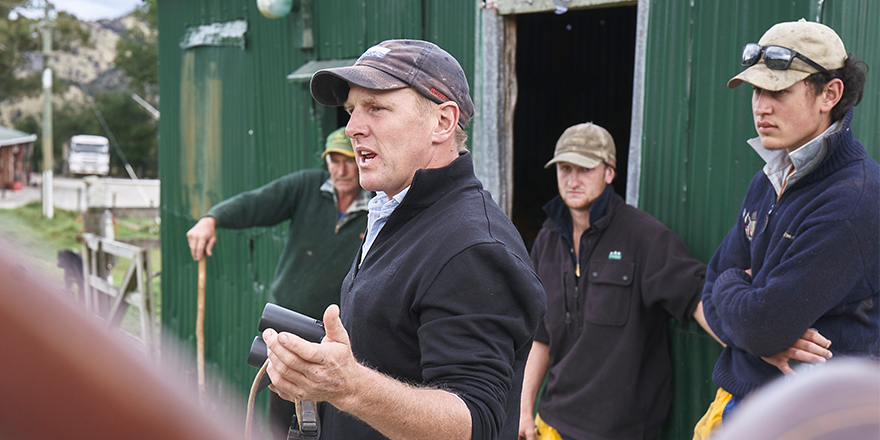
The 2025 Food and Fibre CoVE Research and Insights Forum showcased crucial projects delivered throughout the last year, that have helped address the challenges our sector faces, specifically around workforce talent, the pace of change in technology and uncertainty.

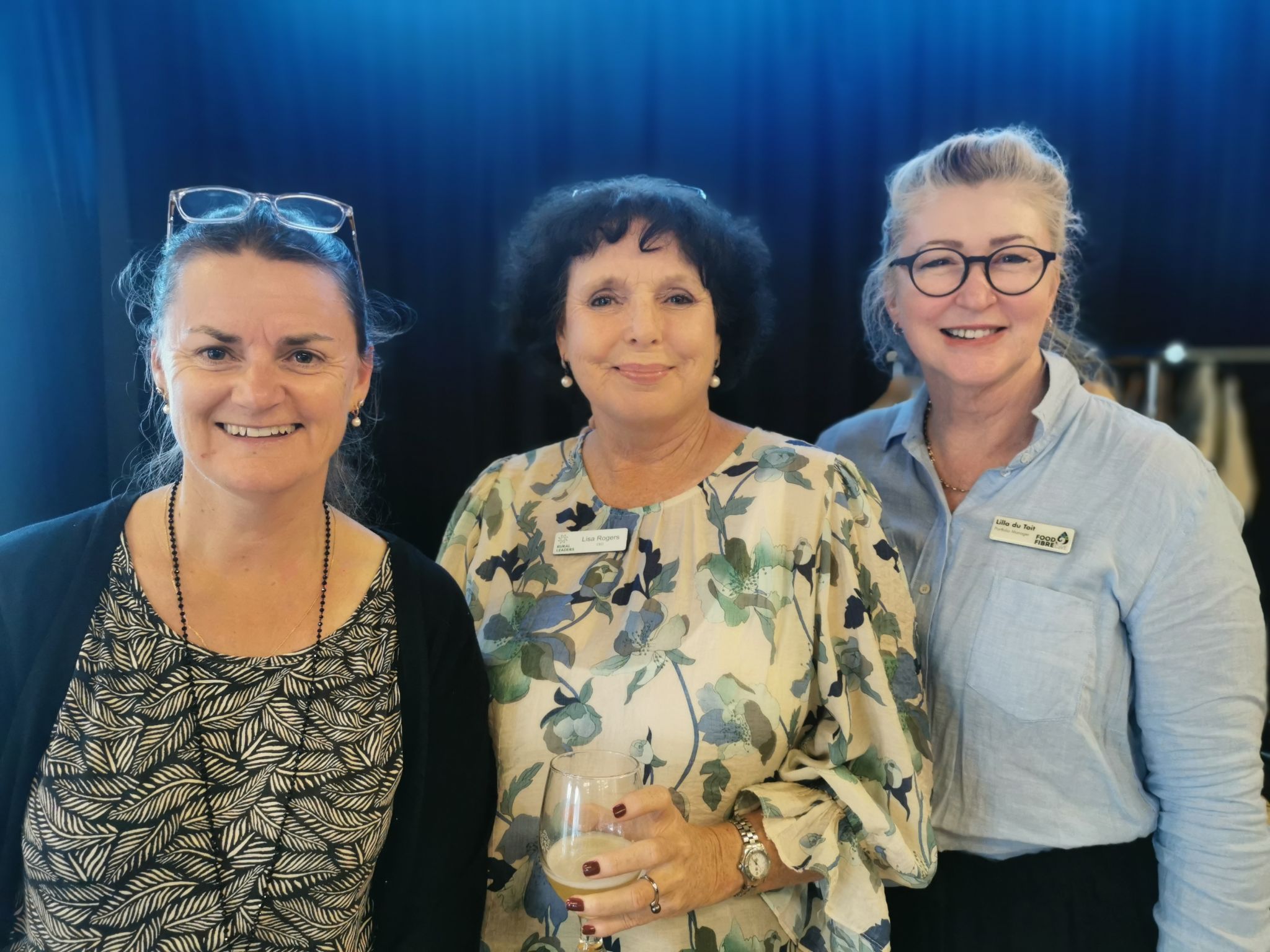
The two-day Forum got underway at Wharewaka in Wellington yesterday, with Rural Leaders’ CEO Lisa Rogers in attendance.

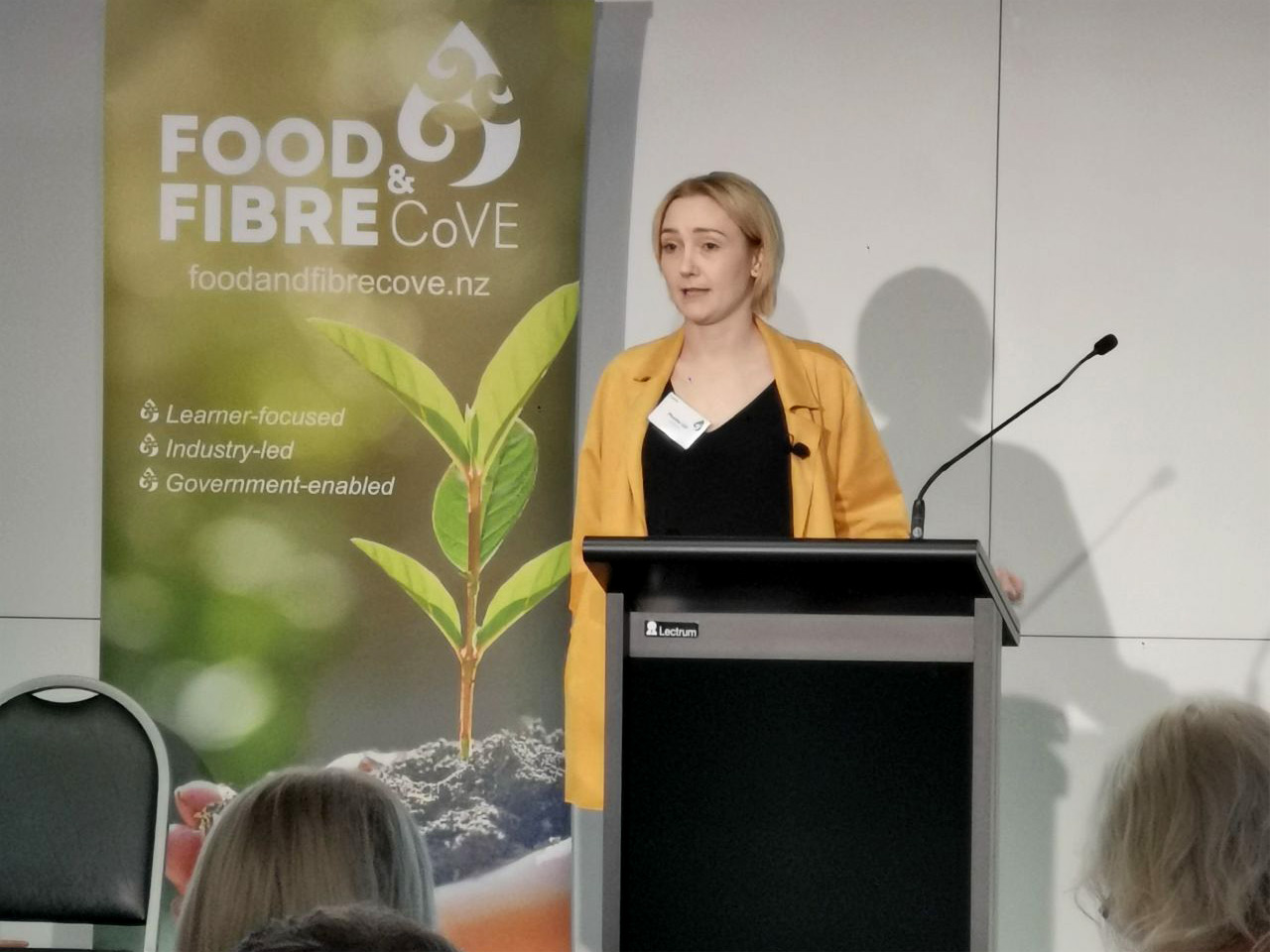
The following is a summary of the excellent posts (and photos) from Food and Fibre CoVE.

Day One.

The Honourable Andrew Hoggard opened and shared his vision for advancing a thriving skilled food and fibre workforce while Shamubeel Eaqub gave the economic realities and implications for NZ as a trading nation – a lot of it good news.

A session ‘Talent for our Future’ followed and brought the Skills Framework to life. This was conducted by Kathryn Koopmanschap, Nicky Murray and HTK Group’s Neala Rosandich.

The Skills Framework focuses on a skills-first approach encompassing: mōhio (understanding). mātau (expertise) and mārama (enlightenment).

Alongside this, a Te Ao Māori Skills Toolkit has been developed as a guide and support for learners, employers and providers.

View the Skills Framework toolkits here: Food and Fibre Skills Framework.

Forum goers also heard about the Secondary School Transitions and Pathways to Vocational Education, Training, and Employment project from Josh Williams of Skills Group.

To view the policy review by Josh Williams and Arthur Graves, or for more on the project, click here: Secondary School Transitions and Pathways to VET and Employment.

The second session captured a key range of projects focussed on workforce retention. Adam Barker of Scarlatti on insights looking into the possibility of coordinating New Zealand’s seasonal workforces between sectors and regions.

The final report is due to be published shortly.

Emma Boase of PwC New Zealand profiled the Employer Toolkit that has been developed for the ‘Retaining our People – Food and Fibre Retention Pilots’ project.

This toolkit for supervisors, managers and employers developed alongside industry provides free online information for better workplace wellbeing and culture, Māori cultural confidence, mentoring and more.

Head to www.employertoolkitnz.org to see this valuable work.

Sector snapshots from Dr Lesley Petersen included a sneak peek into the Aquaculture New Zealand mentoring and coaching pilot programme and the results from an impact evaluation of Mr Apple New Zealand Ltd’s internship, called Growing Future Horticulturalists. Both these pilots provide learning and guidance to take programmes like this to other food and fibre sectors.

Moerangi Vercoe and Daniel Wallwork of Muka Tangata Workforce Development Council shared the Te Haumako – Māori Workforce Development Plan recognising the significance of Māori agribusiness and growing demographic within food and fibre, with the opportunity to enhance qualifications and training that work for Māori.

You can read more on Te Haumako here: mukatangata.nz/te-haumako/

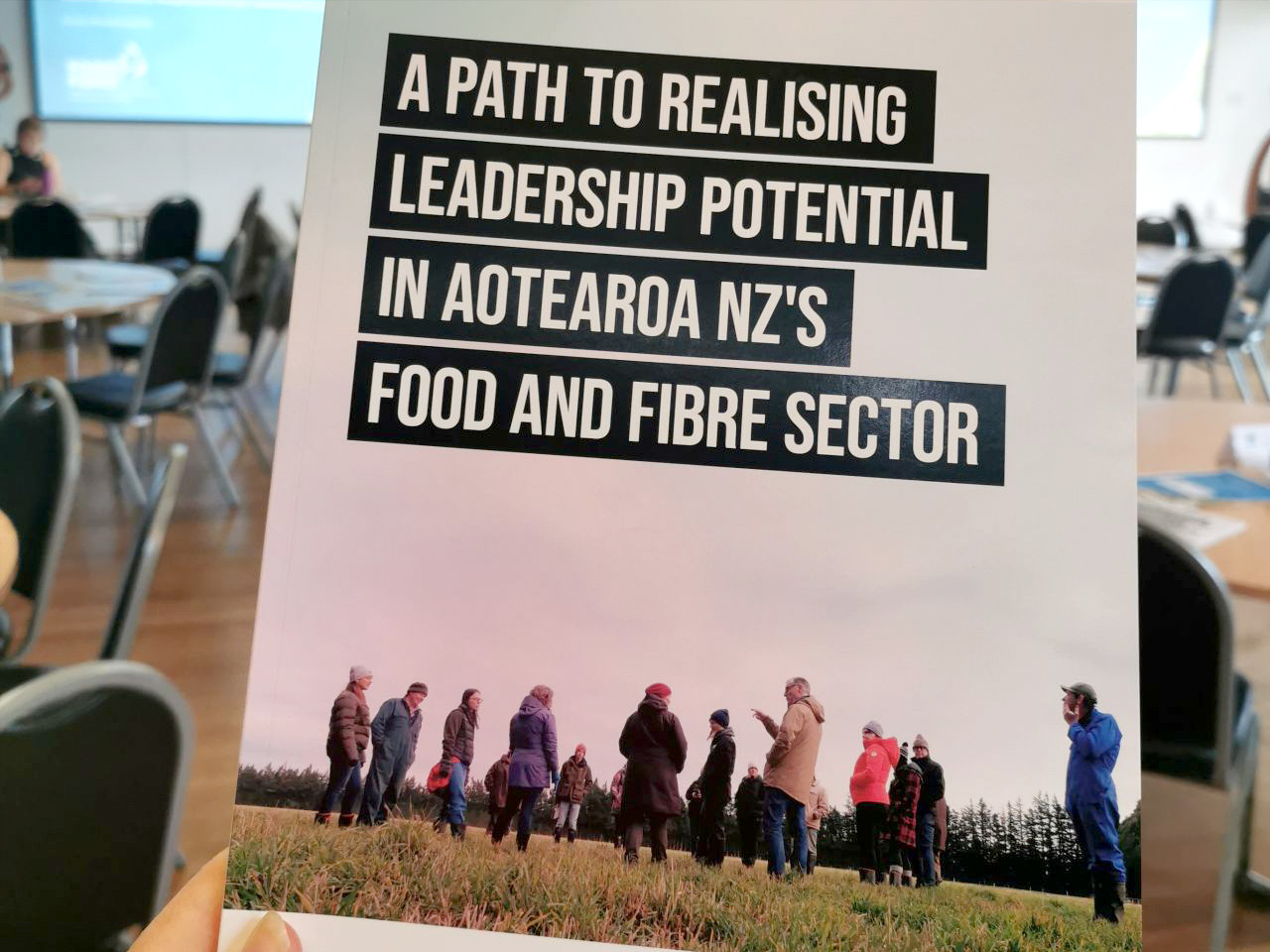
And connecting much of this work to leadership development is the Food and Fibre commissioned leadership project with Rural Leaders. The most recent report in this project, ‘A Path to Realising Leadership Potential in Aotearoa NZ’s Food and Fibre Sector’, was available to those attending.

Day Two.

Session three ‘Integrating Technology’, exploring the potential emerging technologies such as artificial intelligence has for food and fibre.

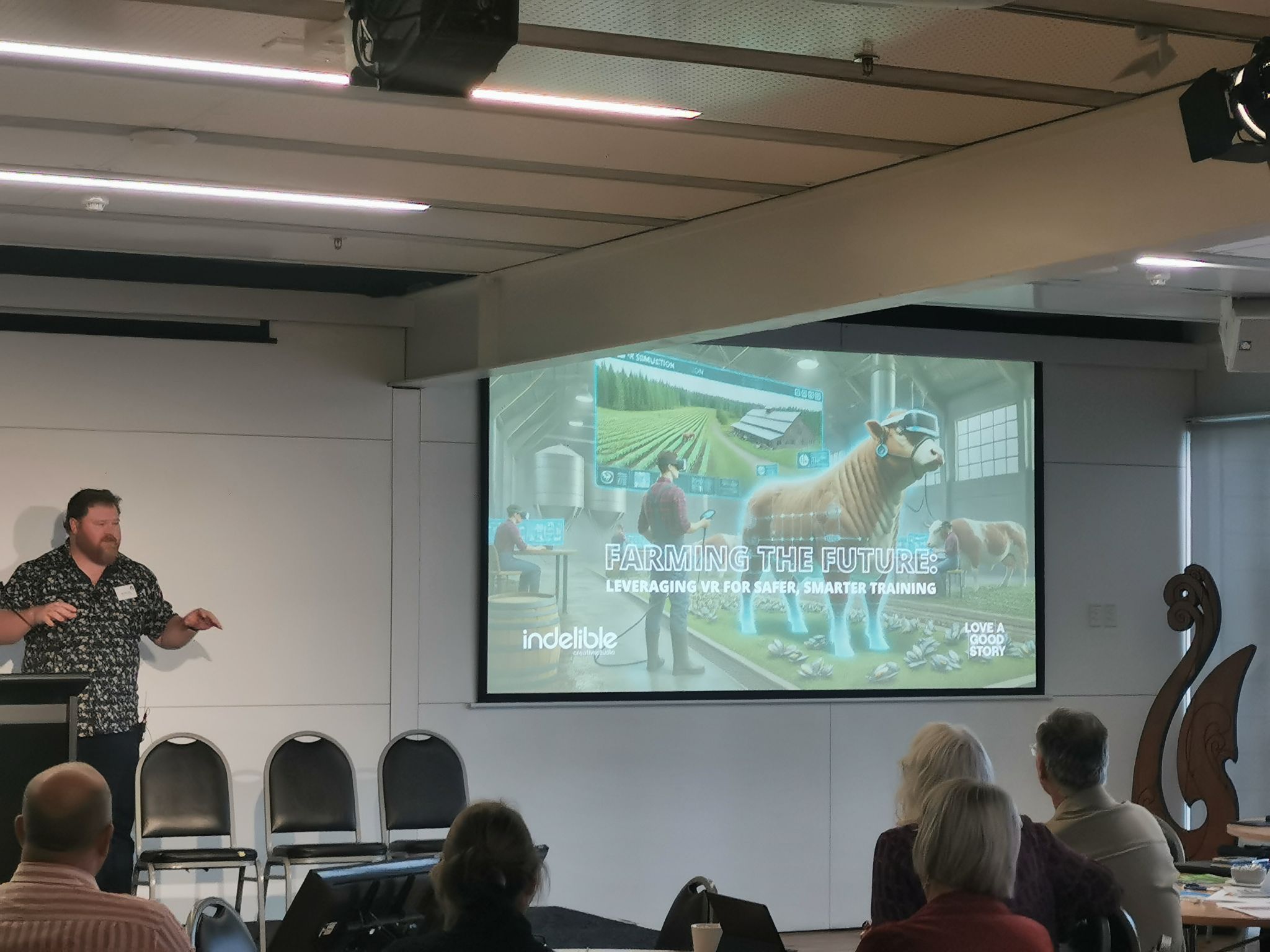
Dan Browne and Hamish Webber of Indelible – Creative Studio with CoVE’s Dr Lilla du Toit looked at how technology can advance learning and training capability, with AI researcher Dr Jace Hargis from Orlando on current possibilities.

Delegates gave new tools a go too – including an immersive experience on keeping safe when moving stock. 3 pilots to test the technology are underway with Beef + Lamb New Zealand, Te Wānanga o Aotearoa and DairyNZ.

Take a look at a report exploring the possibilities of emerging technologies for NZ food and fibre by Skills Group, here: Investing in Emerging Technologies: Gamification, VR and AI Research project and pilots.

The Scarlatti team’s Phoebe Gill and Julie Moularde spoke on two key projects including AI in assessment practices that are accessible for learners and providers.

Delegates were also introduced to Food and Fibre CoVE’s interactive Online Excellence Framework Scarlatti and Skills Group have done to bring the Rubrics and its ‘superpowers’ to life.

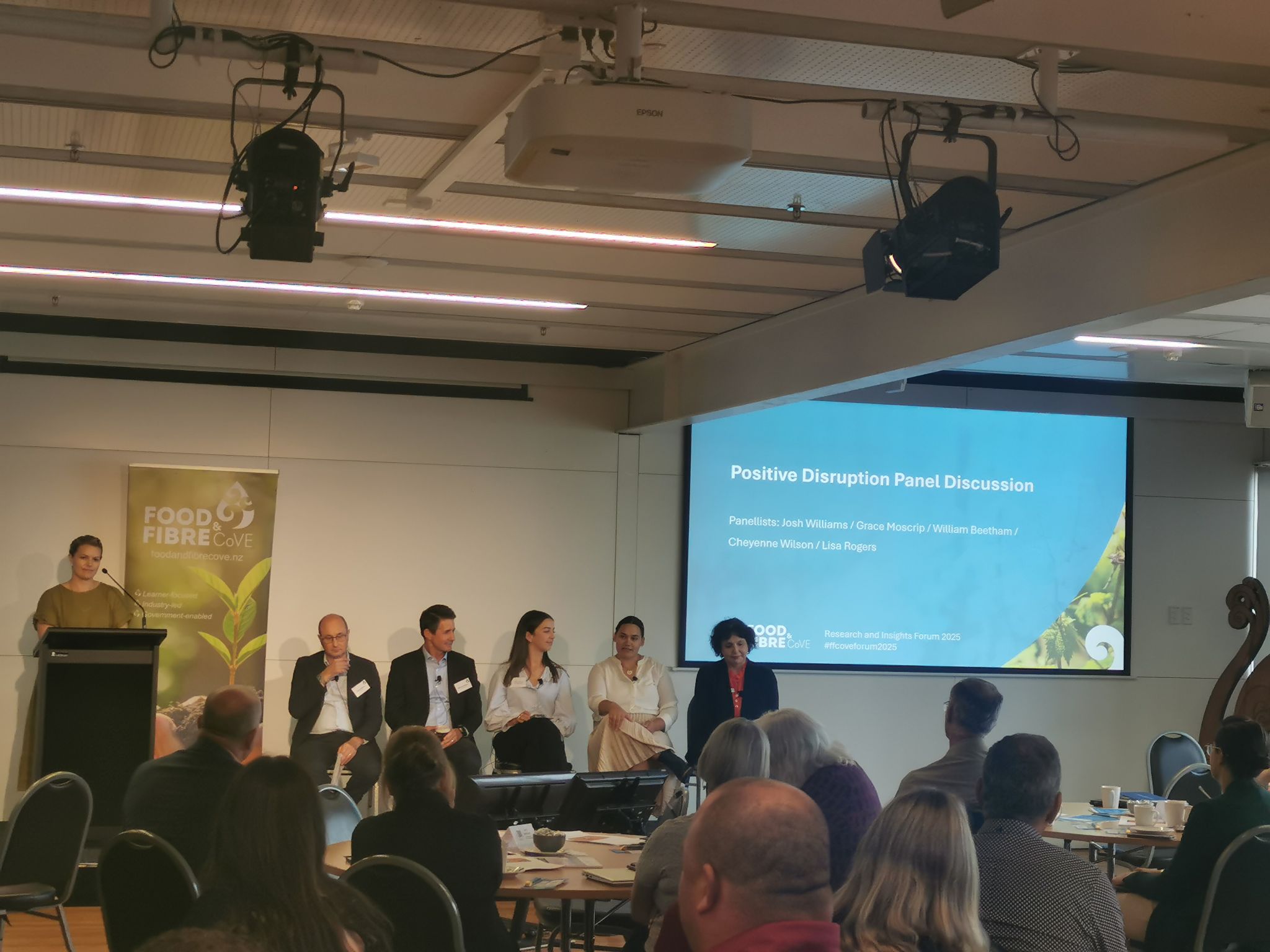
In Session four – a panel line-up spoke on positive disruption for the future of food and fibre VET. Grace Moscrip Josh Williams and Lisa Rogers, CoVE Board member Cheyenne Wilson and Chair, William Beetham who reflected on the learnings of the Forum’s two days – shaping a VET sector for the ever-evolving future-focussed food and fibre sectors of New Zealand.

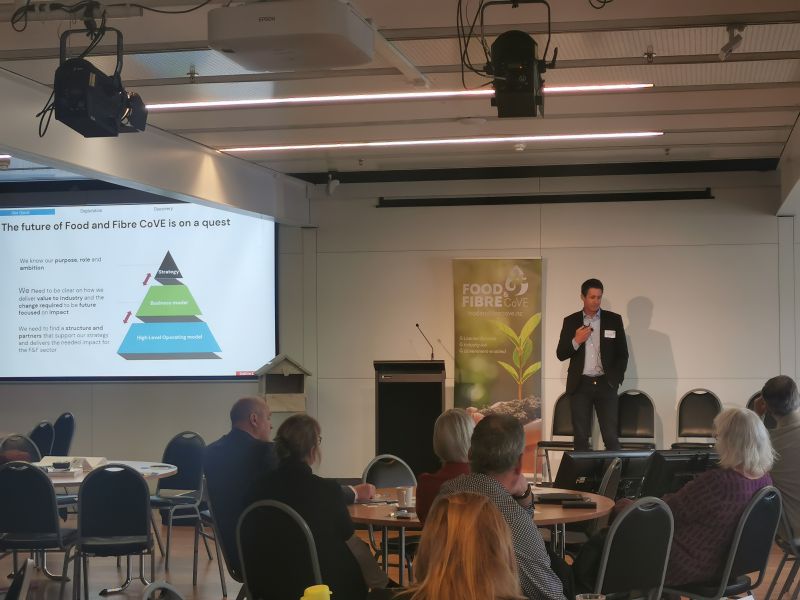
Food and Fibre CoVE’s Chair William Beetham provided an update of Food and Fibre CoVE’s Future Directions Initiative, working with our stakeholders and PwC New Zealand on what comes next.

Have your say on what Food and Fibre CoVE’s focus should be beyond 2025. Click here: Food and Fibre CoVE Future direction

The Nuffield 2025 Contemporary Scholars Conference.

The Nuffield 2025 Contemporary Scholars Conference

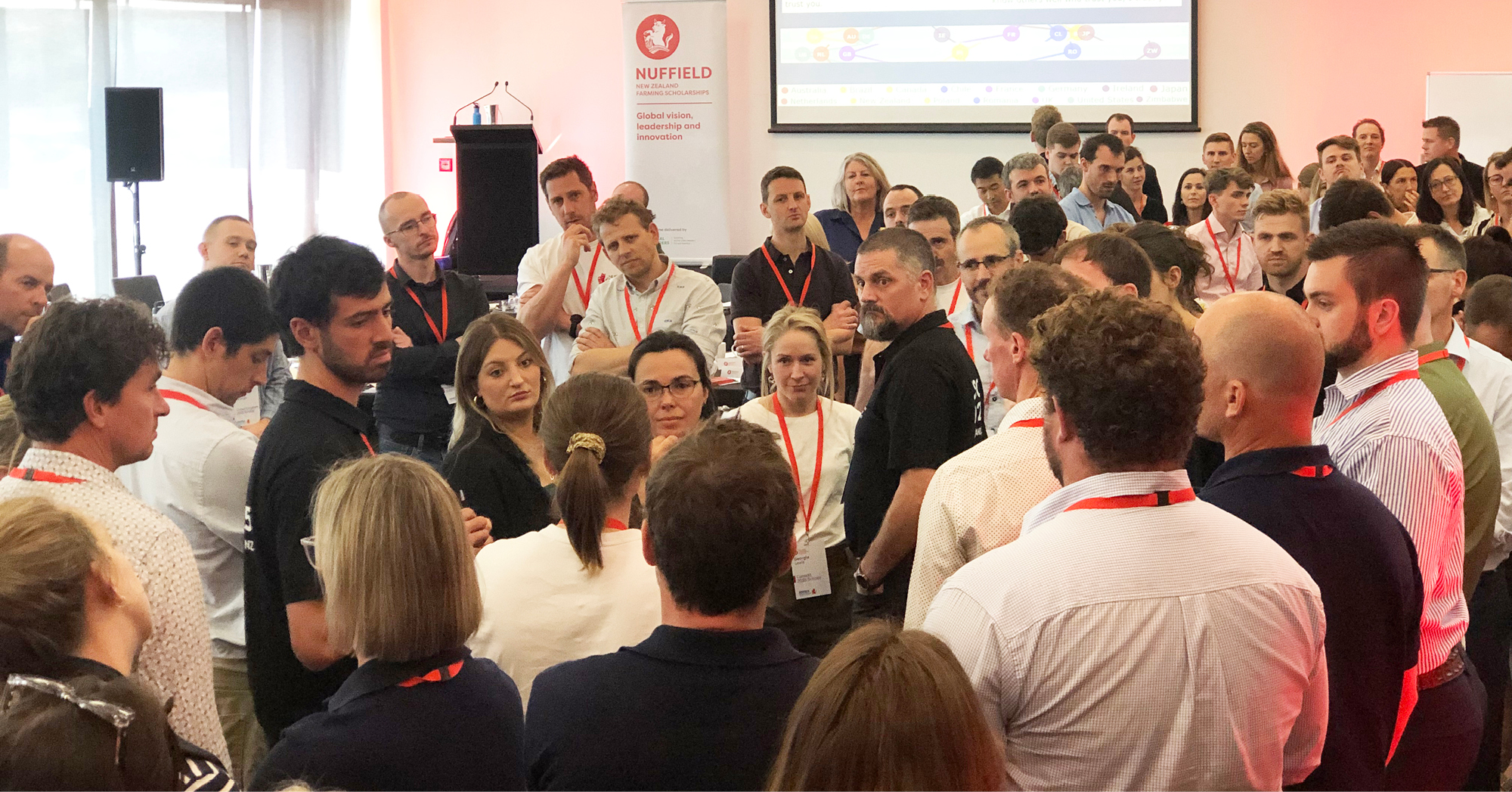
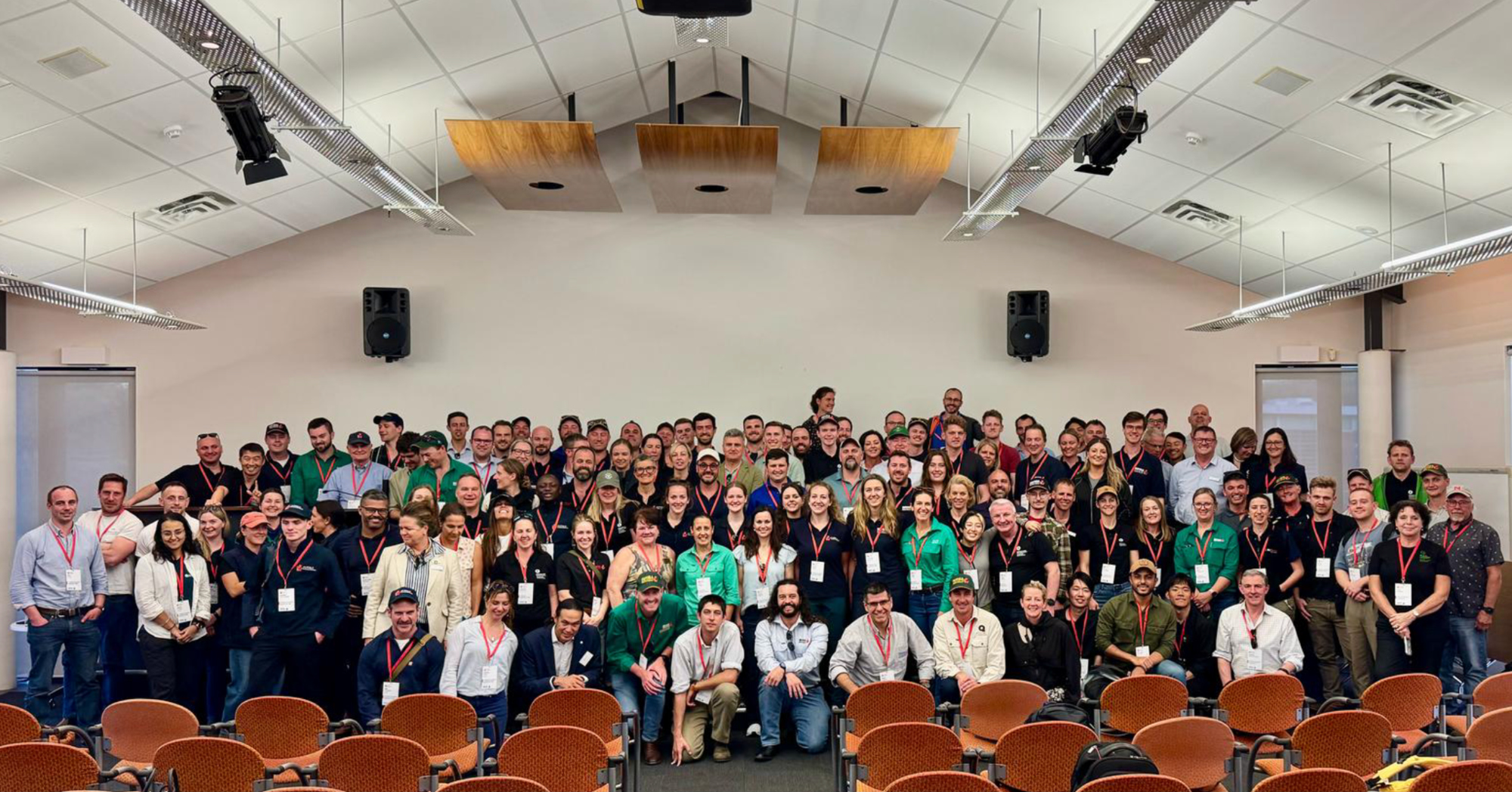
The Nuffield 2025 Contemporary Scholars Conference (CSC) wrapped up last week in Auckland, running March 8 to March 16. 

This CSC, organised by Rural Leaders and hosted by Rural Leaders and Nuffield International, brought together over 100 newly selected Nuffield Scholars from around the globe. The CSC offered scholars an immersive experience through a series of carefully curated activities, workshops and speakers.

It’s an immersive platform for new scholars to engage with thought leaders to address global agricultural challenges. The 9-day programme featured presentations, panel discussions, and field trips. This year’s conference emphasised leadership development, critical thinking, effective communication, wellbeing, Te Ao Māori and Te Tiriti o Waitangi, trade and exposure to New Zealand’s unique value chains.

For Rural Leaders, hosting this CSC provided an opportunity to showcase Aotearoa’s advancements in the food and fibre sector. Participants explored local farming systems, sustainability practices, and technological innovations, gaining insights into how New Zealand maintains its competitive edge in global agriculture. 

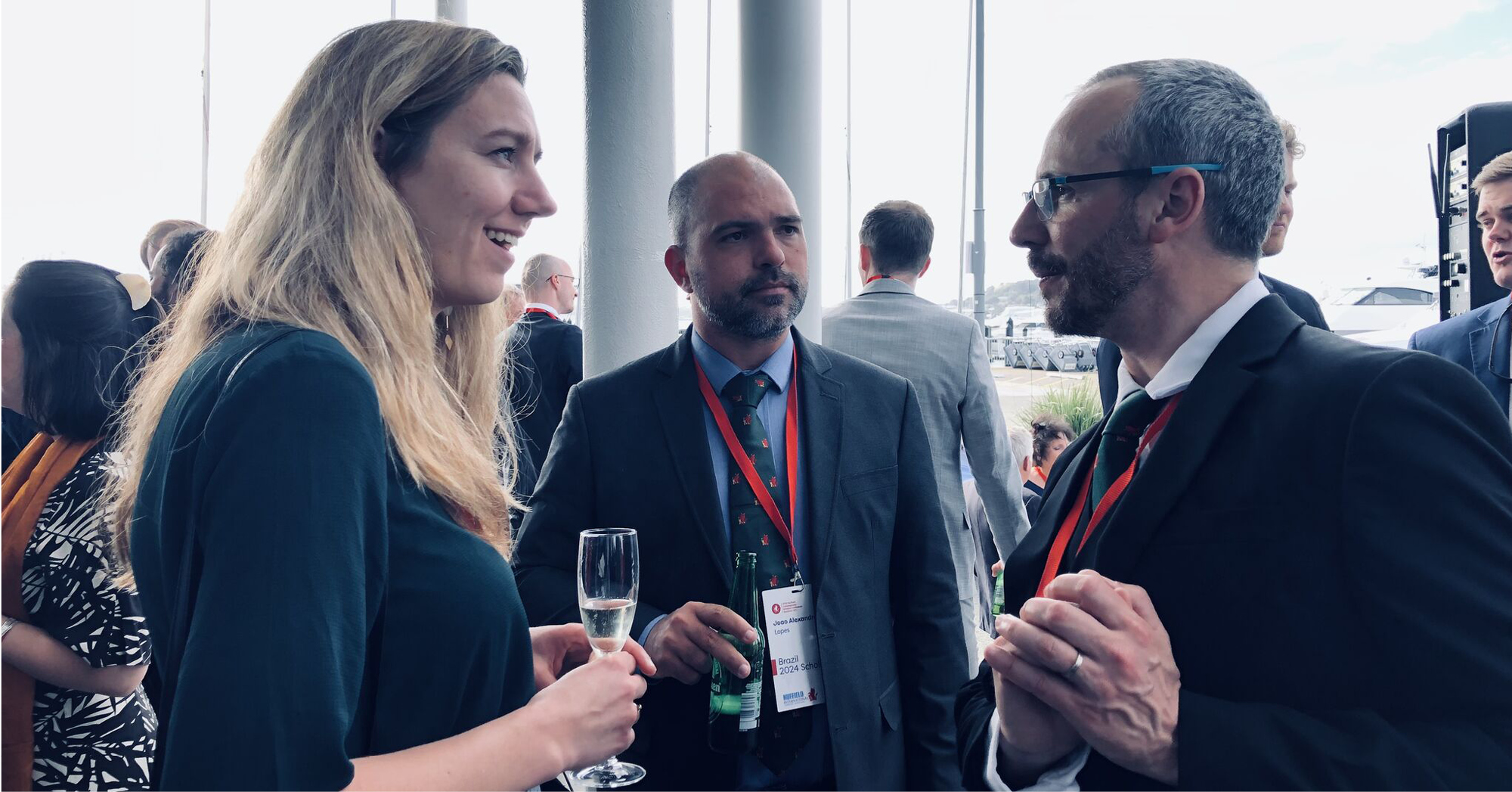
An important aspect of the CSC is the networking among scholars, fostering international collaboration and knowledge exchange. Many of these newly connected scholars will travel together internationally in small groups during their Global Focus Programme (GFP), another key chapter in the scholarship programme.

The GFP is a four-week tour across multiple countries, further enhancing scholars’ global perspective on agricultural practices.

CSC Programme highlights included:

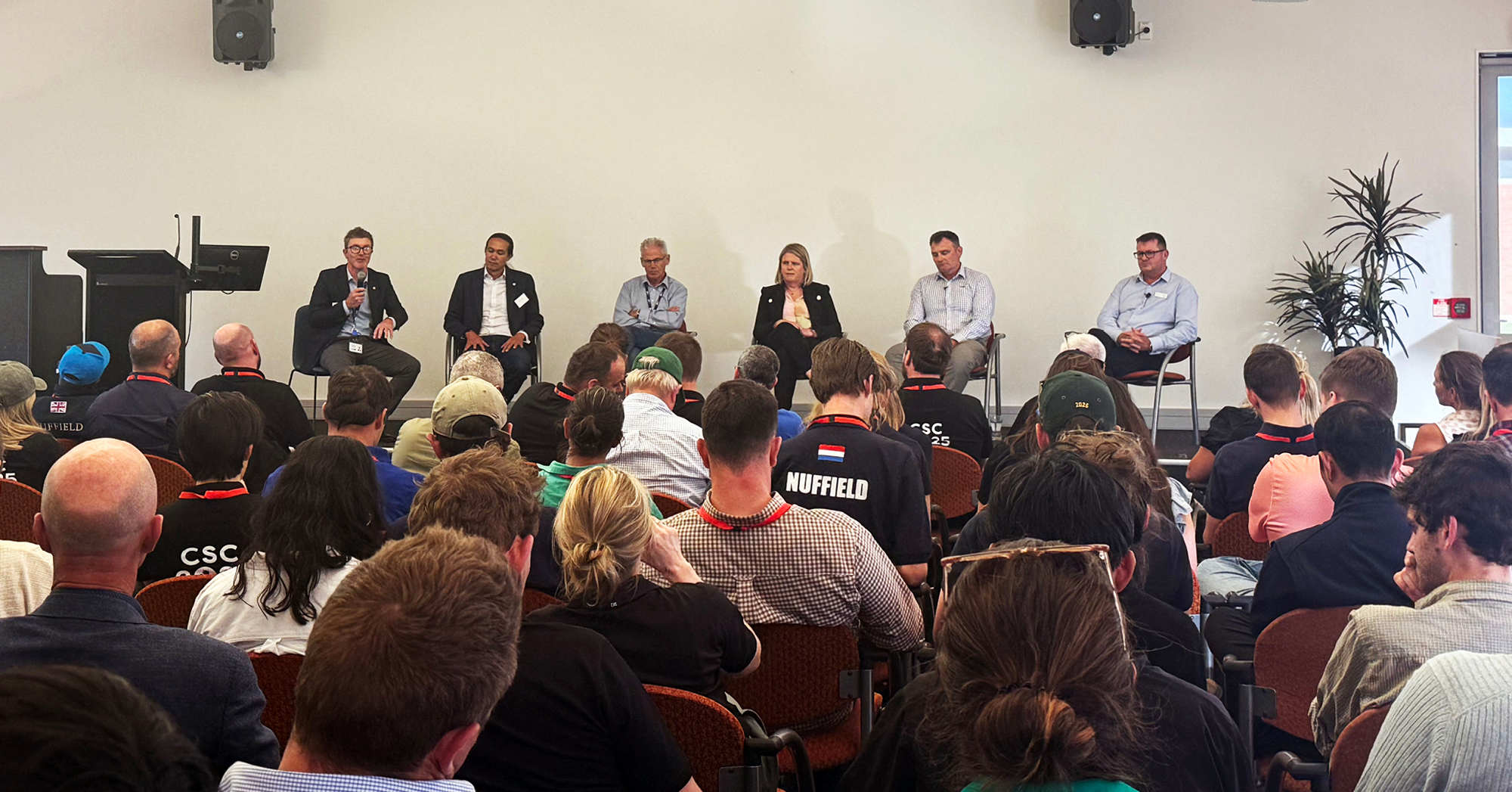
Presentations: Scholars attended sessions led by global thought leaders addressing pressing agricultural challenges. These talks provided insights into innovative solutions and strategies shaping the future of agriculture.​

Speakers included: Jodie Redcliffe (Nuffield International and Australia CEO), Kate Scott (Nuffield/Rural Leaders Chair), Hon. Damien O’Connor MP, Christoph Graf Grote (Nuffield International Chair), Steve Kearney (Chief Mental Health Officer NZDF), Shannon Stallard (Lead with Virtue), Russell Pickering (The Pickering Group), Andrew Watene (Head of KPMG Propagate), Jessica Smith (Deputy Chief Executive at Te Tuapapa – Ministry for Housing and Urban Development), Marcin Markowicz,

(2023 Nuffield Scholar, Poland), Bruce Weir (GM Country Banking Rabobank), Campbell Parker (CEO DairyNZ), David Chin (CEO LIC), Tim Gibson (Director LIC), Corrigan Sowman (LIC Board Chair), Charlotte Rutherford (Dir. Of Sustainability Fonterra), Vangelis Vitalis (NZ Chief Trade Negotiator), Sally Thomson (Nuffield Executive – Brazil), Bev Flatt (Global Partnerships Manager – Agriculture Advocacy and Activiation, Bayer-Sponsor), Lisa Rogers (CEO Rural Leaders) and more. Thank you to all for giving your time and sharing your isnights.

Panel Discussions: Engaging panels allowed scholars to delve deeper into topics such as sustainable farming practices, climate change adaptation, and technological advancements in agriculture.​

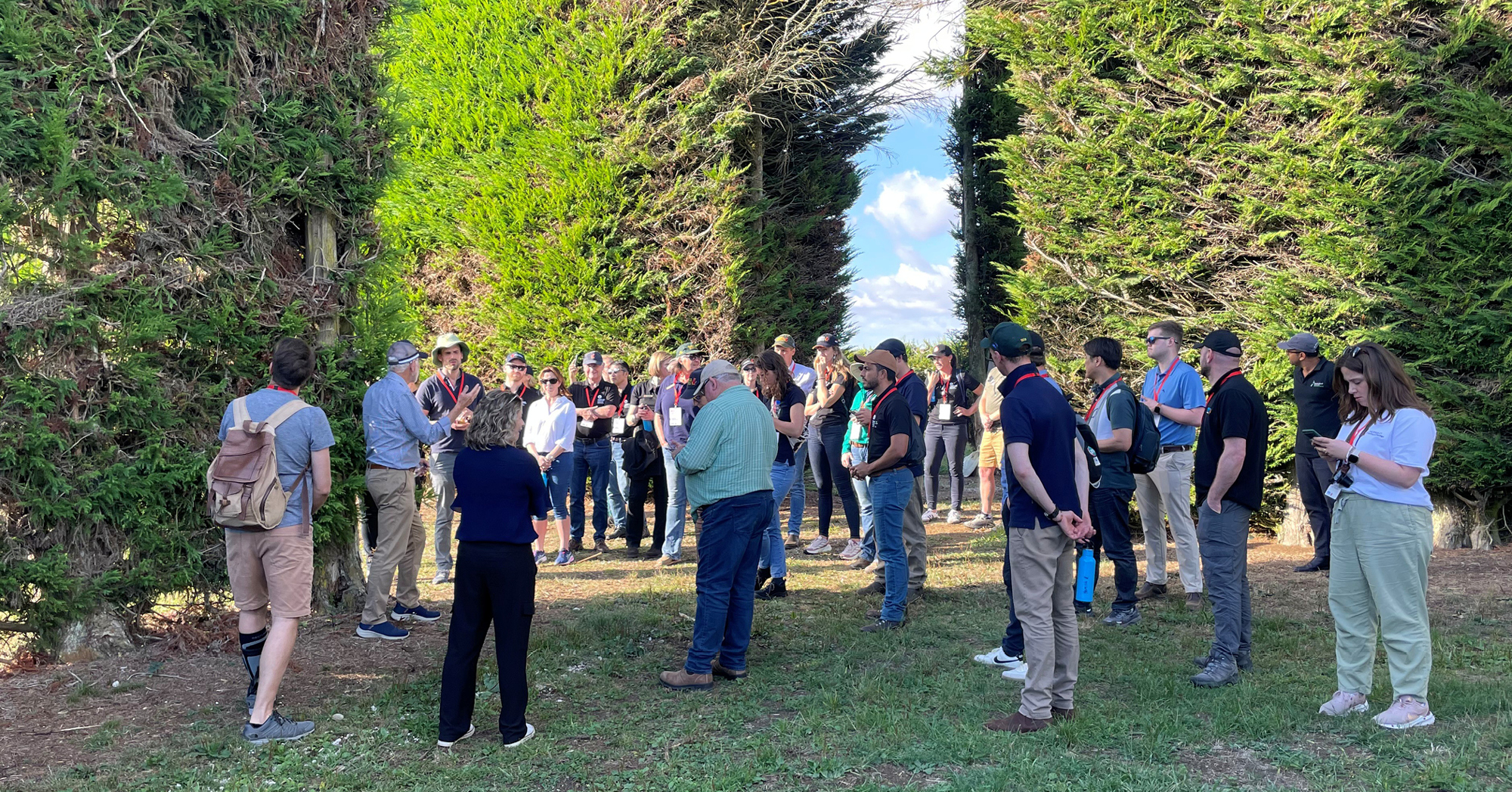
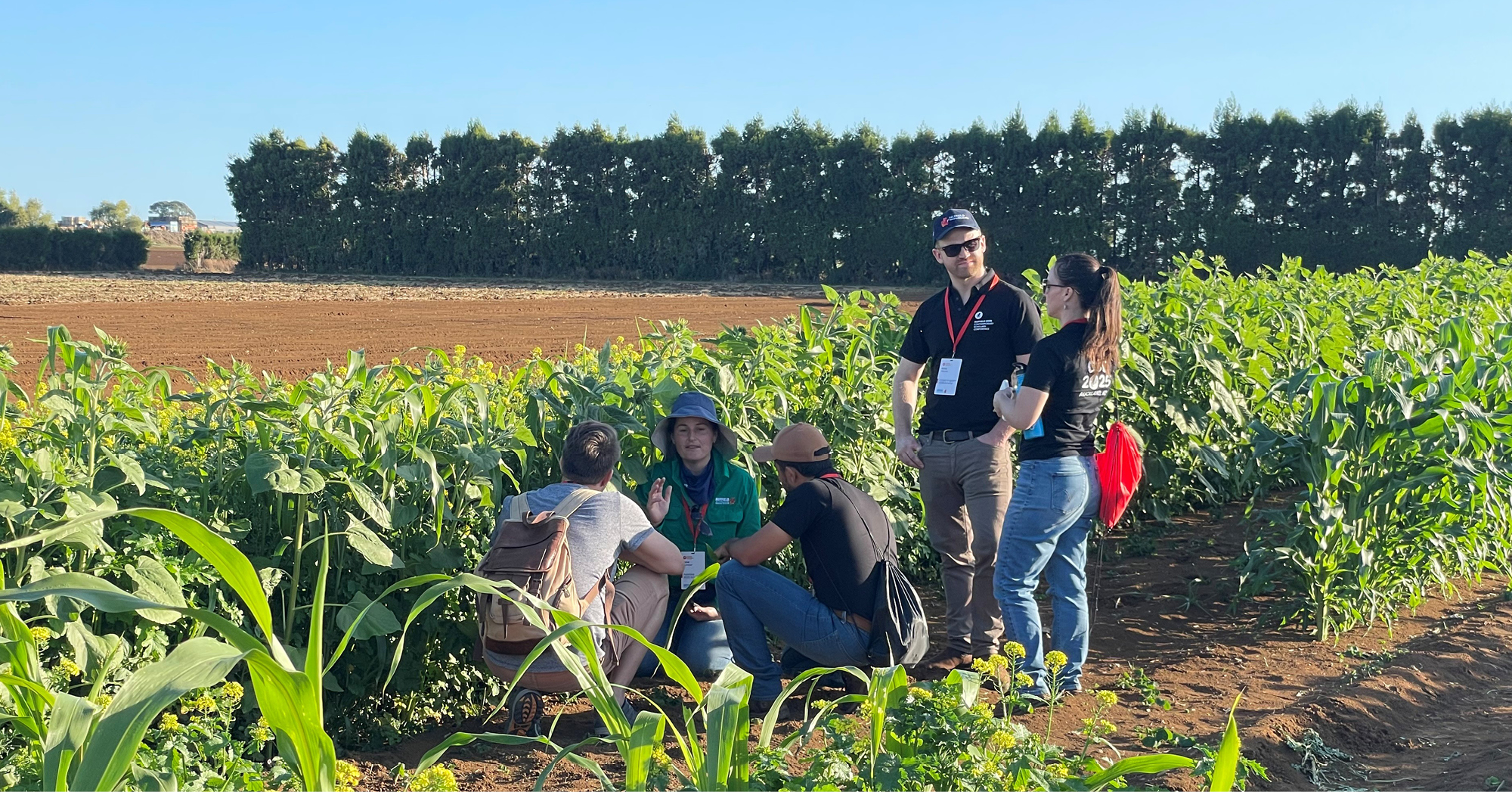
Field trips: Participants embarked on field trips to local farming operations and agri-businesses, witnessing firsthand New Zealand’s cutting-edge agricultural practices and value chain innovations.​

These included: DairyNZ, LIC, Balle Bros., Plant and Food, Leaderbrand, Punchbowl and more.

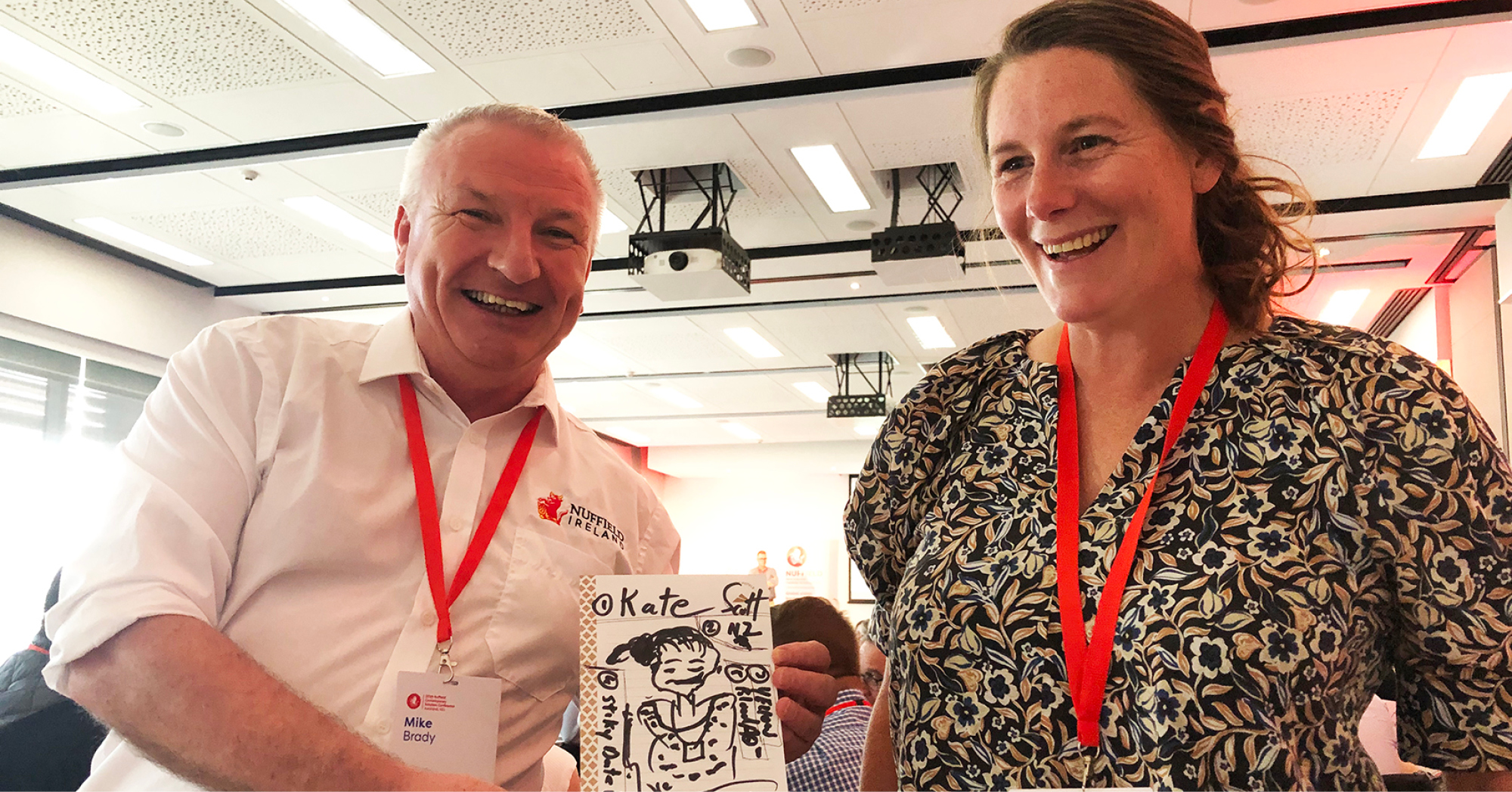
Networking: The entire conference was essentially a networking session, enabling scholars to connect, share experiences, and lay the groundwork for future collaborations.​

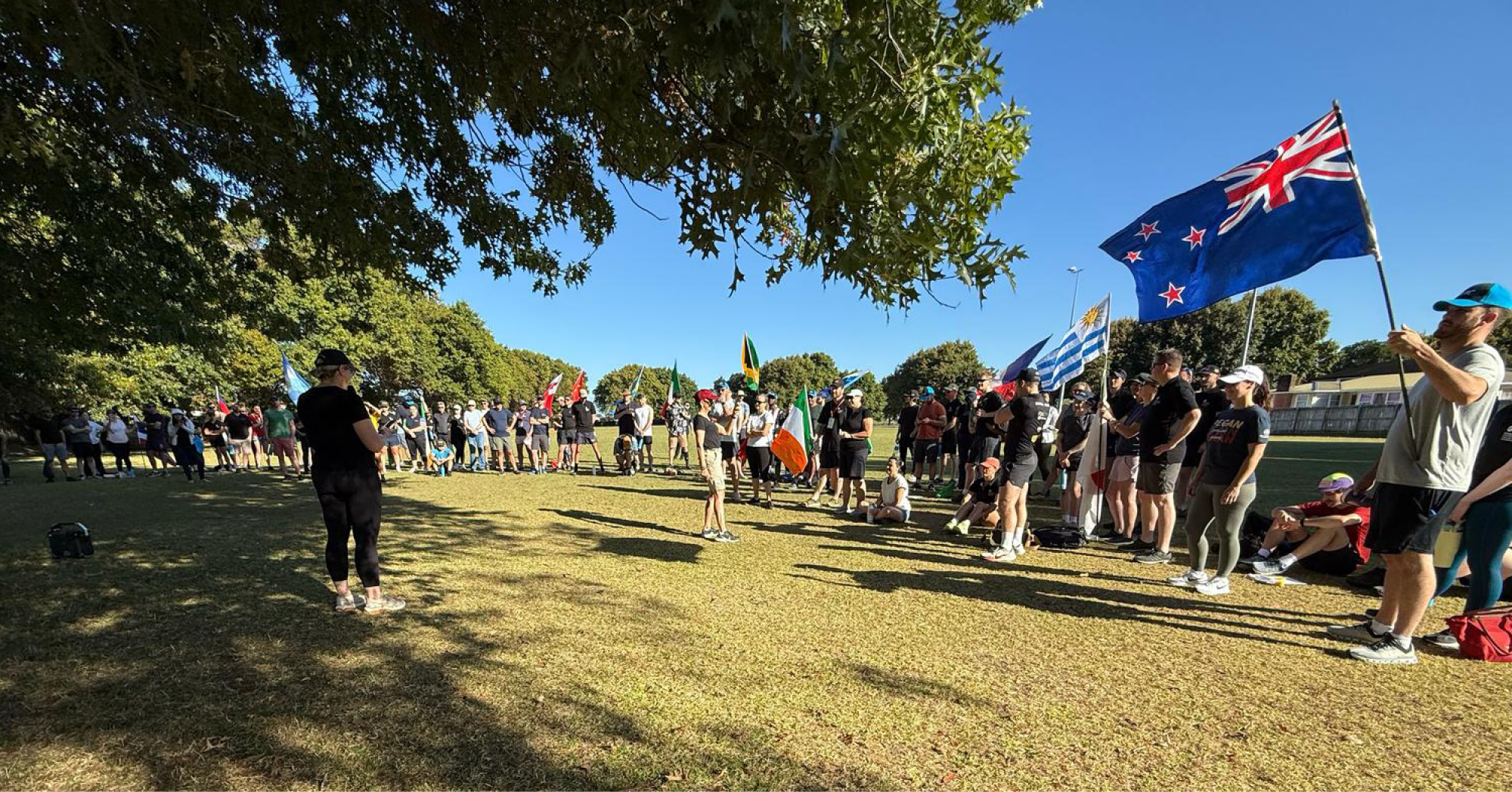
And, did we mention the Nuffield Games? These were held near the end of the conference and, well, there’s really nothing like it.

While the true impact of this CSC will play out over time, these activities collectively enhance the scholars’ understanding of global agricultural dynamics equipping them with the knowledge to drive positive change in their respective regions and industries. For New Zealand – it puts the country front of mind amongst a large cohort of rising global rural leaders.

Feedback has been unanimously positive. The success of this CSC is underpinned by our conference sponsors’ generosity.

Rural Leaders, Nuffield NZ and Nuffield International wish to express their thanks to: Bayer, Nuveen, LIC, PWC, Rabobank, Laguna Bay and MyFarm Investments. Thank you for making this CSC possible.

You can download this CSC’s programme here for more detail on the conference’s nine days.

A huge thanks also to Phil Morrison for binding together the CSC’s insight threads so well during the conference. Phil facilitated the event expertly and was instrumental to its success.

For the 2025 Nuffield New Zealand Scholars: Lisa Portas, Dani Darke, Alan McDermott and Jon Pemberton, their journeys are underway and their research topics are now more carefully defined. During the CSC every 2025 scholar gave a 2-minute summary of their intended research.

Take a look at the topic presentations from our four 2025 NZ Scholars below:

The 2024 NZ Scholars will submit their completed reports in the coming weeks. We’ll share those widely after our investing partners have had a first preview.

NZRLT governance opportunity.

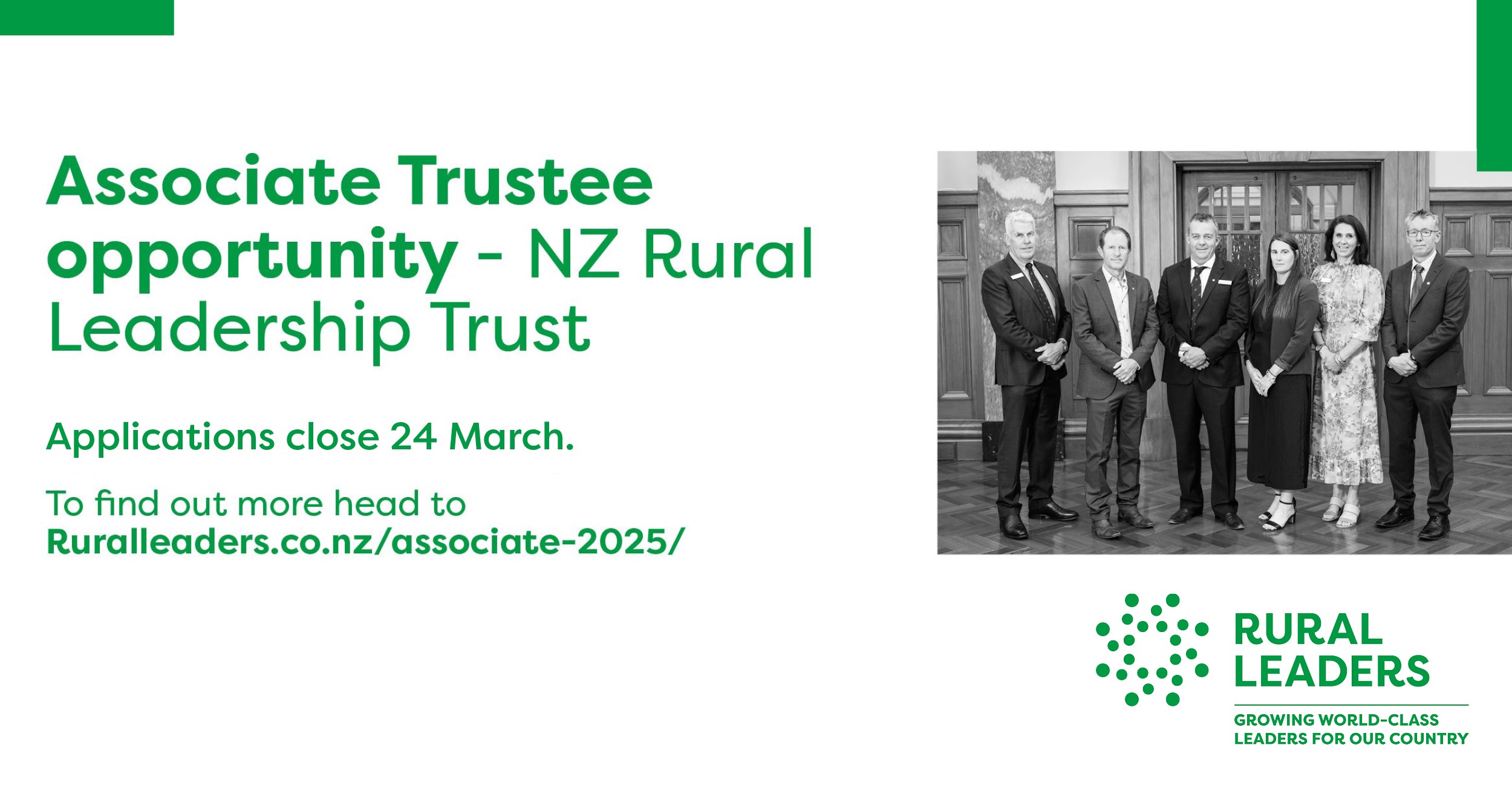
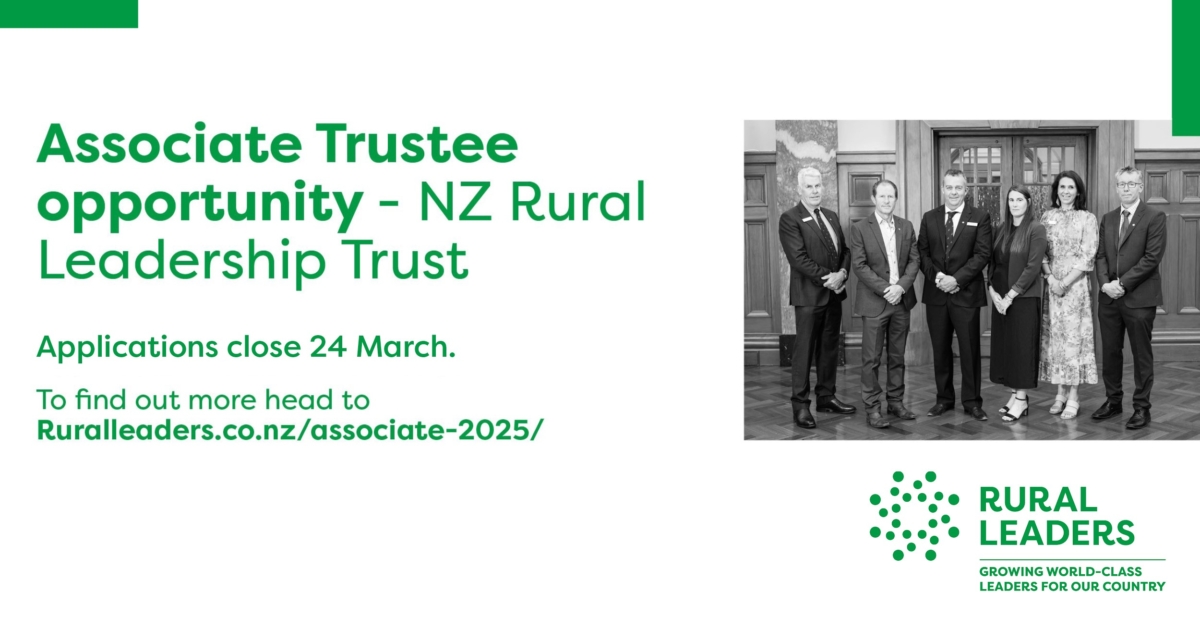
The Board of Trustees for the New Zealand Rural Leadership Trust, responsible for governing the Nuffield Scholarships, Kellogg Rural Leadership Programme, the Value Chain Innovation Programme, Engage and the HortNZ Leadership Programme, wish to appoint an Associate Trustee.

This governance development opportunity is open to all Rural Leaders Alumni.

The Associate Trustee will have the opportunity to:

  1. Sit on the Board and gain greater understanding of governance processes under an experienced Board.
  2. Provide input into the development of some of the leading rural leadership programmes in New Zealand.
  3. Provide insights and perspective as an Alumni of the programme(s).

The Role
The position is included fully in all Board activities, events and meetings.

The Associate Trustee is expected to fully contribute to all Board discussions and actions as if they were a Board member of the organisation and attend events associated with the role. However, the role has no voting rights.

Eligibility
The Associate Trustee role is open to Alumni of the New Zealand Rural Leadership Trust who completed their programme between 2019 – 2024, inclusive.

Term
The term of appointment is for a twelve-month period (May 2025 – May 2026), which provides an opportunity to cover a full year of operations.

There are seven more Board meetings this year and several events. Most events are held in Christchurch or Wellington.

Flight and accommodation costs are covered, where applicable.

The Board meeting schedule for 2025 is:

  1. May TBC (Online)
  2. July 9 (Christchurch)
  3. August TBC (Online)
  4. September 10 (Wellington)
  5. November 3 (Wellington)
  6. December TBC (Online)
  7. January/Feb 2026 (Christchurch)
  8. April 2026 (Wellington)

Remuneration 
There is no remuneration or payment, however all direct costs (such as flights and accommodation where required) relating to meeting attendance, will be met.

Confidentiality and Conduct 
On appointment the Associate Trustee will be asked to sign a confidentially agreement.

Although the position is not an appointed Trustee of the New Zealand Rural Leadership Trust, the appointee is expected to adhere to the code of conduct of a Board member.

The Associate Trustee is expected to comply with any reasonable directions of the NZRLT concerning their role.

Application
Interested scholars should forward their application by 24 March 2025 to Lisarogers@ruralleaders.co.nz

Applications should be in writing, with a CV and a covering letter with the following;

  1. The reasons for applying for the role,
  2. What you expect to gain from the opportunity, including how the opportunity would contribute to your leadership goals,
  3. How you might contribute to the Board’s skills, experience and perspectives.

Appointment process 
An appointments sub-committee (a delegated committee of the Board) and the Chief Executive will consider all applications and provide a recommendation to the full Board who will approve the appointment.

The successful Associate Trustee will be notified by 10 April and will be invited to attend the May Board meeting online and subsequent meetings and events.

For any questions please contact:
Lisa Rogers, Chief Executive
Phone: 021 139 6881
Email: lisarogers@ruralleaders.co.nz