BG: Yeah, for sure. How was your experience going through the Kellogg Programme?
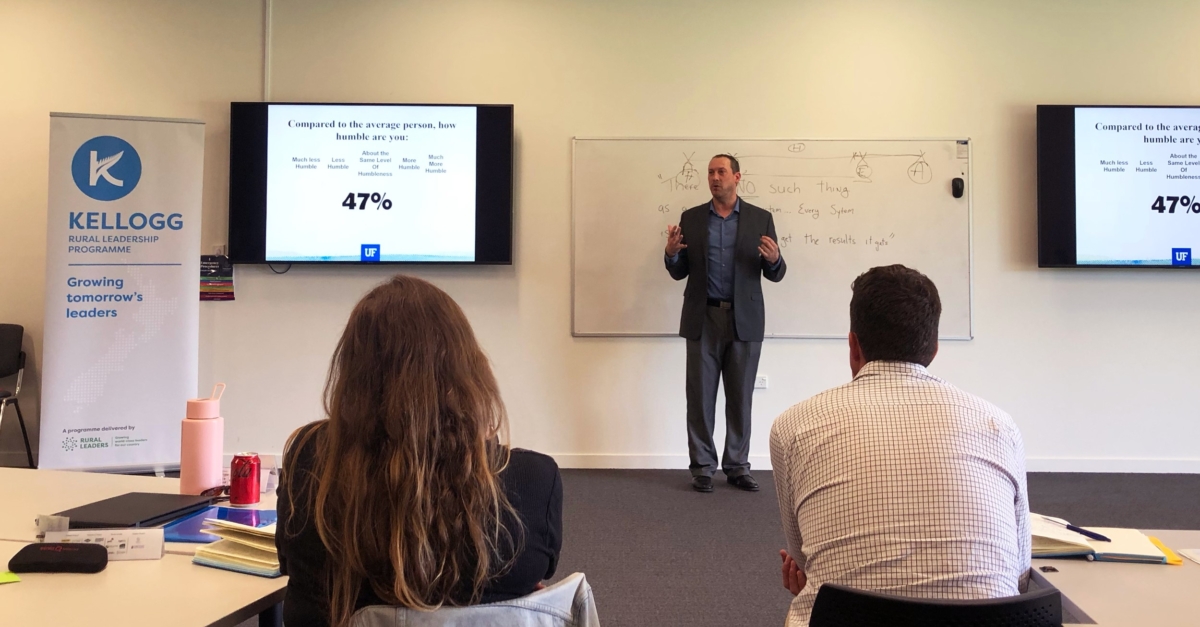
JC: It was great, Bryan. You have six months, basically, where you have this tight knit group of anywhere between 18 and 24 people. There was 23 people on our course, cohort 50, we were last year. You get really close to these people. You spend the first 10 days down at Lincoln together all day, every day, learning about leadership and learning about yourself.
You’re on this journey together and so those networks that you make with the people in your cohort, you can’t really put any value on it because it’s golden. Because you’re doing the journey together, you’re in this challenging but stimulating environment. It was really, really great. And that network is for life now with those people.
Outside of the people that you’re doing your Kellogg with, I think for me, it was the leaders that were put in front of us. Seeing the characteristics that they had was really inspiring. They’re optimistic, a lot of them, there’s a lot of humility there. They’re curious, they ask questions, they’re open-minded. These are the ones that stood out to me as the most natural leaders.
They’ve obviously got all of these learnings along the way that have helped them get to this point that seems magical. You can see things in yourself that you maybe already have or that you need to work on because you’re just getting this exposure to these things that you wouldn’t necessarily get in that six month period.
Critical thinking, being curious, asking questions, keeping an open mind. There’s these themes that keep coming up over and over again. You see places for your own growth too. You see places where you’ve had challenging situations and you realise why, perhaps. So, In terms of leadership, there’s a heap of learning. In terms of that bigger picture thinking, where this tiny little export nation sitting in the South Pacific Sea, selling produce to the world, but we are affected globally by a lot of what goes on.
For me, very much in that pastoral science space at the time, it opened my mind up to this bigger picture way of thinking, which was my big learning. I did my Kellogg last year in my mid-30s. A great time to do it because I’d had a bit of life experience, a bit of career experience, but still you realise how much you’ve got to go and do. So, it was really good. Yeah, loved it.
BG: Awesome. And what’s the plan for you? Just still sinking your teeth into global protein markets, that thing?
JC: Yeah, that’s correct. Kellogg did open my mind to other opportunities and started with Rabo at the end of last year. So very much in that getting into the role space, what’s driving global protein consumption. We’re going through a challenging time right now in the red meat sector with meat prices, especially. There’s a number of reasons for that. What is the light at the end of the tunnel? When might we see it? So no, it’s really good, and I certainly, leapt right into that big picture thinking, which is great.
BG: Thanks for listening to Ideas that Grow, a Rural Leaders podcast in partnership with Massey and Lincoln Universities, AGMARDT, and FoodHQ. This podcast was presented by Farmers Weekly. For more information on Rural Leaders, the Nuffield New Zealand Farming Scholarships, or the Kellogg Rural Leadership Programme, please visit, ruralleaders.co.nz