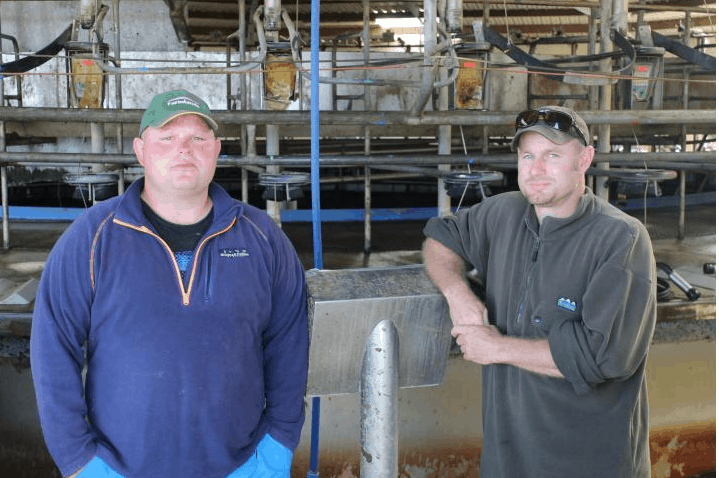
My interest in biosecurity started with the harsh lessons of the PSA incursion into kiwifruit in New Zealand. My small orchard was only 500m away from ground zero and like all growers, I got a crash course in the importance of basic biosecurity and hygiene practices.
I started my Nuffield travels around the world hoping to look at examples of on farm biosecurity practices. It was disappointing to see a total lack of preparedness worldwide, and the only farmers engaging in biosecurity had done so after an incursion had already established.
The worst example of this was, after visiting farms in Qatar which is known to have foot and mouth, we could fly directly to France and head straight from the airport onto a dairy farm with no questions asked. Its little wonder that worldwide we are seeing an increase in exotic pest incursions taking their toll on agricultural production.
Even with world class biosecurity protecting our border, we cannot stop everything. Once we accept that, then it becomes critical what happens inside the border and how we as individuals protect our own border – the farm gate.
After 20 weeks and as many countries it was great to finally meet a farmer that got Biosecurity. He was a banana farmer from Queensland facing the threat of TR4 – a devastating banana disease. One of his comments that really struck me was biosecurity wasn’t about the things you do – the procedures the footbaths. Biosecurity is about culture. It’s about creating a culture that encourages everyone to accept responsibility for their own biosecurity.
The challenge is where will the drive to change this culture come from. Farmers in Britain have forgotten the lessons of foot and mouth and in the kiwifruit industry after only 7 years we are already losing the lessons we learnt. The only way to overcome this is to create a culture where biosecurity is just a part of everyday life – it becomes business as usual.
It’s pleasing to see the launch in New Zealand of Biosecurity 2025’s campaign Ko Tatou – this is us which is about trying to start a national culture of biosecurity awareness. The key is how do we build on this and how do we create this culture within the primary industries.
Kate Scott 2018 Nuffield Scholar - Global Insights.
I have come to the view so far during my travels that globally New Zealand Agriculture is punching well above its weight in terms of both its understanding of the impacts of its activities on the environment, but also in its recognition of the need to change.
This is not to say that we have achieved all that is needed, in fact we are still some way from this. However I believe that we have at least started along the path towards finding solutions to reduce the environmental footprint of agriculture, and to achieve this we need to overcome the following challenges.
The first challenge is goal setting. As I see it there is broad consensus on the need to change, however we need a game plan to guide us on our journey, otherwise how do we go about making this change if we don’t know where we are going? This plan must set out long term, ambitious goals that define what agriculture in New Zealand will look like in the future. Until we have done this any change to our approach remains piecemeal and is unlikely to reduce the footprint of agriculture.
The second challenge is about taking a holistic approach. The path we take must encompass holistic management that is outward looking. We can no longer continue to look at the challenges of agriculture as isolated component parts, and we cannot define our road map without bold leadership at all levels.
We must encompass holistic, community centric, collaborative decision making.
Engaging all of New Zealand will be critical to solving the challenges that we face.
The third challenge is enabling evidenced based decision making. This must play a lead role in shaping our road map.
The fourth challenge is enabling technology. We must continue to encourage innovation and find new tools that help guide our decision making and enable better environmental outcomes.
Information and data are the currency that will bring agriculture from reactive to revolutionary, and we must adopt these now at speed and at scale.
The final challenge is driving a shift to outwards looking policy. I think the answer lies in redefining our approach to policy. This requires a shift from a reactive regulatory approach to a proactive regulatory approach, where regulation and policy is the backstop rather than the front door.
We need to move towards capturing and monetising our sustainability, and to do this we need to address the five challenges:
Clear vision vs. Vague plan
Holistic Working Approach vs. Silos Working Approach
Evidence Based Decision Making vs. Thought Based Decision Making
Technology Uptake vs. Status Quo
Policy Incentives vs. Policy Punishment by Rules.
I encourage you all to get on board with making bold changes for the future of New Zealand, and New Zealand Agriculture.
Right now, farmers throughout New Zealand are confronted by a need to implement change to improve multiple environmental outcomes while still returning a profit.
Supporting them on this journey industry groups, regional councils and central government have developed the Good Farming Practice Action Plan for Water Quality, which acknowledges a range of Industry Agreed Good Management Practices. This has been useful in providing clarity and collaborative industry support for farmers around agreed standards. But I’ve found myself asking the question, “what happens when good practiceis not good enough’? By that I mean, what happens when farmers who in good faith have invested in changes to improve the environment to be considered operating at Good Farming Practice, still exceed community agreed limits? My Nuffield research seeks to explore this issue, considering farm and land use optimisation at both farm and catchment scale.
Farm Environment Plans (FEPs) are often hailed as a primary means to help farmers improve environmental outcomes – and I agree, they have a huge role to play in this space. A tool which farmers can take ownership of to drive tailored and farm specific actions targeting specific management objectives.
However, I really think that we need to utilize FEPs better, and I fear that as they are linked to compliance with an increasingly dominant pass/fail focus around Good Management Practice, FEPs are losing more of the aspiration of a living document and becoming more a tick box for minimum standards.
In the early stages of my individual travels I have been pulling apart different examples of Farm Environmental Planning in Canada, Australia and the UK, leaving me with several key insights – a few of which I’ve highlighted below:
We need to be encouraging farmer innovation with FEPs and provide real market linked incentives for their success.
FEPs should reflect a holistic farm assessment which considers environmental, financial, social, and cultural priorities.
Environmental considerations should have a broad focus, more effectively incorporating aspects around native biodiversity, climate, and greenhouse gas emissions.
We need to be able to more effectively recognise cultural aspects and functions to our landscapes such as mahinga kai.
We should better inform FEPs with non-regulatory decision support tools considering the role and function of ecosystem services and land use optimisation at farm and catchment scale.
To help set farmers up to succeed in the long term, we need to enable effective Farm Environment Planning – linked to market and informed by non-regulatory decision support tools and farm systems modelling.
The impact on our primary production systems of our transition to a low carbon economy
Leader
Economic projections for our low emissions economy miss a fundamental physical challenge in our transition. Biophysical analysis and our primary food systems can address this. Here’s how.
Background
The transition from energy dense fossil fuels to far less dense renewable alternatives is the story of our time. We need a huge transition to low emission energy systems.
Urgency is growing so fast it’s now being hailed a war-scale mobilization of change.
New Zealand’s transition is outlined in our proposed Zero Carbon Act. An outstanding and enormous step forward, this document puts us on the front foot internationally.
But see it in context. Itsunderlying modelling is rooted solely in economics.
The problem
Economics does not reflect the physical impact of our transition, especially on energy.
Taxes, tariffs, interest rates, discounts, exchange rates, bonuses, deficits, etc etc. Strip them away to look purely and simply at the energy aspects of transition.
As a key part of my Nuffield study I did this for the data behind the Carbon Zero Act. I used a method from biophysical economics known as Energy Return On Energy Investment.
This method makes a ratio of the amount of energy our society uses (in coal, petrol, diesel, PV, wind etc) relative to the amount we invest in obtaining that energy (mining, refining, building wind turbines, and shipping fossil fuels etc). Simply put: a ratio of outputs to inputs on an energy scale.
Today, this ratio for our national energy mix is 20:1. Under our ambitious transition scenario for 2050, this ratio is 9:1. A drop of over 50%.
The impact on our economy and especially our primary food systems is unknown, completely unanticipated and probably substantial. Think of it like an alcoholic transitioning from vodka and whiskey to beer and wine. Surely there must be withdrawal symptoms. Where will they bite hardest?
We cannot afford to pursue a transition path on economic merits for several years to have it crash into physical constraints. Reversing back and changing tack would be a massive failure. A loss of resources, loss of trust, loss of direction, loss of time.
The solution
We need a ‘Transition Institute’ within the Independent Climate Body. It does these energy analyses and tackles other biophysical issues. We pioneer integration of its outcomes in our primary food chain, because these people have an immensely practical and innovative grasp of this very physical approach to system optimization. Besides the fact that they drive export revenue. Just the nuts and bolts of transition. No silicon valley. No virtual reality. No exotic financial instrumentation.
Linking our physical knowledge and our economic knowledge, we map out a transition that fits both our financial aspirations and our biophysical boundaries. We’ll lead the world by a good margin in achieving this.
My journey started with a quest to explore what a move to focus more on nutrition would mean for our Primary Industries.
If we diversified and invested into ingredients, extractable compounds and functional claims from our existing production could we increase value for export and develop new market opportunities?
In Canada I had an epiphany. There I met companies who were commodity producers of legumes and grains, within three years they have transitioned to different varieties to become ingredient companies and are now growing specialised crops for customers. These companies are now investing in their own breeding programmes and product formulation businesses, because their produce is no longer grown for visual consumer preferences, it’s grown for its nutrition or extractable value as ingredients.
This was a catalyst for me to think about how NZ could develop secondary income streams that focus on nutrition, micro-nutrients and dietary minimums, and develop a BACK STORY to our food, the environment, our waste, a more diverse, integrated food system.
Premium food should ultimately boost health, our mental health and our wellbeing…… as Industry we need to take a greater lead in developing this strategy around our food.
I believe it’s becoming too risky and expensive for us all to solely focus on end consumer.
Food fashion is far more unpredictable than nutrition, so why do we focus on trying to understand food fashion over nutrition.
If we chose to work with strategic customers already in market, customers who develop products such as formulated foods, nutraceuticals, vitamins, dietary supplements, pharmaceuticals.
If we co-design solutions and products for their existing customer base, we would be opening a new business model and opportunity for growth and export from our existing base.
By working with companies in market, we can utilise their science capability, their consumer research and knowledge, their technology, their Govts funding and their investment $$. We can double up. Our new customer in this space is a customer who already has customers.
We do not have to do everything in NZ anymore or own all the IP. It’s making us too slow and too unresponsive to market opportunities.
We have science and tech capability, but we need strategies that offer both value creation and solutions to environmental and health problems.
More engagement internationally would position us competitively with other countries who have a head start in Industries and market offerings we are just developing. With strong leadership we accelerate adoption of resilient agriculture models and build a more expansive Industry vision.
The opportunity that NZ’s Primary Industry has is an opportunity to create a new pathway.
A story around nutrition, transparency and the environment.
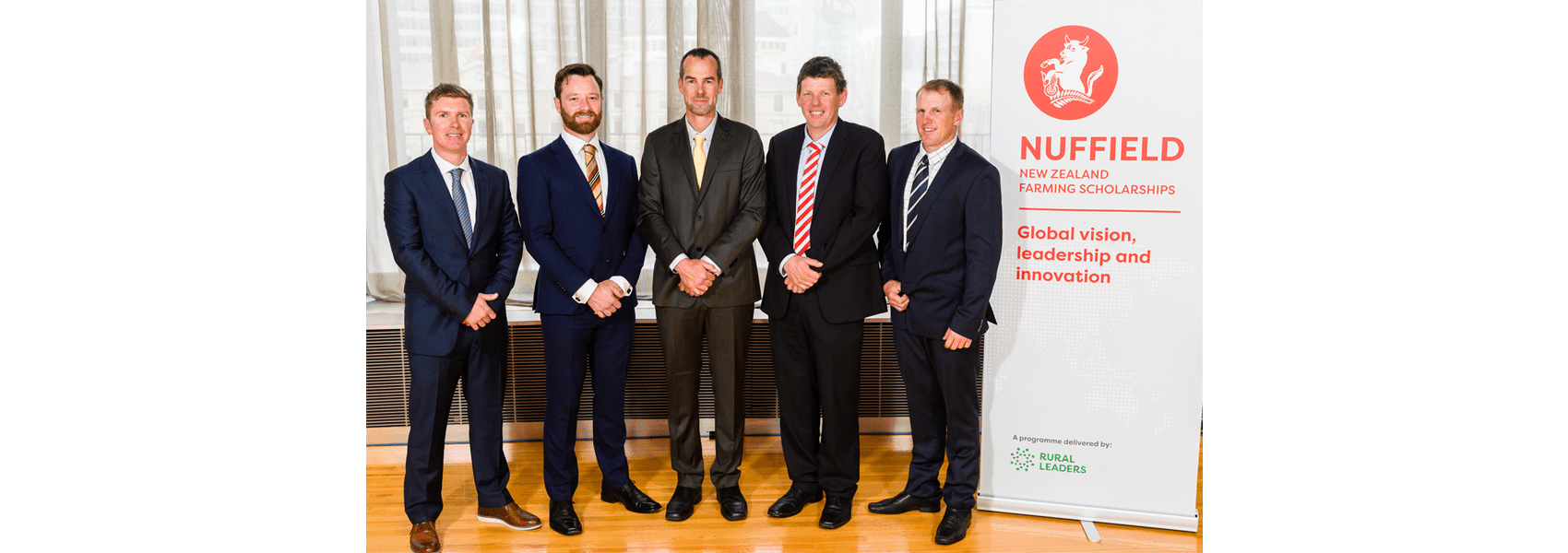
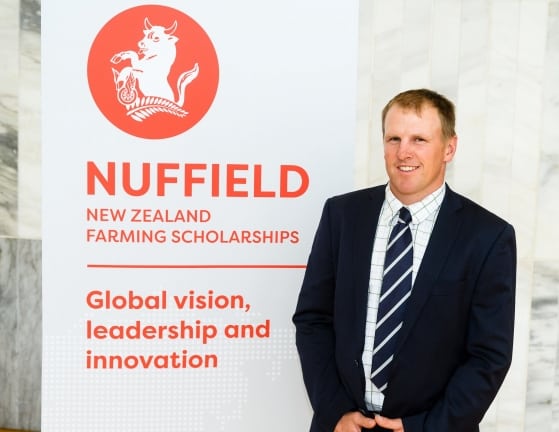
The 2019 Nuffield scholars were announced on Tuesday 6th November at parliament by Hon Damien O’Connor Minister of Agriculture and Minister for Biosecurity, Food Safety, and Rural Communities. They are:
Ben Hancock
Ben was raised on his family’s Wairarapa hill country sheep and beef cattle farm. He is now based in Wellington working for Beef + Lamb New Zealand as a senior analyst, still near the farm and often back home to work.
After working in research and conservation roles in New Zealand, USA and Panama, Ben completed his PhD investigating eco-system services. Ben worked for the Ministry for Primary Industries in biosecurity policy before joining Beef + Lamb New Zealand.
With New Zealand’s agriculture export-focused, improving the diversity of markets can help to minimise volatility and maximise highest value outcomes. There are markets that have traditionally used sheep products that maybe under-utilised by New Zealand. Ben is interested in researching this during his scholarship.
Cam Henderson
Cam owns and operates a 750 cow dairy farm near Oxford, North Canterbury. With degrees in engineering and finance, he has worked in a range of dairy industry roles including time with Fonterra and DairyNZ.
Alongside overseeing farming operations, Cameron currently commits much of his time to the Waimakariri Zone Committee in setting local environmental limits and to representing farmers as North Canterbury Federated Farmers Provincial President.
“All farmers will benefit from adopting the latest innovative practices on the farm and encouraging others to do the same. The faster we can encourage farming to evolve, the less regulatory and public pressure we will have to endure”. Finding the factors that increase the speed of innovation adoption among farmers is a key interest for Cameron.
A trainee in music, golf, snowboarding, flying and Te Reo, Cameron enjoys learning and giving anything a go.
Corrigan Sowman
Corrigan lives in the small rural community of Golden Bay with his wife Ruth Guthrie and their two sons Wylie (7) and Tim (5). He is a partner and manager of the family’s dairy farming business alongside his parents and brother Sam. Corrigan is a graduate of Massey University with a Bachelor of Applied Science, was a former Consulting Officer with DairyNZ and Farm Consultant with FarmRight in Canterbury.
Alongside managing their 400ha dairy farming business, Corrigan has several off-farm roles. He is Chair and Independent Director of the South Island Dairy Development Centre (SIDDC) which operates the Lincoln University Dairy Farm. He is also Deputy Chair of the DairyNZ Dairy Environmental Leaders Forum, an initiative to foster and strengthen environmental stewardship and community leadership amongst New Zealand Dairy Farmers.
Farming practices that strengthen the integrity of the food produced is something Corrigan wants to better understand. “How can we give our farmers better market signals about the value they are creating in their production systems, especially inside a large cooperative?”
Hamish Marr
Hamish is a 41-year-old, 5th generation, an intensive arable farmer from Methven in the South Island. Hamish is married to Melanie and they have three daughters aged 8,5 and 3. Prior to a farming career, Hamish graduated Lincoln University with B COM Ag in 2000 and then spent 4 years with Ravensdown Fertiliser as a field officer based in Ashburton. With his brother and parents, they farm 500ha of arable crops specialising in small seeds.
Outside of farming and family, Hamish is involved in several industry organisations. He is also active within Federated farmers and represents the Herbage seed growers section in Mid Canterbury and within that on the management committee for the Seed Quality Merchants Association, a board that oversees the seed certification scheme on behalf of MPI. Hamish is also involved with the Foundation for Arable Research on the Mid Canterbury Arable Research Group and the Research and Development Advisory Committee. Outside of work he has become a council member on the Ashburton Scottish society representing the Ashburton Pipe Band.
Farmers over the years have become dependent on a vast array of synthetic agrichemicals as a means of controlling weeds, pests and diseases and as a result, increasing yields across the board but this is being challenged and Hamish hopes to study the regulation that is being introduced in Europe and the implications for NZ.
Hamish Murray
Hamish, wife Jessica, three children, Lucy (5) Margot (3) and Jonty (1) farm Bluff Station a 13000 ha High Country property in Marlborough. South Island NZ. He completed an agricultural degree at Lincoln University NZ, economics at Cambridge University (UK), and worked with the New Zealand Merino Company, before returning home to farm in 2008.
Hamish has been managing the farming operation including sheep, cattle and a recent diversification into beekeeping and honey production. He is also on the governance board for the Post Quake farming group helping with recovery from the November 16 Kaikoura Earthquake and a production science group for the New Zealand Merino Company.
Hamish has a real focus on people and relationships and is planning to investigate how the differences in environment, education and culture have shaped the values of our consumers and employees. Recognizing and understanding how these values have been formed and vary between culture and generations is key the success of our marketing efforts being a small export-led country. He aims to search out those organisations in our key export markets for wool, meat and honey which are engaging consumers and understand what is making them successful.
I was interested by the fact that many felt that New Zealand was perhaps the country feeling some of the most significant scrutiny, with a few people commenting on the fact that New Zealand’s farmers are now considered to be on the table of social standing at about the same level as the politicians.
By Kate Scott, 2018 Nuffield New Zealand Scholar
It’s not every day you walk into a room of 80 odd people and the entire room is abuzz with chatter, where people come together with a common and passionate link – agriculture and food. It’s also not every day that you get to attend the Contemporary Scholars Conference (CSC) as a Nuffield Scholar.
This year we were able to travel to the proverbial home of agriculture, the Netherlands for a week of immersion in all things Nuffield, including the opportunity to hear from some great speakers, to enter into some challenging debates, see some of the amazing opportunities that the Netherlands have to grow food, as well as to hear about the challenges that the Netherlands is facing in the agriculture space. It was however surprising that despite the Netherlands producing approximately 12 billion litres of milk per year that it was not overly easy to find fresh milk for your cuppa tea!
A couple of highlights included the opportunity to cycle to the farm of 2015 Scholar Gerjan Snippe where we were able to see the inner workings of Biobrass their organic cooperative farming business, and for me a highlight was also being able to attend the Royal Holland Flower Market, a modest 270ha area of land dedicated entirely to the selling and distribution of flowers and plants! (the inside tip for those of you interested in flowers, is that ‘pastel’ colours are on trend for the coming seasons).
It was also a great opportunity to visit the recently opened World Horticulture Centre, which was a great example of collaborative use of space between industry, education and research to advance development in the Horticulture sector. The Netherlands is truly world leading when it comes to horticulture and their ability to grow an abundance of food and produce, especially from a relatively small footprint.
I was also given the opportunity to participate in a panel discussion on the ‘future of agriculture 2030’ from a New Zealand perspective. This enabled me to reflect on where we are at the moment, and what the opportunities might be for New Zealand in the future. One of the key things that came to mind for me was that there is a clear need for us to have an agriculture strategy, and that we need to focus on having the hard conversations so that there is a path forward for NZ to be the most environmentally friendly farming nation in the world. The opportunity is there for us as the leaders in the agriculture sector to seize, but we need to be brave enough to start the conversation.
Despite a jammed packed schedule at the CSC, there was also opportunity to observe some commonality amongst the various countries represented including the increasing disconnect between rural and urban communities, leading to a number of discussions around ‘social licence to operate’ or ‘licence to produce’. I was interested by the fact that many felt that NZ was perhaps the country feeling some of the most significant scrutiny, with a few people commenting on the fact that New Zealand’s farmers are now considered to be on the table of social standing at about the same level as the politicians.
There was also a lot of talk about the vegan movement, which I observed as creating a lot of angst for some amongst the room. However, where some see this as a threat to the agriculture sector, I see it as an opportunity. I don’t believe we are going to change the views of those who are so strongly engrained in their vegan view of the world, but I also don’t see that there will be a move to the majority of people choosing to be vegans (certainly not in the short to medium term).
The opportunity to focus on providing good quality, nutritious food which is known to be safe, exceeds animal welfare requirements and growing in an environmentally sustainable way is where we need to be spending our time. Those nations who can move quickly towards providing this certainty, traceability and confidence in their food, stand to prosper from the increasing knowledge that food consumers have. I believe New Zealand has the ability to lead this space.
After having spent the week in the Netherlands I am still firmly of the view that New Zealand is still at the leading edge in many aspects, and that if we can foster a collaborative approach to managing the effects of agriculture, that our future will continue to prosper as an agricultural leading nation.
The last 6 weeks just seems like a blur of Airports, planes, busses, hotel rooms and most importantly an incredibly diverse sometimes extraordinary string of farms and the people for whom that is their passion and livelihood.
The key word in that is passion, everywhere we went to we met farmers who loved what they did. The common theme was you don’t get into agriculture because you want to make money, you get into agriculture because you love working the land and the outdoor lifestyle that comes with it.
Our first stop was in Singapore where we not only caught up with our own GFP group but the 2 other GFP’s travelling at the same time. When we departed Singapore, while we headed to India, one GFP would head towards China and the other towards Japan only to all meet again in Washington DC 5 weeks later. Singapore has no agriculture of its own but has become a hub for commerce and trade throughout Asia so our meetings were about giving us an overview of agriculture in Asia in general.
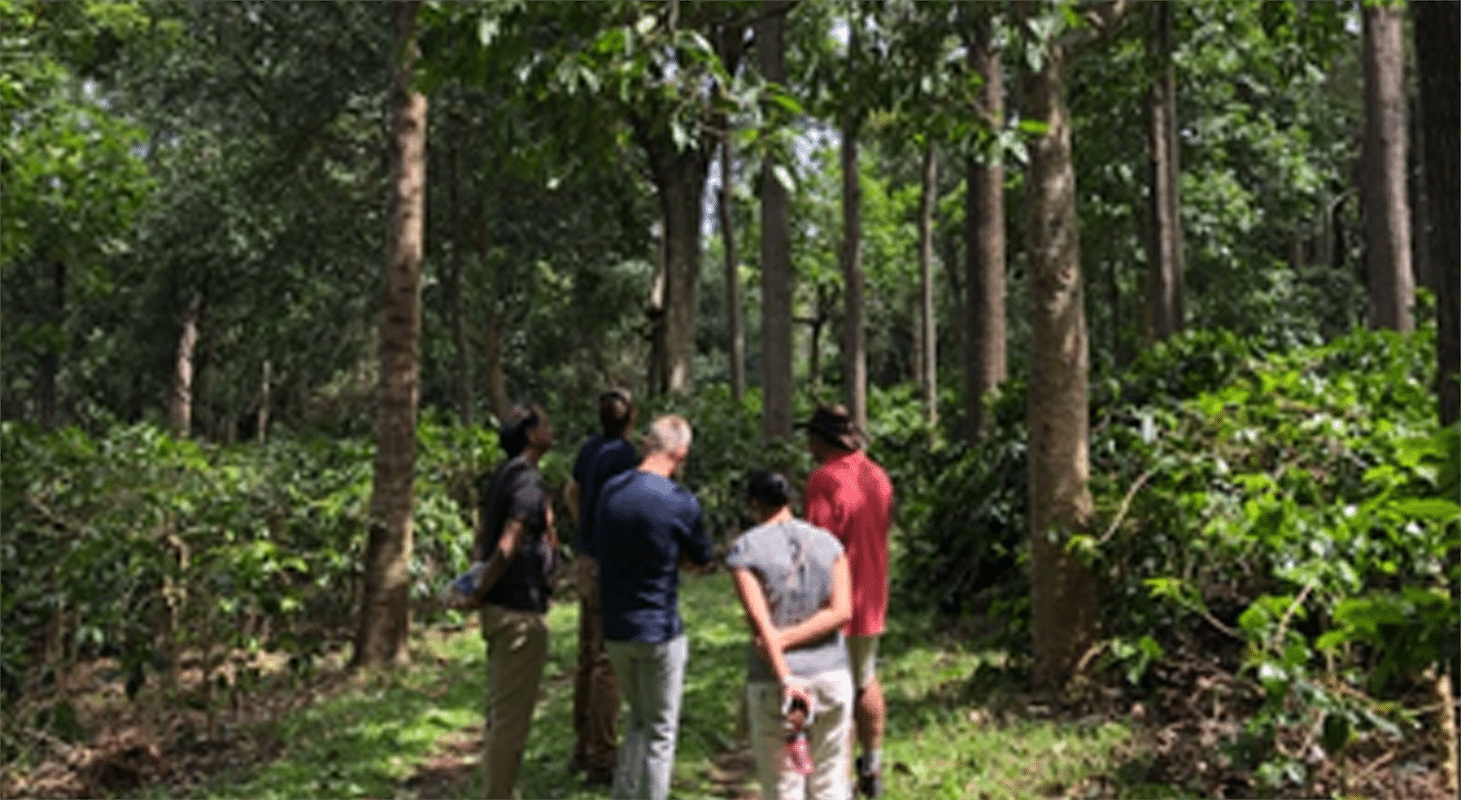
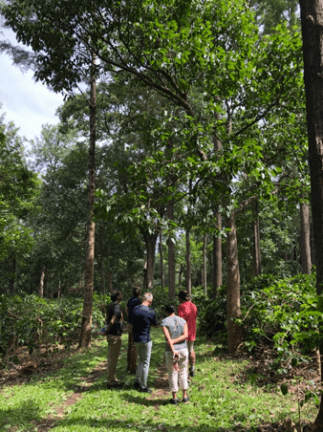
India was everything I expected and more, the heat, the noise, the sheer mass of population, but it did also surprise and delight. Away from the cities there are some truly beautiful parts of India, they just take a bit more effort to get to. One of these places is Yercaud. From Chennai we had to fly an hour to a small airport that had only 1 flight a day, and then we had to drive for several hours up a twisting mountain road, but the trip was absolutely worth it and the destination was one of the highlights of India for me.
It was also disappointing to see a country with fantastic natural resources and the ability to grow almost anything, stifled by tradition and corruption, totally unwilling to confront unsustainable practices. In an effort to become self sufficient India is promoting growing rice in Northern India in areas that are just not suitable for rice production. The result is a huge drain on the underground aquifer to flood irrigate vast areas, the result is levels in the aquifer are dropping by 1.5 meters a year. That same aquifer is the only water source for the villages as well and at this rate it is estimated it will run dry in around 10 years.
It was hard to know what to take from what we saw in the Middle East other than if you have unlimited funds you can do whatever you want even in a desert. The wealth being invested in trying to gain some level of food security and self sufficiency is staggering. This was typified by a dairy production facility in Qatar. Our guide had been there last year to visit a small sheep milking facility. 12 months later where there had been dessert was now a facility milking 8,000 cows. 3,000 of those cows had been airfreighted in between daily milking with the balance shipped in calf so they were in production shortly after arriving.
The time spent in France and Belgium reflected the uncertainty being driven by Brexit and the threat the breakup may pose to wider farming subsidies that had become a crutch for many farmers. The greatest threat to farming in Europe is from the urban population who have no understanding of farming. The influence being exerted on politicians by the anti farming NGO’s is starting to become overwhelming. It’s a stark reminder of the path dairy in New Zealand is on and the need to be open and educate people on farming practices that whilst on face value may not seem pretty, are actually done for valid reasons with the animals welfare in mind.
We arrived in Washington DC at a fascinating point in time with the highly divisive Trump administration only recently announcing the tariff war with China. There was a general feeling of uncertainty how it would play out, but one thing was clear, that retaliatory tariff’s from China would hurt American Farmers. It was interesting to see the recent announcement of subsidies to help farmers cope with the impacts of his policy. As Republican Senator Ben Sasse put it, Trump isn’t making America great again, he is making it 1929. There is a huge groundswell of support for Trump within the farming community, even with the threats tariffs place over them. Trumps efforts to “drain the swamp” and shake up the establishment are resonating and his popularity at grassroots level seems to be increasing. Now, if only they could delete his twitter account…
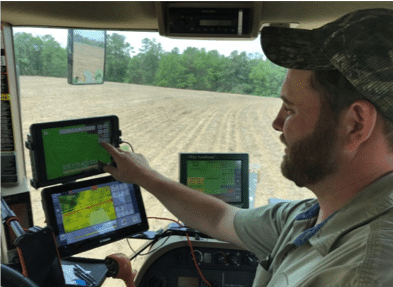
Alabama proved to be a bit of a surprise with an extremely diverse agricultural industry. The properties we visited were some of the leading in the state, but were all heavily invested in using modern practices and technology to maximise what they were producing. The greatest surprise was probably the amount of land that is locked up in old family trusts with just about every operation heavily reliant on leasing land as none was available to buy.
At this point there seems to be no concern about loss of agricultural land to urban growth and water is not currently regulated or a major issue of concern. Other than the availability of land to buy, the greatest concern seems to be labour with a heavy reliance on imported labour from Mexico under the H2A scheme which is very similar to our RSE program in New Zealand.
As I have just completed the GFP in July and submitted this report on final stages of GFP, I will need to digest the insights and learning from this 6 week experience.
This report, released today, covers the banking side of NZ Dairy Farming and makes for an interesting read. Recent Kellogg graduate Zach Mounsey alongside others, has helped analyse the findings, create and publish the report….
The record-setting exercise is the brain-child of healthy farming campaigner Ian Handcock who was responsible for the Farmstrong initiative, aimed to improve farmers’ mental and physical health. In 2013 Handcock’s Kellogg rural…


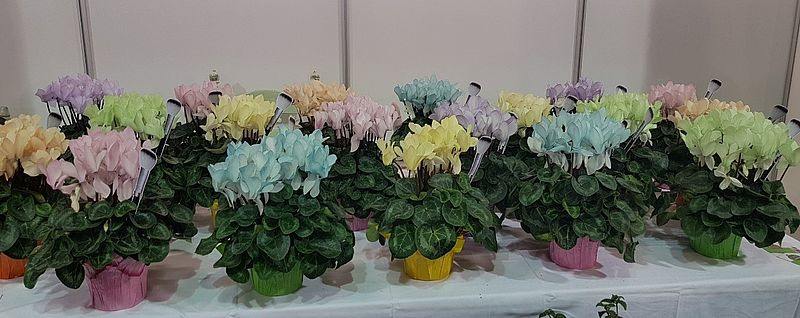
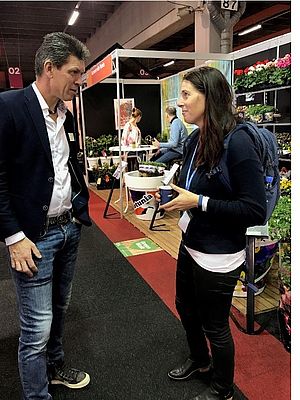 A couple of highlights included the opportunity to cycle to the farm of 2015 Scholar Gerjan Snippe where we were able to see the inner workings of Biobrass their organic cooperative farming business, and for me a highlight was also being able to attend the Royal Holland Flower Market, a modest 270ha area of land dedicated entirely to the selling and distribution of flowers and plants! (the inside tip for those of you interested in flowers, is that ‘pastel’ colours are on trend for the coming seasons).