2026 Nuffield NZ Farming Scholarship. Apply by 17 August 2025. Read More...

Apply for 2026 Nuffield NZ Farming Scholarship by 17 August 2025. More details...

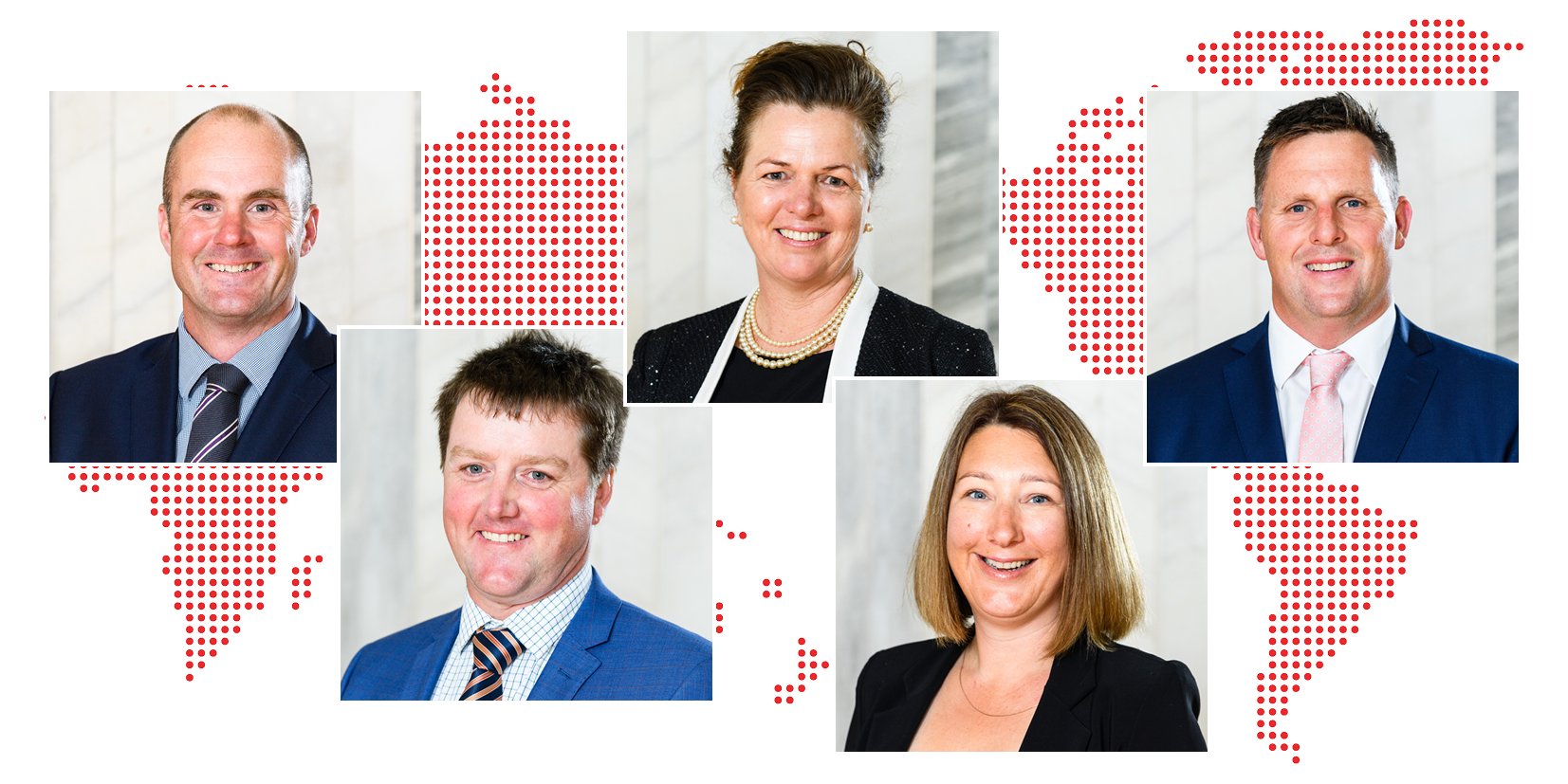
Alumni in the Spotlight: James Parsons, Phillip Weir, Vanessa Thomson, Donna Cram, Kylie Leonard, Carlos Bagrie.

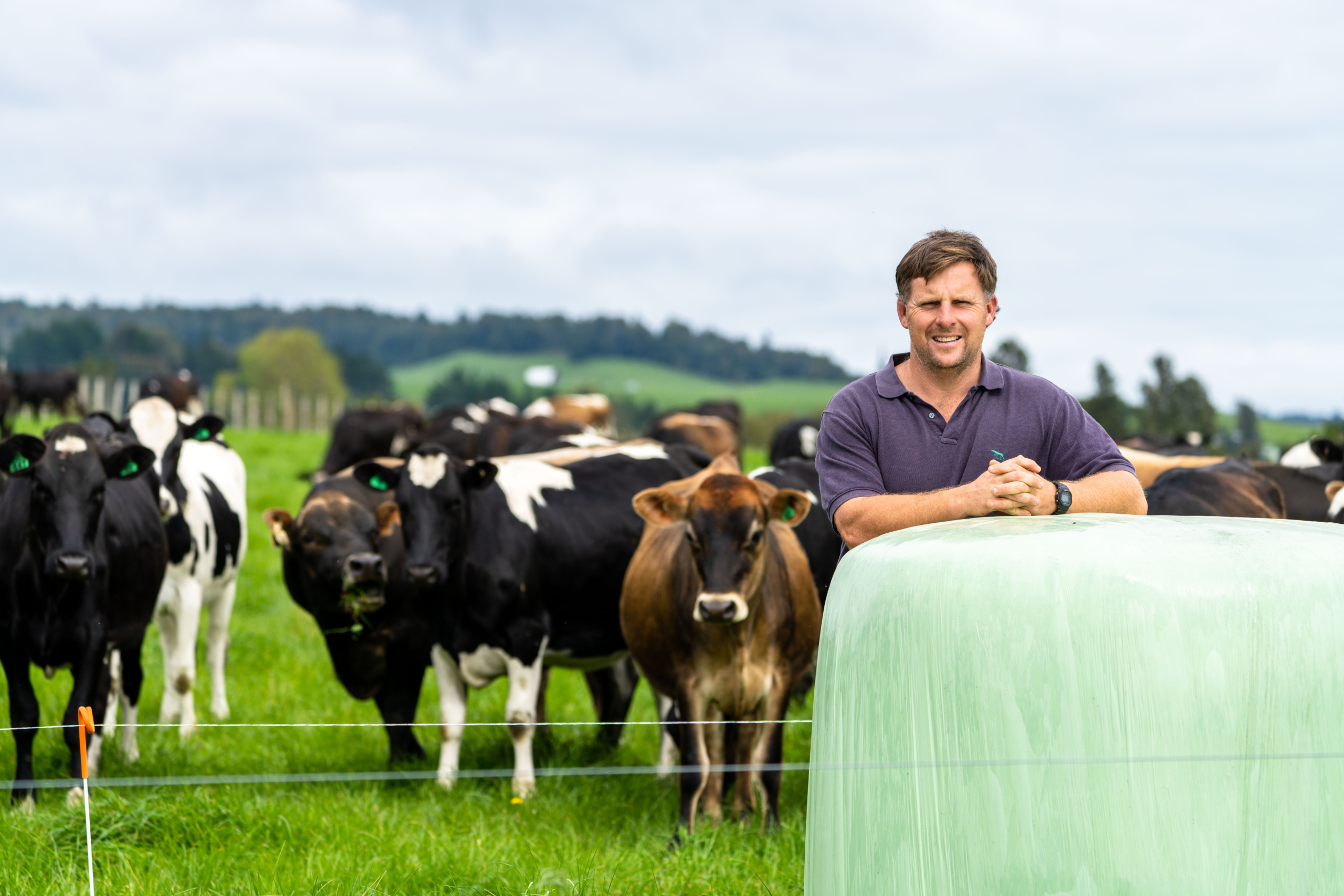
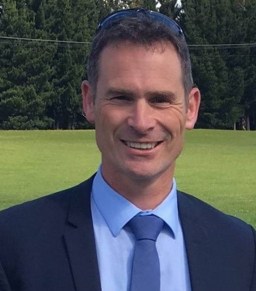
Phillip Weir, 2020 Nuffield Scholar.

In February, Nuffield Scholar and Waikato farmer Phillip Weir was appointed an associate board member of the Agricultural and Marketing Research and Development Trust (AGMARDT).

The AGMARDT associate trustee position gives emerging leaders an opportunity to learn, develop and supports AGMARDT’s mission to nurture people and ideas and in putting people at the heart of what it does, while focusing on the things that create the most impact. 

In a recent Farmers Weekly article Phillip said, “I’m looking forward to supporting fantastic people who have great ideas that will both change the future of New Zealand Food and Fibre production and will be essential in its future.”

Phillip is also standing for election to Beef + Lamb New Zealand’s Board, Northern North Island region. We’re sure Phillip would appreciate our support.

Phillip and his wife Megan farm dairy-beef bulls and sheep on the side of Mt Pirongia, Waikato.

Phillip’s profile for the voting can be found here. 

You can also learn more on how to vote at the B+LNZ contact details below.

Candidate profiles and voting papers should be with voters (from Northern North island voting area) by now as part of the annual meeting voting pack. All registered farmers elsewhere across the country should also have received a meeting pack.

In a recent Farmers Weekly article Phillip said, “We have debt. We have kids. We shift bulls. I am not a professional director. I’m proud of our Ballance Farm Environment Award, my Nuffield Scholarship and industry contributions as Farmer Council Chair.”

About the voting process.

The director election and postal and electronic voting close March 13.
If you’ve previously received annual meeting materials from B+LNZ you’re already on the electoral roll.

However if you’re not sure and want to check, you can: 
call B+LNZ on 0800 BEEFLAMB (0800 233 352)
or email enquiries@beeflambnz.com 

Vanessa Thomson, 2023 Kellogg Scholar. Donna Cram, 2023 Value Chain Innovation Programme.

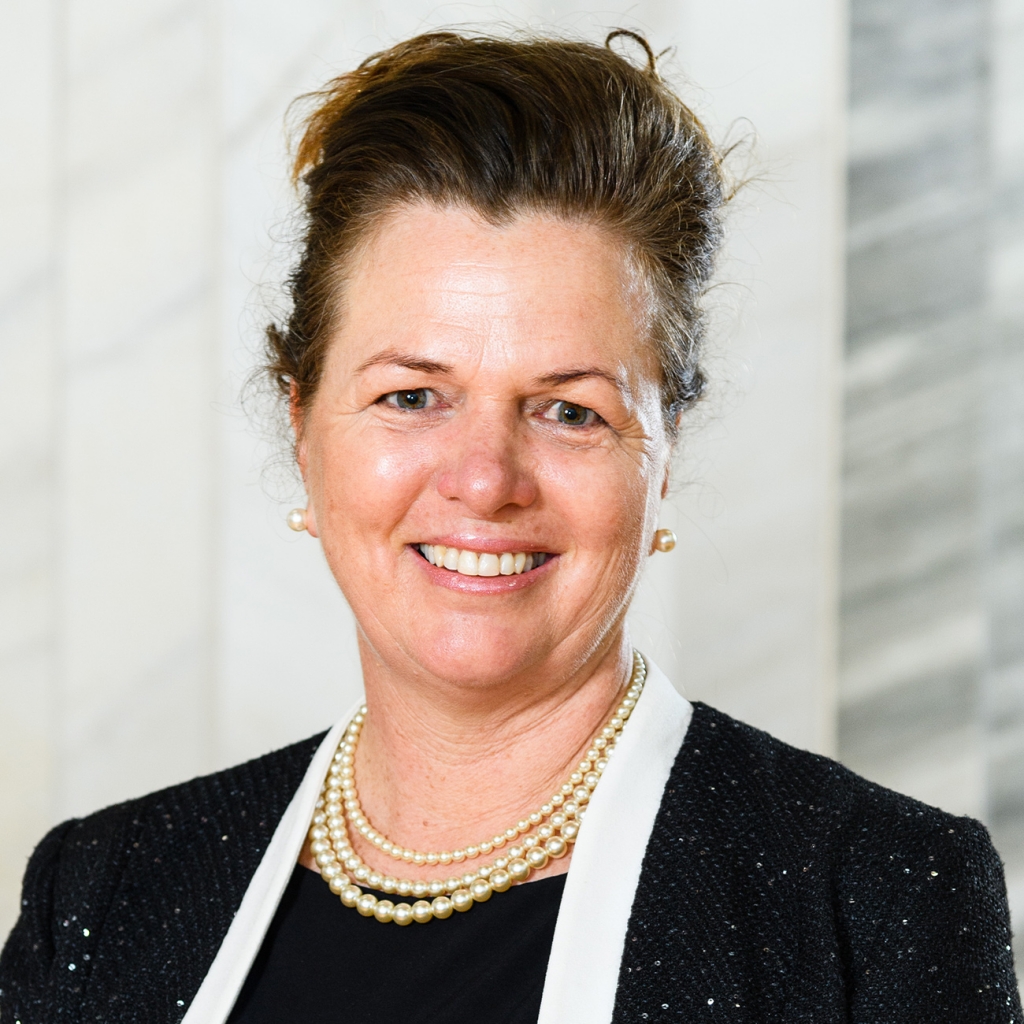
Vanessa Thomson, did the Kellogg Rural Leadership Programme in 2023 and is a working mum with a young family, who sharemilks with her husband on two farms in the Waikato. She is also an ex-lawyer and currently the contract manager for DairyNZ.

In 2022 Vanessa received a scholarship to the Kellogg Programme through Dairy Women’s Network (DWN) and in a recent interview with DWN said, “It’s been a life-changing opportunity for me, and I am so grateful for the network that I have made through Kellogg, and the tools that it has given me. I am excited for the future, and what my leadership journey might bring.”

Check out the full article here.

Vanessa’s Kellogg research ‘The effectiveness of psychosocial services available to farmers following adverse events’ examined who the stakeholders are in the rural psychosocial ecosystem, how farmers interact with these stakeholders, and how these interact together. The research aimed to understand the challenges of delivery of effective psychosocial services. 

In 2023 Donna Cram won the Fonterra Dairy Woman of the Year. Donna chose to use some of the scholarship to attend Rural Leaders’ Value Chain Innovation Programme, instead of the Kellogg Programme.

Donna has said that just as much was learned from the deep, insightful and honest bus and evening meal discussions with other participants on the Value Chain Programme, as from the rural leaders who welcomed them into their businesses.

Applications close soon on 29 February.

More information about the award, click here.

To apply or nominate, click here.

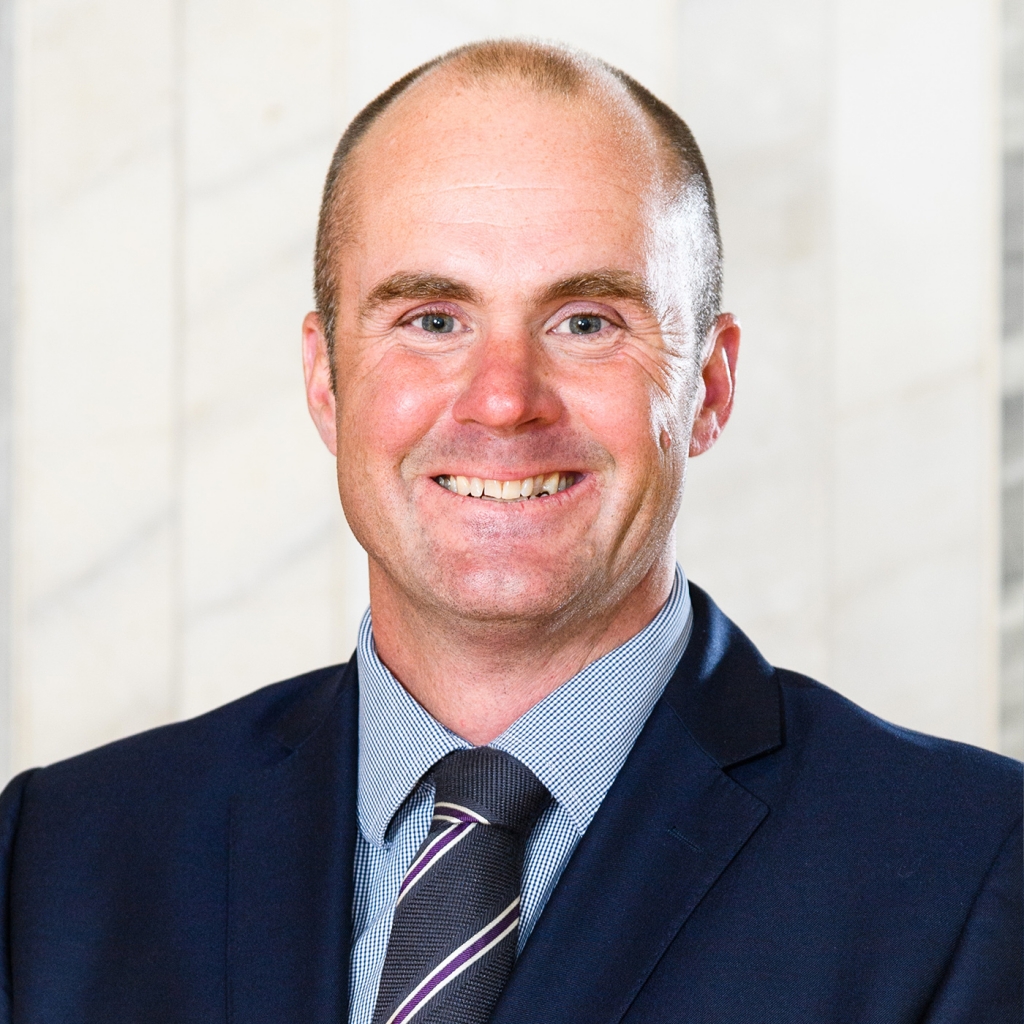
James Parsons, 2008 Nuffield Scholar.

James Parsons is co-owner of Matauri Angus beef stud and the 600 hectare Ashgrove Farm, near Dargaville. He has been trialling Halter collars on breeding cows and heifers for the past three months.

You may have seen James on a recent brand ad for Halter. You can have a look here.

James and his family’s sheep and beef farming business, Ashgrove Ltd, breeds and provides sheep and beef genetics to clients throughout the country. He is also former chairperson of Beef + Lamb New Zealand and is a board member of AgFirst Northland and chair of Wools of NZ.

In a February 19 article in Farmers Weekly, James shared his thoughts on what he sees as a game-changer for hill country farming.

Check out more in the article around cattle adaptability, grazing pressure, and calf growth rates.


Kylie Leonard, 2023 Nuffield Scholar.

Kylie was recently interviewed by the Pathways to Dairy Net Zero initiative (P2DNZ).

Founded in 2021, during Climate Week, P2DNZ is dedicated to reducing dairy’s greenhouse gas (GHG) emissions.  

P2DNZ is providing insights and solutions to help Kylie overcome any farm challenges and more broadly accelerate climate action throughout the dairy industry.

You can read the interview here.

Carlos Bagrie, 2024 Nuffield Scholar.

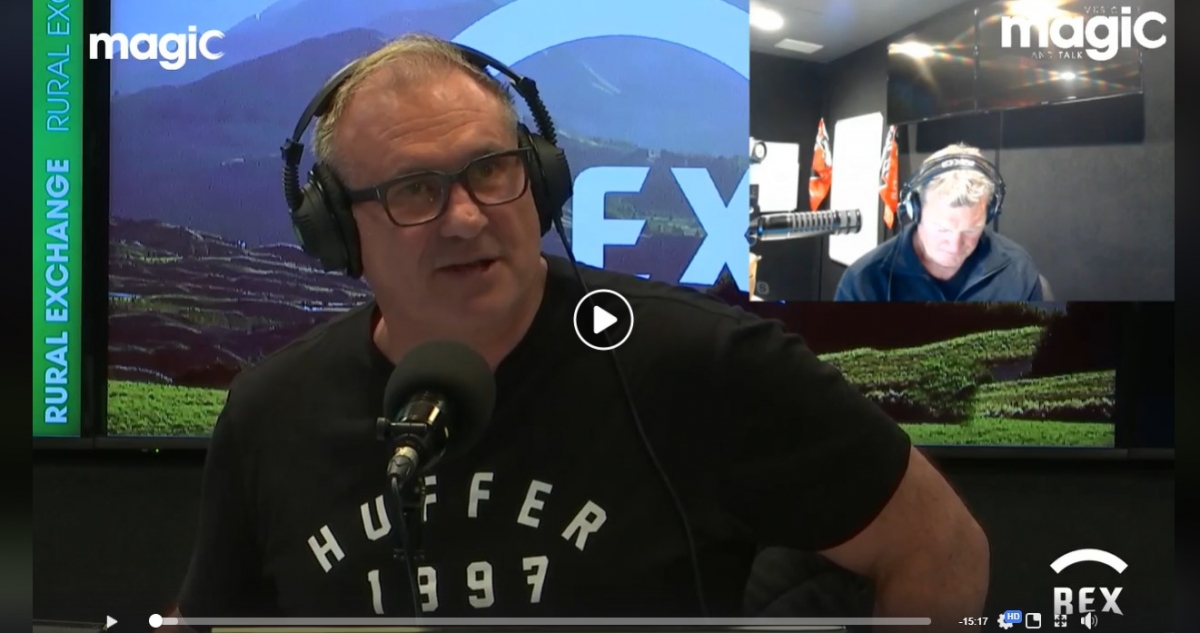
Carlos’s innovative and unique approach to farming, the transformation of waste into a viable resource, as well as a few impressive side projects, were the subjects of a not-so-recent interview with REX host Dominic in late December.

Carlos’s energy and passion for what he does is infectious and FYI, his innovation doesn’t stop at zero-waste solutions. There are plenty of great ideas being realised at Royalburn Station with his wife and family. This podcast is well worth a listen – especially if you need a good dose of positivity.


Meet the 2024 Nuffield New Zealand Farming Scholars.

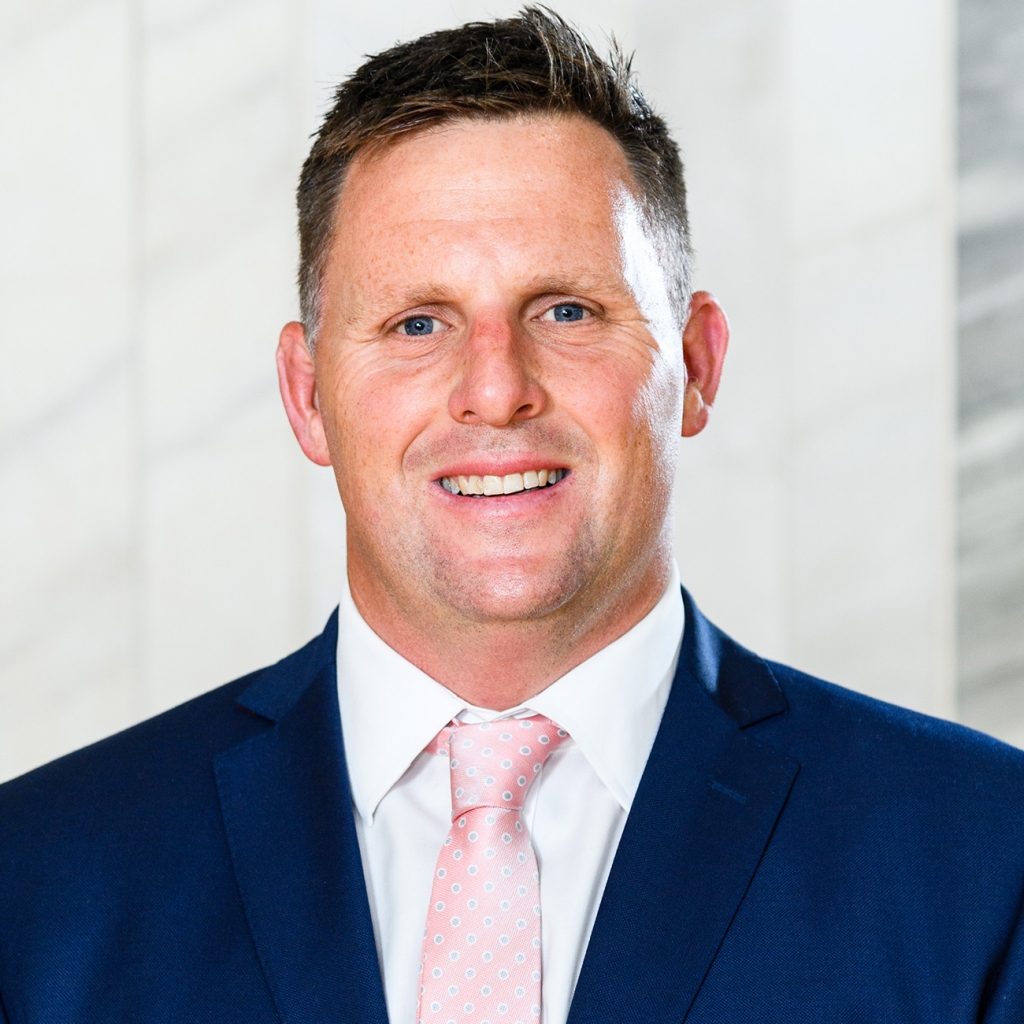
Carlos Bagrie

Carlos Bagrie

Carlos Bagrie has been across multiple ends of food production and the value chain, including primary production, distribution, retail and media.

He recently founded Royalburn Station, a renowned high-country farm that has carved a niche for itself by distributing premium quality food to some of New Zealand’s top-tier restaurants.

Carlos further diversified influence in the food sector when he co-founded My Food Bag. This innovative food distribution company helps answer the ‘what’s for dinner?’ question for tens of thousands of Kiwis every week. During the COVID lockdowns, Carlos played director and videographer, filming TV1’s hit ‘Nadia’s Comfort Kitchen’ on his iPhone.

In 2022, Carlos found himself in front of the cameras on TV3’s ‘Nadia’s Farm’, a TV show that highlighted the intricacies of farm life and food production at scale.

Alongside his wife, Carlos delved into the world of books and media. Together, Carlos and Nadia self-published a series of Number 1 best-selling cookbooks that resonated with home cooks.

Carlos can usually be found on the farm, either in the butchery, on the combine harvester, or moving mobs of sheep across the property. 

“I’m humbled to be selected as a Nuffield Scholar and will be focussing my research on circular farming systems that reduce waste while improving the bottom line.”

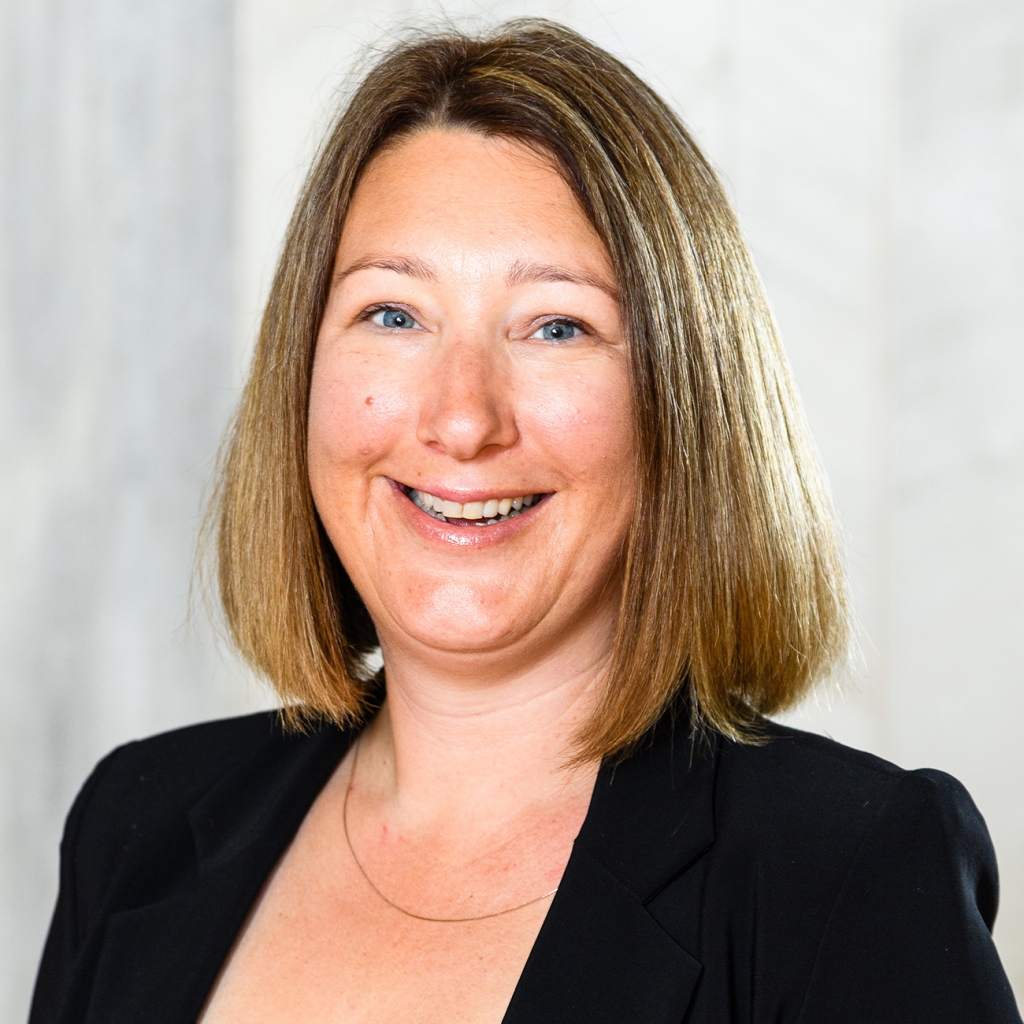
For Rachel Baker, the Primary Sector is both a passion and growth enabler. Her path has always involved the people, communities and business of food production.

Rachel’s extensive professional experience includes working as a dairy veterinarian, a dairy farm systems consultant, sharemilker, dry stock farm owner, educator, and more recently, an asset manager for horticulture investment businesses. 

“While being relatively new to horticulture, my role as Portfolio Manager of MyFarm Investments’ Hawke’s Bay apple syndicates, has enabled me to learn, understand and challenge the grower model. I have been involved with development and management of 100ha of Rockit® plantings in Hawke’s Bay and Gisborne.”

Rachel’s current governance experience includes serving as a trustee of the Rockit Apple Growers Trust and directorships of horticulture and commercial property. Rachel is a 2016 Kellogg Scholar, a 2018 NZ Dairy Woman of the Year finalist and past Chair of the NZ Dairy Industry Awards. 

On Rachel’s proposed Nuffield research, she states, “My research topic will explore the impact, challenges and opportunities of existing and proposed global food strategies on food producers, with particular interest in the applications for New Zealand.”

Rachel’s recent focus has been the response and recovery of properties impacted by Cyclone Gabrielle.

Rachel Baker

Jenna Smith

Jenna is the current Chief Executive of Pouarua – a diverse Māori Agribusiness encompassing Dairy, Arable, Beef and Horticulture on the Hauraki Plains.

Jenna serves as a trustee for DWN, on the board of BEL Group and chairs St Francis Catholic School in Thames.

Jenna has extensive corporate agriculture experience across Waikato, Canterbury, Otago and Southland, having previously worked for SOE Pāmu, and syndicated overseas investment farming portfolios. During this time, she has always “kept a gumboot in the grass” through her and her husband’s farming businesses.

Leading Pouarua Farms to be awarded as finalists in the prestigious Ahuwhenua Trophy for excellence in Māori Farming in 2021, Jenna was also named a finalist in the 2021 Zanda McDonald Award which recognises talent and passion for Agriculture across Australia and New Zealand.

“I am looking to study economically and sustainably viable alternate land uses for lowlands and peatlands that are highly susceptible to climatic pressures.”

Passionate about creating environmentally sustainable agribusinesses – Jenna regularly contributes to advisory boards for MfE, MBIE and MPI.

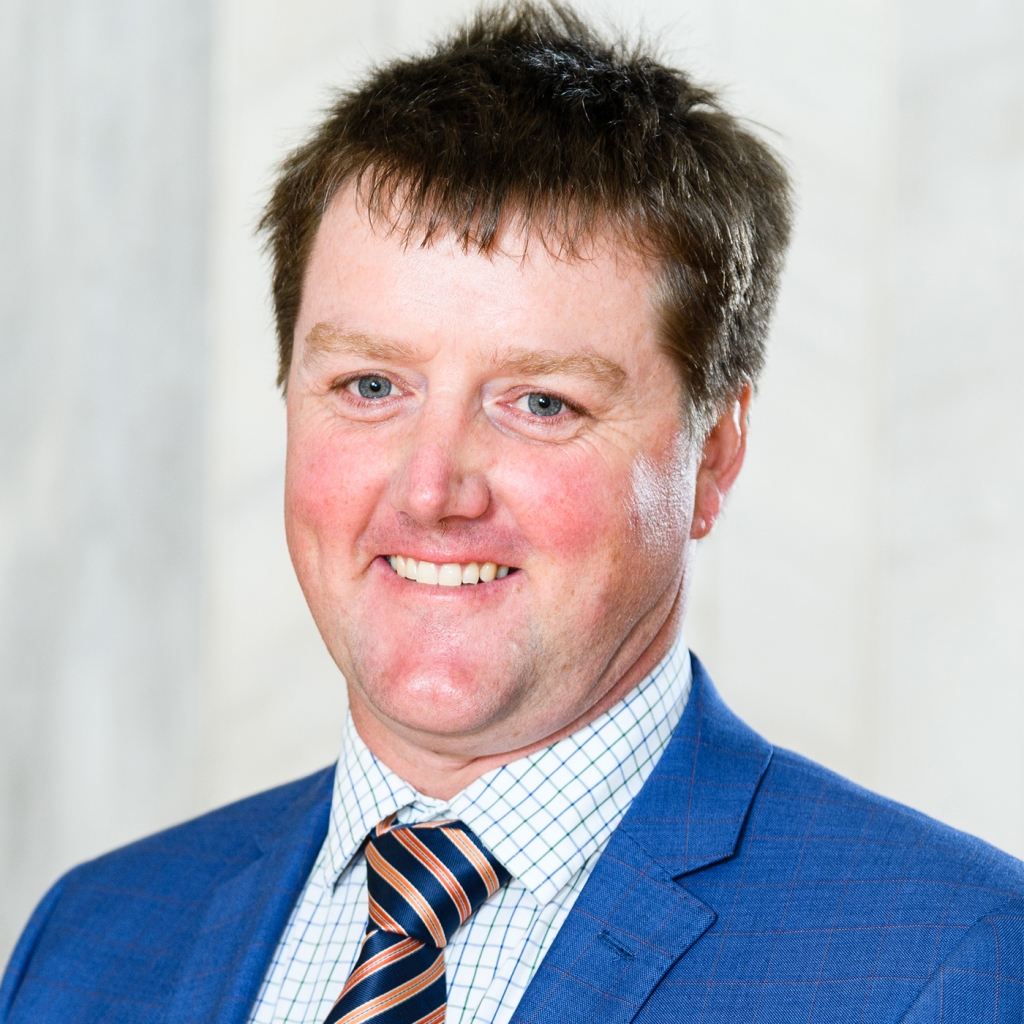
Peter Templeton is a 5th generation dairy farmer based on the south coast of Southland. 32 years old, Peter is passionate about southland dairy farming.

Peter has been dairy farming for 11 seasons, working his way up from 2IC to farm manager before returning to the family farm in 2016. Peter began his ownership journey as a 50/50 sharemilker for five seasons, before leasing the farm for two seasons and finally owning the farm in August 2023.

Peter is interested in focusing on the future of farming, what it is likely to look like on an individual farm basis – in particular on new technologies to implement on farm.

“I am always curious to see other systems and challenging myself to see what I could use in my own environment.”

Peter also states he is excited to see and gain a better understanding of New Zealand’s value chains, understand how they intend to innovate to compete.

Peter Templeton

Peter Templeton

Help us grow Nuffield – 2024 and beyond.

Nuffield Scholars belong to a unique, vibrant, and strong community that continues to create positive change in our Food and Fibre Sector and country.

Increasingly there will be a need for leaders here in New Zealand who have an ability to think critically, who can generate insight and who have a global perspective.

So, tell us about the talented people you know in your industry or region you think have the potential to grow further as a leader. Or suggest they apply.

If you do have someone in mind, they don’t have to be ready to apply for a Scholarship in 2024, but they should be the people you think have the potential to be a Nuffield Scholar at some point in the future.

Tell us about them, so we can tell them about Nuffield. You can email us at nuffield@ruralleaders.co.nz or quickly fill out a form here.

If the talented person you have in mind is you, even better.
Nuffield and a healthy dose of self-confidence are a good fit. Register your interest today to receive an application form and to keep up to date on the programme.

Register your interest now.

Alumni in the Spotlight. Lucie Douma, 2022 Nuffield Scholar

Lucy Douma speaking at Nuffield Awards

Lucie Douma and her fellow 2022 Scholars have, or are right now completing their final research reports. Between Nuffield travel and work commitments, Lucie found time to do a webinar for AgriTech New Zealand in early February.  

The webinar was called ‘Global AgriFutures Insights – How can NZ respond to overseas trends?’  

As well as a Nuffield Scholar Lucie Douma, is the Ministry for Primary Industry’s Covid Recovery and Supply Chain Manager. 

For the webinar, Lucie drew on her recent travel abroad as part of her Nuffield Scholarship – particularly in North America where food security issues are causing shifts away from food production. 

Here’s the full article by Elaine Fisher for Dairy Exporter. 

Cyber-attacks, theft of crops, access to water, climate change and labour are among the issues causing some North American farmers and growers to change their land use away from food production. 

That was among findings outlined in an AgriTech NZ webinar presented in February by Lucie Douma, 2022 Nuffield New Zealand Farming Scholar and Ministry for Primary Industry’s Covid recovery and supply chain manager. 

Hosted by Kylie Horomia, community engagement manager for AgriTech New Zealand, the webinar was called Global AgriFutures Insights – How can NZ respond to overseas trends? During the on-line session, attended by rural professionals, Lucie outlined the findings of her recent visits to North America, UK and Europe.  

Cyber-attacks had the potential to disrupt the sowing of crops by machinery using GPS navigation in North America’s ‘Corn Belt’. “All the planting is done over an intense three-week period, using GPS so a cyber-attack which disrupted that, would mean a reduction in corn and soy yields.  

“The US government is looking closely at how susceptible that industry is to cyber-attacks and how to protect it,” Lucie said. 

Some growers of high value crops were employing ex-navy Seals as security guards after cases of cartels moving in at night before harvest, to strip trees of crops like pistachio nuts or harvest cannabis, she said. 

By far the biggest threat was lack of water, especially in California, which is the USA’s largest producer of food, growing two thirds of North America’s nuts and one third of its fresh vegetables. 

 However, its climate was changing, and Lucie said access to water is of increased concern. “I spent time in the San Joaquin Valley which is an important food and grape growing area.  

“The region, which is in a flood plain, does not get a lot of rain but does get a lot of fog close to the coast. Growers rely on water from snow melt in the Sierra Nevada Ranges. Snow forms giant reservoirs, providing water when it slowly melts but, partly because of the forest fires in the mountains and climate change, snow is not settling and is melting a lot quicker than usual. 

“The region has experienced three years of drought and how to manage water is a major issue. Each county within California manages its own water allocation in an individualistic approach which doesn’t account for growers further down the supply.   

“Up to 40% of the land is flood irrigated with river water. One of the reasons is to recharge the land but there’s an economic reason too as it could cost up to $US400 more per acre for mechanical irrigation. However, flood irrigation is not a good way to manage water, with much of it evaporating.”   

Lucie said water restrictions were among the reasons some growers, including Woolf Farms, were converting some of their land to other uses. “Woolf Farms, which has 25,000 acres of land and grows tomatoes and almonds, is moving to non-food crops, carbon sequestration and solar energy.”

Among the options are drought-tolerant crops such as agave, the feedstock for products like tequila and mezcal. Woolf Farms also has plans to convert former cropland to solar installation. Lucie says the company was not alone in seeking alternatives to high-cost food production.

“Stuart Woolf thinks that in the next few years, he will stop growing on 30 to 40% of his land. If this happens on scale in California, some figures show that in the next few years up to one tenth of the land or half a million acres will not be used for food production by 2040.” 

That posed a huge food security threat for North America and ways to address it included vertical farming under which crops grow in vertically stacked layers, often in controlled environments and soilless techniques such as hydroponics. 

Lucie saw similar trends in energy and food farming in the Netherlands where wind and solar generators are interspaced alongside crops. 

There were however, marked differences in public attitudes to farmers and farming between North America, UK and Europe. 

“In North America people are proud of farmers and farming and the quality of food produced. Some restaurants even showcase food from specific regions with the provenance stories of where it is produced and by who.”   

In Europe, including the Netherlands and UK, the impact of Covid isolation, social media and tv channels like Netflix showing a one-sided aspect of farming, had had a huge impact on public perception. 
“Many farmers are not proud to be farming any more. They don’t want their children going into farming and are planning exit strategies which is sad to see.  

“In the UK there has been a big rise in activism with environmental, vegan and animal welfare groups sharing resources to have a powerful impact on public perception. We saw something of that in New Zealand with activist group slashing tyres of people driving utes.   

“In New Zealand we need to support our farmers and growers who are under a lot of pressure including from water challenges and adverse weather events.” 

Labour costs and supply were issues common to New Zealand, California, Scotland and Europe Lucie said. The availability of cheap labour had been impacted by the Covid pandemic and in Scotland, also by Brexit, where farmers were now relying on a domestic labour force, which often proved unreliable. 

This had added impetus to the need for innovation, including robotic harvesting and this was an area New Zealand tech companies could benefit from, she said. 
However, New Zealand tech companies should not try to ‘go it alone’. Her recommendation was to work globally and build relationships with other countries and tech companies to meet the needs of a rapidly changing world.  

Lucie said New Zealand should focus on producing high quality, premium foods for the world, rather than compete in the commodity space. She also believed the dairy and meat industry had a strong future. 

“It’s my personal view that animal farming is not a sunset industry. Its future is as a niche industry in the premium space. People may not be able to afford to eat meat every day, but meat will not go away. Humans have eaten meat ever since we were on the planet.” 

California’s Top 10 Agricultural Commodities

California produces more than 400 commodities, accounting for a third of the country’s vegetables and three-quarters of the country’s fruits and nuts. California’s top 10 valued commodities for the 2021 crop year were: 

  • Dairy Products, Milk — $7.57 billion 
  • Grapes — $5.23 billion 
  • Almonds — $5.03 billion 
  • Cattle and Calves — $3.11 billion 
  • Strawberries — $3.02 billion 
  • Pistachios — $2.91 billion 
  • Lettuce — $2.03 billion 
  • Tomatoes — $1.18 billion 
  • Walnuts — $1.02 billion 
  • Rice — $1.00 billion 

(Source: California Department of Food and Agriculture)   

Kate Scott: Meeting food and fibre’s challenges, together.

Kate Scott is a 2018 Nuffield Scholar and Chair of the Board of the New Zealand Rural Leadership Trust and is part of the team behind Forefront: 2023 Rural Leaders Agribusiness Summit and its line up of speakers and panelists.

Pulling together a speaker ensemble of this calibre has been no easy task, but as Kate explains the chance to bring industry together for one day – makes the effort well worthwhile. 

Forefront, the Summit theme, will focus on those businesses making change now – those providing solutions to the sector’s and the world’s biggest agribusiness challenges and opportunities.

Forefront - Rural Leaders Agribusiness Summit

Bryan Gibson – Managing Editor of Farmer’s Weekly.

I’m Bryan Gibson, Managing Editor of Farmers Weekly. And with me I have my first repeat visitor to the podcast, Kate Scott. How’s it going?

Kate Scott – 2018 Nuffield Scholar and Chair of the Board of Rural Leaders.

I’m good. Thank you, Bryan. And yourself?

The 2023 Rural Leaders Agribusiness Summit - Together for a day.

Bryan: Yeah, really good. So, today we’re here to talk about the upcoming Rural Leaders Agribusiness Summit, which is at the Christchurch Town Hall on the 27 March. Kate, you’ve been involved in putting this together.

Kate: Yes, I have. There’s a great team of people have been working hard to bring not only the one-day, Rural Leaders Agribusiness Summit together, but also the Nuffield Triennial Conference together too.

We started planning this event back in 2020, but we were a casualty of Covid like many events. And so, we’re now looking forward to March when we can host our Summit. It’s going to be amazing to not only welcome some of our international guests who will be attending the as part of their involvement with the Nuffield Triennial, but also really looking forward to getting a broad and diverse range of New Zealand farmers, agribusiness and rural professionals along to hear our great line up speak at the Agribusiness Summit.

Bryan: Now, when we talked a while back, your [Nuffield] research was on the evolution of New Zealand farming into a more sustainable place and I guess that’s something that’s going to be a focus of the [Summit] day, isn’t it?

Challenges and opportunities in a fast-changing world.

Kate:  Yeah, it is. And it will probably be of interest to some of the listeners that we’ve chosen to theme our conference for the day ‘Forefront’.

The reason behind choosing Forefront was about not only getting in front of all the challenges that the primary sector are facing, but also looking at it through a lens of opportunity.

How can we be at the front of this change and find ways to innovate and take advantage of a changing world? I guess that’s then gone on to help us to create the speaker themes for the conference.

Summit day themes and speakers – Our World.

Kate:  We’ve split the day into three broad topic areas. The first is taking a more global picture. It’s called Our World. Here we’re talking about some of those big challenges in our natural environment.

We’ve got some speakers touching on climate change. Doctor Harry Clark will share his incredible breadth of knowledge [on climate change] with us.

We’ve got a speaker talking to us about the role of solar, particularly from a farming perspective – a woman by the name of Karin Stark. Karin and her husband farm in Australia. She’s done a lot of work using solar energy and developing solar panels within their farming business and how they integrate that more generally. So that’s going to be an interesting part of that first Our World theme.

Then we also have a speaker talking about the opportunity the sea brings and how we utilise our oceans as a resource and as an opportunity to grow our primary sector.

Summit day themes and speakers – Our People.

Kate:  Then we move into our second, which is Our People. That will look at consumer trends and trade. I guess we’ve seen a massive shift in international trends and how that’s changed over the last few years, particularly on the back of COVID and what other trends might emerge around the agrifood and the consumer side of things.

So, to help us to understand both the challenges and the opportunities there, we have Vengalis Vitalis who many of you will know as our Deputy Secretary of Trade here in New Zealand. He’ll be talking about a global view of trade from a New Zealand perspective.

We have Lain Jager joining us to talk about what the role of future food and genetic modification might mean for food production in New Zealand. Then we’ve also got Emma Parsons from Fonterra who’s going to be talking to us about what Fonterra see from that consumer trends and trade perspective. Already a great line-up of speakers.

Summit day themes and speakers – Our Future.

Kate:  Our last session for the day is called Our Future. We’re wanting to try to change that up a little bit. So, we’ve got four or five speakers who are going to talk for a shorter period of time – a little bit snappier – talking about all those opportunities around entrepreneurship, leadership, the future, social, economic and environmental wellbeing.

We have Traci Houpapa talking to us about future leadership and a Te Ao Maori perspective – and possible new business models. We have Angus Brown from Arepa, Mark McLeod Smith from Halter, and we also have Dr Ellen Nelson, who will be talking to us about the future of work.

I’ve just given you a big download of the programme! But it’s exciting to have a broad range of topics and people to be able to come together to look at our sector in a positive light. To take some motivation and opportunity to challenge what we’re doing, look for what’s new and the what next? for our sector.

Bryan:  It’s great that with the world opened up again, getting some of these global perspectives on the shared challenges that agriculture faces. Some of those people will be in the room. Sometimes these changing consumer perceptions, along with the ins-and-outs of trade deals and that sort of thing, sometimes is second hand knowledge to a lot of the agricultural community here – so it’s good to get a view from the ground, but a different ground.

Devry Boughner Vorwerk - Rural Leaders Agribusiness Summit Keynote Speaker.

Kate:  Exactly. I think it’s an integral part of what we do, but unless we’re actively doing it, it’s almost one of those back-end functions. We don’t always think about these things if we’re down on the farm driving our tractor or milking our cows.

To that point, our keynote speaker is a woman by the name of Devry Boughner Vorwerk. Devry is coming out to see us from the States and she has amazing background in terms of having been Chief Communications Officer and Global Head of Corporate Affairs at Cargill.

She has her own sustainability entrepreneurship business and is going to be talking big picture setting for us around international business and development. She’s going to be able to do an amazing job of setting the scene initially and then helping us to draw in all the pieces of the puzzle as we hear from our other speakers throughout the course of the day.

Bryan:  I did some reading on her earlier in the week and sounds like she’s going to bring some real amazing insight. I mean, Cargill is one of the biggest meat producers in the United States – and then she moved to, I think, Grubhub for a while, didn’t she?

Kate:  That’s my understanding as well. And then having done both that policy side of things and the international business, I’m really looking forward to hearing Devry speak. The fact that she’ll be able to join us in person is really a good outcome given only a few years ago we were having to cancel the Summit.

Bryan:  In that last session too, when we talk about challenges, quite rightly, I guess people often see that as cost and loss of opportunity. But in fact, there are people out there capitalising on meeting those challenges and there’s going to be some real-world examples of how you can do that.

Kate:  Listeners may have heard of Ellen Nelson through her role in helping to secure places for the Afghani refugees last year. Ellen has done a world of research into the way in which we work. She challenges us to think about can we look at the world with ‘can we work school hours’?

Ellen has some interesting insights on how we leverage a lot of our mums and dads who might want to actually be able to work different hours, and how do we do that within our farming business? So, a slightly different perspective, but one that is as applicable to agriculture as any other sector.

Open to farmers, growers, agribusiness professionals and anyone who cares about the future of food and fibre.

Bryan:   So, what sort of people are you hoping to attract?

Kate:  We’re open to all comers, but we’re keen to make sure that our on-the-ground farmers have the opportunity to attend. I guess one of the reasons we decided to make the Summit a one-day event was that we know how difficult it is for people to get off their farm for too long. We’re wanting our farmers to come. We’ve had a great number of registrations already, as you’d expect.

We’ve got a bunch of our agribusiness representatives from our food companies, from other consultancies, we’ve got bankers, we’ve got some of our more senior leaders from government organisations. A real cross section of our sector. I think that’s where we’re trying to go – that the more views and perspectives we can get in the room, the greater the conversation and the questions.

One of the key things that we wanted to be able to do through the Summit was to provide the platform for a safe and robust conversation, where when you break out from morning tea, you can pick up one of these interesting topics that we would have heard about, talk to some people about their views and get the conversation going.

So, trying to kickstart the conversations on some of these big topics.

Bryan:  And of course, everything will be kept on time, on track and on message from some pretty cool people running the show.

Bringing the Summit to life and the sector together.

Kate:  Yes, we have got Corin Dann, an experienced journalist most will probably have heard of through the National Program – on breakfast in the mornings. Corin has very kindly agreed to come and facilitate our sessions for the day. A big part of the sessions will be the panel discussions and the conversations.

At the end of the day, we’re going to have a wrap up session where we get Devry back on stage with our other guests and Corin, to have an in-depth conversation around what’s happening, what the future looks like and the opportunities.

[From] the back end, the chair of the Summit, Murray King, and a small committee of volunteers will all be working hard in the to make sure people are well fed and well-watered, and that everything is kept to time.

For those who haven’t been to an event at the Town Hall in Christchurch before, one of the highlights is always the food. They do a great job there of showcasing local produce – they try to support their local Canterbury growers. The food is also something that’s always good to look forward to in those events.

Bryan:  The building itself is something quite special. It’s such a wonderful piece of architecture.

Kate:  It is iconic, so it’s great.

Bryan:  And there’s a dinner.

The Rural Leaders Agribusiness Summit Dinner.

Kate:  Yes, we have a dinner that will be hosted after the Summit. So, there are still some tickets available for that, although they are selling out very fast. The dinner will allow people to come together and to take the conversation to that next step. We will also be joined at the dinner by Minister O’Connor, who is going to be speaking. And we have some evening entertainment from Te Radar.

Another exciting part of the Summit is that it will include our international Nuffield guests who are actually going to be here in New Zealand as part of a ten day conference – where we kick off on the Saturday or the Friday night actually, prior to the Summit. It’s a bit of a traveling trip from Canterbury all the way [down the South Island] and finishing in Queenstown the following weekend. So, it’ll be a great opportunity to connect with a wide audience from around the globe.

Bryan:  Excellent. Well, that sounds [like] something for everyone to think about attending. How do people go about getting tickets if they’re interested?

Kate:  Yeah, go and have a look on the Rural Leaders website. There’s a big headline that flashes up that says Forefront. Click on that to head to the registration page to attend the Summit and/or the Dinner.

Rebecca Hyde – Collaboration, cooperation and finding the common ground. 

Rebecca Hyde - Ideas that grow podcast interview

Ideas That Grow: Rebecca Hyde, 2017 Nuffield Scholar and 2021 Kellogg Scholar

Lynsey Stratford has discovered farmers make a few assumptions that aren’t very helpful – like accepting the fact that work might be dangerous and there’s nothing anyone can do about it. As Lynsey explains, “There are changes we can make, but those assumptions and those mindsets have been deeply held for quite some time.” 

As a consultant, Lynsey helps the primary sector with people management and development services and training. And, when it comes to health and safety she says, “We shouldn’t expect people to just know this stuff, but rather teach them and support them as they develop skills.” 
 
Lynsey’s research report unpacks the paradox that while farmers care about their people, farms as workplaces are overrepresented in fatal accident and injury statistics. So, what can be done to improve this?

Bryan Gibson – Editor of Farmer’s Weekly.

I’m Bryan Gibson, Farmers Weekly Editor. And with me today I have Rebecca Hyde. 

Rebecca Hyde – 2017 Nuffield Scholar and 2021 Kellogg Scholar, Oxford, North Canterbury.

Thanks, Bryan.

Bryan:  So, where are you calling in from? 
 
Rebecca: I’m based at Oxford in North Canterbury. 

Bryan:  And what keeps you busy down there? 

Working with Catchment Groups. 

Rebecca: I’m a Farm Environment Consultant, so I spend a lot of my time dealing with farmers and actually at the moment I’m working predominantly with a catchment group. It’s great to be dealing with farmers in the same area and focusing on the catchment within that region. 
 
Bryan: And with catchment groups, it’s a system that really seems to be working quite well in a lot of places. 
 
Rebecca: Yes, it is. What I’m enjoying about it is you’re getting a good idea of what farmers are really facing, the challenges within the catchment or sub-catchments, and then you’re able to be quite tailored and specific to those areas. So, you see a lot of common themes coming through when you’re talking to farmers in the same area, which then allows you to be quite specific and help the catchment group or farmers in the best way possible, all working together. 
 
Bryan:  Yes, and all for positive outcomes, really, isn’t it? 
 
Rebecca:  Yes, absolutely. 

Nuffield research into collaboration. 

Bryan:  Now that kind of works in quite nicely with your Nuffield Scholarship, doesn’t it? Because you looked at collaboration for environmental gains. 
 
Rebecca:  Correct, yes. So actually, the catchment group I’m now working on, we’ve had an MPI funded project for the last two-and-a-half years, but that was established back in 2016. It came off the back of a plan change for the Hurunui District Landcare Group. It was a plan change for the Hurunui regional area. It was through that the collaboration or collaborative process was being worked through.  
 
At that time, I was working across other areas in Canterbury, but they had the zone groups set up and the word collaboration kept coming up a lot. It was often used in the frames of how do we collaborate better, or why aren’t we able to collaborate on this? So, this word continued to come up and at the time I was involved in a few other things with Beef+LambNZ as well, and I thought, well, what’s happening globally and how can we better understand this? So that was really a key trigger for me to look at Nuffield. 

Same, same but different. 

Bryan:  So what did you find when you went around the globe looking at this issue? 
 
Rebecca:  I looked at a lot of places within land use, but also outside of it. I met with some people in Silicon Valley, for example, because collaboration isn’t something that’s unique to agricultural land-based activities, it is something that is right across the board. What I found was there was often a common good or a common purpose, that people were trying to achieve.  
 
The other thing that was common was that often there was sort of a burning platform, so some decisions were needing to be made and that was where collaboration was being used. But the other thing that stood out quite a lot was the word collaboration gets used regularly or often, but it might be partnership or cooperation that might be needed.  
 
It’s understanding how you’re needing to work together and then working in the most appropriate way. There are some key differences between, say, a partnership, collaboration, and cooperation. So even though they’re just words, there is quite a difference there. 
 
Bryan:  Yeah, I guess in some ways people might need to work together to reach a singular goal and in other cases there are people doing the same thing who could get efficiencies if they work together. 
 
Rebecca:  Exactly. So, for example, cooperation might be working together for those efficiencies, but you’re working in isolation still. Whereas collaboration really is about coming together for a common good. So, let’s say you’re a catchment group with some dairy farmers and sheep and beef farmers and maybe some Iwi there as well – you might be all representing your certain areas, but once you start collaborating, it’s about that mutually beneficial area.  
 
Let’s say a water body, that becomes the key purpose as opposed to what you might have been representing. That’s often where we get it a bit wrong because we’re still strongly aligned to what we were representing. It’s a change of focus. 
 
Bryan:  I guess if you bring other stakeholders into a situation, then what success looks like changes, doesn’t it? Because you’re sort of ticking boxes that you wouldn’t have ticked on your own. 

The foundations of successful collaboration.

Rebecca:  The other thing too is that is quite time consuming – collaboration. One thing I noticed was where there were some good examples of it abroad, a lot of time put into building the relationships, the understanding, getting on that common ground.  
 
Often in New Zealand we were just rushing through that foundation piece and then with human nature, we’re very good at focusing on what you don’t agree on rather than what you do agree on. 
 
We tend to get into the stuff we don’t agree on a bit too soon because that sort of foundational trust and understanding is not there yet. That was one of the key things we saw when it was successfully happening – there was a good base understanding of what was all agreed on and then sort of reflecting back on it as well. Like, are we still on the same track? Are we still trying to achieve the same goal? Has the goal changed? Because things can change when you start a project. It’s that conscious effort of reflecting and reviewing on the process. 
 
Bryan:  Is it just a matter of taking the time and getting an understanding of all the players involved? Or are there frameworks or structures you can put in place to help you along the way? Or both? 

The importance of neutral facilitation. 

Rebecca:  Yeah, both. The other thing too was having someone that can facilitate it. A couple of examples that I saw where the facilitator worked effectively – they had government backgrounds, so they had been quite familiar about how the structure works within government. These were in areas like environmental regulation so that facilitator knew what needed to be bundled up to get it back to government.  
 
They were very neutral with the parties that they were all dealing with. Having that person as neutral as possible in that Facilitation process – that was something that I observed coming back home. I’m just talking about the Environment Canterbury (ECAN) examples that I was dealing with at the time. But the Facilitators were often ECAN staff members, so they weren’t neutral in the process. There again, that trust piece wasn’t quite there with the stakeholders. The person that’s trying to pull together everyone’s thoughts and help with the direction of the group is pretty key as well. 
 
Bryan:  Catchment groups seem to work because you have the common goal. You have support from people who are like you, and they face the same challenges. You also have that kind of almost friendly competition thing going on. You don’t want to be the one who’s not doing the work, I guess. Is that fair? 
 
Rebecca:  Are you meaning like peer pressure? 
 
Bryan:  Sort of, yeah. 

The strengths of Catchment Groups. 

Rebecca:  Yes but hopefully in a positive way. We’ve noticed that in the project that I’m working on now in the Hurunui, we’re doing a one-on-one approach. We’ve found that once we got to that critical mass, there were farmers that were just wanting to be involved because everyone else was and they didn’t want to be the odd ones out.  
 
There’s absolutely that effect that catchment groups can have. I suppose it’s a bit of FOMO – people do want to be involved and it’s a good thing to be involved with as well, because to me, it’s sort of about putting all the pieces to the puzzle together. It’s a real strength of catchment groups as well, because you are across a common area, say a sub catchment – you can then work with everyone within that and that’s a real strength. 
 
Bryan:  Yeah, I guess it’s also a way of switching things from having to live up to regulations or expectations and turning it into, here are some goals we want to reach, and it will help us in these ways and so it’s more of a positive mindset, I guess. 
 
Rebecca:  It is. I think the beauty of a catchment group and working with the community is that you’re working with the people that live there and they want the best for the environment that they’re living in. Often there’s generational farmers there as well, or people living within those catchments, they’re not necessarily doing things intentionally wrong, but there’s some tweaks or improvements that can be made to get a better outcome.  
 
That’s the beauty of a catchment group as well, because farmers are very good at dealing with what’s in their farm gate, but sometimes struggle beyond the farm gate. Where a catchment group also has a real strength, is around pulling together all those pieces of that puzzle to get an overview, to then help those farmers understand what occurs beyond the farm gate and how they can help to minimise those risks or improve the environment around them. 

On Nuffield and Kellogg. 

Bryan:  Now, I think you are one of the first two-time scholars we’ve had on the podcast because you did the big one first at Nuffield, then you went on and did a Kellogg sometime later. Can you tell me about why you wanted to do that? 
 
Rebecca:  Sure. When I did my Nuffield, I was at a bit of a crossroads. Do I want to look more high level on New Zealand and its place in the world? I certainly felt at the time a Nuffield was more appropriate for what I was wanting to do than a Kellogg and so I was fortunate to get my Nuffield. That was 2017.  
 
Fast forward about three years and I’d started my own business and we went into COVID, and I’d been an Associate Trustee on the New Zealand Rural Leadership Trust as well.  So, I got a bit more exposure to the Kellogg Programme and I was particularly interested in the second module, which is Wellington based, looking at how Wellington operates.  
 
I thought it was a great opportunity to have a go at a Kellogg because I had started my own business – I knew the value of a network. And the cohort you have on Kellogg is a very broad network within Food and Fibre in New Zealand. That was appealing to me. Understanding Wellington or getting a bit of a front row seat into Wellington for a week in a sort of post COVID environment. 

Professional and personal development.  

Things have changed quite a lot and I’ve always been quite big on personal development, so I saw Kellogg as a great opportunity for me to do that within my own business. That was one of the key reasons I looked at a Kellogg and I did have people go,” …is this not (a step) backwards?” A few people made comments like that – and it’s like, no, they’re just very different programmes. They absolutely complement each other – they are standalone programmes.  
 
I thoroughly enjoyed my Kellogg, and (as part of my research) I was able to collaborate between Iwi and Farmers in the Hurunui District where I’ve been working. So that was just an opportunity as well. I do quite like the research aspect as well in these programmes. I suppose, looking at a specific topic that I could do a bit of a deep dive into.  
 
Bryan:  As I was going to say, you came back for a second crack. So, you must really value the Rural Leaders ethos and programmes? 
 
Rebecca:  I absolutely do. I’m a big believer that if you ever put yourself into something, you will only get as much out of it as what you put into it. I think certainly the Kellogg is such a well put together programme, and that it was really appealing for me at the time. And having, as I said, started my own business and wanting to expand some networks into other areas as well – it was great. 

Is the food and fibre sector collaborating well? 

Bryan:  So do you think in the last five or six years, that word collaborate, is it being used as intended now? Are we doing a better job at it in the Food and Fibre Sector? 
 
Rebecca:  I think we are. I must admit, every time I hear a news story or something like that and the word collaboration comes up, my ears certainly prick up. I think we are getting a lot better regarding how it’s being used, when it should be used, and what we need to do to make it effective. I do see improvements. I think we’ve still got a wee way to go, though, in ag. I think the last 18 months, probably twelve months, we’ve got a bit fragmented again. 
 
That was another comment that came from people I was meeting abroad (on Nuffield). They’re like, “God, New Zealand is so small, how can you all not be on the same page together?” And you would think that, but we do seem to be quite good at that fragmentation within the sector. Hopefully 2023 might see us a little less fragmented. I think what’s good for the Food and Fibre Sector is good for New Zealand. We need to remember that. 
 
Bryan:  Thanks for listening to Ideas that Grow, a Rural Leaders podcast in partnership with Massey and Lincoln Universities, AGMARDT and Food HQ. 
 
This podcast was presented by Farmers Weekly.  

Meet the 2023 Nuffield New Zealand Farming Scholars.

Kerry Worsnop

Kerry Worsnop describes herself as a rural advocate, born and raised on a South Waikato dairy farm, she later ventured into the hills of the East Coast north of Gisborne.

The business was originally shaped by both her partner’s and her own desire to own a farm and their early years were devoted to this pursuit, operating a contracting business and leasing land before purchasing Taheke, 36 km west of Gisborne in 2013.

Inspired by extramural study, the next few years incorporated various roles in the community and employment, building a toolkit based on resource management skills and a passion for interface between policy and the ‘real world’.

This interest led to a three-year term as a Gisborne District Councillor, a role where the issues facing that interface became impossible to ignore. “I want to help solve some of these problems” Kerry says, “A lot of our policy outcomes aren’t great – we must be able to do this better!”

Matt Iremonger, alongside his wife Katy and daughters Alice and Abby, operate diverse pastoral farms on Banks Peninsula and in the Ellesmere district in Canterbury.

These properties include hill country sheep and beef breeding, intensive irrigated finishing and dairy support, along with dairy farms and native and exotic forestry.

Matt studied at Lincoln University graduating with a BCom (Hons) and completed the Rabobank Executive Development Program in 2017.

“I am planning to undertake research into the integration of beef production from the dairy industry to create a high value premium product”, Said Matt.

Matt Iremonger

James Allen

James Allen is CEO of AgFirst, New Zealand’s largest provider of primary sector consultancy services. A key focus of his consultancy work is business planning, farm systems design, environmental management, and agribusiness project work, both nationally and internationally.

James is also the president of the New Zealand Fieldays Society, a Fellow of the New Zealand Institute of Primary Industry Management, and a previous national president of New Zealand Young Farmers. He was a grand finalist in the Young Farmer of the Year Contest in 1999 and again in 2002.

Originally from a sheep and beef farm near Raetihi, James and his wife Kerry now live at Matangi, along with their three sons. Alongside the consultancy business James and Kerry are partners in a variety of farming and non-farming businesses. In his free time James enjoys diving, tramping, skiing and cycling.

“Participating in the Nuffield Programme has been a long-term goal and I’m looking forward to the challenge. My research topic will be focused on re-defining what excellence looks like for the agricultural consultancy sector in the midst of change,  to help keep New Zealand farmers at the leading edge of profitability and sustainability,” Said James.

Kylie Leonard was elected to the Fonterra Cooperative Council in 2020 and serves on the Cooperative culture committee.  She is also on the Taupo District Council, representing the East Rural Ward, a Director of Vetora and is a Trustee of Hillary Outdoors.

Kylie is Chair of the Lake Taupo Protection Joint Committee and the Taupo East Rural Community group. She is also on the Board of Trustees at the school her daughter attends. Kylie is proudly married to Rick and has 3 daughters, Kate, Isla and Eloise.

Previously Kylie received a local hero medal, awarded Dairy Woman Community Leader of the Year and finalist in Dairy Woman of the Year, finalist in the Woman of Influence awards and Emerging Governance leader.

Kylie developed an investment property portfolio which lead to an equity partnership in a mixed farming operation involving both Dairy and beef in the Central Plateau.

“I am passionate about quality food production, our farm, my community and especially my family. I am curious to look behind the farm gate into environmental health, social equity and economic performance to meet the challenges of the future. I don’t know what I don’t know and am very excited about this opportunity,” Said Kylie.

Kylie Leonard

2023 Nuffield New Zealand Scholars Announced

2023 Nuffield New Zealand Scholars Awarded.

Wellington, 8 November 2022

Congratulations to our 2023 Nuffield New Zealand Scholars!

Kerry Worsnop, a Gisborne based Sheep and Beef Farmer, Company Trustee, and Environmental Consultant.

Matt Iremonger, a Sheep and Beef and Dairy Farmer from Banks Peninsula, in Canterbury.

Kylie Leonard, a Taupo based Dairy Farmer, Governance Specialist, and dual Board Chair.

James Allen, a Waikato based Agribusiness Consultant and Managing Director.

Find out more about the 2023 recipients >>

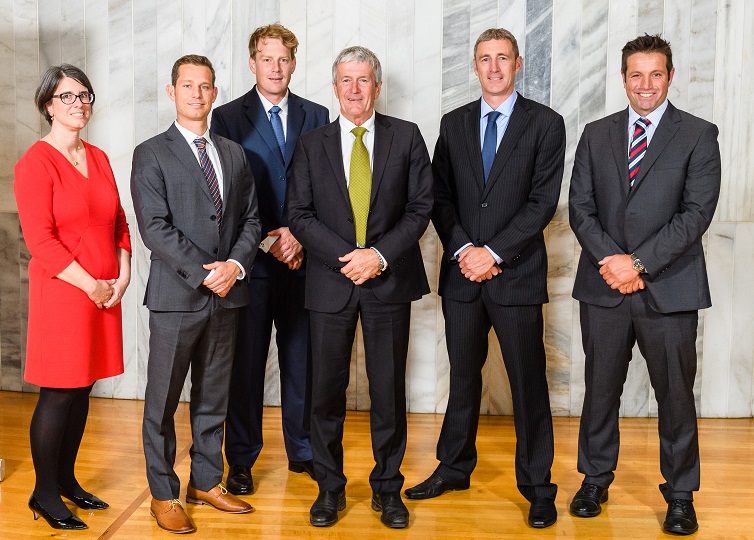
Four emerging Food and Fibre Sector leaders have been awarded 2023 Nuffield New Zealand Farming Scholarships. Each has received their awards from Hon. Minister Damien O’Connor. The Awards Ceremony was held in the Grand Hall at Parliament in Wellington last night. The New Zealand Rural Leadership Trust (Rural Leaders), who administer the Nuffield New Zealand Farming Scholarship, hosted the event.

Strong interest in the Nuffield Farming Scholarship.

This year saw the most applicants for the prestigious Nuffield Farming Scholarship since 2018. To ensure that the new 2023 Scholars can travel and gain international insights to the same level as their predecessors, The Nuffield Trustees increased the value of the Scholarship, in recognition of the increased cost of travel.

Correspondingly this has meant that only four Scholars were selected, making the competition to gain a coveted Scholarship even tougher this year. Each Scholar brings talent, passion, perspective, and a track record of performance. Their job now is to find insights and build foresight to benefit our sector.

“We wish to acknowledge all those who applied. The field of applicants was particularly strong and representative of the regions and industries within our Sector. It is safe to say, there is some real talent in our regions,” Said Chris Parsons, CEO, Rural Leaders.

The collective impact of Nuffield Scholars.

Nuffield Alumni’s collective impact on the Food and Fibre Sector has recently been highlighted by the Mackenzie Study, a Rural Leaders’ collaboration with The Otago University School of Business. The study maps the in-person and sector gains from participation in the Nuffield Programme. Some of the study’s findings include:

  • Nuffield Scholars hold 14 senior leadership roles over their career.
  • Each Scholar has created an average of 3.3 businesses.
  • And each creates an average of 48 FTE roles.

“The contribution and impact New Zealand Nuffield Scholars have made on New Zealand Agriculture, regionally, nationally and globally is significant, and it is a real pleasure to be able to see the opportunity that lies ahead of the 2023 scholars to continue to create impact for the future benefit of New Zealand Agriculture”, Said Kate Scott, Rural Leaders Board Chair.

In addressing the Rural Leaders’ Strategic Partners: AGMARDT, DairyNZ, Beef+LambNZ, Mackenzie Charitable Trust, and FMG, Kate Scott said, “The positive impact on New Zealand Agriculture that is created by New Zealand Nuffield Scholars would not be possible without the generous and ongoing support of our partner organisations, who are an integral part of our mission to create world class leaders for New Zealand.”

Within this context of achievement by Nuffield Alumni, the new 2023 Nuffield Scholars were announced by Minister O’Connor as:

Kerry Worsnop, a Gisborne based Sheep and Beef Farmer, Company Trustee, and Environmental Consultant.

Matt Iremonger, a Sheep and Beef and Dairy Farmer from Banks Peninsula, in Canterbury.

Kylie Leonard, a Taupo based Dairy Farmer, Governance Specialist, and dual Board Chair.

James Allen,
a Waikato based Agribusiness Consultant and Managing Director.

The 2023 Nuffield Scholars’ research topics will cover a range of our biggest food and fibre challenges including: environmental health, social equity and economic performance, integration of beef production from the dairy industry, and fit for purpose rural professionals.

The Nuffield Scholars will bring a valuable global perspective to their research through an intensive travel itinerary of visits, meetings and experiences, designed to lead to a period of transformative personal insight and growth.

The four new Scholars will join the over 180 Nuffield Alumni, awarded scholarships over the last 71 years.

Find out more about the 2023 recipients >>

Ben Todhunter: Farming, conservation and Nuffield.

Ideas That Grow: Ben Todhunter, 2006 Nuffield Scholar.

Lynsey Stratford has discovered farmers make a few assumptions that aren’t very helpful – like accepting the fact that work might be dangerous and there’s nothing anyone can do about it. As Lynsey explains, “There are changes we can make, but those assumptions and those mindsets have been deeply held for quite some time.” 

As a consultant, Lynsey helps the primary sector with people management and development services and training. And, when it comes to health and safety she says, “We shouldn’t expect people to just know this stuff, but rather teach them and support them as they develop skills.” 
 
Lynsey’s research report unpacks the paradox that while farmers care about their people, farms as workplaces are overrepresented in fatal accident and injury statistics. So, what can be done to improve this?

Bryan Gibson – Editor of Farmer’s Weekly.

I am Bryan Gibson, the Farmer’s Weekly Editor, and this week I’m joined by Ben  
Todhunter. How’s it going? 

Ben Todhunter – 2006 Nuffield Scholar, Rakaia, Canterbury.

Yeah, good thanks Bryan. Yep. 

Farming, Conservation and Nuffield.

Bryan: And where are you calling in from? 

Ben: I’m at home on the farm, Cleardale on the Rakaia Gorge, about an hour west of Christchurch. 

Bryan: Your family’s been there a while, I understand. 

Ben: We’ve been here for close to a hundred years. The boundaries have moved around a little bit in that time, but yeah. I’m the fourth generation farming this location.  

Bryan: Can you tell us a little bit about the place, what your farm looks like and what you farm? 

Ben: So we’re on the north slopes of Mt Hutt. The farm runs down to the Rakaia River. It’s got a big chunk of boundary with the Rakaia River. It’s got loessal soils, thousand mill rainfall, lies to the northeast – so it’s got a good aspect. It’s well located, running about five and a half thousand ewes and 300 breeding cows, finishing all replacements. We do a little bit of cropping, milling wheat and feed barley and a significant genetic business in sheep and cattle. 

Bryan: So a pretty big operation. 

Ben:  A lot of farms are getting bigger nowadays, but yeah, there’s a lot going on and it takes a bit of keeping the moving parts ticking away and working properly. 

Bryan: Have you been involved in the family farm right through, or have you been away and done other stuff? 

Ben: Been back on the farm since about 1992. I’ve been overseas, did a Master’s in Dublin and I’ve worked for an Irish dairy cooperative. Done a bit of farm work in other parts of the world and worked on other farms. My father’s hips were buggered and I gave him a hand, then and I did a little bit of lecturing at university while I was trying to farm, but I’ve been at home ever since. 

Nuffield Scholarship - integration of conservation into farming.

Bryan: We were talking before we came on about your Nuffield Scholarship report. You did it a little while ago now, when was that? 

Ben: 2006.

Bryan: You took a look at integrating conservation into farm systems. Can you tell me a little bit about why you chose that? 

Ben: Yeah, absolutely. At that stage I was representing high country farmers/pastoral lease farmers in their battles with the Crown really. Helen Clark was very keen on a network of high-country parks. The model that was being explored at that stage was to separate conservation and farming.

I thought the model was wrong. It didn’t fit high-country landscapes at all. So I wanted to look at that model and how it was carried out in other parts of the world to see if there was anything I could bring back that we might be able to learn from to help those farmers. 

Bryan: From my reading, you mentioned some work that was going on in the United States that seemed like it was achieving the right results. 

Ben:  The bits that were interesting to me were if you look at how the conservation-farmer battles go in our country, if a conservationist like Fish and Game or Forest and Bird wants to get an outcome, they almost have to paint the existing owners of the land or of a property in a bad light so that they get some legislation change.

So it becomes a contentious battle. And that’s a bit how the system is. So the insight that I got in the states was more around where there’s clear property rights and those actors or participants are forced to talk to each other and then they will negotiate, inform outcomes that benefit both people rather than becoming polarised positions. So I think that principle was quite a useful one to carry forward. If you understand what I mean when I say that. 

Bryan: Totally. In some ways, a lot of people want the same things, but it’s better to sit down with the other affected party and map a positive path forward rather than tell on them and try and get someone else to hit them with a stick, I guess. 

Learning from the United States.

Ben: Yeah, very much so. You do have to remember the history of the settlement for each place in that respect. So when the west was settled in the States, it was settled around the rivers and those sort of places and that was where a lot of the biodiversity was, so their ownership vested with the farmers.

Whereas in New Zealand, a lot of the biodiversity has been retained in the wild areas, so slightly different settlement, but I think the principles are still reasonably applicable going forward.

So some of the really good outcomes you got through there were spawning habitat for fish, ensuring there was sufficient water in the creek at those times. So paying the irrigators not irrigate at that time, but the owner needed to pay them in the dry years. So it created quite fixable solutions and reasonably efficient solutions to some problems without the contention and those things we seem to get in our discussions.

Bryan: And in the time since you wrote this, how do you think things have been? Is there any change for better or worse? 

Conservation and finding the value add.

Ben: I’m optimistic there’s been a slight maturing of approaches between NGOs. I’m not sure that the farmers themselves have matured in their approach on how to deal with some of these things. 

One of the solutions that I looked at was market-based solutions to some of these issues where you’d pay a higher price for products. And that’s a bit of what we’re working with through the New Zealand Merino Company, to try and link positive climate action on the ground through to customers. That’s something that I’ve always been interested in, but it does seem really hard to get and maintain a premium for that over time. 

Bryan: That is something that a lot in the farming world debate whether the value add is actually there for doing some of the sustainability and traceability and all that sort of thing. 

Ben: So with a lot of the wool that we’re getting from Merino, we are getting significant premiums for the ethical wool that’s treated with good animal welfare standards in the current market. So there are some premiums with specific customers at certain times. 

Bryan: That’s good to hear. So what made you want to do a Nuffield Scholarship? What drew you to it? 

Why Nuffield?

Ben: I’ve always been interested in what happens outside of New Zealand in a wider sphere of the world. I probably didn’t have the capacity to do it at the time, but you probably never do. I always enjoy being around people that like to make change, that actually make things happen and think about the world and have got some energy to do that. The Nuffield people are certainly people who will question things and can make change. 

Bryan: The actual travel and that sort of thing, the process of doing it, what was that like?

Ben: Vaughan Templeton was the other scholar in that year, we had a conference in the Netherlands in the Rabobank headquarters and met all the other Nuffield scholars from around the world. That was an amazing experience. Then we traveled for six weeks through Europe, the States and Canada with a bunch of Australians in a minivan – an amazing experience as well. 

You get into a whole lot of agricultural businesses, spend a week in Washington, D.C. learning how that country operates – or doesn’t operate. Going to some of the bigger flower markets in the Netherlands like the Ellesmere Flower Market. The Dutch people are really good at logistics. 

Looking at the scale of the agricultural production that happens in America and the scale of the systems and the specialisation that goes on in some of those businesses compared to our generalisation over here. Understanding from the other farmers that the issues are common around the world. Labour, environmental impacts, markets, profitability, succession, all those issues are common in some respects. So learning about that and stuff. It’s an amazing experience. 

Bryan: Thanks for listening to Ideas That Grow. This podcast was presented by Farmers Weekly. For more information on Rural Leaders, the Nuffield New Zealand Farming Scholarships, or the Kellogg Rural Leadership Programme, please visit ruralleaders.co.nz. 

The 2023 Rural Leaders Agribusiness Summit.

Forefront - Rural Leaders Agribusiness Summit

The 2023 Rural Leaders Agribusiness Summit theme ‘Forefront’ reflects focus on the businesses making change and providing solutions to some of the sector’s biggest challenges and opportunities.  

The Summit seeks to promote global vision, leadership and innovation by demonstrating some of the practical solutions shown to mitigate the challenges facing agribusiness today.  

The Summit begins with a welcome and scene setting session snapshotting the imperative for change and the opportunities landscape. 

Guest speakers for this session include, Devry Boughner Vorwerk, CEO DevryBV.  

This opening session is designed to supercharge the discussion sessions to come, organised into three key streams:

Our World - Our Natural Environment

10-11:45am
 

This session explores leadership and innovation in the advancement and restoration of the natural resources critical to the future of agribusiness.

The session showcases those champions nurturing the environment while also remaining profitable. The session will also have a circular economy thread, exploring businesses redesigning food chains to remove waste and reuse product not consumed. 

Guest speakers will include:

Lain Jager, Chair, Te Puna Whakaaronui (NZ Primary Sector Think Tank)

Volker Kuntzsch, CEO, Cawthorn Institute

Followed by a panel discussion facilitated by Corin Dann.

Our People - Consumer Trends and Trade

12:45-2:30pm

The focus of this session will be on businesses responding to the unstoppable international trends of power shifting to the consumer, business models being challenged, and the eastern movement of the world’s economic centre of gravity. 

Delegates will be able to seize on the learnings of agri-food and consumer businesses meeting the challenges of fast-changing demographics, food trends and changes in consumer values.  

It also explores the opportunities that may arise for agribusiness as we experience a convergence of changing world population demographics and more transparent trade policy. 

Guest speakers will include:

Vangelis Vitalis, Deputy Secretary Trade and Economic, Ministry of Foreign Affairs and Trade.

Tom Sturgess, owner of Lone Star Farms

And a panel discussion facilitated by Corin Dann.

Our Future - Entrepreneurship & Leadership

3:00-4:30pm

The third session will concentrate on the future, social, economic and environmental wellbeing of agribusiness. The session will cover the areas where value will be derived in generations to come, showcasing world-leading business case studies and responsive new business models. 

Speakers from a range of industries will show how economic viability will be key to family business succession and intergenerational business value growth.  

Guest speakers so far include:

Traci Houpapa, MNZM

Angus Brown, ,

As with the previous two sessions, Corin Dann will facilitate a panel discussion.


To close out the day’s schedule, there will be a wrap-up focussing some of the key takeaways and action commitments.

This will run from 4:30 to 5:15pm and precede a networking drinks opportunity. 

Agribusiness Summit Dinner

7-10:30pm

Featuring Special Guest Speakers – Hon Minister Damien O’Connor and Te Radar.  

We’ll provide more information on the Summit, networking and dinner in the coming weeks across our networks as well as our Rural Leaders and Programmes social media pages.  

For Summit and Dinner prices and bookings visit https://au.eventscloud.com/agribusinesssummit