
2026 Nuffield NZ Farming Scholarship. Apply by 17 August 2025. Read More...

Apply for 2026 Nuffield NZ Farming Scholarship by 17 August 2025. More details...

Understanding a future with genetic technologies in New Zealand agriculture.

Executive summary

New Zealand is at a pivotal time as genetic technologies become an increasingly important tool in global agriculture to help address issues such as food security, environmental impact, and changing consumer preferences. The current New Zealand regulatory framework in this space, the Hazardous Substances and New Organisms (HSNO) Act 1996, imposes stringent restrictions, effectively prohibiting the use of these technologies outside of controlled laboratory environments. However, significant advancements in the genetic technology space have outpaced this legislation. The Government is reviewing the framework with new regulations expected by the end of 2025. The proposed reforms aim to create a dedicated biotech regulator, streamline approvals, and align with international standards to enhance economic and environmental benefits.

This report examines the integration of genetic technologies into New Zealand agriculture, focusing on their benefits and risks, the regulatory changes needed, and the support required for adoption by the public and farmers. Prior to the new legislation being implemented, it is important to have a clear understanding of these benefits and risks in relation to New Zealand and our export markets, as well as understanding public perspectives. The research methodology included a comprehensive literature review and semi-structured interviews with 16 key stakeholders.

The findings highlight continued public apprehension and emphasise the need for a national dialogue to clarify the technologies’ benefits and implications. Identified potential risks include environmental impacts, unintended consequences, and export market, economic and social issues, though the
adoption of these technologies is unlikely to harm New Zealand’s export reputation.
A clear understanding of export market preferences and genetic modification (GM) product definitions is essential.

The findings emphasise the need for a robust, adaptable, trait-based regulatory system to mitigate these risks, and an initial focus on genetic technology tools that address emissions reduction and environmental sustainability in New Zealand agriculture, noting that public acceptance is likely to be higher for environmental applications than for production improvements.

Key Recommendations:

  • Engage public and stakeholders early in discussions on genetic technology regulations and use, clearly outlining associated risks and benefits.
  • Use unbiased, fact-based communication from trusted sources.
  • Focus on technologies that offer environmental, animal welfare, or consumer benefits.
  • Understand our export market perceptions and preferences.
  • Clearly define and explain the types and implications of genetic technologies for our export markets.
  • Develop adaptive regulations centred on product risk rather than process.
  • Implement technologies promptly to maintain a competitive edge.
  • Rural supplies merchants will have a role to educate and support farmers in the responsible adoption of genetic technologies.

Lisa Lunn

Is a more holistic approach to risk management and risk identification needed on Canterbury dairy farms?

Executive summary

This report examines risk management practices on Canterbury dairy farms and explores whether there is a need for the development of an Enterprise Risk Management (ERM) framework specific to the dairy sector.

The report also identifies the supply of diesel to farms as critical to ensuring business continuity after an adverse weather event or seismic natural disaster. It studies the likelihood of an earthquake on the Alpine Fault on New Zealand’s South Island, or a tsunami caused by a rupture in the Hikurangi subduction zone off the east coast of the North Island. The report also considers the supply of diesel in New Zealand and looks at a number of factors that might disrupt the diesel supply chain.

2.1 Just some of this report’s Key Findings are:

  1. Dairy farms in Canterbury are heavily reliant on diesel generators for electricity backup, with most farms having at best a month’s supply of diesel to maintain operations.
  2. The likelihood of a significant earthquake (M8+ or more) at the southwestern end of the Alpine Fault is statistically relevant with one researcher estimating the probability of a rupture of this magnitude within the next fifty years at approximately thirty percent. In this circumstance, Canterbury’s roading and transport infrastructure is likely to be significantly compromised.
  3. Similarly, Canterbury’s ports are susceptible to both near source tsunami and distant source tsunami potentially damaging fuel import terminals at Lyttelton and Timaru.
  4. The COVID-19 pandemic and incidents like the Suez Canal blockage have highlighted vulnerabilities in international supply chains, leading to increased costs and delays for New Zealand.
  5. The closure of the Marsden Point oil refinery in 2022 has reduced New Zealand’s flexibility in fuel supply and increased its vulnerability to supply chain disruptions and global security threats.

2.2 Just some of this report’s Recommendations are:

  1. On farm – for farmers regular refilling of the diesel tank is important. Most farmers are on a regular fuel distribution route managed by their fuel supply company. Remote monitoring might also be an option for farmers who use a lot of diesel and need more regular topping up.
  2. On farm – where the well for stock water is close to the dairy shed, the pump could be run from the same electricity mains switchboard as the dairy shed to minimise the need to have a second generator to run a stock-water pump.
  3. Generation technology – farmers looking at their back-up electricity supply options could look at new generation technologies, such as PV solar and batteries, which are becoming more affordable and provide the farm with a layer of generation capacity that doesn’t rely on off-farm inputs such as diesel.
  4. AF8 and SAFER – given the high probability of a significant rupture of the Alpine Fault, it would be prudent for the New Zealand Government and local councils to continue its research and preparedness training alongside local councils and other relevant statutory bodies. Possibly, Tsunami should also be taken into account during these planning and training exercises.
  5. ERM research – there is need for further research into the topic of risk management on farm, and the need for the development of an ERM framework for dairy farms and potentially the wider farming community.

Peter Saunders

Regenerative farm blueprint.

Executive summary

Aims and Objectives
The study examines how New Zealand’s agricultural sector can integrate business strategy, regenerative design, and sustainability legislation to create regenerative farm blueprints that enhance Freshwater Farm Plans. These blueprints aim to thoroughly evaluate environmental impacts and tailor practices to individual farmers’ strengths, promoting sustainable farming methods that preserve freshwater ecosystems and support long-term ecological health, economic viability, and social well-being.

Methodology
This study included a thorough literature review to provide context on sustainable farming practices. A survey with 22 long-answer questions was conducted, divided into seven sections targeting specific aspects of sustainable farming. Insights were gathered from 161 participants in agriculture and scientific fields. Thematic analysis techniques were employed to ensure validity and gain a detailed understanding of participants’ perspectives. The goal was to triangulate knowledge between farming professionals and literature, enabling a SWOT analysis for developing the Regenerative Farming Blueprint.

Key Findings
The thematic analysis revealed several critical themes, providing valuable insights into the study’s problem:

Regenerative Practices: Mentioned 280 times, these practices emphasise holistic management principles and adaptive strategies. Participants noted benefits such as improved soil health and biodiversity but highlighted challenges like financial barriers and resistance to change.

Soil and Water Management: With 1123 mentions, this category was most frequently discussed, underscoring its critical importance. Key themes included soil health, effective water management practices, integration strategies, and significant regulatory and resource challenges. This indicates the need for targeted support and resources to overcome these obstacles.

Biodiversity: This theme, highlighted by 720 mentions, underscores biodiversity’s essential role in ecological health and farm resilience. However, challenges such as cost constraints and a lack of awareness were noted, suggesting increased education and financial incentives were needed.

Legislation and Compliance: Mentioned 177 times; this reflects concerns about regulatory impacts and the necessity for better understanding and support for compliance. This indicates more explicit guidelines and support mechanisms to help farmers meet regulatory requirements.
These findings indicate that while adopting regenerative practices has significant benefits, it also presents considerable challenges that must be addressed through targeted support, education, and financial incentives.

Just some of the recommendations for Farmers

  1. Identify Relevant Non-Financial KPIs: For comprehensive effectiveness, incorporate metrics like soil health, water usage efficiency, biodiversity, and carbon footprint into business planning.
  2. Engage Advisory Support: Collaborate with trusted advisors to implement robust non-financial reporting systems tracking sustainability progress.
  3. Provide Balanced Reporting: Include detailed non-financial reports, such as environmental impact assessments and sustainability audits, alongside financial results for a complete view of farm performance.

Just some of the recommendations for Stakeholders

  1. Engage Early with Farmers: Proactively communicate about upcoming compliance requirements and provide clear, actionable guidance to ensure early engagement and buy-in.
  2. Build Advisory Capability: Enhance advisors’ skills and knowledge through specialized training programs focused on regenerative farming techniques and sustainability practices.
  3. Use Technology Effectively: Invest in advanced technology systems, such as precision agriculture tools and digital platforms, to simplify and streamline farmer reporting processes.

Richard Pedley

Navigating genetic technology – supporting dairy farmers through regulatory reform and adoption.

Executive summary

Background
There have been significant advancements in genetic technology over the last ten years. Modern genetic technology is now more precise and capable of producing genetically modified organisms with changes similar to those that could have been achieved naturally. The world is responding to these advancements, prompting many countries to adopt more liberal and precise regulatory frameworks.

New Zealand is one of these countries and is now beginning its own regulatory reform process. New Zealand aims to use this reform to harness these technological advancements to improve agricultural productivity, sustainability, and competitiveness in global markets. However, these advancements also bring complexities and challenges that must be carefully managed through regulation and surrounding processes and mechanisms to ensure their safe and effective implementation.

Aims and Objectives
To navigate these complexities and ensure a smooth transition, this work aims to identify possible actions and strategies to support New Zealand dairy farmers as modern genetic technology becomes permissible on farms.

Methodology
This research involved a literature review and seven semi-structured interviews with dairy farmers. The literature review primarily focused on documented impacts from modern genetic technology use overseas and the actions and strategies taken to mitigate these impacts. The interviews were conducted with a range of participants, covering small- to large-scale dairy operations, and a variety of views on the use of genetic technology. The interview data was analysed using thematic analysis. These findings were compared and evaluated against the literature review to develop the key findings.

Key Findings
The data collected from the literature review and interviews were analysed and found:

  • Regulatory reform is needed to keep pace with technological advancements and meet international standards. However, consideration should be given to ensuring that regulations are not more permissive than those of our key markets.
  • Collaborative governance and inclusive decision-making are critical, particularly integrating farmers’ practical knowledge to create effective and trusted policies.
  • Farmers require effective coexistence measures and regulatory alignment with export market standards to mitigate economic impact.
  • Farmers and industry will need certainty and clarity about genetic technology’s impacts in a New Zealand-specific context.
  • Clear communication and collaboration between government, industry, and research institutions, along with robust education and training programs, are essential for effective technology adoption.
  • A gradual and controlled approach to adopting genetic technology, starting with low-risk modifications, can build knowledge, capabilities, and trust.


Recommendations for Decision-Makers:

  1. Foster collaboration and inclusive decision-making: Create a regulatory environment incorporating diverse perspectives and building public trust. Consider establishing a semi-independent body or commission to ensure all stakeholders, including farmers, scientists, consumers, and Maori, have input in the regulatory reform process.
  2. Develop coexistence measures: Work closely with stakeholder groups to develop and enforce mandatory coexistence measures such as buffer zones and isolation distances.
  3. Enhance farmer education and support: Invest in demonstration farms, early adopter programs, and robust extension services to provide hands-on training and support.
  4. Ensure clear and transparent communication: Build public and market confidence in using modern genetic technology through consistent and accurate information dissemination. This may require a unified communication strategy involving government, industry, and research institutions to clearly explain genetic technology’s benefits, risks, and regulatory requirements.
  5. Align market differentiation with export markets: Align New Zealand’s labelling and standards for GM products with those of major export markets to facilitate trade and avoid market access issues.
  6. Gradual and controlled adoption strategy: Start with low-risk applications of genetic technology, such as those with environmental or biosecurity benefits, and gradually expand to more complex modifications.

Sophie MacAskill

The opportunity for KiwiSaver investment in NZ agriculture.

Executive summary

The alignment between the long-term investment objectives of KiwiSaver and the resilience of New Zealand’s food and agriculture supply chain presents a compelling case for increased domestic investment; however, less than 2% of the $115 billion of KiwiSaver funds have been invested in New Zealand’s private markets, with even less allocated to the food and agriculture sectors.

Private domestic and foreign investors are experiencing the benefits of exposure to this asset class. At the same time, KiwiSaver providers sit idle on the sidelines to the detriment of their members and an industry that needs investment.

This research project aims to identify the barriers inhibiting KiwiSaver providers from investing in Aotearoa’s primary sector assets the impetus for this report comes from the need for KiwiSaver funds to diversify their asset bases and an awareness that significant investment in the food and agriculture sector is needed.

By understanding the current barriers, is there the opportunity to facilitate greater capital allocation from KiwiSaver providers to the primary sector and enhance the returns of KiwiSaver funds and the resilience of our agriculture and food industries?

A literature review was conducted to provide context around global investment themes in agriculture and to highlight the importance of the agriculture sector in Aotearoa. Additionally, 15 qualitative, semi-structured interviews were conducted with key market participants, including fund managers, asset managers, investment managers, bankers/financiers, primary sector professionals, and industry leaders. These interviews aimed to gather direct insights and findings from those actively involved in the market, offering a practical perspective on the barriers and opportunities for KiwiSaver investment in the primary sector.

Key Findings
Analysis of the themes arising from the literature and interviews found:

  • Investment in the global food and agriculture supply chain is being influenced by the steadily increased interest from large institutional investors
  • Domestic institutional investors (including KiwiSaver providers) find it challenging to make an investment case for primary sector assets over and above other asset classes
  • The need for daily pricing and liquidity obligations restricts KiwiSaver providers from investing in private markets
  • Investors and Investment managers recognise the opportunity for investment by KiwiSaver into the primary sectors, however, there is a lack of engagement by both parties to help bring this to a head.

Recommendations for KiwiSaver Providers and Investors

  1. Develop a specific allocation to agriculture or natural capital
  2. Advocate for a more strategic approach to Foreign Direct Investment
  3. Be open-minded to smaller transaction sizes and minority shareholdings
  4. Engage with sector experts to better understand the benefits of the sector
  5. Work with industry to develop a roadmap for agriculture investment and the role KiwiSaver can play in providing investment

Recommendation for Manager and Owners

  1. Engage with and seek to educate KiwiSaver investors on the benefits of the Agriculture sector
  2. Work with industry to develop a farmland index to benchmark returns
  3. Develop plans to become investment-ready
  4. Advocate for a more strategic approach to Foreign Direct Investment
  5. Align agribusinesses with institutional investors to facilitate successful partnerships

Wyatt Johnston

Gumboots on the ground approach to role-value in the food and fibre sector.

Executive summary

This research report explores role-value within The Food and Fibre Sector (TF&FS) in New Zealand, aiming to align traditional workplace practices with the expectations of Generation Z. Through an analysis of KPIs, salary benchmarks, and employee perspectives. The report offers strategic recommendations to redefine role-value, enhance business performance, and foster career development.

Key findings reveal a significant gap between conventional management methods and the preferences of Generation Z, emphasising clear communication, regular feedback, and personal engagement. The report integrates motivational theories to underscore their impact on job satisfaction and performance.

Focusing on KPI frameworks, enhancing communication channels, maintaining competitive salaries, and aligning roles with personal values aids in creating role-vale. Flexible work arrangements and continuous professional development are crucial for maintaining sector demands. Strategic insights aim to attract and support talent within TF&FS, contributing to sector sustainability and growth.

Recommendations:

For Businesses:

  • Schedule regular KPI reviews with SMART objectives.
  • Introduce flexible working hours, especially during off-peak seasons.
  • Train managers in supportive, flexible leadership practices.
  • Develop comprehensive training programs and career progression plans.
  • Establish regular communication channels and open forums.
  • Conduct annual salary reviews and collaborate with industry to create standards.

For Early Career Contributors:

  • Schedule frequent one-on-one meetings with managers.
  • Identify preferred feedback styles and maintain transparent communication.
  • Initiate regular KPI discussions to monitor performance.
  • Maintain records of accomplishments for performance evaluations.
  • Seek mentorship from industry professionals.
  • Set boundaries to maintain work-life balance.
  • Define personal values and goals through a purpose statement.
  • Embrace continuous learning for leadership development.

Implementing these recommendations enhances organisational effectiveness, attracts talent, and supports career growth in the dynamic Food and Fibre sector in New Zealand.

Megan Fox

The power of stakeholder engagement to establish a social licence to operate – perspectives from dairy technologies.

Executive summary

The New Zealand dairy sector constantly researches new products and technology for improved efficiency to sustainably meet growing production demands with fewer resources. The assessment of the value of innovation is no longer determined by monetary gains alone; the public perception of the innovation and its impact on the sector’s social licence to operate (SLO) are paramount in the current climate.
This project aims to bring attention to the importance of stakeholder engagement during the research and development phases of a dairy technology or product. The focus is twofold: first, what can we learn from the commercialisation of wearable technologies, and second, what perspectives and opinions do stakeholders have on genetic dairy technologies? The research question guiding this study is: How do we ensure that current and future genetic dairy technologies and products establish and maintain their social licence to deliver to their full potential?

A literature review was conducted to gain insights into the “What”: social licence to operate, by the “How”: stakeholder engagement, for the “Why”: genetic dairy technologies. The literature review also defines the background of cow wearables to demonstrate this technology’s use as a case study. Nineteen semi-structured interviews were carried out, four of which were conducted with wearable company representatives, aiming to gather qualitative data regarding companies’ product commercialisation and stakeholder engagement. The other fifteen interviews were with stakeholders investigating the SLO of four genetic dairy technologies.

The findings from the literature review and interviews showed that concerns and priorities of the New Zealand dairy industry are representative of all stakeholders in the supply chain, but awareness and perspectives on genetic dairy technologies vary widely. Stakeholders have shown a genuine interest in genetic dairy technologies and the desire to be more actively involved. The Responsible Innovation (RI) framework could be utilised to involve stakeholders in the research of genetic dairy technologies, while acknowledging the future uncertainty and risks associated with genetic research. Additionally, an independent party to promote genetic dairy technology and its SLO must be considered.

Recommendations for Research Institutes:

  • Share research projects and questions with the wider NZ sector early to create the potential for feedback. Options to do this could be as simple as a quarterly newsletter.
  • Review current stakeholder engagement practices during product development and investigate ways to build stage-gates to include reflection and opportunities to improve.
  • Build an open and responsible research platform by taking stakeholders along on the research journey – _create promoters.
  • Create a governance structure that balances the legal, economic, and social licence of genetic dairy technology post-commercialisation to ensure a desirable long-term impact on the NZ dairy sector.

Recommendations for Stakeholders:

  • Support the research and development of dairy technologies, through building networks and seeking active involvement in those technologies that have the potential to influence the SLO of your core business.
  • Build capabilities, like stakeholder groups or committees, to tackle wider SLO questions as a group of stakeholders by sharing responsibilities and perspectives.
  • Facilitate open and unbiased conversations to capture perspectives and beliefs and create collaboration opportunities.


Esther Donkersloot

Harvard case method for early career professionals in the New Zealand primary industries.

Executive summary

The world is becoming more complex, with increased geopolitical volatility. The New Zealand primary sector is heavily exposed to this volatility through trade, so future leaders must be skilled in navigating complex environments.

Research has highlighted a gap in leadership development, especially at an early career professional level in the New Zealand primary sector (Parsons and Nelson, 2023). Furthermore, there is a disconnect between the available programmes.
One such programme is the Strategic Thinking for Agrifood Management Programme (STAMP). This programme is unique in New Zealand. It uses the Harvard Case Method (HCM), a form of teaching case studies, and case study competitions to develop strategic thinking and leadership skills in the primary sector for early career professionals.

This research aims to understand the benefits of using these methods, using STAMP as a research case study. The objectives of this study were to:

  • Identify skills and benefits developed from the programme.
  • Understand the advantages and disadvantages of the programme.
  • Identify what additional factors outside of the case studies were important in the programme’s effectiveness.
  • Identify what could be improved.

A literature review of the HCM and case study competitions was done to see what skills the programme can improve and what is required for the teaching method to be effective. This informed the eleven semi-structured interviews with STAMP participants, which were analysed using thematic analysis. Included in the interviews was a short Likert scale questionnaire on what skills and benefits they believe they got from the scholarship.

The analysis indicated that the HCM and case study competitions effectively improve soft skills, such as confidence and critical thinking abilities, as well as analytical skills, building networks and gaining knowledge around the global agrifood system. All these skills are helpful for strategic thinking and leadership development, especially soft skills. For effective learning to occur, there needs to be the proper environmental conditions, such as a good learning environment where people can openly discuss ideas. In addition to this, in-person field trips effectively improved the participants’ learning experience and helped to bridge the gap between theory and practice.

Some recommended steps that the New Zealand primary sector could adopt for capability development in early career professionals include:

  1. Implement the Harvard Case Method and case study competitions into leadership development programmes for the Primary Sector
  2. Optimise environmental conditions for learning in HCM courses (Figure 4).
  3. Provide greater availability for facilitator training in HCM.

Recommended steps for STAMP include:

  1. Follow up on this research in 10 years to identify how STAMP contributed to participants’ career development.
  2. Use past participants for mentoring.

Louis Batley, Louie

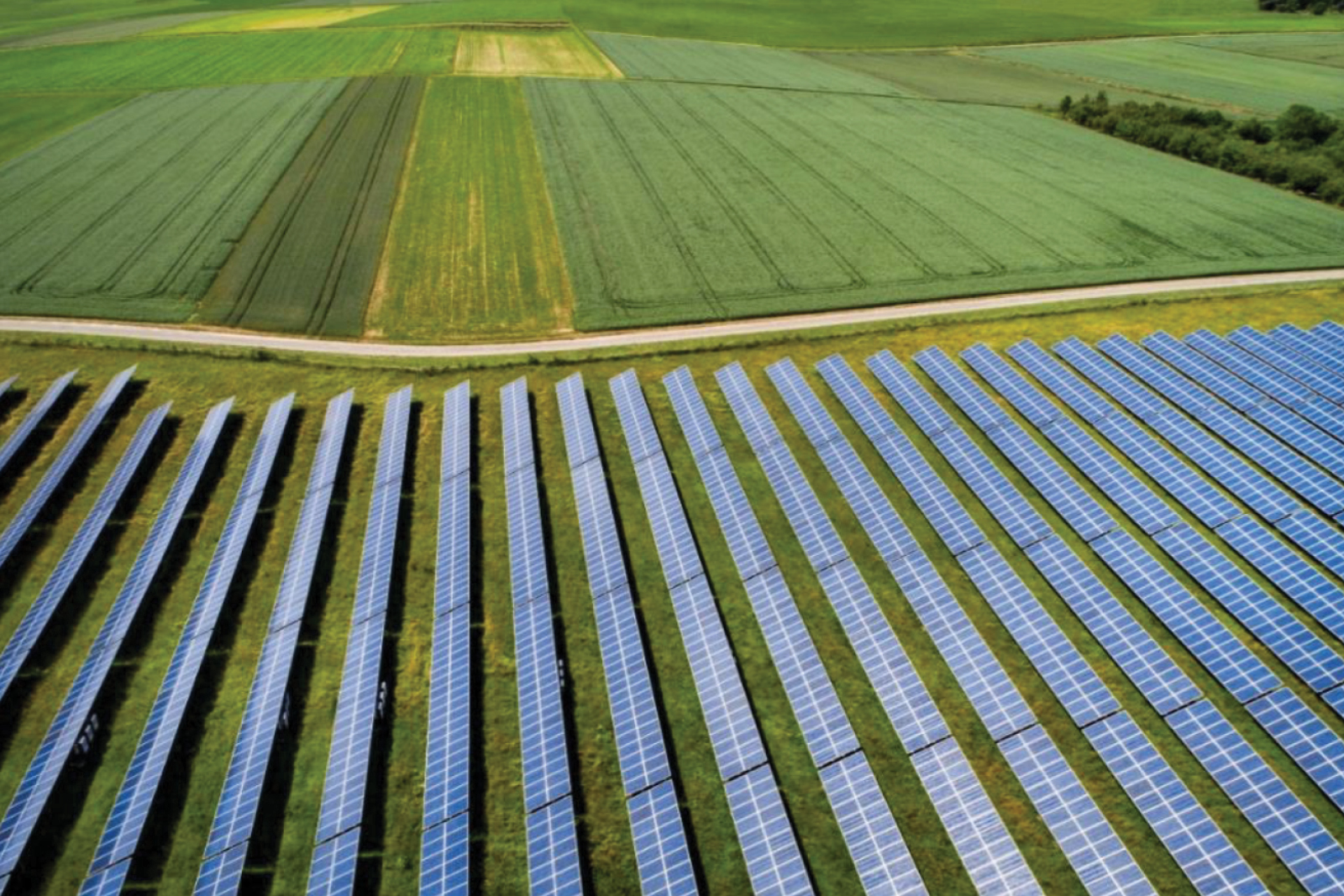
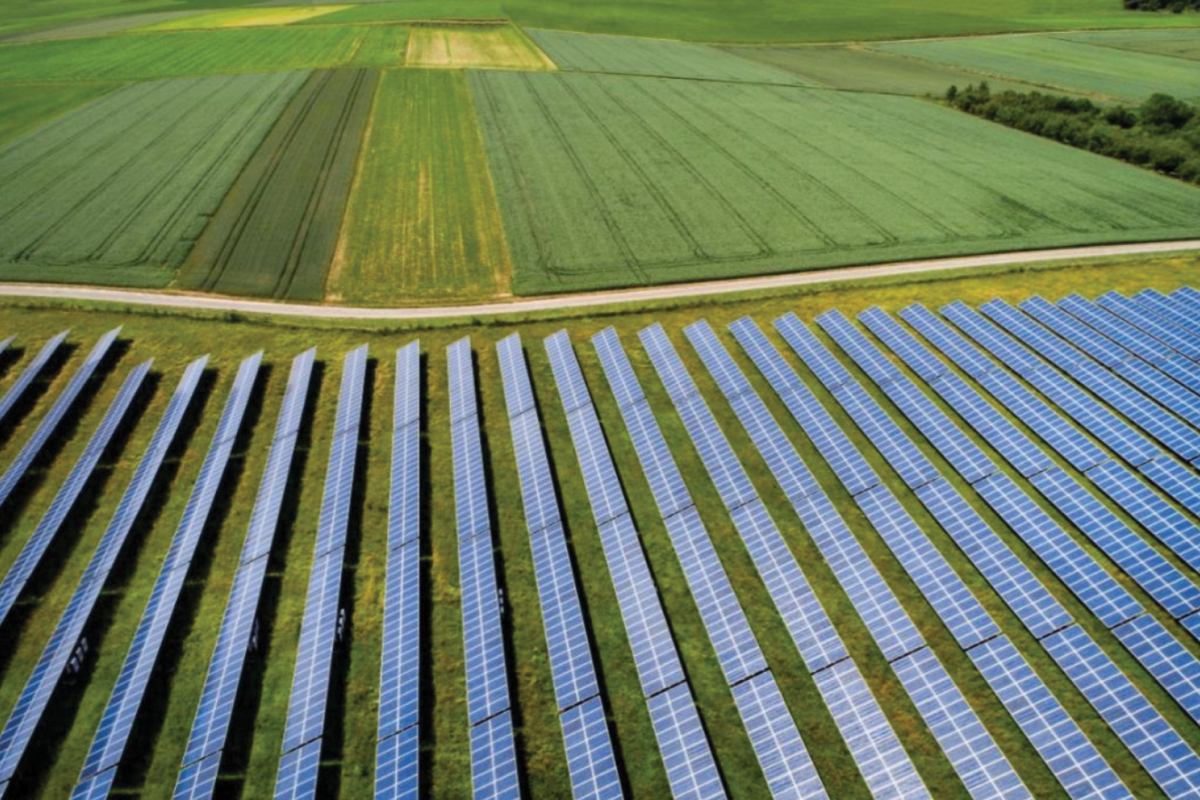
Cultivating the sun – challenges and opportunities of solar farming for dry stock farm diversification.

Executive summary

Aotearoa New Zealand (NZ) has attracted significant interest as a potential location for solar farming in recent years. Solar panels located on land presents both opportunities and challenges to conventional pastoral farming systems.

This report investigates the challenges and opportunities of solar farming as a potential diversification strategy for drystock farming (beyond just self-sufficiency for powering homes or farm energy demands). The objectives of this study were to:

  • Investigate and analyse the current challenges and opportunities in NZ.
  • Inform policy makers, drystock farmers, and other agricultural stakeholders about the potential implications of integrating solar farming as part of a diversified farm strategy, and
  • Propose future recommendations for industry, Government, and drystock farmers looking to potentially diversify with solar farming.

A literature review was undertaken to understand existing knowledge. To gain a better understanding in a NZ context, thirteen semi-structured interviews were completed. An inductive thematic analysis method was used to interpret themes in the context of Rogers diffusion of innovations theory.

Findings reveal that solar farming has potential to be a viable diversification strategy, however, based on location and network limitations, it will not be a silver bullet solution for every drystock farmer. For farmers that can viably consider it, lease terms with solar development companies can provide significant returns compared to traditional drystock farming. Agrivoltaics has potential to address environmental, economic and social effects associated with solar farming. However, it needs to be appropriately managed through regulation and collaboration, to address challenges and optimise solar integration with NZ agriculture.

Recommendations for industry and Ministry for the Environment, Ministry for Business, Innovation and Employment, and Ministry for Primary Industries include:

  • NZ based research to inform policy and challenges and opportunities for NZ pastoral systems and climate. Investment in research is needed.
  • Development of publicly available resources for both drystock farmers and communities. This should include a guide to solar farming and agrivoltaics for farmers, which should share learnings of solar farming and agrivoltaics to date in NZ. There is also a need for resources including performance standards.

For drystock farmers specifically, recommendations include:

  • Having clarity on long-term aspirations for farming operation and community.
  • Having discussions with developers, or local Electricity Distribution Business.
  • Due diligence is important, such as finding a developer that aligns with aspirations, and seeking legal and financial advice where appropriate.
  • Thinking about how diversification with solar may change management practices moving forward and talking to other farmers to understand the practicalities of going down this path.

Jesse Brennan

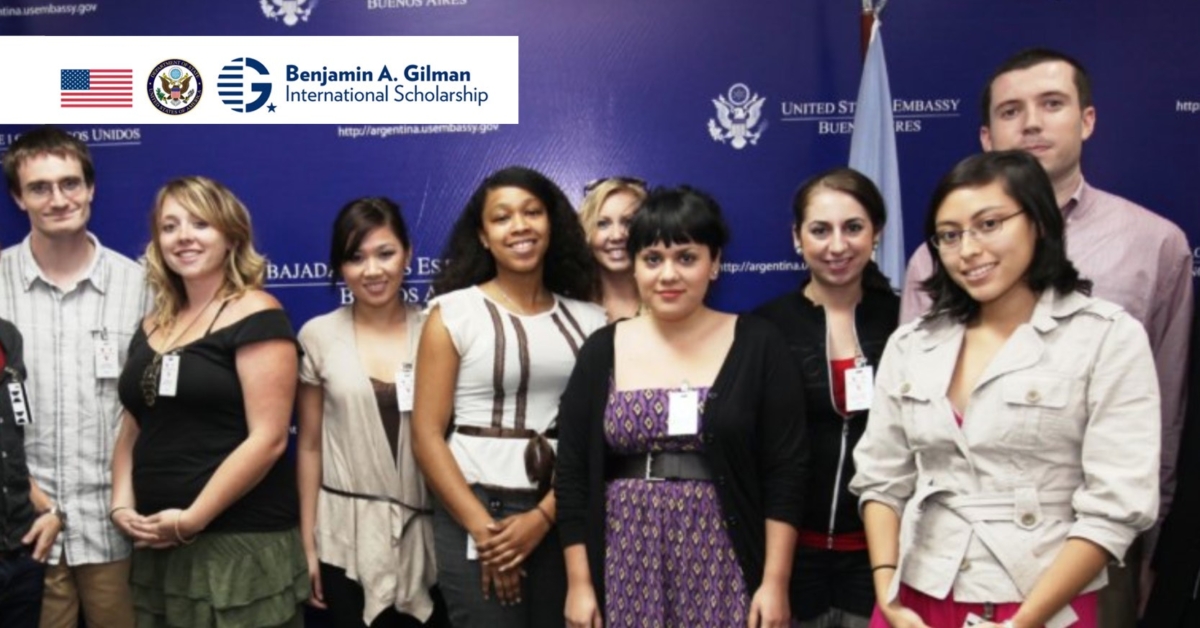
Gilman Scholars to visit New Zealand – hosted by Rural Leaders.

Gilman and Rural Leaders forge Food and Fibre education alliance.

In partnership with Rural Leaders, the U.S. Mission to New Zealand will undertake a week-long, interactive programme for Gilman alums working in fields related to global food security.

As part of their professional development the Gilman alums will examine how New Zealand navigates geopolitical and climate change risks as a Food and Fibre based economy.

Participants will gain insights into policies, technologies, and adaptation measures aimed at securing the agricultural sector and mitigating environmental impacts, crucial for sustaining New Zealand’s role as a global food supplier amidst evolving global challenges.

“We are excited to be hosting this programme with Gilman and the US Department of State. It gives us an opportunity to showcase New Zealand’s innovation and initiatives towards food security and how we create resilience throughout our food systems,” said Lisa Rogers, CEO, Rural Leaders.

Benjamin A. Gilman International Scholarship Background.

The U.S. Department of State’s Benjamin A. Gilman International Scholarship Program enables students of limited financial means to study or intern abroad. The Scholarship aims to encourage students to study and intern in a diverse array of countries; in 2024 this will include New Zealand.

The week-long programme called ‘Mission New Zealand – Navigating Geopolitical Tensions and Climate Change as an Agri-based Economy’,  has been designed to give the visiting Scholars a deep dive into global food security.

Running from Monday 26th – Friday 30th August 2024, and facilitated by Dr. Scott Champion, the Programme features a stellar line-up of modules and speakers, including:

A Global Perspective, Ian Proudfoot (Global Head of Agribusiness, KPMG).

Te Ao Māori Perspective, Jess Smith (Regional Director – Te Tai Hauauru
Te Puni Kōkiri).

Food Security/Food Safety Perspective, Hon Minister Andrew Hoggard (Minister for Biosecurity and Food Safety).

A Discussion on Trade, Hamish Marr (Special Agricultural Trade Envoy), Brian Wilson (Divisional Manager – Trade Policy & Negotiation Division, Ministry of Foreign Affairs & Trade)

Value Chains in the NZ Food and Fibre Sector, Prof. Hamish Gow (Professor – Global Value Chains & Trade, Lincoln University).

Global Food Security, a NZ Government Perspective, Hon Minister Todd McClay (Minister of Trade and Agriculture). 

Silver Fern Farms, Ryan MacArthur (On Farm Sustainability Manager).

Fonterra, Charlotte Van Der Lee (Sustainability Manager).

Precision Agriculture, Craige MacKenzie (2008 Nuffield Scholar).

Supply Chain, Lyttelton Port Company – Simon Munt (Chief Customer and Supply Chain Officer).

Biosecurity, Regulations, and Emissions Reductions, Julie Collins (Deputy Director-General Policy and Trade, Ministry for Primary Industries).

Global food security, the NZ Perspective, Hon Damien O’Connor (Labour Party Spokesperson for Foreign Affairs, Land Information, Trade and Transport, Member of NZ Parliament).

Final Overview, Lisa Rogers (CEO, NZ Rural Leaders), Dr. Scott Champion (Dir. Primary Purpose, Facilitator), Margaret Walrod (Foreign Service Officer at U.S. Department of State, U.S. Embassy, Wellington), Theresa Gagnon (Program Officer at U.S. Department of State, Bureau of Educational and Cultural Affairs (ECA), USA).

The Programme also features several reflection sessions with Facilitator Dr. Scott Champion, farm visits (Matt Iremonger, Alan and Carina Friedman and Marr Farms), dinners, and recreational activities.

Why visit us? The New Zealand context.

As an agribusiness nation, New Zealand remains dependent on its agricultural and horticultural product exports to maintain a healthy economy. Each year, New Zealand exports approximately 90% of its dairy, meat, fruit, and vegetables to a value of USD 32 billion. However, this economic backbone is vulnerable to geopolitical tensions and climate change.

Geopolitically, New Zealand’s agriculture is affected by global conflicts. During the Russia-Ukraine war, farmers faced decisions regarding exports to Russia amidst international sanctions, highlighting the sector’s exposure to global political dynamics.

Climate change presents significant challenges, with intensified weather events like Cyclone Gabrielle disrupting supply chains and threatening agricultural viability.

The sector is also grappling with increased animal diseases and oceanic impacts on aquaculture, exacerbated by its substantial greenhouse gas emissions.

“This partnership highlights Rural Leaders’ desire to forge stronger relationships with international connections,” added Lisa Rogers.

Other Scholar groups will visit Columbia and Zimbabwe later this year.

To find out more about the Gilman Scholarships visit here.