

2026 Nuffield NZ Farming Scholarship. Apply by 17 August 2025. Read More...

Apply for 2026 Nuffield NZ Farming Scholarship by 17 August 2025. More details...

The Value Chain Innovation Programme – Sector value-add. 

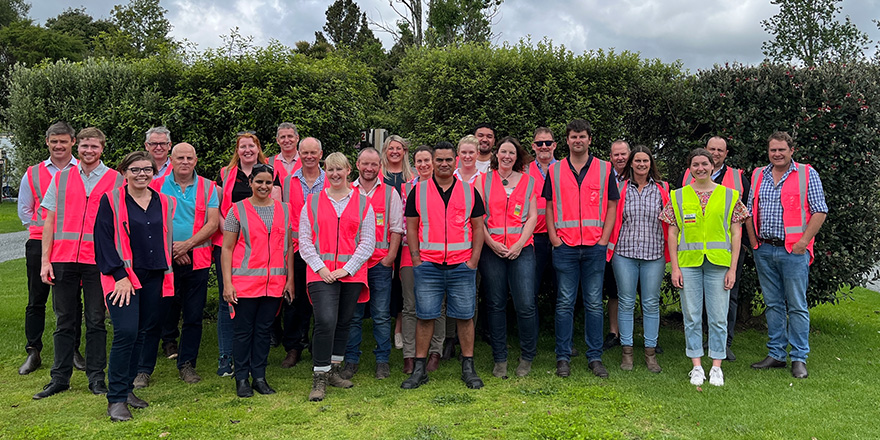
Value Chain Innovation Programme 2022 Cohort

Rural Leaders and Lincoln University have just wrapped up a collaborative delivery of The Value Chain Innovation Programme, a seven-day bus tour of New Zealand’s four major sectors: dairy, red meat, kiwifruit, and apples. 

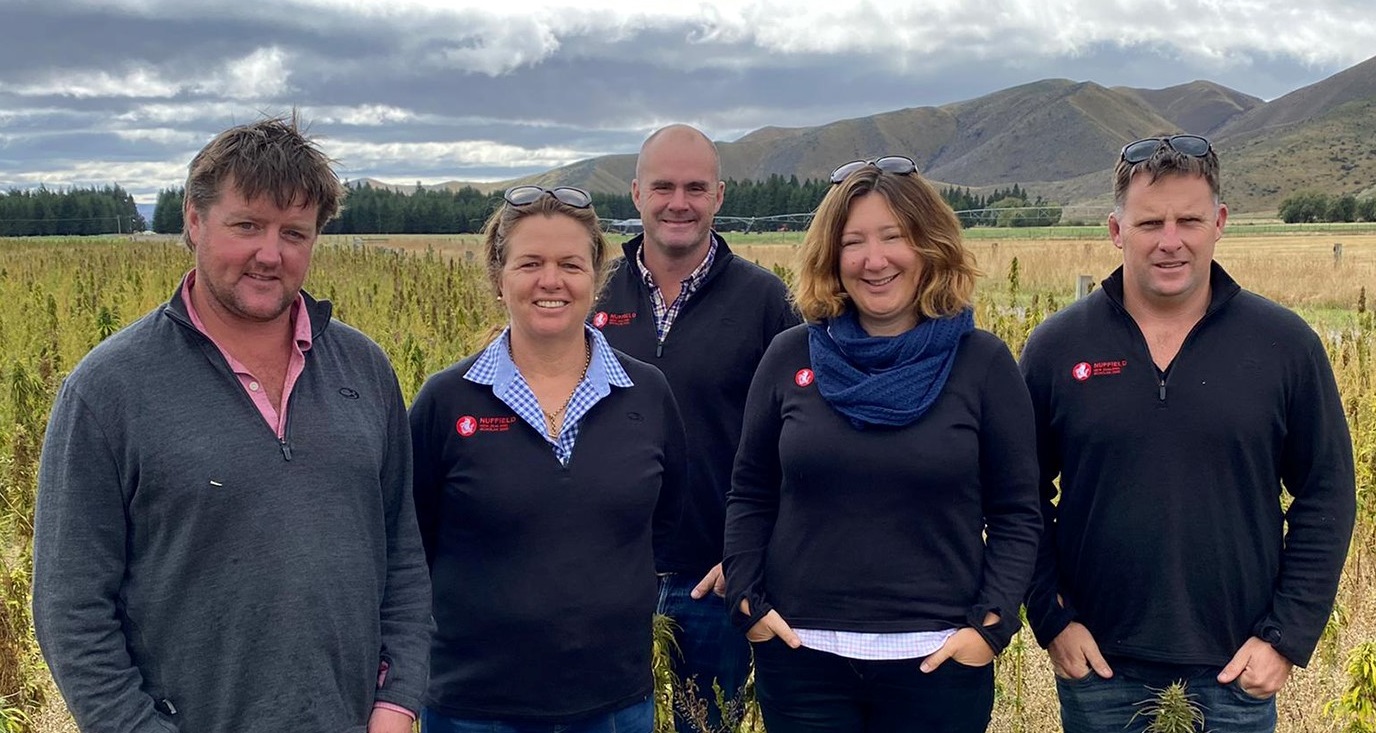
A fully subscribed programme of 22 students, including senior growers, farmers, consultants, industry professionals and government took part in this North Island value chain immersion. 

“The carefully selected combination of participants on the programme resulted in many varying opinions coming together in positive debate, to solve problems constructively.  

This was helped in no small part by facilitators Professor Hamish Gow and Cllr. Phil Morrison, who laid out a framework at the start of the programme, to help us really dig into what we were seeing,” said Kylie Leonard, 2023 Nuffield Scholar and programme participant. 

The Value Chain classroom on wheels.

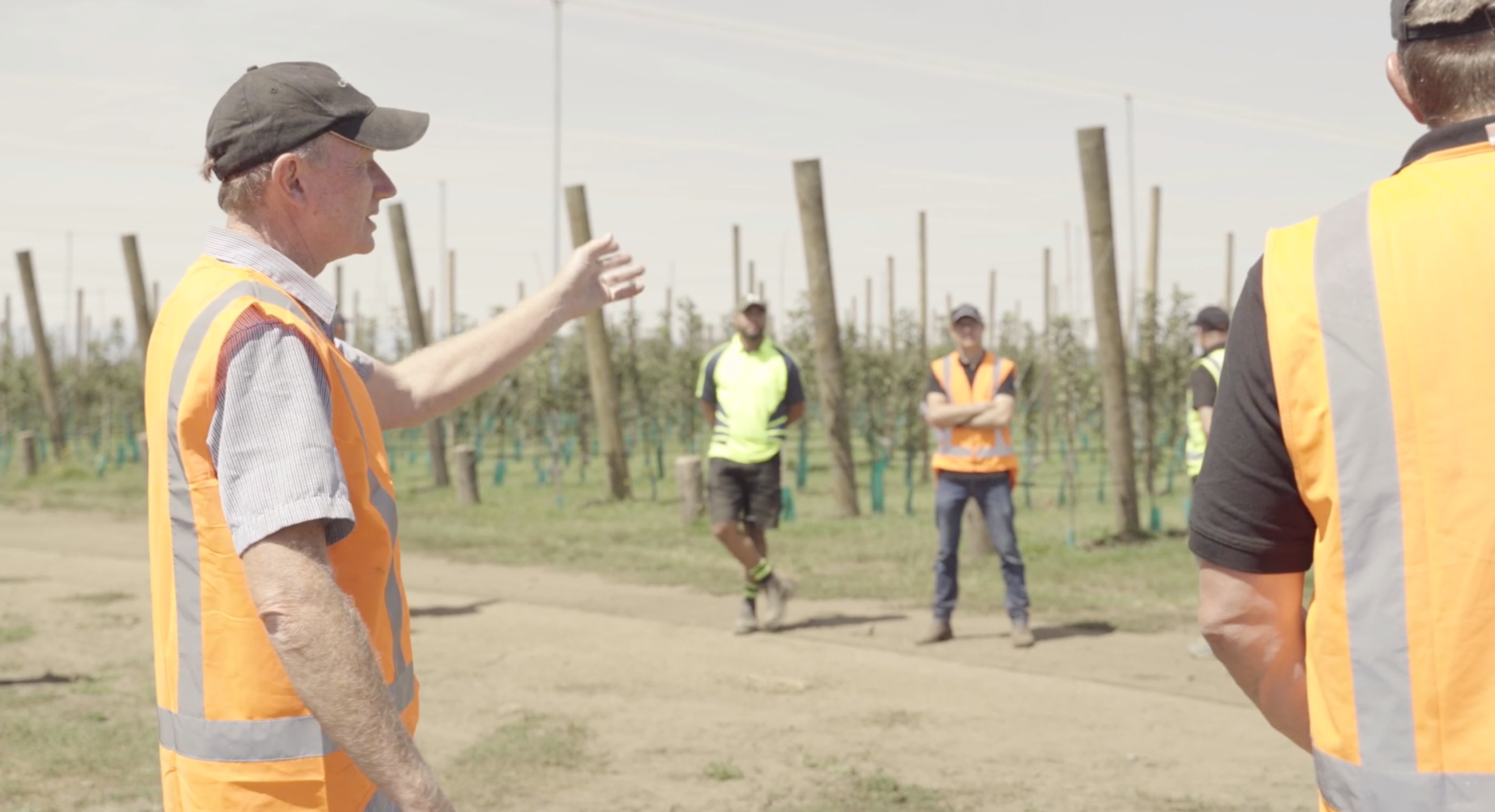
The bus itself became a rolling classroom for the week-long immersion. Between visits, back on the bus, students discussed, debated and unpacked insights and issues as they arose. Onboard, critical reflection resulted in ten key issues being agreed on. 

“One of these issues is that New Zealand is still moving from volume to value and there’s a lot of players who are still volume based – but that’s ok. They run a value chain model that creates value out of volume, whereas others are moving to value-add.  

The big example here was non-IP apples at $2 per kilogram in the supermarket, versus Rockit Apple NZ which gets $2.99 for a 76-gram container – as sold at some service stations in Napier. This translates to about $39 per kilogram,” said Professor Hamish Gow, Programme Facilitator. 

An immersive learning process.

Perhaps critical for the students was the participatory process, the action-based learning, and the process of engagement where an entire value chain is walked – from one end to the other. 

Comparative analysis was used to understand how the many firms create, capture, and distribute value in their respective value chain comparatively across four sectors. 

“It’s that depth of understanding people gain once they do the comparative analysis. It allows you to get to the crux of how a value chain operates and what’s critical.  

That’s what we built within the programme – a platform for people to rapidly evaluate and understand how firms create value and whether they were effective in the way that they were trying to do this, then how they capture and distribute it, along with implications of that for industry,” said Prof. Hamish Gow. 
Value Chain Innovation Programme 2022 Cohort

A framework for unpacking value chains.

Three separate value chain discipline alignment models were explored during the programme: Operational Excellence, an efficiency value model – like Fonterra. Product Leadership – a technically superior product – like Zespri. And finally, Customer Intimacy – as in First Light Foods or Rockit Apples. 

“Firms such as Fonterra follow more of an Operational Excellence discipline, that’s driven by volume. In Operational Excellence, you create value from volume, efficiency and scale economies.  

In Product Leadership, you must invest a lot of time and money in R and D, innovation, and brand to create a technically superior branded product. Several students suddenly realised that it’s a 15-to-20-year lead for commercialisation for a new version of kiwifruit or apple.  

In Customer Intimacy, firms focus on gaining deep insights and understanding of their customers and addressing their concerns. 

Exceptional firms and value chains excel in one discipline alignment and are above average in other two disciplines as well,” added Prof. Hamish Gow. 

Where to next for the Value Chain Innovation Programme?

Participants canvassed felt the programme was a huge success and well worth the significant time investment away from family and work commitments.  

“Everyone came out fizzing. Everyone realised within the first day that the bus was a safe haven where we could engage in challenging discussions and debates.  

It was refreshing, exhilarating and it changed mindsets. Everyone wanted to replicate the experience and insights on a larger scale. How could we scale it to tackle the large issues confronting NZ primary industries? I think we’ll do the South Island sometime in 2023,” concluded Prof. Gow. 

It seems pairing up with a South Island Programme is likely – and potentially an international version too. At some point in the future, this may become the next logical step – post Kellogg Rural Leadership Programme – in primary industries leadership development.  
A typical day on the Value Chain Innovation Study Tour.

Craigmore Farming Horticulture Study Trip

The Value Chain Innovation Programme is made up of three phases spanning six weeks from May 9 to June 19. You can find out more about the programme and its core elements here.

Probably the most involved point of the five-week experience is the industry immersion study tour (Phase Two).

What will a typical day on the tour look like?

A fair description would be “busy”. But here’s more about what to expect.

We should note first that this ‘typical day’ may be subject to pandemic or scheduling related changes. 

Day five. In summary, there will be horticulture, food science and much more on the day. Generally, no one day will be dedicated to a particular value chain, but rather each piece of a value chain will be spread across several days.

You’ll be waking up in Central Hawke’s Bay. It’s an early start with breakfast at 06:30, and on the bus by 08:00.

On this particular day, the first destination is scheduled to be Craigmore’s Springhill Horticulture operation. You’ll arrive by 09:00.

Craigmore Springhill.

Craigmore manages farm and forest investments and was established in 2009 by two New Zealand family farmers, Forbes Elworthy and Mark Cox. Craigmore has an experienced team managing 18,000 hectares of dairy, grazing, forestry, and horticultural properties, that includes Springhill. 

You can preview Craigmore’s Springhill operation in this video

At around 11:00 the bus will depart for Massey University campus in Palmerston North, where you’ll be visiting several units. You should get there by 13:00.

The Riddet Institute.

First stop on campus is the Riddet Institute.

The Riddet Institute aims to build the knowledge and skills to tackle the challenges facing our fast-changing food sector, through discovery-led research at the frontier of food materials science. 

To learn more about Riddet, watch this interview with the Institute’s Deputy Director, Professor Warren McNabb. Scroll to the section beginning 3:15sec and ending 7:40sec for some insight into their work. 

Next is Massey Food Experience and Sensory Testing Laboratory (Feast). 

Feast, Food Pilot, and MAF Digital Lab – Massey University.

To gain a clearer picture about the type of work Feast conduct, look at this short video covering research on the use of a holo-lens. This work was done to determine what impacts mixed-reality technology could have on a consumer’s enjoyment of food. 

Still on the Massey University campus, the next stop is Massey Food Pilot. 

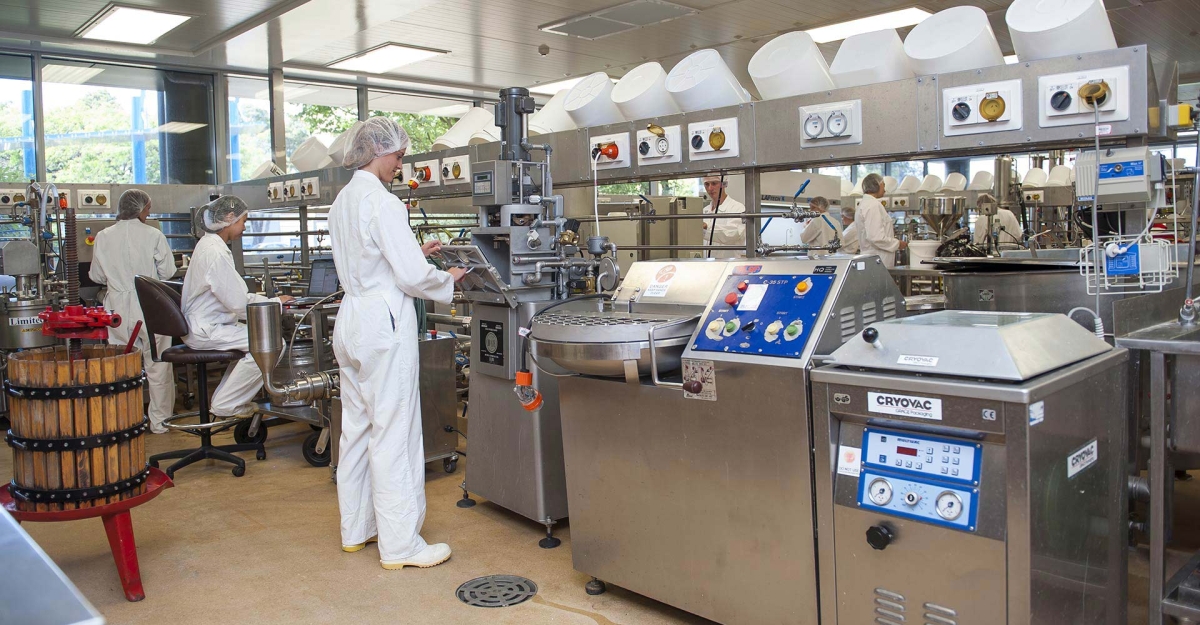
The Food Pilot at Massey includes the largest collection of food processing equipment in the southern hemisphere. They work with innovators and organisations to provide solutions to food-related challenges. 

Food Pilot is part of the New Zealand Food Innovation Network (NZFIN), it provides the facilities and the expertise to develop new products and processes, from idea to commercial success. Services can include evaporating and drying, chopping, mincing, cooking and process control, extrusion and puffing. 

While the this video isn’t on Food Pilot specifically, it does give some indication as to how Food Pilot fits into the FoodHQ ecosystem. There’s also plenty of footage from inside the Food Pilot testing areas. 

The next destination is the Fitzherbert Science Centre, where you will visit the Massey AgriFood Digital Lab

The MAF Digital Lab is a solution focussed research centre developing applications in advanced technology within the primary production, agricultural and food supply chain. MAF leverages Massey University’s wide capability in precision agriculture, primary production science and horticulture supply chains, sensor technology, robotics, AI, and data science.

Massey Univeristy Lab

Later in the afternoon, you are scheduled to visit Fonterra’s Research and Development Centre (FRDC). 

Home to 130 PhDs and 350 dairy patents, innovation is a key part of New Zealand Milk Products’ (NZMP), and ultimately Fonterra’s reason for being. Within NZMP, the FRDC is dedicated to dairy innovation and research. 

This video gives a good introduction to NZMP and the FRDC. 

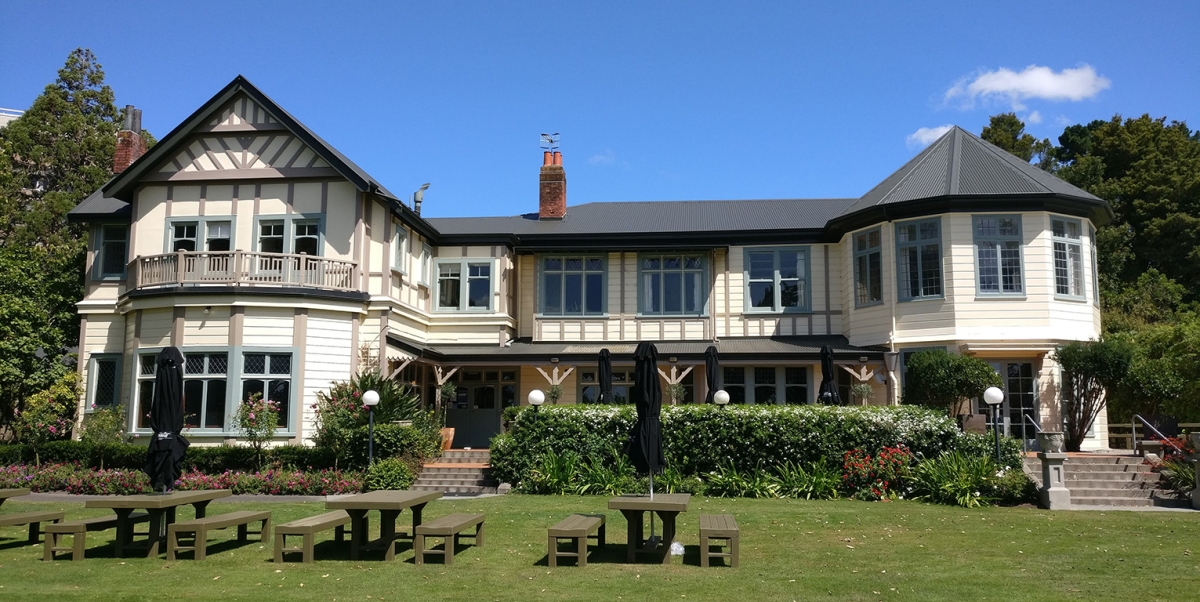
Wharerata – BBQ dinner.

The next stop is your final destination for the day – Wharerata, where casual drinks and a BBQ dinner will be organised for the group. A quick week one tour review will take place before dinner at this historic homestead.  

By 20:00 you’ll be at your accommodation, where you can enjoy some free time or an early night as you are up at 06:00 the next morning to hit the road again.

The schedule is intense – but it will be worth it!

If you haven’t checked out yet the following podcasts, take the time to listen to Professor Hamish Gow’s Podcast ‘Value chain thinking’, and James Parson’s Podcast ‘When value-add doesn’t add up’. They’re both excellent for further context.  

Contact us with any questions, we’re ready to help. 
If you would like to find out more about the programme, contact Lisa Rogers today. Either call on 021 139 6881, or email at lisarogers@ruralleaders.co.nz.

Ready to register your interest in the Value Chain Innovation Programme?

The new Value Chain Innovation Programme

Innovating for our fast-changing
value chains.

A recent addition to The New Zealand Rural Leadership Trust’s cache of programmes is the VIP. The Value Chain Innovation Programme delivers a truly immersive experience, created to meet a growing need for strategically capable leaders in our food and fibre systems.

It is for those who are passionate about developing their leadership style, growing their networks, and contributing to their business and community.

Driving innovation in food and fibre.

The Value Chain Innovation Programme delivers two weeks of immersive learning, focused on strategic value chain analysis and design. The programme is a facilitated journey along ten or more established, disruptive, and novel value chains, delivering a sector and pan-sector view.

It connects participants to New Zealand’s key value chain influencers and accelerates their ability to adapt to a fast-changing environment.

  • It expands their entrepreneurial capability.

  • It builds advanced competencies.

  • And it develops a new mindset on food and fibre innovation in domestic and international markets.

Applications are open until 28 November 2021.

The programme spans two weeks for the industries immersion. Participants then return home and have three weeks to produce a value chain innovation report.
The course structure is as follows:

Phase 1: Virtual masterclass.

As a build-up to the journey, participants attend a virtual masterclass via zoom, of 1 -2 hours. This covers the current landscape within New Zealand’s value chains and what is likely to emerge in the future.

Participants then submit a short PowerPoint overview on their own value chain, or one they wish to explore.

Phase 2: Value chain immersion 16-28 January 2022.

Participants assemble in Auckland on the 16th. They then undertake two weeks of facilitated field trips through the North and South Islands.

The tour culminates in Christchurch on the 28th.

Phase 3: Extramural value chain innovation report.

Work on an individual value chain innovation report. This may be submitted as a PowerPoint.

Ready to take the next step?

For any queries contact Lisa Rogers +64 21 139 6881 or email lisarogers@ruralleaders.co.nz