2026 Nuffield NZ Farming Scholarship. Apply by 17 August 2025. Read More...

Apply for 2026 Nuffield NZ Farming Scholarship by 17 August 2025. More details...

How do we equip farmers to embrace imposed change?

How do we equip farmers to embrace imposed change?


Farmers have been and will be faced with an increased amount of imposed change. This could be regulatory, market, climatic and more. What has become evident is how farmers are dealing with it, with varying degrees of success due to poor stakeholder uptake. Change is a certain component of the future of New Zealand agriculture, the opportunity is to make it a positive experience that applauds and embraces innovation and encourages personal stewardship while minimising regulation.

Illustrated in the literature review are: personal characteristics of problem solving and changing thought patterns, analysed with theory from Kubler-Ross and Everett-Rogers; the key processes we as humans and farmers go through in the change process; and innovators and laggards’ descriptions encompassed in a personal and industry comparable study.

Key messages from the report include:

  • Farmers need to continually self-educate and understand their circle of influence and control as well as improve self-awareness around how they react to imposed change through natural thought processes.

  • All organisations, government and individuals need a better understanding of social science initiatives to see and identify what the motives, pressure points and issues are. There is a greater need for regulatory organisations to partner with social science consultancy advice to plan and implement processes to ensure positive stakeholder buy-in resulting in outcomes beneficial to all.


Recommendations include

  • Government has an important role in facilitating change through means other than just regulatory. More effort is needed to encourage change through, tax breaks for research and development (R&D), investing and partnering in innovation and technologies that will help drive change such as improving environmental outcomes.

    Farmers have a responsibility to embrace imposed change by continually investing in their own skill set and knowledge base. This should be treated like investing in any other business input with finances and time allocated accordingly.


Farmers need to continually self-educate and understand their circle of influence and control as well as improve self-awareness around how they react to imposed change through natural thought processes.

Keywords for Search: Edward Pinckney, Pinkney, Pinkny

Adapting Dairy to Thrive in a Constrained World

Tracy Brown report image

This report is written for decision makers who are trying to design future strategy for the sector. I define my research problem as “how do we adapt and organise ourselves to succeed, add value and thrive in this new constrained world”. I will provide frameworks to:

  1. better understand the challenge
  2. look at what can be learnt from groups who have already begun to adapt, and
  3. discuss what we need to do to set ourselves up to succeed in the future.

“We need to move our thinking from infinite growth in a world of finite resources to a world of infinite ability to adapt within a world of finite resources”.

Dairy farmers in New Zealand are increasingly under pressure to make changes to their businesses. In addition, the system around them of how success is measured is changing. Measures of success are moving from purely financial to include environmental and social impact of businesses. There are multiple stakeholders with various views of the world and we currently have no clear framework to understand what is going on around us. A better understanding of how we need to adapt and organise ourselves, will better position leaders
to make changes.

“We are undergoing systems change, to do this well we need to get closer to and interact more with all our stakeholders”.

We have come through a period of three decades of largely unconstrained growth in dairy. The New Zealand grass-fed, pasture based system where cows live outdoors in nature has been replicated, scaled and adapted in all regions across the country. Individuals and groups have experienced huge financial rewards through development, from operational excellence and by capital gains. Increasing economic return has been the primary aim.

The last decade has seen the New Zealand dairy sector begin to respond, adapt and deliver better ‘environmental’, ‘social’ and ‘economic’ returns for business and communities. For Maori agri-business ‘cultural’ outcomes have also been important and a 4 ‘pou’ (or pillar) approach is used which includes environmental, economic, social and cultural outcomes.

Internationally, development of the ‘Sustainable Development Goals (SDG’s) by the United Nations, is creating increased expectations on minimum well-being provisions and has influenced community expectations of farmers. This combined with increasing pressure on planetary boundaries and availability of resources has impacted producers social licence to operate.

Natural advantages plus IQ or intelligence quotient (good science and expertise) has helped us get to where we are today. EQ or emotional intelligence has helped us communicate and interact with people within our markets and businesses. SQ or social intelligence will help us be better connected to stakeholders including consumers, government, civil society, Maori/iwi and local communities. Going forward, AQ or adaptability intelligence will help us adapt our systems and collaboratively innovate with stakeholders in a way that redefines our problems and how we tackle them.

As dairy farmers we are part of a complex adaptive system which can be better understood through the ‘Three Horizons Model’ which is a tool to help us think about the future and understand ‘transformative’ change. We are currently in Horizon 2 or the transition phase which is the area that will us move towards the future depending on how we respond. We have a choice to prolong the status quo by making H2- innovations (to keep the existing system keep functioning) or move towards the future by making H2+ innovations (which allow people to adapt).

“More and more leaders will not be remembered for the profits or the growth of their businesses … they will be remembered for the impact they have on society”.

(Paul Polman – former CEO, Unilever).

My report will take you on a journey to help you understand how we as individuals and leaders need to adapt and behave differently to thrive in the future. This is just the start of a bigger, wider journey we need to take as a sector.

The key recommendations of this report are:

  1. Increase the dairy sectors contribution to society’s minimum social foundation and better articulate this contribution.
  2. Include the right people with the right skills to problem solve in a way that is truly collaborative and co-creative.
  3. Identify and empower innovation super spreaders and systems where people can share ideas easily, work together and motivate one another towards a common mission.
  4. Solutions to complex problems can’t be replicated, instead we need to adapt components or processes and apply in regional or local contexts.
  5. Grow further farmer and sector capability within the AQ adaptability intelligence & SQ social intelligence competencies.
  6. Leverage information, capability and thought leadership that is available already in a way that is better coordinated and has more impact.
  7. Grow farmers understanding of change and toolbox of mental and emotional skills to be able to cope with, manage and implement change.

Keywords for Search: Tracy Brown, Tracey

Restructuring Industry Good for the Future​

Phil Wier Nuffield - Restructuring Industry Good for the Future

With a climate crisis, increasingly diversified  agri-businesses, interest in regenerative agriculture  and increasing membership of catchment  groups, coupled with generational change  and economic reform, now is the right time for  structural change to New Zealand Agriculture.  In the same way that farmers are being asked  to consider systemic changes to their farms,  businesses and landscapes, the leaders of Team  Agriculture should be brave enough to review  the structures which underpin the ‘industry good’  system and make the difficult but necessary  changes to improve.

The Fit for a Better World vision states that we in  the primary industries are committed to meeting  the greatest challenge humanity faces: rapidly  moving to a low carbon emissions society,  restoring the health of our water, reversing the  decline in biodiversity and at the same time,  feeding our people.

In the coming years, additional capital will  be cycled through agriculture, either via an  amended Emissions Trading Scheme (ETS) or a  farmer-led He Waka Eke Noa pricing scheme,  to reduce GHG emissions so our products can  be both the best in the world and the best for  the world.

This is a big job. We need high performance. We  could continue to operate as we are, celebrating  improved collaboration and striving to tell our  story better without addressing the inherently  fragmented system in which we operate. But  if systems determine culture, and culture is a  pre-requisite for high performance, then we  require intervention at a systems level to enable  our industry to transition from good to great and  achieve our vision.

The Commodity Levies Act and the organisations  it enables are served by robust governance  and democratic process. Structurally, free  riding is removed, and discretion provided as to  investment area. For pastoral levy bodies (DairyNZ  and Beef + Lamb New Zealand), advocacy and  lobbying have become increasingly important in  response to social licence to operate challenges  and environmental regulatory reform.  However internationally, membership  organisations perform the advocacy function.  It is my view, based on interviews, that the  mixing of lobbying/advocacy with knowledge  exchange and research & development, creates  confusion for farmers and stakeholders (including  shareholders, but also government, R&D  community etc.) as to the role or purpose of the  levy bodies and membership organisations.  As this confusion permeates, the work in the  public good space can become tainted as  organisations crave attribution for their activity in  a fragmented system.

An alternative must be underpinned by strong  principles and systems that support Aotearoa’s  whenua/land managers to create the best food,  fibre and ecosystem services on earth. The current  industry good arrangement provides farmers with  significant representation, but a system change may  need to sacrifice some farmer representation for the  sake of improved operational efficiency.

This report proposes that a new organisation,  ‘Ahuwhenua New Zealand’ be created. This peak  body would be structurally similar to both the New  Zealand Council of Trade Unions and the Agricultural  and Horticultural Development Board in the UK.  Ahuwhenua NZ would see several functions  consolidated into a single organisation. The current  levy bodies would remain, but their scope limited to  industry-specific insight and foresight. Levies would  continue to be directed to public good activities.  Membership organisations such as Federated  Farmers, removed of forced riding, would focus  on advocating and lobbying strongly for their  farming membership.

As a peak body, Ahuwhenua NZ would be a  future-focused centralised organisation tasked  with leading activities for which the outcomes  are agnostic of commodity production type (i.e.,  improved water quality, research and development,  stronger rural communities). With a focus better  connected to the land rather than production type,  whenua/land managers will be empowered to use  their resources in a manner that is best for our land,  families, communities, and planet. 

Keywords for Search: Phil Weir

Getting Plant Varieties Right

Shannon Harnett

Covid restrictions meant there would be no international travel to study my topic of choice. Luckily New Zealand is a thriving hub for primary industry innovation. My domestic research has been aimed at gaining a deep understanding of plant variety rights (PVR), value creation, and the changing rules of the game.

There are two high profile super stars in the PVR space that I am particularly interested in – Zespri Sun Gold and the Rockit Apple. I draw examples from each throughout the report.

The owner of a PVR has the exclusive right to propagate and sell the fruit, flower, or other products of the variety under PVR, or the duration of the right. For kiwifruit, this timeline can be up to 20-23 years. The PVR owner can issue licence to third parties to grow and sell the product.

A fundamental clarification is that rights and royalties do not guarantee a successful product. The protection of the Plant Variety Right, the strength of the product and the branding creates value. The key benefit of having the plant variety right is control. The control to structure supply to meet demand, now and into the future. The licencing of a PVR variety allows supply to be controlled so demand from customers continues to be in excess of supply. Thus enabling the value chain participants of the variety to be rewarded.

Branding and marketing the brand involves significant investment, with returns generated over the medium term. A successful product that has PVR and IP protection has the funding available to spend on continued marketing and branding, without the threat of competitors undercutting and driving down revenue.

Premium commodity product attributes are easily replicated. The cost of commodity innovation and research and  development not protected under intellectual property law, are worn by the first mover. The advantage is held by the fast followers.

The incorporation of sustainable Development Goals into policy and corporate values are positively driving change. They are an environmental and social guideline for governments and businesses. On a producer level the financial implications of not changing will be far reaching, from the availability of money to the availability of markets. As New Zealand producers embrace these goals, we should see a corresponding increase in  demand for our exports. Environmental and social considerations are now within the rules of the game. Environmental legislation is a complex, fast-moving area with potential for unintended consequences.

Supermarkets dominate food supply, holding an unequal share in the balance of power. As such, they have the potential to drive change for a more sustainable future. As the conduit to the consumer, supermarkets could easily demand sustainable production methods.

New Zealand is currently updating the Plant Variety Rights Act 1987 to bring its standards in line with The International Union for the Protection of New Varieties of Plants (UPOV) 1991 update. It is expected that it will give PVR holders further clarification and ability under the legislation to protect their rights. As per the requirements of the Comprehensive and Progressive Agreement for Trans-Pacific Partnership (CPTPP).

The CPTPP will open up markets for New Zealand exports to 480 million people and result in an estimated $222 million per year of tariff reductions. We will see the beneficial effect over the next 10–15 years as trade restrictions are reduced. This benefits all exports – aquiculture, forestry, horticulture including wine exports, dairy, and sheep and beef. The partnership also lowers the cost and time spent getting products into international markets with less boarder bureaucracy.

This update to the legislation is an opportunity for New Zealand to become a world leader in PVR legislation. To have fit-for-purpose legislation that incentivises the development of new varieties, and the importation of existing international varieties would create a competitive advantage. We can be world leaders in plant variety innovation, and research and development. Backed up by robust legislation that protects the IP that is created, ensuring the ability to take quick, cost effective and assertive action over infringements.

The tension between science-led and consumer-led research and development is unavoidable. There is a need for both. Successful consumer-led innovation directly produces economic value. Science for the sake of obtaining knowledge leads indirectly to economic, social, and environmental benefits.

Keywords for Search: Shannon Harnett, Shanon, Shannen, Shanen

Mindset of Change

Life is a journey! On that journey we make decisions on the pathway we take, based on a large number of factors. Top of the list is mindset. It is the filter that we see the world through. Without harnessing the power of a growth mindset, we lose an important tool in navigating a path.

New Zealand (NZ) food and fibre producers are at an inflection point. We have the opportunity to take the path to a more secure future, focusing on values-based production. To achieve a secure future, we as producers need to understand what the consumer wants, and how they want it produced. Then, once we have this understanding, change our production systems, through innovation to deliver to the consumer.

New Zealand has undergone three economic transformations. From a focus on volume with strong regulation pre 1984, transitioning through Rogernomics to a focus on value, and we are now moving into an era where the focus is on values. This change is driven by how the consumer wants the world to function, and how they want their food and fibre produced.

Our education models were developed to enable us to operate and thrive in a world that was focused on volume and value however, are challenged to support us to succeed in a values based world.

Food and fibre producers in NZ are not unique. We exhibit the same traits as can be found in the any population around the world. We like the status quo, it is comfortable and we only change if forced to. This change is usually bought about by regulation or significant global events. There are some who embrace change, leap into innovation and are always looking for the next big thing.

Idea diffusion through a population follows a predictable pathway, capturing the imagination and passion of different parts of a population. When an idea is new, innovators and early adopters capture and nurture the idea. When an idea is widely accepted the laggards may adopt the idea. The way and speed the idea or innovation flows through the population is based on an individual’s engagement with the idea.

The rational part of our brain that uses data and facts only makes a small contribution to the decision. The biggest contribution to decision making is our emotions or how we feel about an idea. How we emotionally engage with an idea is based on those who we trust and share a bond with. We all like similar things to those we have an emotional bond with and are more likely to change or innovate if someone we trust shows us that it can work.

Our education system needs to support the transition to values based production. To do this we need to first understand the values our consumers are emotionally connected to. Forming the emotional connection to consumers has to be the basis of a new education model. Consumer insights are the light that will drive our new education system to better deliver innovative solutions, allowing our production systems to change and innovate.

Mindset is the filter we see the world through, it allows some of us to embrace innovation and some of us to be scared of it. Dweck’s (2017) model of mindset states, a person with a fixed mindset believes intelligence is static and cannot be grown, while in contrast a person with a growth mindset believes that intelligence can be developed. The growth mindset embraces challenges, persists in the face of setbacks, sees effort as the path to mastery, learns from feedback and as a result reaches for an even higher level of achievement and embraces change.

I believe we have an opportunity to show great leadership and create a new model for change and innovation within NZ food and fibre industry. The model will help NZ Food and Fibre producers to embrace change through innovation, without the inflection or pain point that have been the catalyst for change in the past. Volume and value were the currency of the past, values are the present and future. The model I propose is powered by trust, engagement and allows for greater transparency and understanding between the producer and consumer. This is turn lessens the barriers to change and enhances consumer centric innovation

Keywords for Search: Ben McLauchlan, MacLauchlan, lochlan

Time to celebrate the role our primary industries play

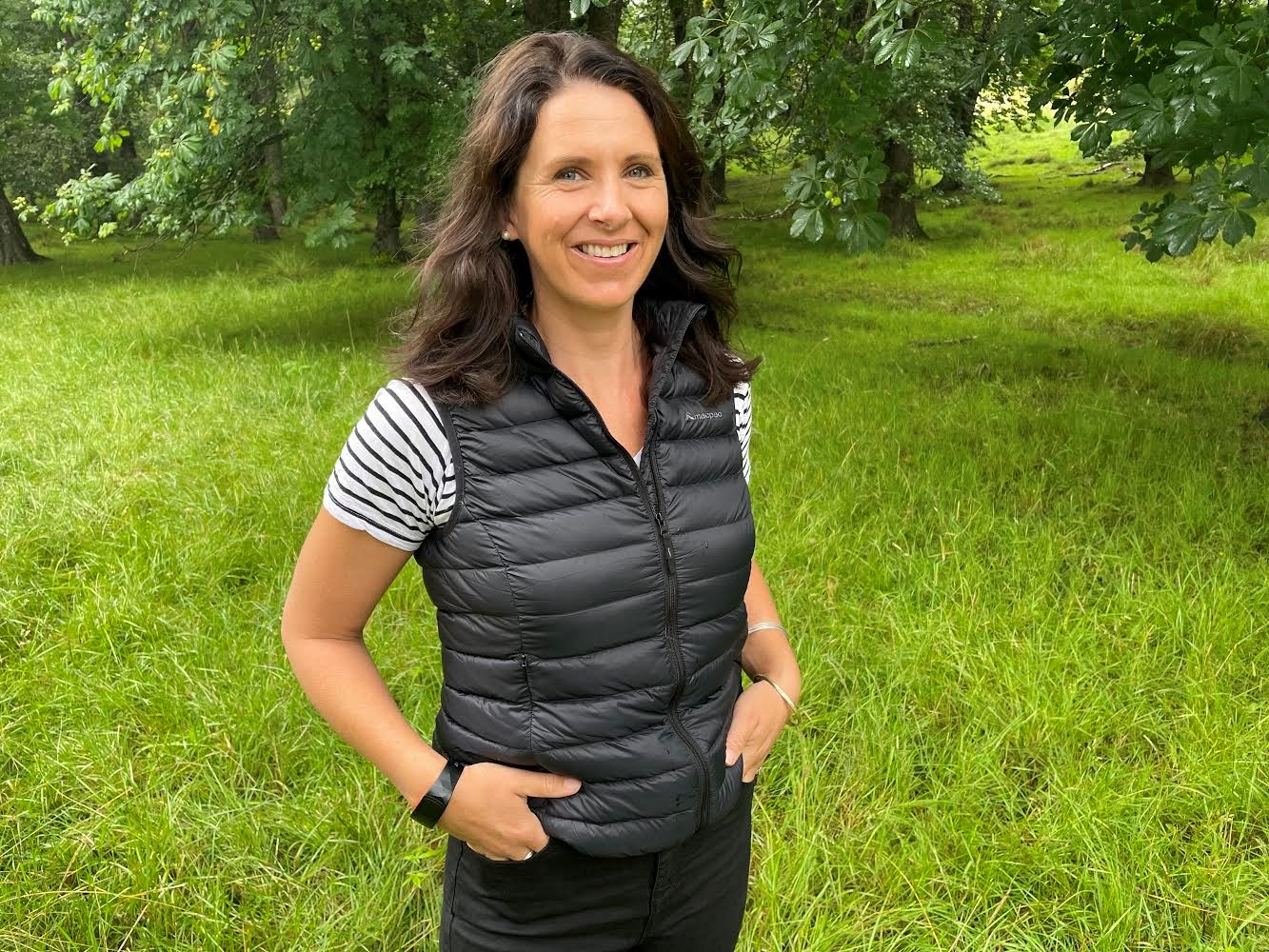
Nuffield Scholar Rebecca Hyde

Article is sourced from NZ Farmlife’s ‘CountryWide’ February 2021 magazine

Written by: Annabelle Latz
Photo by: Andrew Kyburz

Time to celebrate the role our primary industries play, New Zealand

Let’s sing the praises of the skills and value of our primary industries, as we do for our New Zealand sports teams.

This is the vision of farm environment consultant Rebecca Hyde, who operates under her own brand TFD Consulting Ltd, which is short for ‘The Farmer’s Daughter.’

Based in Oxford, North Canterbury, she launched her business in 2020. Much of her work week involves talking with farmers about the ever-evolving raft of regulations, a somewhat new and often complex business tier within our traditional ‘Number 8 Wire’ agricultural sector.

Over the past few years health and safety, employment and water regulations, to name a few, have become permanent features on a farmer’s business plan, directed from central government.

“A lot of farmers don’t understand all of it. It’s all come at once,” says Rebecca, the former nutrient management advisor at Ballance Agri-Nutrients and Ravensdown.

Rebecca is not shy to remind farmers that these changes are here to stay.

“The regulations will never stop, and collaboration to grapple these changes, while remembering the ‘people’ element of farming, is a must.”

Rebecca says while there is regulation involved with her business, there is also a large element of best practice.

While some farmers need more critical conversations than others, Rebecca says some don’t get why things have changed, or don’t want things to change.

“My advice is, either make the changes and I can help you, or the next person might not be so nice.”

Born and raised on a sheep and beef farm in Scargill, North Canterbury, farming has always run strong through Rebecca’s veins, and she has never imagined working in any other sector.

“One thing I will always be is a farmer’s daughter. And I really feel privileged to sit down at a farmer’s table and help them now.”

Within her advisory roles, Rebecca has appreciated how in tune she has always been with farmers.

“You just get that mum and dad are trying to get the shearing done, need to get to kids’ sport, will be drafting sheep in the dust, picking up calves in the rain… You just get stuff, and farmers appreciate this.”

What appealed to Rebecca about starting her own business was embracing the challenges, and having that natural instinct of what is happening on the land.

In 2017 Rebecca was awarded a Nuffield Scholarship, which she utilised to investigate globally how collaboration works well between groups in the agricultural sector, and how well New Zealand was doing comparatively.

Her travels took her to 13 different countries including Brazil, India, America, Canada, Denmark and China.

“One of the things that came across really clearly was that most groups saw the bigger picture of working together.”

Rebecca believes New Zealand at the time was not as strong on collaboration, as there was still plenty of segregation between farming industries: dairy, arable, non-irrigation, irrigation, sheep and beef, etc.

But this has changed, and collaborative groups such as the Primary Sector Council and the development of the Red Meat Sector story with Taste Pure Nature are great initiatives that encourage conversation, ideas, and solutions for the primary sector as a whole.

Rebecca cannot emphasise enough the importance of continued collaboration and communication, and the complexity of farming that must be acknowledged.

She talks about the three layers of farming: The ground layer is the physical farm, the middle layer is the farm management system, and the third layer is the people layer.

“And that is what makes a farm unique, the combination of all of them. And farmers must work out where that sweet spot is.”

Time and time again, Rebecca has sat in front of industry ‘experts’ with her fellow farming community.

“Farmers are expected to show up and contribute, but they’re not considered experts. I think that is something that’s really been missed – that people element.

‘One thing I will always be is a farmer’s daughter. And I really feel privileged to sit down at a farmer’s table and help them now.”

Farmers have the data and the systems – they are the people living that land and system. Farmers know their capabilities, their limitations.”

Rebecca admits there is no argument that the pressures on the environment are increasing, which is human-driven. Modern day regulations have put restrictions on farmers being able to make changes on their own farm, at their own discretion. Nowadays a farm environment plan, a nutrient budget, and in some instances, a land use consent, are required.

Rebecca certainly isn’t anti regulations, which she sees as tools for raising the floor, but agrees with farmers they can be confusing.

“Farmers know the practical, and they might not need the practical changes (such as fencing off waterways), but they might just need to know the new regulations.”

Should collaboration and the ‘people’ side of farming continue to flourish, the future of the New Zealand agricultural sector is a bright one.

“Agriculture is a big business in New Zealand, and it creates business minds.”

Rebecca believes good farmers are open to different types of experts; for example dry land farmers farming for moisture and using soil moisture monitors.

She says Covid-19 has really changed how people are looking at their own health, and sees farmers as being a big part of this as food producers.

“I would like to see a future where New Zealanders are proud of what farmers do. Where someone in central Auckland is singing the praises of their New Zealand- grown food, because they are proud of what we can produce, like we are proud of our sports people.”
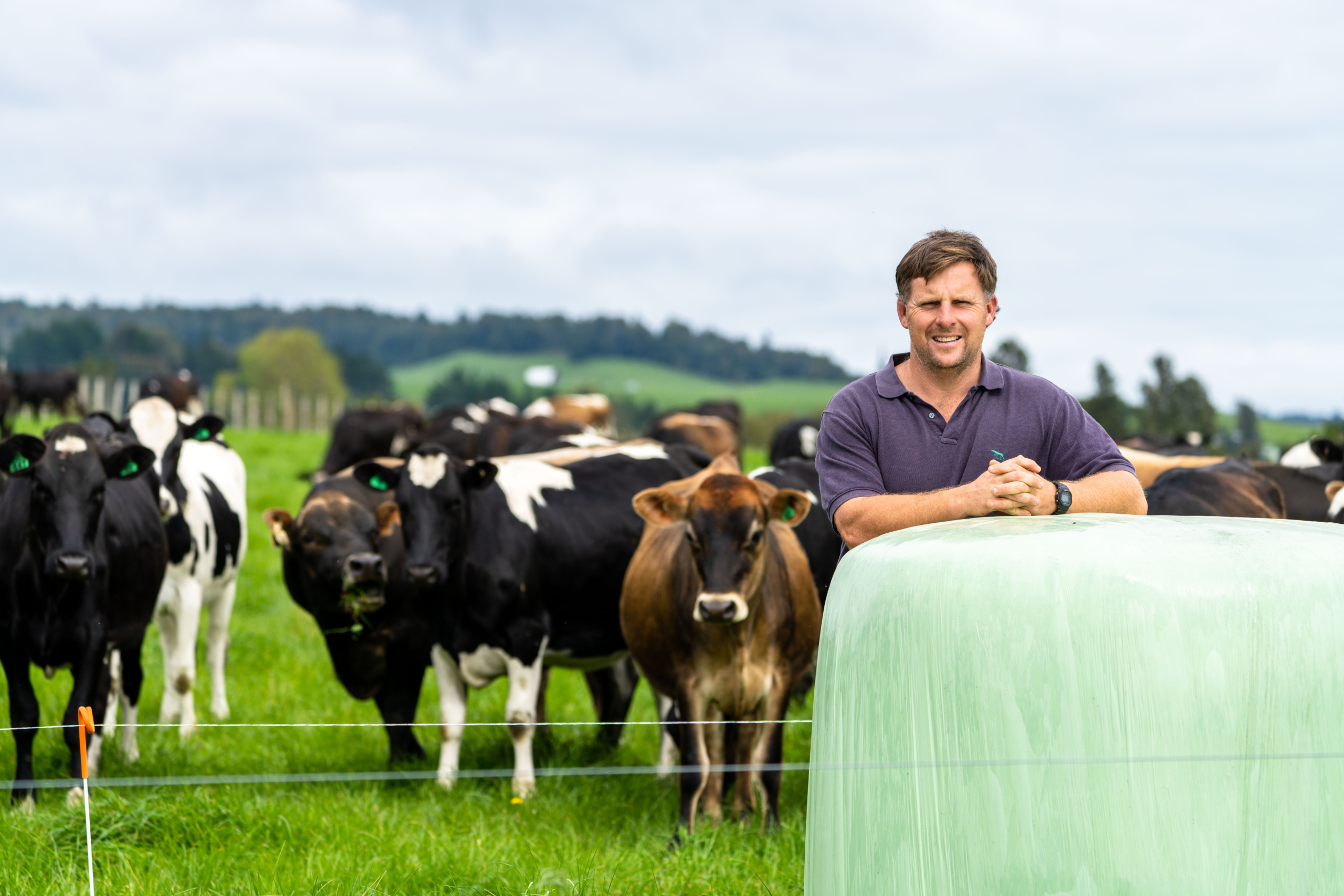
Grazing Partnership a win: win – Phil Weir, 2020 Nuffield Scholar

Phil and Megan Weir have designed a system to increase dairy grazing income by adding value

Article is sourced from NZ Farmlife’s ‘CountryWide’ January 2021 magazine

Written by: Sandra Taylor
Photo by: Emma McCarthy

By adding value to the dairy support package they offer, Waikato farmers Phil and Megan Weir are generating returns on a par with a bull beef system.

For the past three years, the couple has been farming 250 hectares (the cattle platform is 180ha) in Te Pahu on the slopes of Mt Pirongia, in the heart of Waikato dairy country. They run breeding ewes, trading cattle and dairy heifers and have developed a grazing package that generates a premium and delivers a product that benefits the client’s dairy operation by ensuring they have well grown heifers entering the herd.

Phil, who is a  2020 Nuffield Scholar and sits on Beef + Lamb New Zealand’s Farmer Council, says they have been grazing heifers for dairy farmers Craig and Kylee Mora for three years. Their relationship has grown to one based on trust rather than formal contracts and an understanding that the couple will guarantee the heifers hit their pre-mating and calving target weights, irrespective of seasonal fluctuations in growth rates.

Read the full article  here: http://readnow.isentia.com/ReadNow.aspx?EcA1sSy2e6ut


2020 Nuffield Scholars Insights

Stories from the year of living precariously

Presented at the Nuffield 2021 Scholarship Awards Ceremony
3rd November 2020, Wellington

The Nuffield NZ 2020 Scholars have had conversations with food and fibre producing leaders about the impact of COVID-19 on the primary sector.

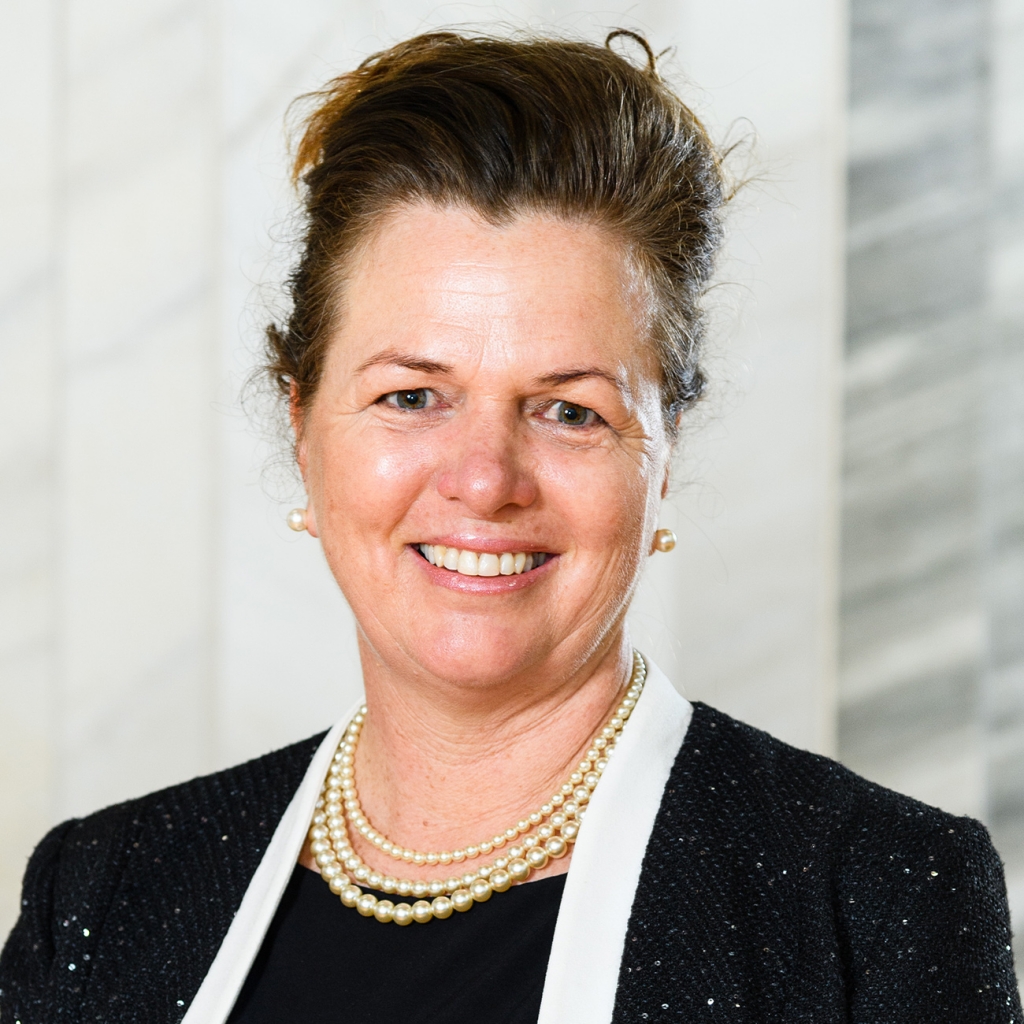
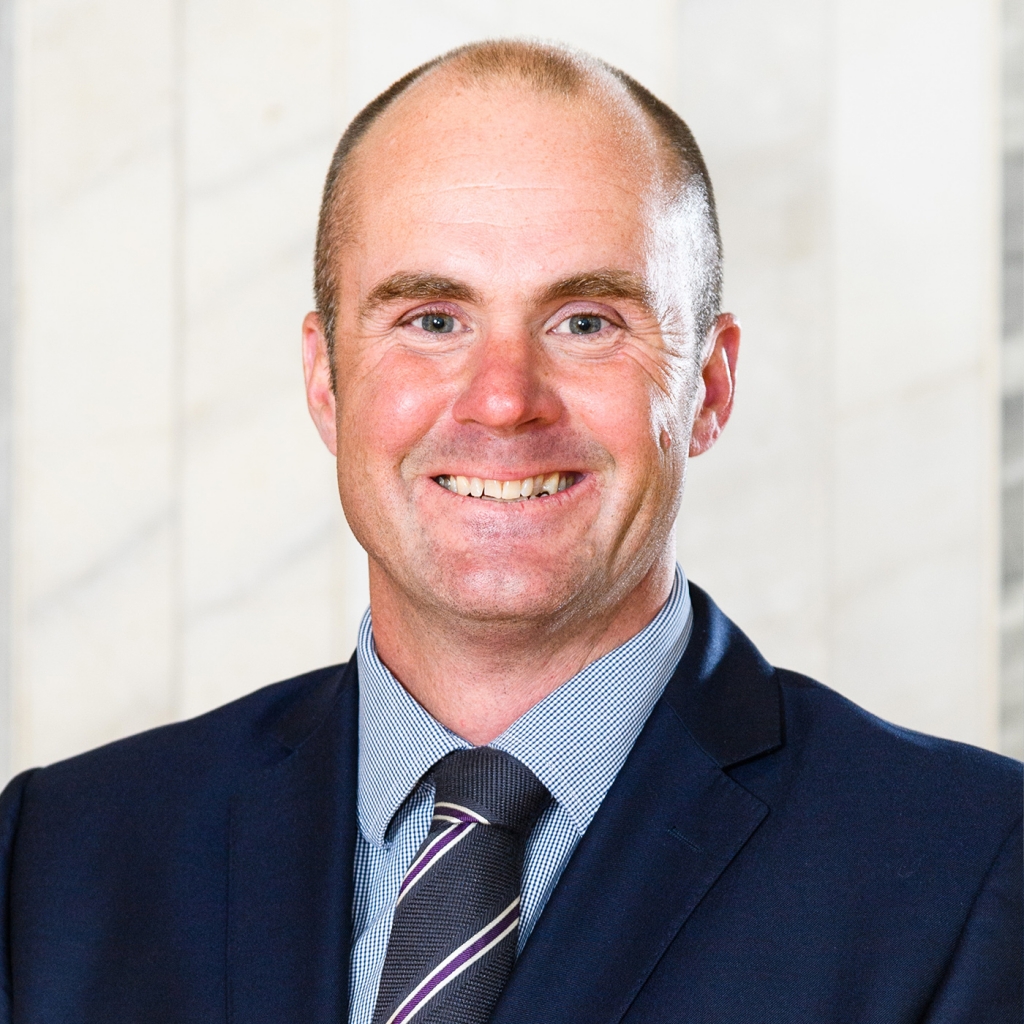
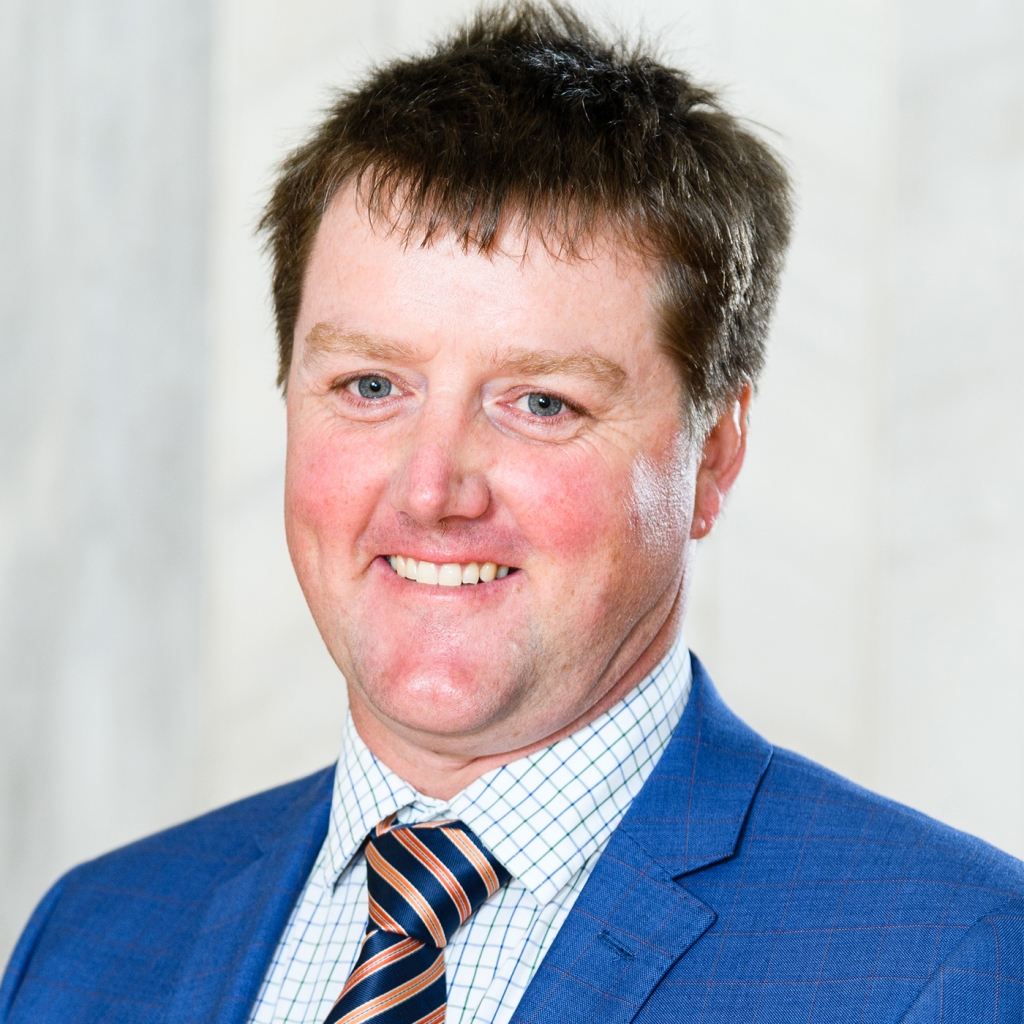
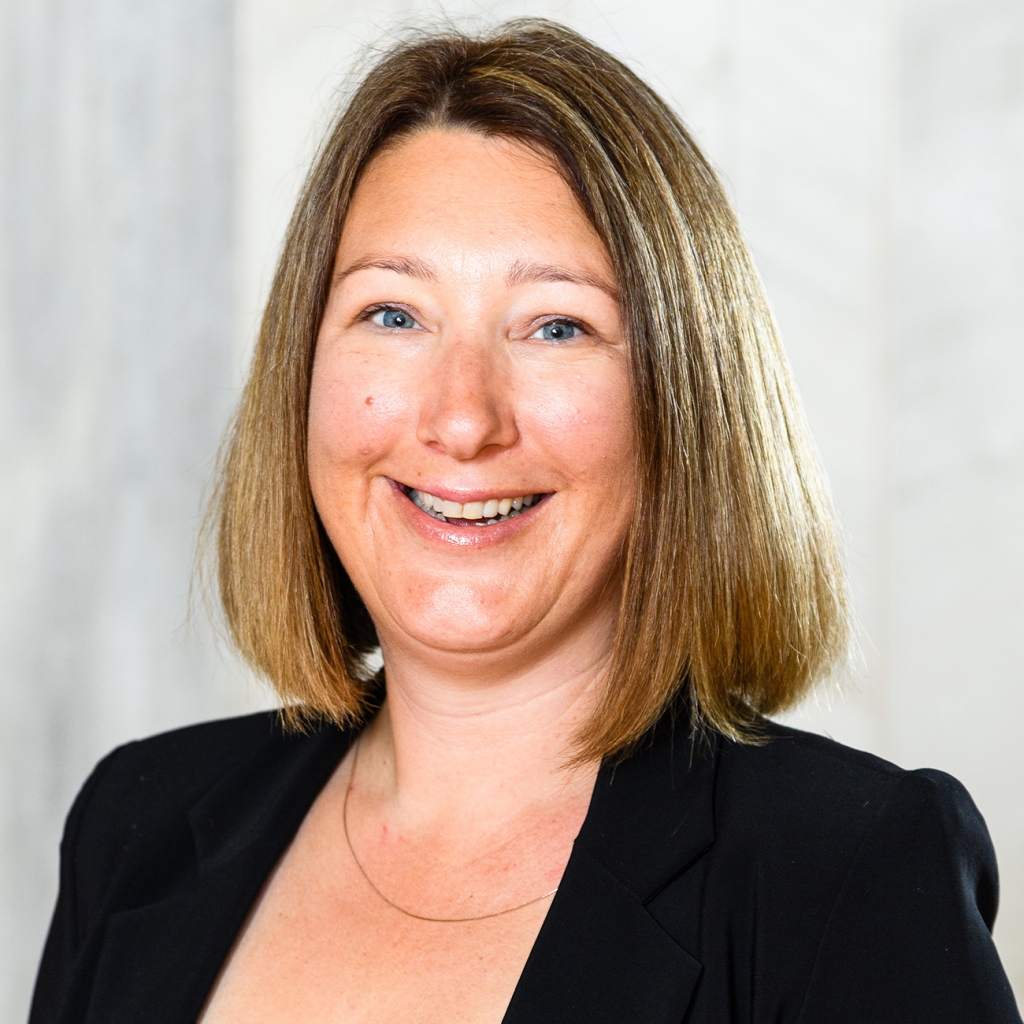
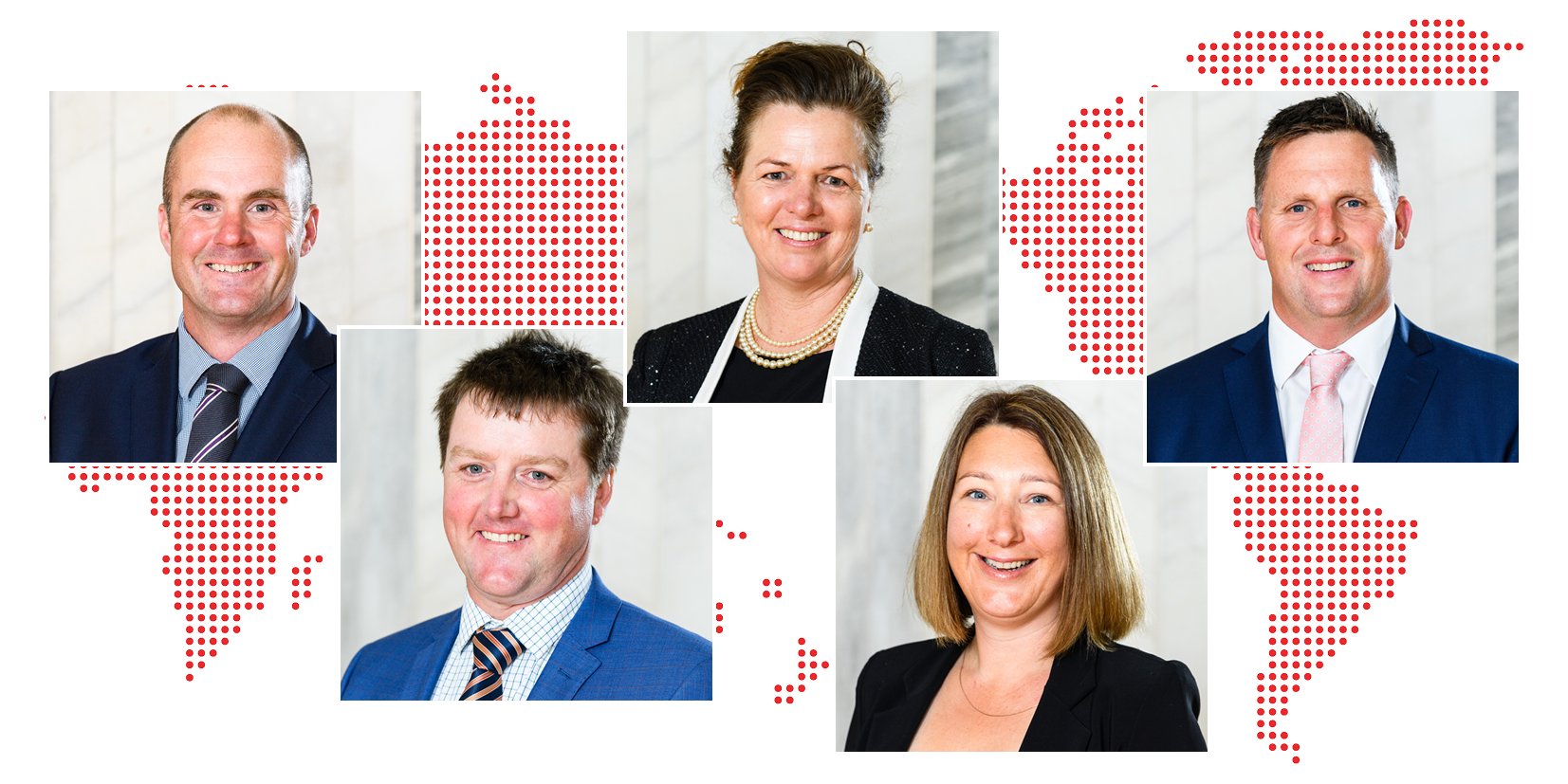
From these conversations our 2020 Scholars (Tracy Brown, Ben McLauchlan, Phil Weir, Edward Pinckney and Shannon Harnett) have worked together to deliver four collective insights around supply chains, innovation, people and strategies.

Watch the 2020 Scholars deliver their insights in the video below.

Tracy Brown

Tracy Brown

“Conversations with food and fibre producing leaders about the impact of COVID 19 has helped us gain insights and become critically reflective thinkers”

Our year of living precariously

For the first time, the New Zealand Nuffield Scholars have worked together to deliver collective insights.

The collaborative learning model focused on ‘Critical Reflective Practice’ providing significant insight and a framework for more focused individual efforts in 2021.

Greater opportunity to connect locally has been valuable and should be incorporated into future program delivery.

Ben McLauchlan

Ben McLauchlan

“Resilience is the capacity of a system, enterprise, or person to maintain its core purpose and integrity in the face of dramatically changed circumstances.”

Insight one: Proven supply chain resilience

The World Trade Organisation forecast that world merchandise trade would be reduced by between 13% and 32% in 2020 (WTO, April 2020).

  • NZ has been able to continue to trade goods, despite local and international challenges.
  • We have outpaced other export focused countries.
  • Our supply chains have been tested and found to be resilient.
  • The demand for our food has ensured prioritisation and flow of key imports.
  • The primary sector has been a vital lifeline in keeping the NZ economy intact and lessening the economic impact.

Phil Weir

Phil Weir

“The threat of going hungry became real for many people for the first time in their lives”

Insight two: Growing disparity between the haves and have nots

We have all been affected by COVID-19. Some of us to greater or lesser extents. It has not just been the spread of the virus that has followed an exponential growth curve.
  • Technological innovation has quickened.
  • Increasing inequality between the haves and have nots.
  • The degree and obviousness of disparity raises significant risks to social license and export markets

Edward Pinckney

Edward Pinckney

“Chaos is exhausting, structure and certainty keeps us sane”

Insight three: Challenges around fit for purpose leadership

Risk related to COVID-19 escalated rapidly. Previously it was not high (or even present) on the risk matrix for many businesses. Some leaders were caught out, “frozen with indecision,” unable to make decisions and move forward. Others excelled!

The following are attributes of great leadership in a crisis:

  • Communication to create certainty
  • Culture of experimentation
  • Creativity and agility
  • Values based

Shannon Harnett

Shannon Harnett

“Lock down gave me time and space to evaluate my ideals around how I live. This was an opportunity I had not had in 30 years.”

Insight four: Adding value by moving from value to values

The rise of the ‘Conscious Consumer’ is a growing trend and COVID 19 has accelerated this.

We need to further understand the drivers behind consumers preparedness to buy and consume sustainably grown, values-based produce.

Horticulture NZ keen to work with new Government

‘In 2019, the New Zealand horticulture industry was worth more than $6.39 billion and has grown by 64% in the past ten years. That is thanks to industry innovation and grower investment in new varieties and growing techniques to stay ahead of international competition and respond to consumer preferences. This growth is also because the industry is a sustainable user of land.’

Horticulture New Zealand – which advocates for New Zealand’s 6000 plus fruit and vegetable growers – is keen to work with the new Government to ensure the industry can continue to grow and support New Zealand’s post-Covid economic and social recovery.

Link: https://www.hortnz.co.nz/news-events-and-media/media-releases/horticulture-new-zealand-keen-to-work-with-new-government/