2026 Nuffield NZ Farming Scholarship. Apply by 17 August 2025. Read More...

Apply for 2026 Nuffield NZ Farming Scholarship by 17 August 2025. More details...

The industry, the farm, and the people: Who will own our dairy farms in the future?

Executive summary

Dairy farming in New Zealand has undergone rapid growth over the last two decades. Land values have increased. This increase in value is making it difficult for progression to ownership for many who are still in the industry. The total number of available sharemilking positions has been steadily decreasing, with an increase in owner operators choosing to employ Contract Milkers to run their farms. To reach the goal of dairy farm ownership, those in the industry are becoming creative around the pathway they choose for progression.

What has not changed during this growth of the industry are the people. Those who reach the goal of dairy farm ownership have key characteristics in common and when these characteristics are examined, they become keys to success.

For this study, rural professionals were interviewed, in a semi-structured format. These rural professionals were from reputable farm advisory firms and rural banks. There were four farm advisors interviewed and four rural banks, each giving their professional opinion on the progression to dairy farm ownership. A thematic analysis was then done on the results. Four dairy farmers were interviewed, using semi-structured interviews. These dairy farmers had progressed to dairy farm ownership in the previous five years, all using different methods of progression.

The results from these interviews were analysed with a thematic methodology. Results from the rural professionals’ and farmers’ analysis were compared and contrasted, to ascertain the common links.

Those who have reached the goal of dairy farm ownership in the last five years have all exhibited:

  • Determination
  • Respectable reputations
  • Sound financial ability
  • Knowledgeable and knowledge seeking
  • Been a part of a strong team

The pathway that they undertook to reach the goal of ownership differed between all the farmers. The pathway chosen was what was best suited their individual circumstance, rather than taking the pathway that the prior generation had travelled.

Recommendations for those who are starting out in the New Zealand dairy industry, with the aspiration to own a dairy farm, are:

  • Stay focussed on your goal of dairy farm ownership.
  • Be good with your money. If you do not know how then learn to be.
  • Maintain a good reputation.
  • Knowledge is power, always take opportunities to learn.

“You can’t solve today’s problems with yesterday’s solutions”


Corporate Social Responsibility in Aotearoa Dairy Farming

Executive summary

Corporate social responsibility (C.S.R.) is maturing rapidly in modern times as a way for companies to reflect the values of its customers, employees and investors. The United Nations (U.N) begun working alongside corporate organizations to encourage C.S.R. integrity in 1999 with the most ambitious development by the U.N being the 17 sustainable development goals agreed upon by 193 member states in 2015.

Much of this maturing of C.S.R has been in response to societal pressure and consumer demand. Perhaps no industry has felt the effects of this pressure more than dairy farming. Dairy is facing rising compliance as expectations of consumers and the public grow. Society is putting more emphasis on the impact of their food purchasing decisions resulting in rapid change for Aotearoa dairy farmers.

Dairy farming in Aotearoa is a unique business in that it is non-competitive at the supplier level. Farmers are not competing with their neighbour or any dairy farm, as they are all collected by a processor. Creating an environment where some low performing businesses have been able to survive that may have not in other more competitive industries, i.e. building firms; this will change. The impact potentially will have a positive effect on the standards within the industry as top-performing farmers who are more adaptable to change in compliance and ethical standards will rise. 

The industry must prepare to exit a large number of farmers gracefully. With current debt levels and the stagnation or loss of land asset values, many farms will not have strong financial resilience for a drop in milk price (something history would suggest inevitable) while still holistically meeting their standards in C.S.R. Additionally; others will not adapt to changes in compliance and ethical responsibilities and exit the industry due to these changes. From this will be an immense opportunity for those farmers with healthy debt to asset ratios and who can operate in the top 20% of profitability.

Carroll’s pyramid, a model for investigating a company’s C.S.R. requirements, was used to analyze the Aotearoa dairy industry’s current position. Dr Carroll, who was awarded a lifetime achievement award from Humboldt University, Berlin, Germany for services to corporate social responsibility has written a large amount of academic literature on C.S.R. Carroll broke the C.S.R. of a business into four pillars using a pyramid model. The four pillars are:

Philanthropic Responsibilities, voluntary or discretionary activities for the benefit of others or their environment. Farmers participate in wide and varied philanthropic activities; these acts are not undertaken for strategic reasons. There is potential to leverage these acts to improve perception and build on social license to operate.

Ethical Responsibilities, standards and expectations that reflect the concern for what consumers, employees and stakeholders regard as fair. Dairy farming has been slow to respond to ethical concerns of stakeholders, which has seen a loss of trust capital within relationships. As a result, in five years, positive perceptions of New Zealand dairy farming have slipped from 78% to 47% (U.M.R. Research, 2017). A social license to operate has become a vital topic in recent years regarding ethical responsibilities. In response to this, milk processors, have implemented several ethical agreements with their suppliers setting standards above and beyond legal compliance standards, to meet public and consumer pressure.

Legal Responsibilities, business is expected to comply with laws and responsibilities set by the Government; economic returns must be achieved within the framework of the law.  Compliance is rising, and the cost of this is high. Top farmers will rise to the challenge, and many low performers will fall out of the industry due to increasing compliance. The increase in specific laws is a result of the loss of trust in stakeholders’ views towards dairy achieving its ethical responsibilities. Ethical trust must be rebuilt with stakeholders to reduce growing legislated compliance. The industry will be held to account of its worst producer, not its best. The bobby calf scandal (Max Towle December 6, 2015) highlights this and shows the media will portray most of the industry by the actions of a minority.

Economic Responsibilities, It is essential that a successful firm be defined as one that is consistently profitable. The average return on asset of 0.5% for 2018-19 season, with a breakeven milk price returning between a $9,000 and $48,000 per 100,000Kg of milk solids, is not a worthy reward for the effort and is unsustainable long term. Capital gain on land can no longer be anticipated, operating profit is all that can be relied on, and this is volatile due to milk price. To be resilient and last long term, farms need to target the profitability performance of the current top 20% and continually improve.

To win in the future of Corporate Social Responsibility, farmers and the industry will need to achieve the following:

  1. Reinvent their business constantly, the end goal may be the same, but the tools and methods are constantly evolving. Embrace change.
  2. Removal of farmers that risk tarnishing the industry, one farmer is a danger to the reputation and acceptance of all. Milk processors and Government must take responsibility of this. This will increase ethical approval by the public.
  3. Invest with the head and not the heart to be sustainable and ensure a more acceptable return on assets and manageable debt to asset ratios. Purchasing a farm must be made as if investing in a commercial building or other investment utilizing similar financial models.
  4. Acquire greater financial skills and drive profitability. Farmers should target to perform at the level of the current top 20% of operating profit. Action by the wider industry, including milk processors, must occur around educating farmers on profitability. If they do not, farmers will struggle to meet ethical and legal expectations of the industry. These all work in harmony.
  5. Understand the “why” behind compliance better, were compliance instigates from and what it enables. Conversely, the industry must explain the reasoning behind compliance clearer and more intentionally to farmers.
  6. Formulate successful plans and models to exit a large number of farms gracefully from the industry. Support in planning and strategic decision-making is lacking at the end of many farmers careers. Banks, milk processors and industry good organizations must take accountability to support in this.

Back to the Future: Harnessing the value of diverse dairy farming enterprises

Executive Summary

For my Kellogg project I wanted to explore how ‘ready’ we are as a sector to capture the potential value of diverse dairy enterprises across different parts of the value chain, everything from farmer or grower to consumer. In Canterbury specifically, we may find ourselves in a position where environmental regulations encourage us to operate with multiple land uses, as individual parcels of land work to reduce their nitrogen leached, water used, and greenhouse gases emitted.

There is also building pressure and urgency around finding pathways to capture opportunities such as: adding more value to non-replacement dairy calves, positioning our New Zealand Food and Fibre products away from commodities and towards products with genuine market differentiation as well as understanding the role plant based proteins will play in New Zealand’s food future. I believe that this provides us with an infinite opportunity to re-imagine not only what we farm or grow, but also how we collaborate across supply chains and how we look to position a unique provenance position in the marketplace.

I chose to interview a combination of start-up and mature businesses across farming, processing and food retail disciplines, aiming to bring together the key themes that will influence our ability to achieve exceptional value from our collective efforts and share it in the most meaningful places across supply chains. I have used a simple reflection technique of: viability, feasibility and desirability to analyse the validity of any recommendations in terms of their ability to provide additional value to a range of stakeholders. My objective is clear – there must be winners and winners, not winners and losers. I have chosen to present my report using a combination of storytelling and academic techniques.

         My key findings were:

  • We are not being honest with ourselves when it comes to the consumer and how rapidly their buying preferences are developing, and letting this guide us. We are not curious, and often apply our own value set to another individual.
  • Losers will be defined by their attitude towards disruption – the pace of change required is faster than ever before and there is an urgency to think differently in order to remain relevant.
  • We are lacking in options for farmers to gain accessibility into horizontal diversification and supply chains. We are applying old thinking to new challenges rather than collaborating across land uses and seeking shared benefit.

    My recommendations are:

  • We need to get excited about the consumer and their changing preferences, not spend energy defending why we perceive those preferences to be invalid.
  • We must embrace disruption and not lampoon those who give it a go.
  • We can provide more ‘turn-key packages’ for farm system diversification to enable farmers to pivot.
  • Modelling of future farm systems and connected value in the market can’t be done as an academic exercise; it must be grounded in commercial reality utilising key stakeholders from the outset.

Employee Engagement: The key to retaining talent and passion on New Zealand’s Dairy Farms.

Executive Summary

Historically Dairy farming was seen as an attractive career path where hard work and dedication was rewarded with the trophy of farm ownership, but that reward is all but out of the grasp of most; this amongst a plethora of other reasons has led to an ever increasing struggle to attract and retain talented individuals on farm.  With 60% of new entrants to the dairy industry leaving within the first twelve months, retention is a very real issue on our dairy farms. Research has shown engaged employees are not only less likely to leave the farm or organisation, but when employees are engaged, the organisation will be both more productive and profitable.

New Zealand is a food producing nation which prides itself on the story we have to tell, often overlooked though is that people are at the heart of that story. Improving employee engagement on farm will help dairy farmers be better employers, and ultimately better equipped to retain employees. The aim of this report is to better understand the concept of employee engagement and how it can be understood, measured, and created. Employee engagement is a concept that is not unique to any specific business type or size, therefore can be applied to any farm situation regardless of the number of employees.

Gallup is an organisation with over thirty years of research on employee engagement. Gallup is used by thousands of organisations globally with the intention of identifying areas where employee engagement is lacking and may be improved. Gallup employee engagement surveys consist of twelve questions which directly relate to twelve basic human needs.  Humans are social and phycological beings who must be understood and known as people not just as employees.

An investigation into employee engagement at FMG, has been carried out. FMG is an organisation with a highly engaged workforce and a very apparent focus on people, ranking in the 76th percentile globally in the Gallup employee engagement survey. FMG uses the service profit chain, a model which puts people at the centre of everything, where happy employees leads to increased productivity and happy clients  and happy clients lead to increased profitability of the organisation.  Themes and learnings can be taken from this case study and practically applied to an on farm environment.

The recommendations of this report are intended to be able to be easily applied in farm to aid in improving the engagement of employees, recommendations are as follows;

  • Provide development opportunities.
  • Give feedback and recognition.
  • Share and discuss purpose.
  • Give flexibility and autonomy where possible.
  • Improving employee engagement takes time.

Farmer change: Dairy farming in Northland

Executive summary

Bob Dylan’s prescience comments from some 60 years ago capture today’s environment exceptionally well with ‘the times they are a-changin’ and you’d better start swimmin’ or you’ll sink like a stone’ (Dylan, 2020).

The dairy sector is a significant contributor to Northlands regional economy and has a vital role to play in the regions social, economic, and environmental prosperity. However, change is coming down the tracks like a freight train and is likely to shape the nature of the industry for years to come, change at a scale and pace arguably not seen for over a generation.

To develop an understanding of the implications of this change – the scale and breadth of it along with the potential opportunities this report looks to develop context, perspective and a deep understanding of the subject by exploring the past, present and future of the industry, understanding what influences farmer change, work through current strategies in place and then consider some of the potential pathways ahead and finally discuss some conclusions and recommendations.

This is approached via a mix of in-depth interviews, selected readings, and critique to develop the context, perspective and deep understanding desired.

It is apparent the region and sector have already experienced significant change and, in many ways, has proven to be stubbornly resilient and adaptative. Nevertheless, there are challenges ahead with the scale and pace of change significant, more far reaching and very different from what’s been experienced before.  Amongst this change there appear to be multiple trigger points that potentially provide the opportunity to move beyond simple adaptation of a specific technology or practice towards a much deeper and enduring change of hearts and minds.

For Northland farmers, the industry and the region opportunities will exist amongst this change and a pertinent challenge for leadership is that it intentionally contributes to help shape and influence the direction of the response. Strategy, programme and project development, research and development extension, demonstration and design are all urgently needed.

The potential opportunity this change offers will not necessarily be easy and will require grit, determination and innovation, but the status quo is no longer be an option.


Farming Into the Unknown: What COVID-19 Has Taught Us About Engaging With Greenhouse Gas Emissions

Executive Summary

Industries do not change when new systems are introduced, they change when people adapt to those new systems.

COVID-19. New Zealand Lockdown. We all lived through not knowing what was coming next. What does this have in common with Greenhouse Gas (GHG) emissions? Uncertainty and imposed change.

While as a nation we were unsure how long Lockdown would go for, farmers do not know what regulations will come into place and in some instances if their businesses will survive. For both COVID-19 and GHG system changes, there is no known endpoint, you cannot see the virus or gases and the science is evolving. Both are technical challenges with critical social components. And finally, both have a large amount of imposed change in a pressured timeframe.

The objective of this report is to build awareness. Awareness of what people are experiencing internally before being able to accept and embody change. Lockdown has given a global lesson in empathy. In my opinion, building a community of support, where people can lean on each other when they are struggling and celebrate with each other when they win, is crucial for achieving decreased GHG emissions.

Achieving reduced GHG emission targets is a New Zealand Inc challenge, not solely an Agricultural sector challenge. This report proposes a Team New Zealand approach to achieving national GHG emission targets.

This report explores the social aspect of a GHG induced system change from two perspectives: a psychological and an imposed change management view. The example of Lockdown is used as is a recent shared lived experience at a national level and as such, one all New Zealander’s can relate to. The report proposes increased awareness at a national level of the change farmers will have to undergo. The metaphor of Lockdown is used as all New Zealanders experienced it and as such, it is an efficient way to build empathy for those facing imposed GHG regulations and the resulting on-farm system change.

During Lockdown, uncertainty was great. The end goal of stopping the spread of COVID-19 was known, but the plan to get there could change at any time. Different numbers were reported from various sources internationally. It was confusing. There are elements of contested science including treatment methods, the effectiveness of masks and the Lockdown approach in general. And what does compliance look like? If a vaccine is successfully developed, will we maintain our autonomy, or will vaccination be mandatory?

Consider the above while thinking about farmers facing impending GHG regulations. The end goal to decrease New Zealand’s GHG emissions is known. New Zealand’s farming practices will have to change. However, the plan to achieve reduced emissions is not confirmed. And when it is, changes to that plan appear inevitable. The numbers are changing as the science evolves and this leads to confusion. There are elements of contested science including measurement and definitions. And what does compliance look like? How much autonomy will farmers retain and how much will compliance cost?

The psychological Stages of Impact experienced due to COVID-19 have been documented and are applied and compared to facing imposed regulations. The stages are information overload, concern, confusion, panic, fear and end with sadness. This conveys what farmers might experience facing impending GHG regulations.

As a nation, we experienced moving through the Imposed Change Curve; a seven-step change model. Initially there was (1) shock and (2) denial. Blame was bandied about as (3) frustration grew. Energy levels and motivation was low as we navigated the (4) depression stage. The stage where uncertainty about the future is felt the most. But as we started to (5) experiment with the new systems and developed our capability within the new rules, our confidence grew. It is (6) decided to slowly accept change until it becomes fully (7) integrated. People may not agree or like the change, but it is accepted as the way things are.

During Lockdown, there were certain events that helped with the uncertainty: The 1pm updates by the Prime Minister and senior officials with confirmed case numbers and next steps. The fact that we were all working together as a nation to reduce the spread and save lives. Friends and family who provided support through Zoom and messages. The common theme – conversation and community.

To achieve GHG emission targets, this report proposes:

  1. A cohesive Team New Zealand who all understand their role in reducing emission numbers: A New Zealand Inc. approach is taken. Team New Zealand rises to the challenge, not just New Zealand farmers. Achieving GHG targets also secures trade relationships and the trust of the international consumer. In turn, the Primary Industries contribute to New Zealand’s economy and thus the prosperity of the nation. Road transport accounts for a large proportion of emissions alongside agriculture – we all need to work together to make a difference
  2. A trusted face of GHG mitigation with national recognition: A national GHG representative who the general public recognises and trusts. Like Dr Ashley Bloomfield during COVID-19. This person would communicate quality information, strategies and tactical plans. This role is important for gaining momentum at a national level
  3. Practices and support to build and grow resilience: Resilience is crucial for enduring times of uncertainty. Creating awareness of what the stages of imposed change feel like and providing tools to better support farmers through those stages. The sector has a mental health issue that needs support. Furthermore, adaptation at the rate that is required requires resiliency

We have a rich history in being innovative and resourceful to solve difficult problems. We have shown the world what is possible when Team New Zealand pulls together. Pulling together to achieve GHG emission targets is the right thing for us to do.

Can the dairy industry’s tarnished cousin reinvent itself to help with our ticking time bomb

Executive summary

The New Zealand dairy industry has a growing risk with social licence to operate due to increased pressure from both customers and the public on the practice of slaughtering between 1.8 – 2.5 million surplus calves at an early age, either as a bobby calf or euthanised on farm.

Internationally there is a significant veal market, with much of the production for this coming from surplus dairy calves. However, despite having the highest global numbers for bobby calves, New Zealand does not yet have a veal industry here to further utilise some of these.

The purpose of this report was to provide some context and further understand the issue with bobby calves and the risk to social licence to operate, and then understand what the opportunities, benefits, challenges, and implications might be at the various points of the value chain with establishing a veal industry in New Zealand as a partial solution to reducing the number of calves slaughtered early.

There were two components to this research. A review of existing literature including research, industry reports, articles and opinion pieces was used in order to evaluate the current international veal systems that exist and how these compare to the opportunity to establish a veal system in New Zealand, where the challenges may be, and what may need to be adapted to suit our country. In addition, semi-structured interviews were conducted with various value chain participants and industry voices including; dairy farmers, calf rearers, finishers, farm consultants, meat processors, dairy processors, research institutes and universities, retail and some international voices. The interviews were used to understand their views on current practices and the associated risks, and then the potential for a veal industry here in New Zealand, how it might fit our systems and what the opportunities and challenges would be.

A veal industry in New Zealand has the potential as a partial solution to help reduce the number of surplus dairy calves slaughtered at a young age. There are a range of benefits and opportunities including a reduction in bobby calves, reduced risk to social licence, improved on-farm mental welfare, improved sustainability outcomes, environmental benefits, and additional revenue for the country through exports of another red meat.

However this a complex topic and includes a number of challenges and barriers that need to be addressed in order to establish a veal industry here including developing the integrated farm systems that suit our country and result in a product that is fit for the desired veal markets, finding sufficient land to incorporate these systems, market development and consumer education, processing capability and capacity, and reduced volatility in pricing to ensure sustainability of supply chain partners.

Further, the whole transition to fewer bobby calves needs to be carefully managed to ensure the current risk to the industry is not further heightened until solutions of scale are available.

The key to any success at scale will be good collaboration between industry sectors and partners. There are a number steps that need to occur for a veal industry to be established here including significant research, modelling and development of farm systems and markets, as well as some trials to develop the supply chain systems. It appears there is movement starting to happen at both industry and commercial levels and it is likely we can expect to see some change in the near future. While there are significant challenges to overcome, I think we may see innovation within the industry and a veal supply chain in New Zealand in the future.


Hawkes Bay – People, Place, Prosperity: The social impact of land use change in Hawkes Bay

Executive Summary

2020 – a year most of us will never forget – a year of reflection of what truly matters. Our narrative for so long in New Zealand has been about protecting the environment and our beautiful natural assets. But with the onset of COVID-19 we saw the narrative shift and our primary focus became people – people’s health, well-being, and livelihoods. We became a ‘team of 5 million’ and previous perceptions of urban and rural divides became non-existent as growers, farmers, and producers were the ‘essential services’ that got us through.

The below Māori proverb perfectly encapsulates this people-centric view that resonates with me so strongly:

“HE AHA TE MEA NUI RAWA?
HE TĀNGATA, HE TĀNGATA, HE TĀNGATA.
WHAT IS THE GREATEST THING?
IT IS PEOPLE, PEOPLE, PEOPLE.”

The following research question was subsequently developed: what is the social impact of changing land use in the Hawke’s Bay region?

The objective of the research is to provide another layer of insight and use this as a platform for further collaboration and conversation – understanding the social impacts (real and perceived) of contrasting primary sector investment in rural Hawke’s Bay – comparing sheep and beef, horticulture, dairy and forestry.

Hawke’s Bay is a place of diverse geographies, climate, people, and culture. Qualitative research was undertaken to bring the voice of the people to this report. A wide cross-section of pan sector viewpoints were interviewed inclusive of iwi, corporate, regional/local government, industry bodies and farmers.

Three key themes emerged from the interviews and thematic anlaysis regarding the social impact of changing land use:

  1. Employment and trainng opporutnities
  2. Values and perceptions of changing land use
  3. Māori communities and post settlement land use

It is projected that from 2020 to 2050 Hawke’s Bay will have a 66.8 percent increase in forestry and 35.8 percent increase in horticulture. These are significant shifts and there is a responsibility on farmers, investors, industry leaders and government bodies to collaborate to ensure positive social outcomes.

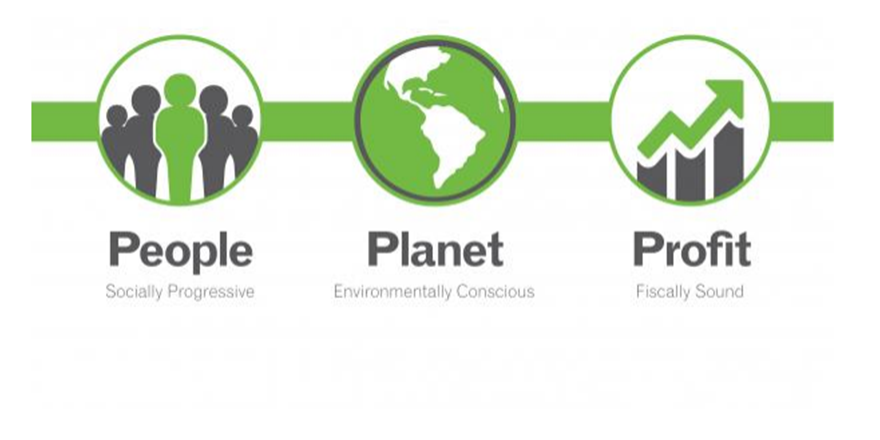
The following report provides diverse insights coupled with recommendations to enable positive social outcomes in the region. The future is exciting and there is no one single answer. However, we must think holistically to deliver a positive triple bottom line – social, environmental and economic outcomes to sustain for generations to come.

The Protein Debate – understanding the movement to plant-based eating

Executive Summary

The rise of Veganism, and uptake of plant sourced protein in diets is seemingly under the spotlight. The valuable attributes and characteristics of protein has been recognised and sources are up for debate. Traditionally in the western world, the consumption of animal sourced protein such as meat, dairy eggs, fish have sustained and fuelled generations. However, the popularity and rise in diets centred around plant or alternative protein has become circulated. It is hard to quantify the gravity of this message and subsequent impact on animal protein production however it is not to be ignored.

The purpose of this research was to explore the rise in veganism and the factors which influence a shift in perception and behaviour when it comes to consuming protein sources.

Through a study of literature, the role of protein in our diets has been explored as well as production and consumption trends in New Zealand and globally. The relationship with protein sources and the human behavioural aspect towards varying food messages was woven into the discussion. Unstructured interviews were conducted amongst animal and plant protein producers as well as industry partners and consumers. A personal 21-day vegan trial was also conducted with observations of thought, emotions and social attitudes recorded.

The key findings centred around three influencing factors which underpin why people change their diet from animal protein sources to plant or alternative. These are: Animal Ethics, Health and the environment. Each factor is explored with emotional response knitted into the discussion. The disparity in gender was also touched on as well as the influence of information channels.

Compassion for and concern regarding the farming and rearing of animals has been a factor behind the movement towards vegetarianism for years. The application of anthropomorphism which is the attribution of human traits, emotions or intentions towards animals induces feelings of guilt around animal product consumption. Guilt is self-conscious whereas compassion is felt as an expression towards another being. The combination can lead to people eliminating animal protein sources from their diet to avoid and disassociate from these feelings. Women tend to alter their diet based on compassionate grounds more so than men. With consideration of emotions stemming from animal protein consumption, it is necessary for humanity towards animals throughout the supply chain to be shared.

Another factor is an invisible belief system supporting choice to consume animals. The rise of plant-based diets is challenging ideology which explains defensive attitudes towards plant-based eaters. The vegan trial conducted supports theories that socially, people find it confronting when others choose to deviate from consuming animal protein.

Climate change is denoted as the defining issue of our time. Science and media imply animal agriculture has a negative effect on environment and is not sustainable. Overwhelming insignificance in the face of this problem leads to utilising food as a mechanism of control alleviating guilt and stress associated with degradation of natural environments. Disconnection with farming and food production allows room for people to transposition global environmental issues arising from animal protein production to New Zealand pastoral farming.
Health is where people are receiving mixed messages and where the channel of information becomes so important. The medical community have linked red meat to non-communicable diseases. The accuracy of findings in this space are questionable due to lifestyle factors and meat quality, however the message is enough to tarnish red meat protein sources. In contrast, plant and alternative protein are perceived as natural and healthy which is misleading based on various additives and intensive manufacturing processes.

Recommendations have arisen in the form of further questions and consideration for the animal protein industry, its producers and marketers.

Focus on the Three Pillars

A focus on eliminating concerns or stress points regarding food production such as impact to environment and animals will lead to positive eating experiences. Industry, marketers and food producers need to acknowledge, understand and address the factors behind a shift to plant based diets. An option could be to partner with plant-based producers or have plant-based product offerings to extend branding and increase consumer choice. All food producers and marketers need to ask the question: How does what and how we are eat make us feel? The psychological affect and relationship people have with food has a huge bearing on health and wellbeing.

Extend Dietary Guidelines

Existing diet guidelines are centred around physical health however an extension to address stress associated with diet labels/terminology and restrictive eating would be beneficial to consumers. Eliminating mixed messages from the health sector and food producers would reduce confusion. Through identifying and targeting stress factors, industry can enhance a positive relationship with food, which is imperative to health.

It is important to acknowledge that this research only brushes the surface of several facets relating to factors driving dietary change away from animal protein consumption. People are guided by their emotions and there is a gender differentiation response to food messaging

Where is the Profitability in the Manuka Honey Production in Northland?

Executive Summary

The Manuka honey industry in New Zealand underwent a massive change in December 2017 with the new definition for Manuka honey released by the Ministry for Primary Industries (MPI). The new definition of Manuka honey was released in response to the growing concerns of fraudulent honey being sold as Manuka honey and damaging the brand’s integrity. The change in definition caused many Northland beekeepers to have their business become unprofitable due to old fashioned beekeeping practices, which caused the Manuka honey produced to fail when tested.

The change to the Manuka honey definition and the significant challenges Northland beekeepers face in terms of unfavourable spring weather, early Manuka flowering times, swarming, and access to early honey flows has caused many small beekeepers to close their business since 2017.

There is a general belief that beekeeping in Northland is too risky and that there is no profitability remaining in the Manuka honey in the region. This project sets out to determine if the Northland Manuka honey industry is profitable and, if so, how to unlock it. A comparison is made between Northland and Waikato to highlight the risks of beekeeping in Northland and determine the key focus areas that can reduce these risks and deliver profitability.

Using the data provided in MPI’s Apiculture Monitoring Reports from June 2008 to June 2018, it is clear that a ~12% net profit before tax was achieved during these ten years in Northland. At ~12%, this profitability is exposed to significant downward pressure due to overstocking of beehives in the region and unsettled weather.

The findings from this study suggest that Northland beekeepers can improve this profitability to greater than 20% consistently over the long term by doing the following:

  • Reducing beehive stocking rate in the region to one beehive per one and a half hectares of Manuka resource.
  • Stop boundary stacking beehives to reduce poaching of Manuka nectar from neighbouring properties and so reduce the overall land royalty payment per beekeeper.
  • Securing good wintering apiary sites to protect beehives from Karaka and Kowhai poisoning will ensure the healthiest bee colonies are placed into Manuka honey production.
  • As Northland beekeepers experience an increase in operational cost related to the extended honey season, caused by warmer weather conditions year-round, producing the highest $/Kg Manuka honey is critical.
  • An average of 18 kg of honey per beehive is the NEW expected yield per beehive in Northland, and of this 18 kg, only 9 kg would pass as mono-floral Manuka honey. Therefore, the beekeeper must ensure this Manuka honey has a minimum dollar value of $50/kg to ensure profitability year on year.
  • The Northland beekeeper requires a mobile beekeeping operation that allows for beehives to be moved to Central North Island to make a second Manuka honey crop to increase profitability to over 30% in an average honey season.

There is profitability in Northland beekeeping; however, it requires the beekeeper to change from the old methods of beekeeping and ensuring all mono-floral Manuka honey is isolated to capture all the dollar value available. In doing so, the profitability of greater than 20% is achievable for a Northland commercial beekeeping business.