2026 Nuffield NZ Farming Scholarship. Apply by 17 August 2025. Read More...

Apply for 2026 Nuffield NZ Farming Scholarship by 17 August 2025. More details...

Leadership during a crisis.

Henry McIntosh_report image

Executive summary

The Covid-19 pandemic hit New Zealand during 2020 and the horticulture sector was immediately faced with an extremely challenging situation. The sector was operating under very strict rules and experienced significant effects to the wider supply chain. But overall, the sector performed very well during 2020.

The aim of this report is to understand how the New Zealand horticulture sector successfully navigated the unknown during the initial phase of the pandemic, specifically focussing on leadership.

The question I wanted to answer was ‘what are the most effective leadership strategies during a crisis?’.

I completed a literature review to analyse some of the previous work done on crisis leadership and interviewed six senior leaders from New Zealand’s horticulture sector. These people were actively involved in directing the industry and leading their stakeholders through the early phase of the pandemic.

The clear answer to my question regarding the most effective crisis leadership strategy was to implement a people-first approach. Removing the controllable worries that people have about the situation. Keeping people busy to maintain a sense of purpose and continuing a level of social interaction are all key parts of a people-first strategy. 

With this approach, people are motivated to continue as normal and will often create better results. A lot of the interviewees reported better team engagement, efficiencies, and overall business performance during this period.

It is clear, that without this people-first approach, New Zealand’s horticulture sector would not have managed this period as successfully as it did.

Communication was also a significant part of the successful leadership strategy. There was no fear about potentially over-communicating. Getting the correct and most up to date information out to all stakeholders quickly was a focus. Many communication systems have been completely refreshed as a result.

The pandemic situation was developing so quickly, that often learnings from previous weeks or from other businesses were very useful to handle new challenges. Being conscious of the learning opportunity was challenging for businesses, but once embraced, systems and processes improved significantly.

Recommendations:

  • Cultivate a company culture that puts people first and ensure that staff can recognise this prioritisation.
  • Invest in professional development and networking opportunities to continually upskill staff and create opportunities for pan-industry connections.
  • Review and re-create the existing communication plans to ensure the best tools and strategies are being used.

Retaining Rangatahi in the Red Meat Sector.

Executive summary

The red meat sector is rooted deeply in New Zealand’s culture and epitomises a true testament of resilience. Navigating annual environmental disasters, political tension, disruptive technologies, economic crises, disease outbreaks, changing land use and consumer demands – this durable industry has adapted with rigour over the past century. Generation Z (born 1995-2010) is an ambitious, empathetic, knowledge-hungry generation flooding the workplace with their creativity, curiosity and tech-savvy skills.

The aim of this report is to understand what motivates Generation Z in the workplace, identify their workplace expectations within an on-farm, processing/supply chain context and discover how to bridge the gap between their expectations, and the reality of a workplace within the red meat sector.

The methodology includes a literature review on Generation Z, retention strategies, followed by semi structured interviews with twelve Gen Z employees and eleven industry leaders working in the red meat sector, to gain insights on their experiences and expectations.

Key findings:

Lifestyle, opportunities for learning, career progression, variety and open/transparent businesses are key drivers for Gen Z wanting to pursue a career in the red meat sector. Low pay, long hours, poor culture/management, and lack of career progression are the top reasons causing young people to leave jobs in the red meat sector. All Gen Z participants who had a goal of farm ownership planned to leave the red meat sector, change careers, or find other creative ways of building capital to achieve farm ownership.

Within a processing context, Gen Z want opportunities to work on their own project throughout the duration of their rotation around different departments. Employers’ experience with Gen Z in the workplace found this generation requires a high level of feedback, they want to be involved in the business and progress quickly. Poor leadership, cost and lack of support were perceived as the greatest barriers for retaining young talent by employers.

Recommendations:

  • Close the gap between employer and employee expectations: employers in the red meat industry need to be clear about what opportunities employees will have to learn, roles they can progress towards within their business and realistic about timeframes.
  • Foster open and transparent businesses; Gen Z wants to know how their work contributes to the bigger picture.
  • Invest in coaching and leadership development for red meat sector employers.
  • Provide more resources and education for young people to learn about pathways into farm ownership. Pathways into farm ownership are not linear.
  • Cultivate more structure for Gen Z employees in processors/rural support services. Rotating new employees around departments is valued by Gen Z however, giving them a tangible project to work on in the background will provide them with a greater sense of purpose that is needed to hook them in their first few months of employment.
  • Implement an accreditation system for employers that have good workplaces to incentivise them to improve living conditions for on farm employees.

Milk Without a Moo.

Executive summary

The NZ primary industry is no stranger to disruption and has adapted over the years to deal with changing market, environmental and economic conditions. There is a new threat on the horizon: alternative protein, sometimes called lab grown, cultured or synthetic food.

Alternative protein is not a new term and has not impacted the NZ primary industry in any major way so far. It would be easy to dismiss as a phenomenon that will happen elsewhere, that it won’t affect the pasture raised, free range, high quality products from New Zealand. Having researched this topic for a year, I do not believe this is the case – here’s why:

Dairy is the low hanging fruit for alternatives. Risk to the NZ primary industry from alternative protein is often considered in relation to the meat industry. Meat is a complex product, with many structural, textural, inconsistent aspects – different animals, cuts, types of protein etc. In contrast, milk is a homogenous product – it’s always a liquid consisting of 87% water and 13% solids. The complexity of meat will be very complicated to replicate successfully using alternative technologies, but this is not the case for milk. Dairy, and particularly dairy ingredients, are seen as the ‘low hanging fruit’ for disruption.

New Zealand dairy exports are mostly used as ingredients in other foods. New Zealand is the largest dairy exporter in the world, growing from $2 billion of exports to $20 billion in just thirty years. A large proportion of NZ dairy products are used as ingredients in processed food. In 2021, Fonterra made 74% of the milk they processed into ingredients. New Zealand provides 60% of the world’s whole milk powder exports, with a large proportion of this going to China to supplement their domestic milk production.

The retail market for milk powder pales in comparison to the demand for drinking yoghurt, shelf stable milk and flavoured milk drinks which are most likely what Chinese food manufacturers produce with NZ milk powder.

When dairy products become ingredients in processed food items, they are treated as commodities, comparable with the same product specification (i.e. milk powder) made all over the world and competing only on price. They lose their origin story which is what New Zealand prides itself on. Consumers don’t value the fact that the milk powder in their processed food such as a chocolate bar is made with NZ milk powder, so any competitive story associated with NZ production methods is lost.

Some of NZ’s highest earning exports are first in line for replacement. Plant-based liquid dairy alternatives such as oat and soy milk are not a threat – New Zealand only exports a small amount of liquid milk. Alternatives are aiming to disrupt the business to business ingredients industry, the very same market that NZ dairy currently thrives in.

Ingredients with the functional properties of animal ingredients are being reverse engineered from plants. Individual proteins (whey and casein) are the initial targets for precision fermentation technology. Perfect Day is producing whey commercially, and others are set to launch in the next two years. Protein exports account for 10% of New Zealand’s dairy export revenue – $2 billion in 2020. These are likely to be the first group of products which experience major disruption from alternatives. Cellular agriculture companies are developing technology to produce human breast milk for babies, could this replace infant formula made from cows?

There will be a tipping point. It’s a long, intensive process to produce a tonne of milk powder. You need to grow a cow, complete with head, bones, hooves, tail etc. You can’t milk her for the first two years until she’s had a calf. Once she’s in the milking herd, she needs enough food and water to stay alive, walk to the milking shed twice a day and produce milk. If there’s enough grass in the paddock this will form the majority of her diet, it’ll normally be topped up with supplementary feed such as hay or palm kernel expeller (PKE). The milk will be collected, driven to another location where the water (87% of milk) will be removed via spray drying, leaving just the 13% solids available to sell.

In contrast, precision fermentation technology bypasses the wasteful process above, using a tank of microbes consuming sugar to produce exactly the same molecules as milk – if they were assessed under a microscope, it would be impossible to tell whether they were from a cow or a fermentation tank. This technology has existed commercially for well over 40 years, producing components which used to be harvested from animals (insulin, rennet). It is now being leveraged at a far greater scale to produce components of milk, starting with protein.

Precision fermentation produced protein is predicted to reach price parity with traditional dairy within the next eight to ten years. The industry is not there yet though: the cost to produce insulin by precision fermentation is around $110,000/kg compared with a milk price of $9.90/kg, and precision fermentation start-up companies are signalling a bottleneck when it comes to manufacturing facilities to produce product at scale.

Large multinational companies are becoming involved to assist with scaling up – fermentation experts ADM and AB InBev are working on large scale fermentation capacity for food grade precision fermentation rather than pharmaceutical which will start to bring the cost down.
The cost and waste involved in milking cows is far greater than simply fermenting a sugar feedstock. Once price parity is reached, food manufacturers who currently value NZ dairy ingredients for their high quality, consistent, cost effective attributes will have another option. In applications where dairy is anonymously used as a functional ingredient, it’s highly likely these will move to the cheaper option which will have the additional benefit of helping meet sustainability goals and appealing to a wider variety of consumers (vegetarians and vegans). This will be the tipping point, where alternatives can displace traditional dairy.

New Zealand dairy needs to act now. This report identifies three key recommendations for the industry:

  1. Acknowledge the risk and react – Alternative dairy, especially precision fermentation, represents a significant risk to the New Zealand dairy industry due to the reliance on commodity ingredient products which will be easiest to replicate. The sooner this can be accepted and acted upon the better. Advanced economies that NZ tends to compare itself with are moving rapidly – investing in research via partnerships between government, research institutions and industry. New Zealand risks being left behind.

  2. Get involved – There’s an opportunity to play a part in this emerging industry – New Zealand has significant expertise in key areas required for alternatives to scale up. Leveraging this will ensure NZ dairy will continue to be profitable in the long term and provide capital to invest in the infrastructure required to make milk into money in different ways.

  3. Make milk into money differently – commodity ingredient products made without cows will become available at the same or better quality for the same or lower price within the next ten years. The NZ dairy industry is heavily reliant on spray drying of milk into powder; this will be one of the first products to experience disruption from alternatives. It’s imperative that dairy companies identify the elements of their product portfolio which are at risk of disruption and pivot milk towards future-proofed products.

Why do Sales Teams Succeed or Fail?

Doug Maginness Kellogg report image

Executive summary

Everybody wants to have the best sales team but not everybody can make it happen. In this current era of pandemics and economic uncertainty, organizations are focused on talent performance and optimization across all teams.

Sales leaders need to understand the new realities of their dynamic selling environment and adopt new tools and management styles that empower their teams to foster an agile-driven culture. The most successful companies think regularly about how to improve teamwork in the workplace because they know they’ll see a return on their investment. They actively work to create the kinds of conditions that promote collaboration.

My aim for this project was to break down the barriers and help create an understanding of ‘‘Why do sales teams succeed or fail?’’ and how organizations can unearth problems and enable their teams to discover the solutions to high performance. My focus was identifying the underlying causes and pitfalls of team dysfunction, investigating, and evaluating the critical components that contribute to high performance. Then offer a strategy to allow the organization to improve the standard of their sales teams.

This research project used a combination of a literature review and thematic analysis as a tool to examine key themes, implications, issues and identify areas of key importance.

What has echoed through the literature review is that there are four fundamental elements as to why teams either succeed or become dysfunctional and fail.

  • Leadership – What style of leader you are and the environment and culture you create from the characteristics of your behavior when leading teams.
  • How culture always determines success regardless of how effective your strategy may be and the importance of taking the time needed to build a strong foundation at the inception of any sales team.
  • Team dynamics, the makeup of skills, knowledge, diversity, and whether the team is unified or harmonized.
  • And finally, the ongoing coaching and mentoring required to keep the team functioning at a high level.

The following are the main recommendations that have come out of my findings that offer a strategy to help improve the standard of team performance of any organization.

  • The need for ongoing leadership training and continuous mentoring. Great leaders attract, hire, and inspire great people. The benefits are far-reaching for all employees.
  • Have a clear organizational purpose. An organization’s values lay the foundation for what the company cares about most and should create a unified why.
  • Build an effective onboarding process and hire wisely.
  • Involve leaders from all levels in corporate communications and decisions.Multi-way communication is the goal.
  • Constantly strive for improvement – A relentless desire to improve and get better is one of the hallmarks of a highly successful sales team.
  • Get out of their way and stop micromanaging. Every employee or team member works best when they are given an environment where they are allowed to do things ‘their way’.

Leadership was seen as the most critical component to team success. Effective leaders provide clarity of purpose, motivate, create a safe environment, and guide the organization to realize its mission. Leadership throws a big shadow and is an ongoing journey of training and discovery which is never finished. Every organization should do its best to enable effective leadership.

The Rise of Agri E-commerce.

Shaun Green Kellogg report image

Executive summary

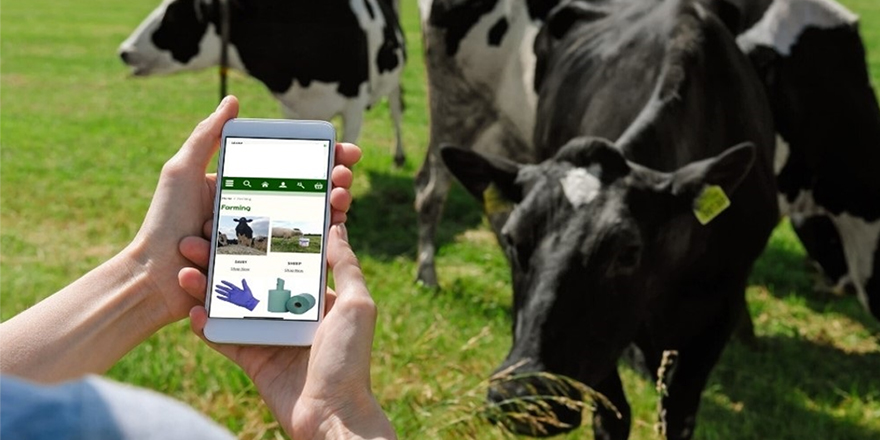
E-commerce is a fast-developing sales channel, on which the agricultural sector was a long way behind. This project looks at the growth/opportunities for e-commerce operations for agricultural supplies businesses. The willingness of farmers to use online stores to make farm input purchases is now very high (83.5% in favour of using e-commerce), and now many Agri supplies businesses are ready to offer this to their customers.

Literature was examined to understand key aspects of e-commerce, and key businesses were identified and interviewed to gain insight on e-commerce in agriculture. From the interviews, themes were identified and analysed to answer the study questions. In addition, a farmer survey was run to get the farmers’ thoughts on the use of e-commerce.

The key learnings of this project were:

  • There are still some real issues with rural internet connectivity. Although rural internet access is high, the quality of the internet is very poor (speed) making it difficult for some farmers to operate with Ecommerce.
  • Agriculture supplies businesses were able to respond quickly with e-commerce options during lockdowns, which helped them maintain turnover.
  • The pandemic accelerated ecommerce activity within the agricultural sector.
  • The presence of an online store helps existing “bricks and mortar” businesses to better serve its customers (omnichannel).
  • Some positive environmental outcomes resulted from increased e-commerce retail (reduced greenhouse gas emissions and less physical retail space required)
  • The willingness of farmers to use e-commerce options when purchasing farm inputs has increased. COVID 19 was a major driver of this, as well as some of the benefits (convenience, time saving) that it can provide.

The recommendations from this project are that –

Agricultural Supply Businesses:

  • Prioritise physical and online store (omnichannel) offering. Ensure farmers receive connected human and digital interactions.
  • Measure and monitor customer experience metrics to ensure their online sale platforms are performing and fit for use.
  • Follow Agri e-commerce developments overseas to apply potential opportunities for New Zealand.
  • Attract farmers with development of clever marketing and advertising ideas, especially to grow and maintain customers.

Farmers

  • Explore e-commerce options, as online stores offer a much better service than they did a year ago, let alone five years ago.

The decline of rural community services.

Caroline Batlet Kellogg Report

Executive summary

Rural communities have experienced much ‘hollowing out’ since the 1930s despite supporting the primary sector – a vibrant and integral part of New Zealand’s economy. Many rural centres have lost their hospitals, police stations, banks, government departments, schools, sporting clubs and churches. This report explores whether healthcare, employment, crime and education outcomes have worsened for rural residents compared to their urban counterparts due to these changes, and recommends enhancements to public policy to address this.

The report firstly outlines what being ‘rural’ entails in a New Zealand context. It then describes how urbanisation has increased globally, with only 13% of residents in New Zealand now residing rurally.

A brief history explains events that encouraged urbanisation. An evaluation follows to understand what impact has been felt within rural areas, and how organisations are currently operating to support rural communities.

A case study of two ‘rural’ towns and one forestry area is provided to assess how 2018 Census data of rural areas tracked comparatively to national averages. This research is essential to determine if additional Government or Non-Government Organisation support is required to ensure our rural communities thrive.

Key recommendations

The author believes the following recommendations can be made to Central Government regarding priorities for rural communities:

Healthcare:

  • Targeted incentives for rural health professionals to attract and retain health professionals in rural areas.
  • Establish a School of Rural Health to support rural healthcare in New Zealand.
  • Expansion of services offered by rural mobile health service providers to improve rural health outcomes for Māori and non-Māori.

Employment:

  • Expansion of the Local Government New Zealand ‘Think Rural’ programme to attract young people to rural areas for employment opportunities.
  • Increased visa opportunities to attract employees to the food and fibre workforce.

Education:

  • Targeted campaigns in rural schools promoting higher education upon completing secondary school. Government or private tertiary scholarships to be offered to rural pupils to attract talent.

Policing:

  • Ensuring that all rural areas have a designated police officer per head of population (metric to be prescribed by the New Zealand Police) with appropriate facilities.
  • Comprehensive induction and improved supervision and relief for rural police.

Other:

  • Expansion of Rural Community Hubs and Banking Hubs across New Zealand. Building the capacity of rural support trusts.
  • Establish a ‘one-stop’ website for rural communities, charities, authorities and project holders to collaborate and support rural communities.
  • Removal of additional postage costs for rural addresses.
  • Extension of the Rural Broadband Initiative programme and increasing coverage areas for cellphones in rural areas.

Plant and Three Veg?

Andy Wards Kellogg report image
Johanna Olsen Kellogg report image

Executive summary

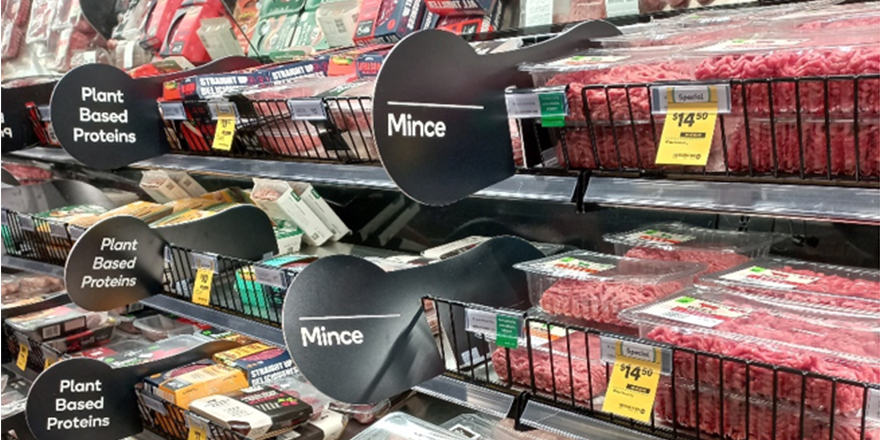
To feed a world population of over 9 billion in 2050 it is highly likely that we will need to see growth in all protein categories rather than the dominance of one over another.

This report reviews the current literature and media narrative around the subject of plant-based proteins and the position they have taken in the protein marketspace. It outlines the background and importance of the NZ Red Meat industry and why this continues to be a highly valuable sector.

It analyses recent research into amino acid profiles in red meat and discusses some of the points made around the health questions often formed in consumer minds. We now have a society made up of a range of lifestyle diets, where new words such as flexitarian have developed, and veganism is not so far from the mainstream.
Red meat will continue to be a vital source of nutrient dense protein. The Covid 19 pandemic has enhanced people’s confidence in their home-cooking abilities, and they have sought out higher value premium red meat products to complement their menus. Red meat has symbolic qualities which makes it a key component for festive occasions and social celebrations.

Plant proteins will cement their place in the retail food cabinet as well as in the food service and ingredients sectors. They offer a genuine alternative to red meat protein and will be an essential contributor to overall protein requirements of a growing global population with a focus on human nutrition and environmental impacts.

Red meat farmers and processors should be confident in their industry’s future and continue to invest in technology, people, minimising their environmental impact, and targeted consumer marketing.
Meat alternatives have an important place in the industry to further engage consumers in new and different ways. When it comes to animal protein vs plant protein it is an “AND” story, supported by growth in the entire protein category.

What is New Zealand’s red meat marketing strategy in China?

Johanna Olsen Kellogg report image

Executive summary

China has traditionally been perceived by the New Zealand red meat industry as a destination for large volumes of secondary cuts. However, after four visits to China over the period 2012-2019, I felt that New Zealand still didn’t fully recognise the extent of change and opportunity for our red meat represented by steady economic growth in China. This project set out to investigate the research questions of “What is our strategy in China?” and “How do we target the premium end of the market?”.

China is New Zealand’s largest export market for red meat by both volume and value. It is important that we demonstrate our commitment to the market by exploring and investing in our opportunities there. There is some rhetoric about putting “all our eggs in one basket” in China. So that we less exposed to reliance on shifting high volumes into this market, is important to maximise the value we get from our product in China.

This project consisted of a literature review of current New Zealand market activity in China and interviews with a number of industry stakeholders. A thematic analysis methodology was used to distill key themes from the interviews.

Currently, there is an overwhelmingly positive disposition among New Zealand’s red meat exporters due to exceptional growth in both demand and pricing from China. However, this mustn’t be confused with New Zealand success in the premium space. Lamb can be found on the menu at some high-end and Michelin star restaurants and the most recognized brands include Coastal Spring lamb and Lumina lamb. New Zealand Beef is not a premium product in China. If it is to be, there is plenty more work to be done.

One of the key challenges in marketing our meat in China is the fact that almost all meat is sold at the border, and we largely lose control of it there. This makes it difficult to ensure consistency of product and consistency of supply.

Consumer understanding of grass-fed meat is a challenge and New Zealand has invested in market education around health and environmental benefits. However, it is not clear whether this opportunity is ripe yet, or if this is the best focus for New Zealand investment.
In 2019 there was a notable lack of connection with consumers through social media marketing in China and low New Zealand presence on eCommerce channels. This has since improved markedly and demonstrates that our attitude towards China as a destination for premium products is changing. The market opportunity is now recognized and being invested in. However, we are only in our infancy of exploring the premium end of the red meat market in China.

Strategy for premium red meat in China needs to start with the product. Recognizable “premium” brands must have a story, not just a label. This must be backed by consistent product quality and consistent supply.

There is a real opportunity for meat companies to find and scale their niches. This requires a stripped-back approach focused on consistency of product and supply first. Smaller producers such as Coastal Spring Lamb have proven that “starting and scaling” can reap great rewards and larger meat companies are identifying similar opportunities. However, the scale of most New Zealand meat companies doesn’t lend itself to this approach.

Identifying markets that can be supplied directly (not selling to distributors) is a potential opportunity. Currently, this is not a suitable strategy for most New Zealand meat companies. However, this blue-sky approach with “premium brands” would enable price discovery, increased market insight, increased margins. While complex, boutique meat-producing operations gaining a premium from a great story and traceability information is something we might see in future.

Is open source the best way to manage and share data in New Zealand agriculture?

Sonja Vreugdenhil project image

Executive summary

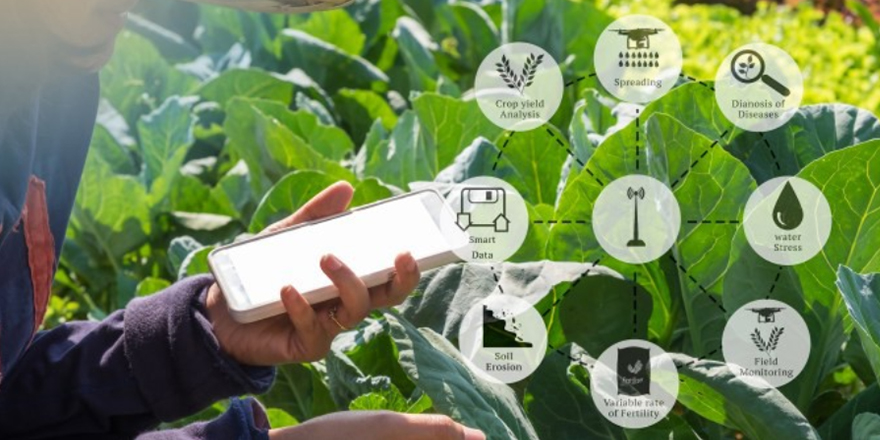
Continual advancement of technology has created an excess number of data creation and management tools for use within agriculture. Multiple tools exist with similar purposes. Many of these are farm management tools or feed directly into the decisions associated with farm management. Reducing the number of new tools being created, would create for drive for information to be shared among the existing tools.

Open-source data sharing creates a centralised data pool. Data shared in the pool could be used by other tools for more efficient data utilisation. Combining data from various tools can utilise data more efficiently rather than looking at data from individual tools in isolation.


Many challenges exist alongside creating an open-source platform. Firstly, current tools often do not communicate their data directly and automatically with each other. They rely on an intermediate, often manual step, to transfer the data by downloading and uploading data. This process is time consuming and can result in errors within the data. Secondly, agriculture is not well digitally represented. For a country and a sector which prides itself on innovation, the uptake of technology and data recording has struggled to move past the early adopters until recently.

Within the current agricultural data landscape, not many farms have their own digital twin. Under representation of farm digital twins has been driven by a lack of data sharing between tools. Lastly, many farmers are worried that creating an open-source platform may allow for other people to have better access to their data than they do or specific data about location will be easily accessible. However, open source and more public data could help to bridge urban rural divide and demonstrate the work towards environmental stewardship which customers are demanding.

Currently, there is no leader in the open-source space within New Zealand agriculture. A lack of leadership has created a disconnect between the technology developers and those on farm implementing the technology. The evidence of the disconnect can be seen through the workstreams present within the agricultural technology community. These workstreams include data interoperability and targeting management of agricultural data by Trust Alliance NZ (TANZ) and AgriTechNZ respectively.

Whilst these workstreams are being undertaken, the implementers on farm do not know these workstreams are occurring. Farmers are still looking for a solution to many of the issues associated with accessing and increasing utilisation of their data. The level of openness is viewed differently between the creators of the data on farm and those who may look to have an insight into what is happening on farm.

To create a successful open-source platform there are several pertinent workstreams to carry out. Firstly, creating a data interoperability standard, where all data can be shared from one tool to another with a small amount of translation. Secondly, defining multitiered data rights and access to the pool based on the contributor granting access.

Both creating interoperability standards and appropriate data rights, removes the ability for competitor service companies to hold on to farm information as a competitive advantage. Plus, data about the farm could be passed on with a sale electronically rather than as paper records. Lastly, the creation of an open-source platform could ultimately allow for data sharing and automatic population of compliance documents. Open source could help to create one compliance audit on farm for all purposes, ultimately saving the farmer time whilst utilising data better on farm.

Farmer participation in catchment groups: does reality meet expectations?

Faremers

Executive summary

Farmers in Aotearoa New Zealand face increasing regulatory pressure over coming decades. The need to reduce greenhouse gas emissions as well as reduce the loss of contaminants to water is going to be a major challenge for the farming sector in this country and difficult to achieve within complex farming systems.

In response to these challenges many communities have founded catchment groups as a collective response to need provision on farm. These groups seek to utilise social learning techniques and communities of practice type approaches to increasing the capability of their members to shift them through decision making processes and through barriers that impede progress.

This study encompasses in depth interviews with five individuals involved in the formulation and running of catchment groups for their communities. Interviews were conducted to explore whether their experiences to date matched their expectations. Thematic analysis was utilised to identify key trends in the areas of success that the groups have had as well as the barriers to success that they have encountered. Areas that had particular prominence included the opportunity to feed back into regulatory processes to allow member to participate in the formulation of regulation.

Members also expressed a desire to foster better communication with urban communities and to communicate their perspective on farming’s role within a sustainable economy. One of the key benefits that participants have found is the way in which participation has increased the resilience of their community through allowing them a shared space to develop their understanding of the current environment through a narrative and experiential exploration of the issues they face.

Catchment groups in Aotearoa New Zealand are defined by their geographic extent rather than being united by practice or industry. This quality is not reflected in the literature published to date which focusses on utilising communities of practice to enable on farm practice change. As such the goals and work of catchment groups do not reflect a linear understanding of adaptation to an external threat. In many instances catchment groups are a method of enabling agency in attempting to redefine the problem before a course of action is determined.

Though the groups have seen a lot of success in enabling their members to engage with more sustainable farming practices they have not yet made significant progress through decision making frameworks nor have they addressed the larger barriers to change in adoption of application of mitigations within complex systems. Further studies in this area need to adopt a more holistic viewpoint of the goals that a community may have in forming a catchment group and also the potential for longitudinal studies to be more efficacious in capturing changes in attitude and expectations over time. In order to be successful catchment groups are going to require funding support for administrative capacity as well as clear planning and gap identification from leadership within their group.

“I really see the value of catchment groups and community groups in that they’re the ones that know what’s happening on the ground, they have the vested interest. A lot of the people have been living in the area for generations and they have strong vision and goals for what they’d like to achieve on their own farms. The really engaged and motivated people are also looking at what’s going to be the situation for their kids and or farming in the future. So they’ve got that long term vision and they’re connected with the day to day environment. Having catchment groups and allowing them the space to grow and to have organisation and a voice is really valuable for the country as a whole.

We need information to move in both directions. We need information to come from the ground up and we need it to be well disseminated when It’s coming the other way and the best way for that is if it’s communicated peer to peer as much as possible and that ideas are discussed and understood rather than terms and technology just being put out there without it being integrated. I feel that catchment groups really provide an opportunity for knowledge sharing and building ideas. They do have a lot of positive outcomes outside of just that particular group.”

Facilitator – Group A