2026 Nuffield NZ Farming Scholarship. Apply by 17 August 2025. Read More...

Apply for 2026 Nuffield NZ Farming Scholarship by 17 August 2025. More details...

Achieving successful family farm succession in the New Zealand dairy industry.

Ross Neal Kellogg Succession planning in the dairy industry_eport image

Executive summary

Family farm businesses are the backbone of the New Zealand dairy industry, with many farms being handed down generation after generation to be retained under family ownership today.

The dairy farming landscape, however, is changing. Dairy businesses are increasing in size, scale, and value.

There are also many challenges looming in the sector as the country navigates towards being more environmentally sustainable, and the consumer demands more sustainably produced food. These challenges will largely need to be handled by the next generation of farmers. To ensure family farm businesses, and the New Zealand dairy industry, can continue to thrive it is important that succession is done well.

The aim of this report is to understand the key challenges that farming families face when trying to navigate through the succession process and identify solutions to these challenges.

The methodology includes a literature review, followed by semi structured interviews to gain insights from farmers and experts on their experiences. Interview responses were thematically analysed with key themes then critically analysed to gather findings.

Key challenges to succession were found to be poor communication, incorrect legal structure, a reluctance from farmers to start the process, and a lack of clarity.

Solutions to these challenges were identified as improving family communication, getting the legal structure right, reading literature to improve understanding, putting a plan in place, and engaging the help of an independent facilitator.

Recommendations for farming families:

  • Start discussions early regarding succession with your children and trusted advisors. Know that the succession process takes time. Early discussions help establish clarity for parents on potential successors, and clarity for children on how they may organise their lives.

  • Plan for succession. Parents to establish what the desired outcome for succession is. It is important that this plan comes from the parents. It is also important that this is a formal and written plan and is followed up on regularly.

  • Look to establish good family communication habits from a young age. For families who struggle to communicate effectively, all family members should be encouraged to read two books which provide great insight into effective family communication. These books are ‘The Secrets of Happy Families’ by Bruce Feiler and ‘The 7 Habits of Highly Effective Families: Building a Beautiful Family Culture in a Turbulent World’ by Stephen Covey.

  • Establish a company/trust structure:

– When first setting up the farming business with a solicitor or accountant, the company/trust structure should be put in place. This should be right at the beginning of the farming journey and well before succession is thought of.

– If the farming business is not currently in a company/trust structure it is important that this structure is set up and assets are transferred to this structure before proceeding with succession.

  • Engage with an experienced succession facilitator who is an expert in their field. The facilitator will help to start the process, lead the process and, along with a support team of trusted advisors, help the family to achieve success. A facilitator can also help to improve family communication and the formation of a written succession plan. Funding is available through MBIE and your Regional Business Partner under the Management Capability Development Fund.

  • Read the 2nd Edition of ‘Keeping Farming in the Family’ written by Ian Blackman. This is a well-thought-out book that has been specifically written to help New Zealand farming families through the succession process.

Recommendations for the dairy industry:

  • Industry bodies to engage with accountants and solicitors who deal with farming families to help them better understand:

– The implications of setting up partnership and trust structures for family farming businesses and the subsequent challenges that arise with these structures when the succession process begins.

– The importance of the company/trust structure for family farm succession and the all-around benefits that this structure provides to family farm businesses.

  • Industry bodies to create awareness about independent facilitators. Specifically:

– That there is a number of experienced succession facilitators available.

– There are significant benefits that independent facilitators can provide to make the succession process easier.

– That there is funding available through MBIE to help cover the cost of this service.
Know better. Do better.

Jane Fowles Know Better. Do Better. Kellogg report image

Executive summary

The New Zealand dairy industry has witnessed a steep growth in the number of workers from the Philippines (Southeast Asia) entering New Zealand to work on dairy farms.

Like any dairy farm worker, there is an importance of keeping these migrant workers safe while working. However, with a different cultural background and a different understanding of health and safety, it can be challenging to build health and safety engagement on farm.

This research report attempts to answer the question: ‘How can we better engage our Filipino dairy farm workers, in Mid-Canterbury, with health and safety on farm?’

To do this, the research looked at general migrant worker barriers to health and safety engagement, how the cultural background of a Filipino influences their behaviour and choices in relation to health and safety and how Filipino cultural dimensions compare to that of New Zealand and New Zealand’s agricultural culture.

Finally, the research looked to understand the role of cultural intelligence in relation to health and safety engagement before providing practical recommendations.

Key Findings:

Filipino migrant workers coming into New Zealand face the same barriers to health and safety engagement that are shared across the world. They have their own unique cultural personality that in some areas is contrasting to the New Zealand cultural personality. Their understanding of what health and safety in New Zealand looks like is varied.

Employers, while possessing a degree of cultural intelligence, could benefit from furthering their leadership skills in this area. Particularly to better lead health and safety engagement and therefore, improving the safety climate on farm.

To better engage Filipino dairy farm workers, in Mid-Canterbury, with health and safety on farm, we must provide a way to assist employers gain better knowledge in the areas of cultural intelligence and health and safety.

That will then lead to everyone doing better and home safer, every day.

Recommendations:

Improve employers and Cultural Intelligence – Know Better, Do Better.

Improve dairy farm employer’s cultural intelligence through learning more about the cultural personalities of their workers. The writer recommends this is done through:

  • Developing a website-based application that employers can access with information about cultural personalities and tips to engage the worker on health and safety.
  • Developing cultural intelligence-based workshops, for employers.
    Improve migrant Worker health and safety Knowledge – Know Better, Do Better.

Promote the importance of health and safety to our Filipino migrant workers. The writer recommends this is done through:

  • Developing a website-based application that migrant workers can access both in New Zealand, and prior to arrival. Including information around hazard identification and management and worker engagement.
  • Developing Filipino migrant worker health and safety workshops.

Know Better. Do Better.

Should New Zealand be trading maize forage on quality parameters?

Fraser Dymond Kellogg report image

Executive summary

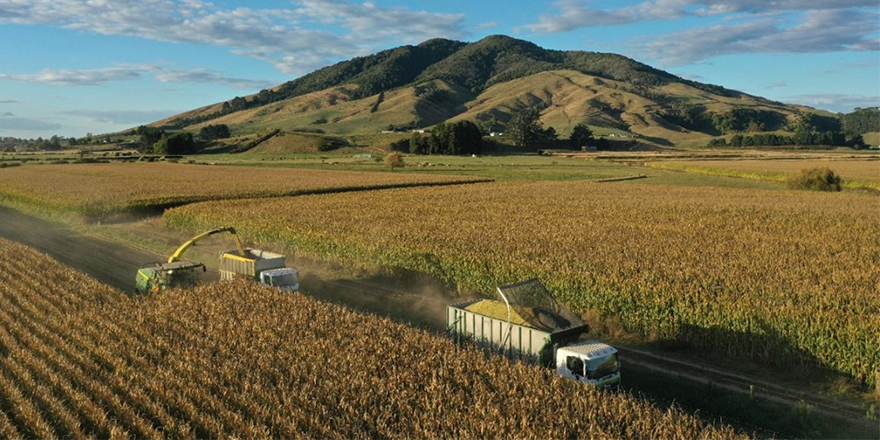
Maize forage is essential to the productivity of the New Zealand dairy sector. It is easily ensiled and provides energy and fibre, which is essential to balance a pasture-based diet.

An estimated 1,164,000 tonnes of maize forage was harvested in 2021. In the 2020/2021 season 24,500 hectares, or 45% of total maize forage planted, was grown off-farm and sold to a purchaser via a contract (Arable Industry Marketing Initiative, 2021a).

Current contracts trade maize forage on dry weight and neglect most facets of forage quality, so the purchaser is unaware of the quality of the product they are receiving. Per cow consumption of maize silage is increasing, so the quality of maize forage becomes more influential and important to the purchaser.

This report seeks to quantify the variation in maize forage quality in New Zealand and how the grower can influence it to enable trading maize forage on quality parameters.

Key findings:

  • Growers can positively influence maize forage quality but are not rewarded by the purchaser, so it is not the priority in their decision-making.

  • Starch is the critical influencer of maize forage quality.

  • There is significant variation in maize forage quality in New Zealand. Starch content has been seen to range from 15 – 40%DM1, neutral detergent fibre from 33.4 – 50%DM and metabolisable energy from 9.5 – 11.3 MJME/kg DM2. This variation creates significant differences in production potential for the purchaser.

  • Maize forage quality can be influenced by hybrid choice, agronomic management, and the environment. The environment cannot be controlled, so strategies that create resilience in the growing system are essential.

  • There is limited New Zealand-based data available for growers and advisors on how to influence maize forage quality.

  • The common method of sampling maize forage for analysis is unlikely to cope with paddock variation, caused by a changing climate and variable soil types.

Recommendations:

  • Research and provide educative resources on how agronomic decisions affect maize forage quality. This should be conducted by maize seed wholesalers and independent industry bodies, such as the Foundation for Arable Research (FAR).

  • Create independent data comparing all commercially available maize hybrids for forage quality. This should be conducted by an independent industry body such as FAR or DairyNZ.

  • Calibrate and certify the use of near-infrared spectrometry (NIR) in forage harvesters as an accurate measure of whole plant dry matter and quality parameters. Allow open entry to promote competition and innovation. This will need to be proven by the manufacturers and forage contracts amended by the Forage Trading Development Group.

  • Create educative resources to extend the understanding of growers and purchasers on the accuracy of NIR technology as an assessment of quality parameters. This should be an industry approach, including DairyNZ, Federated Farmers, Contractors Association, FAR and the Forage Trading Development Group.

What is currently being done and what more can we do to reduce on-farm waste in the New Zealand Dairy Industry?

Daniel Butler_ On-farm waste management-daairy__Kellogg report image

Executive summary

The New Zealand dairy sector has come through a remarkable period of expansion over the past 20 years. We have seen cow numbers grow from 3.4 million in 2000 to 4.9 million in 2019 and the area being farmed for dairy has increased by 33% over this period.

Underpinning this growth has been continued intensification which has created significant opportunities and prosperity for those in the industry, however like any fast-paced intensification it has created negative impacts on our environment.

As a result, the NZ dairy industry has been challenged to be more environmentally and socially sustainable to ensure we are both proud and responsible within our farming practices. We are beginning to see change in a number of areas across the dairy industry with significant emphasis being placed on climate change, water quality, work conditions and animal welfare.

Despite some initial farmer objections, these developments are all beneficial to the NZ dairy industry, and will enhance our reputation as a world leader in quality produced dairy products.

An area that remains out of the spotlight is on-farm waste and what we are doing to be environmentally responsive. It was the objective of this report to discover current waste and recycling volumes within the NZ dairy sector as well as what is being done about improving waste disposal. The report also sought to determine what is being developed for greater future farmer engagement as well as what is currently being achieved with the recycling we are collecting from dairy farms.

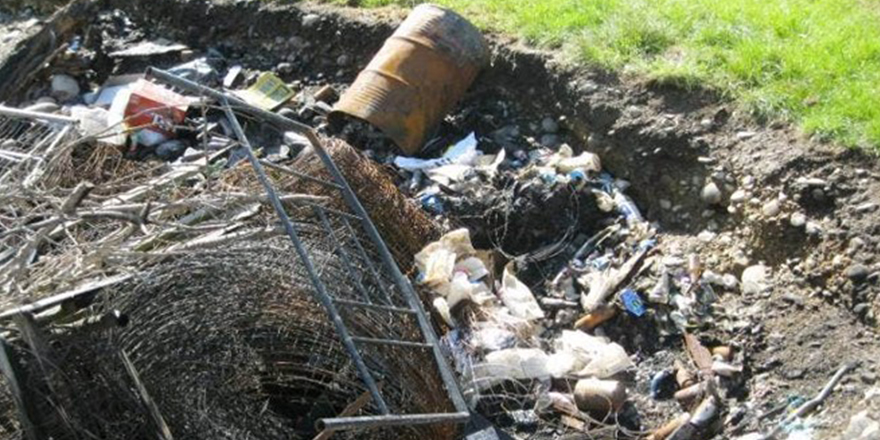
At the commencement of the project the assumption was made that farmers continue to burn and/or bury their waste and that there is a lack of work being completed to address the increasing issue of on-farm waste on dairy farms.

This report has been able to determine that previous work has been undertaken around waste levels and current disposal across the rural sector in New Zealand, and that despite some improvements in disposal practices this is an ever increasing issue that requires immediate attention.

This report identifies several significant studies and the arrival of two key recycling providers into the industry, AgRecovery and Plasback, who have ensured the volumes of recycling collected from New Zealand dairy farmers has significantly increased. This has been further accelerated by Fonterra adding evidence of recycling as part of their “Co-operative Difference” payment scheme which has seen both AgRecovery and Plasback see significant surges in registrations.

Farm plastics were given additional focus in July 2020 when the Government named Farm Plastics as one of its six priority products. This has ensured that the rural sector now has a responsibility to be environmentally responsive with the plastic products generated within the sector. Following this announcement, the Ministry for the Environment (MFE) advised it would be working with the AgRecovery Foundation to produce the Green-Farm Product Stewardship Scheme.

This document has been designed to create a “one stop shop” to ensure farmers are able to deliver four key plastics streams to local collection centres by 2024. The proposal recommends that these services will be free to customers with any cost incurred generated through levies paid by plastic producers.

The Green-Farm Product Stewardship Scheme, which is yet to be accredited by Government, is a positive step for the industry. However, following further critical analysis and using frequency distribution data gathered from surveys of farmers across Taranaki, it has been found that this service alone will not be fit-for-purpose to service the needs of all farmers.

This analysis and data also suggested that both Plasback and AgRecovery have improvements to make in their service delivery to ensure they are meeting the needs of farmers. It is therefore recommended that these improvements alongside a collaborative approach from all providers will need to be delivered before any potential accreditation is approved.

Frequency distribution analysis of the survey data also indicated that farmers would like a choice in their provider, and a desire to feel that their contribution is valued. In order to achieve this the research demonstrated that offering additional profit based providers for greater convenience would see further engagement from farmers.

In addition, having accuracy around the amount of recycling collected on-farm would quantify the contribution an individual farm is making.

The data also found that household waste is an area where very little emphasis is placed, with significant quantities of household recycling currently being burned/buried or placed in “skip bins” due to a lack of convenient services. This is another area that improvements could be made and a recommendation is made in the report to assess the feasibility of “on-farm recycling stations”.

Finally this report analyses where our current recycling is being processed, whether this is sustainable at its current levels, and if it can sustain an inevitable increase from greater farmer compliance. This report concludes that currently up to 80% of our farm plastics are sent overseas and whilst we are utilising some of this product in New Zealand, this is limited to a few manufacturing companies. In order to be more environmentally responsive in future we need to deal with recycling internally and therefore greater sector and government collaboration is required to assist businesses within New Zealand.

Following the information gained from this report the following recommendations are made:

Establish An Accredited Inclusive Product Stewardship Scheme

1. The current Green-Farm Product Stewardship Scheme proposed by the AgRecovery Foundation is a great initial concept, however it requires further development before any potential accreditation is granted from the Ministry for the Environment.

The “One-Stop Shop” solution is a positive one for the rural industry, however, needs to be more inclusive of other providers including Plasback, for its ultimate success. The proposed scheme needs to better acknowledge the work that is already occurring within the waste sector and utilise these providers in any future scheme. Once these necessary amendments are made the proposal needs to be accredited and operational as projected, in 2024.


Utilise Local Service Providers

2. That local services are required to complement the Green-Farm Product Stewardship Scheme proposal which will both provide additional options for farmers, and service additional waste streams. These services could include on-farm collection as a user pay service that allows for greater convenience to farmers to ensure waste removal and improve recycling practices.

Farmers need the ability to choose the most convenient practice to meet their business needs and one solution will not meet this requirement.

Collection of On-Farm Recycling Levels

3. That volumes of waste and recycling collected needs to be recorded and collated at a farm level. This would allow farmers to accurately record the increased efforts that they are making and to hold those to account who are not making the required effort. This would also allow farmers to provide more accurate statistics across the complete rural sector.

Currently we are not recording this information as accurately as we could. Farmers need to know the difference they are making so showing key individual farm stats as to levels of recycling will be crucial to any future success.

Enhance Government Collaboration

4. That government needs to enhance the work it is doing alongside current businesses within New Zealand who are attempting to use recycling waste and to look to support and develop companies who are trying to operate in New Zealand. Currently up to 80% of our plastic recycling goes offshore to be processed and we therefore need to develop further businesses within New Zealand to service more of our own recycling.

Many of the products that are created from plastic waste are not high value therefore government assistance will be required to ensure companies are able to process these plastics and remain financially sustainable.


Adapting Dairy to Thrive in a Constrained World

Tracy Brown report image

This report is written for decision makers who are trying to design future strategy for the sector. I define my research problem as “how do we adapt and organise ourselves to succeed, add value and thrive in this new constrained world”. I will provide frameworks to:

  1. better understand the challenge
  2. look at what can be learnt from groups who have already begun to adapt, and
  3. discuss what we need to do to set ourselves up to succeed in the future.

“We need to move our thinking from infinite growth in a world of finite resources to a world of infinite ability to adapt within a world of finite resources”.

Dairy farmers in New Zealand are increasingly under pressure to make changes to their businesses. In addition, the system around them of how success is measured is changing. Measures of success are moving from purely financial to include environmental and social impact of businesses. There are multiple stakeholders with various views of the world and we currently have no clear framework to understand what is going on around us. A better understanding of how we need to adapt and organise ourselves, will better position leaders
to make changes.

“We are undergoing systems change, to do this well we need to get closer to and interact more with all our stakeholders”.

We have come through a period of three decades of largely unconstrained growth in dairy. The New Zealand grass-fed, pasture based system where cows live outdoors in nature has been replicated, scaled and adapted in all regions across the country. Individuals and groups have experienced huge financial rewards through development, from operational excellence and by capital gains. Increasing economic return has been the primary aim.

The last decade has seen the New Zealand dairy sector begin to respond, adapt and deliver better ‘environmental’, ‘social’ and ‘economic’ returns for business and communities. For Maori agri-business ‘cultural’ outcomes have also been important and a 4 ‘pou’ (or pillar) approach is used which includes environmental, economic, social and cultural outcomes.

Internationally, development of the ‘Sustainable Development Goals (SDG’s) by the United Nations, is creating increased expectations on minimum well-being provisions and has influenced community expectations of farmers. This combined with increasing pressure on planetary boundaries and availability of resources has impacted producers social licence to operate.

Natural advantages plus IQ or intelligence quotient (good science and expertise) has helped us get to where we are today. EQ or emotional intelligence has helped us communicate and interact with people within our markets and businesses. SQ or social intelligence will help us be better connected to stakeholders including consumers, government, civil society, Maori/iwi and local communities. Going forward, AQ or adaptability intelligence will help us adapt our systems and collaboratively innovate with stakeholders in a way that redefines our problems and how we tackle them.

As dairy farmers we are part of a complex adaptive system which can be better understood through the ‘Three Horizons Model’ which is a tool to help us think about the future and understand ‘transformative’ change. We are currently in Horizon 2 or the transition phase which is the area that will us move towards the future depending on how we respond. We have a choice to prolong the status quo by making H2- innovations (to keep the existing system keep functioning) or move towards the future by making H2+ innovations (which allow people to adapt).

“More and more leaders will not be remembered for the profits or the growth of their businesses … they will be remembered for the impact they have on society”.

(Paul Polman – former CEO, Unilever).

My report will take you on a journey to help you understand how we as individuals and leaders need to adapt and behave differently to thrive in the future. This is just the start of a bigger, wider journey we need to take as a sector.

The key recommendations of this report are:

  1. Increase the dairy sectors contribution to society’s minimum social foundation and better articulate this contribution.
  2. Include the right people with the right skills to problem solve in a way that is truly collaborative and co-creative.
  3. Identify and empower innovation super spreaders and systems where people can share ideas easily, work together and motivate one another towards a common mission.
  4. Solutions to complex problems can’t be replicated, instead we need to adapt components or processes and apply in regional or local contexts.
  5. Grow further farmer and sector capability within the AQ adaptability intelligence & SQ social intelligence competencies.
  6. Leverage information, capability and thought leadership that is available already in a way that is better coordinated and has more impact.
  7. Grow farmers understanding of change and toolbox of mental and emotional skills to be able to cope with, manage and implement change.

Keywords for Search: Tracy Brown, Tracey

Milk Without a Moo.

Executive summary

The NZ primary industry is no stranger to disruption and has adapted over the years to deal with changing market, environmental and economic conditions. There is a new threat on the horizon: alternative protein, sometimes called lab grown, cultured or synthetic food.

Alternative protein is not a new term and has not impacted the NZ primary industry in any major way so far. It would be easy to dismiss as a phenomenon that will happen elsewhere, that it won’t affect the pasture raised, free range, high quality products from New Zealand. Having researched this topic for a year, I do not believe this is the case – here’s why:

Dairy is the low hanging fruit for alternatives. Risk to the NZ primary industry from alternative protein is often considered in relation to the meat industry. Meat is a complex product, with many structural, textural, inconsistent aspects – different animals, cuts, types of protein etc. In contrast, milk is a homogenous product – it’s always a liquid consisting of 87% water and 13% solids. The complexity of meat will be very complicated to replicate successfully using alternative technologies, but this is not the case for milk. Dairy, and particularly dairy ingredients, are seen as the ‘low hanging fruit’ for disruption.

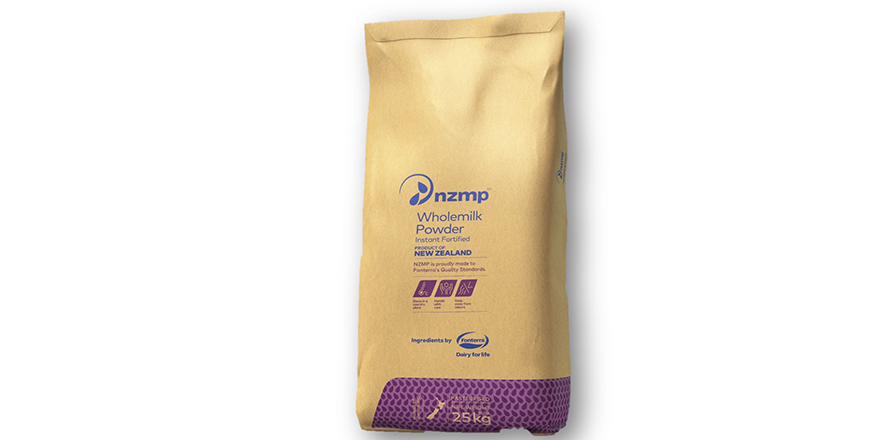
New Zealand dairy exports are mostly used as ingredients in other foods. New Zealand is the largest dairy exporter in the world, growing from $2 billion of exports to $20 billion in just thirty years. A large proportion of NZ dairy products are used as ingredients in processed food. In 2021, Fonterra made 74% of the milk they processed into ingredients. New Zealand provides 60% of the world’s whole milk powder exports, with a large proportion of this going to China to supplement their domestic milk production.

The retail market for milk powder pales in comparison to the demand for drinking yoghurt, shelf stable milk and flavoured milk drinks which are most likely what Chinese food manufacturers produce with NZ milk powder.

When dairy products become ingredients in processed food items, they are treated as commodities, comparable with the same product specification (i.e. milk powder) made all over the world and competing only on price. They lose their origin story which is what New Zealand prides itself on. Consumers don’t value the fact that the milk powder in their processed food such as a chocolate bar is made with NZ milk powder, so any competitive story associated with NZ production methods is lost.

Some of NZ’s highest earning exports are first in line for replacement. Plant-based liquid dairy alternatives such as oat and soy milk are not a threat – New Zealand only exports a small amount of liquid milk. Alternatives are aiming to disrupt the business to business ingredients industry, the very same market that NZ dairy currently thrives in.

Ingredients with the functional properties of animal ingredients are being reverse engineered from plants. Individual proteins (whey and casein) are the initial targets for precision fermentation technology. Perfect Day is producing whey commercially, and others are set to launch in the next two years. Protein exports account for 10% of New Zealand’s dairy export revenue – $2 billion in 2020. These are likely to be the first group of products which experience major disruption from alternatives. Cellular agriculture companies are developing technology to produce human breast milk for babies, could this replace infant formula made from cows?

There will be a tipping point. It’s a long, intensive process to produce a tonne of milk powder. You need to grow a cow, complete with head, bones, hooves, tail etc. You can’t milk her for the first two years until she’s had a calf. Once she’s in the milking herd, she needs enough food and water to stay alive, walk to the milking shed twice a day and produce milk. If there’s enough grass in the paddock this will form the majority of her diet, it’ll normally be topped up with supplementary feed such as hay or palm kernel expeller (PKE). The milk will be collected, driven to another location where the water (87% of milk) will be removed via spray drying, leaving just the 13% solids available to sell.

In contrast, precision fermentation technology bypasses the wasteful process above, using a tank of microbes consuming sugar to produce exactly the same molecules as milk – if they were assessed under a microscope, it would be impossible to tell whether they were from a cow or a fermentation tank. This technology has existed commercially for well over 40 years, producing components which used to be harvested from animals (insulin, rennet). It is now being leveraged at a far greater scale to produce components of milk, starting with protein.

Precision fermentation produced protein is predicted to reach price parity with traditional dairy within the next eight to ten years. The industry is not there yet though: the cost to produce insulin by precision fermentation is around $110,000/kg compared with a milk price of $9.90/kg, and precision fermentation start-up companies are signalling a bottleneck when it comes to manufacturing facilities to produce product at scale.

Large multinational companies are becoming involved to assist with scaling up – fermentation experts ADM and AB InBev are working on large scale fermentation capacity for food grade precision fermentation rather than pharmaceutical which will start to bring the cost down.
The cost and waste involved in milking cows is far greater than simply fermenting a sugar feedstock. Once price parity is reached, food manufacturers who currently value NZ dairy ingredients for their high quality, consistent, cost effective attributes will have another option. In applications where dairy is anonymously used as a functional ingredient, it’s highly likely these will move to the cheaper option which will have the additional benefit of helping meet sustainability goals and appealing to a wider variety of consumers (vegetarians and vegans). This will be the tipping point, where alternatives can displace traditional dairy.

New Zealand dairy needs to act now. This report identifies three key recommendations for the industry:

  1. Acknowledge the risk and react – Alternative dairy, especially precision fermentation, represents a significant risk to the New Zealand dairy industry due to the reliance on commodity ingredient products which will be easiest to replicate. The sooner this can be accepted and acted upon the better. Advanced economies that NZ tends to compare itself with are moving rapidly – investing in research via partnerships between government, research institutions and industry. New Zealand risks being left behind.

  2. Get involved – There’s an opportunity to play a part in this emerging industry – New Zealand has significant expertise in key areas required for alternatives to scale up. Leveraging this will ensure NZ dairy will continue to be profitable in the long term and provide capital to invest in the infrastructure required to make milk into money in different ways.

  3. Make milk into money differently – commodity ingredient products made without cows will become available at the same or better quality for the same or lower price within the next ten years. The NZ dairy industry is heavily reliant on spray drying of milk into powder; this will be one of the first products to experience disruption from alternatives. It’s imperative that dairy companies identify the elements of their product portfolio which are at risk of disruption and pivot milk towards future-proofed products.

From the Back Paddock to the Board Room

Executive Summary

New Zealand’s current protein production is dominated by meat and dairy. There are ongoing and increasingly growing challenges for sustainability, environmental limits, and pressure for greater efficiencies. Emergent and developing trends in plant-based proteins are creating movements and shifts in consumer demand and food production. Health and nutrition are influencing consumer demand more than ever, therefore the value proprositions in the food market have to meet this demand. The current alternative protein industry is still in its infancy in New Zealand with some sectors such as Hemp and Quinoa rapidly growing. However, in general, New Zealand is behind the main growth countries producing plant based protein like Canada and the Netherlands. This presents an opportunity to take learnings and develop potential collaborations, to advance New Zealand’s progression.

Throughout this study, a greater understanding was sought in the global positioning of alternative proteins and within the New Zealand context. This was then used to identify the considerations required to evaluate the importance of alternative proteins to the Agri-industry in New Zealand.
Key findings and discussion points raised are:

  • Food production needs to increase by 70% to feed the world population of 9.7 billion in 2050.
  • New Zealand has a natural bioeconomy as there is low fossil fuel use and more energy produced by renewable sources (80%) such as wind, geothermal, hydroand biomass, but New Zealand needs to move into a new bioeconomy charactarised by biotechnology and greater cross -sector thinking and actions.
  • The Fourth revolution is here and characterised by building on the Third, the digital revolution, that has been occurring since the middle of the last century. The fourth is combining human and machine where technology is embedded in our societies enabling artificial intelligence, renewable energy, 3D printing and autonomous vehicles.
  • Sustainability is key in all aspects of food production. Using the fourth revolution and utilising plant-based opportunities to create products that fill market gaps or outperforms the rest of the world will enable New Zealand to be a global leader in food production.
  • The steps that enable New Zelaand to be a global leader should concide with achieving goals in climate change (the Paris Agreement) and mitigating the affects of green house gases and the other pollution occurring like high nutrient loading in water bodies.
  • “Farmers are motivated by a diverse range of drivers  and constrained (and enabled) by a range of social, cultural, economic, and physical factors. Farmers will therefore react in different ways to external drivers of change and will respond differently to encouragement, incentives, and legislation aimed at influencing their farming practice.”

From the above findings and conclusions , the following recommendations have been suggested:

  • Keep monitoring consumer trends & food markets to increase awareness of markets and consumer change
  • Maintain and grow our reputation/ story of being food producers of high value and highly nutritious ingredients or wholefoods.
  • Leverage our competencies of current successful sectors especially as meat and dairy innovators
  • Seek expertise where knowledge or skills are low and empower people to become experts in new alternative proteins.
  • Encourage and develop coalitions with the government departments such as Ministry for Primary Industries, the Ministry for the Environment and farmers to provide incentives and/or support in areas where New Zealand can deliver the world’s best produce.
  • Reward and support leaders paving the way for the nation and their peers in agricultural and especially in new products or production that adds value to the New Zealand Agricultural Industry.
  • Develop a New Zealand plant-based food strategy for New Zealand agriculture
  • Create and develop a greater understanding and technical expertise in plant-based opportunities to enable greater diffusion of adoption to farmers.

Farmer change: Dairy farming in Northland

Executive summary

Bob Dylan’s prescience comments from some 60 years ago capture today’s environment exceptionally well with ‘the times they are a-changin’ and you’d better start swimmin’ or you’ll sink like a stone’ (Dylan, 2020).

The dairy sector is a significant contributor to Northlands regional economy and has a vital role to play in the regions social, economic, and environmental prosperity. However, change is coming down the tracks like a freight train and is likely to shape the nature of the industry for years to come, change at a scale and pace arguably not seen for over a generation.

To develop an understanding of the implications of this change – the scale and breadth of it along with the potential opportunities this report looks to develop context, perspective and a deep understanding of the subject by exploring the past, present and future of the industry, understanding what influences farmer change, work through current strategies in place and then consider some of the potential pathways ahead and finally discuss some conclusions and recommendations.

This is approached via a mix of in-depth interviews, selected readings, and critique to develop the context, perspective and deep understanding desired.

It is apparent the region and sector have already experienced significant change and, in many ways, has proven to be stubbornly resilient and adaptative. Nevertheless, there are challenges ahead with the scale and pace of change significant, more far reaching and very different from what’s been experienced before.  Amongst this change there appear to be multiple trigger points that potentially provide the opportunity to move beyond simple adaptation of a specific technology or practice towards a much deeper and enduring change of hearts and minds.

For Northland farmers, the industry and the region opportunities will exist amongst this change and a pertinent challenge for leadership is that it intentionally contributes to help shape and influence the direction of the response. Strategy, programme and project development, research and development extension, demonstration and design are all urgently needed.

The potential opportunity this change offers will not necessarily be easy and will require grit, determination and innovation, but the status quo is no longer be an option.


Regaining Control of Our Narrative

Executive summary

This research and affiliated report asks the question:

Can New Zealand Dairy farmers re-gain control of their narrative from inside the farm gate?

The dairy industry is New Zealand’s largest good exports sector, contributing 20% of total exports while bringing in $17.1 billion dollars into the New Zealand economy (NZIER, 2018). As dairy has grown in scale, the sector has increasingly become the brunt of social discontent. The current social climate places media platforms in misplaced control of narratives with the growing apprehension stemming mainly from questions around the sustainability and historical poor practice highlighted in the media. The New Zealand Ministry for Primary Industries conducted a study to explore urban and rural New Zealanders’ views of the primary sector and rural New Zealand.

The study, consisting of 1,245 New Zealanders, suggested both groups of respondents, urban and rural, showed a decline in positivity toward farming in general. Since 2008, positive perception of the dairy industry from urban respondents has dropped from 78% to 47%, with rural outlook on the industry dropping from 83% to 50% (Ministry for Primary Industries, 2017). These numbers highlight that collective trust is shifting. This decrease in trust and increase in negative public perception is having huge impacts on our industry inside farm gates filtering into mental health and wellbeing and staff attraction and retention.

Throughout my research, I have utilised cross-industry resources and publications which I have compiled into a literature review and broken down in to main themes. I have compiled information from marketing literature and social media research regarding consumer and market trends with support from psychology and philosophical theories. I have also utilised research from social licence experts which I have followed with case studies. I have used case studies to demonstrate how companies have dealt with consumer trust and the results of individual responses on the associated market. Throughout this research I have dissected two main themes, why consumer demands on New Zealand dairy farms are changing, and how.

My report aims to cover the effect changing values are having on trust in the rural sector and the impact it has on company and industry, it will break down the relationship between narrative and consumer trust and discuss why having control of your narrative is important, and discuss recommendations on how farmers can build trust and empathy; re-gaining control of their narrative from the ground up.

My main findings throughout my report have been:

  1. Change in industry Trust is driven by changing consumer values.
  2. Unconscious decisions affect the uptake of brand strategic narratives.
  3. Misinformation is a key contributor to dairy farmers loss of control over their narrative.

On the basis of my research, my recommendations are as follows

  1. Farmers to develop credibility and authenticity built on results, history and consistency.
  2. Step out of our echo chambers.
  3. Render authentically by humanising the industry.

Support credible, trusted social media platforms.

When milk engineering meets consumer demands and how this could affect the NZ dairy industry.

Executive summary

“If anybody anywhere in the world can use small amounts of energy, water and nutrients to create the same quality food as we can here then why would anyone buy from New Zealand?” That’s the question that Lance Wiggs director of several New Zealand high-growth companies (www.lancewiggs.com) asked to his readers back in February 2016. Health, lifestyles, animal welfare, sustainability and environmental concerns are motivating consumers to lean towards milk alternatives. Today, there are many startups (new entrants) from Silicon Valley and from all around the world, creating food innovations every day. New companies are producing traditional agri-food locally, in non-conventional ways using less energy, water, nutrients and pesticides; and are animal-free.

New Zealand dairy companies are focused on producing high quality food and value-added products to keep, and gain more, competitive advantage in an increasingly tough global market. The truth is that without leading edge: agritech, biotechnology, environmentally friendly practices and well supported innovative businesses, it will be very challenging to stay competitive in the decades to come.

The aim of this report is to create awareness around new milk alternatives and to better understand how they could affect the New Zealand dairy industry.

“We can’t afford not to be part of the food revolution, if we are not aware of what other people are doing we can’t be an effective competitor in any market.”

This report is based on literature review, conversations with people working in the dairy sector and a survey created to assess the general knowledge around new milk alternatives.

Leading the change or being forced to change, that will be a key decision that New Zealand dairy is going to face in the years to come. The dairy industry in New Zealand must embrace new food technology so it could be prepared to take advantage of the new opportunities presented.

The findings and observation of this report are: animal’s milk substitutes like soy, almond, rice, coconut milk, etc. have steadily grown in popularity, although none of these alternatives has been disruptive to the dairy industry. Now, there are game changing new options, improved alternatives to cow’s milk making their way to the markets. Bioengineered milk, plant-based milk manufactured using Artificial Intelligence and milk made from yellow peas are all rapidly rising on the horizon (intriguingly, Silicon Valley’s horizon always seems to be brighter than others). Food-tech startups are attracting a lot of attention nowadays, money is not an issue for most of them, they could potentially disrupt dairy markets globally and change the New Zealand dairy industry as we know it.