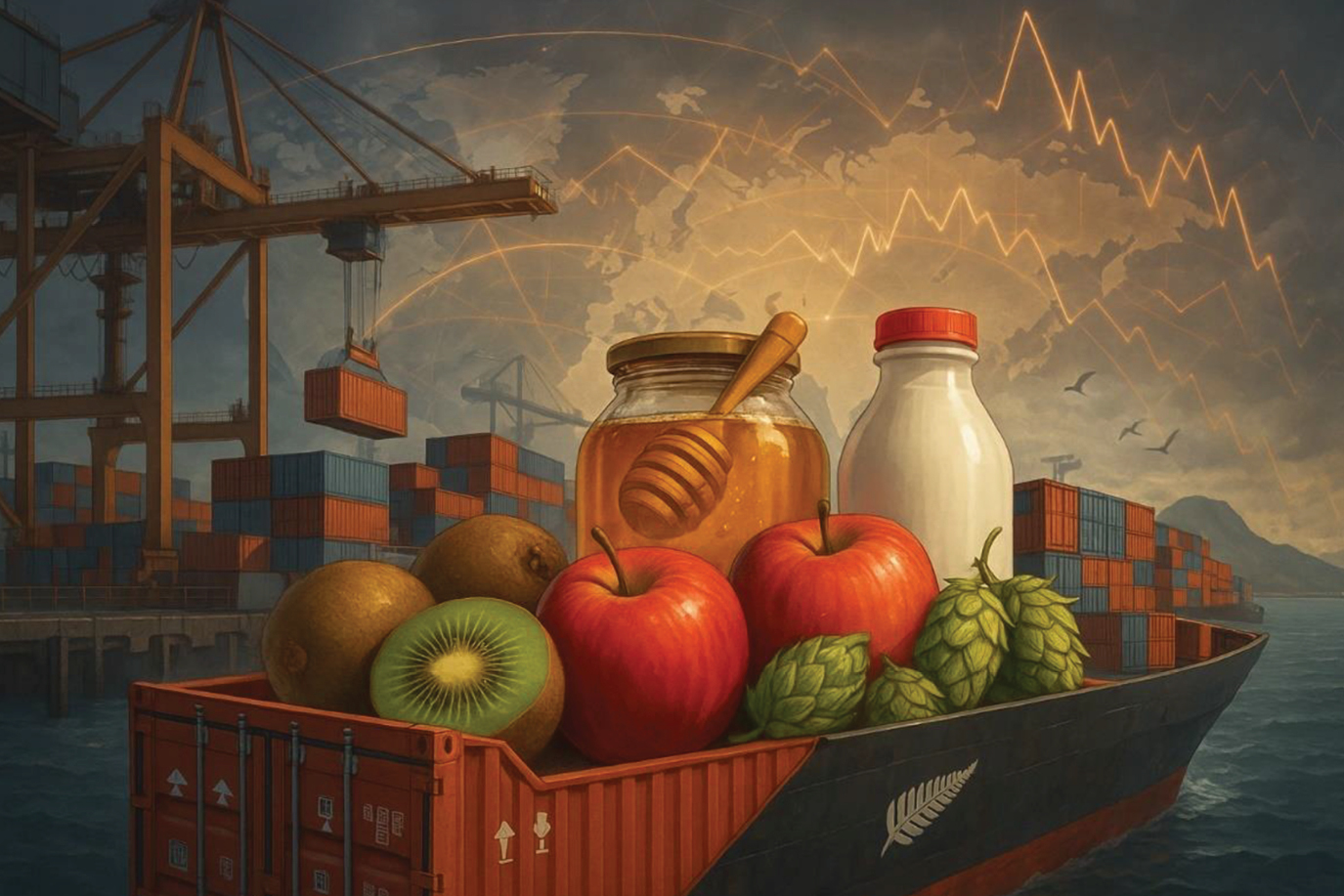

Many agribusiness leaders see New Zealand as going through a transformational phase in agriculture. There is a lot of rhetoric about how best to solve the commodity cycle conundrum we find ourselves in. This ‘cycle conundrum’ is not new to New Zealand as we have been commodity price takers for decades and there are plenty of businesses that have done well out of this. What has changed over the past 5 years is simply the volatility in those markets which has meant less certainty for all who sit along the value chain, from marketer to farmer. There are plenty of industry leaders who talk about the need to add value, to tell our story better, to push the provenance of our products, think about our brands and to understand our customers better.
This research sought to find out what opportunities and challenges there were to small farming businesses if they were to adopt a niche marketing approach. When I looked at the world from a farmer’s perspective I asked myself ‘what can an individual farmer do to add value to their products when they sell them along a value chain and essentially have to take the price they are offered by their stock agent/wool buyer/account manager?’ I wondered how the ‘little guy’ in this world of selling commodities could really make some cold hard cash and add value to their business. By digging a bit deeper it became apparent that there is a range of farmers in New Zealand who have also potentially posed that same question to themselves and their businesses and have ended up doing something about it.
A review of the literature helped guide my thinking around niche marketing in general and then how agriculture fitted into this. I then interviewed six farming businesses, five of which were small family owned and operated. Out of this research a number of themes emerged namely that there were three key factors that were a catalyst in small farming businesses choosing to adopt a niche marketing approach (financial, environmental and emotional). Other themes were based around the lack of resourcing and support available, the financial considerations in creating a differentiated product and that all businesses (with the exception of one) had at least one extravert (sometimes two) helping drive the business.
With some experts from around New Zealand offering their advice about niche/diversified markets, the discussion centred on the opportunities for farmers to really start thinking about what customers need and want before launching into adopting a niche approach. Some of the key requirements were discussed including relationship building, understanding the marketing mix, utilising regulation as an advantage and design thinking. There are challenges in going down a niche marketing route and these were discussed with respect to resources and investment requirements. All of the farming businesses interviewed showed courage and leadership in developing their niche businesses which I believe is a vital component to success.
The recommendation for farmers who want to explore whether a niche marketing approach is the right thing for their business is to first consider some key challenges that they may face. Some of these challenges include what investment is required (both time and financial), whether the people who are going to help drive the business forward have the ability to handle risk and where they are going to look in order to find sound advice and support.
Upon completion of this report, I came up with more questions than answers! This area is not well researched and I believe there is huge opportunity for more in-depth analysis of small farming businesses that have adopted a niche marketing approach.
Natalie Bowie