
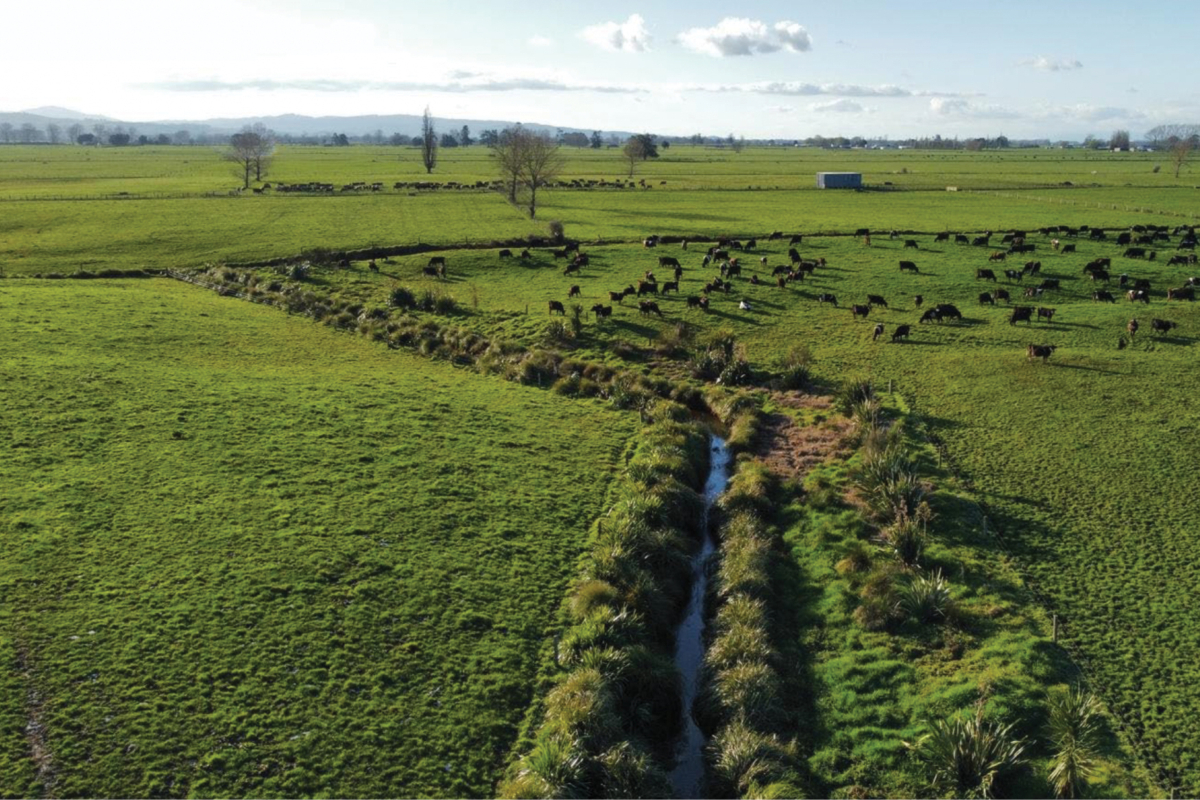

This research project explores the balance between profitability and environmental sustainability in New Zealand’s top-performing dairy farms. By analysing DairyBase data and conducting qualitative interviews with leading farmers, this report identifies key management practices, values, and philosophies that contribute to both economic and environmental success. The study highlights that profitability and sustainability are not mutually exclusive. The top-performing farms don’t have to choose between making a profit and looking after the environment. The best farmers show that smart choices and caring for the land can go hand-in-hand. But it’s not all straightforward. Farmers still face plenty of hurdles like changing rules, unpredictable weather, and tight budgets.
The findings reveal that efficient pasture management, attention to animal health and welfare, detailed monitoring, and data-driven decision-making are common practices among high-performing farms. These farms also prioritise financial prudence, keeping farm working expenses low and focusing on profitability. Core values such as integrity, honesty, hard work, and family involvement play a significant role in their success. Community and knowledge sharing through participation in discussion groups and industry organisations foster continuous improvement.
Environmental sustainability practices, such as reducing nitrogen use, maintaining soil health, and minimising environmental impact, are crucial for the long-term viability of dairy farms. The study emphasises the importance of a balanced approach that integrates profitability with sustainability. The research highlights the need for ongoing education and support for farmers to adopt best practices, highlighting the role of community and social interactions in shaping farmers’ decisions.
The interviews provide practical examples of how farmers implement these practices, such as adopting organic farming methods or low input systems, which align with the literature’s emphasis on environmental sustainability. Farmers use tools like DairyBase and Overseer to track performance and make informed decisions, ensuring that their practices are both economically viable and environmentally responsible. The focus on reducing nitrogen use and maintaining soil health is evident in the interviews, aligning with the literature’s emphasis on sustainability indicators.
By adopting best practices and leveraging shared knowledge, farmers can achieve a balance between profitability and sustainability, ensuring the long-term success of their farming operations. This holistic approach not only benefits the environment but also enhances the resilience and economic viability of dairy farms. The collective effort of farmers, industry leaders, and policymakers will be essential in achieving a resilient and prosperous dairy sector in New Zealand.
Jodie Goudswaard