
Concern has been expressed within primary industries that the Commodity Levies Act 1990 does not cater for long term research due to the restrictions on ‘commercial activities’ in particular, and the six year term of the levy orders. I describe long term research as breeding, market development, processing and value adding research activities showing a five to fifteen year return period with potential commercial and intellectual property outcomes. The objectives of this report were to evaluate how current levy orders are being used in relation to the issues the industry concerned is facing, whether the highlighted perceived restrictions of the Act are of major concern, and what other mechanisms are being utilised to invest in long term research as I describe it.


 2024
2024 Foraging New Horizons: Levers of Sustainable Innovation in the NZ Food and Fibre Sector
This report aims to identify key inflexion points for New Zealand agriculture to adopt sustainable practices, enhance market opportunities, and drive systemic transformation through collaborative ...
 2025
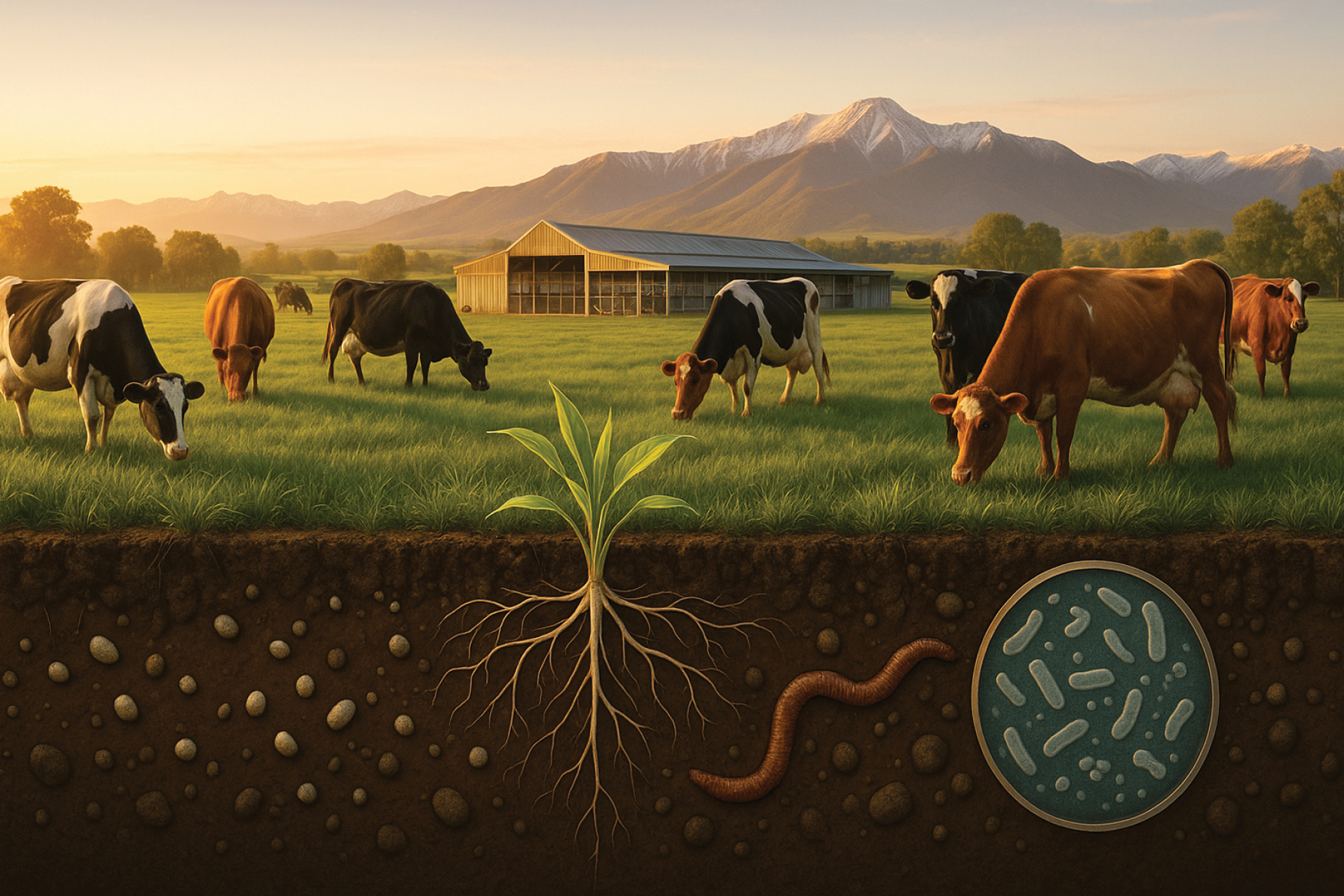
2025 The Soils Gap: Interactions Between Science, Commerce and Culture
Soil lays the foundation of all farming productivity. Farmers’ soil management is influenced by multiple factors, especially scientific perceptions. Studies on soil function and productivity ...
 2025
2025 Dairy Farmers Love Sharing Data… But There is a ‘But’
This report explores how NZ dairy farmers approach on-farm data sharing amid regulatory pressures. Farmers are rational—sharing data when trust, control, and value are assured. ...