

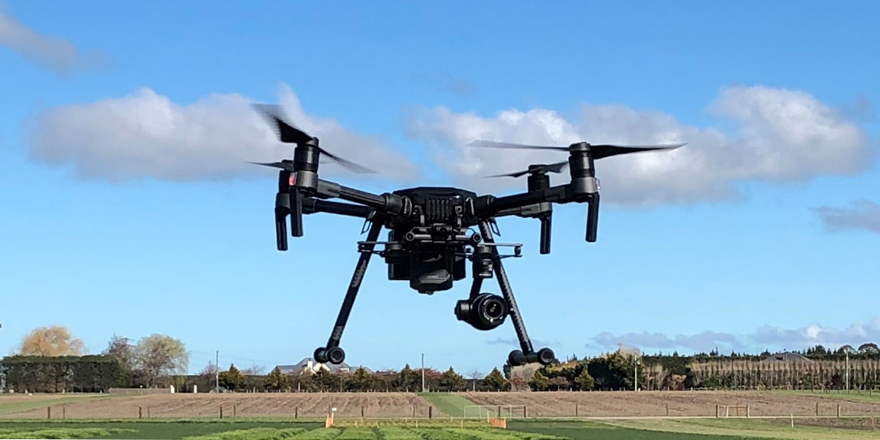

Market signals and regulation necessitates sustainably produced products that meet the expectations of the conscious consumer and society. These will require improved ways of doing what has been done before and in some cases a transformative change. This report identifies barriers facing New Zealand farmers towards innovating and taking on new technologies.
Most of New Zealand farms are small to medium enterprises. How able they are to innovate and take on new technology will determine their ability to remain profitable and keep ahead of their competitors.
The research methodology comprised of a literature review and 21 semi-structured interviews to identify key themes from the literature and farmers, agribusiness, science and political views. This allowed the author to gain a better understanding of the context that is affecting farmers directly and indirectly.
New Zealand primary production is now driven by producing more, with less input and less impact. The paradigm shift from efficient production to sustainable production is being driven top down by free trade agreement requirements and legislative change in New Zealand. Innovation and new technologies will be part of the solution.
This report finds that the New Zealand farmer is looking to innovate on farm and take on new technologies if they can demonstrate an advantage, match personal values held, are easy to use, can be tested and show results. However, resistance may still be present due to fear and the rate of change being experienced by the farming community. A financial return is critical for the farming enterprise and the need for knowledge is increasing.
Recommendations for primary industry are that farmers must:
- Be viewed as individuals each with their own viewpoints, systems and requirements.
- Engage at the local and regional level to create ‘Innovation ecosystems’ as ideas come from multiple groups working together; farmers with farmers including rural professionals and scientists.
- Be prepared for disruption and be the support that is needed.
- Learn from failures; use them, share negativities as it will build better resilience.
- Have realistic expectations regarding change, innovation takes time.
Fiona Foley