
New Zealand Agriculture is renowned around the world for producing excellent products, systems, technologies and farmers. However, the sheep farming industry is nearing crisis stage with profitability reduced significantly over several years, due to low relative returns and rising costs of production, particularly land values. The result has been rising debt levels, a reduction in sheep numbers, and changes in land use. These issues have put additional pressure and stress on the sheep industry and offer less incentive and options for recruitment and retention of people into all areas of our value chain, particularly production farming. This project stems from the need to develop low cost, easy care sheep farming systems that work alongside nature to ensure relatively low cost of production, low labour requirement and the ability for farmers to be successful across three key areas – profitability, lifestyle and sustainability.


 2025
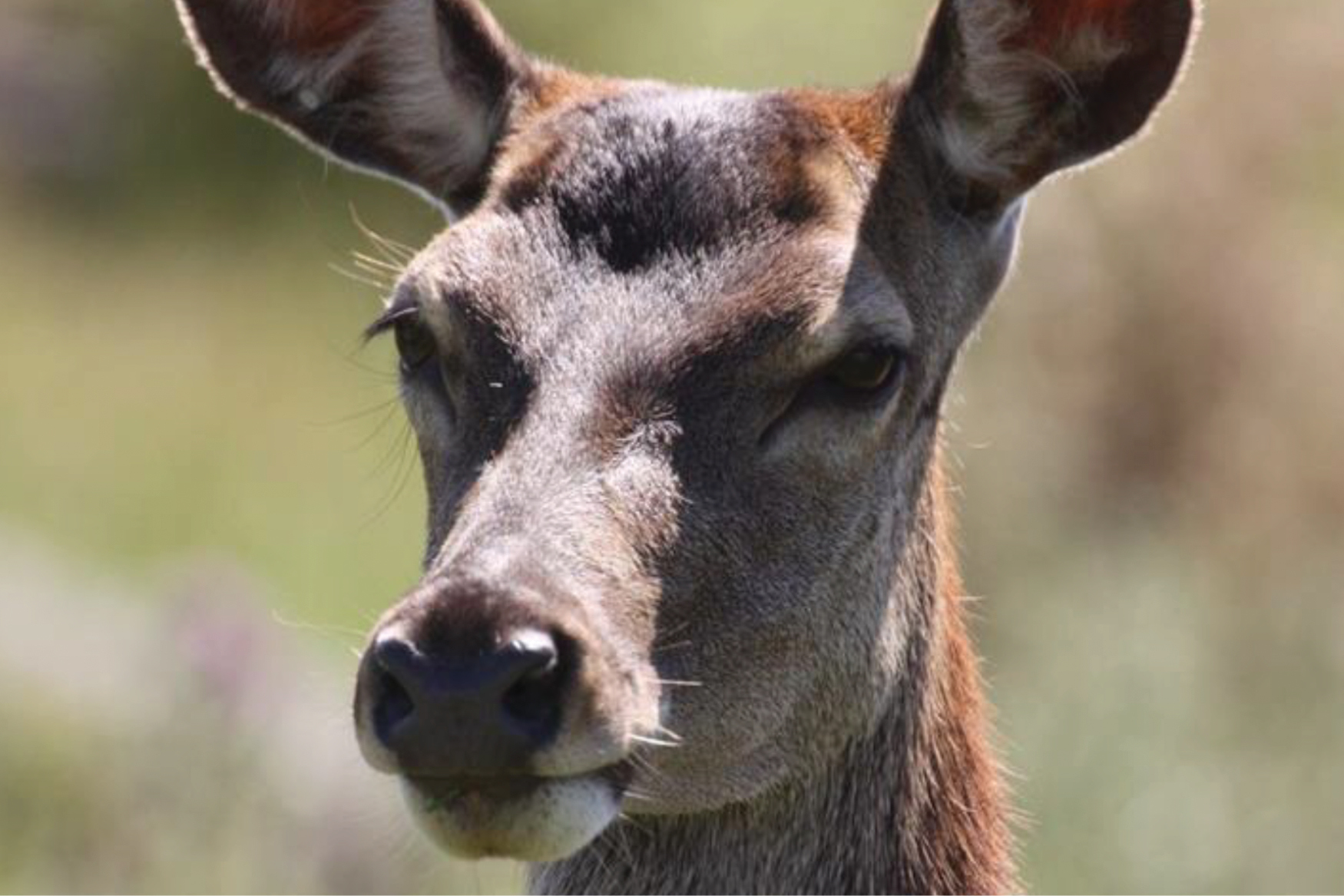
2025 Guardians or Executioners – Navigating the Ethics of Deer Control
Phil’s report examines the expanding deer population across Aotearoa New Zealand, its ecological and economic impacts, the limitations of current management, and the ethical tensions ...
 2025
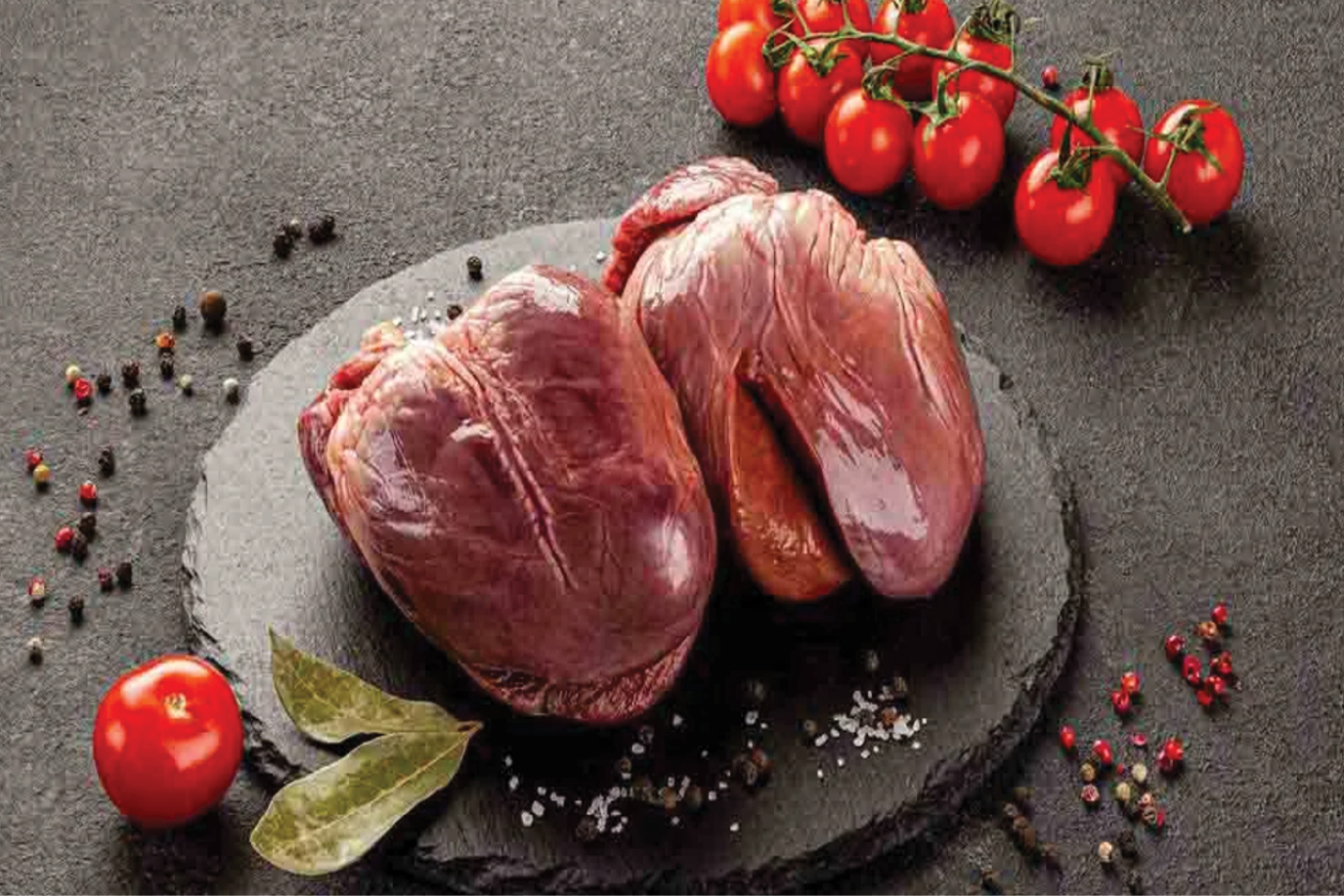
2025 The Fifth Quarter: Are Farmers Paid for This?
This report by Geoff Crawford asserts that co-products in the “Fifth Quarter” are undervalued, limiting farmers’ returns and that improved transparency, collaboration, and fair value ...
 2025
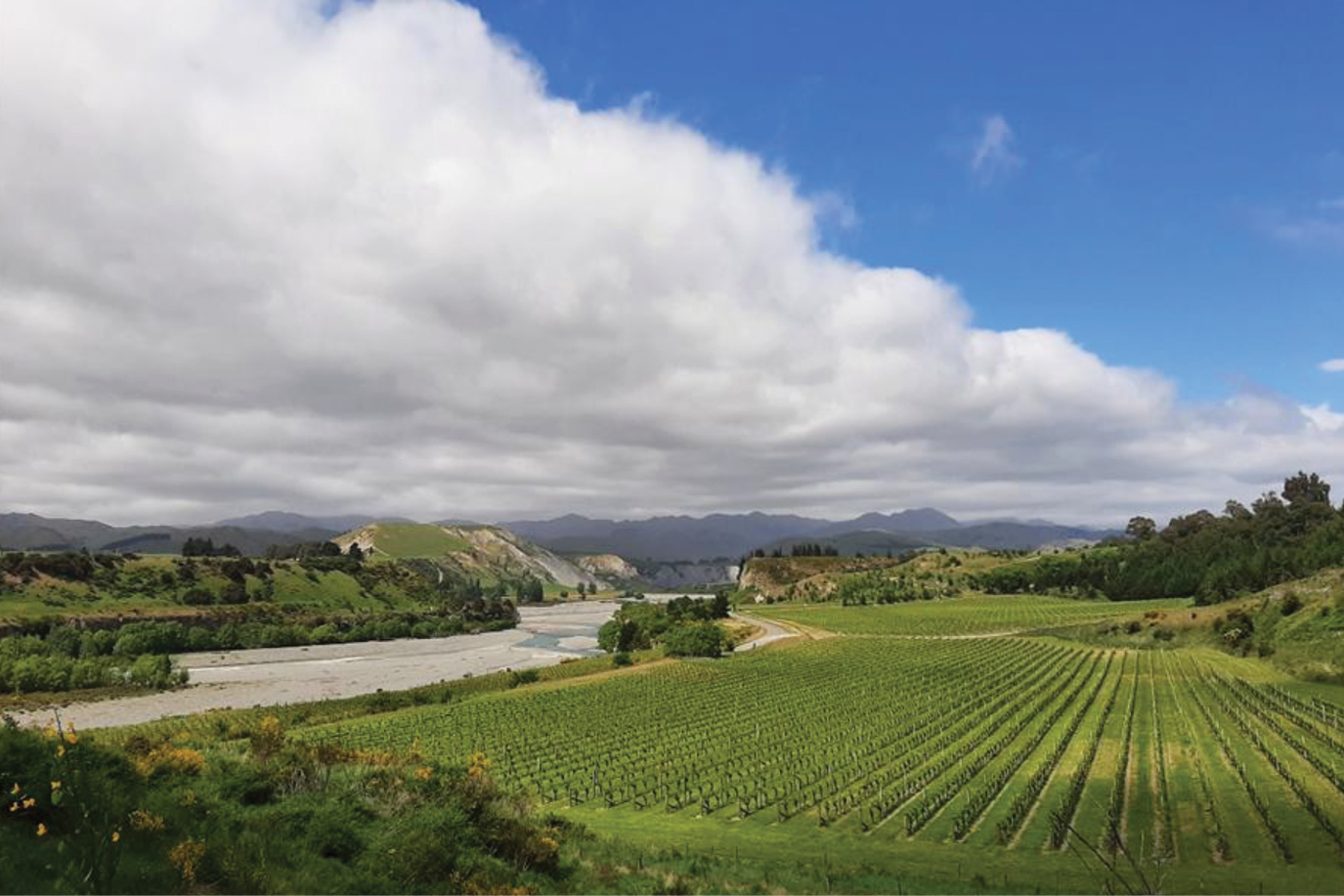
2025 Overcoming Barriers to Data Interoperability Within New Zealand’s Wine Industry
NZ wine confronts rising costs and unpredictable markets. This report by Zac Howell reveals how smarter data use, strong governance, and industry trust can unlock ...