
The aim of my project, “Rates!”, is to review the basis from which rates demands are calculated. The question to be asked: is a property value base in fact the most equitable basis for assessing rates? Many agricultural regions of New Zealand are under pressure from changes to alternative land use. This is therefore reflected in the Capital Value of that land, as Capital Value is based on current market value. As rates are a “fee for service” provided by the councils, the question remains if Capital Valuation reflecting a proposed land use change, is an equitable base to be used for establishing rates, when the demand for service from the existing use has not changed? My objectives are to understand the terms of the rating act and the powers that currently exist within the local bodies to apply a differential rating system. I also will look at how this issue has been addressed in America by use of differential rating formulas, including Agricultural assessments.


 2025
2025 From Seed to Success: Transitioning Farm Ownership in New Zealand and The Ownership Equation: Exiting with Value. Entering with Vision.
This report explores NZ’s changing farm ownership landscape, noting declining traditional pathways, rising land costs, and limited capital access. Models like equity partnerships show promise. ...
 2024
2024 Partnerships within the food and fibre sector
This report examines how partnerships in New Zealand's food and fibre sector create value for farmers and growers by focusing on purpose, trust, and communication ...
 2025
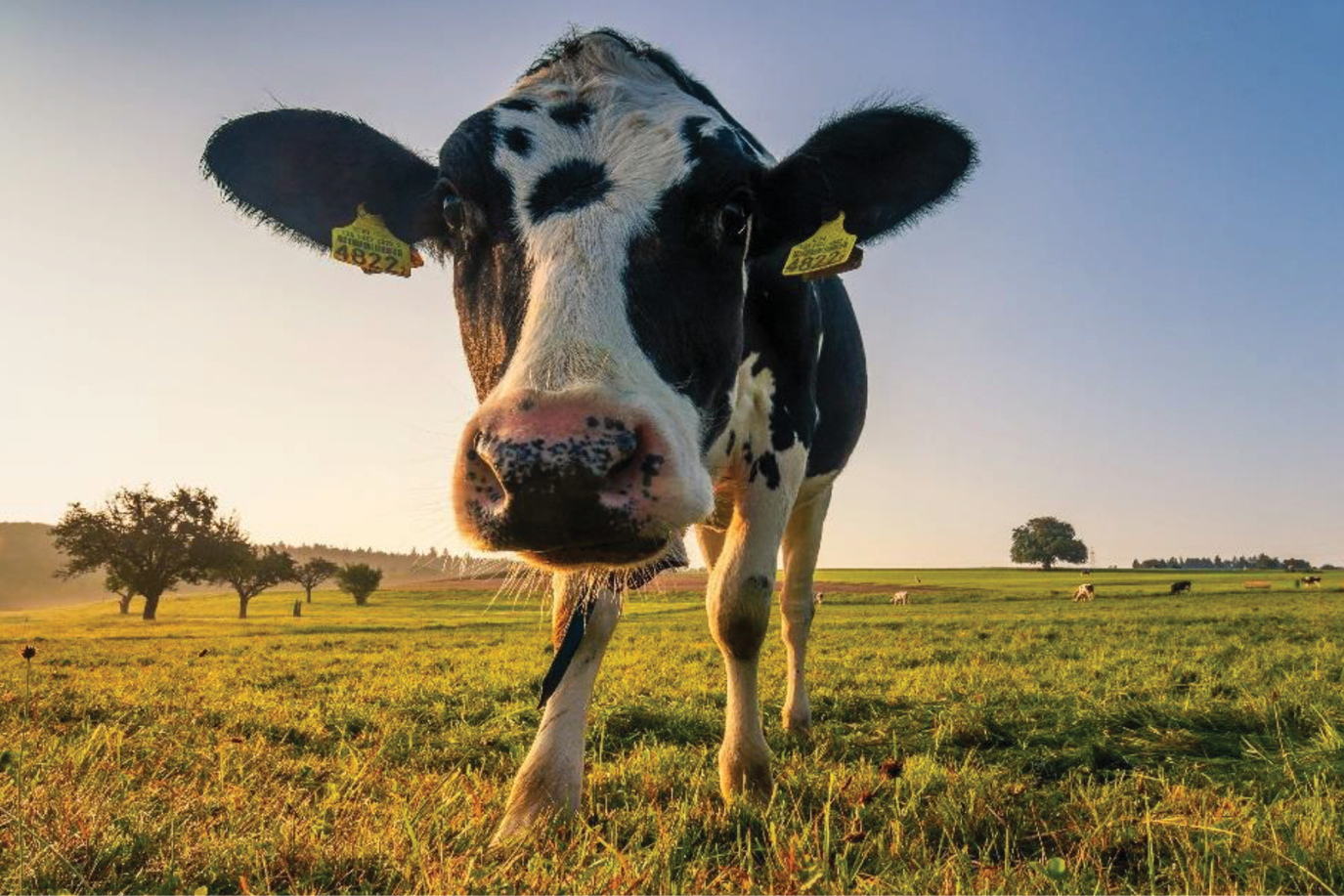
2025 Collars, Costs and Returns: Assessing the Value of Cow Wearables in NZ Pasture Systems
Wearable technologies offer real benefits in monitoring, labour efficiency, and safety on NZ dairy farms. David March’s report discovers that for high-performing operations, financial returns ...