
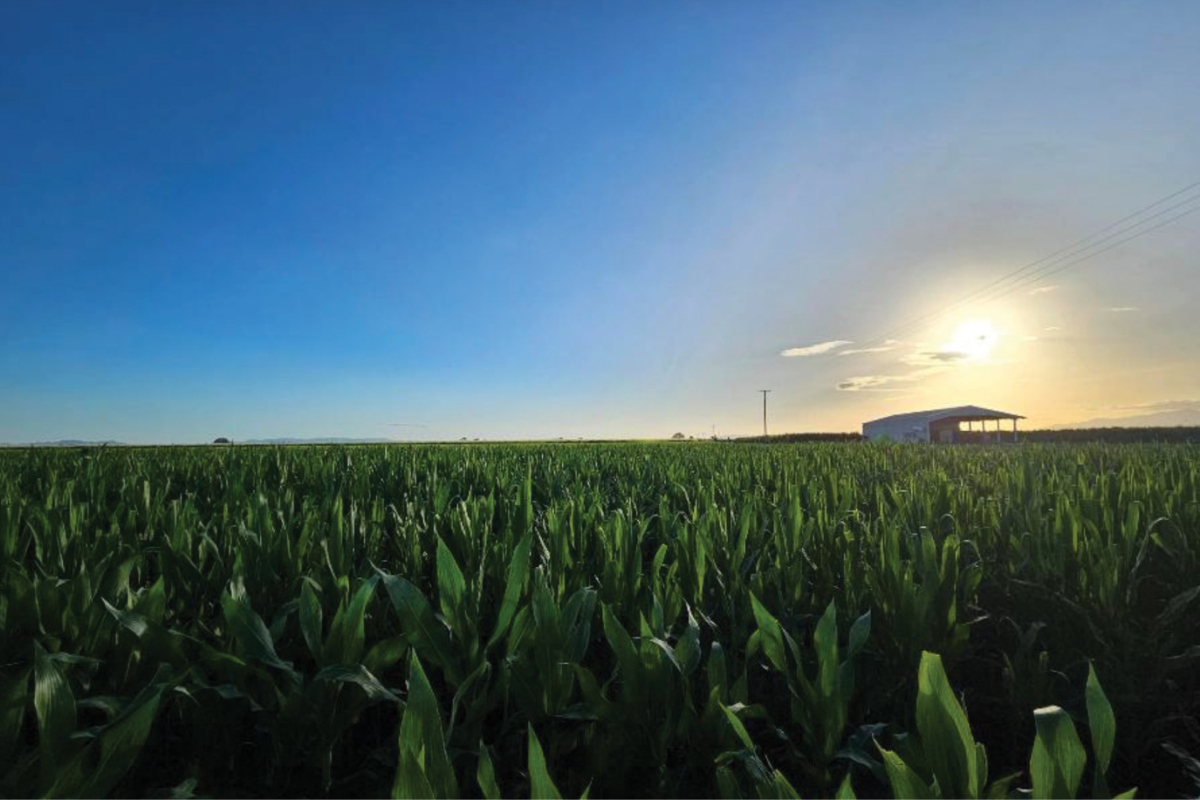

Maize grain growers along the East Coast of the North Island are facing mounting pressures, including rising input costs, weak returns, and increasing competition from imported grain. Once defined by independence and seasonal rhythm, maize grain growers now find themselves at a crossroads.
This study examines: The dynamics of collaboration and its potential to enhance maize grain production along the East Coast of the North Island.
The purpose of this report is to understand what creates, enables and sustains collaboration among maize grain growers in the region. And how this understanding could enable effective collaboration that enhances and supports maize grain production along the East Coast of the North Island.
Purpose:
- To support rural businesses and industry bodies by providing evidence-based insights, that help to initiate and strengthen effective collaboration.
- To guide maize grain growers by identifying the enablers and sustainers of collaboration, highlighting opportunities, and encouraging reflection on current and future collaborative potential within their cropping systems.
The research combines a literature review with semi-structured interviews conducted across growers, rural professionals, and industry body representatives. The interviews were analysed thematically to identify themes and actionable insights.
Key findings reveal that collaboration is often driven by external pressures like economic strain and market volatility, and sustained by internal factors such as trust, and shared purpose. While growers seek a united voice and better support, barriers like land competition, limited understanding, and a reluctance to be vulnerable still hinder progress.
The report concludes that now is the right time to act and initiate collaboration among maize grain growers.
Recommendations:
- An encouragement for all East Coast maize grain growers to reflect and consider what opportunities collaboration could provide for their operations.
- Build understanding before launching any collaborative effort.
- Formation of a specialised collaborative group supported by industry bodies.
Tim Waehling