
Productivity increases by farms over the past twenty years have been large. Farmers are always looking for ways to increase output, especially in the last ten years in a period of high market returns for farm products. Productivity increases have been partly achieved through intensification. Intensification of farming systems over the last ten years has lead to an increase in the amount of inorganic fertiliser inputs of nitrogen (N), particularly on dairy grazing systems and more recently on less intensive sheep and beef farms. Nitrogen fertiliser inputs in New Zealand (NZ) have climbed from 50,000 tonnes to 400,000 tonnes of nitrogen during the 1990 to 2006 period. Research trials both in New Zealand and overseas clearly show the benefits of additional inputs of N fertiliser on increasing annual and seasonal pasture production. N fixation by white clover provides the majority of N inputs in NZ fanning systems. N fixation by white clover is estimated to range from about 25 to 250 kilograms of N per hectare per year on differing NZ grazing systems. Fertiliser nitrogen inputs are estimated at 120 kilograms of N per hectare per year on dairy farms in 2006 and are expected to increase to 170 kilograms per hectare by 2010.


 2025
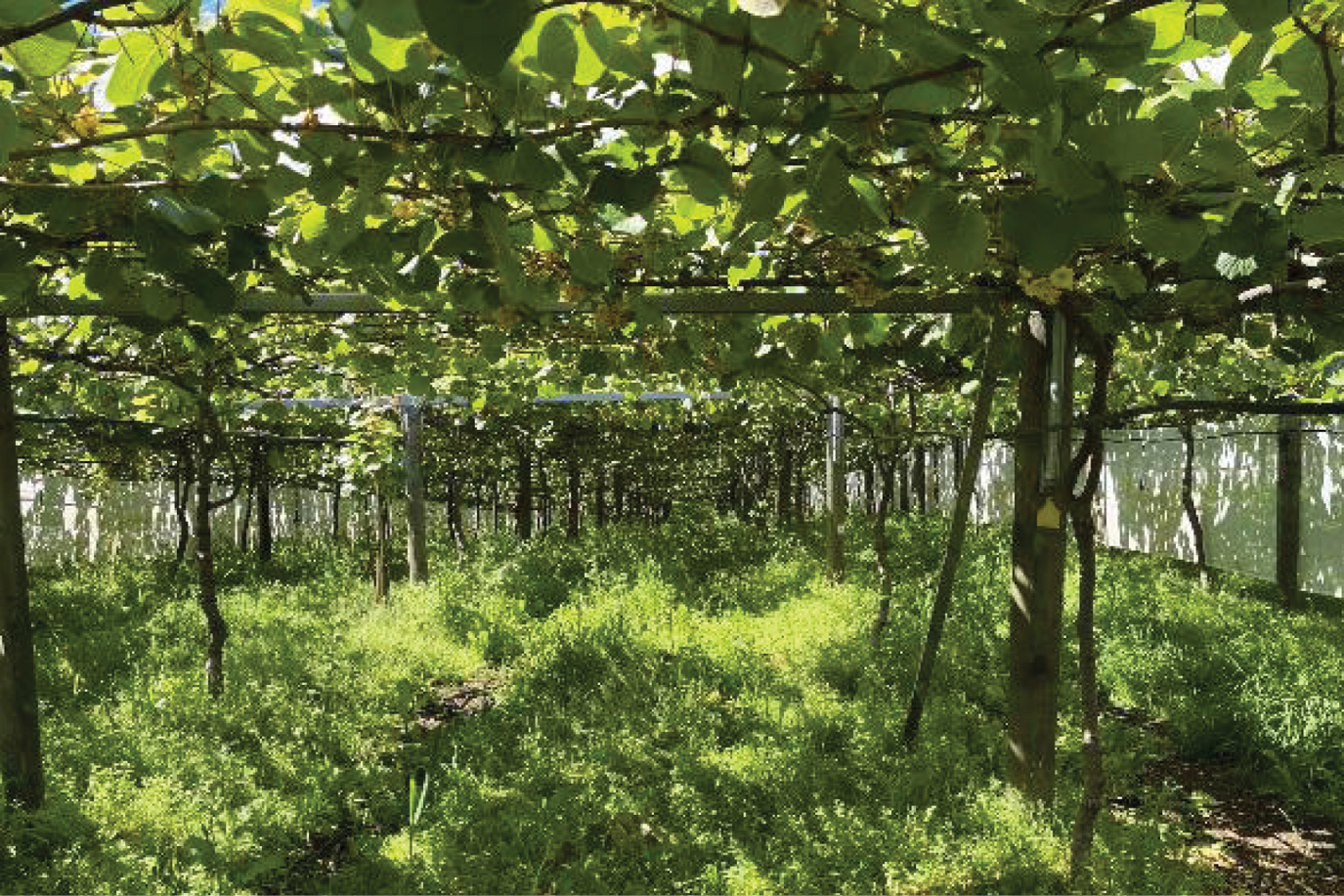
2025 Regenerative Agriculture in Kiwifruit Orchards – Barriers to the Adoption of These Practices
Regenerative agriculture is a holistic farming approach aiming to regenerate soil health and biodiversity. Pranoy Pal’s Kellogg report asserts that a lack of scientific data, ...
 2024
2024 Changing the path of New Zealand Sheep Farming.
This report explores New Zealand's shift to shedding sheep, highlighting economic, environmental, and welfare benefits. It emphasises reduced costs, improved productivity, and sustainable practices, with ...
 2025
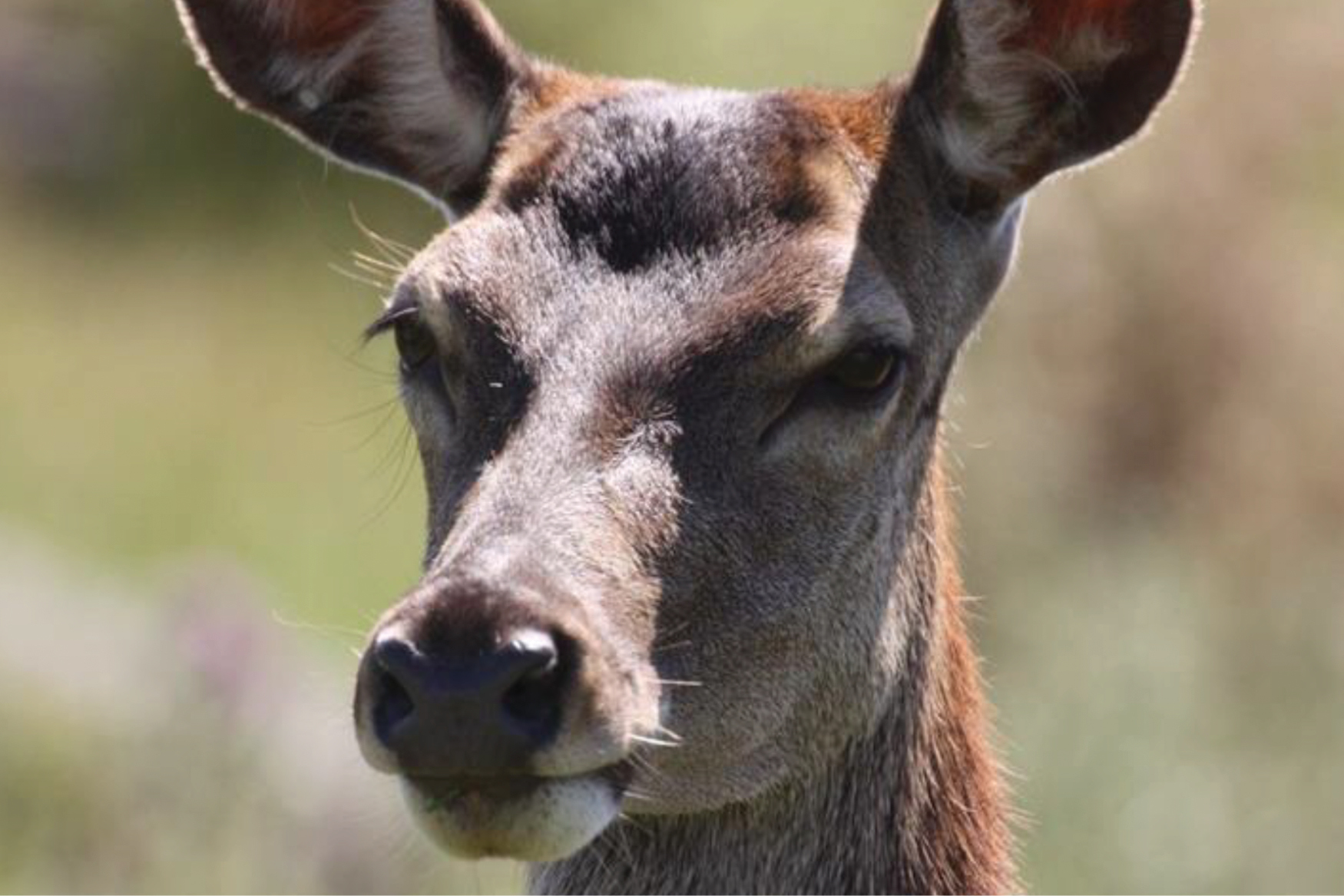
2025 Guardians or Executioners – Navigating the Ethics of Deer Control
Phil’s report examines the expanding deer population across Aotearoa New Zealand, its ecological and economic impacts, the limitations of current management, and the ethical tensions ...