
At 4.35am on 4th September 2010, Canterbury was hit by an earthquake measuring 7.1 on the Richter scale. On 22nd February 2011 and 13th June 2011 a separate fault line approximately 35km from the first, ruptured to inflict two further earthquakes measuring 6.3 and 6.0 respectively. As a direct result of the February earthquake, 181 people lost their lives. Some commentators have described this series of earthquakes as the most expensive global insurance event of all time. These earthquakes and the more than 7000 associated aftershocks have had a significant physical impact on parts of Canterbury and virtually none on others. The economic, social and emotional impacts of these quakes spread across Canterbury and beyond. Waimakariri district, north of Christchurch, has reflected a similar pattern, with over 1400 houses requiring rebuild or substantial repair, millions of dollars of damage to infrastructure, and significant social issues as a result. The physical damage in Waimakiriri District was predominately in parts of Kaiapoi, and two small beach settlements, The Pines and Kairaki Beach with pockets elsewhere in the district. While the balance of the district is largely physically untouched, the economic, social, and emotional shockwaves have spread across the district. Waimakariri district consists of two main towns, Rangiora and Kaiapoi, a number of smaller urban areas and a larger rural area. It is considered mid-size in the New Zealand local government landscape. This paper will explore the actions and plans of Waimakiriri District Council (WDC) in the Emergency Management Recovery programme to provide context to allow a more detailed examination of the planning processes prior to, and subsequent to the earthquakes. This study looked at documentation produced by WDC, applicable legislation and New Zealand Emergency Management resources and other sources. Key managers and elected representatives in the WOC were interviewed, along with a selection of governmental and nongovernmental agency representatives. The interview responses enable understanding of how central Government and other local authorities can benefit from these lessons and apply them to their own planning. It is intended that this paper will assist local government organisations in New Zealand to evaluate their planning processes in light of the events of 2010/11 in Canterbury and the lessons from WDC.


 2024
2024 The performance psychology of elite Canterbury sheep and beef farmers
This paper investigates whether the use of Sports Psychology tools could be that one percent advantage, what the most applicable tools are and how they ...
 2025
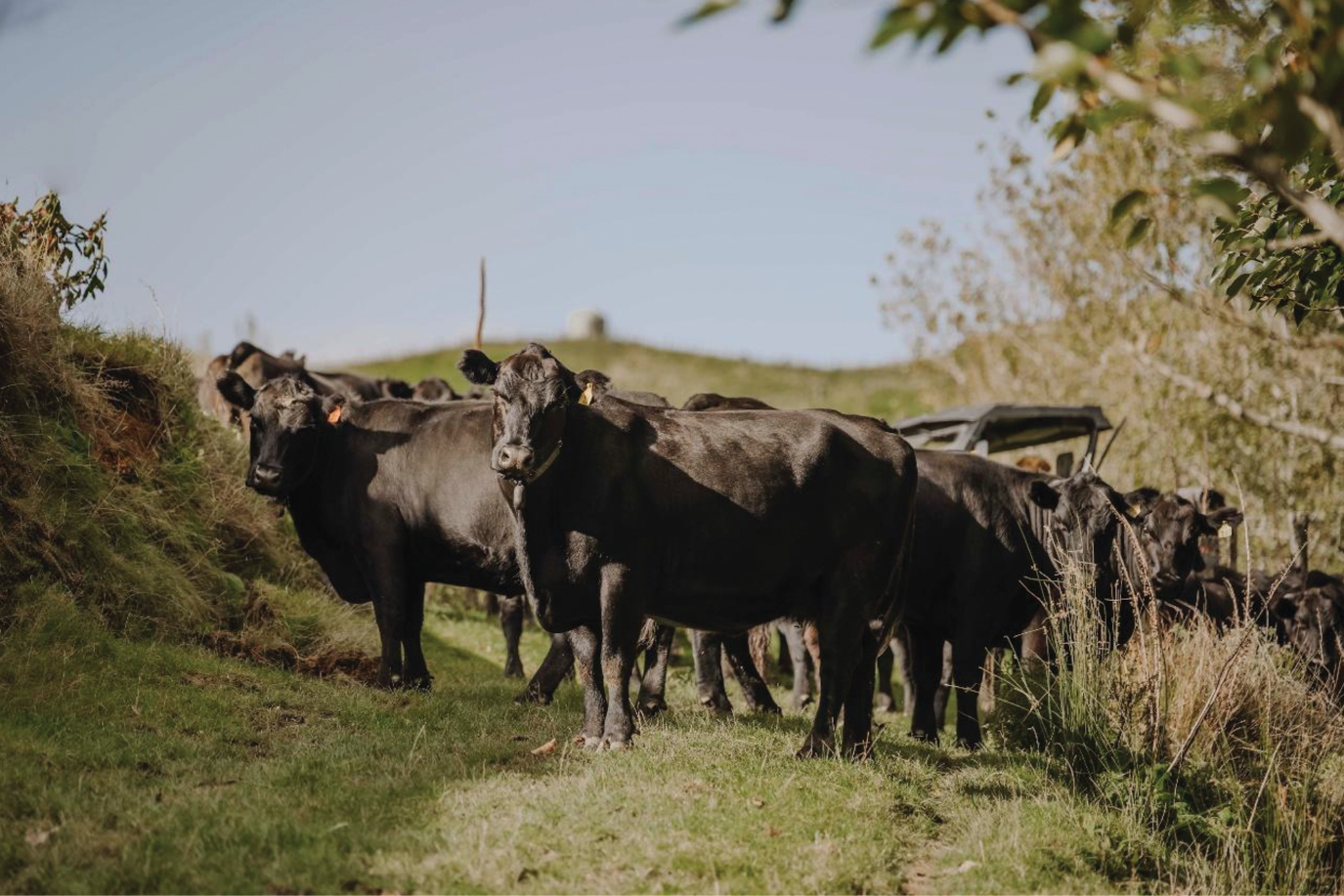
2025 Beef on the Brink of a Tech Revolution: Wearables on NZ Hill Country
This report by Natasha Cave examines virtual fencing for beef cattle, its potential to lift pasture management and environmental protection, while emphasising that success requires ...
 2025
2025 How do we Develop Financial Literacy in Rural New Zealand?
This report by Morgan Jones tackles the financial literacy gap in rural NZ by exploring tailored, accessible education strategies for farmers, growers, and professionals.