
There is no denying that New Zealand has a declining water quality issue that needs addressed sooner rather than later, there is no denying that both rural and urban communities are at fault. But what resources are out there to help mitigate the declining water quality?
The Resource Management Act 1991, as our main piece of legislation, oversees how the environment is managed. The idea is sustainable management of New Zealand’s resources and helps manage the natural and physical resources at a national, regional and local level.
The National Policy Statement for Freshwater Management is a policy that encourages New Zealander’s to have discussions about where we, the current generation, want and expect water quality to resemble for the future generations.
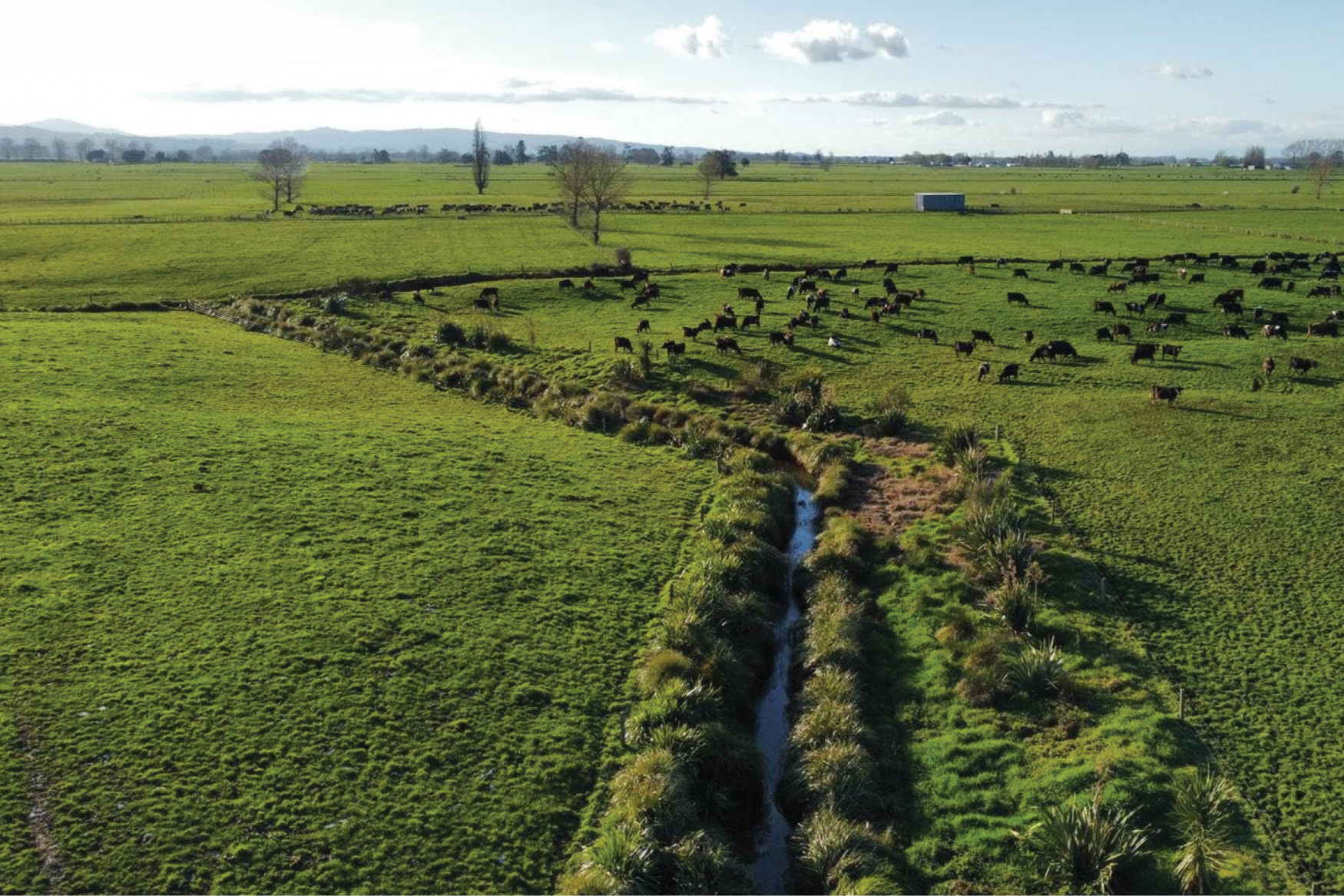
The way we use the land differs across New Zealand so the impacts on our fresh water, whether positive or negative, are often specific to a catchment or region. This makes it difficult to paint a national picture. It can also take decades for water (and any contaminants it contains) to cycle from the earth’s surface through the ground to aquifers, and back to surface water systems. This means some effects we see today are legacies of past activities, and the impact of our activities today, both positive and negative, may not be seen in our waters for a long time.
Leaders and organizations are acknowledging that even their best individual efforts can’t stack up against today’s complex and interconnected water quality problems. A diverse group of local leaders are putting aside self-interests and collaborating to challenge conventional wisdom and fix problems that they have a vested interest in. Often, they lack the formal authority to solve the problem and don’t have an obvious ‘plug and play’ solution. A willingness to embrace new ways of working together. This movement is yielding promising results.
Change leadership is the ability to influence and enthuse others through personal advocacy, vision and drive, and to access resources to build a solid platform for change . This is what catchment groups need to be successful.
It’s about engaging with the community; passing on information to farmers and the public about the current water quality situation and monitoring and improving water quality. Catchment management comes down to strong leadership, considering values of New Zealand’s citizens in terms of social, economic, and cultural aspects. Communication and conversations that stay ‘above the line’ creates evolved thinking to the stage of curiosity, learning, problem solving and eventually positive action.
Megan McGregor