
This research assignment aims to look at the need for diversification in horticultural crops within regions. This has become evident through the unwanted introduction of Psa to New Zealand. Regions such as the Bay of Plenty are largely exposed to the kiwifruit industry which is concerning when currently the outlook on the industry is still very bleak. I will look at the regional impact that a downturn in the industry could result in and ultimately relate this back to the need for diversification of the individual grower to ensure that the region by default is diversified. In order to show this I will base some figures for kiwifruit on an actual orchard that is looking to covert some of the kiwifruit area to grow citrus. At the end we will see the overwhelming reason why the individual kiwifruit grower has not diversified into other horticultural crops. However there is still a strong need that growers look to investments outside the horticultural sector to gain some financial security if the New Zealand kiwifruit industry was not to recover from the Psa epidemic.


 2025
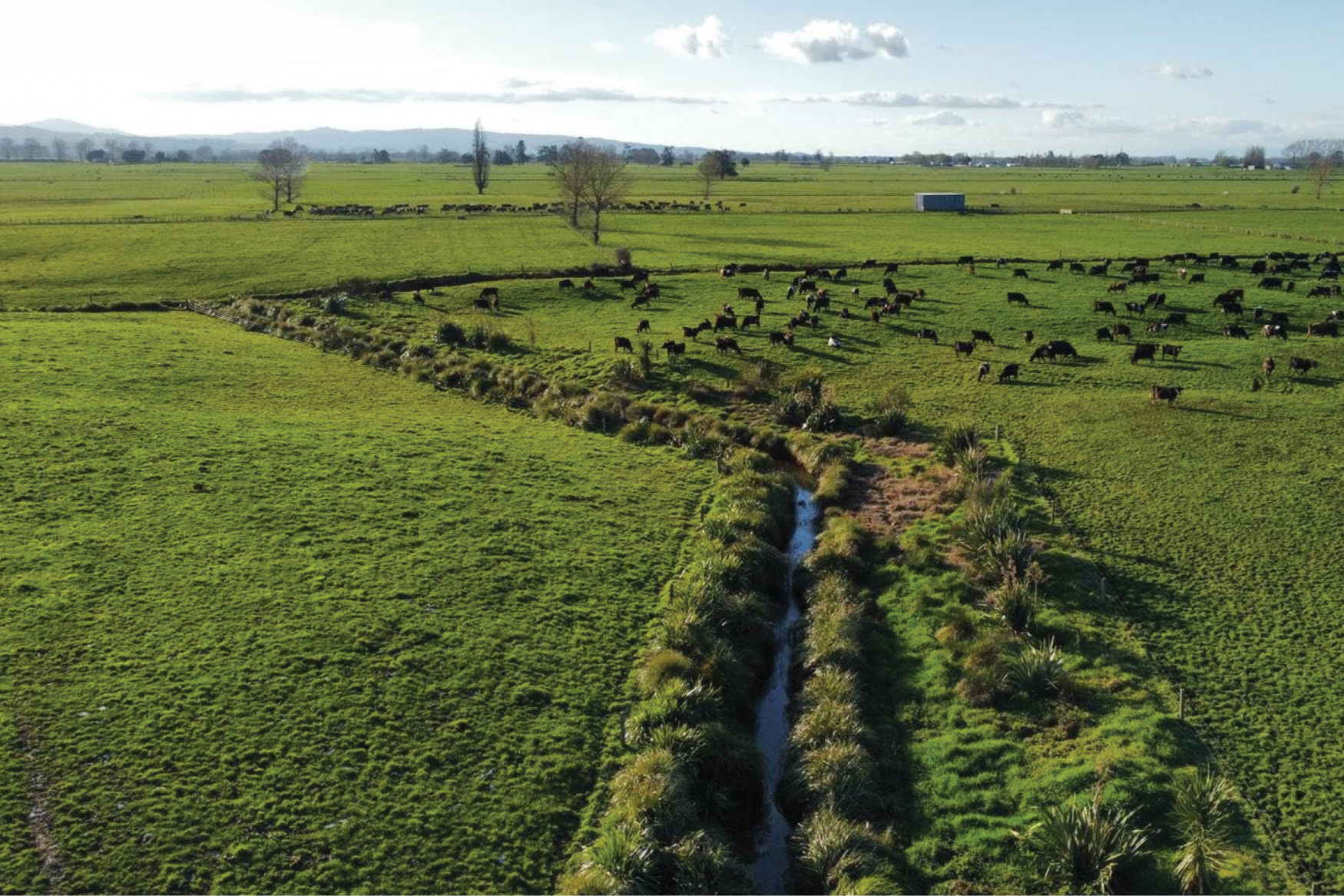
2025 Balancing Profit and Environment: Insights From New Zealand’s Leading Dairy Farms
NZ dairy farmers prove profit and sustainability can align—pasture smart, cost-savvy, and values-led. A balance worth backing.
 2024
2024 Turning skills into profit: How do we grow profitable dairy farmers?
This research paper aims to identify the key skills that drive profitability in NZ's dairy farming sector and explore how targeted training and development can ...
 2024
2024 Future Proofing our workforce: Retaining the Skills for tomorrow’s growth
This report seeks to ensure that Central Otago’s horticulture industry remains robust, sustainable, and attractive to both current and future professionals.