
2020 Reports
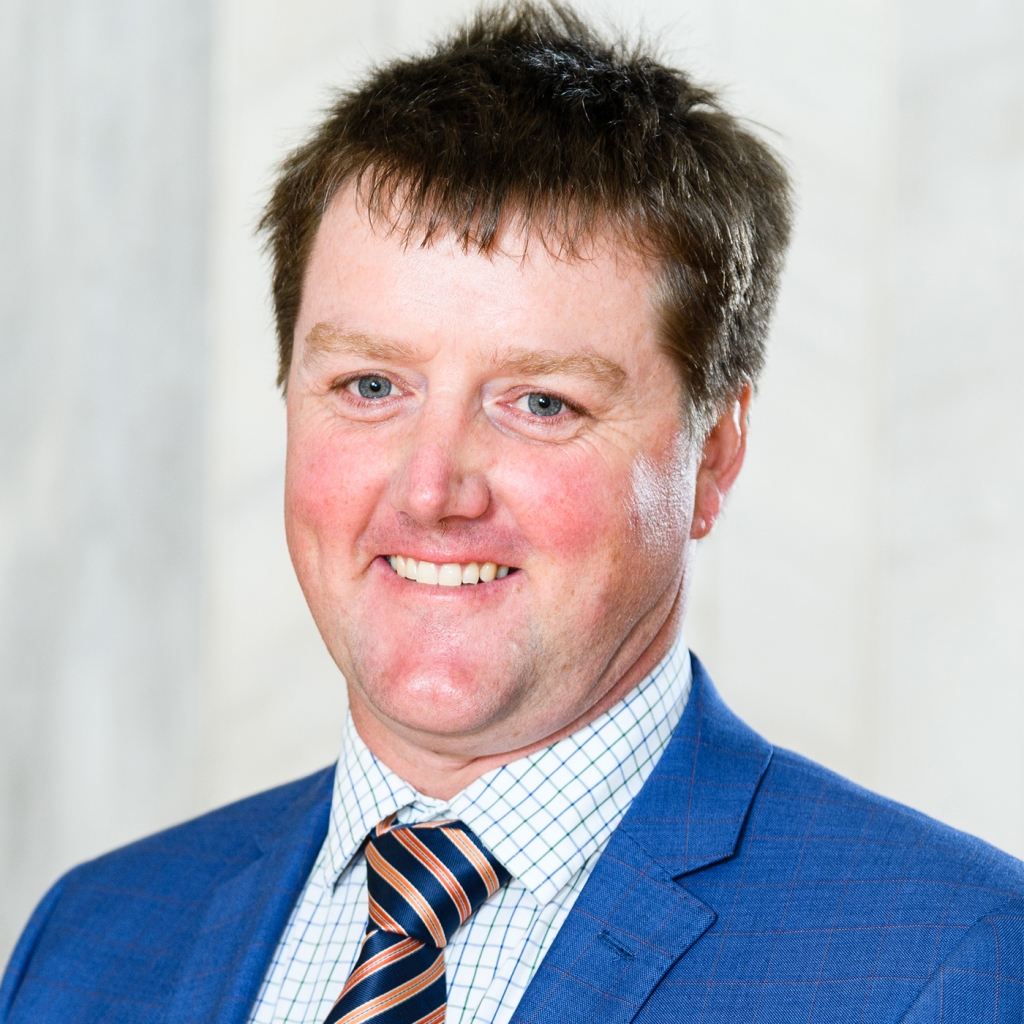
Edward Pinckney
Change is a certain component of the future of New Zealand agriculture, the opportunity is to make it a positive experience that applauds and embraces innovation and encourages personal stewardship while minimising regulation.
- March 2022
- Nuffield 2020
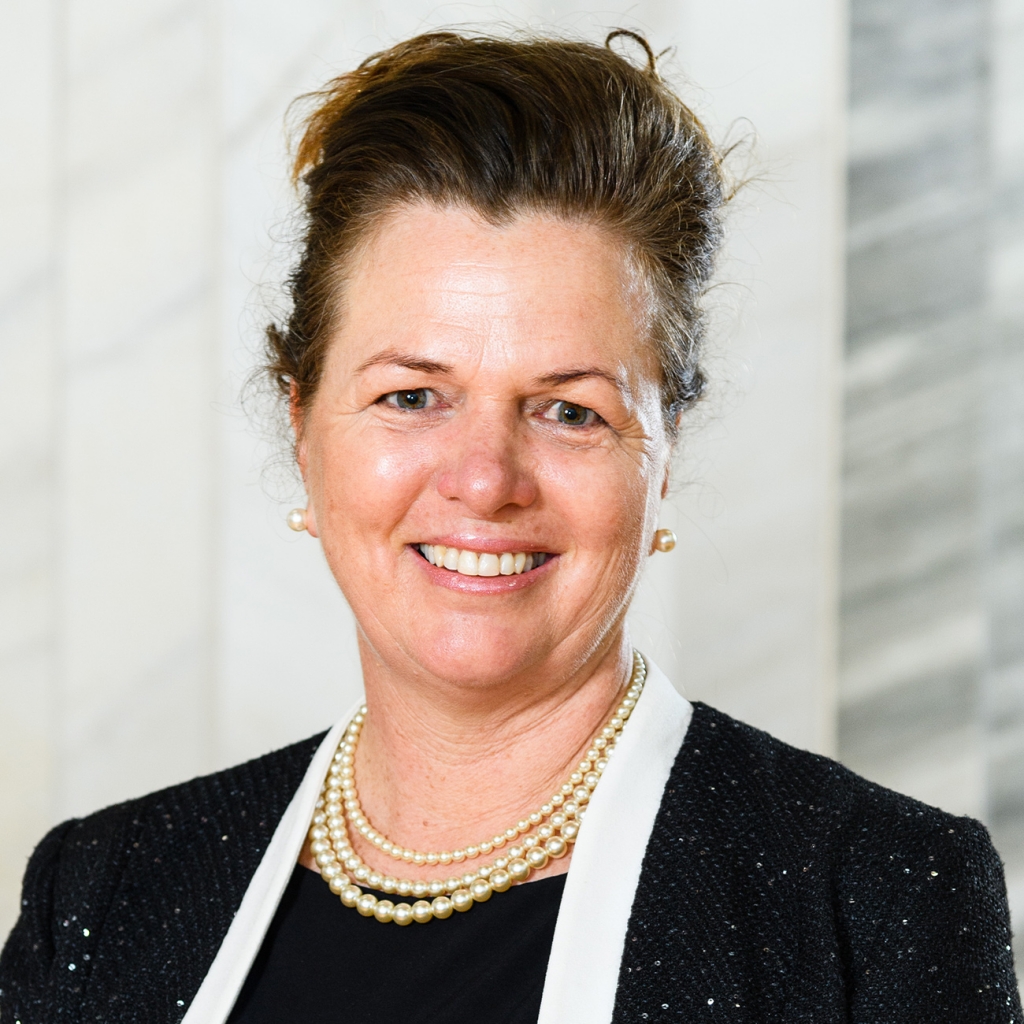
Tracy Brown
There are multiple stakeholders with various views of the world and we currently have no clear framework to understand what is going on around us. A better understanding of how we need to adapt and organise ourselves, will better position leaders to make changes.
- April 2022
- Nuffield 2020

Phil Weir
With a climate crisis, increasingly diversified agri-businesses, interest in regenerative agriculture and increasing membership of catchment groups, coupled with generational change and economic reform, now is the right time for structural change to New Zealand Agriculture.
- March 2022
- Nuffield 2020

Shannon Harnett
The tension between science-led and consumer-led research and development is unavoidable. There is a need for both. Successful consumer-led innovation directly produces economic value. Science for the sake of obtaining knowledge leads indirectly to economic, social, and environmental benefits.
- February 2022
- Nuffield 2020
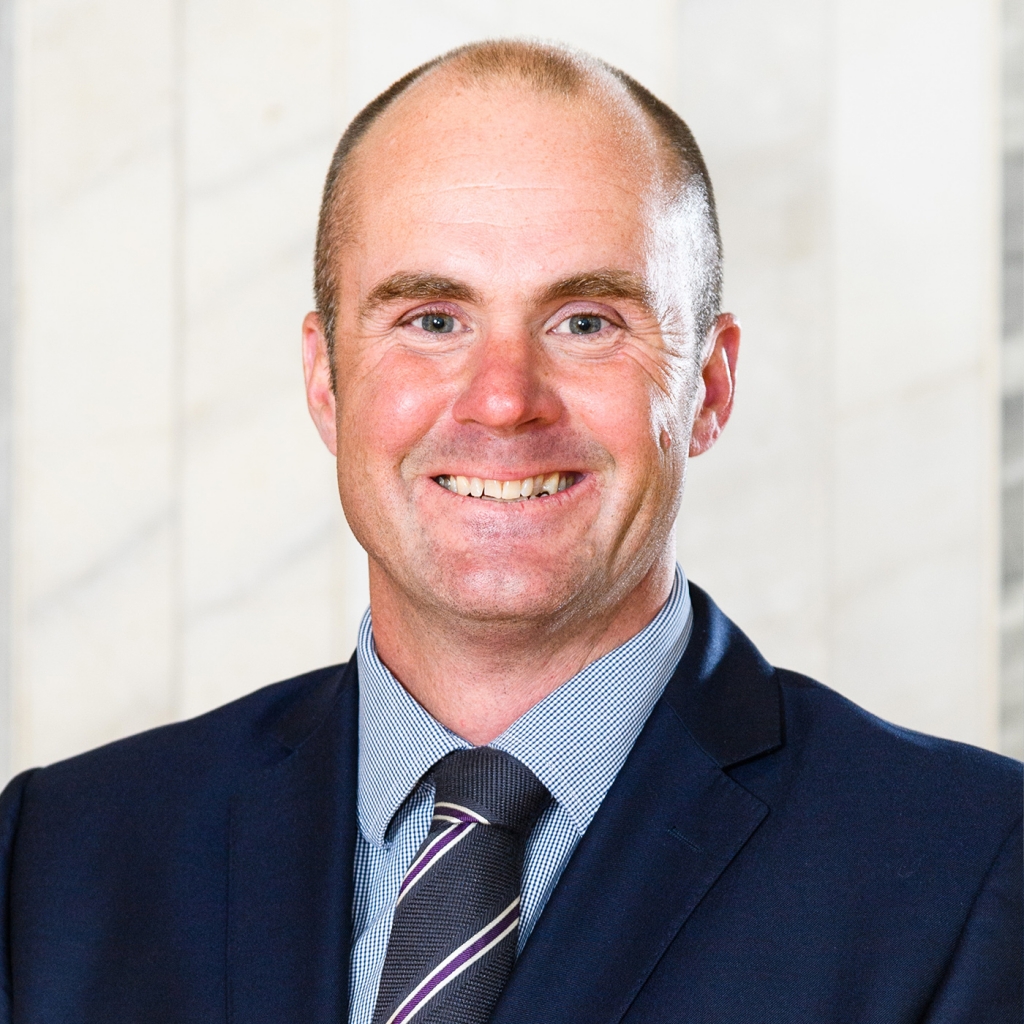
Ben McLauchlan
The future is positioning our produce in high end, affluent markets that demand, ethically and environmentally friendly products going away from volume favoured markets to values driven markets. This takes a mindset shift from farmers.
- March 2022
- Nuffield 2020

Donna Atkinson
This report explores ways that well-being can be enhanced in the post-harvest kiwifruit sector. The kiwifruit industry has expanded substantially over the last few years and is expected to continue with exponential growth. It is more important than ever to focus on the well being of employees to ensure that the industry can fulfill its potential.
- 2020
- Kellogg 42

Chelsea Smith
I explored the ways that we can get dairy farming women into New Zealand boardrooms to see better outcomes for our businesses and economy. This is not about men versus women or disregarding the importance of experience, it is about what we need to do to be closing the gender gap on boards, having diversity of thought around the boardroom and avoiding ‘group think’. It is about the individual having the confidence to bring their true self to the table and express their views.
- 2020
- Kellogg 42

Rebecca Reith
The aim is to understand the current plant breeding technologies and compare them to the controversial genetic technologies which have recently become available to New Zealand, such as genomic selection, marker-assisted selection, genetic modification, and gene editing.
- 2020
- Kellogg 42
Anna Rathe
The aim of this project was to explore how plausible future scenarios can be used as a tool to better prepare the New Zealand horticulture sector for what the future may bring. The project objective was to develop scenarios to help to consider what the future operating environment could look like for horticulture in New Zealand, and what challenges and opportunities different plausible futures might present for the sector.
- 2020
- Kellogg 41

Nicole Morris
The objective of this research was to understand how New Zealand’s primary industry can communicate the importance of agricultural science more effectively to the New Zealand public, and who should be responsible for doing this. Understanding how the rural community views current government support for agricultural science and science funding is also important. The aim here is to determine how best to ensure that there is a better appreciation of the value of agricultural science to New Zealand’s bioeconomy.
- 2020
- Kellogg 42

Bryan Milne
This report aims to raise awareness of the importance of having a balanced and supportive approach to change. Making change can be separated into three buckets: imposed, collaborative, and change by choice. The clear difference in the change buckets comes through the perception of having control. Being in complete control is found in the change by choice bucket.The perception of increased imposed change for NZ farmers/growers is something the primary industries need to be wary of, given the effect this change type has on mindset and profitability.
- 2020
- Kellogg 42
Brent Miller
This report investigates whether the dairy industry has a labour transience problem and what it truly costs a business to lose and retrain a new employee.
- 2020
- Kellogg 42

Nicole Mesman
Internationally increasing soil carbon in agricultural soils has the potential to offset greenhouse gas emissions. This project evaluates the role of soil carbon in relation to farm greenhouse gas emissions in New Zealand. Agricultural soils in NZ have naturally higher levels of carbon than those overseas because they are typically younger and our practices include more restorative pasture and animal phases. Therefore we may not be able to increase soil carbon in the same way as international studies suggest.
The aim of this project was to examine the role of soil carbon in NZ and in relation to farm greenhouse gas emissions and policy. Key groups industry stakeholders were identified and interviewed. From the results themes were identified and analysed to answer the study questions.
- 2020
- Kellogg 42

Michael McHutchon
It is important to measure the current level of financial acumen to understand what the barriers are impacting one’s ability to upskill, and what the implications are to farmers and their wider support networks. From understanding the barriers and implications we can then conclude with recommendations to where and how farmers, rural professionals, industry-good organisations, software providers and government bodies can help improve and upskill one’s financial literacy to create resilient businesses and a stronger economy.
- 2020
- Kellogg 42

George Lilley
The New Zealand arable farming industry faces a number of issues as it attempts to remain profitable in a world of increasing public scrutiny and environmental regulation. This report investigates whether the integration of a hazelnut orchard into an existing Canterbury arable farm could provide a profitable alternative, a lower nitrate-N leaching profile and an opportunity to sequester carbon on-farm.
- 2020
- Kellogg 42

Aaron Letcher
As demand begins to exceed supply access to water, or a lack thereof, will likely lead to increased social and political instability and tensions between neighbouring countries – particularly when there is a shared water resource involved.
Although New Zealand is unlikely to face some of the more extreme challenges that will arise globally, we will still have our own unique issues to overcome as a country. Already we are beginning to feel the impacts of a changing climate with more extreme weather patterns.
In 2020 much of the country experienced what many described as the worst drought on record. The issue is, this drought was not the only catastrophic drought in living memory – in fact, it wasn’t even the only catastrophic drought to hit New Zealand in the past decade. Only seven years earlier we had experienced similar scenes across much of the country.
- 2020
- Kellogg 42

Thomas Creswell
New Zealand exporters face high costs, regulation, and distance to markets. This report explores how strategic alliances can overcome these barriers, their risks and benefits, and key steps for successful collaboration.
- 2020
- Kellogg 42

Helen France
There are ongoing and increasingly growing challenges for sustainability, environmental limits, and pressure for greater efficiencies. Emergent and developing trends in plant-based proteins are creating movements and shifts in consumer demand and food production. Health and nutrition are influencing consumer demand more than ever.
Throughout this study, a greater understanding was sought in the global positioning of alternative proteins and within the New Zealand context. This was then used to identify the considerations required to evaluate the importance of alternative proteins to the Agri-industry in New Zealand.
- 2020
- Kellogg 41

Sarah Watson
The aim of this report is to research the development of a grain trading course for field reps, specifically targeting field reps in their first two years out on the road with the objective that it is used by agribusiness organisations. Industry could use this research document to inspire further discussion and development on upskilling our people in arable.
The methodology included an exploratory literature review and a semi-structured questionnaire, and targeted grain traders from the arable industry with field rep staff and arable growers from the various cropping areas throughout the country.
- 2020
- Kellogg 41

Sam Shergold
The impact of a global pandemic crisis has highlighted that the development of strategic labour force plans like the food and fibre skills action plan and the primary three year plan was all too late to assist with the biggest challenge the industry would face in over 20 years. COVID19 forced the New Zealand border into lockdown and restricted travel into New Zealand. With upcoming seasonal work starting, how was the primary industry get its capable workforce to achieve the level of productivity it was used to.
- 2020
- Kellogg 41

Matt Redmond
The challenge is to grow the agricultural industry and keep entry points open, to allow the next generation to attain farm ownership.
The aim of this project is to investigate what options there are for younger farmers to grow their equity within the agricultural industry, rather than investing in external options, and enable them to get a foot in the door to farm ownership.
From my discussions with farmers, rural professionals and business owners outside the agricultural industry, there is a sense that it is harder than it has ever been to buy a farm, but it is still possible.
- 2020
- Kellogg 41

Charlotte Montgomery
To reach the goal of dairy farm ownership, those in the industry are becoming creative around the pathway they choose for progression.
What has not changed during this growth of the industry are the people. Those who reach the goal of dairy farm ownership have key characteristics in common and when these characteristics are examined, they become keys to success.
- 2020
- Kellogg 41

Graeme Peter
Corporate social responsibility (C.S.R.) is maturing rapidly in modern times as a way for companies to reflect the values of its customers, employees and investors. Dairy is facing rising compliance as expectations of consumers and the public grow. Society is putting more emphasis on the impact of their food purchasing decisions resulting in rapid change for Aotearoa dairy farmers.
Dairy farming in Aotearoa is a unique business in that it is non-competitive at the supplier level. Farmers are not competing with their neighbour or any dairy farm, as they are all collected by a processor.
- 2020
- Kellogg 41

Juliette Maitland
This Kellogg project explores how ‘ready’ we are as a sector to capture the potential value of diverse dairy enterprises across different parts of the value chain, everything from farmer or grower to consumer.
There is also building pressure and urgency around finding pathways to capture opportunities such as: adding more value to non-replacement dairy calves, positioning our New Zealand Food and Fibre products away from commodities and towards products with genuine market differentiation as well as understanding the role plant based proteins will play in New Zealand’s food future.
- 2020
- Kellogg 41