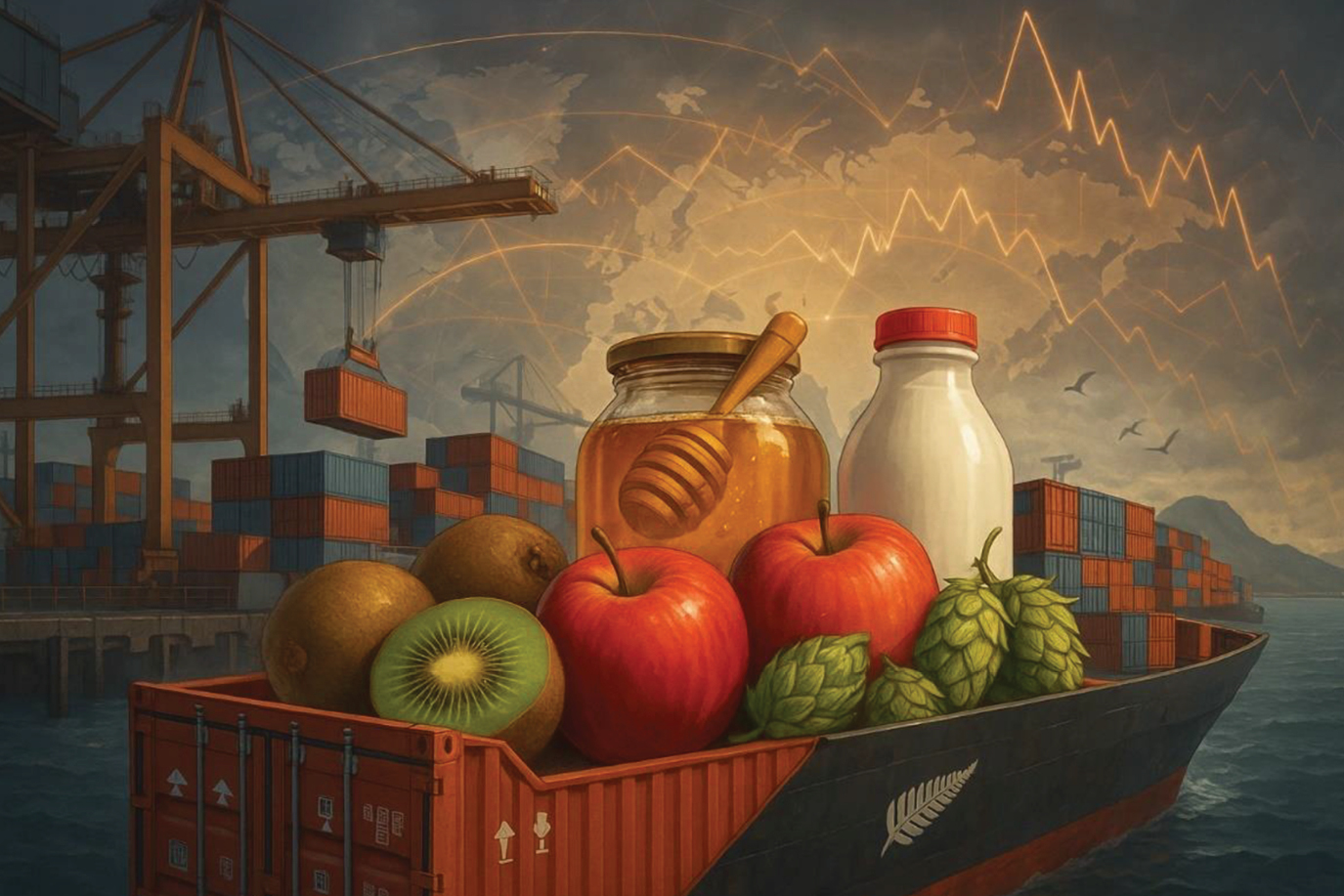


The Primary Industry has long been stated as being the backbone to New Zealand’s successful economy. A reputation worldwide for a high quality of food and fibre, and good agriculture practices on luscious clean and green land. The Primary industry employs over 14% of the total population of New Zealand and has been through a rollercoaster in employment since 2002.
In 2011 the recognised seasonal employment scheme came into effect and it has allowed the food and fibre industry to grow since. Although continued growth requires a capable workforce to do the work. This was identified in 2019 by the Primary Industry Council and the Food and Fibre Working Group which has led to each establishing a vision and strategic 3 – year plan to grow the Knowledge, Employment, Education and attraction of New Zealanders into the primary Industries.
However, the impact of a global pandemic crisis has highlighted that the development of strategic labour force plans like the food and fibre skills action plan and the primary three year plan was all too late to assist with the biggest challenge the industry would face in over 20 years. COVID19 forced the New Zealand border into lockdown and restricted travel into New Zealand. With upcoming seasonal work starting, how was the primary industry get its capable workforce to achieve the level of productivity it was used to.
Immediate challenges affected the kiwifruit and dairy industry, while no one really understood the impact and implications the crisis would have going forward. Now in October 2020, summer is approaching and so is pruning and harvest season for the horticulture industry, the biggest sector of the industry that relies on seasonal overseas workers. At least 10,000 workers are still needed to harvest the crops, turning 2020 into a year of “how much crop can you harvest rather than how much crop can you grow”.
Slow but steady support from the government has helped overseas workers and immigrants stay longer in New Zealand, however the closure of the boarders is preventing the additional numbers of the workforce coming to New Zealand to help with harvesting. Some New Zealanders will turn to help, but the sector requires a capable workforce to move volumes of fruit and vegetables around the world.
The resilience of the New Zealand workforce has been tested through the duration of the COVID 19 global pandemic crisis but now New Zealand and the primary industry need to plan for the next global pandemic. A contingency plan for the next crisis, greater collaboration with the New Zealand Government and inclusion with the contingency planning and expanding the Recognised Seasonal Employment scheme so New Zealand can have a capable workforce and continue to grow the strengths of the primary industry in New Zealand.
Sam Shergold