
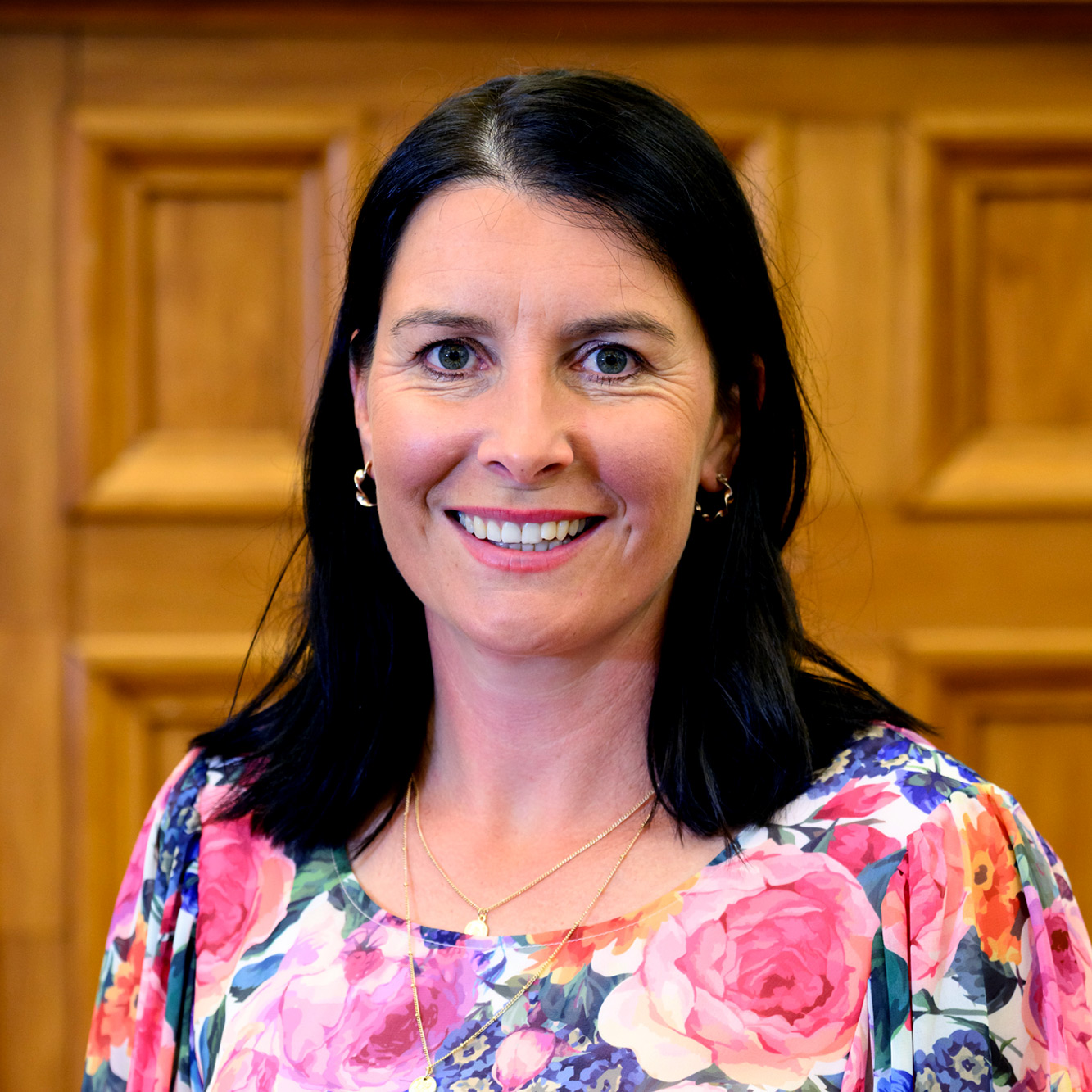

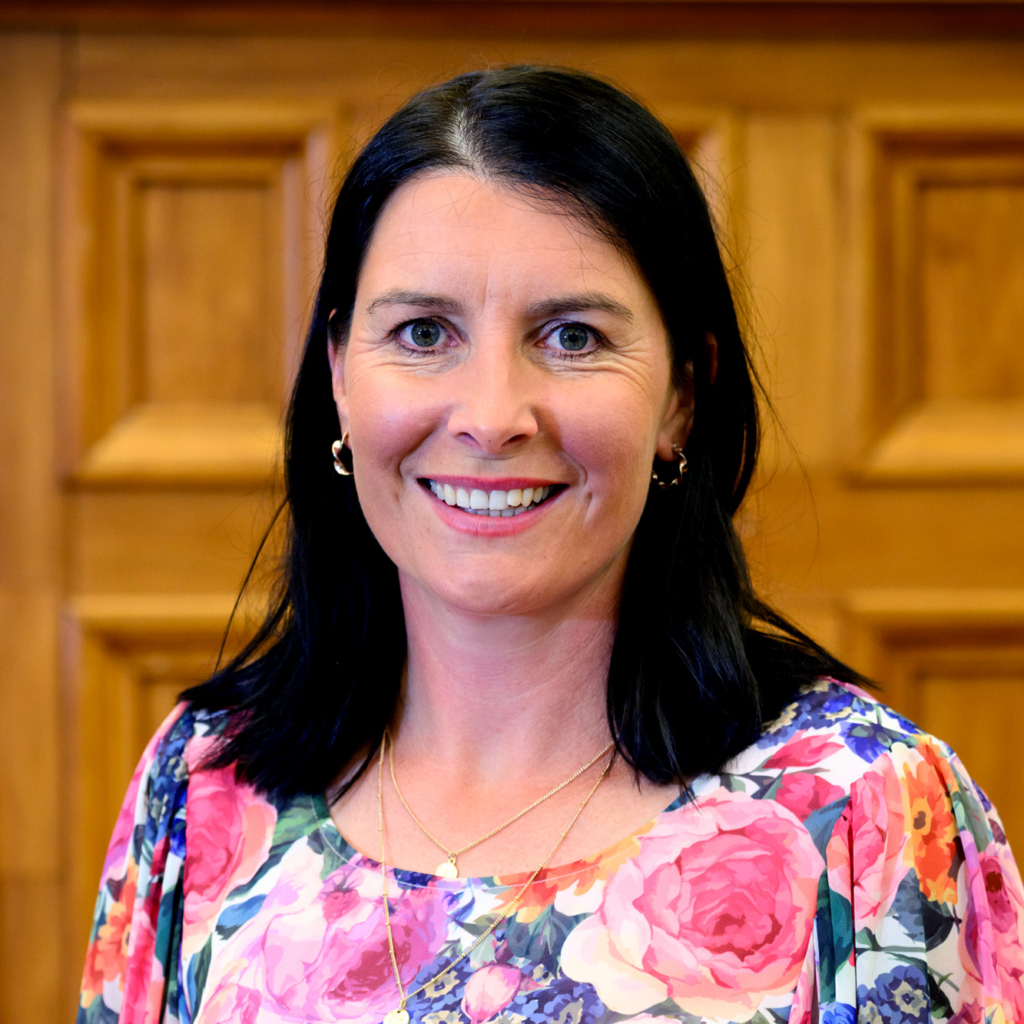
Dani Darke didn’t set out to research beef. The 2025 Nuffield scholar, who runs a 630-hectare sheep and beef property in the Waitomo, originally proposed a project on agritech for Hill Country. What pulled her in a different direction was two key encounters overseas, and the realisation that New Zealand’s biggest beef opportunity might not sit where the industry has long assumed.
The first prompt came in a Singapore supermarket. Darke had expected to find New Zealand beef at the premium end of the chiller. It wasn’t there.
“It was confronting in that it wasn’t sitting right at the premium spot where I believed it sat. So that kind of made me start to question a few things.”
The bigger shift came inside a meat plant in Colorado, processing 6,000 cattle a day.
“These cattle are seriously fat. There’s all this trimming that comes off the cattle and it kind of sits there in these big cardboard vats, just fatty trim, and it’s not really of much value until they import our lean beef to mix with it.”
Around 60% of beef consumed in the United States is ground beef. Adding imported lean trim to that fatty American trim was worth roughly USD $400 per carcass back to the American farmer at the time of Darke’s visit. The system she was looking at wasn’t a competitor for New Zealand beef. It was a customer.
“Far out, they need us.”
From there, Darke argues lean manufacturing beef and dairy beef should be treated as a strategic strength rather than a second-tier fallback. Friesian bull and dairy beef systems are highly profitable on farm, she says, yet often dismissed.
“I kind of feel in some ways they’re looked down upon as though that’s not where we should be playing in New Zealand.”
Her thinking ties into the underutilised dairy beef calf resource currently absorbed by the bobby calf trade, and the genetics work required to make those calves fit for beef finishing.
“We need tough calves that are going to survive in Hill Country, and really good genetics that’s going to grow and yield well with lean beef.”
The model is already being proven. Waikato farmers John and Fiona Sherlock, working alongside AgResearch, have demonstrated dairy beef on Hill Country can lift profitability and deliver strong environmental outcomes. Darke is running her own trial this winter, putting 200-kilogram bulls onto her steepest country under virtual fencing.
She will present her formal Nuffield report in November 2026. Her framing is deliberately not prescriptive.
Her framing is deliberately not prescriptive. “I haven’t put my paper out there to kind of say we need to go and do a whole lot of stuff,” she says. “It’s just like, here’s an opportunity that I think is pretty exciting and it’s right on our doorstep, and it doesn’t mean a whole heap of change, but it’s something I really think we should be looking at.”

