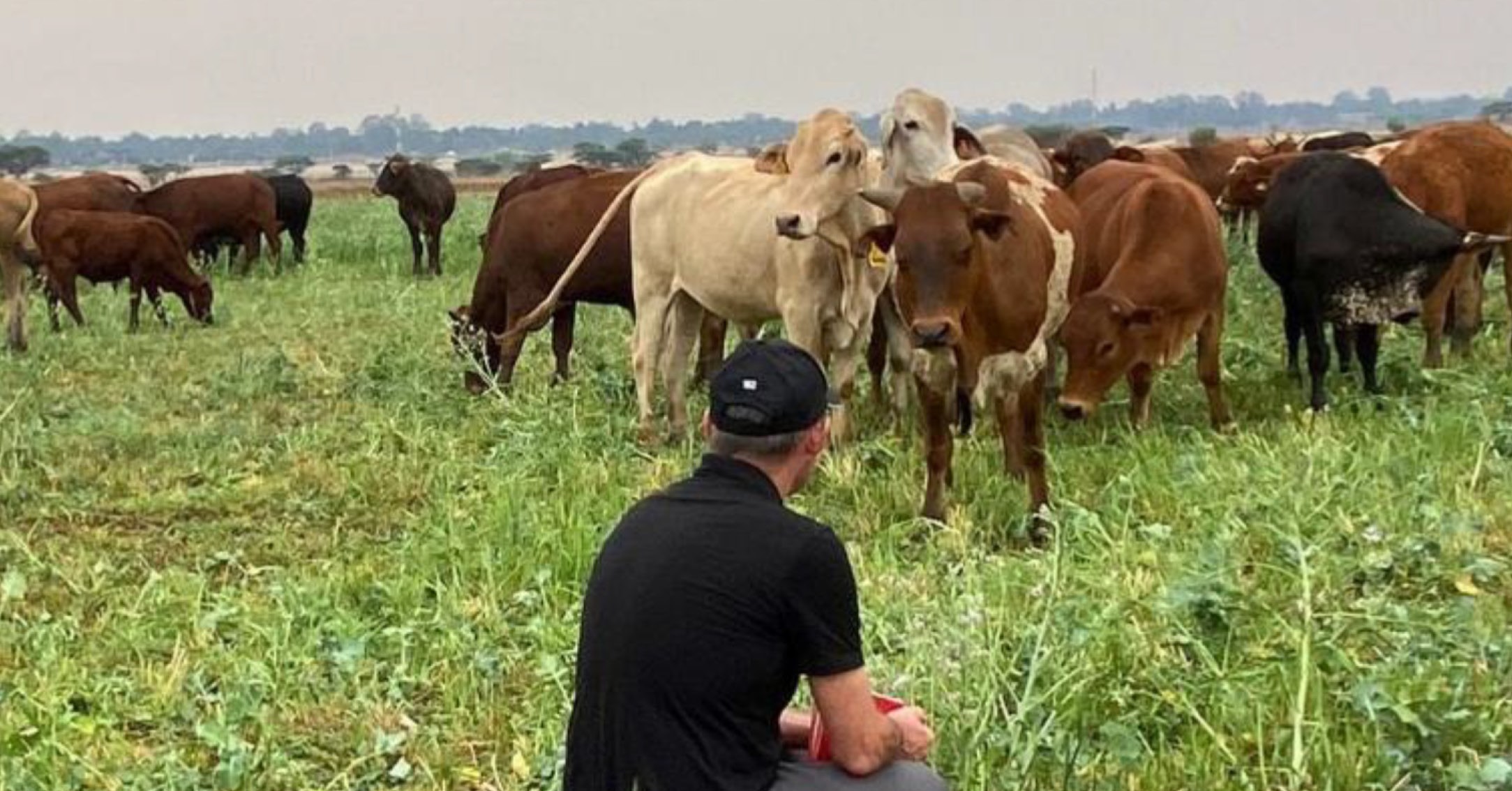
New Zealand’s beef industry generates approximately NZD $5 billion in annual export revenue, supplying over 80 countries from a pasture-based production system that is efficient, low-cost, and naturally aligned with growing global demand for sustainable protein. Yet the industry has not always captured the value its strengths deserve. This report argues that the path to greater profitability lies not in pushing more beef toward premium chilled markets, but in deliberately building on the structural advantages New Zealand already holds.
The central challenge is one of strategic misalignment. Domestically, grass-fed beef is widely regarded as premium. Internationally, premium is defined by eating quality — tenderness, flavour, and above all, consistency. Grain-fed systems deliver these attributes reliably. New Zealand’s pasture-based system, subject to seasonal variation and a wide genetic pool, often cannot. The result is that New Zealand beef is valued for its provenance and nutritional credentials, but does not consistently command the highest price in the markets where we would like to win.
However, a significant opportunity for focus and growth lies elsewhere. Approximately 90% of New Zealand’s beef exports to the United States (our largest market) are lean manufacturing beef: boneless, high-protein beef that blends with the fatty trim of grain-fed feedlot cattle to produce ground beef, the most consumed beef product in America. Rather than competing against grain-fed systems, New Zealand’s pasture-based production complements them. Lean manufacturing beef is not a fallback — it is a structurally important ingredient in one of the world’s largest food supply chains, and New Zealand is uniquely positioned to supply it.
Realising this opportunity requires deliberate segmentation. The highest-performing cattle — those capable of consistently meeting premium chilled specifications — should be directed into tightly controlled, market-led programmes. New Zealand has demonstrated this is achievable: Ocean Beef and Lumina Lamb show what is possible when genetics, feeding, processing, and marketing are aligned behind a defined consumer outcome. These programmes should be protected and strengthened. There is a risk in attempting to push the broader, more variable supply into premium categories it cannot reliably hold — a strategy that erodes potential and brand credibility. The remainder of production is better directed into a purpose-built lean manufacturing value chain, where New Zealand’s competitive advantage is clear and genuine.
The engine of future growth is dairy-beef. Each year, approximately 1.8 million surplus dairy calves are processed at four days old — a resource that is hugely underutilised. With coordinated genetics, sexed beef semen, structured calf rearing, and efficient finishing systems, these animals can form the foundation of a scaled lean beef supply chain. A 2025 Rabobank analysis estimated that rearing an additional 600,000 of these calves could unlock over NZD $1.2 billion in value.
Efficient Beef Systems (a type of grazing system) has shown to double or triple production per hectare through structured rotational grazing, providing the farm-systems framework to absorb this supply. Virtual fencing removes the infrastructure barriers that have historically limited adoption on hill country.
Dairy-beef also carries a compelling environmental advantage. Because the emissions of the dam are attributed primarily to milk production, beef from dairy-origin cattle carry a methane emissions intensity up to 48% lower than traditional beef breeding systems. At a time when multinational food companies are publicly committing to reduce supply chain emissions, verified low-emissions lean beef from New Zealand holds a competitive advantage.
To capture this value, New Zealand lean beef must be repositioned from an anonymous commodity to a recognised, differentiated ingredient. A nationally governed “New Zealand Lean Beef” verification mark — independently audited and covering origin, animal welfare, traceability, and emissions intensity — would provide global customers with the assurance they need. Fonterra’s repositioning of whole milk powder from commodity to preferred global ingredient offers a model for how this can be achieved through consistency, supply reliability, and customer alignment.
New Zealand’s beef sector does not need to reinvent itself to unlock growth. It needs strategic clarity. By segmenting production deliberately, strengthening elite premium programmes, investing in dairy-beef integration, and positioning lean manufacturing beef as a specialised global ingredient, the industry can build a more profitable, sustainable, and resilient future — for farmers, processors, rural communities, and New Zealand Inc.
Dani Darke