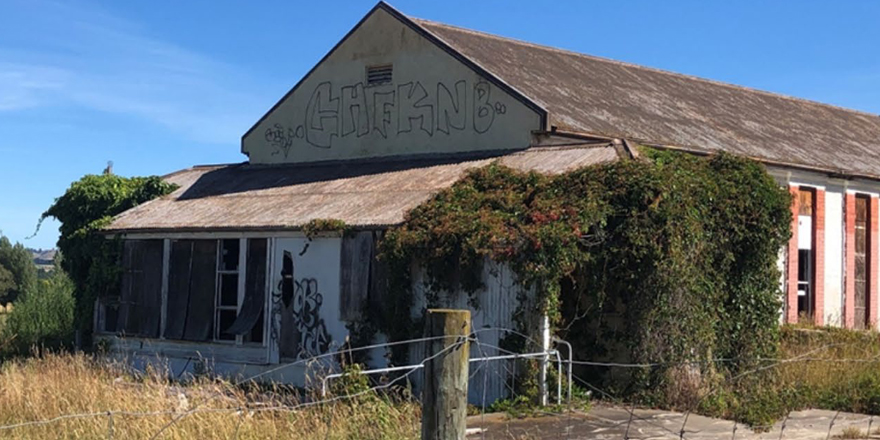
Rural communities have experienced much ‘hollowing out’ since the 1930s despite supporting the primary sector – a vibrant and integral part of New Zealand’s economy. Many rural centres have lost their hospitals, police stations, banks, government departments, schools, sporting clubs and churches. This report explores whether healthcare, employment, crime and education outcomes have worsened for rural residents compared to their urban counterparts due to these changes, and recommends enhancements to public policy to address this.
The report firstly outlines what being ‘rural’ entails in a New Zealand context. It then describes how urbanisation has increased globally, with only 13% of residents in New Zealand now residing rurally.
A brief history explains events that encouraged urbanisation. An evaluation follows to understand what impact has been felt within rural areas, and how organisations are currently operating to support rural communities.
A case study of two ‘rural’ towns and one forestry area is provided to assess how 2018 Census data of rural areas tracked comparatively to national averages. This research is essential to determine if additional Government or Non-Government Organisation support is required to ensure our rural communities thrive.
Key recommendations
The author believes the following recommendations can be made to Central Government regarding priorities for rural communities:
Healthcare:
- Targeted incentives for rural health professionals to attract and retain health professionals in rural areas.
- Establish a School of Rural Health to support rural healthcare in New Zealand.
- Expansion of services offered by rural mobile health service providers to improve rural health outcomes for Māori and non-Māori.
Employment:
- Expansion of the Local Government New Zealand ‘Think Rural’ programme to attract young people to rural areas for employment opportunities.
- Increased visa opportunities to attract employees to the food and fibre workforce.
Education:
- Targeted campaigns in rural schools promoting higher education upon completing secondary school. Government or private tertiary scholarships to be offered to rural pupils to attract talent.
Policing:
- Ensuring that all rural areas have a designated police officer per head of population (metric to be prescribed by the New Zealand Police) with appropriate facilities.
- Comprehensive induction and improved supervision and relief for rural police.
Other:
- Expansion of Rural Community Hubs and Banking Hubs across New Zealand. Building the capacity of rural support trusts.
- Establish a ‘one-stop’ website for rural communities, charities, authorities and project holders to collaborate and support rural communities.
- Removal of additional postage costs for rural addresses.
- Extension of the Rural Broadband Initiative programme and increasing coverage areas for cellphones in rural areas.
Caroline Batley