
2026 Nuffield NZ Farming Scholarship. Apply by 17 August 2025. Read More...

Apply for 2026 Nuffield NZ Farming Scholarship by 17 August 2025. More details...

Happy and Healthy at Work.

Executive summary

Labour and its shortage remain a critical issue that needs addressing, with the growth of horticulture predicted, coupled with on-orchard automation look ing closer to 2030. With low unemployment in New Zealand, engaging the Recognised Seasonal Employer (RSE) workforce is vital to remaining successful as an industry.

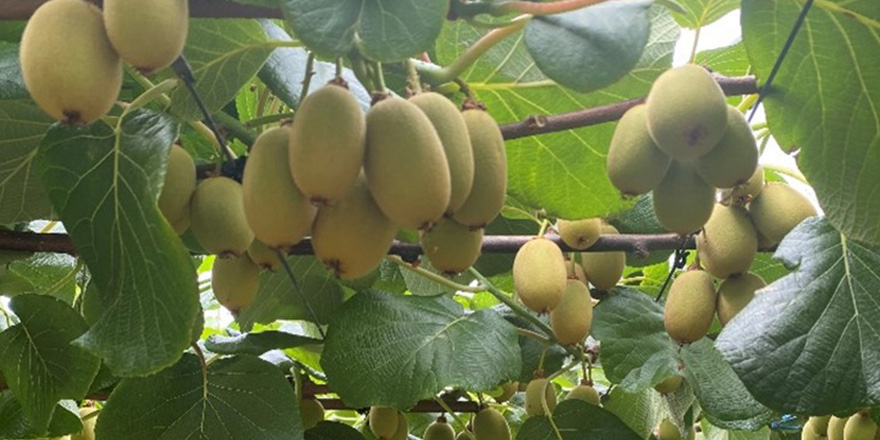
The purpose of this report is to understand and provide recommendations for the key attributes of a successful team within the seasonal RSE workforce, focusing on the kiwifruit industry. The methodology includes a literature review on the characteristics of a seasonal workforce and breaking down what a successful team looks like, followed by semi-structured interviews with ten orchard owners and pastoral care managers to gain insights from their experience with RSE teams. Themes were generated through thematic analysis to provide conclusions and recommendations.

Key findings

A family culture with a village mentality is key to the success of an RSE team and results in a team that is both happy and healthy at work. Team building and a homely living environment add to this. RSE employees’ purpose of making money to send home to their families, needs to be kept front of mind.

The RSE team needs to be well-formed with the right mix of skills, experience, and personalities with a clear and well-understood leadership structure. The team leader must be trusted and respected, creating productivity and success. Peer mentoring also adds to team success with team members supporting and encouraging one another.

The mindset of continuous improvement is essential to the success of the RSE team. Highly engaged RSE employees need development opportunities beyond their day-to-day tasks.

The relationship is symbiotic, with New Zealand employers needing to be willing to learn more about the values and culture of the Pacific Islands. All parties working together need to have a strong cultural understanding of similarities and differences, which improves team performance. Planning for continuity and succession is vital.
Recommendations

The following recommendations are made to orchardists looking to build a successful RSE team:

  • Develop a family culture, cultivating the village mentality. This is developed through having an inclusive living environment and creating a home away from home by their New Zealand employers.

  • Ensure all permanent employees have a good understanding of the similarities and differences of the Pacific Islander culture. This can be developed through developing a cultural training programme for all permanent staff.

  • Ensure RSE employees understand their purpose and motivation for being in New Zealand which is sending money home to their families. Checking in on this regularly to keep them reminded of their purpose is important to retain engagement.

  • Put in place an RSE team leader that is trusted and well-respected.
    • Create a culture of empowerment amongst the team to allow peer mentoring across team members.

  • Put in place regular team-building activities and be in regular communication with the RSE team.

  • The New Zealand employer needs to have a mindset of continuity and succession. The key to this is building a strong referral system.

  • Ensure RSE employees have access to development opportunities. The main provider of this is Vakameasina.

  • Be open to learning about the values and culture of the Pacific Islands.
Farming Lessons from Te Ao Māori.

Executive summary

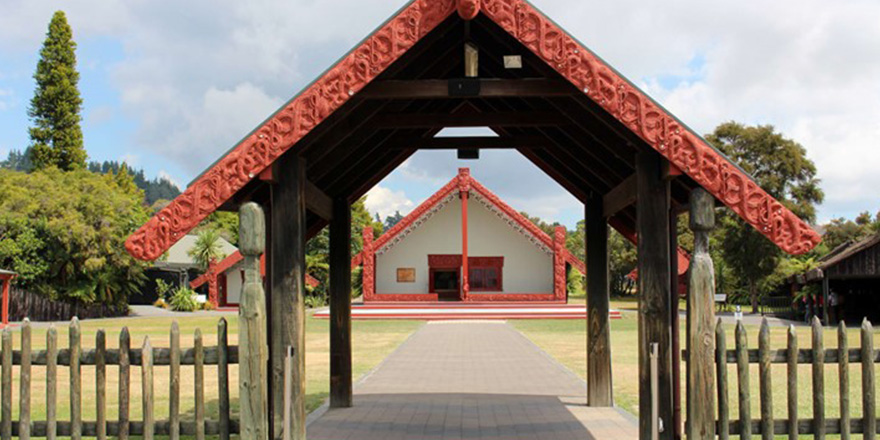
The aim of this report is to provide an understanding of te ao Māori (the Māori world view) and mātauranga Māori (Māori knowledge) in an agricultural context and to explore how some of the concepts within this area can be utilised in a way that benefits both individual farms and the wider industry.

The methodology used to do so includes a literature review on these two areas as well as the key trends and challenges in the agricultural industry.

This is followed by semi-structured interviews with four farming organisations implementing some or all of the concepts reviewed. The interviews explored their core drivers and aims and the benefits and challenges of in incorporating these concepts and practices. Thematic analysis of the responses from interviewees was utilised to assess the qualitative data.

Key Findings:

Utilisation of the “quadruple bottom line” approach (environmental stewardship, social responsibility, intergenerational wealth creation, and cultural revitalisation), taking an intergenerational perspective, Kaitiakitanga (stewardship) and the relationship between whakapapa (genealogy) and whenua (land) are key areas of te ao Māori and mātauranga Māori where great value for agriculture can be achieved.

These areas have particular importance and relevance when used as potential solutions for the key challenges and trends in Aotearoa’s agricultural sector. The most significant of these are agriculture’s environmental impact and the rise of the conscious consumer as well as export market volatility and uncertainty in the current global context.

Within an agricultural context there are numerous practices, knowledge, concepts, and approaches are present in mātauranga Māori and te ao Māori that have significant potential value. There is also a clear alignment as they are all focused on the natural world and society which are the fundamental components of both te ao Māori and agriculture.

The most commonly incorporated aspects of mātauranga Māori were the use of kaupapa (principles and ideas which act as a base or foundation for action) to guide decision making, embracing a wider view of success and a holistic view of farming practices and the importance placed on relationships and connections through whanaungatanga (relationship, kinship, sense of family connection).

Recommendations:

  • Have patience and persistence in understanding the perspectives of Mana Whenua at all levels and involve them in governance and decision-making processes to ensure the best long-term outcomes are achieved on a consistent basis for communities and the environment.

  • Creation of think tanks or collaborative projects focused on the agricultural sector with individuals from diverse backgrounds encouraging open thinking and interpretation of ideas.

  • Encourage the uptake of new and novel approaches within farming and agricultural businesses as well as experimentation and trialling both on-farm and within business models.

  • Cultivate a culture in agriculture of combined and cross-cultural thought processes where utilising western technological advancements within te ao Māori frameworks is celebrated and encouraged.

  • Facilitate the development of kaupapa for farming businesses utilising te ao Māori to embrace wider definitions of success.

  • Create a platform for meaningful and genuine engagement between iwi, hapū and industry to take a collaborative approach to the generation of solutions for the multitude of wicked problems facing both the agricultural industry and the communities it is present in.

Farm System Influence on Dairy Workforce Retention.

Executive summary

There is significant difficulty faced by dairy farmers and the NZ dairy sector, particularly when attracting and retaining quality employees (Rolfe, 2017). The challenge of retaining talent and passion on NZ dairy farms is familiar for many.

A surveyed 49% of farm assistants on NZ dairy farms leave their employment in less than one year from starting (Federated Farmers & Rabobank, 2022). This is not sustainable for the dairy sector moving forward due to the associated financial burden and wellbeing concerns generated from high turnover on NZ dairy farms.

There is an abundance of literature and findings recognising the “soft skills” and human resources (“HR”) that can be altered to improve job satisfaction and retention in the NZ dairy sector. However, there is limited progress made on reducing overall turnover in the dairy sector over the last 10 years.

There is a gap in the literature, for the NZ dairy sector, among other sectors, considering how aspects of a farm system may influence employee job satisfaction and retention, why this may be the case and how valid solutions can be implemented.

This research is important given the current unsustainable turnover in the NZ dairy sector and the lack of progress seen at sector level in improving turnover statistics over the past decade.

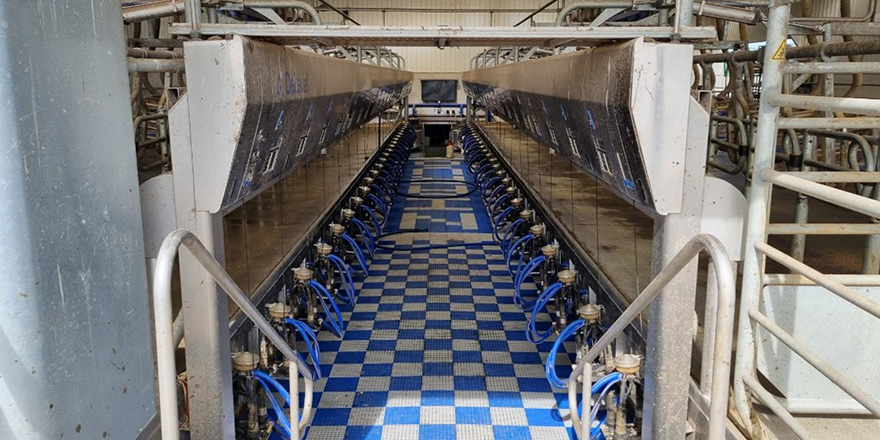
To answer these research questions qualitative data was collected via a review of literature and 13 semi structured interviews. Each interviewee was unique as they either had a different role or set of responsibilities.

They were from different nationalities or backgrounds, had a wide range of farming experiences and were working on very different farm systems to one-another. As a farm systems consultant I have also been able to draw on my experience working with a range of farm businesses to inform the development of research questions as well as associated research and solutions.

A thematic analysis was then conducted between the literature review and the interview findings. Common and contrasting themes were evaluated and conclusions were made from these findings. Some of the findings included:

  • Various difficulties within a system build on one another having more of a multiplied, rather than summative, influence on job satisfaction and retention of NZ dairy farm employees.

  • Actual tasks required to be completed are not necessarily what influences an employee’s job satisfaction and retention. There may be more effective improvements in job satisfaction and retention on NZ dairy farms if focusing on the internal task efficiencies, performance factors related to these tasks and ensuring the purpose of tasks are well understood by employees to then be able to include them in successive decision making.

  • Understanding an individual’s strengths and passions before employing, or at the early stage of employment, will guide specific responsibilities best to provide this individual to improve their job satisfaction and chance of staying within the farm team.


Recommendations were then formed from these conclusions for individual farmers and the NZ dairy sector and are as follows:

For Farmers:

  • Consider examining each part of your specific farm system with all team members separately to gain understanding of the potential.

  • Investigate job preferences of your farm team members and specifically any solutions they may have to the difficulties found within the system.

  • Examine each individual’s strengths and passions before employing to guide their most suitable responsibilities and improve their job satisfaction and retention in your farm team.

  • Commit to explaining the purpose (the “why”) of all aspects of the farm system and policies implemented on farm to employees to improve their engagement and satisfaction in the business and improve the chance of retaining them in your business.

  • Complete and understand your specific farm’s total investment return and cash flow implications of any proposed change in your farm system.

For the NZ dairy sector:

  • Showcase the “top performing farmers” as case studies online to inform the rest of the sector what system adjustments have helped, how they have been implemented and how they are continuously managed to improve staff satisfaction and retention.

  • Commit to investigating more independent farm case studies to uncover further solutions and connections between farm systems and employee retention.

  • Investigate the investment return and other benefits of various technologies discussed in this research along with other technologies or procedures available.

  • Develop further farmer decision-support tools to be created to evaluate the economics of adopting new technologies on farms and allow for comparison with other technologies.