
2026 Nuffield NZ Farming Scholarship. Apply by 17 August 2025. Read More...

Apply for 2026 Nuffield NZ Farming Scholarship by 17 August 2025. More details...

Leadership Qualities Needed for First-Time Managers

Executive summary

Leadership in New Zealand Agriculture, with a focus on people management has only become a widespread discussion topic in recent years. There is a need for effective people management as the sector relies heavily on manual labour to achieve business success. Managers in the sector have historically been promoted from within the sector based on good technical capabilities. What may not be well understood is that the knowledge capability associated with being technically proficient, does not necessarily correspond with being an effective manager.

This report aims to describe a small qualitative study conducted on a group of farm owners, managers and leaders. It will also describe the qualities and attributes identified in these leaders and how the learnings can be utilized and applied by novice or first-time managers.

The research show that good managers prioritise the care and welfare of their employees. They ensure that good communication about work and home life is enacted to better understand how their employees are feeling. This leads to a relationship of increased trust, which helps the leader to engage with staff about the business and its operations. Leaders ensure they behave consistently with all of their staff to role model good behaviour and understand conflict. The leaders interviewed have all grown in their leadership skills and have come to value reflection and introspection. This has been used to improve further on their leadership traits.

The leaders interviewed have largely learnt and refined the skills, knowledge and tools they use to lead well through trial and error. Finding out what works and what doesn’t has been an individualistic progression for them. On top of trial-and-error learning, some of the interviewees had attended short form courses, as well as using their respective industries for support. All of the interviewees have over the course of their leadership journey, relied heavily on trusted mentors to help guide them. The ability for a leader to utilize the knowledge and advice of a more experienced leader has helped all interviewees grow.

The leaders interviewed in this study all displayed transformational leadership qualities. These qualities revolved around empowerment through trust in their employees. They recognized that they needed to understand each employee as individuals to get the best out of them, and once they truly appreciated them individually, it was easier to empower them. The leaders interviewed all dealt with conflict management as part of their role, however, most admitted to being non-confrontational people. They understood the need to display positive leadership traits during conflict management in order to have a functioning business. They had learnt to put more effort in to doing it better as they moved through their leadership journey.

The leaders interviewed recognized that good leadership was not always the easy choice when managing people, but the long-term gain made it worth it. They recognized that time, effort and focus had to be implemented on a daily basis in order to achieve good management practices. The structure and financial constraints of a business might also impact a manager’s capabilities to practice good leadership. They also warned that a manager’s ego would quickly ruin hopes of good leadership, as it restricted individualism and ingenuity of employees.

Jack Dwyer

Softer Crop Protection, the Way of the Future?

Executive summary

This report addresses the incorporation of biopesticides and integrated pest management (IPM) strategies into the horticultural sector in New Zealand. A combination of a literature review and semi-structured interviews were undertaken and analysed using PESTLE analysis.

The New Zealand horticultural sector is diverse and export-focused. Each crop sector has different crop strategies to control pests and diseases to meet export market requirements. Globally, consumers are more connected to the source of their food with each market focusing on different components. This is complex for growers to meet most market demands. Biopesticides and IPM is investigated to determine if these are viable options for crop protection.

The final recommendations were split into People and Mechanics.

People

People do not like change which is a large barrier to the use of biopesticides and IPM. Change often occurs when market requirements are altered or in a ‘crisis’. Many growers have been misinformed on IPM or biopesticides before putting them into practise, which can result in a false sense of perception and a lack of trust. This results in many not willing to try again and spreading misinformation. Biopesticides are often more expensive with less efficacy than synthetic chemicals. There is little incentive for growers to change with no perceived economic value.

IPM is more welcomed within the industry. Knowledge was also identified as a barrier. There is more motivation toward this approach as there is a perceived view that there may be less chemical costs.

Knowledge domestically is lacking in IPM and biopesticides. Key experts in these fields must be identified. Clear messaging is important. Experts must collaborate to produce a strategic approach to build a network of knowledgeable and trustworthy industry leaders. The use of international tools and other experts should be seriously considered to reduce costs and accelerate learning. Science-based decisions on crop protection are important to set growers expectations to reduce mistrust. Growers will need considerable support and industry must be ready to provide this.

Currently, there is no formal training for people who provide agronomic advice to growers. These people hold a large influence. Agricultural retailers and agronomists should collaborate and set a formal standard incorporating the entire ‘toolbox’ to build consistency within this sector and build confidence in growers.

NZ growers need to be adaptive to obtain market access with more markets aligning with a whole farm holistic approach. Ethical, sustainability and low residues in food are likely to trend with markets. IPM and biopesticides fit well for this market.

Chemical resistance management was one of the largest concerns. There is high reliance on chemicals and different controls should be integrated to build adaptability. The need to educate the entire industry is critical to protecting the current chemical controls. Slow regulatory agencies have a negative compounding effect on chemical resistance.

Mechanics

Regulatory agencies are a considerable barrier to crop protection. The current cost recovery strategy is low and ecotox models are outdated. Increasing the cost recovery for new products to enter New Zealand per application is advised to enable more funds to be utilised to upgrade internal risk assessment tools such as the ecotox models. Participants in this study were open to this recommendation if the timeframes were quicker and more reliable. This hinders both chemical and biopesticides entry to the New Zealand market.

Technology was a key tool identified to compliment IPM and biopesticides. The use of technology to predict pest pressure will enable growers to make informed decisions. These tools can also justify crop protection decisions to export markets. Research farms with demonstration abilities can help growers make crop protection decisions when they are particularly risk-averse before investing. They also ensure methods can be implemented practically before reaching growers.

Implementation of biopesticides and IPM will not be easy with the largest hurdles being the knowledge gap and the regulation of products. As an industry, it is important to move toward these approaches to maintain a strong future market share.

Jess Ross, Jessica

Balancing Profit and Environment: Insights From New Zealand’s Leading Dairy Farms

Executive summary

This research project explores the balance between profitability and environmental sustainability in New Zealand’s top-performing dairy farms. By analysing DairyBase data and conducting qualitative interviews with leading farmers, this report identifies key management practices, values, and philosophies that contribute to both economic and environmental success. The study highlights that profitability and sustainability are not mutually exclusive. The top-performing farms don’t have to choose between making a profit and looking after the environment. The best farmers show that smart choices and caring for the land can go hand-in-hand. But it’s not all straightforward. Farmers still face plenty of hurdles like changing rules, unpredictable weather, and tight budgets.

The findings reveal that efficient pasture management, attention to animal health and welfare, detailed monitoring, and data-driven decision-making are common practices among high-performing farms. These farms also prioritise financial prudence, keeping farm working expenses low and focusing on profitability. Core values such as integrity, honesty, hard work, and family involvement play a significant role in their success. Community and knowledge sharing through participation in discussion groups and industry organisations foster continuous improvement.

Environmental sustainability practices, such as reducing nitrogen use, maintaining soil health, and minimising environmental impact, are crucial for the long-term viability of dairy farms. The study emphasises the importance of a balanced approach that integrates profitability with sustainability. The research highlights the need for ongoing education and support for farmers to adopt best practices, highlighting the role of community and social interactions in shaping farmers’ decisions.

The interviews provide practical examples of how farmers implement these practices, such as adopting organic farming methods or low input systems, which align with the literature’s emphasis on environmental sustainability. Farmers use tools like DairyBase and Overseer to track performance and make informed decisions, ensuring that their practices are both economically viable and environmentally responsible. The focus on reducing nitrogen use and maintaining soil health is evident in the interviews, aligning with the literature’s emphasis on sustainability indicators.

By adopting best practices and leveraging shared knowledge, farmers can achieve a balance between profitability and sustainability, ensuring the long-term success of their farming operations. This holistic approach not only benefits the environment but also enhances the resilience and economic viability of dairy farms. The collective effort of farmers, industry leaders, and policymakers will be essential in achieving a resilient and prosperous dairy sector in New Zealand.

Jodie Goudswaard

Smart Nutrition, Stronger Herds: A Holistic Approach to Dairy Excellence

Executive summary

This report explores the critical yet underutilised role of nutrition in New Zealand’s pasture-based dairy systems. Despite its foundational importance to animal health, productivity, and environmental sustainability, dairy cow nutrition remains inconsistently applied and poorly integrated into broader farm decision-making. The project investigates the current state of dairy nutrition through a combination of semi-structured interviews with 18 key stakeholders—including nutritionists, educators, industry professionals, and rural advisors, and a comprehensive literature review.

The research identifies six core themes that represent both challenges and opportunities for the sector: (1) education and training, (2) young stock rearing, (3) precision feeding and technology integration, (4) holistic farm management, (5) financial and economic analysis, and (6) the development of new initiatives and programs. Across these themes, the report highlights significant gaps in practical training, credentialing, and the translation of scientific knowledge into on-farm practice.

Key findings include the need for standardised, modular training programs that blend theoretical and practical knowledge; the critical importance of early-life nutrition for long-term productivity of livestock; the underutilisation of wearable technologies and data tools in decision-making around nutrition; and the lack of integration between financial and nutritional advice. The report also emphasises the need for a systems-thinking approach that aligns nutrition with environmental goals, farm infrastructure, and economic viability.

Recommendations are targeted at multiple stakeholder groups. Farmers are encouraged to build foundational nutrition knowledge and adopt data-informed practices. Rural professionals should pursue micro-credentials and collaborate across disciplines. Education providers are urged to revise curricula to include more applied, pasture-based nutrition content. Industry bodies are called upon to revive and modernise the FeedRight equivalent programs, support credentialing pathways, and foster collaboration to unify messaging and improve knowledge transfer.

Ultimately, this report calls for a cultural and structural shift in how nutrition is valued and applied within the dairy sector. By investing in capability, collaboration, and evidence-based practice, New Zealand can build a more resilient, productive, and sustainable dairy industry, one where smart nutrition is not just a technical input, but a strategic cornerstone of success.

Kaitlin Bates, Kaitlyn, Katelyn

Dairy Farmer-Female Veterinary Adviser Relationships in New Zealand

Executive summary

Strong relationships between farmers and rural advisors, in particular veterinarians, lead to better implementation of advice and adoption of recommendations. Farmers value evidence-based advice from their veterinarians, but veterinarians are often criticised by farmers for not thinking about the big picture. For veterinarians, strong relationships with farmers can contribute to job satisfaction and retention. However, there is limited research on the key attributes of a successful farmer-rural advisor relationship from the perspective of both farmer and veterinarian. The aims of this project were to identify the key attributes of successful farmer-veterinary advisor relationships from both perspectives, specifically for female veterinarians who are in a paid advisory relationship with a dairy farmer.

A review of the literature revealed that a successful advisory relationship between a dairy farmer and veterinarian had benefits both from management and business perspectives and from a well-being and job satisfaction perspective, for farmers and veterinarians alike. For the farmer, a successful advisory relationship may lead to improvements in management of farm operations, animal health, and profitability. For the veterinary advisor and business, successful advisory relationships may be seen as beneficial for job satisfaction, retention of veterinarians and improved client loyalty.

Semi-structured interviews were conducted separately with seven dairy farmerfemale veterinary advisor pairs, that were self-reported as successful relationships by both parties. Five owners or senior managers of these veterinary businesses were also interviewed. Open-ended questions were asked to understand the positive components of a thriving and flourishing farmer-veterinarian relationship. Thematic analysis was used to identify core themes and sub-themes, commonalities, and differences between the farmers, advisors, and business owners/managers.

Key findings from these interviews:

  • Personal connection was highlighted as the most important theme contributing to the successful relationship between the veterinarian and farmer for all interviewees. This connection was created over time by mutual trust and respect, honoured by open and honest communication between the veterinary advisor and farmer, with a genuine understanding of the farmer and their business by the veterinarian.
  • Value is provided by the veterinarian to the farmer in the form of support, expertise, growth and development, and accountability. Furthermore this value provision is not all one way; in order for the partnership to thrive, growth and development, and accountability go both ways.
  • A strong understanding of personality characteristics (self-awareness) by both the veterinarian and farmer, and awareness of what was needed by the farmer to complement their strengths, was part of the success.
  • Veterinary businesses clearly saw the value in supporting their veterinarians to work with farmers as advisors, citing benefits to the veterinary business, the veterinarians, and the farmer clients. The factors that need to be considered for veterinary businesses to be successful encouraging the development of these flourishing advisory relationships are time, support, interpersonal skills, building of trust, monetisation of the work, emotional and personal investment, and gender.

Recommendations:

  • Communicate to the veterinary industry the importance of personal connection as the pillar of flourishing advisory relationships. Clearly describe how the value in these partnerships is provided to (and from) the farmer by the advisor.
  • Improve the emotional intelligence of veterinarians wanting to work as advisors through training and education.
  • Communicate to the veterinary profession the complexity of the advisory role, and the different skillset required by veterinarians that are successful in this space.
  • Veterinary businesses need to provide a range of resources to support their veterinarians to develop as advisors including time allocation, a structure to the advisory service but also the flexibility to adapt with each relationship.
  • Identify farmer-veterinary advisory relationships that are not flourishing and make recommendations for changes based on the findings from this project.

Katrina Roberts

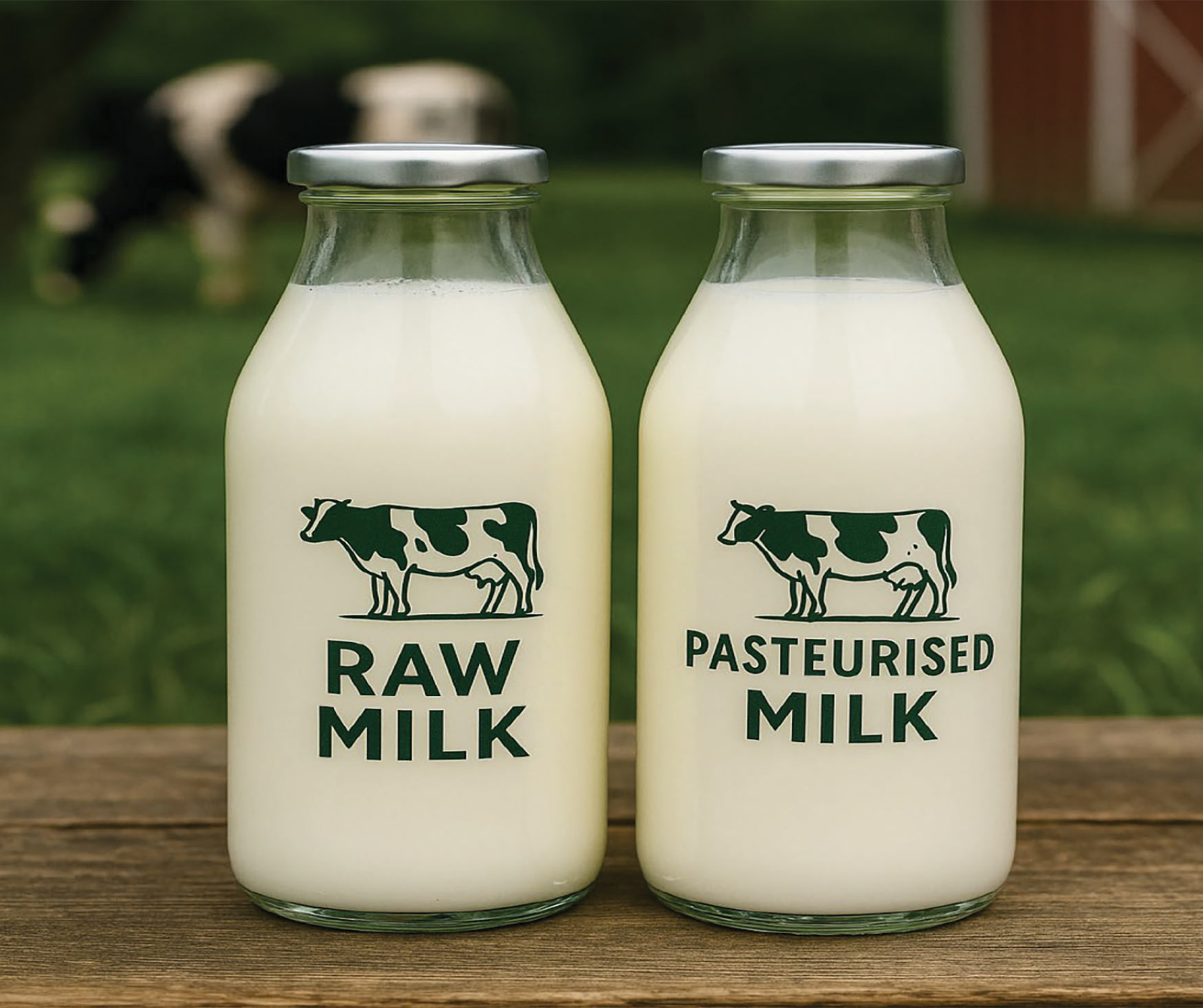
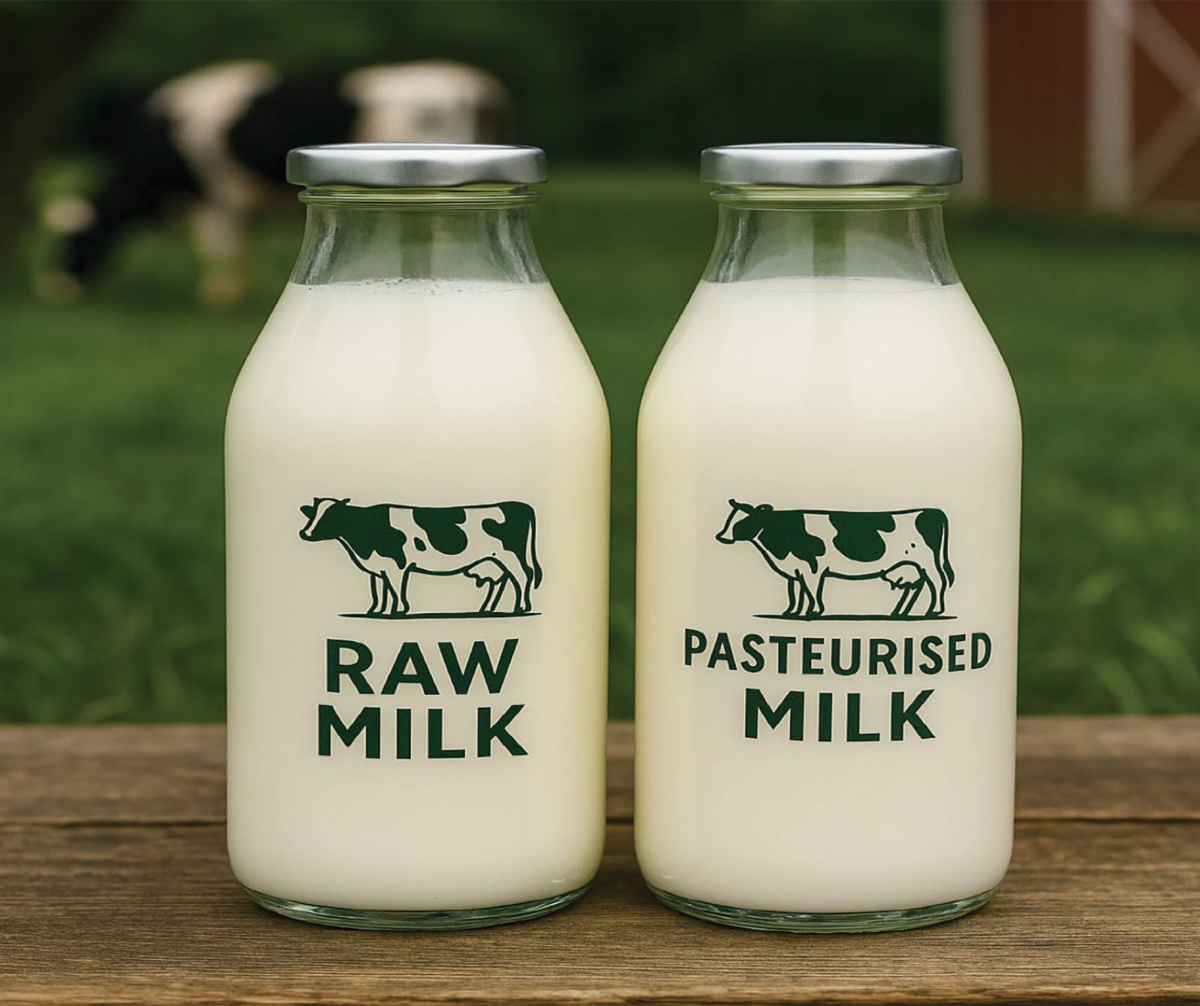
Dairy Diversification into Raw and Pasteurised Farm Milk Sales

Executive summary

This report, developed as part of the Kellogg Rural Leadership Programme, investigates the feasibility and future potential for New Zealand dairy farmers to diversify into raw and pasteurized milk sales directly from the farm gate. In an era marked by volatile international dairy markets, increased regulatory pressures, environmental accountability, and shifting consumer expectations, the traditional reliance on milk payouts alone is becoming increasingly unsustainable for many farmers. As such, exploring alternative income streams is both timely and necessary.

The study employs a mixed-methods approach, including in-depth interviews with seven onfarm milk producers and industry experts, a consumer survey, and a comprehensive literature review. It aims to provide a practical, evidence-based overview of how direct-to-consumer milk sales can supplement farm income, enhance resilience, and support a values-driven food system.

Key findings reveal that while on-farm milk sales are still a niche sector in New Zealand, there is growing consumer appetite for local, traceable, minimally processed dairy products. Consumers purchasing directly from farms are motivated by a combination of taste, health perceptions, sustainability concerns, and a desire to support local agriculture. Products like raw milk and A2 pasteurized milk in reusable packaging appeal especially to healthconscious families and environmentally aware buyers. Many farmers report strong brand loyalty, repeat purchasing, and willingness among consumers to pay a premium for these products.

However, the report identifies significant barriers to entry, especially regarding compliance with New Zealand’s regulatory frameworks. The 2015 Raw Milk for Sale to Consumers Regulations and the Animal Products Act impose substantial financial and administrative burdens on small-scale producers. Farmers selling raw milk must register under a Regulated Control Scheme (RCS), undertake rigorous microbial testing, and restrict sales to direct, nonretail channels. For those processing pasteurized milk on-farm, compliance involves establishing a Risk Management Programme (RMP), meeting stringent facility design and hygiene requirements, and undergoing ongoing audits.

Operational demands are also considerable. Farmers must invest in fit-for-purpose infrastructure, including pasteurizers, bottling lines, cold storage, and delivery vehicles. They must also manage customer relationships, logistics, marketing, and compliance records— often requiring a shift in mindset from solely farming to running a multi-faceted small business. Many interviewees emphasized that these ventures are not “side hustles” but second full-time jobs requiring dedication, adaptability, and business acumen.

Through case studies, the report highlights a range of successful on-farm milk ventures, from Village Milk’s raw milk vending model to Canterbury’s Choice pasteurized milk delivery service, and Happy Cow Milk’s modular, tech-enabled processing concept. These case studies illustrate that success in this space depends on innovation, regulatory navigation, and strong consumer engagement. Farmers who succeed often possess an entrepreneurial mindset, a deep connection to their customer base, and the ability to differentiate their product through ethical branding and storytelling.

The study concludes that on-farm milk sales are financially viable and socially valuable, but only for farmers who can access capital, manage compliance, and build consumer trust. For broader adoption, structural support is needed. This includes more scalable and riskproportionate regulation, access to appropriate small-scale processing equipment, shared infrastructure models, and extension services or mentorship networks to reduce the steep learning curve.

Recommendations are grouped into three categories:

  1. For farmers: Start with feasibility assessments and pilot models; seek peer mentorship; invest in fit-for-purpose infrastructure; and plan for intensive customer engagement.
  2. For industry and policymakers: Introduce more flexible compliance models for small operators; support innovation through funding or co-design; and develop regional networks to share knowledge and infrastructure.
  3. For future research: Investigate modular processing solutions, test consumer willingness-to-pay at scale, and assess the long-term sustainability and environmental impacts of on-farm milk ventures.

Ultimately, on-farm milk diversification is not a universal solution—but for the right farmer, in the right place, with the right support, it offers a compelling pathway toward financial resilience, consumer connection, and sustainable food production.

Kurt Harmer

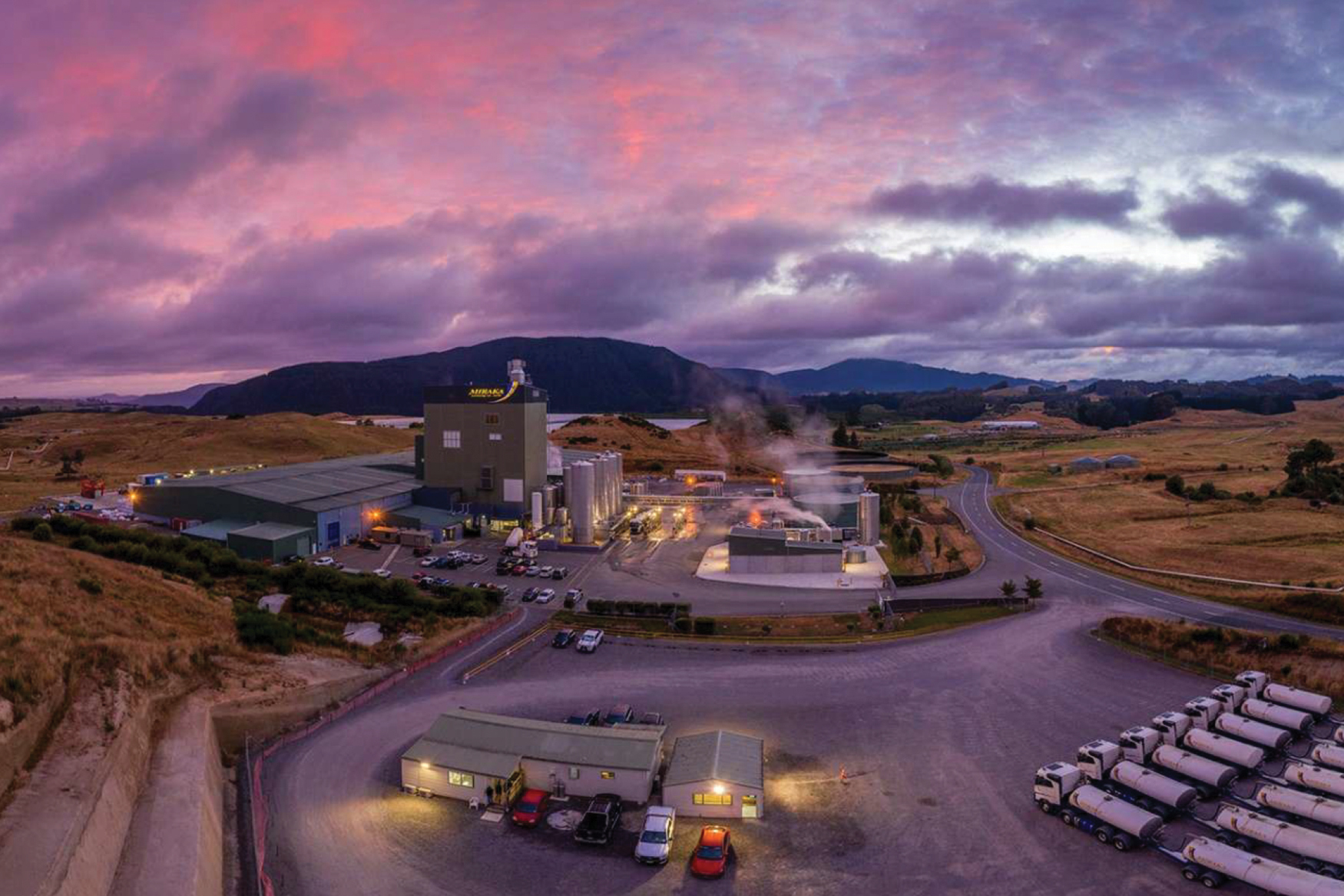
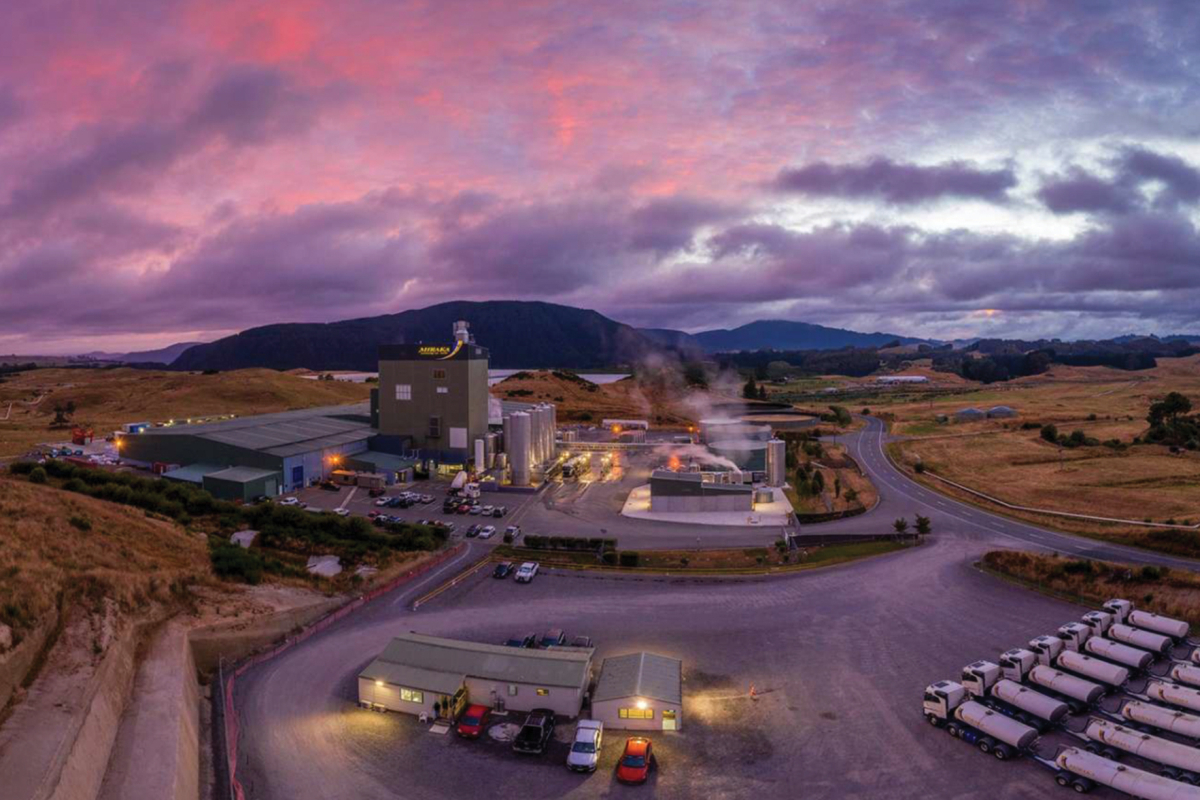
Building Diversity in New Zealand Dairy Export Markets for Independent Manufacturers

Executive summary

New Zealand has a milk pool which is no longer growing, which means that all exporters must extract as much value from each drop of milk as possible. It is imperative that independent dairy manufacturers find customers willing to pay premium prices for products to optimise the value they generate from their decreasing (and increasingly subject to poaching) milk pool. Large dairy co-operatives can change the nature of their portfolio to meet market trends and make volume to satisfy significant customers to ensure their success. Meanwhile, independent dairy manufacturers are more likely to be significantly impacted by market changes or trends, without the operational means to adapt their business model dynamically in line with market or consumer behaviour.

New Zealand’s dairy export industry has historically been heavily reliant on large, single markets to consume the volume of dairy produced. While New Zealand produces only 3% of the total dairy in the world, it comprises approximately one third of the dairy exports globally, making our nation a key, trusted player in the global dairy trade despite our relatively small size and distance from key markets.

This report will investigate how small independent dairy manufacturers in New Zealand, with limited financial resources and inability to flex production in line with market behaviour can best future proof themselves for f inancial sustainability and build reliable trade relationships.

My research method has been a combination of literature review as well as conducting semi-structured interviews with industry experts from a variety of backgrounds. From my interview data I prepared a thematic analysis to compare key outputs from my interviews, with key themes from my literature review.

Through my research I discovered that New Zealand’s independent dairy manufacturers are in a good position to attract capital investment from external investors. Māori owned companies are in a particularly favourable position, with the current government’s prominent drive for supporting the Māori economy. However, independent dairy manufacturers need to be able to maintain strong relationships throughout the value chain to ensure their products are truly valued at all points, for both the food quality and nutritional value it provides, as well as the intrinsic values that the company upholds, such as sustainability.

Developing nations are more are more likely to place a higher value on “credence attributes” such as sustainability and animal welfare. This suggests that independent dairy manufacturers who wish to extract value from these attributes should concentrate their market development in these areas. Within these developing nations, where there are indigenous peoples, Māori owned businesses who apply te ao Māori principles in their business interactions may more easily find alignment, as these values are commonly understood and respected.

Alternative methods of market access should be investigated both to circumvent tariA barriers, as well as combatting the “tyranny of distance” that New Zealand exports face. This can be a deterrent both due to cost of shipping as well as time to market. If co-manufacturing or establishing operations within target markets is economically feasible it can be a successful means to combat this diAiculty.

Strong and well sustained relationships are key to mitigating geopolitical risk, as well as ensuring value is realised for New Zealand’s independent dairy manufacturers.

Malinda Wynyard

From Seed to Success: Transitioning Farm Ownership in New Zealand and The Ownership Equation: Exiting with Value. Entering with Vision.

Executive summary

This report examines the challenges and opportunities surrounding farm ownership in New Zealand, with a focus on financial accessibility, succession planning, and emerging ownership models. Traditional pathways such as sharemilking are declining in viability, while high land prices, poor returns, and slow equity growth continue to hinder new entrants.

Farmers are adapting by employing diverse equity building strategies. Aspiring owners rely on financial discipline (43%), surplus animal rearing (41%), off-farm income (41%), and investments (35%). Established farmers favour sharemilking (61%), cost control (44%), and surplus stock rearing (30%). Despite these efforts, access to capital remains a critical barrier, with Tier 1 banks (89%) and family loans (38%) being the primary funding sources.

Alternative models such as equity partnerships, vendor financing, and lease-to-own offer flexible pathways but require strong governance and alignment. Generational shifts are also reshaping ownership expectations, with younger farmers prioritising sustainability, work-life balance, and purpose driven business.

A key concern is the projected capital shortfall: by 2050, the sector faces a gap of $110–$125 billion between available and required capital. Addressing this will require coordinated industry and policy action, including improved financial education, succession planning, and innovative ownership structures.

Case studies confirm that with strategic planning and support; farm ownership remains achievable. However, broader sector challenges such as environmental regulation, climate variability, and market volatility must be addressed to ensure long-term resilience and locally owned agricultural enterprises.

On a personal level, this subject resonates profoundly with my own experiences and upbringing. Having grown up within a male dominated family structure, it became apparent to me from an early age that family succession in rural enterprises was often regarded as an expectation reserved for male members. This was not merely a passive assumption; rather, it was a firmly established norm shaped by generational attitudes and societal frameworks. Decisions pertaining to succession were frequently made in a manner that could only be described as authoritarian, reflecting a regime that operated more as a dictatorship than a collaborative or egalitarian process.

Key Findings

This study identifies a range of critical factors influencing the accessibility and sustainability of farm ownership in New Zealand. One of the most significant barriers is the high cost of land, which, alongside poor returns and slow equity growth, has made traditional pathways to ownership such as sharemilking less viable for many aspiring farmers. Access to capital remains a persistent challenge, particularly for new entrants who often lack the financial backing or collateral required by conventional lenders.

To overcome these barriers, both aspiring and established farmers employ a variety of equity building strategies. Aspiring owners frequently rely on personal financial discipline, rearing surplus animals, off-farm income, and diversified investments. In contrast, established farmers often leverage sharemilking, cost management, and surplus stock rearing to strengthen their financial positions. These strategies reflect the adaptability of New Zealand farmers and underscore the importance of tailored approaches to equity growth at different stages of the ownership journey.

The report also highlights the growing relevance of alternative ownership models, such as equity partnerships, vendor financing, and lease-to-own arrangements. These models offer more flexible and inclusive pathways to ownership, though they require clear governance structures and alignment of values among stakeholders to be successful. The emergence of these models is particularly important considering generational and cultural shifts within the farming community. Millennials and Generation Z, who represent the future of farm ownership, place a high value on worklife balance, sustainability, and purpose driven work. Their digital fluency and preference for collaborative, values-based business models are reshaping the expectations and structures of farm ownership.

Current farm owners play a pivotal role in supporting the next generation by initiating succession planning early, offering flexible ownership arrangements, and providing mentorship. The report emphasizes the need for industry-wide and policy level support to facilitate these transitions. Recommendations include enabling the use of KiwiSaver funds for farm investment, introducing tax exempt savings schemes for farm purchases, and expanding financial literacy and mentorship programs.

Case studies included in the report validate the effectiveness of these strategies, demonstrating that with strategic planning, financial discipline, and strong support networks, farm ownership remains an achievable goal. These real-life examples also reveal that equity growth is the most rapid in the early years of a farmer’s progression and tends to stabilize over time.

Finally, the report underscores the broader challenges facing the sector, including environmental regulations, climate variability, and market volatility. These pressures necessitate coordinated action across industry bodies, government agencies, and farming communities to ensure the long-term resilience and sustainability of New Zealand’s agricultural sector.

As an industry, we must respond to a growing headwind that we all acknowledge is upon us. It’s time to take decisive action by:

  • Addressing financial barriers that hinder farm ownership and growth.
  • Supporting equity-building strategies for both aspiring and established farmers.
  • Promoting alternative ownership models that offer flexibility and inclusivity.
  • Adapting to generational shifts, embracing values like sustainability and work-life balance.
  • Empowering current farm owners to mentor and support the next generation.
  • Securing policy and industry support to build resilience across the sector.

Michele Cranefield

How do we Develop Financial Literacy in Rural New Zealand?

Executive summary

With constant changes in rural New Zealand, particularly when it comes to owning or operating a business, it is clear there is a fundamental shortfall in financial literacy education (McHutchon, 2021). In order to develop strong financial literacy and therefore resilient rural businesses there needs to be a refocus on priorities within rural communities.

This report examines the current levels of financial literacy in rural New Zealand and how best to develop them in a manner geared towards the learning styles of typical rural New Zealanders. The purpose of this report was to identify implementable strategies to bring financial literacy education to everyone involved rurally including farmers, growers, and rural professionals.

In order to complete this report, a survey was conducted of sixty-three participants to get an understanding of the state of financial literacy in New Zealand currently. The survey was supported by a literature review of financial literacy and financial literacy education in rural communities on a wider scale. The report shows the results of the survey as well as analysis of the themes found from a combination of the survey and the literature review.

The themes identified in the report were:

  1. Financial literacy education
    1. What education needs to be offered
    2. How best to deliver it
  2. Access to education rurally
  3. Socio-economic factors impacting ability to access financial literacy education
  4. Financial literacy paradox

Recommended actions to address the issues identified in the report were:

  1. One-to-one education
    Fleming (2020) shows that farmers and growers learn best in a one-to-one environment free from judgement and social stigmas. This means that providing farmers and growers with financial literacy education would likely fall to rural professionals who are already meeting with rural businesses at the kitchen table.
  2. Gamification
    There is an opportunity to make the education accessible to all through gamification (Czech et al., 2024). It will allow rural New Zealanders to be educated effectively and on a wider scale at times convenient to them.
  3. Making an education paper compulsory for students studying agriculture degrees If we are expecting rural professionals to step in as educators in this arena, it makes sense to give them a foundation on how best to educate people. Adding a compulsory paper to agriculture degrees and perhaps to law and finance degrees would allow new rural professionals to enter the industry with confidence to support farmers and growers effectively.

Morgan Jones

Navigating Sheep and Beef Manager Retention

Executive summary

A Challenge for the NZ Sheep and Beef Industry: Retaining Skilled Farm Managers

Attracting and retaining skilled sheep and beef farm managers is a critical challenge for New Zealand farm owners. Despite high demand, many experienced managers are leaving the sector, driven not only by better pay elsewhere but also by limited ownership opportunities, unclear career progression and unsupportive workplace dynamics.

Through an interview process conducted with farm owners, current farm managers and former farm managers that have left the industry, this report investigates the core retention issues, focusing on the difficulty of farm ownership, misaligned employer-employee expectations and the need to understand current farm manager motivations. While there are several themes obtained from these interviews, three main and interconnected themes were sighted:

  1. It is clear from the interviews that participants believe wages in sheep and beef management are lower than in other industries, making it hard for managers to build savings and secure their financial future. This, combined with a lack of clear career progression, inconsistent job titles and pay expectations, contribute to discontent.
  2. Workplace dynamics significantly impact job satisfaction. The demanding nature of farming often leads to a poor work-life balance, with long and often inflexible hours being a major source of frustration for the majority of managers, especially those with families. A positive work environment, built on trust, clear communication and feeling valued, is crucial. The absence of this was a key reason former managers left.
  3. The sharp rise in land price makes traditional farm ownership almost impossible for new entrants. While alternative equity models are proposed, they often lack clear, repeatable structures and have been met with scepticism in the sheep and beef sector, unlike in dairy.

Despite these challenges, a successful case study demonstrates that separating land ownership from the farm’s operating business can create viable equity partnerships, allowing managers to buy into the operating business directly. Crucially it addresses the entry and exit concerns around fluctuating livestock prices, the livestock buy-in prices are set at market value but the exit prices are set using the previous five-year average, reducing the risk of one of the partners strategically exiting when prices are high.

To address these issues within the sheep and beef sector, this report recommends that farm owners proactively invest time into their staff, understand their goals and help improve financial literacy, while planning for succession with innovative equity partnership models. Additionally, understand the benefits of workforce stability, as it reduces the significant costs associated with high staff turnover.

Farm managers should more clearly communicate their aspirations to farm owners and financial lenders, seek roles with clear progression, prioritise work-life balance and strategically build personal wealth.

Finally, the industry must establish clearer employment standards (like defined job titles and pay scales), as well as actively promoting well-structured equity partnerships. Consideration should be given by government to support equity partnerships through government-backed loan guarantees or tax incentives. Implementing these changes is vital for ensuring a stable and rewarding future for the managers within New Zealand’s sheep and beef sector.

Richard Cameron, Richie, Ritchie