2026 Nuffield NZ Farming Scholarship. Apply by 17 August 2025. Read More...

Apply for 2026 Nuffield NZ Farming Scholarship by 17 August 2025. More details...

Research from the inside out.

Cameron Craigie Kellogg report image

Executive summary

The pathway to impact for research outputs is often ambiguous. Commercialisation of research outputs is the exception to the norm in a system incentivising public research institutes to produce academic outputs primarily.

Despite this, there is a thriving commercialisation community in New Zealand, who are passionate about seeing research through to impacts. Members of this community include entrepreneurial researchers, aspiring founders, technology transfer offices in public institutions, KiwiNet, investors and those that have been there and done that and are keen to give something back.

The aim of this report is to create a resource to inform and inspire entrepreneurial researchers interested in commercialisation and aspiring founders of investigatorled research to give it a go. This report addresses two research questions:

  1. How does an aspiring founder navigate their way to becoming a founder?
  2. How can the chances of successful commercialisation be increased?

The methodology comprises a literature review to provide some theoretical basis for thematic analysis and interpretation of fourteen anonymous semi structured interviews of four founders, three aspiring founders, (entrepreneurial scientists actively seeking commercialisation of their research in 2022), three technology
transfer managers representing organisational perspectives and four investor perspectives. Responses were categorised into the following highlevel themes:

  • Why: Motivation with dimensions of Culture and Engagement.
  • How: Execution with dimensions of Focus, Confidence and Success.
  • What: Problem definition/Relevance and Key messages.

Critical analysis of these themes considering the literature yielded two highlevel discussion areas: the importance of contextual awareness and relationships. As well as focusing on the technology development, aspiring founders, entrepreneurial researchers, and research organisations must prioritise understanding the context and developing relationships.

Recommendations for entrepreneurial researchers and aspiring founders:

  1. Engage early with Technology Transfer office and undertake due diligence before designing the research to ensure more targeted use of resources.

  2. Be relevant. Strive to be more aware of the operating context and drivers for the research organisation and the potential end users of your research outputs.

  3. Work on your ability to communicate and work with a multi or trans-disciplinary team.

  4. Get a business mentor to help you focus on what is most important and why
    from both the demand and supply perspectives.


How Can We Help?

Rosalie Hyslop Kellogg report image

Executive summary

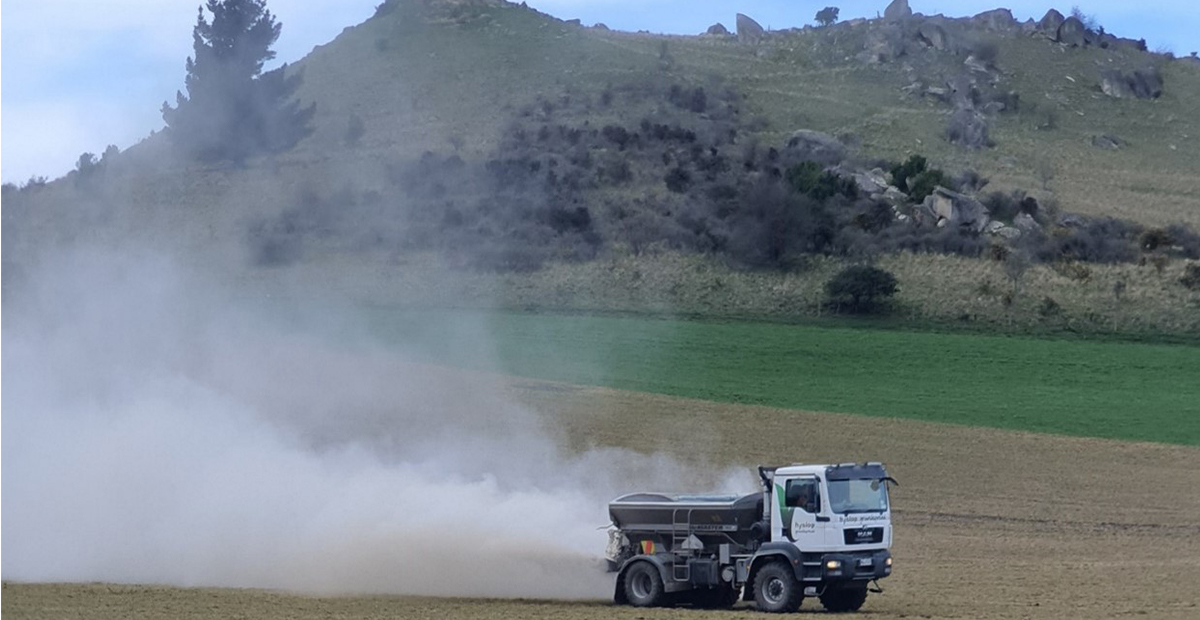
This report sought to understand how the groundspread industry can support the New Zealand food and fibre sector during a period of increased regulation and reform.
In trying to understand how the groundspread industry could help, it was necessary first to establish the following:

  • How imposed regulatory change impacts the food and fibre sector.
  • What the groundspread industry is currently doing well (and should keep doing).
  • What areas the groundspread industry could improve to support the sector.
  • Why the New Zealand food and fibre sector requires trusted partners to support them in meeting
    their challenges.

Ki te kāpuia e kore e whati.
We succeed together.

Key Findings

This report identified key challenges for the food and fibre sector that the groundspread industry needs to be aware of:

  • Increased production (economic activity) has negatively impacted on the natural environment (Cassells & Meister, 2001).
  • Environmental policy attempts to reduce these negative impacts (Cassells & Meister, 2001) (Pannell & Rogers, 2022).
  • The emotional response to policy change and the five stages of grief experienced during periods of imposed change (Friedrich & Wustenhagen, 2017).
  • Trust is critical for supporting the food and fibre sector through change (Savage, et al., 2018).
  • Rural New Zealand require trusted partners to support them.
  • The groundspread industry shares concerns with the food and fibre sector (rapidly increasing costs and sustainability issues/compliance) and should seek solutions to help them mitigate these concerns.
  • The groundspread industry supports their rural clients well but must ensure that this support is more consistent on every farm where Groundspread NZ members undertake nutrient placement.
  • The groundspread industry should share its part of the paddock-to-plate journey by increasing marketing and education about the efficient and accurate work they undertake in applying nutrients.

Furthermore, change generates an emotional response, and each individual or organisation will progress through the stages of grief towards acceptance of imposed change at varied pace (Friedrich & Wustenhagen, 2017). While navigating this change process, members of the food and fibre sector require varying support dependent on their stage in the grief cycle as it applies to sustainability policy changes:

  • Information and communication are important for people during the denial and anger stages of grief.
  • Emotional support is required for people who are transitioning into the bargaining phase of the grief cycle.
  • Guidance and direction are critical for supporting people as they move through the depressive and acceptance stages of grief as it applies to sustainability policy changes.

Recommendations

The recommendations included in this report aim to increase awareness of the professionalism of the groundspread industry. Groundspread NZ members can support the primary sector through increased engagement and by better sharing their skilled and essential role in New Zealand’s food and fibre production in the following ways:

Implement Educational initiatives

  • Ensure all groundspread operators, and their clients, are aware of the latest in-truck technologies, such as tracking/mapping technologies.
  • Ensure that all groundspread operators, and the rural sector, understand the benefits of the Spreadmark scheme.

Develop a Marketing strategy

  • Develop a marketing strategy to share the precision work undertaken by the groundspread industry.
  • Promotion of an efficient groundspread industry to policymakers, farmers, and urban New Zealanders.

Build meaningful Partnerships

  • Create meaningful relationships with companies developing technology for the industry to ensure they will fulfil the needs of the food and fibre sector.
  • Establish meaningful relationships with policymakers to increase awareness of the precision work undertaken by the groundspread industry on behalf of their rural clients.
  • Continue meaningful relationships with fertiliser manufacturers/suppliers to ensure that developed products can be applied as intended.

The research methodology included an extensive literature review focused on the converging importance of economic growth and environmental harm reduction. Data was collected through two focus groups of Groundspread NZ Association members: nine for the first focus group and 27 in the second focus group. An online survey of the New Zealand rural community was also conducted; 22 responses were collected.

The data was then analysed using the transcript-based method prescribed by Krueger & Casey (2002). Subsequently, data was grouped for thematic analysis using Braun & Clarke’s (2006) method and has highlighted many things that are being done well by the groundspread industry, but also that few people know about them. Increased engagement is at the heart of better supporting New Zealand’s food and fibre sector.

Thriving Early Career Development.

Sarah McKenzie Kellogg report image

Executive summary

There is great potential and high demand for our Food and Fibre sector graduates. Even with a high focus on sector initiatives to attract and retain people, the rural talent shortage continues to challenge the industry at all levels. Businesses are facing the likelihood of more frequent new staff turnover (every 18 months – 3 years) with many direct and indirect costs that have flow-on effects. Integrating new staff into their roles as soon as possible is highly desirable to minimise disruption.

This study looked at what is important for thriving early career development for rural professionals in skilled technical support roles in agribusinesses. It aimed to understand the options and designs for early career development and the key features of a successful graduate programme. The methodology included a literature review, followed by semi-structured interviews with 12 early to mid-career employees and eight agribusiness support companies to understand expectations and perspectives from their experiences.

Key findings:

A career is a process, not a destination, with constant moving parts and balancing priorities. Early career experiences are one factor in retaining new talent or attracting them back later in their career. Support, connections, proactive development conversations and providing graduates ownership of certain tasks
are all key factors for a positive experience.

Graduate programmes can help provide structure, but it is often the individual experiences with an employer, with considerations of balancing lifestyle, development and career aims. Businesses need to look at their situation and roles to understand the specific turnover challenges, and how to address these.

Most students at university do not have clarity of their career path. They have general themes of perceived importance that can change with experience. Companies need to do more to promote options for summer work and internships to assist students with their career direction and provide examples of sample career paths.

Graduate programmes can attract new talent, but they must be well considered for talent retention. Graduate roles not part of a structured programme can be just as successful and sought out by students.

Awareness of the opportunities can be a limitation, as it is often through personal connections and word of mouth. It is important to take the time to understand what both the business and the employee need to ensure there isn’t a difference between expectations and reality. Do not overpromise and under-deliver. Companies are often pleasantly surprised by the value graduates can add to their business, regularly exceeding expectations. It is important to ensure this value is realised and that the
“new graduate” title doesn’t limit employee’s responsibilities or opportunities.

Recommendations for businesses:

  • Have proactive open conversations on career progression.
  • Describe example career pathway options, to allow employee visibility and consideration to their career aims and interest. Promote open feedback and reflection from this.

  • Invest early in learning and development in communication and soft skills as well as technical skills.

  • Undertake a strategic review of graduate roles within companies. Considering the structure, core tasks, and what else can be done for opportunities as a career package.

  • Explore options for a collaborative event for Agri-graduates and early career employees within regions to foster and support early networking, promote connections, and build relationships.

  • Investigate improved sector options for formal or informal early career employee training and consider supporting networking and providing mentoring support.

  • Align more with university courses and have early and mid-career employees participate in networking events to share experiences and potential sample career pathways.

Recommendations for early career employees:

seek out industry networking groups for stimulation and support, particularly if not receiving development or support within current role or company.

A health check of women in the Kiwifruit workforce.

Yvette Jones Kellogg report

Executive summary

The Women in Kiwifruit group has a goal of inspiring, connecting and elevating women in the Kiwifruit Industry. To understand the current status of the representation of women in the Kiwifruit industry this report was conducted. It aimed to answer if women are well represented across the Kiwifruit workforce (paddock to plate) through completing a ‘health check’.

A literature review identifying documented benefits and barriers of women in the workplace and the greater themes of diversity and business culture. A diverse workforce is not a nice to have, it is morally, ethically, social and financially beneficial business decision. Women contribute to increased levels of innovation, and better risk management.

A series of semi structured interviews were completed with a variety of Kiwifruit industry leaders, followed by a thematic analysis highlighting common themes. A lack of women was identified across senior leadership levels and certain roles like grower services and orchard management.

Although it was highlighted that the industry has greatly improved as it has grown, common barriers for women succeeding in the Kiwifruit industry were unconscious bias, lack of flexible working conditions and business culture. All leaders highlight great opportunities for change if a team or manager had a mind-set attuned for embracing change, or who personally valued diversity.

When a statistical analysis was completed on employment data from a Kiwifruit postharvest organisation it showed that although on average women were well represented there was an imbalance across roles identified by industry leaders. More women were employed in Admin, HR, Finance and Quality roles and less in Grower Services, Orchard, Senior Leadership and Forklift positions. As levels of leadership were increased fewer women were seen due to a varieties of internal and external factors.

Recommendations to address the imbalance of women across the increase include collecting more data and monitoring to provide analytical metrics and reduce speculation. Being bold with leadership decisions to create change and expect change from the team around you.

Encourage women to support women through connection and mentoring. Cultivate diversity values from the bottom up and top down across the industry. Adopt fit for purpose business cultures that values diversity and people. 
 

Opportunities to improve efficiency in the fresh produce supply chain.

Marcus Tietjen Kellogg report

Executive summary

The fresh produce sector in New Zealand produces some of the world’s greatest fruit and vegetables. There is a complex all-encompassing machine that connects the farms these products are grown on to the final consumer. This machine is the Fresh Produce Supply Chain (FPSC).

New Zealanders enjoy an excellent range of fresh fruit and vegetables that can be purchased through a variety of sales channels. The most dominant and effective channel is through supermarkets which have access to supply via fresh produce marketers and growers directly. These suppliers provide
fresh produce of good quality, at scale consistently and at a reasonable price throughout the year to meet the tastes and preferences of consumers.

This project has been completed to further understand the FPSC and seek efficiencies that can be made that reduce volatility in supply, reduce food waste and reduce the margin between what the consumer pays, and grower receives.

We aim to answer three key questions being: what are the challenges for the current fresh produce supply chain from the farm gate in New Zealand? What technology and supply chains exist today outside of fresh produce? And does a different, more efficient system fit in today’s fresh produce supply chain and would this be accepted by industry stakeholders?

The key findings were growers in NZ are aligning themselves with retailers and marketers in partnership style relationships. Growers with smaller scale struggle to compete in fragmented industries where information is less available and less direct from the consumer.

Over time there has been a shift in the paradigm from growing for the market floor auctions, to growing for consumer demand based on high information sharing from retailers and marketers. This has resulted in a more deliberate crop rotation and sustainable growing system, reducing wasted product and improving price stability.

Technology in FPSC has huge potential however supply chain participants are cautious and considerate on technology they invest in. Blockchain technology can support efficiencies by reducing reliance on trust on intermediaries. The internet of things can provide an interface between supply chain practice and software systems. This can log important information which can give retailers and consumers confidence in quality of product and appropriate handling.

Consolidation of fragmented industries will support greater efficiencies as grower scale increases and vertically integrate to control more downstream practices. We also see intermediaries investing in upstream practices such as farms and greenhouses.

Recommendations are summarised as follows:

  • Encourage vertical integration where supply chains are owned or controlled between grower and retailer. For growers that have the scale and access to capital they should build partnerships with retail entities and invest in infrastructure to reduce reliance on other supply chain participants.

  • Cooperate within sector to vertically integrate if scale is not achievable. This can be done by the establishment of regional cooperative organisations to allow smaller scale growers to pool resources, invest in infrastructure and supply direct to retailers.

  • Increase communication between FPSC participants with accurate data in fragmented product categories to share accurate crop details.

  • Drive increased consumer awareness of imported vs local produce with signage andbranding that clearly differentiates products.

  • Encourage investment in internet of things and Blockchain technology for import product to reduce volume of poor-quality import product brought to NZ consumers.

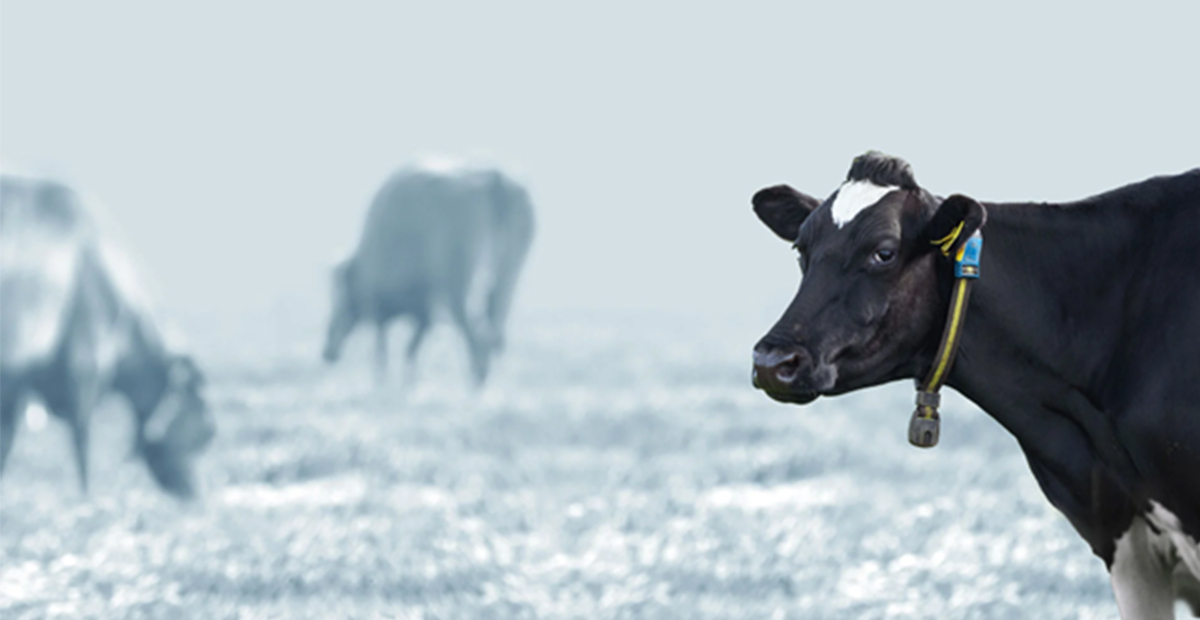
Early Implementation and the Future of Individual Cow Monitoring Technology in the New Zealand Dairy Industry.

Cameron Burton Kellogg report

Executive summary

The New Zealand dairy industry has a labour shortage from managers to farm assistants. This has pushed producers to look for automation options to reduce dependency on labour.

Recent and ongoing improvements have produced large-scale, commercially viable individual cow monitoring technologies that can significantly reduce the workload on farms as well as increase animal performance and health measures. Suppliers of these technologies report a positive return on investment and a reduction in labour
requirements.

The industry has seen significant growth in the uptake and implementation
of these technologies over the last 2-3 years. Implementation of emerging technologies is not always successful; challenges and limitations will exist in a commercial context that are not foreseen during the development or in early trials.
This report will explore the intended application for these technologies and how this
compares with current uptake and implementation at scale on commercial dairy farms.

It will explore areas of successful implementation and areas where obstacles have
reduced performance or prevented the technology to be utilised as expected. Current
and prospective users of the technology need to understand how different technologies in the market are likely to be implemented on their farms. This will help to make informed decisions around which technologies will achieve a more desirable outcome over the long term.

This report will help the suppliers and developers of individual cow monitoring technologies identify areas where their products are not being successfully implemented, and areas for further development to ensure the success of their technology in the New Zealand dairy industry.


A review of national and international literature was undertaken to confirm the accuracy and reliability of the technologies available to ensure they would improve or exceed the status quo of our performance in the New Zealand dairy industry. The review examined the commercial viability of these products and looked to the future of the development and application of individual cow monitoring technologies.

Qualitative, semi-structured interviews then took place with suppliers of the technologies, users, and non-users. Uptake, success and failure, and future development of the technology were examined.

Key Findings

  • The technology is highly accurate and viable for a profitable outcome in a
    commercial large-scale context.
  • All users agreed that the initial application has been successful and the return on investment has been neutral or positive.
  • There is potential for greater return on investment from ongoing training and
    implementation of the full complement of features the technology has to offer.
  • Challenges exist with the usability of the software and the sensitivity of health alerts specific to New Zealand’s outdoor grazing systems.

Recommendations

Producers

  • Develop a user-friendly interface as fast as possible, and regularly connect with users for improvements and future development.
  • Reduce the sensitivity of health alerts and integrate on-farm weather conditions with health alerts to limit false positives from weather events.
  • Ensure recruitment and the training of support staff can meet customer requirements as uptake increases. New support staff could double as sales staff to allow for early recruitment.
  • Outsource and fund third parties for technical support. Farm consultants, vets, farm advisors, and other rural professionals could be used to help educate and review the data.
  • Produce actionable reports/groups of cows from the data to minimise the interpretation and increase action taken on the farm. 

Current and future consumers

  • Prior to implementing any brand of individual cow monitoring technology, research the current and future access to after-sales support and technical specialists to ensure you will have ongoing support. Pay particular attention to your exposure to individual staff moving out of the role and limiting the technical support available.
  • Be prepared to put the time and effort into learning and understanding the software as there is an interpretation of raw data required.
  • Ensure the technology you implement is largely mainstream to ensure support from other users and increase the chances of new employees being familiar with the software.
  • Work with vets and advisors to create protocols and policies to shift from clinical diagnosis to subclinical investigation and diagnosis before clinical illness impacts production and profitability.

Capturing value on-farm.

Megan Fitzgerald Kellogg Research Report

Executive summary

More consumers are seeking food products that have credence attributes, such as improved animal welfare outcomes, lower environmental impact, and positive social impacts. Credence attributes cannot be seen or tasted, consumers only know they are being met by information being passed from producer, through the supply chain to them.

Commodity supply chains struggle to pass on accurate, complex information, leaving consumers who are seeking these attributes looking to buy their food through other outlets. Savarese et al., (2020) identified a real opportunity for New Zealand farmers if they are able to connect to these market segments. This research identifies the key requirements a family farm must have to successfully establish and maintain a short value chain.

Coinciding with the growing consumer market, is a risker macro-economic environment where farmers are subjected to tighter margins on commodity markets. Short value chains present opportunities to diversify risk through accessing alternative markets, equity growth without a dependence on acquiring more land, and a way to include more family members in the family farming business.


This research uses semi structured interviews to collect information from family farm businesses who are selling food products directly to consumers. A thematic analysis is carried out to identify the key requirements to consider when establishing a short value chain.

Establishing and sustaining a short value chain is a cyclic process that needs constant realignment between the resources the farm business has and the demands of the customer segment. Farm businesses must have the desire to connect to consumers and the ability to identify opportunities that allow them to connect with consumers in a cost-efficient way.

Success relies on mobilising the businesses resources and establishing a production system that creates a constant supply of quality product. Finally, the business must continually seek opportunities to realign with changing consumer demands and maintain their competitive advantage – which comes back to identifying opportunities.

The defining characteristics of family farm businesses who participate in short value chains is their ability to create and sustain consumer trust. This trust results in consumers who are willing to pay more for their product.

From the analysis of successful short value chains in New Zealand there are a number of recommendations for family farm business wishing to establish and participate in a short value chain.

The key recommendations are to 

  1. establish your family values and align these to customer segments to decrease costs associated with mobilising resources,

  2. spend time creating a production system that produces consistent, quality products that your consumer wants,

  3. connect with your consumers, provide transparency on product details through face-to-face and more permanent marketing such as websites, social media, etc., and

  4. constantly seek feedback and opportunities to better meet your consumer’s needs.

Barriers to Genetic Potential Through Sire Selection in New Zealand Sheep Farms

Executive summary

Agriculture contributes to 50% of New Zealand’s gross greenhouse gas emissions, an industry that is largely dominated by ruminants producing methane (Ministry for the Environment, 2022).

The Climate Change Response Act 2002 has set a target to reduce biogenic methane emissions to 24–47 per cent below 2017 levels by 2050. Therefore, the reduction of methane emissions from livestock is of significant environmental and economic importance.

It has been demonstrated that there is repeatable, individual variation in the methane emissions of sheep and that part of that variation is genetically heritable. There is now a breeding value that allows commercial farmers to rank, select and purchase lower methane emitting sires. This is currently the only tangible and proven mitigation farmers can start implementing on their farms right now.

In a time where our consumers are more discerning than ever before about how their food is produced, it is vital that commercial farmers utilise resources and technologies wherever possible to further our competitive advantage through sustainable practices.

However – regardless of personal views on climate change or political policies – do commercial farmers have the capacity and capability to understand the opportunity that these low methane-emitting genetics bring?

This research focuses on understanding the barriers to genetic potential through sire selection on New Zealand sheep farms.

To gather information on the barriers for farmers in relation to breeding decisions a literature review was undertaken to understand the gap in knowledge of farmers with regards to genetics, along with establishing factors in commercial farmer behavioural change and understanding of complex decision-making in relation to animal breeding decisions.
This was followed by an unstructured interview process with four farmers from three different farming enterprises, to establish a journey map to understand each farmer’s experiences, by creating a map of their interactions with sire selection. Farmers were selected to represent different types of farming enterprises and perspectives within the sector.

This process also helped to establish a picture of their current level of understanding, perceptions and preferences in genetic decision-making and identification of barriers to genetic potential through sire selection within the farm systems.

Key Findings

Given the significant advances in genetic and recording technologies over the past 20-30 years, it could be assumed that sire selection decisions should have become simpler. However, though these technological advances may provide more information, the complexity and scope of the information may also overwhelm farmers.

Martin-Collado, et al. (2018) describes that when people are faced with complex decisions and/or are exposed to information overload, this leads to either impulsive often suboptimal decision-making or they use simplification strategies (i.e. heuristics).
In terms of effecting meaningful change through genetic decision-making, the ability to effectively compare a farmer’s system with that of others appears to be an instigator to change.

There is a significant educational role to fill with regard to sire selection and genetic decision-making. Whilst we have sheep which are genetically lower methane emitting or significantly more tolerant to facial eczema available for purchase now, there is much to be done to assist the commercial farmer to realise the opportunities available to them when it comes to genetics.

Recommendations

Beef + Lamb NZ should aim to develop a number of tools and resources aimed towards genetics education and extension for both commercial farmers and breeders.

The development of these tools and resources should:

  • consider the individualism of farmers and their systems, the behaviour of change and complex decision heuristics,

  • be developed in collaboration with subject matter experts and farmers to be relatable for the intended audience,

  • share the success stories of farmers who have successfully harnessed the opportunity of genetics,

  • be created for a range of delivery mechanisms to cover a range of learning styles.

    • These should be developed in collaboration with industry partners to facilitate the uptake of these resources by these parties to assist in the dissemination and delivery of the resources.

Organic, Regenerative and Sustainable.

Executive summary

To answer the question, this report considers if these methods can be defined, it explores the main principles and drivers based on a comprehensive literature review; the baseline is conventional farming, and the research shows sustainable farming is usually regenerative and organic and often conventional.

Organic, regenerative, and sustainable are all buzz words; they are methods of farming, growing, and processing; also used in marketing for recognition and financial advantage. This report found that a farmer may align their identity with their chosen method and a consumer’s decision to purchase may be based on their understanding of these terms and an alignment of their values, particularly where there is a premium paid. This report found consumers use the terms loosely and the complexities of farming methods are not understood by non-farmers.

There are no definitive definitions of organic, regenerative agriculture (RA), sustainable or conventional farming in New Zealand (NZ). Each method is guided by principles, and the report finds there are few differences between these, and this means that farmers can use principles from any method. Sustainable practices guide each of the methods and much conventional farming.

NZ farming already has a clean green advantage, and many farmers are leaders in best practice which can be explored further. This report considers the new term, regenerative organic and found its meaning and the relationship with organic farming is not yet established in NZ.

The quick and simple answer is yes, a farmer may be across all these methods, but if claiming to be organic, must be certified.

Organics has had enormous success in becoming well established with stable export markets; legislation is imminent providing credibility and consumer protection; it is odd that organics received little mention in the RA research projects or in strategic planning for the food and fibre sector. It is unclear where it fits into the bigger picture for food and fibre.

Progress on RA is at an impasse waiting for industry and or government leadership; however, the journey has started, and recent announcements of research projects will provide much needed evidence and guidance on the extent that existing farm methods are already aligned with RA.

Some leading NZ scientists claim this task has already been done and there is nothing more to be gained. If RA is to gain traction, time is of the essence. NZ needs a strategy, purpose, and an agreed direction. There is an opportunity for NZ to lead the direction of RA.

The report briefly considers if there is a premium to be gained from these farming methods and how this is reflected in the export markets. This matters for NZ because, “our economic security depends on the primary sector, which this year earned us a record $53.3bn in exports” announced Minister Damien O’Connor1. In July 2022, red meat sales reached $1.1 billion according to the Meat Industry Association (Red meat exports reach $1.1b., 2022), NZ needs to continue to add value to its exports, rather than rely on volume of production by identifying its advantage, guaranteeing the quality of its farming systems, and marketing its story.


The food and fibre sector must act quickly, otherwise another nation will lead in regenerative and sustainable farming and the potential market advantage to NZ is lost.

Recommendations

The project provided clarity that there needs to be a collaborative way forward, the following actions are recommended to achieve a unified direction:

Strategy to establish the role and future of New Zealand farming methods

  • The Government to facilitate a collaborative effort from industry organisations, the Ministry for Primary Industries (MPI) and research organisations to establish a representative leadership group (the Group).

  • The Group to deliver a Strategy for organic, regenerative, and sustainable farming for the short and long term; this should align with, other sector specific strategies and address sustainable practices across New Zealand farming.

Research

  • The Group should develop a methodology across all farming systems linking production, product quality, livestock, health, and well-being, adopt a holistic view, including evaluation of environmental, social and health impacts. This work must align with existing research programmes.

  • The Group will distinguish between organic and regenerative farming, address the meaning of organic regenerative and sustainable, and include the outcomes in the overarching strategy.

Trade and Export

  • The Group will develop the New Zealand story for consumers, investigate new markets, grow existing ones, and optimise what New Zealand does well.

Māori in Governance of Agricultural Co-operatives in Aotearoa New Zealand.

Executive summary

Māori are significant and substantial long-term participants in the primary sector of Aotearoa New Zealand.

They are kaitiaki of significant tracts of land for future generations, just as previous generations were kaitiaki for them. This concept of stakeholders’ past and stakeholders’ future links Māori to the whenua through whakapapa and means that they will never sell their land assets.

The Māori economic engine is significant in terms of both asset holding and in generating activity for the economy of Aotearoa New Zealand. Despite this Māori have almost no presence in the governance of the Agricultural cooperatives, despite these being businesses that they are significant suppliers and customers of and hold equity in.

The purpose of this report is to understand the reasons behind this, identify ways to re-engage Māori at governance levels with the cooperatives and understand the benefits and costs to each from doing so.

The methodology used within this report included literature reviews of Māori economic performance and how contemporary corporate governance models fail to meet the needs of Māori governance.

In the context of this research topic, it is important to determine the contribution made by Māori to the economic activity of Aotearoa New Zealand generally and to the primary sector specifically as this project investigates the premise that it is reasonable to achieve representation if there is a contribution.

The review of Māori governance included discussion around the kaupapa and tikanga that provide a framework to Te Ao Māori and how this influences the decision-making of Māori governance entities.

Semi-structured interviews were conducted with eight Māori governors including participants in cooperative director elections. These were conducted to understand the view of Māori who had experience with governance in both Māori and non-Māori entities and in a cooperative election process.

The answers were then critically analysed with themes developing from the analysis.

A structured survey was supplied to members of Cooperative Business New Zealand. It was important to assess the view held by cooperatives around levels of Māori engagement at a governance level.

These were analysed with themes developing from the analysis.

The results from the structured survey and the semi-structured interviews were then analysed together to identify areas of commonality or divergence.

KEY FINDINGS

MĀORI MAKE SIGNIFICANT CONTRIBUTIONS TO THE PRIMARY SECTOR AND AOTEAROA NEW ZEALAND

The scale of Te Ohanga Māori (The Māori Economy) is significant, contributing 6.5% of the GDP of Aotearoa New Zealand in 2018. This is on par with the primary sector which also contributed 6.5% of the 2018 GDP with Māori contributing NZD 2.700 billion dollars (or 14%) to the primary sector GDP.

Further in 2017 10% of dairy production and 30% of meat and fibre production were sourced from assets owned by Māori.

These statistics are important as they prove that Māori is significant contributors to the economy and primary sector of this country. The lack of Māori representation in cooperative governance seems incongruent with the level of contribution made by Māori.

MĀORI HAVE LOW TRUST IN COOPERATIVES AND ELECTIONS

Lack of engagement by Māori with the cooperatives appears to be seated in a level of distrust by Māori in the cooperatives (although the Institution of the Cooperative may be acting as a proxy for its Pākeha shareholding base) This is a result of (real or perceived) racial bias over time with a
general feeling in the interviews with Māori agribusiness leaders that the cooperatives are Pākehacentric institutions with a low understanding of the needs of Māori.

There was a general feeling that the Māori would struggle in an election process as the Pākeha majority would favour other Pākeha over Māori no matter the skills Māori may offer.

COOPERATIVES RECOGNISE THAT MĀORI ARE  UNDERREPRESENTED IN GOVERNANCE

Cooperatives are generally aware that their existing governance fails to adequately represent the contribution made by their Māori stakeholders to their businesses.

They generally believe it is important that there is Māori representation in their governance bodies, however, the responses indicate that no cooperative has established a strategy to change this.

OPPORTUNITY EXISTS FOR BOTH PARTIES IF RELATIONSHIPS CAN BE STRENGTHENED

  • For the cooperatives, the opportunities are twofold:

    Operationally they partner with Māori to secure long-term multigeneration supply relationships at a time when production is falling in response to climate change initiatives and land use change.

    Strategically they gain insight into what appears to be a shift away from laissez-faire and liberal market theory to a growing ESG investment paradigm that is more rooted in equitable returns to social and natural capital as well as real (economic) capital. This is due to ESG concepts largely mirroring the pou or drivers of Māori governance models.

  • For Māori, the opportunity lies in attaining influence in an industry they already participate in and in a business in which they may already hold equity.

    Influence is important to ensure that Māori maintains a level of control over the use of Tikanga, Kaupapa, Te Reo, and Matauranga Māori – those things that make Māori unique in the world and are effectively the Intellectual Property of Māori.

    Māori are afforded the opportunity to bring Te Ao Māori into the dominant mainstream so that it is valued and practised in an authentic way.

RECOMMENDATIONS FOR COOPERATIVES

Cooperatives face distinct challenges to overcome the lack of trust that Māori have expressed in the election process and in the cooperatives. This will require rebuilding trust levels and relationships.

  • Decide if the organisation believes the lack of Māori representation is an issue that requires addressing.
  • Develop strategies to effect cultural change so that all shareholders perceive their treatment to be equal with clear and demonstrable intolerance of intolerant.
  • Build manaakitanga with Māori by being institutionally intolerant of any form of racial bias.
  • Organise wananga with Māori stakeholders so they can learn who you are, and you learn who they are.
  • Engage in whakawhanaungatanga. This will facilitate discovery and understanding as the first step in relationship building (whanaungatanga).
  • Learn and understand Te Ao Māori, Mātauranga Māori, Tikanga and Kaupapa – these are the things that will guide relationship building with Māori.
  • Develop methods to provide governance opportunities for Māori within your organisation – training options and assistant/future director opportunities.
  • Use a Māori lens in decision-making – a celebration milestone for Pākeha could have been at the expense of Māori interests for example. This is also important when using taonga in
    commercial ways.
  • Ensure that the cooperatives are not structurally racist – for example, check to see if election rules could exclude Māori from standing in a director election. This is important given the unique nature of some Māori ownership structures.

RECOMMENDATIONS FOR MĀORI

  • Practice rangatiratanga by using the voting powers that come with ownership.
  • Be open to building whanaungatanga with cooperatives – maintain a focus on attaining influence by taking roles in the governance of these businesses.
  • Show kohtahitanga and manaakitanga by voting for rangatira who stand for election to these boards.
  • Māori voting for Māori in elections dominated by Pākeha demonstrates rangatiratanga.
  • Continue to develop governance skills in Rangitahi.