2026 Nuffield NZ Farming Scholarship. Apply by 17 August 2025. Read More...

Apply for 2026 Nuffield NZ Farming Scholarship by 17 August 2025. More details...

A New Fleece on Life: How the Sheep Farming Sector in Aotearoa Can Halt Terminal Decline to Secure a Sustainable and More Secure Future

Executive summary

The New Zealand sheep sector stands at a critical juncture. After decades of declining flock numbers, stagnant productivity, and diminishing profitability, producers face a choice: to continue operating under a commodity-based model or to invest in transformational change that creates genuine differentiation, resilience, and profitability. Sheep meat producers will need to make conscious and deliberate decisions around the future as sheep farmers based on variable economic landscapes. A viable sheep sector underpins rural communities, national environmental goals, and New Zealand’s international reputation for high-quality, ethical food production.

This report examines the causes and implications of decline across the sector, exploring how leadership, producer behaviour, and system design interact to shape the future of sheep farming in Aotearoa.

Interviews with industry leaders reveal a consensus that enduring change will require courage, collaboration, and a willingness to change established practices even when the outcomes are uncertain. Leadership must occur not only at industry and organisational levels, but within every farming business that wishes to remain viable.

An accompanying producer survey highlights a tendency for farmers to invest primarily within the farm gate, with limited willingness to engage in post-farm-gate opportunities – indicating a gap between control and value capture. This inward focus has come at the expense of investment in value creation beyond production, where much of the potential for higher returns lies. This mindset, while understandable, risks trapping the industry in what sector leaders described as the “valley of death”—a space between low-cost commodity production and genuine product differentiation, where costs rise but returns fail to follow.

Leadership, at both farm and sector levels, will be the decisive factor in determining whether the industry evolves or continues its decline. The capacity to make uncomfortable but necessary changes will define future success.

Key recommendations call for a sector-wide focus on genuine product differentiation, strategic investment in productivity systems, and technology adoption to close knowledge gaps at the ewe level. The sector must invest in innovation, leadership, and supply chain alignment to reverse decline. Without proactive change, the sheep industry risks following the trajectory of other commodity-based sectors that have ceded control and value beyond the farm gate. This report concludes that no one will save the sheep industry but sheep farmers themselves. The rest of the world does not need our products, and so if we would like to continue to produce them and offer them to the world, we will need to reposition our offering and evolve the perspectives we have on our sheep systems.

The future success of the industry will be determined by its willingness to lead, to invest boldly, and to evolve before the choice to do so is taken away.

Tara Dwyer

Competition vs Collaboration: A Balancing Act for Success

Executive summary

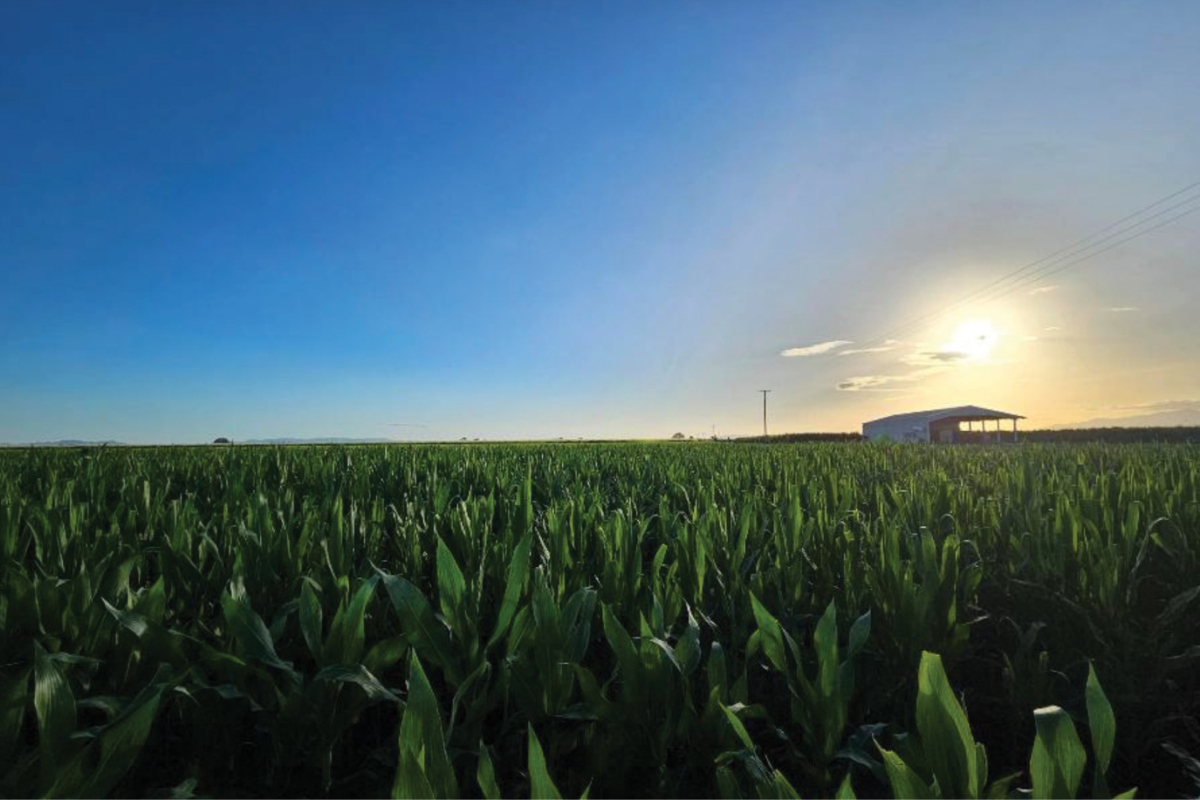
Maize grain growers along the East Coast of the North Island are facing mounting pressures, including rising input costs, weak returns, and increasing competition from imported grain. Once defined by independence and seasonal rhythm, maize grain growers now find themselves at a crossroads.

This study examines: The dynamics of collaboration and its potential to enhance maize grain production along the East Coast of the North Island.

The purpose of this report is to understand what creates, enables and sustains collaboration among maize grain growers in the region. And how this understanding could enable effective collaboration that enhances and supports maize grain production along the East Coast of the North Island.

Purpose:

  • To support rural businesses and industry bodies by providing evidence-based insights, that help to initiate and strengthen effective collaboration.
  • To guide maize grain growers by identifying the enablers and sustainers of collaboration, highlighting opportunities, and encouraging reflection on current and future collaborative potential within their cropping systems.

The research combines a literature review with semi-structured interviews conducted across growers, rural professionals, and industry body representatives. The interviews were analysed thematically to identify themes and actionable insights.

Key findings reveal that collaboration is often driven by external pressures like economic strain and market volatility, and sustained by internal factors such as trust, and shared purpose. While growers seek a united voice and better support, barriers like land competition, limited understanding, and a reluctance to be vulnerable still hinder progress.

The report concludes that now is the right time to act and initiate collaboration among maize grain growers.

Recommendations:

  • An encouragement for all East Coast maize grain growers to reflect and consider what opportunities collaboration could provide for their operations.
  • Build understanding before launching any collaborative effort.
  • Formation of a specialised collaborative group supported by industry bodies.

Tim Waehling

The Fifth Quarter: Are Farmers Paid for This?

Executive summary

The red meat industry is traditionally recognised for its production of muscle meat for human consumption, such as lamb chops and scotch fillet steak. Nevertheless, a considerable yet frequently overlooked segment of each animal is known as the “Fifth Quarter,” comprising co-products including organs, bones, hides, fats, and blood. These co-products are integral to the sector’s sustainability and profitability, as they can be processed into high-value commodities such as leather for apparel and automotive interiors, fertilisers, and pharmaceutical products. Despite their extensive applications, co-products tend to be undervalued at the farm level, with most economic gains accruing to processors who oversee extraction, refinement, and marketing once ownership transitions from farmers.

This report examines three key issues: the reasons co-products remain undervalued at the farm stage, potential strategies to improve transparency and recognition for farmers, and the implications of current management and value distribution policies across supply chain stakeholders. The analysis highlights that the existing supply chain structure, centralised processing dominance, and contemporary market dynamics collectively result in limited direct financial returns for farmers from co-products. This situation adversely affects farmers’ incomes and business viability and has broader impacts on industry transparency and consumer confidence.

Industry perspectives have been reviewed, and opportunities for collaborative ventures and enhanced business practices are explored. The report recommends the Meat Industry Association establish a template to facilitate collaboration among processing members in the marketing and development of co-products. Additionally, the introduction of a distinct share value for investment by farmers and other stakeholders is proposed, aiming to unlock and fairly distribute the latent value within the Fifth Quarter. Implementing these measures would foster local value addition, with the objective of delivering increased financial returns to both processors and farmers, thereby enhancing industry profitability and competitiveness amidst land use changes. Sustained lack of profitability threatens the industry’s overall stability.

By encouraging innovation and ensuring equitable benefit distribution, particularly to farmers, the industry must enable returns of at least $1kgCW(carcass weight profit for beef and $0.20kgCW for lamb directly to farmers to attract succession and support generational change as ownership transitions occur. The future generation demands profit not solely derived from capital gains on land but from value creation across the entire animal. Accordingly, profit generated through comprehensive utilisation of all animal components is vital for processors and essential for the long-term viability of farming.

Geoff Crawford

From Farm to Fork: Are Microplastics Putting Our Community’s Health at Risk?

Executive summary

Microplastics, tiny fragments of plastic less than five millimetres in size, are now found in water, soil, air, and increasingly, in the food we eat. For a nation built on its “clean, green” reputation, the possibility that microplastics may be entering the dairy supply chain raises serious questions about food safety, community health, and market reputation.

This project investigates whether microplastics are present in New Zealand’s dairy sector and what actions are needed to respond. It combines a literature review with a community survey of 180 participants to explore both the scientific evidence and public perception of this emerging issue.

Global studies have detected microplastics in milk, cheese, and milk powders, with fragments traced to farm plastics, polymer coated fertilisers, processing equipment, and packaging. Yet there are no published studies measuring microplastics in New Zealand milk or dairy products. The absence of data does not mean the absence of risk; without local evidence, both industry and consumers are left uncertain.

Survey results showed that awareness of microplastics is high, but understanding of local impacts remains limited. Ninety five percent of respondents viewed microplastics as a health concern, and over eighty percent wanted more local research. Participants expressed frustration about packaging waste, confusion about recycling, and a strong desire for clearer information and leadership from both government and industry.

The goal is not to alarm but to inform and lead: to understand where microplastics may be entering the dairy supply chain, what this could mean for community wellbeing, and how the sector can act before international pressure demands it.

To protect public health and maintain consumer trust in New Zealand’s dairy exports, the report recommends:

  • Building evidence: Establish national monitoring of microplastics in dairy soils, water, and milk products, supported by standardised testing and collaboration between government, science, and industry.
  • Industry leadership: Integrate plastic reduction and stewardship targets within assurance programmes such as Synlait’s Lead with Pride and Fonterra’s Co-operative Difference.
  • Policy reform: Strengthen and expand product stewardship regulations to cover all on farm plastics, including polymer coated fertilisers, and align national policy with emerging global standards on microplastic management.
  • Education and communication: Provide clear, science based information to farmers and consumers to reduce confusion and greenwashing.
  • Innovation and collaboration: Invest in research, circular economy models, and new materials that reduce plastic reliance and position New Zealand as a global leader in sustainable dairy production.

Protecting New Zealand’s dairy reputation will depend on strengthening evidence, fostering innovation, and leading with transparency and collaboration.

Nicky Halley

Water quality in the Amuri Basin

The Amuri Basin is a highly productive farming area in the Hurunui District in North Canterbury, New Zealand. The introduction of irrigation schemes and reliable irrigation water meant that the area has gone through a large amount of land use change and a significant increase in intensive farming in the area in the past 40 years

The increase in farming intensity has also led to an increase in nutrient concentrations in water bodies in the area over that time. This has been recognised by the farmers and measures have been put in place to mitigate some of these nutrients, mainly phosphorus and e-coli, but there is an increasing trend of nitrogen concentration in both surface water and ground water measurements.

The purpose of this report was to gain an understanding of farmer perspectives on water quality and what factors in their farming systems they were prepared to adopt to achieve better water quality outcomes, along with identifying what the barriers to implementation are. They were also asked to provide a perspective on how well their neighbours are doing regarding water quality.

The report finds that the farmers of the Amuri Basin are largely aware of their impact on water quality and understand what impact their farming system may be having. They have less water quality concerns towards the two receiving bodies, the Hurunui and Waiau Uwha Rivers, than they do about nitrogen concentrations in drains and tributaries supplying those rivers as well as increased measured nitrogen concentrations in groundwater wells. Barriers to change include, but are not limited to, financial considerations and economic prosperity, as well as regulatory uncertainty. The farmers also felt that generally other farmers were aware of the impacts their farming systems were having on water quality, but each farmer was at a different stage of that journey.

Some recommendations that could be explored as catchment wide options to help realise improvements on water quality are:

  • Stocking rate reduction – Each farm to reduce their stocking rate either by setting stocking rate limit or a percentage reduction. Potential of success is high, but impact to farmers business is variable
  • Overseer N loss reduction – Each farm to reduce N loss as modelled through Overseer, either by N Loss limit or percentage reduction. Provides more opportunity to utilise different input variables with the farm system to achieve result. There is a risk that modelling doesn’t reflect reality of the farm systems N loss.
  • Wait and see what happens – Allow time for existing mitigation strategies to take effect
  • Farm Consultants and Vets – Add an environmental lens to compliment the production lens to their advisory services
  • Ongoing education and awareness – Continue providing information and resources to the community around water quality and potential mitigation strategies
  • Trial and implement technological advancements – Trial and adopt new technologies as they are developed.
  • Fund reverse osmosis filters on groundwater drinking wells – Where there is a measured elevated nitrate concentration on groundwater drinking wells, reduced the human health risk by funding or providing reverse osmosis filters.
  • Outcome of the Amuri Basin Future Farming Fund Project – Utilise the progress made with engagement of catchment groups and potential of a dollar value mechanism to incentivise farmers.

Adam Williamson

Evaluating the Potential of Increased Carbon Stocks and Biodiversity Outcomes to Fund Native Vegetation Management on NZ Properties

Executive summary

New Zealand has experienced extensive native forest clearance since human settlement, reducing forest cover from 80.0% to 90.0% to approximately 24.0% of total land area. Introduced pest species have compounded this problem, causing significant biodiversity loss and reduced carbon sequestration capacity. While New Zealand has made international commitments to address climate change and biodiversity decline, current policy settings may be insufficient to incentivize native forest management at the scale required.

The central question in this study examined whether monetized benefits from increased carbon sequestration or positive biodiversity outcomes could o set the costs of undertaking pest management and protection of native vegetation on New Zealand properties. the aim was to evaluate the financial feasibility of using carbon credits or biodiversity credits to fund pest control and fencing infrastructure for native forest conservation, providing evidence-based recommendations for policy and landowner decision-making. This study addresses a critical knowledge gap in conservation finance, providing the first comprehensive economic analysis of both carbon and biodiversity market mechanisms for New Zealand native forest management. The findings directly inform policy development for achieving national climate and biodiversity commitments.

The study employed an embedded case study approach examining five properties in the Manawatū District’s Apiti and Pohangina localities, representing different proportions of native forest coverage. Nine scenarios were developed: six carbon additionality scenarios for regenerating forests and three biodiversity additionality scenarios for old growth forests. Management approaches included property boundary fencing, forest block fencing, and unfenced pest control, with comprehensive cost modelling for each scenario.

Carbon scenarios consistently generated negative Net Present Values (-$5,528 to -$1,607,407), demonstrating that carbon markets cannot support infrastructure intensive forest conservation. Fencing costs dominated expenses (57.7% to 98.3% of total costs), while carbon income covered only 0.2% to 19.2% of costs. Even under optimized conditions (20.0% carbon additionality, $80 per carbon unit pricing), only unfenced scenarios achieved viability. Biodiversity scenarios operated under fundamentally different cost-coverage frameworks, requiring annual credit values of $88 to $1,265 per ha but offered more viable pathways for conservation financing.

Policy frameworks should prioritize biodiversity credit scheme development over carbon market reliance for native forest conservation. Government should support landscape-scale collaborative approaches to achieve infrastructure cost efficiencies. Research investment is needed to validate carbon additionality assumptions and develop innovative pest management technologies that reduce infrastructure requirements.

Further research is required to measure actual carbon and biodiversity outcomes from pest management, develop landscape-scale conservation models, and establish robust biodiversity credit market mechanisms with stable long-term demand.

Cameron Walker

Factors Driving High Value Client Relationships: A Rural Banking Perspective

Executive summary

Background

The food and fibre sector represents a cornerstone of the New Zealand economy and our rural communities. It is confronted with unprecedented and interlinked challenges; environmental and regulatory change, consumer driven climate pressures, volatile global markets, geopolitical instability and rising demands to demonstrate sustainable practices.

Rural managers play a critical role in supporting farmers, specifically in achieving goals, business resilience and financial wellbeing. However recent evidence points to challenges in farmer-bank relationships. This leads to the question; how do we enable trusted, high value relationships between rural managers and clients?

This report is directed at rural banking leaders, rural managers, and rural professional organisations concerned with the future of New Zealand’s food and fibre sector.

Aims and Objectives

The aim of this research project is to identify key factors that enable high-performing rural managers to build trusted, high value relationships with their clients.

Methodology

The methodology comprises of a literature review to understand the key elements in establishing strong, trusted relationships. Semi-structured interviews were then conducted with the aim to explore the perspectives of three distinct groups: clients, rural managers and external stakeholders. The data was then analysed to identify common themes.

Key Findings

Thematic analysis of semi-structured interviews, combined with insights from the literature review, resulted in these findings.

Key attributes of high-performing rural managers:

  • Build trust first – they listen, show genuine curiosity, and invest time on farm
  • Blend technical insight with strong interpersonal skills
  • Are proactive, prepare well, bring solutions and anticipate needs
  • Understand growth mindset, owning their learning and resilience
  • Collaborate and share knowledge.

Factors enabling high performance:

  • Leaders who recruit for empathy, curiosity, integrity and ability to collaborate
  • A performance framework that links clear competencies to remuneration, progression and retention
  • Consistent coaching, feedback, and accountability
  • Supportive culture that values training, autonomy and empowerment.

Recommendations for Rural Managers:

  • Build trust through demonstrated understanding, consistent follow-through and clear, empathic communication.
  • Prepare thoroughly and turn data and information into proactive, client-specific insights.
  • Seek feedback, reflect regularly, be visible, use and share best practice.
  • Use internal tools, and team expertise to deliver fast, coordinated client support.
  • Schedule time for self-care, planning, learning, and relationship building.
  • Maintain a growth mindset.

Recommendations for Leaders:

  • Actively role model values and desired behaviours.
  • Provide targeted training in storytelling, structured communication, courageous conversations, and interpersonal skills.
  • Complete regular one on one sessions, including field based feedback to embed training into business as usual activities. Ensure two-way communication.
  • Be consistently courageous in identifying and addressing underperformance.
  • Celebrate success.

Recommendations for Organisations:

  • Recruit for empathy, curiosity, character and collaborative mindset.
  • Define excellence with a clear evidence based three tier matrix, and link remuneration accordingly.
  • Embed growth mindset training covering resilience, change management, and learning from setbacks.
  • Hold leaders to account.
  • Recognise that high performance is supported by physical and mental wellbeing.

Michele Findlay

Exploring the Future of Agritourism in New Zealand

Executive summary

Background

Farmers are facing challenges such as environmental regulations, inflation, and price volatility, leading many to seek land use changes and diversification. Agritourism has emerged as a popular option, integrating tourism into farming and providing opportunities for experiencing real farming life in New Zealand and re-connecting with nature.

Aims & Objectives

The research aimed to understand why farmers diversify into agritourism and what opportunities exist in this sector. The question addressed was, “What opportunities lie in New Zealand agritourism?” The goal was to provide information for farmers considering agritourism to diversify their farming businesses and investigate how the agritourism sector could grow.

Methodology

A literature review established definitions, drivers, benefits, and challenges of agritourism globally and compared them to New Zealand. Qualitative interviews with agritourism operators and stakeholders identified motivations, benefits, challenges, and success factors in the sector.

Key Findings

  • Agritourism diversification is driven by financial and social factors.
  • Diversified income and resource optimization enhance business resilience and facilitate business growth.
  • Agritourism provides opportunities for non-farming partners and family members, enabling personal growth and offering flexibility.
  • Challenges include operational considerations such as balancing farming and tourism activities, health and safety, weather implications and staffing requirements.
  • Authenticity is the key to success in the agritourism sector. Providing experiences unique to individual businesses and the resources they have available.
  • Agritourism helps bridge the rural-urban divide and helps educate urban people on the primary sector.
  • Agritourism can also help promote New Zealand farming and products on an international scale.
  • New Zealand lacks agritourism leadership compared to countries like Australia and Scotland. No national strategy exists to support sustainable growth of agritourism.

Recommendations For Farmers

  • Investigate agritourism as an option to optimise land use, improve profitability and create a role for non-farming partners or other family members.
  • Undertake robust business planning and market research to and develop products that suit the land, region and people in the business.
  • Ensure offerings are unique and authentic to avoid “cookie cutter” experiences.
  • Consider the effects on your local community, both positive and negative. Minimise any negative impacts to maintain social license.
  • Connect with Regional Tourism Organisations for local tourism information and collaboration opportunities.

Recommendations to stakeholders

  • New Zealand government needs to recognise the opportunity within agritourism and develop an agritourism strategy for sustainable growth. Pulling inspiration from existing international strategies such as the Australian “Agritourism 2030” national framework.
  • Tourism New Zealand needs to redirect funding from marketing to destination management and infrastructure development in the regions to support sustainable growth of agritourism.

Emma Harvey

From Retention to Resilience: Strengthening MPI’s Veterinary Workforce

Executive summary

Veterinarians in the Ministry for Primary Industries’ (MPI) Verification Services (VS) are essential to New Zealand’s food safety, biosecurity, and export assurance systems. Despite their essential role, MPI faces ongoing challenges in attracting, retaining, and supporting veterinarians, especially in rural, shift-based, and sole-charge positions. This research, conducted through the Kellogg Rural Leadership Programme, explores these challenges and identifies practical strategies to enhance veterinary retention, engagement, and workforce resilience.

Key Findings

Eight interrelated factors influence veterinary retention at MPI:

  • Leadership visibility and recognition: Limited connection with senior leadership and inconsistent recognition practices.
  • Line manager capability: The quality of local leadership significantly shapes daily job satisfaction.
  • Career development: Limited clear pathways for progression and inconsistent access to Continuing Professional Development (CPD).
  • Organisational structure and agency: Centralised decision-making reduces veterinarians’ ability to influence their work environments.
  • Workload and flexibility: Rigid rostering and inadequate relief cover negatively impact wellbeing.
  • Onboarding and early attrition: Inconsistent induction processes lead to early disengagement.
  • Career adaptability and return: Opportunities for flexible roles can retain veterinarians who initially leave.
  • Purpose alignment: Lack of clarity regarding the regulatory nature of roles contributes to early dissatisfaction.

Recommendations

To strengthen veterinary retention and resilience, MPI could:

  • Reinstate structured onboarding and mentorship programmes.
  • Develop transparent, flexible career pathways across VS and MPI.
  • Standardise and promote equitable access to CPD, focusing on both technical and soft skills.
  • Enhance rostering, relief planning, and leave management.
  • Empower Veterinary Technical Supervisor 1s (VTS1s) and provide comprehensive leadership training.
  • Encourage peer-led innovation to increase frontline agency and ownership.
  • Reassess the requirement for full-time on-site veterinary presence.
  • Strengthen recruitment communication and purpose alignment during onboarding.
  • Align Remuneration and Responsibility for VTS1 Roles

Additionally, veterinarians themselves are encouraged to proactively engage in professional development, peer support networks, and contribute positively to team culture.

Improving retention involves more than keeping staff, it requires designing supportive, engaging systems where veterinarians thrive. Addressing these structural and cultural factors will enable MPI to sustain a resilient, future-ready veterinary workforce.

Emma Weston

Dairy Farmers Love Sharing Data… But There is a ‘But’

Executive summary

As the New Zealand dairy sector navigates increasing consumer scrutiny, technological disruption, and regulatory expectations, the role of on-farm event data has come into sharper focus. This research set out to answer a simple but nuanced question: Are dairy farmers incentivised to know about and share accurate on-farm event data, or do they prefer to present data that is favourable in the eyes of downstream consumers?

Drawing on interviews with dairy farmers, milk processors, and agri-tech firms, this study reveals a nuanced landscape shaped by incentives, trust, control, value perception, and the broader data ecosystem. It introduces the “make/save/comply” framework, a practical model that captures the motivations behind farmer engagement with data.

Key Finding: Farmers Are Rational, Not Resistant

The overwhelming conclusion is that farmers are willing to share data however it is conditional, based on a rational assessment of:

  • Control over who sees the data and for what purpose.
  • Trust in the requesting party and the data’s intended use.
  • Tangible value returned from sharing, whether financial, operational, cultural or strategic.

Data sharing occurs within a spectrum rather than a binary choice. When these three conditions are met, farmers demonstrate a high degree of professionalism and transparency. When they are not, farmers may lean toward selective or minimal disclosure, not to deceive, but to protect their business from misinterpretation or unintended consequences.

Introducing the “Make/Save/Comply” Framework

A central contribution of this research is the “make/save/comply” framework, which emerged from interviews across all stakeholder groups. It categorises the perceived value of data sharing as:

  • Make – Increasing productivity, accessing incentive programmes, genetic gains, or market premiums.
  • Save – Reducing cost, time, and complexity (e.g., lower vet bills, automated compliance).
  • Comply – Meeting industry, regulatory, or processor obligations to operate.

This model resonates strongly with both farmers and agri-tech firms and provides a common language for discussing the incentives underpinning data sharing. Importantly, compliancerelated data (the “comply” category) was identified as the most sensitive, often invoking hesitation unless communication and support are strong.

Trust and Control as prerequisites

Across interviews, trust consistently emerged as a key enabler of accurate data sharing. Farmers are more willing to share when:

  • They understand the purpose of the request.
  • There are clear boundaries around data usage.
  • They receive insights or benefits in return.
  • They can provide context around the data to avoid misinterpretation.

Trust underpins the Make/Save/Comply framework. Where trust is low or the requesting party is seen as overreaching, farmers become more cautious. Examples include fears that lameness or mastitis data, without context, could unfairly disadvantage them. Some processors and agri2 tech firms are actively addressing this by developing “managed connections” features, improving transparency and ensuring farmers retain control.

Evolving customer expectations and their impact

One of the forces driving increased interest in farm-level data is the shift in customer expectations, particularly among key corporate commodity buyers such as Nestlé and Mars. While end consumers are not always seen as the direct drivers, major commodity customers now demand proof of sustainability, traceability, and animal welfare.

Milk processors have responded with incentive frameworks like Fonterra’s Co-operative Difference, Synlait’s Lead With Pride, and Miraka’s Te Ara Miraka, all of which depend on farmer-supplied data. These programmes offer financial bonuses (up to $0.20/kgMS in some cases) and signal market alignment but also raise the stakes for farmers in terms of the nature and accuracy of what they report.

Favourable vs. accurate: a subtle tension

There exists a delicate tension between sharing accurate data and presenting favourable data. This is not rooted in deceit, but in defensiveness, farmers want to avoid being penalised for anomalies that may be beyond their control or misunderstood without context. Selective data reporting is most likely when:

  • Incentives or penalties are tied to thresholds.
  • The data’s interpretation is unclear.
  • There is a lack of trust in the party requesting it.

However, where there are strong relationships and mutual benefit (particularly with agri-tech firms providing operational insights), farmers tend to provide complete and accurate data. This reveals the importance of framing the request for data as a tool for support, not surveillance.

The role of agri-tech firms and system design

Agri-tech firms play a pivotal role in shaping the data-sharing environment. Farmers show high levels of trust when these firms:

  • Focus on enabling decision-making, not just data collection.
  • Design products around practical value rather than compliance pressure.
  • Prioritise interoperability and reducing duplication.

Integration across systems remains a major frustration for farmers. Despite progress from platforms like LIC’s MINDA Integrations, many still report the burden of manually transposing data between platforms. This duplication erodes the incentive to share and diminishes data quality.

Reframing relationships: the coaching analogy

To help clarify roles and expectations, this research introduces a novel “coaching team” analogy to describe how farmers interact with various stakeholders, processors, agri-tech firms, consultants, and regulators. Just as a professional athlete works with a team of specialised coaches (e.g., performance analyst, strength and conditioning coach, nutritionist), so too do farmers engage with domain-specific experts.

Each coach has a role and a time horizon:

  • Attach coach: Supporting national branding and premium market access.
  • Sports psychologist: Driving long-term innovation.
  • Rehabilitation coach: Supporting animal health.
  • …and others.

This analogy helps stakeholders contextualise data requests in a way that aligns with their role and relationship with the farmer. It also gives farmers a useful mental model for evaluating the relevance of requests, helping to reduce friction and increase cooperation.

Final reflections

This research finds that data sharing is neither inherently problematic nor universally embraced. Rather, it depends on:

  • Relevance: The data request must align with the role and relationship of the requester.
  • Value: The farmer must see a clear and proportionate benefit.
  • Trust and control: The data must be handled ethically, securely, and transparently.

Where these conditions are met, farmers are willing and even eager, to share data that is accurate, timely, and actionable. Where they are not, favourable data or minimum compliance becomes the fallback.

The challenge for the dairy sector, and the broader agri-food industry, is to build a shared data culture grounded in trust, clarity, and mutual benefit. This includes:

  • Aligning incentives with outcomes.
  • Investing in interoperability.
  • Standardising data governance practices.
  • Educating farmers on data value and sovereignty.
  • And above all, respecting the farmer’s role as a steward of both land and information.

In a world where market access, compliance, and competitive advantage are increasingly data-dependent, creating a farmer-centric data ecosystem is not optional, it’s essential.

Grant Kay