2026 Nuffield NZ Farming Scholarship. Apply by 17 August 2025. Read More...

Apply for 2026 Nuffield NZ Farming Scholarship by 17 August 2025. More details...

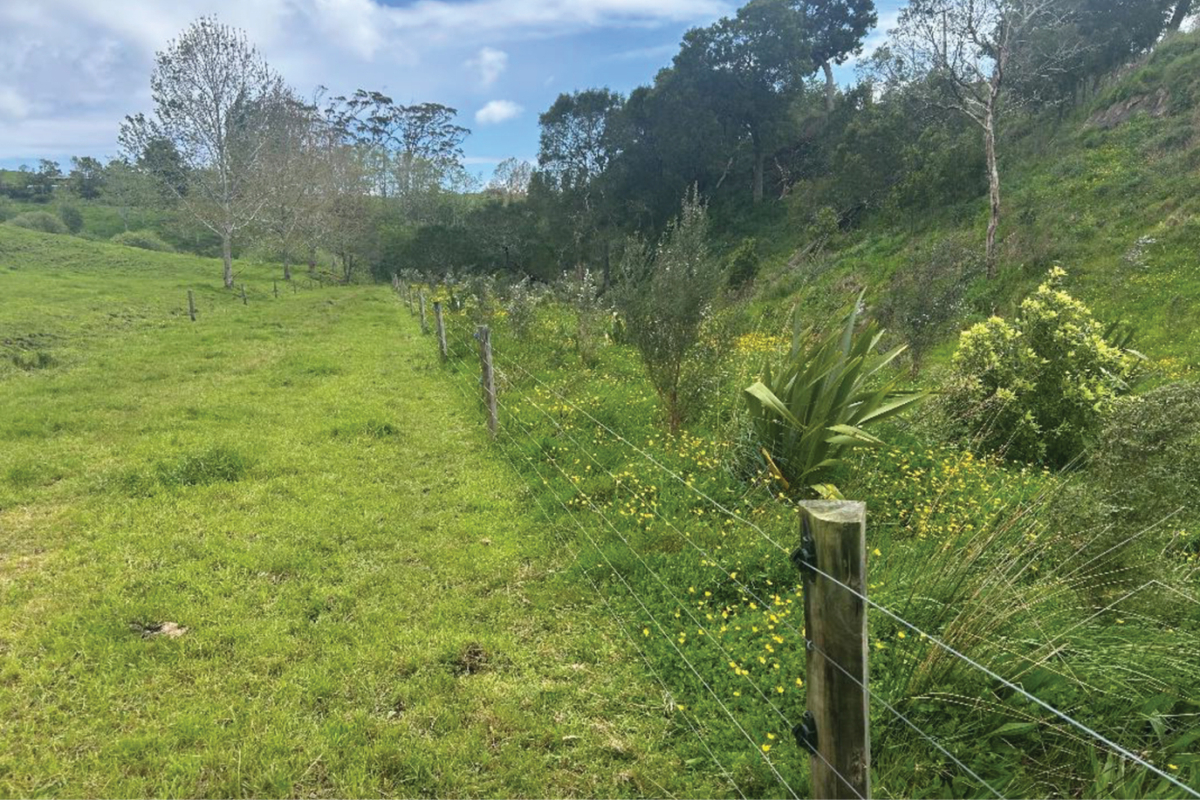
Are Biodiversity Credits an Opportunity for Sheep and Beef Farmers?

Executive summary

Biodiversity measurement for sheep and beef farmers in New Zealand must be affordable, relatable, and have relative ease of entry to market. This research explores the potential of biodiversity credits to incentivise sustainable practices in the agricultural sector.

There is a need for robust, farm-scale data to demonstrate how biodiversity delivers measurable ecosystem services and financial outcomes. It emphasises that accurate biodiversity measurement requires comprehensive monitoring of ecological indicators, often requiring specialised expertise and investment, which lead to high administrative costs.

However, to encourage farmer engagement, a key challenge is simplifying the measurement process while ensuring credibility and avoiding greenwashing. International comparisons show that overseas markets have developed various approaches to biodiversity crediting, with mixed results. Literature suggests that processor and government incentives can play a significant role, to recognise the effort of prior projects of landowners and encourage the uptake of new biodiversity development.

The New Zealand agricultural sector has historically prioritised production over protection, often driven by financial factors. New Zealand has a unique opportunity to commercialise its biodiversity, given that a lot of established residual biodiverse land is marginal for traditional pastoral farming. The existing carbon market and Emissions Trading Scheme (ETS) is considered more mature than the emerging biodiversity credit market and learnings can be taken and applied, including better carbon sequestration data for native vegetation to encourage farmers to choose native species over exotic monocultures.

Farmer surveys reveal a strong interest in biodiversity credits system, with 83% surveyed seeing value and opportunity. Landowners are motivated by freshwater and ecological improvements and perceive regulations as a major challenge. Many farmers have planted natives, often self-funding these projects, showing a true altruistic stewardship ethic. Volatile livestock markets, unclear financial incentives, and operational costs are key concerns and a combination of carbon and biodiversity credits is seen as alternative sustainable income source.

The report identifies several recommendations to promote the adoption of biodiversity credits on farm:

  • Updating of Ministry for Primary Industries (MPI) carbon sequestration tables to reflect the true value of native sequestration, making native establishment more cost effective to establish
  • Processors through their membership of NZFAI to establish low-entrylevel uncertified biodiversity credits, and simplifying measurement for farmers, utilising the NZFAP accreditation system working with existing tools such as the Biodiversity Assessment Tool, helping farmers start the journey of recognising and measuring the value that biodiversity has on farm from both and economic and environmental standpoint.
  • The government needs to set the rules and ensure the market runs efficiently, creating surety and stability of the market, setting a minimum dollar value for ‘farm biodiversity’ credits.
  • Farmers need to adopt a forward-looking approach to land use, and with existing recommendations, native tree planting can be recognised and rewarded as a better choice over exotic monocultures.

Addressing these challenges will enable New Zealand to enhance and expand our existing biodiversity, promote farm resilience, access premium markets, and reward farmers as stewards of the land.

Tim Orlando-Reep
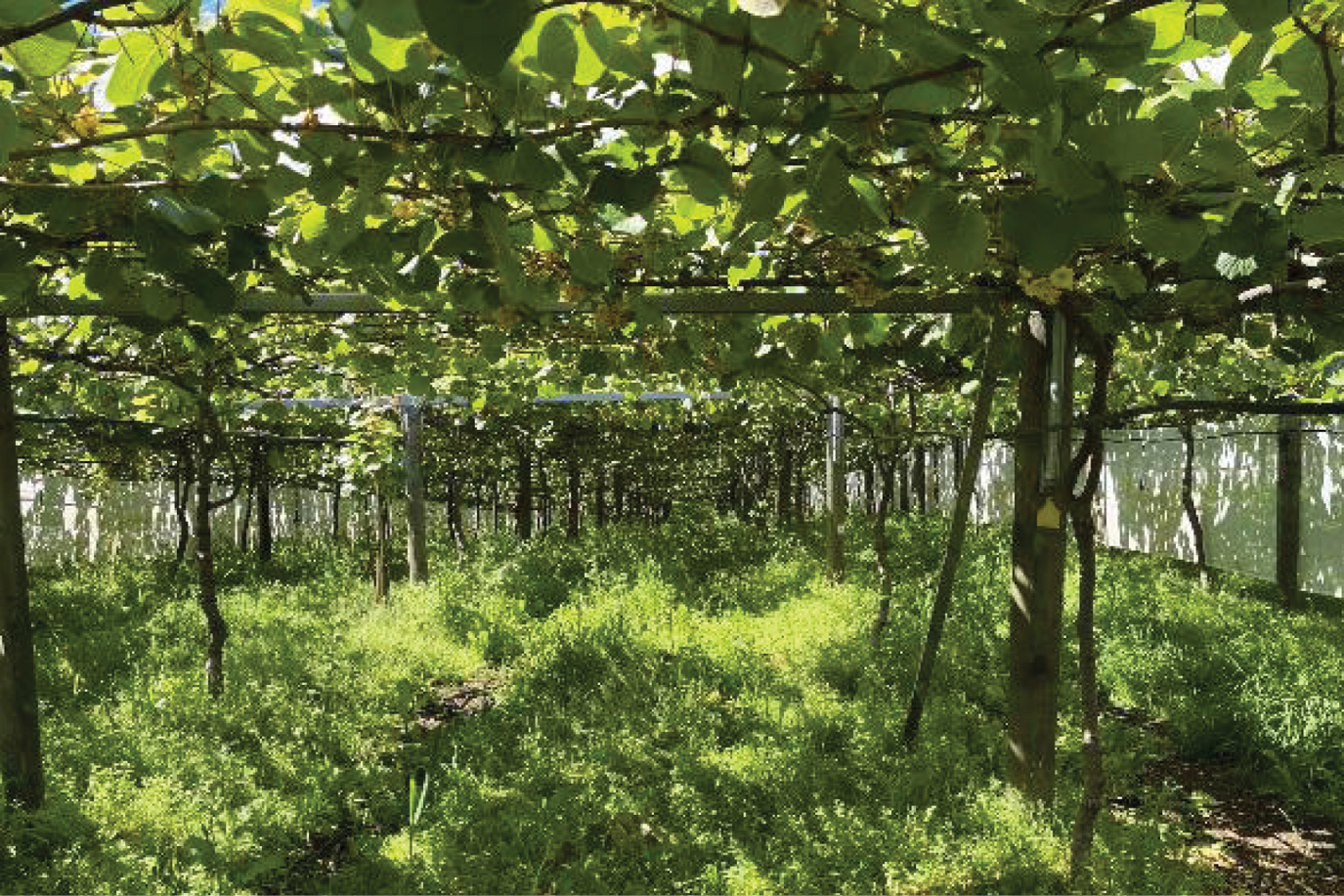
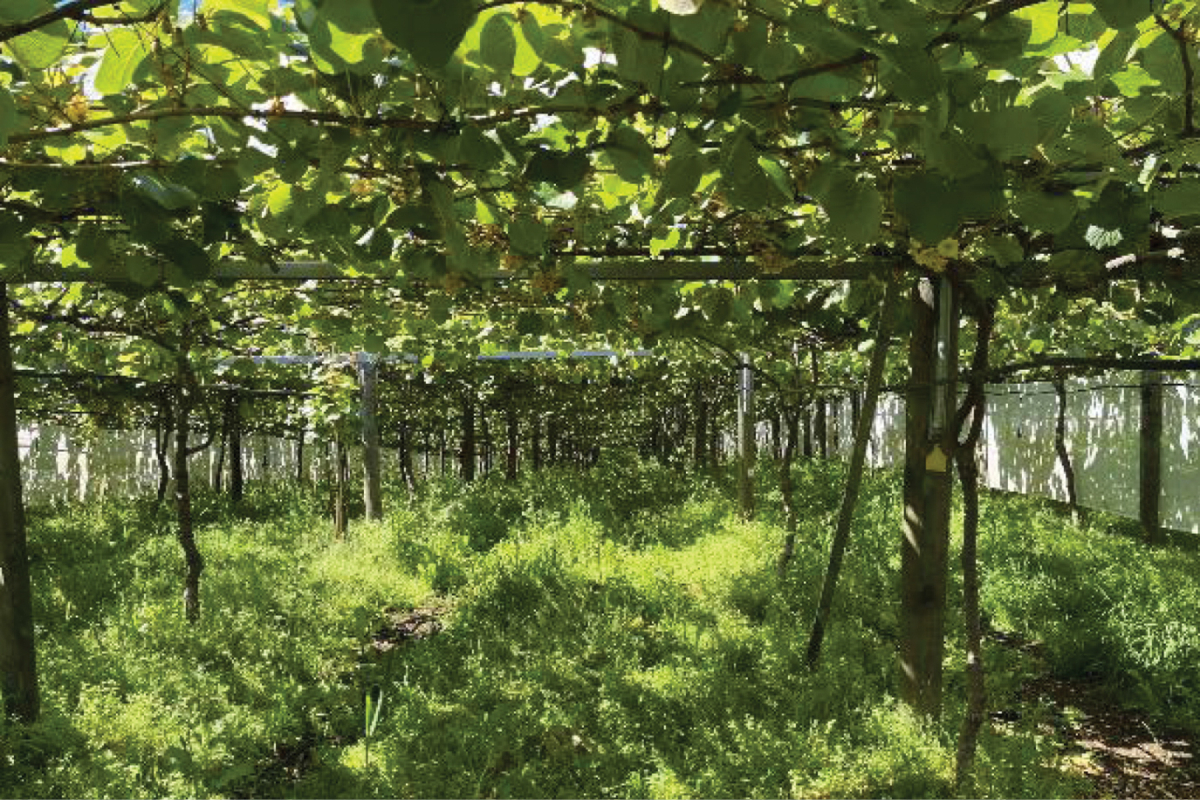
Regenerative Agriculture in Kiwifruit Orchards – Barriers to the Adoption of These Practices

Executive summary

Regenerative agriculture (Regen Ag) is a holistic farming approach that aims to improve the health of the environment, not just sustain it. It focuses on regenerating soil health and biodiversity, which can lead to benefits such as improved water quality, carbon sequestration, and climate change mitigation. This approach uses a variety of practices, such as cover cropping, no-till farming, and biochar applications, and is often seen as working “with the environment, not against it”.

Regen Ag has not yet become a mainstream practice due to a rather ‘leaky’ definition and often perceived as a ‘feel good’ factor and ‘greenwashing’. However, the biggest concern is the lack of scientific data to support its perceived benefits, both globally and within New Zealand.

New Zealand’s kiwifruit industry is youthful in comparison to other primary industries – the horticulture sector contributed $8.5b in 2025 to the export revenue and nearly half of this came from kiwifruit exports indicating that growing kiwifruit can be a profitable business.

To date, government and the kiwifruit industry has invested in investigating the benefits of Regen Ag, however, there is almost no publicity of the results by these entities and no extension activities in promoting these practices. Despite the hindrances due to knowledge gaps, Regen Ag in the kiwifruit industry has gained significant attention as a more sustainable option compared to conventional farming.

A greater proportion of growers, especially the younger generation, are aiming to become environmentally resilient while remaining profitable. Adoption of Regen Ag practices in kiwifruit, has percolated from other horticultural sectors such as viticulture, and vegetable cropping, due to cross-sector collaborations in the recent times.

Regen Ag in the kiwifruit industry is far from becoming a mainstream practice; the aims of this Kellogg report was to identify which regenerative practices are currently practical and being utilised in kiwifruit orchards. Using a survey approach and thematic analysis of questionnaire responses from industry stakeholders, the report investigates what are the hindrances to the adoption of Regen Ag practices within the kiwifruit industry.

Analysis of the questionnaire responses revealed that,

  • Lack of scientific data is one of the biggest hindrances to the adoption of Regen Ag practices. This is in accordance with the diffusion of innovation model, where this report found the biggest proportion of early adopters of Regen Ag practices in kiwifruit, followed by innovators, but because of the knowledge gaps, the adoption falls off, causing a cascading effect on the remaining population.
  • Lack of support in promoting the science and extension of Regen Ag from the government and Zespri – is one of the hindrances to Regen Ag adoption.
  • The current ‘kiwifruit growing model’ is highly profitable and growers ask, ‘why change if not broken’. There are no commercial incentives for regeneratively-grown, nutrient-dense kiwifruit. Some primary industries have started claiming premiums for regeneratively grown produce, but there does not seem to be any movement in the kiwifruit space.
  • There is currently (and in the near future) no mention of a separate ‘regeneratively produced’ marketing category of kiwifruit.
  • Initial monetary inputs can be higher for cover crop seeds, and soil amendments such as biochar and compost that are proven to improve soil health and organic matter, 3 across other horticultural sectors. The benefits need to be tested and proved for the wider adoption of these practices (which may bring these initial costs down due to better supply).
  • Improving soil health, is one of the pillars of Regen Ag – using cover crops and biochar is a proven concept, but its potential effect on improving kiwifruit quality and marketability has not yet been proven widely. However, improving soil health should be the most obvious and easy-to-achieve option to improve resilience to environmental anomalies, which again, is a parameter that is difficult to quantify.

It is concluded that the industry needs to collectively perform science and extension activities to prove the perceived benefits of Regen Ag and incentivise these practices for a sustainable future of the kiwifruit industry.

The report highlights the following recommendations.

  • Adopting a science-based, data-driven approach: CRIs, Zespri and key industry experts need to form a committee who can be responsible for scientifically demonstrating the benefits of Regen Ag by conducting experiments, run cost-benefit analyses, thereby demonstrating the economic feasibility of Regen Ag in kiwifruit, and this should be done alongside risk assessments. These committee experts would serve as the key advocates and extension specialists to bring science to growers in the most simplified manner.
  • Collaboration and communication: A pan sector collaboration and pooled funding stream across various horticultural sectors is critically recommended that will serve as the platform for sharing key learnings and testing the practicality of the successful outcomes.
  • Regulation, certification and potential for incentives: A certification system for regeneratively-grown kiwifruit must be established, and in order to do so, New Zealand, as a collective, is required to agree upon a ‘New Zealand version’ of Regen Ag and regulate the practices around it. Kiwifruit growers can then be incentivised for becoming regenerative, and this can drive the kiwifruit industry to become sustainable to remain competitive and profitable in the future.

Pranoy Pal

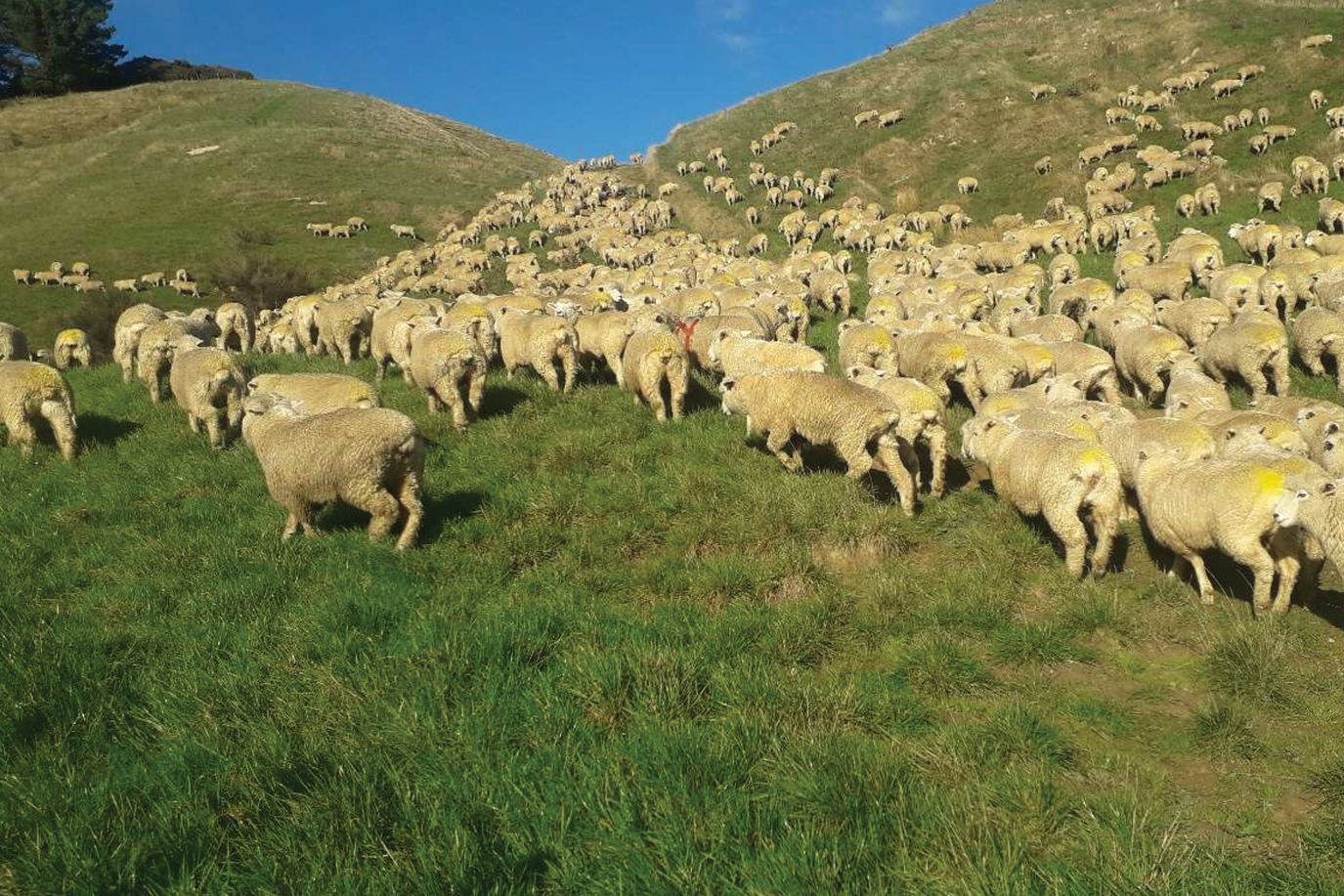
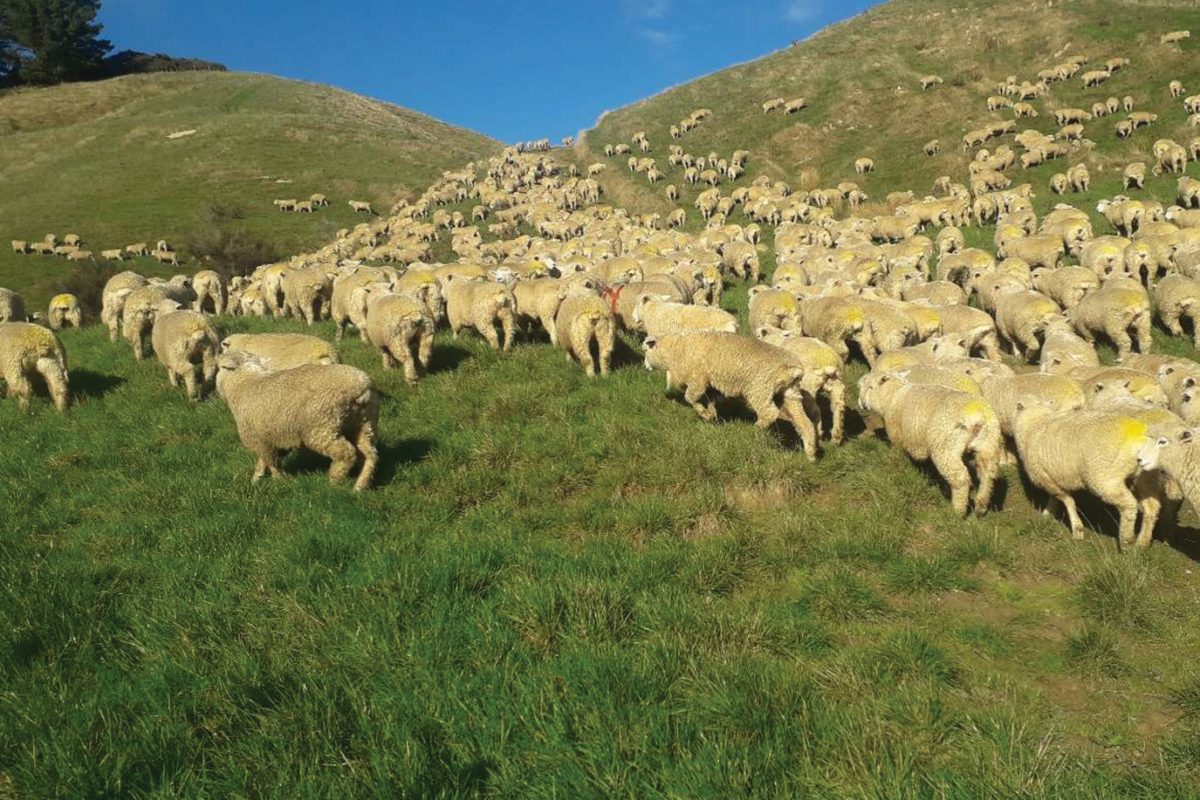
27 and Ewe: Evaluating the Case and Appetite for Genotyping the NZ Commercial Sheep Flock

Executive summary

Genomics remains underutilised in the New Zealand sheep sector, with adoption historically confined to stud breeders. This project explores the potential for genotyping commercial ewe flocks, not as a silver bullet for a single problem, but as a multi-benefit tool to achieve stacked benefits to improve productivity, resilience, welfare, and market positioning.

Using a mixed-methods approach (literature review, semi-structured interviews, and a national survey of commercial sheep farmers), findings indicate that while there is appetite and early signs of justification for genotyping a proportion of the commercial ewe flock, market failure and preventative costs exist, resulting in underinvestment at the farmer level.

Genotyping is more than a technical upgrade; it is a strategic lever for industry transformation. It enables cumulative genetic gain, earlier and more accurate selection and supports traceability and biosecurity. However, adoption is constrained by cost, infrastructure, and stakeholder alignment. International models such as Ireland’s ICBF and Australia’s MERINOSELECT demonstrate the value of coordinated investment, robust reference populations, and farmer-led governance.

Analysis of survey and interview responses using the ESC (Environment–Strategy–Capability) gap framework highlights gaps in value-chain communication, data governance and practical logistics. Bridging these gaps will require not only technological innovation, but also ethical governance, workforce capability development, and inclusive extension strategies. Based on survey responses, farmers are confident in genotyping delivering on productivity and animal health gains but remain cautious about market premiums and the lack of direct, short-term return on investment.

Recommendations that are more specific to the uptake of genomics by commercial sheep farmers are:

  1. Do case studies on lower cost options and potential benefits (e.g. flock sample profiling, parentage-only genotyping) and build a farmer-friendly customisable ROI calculator. This could be done by B+LNZ and/or as part of a post-graduate student project and would ideally be done in the next 12 months.
  2. Prioritise farmer pain point traits (e.g. health traits – starting with parasite tolerance and facial eczema) for both reference population development/expansion and as an extension pathway. This would ideally be a focus over the next 3-5 years. B+LNZ are an obvious enabler of expanding relevant reference populations and also codesigning and developing extension resources alongside farmers, private consultants and other trusted advisors.
  3. Co-design validation tools (e.g. scorecards) for market-valued traits with processors, banks & farmers within the next two years.
  4. Genomics providers to co-design and develop farmer-ready tools, packages and systems; bundle sampling kits, services and staged or subscription payment options, so farmers receive usable decision tools, rather than having to wrangle data.
  5. Explore co-investment models (government + industry) to correct market failure and incentivize adoption in the next 12 months.

Freeing access to genotypes and phenotypes has the potential to disrupt traditional ram breeding models, raising equity concerns for phenotype contributors. Governance frameworks must ensure fair reward and prevent fragmentation. With a shrinking national flock, unity and critical mass are essential to maintain competitiveness and confidence.

With coordinated investment, fair governance and practical tools, genotyping has the potential to strengthen profitability, resilience and market confidence.

Anna Vaughan

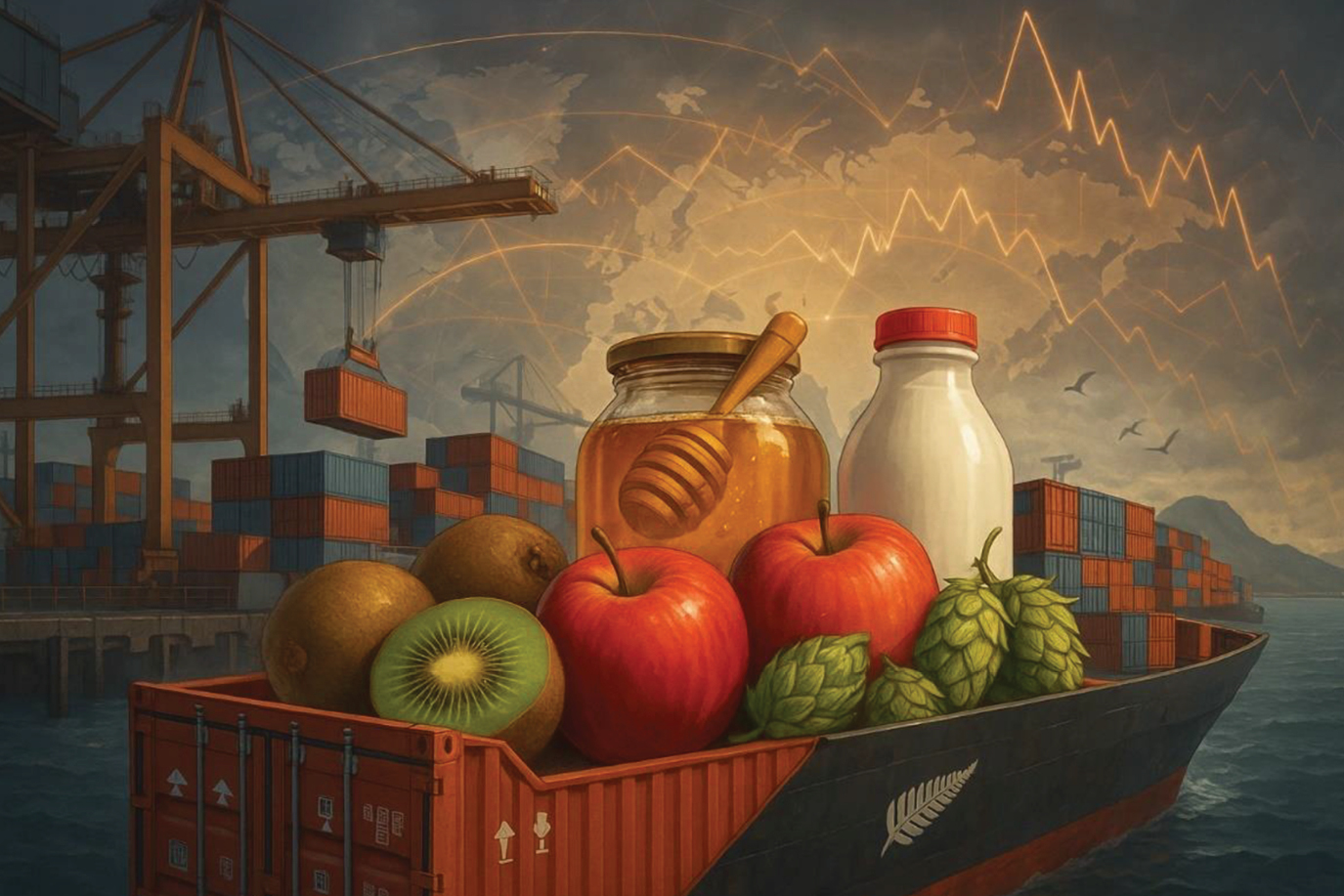
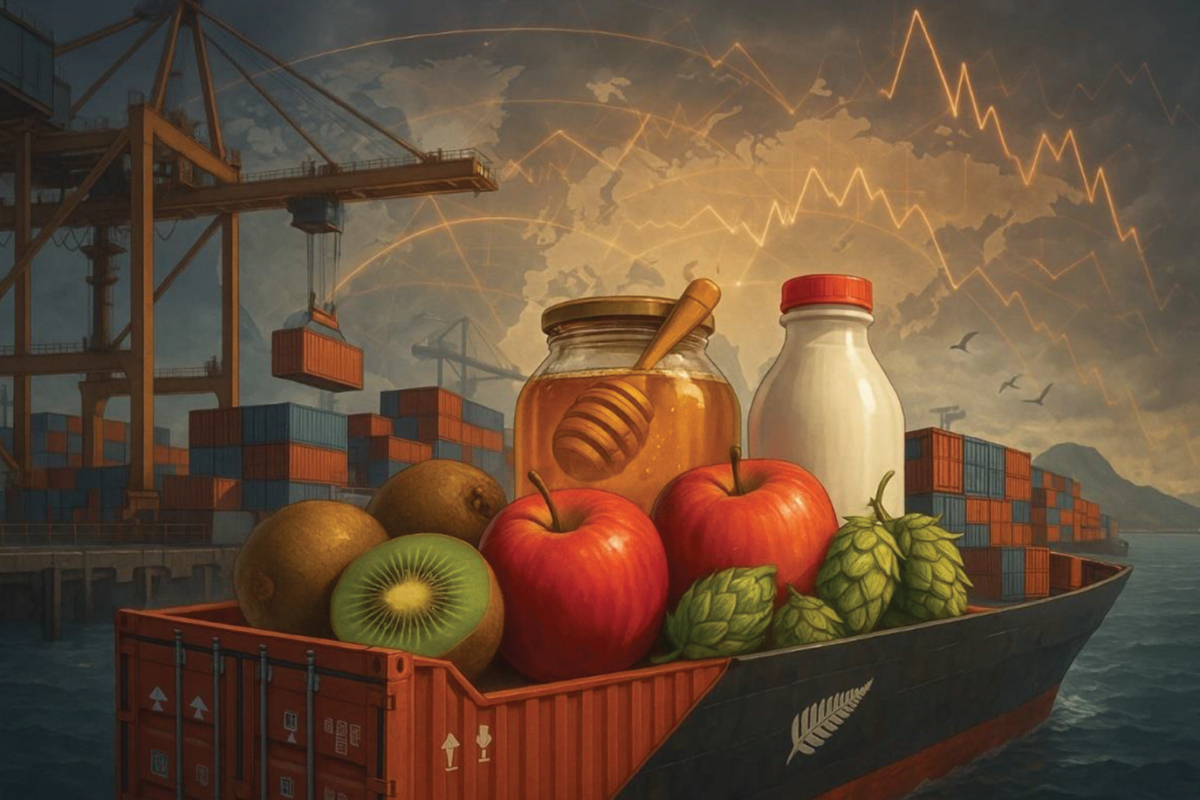
Trading in Turbulent Times: Positioning New Zealand’s Global Food Trade, in a Shifting Global Order

Executive summary

As one of the world’s most trade-dependent food producers, New Zealand exports over 80 percent of its total food production, binding its economic success to the stability and openness of global markets. Strong demand from key trading partners, particularly China, the United States of America, and the European Union, continues to underpin value creation across the food sector. These relationships deliver strong value, but their interconnected nature introduces some reliance on a small number of markets, leaving us exposed to changes in policy, demand, sentiment, and geopolitical dynamics.

Over recent decades, New Zealand has worked deliberately to diversify market access through agreements such as the CPTPP, RCEP, and the EU and UK Free Trade Agreements, strengthening its presence across multiple trade regions. These frameworks serve the country well but cannot fully shield exporters from shifting geopolitical dynamics, rising protectionism, and the growing influence of climate-linked regulation. The uncomfortable reality is that, despite New Zealand’s significant role in global food trade, its total production would have little impact on overall global supply if it ceased. Continued relevance and value depends not on volume, but on being credible, complementary, and genuinely desired, sustained through integrity, transparency, and trusted partnerships.

This study combines a literature review with 21 interviews across six primary sectors: kiwifruit, dairy, apples, hops, honey, and vegetables. It examines how New Zealand industries have adapted to changing global dynamics over time. Analysis shows that enduring competitiveness is determined not by scale alone, but by structure, alignment, innovation and responsiveness and ultimately the ability to deliver differentiated value.

The Kiwifruit industry demonstrates the power of coordinated governance, protected innovation, and disciplined quality systems. Dairy illustrates how scale and niche innovation can coexist through ingredient specialisation and customer co-development. In contrast, apples, hops, and honey have each enjoyed long periods of success built on quality and innovation, but recent challenges with coordination, consistency, and collective direction have begun to dilute brand equity and erode premiums.

Across sectors, five enablers of lasting competitiveness emerge – innovation that matches genuine demand; verifiable integrity; deep customer partnerships; efficient and scalable supply systems; and resilience built through collaboration and strategic investment. Industries that embed these conditions remain relevant through volatility because they are needed and complementary, not merely liked.

Strategic capital plays a critical role in this transition. Aligning with offshore investors who bring capability, technology, and market access can expand scale and share risk, provided these partnerships strengthen rather than displace domestic value capture. Well-designed co-investment frameworks, transparent reporting, and performance-based incentives can position foreign capital as a collaborative enabler, not an acquirer.

At the policy level, stability and bipartisan endurance in climate, energy, and trade frameworks are essential to anchor confidence and attract long-term investment. Likewise, co-investment in integrity infrastructure, including traceability, verification, and provenance systems, will help protect access and reinforce credibility in premium markets.

New Zealand’s comparative advantage is shifting from natural resources toward systems of integrity, innovation, and trust. Its future strength lies not in being the cheapest supplier but the most reliable, transparent, and strategically aligned partner. By embedding global customers and capital within its integrity systems, maintaining stable energy, climate and trade policy, and continuously investing in verified credibility, New Zealand can transform trust from a reputational claim into a durable competitive advantage.

Olivia Smith

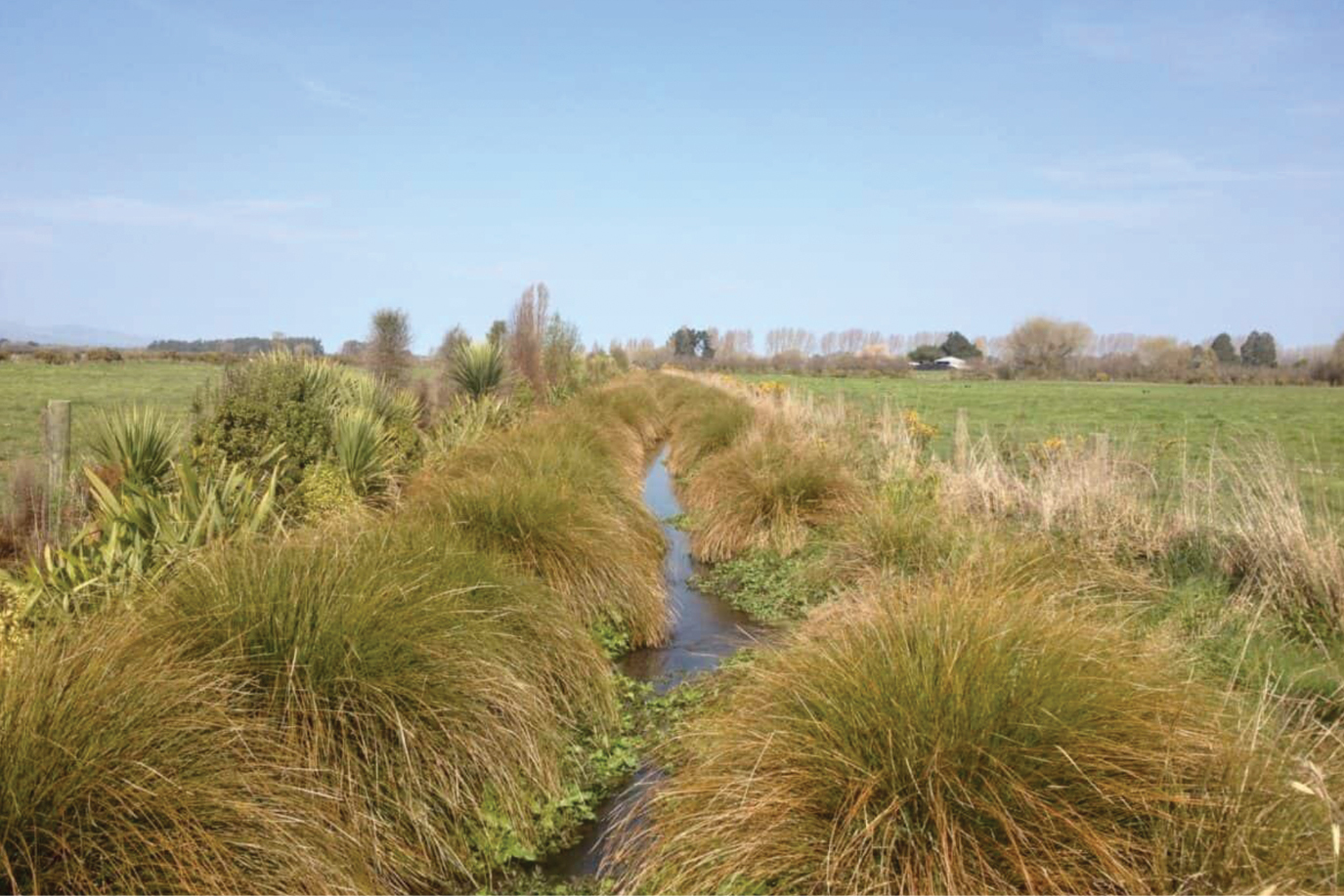
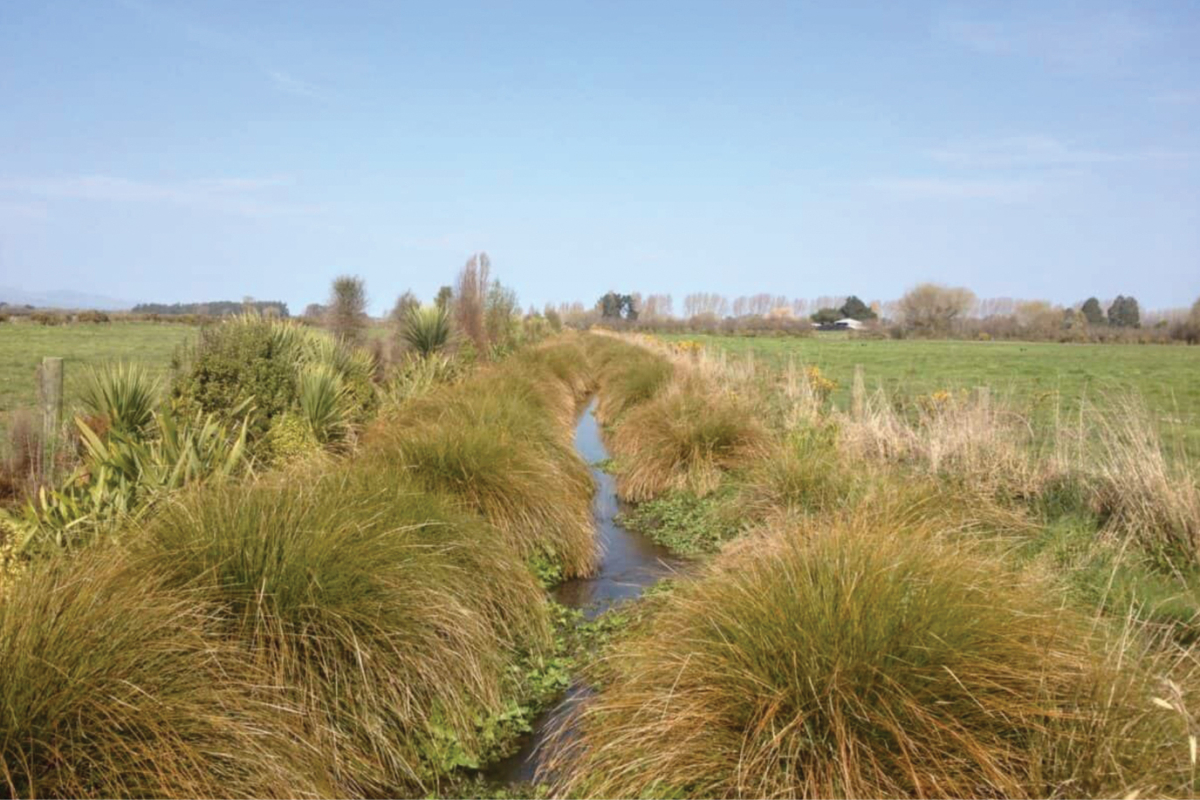
Enhancing Biodiversity on Canterbury Dairy Farms to Improve Our Social License to Operate

Executive summary

Biodiversity is increasingly recognised not only for its environmental value but also for the role it plays in building trust and maintaining the sector’s licence to operate . In Canterbury, where farming is both economically vital and highly visible, how farmers manage their land is closely tied to how the sector is perceived. This project sought to explore the relationship between biodiversity and farming more deeply.

This research project combined a literature review with semi-structured interviews involving farmers, rural professionals, processors, and community partners. The literature review provides a theoretical foundation that demonstrates how visible environmental actions, policy frameworks, incentives, and social dynamics influence biodiversity outcomes. The interviews then contextualise these ideas through lived experiences, illustrating how farmers manage cost pressures, regulatory uncertainty, peer influence, and community expectations.

Three themes emerged through this process. First, biodiversity and social licence are tightly linked to what the public sees on the farm, from riparian planting to tidy gateways, all of which matter. These visible actions build credibility and trust, but perception is fragile and easily lost.

Second, farmers face real barriers to biodiversity action, including high costs, time constraints, a lack of vision, and unclear regulations. At the same time, there are strong enablers: peer influence, trusted milk processors, community partnerships, and practical “start small, scale up” approaches. National policy and incentive settings also shape confidence and momentum.

Third, genuine stakeholder engagement is essential for lasting change. Farmers trust relationships built through processors, catchment groups, and local communities far more than top-down regulatory models. Future opportunities lie in aligning these trusted networks with enabling policies, fair accountability, and practical support, including technology that facilitates action rather than complicates it.

The journey through both evidence and the farmer voice points to a clear conclusion: enhancing biodiversity is both a stewardship act and a strategic lever for trust. To move forward, the sector must align practical on-farm actions with strong relationships, enabling systems, and a shared commitment to achieving outcomes.

With this in mind, the recommendations in my report are intentionally designed to be implemented by the organisations and individuals who have the greatest influence on biodiversity outcomes in Canterbury. This includes processor-level companies such as Synlait, Fonterra, and Silver Fern Farms, which play a vital role in shaping farmer behaviour through standards, support programmes, and market-driven expectations.

It also includes the Bioeconomy Science Institute, whose science and innovation can help develop simple, practical tools that make biodiversity planning easier for farmers. At a community level, these recommendations are relevant to catchment groups across Mid-Canterbury, including the Mid-Canterbury Collective, who provide grassroots leadership, coordination, and shared effort across multiple farms.

Finally, they are designed for people working in environmental and sustainability advisory roles, from sustainability advisors to rural environmental consultants, who are directly supporting farmers with FEPs, biodiversity plans, and on-farm implementation. Together, these groups can influence change, support farmers, and scale biodiversity action to strengthen both environmental outcomes and our social licence to operate.

Recommendations:

  • Create practical biodiversity resources
    Develop visual guides highlighting the benefits of key native species (e.g., cabbage trees, flax, tōtara). Produce at least three species profiles and distribute to 5 Canterbury catchment groups by June 2026, with annual updates. Plant & Food
  • Upskill farmer-facing teams
    Deliver biodiversity engagement training to 100% of milk processor reps and advisors, building confidence to lead practical on-farm conversations . Training embedded in seasonal programmes from 2026 onwards.
  • Showcase farmer-led success stories
    Publish 5 relative farmer biodiversity stories each year across sector platforms to highlight impact at any scale. First campaign launches Summer 2026, reviewed annually.
  • Strengthen community partnerships
    Partner with eight plus active catchment groups, schools, and local organisations annually to co-deliver planting and restoration projects, reinforcing community connection and trust.
  • Promote ‘start small, scale up’ projects
    Support at least 30 new on-farm biodiversity projects per year through templates, guides, and processor rep support. Initial targets met by June 2027.
  • Integrate biodiversity into FEPs
    Embed biodiversity actions and maintenance plans into FEP templates. Begin with key Synlait Suppliers linked back to the Whakapuāwai Programme, who have a 3–5-year planting plan.
  • Use technology as an enabler
    Pilot the use of CarbonCrop , a simple digital tool to track and report on-farm biodiversity as a value-added feature. Priorities are ease of use and clear benefits for farmers, to scale implementation across the whole supplier base .

Nick Vernon

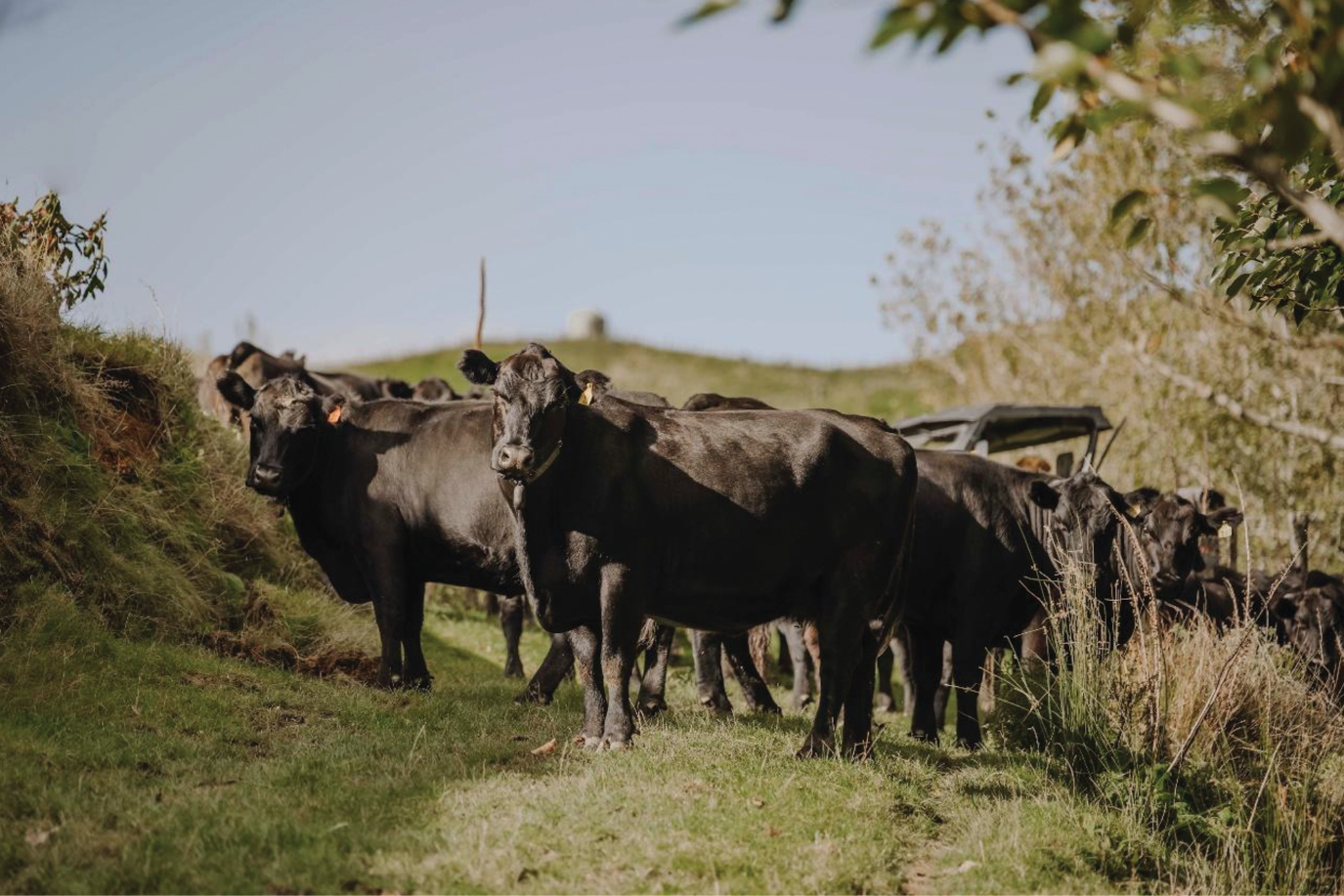
Beef on the Brink of a Tech Revolution: Wearables on NZ Hill Country

Executive summary

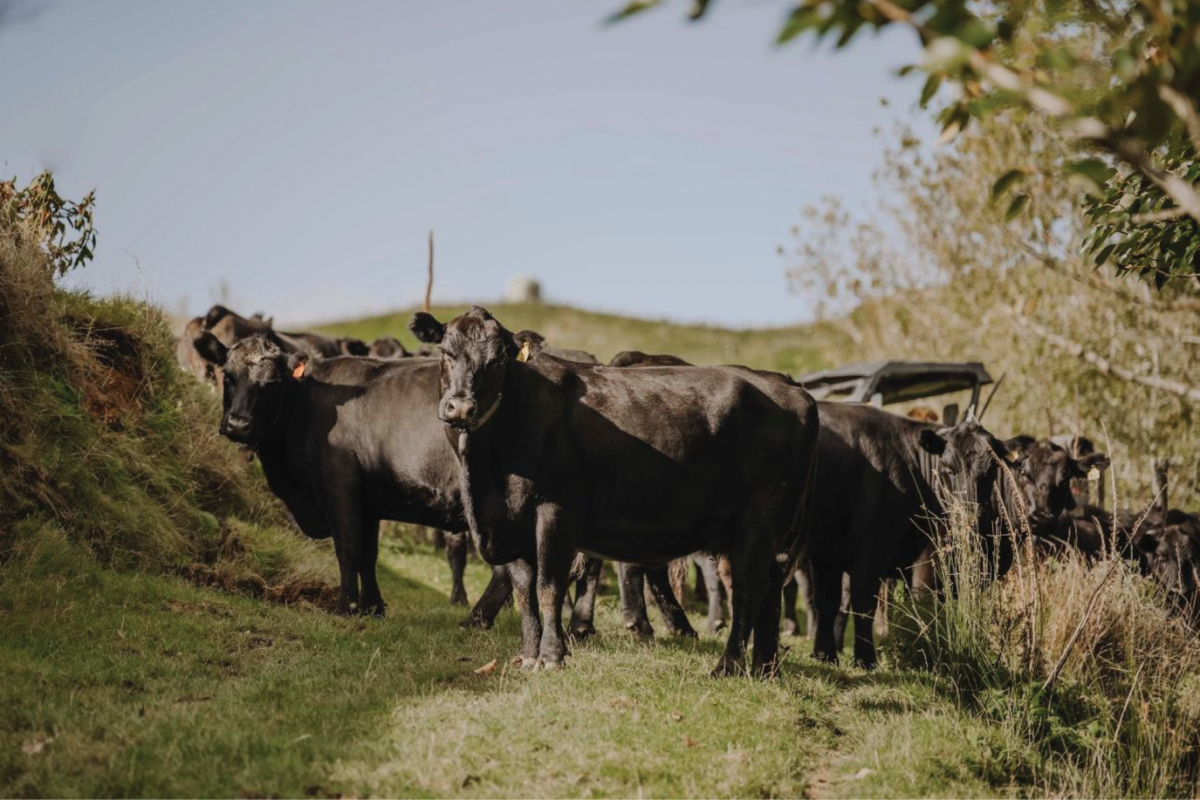
This report investigates the potential for wearable technology—specifically virtual fencing—on beef cattle to drive a step change in the performance and sustainability of New Zealand hill country farming. Hill country farms, which make up half of New Zealand’s sheep and beef sector, have faced significant challenges in recent years, including declining profitability, competition from carbon forestry, and environmental pressures.

These pressures have resulted in many hill country farmers questioning their long-term financial sustainability. While hill country farm systems typically run at much lower stocking rates than their counterparts on rolling and flat country, the high cost and impracticality of physical subdivision have long been considered limiting factors to the adoption of intensive grazing systems that could improve productivity and environmental outcomes.

Through a combination of literature review, digital surveys, interviews, and detailed farm case studies, this report finds that wearable technology offers a promising solution to these challenges. Early adopters of virtual fencing have been enabled to change their farm system, implementing an intensive rotational grazing system.

They have reported significant benefits, including substantial increases in pasture production and utilisation, substantially higher stocking rates, reduced labour and supplementary feed costs, and improved environmental protection of waterways and sensitive areas. Case studies demonstrate that these gains can be achieved without increasing labour requirements and can lead to improved farmer wellbeing and outlook.

However, the report also identifies key risks and constraints. The success of wearable technology depends on effective pasture management, upskilling of farmers, and robust support and training—areas where consultants and industry organisations, with the support of wearable technology providers, have a critical role. There are also knowledge gaps regarding the long-term impacts of intensive grazing on soil fertility, water retention, nutrient cycling, and greenhouse gas emissions in hill country environments.

The report recommends:

  • Prioritising new, unconstrained research for hill country.
  • Farmer upskilling in pasture management and farm system change.
  • Clear protocols and best practice guidelines for using wearables that safeguards animal welfare and environmental outcomes.
  • Training and extension to support farmer upskilling and system change using wearables.
  • Research into the cost benefit of wearables on beef production in varying systems.
  • Investment into on farm water infrastructure and innovation into high-tech low-cost water solutions.

While the outlook for wearables on beef is optimistic, this is recent innovation, and ongoing evaluation is required to determine their sustained benefits and limitations.

Natasha Cave

The Organic Sector With No More GE Free

Executive summary

This report investigates how potentially ending New Zealand’s GE-Free (Genetically Engineered-free) status could affect the nation’s Organic Food and Fibre sector. The organic industry currently depends on its GE-Free reputation for market access and premium pricing. Potential Policy changes allowing genetically engineered organisms raise important questions about the sector’s future integrity, perception, and economic viability.

Given the growth of organic markets globally and in New Zealand, it is vital to assess both risks and opportunities of these policy changes. As the industry faces possible change, understanding these impacts will inform growers, exporters, policymakers, and consumers navigating this transition.

The methodology for this report was a literature review of already completed work in this area, which was then complemented and challenged through 10 semi-structured interviews with a mixture of professionals and experts related to the topic.

Key Findings:

Loss of GE-Free status may impact the premium currently being achieved in New Zealand organic products, threatening both current margins and future growth.

A reduction in market trust from a cotamination issue can result in less streamlined trading environments and potentially fewer customers; New Zealand establishing more organic product equivalency agreements could counteract this to a degree.

Uncertainty over coexistence and allowable GE presence increases costs and risks for organic farmers, discouraging new entrants.

Moving away from GE-Free could create market uncertainty and lead to questions about the organic sector’s identity, its values and possibly result in unsatisfactory narratives in the market.

If confidence and investment decline post-GE policy change towards an already small-scale sector, it will struggle to achieve economies of scale.

Globally, the organic sector is rapidly growing, offering major opportunities for New Zealand’s organic and food industries if they respond effectively.

Recommendations:

To the Stakeholder and Policy Makers – Create a clear, government-backed pathway for farmers to transition to organics, modelled on the USDA’s TOPP, making the process easier and more appealing.

Integrate organic farming directly into environmental programmes like CarboNZero Toitu, build a fast-track way / reduce crossover for small Organic farms to achieve certification.

The government should fast-track the completion of the Organics Standards Bill so NZ can secure more Organic equivalency agreements to strengthen global market access. it should also, set clear GMO rules on buffer zones, liability, compensation, and labelling to give organic farmers certainty.

MPI and MfE should actively promote a trusted national food and fibre brand focused on integrity, traceability, and innovation.

To the Organic Farmer – Learn about the GE Bill, GM farming, collaborate with neighbours, and minimise contamination risks.

Matthew Scarf

What are the Key Considerations of Weighing Technology Adoption on Sheep and Beef Farms in NZ?

Executive summary

New Zealand has a rich farming history of producing quality red meat. Over the past few decades, national sheep and beef cattle numbers have reduced significantly but red meat export revenue has continued to grow. Among other things, live weight monitoring systems have played an important role in this productivity increase. Despite productivity gains across the red-meat sector, adoption of weighing technologies remains uneven. This research explored the key considerations influencing the adoption of livestock weighing technology on New Zealand sheep and beef farms.

The current research combined a literature review and qualitative interviews to explore three core areas: where farmers access information and whom they trust, how weighing technologies must fit existing operations, and the influence of after-sales support on adoption decisions. Frameworks from Rogers’ (1995) Diffusion of Innovations and Davis’ (1989) Technology Acceptance Model provided theoretical grounding to interpret findings in a New Zealand context.

This research sought to look through the eyes of farmers to influence how manufacturers and suppliers of weighing technologies can better provide solutions to their customers. The aim of this report is to help weighing technologies be more accessible and desirable for farmers. Qualitative research was conducted ]using semi-structured interviews. Ten sheep and beef farmers with diverse farm sizes, ages and geographical locations were interviewed. A thematic analysis was applied to the insights drawn from these interviews.

The research concluded that trust, usability and responsiveness are decisive in shaping adoption. Farmers consistently prioritised reliability and ease of use over advanced digital capability. New products were found to need to integrate seamlessly with current infrastructure, work with existing complementary equipment, and perform reliably in variable conditions. After-sales support speed proved to be decisive; a single poor service experience could permanently shift brand loyalty, while prompt and personal assistance built enduring trust and brand loyalty. Peer networks were the most influential information source, often outweighing supplier messaging.

Adoption decisions were found to be financially decided within family dynamics. Farmers calculated their own return on investment, with a behavioural threshold of approximately $5,000 the tipping point for wider consultation. Financing flexibility, seasonal hire options, and low-interest terms were appealing in volatile seasons. Younger family members tended to lead research and digital use, while older generations emphasised practicality and maintained financial oversight, suggesting the need for technologies that cater to all user groups.

While interest in in-paddock autonomous weighing was strong, weight reliability and the loss of hands-on animal observation were cited as barriers to change from incumbent systems. Farmers also expressed demand for innovations that move beyond kilograms, such as body-condition scoring in sheep and products to measure marbling metrics in beef cattle.

To accelerate adoption, the research recommends that manufacturers and suppliers focus on reliability, human support, and real-yard usability rather than adding complexity. Rapid, phone-based after-sales support with service-level transparency should be prioritised. Because peer endorsement remains the strongest driver, geographical clustering of new technologies should be leveraged through independent, farmer-led demonstrations that build trust. Product design must emphasise durability, simplicity, and seamless interoperability across brands, with plug-and-play compatibility clearly communicated. Data interfaces should remain flexible, with better user training to increase confidence. Manufactures should consider paring virtual fencing and visual health checks with autonomous weighing, with no cost to farmer field trials facilitated to increase adoption.

This study concluded that adoption of weighing technologies on sheep and beef farms will depend on incremental, trustworthy innovations that respect how farmers operate and deliver proven time-saving gains.

Campbell Smith

Overcoming Barriers to Data Interoperability Within New Zealand’s Wine Industry

Executive summary

New Zealand (NZ) wine is a premium, export-led success story, within the food and fibre sector, with exports totalling ~$2.4b in 2024 (New Zealand Winegrowers, 2024). Yet, despite steady historic growth, today’s operating environment is tougher than ever; wine-buyers are increasingly cost-conscious, inventory cycles are more volatile, and producers face rising input and compliance costs. To remain competitive in the global marketplace, the industry must look to drive greater efficiency across all operations, while leveraging market insights to meet price-quality expectations.

The future success of the industry will be underpinned by data and insights that enable sharper, faster decision-making. While NZ wine has been inherently innovative and collaborative throughout its history, and the tools to collect, store, and analyse data are widely adopted, data interoperability remains a critical gap. Moving high-value data securely and reliably across vendors and organisations is still difficult, mirroring a broader agri-tech challenge (Dyckhoff, 2020; Loder, 2023; Skinner, 2023).

This study draws on two main sources of evidence; a targeted review of international and New Zealand literature on data interoperability in agri-tech and the wine sector, and semi-structured interviews with stakeholders across the New Zealand wine value chain, and broader agri-tech sector, with thematic analysis to link key ideas. Importantly, the findings from this report indicate that the limiting factors are not inherently technical in nature. APIs, cloud platforms, and open specifications are all viable solutions to the technical challenges posed by data interoperability, in theory. The real barriers lie in governance, trust, and commercial alignment (Douma, 2023; Dyckhoff, 2020; Noura et al., 2018). Encouragingly, few seem to oppose interoperability in principle, though the challenge remains making it work in practice.

This report sets out practical recommendations to bridge software vendors and software users, enabling connected data that improves traceability, strengthens market-access claims, and lays a sound foundation for emerging tools. AI can deliver advanced analytics when data is clean, portable, and well-governed; blockchain can anchor integrity and auditability across organisational boundaries but does not solve data quality, semantics, or ownership; those remain governance challenges. Accordingly, blockchain is an optional enabler to consider only after interoperable identifiers and profiles are established (Bellavista et al., 2021; de Lange et al., 2025).

The recommendations of this report aim to focus less on inventing new technical solutions, and more on aligning incentives, rules, and capability to make the existing technology work at scale, with three key action points:

  1. Intentional, pragmatic, iterative standardisation: Start small with minimum-viable interoperability and reuse what already exists; harden profiles collaboratively.
  2. Review data-ownership and incentive models: Clarify rights over raw vs derived data; make portability the default; align pricing and value flows.
  3. Build sector digital capability: Role-based training, named data stewards, and simple how-to patterns that lift everyday practice.

Together, these actions prioritise governance, incentives, and capability, rather than new technical standards to unlock safe, reliable data flow that improves efficiency, de-risks compliance, and strengthens market access, and through the enablement and use of interoperable data, serves to support continued industry growth and prosperity.

Zac Howell

News With Value

Executive summary

As long as we have had democracy, we have had journalists to inform citizens on the workings of government and industry, holding power to account. But in recent years that social contract between citizens and journalists has been eroded as more people question the motives of news media. Even more alarming is the fact that as a society, we seem to be losing a number of the agreed “truths” we previously all took for granted. One only has to observe recent debates on vaccination to see what a threat this breakdown is to society.

Against this backdrop, the news industry is still struggling to find a new model to sustain newsrooms. With the internet being the primary channel, most readers expect to access news for free. But the advertising revenue enjoyed in the days of printed newspapers has not made the move online.

The key question of this research is this: How can we build a news and data platform that farmers recognise as a vital decision-making tool that they are willing to invest in?

To find the answer, it is vital to delve into the current mindsets of news makers and news consumers. In the farming context, where this project centres, the chosen method was a survey of farmers and growers. In terms of attaining a better understanding of how successful publishers and journalists operate, free-form interviews were conducted. As these two strategies produced by qualitative and quantitative data, a convergent parallel design model was adopted, allowing the two workstreams to evolve independently, while being able to make holistic conclusions based on the entirety of the data.

A comprehensive literature review was also undertaken.

After studying the data produced in this process, it appears there is reason for optimism that the research question can be answered in the affirmative. New Zealand’s food and fibre sector values the news media that serves it. But there is work to do, as outlined in these recommendations.

For journalists and publishers:

Maintaining trust is the key to a sustainable fourth estate. Accuracy, transparency and adherence to journalistic ethics will help retain social licence.

If the food and fibre sector is to invest in news and information, it needs to see its value. Content must be tailored to meet this need.

Online channels must be reliable and frictionless. Farmers and growers access digital content across a variety of devices, so ensure news content will work for them where they want to find it.

Investigate bundling news and data with other incentives, perhaps linking with agribusinesses to offer discounts or promotions. However, impartiality and editorial independence must be retained.

For farmers, growers and agribusiness professionals:

If you regularly use news and information in your day-to-day business decision-making, treat it as you would any other farming advice. Put a value on it.

Be careful with the information you find. Check the source, and if it’s not trustworthy don’t share it. Often misinformation spreads because wellmeaning people fail to do due dilligence.

For industry leaders:

Marketing budgets are better spent in ways that benefit other New Zealand agribusinesses. Do a stocktake of how much of that spend is heading offshore to social media companies.

For government:

Increase investment in rural connectivity.

Where possible, legislate to put New Zealand content creators on a level footing with global companies, in terms of taxation and intellectual property.

Bryan Gibson