2026 Nuffield NZ Farming Scholarship. Apply by 17 August 2025. Read More...

Apply for 2026 Nuffield NZ Farming Scholarship by 17 August 2025. More details...

Harvard case method for early career professionals in the New Zealand primary industries.

Executive summary

The world is becoming more complex, with increased geopolitical volatility. The New Zealand primary sector is heavily exposed to this volatility through trade, so future leaders must be skilled in navigating complex environments.

Research has highlighted a gap in leadership development, especially at an early career professional level in the New Zealand primary sector (Parsons and Nelson, 2023). Furthermore, there is a disconnect between the available programmes.
One such programme is the Strategic Thinking for Agrifood Management Programme (STAMP). This programme is unique in New Zealand. It uses the Harvard Case Method (HCM), a form of teaching case studies, and case study competitions to develop strategic thinking and leadership skills in the primary sector for early career professionals.

This research aims to understand the benefits of using these methods, using STAMP as a research case study. The objectives of this study were to:

  • Identify skills and benefits developed from the programme.
  • Understand the advantages and disadvantages of the programme.
  • Identify what additional factors outside of the case studies were important in the programme’s effectiveness.
  • Identify what could be improved.

A literature review of the HCM and case study competitions was done to see what skills the programme can improve and what is required for the teaching method to be effective. This informed the eleven semi-structured interviews with STAMP participants, which were analysed using thematic analysis. Included in the interviews was a short Likert scale questionnaire on what skills and benefits they believe they got from the scholarship.

The analysis indicated that the HCM and case study competitions effectively improve soft skills, such as confidence and critical thinking abilities, as well as analytical skills, building networks and gaining knowledge around the global agrifood system. All these skills are helpful for strategic thinking and leadership development, especially soft skills. For effective learning to occur, there needs to be the proper environmental conditions, such as a good learning environment where people can openly discuss ideas. In addition to this, in-person field trips effectively improved the participants’ learning experience and helped to bridge the gap between theory and practice.

Some recommended steps that the New Zealand primary sector could adopt for capability development in early career professionals include:

  1. Implement the Harvard Case Method and case study competitions into leadership development programmes for the Primary Sector
  2. Optimise environmental conditions for learning in HCM courses (Figure 4).
  3. Provide greater availability for facilitator training in HCM.

Recommended steps for STAMP include:

  1. Follow up on this research in 10 years to identify how STAMP contributed to participants’ career development.
  2. Use past participants for mentoring.

Louis Batley, Louie
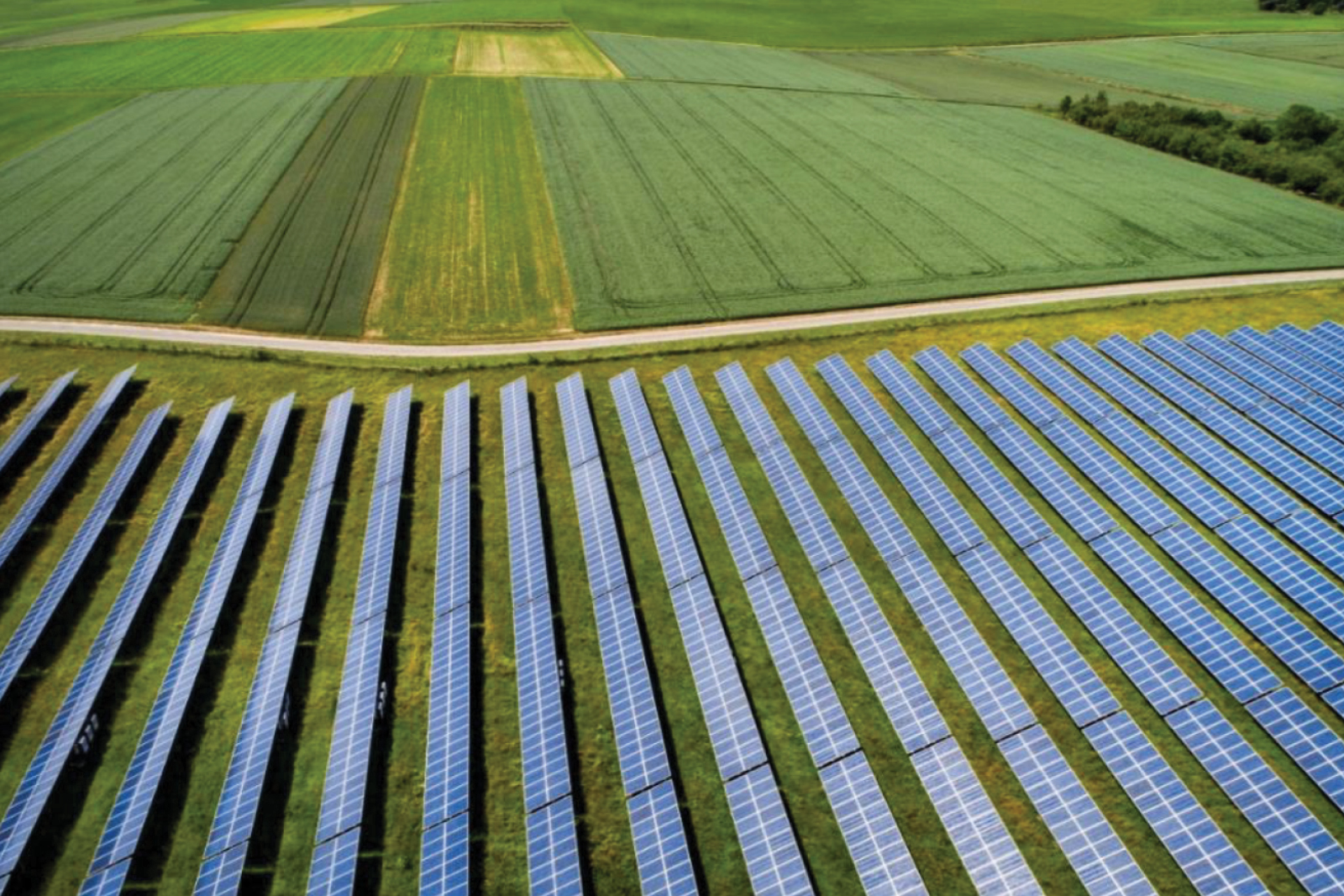
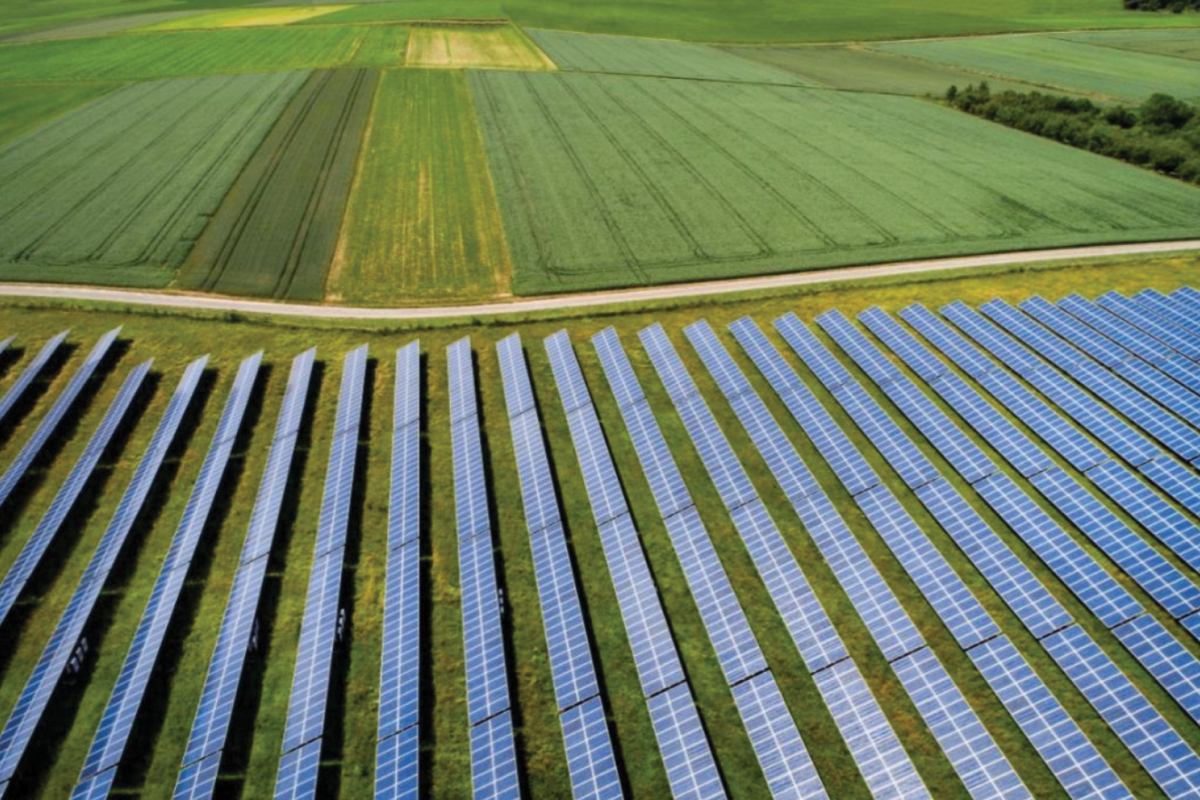
Cultivating the sun – challenges and opportunities of solar farming for dry stock farm diversification.

Executive summary

Aotearoa New Zealand (NZ) has attracted significant interest as a potential location for solar farming in recent years. Solar panels located on land presents both opportunities and challenges to conventional pastoral farming systems.

This report investigates the challenges and opportunities of solar farming as a potential diversification strategy for drystock farming (beyond just self-sufficiency for powering homes or farm energy demands). The objectives of this study were to:

  • Investigate and analyse the current challenges and opportunities in NZ.
  • Inform policy makers, drystock farmers, and other agricultural stakeholders about the potential implications of integrating solar farming as part of a diversified farm strategy, and
  • Propose future recommendations for industry, Government, and drystock farmers looking to potentially diversify with solar farming.

A literature review was undertaken to understand existing knowledge. To gain a better understanding in a NZ context, thirteen semi-structured interviews were completed. An inductive thematic analysis method was used to interpret themes in the context of Rogers diffusion of innovations theory.

Findings reveal that solar farming has potential to be a viable diversification strategy, however, based on location and network limitations, it will not be a silver bullet solution for every drystock farmer. For farmers that can viably consider it, lease terms with solar development companies can provide significant returns compared to traditional drystock farming. Agrivoltaics has potential to address environmental, economic and social effects associated with solar farming. However, it needs to be appropriately managed through regulation and collaboration, to address challenges and optimise solar integration with NZ agriculture.

Recommendations for industry and Ministry for the Environment, Ministry for Business, Innovation and Employment, and Ministry for Primary Industries include:

  • NZ based research to inform policy and challenges and opportunities for NZ pastoral systems and climate. Investment in research is needed.
  • Development of publicly available resources for both drystock farmers and communities. This should include a guide to solar farming and agrivoltaics for farmers, which should share learnings of solar farming and agrivoltaics to date in NZ. There is also a need for resources including performance standards.

For drystock farmers specifically, recommendations include:

  • Having clarity on long-term aspirations for farming operation and community.
  • Having discussions with developers, or local Electricity Distribution Business.
  • Due diligence is important, such as finding a developer that aligns with aspirations, and seeking legal and financial advice where appropriate.
  • Thinking about how diversification with solar may change management practices moving forward and talking to other farmers to understand the practicalities of going down this path.

Jesse Brennan