2026 Nuffield NZ Farming Scholarship. Apply by 17 August 2025. Read More...

Apply for 2026 Nuffield NZ Farming Scholarship by 17 August 2025. More details...

Predicaments around storage pooling in the kiwifruit industry.

Executive summary

Kiwifruit exports contribute $2.8 billion to New Zealand’s total horticultural export revenue, with Zespri International operating as the exclusive exporter and marketer. Harvesting of New Zealand grown kiwifruit can be categorised into two main groups, KiwiStart for early shipments and main pack for long-storing, later shipping supply across the remainder of the season. Growers, aiming to maximise orchard gate returns (OGR), consider taste payments, KiwiStart incentive, and time payments. These commercial incentives encourage growers to supply high-tasting fruit early and/or over an extended storage period.

KiwiStart incentives and taste payments comprise a significant proportion of grower OGRs and play a crucial role in on-orchard and harvest decisions. Time payments, distributed through packhouse pooling systems, vary among packhouses to manage storage risks and incentive, and ensure relative equity across growers. Storage pooling formats, such as 100% direct, high-risk pools, low-risk pools, and regional pools, are defined by grower councils or entities within the kiwifruit industry. The complexity of packhouse storage incentive pools diminishes the impact of published time-based payments for growers, influencing their decisions to supply fruit with sub-optimal storage potential.

Over recent seasons, growers have tended to prioritize the KiwiStart incentive and prioritize taste payments over actively seeking time-based payments – albeit some growers are unable to actually grow KiwiStart fruit (due to regional or other orchard factors). This has been a result of the relative weighting between Kiwistart and time payments, and the discrepancy between returns earned by Kiwistart and mainpack growers.

The study aimed to understand the challenges related to storage pools in the kiwifruit industry and examine how storage pool formats might influence grower behaviour regarding earning time payments. Interviews with industry leaders from packhouses, growers, and grower entities/councils were conducted, focusing on open-ended questions to generate discussions about storage pools and their impact on growers’ behaviours.

The key findings were that storage pools in the kiwifruit industry serve to shield growers from storage losses – in other words, diluting both the risk and the reward of storing fruit over the season. Although packhouses may present various pool formats/rules, there is generally no definitive advantage of one pool over another from a different packhouse. Growers would opt for a high-risk or low-risk pool depending on their financial and philosophical motivations to share the risk with other growers while aiming to maximize their OGR’s. Some growers also prefer a 100% direct pool. Industry leaders expressed a common concern that many growers lack an understanding of pool structures and associated rules.

The importance of growers comprehending these rules and their impact on returns was emphasised. From the packhouse’s perspective, grower’s pool preferences do not affect them as pooling offers flexibility for inventory management. The packhouse would utilize load-out priority models for load-out decisions regardless of the pool structure or grower preference.

From a grower’s perspective, pooling protects them from storage risk but they cannot interfere in packhouse load-out decisions. Most of the growers would prefer to be in the KiwiStart pool and accumulate as much taste payment as possible. There is also a perception that firstly growers don’t see much value in the time payments and secondly, money gets diluted by the pool, so pool structure doesn’t matter in their view. Some growers put more emphasis on taste which was sometimes at the detriment of fruit quality as they know a low-risk pool would protect them from any unintended storage losses. To some extent, the packhouse could influence grower’s behaviours by introducing pool rules around maturity. However, the packhouse also has to consider the competitive risk of losing the growers. All of the participants also agree that there is an imbalance between the KiwiStart incentive and taste payment vs time-based payments and suggested the review of the overall incentive system.

Key recommendations are summarised as follows;

  • Review and rebalance the incentive system in the kiwifruit fruit industry and bring certainty to the time payments.
  • Educate growers by providing technical information and tools (e.g. time payment calculator) to understand time payments, pool rules and highlight the value of growing for long-term storage.
  • Introduce a sub or combination of pools to incentivize or penalize depending on fruit quality and overall losses.
  • Growers should proactively provide feedback to the packhouse regarding the impact of pools on grower’s returns.

Abdul Jabbar

Economic implications of greenhouse gas emission reduction in the New Zealand kiwifruit supply chain – An eco-efficiency perspective.

Executive summary

The New Zealand kiwifruit supply chain is faced with the complex challenge of reducing greenhouse gas emissions while continuing to grow economic value in new and existing markets around the world. As the focus on climate change continues to intensify, New Zealand grown kiwifruit must demonstrate a willingness to adapt to maintain market share and international market access.

The main objective of the report was to investigate both the current and future emission reduction efforts in the New Zealand Kiwifruit supply chain. Further, the report also sought to analyse the economic implications of implementing these emission reduction efforts. The intersection of emissions reduction and economic consequences is of significance as it demonstrates how efforts to combat global warming can lead to financial well-being and security for those involved in the industry.

Further, this report aimed to provide an objective evaluation of the global market for kiwifruit grown in New Zealand, and to outline the potential outcomes of either reducing or not reducing emissions throughout the supply chain. The scope of the report was limited to the four key segments of the supply chain within New Zealand’s jurisdiction: kiwifruit growers, post-harvest operations, Zespri, and shipping.

The methodology of the report included a literature review, seven key interviews with sustainability staff, kiwifruit growers, and government officials, and then a thematic analysis guided by the overarching principle of triangulation. The literature review provided context around the reasons and methods of emission reduction, as well as outlining the metric of eco-efficiency and what this means.

Semi structured, qualitative interviews played an important role in providing insight into the emissions reduction efforts and economic effects. The use of triangulation methodology enhanced the validity of the results and ultimately produced a more credible set of findings.

Key Findings

  • Emission reduction activities are already taking place throughout the supply chain. For example, reducing fossil fuel use, fertiliser and compost use, effective waste management, installing solar power, refrigerant management, electrification, investment into technology, scope 3 influence among others. These have varying levels of success, and it isn’t always clear what the economic implications are.
  • General consensus among interviewees found that emissions need to be reduced, however there is a lack of clarity regarding process and economic implications. This particularly applies to kiwifruit growers as part of the carbon neutral trial, but also for post-harvest facilities implementing emission reduction initiatives.
  • Eco-efficiency is an important metric when measuring the convergence of emission reduction and economic value. One of the advantages is it can be standardised across the entire supply chain and used as a collaboration tool.
  • International Trade Agreements showed a strong increase in demand for reduced embedded carbon in produce out of New Zealand. In the European Union’s case, New Zealand products must meet Paris Climate Accord obligations by 2030 or risk losing this market.
  • Economic analysis yielded insight into current emission reduction activities and their economic impact, cost and payoffs. An example is the investment in electric vehicles for post-harvest facilities. Although costly up front and dependent on the electricity source, the cost-savings can be high and the payoff scope very low.
  • Further research and investment into green shipping is necessary, given kiwifruit and New Zealand’s primary exports rely on maritime transport.

Recommendations

  • Industry Advisory Council (IAC) to introduce eco-efficiency as a standard measure of emission reduction efficacy across the kiwifruit supply chain in the next five years.
  • Zespri to adjust the Carbon Neutral Trial to provide participants with more information on future direction as well as economic benefits and drawbacks. Zespri to encourage collaboration among participants.
  • Zespri, in conjunction with Ministry of Foreign Affairs and Trade as well as Ministry of Primary Industries to create a ‘Green Shipping Council’ in New Zealand, to proactively manage the rapidly evolving shipping environment.
  • Kiwifruit stakeholders and New Zealand trade experts to advocate internationally for efforts aimed at reducing greenhouse gas emissions in the kiwifruit industry.

Oliver Hoare

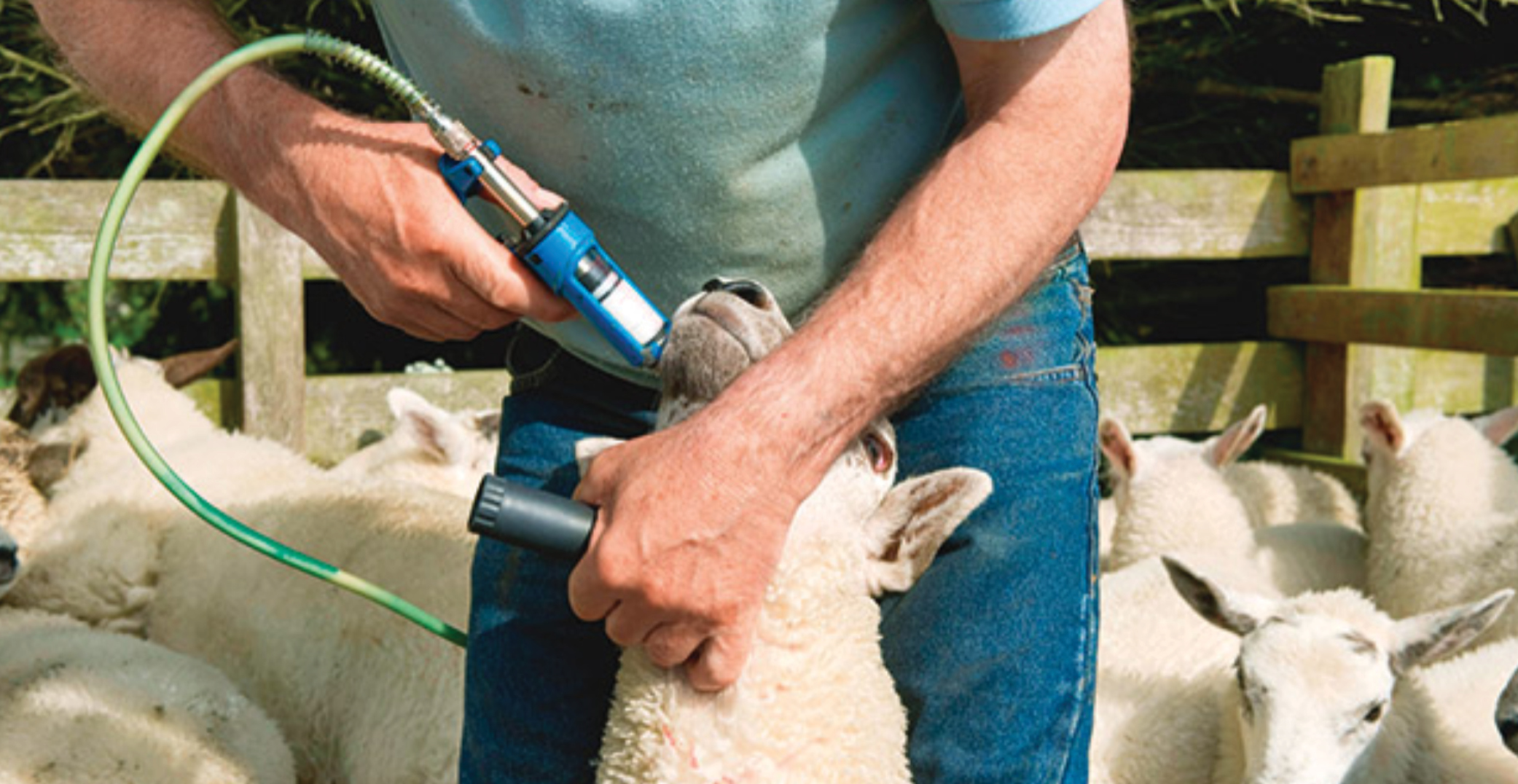
How can New Zealand sheep farmers survive drench resistance?

Executive summary

Background:

For generations New Zealand sheep farmers have been world leaders in the production of high-quality protein from pasture raised sheep, livestock raised with animal welfare at the forefront of their minds. For sheep to meet production targets, farmers have used anthelmintics (anti worm drench) for 60 years as a tool to control worms in sheep. However due to various management practices on farm, many drenches have lost effectiveness and now drench resistance is becoming more and more common on New Zealand farms.

Currently 27% of New Zealand sheep farmers have triple drench resistance. With only two more drench options on the market, being Zolvix and Startect, farmers are now at risk of developing resistances to these final options. Worldwide consumers demand sheep to be raised in a clean green environment with high animal welfare standards. It is critical that farmers use every tool possible to mitigate the risk of drench resistance and continue to farm sheep in a sustainable way while meeting consumer demands.

As well as animal welfare and the threat to market concerns, drench resistance presents significant financial implications to farmers. Trial work has shown a 14% reduction in potential carcass weight for sheep experiencing drench resistance. For a property marketing 4000 lambs annually, this equates to a $81,200 reduction in gross farm income from undetected drench resistance.

Methodology:

The methodology comprises of a literature review to provide insight into the current state of drench resistance on sheep farming in New Zealand. This aimed to provide a clearer understanding of what drench resistance is, what causes it and what can be recommended to farmers to mitigate the risk or how farmers can farm with it. Semi structured interviews were used to gain insights and findings from farmers and industry professionals as to what causes drench resistance and what management practices can be used to mitigate the threat or to farm with it.

Findings:

  • Generally, farmers don’t invest their time into understanding drench resistance until they discover it, 90% of those interviewed didn’t understand drench resistance until it occurred on farm.
  • Regardless of farming system, topography and climatic challenges, there is many different management practices that can be used to mitigate the threat of developing drench resistance or to successfully farm with it.
  • As drench resistance is a scientific area, a key finding was that farmers need multiple experts such as consultants and advisors involved in the business, although this can create inconsistent advice.

Recommendations:

  1. Farmers must carry out FECRT, Pre and Post drench checks to identify current worm challenge and to assess efficacy of drench.
  2. Farmers need to engage support into their farming businesses from external advisors who specialize in the field of drench resistance, ideally using more than one from different companies.
  3. Farmers need to implement changes to their farming system where appropriate to enable a sustainable farming business.
  4. Industry professionals must drive the movement of developing more effective on farm testing for faecal egg count reduction tests, larvae culture testing, and larvae level testing in pasture.

Charles Yule

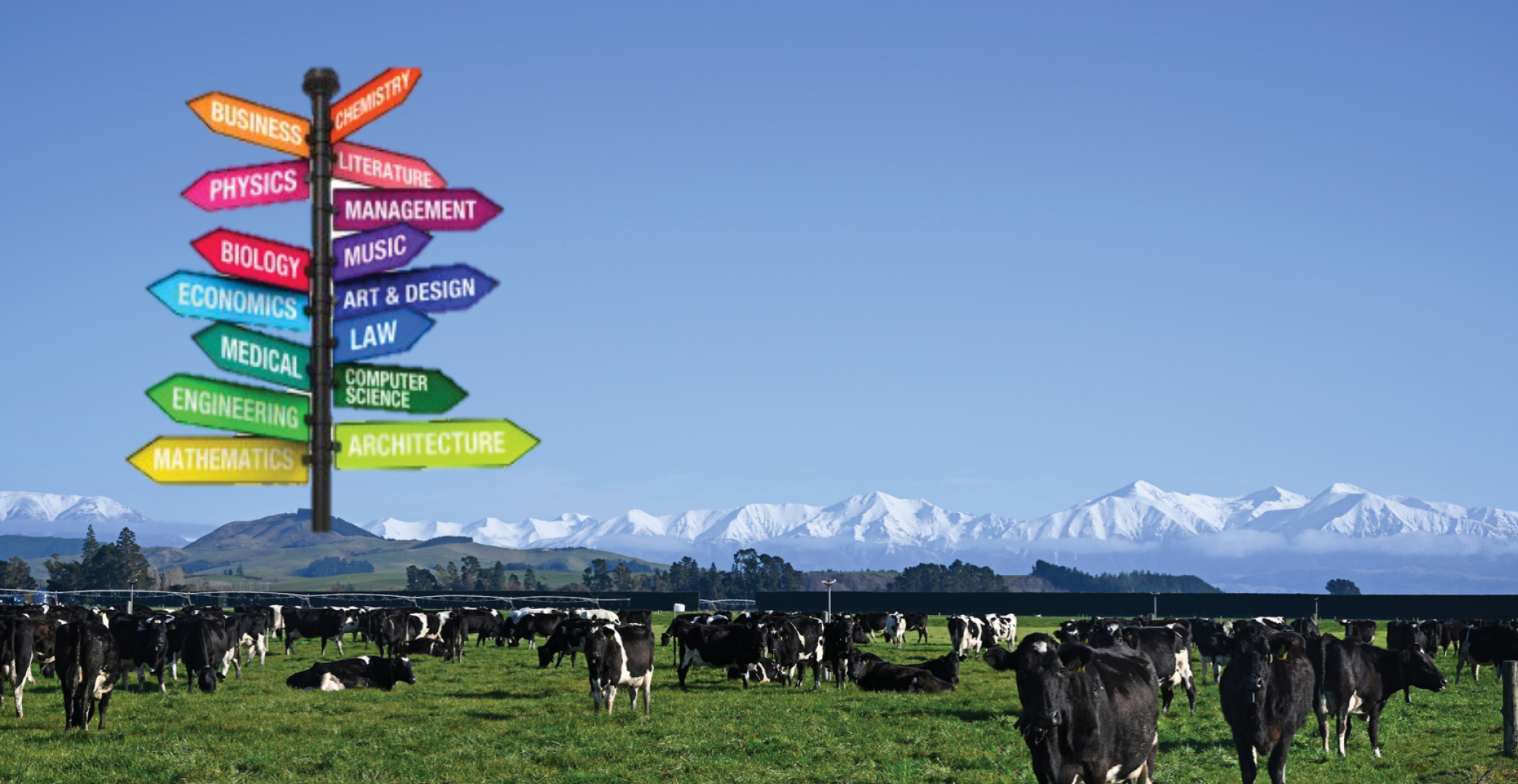
Who’s next? How is New Zealand’s secondary school education system supporting the pathway to a career in agriculture/horticulture?

Executive summary

New Zealand’s primary industry is a key economic pillar for the country, contributing 5.13% to the GDP in the year to March 2023, and exports of $57.4 billion with agriculture/horticulture contributing over $43.9 billion of those exports in the year to June 2023 (Beehive New Zealand, 2023), and there is a goal to boost sector exports to $100 billion within the next decade (Ministry for Primary Industries, 2020). The workforce to support the agriculture/horticulture sector has consistently had approximately 145,000 people over the past five years, but at the end of 2022, there was a 19,000-worker shortage. The days of relying on skilled workers from overseas to fill the vacancies has reduced so there needs to be a focus on building a local workforce pipeline and this starts in the education sector.

This report “Who’s Next – How is New Zealand’s secondary school education system supporting the pathway to a career in agriculture/horticulture?” examines New Zealand’s secondary school education system’s effectiveness in guiding students towards careers in agriculture/horticulture to address employment shortages and meet future export targets and prevent negative impacts on New Zealand’s global brand.

The report involves a literature review on educational pathways in New Zealand’s secondary schools, focusing on agriculture/horticulture careers. It includes reviewing reports both in New Zealand and Australia on similar topics, case studies and surveys with key stakeholders and teachers.

Key findings:

New Zealand’s secondary education pathway has a solid foundation offering agriculture/horticulture science as a subject in the NCEA and some strong supporting programmes. However, only 4% of students choose agriculture/horticulture subjects.

This report identifies potential areas for increasing student numbers, particularly in major city centres where 14.5% of secondary schools in Auckland, 23% in Wellington, and 49% in Christchurch offer agriculture/horticulture as a subject option.

Whilst there is a strong foundation, growth is hindered by roadblocks identified in the literature review, case studies, and teacher surveys from secondary schools in New Zealand and Australia and the below themes are what the agriculture/horticulture education sector requires to assist in creating a stronger pathway for students to select a career in agriculture/horticulture:

  • Need for Collaboration: The education sector is seeking collaboration from the government, industry bodies, and the education sector to simplify the educational pathway.
  • Lack of Resources: A centralised resource centre wanted by the education sector that is up to date with industry resources to utilise for course planning, teaching and upskilling of teachers.
  • Shortage of Teachers: A simplified pathway to encourage more teachers to choose a career in teaching agriculture/horticulture from within the school and primary sectors, including funding.
  • Perception of Agriculture: Misconceptions of the industry and agriculture/horticulture courses being perceived as a “dummies or easy” course needs to be changed to assist in obtaining more students.
  • Financial Constraints: Limited funding spread thinly across numerous programmes is restricting student numbers growth. Funding is required to retain/train teachers and provide New Zealand on-farm/orchard specific resource material.

Recommendations:

Recommendations to help grow a stronger educational pathway in agriculture/horticulture are:

  • Re-establish an ‘Industry Working Group’ to enable collaboration across the educational and industry sectors, driven by Kellogg Alumni to assist in its establishment.
  • Establish a ‘centralised managed resource centre’ for planning, teaching and upskilling of teachers, overseen by Industry Working Group with assistance from MOE and industry organisations/businesses.
  • Investigate the creation of a graduate qualification for teachers in industry systems and processes with MOE and a graduate qualification in basic teaching skills for skilled industry people who wish to give back to the industry.
  • Implement a ‘Sponsor an existing teacher’ programme to upskill in agriculture/horticulture by industry organisations/businesses.
  • Personally wish to implement an in-school career education programme “Urban Heart, Rural Soul: embracing agriculture/horticulture” focussing on main city centres’ secondary schools.

Renee Fa’atui

Small-scale food growers and their role in New Zealand’s sustainable food future.

Executive summary

Environmental degradation resulting, in part, from globalised food systems, including New Zealand’s practices, has led to an alarming failure in ensuring food security and community resilience. This degradation induced climate change, creating a self-destructive cycle (Dury et al., 2019). New Zealand, like many regions, grapples with the extensive repercussions of these issues. Addressing these challenges is paramount for the nation’s security and economy.

In New Zealand, the predominant approach to address these issues centres on the existing industrial farming systems and strives for improvement through technology and innovation. However, it’s not just incremental changes that are needed; a paradigm shift is required. Within the country a distinct group of small-scale food growers are utilising techniques aligned with international literature and practices.

The question arises: Can small scale food growers help New Zealand’s domestic food security while simultaneously benefiting the environment and community resilience?

This study has a dual purpose: firstly, to comprehensively understand New Zealand’s small-scale food growers, their integration into the landscape, ecosystems, and communities; and secondly, to underscore the significance of these growers in addressing New Zealand’s present and future challenges.

To achieve these objectives, this research project combines a thorough literature review with an examination of a select group of ten small-scale food growers in New Zealand, operating on land blocks smaller than ten hectares. The research comprises twenty interviews, including thirteen growers, three thought leaders, two business representatives, and one consultant and facilitator each. These interviews undergo thematic analysis, which is later compared with the literature review’s findings.

Key findings indicate that the current terminology associated with this group of growers and their land size is inconsistent and unrepresentative. Crop diversity, the primary technique used on small-scale food farms in New Zealand, has a positive impact on the natural environment. Moreover, crop diversity leads to increased distribution diversity and enhanced community resilience.

Recommendations:

1. Create a robust identity to unite the small scale food grower sector
2. Quantify the produce impact of small scale growers in local communities, through investment in research
3. Sector leadership must participate in conversations for future domestic food security solutions
4. Use this report as a catalyst to initiate the above actions

Alison Bentley

Redefining success. Exploring artificial intelligence for benchmarking in New Zealand’s dairy industry.

Executive summary

The NZ dairy industry is the backbone of NZ’s primary sector and is a substantial contributor to the nation’s economy through both export earnings and the livelihoods it provides for fifty thousand kiwis. Unfortunately, effective Key Performance Indicators (KPI’s) benchmarking between farms is a disjointed, inconsistent process. Business performance measurement is a frustrating undertaking for participants with no standardised metrics nor minimum data quality requirements. The time-consuming process relies on key highly skilled individuals executing a costly assignment full of bias and manual data manipulation.

This project aims to explore the importance of benchmarking with standardised KPIs across the whole NZ dairy industry and investigates Artificial Intelligence (AI) : what it is, and the strengths and weaknesses of implementing AI-driven data management tools, with the potential to enhance KPI performance benchmarking. The outcome of the analytics supporting in depth decision-making with advanced managerial policies.

It is vital that the industry standardises KPIs across the entire commerce model, to drive innovation, and secure its future sustainability but exposing best practice from benchmarking. Ultimately to build more resilient businesses in the sector, we need to automate data management to improve both efficiency and productivity – Artificial Intelligence could be the solution.

The method to investigate the project’s research questions involved a comprehensive literature review; a formal survey was conducted of farmers and industry experts, collecting both quantitative and qualitative responses. Lastly, a thematical analysis was undertaken to identify themes which are discussed and analysed to draw conclusions, prior to applying real-time on farm/in office experience to a high-level solution.

Research Question below set the scope for the project:
1. What is the importance of benchmarking and standardisation of KPIs?
2. What technologies are available in the NZ Dairy Industry?
3. What is Artificial Intelligence and its potential in the Dairy Industry?
4. What are successful AI applications in other industries and countries?
5. How can AI build more resilience for the NZ Dairy Industry?

This Kellogg project navigates the potential relationship between the convergence of benchmarking and AI-automated data tools. Through exploring the necessity of a standardised framework and lessons from AI adoption in other industries and countries. The NZ dairy sector can fortify its position, ensure long-term viability, and contribute to the nation’s economic growth and agricultural excellence by letting our farmers focus on being farmers not data analysts.

Joe Ward

Process mapping within farm consultancy.

Executive summary

Producing food and fibre is complex and will only get more complex in the future. The rural professional support network required has increased in both number and complexity. In a farm consultancy sense, this increase in complexity and work demand creates opportunity to expand business and offer high value expert advice.

Farm consultancy is unique in that the advice sought is often highly customised and depends on a huge number of biological, human and climatic factors. The experiential learning required to provide sound advice takes decades to develop, however, with the everchanging consultancy landscape, there is no longer years available to craft each skill before offering services therefore the methods for shortening this experiential must be explored.

Process mapping is a method used to document the method of turning inputs in to outputs and is utilised in many industries to standardise outcomes and reduce human resource requirements, however little information is available on the possibility of utilising process mapping as a tool within farm consultancy. The purpose of this project is to investigate how process mapping could be used in farm consultancy, and from the findings establish a method for creating a process map which could be applied in a case study setting.
A literature review was undertaken to establish the what, why, who, how and limitations of process mapping for a range of industries. This literature was analysed to obtain key themes to create a method for developing a process map. This method was then applied to a farm consultancy case study which was reflected on to provide recommendations and compare with findings from the literature.

Key Findings:

The application of process mapping in other service industries has been successful in showing improvements across business, customer satisfaction and employee satisfaction metrics, indicating potential benefits that could be obtained through process mapping in a farm consultancy business.

Analysis of the literature provided a framework for establishing a method to process map which could be used in farm consultancy. 12 key steps in process map design have been documented as a framework in this report.

The case study developed based on the process developed indicates many strengths and opportunities for process mapping in a farm consultancy business echoing the benefits seen in other industries. Although there are significant benefits and opportunities to process mapping, there are also weaknesses, threats and risks.

Producing food and fibre is complex and will only get more complex in the future. The rural professional support network required has increased in both number and complexity. In a farm consultancy sense, this increase in complexity and work demand creates opportunity to expand business and offer high value expert advice.

Farm consultancy is unique in that the advice sought is often highly customised and depends on a huge number of biological, human and climatic factors. The experiential learning required to provide sound advice takes decades to develop, however, with the everchanging consultancy landscape, there is no longer years available to craft each skill before offering services therefore the methods for shortening this experiential must be explored.

Process mapping is a method used to document the method of turning inputs in to outputs and is utilised in many industries to standardise outcomes and reduce human resource requirements, however little information is available on the possibility of utilising process mapping as a tool within farm consultancy. The purpose of this project is to investigate how process mapping could be used in farm consultancy, and from the findings establish a method for creating a process map which could be applied in a case study setting.

A literature review was undertaken to establish the what, why, who, how and limitations of process mapping for a range of industries. This literature was analysed to obtain key themes to create a method for developing a process map. This method was then applied to a farm consultancy case study which was reflected on to provide recommendations and compare with findings from the literature.

Key Findings:

  • The application of process mapping in other service industries has been successful in showing improvements across business, customer satisfaction and employee satisfaction metrics, indicating potential benefits that could be obtained through process mapping in a farm consultancy business.
  • Analysis of the literature provided a framework for establishing a method to process map which could be used in farm consultancy. 12 key steps in process map design have been documented as a framework in this report.
  • The case study developed based on the process developed indicates many strengths and opportunities for process mapping in a farm consultancy business echoing the benefits seen in other industries. Although there are significant benefits and opportunities to process mapping, there are also weaknesses, threats and risks.

Key Recommendations:

  • Get started: although a sound process map is required, the key to efficiency finding is to start with a process, and then continually improve the process over time.
  • Of the 12 steps to developing a process map, it is recommended emphasis be placed on ensuring clarity of the purpose of the process map, ensuring all stakeholders have input, developing KPI’s and providing a framework for continuous improvement.
  • There are strengths and opportunities identified in this report which could be beneficial to a farm consultancy, awareness and development of strategies to overcome the weaknesses and threats documented is fundamental as part of any process mapping undertaken to ensure business objectives continue to be met.

Chris Beatson

From supply chain to value chain. Understanding the mindset needed to transition for lamb producers.

Executive summary

Disruption has become a constant condition of doing business. The businesses that are more likely to thrive are those that can not only respond by adapting to continuous change but also become the drivers of that change.

The landscape of farming in New Zealand is evolving. Previously it has relied on low-cost competitive advantage. This has been achieved by either increasing productivity or reducing costs, but it is now becoming more difficult to maintain this. Adding value to the lamb that we produce is seen as a way to adapt to this change and is seen as a pathway forward for lamb producers.

This report seeks to understand some of the existing lamb-selling strategies and the mindset of lamb producers. It then examines how to change from a supply chain strategy to a value chain strategy and what that means for the farmer.

A literature review was undertaken to further understand the research topic. Nineteen semi-structured interviews were undertaken with participants either connected to the Lumina Lamb programme or with a deep understanding of value chains.

Some lamb producers have the same selling strategy that they have always employed whilst others are naturally curious and seeking opportunities, to increase returns and build resilience which leads them to be attracted to a customer-led value chain. This relates fundamentally to a farmer’s mindset and the reason ‘why’. Which was driven by an understanding of the customer, the chef.

Lumina Farmers valued their connection with the chefs. The key to Lumina’s success today is based on communication and transparency of the whole value chain and the ability for farmers to be part of a producer group with similar values.

Farmers valued the connection with other like-minded farmers, the collaboration and opportunity to learn from each other, were powerful, motivating and encouraged farmers to join the Lumina programme. To enable this change, the use of incentives in areas that need behavioural change that benefit the whole value chain would be the biggest challenge for growth.

Recommendations

This report outlines recommendations for companies trying to transition from producing a commodity product to a premium product. Some of these findings will be directed at the Lumina programme, but the concept will have relevance to other sectors and programmes.
To achieve the organisation’s goals Lumina leaders, need to:

1. Actively seek to understand the farmer’s current selling strategy and their mindset.

When looking to bring new farmers into the Lumina programme, the initial focus of the discussion should be to get an understanding of the farmer’s existing selling policies and why their motivations for choosing that strategy. The transition to supplying a premium product could require a change in values and mindset by the farmer.

2. Connect the farmer to the Customer.

Build an attractive connection between Lumina farmers and their customer.

3. Utilise the power of the champions in the Lumina community.

Encourage interaction amongst the farmers of the group, express the benefits of collaboration, to build on the strength that the Programme already has.

Champion farmers as Lumina ambassadors, which will create an environment of excellence.

4. Develop a Road Map for farmers to understand the pathway into the Lumina programme.

Outline the different pathways on how to join the Lumina programme with clear systems in place that outline the requirements and identify the risks and opportunities. And expectations?

Matt Smith, Matthew

Is it worth it? Costs and benefits of reducing greenhouse gas emissions on sheep and beef farms.

Executive summary

Why should sheep and beef farmers decrease their on-farm greenhouse emissions and what is the cost in doing so?

Climate change is directly linked to greenhouse gas emissions and is something that cannot be ignored. Major weather events, affecting the primary sector have highlighted the need for change. 50% of NZ emissions come from the agriculture sector, but at what cost will emissions reduction have on the farmer? Will the potential economic benefits outweigh the costs of current mitigation methods?

This report seeks to inform sheep and beef farmers, which of the current mitigation methods have the least effect on profitability and what economic benefits they may gain in doing so. The focus is on the cost and benefits of on-farm profitability, so concentrates on costs, income streams and potential premiums linked to the reduction of on-farm emissions.

Scenario analysis has been used to model greenhouse gas reduction methods that are currently available on sheep and beef properties, other literature was reviewed to compare methodology and results. A literature review was also used to assess benefits of reducing emissions.

While planting forestry offsets and reducing stocking rates are the mostly available methods, the scenario analysis also explored a combination of both, combined with increases in reproductive rates of the remaining stock units on hand.

Plantation forestry is an opportunity for sheep and beef farmers to use lesser productive areas of their property and along with reducing emissions, provides another revenue stream.

Reducing stocking rates is a solution which requires little initial investment but unless production per head is increased, has a large impact on profitability. A combination of forestry and reduced stocking rates, has the largest emissions reduction but the potential earnings from forestry will not be realised unless production has been increased. This may be unachievable depending on the underlying features of the property.

The demand for reduced emissions is mainly from leadership in organisations such as governments, processors and banks. This is driven by obligations to provide feedback to stakeholders on environmental objectives and align with targets of the Paris Agreement. There is no huge demand for low-emissions meat from consumers as they place greater importance on other factors such as the quality of meat.

An introduction of an on-farm emissions levy or introduction of Agriculture in the emissions trading scheme, in order for NZ to achieve their Paris Agreement obligations would be the greatest incentive to currently reduce emissions.
Based on the analysis, it is recommended that the following is taken into consideration when adopting a method to reduce on-farm emissions:

  • the saving of an emissions levy that the method would provide;
  • if the cost of the mitigation method is more than the expected emissions levy price;
  • reviewing the cost of mitigation on the basis of kilogram of meat produced on farm to determine what premium would be required;
  • if planting forestry, assessment of the expected return on investment and minimum return per hectare required to achieve this;
  • if reducing stocking rates, the ability and extra costs of increasing production per head;
  • demand for reduced emissions from organisations that directly affect the farm business, and
  • consumer demand for low emissions products and their willingness to pay a premium.

Tim Bathgate

Growers feeling fleeced. How might the market price improve for strong wool growers?

Executive summary

New Zealand farming is synonymous with sheep. Their naturally grown fleece has many unique attributes that make it a “super-fibre”, but competition from synthetic fibres has seen a decline in the popularity of wool over the last fifty years, as synthetics are cheaper to produce and consistently perform well in manufacturing.

Wool used to be the main income stream for sheep and beef farmers and strong wool now is currently a net loss for growers. Sheep still need to be shorn for the health of the animal but considering all the additional costs of doing business these days, removing wool from their business is a choice many are considering.

For generations, New Zealand growers have developed sheep genetics that yield a high quality and quantity of wool and this report highlights the opportunities and markets that still exist and are developing that need their wool clip.

Purpose of report.

The purpose of this report is to understand the structure of the New Zealand strong wool industry. To understand how the market price is determined for strong wool, an industry analysis is conducted, the driving forces influencing the wool market pricing are identified and the opportunities and challenges facing the industry are discussed with a focus on the grower.

This report is aimed at the next generation of decision-makers on sheep and beef farms to inform them of the market opportunities that exist for strong wool and recommend how might the market price improve for strong wool.

Methodology.

A mixed qualitative research approach is used including Content analysis, through a literature review, Semi-structured interviews with fifteen industry stakeholders, and Thematic analysis used to evaluate insights from the interviews. Discussion of the profitability and competitiveness of the New Zealand strong wool industry is completed using Porter’s Five Forces and PESTEL model.

Analysis and Discussion.

Analysis of the themes from interviews and literature found prioritizing quality, collaboration, promotion, environmental sustainability, and global market engagement will pave the way for improved market prices.

  • There is a consumer trend towards natural fibre solutions over plastics and synthetics.
  • There is a demand for quality New Zealand strong wool, and it is well-suited for carpet manufacturing.
  • Competitive rivalry is high within the strong wool industry and profitability is low.
  • There are many other uses for strong wool, and these are increasing as growers and businesses innovate by solving problems with natural fibres, none of which are currently consuming a significant volume to influence the market demand.
  • Quality strong wool will sell well, but to what degree? that is influenced by the additional value created through collaboration with businesses well connected to the consumer.


Recommendations.

  1. Growers to ensure a quality clip is produced and well prepared for sale.
  2. Growers to collaborate with other wool suppliers and supply chain partners. This is key to creating additional value and a unique value proposition with their strong wool clip.
  3. All stakeholders are responsible for promoting wool and its advantages to consumers.

Annabel Barnett