2026 Nuffield NZ Farming Scholarship. Apply by 17 August 2025. Read More...

Apply for 2026 Nuffield NZ Farming Scholarship by 17 August 2025. More details...

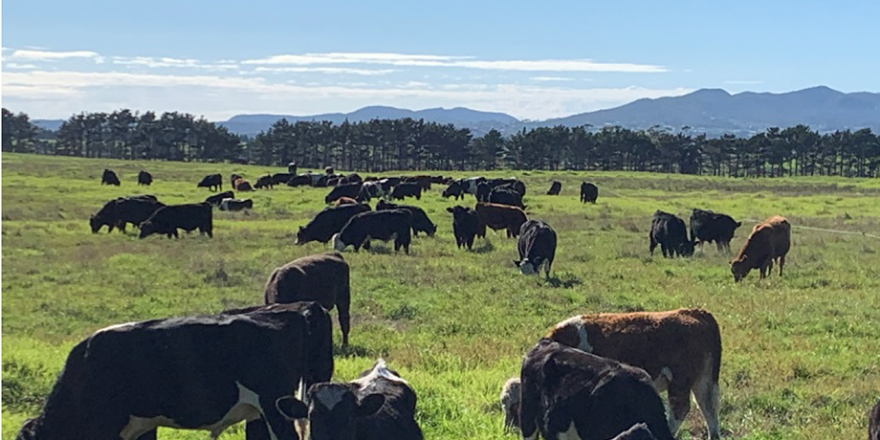
Some things New Zealand sheep and beef farmers should understand about climate change and farm greenhouse gas emissions.

Luke-Bridge-K44

Executive Summary

Climate change is the most important environmental issue the world faces (PCE, 2016). It is impacting the world through increased frequency and intensity of adverse weather events like droughts, hurricanes and floods and through rising sea levels and ocean acidification (IPCC, 2021). Stabilizing the climate will require strong, rapid, and sustained reductions in GHG emissions (IPCC, 2021).

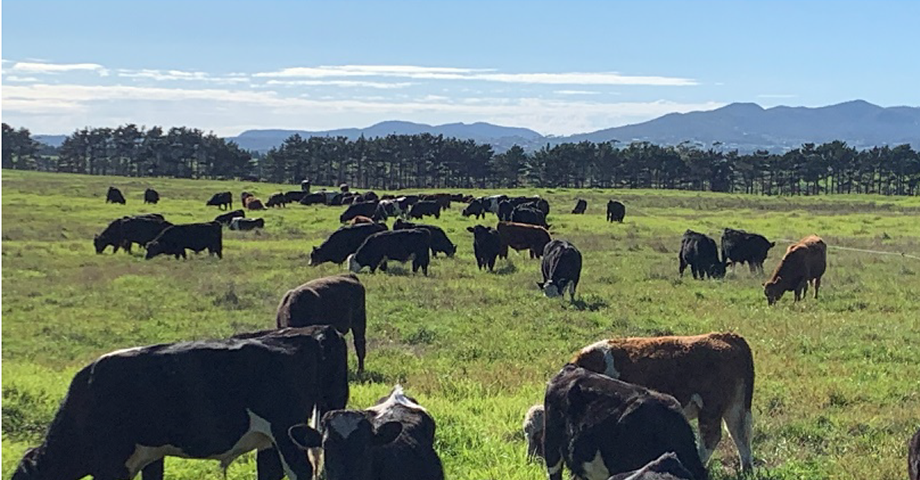
Livestock farming of ruminants contributes significantly to global emissions of GHG (Garnett and Godde, 2017) and there is growing pressure internationally for agricultural emissions to be reduced (Greenpeace, 2021; Nature, 2019).

The 2015 Paris Agreement is the most recent global agreement on climate change (MoE, 2018). The main purpose of the Paris agreement is to keep the global average temperature well below 20C above pre-industrial levels, while pursuing efforts to limit the temperature increase to 1.50C (MoE, 2018). Accordingly, in 2019 the New Zealand government set into law new domestic targets through the Climate Change Response (Zero Carbon) Amendment Act (MoE, 2021a):

  • Net zero emissions of all greenhouse gases other than biogenic methane by 2050
  • 24 to 47 per cent below 2017 biogenic methane emissions by 2050, including 10 per cent below 2017 biogenic methane emissions by 2030

New Zealand livestock farmers will need to play a pivotal role in helping the country achieve these goals as they are responsible for almost all biogenic methane emissions and own almost all the land that is suitable to plant trees on to help offset carbon dioxide emissions. Achieving these goals is going to require significant changes to the way we farm.

There are other external motivations to reduce farm GHG emissions: market access (He Waka Eke Noa, 2021), consumer preference (He Waka Eke Noa, 2021) and the desire to hold your head up when you walk down the street (O’Mannin, 2021). For a lot of farmers there is also a strong internal motivator- a desire to do the right thing (MPI, 2019; O’Mannin, 2021). There is also the fact that changing climate will directly impact farm businesses.

The farming sector has been through substantial change in the past. The dropping of farm subsidies in 1984 and amalgamation in the dairy industry are examples of major change that were extremely painful at the time, absolutely heart breaking for some, but looking back now it was the right thing to do and has helped get us to where we are; one of the most efficient farming nations on earth.

Climate change and Greenhouse gas mitigation is already causing significant change in NZ’s agriculture sector, but climate change is poorly understood by the majority of NZ farmers (MPI, 2019). The purpose of this project is to help sheep & beef farmers understand some of the things they should know about climate change and farm Greenhouse gas emissions.
A review of wetlands and other methods of reducing P and N loss into waterways.

Jeremy Lawson - A review of wetlands

Executive Summary

It’s not often when a group a farmers meet, and the conversation does not turn towards increased compliance and regulation. Water quality standards are usually brought up and no matter whether you are rural or urban most would agree rivers and lakes in New Zealand need to be clean and swimmable, after all, brand “New Zealand” is all about plush countryside and beautiful lakes rivers and mountains.
In the last 30 years New Zealand agriculture has increased nitrogen use by over 600% from 62,000t to 452,000tonnes and cracks are starting to appear.

Anthropogenic inputs from intensive agriculture and poor practices can be harmful to the health of our waterways, precious wetlands rich in biodiversity and known for their many environmental benefits including filtering nutrients and carbon sequestration have been degraded or drained over time.

New Zealand has positioned itself well to feed a growing population, but land use change and intensification is adding pressure to ecosystems and in many cases degrading water quality. Because agriculture is so important to the NZ economy and the very social wellbeing of our people, how do we mitigate the impacts of intensive agriculture on the waterways so that future generations can enjoy the same privileges many of us had growing up.

In this report, I review research on wetlands and other methods which have been proven to mitigate agriculture nutrient loss to waterways. In hope of finding a silver bullet to many water quality issues the answer really is not that simple, the dynamics of agriculture in NZ is diverse. Finding a solution is difficult due to different production systems, geographic, climatic and soil property differences.

I came to understand that many mitigation techniques are on farm management practices such as keeping your Olsen P within economic optimum range, avoid soil damaging activities, better effluent storage etc. I also discovered that land use capability should be at the crux of decision making when it comes to consenting what production system is suitable for that piece of land from an environmental perspective as its much cheaper to allocate the correct land use than back pedal damages to the water quality.

Wetlands are significant for many other reasons other than filtering nutrients and understanding their importance for biodiversity I discovered that they can be a useful tool in the toolbox and are recognised in nutrient budgeting models such as overseer, rejuvenating existing wetlands is a great place to start and constructed wetlands whilst costly can serve many purposes.

Accelerating Bioprotectant Development and Commercialisation from New Zealand

Greg-Pringle-K44

Executive Summary

The trend to towards the development and use of bioprotectants to control crop pests and disease is now in a surge mode, as evidenced by growth rates in bioprotectant sales (3x that of chemical protectants), start-up company formations, mergers and acquisitions, and multinational and venture capital investments. The stars are aligned in New Zealand for us to engage in this trend and indeed take a leadership position in it.

This report begins with some necessary background and context to this endeavour, followed by an assessment of market drivers and local and global opportunities that present themselves for bioprotectant development. An overview of New Zealand capabilities in public sector research institutions and their enviable track record bodes well for the ability to deliver on the goal of being a partner in bioprotectant development at a global level.

Looking back at the factors that have promoted or constrained past product developments, and the nature of our commercial partnerships, then enables us to develop a strategy to achieve a more focussed, collective, engaged approach to new product development, resulting in clear benefits to all participants in the value chain of bioprotectant development, commercialisation and use.

A vision for 2030 could look like this:

  • Fundamental science activity is adequately resourced to support product development
  • There is a branded and collective ‘front door’ through which bioprotectant IP is channelled to commercial partners and thence the market
  • Commercialisation and business development professionals are active from within this entity
  • This entity also acts to promote awareness of NZ capabilities to attract investment and co-development partnerships
  • Product developments are tied to clear market needs, especially global opportunities
  • Product development is coordinated across key public sector institutions
    Commercial partnerships begin early in the development phase, are robust and enduring
  • Several IP assignments or licenses are executed for bioprotectants every year
  • The regulatory framework favours bioprotectant development and registration
  • Revenue exceeds NZ$15m per annum and continues to grow
    The product brand is established and respected overseas.

Recommendations

Section 5 details a strategy to enhance bioprotectant development in New Zealand for global markets. In summary, the proposed actions encompass recommendations in the following categories:

Revenue sources

Private capital; redirection of internal funds; ‘A Lighter Touch’ programme engagement

Scientific Expertise

Postgrad and postdoc support; public-private research secondments and exchanges; sponsored senior research positions

Foundation science

Target biology and ecology; culture collections; new sources of accessions; biofermentation facilities; nanostring technology

Commercial partnerships

Earlier engagement models; strategic relationships are formalised; active relationship management

Prioritising product goals

Focus on global markets; greater rigour via new assessment tools applied early; new modes of action developed; semiochemical-based control products developed; targets agreed with commercial partners; microbial consortia; new markets (floriculture, postharvest); wider label claims on existing products

Commercialisation

Patentability a key criterion; improved contractual conditions in testing with commercial partners; performance criteria in licenses

Regulatory reform

Broadening group standards; preferential review for bioprotectants; referencing overseas data

An incorporated entity

For collective IP and commercialisation activity from public sector organisations; branded

Sector engagement

More extensive engagement of public sector professionals in agrichemical/bioprotectant industry events and organisations

Validation of biocontrol

Post-market data and practices to validate technology; industry outreach programme for biocontrol.

Above all, focussed leadership and a collective mind-set from public and private organisations, and a vehicle for it, will be needed to bring this strategy to fruition.

Operating a successful low-tech, small scale mushroom farm.

Operating a successful low-tech, small scale mushroom farm.

Executive Summary

This business concept works to research the potential outcome of starting and operating a successful low-tech, small scale specialty mushroom farm in the North Island of New Zealand. It is a short overview of a new business venture idea that will be further expanded into a business plan once the concept has proved probable.

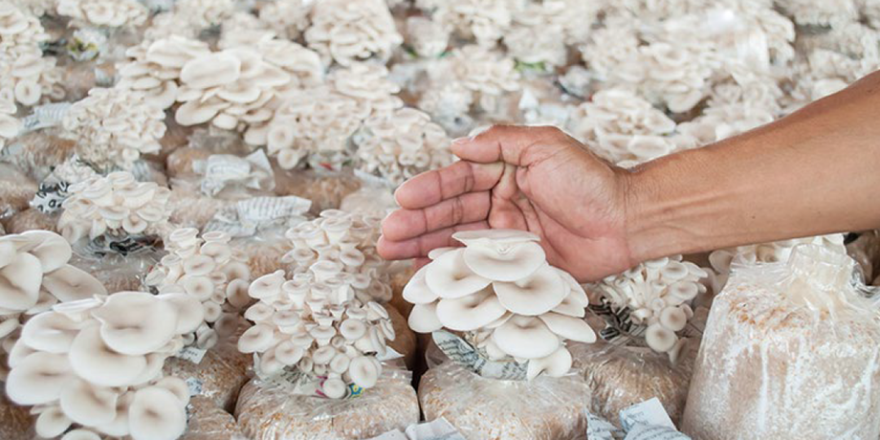
Starting in Northland, the long-term idea is to be able to move around and transport the mushroom farm accordingly. The farm will be producing oyster mushrooms (Pleurotus ostreatus) for the first year and introduce more specialty varieties in the following years, such as Shiitake (Letinula novae-zealandiae) and Enoki (Flammulina velutipes).

The report explores the possible outcome of a successful mushroom farm by:

  • Understanding the NZ mushroom industry dynamics and the market demand for speciality mushroom varieties and potential trends that are on the rise
  • Potential challenges and risks that could arise and ways to mitigate them
  • Gaining insight into the requirements needed to start the farm and the DIY options for establishing a producing fruiting room
  • Other profitable ventures that arise from the production of fungi.

The New Zealand mushroom industry is small but well established. With only one fully integrated commercial mushroom farm in the country and multiple, small at home start-ups selling gourmet mushroom varieties, the industry is not yet overly saturated in terms of low-tech start-ups.

The vision is to be a major supplier of quality specialty variety mushrooms in Northland and expand into the rest of the North Island. To achieve the set vision, the intention is to practice low tech farming practices by growing edible gourmet mushrooms in a controlled environment and using locally sourced substrates as much as possible.


The recommendations will show the most achievable way to reach the goal of a successful mushroom farm is to work with small harvests with high quality fruit. The farm can be built by DIY practises that suit the grower and help to keep the costs down.

How might we develop a food system that benefits everyone in the community.

Catherine Miller - How might we develop a food system that benefits everyone in the community.

Executive Summary

In this project I considered the question “how might we develop a food system that benefits everyone in
community?” I ask this question because there are two sides to our current food system. We have a highly productive and well-functioning export system bringing benefit to the New Zealand economy, yet domestically we have people struggling to access healthy food. Some may suggest this is a social sector issue but I’d argue that when a significant number of New Zealanders are reliant on charities for food then there is something inherently wrong with our food system.

I conducted 45 interviews with people from right across our local community including farmers, business, iwi, local government, social services, beneficiaries and youth. What was broadly evident from the interviews was that there was a dissatisfaction with our current food system and a belief that it is failing people within our community. People commented on how there seemed to be a lack of thought regarding ensuring food production is protected and that people have access to food. Many raised concerns about how health was being impacted by poor quality food. The shift from localism to a centralized food system was also a subject of concern that was regularly raised.

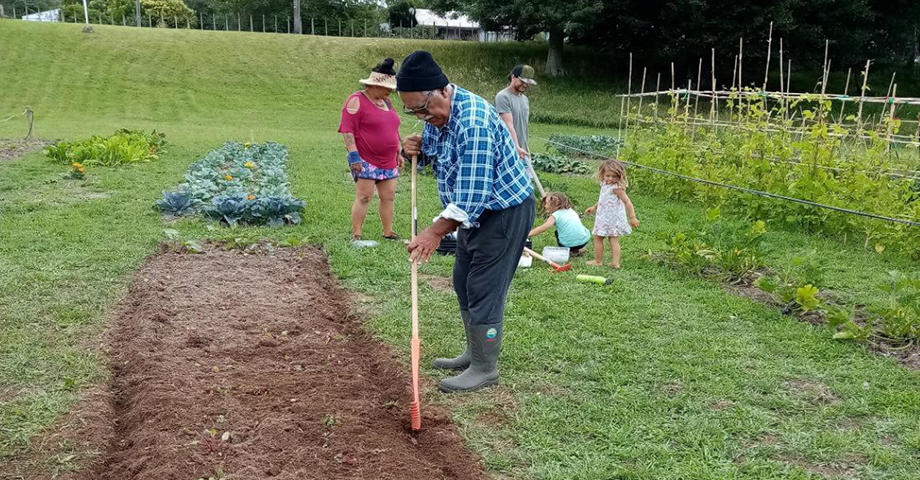
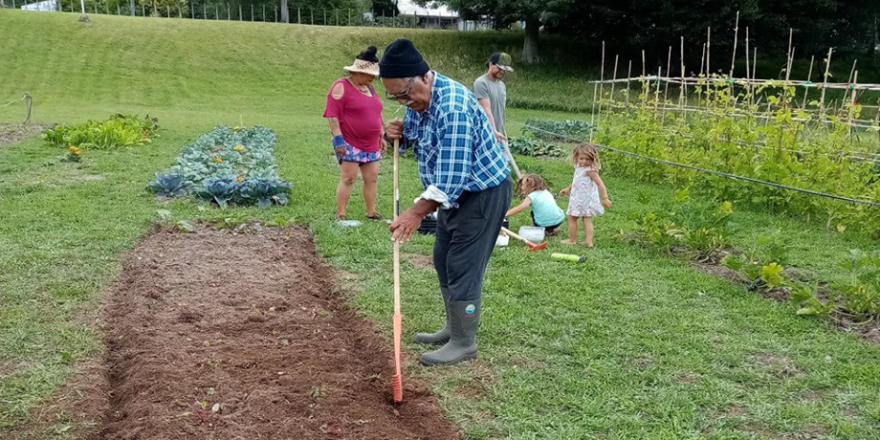
In looking at the personal experiences of people who had been through food insecurity and lessons from past generations a common theme was raised of the importance of self-sufficiency skills like gardening, hunting, bartering and trading. The importance of community, whanau and having good networks was also highlighted. The case study of Taumarunui Whakaarotahi Trust demonstrates at a practical level how the unique strengths of rural New Zealand can be better utilized to develop a food system that benefits everyone in the community. There is much that can be achieved by local communities in collaboration with the primary industries.

However, there are regulatory roadblocks that need to be addressed by Government to enable a thriving local food system to develop. The potential benefits of developing such a food system are wide ranging, impacting poverty, physical and mental health, increasing community connectedness and resilience, stimulating regional economies and reducing CO2 emissions. In making my recommendations I considered the enormous pressure Covid-19 has placed upon our local communities, the primary sector and Government. I therefore focused mainly on areas of collaboration, how we could build on current initiatives and better utilize our strengths.

Recommendations:

Community / Local Government / District Health Boards

  • Consult widely amongst the community to avoid making assumptions about who is interested in food security and who can help bring solutions
  • In designing a food system to benefit community consider the unique strengths of the area and the strengths and values of the people within your community.

Primary Industries

  • Connect with Kore Hiakai and be part of food security conversations to investigate ways to better integrate current food security initiatives with education from food producers regarding how that food is grown
  • Horticulture industry to partner with community and marae-based gardens and offer advice as part of
    fulfilling their vision of ‘healthy food for all, forever’
  • Partner with Government and local communities in developing models to help small landowners be profitable and develop pathways for people to get into land ownership.

Government

  • Increase access via changes to food safety regulations and reducing barriers to cottage food industry
  • Increase regulation of processed foods high in sugar/salt and saturated fats with the aim of reducing the availability and marketing of unhealthy food – particularly to children
  • Establish a national food strategy that involves enabling and facilitating the creation of local food systems
  • Utilize Pamu farms to experiment with stacking enterprises appropriate to the local area to identify diversification opportunities for small landowners and increase participation in food production.

Northland Hill Country and the Implications of Change for Landowners.

Andrew-Drysdale-K44

Executive Summary

A significant challenge presented in the 21st century, will be meeting the food needs of an exponentially increasing world population, and ensuring agriculture implements the principles of sustainable development.

There is evidence to suggest, observed from environmental research such as the Climate Change Councils’ report (A low emissions future for Aotearoa, 2021), that agriculture contributes to environmental concerns, such as water quality and greenhouse gas emissions. This has been met with fierce resistance from agricultural lobbyist groups such as, ‘Groundswell Aotearoa’ and ‘50-Shades of Green’ whom promote the significant role that agriculture plays in supporting the growing demand for world food and concurrently highlighting agriculture’s significant economic and socio-economic contribution to Aotearoa, achieved through domestic and export revenue from meat, fibre and milk, in addition to the significant employment opportunities generated through these primary industry supply chains. What if, there was a way we could achieve both essential objectives?

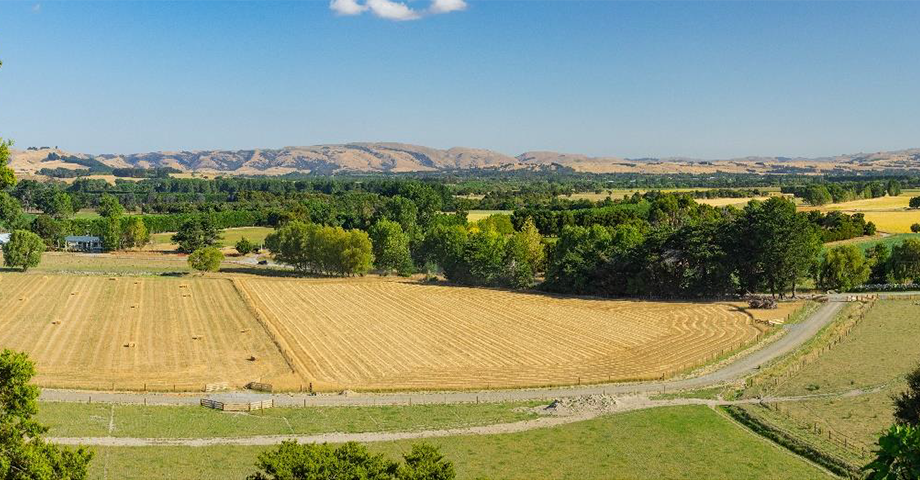
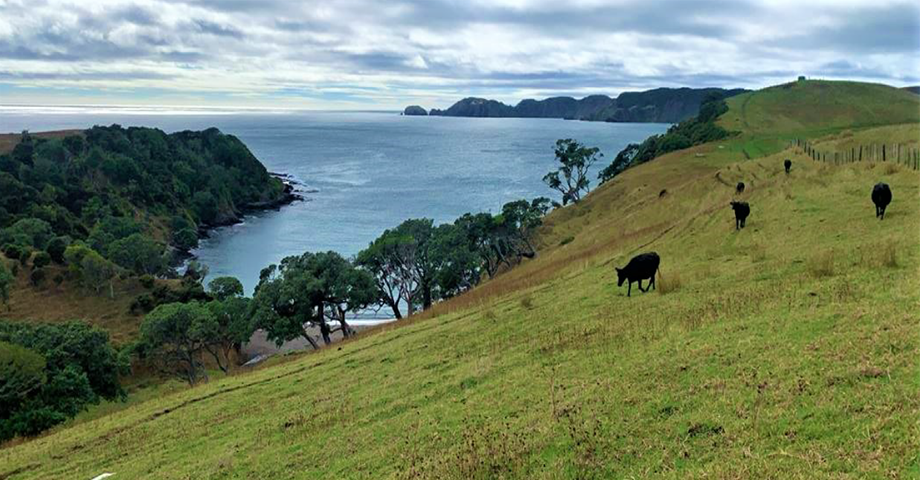
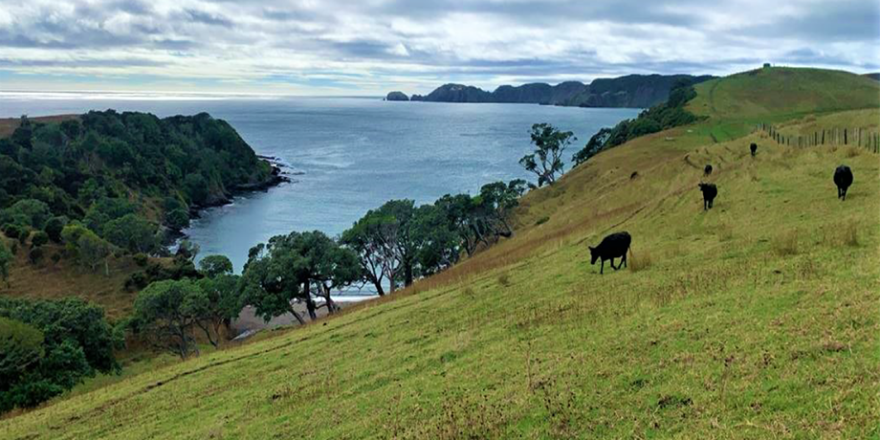
This project explores the evolving landscape of Northland hill country farming, highlighting the current position of Northland hill country sheep and beef farming, the significant uptake of forestry competing with the sheep and beef industry for land-use on these hills, and the opportunity for integration of these industries to collaborate in meeting both our environmental, economic, and socio-economic objectives. The implication for landowners, is that the decisions we make today, will not only initiate short-term change, but may also present long-term and inter-generational implications that necessitate a need for holistic and well-informed decision-making process’.

Through my research project, it has highlighted:

  • The need for hill country landowners to understand their whole farm system, including specific strengths and limitations of land, the relative profitability of all land classes on their property, and the logistical role each hectare of land plays within the business.

  • Integrating indigenous and exotic forestry regimes on hill country can provide improved financial resilience, profitability, and environmental benefits with well-planned and well-executed management advice.

  • Understanding your resources and the relative profitability of various land classes provides economic insight, however a need for more holistic considerations such as environmental and socio-economic implications should be adopted.

  • Hill Country Farmers are going to have to continue to adapt their farming operations and become more financially and environmentally resilient through a multi-faceted continual improvement process in productivity, achieved though decisions such as genetic merit of livestock and stock classes, as well as adaptation to policy implementation and awareness of their environmental obligations under Kaitiakitanga.


My recommendations to hill country landowners are:

  • It is imperative that any landowner considering land-use change engage industry expert advice to understand what the implications of land-use change decision may present to their business to encompass; financial, environmental, logistical, and socio-economic implications of change.

  • Hill Country Farmers must continue to adapt and become more financially and environmentally resilient through continuous improvement in productivity achieved with improvements in areas such as the genetic merit of livestock, stock class & policies, as well as adaptation to policy implementation and awareness of their environmental footprint.